

Navigate summer with ease | Your guide to a joyful, stress-free season
Feeling overwhelmed by summer pressures? Discover our (Stay-at-home) Wellcation program: a 4-week guide to creating a meaningful and stress-free summer with self-care, connection, and exploration - all from the comfort of your own home.
Ah, summer. The very idea of it can conjure up visions of sun-kissed beaches, lazy afternoons with a good book, and get-togethers in pub gardens.
We picture carefree days spent reconnecting with loved ones and making memories that last a lifetime. But for many of us, summer brings a different kind of pressure.
The Summer Juggle: Balancing Work, Family, and Expectations
As we transition from the dark days of winter to hopefully a sun-filled summer, we can often find ourselves caught in so many expectations. From planning family vacations to managing work commitments, the pressure to make every moment count can feel overwhelming. For many, summer isn't just a time of relaxation; it's a high-stakes game of juggling various aspects of life.
Each year both of us eagerly anticipate how we’ll create magical summer memories for our kids. Yet, as the summer progresses, we often find ourselves exhausted and financially stretched, feeling like we’re the only ones who haven't had a break.
Feel familiar? The pressure to have the "perfect" summer can transform this joyful season into a stressful one, making it hard to maintain our well-being amidst the chaos.
Introducing Our Summer Wellcation
But what if we told you that this summer could be different? At If Lost Start Here, we've designed something to help you navigate these pressures with ease and create the summer you’ve been longing for.
Introducing our first-ever Summer (Stay-at-Home) Wellcation — a unique 4-week online course that brings the vacation to you, wherever you are.
Over the course of four weeks, we'll deliver short, inspiring postcard lessons straight to our app and/or online platform. These lessons are designed to help you create a summer that's both meaningful and manageable, allowing you to connect deeply with yourself, your loved ones, and the world around you.
Embrace a Balanced Summer: Inner and Outer Adventures Await
So, how does the Summer (Stay-at-Home) Wellcation work?
1. Inward Journeying
Each week, we'll provide you with tools to connect with yourself on a deeper level. Whether it's through a journaling prompt, a self-coaching exercise, or an audio note, these activities will help you stay grounded and attuned to your own needs. You'll learn to prioritize self-care and cultivate a sense of self-connection, making it easier to handle the external pressures of summer.
2. Outward Exploring:
Alongside your inward exploration, we'll encourage you to step outside your comfort zone with fun and engaging activities. From local scavenger hunts to mini-adventures in your neighborhood, these tasks will help you see your surroundings with fresh eyes and rediscover the joy of simple pleasures. It's about creating moments of joy and connection, no matter where you are.
3. Balanced Days:
By balancing these inward and outward approaches, you'll find some equilibrium this summer. You'll learn to manage your time and energy more effectively, reducing stress and increasing your overall sense of well-being. This balanced approach ensures that you can enjoy the season without feeling overwhelmed or stretched too thin.
Make This Summer Different: Join Our Wellcation Now
How will your summer be different this year? Come choose your own summer adventure with us and connect with what truly matters while the sun is hopefully shining.
Ready to start your Wellcation? Visit here to learn more and register now!

Losing Control of Your Emotions at 48? Here's What's Really Going On (and What You Can Do About It)
Feeling like you’re losing control of your emotions at 48? Here’s why midlife hits hard emotionally, what it means, and how to steady yourself again.
You’ve always been the one who kept it together.
At home. At work. In the moments when other people fall apart, you’ve been the calm one. The capable one. The one who handles things.
But lately, something’s changed. You find yourself snapping over small things. Crying in the car. Waking up with dread or feeling foggy-headed in meetings. You’re asking yourself:
“Why can’t I control my emotions anymore?”
And maybe even, “Am I going crazy?”
You’re not. You’re in midlife — and what you’re feeling is incredibly common. But that doesn’t mean it isn’t deeply disorienting. And it definitely doesn’t mean you have to keep silently pushing through.

“I’ve Always Held It Together — Until Now”
Midlife is often described as a "second puberty" for good reason. For many women in their mid-to-late 40s, it’s the first time that emotional stability — something we’ve prided ourselves on — starts to feel elusive. You may feel like you’ve become a different person almost overnight.
The truth is, this shift isn’t just in your head — and it isn’t a sign of weakness. It’s a combination of biological, emotional, and psychological factors that hit at once:
Changing hormone levels can affect mood regulation and cognitive function.
Long-held emotional patterns (like bottling things up to stay professional or strong) begin to break down under pressure.
The stress of managing work, relationships, and caregiving responsibilities compounds everything.
It’s no wonder you feel like you’re holding on by a thread. And it’s no wonder you're asking: When will I feel like myself again?
What’s Really Going On with Your Emotions in Midlife
The good news is: there are ways to make sense of all this.
Understanding why your emotions feel so intense or unpredictable right now is the first step to feeling more steady.
You don’t need to meditate for hours or do a total life reset. You just need the right kind of support — practical, grounded, and designed for your life stage. Not one-size-fits-all advice. Not something that makes you feel broken or too much.
You need:
Language to understand what’s going on internally
Tools to respond to your emotions with clarity, not panic
Support that respects your intelligence, your capacity, and your lived experience
How to Feel Like Yourself Again (Even If You’re Not There Yet)
Imagine having a framework that explains what’s happening beneath the surface — so your emotions feel less scary and more manageable.
Imagine learning how to respond to your feelings without judging yourself, spiralling into shame, or snapping at the people you love.
Imagine feeling like yourself again — but with a deeper understanding of who that is now.
That’s exactly why I created So Emotional — a midlife course and community that helps women like you stop feeling out of control and start feeling informed, equipped, and understood.
So Emotional: A Course + Community for Women in Midlife
This is a four-week, expertly guided course to help you:
Understand why your emotions feel different in midlife
Learn tools for emotional regulation that actually make sense
Build emotional resilience without pretending nothing’s wrong
Reconnect to the steady, capable self you know is still in there
Join the waitlist now to get first access to enrolment and early bird bonuses.

Why You Feel Emotions in Your Body—And What to Do About It
Emotions aren’t just in your head—they live in your body too. Here’s what science and experience say about embodied emotions, and how reconnecting with your physical self can help you understand and manage your feelings better.
Your Emotions Live in Your Body Too
You probably know what anxiety feels like—not just the thoughts. The racing heart. The clenched jaw. The fluttery stomach.
Or how sadness can settle like a heaviness in your chest.
That’s not coincidence. That’s embodied emotion—and understanding it can completely change how you relate to your emotional life.
I didn’t always know this.
For years, I thought of myself as someone who was “good with emotions.” I could explain them, write about them, coach others through them. But it wasn’t until I started training in emotions coaching that I realised: I was living almost entirely in my head.
I could name a feeling. I could even quote research on it. But I wasn’t feeling it. Not really. Not in my chest, or my belly, or my breath. It was a cognitive experience. One that left me overwhelmed by emotions I wasn’t actually letting myself process.
That’s when I discovered what embodied emotion really means—and why it matters.

So… What Does ‘Embodied Emotion’ Actually Mean?
It means this:
You don’t just think emotions. You feel them.
Literally. Physically. In your body.
This isn’t just poetic—it’s backed by science:
Embodied cognition
Your brain and body work together to create emotional experiences. Your brain reads signals from your body (called interoception)—like muscle tension, heart rate, posture—and uses those to help you feel an emotion.
"I feel sad" = Your brain integrating body signals (slumped posture, shallow breath, heaviness) + memory/context.
Emotions as energy
Emotions are energetic experiences. Crying, laughing, shaking, sighing—these are physical discharges of emotional energy. If you don’t let it move through, it stays stuck in your system.
Why This Matters (Especially If You're Often in Your Head)
When we don’t allow emotions into the body—when we only talk about or think them—we disconnect from key tools of self-regulation and emotional clarity.
That disconnection might show up like this:
You overanalyse emotions instead of feeling them.
You get overwhelmed by “too many” emotions at once.
You struggle to explain how you feel, or can’t connect to the physical experience of it.
You feel exhausted, tense, or foggy without knowing why.
10 Ways to Reconnect with Your Emotions Through the Body
You don’t need to master this. You just need to start noticing. Try a few of these to begin:
1. Ask your body where the emotion is
Try:
“Where do I feel this in my body?”
“What’s the sensation—tightness, warmth, tension, fluttering?”
2. Breathe into it
Gently breathe into the area where you feel something. Let yourself stay with it for a few slow breaths, without judging it or needing it to change.
3. Name it—but stay curious
Instead of “I am anxious,” try “I’m feeling some anxiety in my chest right now.”
Let it be a process, not an identity.
4. Try movement as a release
Shake out your arms. Stretch. Walk. Sometimes the body needs to move emotion through before your mind makes sense of it.
5. Be aware of what you avoid
Ask: “Which emotions do I avoid because of how they feel in my body?”
Sometimes it’s not the thought—it’s the sensation we resist.
6. Don’t force clarity
Emotions don’t always show up with neat labels. Stay present to the feeling—even if it’s messy.
7. Use temperature and touch
Try a warm drink, a weighted blanket, a gentle hand on your chest. These can anchor you in your body when emotions feel too big.
8. Connect the dots
When you’re tense or tired, ask: “Is there an emotion I haven’t allowed myself to feel today?”
9. Use memory
Think of a time you felt confident, joyful, at peace. Remember how that felt in your body. Let that memory guide you back to that state.
10. Know this is a skill, not a flaw
If this feels unfamiliar, that’s not failure. It’s a sign you’re learning something new.
Three Things We Hope You’ll Take Away
Emotions are physiological, not just psychological.
When you feel cut off from your emotions, reconnecting with your body can help.
Small practices—like breath, movement, curiosity—can build emotional connection over time.
Join the Emotions Newsletter
Want more support as you explore your emotional world—both mind and body?
Sign up for our newsletter for practical prompts, gentle reflections and real ways to feel better in your everyday life.
You don’t need to think your way through everything.
Sometimes the answer is already in your body.

Is This Anxiety or Just a Lack of Magnesium? (And Other Mind-Body Mysteries)
From nervous system signals to gut health and breathwork, this playful, science-backed post explores how emotional and physical wellbeing are deeply connected — and how to listen when your body is trying to tell you something.
Ever feel off and have no idea why?
In this Q&A, we explore the messy space where your mind and body talk to each other — often in whispers, occasionally in yells. From gut feelings to breathwork to mystery symptoms, here’s what your body might be trying to say.

Q: Why do I feel weird today?
A: That’s the eternal question, isn’t it?
It might be:
Hormones
A fight with your sister
A missed meal
Perimenopause
Not enough sunlight
Too much coffee
Something someone said in passing that burrowed into your heart like a tick
Or… it could be magnesium. (We’re only half-joking.)
Q: How do I know what’s a mental health thing and what’s a physical thing?
A: The honest answer? You probably don’t — and neither do most of us.
That’s because your mind and body aren’t separate departments. They’re in constant conversation. That anxious feeling in your chest might be your nervous system gearing up. That foggy brain could be dehydration. That random wave of sadness might be emotional, hormonal, or both.
Here’s what science tells us:
The gut-brain axis means what you eat can affect your mood (yes, even that kombucha matters)
The nervous system can be soothed by breath, warmth, and gentle movement
Inflammation is increasingly linked to depression and fatigue
Sleep is your brain’s emotional housekeeping service
The more curious you are about your whole self — not just your thoughts — the more empowered you become.
Q: Is it just me, or does anxiety show up in the body first?
A: Not just you.
Many of us feel anxiety in our bodies before we ever identify it mentally. Your jaw tightens. Your breath shortens. Your stomach flips. Your hands fidget. Then — if you pause long enough to ask — you realise: oh, I’m anxious.
Learning to read those signals can help you intervene earlier and more kindly.
Q: So what helps?
A: Here are a few research-backed ways to support the mind-body connection — and your emotional state:
Movement (the kind you don’t dread)
Even gentle walks boost serotonin and dopamine. Pick movement that matches your mood.
Breathwork
A few long, slow exhales can activate the parasympathetic nervous system and calm stress.
Gut Health
Emerging science suggests your microbiome is deeply linked to your mood. Fermented foods, fibre, and reducing ultra-processed food might help.
Nervous System Regulation
Touch something warm. Take a shower. Rock gently. Even humming helps. All these stimulate the vagus nerve.
Being Seen
Talk to someone — a therapist, a coach, a trusted friend. Co-regulation (the sciencey term for calming down in the presence of another) is real.
Q: What if I still feel unsure about what’s going on?
A: That’s okay.
Sometimes the kindest thing you can do is notice, without needing to diagnose. Treat your body like a friend you’re just getting to know again. Ask it questions. Listen. Try something small. Then listen again.
This isn’t about mastering your biology. It’s about living in it .
Your body isn’t the enemy. It’s the messenger.
So when things feel a bit off — don’t rush to fix. Get curious.
Could it be anxiety? Yes.
Could it be magnesium? Maybe.
Could it be both? Absolutely.
Let’s keep figuring it out — gently, curiously, together. Have you ever had a mind-body mystery? What helped you understand it better?

Need more ways to well? Subscribe to our newsletter for a weekly dose of inspiration.

Dancing Into Emotional Wellbeing: A Year of Living Well-ishly Begins
Discover the science-backed emotional benefits of dance and join Claire’s “Year of Living Well-ishly” — a playful, accessible journey into movement, connection, and micro-adventures in wellbeing.
When was the last time you truly moved — not just walked or exercised, but swayed, spun, or laughed your way across a room?
For me, it was at a Friday morning disco class. I showed up, a little nervous, wearing all black but with bright turquoise trainers — a quiet nod to that day’s theme. My body, after a couple of midlife years of feeling rigid and cautious, was ready (though uncertain) to wake up again.
That class, led by the radiant Cheryl Sprinkler, became more than just a workout. It became a micro-adventure into reconnecting with my body, my emotions, and my life — and a surprising beginning to the year-long experiment I’m calling A Year of Living Well-ishly.
This month, we’re focusing on how our bodies might be speaking to us — and how we can learn to listen. One powerful way to start? Dance.

Why Dance? The Science Behind the Joy
Dance isn’t just fun; it offers a range of benefits for our emotional wellbeing. Here’s why moving to music can transform not only your body but also your mood and mind:
Emotional Regulation & Mood
Mood Lift & Stress Relief
Dancing to your favourite tunes releases endorphins, dopamine, and serotonin — the “feel good” chemicals that lift your spirits. Research shows that even a short dance session reduces stress, lowers cortisol, and boosts mood.
Processing Difficult Emotions
Sometimes, words just aren’t enough. Dance gives us a non-verbal way to express feelings like grief, frustration, or joy, helping us process what’s been sitting unspoken in our bodies.
Combating Depression & Anxiety
Structured dance programmes (even as short as six weeks) have been shown to significantly reduce symptoms of depression and anxiety — sometimes even outperforming other forms of exercise in emotional benefits.
Embracing Yourself: Confidence, Growth & Body Positivity
Boosting Self-Esteem
Learning a new move or simply letting go in a dance class offers a real sense of achievement, building confidence and emotional resilience.
Body Acceptance
Dance encourages us to notice what our bodies can do, rather than focusing on how they look. Moving freely fosters self-compassion and a healthier body image — especially important for those in midlife navigating shifts and changes.
Resilience Through Movement
By reconnecting with your body, reducing stress, and staying present, dance helps you better manage life’s challenges and bounce back from emotional setbacks.
The Power of Connection: Dancing Together
While dance can be deeply personal, it’s also beautifully communal.
Belonging & Community
Dancing in a group — whether in a church hall, at a party, or even a Zoom class — creates a shared rhythm, a sense of togetherness that fights isolation and fosters connection.
Shared Joy & Laughter
In that Friday disco class, it wasn’t just the music or the moves; it was the glances between women, the laughter when someone went right instead of left, the quiet understanding that we were all there for something bigger.
Your Invitation: Join Me on This Well-ish Journey
This year, I’ll be sharing weekly (or so) micro-adventures — small but powerful experiments in feeling better, reconnecting with ourselves, and making wellbeing more playful and accessible.
This month’s theme: How are you listening to your body?
This week’s invitation: Try dancing — wherever and however you like. Take a class, dance in your kitchen, or just put on a song that makes your shoulders shimmy. To read more about how why I’m starting out with dancing click here.
Let’s do this together. Share your stories on Substack or socials, tell me what music moves you, and let’s build a community of women exploring what wellbeing means for each of us — imperfectly, joyfully, together.
Want extra support? Join The Wellery and join one of our two Co-Wells where we explore these themes in community.

How to Deal with Emotional Burnout in Midlife
Feeling emotionally burned out in midlife? Learn why you feel this way, how hormones play a role, and get practical tools to move forward with more clarity.
Have you ever caught yourself thinking, Why am I so tired, so emotional, so unlike myself lately?
You’re not just “moody.”
You’re not just “failing to cope.”
You may be experiencing emotional burnout — and if you’re a woman in midlife, you’re far from alone.
Emotional burnout happens when your emotional reserves have been stretched thin for too long. You’ve been holding space for everyone else — your kids, your partner, your parents, your workplace — and slowly, silently, your own needs have slipped off the radar.
What makes this even more intense in midlife are the hormonal shifts happening under the surface. Perimenopause and menopause bring changes in estrogen, progesterone, and testosterone, which directly impact your body and brain — affecting mood, energy, focus, and resilience.
You’re not imagining this. You’re not weak. You’re human, and your body is asking you to pay attention.

Why You’re Feeling So Emotionally Burnt Out Right Now
For years, you’ve been the glue:
Keeping the family running.
Holding the emotional weight of relationships.
Being the one everyone relies on.
But now? You’re snapping or withdrawing. You feel guilt and shame after emotional outbursts. You can’t figure out why you’re so exhausted or why small things set you off.
This is emotional burnout.
It shows up as:
Constant tiredness, even after rest.
Feeling numb, flat, or disconnected.
Increased irritability or sadness over small triggers.
A sense of “losing yourself” or wondering if you’ll ever feel balanced again.
And here’s the thing: hormonal shifts amplify all of this. Fluctuating hormones can disrupt serotonin and dopamine levels, making you more vulnerable to mood swings, anxiety, and emotional overload.
Getting the right support — including exploring options like HRT (hormone replacement therapy) where appropriate — can be part of the picture, alongside emotional tools and understanding.
How to Start Moving Through Emotional Burnout
So, how do you begin to navigate emotional burnout in midlife? Here’s what we know from emotions coaching and recent research:
Understand the narratives you hold about your emotions.
Many women have been raised to believe that anger, frustration, or sadness are “bad” or “selfish.” But these emotions are signals — not flaws. Learning to recognise, name, and work with them (rather than push them down) is the first step toward healing.
Bring the body into the process
Emotions aren’t just in the mind; they live in the body. Gentle body scans, breathing exercises, or even mindful movement can help you reconnect with what you’re feeling — and release some of the emotional tension you’ve been carrying.
Separate yourself from your emotions
You are not your anger. You are not your exhaustion. These are experiences you are having, not identities you are becoming. This small shift can help you move from drowning in feelings to navigating them with more clarity.
Get the right support
Whether it’s therapy, HRT, emotions coaching, or a guided programme, you don’t have to figure this out alone. There is nothing to be gained for pushing through solo — and finding the right help can bring immense relief.
When you start to untangle what you’re feeling, why you’re feeling it, and how your body is playing a role, you begin to see:
You are not broken.
You are not failing.
You are in a transition — one that’s asking for more understanding, more care, and better support.
With the right tools, you can move through emotional burnout toward a steadier, more resourced version of yourself.

Join the Waitlist: So Emotional — A Midlife Feelings Reset
We’ve designed this 4-week online course and community for women in midlife who want to better understand their emotions, reconnect with themselves, and gently shift how they carry their emotional weight. You’ll get to explore your emotional patterns and learn practical tools to manage overwhelm with other women going through it too and expert guidance from a Certified Emotions Coach.
Join the waitlist now to be first in line for early access, exclusive bonuses, and the support you deserve.
You don’t have to stay stuck in emotional burnout. Let’s find a way forward — together.

What Counts as Movement? (Hint: It’s More Than the Gym)
Tired of fitness that feels like punishment? Discover 10 joyful, everyday ways to move your body that support your emotional and mental health — no gym required. For anyone seeking realistic, meaningful ways to feel better in their bodies.
If the word exercise makes you feel instantly tired or judged, this post is for you.
Maybe you’re not a “gym person.” Maybe your yoga mat is gathering dust. Maybe you’re in a season where even walking around the block feels like a big deal. That’s okay. You’re not doing it wrong.
Movement doesn’t have to be about performance. It doesn’t even have to be about fitness.
Movement can be about feeling better. About reconnecting with yourself. About shifting your mood, easing your stress, or making space for something new to emerge.
Here are 10 kinds of movement that count — for your mental health, your emotional wellbeing, and your connection to your body.

1. Walking (Without a Step Goal)
Whether it’s a loop around the block or a lap of your living room, walking helps us process thoughts, reset nervous systems, and regulate emotions. You don’t need a Fitbit to feel the benefits.
2. Dancing in the Kitchen
Spontaneous dancing — even just a microbop while waiting for the kettle — releases endorphins and activates joy. Bonus points for music you loved as a teen.
3. Stretching Like a Cat
You know how cats stretch without guilt or agenda? Try that. No fancy sequence needed — just listen to where your body wants length, space, or breath.
4. Housework as Movement
Yes, vacuuming counts. So does gardening, scrubbing, rearranging. These everyday movements often offer rhythm and release, especially when paired with a good playlist.
5. Breathwork or Intentional Breathing
Not all movement is big. Breathing deeply and consciously moves the diaphragm, signals safety to your nervous system, and can dramatically change how you feel — in just a few minutes.
6. Playing With Kids (or Pets)
Chasing a toddler. Running with a dog. Even just sitting on the floor and reaching for toys or rolling a ball. This kind of unstructured play can be more effective for wellbeing than any structured workout.
7. Cold Showers or Warm Baths
Both are sensory experiences that stimulate the vagus nerve — a key player in nervous system regulation. (And yes, standing in a cold shower does count as movement.)
8. Embodied Practices Like Qigong or Yoga
These practices help us slow down and actually feel what’s happening in our bodies. They're less about performance and more about presence.
9. Micro-Adventures
A walk in a new neighbourhood. Climbing a hill you’ve never noticed. Paddleboarding on a Sunday morning. These small shifts in scenery and sensation can wake up body and spirit alike.
10. Rest as Resistance
Sometimes, what your body needs is stillness. Choosing rest — intentional, spacious, nourishing — is itself a radical act of embodiment.
Movement doesn’t need to feel like punishment. It isn’t penance. Or even another box to tick.
It’s a way back to yourself.
The next time you feel overwhelmed, stuck, low or just a little disconnected, try moving in a way that feels good. Let your body take the lead.
Try This Today: What’s one form of movement that brings you joy or ease?
Can you make space for it — even just 5 minutes — today?

Need more ways to well? Subscribe to our newsletter for a weekly dose of inspiration.

Why We Created a Wellbeing Guidebook (and What It Might Unlock for You)
Discover why feel-good places matter for your happiness. This wellbeing guidebook explores how everyday spaces—from creative studios to independent bookshops—can support your emotional wellbeing and inner world.
What do we really need when we’re feeling stuck, overwhelmed, or unsure of our next step? Not more noise. Not more sitting with our ever spiraling thoughts. Not pressure to fix or upgrade or optimise.
Often, we just need a place to pause.
A space that makes us feel something again.
Somewhere that helps us remember who we are.
That’s why we created our wellbeing guidebook—an ever-growing collection of feel-good, real-world places that support emotional wellbeing, gentle exploration, and the kind of connection that genuinely helps.
Because sometimes it’s the right place that can help us find our way back to ourselves.

Why Place Matters for Our Mental Wellbeing
Wellbeing isn’t just something we do in private with a journal, or during a one-hour class. It’s also shaped by the spaces we move through every day.
Whether it’s a forest walk, a quiet café, a workshop, a cold-water swim, or a tiny bookshop full of soul—the right space can ground us, support us, or simply give us a new perspective.
Science backs this too: studies show that spending time in certain environments—especially nature-connected or creativity-rich spaces—can lower anxiety, boost mood and regulate the nervous system.
Connection Is Part of the Cure
The modern world is increasingly isolating. We’re online, overstimulated, and often emotionally undernourished.
But when we step into the right places—places that welcome, hold, inspire or comfort us—we’re reminded that we don’t have to do everything alone.
That might be a shared table at a local supper club. A movement class where no one cares what you look like. A gallery that sparks something long dormant. These places reconnect us: to others, to our bodies, to our creativity, and to the wider world.
Why Exploring Out There Helps Us Explore In Here
You don’t have to travel far to feel a shift. Sometimes going just a few streets away can spark something powerful.
This guidebook isn’t about bucket lists or big-budget retreats—it’s about discovering destinations for wellbeing that feel human, thoughtful, and accessible. It’s about using the outer world to support your inner one.
Because when you change your environment, even briefly, you often change your story. And that’s where something new can begin.
The If Lost Start Here Guidebook: What It Is
It’s not just a list. It’s a lovingly curated collection of spaces that help people feel better in real life. Every entry is chosen with care—not because it’s trendy, but because it offers something meaningful.
The guide features places that support:
Mind–body wellbeing through movement or stillness.
Creativity and self-expression
Experiences of awe, presence and joy
Know a Place That Deserves to Be Seen?
If you run, own, or simply love a place that helps people feel better, we’d love to hear about it.
Because sharing these spaces matters—and someone out there might be looking for exactly what you offer and what you’ve found.

Want more like this?
Our newsletter offers small, thoughtful ideas for navigating everyday life—especially when things feel uncertain, busy or a bit off-track.
Think of it as your life companion: one part inspiration, one part practical support, always written with care.
Sign up here to receive occasional, meaningful emails from If Lost Start Here.

Living Shoulders Up: Why We Lose Touch With Our Bodies (and How to Gently Return to Them)
Feel like you’re living in your head 24/7? Explore how we disconnect from our bodies — and how reconnecting through small, kind practices can support emotional wellbeing.
Ever feel like your head is doing all the work of being human? Like your brain is in charge of every decision, every worry, every next step—and your body is just there, trailing behind like an overworked assistant carrying too many bags?
Many of us are now living "shoulders up" — in our heads, from dawn till dusk. We analyse, plan, overthink, and rarely drop down into the quiet, often-overlooked wisdom of our physical selves.
But something impactful happens when we do.

Why We Leave Our Bodies in the First Place
It’s not your fault if embodiment doesn’t come naturally. Many of us learned early on to prize thinking over feeling. We were rewarded for being smart, productive, efficient — not necessarily for being present, grounded or intuitive.
Modern life doesn’t help. Screens dominate our days. Sitting is the default. Emotions are often something to manage, not feel. And somewhere along the way, we began to believe that our bodies were either a project to fix — or something to ignore.
The Costs of Living From the Neck Up
Living disconnected from our bodies might feel normal, but it comes with hidden costs.
We miss early signals of stress or burnout until they become full-blown exhaustion. We override our hunger or sleep cues. We lose access to the small joys of being alive — the stretch of a shoulder, the warmth of a cup in our hands, the grounding feel of feet on earth.
More subtly, when we live only in our heads, we lose touch with something essential: ourselves.
What It Means to Return to the Body
Coming back into the body doesn’t have to mean hour-long yoga classes or a new fitness routine (though it might include those if you love them).
It can start with something much smaller:
A few deep breaths with your hand on your belly
A walk where your goal is to feel your feet, not track your steps
Stretching like a cat before you get out of bed
Noticing what foods make you feel clear vs. cloudy
Asking yourself, “What does my body need right now?” — and pausing long enough to listen
The key is to feel without needing to fix. To notice without judgment. To be curious about what your body is telling you, without rushing to control it.
Why This Matters for Your Mental Health
The mind-body connection isn’t just poetic — it’s profoundly biological. Research now shows:
Movement improves mood by stimulating neurotransmitters like serotonin and dopamine
Gut health impacts emotional resilience through the gut-brain axis
Breathwork regulates the nervous system, reducing symptoms of anxiety and overwhelm
When we tend to our bodies, we tend to our minds. It’s a two-way street, and walking it with care opens up emotional clarity, steadiness, and even joy.
You Don’t Need to Be Good at This
One of the biggest myths in wellness is that embodiment has to look a certain way.
You don’t need to meditate every morning. You don’t need to go to Bali. You definitely don’t need to like kale.
You just need to start noticing. And from there, you can start choosing. Choosing what helps. What softens. What steadies. What lets you come back to yourself.
An Invitation to Begin
This week, try one small thing:
Lie down and put your hand on your chest. Feel your breath.
Wiggle your toes when you’re on a Zoom call.
Step outside, close your eyes, and feel the air on your skin.
Tiny practices. Huge shifts.
You don’t need to overhaul your life. You just need to arrive in it — one breath, one step, one body-listening moment at a time.
What’s one way you’ve gently returned to your body lately?
Let us know or forward this to a friend who needs the reminder that coming back to yourself doesn’t have to be hard. Just human.

Need more ways to well? Subscribe to our newsletter for a weekly dose of inspiration.

Nominate a Place That Helps You Feel Better
Share a place that helps you feel better and nominate it for the If Lost Start Here wellbeing guidebook. Each month, we choose entries and offer giveaways like coaching, courses and wellness tools. Discover why place matters for mental health.
Because we all have spaces that hold us—and it’s time they were seen.
We all have them.
The café where something in you slows down.
The gallery that inspires awe.
The coworking space, the quiet bookshop, the yoga studio that helped you come back to yourself.
These are the feel-good places—the spaces that support us in real, everyday ways. And we want to share them.
Each month, we invite you to nominate a place that helps you feel better, and we'll select new entries to be added to our growing If Lost Start Here guidebook. Every nomination will also be entered into a monthly giveaway—for a wellbeing course, coaching session, or a planner bundle designed to help you navigate everyday life with a little more clarity and care.

What Is the If Lost Guidebook?
If Lost Start Here is a wellbeing guidebook for real life. It’s a curated collection of spaces, experiences and offerings that genuinely support emotional and mental wellbeing.
We don’t chase trends but rather look for places that offer:
Calm when life feels chaotic
Creativity when you feel stuck
Comfort when you’re overwhelmed
Connection when you’re alone
Movement when you're going nowhere.
Joy when joy feels far away
What Counts as a Feel-Good Place?
We’re open-hearted but clear in our values. Here’s what we’re looking for:
Real-life spaces that support wellbeing — not just in theory, but in experience
Community-focused or intentionally crafted experiences
Independently owned (or run with care and soul)
Rooted in accessibility, inclusion and kindness.
From nature reserves to neighbourhood cafés, creative studios to cold water swims—if it helped you feel better, it belongs here.
Why We Believe This Matters
So many of us are looking for small ways to feel more grounded, more seen, more at home in ourselves. And sometimes, a single space—a room, a walk, a gathering—can shift something in us.
The right place doesn’t solve everything. But it can soften the edges, reignite our curiosity, or give us the pause we didn’t know we needed.
By sharing these places, we’re helping others discover where they might feel held too.
How to Nominate a Place
1. Think of a place that’s helped you feel better—recently or across your life
2. Complete this form and tell us a little about it:
3. Each month, we’ll feature selected places in our guide
4. Every entry is also added to our giveaway draw for a free wellbeing course, coaching session or planner bundle
No need to write something perfect—just tell us why it matters to you. We’ll take care of the rest.

Browse the Categories
Need some inspiration? You can explore the categories we feature here:

What it means to be the centre of your own life again
Exploring identity, emotional invisibility and the quiet process of returning to yourself in midlife — not through reinvention, but reconnection.
There’s a quiet ache that often settles into the middle years.
You’re not lost in a crisis. You haven’t collapsed or broken down.
You’re functioning. Showing up. Managing things. Keeping everything afloat.
But somewhere inside it all, you’ve started to feel a little… peripheral.
Not just to others. But to yourself.
You wake up and step straight into roles — parent, partner, colleague, caretaker, decision-maker. You’re helpful. You’re dependable. You’re steady.
But you’re also tired. Not just physically — existentially tired.
Tired of being the background architecture for everyone else’s lives while quietly wondering where yours went.
And maybe you’ve begun to feel it — that subtle pull to come back to yourself.
To remember what you need, what you love, what you want (even if you’re not quite sure yet what those things are anymore).
Not in a dramatic, take-back-your-life kind of way.
But in a quieter, deeper way. A way that says:
> I get to take up space in my own life again.
Not just as a caretaker or facilitator or fixer — but as a human. A whole person. A centre.
Because for too long, many of us have lived around the edges of our own lives.
Making things work for everyone else. Being what was needed.
Fitting ourselves in between the gaps.
And that’s not wrong. But it’s not the whole story, either.
At some point, something inside you will ask — gently but firmly — to be seen again.
Not just by others. But by you.
You’ll want to feel more than functional.
You’ll want to feel tangible.
You’ll want to feel present.
You’ll want to stop passing yourself in the mirror like a stranger.
And that longing — that call back to centre — isn’t selfish. It’s sacred.
It’s a sign that something in you is still alive and still hopeful.
That there’s still a part of you that remembers who you are — or who you could be — if you gave yourself permission to come home again.
So what does it mean to become the centre of your own life again?
It means asking yourself what you want, not just what others need.
It means showing up for yourself in small, everyday acts — not just in emergencies.
It means tending to your inner world, even if it’s messy or unfamiliar.
It means letting your feelings matter.
It means letting your voice be heard — not because it’s louder, but because it’s yours.
It means saying: I matter here. I belong to myself, too.*
Try this:
This week, ask yourself this one simple question each day:
> What’s one small thing I can do today that brings me back into focus?
That helps me feel real, visible, human — not just helpful?
Let the answers be small. Gentle. Imperfect. But yours.

Midlife Coaching Sessions
Midlife can be a challenging time for women as we navigate through a multitude of changes.
As things – sometimes it feels like all the things – shift in this midpoint, so too does how we see ourselves, how we think about our lives, and how we consider what’s next.
If you’re in midlife, these sessions will help you have a better relationship with this time.
You’ll discover how to navigate midlife and beyond in ways that feel more intentional and positive.
If you’re feeling like you are no longer in your own story, subscribe to our newsletter about all things midlife. Discover how to show up in your life again.



What If This Summer Wasn’t Just About Everyone Else?
You’re holding everything together this summer — but what about you? Here’s how to reclaim space for yourself without guilt or overwhelm.
You’re making summer work for everyone else. But what if you made space for yourself, too?
It’s that time of year again.
You’ve likely got the family calendar up, the holiday bookings in motion, the WhatsApp groups alive with BBQs and beach plans — and a low-level hum of pressure vibrating through your body.
You're trying to make it all work: childcare, work, travel, expectations.
You want this summer to feel joyful, easy, like something from a slow-living Instagram post. But if you're being honest? You're already tired. And it hasn’t even started yet.
There’s that familiar moment of wondering:
Where do I fit into this season I’m planning for everyone else?
When do I get to rest, reset, feel taken care of — not just needed?
Is it wrong to want summer to give something back to me, too?

When summer feels heavy (and not just because of the heat)
We don’t talk enough about how intense summer can be — especially for women who are the organisers, the emotional holders, the ones creating the so-called magic.
Behind the joy and brightness, there’s often:
The mental load of planning and juggling
The invisible work of keeping others happy
The loss of rhythm and routine that leaves you untethered
The pressure to make it memorable — without falling apart
Even the things we’re supposed to enjoy can become another to-do: the family holiday that’s more logistics than rest, the BBQs that drain more than connect, the daily question of how do I keep everyone occupied and happy today?
No wonder you’re staying up later and later, just for a slice of quiet.
No wonder the mornings feel harder.
No wonder you’re beginning to feel like summer is happening around you — not with you in it.
Why naming it matters
Here’s the thing we’ve found: feeling flat, resentful or emotionally absent during summer doesn’t make you ungrateful. It makes you honest.
Because beneath all the busyness, what you might really be craving is:
A moment that’s just yours
A sense of clarity about how you feel and what you need
A space that doesn’t require you to be “on”
The relief of being seen, supported, and reminded you matter too
This isn’t about doing less for others. It’s about doing something for yourself.
Because you’re a person in this season too — not just the person keeping it all going.
Three small ways to shift the shape of your summer
You don’t need to overhaul everything. You don’t need a solo yoga retreat (unless you want one!). You just need one small shift in your direction.
Here are three starting points:
1. Give yourself a headline
If your summer had a title, what would it be? Not the one about planning and packing — but the one for you. Maybe it’s “the summer I slowed down,” or “the summer I felt more present.” Naming it changes how you show up for it.
2. Create a “me list”
Not a bucket list, not another set of expectations — just a list of 5 things that make you feel more you. Tea alone in the garden. Finishing that book. A swim without company. Circle one and plan it in this week.
3. Plan one thing you don’t have to plan
Let someone else hold the structure for a change. Choose a podcast series, a gentle course, or even just a stack of journaling prompts that arrive without you doing the thinking. Let it feel easy. Let it be enough.

And this is where we can help
We created the Summer Wellcation for women like you — the ones holding it all, hoping for more, and not knowing where to find a moment that feels like theirs again.
It’s a 4-week do-anywhere experience that starts August 4.
Here’s what you’ll receive:
Daily “postcard” lessons — quick, beautiful reflections that help you ground, pause and feel
Self-coaching prompts, journaling, creative invitations and micro-adventures
4 weekly facilitated meet-ups with a small, like-minded group (gentle, supportive)
Delivered via course platform or app so you can engage wherever summer takes you
Whether you read your prompts in the park, journal in the car while waiting for summer camp to end, or just read quietly with your tea — this is your moment in the day.
Let this be the summer you don’t forget yourself.
You're already making sure everyone else has what they need.
Let this be the part of summer that gives something back to you.
We start August 4, but you can sign up now — and know you’ve got something in place just for you when you need it most.
Explore the Summer Wellcation and reserve your spot.
Early Bird Pricing: $89 until 1 July (then $129)
Because you deserve more than survival this summer.

“I Feel Disconnected from Myself”: What That Means and How to Gently Reconnect
Feeling disconnected from yourself? Learn why it happens, what it feels like, and how to gently start reconnecting.
What does it mean to feel disconnected from yourself?
If you’ve ever caught yourself saying, “I don’t even know who I am anymore”, you’re not alone.
Maybe you’re functioning, showing up to work, replying to texts, putting dinner on the table. But something feels off. It’s like your life is happening around you, not with you in it. You feel like a background character in your own story.
You might be:
Forgetting what used to bring you joy
Snapping at the people you love and not knowing why
Looking in the mirror and barely recognising the person staring back
Feeling emotionally flat one minute, anxious or overwhelmed the next
Wondering if this is burnout… or just how life is now
These feelings are hard to articulate and even harder to admit. But they might be signs that you’ve lost connection with yourself. And that can be more common than we think.

Why it happens
Disconnection often creeps in quietly. You get busy. You keep going. You take care of the people around you. You do what needs to be done. And somewhere along the way, you stop asking:
What do I want?
What matters to me now?
How do I feel, really?
Life piles up. Responsibilities grow. Your attention goes everywhere but inward. Over time, you become more like a to-do list than a person. You might still smile and perform, but inside, something is missing. You’re exhausted — not just physically, but emotionally. And the idea of pausing to tune into yourself? That feels overwhelming too.
You are not broken but maybe you are worn thin
Feeling disconnected doesn’t mean you’re doing life wrong. It doesn’t mean you need to start over, or reinvent yourself, or fix everything overnight. It might mean though that you’ve been surviving, not thriving.
And it’s entirely possible, with kindness and support, to shift from that place of disconnection into one that feels more engaging, more anchored, and more you.
Small ways to begin reconnecting with yourself
Here are some practical ways to start rebuilding that connection:
1. Name what you’re feeling
It might be sadness, confusion, frustration — or all of it. Putting words to emotions can reduce their hold over you. Try journaling a few lines without pressure. Start with: “Right now, I feel…”
2. Take one small “self” moment a day
Not bubble baths or detox teas (unless those truly help you). Think: a quiet coffee, standing in the sun, turning your phone off for ten minutes. Reclaim tiny moments of stillness that are yours.
3. Reconnect with your senses
When you feel numb or distant, grounding through the senses helps. Step outside and notice five things you can hear. Light a candle you love. Put on music from a time when you felt more like yourself.
4. Talk to someone who can help
Sometimes we need another person to hold up a mirror A coach can help you explore where you are, what matters to you now, and what’s possible from here.
What would it feel like to feel more like yourself again?
I work with women in midlife who are navigating burnout, low self-esteem, anxiety, and a deep disconnection from themselves. Through warm, non-judgemental coaching, we create a way back to your confidence, energy and emotional wellbeing, one step at a time.
Book a free 20-minute discovery call to see how we might work together or learn more about our Lost Sessions here.
Even if you’re not sure what you need, reaching out could be your first moment of reconnection.
Micro Adventures: The Antidote to Everyday Inertia
A gentle rebellion against routine and the reason I danced on a Friday morning
What needs fixing?
Maybe nothing is wrong, exactly. But still, everything feels... flat.
I glance at my calendar and see the work I care about, the family I love, the home that holds me.
And yet, life has shrunk.
To Zoom calls, WhatsApp groups, to-do lists, "have you bought milk?" texts, and "where’s my homework?"
Somewhere along the way, the edges disappeared. The colour faded.
How do I feel about this?
I felt grateful — but restless. Safe — but stuck.
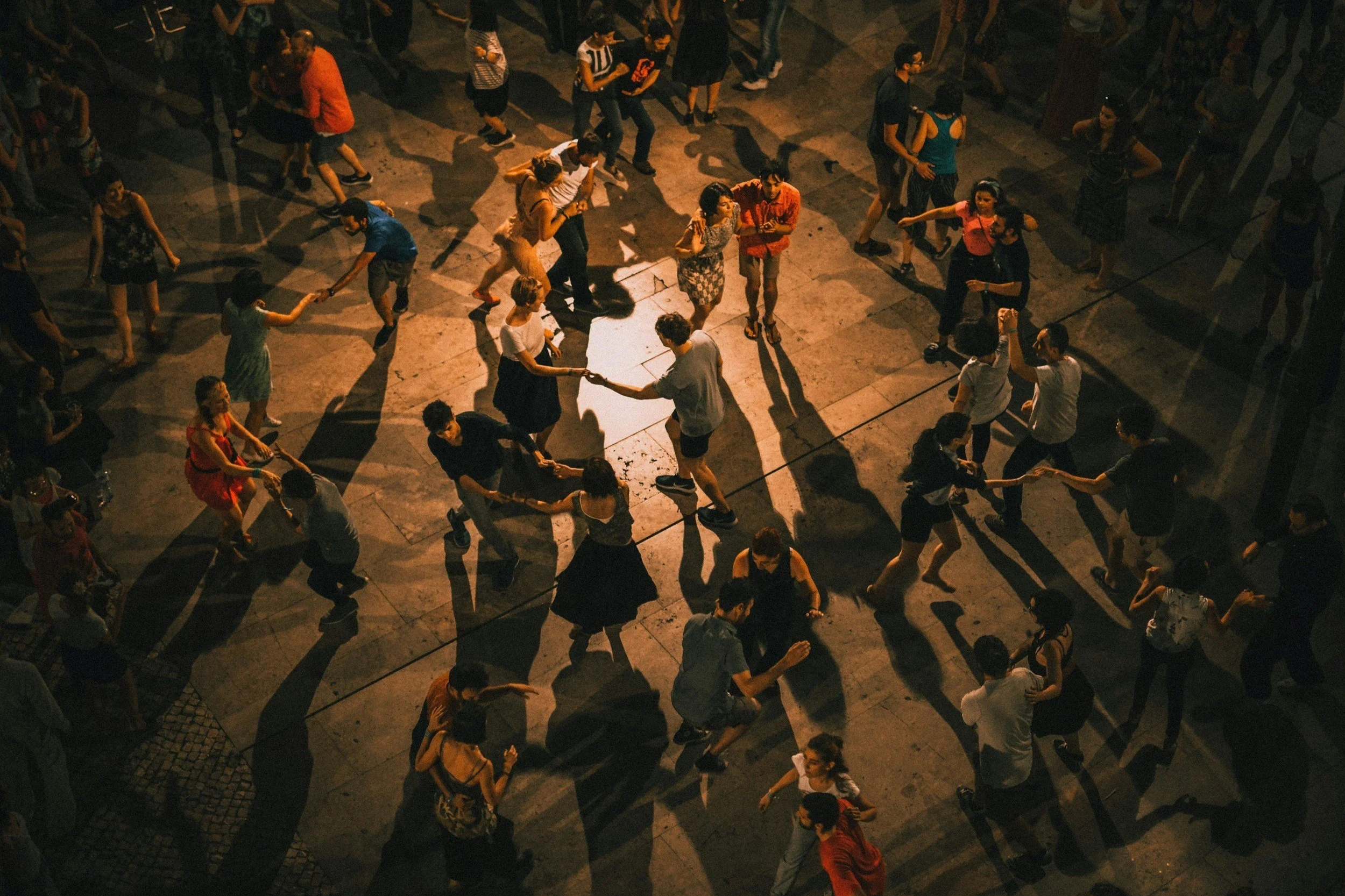
So I tried something. A small act of rebellion: I booked a disco dance class. On a Friday morning.
Weekdays are usually sacred for work, but there was this pull… a longing to break the inertia.
Apparently, what I needed was an instructor in neon spandex asking us to groove to 80s tracks.
That morning felt like the beginning of something — not a big reinvention, just a small return.
It wasn’t about fitness. It wasn’t about routine. It was about feeling something again.
So what’s the counter view?
We’re told wellbeing is about green juices, retreats, and rigid routines.
But what if it's also about tiny, regular interruptions to the ordinary?
Joyful ones. Playful ones. Silly ones. Local, affordable, non-performative ones.
Ones that don’t require you to overhaul your life — just to step sideways from it, for a moment.
That’s how the idea of weekly wellbeing micro adventures was born.

The Micro Adventure Manifesto
Here are the gentle rules I’ve made for myself as I try this out:
With other people.
The research (and our hearts) say we feel better when we’re connected. So these adventures include others — even if we just smile at the person on the mat next to us.
Affordable.
If it works, I want to repeat it. This isn’t about a £90 spa day — it’s about a £9 drop-in class or a free gallery stroll.
Local.
My wellbeing is tied to the places I actually spend time in. I’m curious about what’s already around me.
Not in the evenings.
Evenings are full. Of fatigue, of responsibilities. So where I can, I’ll adventure earlier in the day.
Once a week.
Just one thing. One moment that helps me feel more like myself again.
One theme at a time.
Creativity, awe, rest, movement — I’ll focus on one wellbeing theme at a time to keep it doable (and memorable).
What will this change?
Already, something is shifting. I feel a little more awake. More playful. More willing.
Not because I’m fixing myself, but because I’m reconnecting. With joy. With curiosity. With the aliveness I’d let go quiet.
This isn’t self-optimisation.
It’s self-reclamation.

Want to try your own weekly wellbeing micro adventure?
Here are 5 questions to get you started:
What’s pulling at you right now?
What’s your version of a disco class?
What do you want to feel more of?
What wellbeing area are you most curious to explore?
What are your rules for adventure?
Want to come along with me? Follow along on Substack.
For weekly inspiration to start your own micro adventure practice, sign up for our newsletter. Get real-life ideas, gentle encouragement, and wellbeing stories worth reading.
Let’s see what becomes possible — one tiny, joyful interruption at a time.

Bridging the Gap: 5 Everyday Learnings About Connection and Loneliness from the World Happiness Report
Feeling disconnected or overwhelmed? These five insights from the World Happiness Report 2025 offer gentle, everyday ways to feel more connected and supported.
Are you feeling a bit lonely, even when life is full? You’re not the only one.
Busyness doesn’t always protect us from disconnection. In fact, it can hide it. You move from meeting to message to moment — but where’s the connection in that?
The World Happiness Report 2025 makes one thing clear: loneliness is more than a passing feeling. It's a wellbeing risk. But it also shows there are small, human ways to reconnect — not by overhauling your life, but by gently rethinking your days.
This year’s report pulled together global data and powerful insights — not to pressure us into forced happiness, but to show where connection truly lives, and why it matters more than ever.
Here are five takeaways that offer do-able ways to feel more grounded and connected, especially when you’re feeling out of step with yourself or others.
These are not radical lifestyle shifts. They’re small, nourishing practices that can help you gently move from disconnected to connected — one interaction, one cup of tea, one kind thought at a time.

1. Sharing Meals Is More Than Just Eating
People who regularly eat with others are happier. It’s not about the food; it’s about the moment. Whether it’s a family meal, lunch with a colleague, or a spontaneous snack with a friend, the act of eating together fosters social bonds. The report even links solo dining with rising loneliness in places like the U.S.
Everyday Practice: Try to share at least one meal a week with someone else — in person if possible, but even virtually counts. It’s a gentle reminder you’re not alone in the world.
2. Kindness Feels Better When It's Genuine
Doing something kind can lift your mood — but why you’re doing it matters. The report found that helping others boosts our wellbeing most when it comes from a place of care, not performance. Kindness that’s quietly given for its own sake is the kind that restores us.
Everyday Practice: Hold the door, make the call, send the message — not to tick a box, but to offer something good to the other person. Your intention counts.
3. Your Brain Might Be Getting It Wrong
We often assume social interactions will be draining or awkward. But science says otherwise: most of us feel better after a meaningful exchange — whether it’s thanking a barista or talking to a stranger on the train. Our brain’s predictions about discomfort tend to be off.
Everyday Practice: Gently challenge those inner stories. Speak up in small ways. Ask the question, start the chat, send the compliment. You may be surprised at how good it feels.
4. Micro-Connections Matter More Than You Think
We often chase deep relationships as the gold standard, but the report reminds us: even small, fleeting interactions can lift us. Talking to a neighbour. Smiling at a stranger. Waving to the person walking their dog.
Everyday Practice: Notice and nurture your "weak ties" — those looser connections that still offer warmth and recognition. They stitch our days together more than we think.
5. Treat Connection Like a Health Essential
One standout stat: loneliness can impact your health as much as smoking 15 cigarettes a day. That’s not a scare tactic — it’s a call to treat social wellbeing as seriously as sleep, food, and movement.
Everyday Practice: Schedule social time into your week as you would a walk or a meal. Don’t wait until it’s urgent. Make it part of your life maintenance.

Loneliness isn’t something you have to power through or pretend isn’t there. And you don’t need to be in crisis to deserve more connection.
You deserve to feel part of something.
You deserve time and space to feel like yourself again.
If you’re curious about small, everyday ways to feel better, sign up to our newsletter. It’s full of ideas, reminders, and resources that meet you where you are.
Get ideas that feel good.

Motherhood Is Not a Solo Act: Why Maternal Mental Health Needs a Village
Explore why maternal mental health depends on support and community. Learn how to reconnect with yourself — and others — in early motherhood.
What if the real reason you feel overwhelmed as a mother isn’t because you’re doing it wrong — but because you’re doing it as a solo act?
We tell new mums to "ask for help" while designing a world where help is hard to come by. We expect women to raise children with invisible villages that no longer exist — and then wonder why so many feel isolated, anxious, or not like themselves.
The truth is, most of us weren’t meant to mother in silence.
In many parts of the world, new parents are surrounded by elders, neighbours, friends — not just in celebration, but in the daily. Someone to hold the baby so you can shower. Someone to make you a meal, or simply ask how you really are — and stay long enough to hear the answer.
But the modern shape of motherhood, especially in the West, has become something else entirely: isolated, individualised, and weighed down with unrealistic expectations. You’re meant to bounce back, keep it together, and somehow find time to “enjoy every moment.”
And when you can’t? It feels like a personal failing — not a systemic one.
This isn’t just a poetic longing for the “village” of old — it’s backed by science. Research shows that poor social support is one of the strongest predictors of postpartum depression and anxiety. And when we do have support — emotional, practical, or peer-based — we’re more resilient, less likely to burn out, and more likely to feel connected to ourselves as well as our child.
We need to talk more openly about the real emotional cost of isolated motherhood, and build alternatives that honour the full spectrum of maternal experience.
Motherhood is not a solo act — it was never meant to be.
You don’t need to carry the emotional load alone. Whether you’re finding your way after birth, deep in the shifts of matrescence, or simply exhausted from holding it all — you deserve space, reflection, and support.
It might look like listening to the Not Calm Mums series on the Calm app while you rock the baby to sleep. It could be a quiet walk with a friend who asks how you are. A supportive conversation with a therapist or accredited coach who doesn’t judge.
A visit to the World Maternal Mental Health Day website to see what help is available in your country. Joining a WhatsApp group of mums who are awake at 3am too. Or a future moment — like our Everyday Retreat or Summer Wellcation — to reconnect with yourself and others.
Because your needs matter too. And you deserve support that feels real, accessible, and kind.
We believe your wellbeing is worth investing in. Not just for your children, but for you.

Other Support That Might Help
Support doesn’t have to be loud or complicated. Sometimes it’s a quiet reminder that you’re not alone. Here are a few places and resources that offer care, connection, and calm — whether you're a new mum, deep in the school years, or simply someone carrying a lot:
Not Calm Mums – Calm App: Real talk and realistic moments from the Calm team — designed just for mothers who feel, well, not calm.
Motherkind Podcast: Honest conversations on motherhood, mental health, and finding a deeper sense of self.
World Maternal Mental Health Day: Learn more about the global movement, find local initiatives, and access maternal mental health support by region.
Postpartum Support International: A hub for international help — including support groups, helplines, and professional referrals.
Pandas Foundation: Offers a free helpline, support groups, and resources designed to meet parents exactly where they are.
The Motherhood Group: An award-winning platform centering Black mothers' experiences of matrescence, mental health, and systemic barriers.
Happy Mum, Happy Baby: Giovanna Fletcher’s podcast and platform is packed with non-judgemental, emotionally honest interviews about parenting, identity, and mental health.
Mothers Who Make: A peer support network for mothers who are artists, creatives, or makers.
Local library baby-and-me groups / playgroups: Sometimes support is as simple as showing up for rhyme time and chatting to another parent.
Let’s Stay Connected
At If Lost Start Here, we don’t believe you should have to navigate this alone. Whether you’re looking for everyday wellbeing guidance, 1:1 support, or group experiences like our Summer Wellcation, we’re here to walk alongside you.
Join our mailing list to hear about ways we can support you — coaching sessions, courses, and gentle check-ins for your emotional wellbeing.
Join the List for More Guidance and Connection

What if feeling is the way through, not the problem?
If you're feeling emotional exhaustion or disconnection in midlife, maybe your feelings aren’t the problem but rather a path back to yourself.
For a long time, I thought the goal was to feel less.
Less overwhelmed. Less anxious. Less reactive.
Less emotional, less sensitive, less tangled up inside.
Because that’s the message we so often receive — that feelings are inconvenient, messy, indulgent, or something to be managed, tidied, improved.
We learn to ask: What’s wrong with me? Why can’t I just feel better? Why do I keep reacting like this?
We get good at staying composed.
We learn how to keep the peace, keep the plates spinning, and keep functioning — even when something inside us is quietly aching, aching, aching.
And yet… the more I tried to control how I felt, the more disconnected I became.
Not just from other people, but from myself.
Because somewhere along the way, I’d started treating my feelings as problems. Something to get past. Something to rise above. Something to fix.
But what if they weren’t?
> What if feeling is the way through, not the thing to push past?
What if that low hum of irritation has something important to say?
What if the teariness isn’t weakness, but a signal that something in you still longs to be seen?
What if the numbness isn’t failure, but the body’s way of saying this has been too much for too long?
What if our feelings aren’t dysfunctional — but direction?
What if they’re maps, not mess?
And what if the only thing we need to do is listen?
Not fix. Not perform. Not perfect.
Just pause long enough to name what’s actually there.
I’ve started doing that more often. Just naming the emotion — even quietly to myself.
Not the surface-level one (“I’m stressed”), but the real one underneath.
I use a simple practice: naming the layers of what I’m feeling.
Sometimes what I call “busy” is really anxious.
Sometimes what I call “flat” is actually grief.
Sometimes what I call “nothing” is just too much noise in too many directions.
And every time I name it, something softens.
I don’t suddenly feel amazing.
But I feel real. I feel here. I feel true to myself, even if I’m still in the middle of something I can’t quite explain.
And maybe that’s the point.
Not to get rid of our feelings.
But to walk through them, with gentleness, and find our way to ourselves again.
Because you don’t need to be less emotional.
You just need to be allowed to feel — in your own time, in your own language, in a life that’s allowed to be complex and layered and messy and still deeply beautiful.
You’re not broken because you feel everything.
You’re not behind because you feel nothing today.
You’re not wrong for needing more softness, more space, more time.
You’re human. And you’re allowed to feel all of it.
That’s not weakness. That’s wisdom.


Our Emotions Coaching for Midlife Sessions
Unsure of what you’re feeling in midlife? Our 1:1 emotions coaching session offers a supportive space to explore all your emotions — whether that’s anxiety, sadness, or something else.
Learn how a greater understanding of your emotions can help with shifts in relationships, career, self-identity, and more.
Discover how our emotions coaching sessions for midlife can help you make sense of all you’re feeling, or even resisting, right now.
If you’re struggling with all you are feeling in midlife (or trying not to feel), subscribe to our newsletter for practical skills and new perspectives on navigating this time of your life.




Navigating Grief: Practical Steps to Find Meaning and Support Through Loss
Learn how to navigate grief in your own way. Explore how emotions coaching can help you process loss and rediscover meaning.
Grief is one of the most profound and overwhelming emotions we experience. It reshapes our world, touches every aspect of our lives, and often feels like a storm we can't outrun.
If you’re navigating grief—or supporting someone who is—this guide offers gentle, practical steps to help make this moment just a little more bearable.

Grief Is a Story We Carry
When I lost my mum, it felt as though grief had become my identity. I was no longer myself; I was sadness, sorrow, and regret. I worried that grief was wearing me rather than the other way around, like an old coat I couldn’t take off.
This overwhelming sense of loss can feel consuming, but one of the most helpful lessons I’ve learned is that we are not our emotions. Grief is something we experience, not something we are.
Reframing this allowed me to step back and see that grief was just one part of my story. And when we see grief as part of a broader narrative, we realise it can hold moments of connection, love, and even gratitude.
One of those moments came during a walk after the funeral has passed. It was a grey, cold afternoon, and I found myself taking a familiar path. Though the world felt heavy and quiet, I noticed something else come in: the subtle buds forming on the branches, the crunch of leaves underfoot, and a bird’s song breaking through the stillness.
Grief hadn’t left me, but in that moment, it felt like life was still present—vibrant, beautiful, and waiting. It reminded me that even in the depths of loss, the world continues to hold small wonders if we look for them.
Grief, I learned, can be a bridge: a way to continue honouring and connecting with those we’ve lost, even though it had felt for the longest period like shutting down.

Practical Steps to Navigate Grief
I know we can’t solve for grief. We can’t take it away. We can’t fix it. I can offer you some ways to move through a profound period of grief, when you are ready. And that’s key. Some of these would have infuriated me in the early stages, others were just too far out of reach to consider. But when time had passed, when something had shifted, I started to grasp for them, sometimes gently, sometimes greedily.
These then are offered lightly for whenever you are ready:
1. Create Meaningful Rituals
Whether it’s revisiting places you shared, lighting a candle in their memory (I found this surprisingly comforting), or cooking a favourite meal (even M&S microwave food took on new resonance), rituals can help anchor your grief in love.
2. Move Your Body
In the months after my mum died, walking became my lifeline. It wasn’t just about movement—it was about giving grief the space it needed. Walking helped me process emotions in my body, and watching the changing seasons reminded me that time moves forward, even when it feels like we’re stuck.
Some of my most healing moments came from walking with others. There’s something about side-by-side movement that makes it easier to share, easier to grieve together, without the intensity of sitting face-to-face.
3. Understand Grieving Styles
Some people need to look back, holding onto memories and maintaining a connection with the person they’ve lost. Others look forward, using the loss as a motivator to engage more deeply with life. Neither approach is “right” or “wrong.” Understanding this can help you release judgment of yourself or others.
4. Seek Awe
After my mum’s death, I sought solace in awe. Inspired by Dacher Keltner’s work, I intentionally visited museums—spaces that connected me to something greater than myself. Awe can be found in the natural world, in the vastness of the universe, or in the quiet courage of others. It doesn’t take grief away, but it does offer a sense of meaning and wonder that can carry you forward.
Grief and Connection
Grief can feel isolating, but it is deeply relational. After my mum’s funeral, it wasn’t just family who showed up—it was the shopkeepers, the small-business owners, and the neighbours she’d known for decades. Their gestures of support—closing their shops, standing on doorsteps, filling the church pews—reminded me how interconnected we all are.
If you’re grieving, don’t underestimate the power of connection. Whether it’s sharing stories, asking someone to “tell me about them,” or simply sitting in silence with a friend, these moments can lessen the weight of loss

For Those Supporting Someone in Grief
I found that people stopped reaching out because they were afraid of saying the wrong thing. It can be hard to ‘get it right’, and nothing you say can make up for a loss. But even though my friends stumbled, the fact that they tried was often enough.
If you’re struggling though to know what to say, you could try these:
1. Ask Thoughtful Questions
Avoid clichés and instead ask, “What’s one thing you’ve been remembering about them lately?” or “How are you, really?”
2. Be Present Without Pressure
You don’t have to have the perfect words. Just showing up matters.
3. Keep Showing Up (Even Later On)
Grief doesn't end after the funeral. In fact, the weeks and months afterward can feel even lonelier. A simple message saying, “Just thinking of you today,” or “I’m here if you want to talk—or not talk,” can mean more than you know. Mark anniversaries, birthdays, or just check in on ordinary days. The smallest acts of remembering can be profoundly comforting.
4. Offer Something Specific
People often say, “Let me know if you need anything”—but in grief, decision-making and asking for help can feel impossible. Instead, offer something tangible: “I can bring over dinner next Thursday,” “I’m heading to the shops—can I pick anything up for you?” or “Would you like some company on a walk this weekend?” Thoughtful, practical support speaks volumes.
5. Accept Their Experience as It Is
Each person grieves in their own way and on their own timeline. Avoid comparing or trying to "fix" their feelings. Instead, acknowledge their experience with phrases like, “That sounds so hard,” or “I can’t imagine what that feels like, but I’m here with you in it.” Allow their emotions—whatever they are—to be valid and witnessed.

Grief is hard, it just is
When we grieve, it’s easy to feel like we’re stuck. But grief, like life, is fluid. It holds space for laughter as well as tears, for forward movement as well as reflection. It’s not a betrayal to feel joy, gratitude, or even awe amidst your loss.
Grief can be overwhelming, and I understand why you’d want to navigate it alone. To retreat. And that’s what I did for a while, cancelling plans and memberships, appointments and social events.
But I also leaned on my work as an emotions coach. It helped me honor grief for what it was and what it needed to be for me.
If you’re curious about how this might help, book a free consult. We can talk about how emotions coaching can help you process your grief, stay connected with your loved ones, and rediscover meaning.

When Wellness Isn’t Working: A Few Small Things That Might Actually Help
Self-Care Feeling Like A Chore? Here’s What Might Actually Help.
Or: A Wellbeing Prescription for People Who Are a Bit Tired of Self-Care
There’s this moment that happens, usually when you’re standing in your kitchen at 9 pm, surrounded by unopened supplements, a meditation app you never use, and a wilting bag of spinach you meant to juice.
And you catch yourself thinking:
When? And how? And maybe why?
You might even ask this: What is going on with this wellness thing anyway? Is it really helping me feel better, or has it become another thing that I feel like I’m failing at?
Maybe you’ve tried the things. The early mornings. The gratitude lists. The wild swimming trend. Maybe you have six lists in the notes app on your phone with titles like “Things That Might Help”.
And maybe none of them have really helped in the way you hoped. Or they did for a moment, but you couldn’t sustain them beyond the three days that you managed to fit them in before life took over again.
Wellness might have once felt simple. Now it can tend to feel like homework.
There’s always something new to do. Another morning routine to master. Another life hack to implement. Another hot take about gut health or cold plunging or celery juice, or which milk you should actually be drinking.
And all of it — somehow — starts to feel like work.
Which is wild, really, when you think about what wellness is supposed to be: care, comfort, restoration, return.
But this is where so many of us seem to have landed — in a place where self-care feels like another thing to get right.
So what do we do when wellness starts to feel like a chore? When it’s not that we want to abandon caring for ourselves — but we definitely want to care differently?
We look somewhere else.
We step sideways.
We get messier, softer, smaller.
We look for things that feel less like a regime, and more like a reminder — of what feels human. What feels good. What feels possible.

In this month’s Wellbeing Prescription, we curated a handful of books, podcasts, ideas, and places that won’t ask you to be better or do more.
They won’t tell you to wake up at 5 am or optimise your sleep cycle.
But they might just make you feel a little more like yourself again.

Books for Wellbeing Confusion
Real Self-Care by Dr Pooja Lakshmin — for redefining what care really means
I Didn't Do The Thing Today by Madeleine Dore — for gentle rebellion against productivity culture
I Haven’t Been Entirely Honest With You? by Miranda Hart — for humour and humanness in equal measure
Wellness by Nathan Hill — for recognising yourself (for better or worse) in fiction
Browse more of our edit of the books that can help you navigate the sometimes overwhelming world of wellness.

Podcasts to Walk With
Everything Happens with Kate Bowler — for kindness + complexity
Maintenance Phase — for myth-busting wellness culture
The Happiness Lab — for the science of what actually matters
Discover more podcasts that can help you find a more real-life approach to wellness here.

TV to Watch Without Guilt
Ted Lasso — for joy and simplicity
White Lotus— for sharp, biting wellness satire
Nine Perfect Strangers — a wellness resort offers more than it says in the brochure
Shrinking — what happens after your therapist says that’s time
Loot — for when wellness means a water bed filled with camomile tea and a koi pond filled with fish you are slightly scared of (the billionaire kind then)

Places To Go (or Imagine Going)
Self Space — therapy without clinical vibes
The School of Life — for thoughtful people being thoughtful
The Happy Place Festival — for connecting with others around what feels-good
A bench. Any bench. Sit. Breathe. Watch the pigeons.

An Alternative Daily Practice
Do less, without feeling guilty about it.
Be curious, not perfect.
Look for life-giving things, not life-hacking things.
Optional Side Effects
Reduced panic at the phrase wellness routine
A new fondness for Miranda Hart
Increased compassion for literally everyone just trying to get through the day
Lowered expectations (in the best possible way)
Tiny, steady improvement in your relationship with your own wellbeing

Join In
What would you add to this prescription?
A book that soothed you. A podcast that helped. A small thing that felt like magic (or relief) in the middle of a very ordinary day.
Join this discussion on Substack and Instagram.
And while you’re at it, what should go in the next Wellbeing Prescription? What small, everyday things feel like they need their own remedy?
Because maybe wellness isn’t broken.
Maybe it’s just due for a rewrite.
Curious about your unique way to well? Learn more about our wellbeing sessions.

How to Find Your Way Back to Something That Feels Like Wonder
Rediscover joy, curiosity, and meaning in midlife — even when life feels flat. For anyone longing to feel more alive in their own lives again and revive their sense of wonder.
There’s a part of you — a quiet, flickering part — that still wants to feel something.
It’s not loud. It doesn’t shout. It doesn’t demand attention.
But it’s there. Beneath the routines, the responsibilities, the relentless noise of everything that needs doing. A small ache. A soft whisper. A sense that life could feel… more alive again.
Not bigger. Not busier. Not more impressive.
Just with more of you in it.
I know that feeling.
I’ve stood in the middle of my life and wondered where my curiosity went.
Where my joy went.
Where my sense of play or possibility or even lightness had gone.
And I’ve looked at my full calendar, my full shelves, my full days — and felt strangely empty inside them.
It’s not that anything was wrong. It’s just that something had quietly dimmed. Something I hadn’t even noticed slipping away.
And for a long time, I told myself I just needed a break. Or a holiday. Or a good night’s sleep. But what I was really missing was something else that I’d been overlooking for a while:
Wonder.
Not in the magical, childlike, fireworks-and-miracles kind of way (though maybe sometimes that too).
But in the sense of being moved by something again.
Touched. Stirred. Lit up, even momentarily, by something that reminded me I was still human, still noticing, still capable of feeling something beyond obligation or exhaustion.
And slowly — gently — I began to find my way back.
Not through anything big or profound. Just small shifts in attention.
Small moments.
I started capturing tiny glimmers each day. Nothing curated or worthy or remarkable — just things that made me feel something, even briefly.
A painting that enlivened something in me.
A phrase that landed well.
The smell of toast.
A pop song on the journey to school.
The sound of rain on the roof while I lay in bed on a Sunday morning.
These weren’t dramatic changes. But they were enough to soften something.
They were enough to remind me that I could still feel.
That I could still find beauty in things.
That I could still belong to my own life.
Because that’s what wonder does — it brings you back.
Not just to the world, but to yourself.
So if you’ve been feeling flat, a little grey around the edges, a little disconnected from the feeling of joy or inspiration or spontaneity — start smaller.
Don’t search for a grand purpose or a huge transformation — ways to blow up your life or burn it down.
Search for texture. For moments. For anything that catches your breath or relax your shoulders or makes you pause and think: Yes. That.
That’s enough.
That’s the beginning.
That’s wonder — quietly making its way back to you.

How Might Wonder Show Up In Your Well-being Prescription?
If you’re curious about how to bring more awe and wonder back into your days, book one of our sessions to create your tailored well-being plan.
You can opt to look at how wonder could show up more in your life, how to follow curiosity wherever it leads you, and how to seek out the interesting during these midlife days.
Learn about our wonder pathway here and how our well-being prescriptions work here.
Subscribe to our special midlife newsletter for tailored advice about navigating this part of your life with more curiosity and wonder.




In midlife, “I’m fine” can mask burnout, hormonal shifts, and emotional overload. Explore why this response changes and how to reconnect with what you really need.