
Thoughts Kept… About Burnout
The first sign was probably the resentment. Just a low, constant irritation that seemed to follow me everywhere. The email arriving five minutes before the end of the day that made my shoulders tense instantly. The friend asking for a favour and my internal reaction feeling disproportionate to the request. Sitting at my laptop already tired before I’d even really begun. Feeling strangely annoyed at tiny inconveniences, while also somehow too exhausted to explain why.
At the time, I wouldn’t have called it burnout. I think I imagined burnout as something more obvious than that, something involving collapse or crisis or the inability to get out of bed. But one of the things I’ve learned from the guests on A Thought I Kept is that burnout often arrives much more quietly than we expect. It can look like functioning. Achievement. Keeping going. Being capable. It can look like replying to emails, meeting deadlines, hosting meetings, making dinner, posting on Instagram, smiling at people in supermarkets, all while feeling increasingly disconnected from yourself underneath it all.
Over the past year of recording conversations for the podcast, burnout has surfaced again and again, sometimes explicitly and sometimes hiding beneath conversations about perfectionism, people pleasing, creativity, ambition, neurodiversity, work, identity, caregiving, or the pressure many of us feel to keep performing wellness while privately struggling to cope with ordinary life.
And the thing that has surprised me most is that very few people describe burnout as simply “working too hard.” Instead, they describe years of overriding themselves. Years of separating achievement from joy. Years of confusing resilience with endurance. Years of not noticing what they needed until their body eventually forced the conversation.
Listening back to these episodes, there are five lessons about burnout that I keep returning to, especially because they say something much bigger about how many of us are living right now.
1. Burnout often begins long before we recognise it
One of the most powerful things I’ve learned from these conversations is that burnout is not always obvious while you’re inside it.
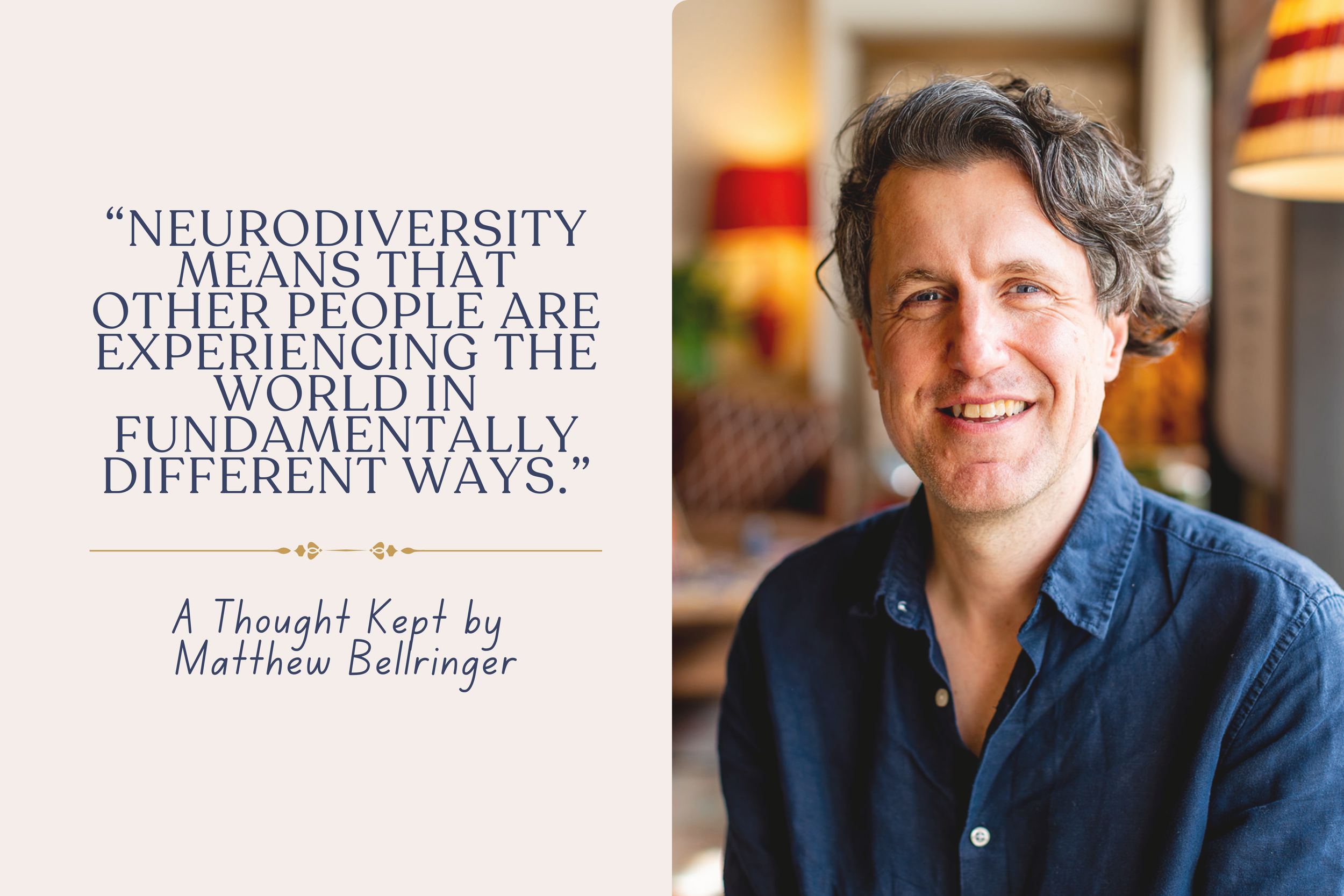
Matthew Bellringer described how many neurodivergent people become so used to masking distress and unmet needs that they can function at levels of overwhelm that would feel completely unsustainable for somebody else, until eventually “the system cannot continue doing this.” This explains why burnout can be so difficult to recognise early on. Many people experiencing burnout are still functioning. They are still showing up to work, replying to emails, caring for children, making dinners, meeting deadlines, laughing in meetings, organising birthdays, and keeping everything moving while privately feeling increasingly exhausted, emotionally numb, or disconnected from themselves.
Liana Fricker spoke about realising, after a major burnout in her forties, that she could no longer ignore what her body had been trying to tell her for years. “You can’t fight this anymore,” she said. “You’re going to have to learn new ways.” There was something in that conversation that felt deeply relevant to the moment we’re all living through now, because so many people are trying to cope with a world that feels relentlessly demanding. The cost of living crisis, constant bad news, workplace pressure, caregiving, uncertainty about the future, digital overload, the sense that there is always more to respond to, improve, optimise, manage.
It means burnout symptoms often become normalised. Which is perhaps why so many people only recognise burnout once their body, mind, or emotions become impossible to ignore.
2. Burnout is often connected to grief, loss, and emotional overwhelm, not just overwork
One thing I’ve found myself thinking about while making the podcast is how often burnout conversations are really conversations about loss. Not only the loss of energy, but the loss of identity, meaning, connection, certainty, or the version of yourself you thought you were supposed to be.
In Hiroko Yoda’s episode, she described the period after the death of her mother as feeling as though “the flames of my soul had been snuffed” and “the world had drained of color.” Listening to her speak about grief, spirituality, and slowly finding her way back to herself through nature and ritual made me realise how many forms emotional burnout can take, particularly when we are carrying loss that hasn’t fully been acknowledged.
Similarly, Toni Jones spoke movingly about how much of her life had been spent avoiding her feelings entirely, pushing through burnout during a high-pressure media career before eventually turning toward books, reflection, and self-development as a way of reconnecting with herself.
I think this matters because burnout is often discussed in incredibly practical terms, as though it can be solved purely through time management or better routines. But many guests described something much more emotional underneath their exhaustion. Grief. Loneliness. Emotional suppression. A life lived too long in survival mode.
And when people search for how to cope with burnout, I think part of what they are often really asking is: how do I come back to myself after a long period of disappearing from my own life?
3. Perfectionism and people pleasing are often hiding underneath burnout
Again and again, conversations about burnout on the podcast eventually circled back to approval.
Approval at school. Approval at work. Approval in relationships. Approval online. Approval through achievement.
Matthew described learning early in life to separate what felt intrinsically rewarding from what earned praise and validation from other people.
Liana talked about slowly untangling intuition from perfectionism and people pleasing, laughing as she realised they were “three distinct balls of wool.”
What struck me listening back was how often burnout seems connected not simply to doing too much, but to becoming trapped inside identities built around usefulness, capability, achievement, or being easy for other people to rely on.
For many people, burnout recovery is difficult because the behaviours that created the burnout were also the behaviours that earned love, praise, security, or success.
And that’s why simply telling people to “rest more” often doesn’t touch the deeper issue. If slowing down makes you feel guilty, anxious, purposeless, or unsafe, then burnout management is not just about changing your schedule. It’s also about understanding the emotional engine underneath the overworking in the first place.
Liana put it beautifully when she reflected on her repeated burnout cycles and asked herself: “What is this internal engine that keeps making me run at full speed, ultimately off a cliff?” I suspect many of us are carrying versions of that same question.
4. Burnout recovery is less about becoming productive again and more about rebuilding your relationship with yourself
Something else that comes through strongly in these conversations is that burnout recovery rarely looks like bouncing back quickly into the old version of your life. Instead, many guests described it as a slower rebuilding process that required them to pay attention to themselves in entirely new ways.
Liana spoke about recognising patterns she now calls “burn downs,” smaller recurring cycles of depletion that eventually accumulate into something much larger if ignored. She described reorganising her calendar around her actual energy levels rather than the version of productivity she thought she should be capable of sustaining, deliberately creating more spaciousness during certain periods because she knew her nervous system needed it.
There was something profoundly compassionate in that conversation because it wasn’t about becoming perfect at wellbeing. It was about becoming more honest. And honesty appears repeatedly across these episodes as one of the real turning points in burnout recovery. Honest recognition of limits. Honest recognition of exhaustion. Honest recognition of what no longer works.
Matthew described burnout recovery not simply as reducing stress, but as “getting something back” again. Joy. Playfulness. Meaning. Intrinsic reward. Time spent doing things that actually feel alive rather than merely productive.
That feels important because many people experiencing burnout are not simply tired. They are disconnected from pleasure, creativity, curiosity, and spaciousness, the very things that make life feel sustainable over time.
5. People recovering from burnout are often becoming more curious, not more perfect
Perhaps my biggest takeaway from these conversations is that sustainable burnout recovery seems to involve curiosity much more than self-optimisation.
Not becoming a “better” person.
Not becoming perfectly balanced.
Not finally mastering wellness.
Just becoming more aware.
Aware of patterns.
Aware of emotional needs.
Aware of capacity.
Aware of what depletes you and what restores you.
Aware of the stories you’ve inherited about success, worth, ambition, rest, and productivity.
Liana talked about spending more time in her body rather than only in her rational mind, slowly learning the difference between intuition, perfectionism, and people pleasing.
Hiroko found herself reconnecting with the world again through tiny moments of attention to nature, ritual, and spirituality after profound grief.
Toni’s story explored what happens when we stop avoiding ourselves long enough to really ask how we are living and whether it’s sustainable.
None of these conversations offered a perfect formula for how to manage burnout, and honestly I think that’s part of why they’ve stayed with me. Because burnout recovery is rarely linear. It is often messy, cyclical, emotional, and deeply personal. But listening to these guests has reminded me that healing doesn’t always begin with dramatic transformation. Sometimes it begins with finally paying attention.
If this piece resonated, you might want to listen to our special playlist, The Thoughts I Kept… About Burnout, a collection of episodes from A Thought I Kept exploring burnout, emotional exhaustion, grief, perfectionism, people pleasing, identity, overwhelm, and the complicated process of finding your way back to yourself again.
And if you’re feeling emotionally exhausted, overwhelmed, disconnected, or unsure where to begin, you can also explore our coaching sessions through If Lost Start Here.
Our work is not about helping you become endlessly productive again. It’s about understanding what’s happening underneath the exhaustion, reconnecting with yourself more honestly, and building a version of wellbeing that actually fits your real life.
More ways to explore burnout



Feeling burnt out or questioning your career? Explore how to manage your energy, rethink success and find work and purpose that help you feel more alive.