
Finding a Better Way to Well Without Trying to Fix Yourself
Feeling overwhelmed by self-help and wellbeing advice? Explore how you can find a more human way to feel better with Toni Jones of Shelf Help.
I still remember standing in the wellbeing section of my local independent bookshop years ago, holding three different books in my hands and feeling completely overwhelmed by all of them.
One promised confidence. One promised calm. One promised a completely new life if I just followed the steps properly enough. Around me were shelves and shelves of answers. Morning routines. Better habits. Nervous systems. Boundaries. Purpose. Productivity. Healing. Manifestation. Rest. Reinvention.
And underneath all of it was this quiet but persistent feeling: if I could just find the right idea, the right practice, the right way of living, maybe I would finally feel okay.
I think a lot of us arrive at wellbeing from this place now. Not because we’re shallow or self-absorbed, but because life genuinely feels difficult. The world feels loud. Work is relentless. Relationships can be complicated. Many of us are carrying anxiety, grief, uncertainty, burnout or a low-level sense that we’ve somehow drifted away from ourselves. And when you feel like that, it makes sense to go looking for answers.
In my recent conversation on A Thought I Kept with Toni Jones, we talked about what happens when you spend a decade immersed in self-help culture. Toni has read more than 1,000 self-help books. She founded Shelf Help, the world’s first self-help book club, after burnout and a growing sense that something in her life needed to change.
What I loved most about our conversation wasn’t really the books though. It was the gentler, steadier framework underneath them.
Because Toni spoke so honestly about how messy change actually is. Not cinematic. Not linear. Not “new life in seven easy steps.” More experimental than transformational. More human than polished.
At one point we talked about the pressure that can sit underneath wellbeing culture now — the sense that we should always be improving ourselves. That wellness can become another arena where we fail, compare, strive or feel behind. And honestly, I think many people feel exhausted by that version of wellbeing, even if they can’t quite articulate why.
There’s something profoundly tiring about approaching yourself like a constant problem to solve.
What Toni kept returning to instead was curiosity.
Not: “How do I finally become perfect?”
But: “What happens if I try this?”
Not: “I must completely reinvent myself.”
But: “What if I treated this more like an experiment?”
That small shift feels important to me. Because experiments allow room for being human. They allow for bad days, contradictions, changing your mind, getting it wrong, trying again. They soften the harshness that so often creeps into conversations about growth.
And maybe that’s part of finding a better way to well.
Not turning wellbeing into another performance of goodness or discipline or achievement. But allowing it to become something more personal. More playful. More forgiving. Something shaped around your actual life rather than the life you think you should be living.
During the conversation, Toni described reading her first self-help book while completely burnt out and desperate for something to change. It was called Change Your Life in Seven Days. Looking back now, she laughs at the urgency of it. The idea that her exhausted nervous system was searching for a quick fix because she simply couldn’t carry on as she was.
I think many of us recognise that feeling.
The late-night googling. The saving of posts we never quite return to. The hopeful ordering of books. The quiet thought that maybe this next thing will finally help us feel calmer, happier, clearer, more confident, less overwhelmed.
And sometimes those things do help. Books can change us. Conversations can change us. Therapy can change us. Tiny rituals and practices can genuinely support us.
But what struck me listening to Toni was that the deeper shift seemed to come less from finding the perfect answer and more from slowly building a different relationship with herself.
One with more compassion in it.
More honesty.
More willingness to be seen.
More permission to need support.
That feels important too because I think a lot of us have absorbed the idea that wellbeing is something we should master privately. Quietly. Alone. We should hold everything together. Cope beautifully. Be low maintenance. Keep functioning.
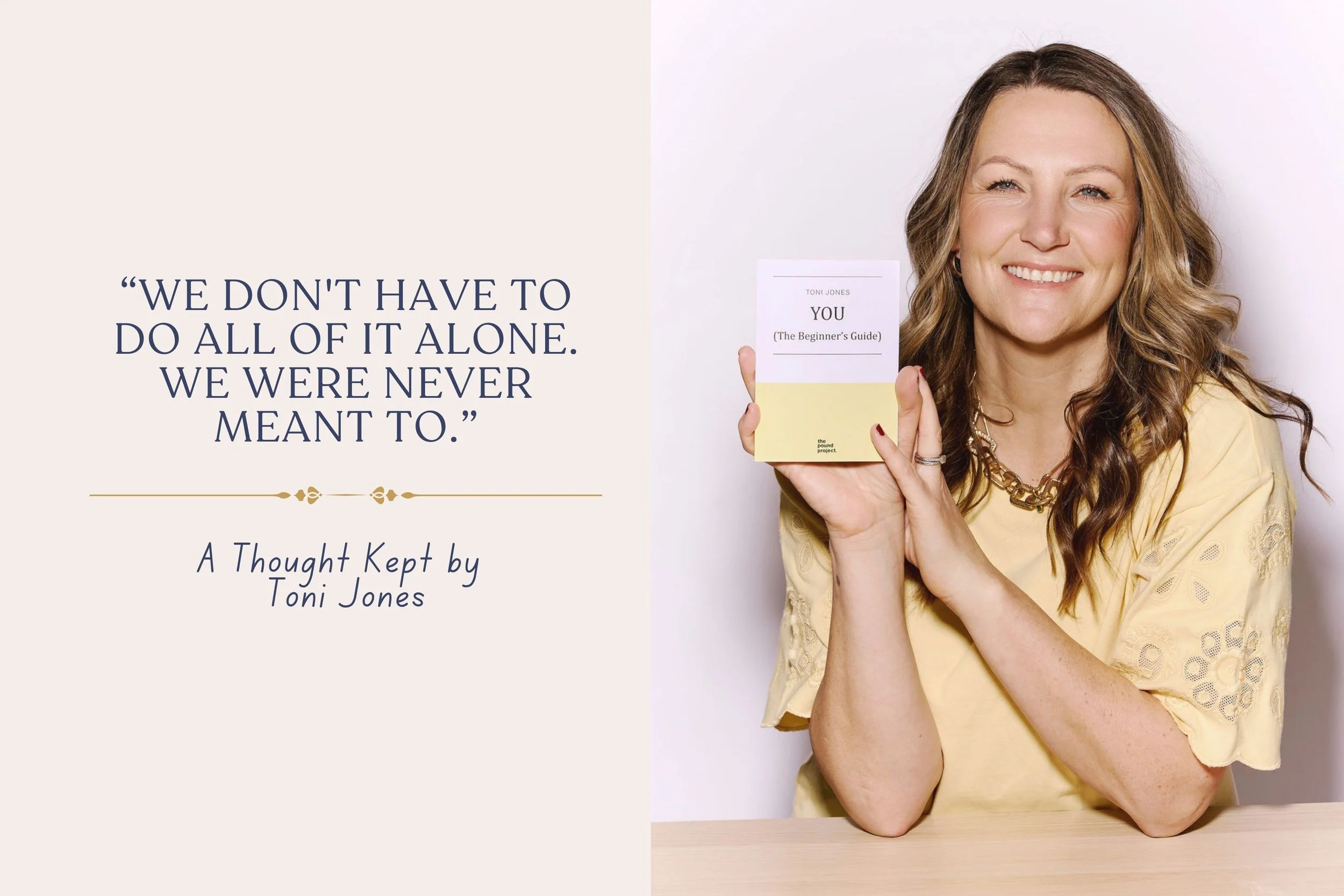
And yet the thought Toni brought to the podcast — borrowed from Brené Brown — was this: “We don’t have to do all of it alone. We were never meant to.”
I kept thinking about that afterwards.
Because maybe a better way to well isn’t just about what we do for ourselves. Maybe it’s also about who we let sit beside us while we figure things out.
The friend who notices you’re not okay before you admit it yourself.
The conversation that helps you feel less strange.
The book club where people finally say the quiet parts out loud.
The person who reminds you that you’re allowed to need care too.
The older version of yourself who can look back and realise: things did change, slowly, even when it didn’t feel like they were changing at all.
One of the things I loved most from the episode was Toni talking about how, years ago, she felt desperate for something — anything — to change. Whereas now, after years of reflection and experimentation and self-discovery, she approaches life with more curiosity than panic. More openness than grasping.
Not because she became a completely different person.
But because she became more connected to herself.
I think that’s the part of wellbeing we don’t talk about enough. That perhaps the goal isn’t becoming somebody new entirely. Perhaps it’s becoming more honest about who we already are. Understanding what supports us. Learning what drains us. Allowing our version of wellbeing to look different from somebody else’s.
And maybe that’s why Amanda and I created the If Lost, Start Here wellbeing journal in the way we did. Not as a rigid plan or perfect prescription, but as an invitation into curiosity. Into experimentation. Into asking better questions about what actually helps you feel more alive, connected, grounded or held.
Not wellness as performance.
Not self-improvement as punishment.
Just a steadier, kinder relationship with yourself and your life.
If this conversation resonates, you can listen to my full episode of A Thought I Kept with Toni Jones, where we explore vulnerability, burnout, self-help, friendship, identity, emotional wellbeing and what it means to stop carrying everything alone.
And if you’re feeling a little lost in your own life right now — unsure what wellbeing even means for you anymore — you’re also very welcome to explore my coaching work or the If Lost, Start Here journal. Not as a way to become someone else. Just as a place to begin listening to yourself again.

A Thought I Kept… About Connection
Feeling disconnected, overwhelmed, or emotionally exhausted? Explore why human connection matters most in difficult times. Inspired by conversations from our podcast, A Thought I Kept.
There are moments when the world can feel too loud to properly hear yourself think. You wake up already behind. The news is unbearable again. Somebody somewhere is shouting online. The food shop costs more than you thought it would. Your phone keeps filling with reminders, requests, headlines, notifications. Work spills into evenings. Even rest starts to feel strangely performative. We scroll instead of pausing. We cancel plans because we’re tired. We tell ourselves we’ll reply properly tomorrow.
And slowly, often without noticing, many of us begin retreating from one another. Not dramatically. Quietly.
We stop reaching out first. We stay home more. We become suspicious of people who think differently to us. We compare ourselves. We convince ourselves everyone else is coping better. We move through life slightly armoured — overstimulated, emotionally exhausted, and unsure how to find our way back to each other again.
But one of the thoughts I’ve kept from making A Thought I Kept is this: human connection matters most precisely in the moments when we’re tempted to withdraw from it.
Not because connection fixes everything. Not because friendship erases grief or anxiety or burnout or uncertainty. But because being with other people — really being with them — can remind us that we are still here. Still human. Still part of something larger than our own spiralling thoughts.
As I pulled together conversations with Cathy Rentzenbrink, Tanya Lynch, Hiroko Yoda, Laurence McCahill, Suzy Reading, Liana Fricker and Lauren Barber, I realised that although these episodes explored very different corners of life — grief, spirituality, creativity, burnout, friendship, books, business, midlife, rest — they kept circling back to the same idea. Connection is not an optional extra to wellbeing. It might be the thing holding so much of it together.
1. We Retreat When Overwhelmed But Isolation Deepens the Feeling
One of the strange things about difficult periods is how quickly they can make us disappear from our own lives. You stop texting back properly. You feel too tired to explain how you are. Going out starts to feel like effort. You tell yourself you’ll reconnect when you feel calmer, less overwhelmed, more yourself again.
But listening back to these conversations, I kept noticing how often people found their way back through other people. Not through becoming shinier or more productive or more emotionally “together,” but through being alongside somebody else long enough to soften a little.
In my conversation with Laurence McCahill, we talked about how growth and change so rarely happen in isolation. We can read the books and underline the quotes and listen to the podcasts and still feel strangely stuck. Sometimes what’s missing isn’t another idea. It’s other people. Someone sitting opposite you saying, “Yes, I know exactly what you mean.” A room where you don’t have to explain yourself quite so much. A gathering that reminds you life can feel different to this.
I think modern wellbeing culture sometimes forgets this. So much advice is aimed at the individual: your morning routine, your mindset, your habits, your healing, your optimisation. And while solitude can absolutely be restorative, there is also something profoundly regulating about being witnessed by another human being. The friend you voice note while unloading the dishwasher. The person who notices you’ve gone quiet. The neighbour you always end up chatting to longer than intended. The group chat that suddenly becomes honest at 11pm. These moments can seem tiny from the outside, but emotionally they can be enormous.
2. Connection Doesn’t Have to Look Big or Impressive
What struck me listening back to these episodes was how often connection appeared in ordinary forms. Not grand gestures or perfectly curated social lives, but cups of tea, shared books, walks, retreats, conversations that drift unexpectedly from logistics into longing.
In my conversation with Tanya Lynch, we spoke about the feeling of being gathered — of spaces where people are allowed to arrive exactly as they are, whether that’s hopeful or grieving or emotionally threadbare. There was something in that conversation that stayed with me because I think so many of us are craving precisely that kind of space right now. Not networking. Not performance. Just moments where we can stop pretending to be fine for a minute.
I think many of us accidentally make connection feel harder than it needs to be. We imagine thriving social lives and elaborate dinner parties and huge friendship circles maintained through impeccable emotional availability and perfectly colour-coded calendars. But often connection is much quieter than that. It’s somebody saving you a seat. Somebody remembering what you said last week. Somebody sending you a photo because it made them think of you.
These tiny gestures matter because they remind us we exist in other people’s minds and lives. That we are held somewhere beyond our own stress and self-criticism.
3. Being Witnessed Changes Us
There’s a moment in my conversation with Cathy Rentzenbrink where we talk about books and grief and the relief of feeling recognised by somebody else’s words. I think that’s one of the deepest forms of connection there is: the feeling that someone else has inhabited something adjacent to your own experience and survived long enough to describe it.
Loneliness is not only physical isolation. It’s also the feeling that your inner world is somehow unshareable, too strange or messy or contradictory to be understood by anyone else. Which is why it can feel so unexpectedly emotional when somebody articulates the thing you haven’t been able to say yourself.
This is part of why art matters so much to me. Why conversations matter. Why podcasts matter. Why books matter. Not because they solve life, but because they make our inner worlds feel more shareable. Somebody else has also sat in the car park crying. Somebody else has also felt lost at a dinner party or uncertain in midlife or disconnected from themselves after years of coping. Somebody else has also stared at the ceiling at 3am wondering what on earth they’re doing with their life.
Being witnessed doesn’t remove pain, but it can make pain feel survivable. Sometimes another person’s honesty becomes a bridge back to our own.
4. Rituals and Shared Experiences Help Us Feel Human Again
I kept thinking about this during my conversation with Hiroko Yoda, where we explored Japanese spirituality and the way it can live quietly inside ordinary rituals and everyday life. Shared meals. Seasonal practices. Returning to certain places. Moments of pause and reverence that tether people back to each other and to the world around them.
It made me realise how many of us are quietly searching not only for connection with other people, but connection with meaning itself. Something beyond productivity and algorithms and constant consumption. Something that helps us feel part of a wider human experience again.
Maybe this is why small rituals can feel so unexpectedly important during difficult seasons. Cooking for somebody. Reading in bed beside another person. Returning to the same café every Saturday morning. Listening to a familiar voice on a podcast while commuting home in the dark. These things can seem insignificant until you realise they are helping hold you together.
There’s comfort in repetition. In familiarity. In tiny practices that remind us we belong somewhere — to a person, a community, a season, a place, a version of ourselves we’re trying not to lose.
5. Other People Help Us Remember Who We Are
Perhaps this is the thought I’ve kept most strongly from these conversations: we do not become ourselves entirely alone.
Other people reflect us back to ourselves all the time. A friend remembers the version of you that existed before burnout. Someone notices your excitement returning before you do. A conversation unlocks a part of yourself you thought had disappeared. A community helps you imagine a different future.
We are constantly shaped by what we share, what we witness, and what we allow ourselves to receive from one another. Which feels particularly important in a culture that simultaneously encourages hyper-independence while exhausting us emotionally.
Maybe wellbeing was never supposed to be something we carry entirely alone. Maybe part of feeling better is allowing ourselves to be held — by conversations, friendships, rituals, stories, books, communities, shared meals, and moments of recognition that arrive unexpectedly in ordinary life.
Putting together this playlist reminded me that connection rarely arrives looking cinematic. More often it appears quietly. A message sent at the right moment. A conversation that stays with you for weeks afterwards. Somebody making you laugh when everything has felt unbearably heavy. A voice in your headphones helping you feel a little less alone as you move through another complicated Tuesday.
And maybe, for now at least, that’s enough.
If you’d like to listen to the full A Thought I Kept… About Connection playlist, you can find it here:
Scotland's Wild Saunas: A Wellbeing Guide to Heat, Stillness and Place in Scotland
Discover Scotland’s wild sauna movement through this wellbeing guide to outdoor saunas in St Andrews, Skye, Edinburgh, East Lothian, Cromarty, Fife and Aberdeen. From sea dips to wood-fired heat, explore the places helping people slow down, reconnect and experience Scotland differently.
At the start of this year I made myself a promise: each month, a new sauna. Alongside a photograph a day, it's a way of noticing the rhythm of the year, not just the headline seasonal shift but the smaller turns. Scotland is in the middle of something of a sauna revolution, with wood-fired wild saunas springing up along sea-edges, nestled in foothills, in walled gardens and by sea lochs. Each one belonging to its place - shaped by the landscape it sits within and the community around it, its own personality, its own story.
Why sauna matters for wellbeing
A sauna can feel like a treat, but the more I go, the more it reveals itself as so much more – a wellbeing practice rather than an event. There's the body: the heat soothing tense muscles, the cold sharpening focus, the cycle of expansion and contraction settling the nervous system back to its baseline. Research suggests the heat triggers a cascade of repair in the body, and the cold builds resilience in a way that ripples out into the rest of the week.
There's also the social side, for one, the unique and often inspiring conversations that happen in a hot wooden box where no one has their phone, where the usual scaffolding of who-we-think-we-are falls away. And there's the pause afterwards. The cup of tea. The slowing. The way you sit with flushed cheeks and notice the sea, or the trees, or the smoke rising from the stove and feel properly here. In Scotland, where the dark months are long, that small ritual of warmth and presence can feel like medicine. And as the energy rises in the spring and summer the sauna is still a magical experience – more than you might imagine.
The landscape, whether that’s the cold sea, hillside or loch isn't a backdrop, it's the other half of the cycle. Sauna here is inseparable from the place that holds it. It’s about the heat and the cold but it’s also the wind, the water, the long northern light, the weather doing whatever it pleases.
Sarah Philp getting sauna ready

Sarah Philp in the sauna
Following the heat
Start with what's near you, you might be surprised at how many saunas are nearby. Here are the ones I've been to so far this year, beginning at the edge of the sea in January and moving through the seasons with curiosity and being in the moment.
Wild Scottish Sauna at West Sands, St Andrews
On a particularly wild January day, the only place to begin was West Sands in St Andrews. A wood-fired sauna tucked behind the dunes of the West beach, with the North Sea opening out in front and the famous old links curving away beyond. The air was sharp, the sky was wide, the waves were enormous and inside, the heat held me steady. There's something fitting about starting a year-long practice somewhere this elemental. You leave with salt on your skin, cheeks burning and the feeling of having properly arrived in the new year.
Suilanu Sauna at Croft 4, Isle of Skye
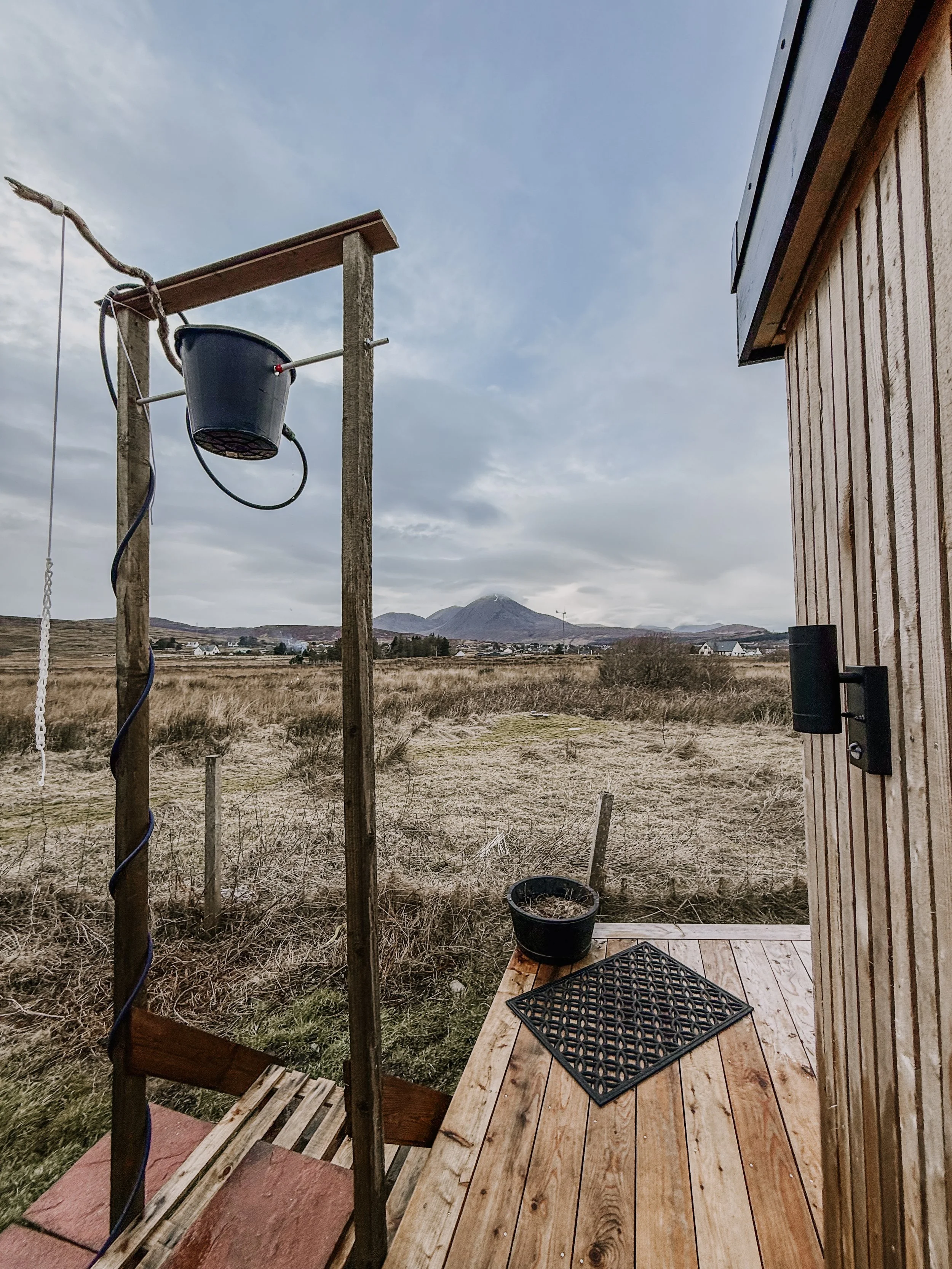
February took me west to Skye, and Suilanu turned out to be a mini retreat. A handcrafted sauna on a Broadford croft, sitting beneath a picture-perfect view of Bla Bheinn - the kind of view that does something to your shoulders before you've even stepped inside. I joined a day retreat of restorative yoga, shared lunch with a circle of brilliant women finishing the day in the sauna. Slower, softer, the heat held against the wildness outside. The day felt like being properly looked after, by the place and by each other.

West Sands, St Andrews

West Sands, St Andrews
Suilanu, Skye
Staffin Sea Sauna, Isle of Skye
February also meant a return visit to Staffin, the OG of Skye saunas and still one of the most beautifully placed I know. A wood-fired Scandinavian sauna at Staffin Harbour, looking out toward Staffin and Flodigarry Island and, on a clear day, Harris and Lewis beyond. Steam, plunge, repeat, with the elements doing much of the work. Coming back to a sauna you've already loved is its own kind of reset. A reminder that practice often means returning, not just discovering.

Staffin Sea Sauna, Skye

Staffin Sea Sauna, Skye

Staffin Sea Sauna, Skye
Pentland View Outdoor Sauna, Edinburgh
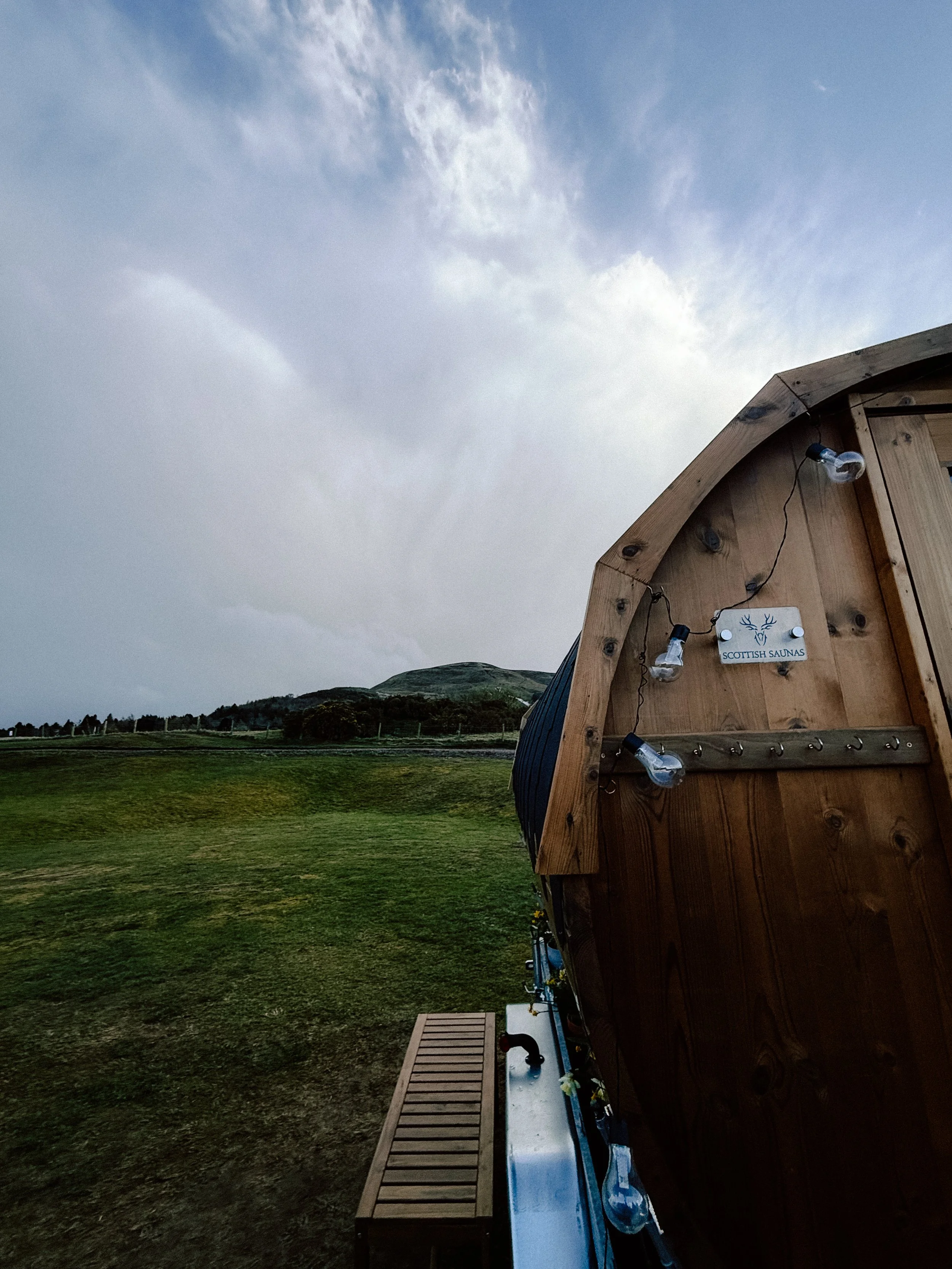
March brought me closer to home. A wood-fired sauna at the foot of the Pentland Hills, with Caerketton rising above and the city humming somewhere out of sight. Run by two warm and knowledgeable hosts who take real care of their guests. My experience was a beautifully session with oils, salt scrub, herbal tea and homemade cake by the fire pit afterwards - the kind of small, generous touches that turn an hour into a deep renewal. A reminder that you don't always have to travel far to find what you need, and that the most restorative places are sometimes the ones half an hour up the road.
Hot & Bothy Community Sauna, Archerfield Walled Garden
April, and a visit with my mum to Hot & Bothy is a community sauna tucked behind Archerfield Walled Garden in East Lothian - a small gathering of changing huts, a yurt sauna, the Bothy sauna, plunges and a fire pit, made from reclaimed materials and arranged to form a natural shelter for body and mind. The bothy hut has a window that frames the field beyond, allowing you to watch the wildlife drift past. The 90 minute sessions feel spacious allowing you to move between the saunas and the cold or if you'd rather, sit by the fire pit with herbal tea and orange slices.
Pentland View, Edinburgh
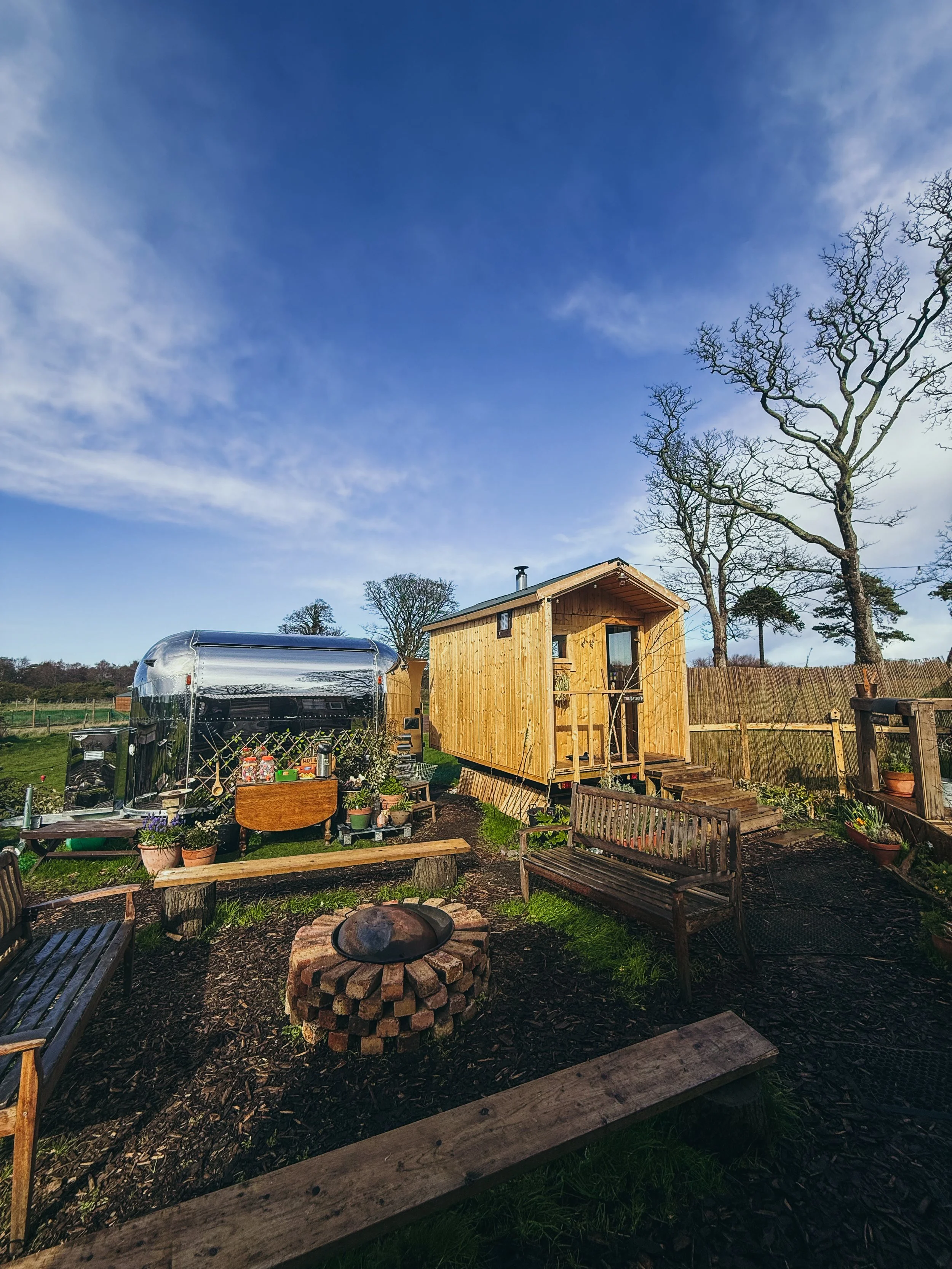
Hot & Bothy, East Lothian
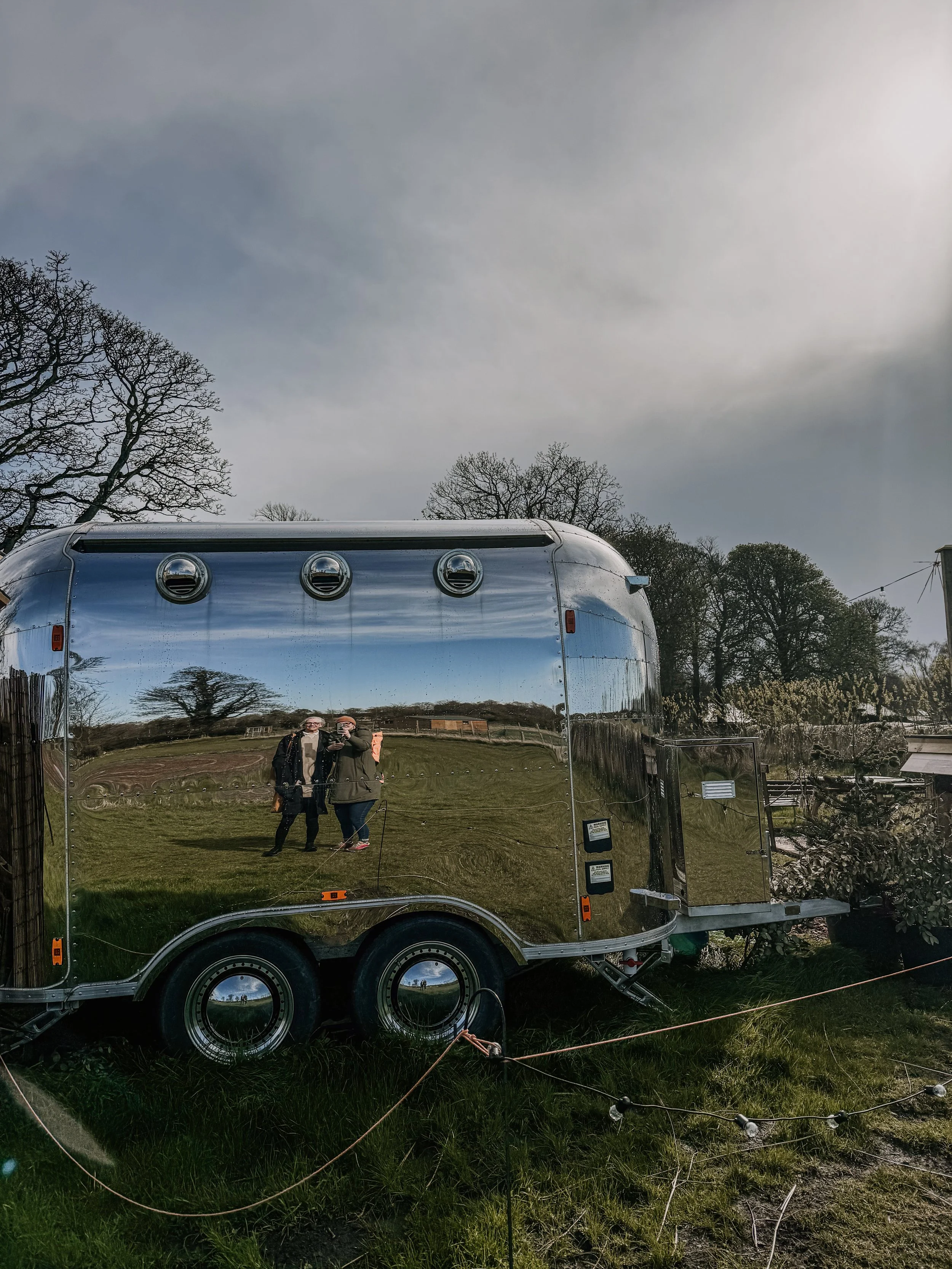
Hot & Bothy, East Lothian
Also April, and a community sauna that genuinely puts the capital C in community. A converted horsebox sauna by the Cromarty Firth, run by the Cromarty and District Development Trust. Here you sweat, take the few short steps down to the sea to dip in the lapping water, then climb back into the heat. Afterwards, coffee and cake at The Last Splash, the little café down by the water - exactly the right kind of unhurried post-sauna landing. What stays with you is the sense that this is somewhere woven into the everyday life of a small Black Isle town, supported by and supporting the people who live there.
Largo Castaway Sauna, Lower Largo
May, and onward along the Fife coast to Lower Largo. A wood-fired sauna on the edge of Largo Bay, warmly hosted with a generous attention to detail - multi-coloured changing huts, orange slices between heat cycles, home-made tablet afterwards. The picture window frames the Forth perfectly, looking back to East Lothian where on a clear day, North Berwick Law and the Bass Rock are visible across the water. The "Castaway" name nods to Lower Largo's own Alexander Selkirk, the real Robinson Crusoe, and the sauna does feel, briefly, like being marooned, in the best way.

Cromarty Community Sauna

Largo Castaway Sauna, Lower Largo
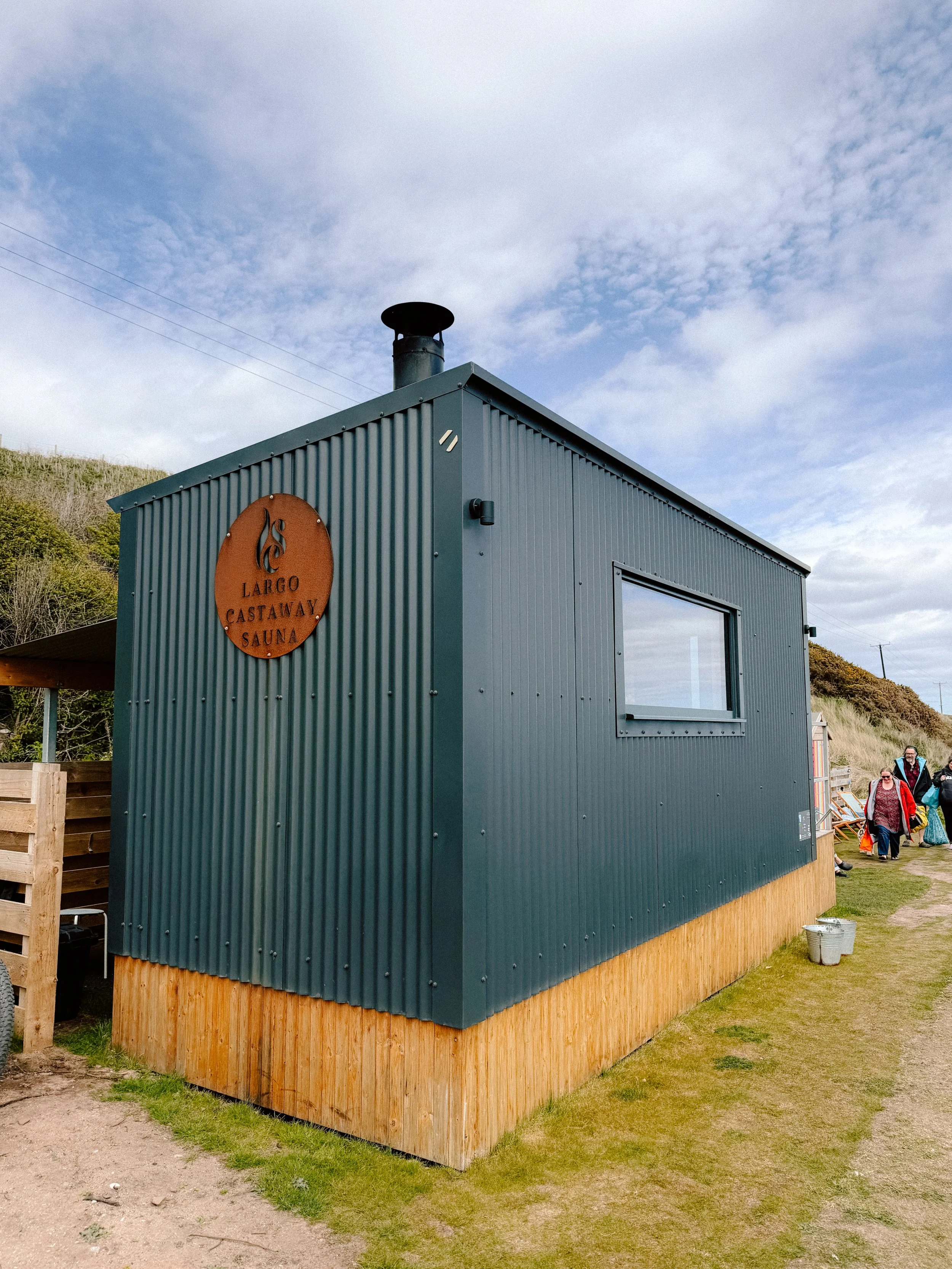
Largo Castaway Sauna, Lower Largo
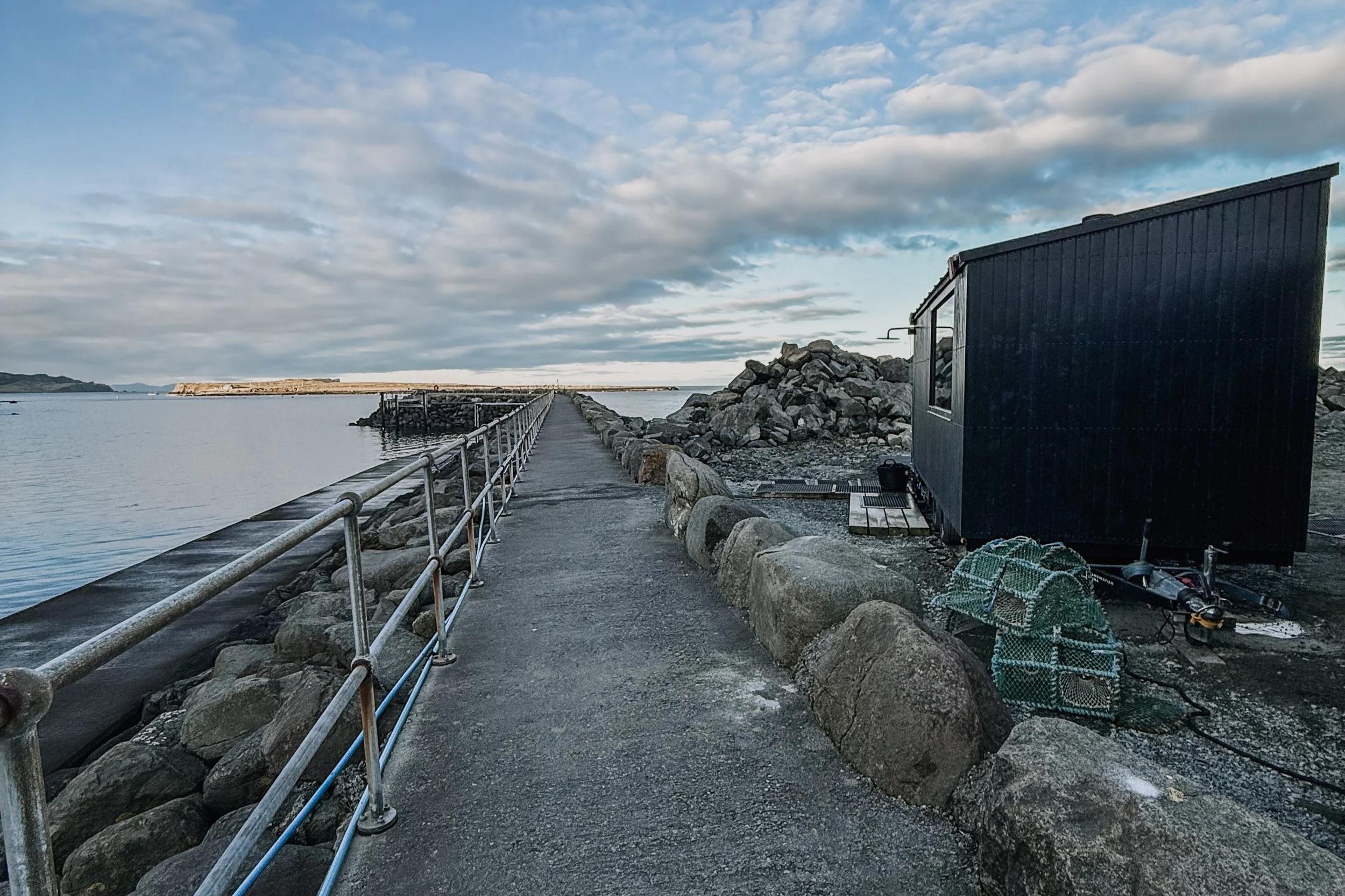
Mid-May and I find myself in Aberdeen, the granite city, for work so the perfect opportunity to try one of a few saunas on the Aberdeen Esplanade. I chose Barbossauna, a horsebox sauna just along from the old fishing village of Footdee (or Fittie as it’s known locally). The day was a truly wild one, with enormous waves throwing themselves against the shore long before high tide and inside, the steam, eucalyptus and friendly chats did exactly what they needed to. Host Fabio is warm and easy to talk to and, it turns out, the same hands that built the horsebox in Cromarty. A small thread tying two of this year's stops together.

Barbossauna, Aberdeen

Barbossauna, Aberdeen
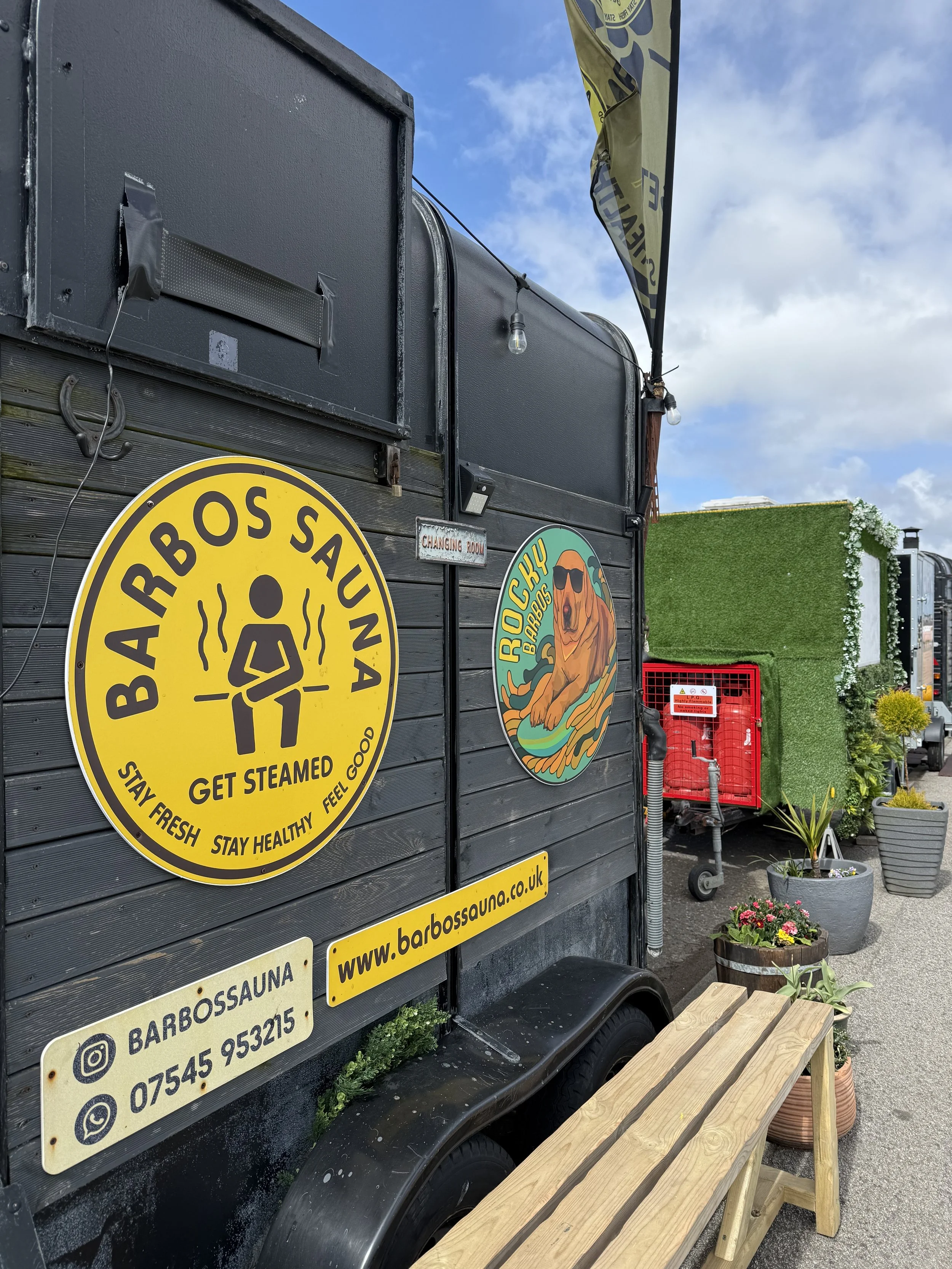
Barbossauna, Aberdeen
Going deeper
If you're curious to go deeper, I had a wonderful conversation with Cara Redpath on my Space to Think podcast. Cara is a nutritional therapist who also works at a sauna in Oban, she shares both the science and the soul of why sauna culture is taking root in Scotland. She talks about heat shock proteins, lower cortisol, the way the cold builds resilience as well as the things you can't quite measure: the third place, the social leveller, the medicine of having somewhere to go where there are no phones and no hierarchy, just people in warm, wood-fired glow getting to know each other. Her enthusiasm is infectious, and her clinical grounding will probably reframe how you think about going to the sauna for life.
From sea-edge to hillside to Loch, the saunas have started to feel like a way of seeing Scotland anew - a slow geography of warmth. I'm curious about where the heat will lead me next.
Written by Sarah Philp. Photos by Sarah Philp.
About Sarah Philp
Sarah is a Psychologist and Coach with almost 20 years of experience in Education. Her mission has always been to maximise the impact of Psychology; to help us understand ourselves and each other more deeply in order to be able to relate, learn and lead better together.
Sarah is also the host of the Space to Think podcast

How Human Connection Helps Us Through Hard Times
Feeling overwhelmed, burned out, or disconnected? Explore how human connection can support us through difficult times, ease loneliness, and help us feel less alone in modern life.

I think one of the hardest things about modern life is that so many of us are living right at the edge of ourselves.
You can feel it in the way people answer “How are you?” with a sigh before they even begin. In the low-level exhaustion that seems to sit underneath everyday life now. In how quickly conversations move from grocery prices to burnout to the latest terrible thing in the news.
There is so much happening at once.
There’s the pressure of work and bills and trying to hold together ordinary life during a cost of living crisis. There’s the endless churn of headlines arriving directly into our palms before we’ve even had breakfast. There are wars unfolding in real time, including the ongoing devastation in the Middle East, which many people are carrying emotionally while still trying to navigate school runs, meetings, laundry, dinner, emails, ageing parents, and the strange expectation that we should somehow continue functioning normally through all of it.
And underneath all of that, many of us are simply tired. Not dramatic collapse tired. More the kind where joy starts slipping out of reach. The kind where you become permanently a little irritated, a little resentful, a little emotionally threadbare. The kind where you keep going because you have to, but feel increasingly disconnected from yourself while you do.
What interests me about difficult seasons like these is that we often respond to them in ways that make us feel even more alone.
We retreat.
We stop replying to messages.
We cancel plans.
We convince ourselves we’re too exhausted to socialise.
We scroll instead of speaking.
We mistrust people more easily.
We compare our messy lives to everyone else’s carefully edited competence.
We assume we’re behind.
We become less generous with one another because we’re barely holding ourselves together.
And the wider culture often deepens that separation. Politics becomes polarised. Algorithms reward outrage. Conversations flatten into sides to pick rather than people to understand. We become wary of saying the wrong thing, believing the wrong thing, being judged, misunderstood, excluded, criticised, corrected.
It can start to feel safer to withdraw.
But I keep coming back to the possibility that it’s exactly in moments like these that human connection matters most.
Not in a glossy “community fixes everything” sort of way. Not because a coffee with a friend magically resolves grief or burnout or fear about the state of the world. But because connection helps us carry reality differently.
There’s something regulating about being with people who allow you to exhale a little.
Someone making you laugh when you hadn’t realised how long it’s been since you properly laughed.
Someone texting to ask if you got home alright.
Someone saying, “Honestly? I’m struggling too.”
Someone sitting at your kitchen table while life remains unresolved, but somehow more bearable because another person is witnessing it with you.
Connection reminds us that we are not machines built only for productivity and endurance.
We are relational creatures. We make meaning together. We soothe each other’s nervous systems. We borrow hope from one another. We remember ourselves through other people sometimes.
And importantly, connection does not have to look impressive to matter.
I think we can sometimes make ourselves feel worse by imagining “good connection” as being endlessly social, extroverted, emotionally articulate, always surrounded by friends or part of some perfect community.
But connection can be tiny and ordinary too.
It might be the person at the local café who remembers your order. The neighbour you chat to while bringing the bins in. Sending a voice note instead of a text because you want someone to hear your actual voice. Watching a film with your teenager and briefly entering their world. Going for a walk with someone who doesn’t require you to be cheerful. Sitting in a room with other people at yoga, church, choir, book club, a protest, a workshop, or a community garden and remembering, even fleetingly, that we are living alongside one another rather than entirely alone.
Sometimes connection is simply the experience of being real with another person for five minutes instead of pretending you’re coping perfectly.
And perhaps that’s why it can feel both comforting and uncomfortable at the same time.
Because real connection asks us to emerge slightly from hiding.
To let ourselves be seen before everything is neatly resolved.
To admit we’re struggling before we’ve found the lesson in it.
To risk not being entirely self-sufficient.
Which can feel deeply vulnerable in a culture that rewards performance, certainty, independence, and appearing fine.
But when life gets hard — and for many people, it really is hard right now — isolation rarely softens the experience. Usually it sharpens it.
Connection, meanwhile, often gives us just enough steadiness to keep going.
Not because other people save us.
But because being human was probably never meant to be done entirely alone.

Explore the Connection Pathway
Our wellbeing journal, If Lost Start Here, includes a full pathway exploring connection — the people, places, conversations, communities, and everyday moments that help us feel more supported, understood, and alive.
Inside you’ll find reflections, prompts, and playful experiments to help you reconnect not just with others, but with yourself too.
You can explore the journal here
How Japanese Spirituality Can Help Us Feel Less Lost
What Japanese spirituality can teach us about wellbeing, grief and uncertainty from everyday rituals and noticing beauty to finding comfort in living between belief and doubt.
The park was the same one Hiroko Yoda had walked through countless times before. Same paths. Same trees. Same shrine tucked quietly amongst the landscape. But after her mother died, she could barely see any of it. She describes walking with her head down, shuffling through the park and back home again, where she would cry. Then repeat it the next day. And the next. Until one day she looked up.
She noticed the birds first. Then the maple trees. The shifting light through the leaves. A shrine she must have passed hundreds of times before. And in that moment, something changed. Not because her grief disappeared or because she suddenly understood everything about life or death or spirituality, but because she no longer felt entirely alone inside the world.
I haven’t stopped thinking about that since we recorded our conversation for A Thought I Kept.
Partly because I think many of us know what it is to move through life with our heads down. To become so overwhelmed by grief, anxiety, burnout, uncertainty or simply the sheer weight of being human that the world narrows around us. Our lives become logistical. Functional. We focus on getting through the day, answering messages, making dinner, remembering appointments. We stop noticing what is around us because we are working so hard to hold ourselves together within it.
And yet so much of what Hiroko shared in our conversation was about exactly that: noticing.
Noticing what remains. Noticing what connects us. Noticing the things that quietly hold us when we feel lost.
Her book, Eight Million Ways to Happiness, explores Japanese spirituality not as a rigid belief system but as something lived alongside everyday life. Something woven into nature, rituals, food, language, grief, playfulness and community. In Japanese spirituality, kami — spiritual presences — exist not just in shrines or sacred spaces, but in trees, rivers, mountains, words, objects and everyday acts of care.
I think what struck me most was how different this felt from the way spirituality is often discussed in wellbeing spaces. So much modern wellbeing culture seems obsessed with certainty. Morning routines that promise transformation. Manifesting practices that suggest we can think ourselves into a better life. The pressure to optimise, improve, transcend.
But Hiroko kept returning to something much softer and more spacious than that.
The Japanese idea of hanshin hangi — half belief, half doubt. The permission to remain somewhere in the grey zone. To not fully know. To allow uncertainty to exist without rushing to resolve it.
Honestly, it felt like a relief.
Because I suspect many of us already live there, whether we admit it or not.
We carry objects that mean more to us than they logically should. We talk to people we’ve lost. We feel calmer by the sea. We light candles. We keep rituals we cannot entirely explain. We sense that some places hold energy. We wonder whether there might be more to life than what we can immediately see or prove.
And then, often, we dismiss ourselves. We tell ourselves we’re being silly. Irrational. Dramatic.
What I loved about Hiroko’s perspective was that it made space for both curiosity and scepticism. Both wonder and uncertainty. Both grief and joy.
At one point in the conversation she talks about eating a banana at breakfast and saying itadakimasu beforehand — “I humbly receive.” And suddenly the banana stops being just a banana. It becomes the people who grew it, transported it, stocked it, bought it. It becomes weather and soil and labour and unseen connection.
That stayed with me because I think many of us are searching for meaning whilst overlooking the small moments where meaning already exists.
Noticing can become a kind of spiritual practice.
Making coffee in the morning. Opening the curtains. Walking the dog. Watering plants. Speaking kindly. Taking the long route home. Sitting quietly before the rest of the house wakes up.
Not because these things solve our lives, but because they return us to relationship with them.
And perhaps that matters especially when we feel lost.
Often when we feel uncertain, we assume we need dramatic change. A new version of ourselves. A breakthrough. A complete reinvention. But sometimes what we actually need is a gentler way of relating to where we already are.
Hiroko spoke beautifully about how Japanese spirituality allows opposites to coexist. Joy and sadness. Gratitude and anger. Light and darkness. She talked about how grief changed shape over time, how writing about her mother softened certain memories and complicated others, how healing was not neat or linear but layered.
I think there’s comfort in that too.
Because many people arrive at wellbeing feeling as though they are failing at it. Failing at being positive enough, resilient enough, healed enough, grateful enough. But perhaps wellbeing is not about eliminating darkness or uncertainty. Perhaps it is about learning how to stay connected to ourselves and the world around us whilst those things exist.
To look up occasionally, even when life feels heavy.
To notice the shrine amongst the trees.
To let a cup of coffee become a moment of connection rather than simply fuel.
To allow for half belief and half doubt.
If this resonates with you, you might enjoy my conversation with Hiroko Yoda on A Thought I Kept. We talk about grief, spirituality, uncertainty, belonging, rituals and the unseen threads that connect us to each other and the world around us.
And if you’re navigating your own season of uncertainty or emotional overwhelm, you can also explore coaching and support through If Lost Start Here. Not to fix yourself or become someone new, but simply to have somewhere to think things through more honestly and openly.
Connecting While Human
When something shifts in your relationships, it can feel confusing and lonely. This piece explores how to stay connected while being yourself, even when it’s messy.
You’re halfway through a conversation and realise you’re not really in it. You’re nodding, saying the right things, keeping the tone light enough, agreeable enough. You hear yourself laugh at something that isn’t quite funny. You offer an explanation you’ve offered before, one that lands just well enough to move things on. And at the same time, there’s something else happening underneath — a more insistent feeling that says: this isn’t quite it.
You might notice it later, when you’re walking home or making dinner, replaying the conversation in your head. The bit you didn’t say. The way you softened something. The way you tried, once again, to explain yourself into being understood. And then, almost reluctantly, the thought arrives: I don’t think this is about explaining anymore.
It’s a subtle shift, but once it’s there, it tends to stay.
This is the place Jacky Power and I found ourselves in during our conversation — not just the moment of clarity that so many wellbeing conversations promise, but in what comes just after it. The part where you realise something about yourself or your relationships, and then very messily try to do something about it.
Jacky described believing, for a long time, that if she could just say things the right way, people would meet her there. That the gap between her and others was something she could bridge with better words, more careful explanations, a little more effort. It’s such a human instinct — to assume that understanding is something we can earn if we try hard enough.
And sometimes that’s true. But not always.
Sometimes what we’re up against isn’t a lack of clarity, but a difference in direction. A difference in how we see things, what we value, what we’re willing to hold or not hold anymore. And that’s much harder to resolve, because it doesn’t bend as easily.
What follows that realisation isn’t a clean decision. It’s more like learning to walk again on uneven ground.
You say something you’ve been meaning to say, and it comes out slightly wrong. Or it lands in a way you didn’t expect. You question yourself almost immediately. Was that too much? Too blunt? Not quite right? You tell yourself you’ll try again next time, maybe in a softer way, a clearer way. You adjust, you retreat, you step forward again.
Jacky described it as “stumble, trip, stumble, trip.” And it’s exactly that. Not a confident stride into a new way of being, but a series of attempts, some of which don’t go to plan.
There’s a kind of vulnerability in this stage that doesn’t get talked about much. Because from the outside, it might look like growth — becoming more self-aware, more aligned, more boundaried. But from the inside, it can feel uncertain and exposing. You’re no longer fully comfortable in the old way of relating, but you’re not yet steady in the new one either.
And that can feel lonely.
Not necessarily in the obvious sense of being alone, but in the quieter sense of not quite being met. Of noticing that the ways you’re beginning to show up don’t always fit neatly into the relationships you’ve had before. Of realising that not everyone will come with you, or understand you in the way you hoped.
Jacky spoke about this without dressing it up. That there can be grief in it. That choosing your own direction — even gently, even kindly — can create a kind of separation. Not because you want it to, but because something has shifted, and you can’t quite go back to not knowing that.
And still, there was something else in what she said that felt just as important.
That the alternative — ignoring what you’ve noticed, continuing to override yourself for the sake of keeping things smooth — comes at a cost too. A quieter one, perhaps, but one that builds over time. A sense of being slightly out of step with yourself. Of saying yes when you mean maybe, or maybe when you mean no. Of slowly losing touch with what feels true.
This is where connection becomes more complicated than we often allow it to be.
Because it isn’t just about being close to other people. It’s also about how close you are to yourself within those relationships. Whether there is space, even in small ways, to be honest about what you feel, what you need, what you see differently now.
And that honesty doesn’t have to arrive all at once.
One of the things I took from this conversation is that connection doesn’t depend on getting it perfectly right. It might be something much smaller than that. A moment where you say a little more than you usually would. A conversation where you don’t immediately tidy up your feelings. A pause where you notice the urge to explain, and choose, just for a second, not to.
It might be noticing where you feel able to do that, and where you don’t.
Because not every space will hold it. And that, too, is information.
Jacky talks about “human tricky things” — the parts of being alive that don’t resolve easily. The feelings we don’t always have words for. The experiences that sit somewhere between connection and disconnection, between being seen and staying hidden. And what struck me is that learning to connect while human isn’t about smoothing those things out. It’s about finding ways to stay with them.
To stay with yourself when you’re unsure. To stay in relationship where you can, without forcing it where you can’t. To allow for the possibility that connection might look different now — less about being perfectly understood, and more about being real in the places that can hold it.
If you’re in that space at the moment — noticing something has shifted, but not yet sure how to live it — it might help to know that this part doesn’t need to be rushed.
You’re not behind. You’re not getting it wrong. You’re in the middle of learning something about yourself that takes time to settle.
And there is a kind of steadiness that can grow here, even if it doesn’t feel like it yet. Not from having all the answers, but from beginning to trust what you notice. From allowing that to matter, even when it complicates things.
If you’d like to hear more of this conversation, you can listen to my episode with Jacky Power on A Thought I Kept, where we explore emotions, loneliness, and what it means to stay connected — to ourselves and to each other.
And if you’re looking for somewhere to think about your own relationships or feelings a little more gently, explore our coaching and resources here If Lost Start Here.

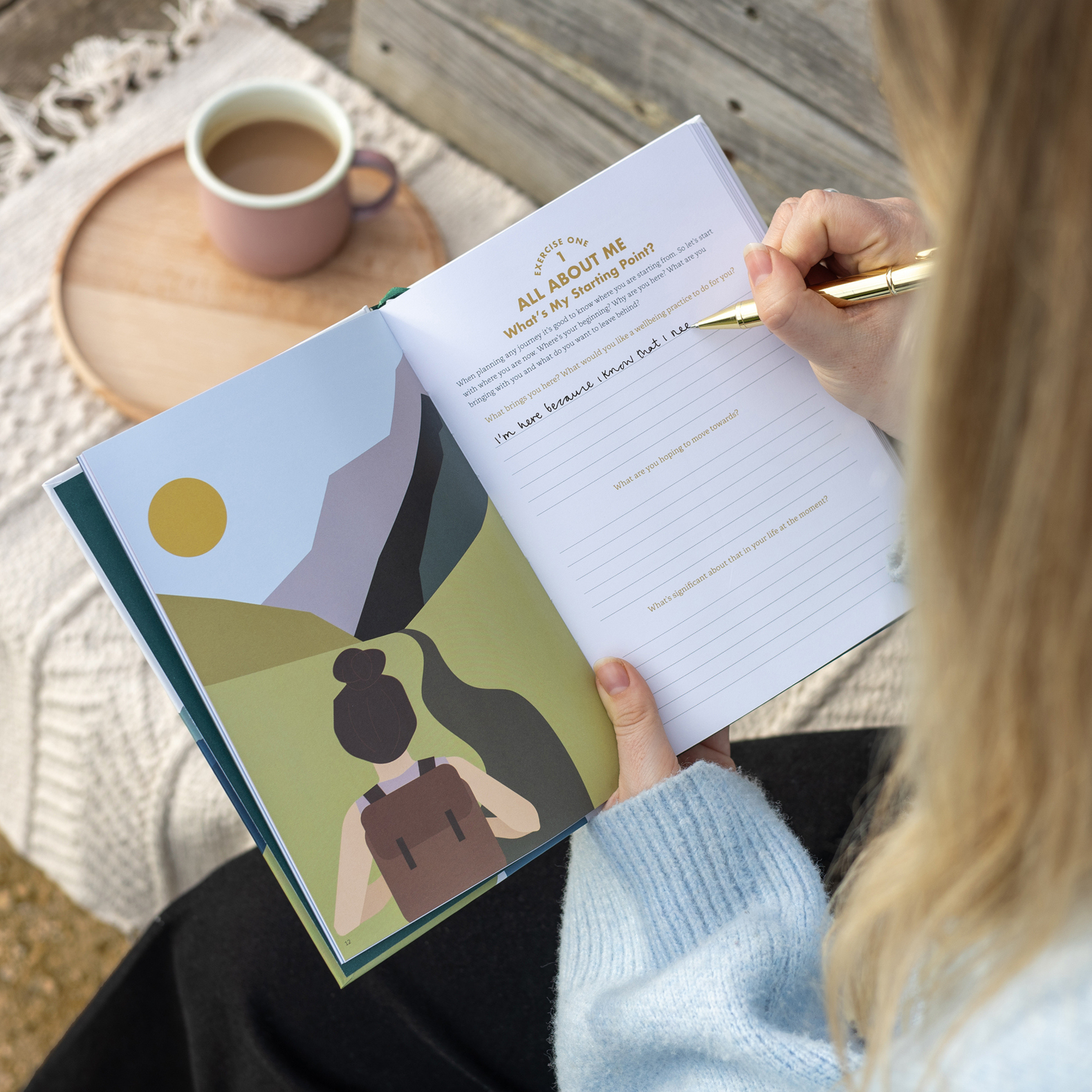
If Lost, Start Here: Our Book Is Here
If Lost, Start Here is a wellbeing journal designed for real life. Explore simple, practical ways to feel better, reconnect with yourself, and find your own way to well.
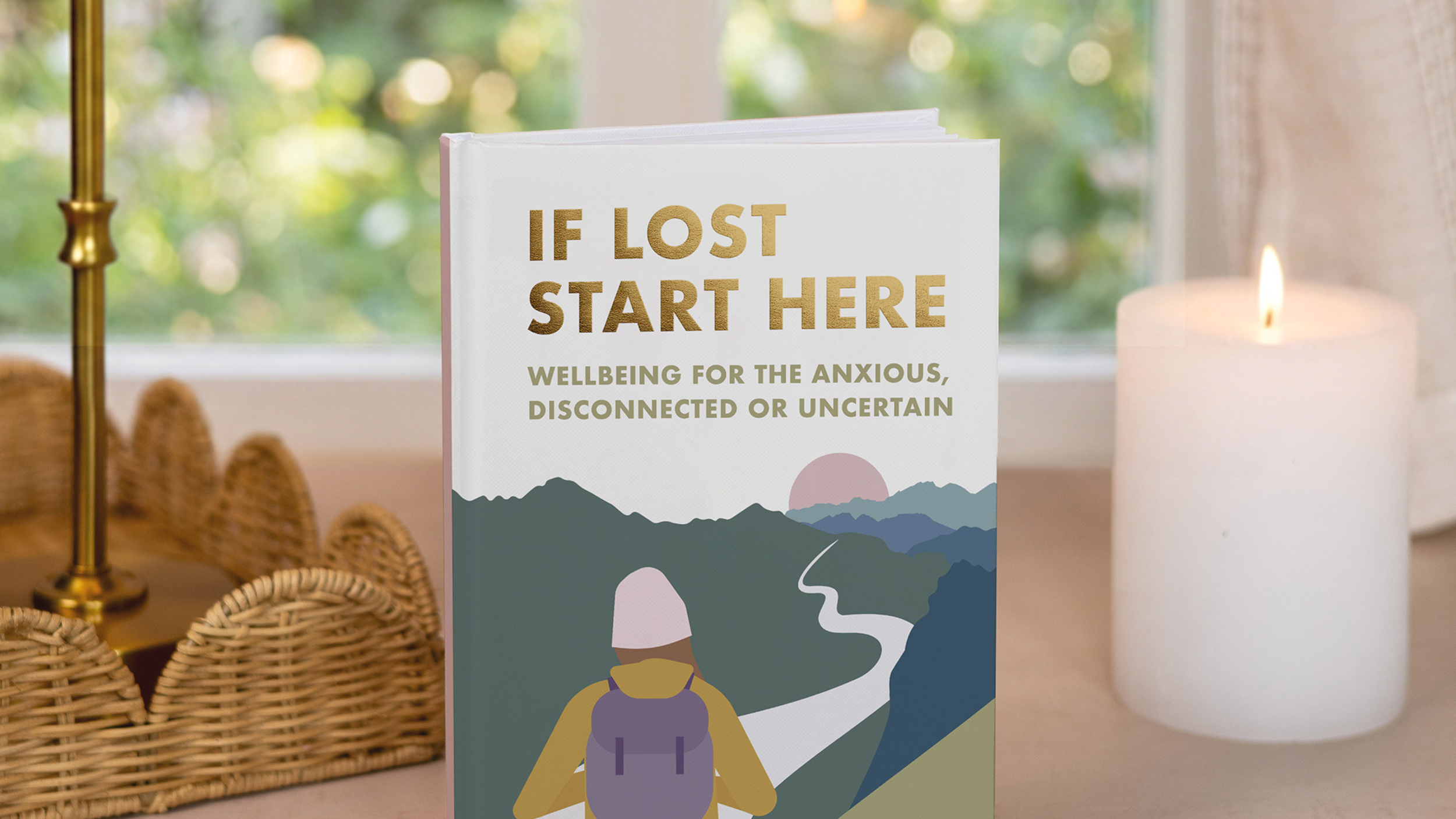
Ten years ago, we were sitting on a living room floor. Two friends, babies crawling around us, talking about all the ways we felt a bit… lost. Untethered. Overwhelmed.
And more than anything, we were talking about how hard it was to know where to start to just feel better. Not because there weren’t options. Because there were too many.
Everything we turned to—books, advice, tools—often left us feeling worse than we anticipated. Like we were somehow getting it wrong before we’d even begun. And there was a version of life we were meant to be living, and we were slightly off-track from it.
So we started asking different questions.
What do people actually need when they feel like this?
What helps when you’re tired, or overwhelmed, or uncertain?
What still counts when life doesn’t look like the version wellbeing advice assumes?
That was the beginning of If Lost, Start Here. And now, our book.
What This Book Is (And Isn’t)
This isn’t a book that asks you to overhaul your life. It’s not built on the idea that there’s a better version of you waiting on the other side of a perfect routine.
It’s more a guide for when you don’t know where to begin. A place to come back to when things feel off, or unclear, or just a bit flat.
It’s grounded in research, but it doesn’t feel like work. It’s designed to be easy to pick up, easy to move through, and importantly easy to make yours.
There’s no point in this book where you should feel like you’re failing at it. Instead, it’s about exploring.
Exploring yourself, yes, but also exploring your life. The world around you. The things that bring you back into it.
Because one of the things we kept coming back to was this: So much of wellbeing focuses on going inward.
But what about everything that happens when we go outward too?
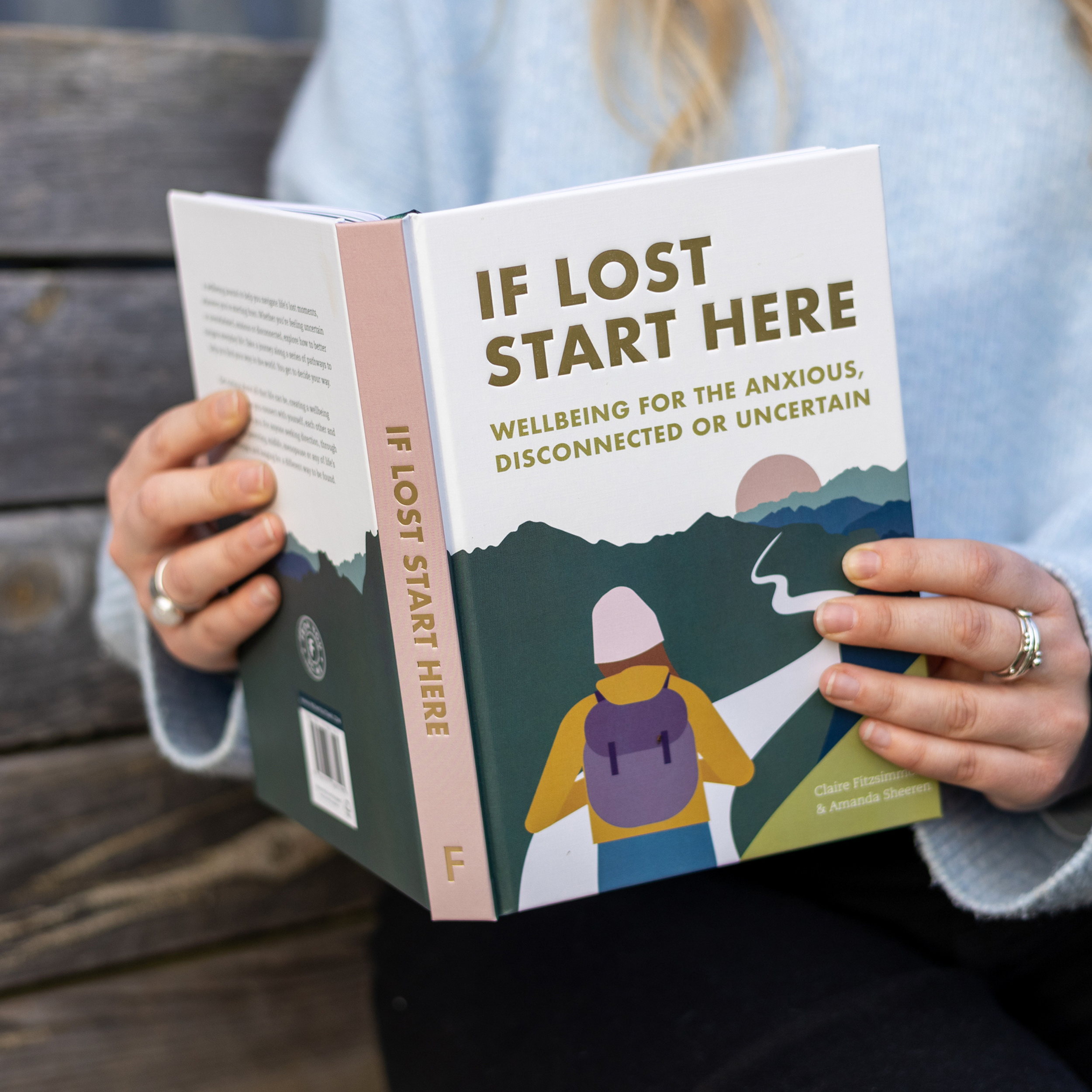
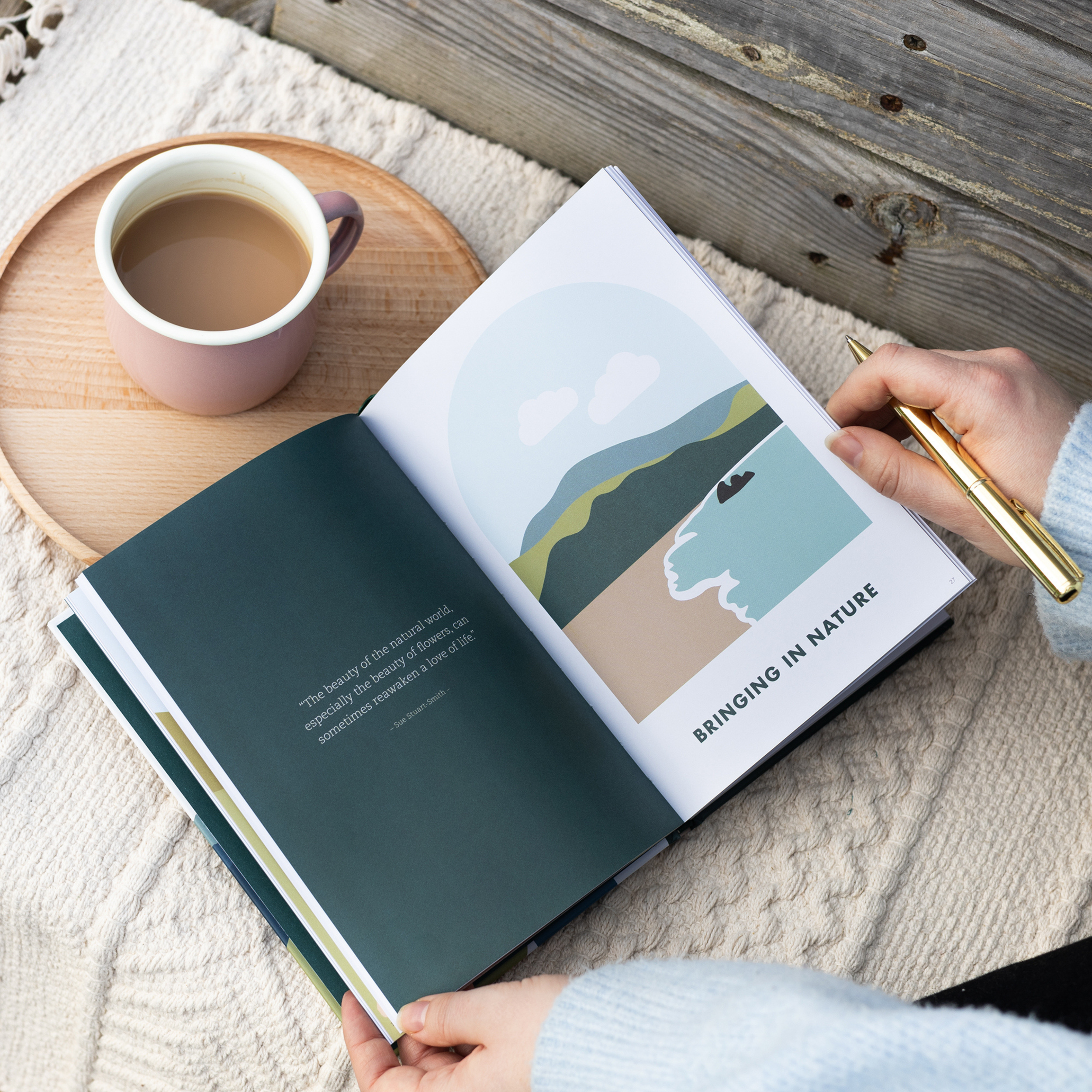
A Guide to You And the World Around You
This book moves through ten different wellbeing pathways. Some will feel familiar like connection, creativity and nature. Others might feel like something you’ve lost touch with, or haven’t quite found your way into yet.
And that’s kind of the point.
We hear this a lot from people: “I’ve never really thought about my life this way before.”
About play, for example. Or awe. Or having a creative practice as an adult that isn’t tied to being “good” at something.
Each pathway is there as a way in. Not something to master. But something to try. Something to notice. And something to come back to when you need it.
You Don’t Have to Do It All (Or Do It Properly)
One of our favourite things about this book is that it doesn’t need you to use it in a particular way.
You can dip in and out. You can follow it month by month. You can skip around entirely and follow whatever catches your attention.
If you’re someone who likes to think things through, you might spend longer with the essays and reflections. If you’re more of a doer, you might go straight to the activities and try things out in your day-to-day life. If you’ve got very little energy, you might just read a page and leave it there.
All of it counts. It’s much more of a “choose your own way through” than a step-by-step plan.
Built for Real Life (Not Ideal Life)
A lot of this started with a very practical question:
What does wellbeing look like when you’re too exhausted, too uncertain and too overwhelmed to do alll the things.
We started looking at each area of wellbeing not as something you either do or don’t do but as something that exists on a spectrum.
So instead of:
“Go for a walk in nature.”
It might be:
“Can you look out of the window?”
Instead of:
“Build a strong social life.”
It might be:
“Who feels like an easier person to text today?”
We found research that backed up the fact that even very small moments still matter. That they still count. That they can still shift how we feel in meaningful ways.
And more than anything, we wanted to build something that worked with people’s lives as they actually are. Not as they think they should be.
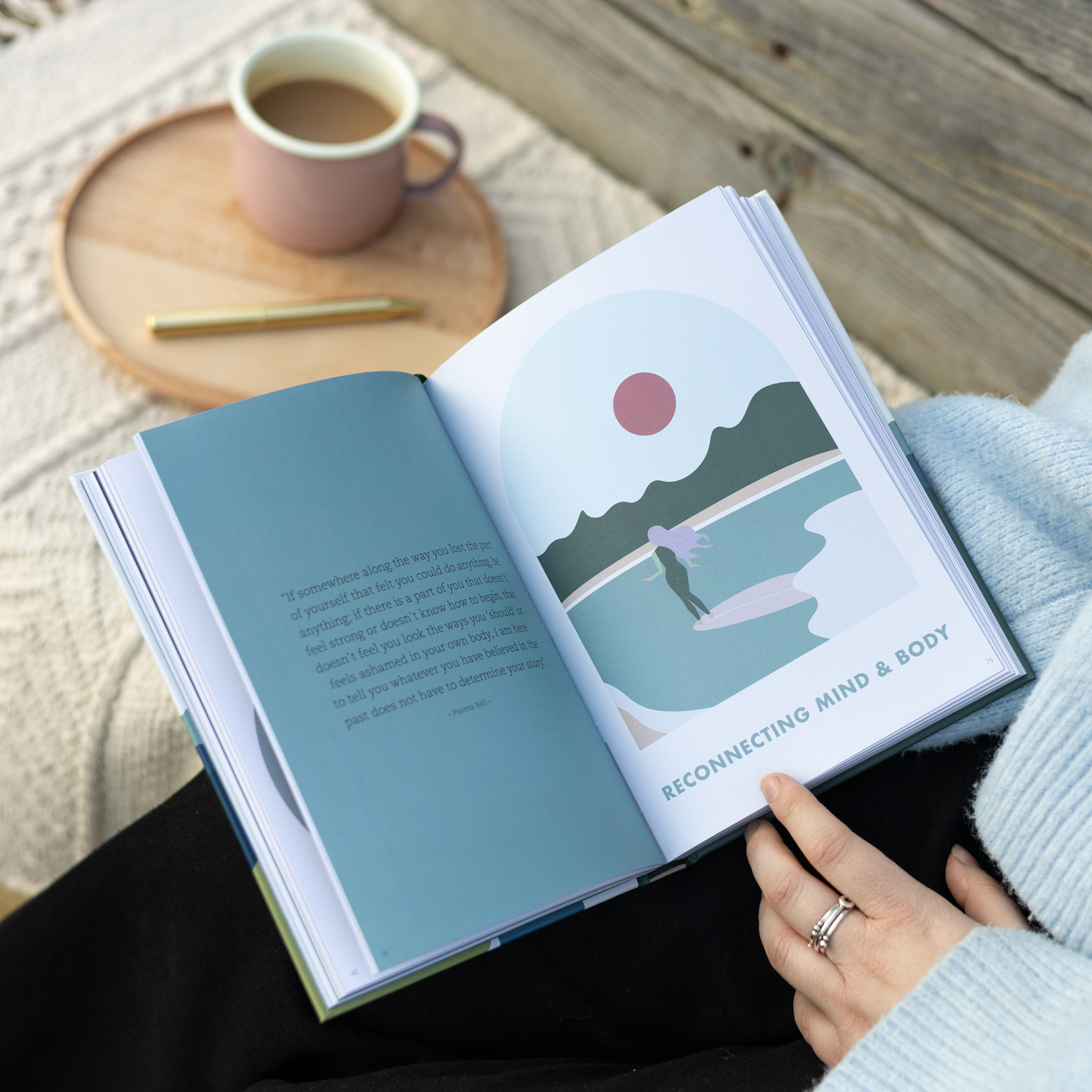
A Different Way to Think About Wellbeing
There’s a lot of pressure in this space now. To get it right. To do more. To optimise. And it can quietly turn wellbeing into another thing on the list.
We wanted this book to sit slightly outside of that. To say: there isn’t one right way to well.
For some people, it might be running, wild swimming, green juices. For others, it might be going to a museum, painting at the kitchen table, watching live music, or finding small ways to be part of the world again.
This is about finding your way. Not following someone else’s.
Something You Can Come Back To
Over the years, this became something we used ourselves.
When things felt off, we’d come back to it. Run through the pathways. Notice what had slipped. What we needed more of. Not in a critical way—more like a check-in.
“Oh, I haven’t so much as touched my toes this year. Maybe mind-body could use a bit of attention.”
It’s that kind of relationship we hope this book becomes. Something you return to. Something that helps you find your footing again.
If You’re Not Sure Where to Start
That’s okay. That’s exactly where this begins.
Also available on Not on the High Street and Amazon.
How to Trust That Things Will Be OK (Even When You Feel Lost)
Feeling lost or uncertain? A gentle guide to trusting life again, finding hope in difficult moments, and making space for everything you feel.
You arrive a little more tired than you expected, the kind of tired that isn’t just about the journey but about everything you’ve been carrying before you even set off.
The train was delayed, the coffee wasn’t great, and there’s already a message waiting for you from home asking something that requires more of you than you feel you have to give. You hold your bag a little tighter as you step off, aware of that familiar hum underneath it all — the one that says you’re doing your best, and still wondering if it’s enough.
And then, slowly, something begins to shift.
You’re welcomed in, properly welcomed in, with a warmth that doesn’t ask anything of you in return. There’s a cup of tea placed into your hands, a chair that feels like it was waiting for you, and a sense — rare, and difficult to create on demand — that you don’t have to perform or explain or improve anything about yourself in this moment.
You have arrived.
This is the kind of space described in my recent conversation with Tanya Lynch on A Thought I Kept, but more than that, it’s the kind of space many of us are quietly searching for in our everyday lives, especially when we find ourselves feeling lost without quite knowing how we got there. Because feeling lost doesn’t often look dramatic. It tends to look like carrying on, showing up, doing what needs to be done while holding a question in the background about whether this is how things are meant to feel.
When Life Doesn’t Look Like You Thought It Would
Tanya’s work, through journaling, retreats, and bibliotherapy, is rooted in something both simple and surprisingly hard to practice, which is the idea that everything is welcome.
Not just the parts of life that feel resolved or hopeful or easy to share, but also the uncertainty, the heartbreak, the restlessness, and the moments where you don’t know what comes next or how you’re meant to move through them. These are the parts we’re often encouraged to fix or move past, and yet they are also the parts that tend to shape us most.
There is a phrase she returns to, one that you may have heard so many times it risks losing its meaning:
Every cloud has a silver lining.
It can feel too neat for the complexity of real life, too polished for the moments when things are genuinely hard, but the origins of the phrase tell a different story. It dates back to the 17th century, from a line by John Milton in Comus, where he describes a dark cloud revealing a silver edge when caught by light.
It wasn’t written as advice or reassurance, but as an observation, a moment of noticing that even within something heavy, there might be something else present at the same time. And perhaps that is where this idea becomes more useful to us, not as a way of reframing everything into something positive, but as an invitation to look a little more closely at what is already there.
Learning to Stay With the Hard Parts
One of the things that stayed with me most from this conversation is the way Tanya speaks about challenge, not as something to avoid or move quickly beyond, but as something that is woven into the shape of a life. There isn’t a single moment where everything resolves or becomes easier, and there isn’t a version of life that is made up only of blue skies and straightforward narratives. Instead, there are multiple moments, some expansive, some difficult, some that ask more of us than we feel ready to give, and all of them becoming part of the story we are living.
Over time, something begins to build alongside that, and it is not certainty or control but a quieter kind of trust. Not the kind that insists everything will work out exactly as we hope, but the kind that recognises we have moved through difficult things before and found our way, even when it didn’t feel possible at the time.
What It Means to Feel Held
So much of what Tanya creates through her retreats is about this idea of being held, and it’s something that feels increasingly important in a world that often asks us to keep going without pausing to notice how we actually are. Being held doesn’t mean being fixed or guided towards a better version of yourself, and it doesn’t come with a list of things to do or ways to improve. It is something quieter than that, an experience of being seen without needing to justify yourself, of being able to arrive as you are without editing or softening the edges of what you’re feeling.
It’s the difference between being asked what you need to do next and being given the space to sit with where you already are. And while retreats can offer a more intentional version of that experience, the question it opens up feels relevant far beyond those spaces.
Where in your life do you feel held, and where might you need a little more of that than you currently have?
A Way to Begin Again, Gently
If you are in a moment that feels uncertain right now, this isn’t about finding a solution or creating a plan, and it doesn’t ask you to turn everything around or see things differently straight away.
It might begin somewhere much smaller.
The next time you find yourself caught in the noise of everything you’re holding, the questions, the pressure to figure things out, the sense that you should know what comes next, you might step outside if you can and allow yourself a moment to look up rather than down. Not in a symbolic or forced way, but simply to notice what is there.
Clouds moving, light catching edges, space opening up in ways you hadn’t registered before.
This is not about convincing yourself that things are better than they are, but about allowing for the possibility that more than one thing can be true at the same time, that alongside what feels difficult, there may also be something else present that you hadn’t yet seen.
A Thought to Keep
Every cloud has a silver lining may not be something you believe all of the time, and it may not be something you want to hold onto in every moment, but it can sit gently in the background as a question rather than a conclusion.
What else might be here that I haven’t noticed yet?
If you’d like to spend more time with this idea, you can listen to the full episode of A Thought I Kept with Tanya Lynch, where we explore what it means to trust that things will be OK without needing to force that belief.
And if you are finding that you need more support in understanding what you’re feeling or where you are, you can explore our private coaching at If Lost Start Here, where we make space for all of it, not just the parts that are easy to explain.
Sometimes, finding your way doesn’t begin with knowing what to do next, but with allowing yourself to arrive exactly where you are.

Grief Disco
Discover Grief Disco, a welcoming and uplifting space for anyone living with loss. A place to heal, connect and feel grief through music, movement and community.

Perfect For
Grief Disco is for anyone living with loss and looking for a different kind of space to hold it. It’s for people who don’t always have the words, who feel isolated in their grief, or who want to be around others who understand without needing everything explained. It’s for the heartbroken and the hopeful, for people who want somewhere gentle, human and a little unexpected to go with what they’re carrying.
You do not need to be good at dancing. You do not need to be ready to talk. You do not need to arrive in any particular state. You just need permission to come as you are.
Why You’ll Love It
Grief Disco offers something many grieving people are missing: a place to feel less alone without being forced into conversation or expected to “do grief” the right way. Through music, movement and a sense of shared understanding, it creates room for sadness, joy, memory, release and connection to exist together.
This isn’t about dancing to forget. It’s about dancing to remember, to honour and to reconnect. For some people that might look like tears on a dance floor. For others, it might be a small exhale, a moment of laughter, or the relief of being in a room where no one needs grief explained to them.
What Makes It Special
So much of grief can feel isolating. People don’t know what to say, or they say nothing. We can start to feel cut off from ourselves, from our bodies and from other people. What Grief Disco understands is that grief does not only live in words. It lives in the body too.
That’s what makes this space so powerful. It offers people a way to process loss through movement, music and presence, rather than through talking alone. There is no pressure to perform, no expectation to be upbeat and no fixed script for how you should feel. Everything is an invitation.
Grief Disco also holds something many of us forget is possible: that joy and grief can coexist. That a person can cry and dance at the same time. That love, memory, heartbreak and laughter can all be in the room together. In that sense, it doesn’t just offer support for grief. It offers a more human way of being with it.
The If Lost Take
There is something quietly radical about creating a place where grief is allowed to move.
So many of us are more familiar with the language of coping than the experience of actually feeling. We know how to keep going, keep functioning, keep answering “fine” when we are anything but. Grief Disco interrupts that. It offers something softer and, for many people, more freeing: a chance to let grief be alive in the body, not just managed in the mind.
What we love most is that this doesn’t turn grief into a problem to solve. It doesn’t rush people towards silver linings or ask them to package their pain into something neat and shareable. Instead, it makes room for what is true. Sometimes that truth is sorrow. Sometimes it is love. Sometimes it is a song that opens something you didn’t realise you were still carrying.
And sometimes healing looks less like fixing and more like finding a room where you can be fully human again.
Founders Story | Co-founded by Georgina Jones and Leah Davies
Grief Disco was born from lived experience of loss and a belief that grieving people deserve spaces that feel connecting, warm and real. Co-founders Georgina and Leah created it as a response to the loneliness that grief can bring and to the sense that many of the places available to grieving people do not always make room for the body, for joy or for community. Their approach is shaped by the understanding that no one should have to grieve alone, and that music and movement can help us find our way back to ourselves and each other.
Founder’s Go-To Wellbeing Advice
“Look for the love.
Look for the tiny moments of joy that are still here, even in the hardest seasons. Keep a playlist that helps shift your energy. Let music help you move what words can’t always reach.
And remember that grief is not something to fix or get over. It is something to feel, and you don’t have to feel it alone.”



Some Practical Details
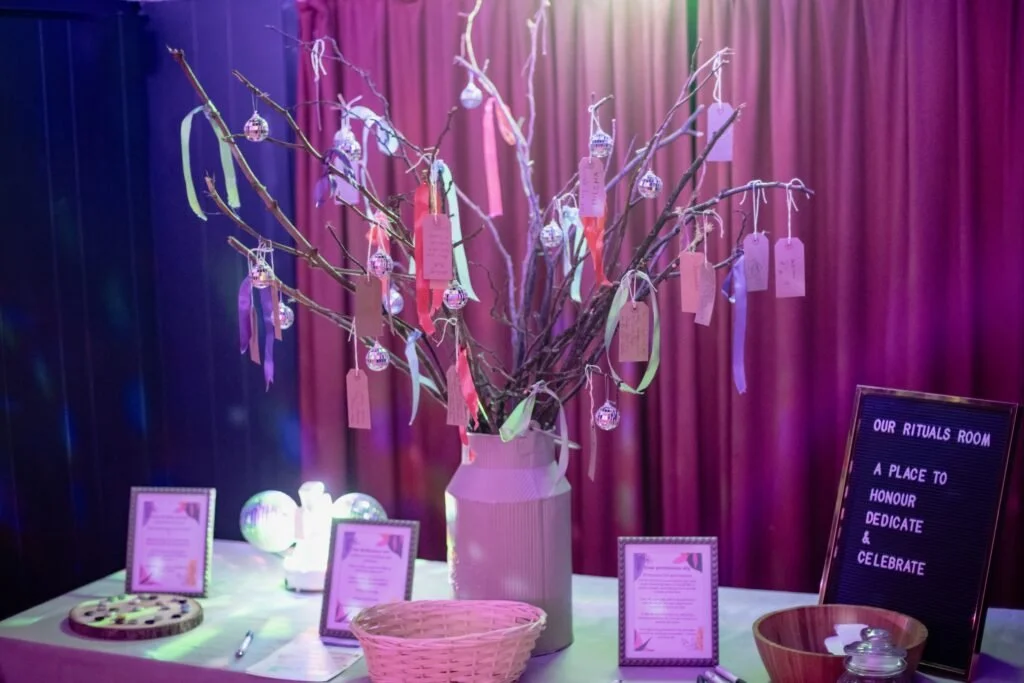
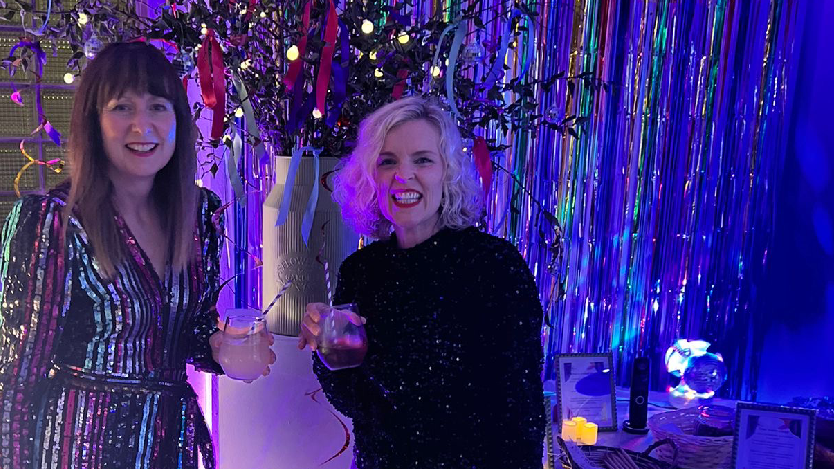
Grief Disco is a space where people can come together around grief through music, movement and optional sharing. Some events happen in person and there are also online grief discos for people who would rather join from home. The atmosphere is invitational rather than intense: you can dance, sit, cry, talk, stay quiet, turn your camera off or simply witness. There are also small ritual elements, such as dedications and moments to remember the person or people you are dancing for.
If you are grieving and looking for support, this may be one of those rare places that helps not by asking you to explain your loss, but by giving you somewhere to bring it.
Zenaa Retreats
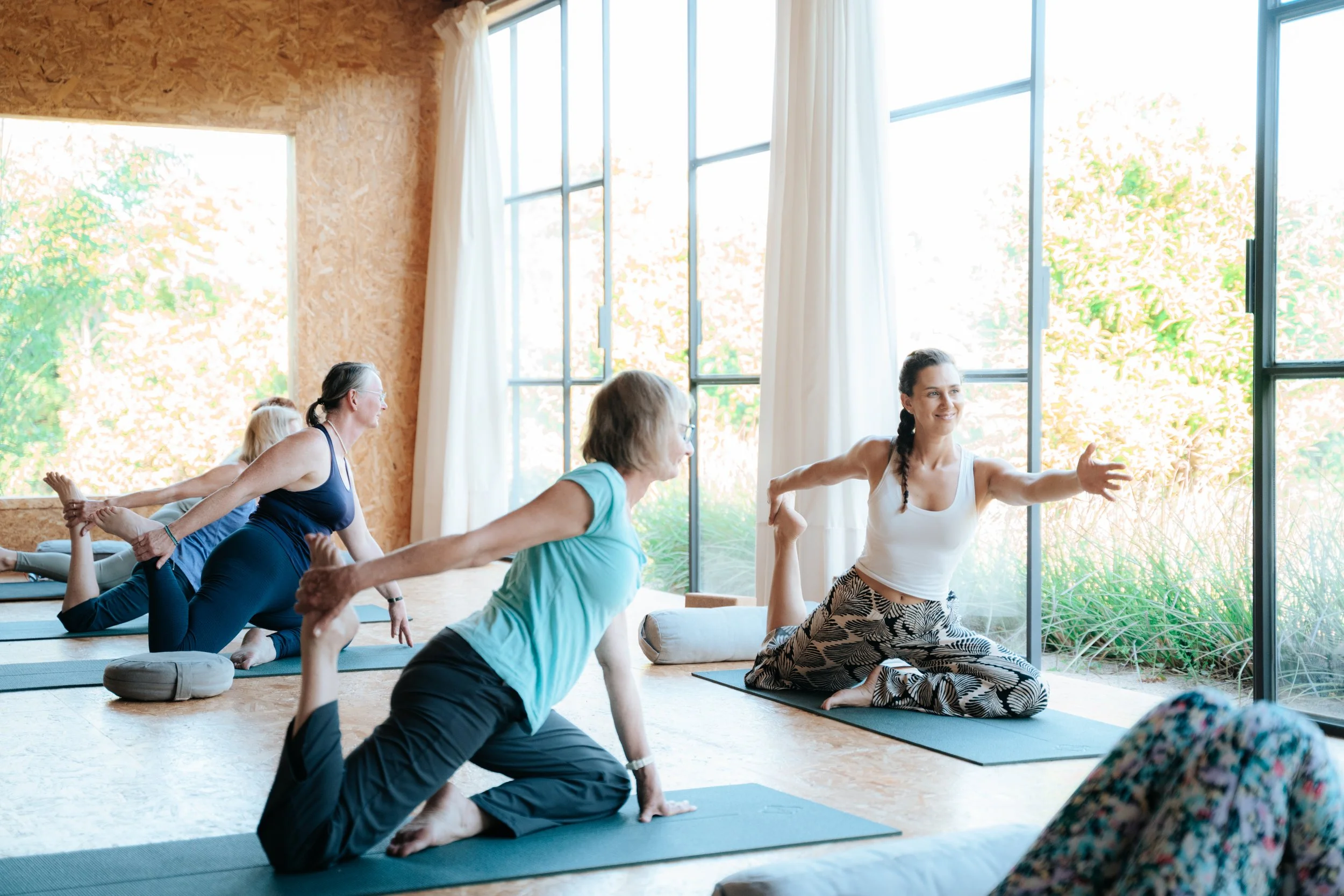
Discover Zenaa Retreats, a welcoming, fad-free approach to yoga and wellness retreats in the UK and abroad. Designed for real life, these nourishing escapes blend movement, rest, great food and genuine connection. Perfect for beginners, solo travellers and the yoga curious.
Perfect For
Zenaa Retreats are for the "yoga curious" including regulars, dabblers, those who prefer the back row, and complete beginners. It is designed for the "schedule-seeking, choice-conscious" crowd who value a balance of activity and downtime. Solo travellers are especially welcome and make up a large part of the community.
Why You’ll Love It
We all need a space to pause, breathe, and reconnect. In a world of high expectations, Zenaa provides a judgment-free environment to strip away the pressure and allow you to be present. It’s an opportunity to escape the daily grind, slow down through the "art of slow living," and find nourishment for the mind, body, and soul without the pressure of a detox or juice cleanse.
What Makes It Special
Zenaa stands out for its "fad-free," balanced approach to wellbeing. Unlike many retreats that focus on restriction, Zenaa celebrates food and connection. The focus is on handpicked serene venues and a non-judgmental atmosphere that welcomes all body types and abilities. It is a family-feel business (founder Katie’s mum even helps out!) that prioritises genuine connection over performance.
The If Lost Take
We’ve often written about how we can get lost in wellbeing itself and we’re very much on a mission to get you to the places that can help you find your way through it all. When we met Katie we felt like here was a retreat organiser who really understands our real-lives. The places where we get overwhelmed or stuck, burned out and disconnected. And her events aren’t about adding yet more pressure, but really meeting you where you are, with consideration and kindness too.
Founder’s Story | Katie Hodge
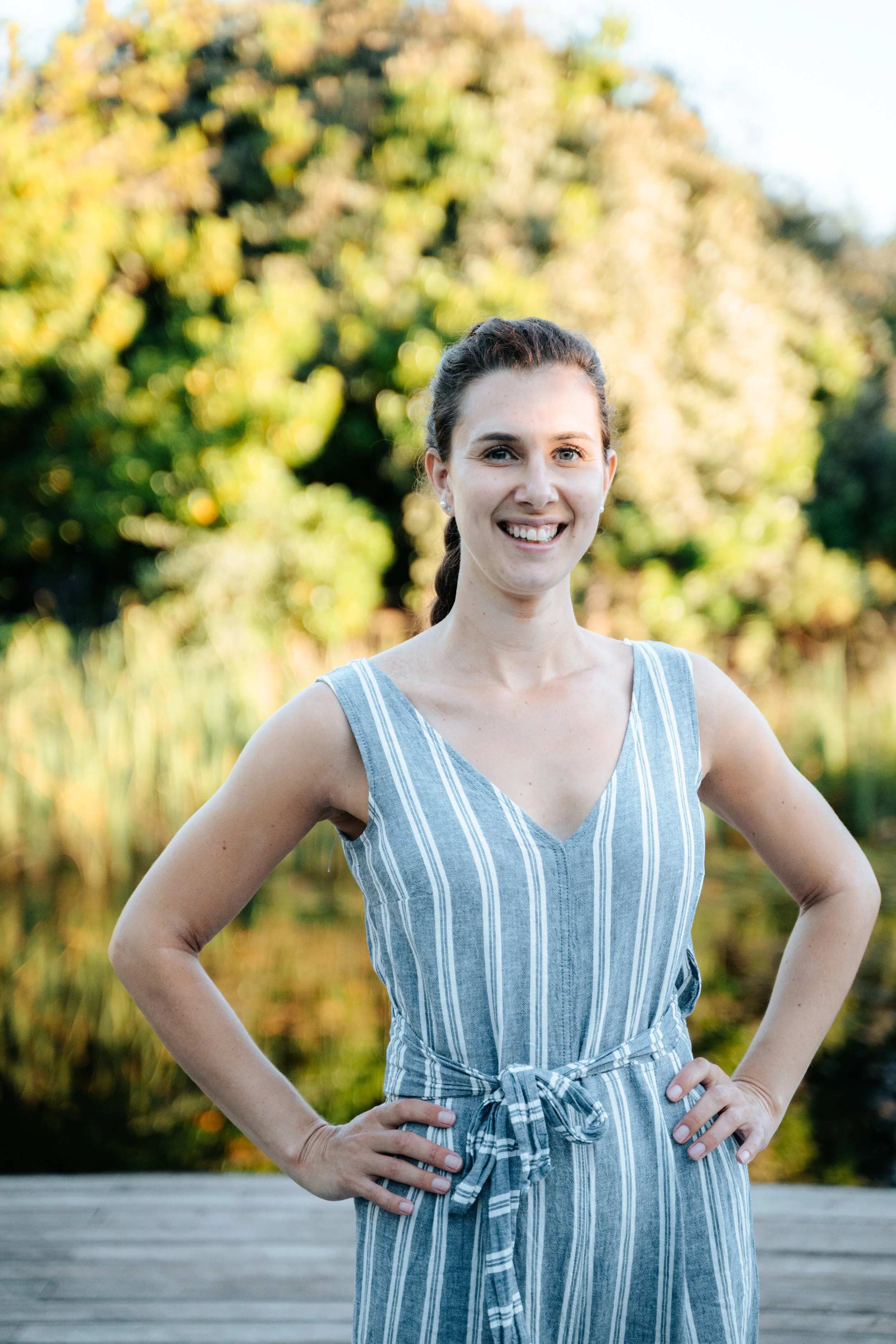
Founder Katie is a wellbeing advocate and planner whose passion for events and yoga creates the perfect blend for meticulously designed retreats. Her journey began ten years ago in Sydney, where she first turned to yoga to find calm for an anxious mind. What started as a personal practice evolved into a mission to bring like-minded people together to connect with nature and enjoy incredible food, the ultimate self-care experience.
After launching Katie J Yoga in 2020 she rebranded to Zenaa in 2024. Today, it is a thriving community where every detail is covered so guests feel entirely nourished and supported.
Founder’s Go-To Wellbeing Advice
“Prioritising sleep. When everything feels overwhelming or I've lost my way, coming back to a consistent and restful sleep routine is the foundation for mental clarity and emotional resilience.”
Some Practical Details
Zenaa offers luxury wellness and yoga retreats in the UK (including Devon, Bath, and the Cotswolds) and abroad (Italy, France, Portugal, and Sri Lanka). These include:
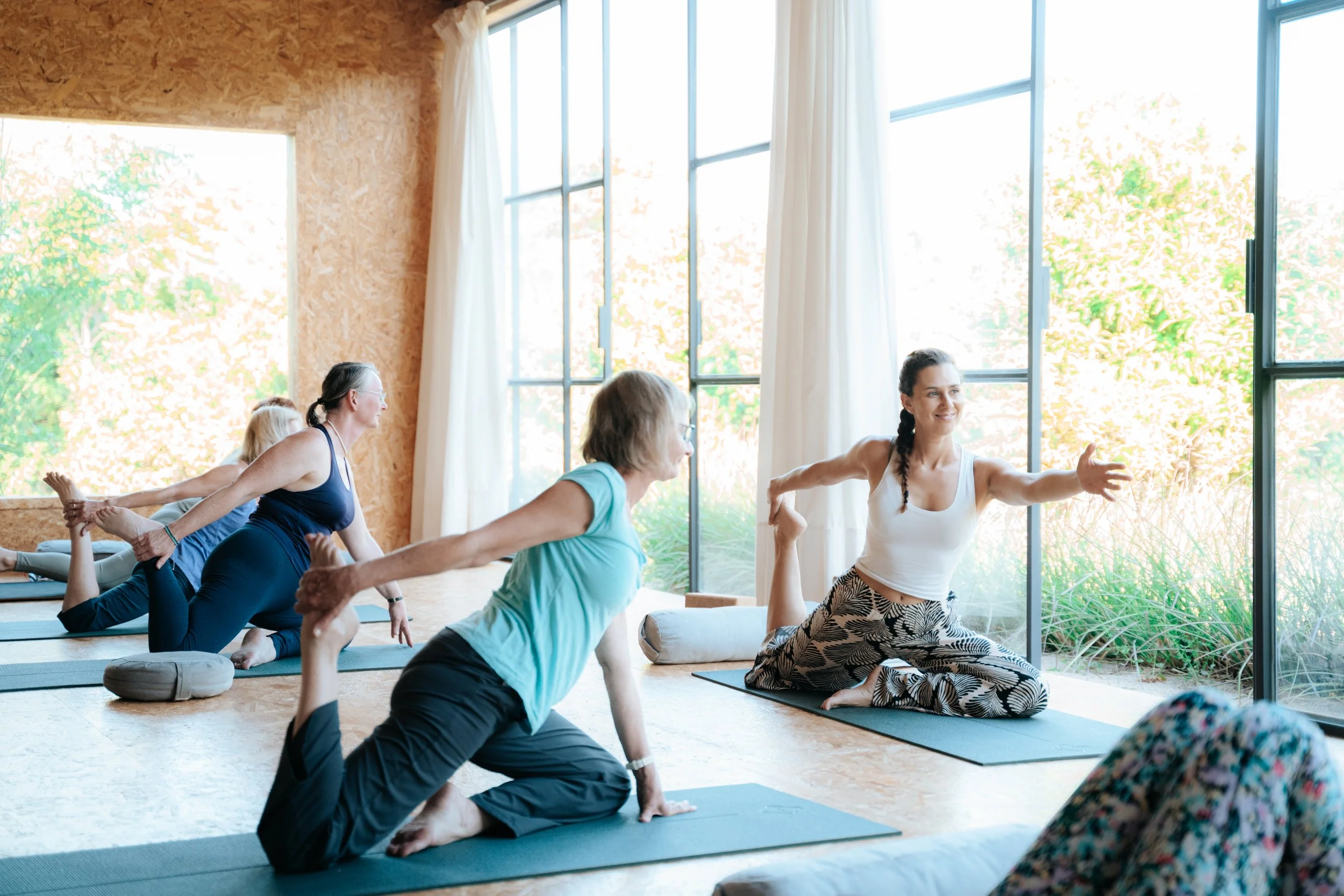
Varied Yoga: Dynamic Hatha sessions in the morning and gentle Yin or yoga nidra in the evenings.
Nourishment: Healthy, wholesome meals prepared by private chefs (always including dessert and sometimes a glass of wine).
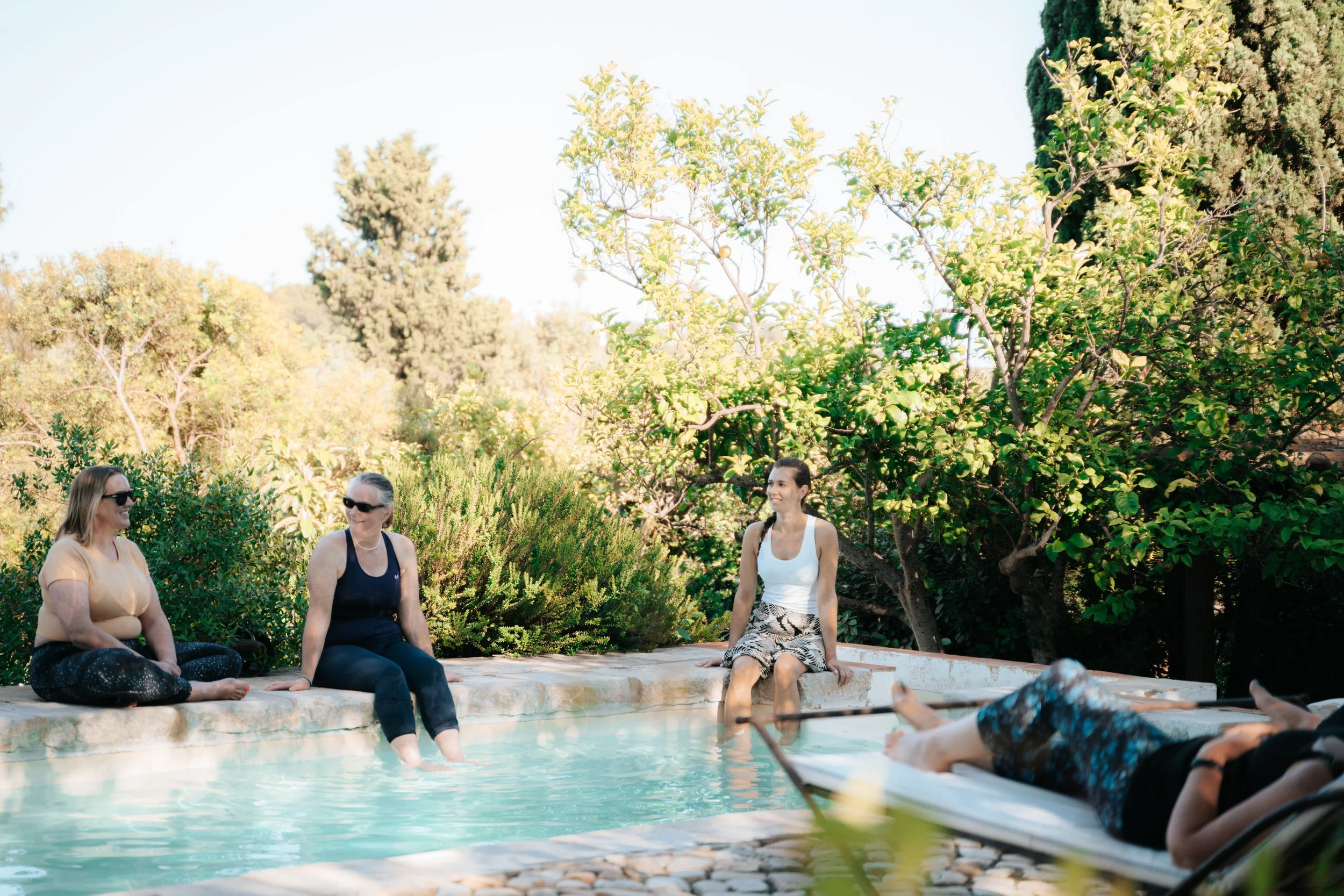
Activities: Countryside walks, cold-water swims, creative workshops, and meditation.
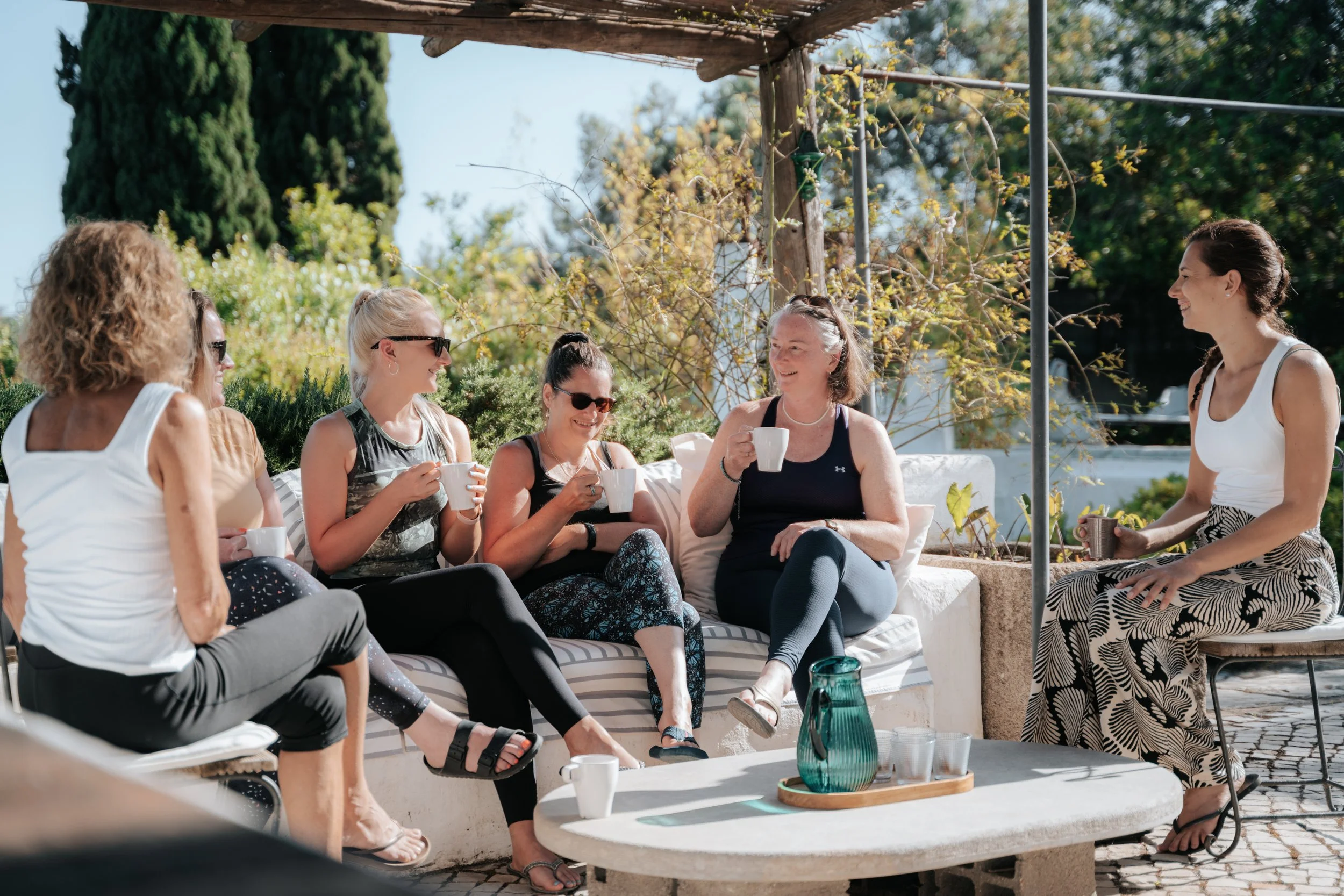
Community: A warm, inclusive environment where guests often leave as close friends.
If you’re not able to attend in-person, don’t worry, there’s Zenaa Online which provides an online retreat experience. You can try out their free 7 day trial here.
Coming up:
Italy Retreat (July 2026) – A 6-night restorative escape
France Retreat (Sept/Oct 2026) – A 5-night wellness experience
Devon, UK (Oct 2026) – A weekend of nourishment and nature
Book a retreat using code IFLOST and get a special welcome gift.
“I’m Fine” in Midlife
In midlife, “I’m fine” can mask burnout, hormonal shifts, and emotional overload. Explore why this response changes and how to reconnect with what you really need.
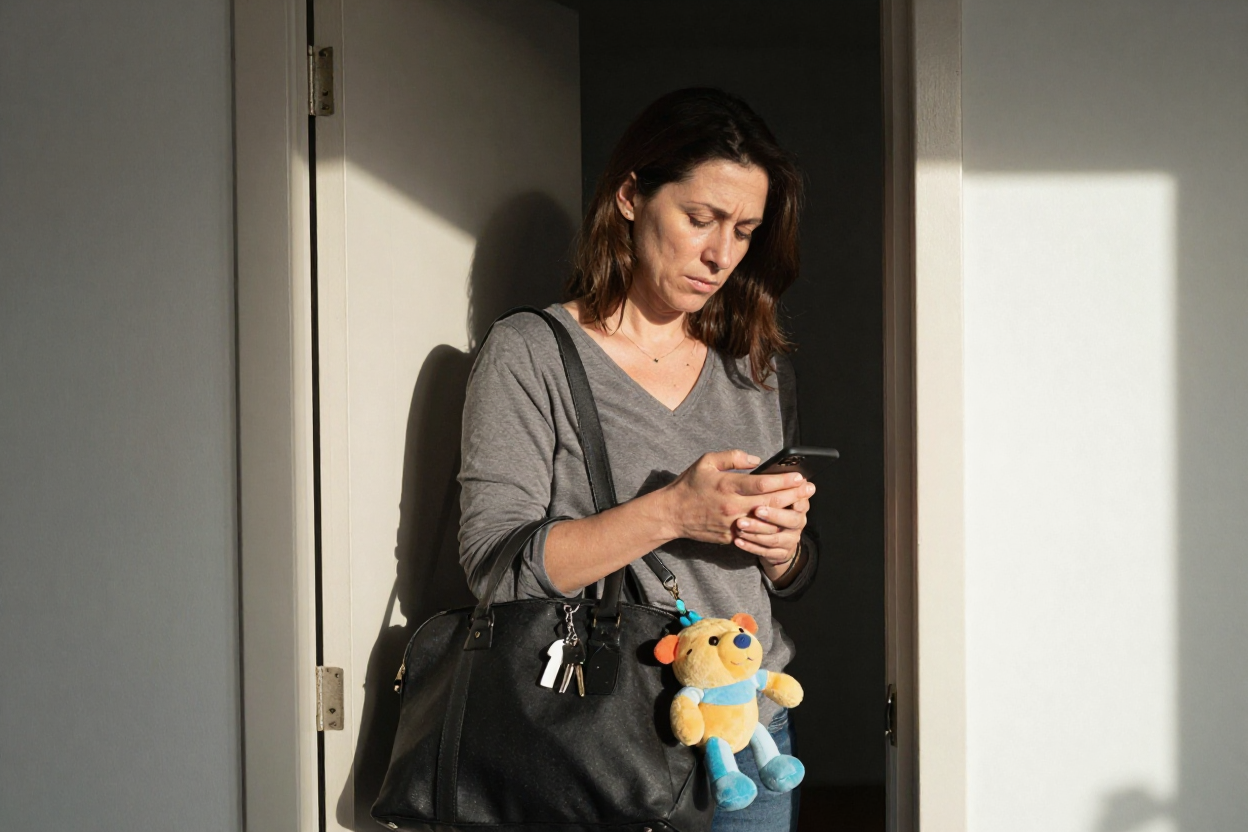
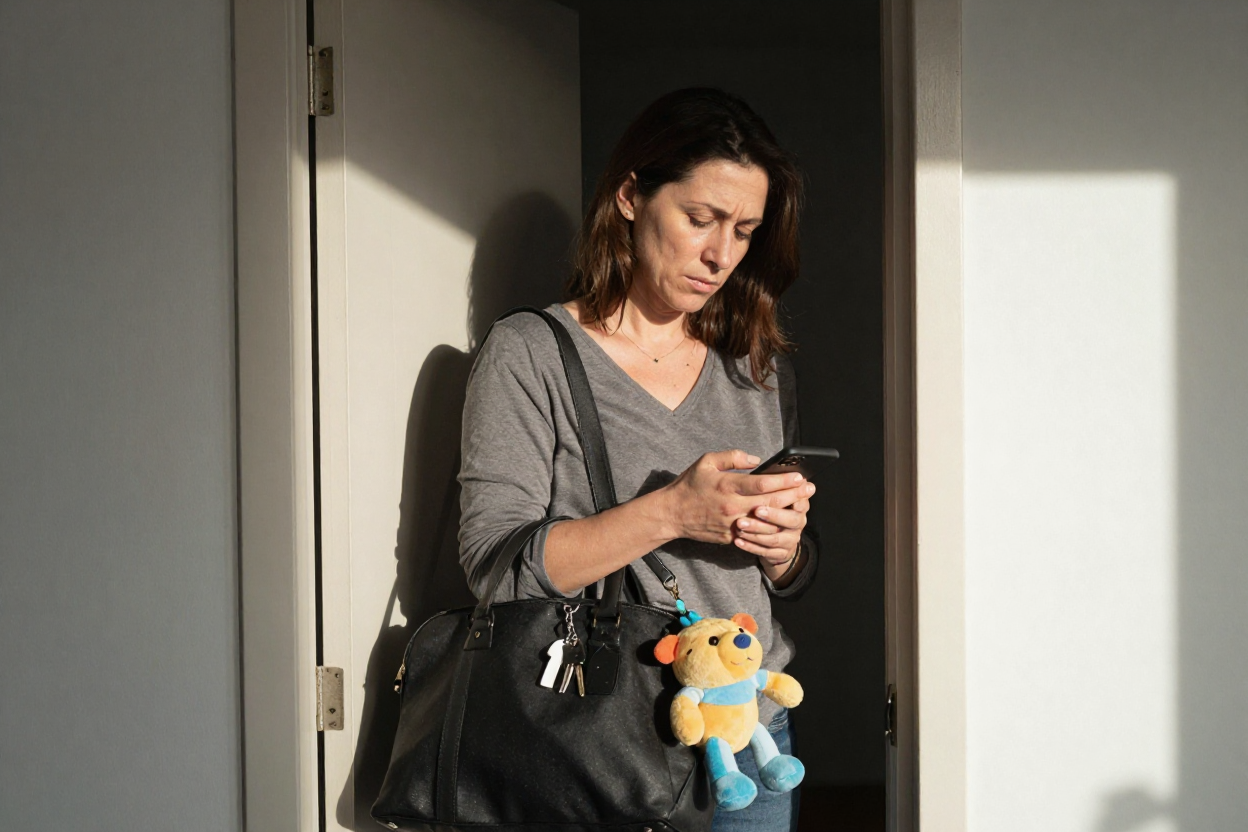
You wake before the alarm, not because you’re rested but because your mind has already started. There’s a list forming before your eyes are fully open — things to organise, respond to, remember, hold together. The day begins before you’ve even stepped into it.
By mid-morning you’ve answered messages, kept something running that might otherwise have stalled, smoothed over a moment that could have turned into conflict, and made sure everyone else is more or less where they need to be. When someone asks how you are — and they do, in passing, in between everything else — you say, “I’m fine,” and keep moving.
And in many ways, you are. You’re functioning. You’re managing. You’re doing what needs to be done. But somewhere underneath that, something feels different to how it once did.
The pace is the same, or even faster, but your capacity to keep absorbing it without cost has shifted. Sleep doesn’t restore you in quite the same way. Small things feel harder. Your body speaks more loudly, even if you’re not always sure how to listen. Emotions can feel closer to the surface — or, at times, more difficult to access altogether. And yet, the expectation — internal as much as external — is often that you should still be able to carry it all.
This is where “I’m fine” in midlife can take on a particular weight. It becomes the thing that holds together a life that has grown fuller and more complex over time — work, relationships, children, parents, friendships, the quiet accumulation of responsibility, the invisible labour that sits beneath it all.
It can also hold together an identity that has been built over years. If you’ve been the capable one, the one who gets things done, the one who can be relied on, then not being fine can feel like more than just a feeling — it can feel like a fracture in who you are. So “fine” keeps you inside something familiar, even if it’s starting to feel tight.
At the same time, midlife brings its own particular pressures.
Changes in the body — hormonal shifts, disrupted sleep, anxiety that arrives without clear reason, irritability that feels out of proportion.
Changes in relationships — renegotiations, distance, new dynamics that require different conversations.
Changes in perspective — a growing awareness of time, of what has been, of what might still be possible.
And alongside all of that, a question that can be hard to ignore:
Is this still working for me?
“Fine” often steps in right at that point.
Not because nothing is there, but because what’s there feels too big, too layered, or too disruptive to fully open. It protects you from the immensity of it — grief for versions of life that didn’t happen, anger at loads that feel uneven, fear of what change might bring, longing for something more spacious or more aligned. It also protects your nervous system when things have been too much for too long.
So instead of anxiety, you might feel a kind of flatness. A functional steadiness that keeps everything moving, but leaves little room for rest, pleasure, or connection.
You can cope, but you can’t receive.
You’re productive, but not nourished.
You’re calm on the outside, but internally braced.
And over time, that can begin to feel like the place you live.
But midlife also has a way of gently interrupting that pattern. Not necessarily with a dramatic breaking point, but with a steady accumulation of moments where “fine” no longer quite fits.
Where your body asks for something different.
Where your capacity reaches a limit.
Where your desires, long held at the edges, become harder to ignore.
And this is where something else becomes possible. Not a complete reinvention, and not a rejection of everything that has brought you here, but a gradual renegotiation.
Of what you carry.
Of what you expect of yourself.
Of what you allow yourself to need.
Questions begin to surface that cut through the automatic nature of “fine”:
What am I responsible for that I shouldn’t be?
What expectations am I meeting that no one has actually asked of me?
Where have I become the only one holding something together?
What would change if I believed my needs were legitimate?
These aren’t questions to answer all at once. They’re invitations. Because “fine” in this season of life isn’t something to get rid of. It’s something to listen to. A signal that something is asking for attention, for care, for adjustment. And alongside it, there can be another version of fine — one that feels different in the body. A steadier kind of okay.
Where your mood is mostly stable, even if life is full.
Where problems feel solvable, and support feels possible.
Where you have access, even in small ways, to rest, to pleasure, to connection.
Where your yes and your no feel real.
Midlife doesn’t remove the need for “fine.” But it does offer the chance to reshape it. To let it become less about holding everything together, and more about being in relationship with yourself as you actually are — changing, adjusting, becoming.
And from there, something opens. Not all at once. But enough to feel the difference between coping… and being here, in your life, with a little more space to breathe.
Identify the hidden emotion under “fine”
Common ones in midlife:
Grief (for time, body, dreams, parents, versions of self)
Anger (from unfair load, invisibility, broken agreements)
Fear (change, aging, being alone, being trapped)
Longing (for rest, intimacy, freedom, meaning)
Shame (for needing, for not coping “better”)
Prompt:
If ‘fine’ had a feeling, it would be?.
If ‘fine’ had a message, it would be?
Find the right kind of support
If it’s hormonal/body-based: track symptoms, consider talking to a clinician, consider sleep support and nutrition.
If it’s relational: practice direct asks, therapy/couples work, boundary setting.
If it’s nervous-system burnout: prioritize downshifting (rest, somatic work, less stimulation).
If it’s meaning/identity: coaching/therapy/journaling around values and your “next chapter.”
How to talk to people when you’re FINE
Scripts to try out:
“I’m a bit depleted. I don’t need fixing, just you to listen.”
“I’m not ready to talk details, but I’m not okay.”
“Can we do a low-energy hang? I need company.”
“I’m overwhelmed. Can you take one thing off my plate this week?”
“I’m not fine, but I’m ok.”
If “fine” has become the place you’re living from more often than you’d like, this might be a moment to have a different kind of conversation.
In coaching, we explore what’s shifting in this season of life — your needs, your energy, your direction — so you can move forward in a way that feels more sustainable and more yours.
Book a free discovery call and begin to find your way from here.

Moving Gently Beyond “Fine”
“I’m fine” can hide what we’re really feeling. Learn gentle, practical ways to understand your emotions, reconnect with your body, and express what’s true without overwhelm.

You’re replying to a message. “How are you?” they’ve asked, and your thumbs hover for a moment before typing, “I’m fine, how are you?” It’s already sent before you’ve really checked in. You notice it though, that slight pause afterwards, that sense that something more could have been said, but didn’t quite make it into words.
This is often how “fine” works. Not as a deliberate decision, but as a well-practised reflex. And once you start noticing it, it can be hard to unsee. Not because it’s wrong, but because you can feel both sides of it — what it’s doing for you, and what it might be costing you.
So the work isn’t to stop saying “fine.” It’s to start relating to it differently. Instead of treating it as something to correct, you can begin by treating it as information. A question, asked internally: what is “fine” doing for me right now?
Sometimes it’s protecting you from a conversation you don’t have the energy for. Sometimes it’s holding together a version of yourself that still feels important. Sometimes it’s simply buying you time — a way of saying, not now. And alongside that, another question can sit gently beside it:
What would become more complicated if I wasn’t fine?
Because that’s often where the truth lives — in the complication. The conversation you might have to have. The need you might have to express. The change you might have to consider.
You don’t have to go there all at once. Often, the smallest shift is enough. Instead of replacing “fine” entirely, you can add a little more specificity, a little more truth, while keeping the safety that “fine” was giving you.
It might sound like:
“I’m okay, but I’m carrying quite a lot.”
“I’m functioning, but I feel a bit tender.”
“I’m not in crisis, but I’m not feeling great.”
“I’m managing, but I could use some support.”
Or even more simply, noticing where “fine” is and isn’t true:
Fine at work, not fine at home.
Fine in the morning, not fine at night.
Fine physically, not fine emotionally.
These are small translations, but they begin to reconnect you with what’s actually there. And often, the quickest way into that isn’t through language, but through the body. A moment of pausing. A hand resting somewhere steady — your chest, your stomach. A question that doesn’t require explanation:
What’s here?
Tight. Heavy. Buzzing. Numb.
And alongside it, perhaps, a need:
Rest. Space. Reassurance. Warmth.
Even this — just naming a sensation and a need — can begin to shift “fine” into something more alive.
Because underneath “fine” there’s often a mix of feelings that don’t always separate themselves neatly. Grief that hasn’t had time. Anger that hasn’t had space. Fear about what might change. Longing for something more spacious, more connected, more yours.
You don’t have to untangle all of it. You can start with the smallest true thing.
And alongside that, you can begin to make small repairs — not dramatic changes, but deliberate acts that meet you where you are.
A short walk outside.
Water and something nourishing before the next coffee.
A message to someone safe saying I’m not great today.
A boundary you’ve been circling but haven’t yet set.
Because often “FINE” — the version that feels tight and effortful — comes from cumulative depletion.
You can cope, but you can’t receive.
You’re productive, but not nourished.
You’re calm on the outside, but internally braced.
A helpful shorthand can be:
Healthy fine = I’m okay, and I’m connected.
FINE = I’m okay, and I’m disconnected.
And the movement between those two states isn’t dramatic. It’s made up of small moments of noticing, naming, and meeting yourself a little more honestly. Not all at once. Just enough to feel the difference.
Healthy “fine” (when you’re genuinely okay)
Stable mood most days.
Problems feel solvable; you can ask for help.
You have access to pleasure, rest, and connection.
Your “yes” and “no” feel real.
You feel present in your life (even if tired).
Unhealthy “FINE” (a kind of functional numbness)
You can cope, but you can’t receive.
You’re productive, but not nourished.
You’re calm on the outside, but internally braced.
You’re “fine” because you’ve stopped expecting support.
Your life is organized around avoiding collapse.
If you’re ready to move beyond “fine,” even just a little, having someone alongside you can make that feel safer and more possible.
Coaching offers a space to find the words, reconnect with what’s going on beneath the surface, and take small, steady steps towards something that feels more like you.
You can start with a free call and see if it feels like the right kind of support.
What “I’m Fine” Really Means
We say “I’m fine” every day—but what’s really behind it? Explore how emotional numbing, people-pleasing, and hidden feelings shape this common response, and what it might be protecting.
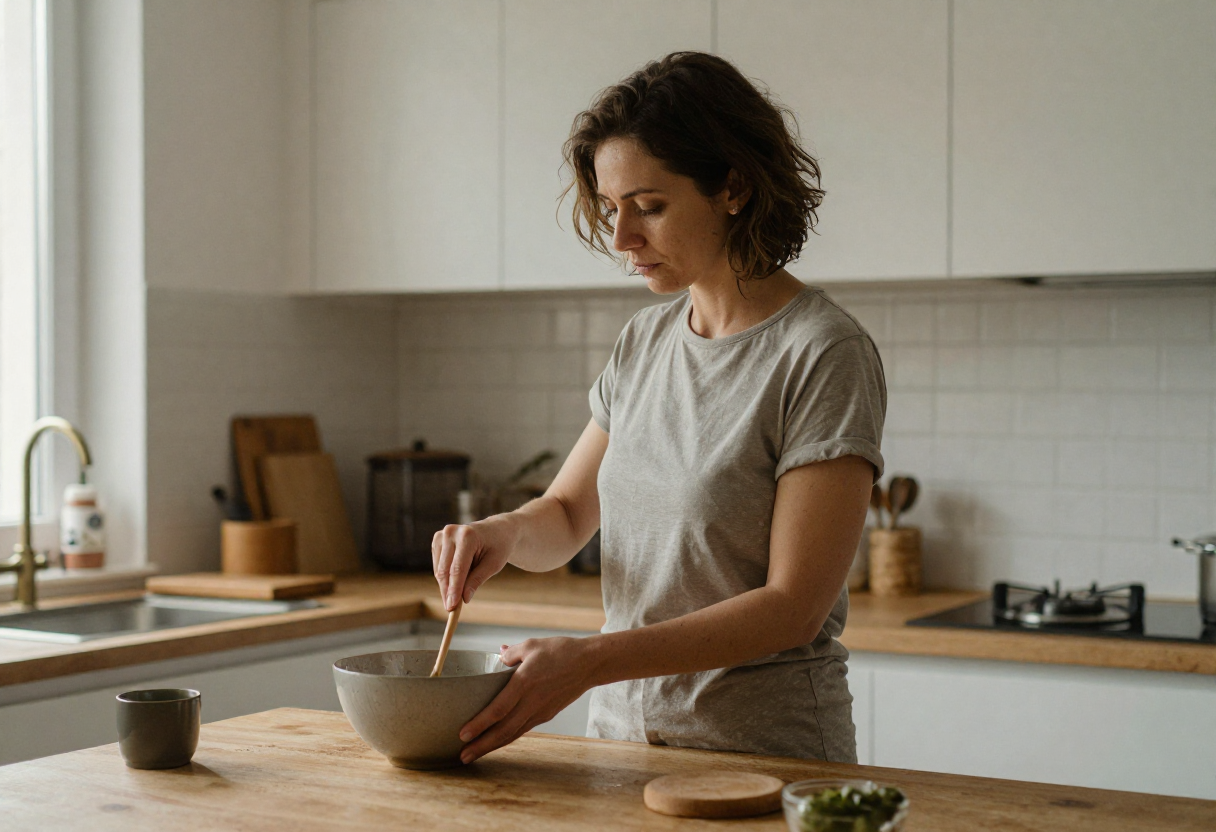
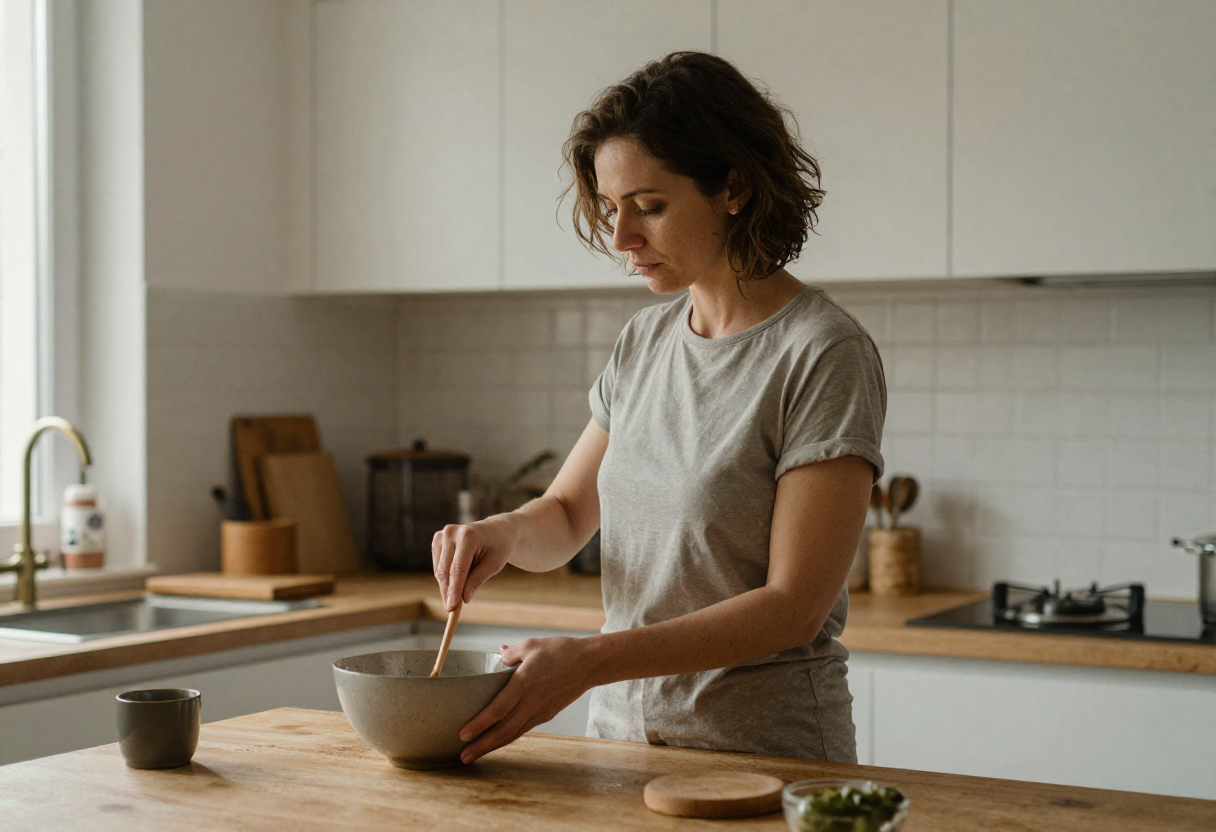
You’re standing in the kitchen, phone wedged between your shoulder and ear, stirring something that doesn’t need stirring quite so vigorously. Someone asks how you are — a colleague or a friend, or maybe it’s your partner calling from another room — and you answer without thinking, “I’m fine.” The words arrive quickly, almost before the question has fully landed. You keep moving. There’s dinner to finish, emails to send, a message you haven’t replied to yet. Nothing stops.
That “fine” didn’t come from checking in. It came from knowing what’s easiest. What keeps things smooth. What doesn’t require you to explain why you’ve been waking at 3am, or why that small comment earlier stayed with you longer than it should, or why you feel both exhausted and strangely wired at the same time.
“I’m fine” is often less a feeling and more a kind of agreement. A socially acceptable, low-friction answer that says: please don’t ask more right now.
And in that sense, it works beautifully. It protects relationships, keeps conversations moving, and allows you to stay in the role you know how to play — the capable one, the calm one, the one who can handle things. But when you stay with it a little longer, “fine” starts to reveal itself as something more layered.
It can be a survival strategy — a way of minimising your needs, your visibility, your inconvenience to others. A way of keeping everything steady, even if it means gradually stepping away from yourself.
It can be a kind of freeze state — not falling apart, but not fully alive either. You’re functioning, showing up, doing what needs to be done, but there’s a slight distance from what you feel. A flattening. A sense that you’re operating without full access to yourself.
And often, it’s a negotiation. Between what you can handle, what you are handling, and what you’re not quite letting yourself admit you’re handling.
Because there’s usually something underneath it.
“Fine” can sit over disconnection — from your body, your emotions, your desires, your fatigue, your anger, your grief. It can sit over roles you’ve come to inhabit so fully they feel indistinguishable from who you are: the caretaker, the peacekeeper, the high performer, the low-maintenance one, the strong friend.
If you wanted a shorthand for it, you could think of “FINE” as an internal status message:
System running on emergency power.
You’re neither broken nor in crisis. But you’re also not resourced enough to feel, to pause, to shift.
Fine shows up for good reasons. It protects your place in relationships, where being “too much” might feel risky. It protects identity, especially if you’ve been the one who copes, the one who gets things done. It protects you from truths that feel too big to open all at once — grief, loneliness, resentment, the ever louder question of whether something needs to change. It even protects your nervous system, when things have been too much for too long, and numbness feels safer than overwhelm.
So “fine” isn’t something to dismantle or push past. It’s something to understand. Because from the outside, it can look like everything is working — calm, organised, capable. But inside, it can feel like holding everything in place at once, a subtle bracing that never quite releases.
And that’s where a different kind of question becomes useful.
Not: Is this true? But: What is this doing for me?
Because when you start to see “fine” as information rather than a fixed state, it opens up something else.
A little more awareness. A little more choice. A little more room to move.
How to recognize FINE
The emotional / mental kind
You say “fine” quickly and automatically.
You minimize: “It’s not a big deal,” “Other people have it worse.”
You feel flat, bored, cynical, or strangely blank.
You feel easily irritated—like the smallest thing is too much.
You can’t access desire (“I don’t know what I want”).
The physical kind
Tension in jaw/neck/shoulders, shallow breath, clenched belly.
Exhaustion that sleep doesn’t fix.
“Wired but tired,” or heavy/foggy.
Frequent headaches, gut issues, inflammation flare-ups.
The behavioral kind
Over-functioning: fixing, managing, planning, caretaking.
Under-functioning in private: scrolling, zoning out, procrastination.
Increased people-pleasing or emotional withdrawal.
You stop initiating joy: hobbies, intimacy, creativity, movement.
If reading this has made you pause and wonder what might sit underneath your own “I’m fine,” you don’t have to figure that out alone.
In emotions coaching, we create space to gently explore what’s there — at your pace, in your own words — so you can begin to understand what you’re feeling and what you might need.
Start with a free discovery call and see what support could look like for you.
Creativity as a Mental Health Tool: How Art Can Support Wellbeing and Self-Trust
Feeling overwhelmed or unsure where to start? Discover how creativity can support mental health, ease anxiety and build self-trust in everyday life, even if you don’t think you’re creative.
Often when we think about wellbeing, our minds go to the things we’ve been taught to reach for. Yoga classes and early morning runs. Cold water swims, breathwork, journaling practices carefully folded into the edges of the day. There is a familiar shape to it now, a sense of what counts as looking after ourselves and what does not.
And yet, there are other ways of feeling better that sit just outside of that frame. Quieter, less prescribed, often overlooked. Creativity is one of them.
Not because it is unavailable, but because many of us stopped recognising it as something we were allowed to have. Somewhere along the way, it became something reserved for other people. The creative ones. The artistic ones. The ones who knew what they were doing.
So when we find ourselves searching for support, for something that might help us feel a little steadier or more like ourselves again, creativity rarely makes the list. It feels optional, or indulgent, or something to come back to when everything else is in place.
But what if it is not an extra at all. What if it is one of the most overlooked ways we have of supporting our mental health and wellbeing.
This is something that came into sharper focus for me in a recent conversation with Imogen Partridge, a watercolour illustrator and workshop host whose work sits at the intersection of creativity and everyday life. Not in a way that asks us to become more creative, but in a way that reminds us we already are.
What she speaks about is not creativity as output or identity, but as a practice. Something we can return to in the middle of ordinary days. Something that can sit quietly alongside everything else we are holding, offering a different way of being with ourselves when things feel uncertain or overwhelming.
At the heart of her own experience is a thought she has kept for years. A reminder that appears on her phone at the end of the day, asking her to give herself more credit for how hard she is trying .
It is a simple idea, but one that shifts something fundamental. Because so often, even when we are looking after ourselves, we are still measuring. Noticing what we have not done, where we have fallen short, how far we feel from where we thought we might be. And so even our wellbeing practices can quietly become another place where we are trying to get it right.
What happens if we begin somewhere else.
If instead of asking whether something is working, we notice that we are trying. If instead of evaluating the outcome, we stay with the experience of being in it.
This is where creativity begins to feel different.
In Imogen’s workshops, people often arrive with a certainty that they are not creative. It is not something they have questioned for a long time. It sits quietly in the background, shaping what they reach for and what they avoid. And so there is hesitation at first. A sense of being outside of something. Of not quite belonging in the space.
But when they begin, something shifts. Not because what they create is suddenly good or finished or worthy of being shown, but because they are in it. They are making marks, however tentative. They are noticing what it feels like to try without knowing exactly where it will lead.
There is a vulnerability in that. In being seen trying, even by yourself. In allowing something to exist that is unfinished, uncertain, not quite right.
And there is also something quietly steadying about it.
Because when the focus moves away from outcome, there is space for something else to emerge. A different kind of attention. A moment of calm. A feeling of being absorbed in what is in front of you, rather than pulled in multiple directions at once.
This is where creativity begins to show up as a mental health tool, not in the way we might expect, but in the way it meets us where we are.
It does not ask us to be consistent or disciplined or to improve. It does not require us to share or perform or turn it into something more. It simply offers a place to land. A way of settling into the present moment, even briefly, when everything else feels like too much.
And over time, those moments can begin to matter.
Not because they change everything, but because they offer something different. A pause in the noise. A way of coming back into your body. A reminder that you can be with yourself without needing to fix or move beyond what you are feeling.
I have seen this in small, everyday ways. Children drawing without hesitation, moving from one idea to the next without questioning whether it is good. Adults returning to creative practices after years away, unsure at first, then gradually finding a rhythm that feels their own. A partner coming home from a long day and picking up a paintbrush, not to create something finished, but to let the day settle.
There is something important in these moments. Not just the act itself, but what it represents.
That creativity is not something we have to earn.
That it does not need to be productive to be valuable.
That it can sit alongside the rest of our lives, quietly supporting us in ways we might not have considered.
In a world where so much of wellbeing is shaped by structure and expectation, creativity offers something softer. A way of being rather than doing. A practice that can exist in small pockets of time, without needing to be perfect or complete.
It is not the only way of supporting your mental health, and it does not replace anything else that works for you. But it is one of the tools that often goes unnoticed, even though it has been there all along.
And perhaps that is where this thought continues to land.
Not as something to achieve, but as something to recognise.
That trying counts.
That effort, even when it is unseen, has value.
That you do not need to feel ready or confident to begin.
If you find yourself searching for ways to feel better, it might be worth looking not just at what you can add, but at what you might return to. Something simple. Something small. Something that allows you to be in the moment without needing to change it.
You can listen to the full conversation with Imogen Partridge on A Thought I Kept, where we explore creativity, mental health, motherhood and the quiet power of trying in more depth.
And if you are curious about how creativity might support your own wellbeing, you can explore our wellbeing prescriptions at If Lost Start Here, where we share gentle ways to bring more creativity into your everyday life in ways that feel possible and personal to you
Why Nothing Changes Even When You Try Everything: The Missing Role of Connection
Feeling stuck even after trying all the advice? This piece explores why real change often happens through connection, not more ideas, and how being with others can help you move forward.
Do you ever feel so frustratingly stuck? And it’s not because you haven’t tried things. If anything, you’ve tried a lot. You’ve read the books, listened to the podcasts, saved the quotes, maybe even written things down in a notebook with the hope that this time something might land. And for a moment, it does. Something resonates. Something makes sense. And then, somehow, nothing really changes.
You’re still in the same patterns. Still circling the same questions. Still feeling that low-level sense that something isn’t quite shifting in the way you hoped it might.
It can be easy, in those moments, to assume the problem is you. That you haven’t understood it properly. That you haven’t applied it well enough. That you need to try harder, or find the right framework, or finally come across the one idea that will make everything click into place.
But what if that’s not what’s missing?
In a recent episode of A Thought I Kept, I found myself returning to a simpler idea. That sometimes it isn’t another piece of insight we need. It’s other people.
Not in a dramatic or overwhelming way. Not in the sense of needing a whole new community or a complete change of life. But in the small, often overlooked ways that we are with each other. The conversations that go a little deeper than expected. The moments where someone really listens. The feeling of being alongside someone rather than trying to work it all out alone.
Because so much of what we are trying to understand about ourselves doesn’t fully emerge in isolation.
We can think about something for weeks, months even, and still feel unsure. And then, in the space of a single conversation, something becomes clearer. Not because the other person has the answer, but because they’ve asked a question we hadn’t considered. Or reflected something back to us that we couldn’t quite see on our own.
There’s something about being witnessed that changes the shape of things.
In my conversation with Laurence McCahill, we talked about the role he plays in bringing people together. A friend once told him that he was the glue in a group, the person who connected people who might not otherwise have found each other. It wasn’t something he had consciously set out to be. It was something he recognised in hindsight, something that had always been there.
And I think there’s something important in that too.
That the things that help us feel more connected, more ourselves, are often not the things we need to learn from scratch. They are the things that already exist in us, but only really come into focus in relationship with other people.
Listening. Noticing. Making space. Asking a question at the right moment. Sitting with someone without needing to fix what they’re going through.
These are not grand gestures. They are small, human ones. But they create the conditions for something else to happen. They create the conditions for change.
It also made me think about how much of modern life encourages us to do things on our own. To self-reflect alone. To improve alone. To figure things out internally before we share them with anyone else. Even our versions of connection can become structured or transactional. Networking rather than relating. Updating rather than opening up. And in all of that, we can lose something essential.
The in-between spaces where things unfold more naturally. The conversations that aren’t heading anywhere in particular. The moments where we’re not trying to get something out of the interaction, but simply being in it. Those are often the places where something shifts. Not because we’ve found a better answer, but because we’re no longer holding everything on our own.
If you’ve been feeling stuck, or like you’re circling the same thoughts without anything really changing, it might be worth gently asking a different question.
Not “what haven’t I figured out yet?” But “who might I need to be in conversation with?”
That might look like reaching out to someone you trust. Sitting with a friend a little longer than usual. Joining something where the intention is simply to be with other people, rather than to achieve or fix anything.
It might even be noticing where, in your own life, you are already the one who brings people together. The one who listens. The one who creates space for others. And considering what it would mean to allow that to be something you receive as well as give.
There isn’t a neat formula for this. And it won’t always feel comfortable, especially if you’re used to holding things on your own. But there is a different kind of steadiness that can come from it.
The kind that doesn’t come from having all the answers, but from not having to find them alone.
If this idea resonates, you might want to listen to the full conversation with Laurence on A Thought I Kept, where we explore connection, community, and what becomes possible when we do life together.
And if you’re looking for somewhere to begin, we’ve created a series of wellbeing prescriptions at If Lost Start Here that gently centre connection in everyday life. Not as another thing to get right, but as a way of finding your footing again, alongside other people.
Creative Frome: A Wellbeing Guide to Living More Creatively in Everyday Life
Discover how to bring more creativity into your everyday life in Frome. From Black Swan Arts to Made at Nest, explore a wellbeing guide to creative places that help you slow down, reconnect, and feel better.
There’s something about Frome that makes creativity feel like part of everyday life, not something reserved for weekends or special occasions. It’s in the windows, the workshops, and the sense that people are making things because they want to, not because they have to. And when life feels full or a little unclear, creativity offers a way back, giving us somewhere to place our attention, our hands, our thoughts.
Why creativity matters for wellbeing
Creativity isn’t just about producing something beautiful or impressive. It’s about process. It’s about making space for curiosity, for play, for noticing what draws you in.
When we engage creatively, even in small ways, we step out of constant consumption and into participation. We soften the pressure to have all the answers and instead follow something more alive: interest, instinct, experimentation. Creativity can regulate our nervous systems, reconnect us to ourselves, and remind us that we’re allowed to make things imperfectly.
In a town like Frome, that invitation is everywhere.

A wellbeing prescription for a more creative life in Frome
Start with wandering. Let yourself be led by what catches your eye, not what you think you “should” do.
Here are some of our favourite places to seek out creativity:
Black Swan Arts
Set in a beautiful old building, Black Swan Arts is a community-driven contemporary arts centre that supports local and emerging artists through exhibitions, open studios, and workshops. You might come for a specific show, or simply to wander through and notice what resonates. It’s a reminder that creativity takes many forms and that you don’t need to understand it all to be moved by it. Also check out The Write Place, a cosy place to work on that novel hidden away on the top floor.
The Silk Mill Studios and Gallery
Part gallery, part working space, The Silk Mill offers a closer look at creativity lived out by the artists who work here. There’s a sense of getting to witness the in-between stages—the sketches, the half-finished pieces, the process itself, challenging the idea that creativity needs to be polished to be worthwhile. With a rotating series of exhibitions, workshops and events there’s often something here to expand your world a little.
Ground
At the top of Catherine’s Hill, you’ll find Ground, a studio and shop created by the potter and artist Fi Underhill. Here you’ll get a sense that creativity can both be something you make and something you engage with. Take one of the gorgeous ceramic mugs home with you, so that an everyday, almost throwaway moment drinking your morning coffee becomes even better.
Made at Nest
Made at Nest is a welcoming pottery studio and coffee shop that invites you not just to buy something creative, but to try making something yourself. It offers a gentle nudge towards participation rather than perfection, and you’ll feel free to paint vases and bowls, tiny bears and exuberant elephants to your heart’s content. Oh and there’s cake.
Still Life Gin
There’s creativity in flavour too. At Still Life Gin, the process of distillation becomes its own kind of craft—thoughtful, sensory, experimental. It’s a different lens on creativity, one that invites you to taste and notice, not just look. You can also book sessions to make your own gin blend.
Seed
Seed is a thoughtfully curated shop filled with the best of British design from homewares, stationery, and objects that bring a sense of life and intention into your space. It’s a reminder that creativity can be as simple as how we care for our environment—what we surround ourselves with, what we bring in, and how we make a space feel like our own.
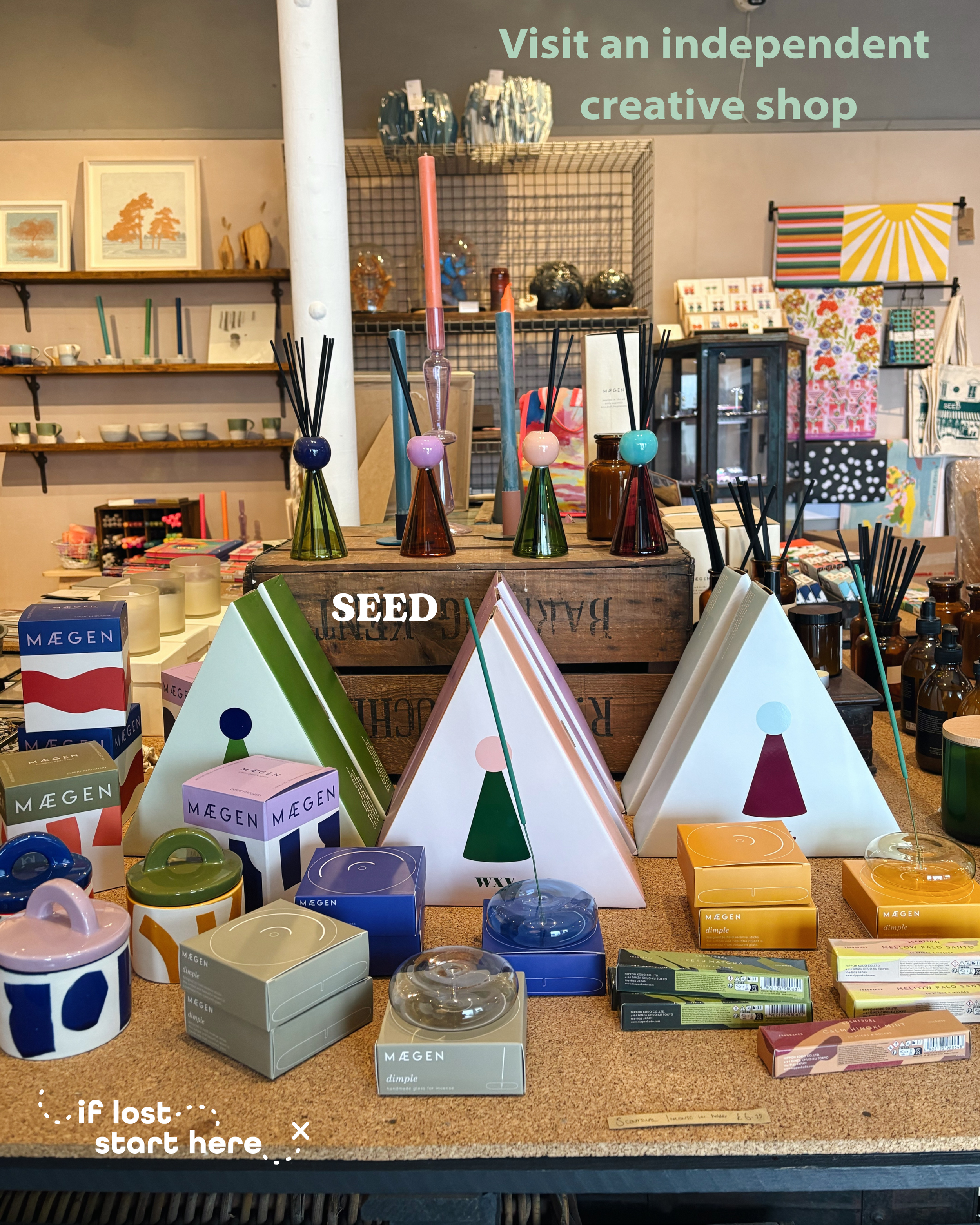
You don’t need to become “a creative person” to live more creatively. You just need to follow what feels interesting, even if it seems small or ordinary.
If you’re looking for more places like these—spaces that help you reconnect, explore and feel a little more like yourself—browse our guide for life. It’s filled with creative corners, thoughtful businesses and everyday places that make life feel better, one visit at a time.
Oh, and if you run a local place that you think would be perfect for our guide, apply to be part of our collection of places for happier days here.
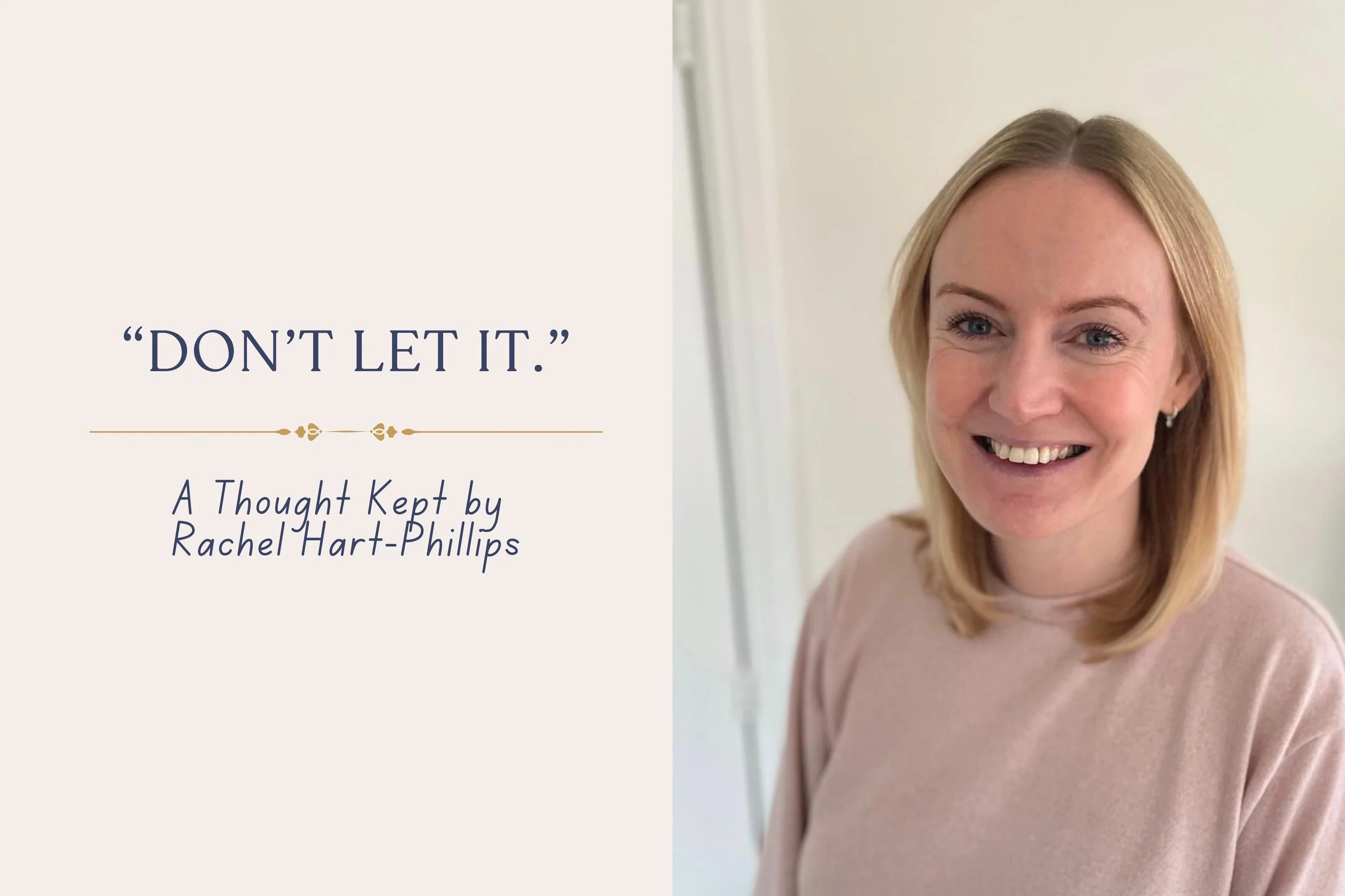
When Grief Changes You But Doesn’t Define You: Finding Your Way Through Loss
Feeling lost after grief or life changes? Explore how loss can change you without defining you, and find a steadier way to navigate difficult emotions and feeling lost.
Rachel Hart-Phillips is in the car, driving away from the hospital mortuary. It is one of those days that feels almost impossible to hold — the kind where everything is too much, too raw, too real. She has just seen her husband. The future she thought she had is no longer there. And alongside the shock and the grief, there is another feeling beginning to take shape.
Fear.
Not just of what has happened, but of what it might mean. That this could be the thing that defines her. That from this moment on, she might always be “the person this happened to.” That her life might narrow around this one experience, this one loss, this one story.
She says it out loud to the friend driving her home. And he responds, simply and almost casually, “don’t let it.”
It isn’t a solution. It isn’t even something she can fully take in at the time. How could you, in the middle of something so overwhelming? But she keeps it. She carries it with her, even when it feels impossible to believe. And over time, it becomes something she can return to. Not as an instruction to be okay, but as a way of orienting herself inside something that has changed everything.
There is something in that moment that many of us will recognise, even if our circumstances are different. That quiet, often unspoken fear that the hardest thing we go through might become the thing that defines us. It might not be grief. It might be anxiety, burnout, a loss of confidence, a period of feeling lost or stuck. But the shape of the fear is often the same. That this is who I am now. That this is how it will always be.
And yet, life is rarely that singular. It is not one thing, even when one thing feels overwhelming. What Rachel’s story holds, gently and without forcing it, is the idea that we can be shaped by what happens to us without being entirely defined by it.
This is not about dismissing the impact of what we go through. Loss does change us. Grief changes us. The experiences that stop us in our tracks — the ones that make us question who we are and how we go on — they leave their mark. Rachel speaks about the many emotions that came with her grief: sadness, of course, but also anger, guilt, fear, even moments of something like joy returning in unexpected ways And perhaps one of the hardest parts is that these emotions don’t arrive neatly. They don’t follow a clear path. They can feel contradictory, confusing, and sometimes even shameful.
We are not always given space to experience that fully. There is often a subtle pressure, from the world around us and from within, to be strong, to hold it together, to find a way through as quickly as possible. Rachel described being told she was strong after earlier loss, and how that became something she felt she had to live up to — as if showing her grief might mean she was doing it wrong But over time, she came to understand that strength, in this context, looks very different. It is not about holding everything in. It is about allowing what is there to be there.
This is a different kind of orientation to the one many of us are used to. Rather than asking “how do I fix this?” or “how do I stop feeling like this?”, it becomes something more like “how do I stay with this, without losing myself inside it?” It is slower. Less certain. But also, perhaps, more human.
Rachel spoke about grief as something that lives in the body, not just the mind. Something that needs to be felt and moved through, rather than thought away And that might look like very ordinary things. A walk. A song. A moment of crying that comes out of nowhere. A small flicker of light that catches you by surprise. None of these are solutions. But they are ways of staying connected to yourself, even as everything shifts.
There was something else in our conversation that stayed with me, and it sits alongside that original thought. The idea that when something hard happens, we don’t just struggle with what we’re feeling — we also struggle with how to be around each other. The not knowing what to say. The fear of getting it wrong. The way we can sometimes back away, even when we care deeply.
Rachel has built her work around this space — around helping us find words when words feel impossible. And what she returns to, again and again, is that it doesn’t need to be perfect. Often, it is the simplest expressions that matter most. A message. A card. A “I’m here.” A “love you.” Not to fix anything, but to sit alongside it.
Because when life becomes difficult, what we are often looking for is not a solution, but a sense of not being alone in it.
And maybe this is where that original thought — don’t let it — becomes something softer, something more spacious. Not a demand to overcome or to move on. But a quiet reminder that even when something changes you, it doesn’t have to take everything with it. There can still be other parts of you. Other moments. Other possibilities that sit alongside the hard.
Rachel speaks about the metaphor of a disco ball — something made up of broken pieces that still reflects light. Not in spite of what it’s been through, but because of how those pieces come together. It feels like a more honest image of how we live. Not perfectly put back together. Not untouched by what has happened. But still capable of reflecting something back into the world.
If you are in a moment where things feel uncertain, or heavy, or difficult to name, it might not be about finding a way to change yourself. It might be about staying close to yourself, even here. Allowing what is present to be present. And trusting, even if only a little, that there is more to you than the thing that has happened.
If this feels close to home, you can listen to the full conversation with Rachel on A Thought I Kept.
And if you’re looking for a steadier way to navigate what you’re feeling, or to find your footing again, you’re always welcome to explore the coaching and resources here at If Lost Start Here.
For now, perhaps just this thought to carry gently with you:
What is the thing you’re afraid might define you?
And what might it mean, in your own time, not to let it?

Feeling Lost, Disconnected, Overwhelmed, or Lonely? Here’s How to Find Your Way Back to Yourself
Explore how to create your own way to well when you’re feeling lost, disconnected, lonely or overwhelmed with our wellbeing prescriptions for everyday life.
Life can feel heavy when you’re navigating overwhelm, loneliness, or a sense of disconnection. Maybe you feel stuck in routines that don’t nourish you, struggling to find clarity, or simply wondering what’s missing. Instead of trying to force yourself into generic self-care routines, what if you could create a wellbeing practice that fits you? That’s where our Wellbeing Prescriptions come in.
Inspired by social prescribing, our approach blends Culture Therapy, carefully chosen places from our Guide to Life, and an understanding of what you actually need. Most importantly, it starts with how you feel right now. This personalised approach helps you feel grounded, connected, and emotionally well on your own terms.
What is Wellbeing?
Wellbeing isn’t just about ticking off a to-do list of meditation, journaling, and yoga. It’s about finding what genuinely supports you—mentally, emotionally, and socially.
At its core, wellbeing is about:
Emotional health – Learning to navigate your emotions with self-compassion rather than resistance
Mental balance – Managing stress, uncertainty, and change with more ease
Connection – Feeling supported by people, places, and experiences that align with who you are
But here’s the key: wellbeing is personal. What works for someone else may not be what you need. That’s why our approach is bespoke.
How We Create Your Bespoke Wellbeing Prescription
Your wellbeing prescription is built around you, using three core elements:
1. We Start with How You Feel
Before prescribing anything, we begin with your reality today. Are you feeling:
Lost? Unsure where to go next or what’s missing?
Disconnected? Feeling detached from yourself or others?
Overwhelmed? Struggling to manage stress, burnout, or emotions?
Lonely? Longing for deeper relationships or more meaningful experiences?
These sessions first help you understand what’s happening beneath the surface—so we can tailor your wellbeing prescription to what will truly help.
2. We Look at What You Need
Everyone’s wellbeing needs are different. Some of us need more space, others need more connection. Some need creativity, others need calm.
Through our framework, we uncover what’s missing or what you’re craving right now—whether it’s:
Rest – Slowing down, prioritising sleep, and reducing stress
Clarity – Finding direction and making sense of where you are
Purpose – Reconnecting with what feels meaningful to you
Play – Bringing more joy, creativity, and fun into your life
Connection – Strengthening relationships or finding community
3. We Curate a Wellbeing Prescription Just for You
Once we understand how you feel and what you need, we create a bespoke wellbeing prescription that may include:
Culture Therapy – A handpicked selection of books, podcasts, and creative resources designed to support your emotional wellbeing.
Places from our Guide to Life – Beautiful, thoughtfully designed spaces that foster connection, creativity, and mental wellness. Whether it’s an awe-inspiring museum, a community garden, or a cosy bookshop, we recommend places that help you feel at home in the world.
Practical Tools & Practice – Small, actionable steps that fit into your life, including journaling prompts, breathwork exercises, creative rituals, or moments of connection.
One-on-One Support – If needed, we offer coaching sessions to explore emotional resilience, purpose, and how to build a wellbeing practice that feels true to you.
Why This Works for Anyone Feeling Lost, Lonely, or Overwhelmed
It’s personalised to you – Instead of generic self-care tips, you get a wellbeing prescription that meets you where you are.
It helps you navigate uncertainty – Using curiosity and self-acceptance, it guides you toward what feels good for you.
It’s practical and flexible – No rigid self-care routines—just real-life wellbeing that evolves with you.
It connects you to the world around you – Through culture, creativity, and inspiring places, you gain experiences that nourish rather than deplete you.
It transforms your relationship with emotions – Instead of seeing emotions as something to ‘fix,’ you learn how to work with them.
What Is Emotional Fragmentation? How to Spot It and Start Healing
Emotional fragmentation can look like being articulate but emotionally disconnected. Learn what it is, how it forms, and small, embodied ways to begin reconnecting with your emotional life.
You can talk about your emotions. You might even do it brilliantly. But when someone asks how you feel, there’s a pause. A quick internal scan… then a neat answer. The right words. Not the felt experience.
This is emotional fragmentation.
It’s not about being broken—it’s about being disconnected. From the felt, embodied experience of your own emotions. Noticing this pattern is the first step toward something more integrated, more whole.

When Talking About Emotions Isn’t the Same as Feeling Them
For a long time, I would have described myself as an emotional person. I could talk about feelings with fluency—mine, yours, fictional characters’—with nuance and detail. But somewhere in my 40s, I realised something new. I wasn’t actually feeling those emotions. Not in my body. Not really.
I’d say “I’m feeling anxious” while my body remained in neutral. I’d discuss heartbreak with all the right language but none of the actual ache. I was, it turns out, managing emotions from a safe cognitive distance. Naming them, analysing them, talking about them but not letting them land.
Emotional fragmentation often shows up like this:
You can describe emotions, but you rarely feel them.
You feel detached from your own reactions, like you’re watching them through glass.
You judge yourself (and others) for being "too emotional."
You feel overwhelmed when multiple emotions appear at once.
It’s a form of self-protection. Often developed early, in environments where feelings weren’t safe, welcomed, or attuned to. Over time, your body learns: Feelings are too much. Think instead. And so you become a master of emotional language, but a stranger to your emotional landscape.
What Happens When We Don’t Feel What We Know
Why does this matter? Because emotions are not just thoughts. They’re not just moods or concepts. Emotions live in your body. They are sensory, energetic experiences designed to move through you. To guide you, inform you, protect you, and connect you to others.
When emotions are kept at a distance—intellectualised but not embodied—they don’t go away. They get stuck. They pile up. And they often show up later as confusion, overwhelm, low-level anxiety, fatigue, or shutdown.
You can be emotionally articulate and emotionally distanced at the same time.
How to Gently Reconnect With What You Feel
So how do you begin to shift from fragmentation to connection?
Not with force. Not by “feeling harder.” But by gently rebuilding the bridge between your emotions and your body. Here are a few practices to try:
1. Ask your body, not just your mind
The next time you notice an emotion, pause and ask:
Where do I feel this in my body?
What sensation is here—tightness, heat, hollowness?
Can I stay with it for a few breaths, without needing to fix it?
2. Feelings first, labels later
Instead of rushing to name the feeling, start by noticing it. Is it heavy? Sharp? Expansive? Let the body lead; let the words come later.
3. Try micro-movements
Shake your hands. Stretch. Rock. Sometimes the body knows how to move emotion through, even if you don’t know why you’re feeling it. Movement invites release.
4. Be curious, not correct
You don’t need to get it right. You’re not looking for perfect self-awareness—you’re practicing presence. Emotionally fragmented people often value precision; try valuing curiosity instead.
5. Replace "I am" with "I'm feeling"
Instead of “I am angry,” try “I’m feeling anger right now.” It’s a subtle shift, but one that reminds your nervous system: this is an experience, not an identity.
Does this sound like you? Or someone you love?
You’re not cold. You’re not broken. You’re just used to living with your emotions at arm’s length—and maybe, now, you’re ready to bring them closer.

Stress Isn’t the Problem: When There’s Simply Too Much to Carry
Stress isn’t always a mindset issue. For many high-achieving women, it’s a natural response to carrying too much. A compassionate look at stress, overwhelm, and what helps.
We often think of stress as something that comes from chaos or crisis, but what if it’s also connected to competence.
It can belong to women who are good at things. Women who care. Women who hold the threads of their lives — and often other people’s lives — quietly and reliably. Women who show up, remember birthdays, keep projects moving, make dinners happen, check in on friends, plan ahead, stay present, stay kind, stay capable. Women who are praised for “managing it all,” even as something inside them tightens a little more each day.
If this sounds familiar, you may have wondered — at some point, usually late at night — Why does everything feel so hard when I’m doing everything right?
This is often where stress gets framed as a personal problem. Something to manage better. Something to calm down. Something to fix.
But what if stress isn’t the problem at all?
What if stress is simply the body and mind responding honestly to a life that’s asking too much?

When stress makes sense
Many of the women I work with arrive believing they are stressed because they’re not coping well enough. They talk about poor boundaries, busy minds, anxious tendencies, the feeling that they should be more resilient by now. And yet, when we slow down and gently look at their lives, something else becomes clear.
They are juggling multiple roles that each carry real responsibility. They are doing emotional work that is rarely named or shared. They are living inside systems — workplaces, families, cultures — that still quietly expect women to absorb more, adapt faster, and complain less. They are trying to be present and productive, nurturing and ambitious, grounded and forward-looking, all at once.
Stress, in this context, isn’t a failure of mindset. It’s information. It’s the nervous system saying: this is a lot.
A quieter kind of burnout
This kind of stress doesn’t always look dramatic. There may be no breakdown, no obvious crisis. Instead, it shows up as a low-level hum: tight shoulders, shallow breaths, a short fuse, constant tiredness, the sense that even rest requires effort.
You might still be functioning — showing up, delivering, caring — but with less joy, less ease, less connection to yourself.
This is why so much stress advice misses the mark. When the message is “slow down” or “do less” or “think differently,” it can feel tone-deaf. As if the reality of your life hasn’t been fully seen.
Because often, there is no simple “less.” There is just what needs doing, and the quiet knowledge that if you don’t do it, it may not get done at all.
The question we rarely ask
Instead of asking, How do I get rid of stress? A more honest question might be: What is my stress responding to?
When we treat stress as the enemy, we turn against ourselves. We add another layer of pressure — to be calmer, better regulated, more together — on top of an already full life.
When we treat stress as a signal, we begin to listen. And often, what we hear isn’t a demand to change who we are, but an invitation to relate to our lives more honestly.
You don’t need to be less sensitive, less caring, or less capable. You may need more support, more honesty, and more permission to stop carrying everything alone.
This isn’t about lowering standards or giving up on what matters to you. It’s about recognising that sustainability is not the same as endurance.
A life can be meaningful and still be too heavy. You can be strong and still need support. Both can be true.
Small ways to begin listening to stress
Rather than offering a long list of things to do (because that’s rarely helpful when you’re already overwhelmed), here are a few gentle places to start:
You might try reflecting on one or two of these, slowly, over time:
Notice where stress shows up first. Is it in your body, your thoughts, your energy? This isn’t about changing it — just noticing earlier.
Name what feels genuinely full. Not everything. Just one area of life that feels particularly heavy right now.
Ask yourself what support would actually look like. Not in theory, but in real, practical terms. Less advice. More presence? Fewer expectations? Shared responsibility?
Pay attention to self-blame. When stress appears, do you turn it into a story about what you should be doing better? What happens if you pause that story, even briefly?
These are not tasks to complete. They are ways of standing beside yourself with more kindness.
A different way forward
If stress is not the problem, then the work is not about erasing it. The work is about changing your relationship to it — and, often, changing the conditions that keep it alive.
This can include practical changes, yes. But it also includes deeper questions about worth, responsibility, and the quiet agreements many women have made with the world about what they will carry without complaint.
This is not work that needs to be rushed. It’s work that benefits from patience, warmth, and support. And it’s work you don’t have to do alone.
Stress doesn’t have to be something you battle in private. Emotions coaching offers a place to slow down, make sense of what you’re carrying, and explore more sustainable ways of living — without pressure to fix yourself or have it all figured out.
If you’re curious, you can find out more about working together through one-to-one coaching, where we gently untangle stress, responsibility, and support in a way that fits your real life.