
If Lost, Start Here: Our Book Is Here
Ten years ago, we were sitting on a living room floor. Two friends, babies crawling around us, talking about all the ways we felt a bit… lost. Untethered. Overwhelmed.
And more than anything, we were talking about how hard it was to know where to start to just feel better. Not because there weren’t options. Because there were too many.
Everything we turned to—books, advice, tools—often left us feeling worse than we anticipated. Like we were somehow getting it wrong before we’d even begun. And there was a version of life we were meant to be living, and we were slightly off-track from it.
So we started asking different questions.
What do people actually need when they feel like this?
What helps when you’re tired, or overwhelmed, or uncertain?
What still counts when life doesn’t look like the version wellbeing advice assumes?
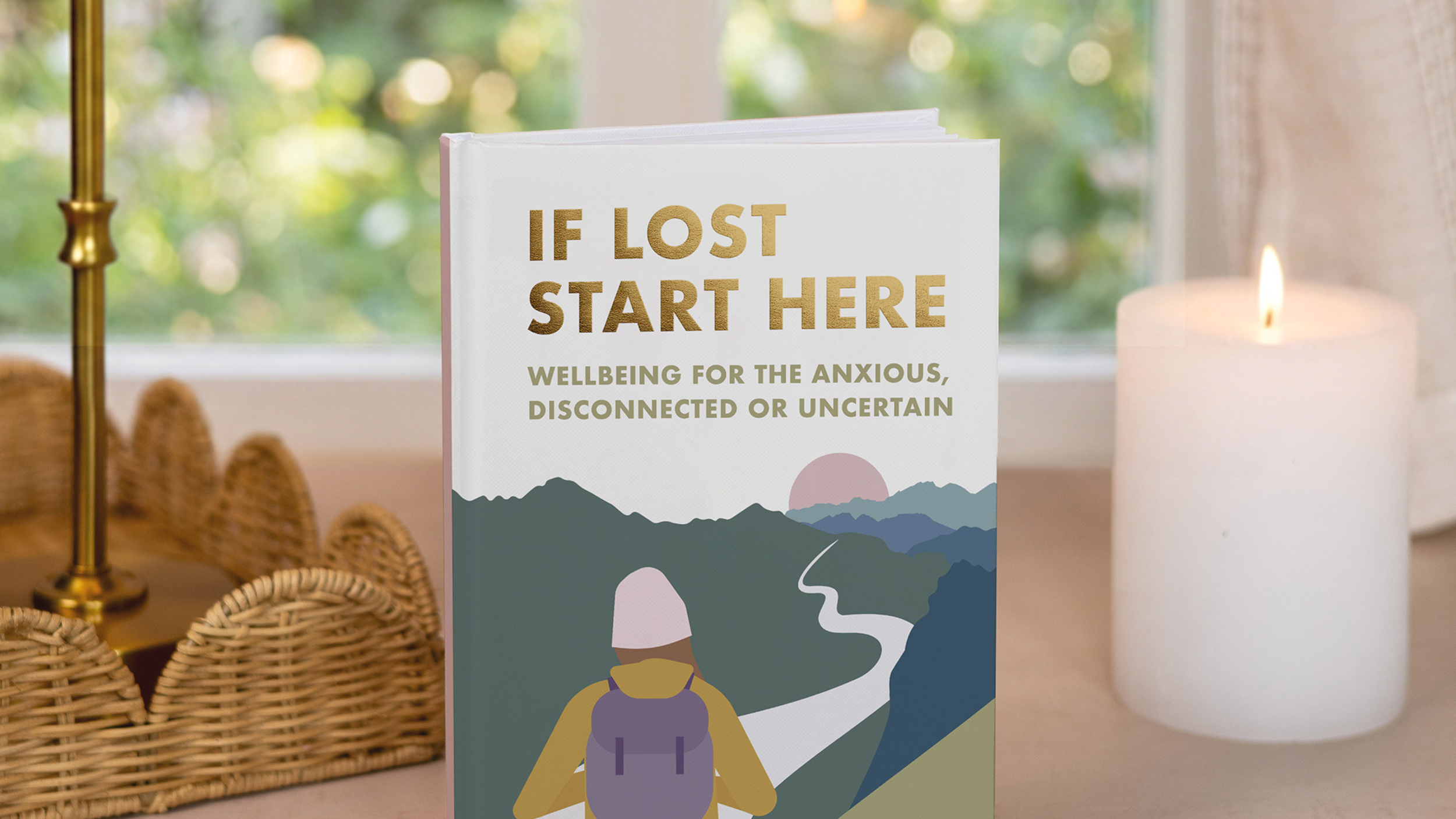
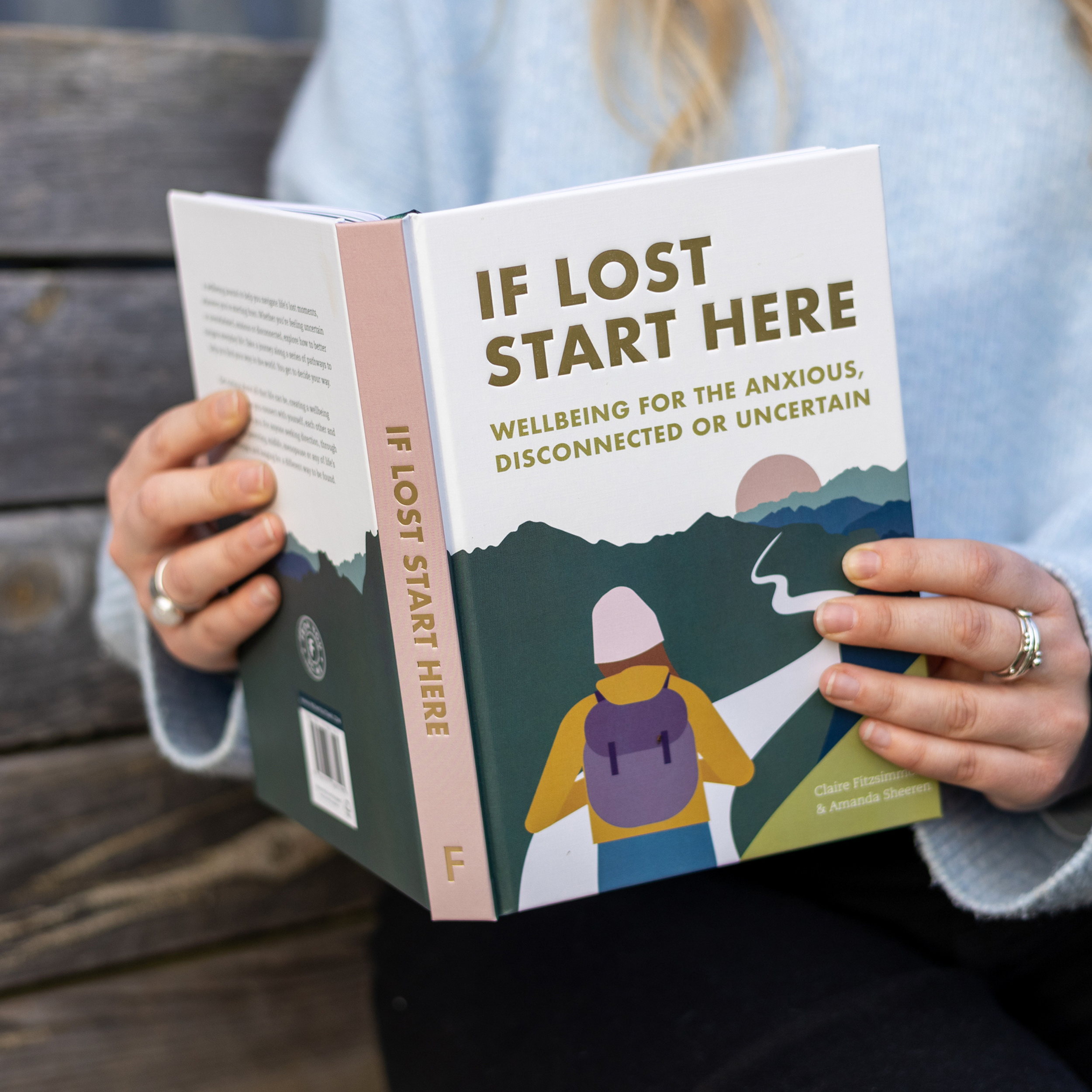
That was the beginning of If Lost, Start Here. And now, our book.
What This Book Is (And Isn’t)
This isn’t a book that asks you to overhaul your life. It’s not built on the idea that there’s a better version of you waiting on the other side of a perfect routine.
It’s more a guide for when you don’t know where to begin. A place to come back to when things feel off, or unclear, or just a bit flat.
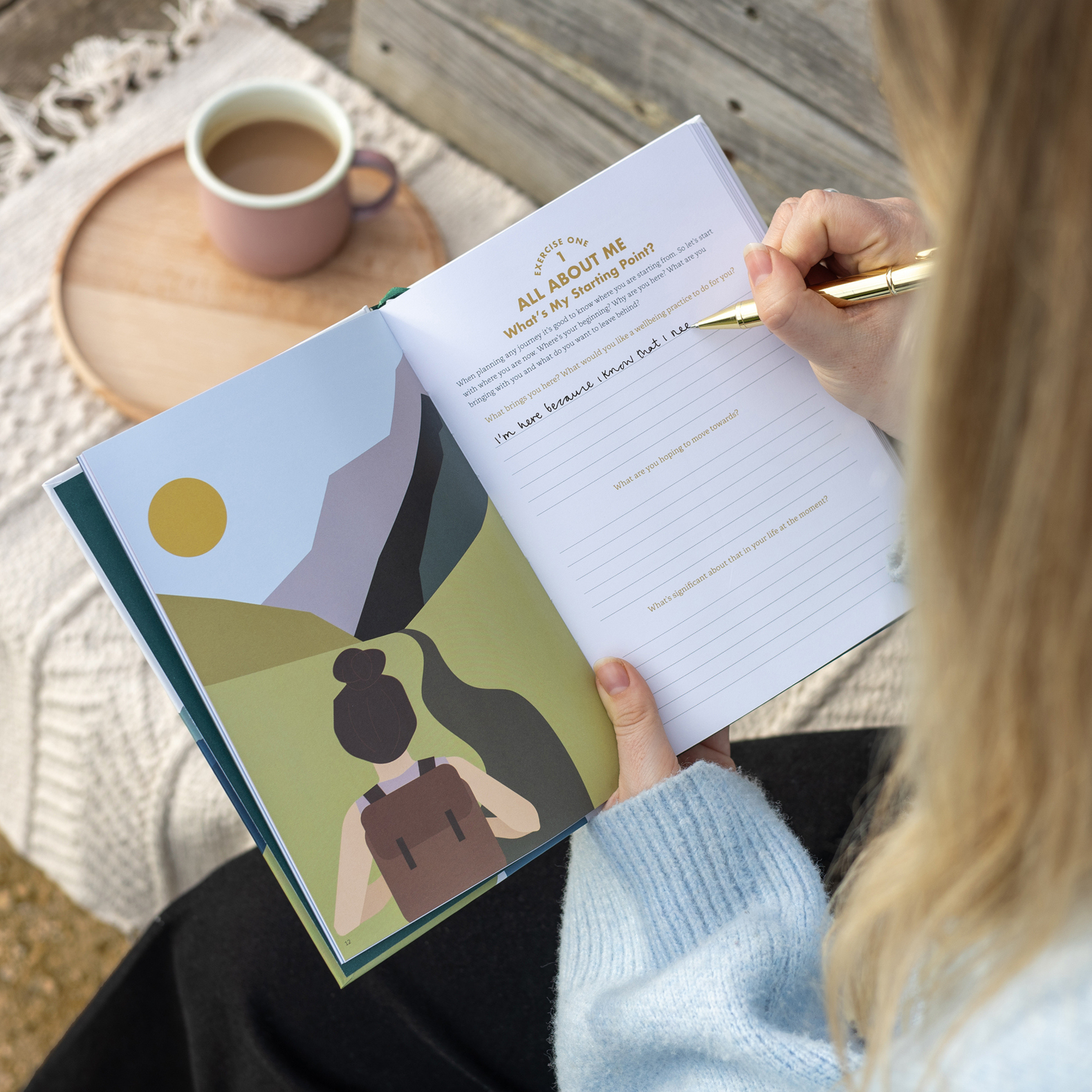
It’s grounded in research, but it doesn’t feel like work. It’s designed to be easy to pick up, easy to move through, and importantly easy to make yours.
There’s no point in this book where you should feel like you’re failing at it. Instead, it’s about exploring.
Exploring yourself, yes, but also exploring your life. The world around you. The things that bring you back into it.
Because one of the things we kept coming back to was this: So much of wellbeing focuses on going inward.
But what about everything that happens when we go outward too?
A Guide to You And the World Around You
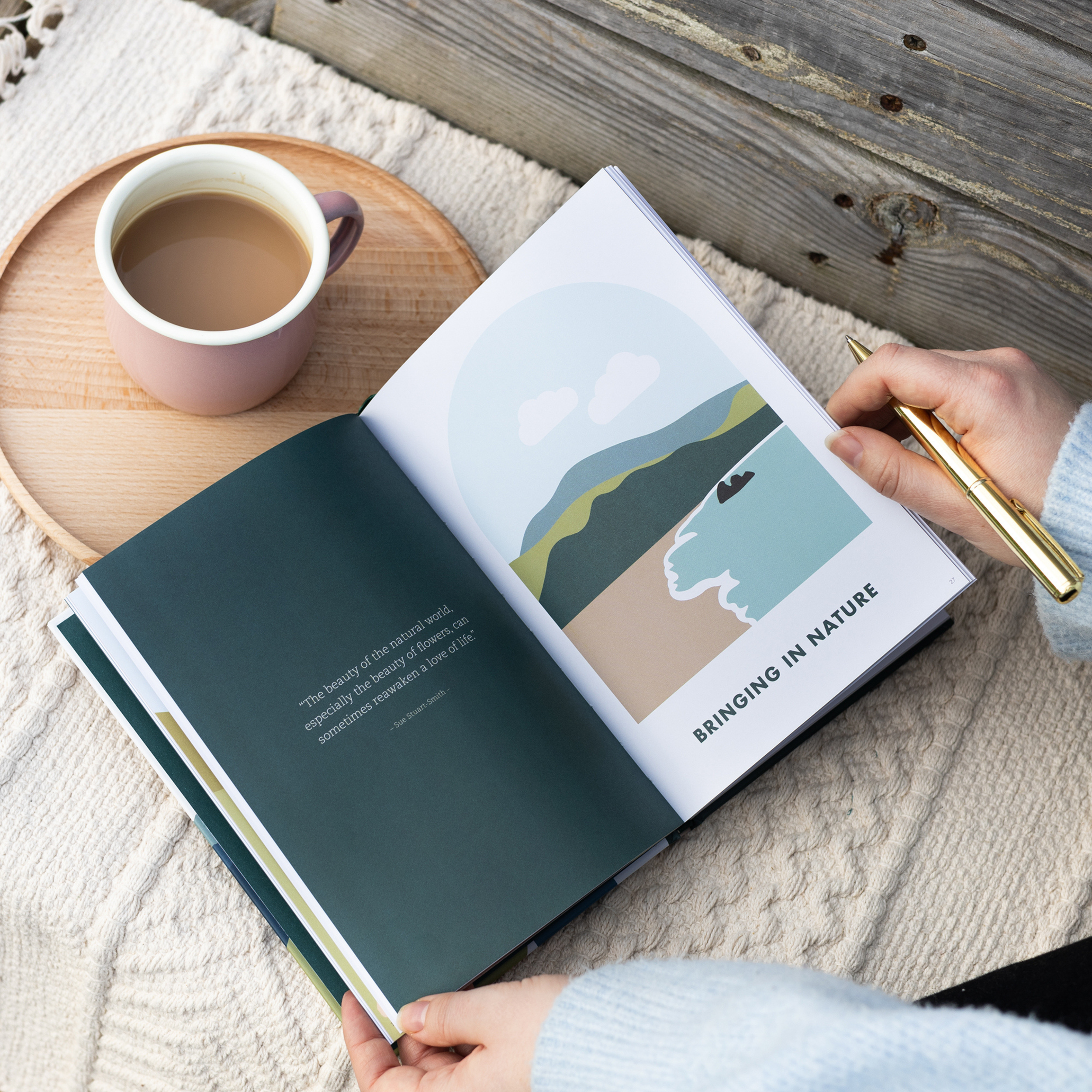
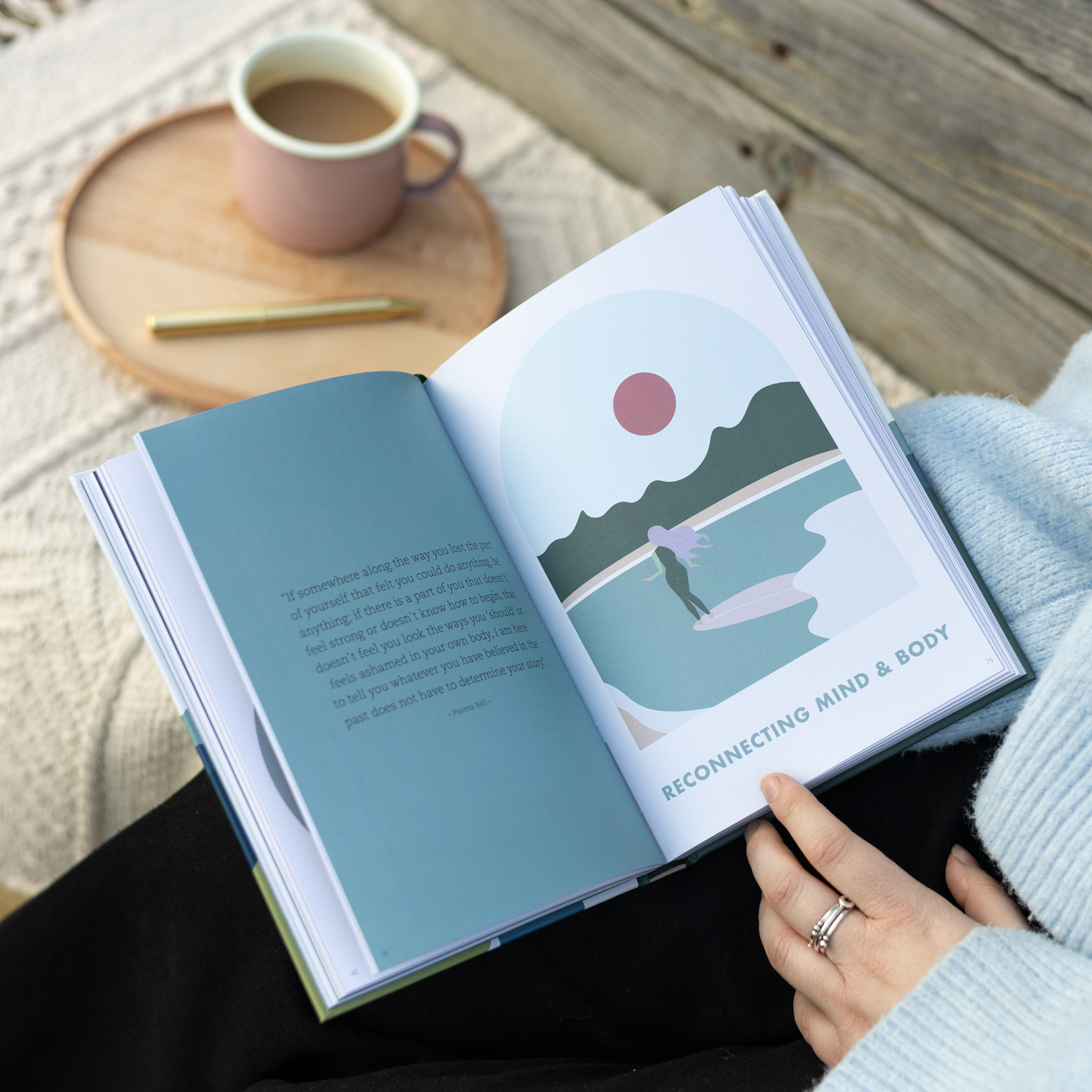
This book moves through ten different wellbeing pathways. Some will feel familiar like connection, creativity and nature. Others might feel like something you’ve lost touch with, or haven’t quite found your way into yet.
And that’s kind of the point.
We hear this a lot from people: “I’ve never really thought about my life this way before.”
About play, for example. Or awe. Or having a creative practice as an adult that isn’t tied to being “good” at something.
Each pathway is there as a way in. Not something to master. But something to try. Something to notice. And something to come back to when you need it.
You Don’t Have to Do It All (Or Do It Properly)
One of our favourite things about this book is that it doesn’t need you to use it in a particular way.
You can dip in and out. You can follow it month by month. You can skip around entirely and follow whatever catches your attention.
If you’re someone who likes to think things through, you might spend longer with the essays and reflections. If you’re more of a doer, you might go straight to the activities and try things out in your day-to-day life. If you’ve got very little energy, you might just read a page and leave it there.
All of it counts. It’s much more of a “choose your own way through” than a step-by-step plan.
Built for Real Life (Not Ideal Life)
A lot of this started with a very practical question:
What does wellbeing look like when you’re too exhausted, too uncertain and too overwhelmed to do alll the things.
We started looking at each area of wellbeing not as something you either do or don’t do but as something that exists on a spectrum.
So instead of:
“Go for a walk in nature.”
It might be:
“Can you look out of the window?”
Instead of:
“Build a strong social life.”
It might be:
“Who feels like an easier person to text today?”
We found research that backed up the fact that even very small moments still matter. That they still count. That they can still shift how we feel in meaningful ways.
And more than anything, we wanted to build something that worked with people’s lives as they actually are. Not as they think they should be.
A Different Way to Think About Wellbeing
There’s a lot of pressure in this space now. To get it right. To do more. To optimise. And it can quietly turn wellbeing into another thing on the list.
We wanted this book to sit slightly outside of that. To say: there isn’t one right way to well.
For some people, it might be running, wild swimming, green juices. For others, it might be going to a museum, painting at the kitchen table, watching live music, or finding small ways to be part of the world again.
This is about finding your way. Not following someone else’s.
Something You Can Come Back To
Over the years, this became something we used ourselves.
When things felt off, we’d come back to it. Run through the pathways. Notice what had slipped. What we needed more of. Not in a critical way—more like a check-in.
“Oh, I haven’t so much as touched my toes this year. Maybe mind-body could use a bit of attention.”
It’s that kind of relationship we hope this book becomes. Something you return to. Something that helps you find your footing again.
If You’re Not Sure Where to Start
That’s okay. That’s exactly where this begins.
Also available on Not on the High Street and Amazon.