

Navigating Well-being Your Way
Discover a personalized, maybe even messier, path to well-being with our 12-week course, Find Your Way.
Ever feel like well-being is just this elusive concept that's supposed to magically fix everything? We get it. The struggle is real when it comes to navigating the overwhelming sea of advice, scientific jargon, and endless to-dos just to feel a little better.
Picture this: You're drowning in information, constantly questioning where to start. You know you need something, but exhaustion kicks in before you even begin. And let's not even talk about the time factor – it's like there's a conspiracy against finding a moment for self-care in our hectic lives. Cue the self-judgment.
Then there's the inevitable feeling of failure. That trendy meditation or journaling practice that's all the rage? Nope, doesn't work for everyone. And suddenly, what's meant to be a source of well-being becomes a guilt trip because you can't seem to fit the mold.
Oh, and don't get us started on the 'magazine wellness' fantasy. Breakfast bowls? Try a rushed piece of toast. Herb-infused waters? More like a constant drip of caffeine to survive the daily grind.
But here's the thing: Well-being isn't one-size-fits-all. There's no right way to do it. What works for you might not work for someone else. And that's perfectly okay.
Enter Find Your Way – our 12-week course designed to redefine well-being. No more unattainable perfection, just a messy, fun, and sustainable journey back to yourself. Whether you crave calm or excitement, or need to tackle overwhelm or burnout, we've got you covered.
We've put in the work to create a course that respects your values, beliefs, and the unique shape of your life. It's not about conforming to stereotypes; it's about finding what truly feels good for you.
Starting on January 29th, this course is your personal roadmap to more of what matters – without the pressure. Join at your own pace, with access to our course hub, weekly meet-ups (if you fancy some company), and insights from amazing guest speakers.
Excited to embark on this curiosity-led journey with us? Register now, and let's make well-being your own unique adventure.
Check out our new video for a sneak peek into the course – trust us, you won't want to miss it!
Can't wait to see your faces and connect on a deeper level. Let's make positive mental health a reality, together.

Wellbeing Series: How (and Why) to Practice Acceptance
In the first in our Wellbeing Series, today we’re exploring the benefits of acceptance and how cultivating this practice can be a helpful tool in feeling better over all the days of 2024.
What if this January you started not with change and transformation and self-improvement, but with a sense of acceptance?
You’re probably already having some response to this.
This is not to say don’t try to work towards something you need or value. And it’s definitely not to say accept the systemic injustices that impact how you feel and that might show up in your life on a daily basis.
So what are we talking about?
We all have a general sense of what it means to “accept” something. There are many aspects of life that we could simply “accept” — financial circumstances, unhealthy relationships, unfulfilling jobs, etc.
However, in psychology, acceptance means “taking a stance of non-judgmental awareness and actively embracing the experience of thoughts, feelings, and bodily sensations as they occur”. (Hayes et al., 2004)
One of the key ideas underlying acceptance is that difficult emotions are an inescapable part of life: at different times we will find ourselves sad, angry, disappointed, bored, frustrated, grieving, heartbroken, etc. No one, not even the most outwardly steady people, is free of these emotions.
When these emotions inevitably do arise, there are two ways that we can react: resistance or acceptance.
For many of us, resistance is our default reaction. After all, these emotions are not necessarily “pleasant” to experience.
However, psychologists have found that trying to resist or avoid certain difficult experiences can cause further psychological harm. (Hayes et al., 2006)
As Dr Julie Smith says. “Emotions are neither your enemy nor your friend… Emotions are your brain’s attempt to explain and attach meaning to what is going on in your world and your body.”
Why Acceptance Is Important
Studies suggest that acceptance is the healthier option. For example, Tara Brach writes, “believing that something is wrong with us is a deep and tenacious suffering” (2004).
Your experience of yourself consists largely of your emotions, thoughts, and actions, and so learning to accept these (even when they seem difficult or undesirable) is a helpful tool for our well-being.
To be more accepting, it can be helpful to reflect on your habitual attitude towards yourself. Ask yourself:
Do you ever speak harshly to yourself about a perceived mistake you made or an embarrassing thing you said?
Are you ever feeling overwhelmed with emotion, and on top of everything, frustrated with yourself for feeling this way?
How might you be able to take a more understanding and gentle attitude towards yourself?
How To Be More Accepting
1. Cultivate acceptance by noticing your resistance
How do you tend to resist your experience?
Do you snack to stave off boredom, or binge TV when you are sad?
Most of the ways we resist our experiences are unconscious—we do not always understand why we do certain things at certain times. So, resistance can become habitual. The first step towards changing any habit is simply becoming aware of its existence.
2. Cultivate acceptance by questioning your patterns
Once you have started to notice when and how you resist your experiences, try to dig a little deeper to consider why these patterns might exist.
When you were sad or angry as a child, how did the adults in your life react?
Did they allow you to work through these emotions, or did they (perhaps with the best intentions) tell you to put on a brave face or stop throwing a tantrum?
Do you think these experiences might have influenced the way you process emotions today?
It might be helpful to write out some of these reflections to remind yourself of your habitual patterns. It can also be a good opportunity for self-acceptance in that you can see that formative experiences, outside of your control, may have shaped your current patterns. The good news is that any pattern is open to change, as long as you are aware of it.
3. Cultivate acceptance by being mindful
So how can we even become aware of our habitual patterns? One way is with mindfulness.
Mindfulness involves both awareness and acceptance of our experience.
A traditional method of practicing mindfulness is through meditation, which involves dedicating some time to simply observing experiences nonjudgmentally. However, you can bring mindful moments into your everyday life, even without meditating.
4. Cultivate acceptance by thinking of your inner child
We are often our own harshest critics.
Accepting ourselves can be difficult because we are most likely so used to judging ourselves for thinking, feeling, and acting certain ways. You would rarely judge a loved one as harshly as you judge yourself.
One helpful technique in the meantime is to think about yourself as a child. This can help remind you of your most innocent and vulnerable self, which may make it easier to be gentle and understanding when your experience is difficult.
5. Cultivate acceptance through practice
Acceptance is just like any other skill: it takes practice. People who are accepting of themselves and others have made acceptance a mental habit by continuously choosing a more accepting mindset over and over again.
After a while, these repeated mental choices become habitual and natural and do not require as much effort.
So, next time you find yourself struggling with difficult emotions, try to use this as an opportunity to practice acceptance.
Remember, acceptance is not the same as resignation. Acceptance refers to acknowledging and allowing your present experience — not necessarily your life situation. Through awareness and practice, you can increase acceptance in your own life and enjoy the benefits that it may bring.
Further Reading
Brach, T. (2004). Radical acceptance: Embracing your life with the heart of a Buddha. Bantam.
Hayes, S. C., Luoma, J. B., Bond, F. W., Masuda, A., & Lillis, J. (2006). Acceptance and commitment therapy: Model, processes and outcomes. Behaviour Research and Therapy, 44(1), 1-25.
Hayes, S. C., Strosahl, K. D., Bunting, K., Twohig, M., & Wilson, K. G. (2004). What is acceptance and commitment therapy? In A a practical guide to acceptance and commitment therapy (pp. 3-29). Springer, Boston, MA.
If you’re curious about how to bring more acceptance into your life this year, we have a couple of options for you right now.
Join our 12-week Find Your Way course where together we’ll learn real wellbeing practices that can better serve our everyday needs, from acceptance practices like these to building a life based on what matters most to us.
Discover how emotions coaching can support you in bringing more acceptance to your emotional life and rewrite some of those feelings scripts that hold you in check (and probably back from your needs). What could accepting all your feelings open up for you?

Almost ready to think about 2024? What if next year we chose acceptance over transformation?
Embrace self-acceptance and even imperfection by seeking a more compassionate and authentic approach to the New Year.
“Discovering ways to feel better doesn’t have to lead to feeling worse. It doesn’t have to be another area in which we fall short. It can be something else entirely different.”
We think we're done with the idea of transformation. We just want self-acceptance. Not in a yes, bring-it-all-on-way, but more putting a boundary around what we're supposed to be doing (i.e. more and more and more) and releasing ideas that no longer serve us. Think more about exploring possibilities and alleviating some of that pressure.
We're tired of constantly evaluating ourselves, tethered to ideas of productivity or the need to conform to an ideal life.
We've been guilty of living life according to a checklist, believing that fixing ourselves is just a matter of following the latest trend.
No longer do we want to project a future, better version of ourselves, neglecting the present reality. Perfection is no longer our goal; embracing life's messiness is what we strive for.
If any of this resonates with you—if you're tired of trying to optimize every aspect of your life—join us in embracing 2024 with a tone of acceptance, compassion, and curiosity.
As we approach January, what if we reconsider the age-old tradition of radically changing ourselves? What if, instead of aiming for drastic transformation this New Year, we embraced a more enduring and impactful approach?
One that helps us remember that our worth isn't defined by what we eat or how many exercises we complete. It's okay if our morning routine isn't picture-perfect and that struggling with meditation for more than a few minutes doesn't equate to failure.
We've designed two incredible approaches to ease into 2024. Choose the one that resonates with you. Both create much-needed alternatives to those resolutions that often fade away.
Say hello to self-acceptance this year and goodbye to all those resolutions

Rediscover Emotional Well-being This Holiday Season: Craft Your Unique Well-being Practice.
Amidst the holiday rush, prioritize your emotional well-being. Explore personalized practices with us to thrive during this festive season.
As the holiday season shimmers into view, it's time for joy, merriment, and connection. Yet, for many of us, it can also mean a rush of overwhelming to-dos, bustling crowds, and a whirlwind of expectations. Amidst this festive fervor, have you found yourself yearning for something else? Maybe even a way to reset and reach for better emotional well-being in your life?
Right now though it might feel like any well-being practices are drowned out by the clamor of daily life. You have no capacity to do more, stretching yourself even thinner; any wellbeing practices that you usually rely on can slip through the cracks of your busy schedule.
But what if this holiday season, we could approach taking care of ourselves differently?
Imagine if you had a set of well-being practices crafted exclusively for you—a bespoke prescription designed to fit into your life, your values, and your unique needs. Sounds intriguing, right?
Here at If Lost we’ve made it our focus to curate personalized well-being practices that can fuel curiosity, build self-acceptance, and bring a sense of play to our everyday lives.
This isn’t about conforming to preset ideals or adding more 'must-dos' to your list. It's about rediscovering what well-being needs to mean for *you*—finding tranquility in nature, fostering deeper connections with those in your life, or simply carving out moments amidst the holiday hustle.
In these 1:1 online personalized sessions, you’ll get to:
🌟 Dive into the Science of Well-being—unpacking the significance of such areas as nature, connection, and giving back—and understand how these elements can attainably weave into your everyday life.
🌟 Discover what drives your curiosity—what brings you joy and what lights that spark of excitement, as well as what's ready to be released.
🌟 Create a sturdy foundation within your routine, offering steadfast anchors to turn to when life feels uncertain.
Your takeaway? A tailored well-being practice that aligns with your daily life—a plan designed to rejuvenate your spirits during this bustling season.
Imagine savoring the holidays with renewed calm, energy, and curiosity. It's not just about surviving the festivities; it's about thriving amidst them.
Ready to make this holiday season about rediscovering your emotional well-being? Reach out to us and let's craft your unique well-being practice today.

Holiday Gift Guide | Twelve gifts we love for better wellbeing this holiday
This season we’re moving from giving for the sake of giving to giving for connection, self-awareness and curiosity. Discover our Holiday Gift Edit for products that help us feel good this Christmas.
This season we’re moving from giving for the sake of giving to giving for connection, self-awareness, love, acceptance, curiosity, and creativity.
We’ve pulled together our Holiday Gift edit with gorgeous products from independents that can help us feel better. Whether that’s stepping into our emotional mess — and being okay with it — or finding the perfect notebook to accompany us through our days, we have something for you.
We hope you find the perfect gift from the selection below for someone in your life (or for yourself if you want to give yourself a sneaky something too).
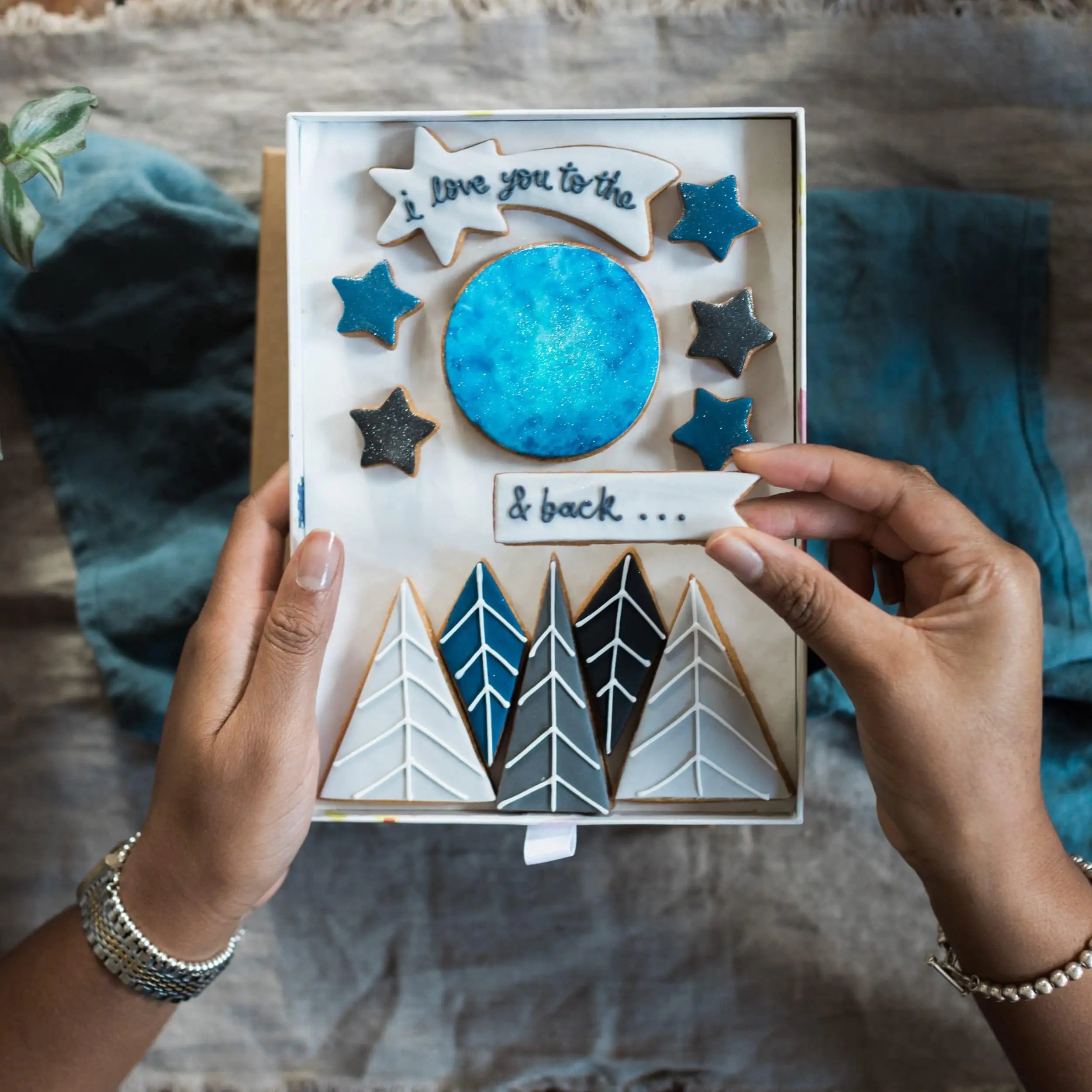
I Love You to the Moon and Back Biscuits from Honeywell Bakes

Happyish: An Oracle Deck with Nora McInerny from Em and Friends

A Stupid Candle for My Stupid Mental Health from Self Space

A5 softback French link stitch notebook from Inky Square
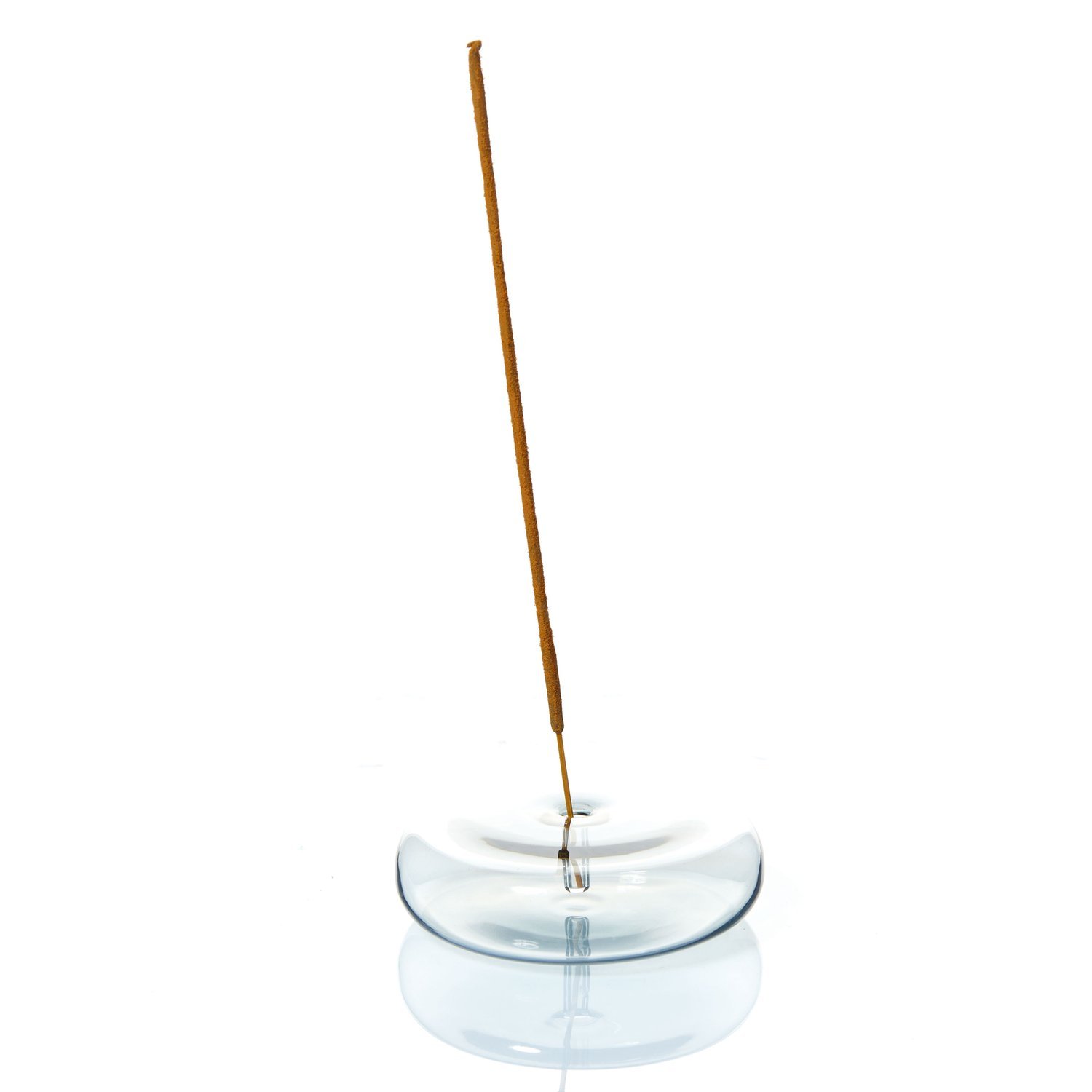
Dimple Incense Holder from Maegen

A bottle of Human Kindness from Vinegar and Brown Paper

Words of Wisdom Embroidery Hoop Sign from Make & Mend

Journal Gift Box from Walter & May

Jammy Dodger Keyring from Dunked

Places to Shop and 91 Magazine Bundle from 91 Magazine

Affirmations for a Better Future Carter Move Mug by People I’ve Loved


Our Guide to Small Businesses We Love
This Colour Friday we’re celebrating the independent shops that we love. Find the perfect Holiday Gift from one of our favourite places.
How are you supporting independents this Black Friday?
We’re joining Holly Tucker’s campaign to boycott Black Friday on 24th November and support small businesses instead. These stats are directly from the Colour Friday campaign:
£12.3 billion on Black Friday is spent with businesses like Amazon
Despite the fact that 80% of it ends up in landfill
And nearly 60% of UK small businesses fear closure in the coming year
As an antidote to this, and to help us all shop small, please support your favourite local shop or buy a longed-for Christmas gift from an independent.
Help spread the love and the colour that independents bring to our high streets, our lives and each other.
To get you started, here’s a round-up of some of our favourite UK Independents.

Present and Correct, London: A beloved stationary shop to quiet the mind and spark your creativity

Hoxton Street Monster Supplies: this store has everything the monster in you needs (and a not-so-secret cause behind it all).

Labour and Wait, London: Timeless designs having a contemporary moment, this shop will make you think differently about your dish brush.

Meticulous Ink, Bath: A tiny print studio and store that creates human-centered designs for all of us.

Find Ubiety, Bath: A haven for your wellbeing that gives back to others too

The Bristol Artisan, Bristol: A home for local craftsmanship and creativity, that embodies the city’s spirit of community and sustainability.

Folde, Shaftsbury: connecting people with nature through beautiful books, prints and gifts
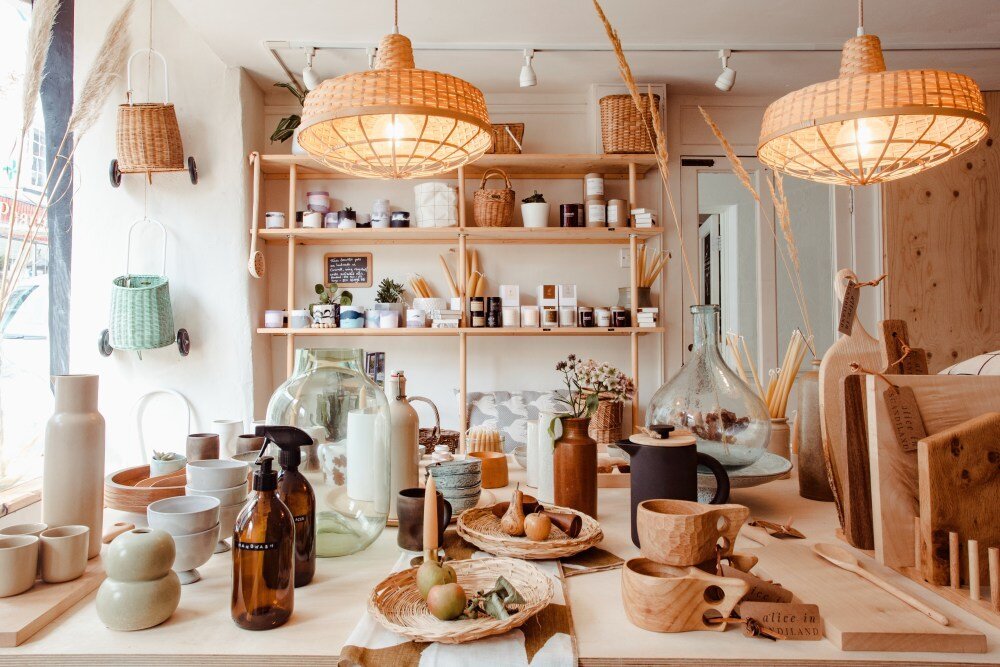
Alice in Scandiland, Cornwall: Scandinavian design comes to Cornwall courtesy of award-winning style blogger Alice Collyer.

The Department of Hope, Joy and Wonder, Cheltenham: An uplifting place to browse and meet friends that spreads joy and wonder in Cheltenham and beyond

The Poetry Pharmacy: poems (and more) for all your emotional ailments and the best range of surprising and delightful gifts

Something Good, Newcastle: a sustainable living store with a plastic-free pantry and a refillery
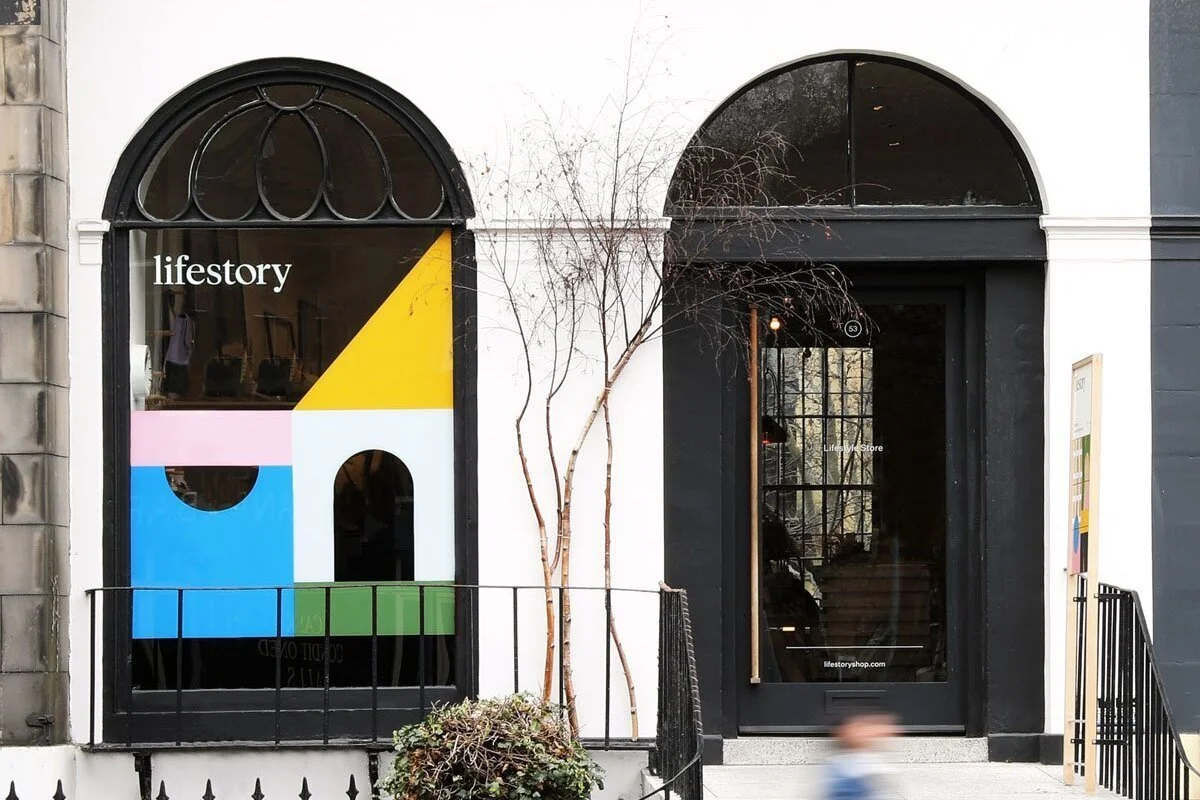
Lifestory, Edinburgh: Scandi inspired concept store that has everything you could possibly need for gift giving this holiday season
We’ll be adding more independent shops over the coming weeks so let us know your favorites so we can include them here too.

Shop Small Special: The Bristol Artisan
A home for local craftsmanship and creativity, The Bristol Artisan embodies the spirit of community and sustainability of the city.
Go here if: you love contemporary design and craft, supporting local makers and feeling like you are truly in Bristol.
What is it: A home for local craftsmanship and creativity, The Bristol Artisan in Clifton is a charming shop that stands as a testament to the city's vibrant community of artists, designers and makers.
Why you’ll love it: Showcasing a curated collection of handmade homewares and gifts from independent makers from Bristol and across the UK, you’re sure to find something to take home. From ceramics, jewelry and original prints, to vegan beauty, living plants and dried flower bouquets, each piece tells a story of skill, passion, and dedication.
The Bristol Artisan embodies the spirit of the city. It encapsulates Bristol's ethos of creativity, community, and sustainability.
How to bring this into your life: The online shop is extensive so you can shop from home. Check out the gift guides for all seasons and occasions (we have our eye on cozy hot water bottles and the perfect ceramic ramen bowls). If you do get to visit, stop at Burra next door for coffee (Bristol’s Cafe of the Year 2022).
In their own words: “The Bristol Artisan is a curated space for contemporary handmade design and craft with a focus on homewares and gifts, supporting over 60 independent makers from Bristol and beyond.”

Shop Small Special: The Department of Hope, Joy and Wonder
An uplifting place to browse and meet friends that spreads joy and wonder in Cheltenham and beyond
Go here: for an uplifting experience, you love colour and sweary cards, or you are looking for the perfect gift, stationery or homeware for yourself or someone else (also to secretly meet friends)
What is it: Cheltenham, a town known for its history and charm, holds a hidden gem — The Department of Hope, Joy and Wonder. Nestled within the heart of Tivoli, an easy walk from the centre, since spring 2021 Catherine Colebrook’s shop has been spreading joy and wonder through its selection of homeware, gifts, and sweary cards.
Why you’ll love it: When we heard the name we just had to visit. It’s a fun place to wander from the first room which is a riot of colour to the more calming monochrome spaces beyond, but we particularly loved discovering The Secret Coffee Shed at the back. Tucked away in a courtyard it feels like the perfect hideaway for locally roasted coffee (by Gloucester-based Rave) and cake by local bakers Creme De La Em and S Bakes.
How to bring this into your life: Visit if you can and attend one of the creative workshops from modern calligraphy to paper decorations (details for which you’ll find on their Instagram). If you can’t get there, play with colour in your own home by making a rainbow of your bookshelves.
In their own words: “Catherine's aim was to create an inspiring space where you can browse and catch up with friends over a coffee. A place where people can reconnect or just come in & have a good laugh at our selection of thoroughly rude & sweary cards.”


Shop Small Special: Find Ubiety
Discover a haven for your wellbeing in Bath that gives back to others too
Go here if: You’re looking for a high-street independent with a social mission, to take care of yourself while taking care of others too and to follow your curiosity through a wide range of vintage finds and locally sourced makers.
What is it: This is the first concept store from the people behind Dorothy House and Ubiety, a vegan body care and fragrance brand that gives 100% back to end-of-life care. Situated next to the charity’s furniture shop, you’ll find inside a serene space centered on nature where mindfulness meets curated selections, promoting mental well-being and holistic self-care.
Why you’ll love it: Find Ubiety carries a thoughtful and ever-changing range of products. From soothing scented candles to handmade dinnerware, every item lining the shelves is chosen with one singular goal: to nourish the mind, body, and soul.
In a world characterised by hustle and bustle, Find Ubiety offers a calming sanctuary — a place to pause, breathe, and prioritize our personal and collective mental wellness. The products offered here help support our self-care rituals — whether it's a calming bath soak or an aromatic essential oil — while reflecting the holistic care and nurturing surroundings of the hospice it supports.
How to bring this into your life: Visit the shop or try out one of their therapeutic sessions at another local favourite, SoulSpa (where you’ll also find our sessions to feel better). Not local to Bath, you can shop Ubiety products online as well.
In their own words: “Themed around nature, it stocks carefully curated second-hand curios and bric a brac, unique fashion, locally sourced products and eco finds. The shop is created to support personal wellbeing and help customers create their own calm, unique & definitive space at home.”


How to navigate midlife and (peri)menopause with Edwina Jenner
Are you experiencing the challenges of midlife and the menopausal transition? Health coach Edwina Jenner helps us navigate this time with more confidence, intention and self-compassion.
The journey through midlife and perimenopause can be a challenging and transformative time for many women. The myriad of physical and emotional changes during this phase can often leave us feeling overwhelmed and uncertain. That's why we invited Edwina Jenner, an experienced health coach specializing in menopause, to shed light on this often misunderstood stage of life.
Understanding Perimenopause
Perimenopause is the transitional period leading up to menopause when the body begins to produce less estrogen. This phase can last for several years and is characterized by a variety of symptoms, including hot flashes, mood swings, sleep disturbances, and menstrual cycle changes. Understanding these bodily changes is crucial to ease symptoms and maintain a high quality of life during perimenopause.
Navigating Midlife
Midlife represents a significant transition, both physically and emotionally. It's a time when women often re-evaluate their lives and contemplate their future. It can also be a period of increased stress, as women juggle the demands of work, family, and personal health. However, with the right strategies and support, midlife can also be an era of personal growth, self-discovery, and renewed vitality.
Edwina Jenner's Expertise
Edwina Jenner has dedicated her practice to guiding women through the complexities of midlife and perimenopause. Her extensive knowledge and compassionate approach have empowered numerous women to better understand their bodies, manage symptoms effectively, and embrace the changes that come with this life stage. Edwina's insights and coaching can support you in approaching midlife and perimenopause with confidence and grace.
What’s next?
Whether you're in the midst of perimenopause or just embarking on your journey through the shifts of midlife, remember that you're not alone. With the guidance of experts like Edwina Jenner and the support of a community of women going through similar experiences, you can navigate this transition with strength and resilience. Embrace the changes, cherish the journey (where you can, because it’s hard), and look forward to the wisdom and fulfillment that this stage of life can bring.
Find out more about Edwina Jenner on Instagram and Facebook.
Find out more about midlife and menopause coaching at If Lost

Ready to be found? How to find your way when you’re lost in life.
Discover the key to nurturing your mental health and enhancing your emotional wellbeing. Explore effective strategies and expert insights to support your mental health journey and cultivate a lasting sense of emotional balance and wellness.
In recent years, we’ve noticed that more and more of us are finding ourselves lost, struggling with our mental health and emotional well-being. Sometimes this manifests within ourselves, sometimes in our own lives, and sometimes out in our interconnected world.
We’ve seen it in our clients as they grapple with an indescribable unease, feeling adrift, disconnected from their days, in search of a destination but unclear about where that would even be.
We’ve seen it in our friends, our families, and the people in our communities. It's evident in the small moments - in the eyes of parents dropping off their kids, where conversations about the weather have transformed into discussions about inflation, war, and environmental challenges.
And we're not exempt from this experience. We've had our own days of uncertainty, thoughts slipping through our fingers, and goals that felt elusive. The constant "what now" and "what next" can be deafening
It's a shared feeling, a collective yearning for solid ground in a world that seems ever-changing.
Perhaps you're right in the middle of it all, juggling countless responsibilities, and trying to make sense of it. You're in the mix of obligations, losing sight of your own desires and even your true self.
You might be battling feelings of uncertainty, overwhelmed by the chaos, feeling disconnected, and anxious. Maybe you've lost your footing, even your way.
But the question lingers: where do you begin? Which path should you follow? Where do you want to be if not here, at this moment?
We’re here to guide you through the process. We'll explore the steps you can take when you find yourself in this state of being lost. Together, we'll help you reconnect with yourself, reignite your curiosity, build confidence, and find presence in your life.
Think of us as your mental health and emotional well-being guides. We're here to support you in finding your way.
STEP 1: LEARN HOW TO REGULATE YOUR NERVOUS SYSTEM
Learning about the sympathetic and parasympathetic nervous systems helped us orientate ourselves. The former responds to (perceived) danger and triggers our fight or flight response, the latter helps us feel calm and restored by activating our 'rest and digest' system. To shift from one to the other, find an embodiment practice that you like, such as breathwork, dancing, or grounding in your five senses.
STEP 2: IDENTITY WHAT SAFETY LOOKS LIKE TO YOU
Find a safe place, whether it's a person, environment, thought, or belief. Recognize cues in your surroundings and know where to seek help when needed.
STEP 3: BRING IN SELF-COMPASSION
Remember, feeling lost is not your fault. Practice self-compassion and reframe negative thoughts that bring judgment or shame. Acknowledge your courage in trying, even when things don't go as planned.
STEP 4: KNOW YOUR BOUNDARIES, YOUR HARD NO’S
Understanding your boundaries is essential. Honor what you can or cannot tolerate, even if it may seem unconventional to others.
STEP 5: TALK IT OUT
Give yourself the space to reflect on your priorities and struggles. Consider booking a one-on-one session to gain clarity and confidence in navigating life's challenges.
By following these steps, you can find your way and regain a sense of purpose in your life. We understand the feeling of being lost, and we hope that these strategies will help you move closer to better mental health and emotional well-being.

Explore a Month of Feel-Good Prompts
Explore a month of well-being treats and discover the magic that October offers.
As we ease into a new month and a shift in seasons, we made a little something to help. Download our month of well-being prompts that weave little glimmers through your days.
From discovering a new creative practice or wandering down a new path, these prompts are designed to give you something to try, explore or connect with as the leaves fall and the nights draw in.


Lost in... Books | A Podcast Playlist
Discover the best podcasts on books. Our favourite podcasts to read more, discover new books, and talk about the latest great read.
We’ve made a Podcast Playlist for you to take on your next walk, to accompany you on your drive, and to make tidying the house just a little less tedious.
This month we’ve curated a podcast playlist about our most favourite thing: books.
This round-up includes our favorite podcasts and episodes that:
help us find the next great read,
give us a fresh perspective on the one we can’t put down,
or go searching on our shelves for the one we read ages ago and have been inspired to read again.
This playlist covers all the ways we need and want books in our lives.
We hope you enjoy it as you go trampling through the autumn leaves.
Let us know what your favorite bookish listens are. Which podcasts and episodes would you add?

Sometimes you just need to start (In memory of Carol)
On the many reasons why not If Lost Start Here, and the many (actually one) reason why, by co-founder Claire Fitzsimmons.
There are many reasons for not doing this project, for not starting If Lost Start Here. Want to hear a selection of them?
We are not ‘Experts’.
It makes us want to vomit.
Do projects like this pay?
Husband is doubtful.
Time to get a ‘proper’ job.
Don’t only perfectly-formed people start projects like this?
Someone, maybe many people, will laugh at us.
We are terrified of putting our ideas out there.
When? Like seriously when? And how? Maybe these are the same thing.
But there are many reasons why to work on If Lost Start Here:
We believe in it.
It wakes us up at 2am and gets us to the coffee shop to work on it by 5am.
More about mental wellbeing = matters hugely
It feels so good and right and necessary.
Good things might come of it, for us and others.
It might make people look differently at something, value their own thoughts, to notice who and what’s around them.
So many things in our lives led us to exactly this place.
We’d be moving forwards on one of our major life ambitions: mental health advocacy
Vomit can be cleaned and we’ll be ok even if we blush a little.
We get to decide what we do and where we put our attention, even if we have limited resources.
Not to, would be one of life’s big regrets
We love doing this together.
AND
This is the big one: because of my mum (this is a photo of her from sometime in the 70s—I love how she looks here). For many of us, it always comes back to our mums, doesn’t it?
There was a very clear ‘Before’ for me: I used to be a curator, in a former art world life, creating exhibitions in museums and galleries that I could have only dreamt of, like Tate Modern, the Serpentine and the ICA in London. It was an incredibly exciting career for a northern girl: I wore a lot of black.
Then something happened that forced me to reassess everything. My mum, who had been my best friend and constant in my life, started to lose her mind. Slowly, then completely. Now she struggles to function in the world. No, I don’t know her diagnosis. No-one does. We’re still trying to figure that out, after years and years of appointments, and ER visits, and specialists, and reading. Lots and lots of reading.
But the loss of my mum, even as she’s very much in this world, did this to me: it forced that question of the After, of what comes next. After I dropped my mum off at a psychiatric ward for the first time, as I drove to my childhood home, I made a promise to whatever entity we want to call it, that this would not all be for nothing, that I would work in any capacity I could to change whatever this situation was in which we were finding ourselves now lost. There is only After when you’ve been through something like this.
I’d quit the art world to train as a therapist. My experience with my mum’s mental health, and let’s add here my own, put the question of how we function as people front and center in my life, and it made me feel that this reified environment of conceptually-oriented art exhibitions didn’t connect with my life anymore. I would become the person in the room. I’d seek out a very clear role for myself.
My year at CCPE completing a Foundational Counseling & Psychotherapy course taught me that I was sincerely drawn to this world of therapeutic thinking. But I also wanted to bring that learning together with my curator brain—that roaming, search for thematics on which that profession is built. There’s always that tension in my mind between ideas and how they take their form in the world, in other words, the human piece. That’s the point of interaction that fascinates me the most. Could I make that into that something?
If Lost Start Here began to percolate when I realized that people were starting to do some fascinating things with that tension point. They were starting to build brick-and-mortar places around things like community and emotional intelligence, anxiety and depression, and even the end of relationships and end of life. They were starting to make places that hold our mental well-being in ways that the museums that I’d worked in held contemporary art.
I also realized that was nowhere to go to find all those different things. There were, and are, incredible platforms for great interior design, or travel off the beaten path, or well-being trends, but there’s nowhere to think about all the different places in the world that are now being kind to our minds and making for better lives. I realized that we needed a guide to this new sector, one that combines well-being with curiosity, travel and lifestyle, place-making and socially engaged art, independent cafes, and mom-and-pop stores—all approaches directed at making our lives better, and easier, and more fulfilling.
We’re hoping that If Lost Start Here will become the platform that curates the best places that support us as actual people in our worlds. It’s about that practical search for something else, for whatever it is that represents the gap in your life, for the thing that you need. My hope is that you’ll find what you are looking for and what you need. As I’m trying to do for my mum and me. Maybe we can do this together?
There are various ways for you to engage. By reading our online guide of those places that help with our sanity and our everyday lives, and supporting them as and when you need them in your life. By participating in our guide, contributing the places that you know prioritize our mental wellbeing in new and interesting ways. And of course, by sharing—help us get the word out that this platform exists, that there is help out there. Sometimes, we, you, and I just have to find it.
x Claire
My mum passed away unexpectedly last month. We’re reposting this piece now in her memory. This month, we’re supporting a place dear to mum’s heart, Sandbach Art Room. It helped my mum immensely over the last few years. You can also contribute to our Just Giving Page.
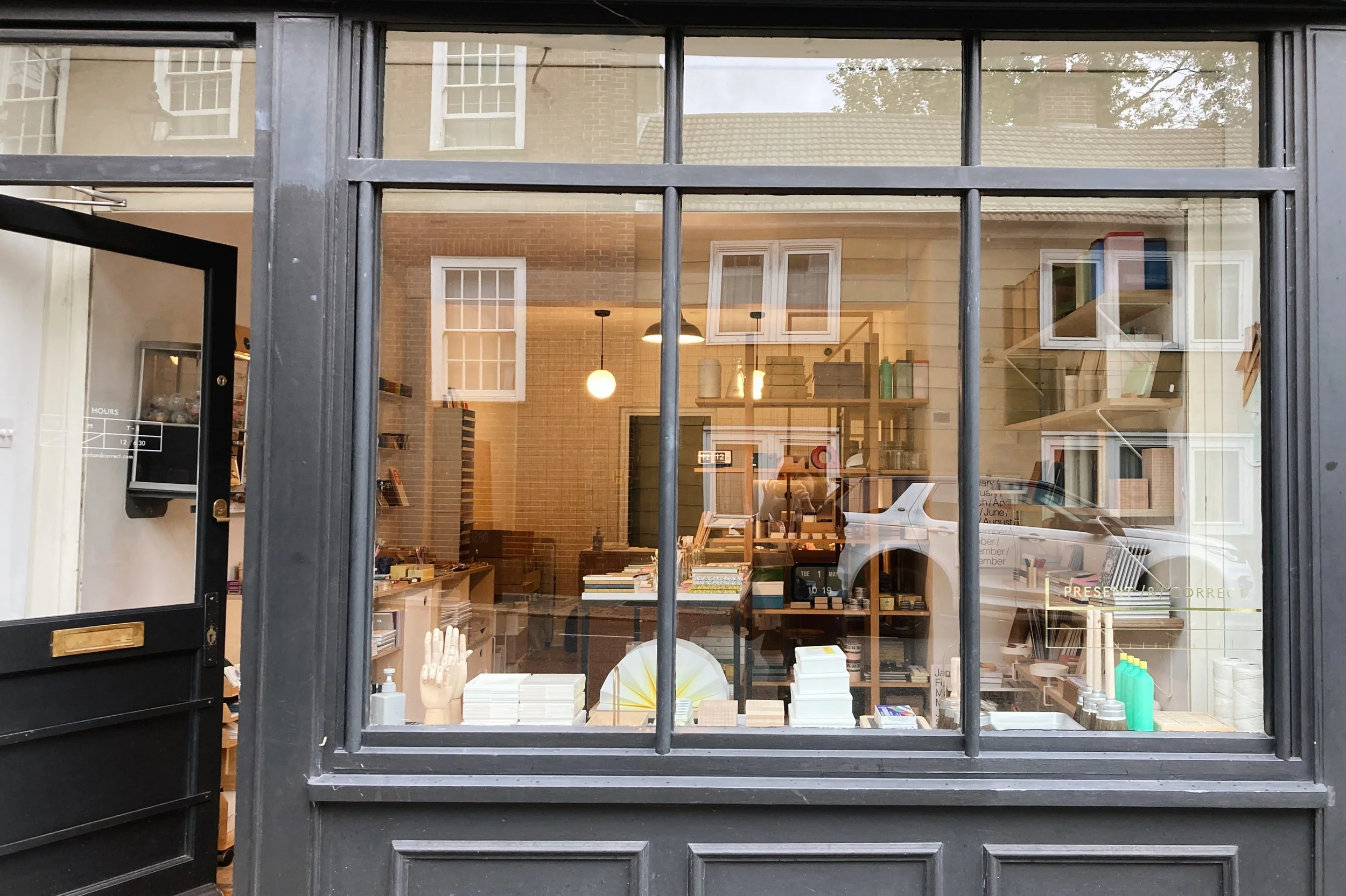
Present and Correct
A beloved stationary shop to quiet the mind and spark your creativity
Go here if: you still enjoy the tactile experience of writing, the thrill of organizing (also we see that looming project deadline that makes you want to tidy your desk), and hold the belief that self-care can come in the form of the perfect planner.
What is it: Present and Correct is a carefully curated stationary shop founded by Neal Whittington that’s currently tucked away in North London (though there’s a summer move to a larger space in Bloomsbury on the cards).
A popular destination for stationery enthusiasts and lovers of unique office supplies, this small shop offers a variety of paper goods and office conveniences from notebooks to desk accessories that combine contemporary design with a nostalgic touch. You’ll also find vintage items sourced from overseas markets. This is not your typical high-street office supply shop.
Why you’ll love it: Present and Correct is known for its emphasis on quality, craftsmanship, and attention to detail, but we also love the promises it holds. Of creativity: its notebooks and pens are the gateways to journaling, sketching, and writing that memoir in long form. Of calm: its clean and minimalist interior, and artfully arranged displays hint at some degree of control over our lives, a possible neatening of our edges. And maybe of a simpler moment: something of the analogue, of the openness of a new page, and even the joy of childhood and those new pencil cases on the first day of school.
How to bring this into your life: Although our true love is the physical store, the website offers the chance to browse and purchase from their collection of products (and they ship worldwide). We love the Finnish School chalk, Things to do Planners and Two Tone Ballpoints. And we’re huge fans – as are many – of Present and Correct’s Instagram.
In their own words: “It's a showcase for the things we have enjoyed since school….We want to spark a distant memory, make you smile or look at the most mundane in a new, and fonder, light.”


Present and Correct
At the time of writing 23 Arlington Way, London
From 20 June: see the new Bloomsbury address
Life advice for the spiritually-curious
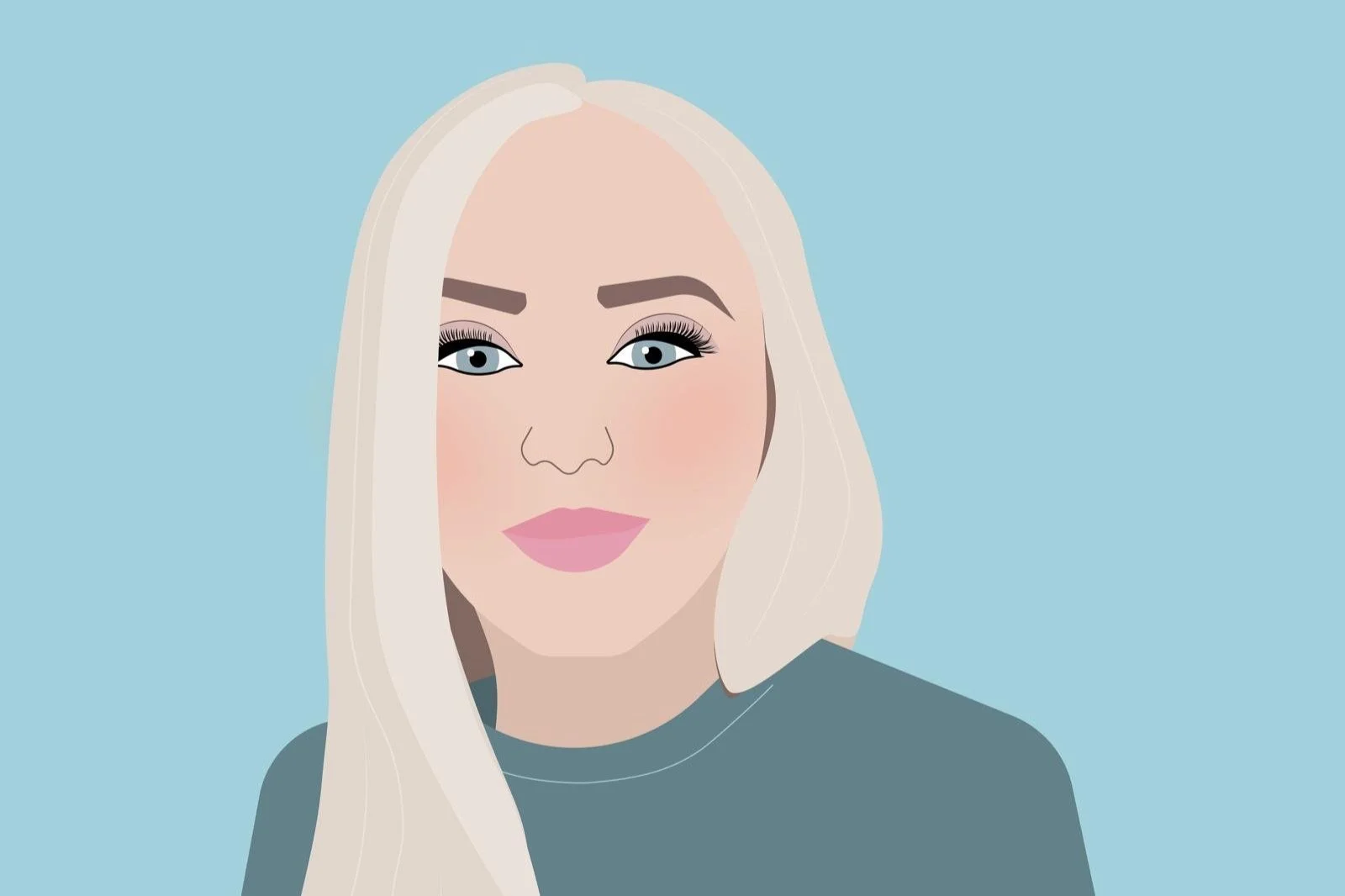
Feeling like there's something else, but you don't know what? Some meaning out there that you've yet to locate? Hannah Carey, founder of Rewild the Empress, talks to us about being Spiritually-Curious and how that's helped her find herself.
Today we have a guest post from Hannah Carey, the founder of Rewild The Empress, a place and community in which there is infinite space for self-acceptance.
In Hannah’s practice, she supports the spiritually curious as they navigate, discover and recommit to living in an authentic and aligned way: “to be the me you were always meant to be”. Rewilders often come from a place of feeling destined for more and, at the same time, fear they may not be enough or that they are unfulfilled and failing. Something that Hannah has experienced first-hand as she writes here:

Spirituality for me has become about confronting the conscious unrest within us.
But it wasn’t always that way: I was brought up in an informally Christian household, was baptised and attended traditional schools in which formal religion, regular chapel attendance and hymns were woven throughout the school week. My weekends ended on Sundays at 6 pm with a Sunday Service or Hymn Practice, the school’s version of informality.
Internally I was already rejecting the patriarchal God our Father, the Almighty and the governor of us all. It wasn’t me and didn’t align with my values of Freedom, Authenticity and Personal Growth.
And yet my heart rejoiced when an entire congregation of people sang in unison and in troubled times I found the voice in my head speaking to a higher power – I assumed God.
And so commenced the constant narrative of right or wrong, god or no god, and the general black-and-white thinking that goes with this, which might also be familiar to you.
As a teenager (pre-google, damn and pre-mainstream internet access) I bought tarot cards and explored. I read about paganism, and astrology. I aligned with nature and the cycle of the year. But wasn’t this “Witchcraft”? I couldn’t call myself a witch and be taken seriously – at 15 I knew enough to know that it was safer to keep it quiet.
Years passed by and in the many times of existential crisis in my 20s I muddled through beating myself up with the shame stick (it’s one of my personal favourites – what’s yours?). I figured I was agnostic, got married in a church because I rationalised that there was ‘something there’ and it may as well be God and continued to aspire to success and fitting-in-ness so unaligned with my personal values I wound up deeply misshapen and lost. I viewed it as ‘just the way it is’ and carried on.
But that internal compass just wouldn’t let it go. The conscious unrest ebbed and flowed like a tide and every so often I allowed my inner self a small win… I closed a ‘successful business’ searching for more. I took a slight detour down ‘what the fuck were you thinking avenue’ and finally landed at a rest stop in which I dusted off my tarot cards, took a deep breath and shuffled.
Death, The Emperor, The Hanged Man and 10 coins stared back at me. Plain as day my ‘god’ was telling me – Change it girl. You are meant for more.

Hannah is one of our ‘People We Love’ - handpicked practitioners who can help us feel better in our lives. To work with Hannah reach out to her here (we may get affiliate fees which help support our work but in no way influences who we choose to feature).
Hannah offers coaching in all areas of life whilst exploring your personal version of spirituality.
By recognising where systems, structures and history may have led you astray, unpicking family dynamics, the messaging you took on from the big people around you as you grew up, and your beliefs and the “shoulds” that keep you small and unfulfilled, you’ll get to re-decide and choose to do life differently.
Whether it’s through modalities like Astrology, Human Design, or the lunar cycles, you will get to connect with yourself and deepen your self-awareness. Hopefully, from working with Hannah you’ll discover that there is a glorious permission and freedom that comes from knowing you are whole and OK just as you are.

Royal Botanic Gardens Edinburgh
Discover the well-being benefits of a world-class botanical garden beloved by locals and visitors alike
Go here if: you’re looking for a place of tranquility, an escape from the busyness of city life, and a way to be more mindful of nature
What is it: A renowned botanical garden, the Royal Botanic Garden Edinburgh (RBGE) is one of the world’s leading centers for plant research, conservation, and education. Founded in 1670 as a physic garden for medicinal plants, this world-class botanical institution now reaches across 70 acres and includes over 13,500 species in its living collection.
Why you’ll love it: While you wander through the Chinese Hillside, Rock Garden, or Alpine Houses, you’ll also be accessing the positive well-being benefits of such a stunning natural setting from reducing stress levels and improving mood and mental clarity, to increasing your sense of awe. To make the most of this soothing and meditative location, pay close attention to the different textures, smells, and sounds of the ever-evolving natural spaces around you.
And while here, access the other well-being Pathways: as you walk the grounds you’re body will be releasing endorphins, those feel-good hormones (mind-body connection); you can visit alone, or you could invite a friend, for the added benefits of social interaction; and follow your curiosity as you learn about the plant-life nurtured here.
We like how a place like the RBGE that could feel like just a tourist destination has woven itself into the lives of locals, who seek out moments of respite here. It’s very much become a part of the fabric of city life rather than only a momentary break from it.

How to bring this into your life: Beyond visiting the gardens, the RBGE offers a range of events like flower shows, art exhibitions in the stunning Inverleith House, and monthly behind the scenes.
It also hosts restorative programs designed to connect with well-being including Food Socials, dementia-friendly Garden socials, and skills share workshops.
For some seasonal joy, check out the winter illuminations and spring flower displays.
And if you can’t get there read The Fair Botanists by Sara Sheridan, the Waterstones Scottish Book of the Year set in the gardens.
In their own words: “When visiting Scotland, a trip to the world-famous Royal Botanic Garden Edinburgh is unmissable. Experience an extravaganza of plants from around the world, learn about the Garden's rich and diverse Living Collection and discover a history dating back to the 17th century.”
Royal Botanic Gardens Edinburgh
Edinburgh
EH3 5NZ
And did we mention the garden entry is free

How nature can help us feel better in our everyday lives
How can we broaden out what nature can be for us: the micro gestures that have us listening for bird songs to the bigger-ask ones that have us hiking up mountains? Discover more of nature’s wellbeing benefits.
You do not need to be ‘outdoorsy’ to access nature’s benefits for our mental health and emotional well-being.
We know that we needed to hear that. It can often feel like the entry point to the natural world can be so high, and involve trips to REI, extensive bush-crafting knowledge and an orienteering certificate.
We’re definitely not saying hike in flip-flops or wander into the wilderness without knowing what you’re really taking on. But we are saying there are many, many ways to find yourself in the natural world and to do so in some really simple ways.
We love National Parks, but we also love that field we walk through after dropping our kids off, and that lake we can wander around with a close friend while having a chat on a Sunday morning. We get so much from looking out the window and catching sunsets, or planting something in our garden and willing it to grow (this one is very mixed for us). We feel happy around trees (though slightly less happy in the middle of a forest), and take us to any beach at any time and our hearts will sing. There’s a way into nature for all of us.
Here are just some of the ways to explore where your curiosity might take you as you find ways to wander through the natural world (with not a blistered hiking boot in sight).
To read:
How to overcome eco-anxiety
The Norwegian love of friluftsliv and why being in the fresh air can help us all feel good
A secret sanctuary created with hope in Los Angeles
How a search for female gardeners combatted this writer’s loneliness
How bad air quality is connected to depression later in life
Inspiring books for going outside
A land art masterpiece in the Nevada desert
How to assess the benefits of nature and walking in nature
To do:
Become a community scientist and discover the animals in your neighborhood
Discover The Gardening Mind on Substack
Join 72 Seasons
Plant organic seeds
To watch:
To discover:




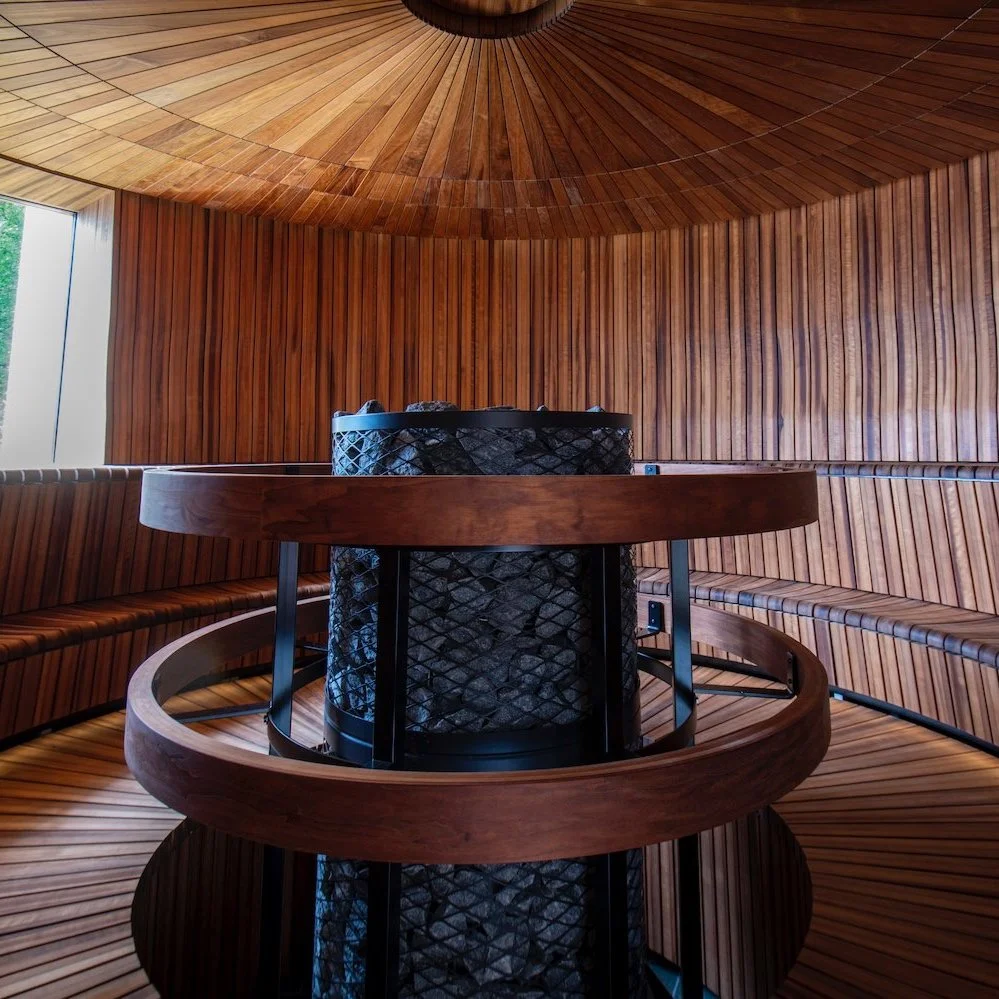
How can we broaden out what nature can be for us: the micro gestures that have us listening for bird songs to the bigger-ask ones that have us hiking up mountains?
How do you see nature as something that affects your emotional well-being and mental health?
Let us know how you navigate this aspect of your everyday life.

How to bring a sense of wonder back to your everyday life
Discover how a sense of wonder can bring more meaning, joy and connection into your life
“Let yourself go past those thoughts that tell you it’s silly or pointless or a waste of time, or you’re far too busy to possibly do this...Instead give yourself permission to want that in the first place — to crave that contact with the sacred, and that feeling of being able to commune with something that’s bigger than you are.”
We started to notice wonder in our everyday lives during the first pandemic when our worlds became small but our attention needed to roam. That sense woke up for us then. Birds we never noticed before held our attention for a moment longer than we ever thought they could. We noticed skies and stars and the movement in the trees. We focused on a single program (Normal People anyone) while not texting or a Ted talk which we might once have scanned while doing 100 other things, allowing it to endure in our minds and not dissipate as the next video played. We stayed in moments because we had nowhere to go.
Now we’re back to some kind of normal, the challenge here is to sustain that wonder-driven life so that we can keep our minds open and stretch our worlds. How to do that? Through new (or once lost) hobbies that connect us with nature, the visual arts or music, looking up from our phones and noticing the world around us (and maybe even the moon above us), and by allowing ourselves to be lost in big ideas and imaginary worlds that we wouldn’t ordinarily visit.
Below we share some recent reads on the science behind wonder, some things to try, and places to visit to access it in all our everyday lives.
Where will wonder take you?
Why wonder can be so beneficial to our emotional and mental well-being:
Finding awe amid everyday splendor
How to absorb wonder in small spaces and enchant your life
Discovering Pacha, a word that contains multitudes
This will make your head spin. What is life really?
Starting a bookstore to save a marriage (because bookstores = wonder for us)
A Wonder List: follow ours, make your own, chase your curiosity
The weighted blanket of the public library
The Webb Telescope and our stunning universe
More dark skies and night-welcoming lighting
Prehistoric Planet and just about anything David Attenborough
Vermeer. Maybe always.
Ai Weiwei again
The Poetry of Sarah Kay
How do you feel about wonder? And how could you connect with its benefits for your emotional and mental well-being?
If you’re curious about it and want to see how it can help you find more joy, meaning and connection in your life, sign up for Find Your Way. In this Well-being Reset that puts what you like first, we’ll explore how to find more wonder in your everyday life. Wonder is just one of the ten Pathways we’ll follow together as we explore all that life can offer us.

Find Your Way to a Better Place
Curious about how to create the life you want without losing your way? Explore what better emotional well-being means to you with this 25-Day Reset. Join now.
As we've navigated our anxieties and everyday life together, we've learned that returning to the basics, again and again, is what serves us best — reaching out to a friend, putting our phones away, going on a daily walk — but we still get distracted by the latest well-being trends and cute social media posts that sell us something different.
We've been supporting each other, and now our clients, to develop an everyday well-being practice that focuses on what matters and filters out all the noise so that we can feel more confident and connected throughout the ups and downs. We've found that when we're lost, we return back to this practice again and again and again. It brings us back to ourselves, creates space to move (in the direction we want, not one that we unheedingly follow), and reduces those familiar feelings of being unmoored, fearful, or full of self-doubt.
We want to share this practice with you too and have distilled this into our new Find Your Way Reset designed to reorientate your life to what really matters. To bring more of what you need into your everyday life. And to discover more of what makes you feel good.
Where will it take you?