

Why Good Coaching Starts with Space — and the Thinking That Happens There
In this wellbeing podcast conversation, educational psychologist and coach Sarah Philp explores the link between thinking, action, and the spaces that make transformation possible. Perfect for anyone curious about coaching or feeling lost, burned out, or disconnected from themselves.
What if you can’t rush a thought into something useful.
That’s one of the learnings that emerged in my recent short-form podcast conversation with Sarah Philp, an educational psychologist and coach who’s built her work on the belief that:
“The quality of everything human beings do depends on the quality of the thinking that we do first.” — Nancy Klein
It sounds simple. But think about your week so far — how often have you given yourself, or someone else, uninterrupted space to follow a thought to its end?
For many of us, the answer is almost never.

On why coaching isn’t advice — it’s space
If you’ve ever wondered what coaching really is, just know that it’s not someone telling you what to do.
Good coaching is the art of creating space — a physical, mental, and emotional container where you can think more deeply than you might on your own. It’s presence without pressure. It’s being witnessed in your thinking, without being hurried toward a solution before you’re ready.
In Sarah’s words, it’s “following the thread” of a thought. And in our busy, interrupted lives, that’s a rare thing.
Why thinking and action need each other
Coaching is often misunderstood as being only about action — setting goals, hitting targets, ticking boxes. But action without clear thinking can be reactive, scattered, even counterproductive.
On the other hand, thinking without movement can keep us stuck in loops of over-analysis.
The power is in the relationship between the two. The right kind of thinking — spacious, supported, fully explored — naturally leads to clearer, more aligned action. And action, in turn, gives thinking something to respond to.
The role of space in wellbeing
Space isn’t just about coaching sessions. It’s also about the environments and practices that help you reset — whether that’s a walk in nature, a few minutes of stillness before starting your day, or, in Sarah’s case, cold water swimming and time on the Isle of Skye.
These moments aren’t indulgences; they’re essential to wellbeing. They give you a vantage point outside the noise, where you can reconnect to yourself and what matters most.
If you’re feeling lost, burned out, or disconnected
You don’t have to fix everything at once. Sometimes, the first step is simply to create a little more space — in your day, in your conversations, in your head.
That’s where coaching can help. It’s not about having all the answers. It’s about having the time, attention, and support to find the ones that fit you.
If that sounds like something you need, we think you’ll love this latest episode of A Thought I Kept. It’s thoughtful and full of insights that might just shift the way you think — and act.
Listen now to on Substack, Spotify or wherever you get your podcasts.

What Coaching Really Is (and Isn’t): A Q&A for Curious People
Curious about coaching but not sure what it actually is? A gentle, myth-busting Q&A that explains what coaching really means — and how it can help you reconnect with yourself.
Maybe you’ve been reading along for a while now. Nodding, recognising something in yourself, slowly starting to feel seen again. And maybe, you’ve wondered: Would coaching help me? Is it for someone like me? Do I even know what it really is?
We hear those questions a lot. So here are our non-sales-speak answers (because there’s already too much hustle in this industry).
Q: Is coaching just life advice?
Not at all. In fact, coaching isn’t advice-giving. It’s not someone telling you what to do. It’s not a checklist or a five-step plan or a quick fix.
Coaching is a conversation where you get to hear yourself more clearly. It’s space to think. It’s being asked the kinds of questions that help you untangle what’s really going on beneath the surface, in a way that feels safe, not exposing.
Q: But I’m not trying to “transform my life.” Would coaching still be useful?
Absolutely. Coaching doesn’t have to be about big reinventions.
In fact, the most powerful work often starts in the smallest moments: when you notice what you’re tired of carrying, or what you’ve been quietly craving, or what part of you you’ve been ignoring.
Q: I’ve seen a lot of shiny coaching online. I’m not sure that’s for me.
Us too. And this isn’t that. Our coaching isn’t about perfection or even performance. It’s about being human, and finally having a space where you don’t have to keep holding it all together.
There’s no hype here. No positive vibes only. Just grounded, clear, thoughtful support for the real version of you, the one who’s doing her best, even when she’s unsure what that looks like anymore.
Q: Do I need a goal to bring to coaching?
No. You just need to bring yourself. You don’t need a mission statement or a project plan. Sometimes the goal is simply: to feel like yourself again. To hear your own thoughts. To name your own needs. To feel something.
That’s more than enough to begin.
Q: What even happens in a session? What do we actually do?
We talk. We pause. We ask better questions. We listen.
Sometimes there are tears. Sometimes laughter. Sometimes we sit in silence for a moment because something lands, and that alone is a shift.
We might name what you’re carrying. We might explore what’s underneath the overwhelm. We might simply ask: Where do you want to feel more like yourself again?
It’s not therapy. It’s a gentle, guided space for self-connection at your pace.
Q: Who is this really for?
It’s for the woman who’s wondering what happened to her spark.
The one who feels emotionally full but strangely flat.
The one who wants to feel seen, not just by the world (that would be nice too), but by herself.
It’s for the woman who’s quietly tired of being the person everyone relies on… but doesn’t know where to put her own feelings.
It’s for you, if something in you has whispered:
I want more space. I want to feel more real. I want to come back to myself.
It’s for you if you have questions and you’re living in the space between.
It’s for you if you just need to press pause on life for an hour.
If this sounds familiar, we think you’ll find these sessions exactly what you need right now.
There is nothing we love to do more then hold the space for you and to ask the big questions that hold the shifts you need.


Finding Your Way Back: How Your Values Can Guide You in Uncertain Times
Feeling lost or overwhelmed? Your personal values can guide you back. Discover how values provide clarity, stability, and connection during uncertain times—and simple ways to align your daily life with what truly matters.
Everything feels like too much. Life shifts unexpectedly: work changes, relationships evolve, priorities get rearranged. And suddenly, you feel unmoored. The things that once made sense don’t anymore, and you’re left wondering: Where do I go from here?
When everything feels chaotic, it’s tempting to grasp for quick fixes. More lists. More productivity hacks. More distractions. But what if the answer isn’t found in doing more but in coming back to what’s already inside you?
That’s where your values come in. Not as abstract concepts, but as a compass that can help you find clarity, stability, and connection, even in the most challenging times.
1. Values Provide Direction When You Feel Lost
When you’re standing at a crossroads, uncertain about which way to go, your values act as an internal GPS. They remind you of what truly matters, not what society says should matter, not what the world expects of you, but what’s meaningful to you.
If you feel disconnected or overwhelmed, ask yourself:
Which decision aligns with my values?
What would I choose if I weren’t afraid of disappointing others?
How do I want to feel at the end of this?
Values create clarity. They help you cut through the noise and make choices that feel true to who you are.
Try This: Next time you're struggling with a decision, write down your top three values and weigh each option against them. Which choice best aligns with them? That’s your answer.
Not sure what your values are? Read on to find out.
2. Values Keep You Grounded When Life Feels Uncertain
We live in a world that is constantly shifting, and uncertainty can feel exhausting. But here’s the thing: circumstances change, your values don’t.
When life feels overwhelming, grounding yourself in your values can help you regain stability. If you value creativity, carve out space for small creative moments each day. If you value family, prioritize time with loved ones. If growth is important to you, focus on learning something new rather than trying to control the uncontrollable.
Try This: Identify one small action you can take daily that reflects your core values. It doesn’t have to be grand.
3. Values Help You Build Deeper, More Authentic Connections
When you live in alignment with your values, you naturally attract people and communities that reflect them. If you’ve ever felt disconnected from those around you, it may be because you’re engaging in spaces that don’t align with what truly matters to you.
Values create belonging. They help you find people who see the world in a way that resonates with you.
Try This: If you feel isolated, seek out groups, events, or communities that center on your values. Love social impact? Join a volunteer project. Value creativity? Find a writing or art group. Want more adventure? Sign up for that outdoor retreat. Connection follows when you align your actions with what matters.
How to Discover Your Core Values
Values aren’t always something we name—they’re something we live. But if you want to understand yours more deeply, try this:
Observe Your Actions: Where do you naturally spend your time and energy? What do you prioritize, even when life is busy?
Listen to Your Stories: The moments that made you proud, the experiences that frustrated you, the things that bring you deep joy—these all reveal what you truly care about.
Ask Reflective Questions: What would you do if money weren’t an issue? What do you want to be remembered for? What feels deeply fulfilling?
Living Your Values: Small Shifts That Make a Big Impact
Start Your Day with Intention
If creativity is a value, spend 10 minutes sketching or writing. If growth is important, read a few pages of an insightful book. Start the day in alignment, even in small ways.
Use Your Values for Decision-Making
When faced with a choice, ask: Which option best aligns with my values? If learning is a core value, say yes to that workshop over another evening of mindless scrolling.
Make Daily Micro-Connections
If family is a value, send a quick text or voice note to a loved one. If community matters, reach out to someone you admire and start a conversation.
Prioritize Tasks That Reflect Your Values
Instead of tackling your to-do list at random, organize it based on your values. If you value excellence, focus on quality over quantity. If integrity is key, prioritize honest conversations and meaningful work.
End Your Day with Reflection
Each night, write down one way you lived your values. It could be something as small as choosing kindness over frustration or speaking up when something felt misaligned.
Why Coaching Can Help You Align With Your Values
Values work isn’t a one-time thing, it’s a lifelong practice. An ethical and certified coach can help you:
Discover What Truly Matters: Through guided exploration, coaching helps you uncover your values and how they show up in your life.
Turn Insight into Action: Knowing your values is one thing, living them daily is another. A coach helps you create practical strategies to integrate them into your routine.
Stay Accountable: Values shift over time, and having a coach ensures you stay connected to what’s most important as life evolves.
Your Values Are Your Guide Home
If you’re feeling lost, overwhelmed, or disconnected, come back to your values. They are the steady foundation beneath you, the quiet voice reminding you of who you are and what truly matters.
What values are guiding you right now?
Discover your values in our 1:1 online and in-person coaching session.
Discover your inner strengths: A guide to boosting confidence and fulfillment
Find out how to incorporate more of your strengths are into your everyday life.
What are your strengths?
How do you feel about me even asking that? Do you feel comfortable talking about all that is great about who you are and how you naturally function in the world? Even having this conversation can be difficult for people. We’re told so often not to boast, not to get too big for ourselves, even that there is something uncouth about singing our own praises. Maybe answering just this question will bring something up for you.
But research shows that identifying our strengths and folding them into our lives:
helps make decisions (we can assess if the options available to us align with our strengths and where they don’t)
makes us more energized and engaged as we learn where and how we want to put our focus;
and enhances our well-being, sense of life satisfaction, and overall feelings of happiness.
So right now, let’s get the resistance piece out of the way. This is the part where we celebrate who you are because discovering your strengths will help you find your way. And that my lovely is ok.
Below are some ideas to get you started. We’ve woven through some of the research of Jolanta Burke and Jonathan Passmore on how to think about your strengths. The key here is to figure out something they call a “Strengths tilt”: “an individual’s interests and preferences, as well as the ways in which strengths are uniquely applied in each person, in order for them to live their lives in alignment with their values.”
Let’s find out how you can uniquely understand your strengths and then apply them or tilt your life in their direction.
Step 1: Play a little & take a quiz:
There are a ton of quizzes out there to help you find your strengths. Here are some that we like (if you subscribe to our newsletter we talk about some more we like there):
Authentic Happiness: we recommend PERMA, Strengths Finder & The Authentic Happiness Inventory (from Martin Seligman)
The Four Tendencies (from Gretchen Rubin)
Introvert versus Extrovert (from Adam Grant at Ted)
Step 2: Get to know yourself & ask some questions:
Take whatever you like to write with, and whatever surface or device works for you, and jot down your responses to these questions:
Explain a situation where you were in flow. What were you doing? Who were you doing it with? What were you working on?
How did you get here? What does it tell you about yourself?
What do you like to teach others?
Keep in mind something that Passmore and Burke called “Strengths Blindness”: “individuals not appreciating their strengths and viewing them as something common and ordinary, rather than something that needs to be celebrated and developed further.”
Learn how your strengths talk to each other. Passmore and Burke call this: a “Strengths Constellation”: ”the interactions of strengths with each other. For example, an individual who frequently uses the strengths of fairness and bravery would be more likely to stand up for someone who is unfairly treated than those who score highly in fairness but low in bravery”. With this in mind, reflect on these questions:
How do your strengths speak to each other?
What consistently shows up for you that maybe doesn’t with others?
And if there’s some resistance here that might be “Strengths sensitivity”: which “may occur in clients who are being criticized around their strengths or when they discuss the negative aspects of their strengths.”
How could what others think about your strengths affect how you use yours?
What have you been told to hide, that you no longer want to?
What’s your secret strength that you are ready to make space for?
Step 3: Now bring your strengths into your life & learn how to integrate them
There’s the knowing piece, and there’s the doing piece. For you to get to the place you want to go, you need more than awareness. The next part is all about movement: In what ways can you now bring in your strengths to align with who you are? Take each of your strengths — the ones you want to invite in — and brainstorm what you can commit to doing in each area of your life that you’re looking to shift. Or take a look at this list for inspiration on how to use your strengths to boost happiness.
Keep in mind that the more you increase the number of positive strengths that you use, the greater the positive impact this has. Dr. Laurie Santos in her course on The Science of Wellbeing has identified 4-7 as the sweet spot (the number that tips a job to a calling for instance).
So what’s next for you? How can your strengths help you find your way?
If you’re interested in exploring more about who you are and how you best show up in the world, explore our coaching options. From exploring your strengths to identifying your values, you’ll find ways to reconnect with yourself when life feels uncertain or you feel like you have lost your way.

Embracing uncertainty: how to thrive when you feel lost
Feeling lost and overwhelmed by uncertainty? Discover how embracing uncertainty might help you find your way in life. Learn how to navigate life's unpredictability, take meaningful risks, and balance comfort with challenge.
In a world full of constant change and unpredictability, it's completely normal to feel a little adrift. You’re not alone if you feel this way. Many of us are now unsure of where we are and even where we’d like to be.
But what if we told you that being lost could actually be a good thing? Today, we’re going to explore how embracing uncertainty can help you feel better in your everyday life (it’s counter-intuitive we know but stay with us).
Finding beauty in the unexpected
Imagine you’re on a road trip. The GPS stops working, and you have no idea where you are. Panic sets in. You start to worry about what could go wrong. But then, as you take a deep breath, you notice the beautiful scenery around you — the kind you would’ve missed if you had been following the right path. A moment of being lost turns into an unexpected adventure, filled with new discoveries and experiences.
Life is much like this road trip. We often crave certainty and control, but the truth is, that uncertainty is a regular part of life. Embracing this can lead to profound both new learning and a more fulfilling life.
Locating balance: comfort and challenge
So, how do we shift our mindset from fearing the unknown to welcoming it? It starts with understanding that uncertainty is not only normal but also beneficial.
Here are three key areas to focus on:
Accepting Uncertainty
Uncertainty is a constant in our lives. Even when we make plans, there's always an element of unpredictability. Rather than fearing this, we can learn to accept it. Acknowledging that complete certainty is unattainable can be liberating. It allows us to release the weight of trying to control everything and instead, focus on what we can manage.
For example, think about the last time something unexpected happened in your life. Maybe it was a surprise visit from a friend or a sudden change in plans that led to a new opportunity. These moments, though initially unsettling, often bring unexpected joy and growth.
Brene Brown, in her research on vulnerability, calls uncertainty ‘the torture chamber’ but also emphasizes its link to vulnerability. By braving uncertainty, we open ourselves up to new possibilities and personal growth. The next time you feel unsure, remind yourself that it's an opportunity for something new and potentially wonderful.
Taking Risks
Avoiding risks means missing out on life's richness. It's not just about big life changes like switching careers or moving to a new city. It's also about the small, everyday risks—like trying a new hobby, joining a community group, or speaking up in a meeting.
Taking risks, even small ones, can enhance our resilience and confidence. It can improve our decision-making skills and help us develop new talents. More importantly, it builds self-trust. Each time we step out of our comfort zone and take a risk, we learn to rely on our abilities and judgment.
Consider the last time you took a small risk. Maybe you attended a social event alone or tried a new workout class. Reflect on how these experiences, despite their initial discomfort, contributed to your growing sense of self.
Balancing Ease with Discomfort
In our quest for a simpler, more comfortable life, we often eliminate challenges and frictions that are essential for our experiences. While ease is important, it’s the texture of life—the ups and downs, the unexpected twists—that makes it vibrant and meaningful.
We need to strike a balance between seeking comfort and embracing discomfort. Think of it like a well-balanced diet. Too much comfort can lead to stagnation, while too much discomfort can be overwhelming. Finding the right mix helps us live a fuller, more engaged life.
Reflect on the moments that brought unexpected joy. Maybe it was a spontaneous trip, an unplanned conversation, or a challenging project at work. These experiences, while initially uncomfortable, often become our most cherished memories.
Navigating life's beautiful uncertainty
Embracing uncertainty, taking risks, and balancing ease with discomfort can transform the feeling of being lost into an opportunity for growth and discovery. By shifting our mindset, we can replace fear and self-doubt with awe, curiosity, playfulness, and courage.
So, the next time you feel lost, remember that it's okay. In fact, it’s more than okay—it’s an opportunity to explore new paths, discover new strengths, and live a richer, more fulfilling life.
How will you navigate your journey of uncertainty and possibility?
How will you embrace being just a little bit lost?
Next steps
Feeling lost and uncertain? Discover clarity and confidence with our personalized coaching sessions designed to help you reconnect with your true self and navigate life's challenges. Take the first step towards a more fulfilling life today.
Book a free consultation and start your journey to finding your way. Embrace the unknown with expert guidance and transform your uncertainty into empowerment and joy.
Where do you want life to take you?

Embrace the Magic of Midlife
Don't let midlife be a time of uncertainty and confusion. Embrace the opportunity to rediscover yourself and create a future filled with purpose and joy.
Are you navigating the winding roads of midlife? You're not alone; in fact, one of us is right there with you, experiencing all the highs and lows of this transformative period.
The Midlife Awakening
Whether you're fully entrenched in midlife or supporting someone who is, understanding this phase can be a game-changer. Midlife brings a whirlwind of thoughts about aging, self-image, purpose, and relationships. The what-ifs and what's-to-comes might wake you up at 3 a.m., as frequently as those nighttime sweats do. Anxiety often feels like a constant companion, alongside that trusty retinol cream.
You look in the mirror and sometimes struggle to recognize the person staring back. The meticulously built life might not align with who you are today. Your career, relationships, and daily routines may no longer spark the joy they once did, leaving you wondering what's next.
Midlife challenges us to reassess our identities, paths, and future aspirations. Yet, within these challenges lie opportunities for rediscovery and new possibilities. It's a chance to get curious about life again, even amidst the brain fog and hot flushes.
From Lost to Found
So, how do you transition from feeling lost in midlife to reconnecting with yourself? Here are a few guiding principles to help you navigate this journey:
The Ebb and Flow:
Recognize that there will be good and bad days. Navigate these cycles with grace, adjusting your to-do lists and emotional awareness accordingly.
Adopting a Threshold Perspective:
Embrace this in-between stage as a chance for exploration. It's okay not to have all the answers yet.
Getting Quiet:
Create space for self-reflection through practices like journaling, meditation, or quiet walks. Listen to what you really think and feel to gain clarity.
Midlife can be both challenging and rewarding, but you are not alone. There are more resources available than ever to support you through this stage. From books and podcasts to organizations and apps, you can find the tools you need in ways our mothers never could.
Step into Your New Chapter
Inspired by our personal experiences, we've designed a range of 1:1 midlife coaching sessions to provide you with the support and tools you need to navigate midlife positively. We'll explore why you feel the way you do, address anxiety and self-doubt, and help you recognize how your values and goals are evolving.
We'll delve into well-being practices that can make you feel better, one step at a time. Midlife may sometimes feel like a confusing and disorienting rethinking of everything, but it doesn't have to be navigated alone.
Here are some of the benefits you'll experience:
Personalized Guidance: Tailored strategies that align with your values and goals.
Emotional Support: Navigate the emotional ups and downs of midlife with confidence.
New Perspectives: Discover new possibilities and reignite your passions.
Improved Well-being: Learn well-being practices that enhance your overall quality of life.
If you're ready to explore what's next and reconnect with yourself, come and talk to us. Our expert midlife coaches are here to support you through these middling moments, helping you rediscover the magic and potential of midlife.
Midlife is a time of change—let’s make it a time of possibility. Sign up for our mailing list to receive insights, tools, and guidance to help you navigate midlife with more clarity, confidence, and ease. Because this chapter is yours to shape. Join us here

How to navigate midlife and (peri)menopause with Edwina Jenner
Are you experiencing the challenges of midlife and the menopausal transition? Health coach Edwina Jenner helps us navigate this time with more confidence, intention and self-compassion.
The journey through midlife and perimenopause can be a challenging and transformative time for many women. The myriad of physical and emotional changes during this phase can often leave us feeling overwhelmed and uncertain. That's why we invited Edwina Jenner, an experienced health coach specializing in menopause, to shed light on this often misunderstood stage of life.
Understanding Perimenopause
Perimenopause is the transitional period leading up to menopause when the body begins to produce less estrogen. This phase can last for several years and is characterized by a variety of symptoms, including hot flashes, mood swings, sleep disturbances, and menstrual cycle changes. Understanding these bodily changes is crucial to ease symptoms and maintain a high quality of life during perimenopause.
Navigating Midlife
Midlife represents a significant transition, both physically and emotionally. It's a time when women often re-evaluate their lives and contemplate their future. It can also be a period of increased stress, as women juggle the demands of work, family, and personal health. However, with the right strategies and support, midlife can also be an era of personal growth, self-discovery, and renewed vitality.
Edwina Jenner's Expertise
Edwina Jenner has dedicated her practice to guiding women through the complexities of midlife and perimenopause. Her extensive knowledge and compassionate approach have empowered numerous women to better understand their bodies, manage symptoms effectively, and embrace the changes that come with this life stage. Edwina's insights and coaching can support you in approaching midlife and perimenopause with confidence and grace.
What’s next?
Whether you're in the midst of perimenopause or just embarking on your journey through the shifts of midlife, remember that you're not alone. With the guidance of experts like Edwina Jenner and the support of a community of women going through similar experiences, you can navigate this transition with strength and resilience. Embrace the changes, cherish the journey (where you can, because it’s hard), and look forward to the wisdom and fulfillment that this stage of life can bring.
Find out more about Edwina Jenner on Instagram and Facebook.
Find out more about midlife and menopause coaching at If Lost

The Lost Together Book Club | Atlas of the Heart
We’re welcoming in all the emotions with this month’s pick by Brene Brown. Let’s discover together what our emotions are telling us.
““I want this book to be an atlas for all of us, because I believe that with an adventurous heart and the right maps, we can travel anywhere and never fear losing ourselves. Even when we don’t know where we are.””
This is the first month of our Lost Together Book Club where we figure out how to live the books we love — not in an imaginative daydreamy way but in a what-next kind of way. (Read this kick-off post if you missed it).
This book club is for anyone who believes that the right book at the right time can change lives, but also that there are so many books at all times to change our lives in so many ways, it’s all become a bit overwhelming.
In this group, we’ll experiment with the concepts we’ve read, try to apply them to our own lives, and share what we’ve learned. What worked, and what didn’t? What did we discover? What did we let go of? What do we want to take forwards?
So, choose one book. Start reading. And I’ll see you in the Zoom meet-ups to see what you learned, and what you’re curious to try. You just need to register below.
Our Emotions Pick this month is:
Atlas of the Heart, Brene Brown

This is the book that inspired my path to train as an Emotions Coach Practitioner. When Brene Brown turns her formidable attention to what it means to live a life full of all the emotions you know there’s something meaningful going on there.
This book will help you learn to recognize and name your emotions. Research is now showing that this leads to ‘greater emotional regulation and psychosocial wellbeing’. But when asked, many of us can name just 3 emotions – happy, sad, and angry.
Brene shows 87 emotions and experiences that include such things as bittersweetness, resignation, amusement, anguish, and wonder.
I added this one so we can broaden together our understanding of emotions, and what to do when we realize they are there, doing all their magical and confounding work.
To join this month’s Lost Together Book Club head to Substack.
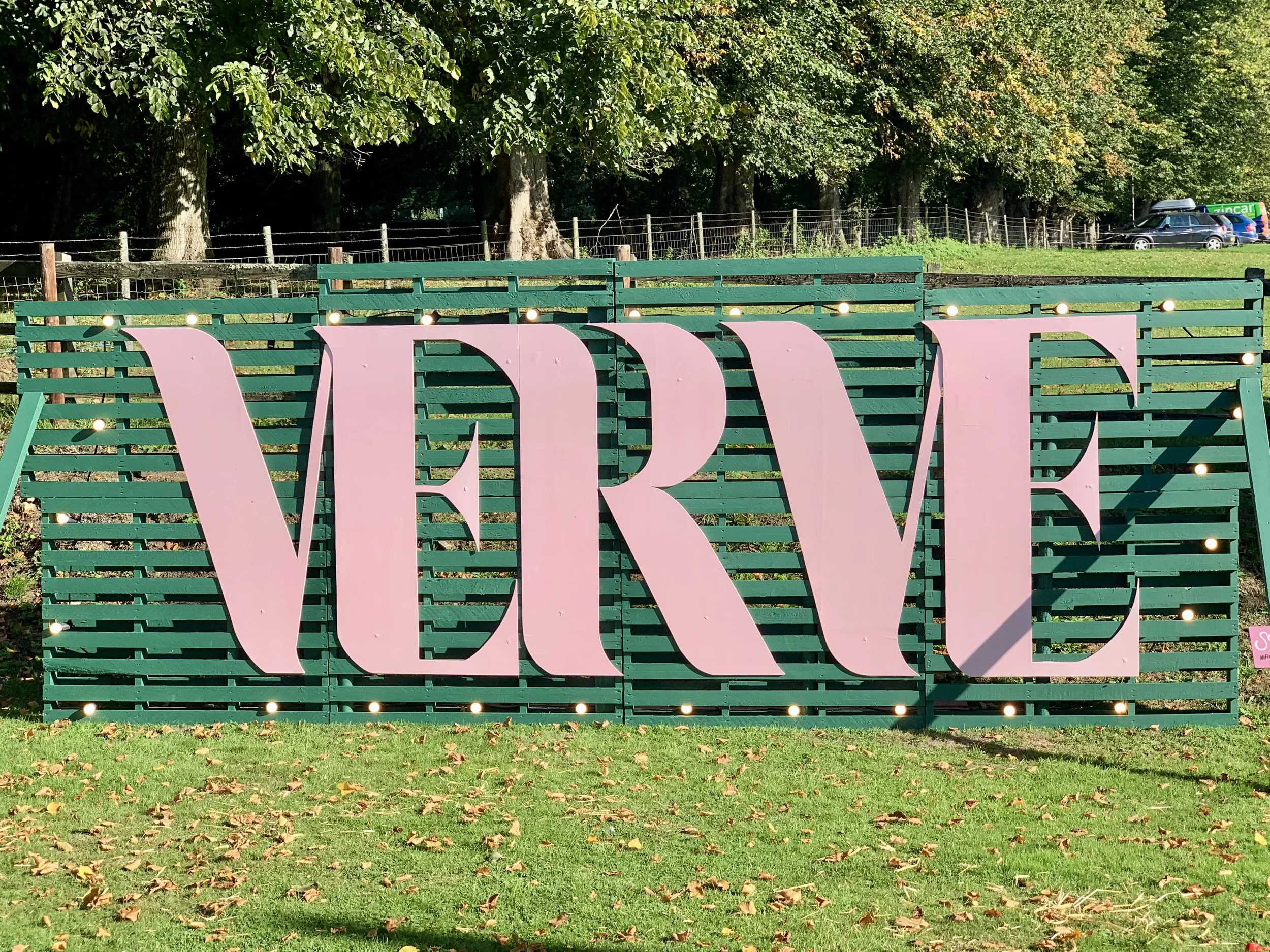
Beyond Happy: Finding Your Way To Better Emotional Well-Being at VERVE Festival
We’re bringing emotions coaching to one of our favourite wellness festivals.
“Language shows us that naming an experience doesn’t give the experience more power, it gives us the power of understanding and meaning.”
How many emotions can you name? Most people can name just three; some version of mad, glad or sad. But recent research indicates that having a wider emotional vocabulary can help people not just better express what they are feeling but cope better with everyday experiences, and live happier and healthier lives. When Brene Brown turns her formidable attention to what it means to live a life full of all the emotions you know there’s something meaningful going on there.
Just knowing the words can help better regulate our emotions and respond more helpfully in all of life’s situations. Is what you’re feeling sorrow or vulnerability? Is it anger or frustration? Is it happiness or pride? How we name something shapes our experience of it. Having access to a greater breadth of emotions means we’re able to better understand what those emotions are asking of us, and what they are pointing to, or guarding against.
I’m thrilled to be joining one of my favourite wellbeing festivals this year by offering coaching around emotions.
In my 1:1 sessions at VERVE Festival this September, I’ll start to explore your emotions. We’ll figure out which emotions you welcome and which ones you deny, which ones you think of as ‘good’ or ‘bad’, and which ones have something to tell you (and whether you’re ready to listen to them).
Over the 30-40 minutes of your session, we’ll get you to a place of being more familiar with all your emotions, build the confidence to explore what to do with them when they inevitably show up, and learn how they can help you find your way to what matters most in your life.
Curious about what better emotional wellbeing would look like to you? Find me near the VERVE Stage and book a session here (you’ll need to have your tickets for the Verve Festival to book a session as this is available to Verve attendees only). The cost is £25.
These sessions can help:
If you’re stuck in an emotion – like fear, stress, overwhelm, anxiety – and need to find a way through them to create more space for the things you want in your life
If you’re struggling with even the idea of bringing joy, love and happiness into your life, and want to learn how to welcome these in so you can access all they could bring
If you have an emotional blocker on something and it’s getting in your way, and you want to learn how to let go of it/ release that to get to a better place
If you are feeling lost, and need help finding your way again
If you’re feeling all the feelings – you are unsettled and unsure – and would like to get to a place of calm, peace and equilibrium
If you’re feeling none of the feelings – just numb and disconnected – and want to figure out what emotions could offer you and the significant role they could play in your life
If you’ve looked at life in all the ways, except this one, and you’re curious to learn how transformational emotions coaching can be.
Excited, optimistic, or even hopeful about what this might do for you? Join me in getting curious about your emotional life.
For more information, you can email me at claire@ifloststarthere.com or book your emotions coaching session at VERVE Festival here.
If you’re not able to get to VERVE Festival this year and you’re still interested in Emotions Coaching, don’t worry, we can still work together. Book a quick call out to see how I can support you to find your way to better emotional wellbeing in your life.
“You are what you feel, as long as you can describe it.”

Rediscover yourself: How identifying values can guide your life
Find your way to better emotional well-being by connecting with your values
““Your personal identity comes from your values.””
Values are decision-making magic. When you know what yours are, you can better navigate your life.
They are things like: Creativity. Freedom. Purpose. Kindness. Curiosity. Love.
We once heard the idea that values are something that you can't put in a wheelbarrow — like integrity, wonder and creativity — but not like money, which could be represented by words such as safety, security, status, and belonging instead.
Indicators of meaning, of what matters to you, values are powerful when we connect with them. Values point the way to how you want to live your life, what you’d like it to contain, and how you want to spend your time. Even on what and with whom.
When your values are being met you are more fulfilled and happier. But often in life when you are not achieving something that matters to you this can be because it conflicts with your values. Feelings of disconnection, emptiness, frustration, anger, or just the sense that something isn't quite right, suggest that those values you need do not yet have a place in your life.
But here’s the thing: although our values are deeply important and are threaded through our lives, often they can be maddeningly unconscious to us.
Discovering your values can be a one-off exercise (or a session with a coach like me) so that you can get to the small handful of values you want to live by (Brene Brown swears by having just 2).
So the first step is identifying them.
Something to Try
Here are a handful of words. Choose any that spark something in you:
Adventure Community Fairness Health Kindness Play
Authenticity Courage Friendship Honesty Laughter Respect
Beauty Empathy Growth Innovation Love Tranquility
What resonates? What’s missing?
Book a Values Assessment
Want to explore more? Book a 1:1 online coaching session to capture what your values might be, and learn how discovering them can help you find your way.
““Nobody has passion and perseverance unless what they do aligns with their values.” ”

Where do you want to begin?
Curious about coaching? Discover what it really is and how it might help you navigate your everyday life.
Before I became certified as a coach I had some ideas about what this profession was — big personalities, large audiences, lots of ‘motivational speaking’ — so much so that I hesitated to train for a very long time. Finding coaches who were nothing like this — who listened, created a safe space, and challenged yes, but supported also — led me to rethink some of my biases.
You may also have some thoughts about who coaches are and what they (or rather we now) do, so I thought I’d try and dispel some of your own myths.
Or maybe you haven’t come across this helping profession — you’re more familiar with its sister practitioners counseling, therapy, or mentoring. Maybe you are curious to just know more. Hopefully, this helps you gain an inkling of what it is and if you would benefit from coaching,
So what is coaching?
The ICF (the prestigious international accrediting body) defines coaching as “partnering with clients in a thought-provoking and creative process that inspires them to maximize their personal and professional potential.”
But what I love about coaching is that we (the coach and the client) co-create the experience together. See sessions as a structured conversation, where the coach walks by your side.
Coaching is client-driven – you set the focus of the session – and the coach partners with you to identify what you want to explore, facilitate new insight and learning, and find a way to create what you need in your life.
And it’s non-directional – which means that the coach won’t tell you what to do – but will hold the space for you to think and discover, clarify and align with what you want to achieve in your life. The coach’s role is to encourage reflection and self-discovery, help you reach strategies and solutions for your life, and to hold you accountable where you need this.
Sessions can be exploratory, giving space for you to think and reflect (maybe for the first time), and enabling you to take your thoughts in new directions.
Or sessions might be more goal focused, formulating the steps to take you from where you are to where you want to be while figuring out the resources, support, and skills you need to get you there.
You may end a session with something to work on or something to process, or a shift in how to show up in your world and how you think about it.
And what coaching isn’t.
This is key: It’s not consulting, therapy, counseling, or mentoring. In coaching sessions you can work in depth – you may touch on limiting beliefs, learning from earlier experiences, and even relational dynamics – but you’ll do this in a forward-focused way and in relation to a goal or a desired change.
If during sessions, you or your coach feel that you are better served by someone else (like a trauma-informed coach or a psychotherapist), or a resource outside of the coaching practice, these may be suggested to you.
How do I work?
In my training, I learned how to coach the whole person and work holistically across different coaching approaches and modalities, including Positive Psychology, Transactional Analysis, and Neuroscience, which help to understand what it means to be a person in this world, and how we can possibly do life with all that life can contain. As a Trainee Emotions Coach Practitioner, I'm learning how to help clients make contact with the full range of their emotions and use this awareness to bring insights and shifts to their lives.
In our sessions together, clients can be assured of a safe space, thoughtful inquiry, and openness to what they would like to bring. My approach is always shaped by courage and compassion (and challenge framed within both if needed).
5 expansive questions to ask yourself:
In coaching sessions, you’ll be asked some situationally-appropriate questions to bring more awareness into your life, like these:
Where are you now in your life?
Where would you like to be?
What sits in the gap between the two?
Where do you want the first steps to take you?
What’s most meaningful to you in your life? Is this showing up in ways you like?
Grab a pen and paper and take a moment to answer these. Is anything coming up for you? Any new learning?
If you had the opportunity to be coached, how would you like to use it?
If you’re interested in knowing more, finding out how coaching can specifically help you, and curious about how to move forwards in your life, let’s chat (sounds scary but really it’s just a conversation to get to know each other and find out how we can best work together). Or check out some options for 1:1 coaching here.