

Feeling Lost in Midlife? How Embracing Uncertainty Can Lead to Growth
Feeling lost in midlife? Embrace uncertainty with these 5 actionable tips to find clarity and purpose. Learn how reflection, small steps, and coaching can guide you to a more fulfilling future.
Midlife often brings a swirl of emotions and questions. You may find yourself feeling adrift, unsure of what comes next, or even questioning decisions you once felt confident about. While it’s natural to want clarity and certainty, there’s also something powerful in embracing the uncertainty that midlife can bring. This time of life can be more than just a period of doubt—it can become a generative space for self-discovery and growth.
Midlife and the Big Questions: Why Feeling Uncertain Isn’t a Bad Thing
Many women enter midlife with a sense that things are shifting beneath their feet. Relationships change, careers evolve, children grow up, and what once felt solid may now feel uncertain. It’s common to ask yourself: “Am I on the right path? What do I truly want moving forward?” The truth is that uncertainty is part of midlife. But what if, instead of resisting it, we could lean into the uncertainty and use it to spark new perspectives?
Uncertainty doesn’t have to mean that something’s wrong. Sometimes, it’s the space between where you’ve been and where you’re going that allows for the most profound transformation. By sitting with the questions, you’re opening the door to new possibilities that might have been hidden if everything stayed the same.
5 Ways to Navigate Uncertainty in Midlife
If you’re feeling lost or uncertain during this phase of life, know that it’s completely normal—and that it can be a turning point for learning. Here are five things you can try to navigate these feelings and start making the most of this time:
1. Pause and Reflect
Give yourself permission to slow down. Take time to reflect on where you are right now without rushing to find all the answers. Journaling, meditating, or even taking mindful walks can help you connect with your deeper thoughts and feelings. Often, clarity comes from creating space to simply be.
2. Reframe Uncertainty as Opportunity
Instead of seeing uncertainty as something to fear, try reframing it as an opportunity. When things are open-ended, you have the chance to explore new paths, ideas, and desires. What do you want to learn about yourself during this time? What’s something new you’d like to try? Curiosity can lead to growth.
3. Reconnect with Your Values
Midlife is an ideal time to revisit your core values. Sometimes the disconnect we feel comes from living a life that no longer aligns with what we deeply care about. Spend some time identifying what matters most to you now, and let those values guide your next steps.
4. Seek Connection
You’re not alone in feeling uncertain and speaking with others who are going through the same thing can be incredibly grounding. Whether it’s joining a community, engaging with friends, or working with a coach, talking through your feelings helps you see new perspectives and feel supported.
5. Take Small, Purposeful Steps
If the idea of big life changes feels overwhelming, start small. You don’t have to figure it all out at once. Focus on making small, purposeful changes that feel right to you—whether that’s carving out time for self-care, trying a new hobby, or adjusting your daily routine to better suit your needs.
Leaning into Uncertainty Can Lead to Greater Fulfillment
By embracing the questions, the doubts, and the unknowns, you give yourself space to grow. Midlife is a time of change, but it’s also a time of possibility. As you explore this phase, remember that it’s okay to not have everything figured out. In fact, it’s often the uncertainty that leads to new insights, fresh ideas, and a life that feels more aligned with who you are now.
Ready to Explore What’s Next? Let’s Navigate Midlife Together
If you’re feeling lost in midlife, coaching can provide the guidance and support you need to turn uncertainty into possibility. In 1:1 sessions, we’ll work together to uncover what truly matters to you, develop strategies for navigating this time, and create a plan that feels aligned with your values.
Book a free call today to start rediscovering yourself in midlife and shape the next chapter of your life with confidence.
Let’s Get Started!
If you’re local to Bath, check our Events Page for in-person midlife emotions coaching at either the Somerset Rooms or SoulSpa.
Midlife is a time of change—let’s make it a time of possibility. Sign up for our mailing list to receive insights, tools, and guidance to help you navigate midlife with more clarity, confidence, and ease. Because this chapter is yours to shape. Join us here

Less Stress, More Care: Tailor Self-Care to Your Real Life
Feeling overwhelmed by self-care advice? Discover five simple, personalized practices to help you redefine self-care, reconnect with your needs, and find balance in your daily life
Does it ever feel like self-care has become just another to-do list item?
Between “perfect morning routines,” endless lists of self-care must-dos, and the latest wellness trends, it’s easy to get overwhelmed. Instead of feeling better, you might find yourself feeling more exhausted.
But what if self-care could actually be about less? Less pressure, less perfection, and more about what genuinely supports you?
Why Self-Care Feels Like Another Task on Your To-Do List
Everywhere you look, there’s advice on how to meditate better, eat cleaner, or optimize your downtime. We’re bombarded by messages about self-care that often seem to suggest we need to add more things to our already busy lives. The result? Many of us feel like we’re failing at self-care. Instead of feeling relaxed and rejuvenated, we’re left stressed out and exhausted, wondering if we’re doing it all wrong.
But self-care isn’t supposed to be another area where you feel like you need to excel. It’s about supporting yourself in a way that feels right for you. It’s time to rethink self-care, moving beyond the latest trends and finding what truly helps you reconnect, recharge, and feel good.
How to Make Self-Care Yours—And Actually Enjoy It
How do we do that? By shifting from a one-size-fits-all approach to a personalized one. These five practices will help you make self-care yours, focusing on what genuinely fits your life and needs.
1. Identify Your “Non-Negotiables”
What are the small actions that make a big difference in your day? Maybe it’s your morning cup of coffee, a quiet walk, or five minutes of stretching. By figuring out the few things that you genuinely need to feel good, you can prioritize them no matter how busy your day gets. Your non-negotiables are the anchors that keep you steady, even when everything else is chaotic.
2. Create a ‘Done for Today’ Ritual
We’re often caught up in a cycle of constant productivity, but self-care can start with the simple act of letting go. Establish a small ritual to mark the end of your workday, whether it’s turning off your computer, lighting a candle, or putting on your favorite music. By creating a boundary between your work and personal time, you give yourself permission to relax and unwind without guilt.
3. Experiment with Micro-Moments of Self-Care
Self-care doesn’t have to be a grand gesture. It can be as simple as taking a deep breath, stepping outside for a minute, or savoring a piece of chocolate. Think of it as sprinkling little moments of care throughout your day rather than waiting for a big break. These micro-moments can be powerful ways to reset and recharge, especially when you don’t have time for a full routine.
4. Embrace the Power of Saying “No”
Sometimes the best self-care is knowing when to set boundaries. If you’re someone who often says yes to others, start practicing the power of a gentle “no.” Declining an extra project, skipping an event, or simply carving out time for yourself is not selfish—it’s essential. By saying no to what drains you, you’re saying yes to your well-being.
5. Revisit an Old Hobby or Passion
Self-care can also be about reconnecting with things you once loved but have set aside. Whether it’s painting, gardening, reading, or playing an instrument, revisiting an old hobby can bring a sense of joy and fulfillment. It’s a reminder that self-care is not just about maintaining your well-being but also about nourishing your passions and interests.
There’s No ‘Right’ Way to Self-Care—Only What Feels Right to You
Self-care shouldn’t be a source of stress. It could be a way to bring a little more joy, ease, and connection into your life. By identifying your non-negotiables, creating rituals, embracing micro-moments, learning to say no, and revisiting old passions, you can create a self-care practice that feels authentic, attainable, and genuinely helpful.
There’s no right or wrong way to do it—just your way. So, how will you make self-care yours today?
Ready to Make Self-Care Simple?
Sign up for our free guide, 5 Ways to a Better Well, and discover easy, practical tips to boost your well-being every day. Get started on your journey to feeling better, one step at a time.
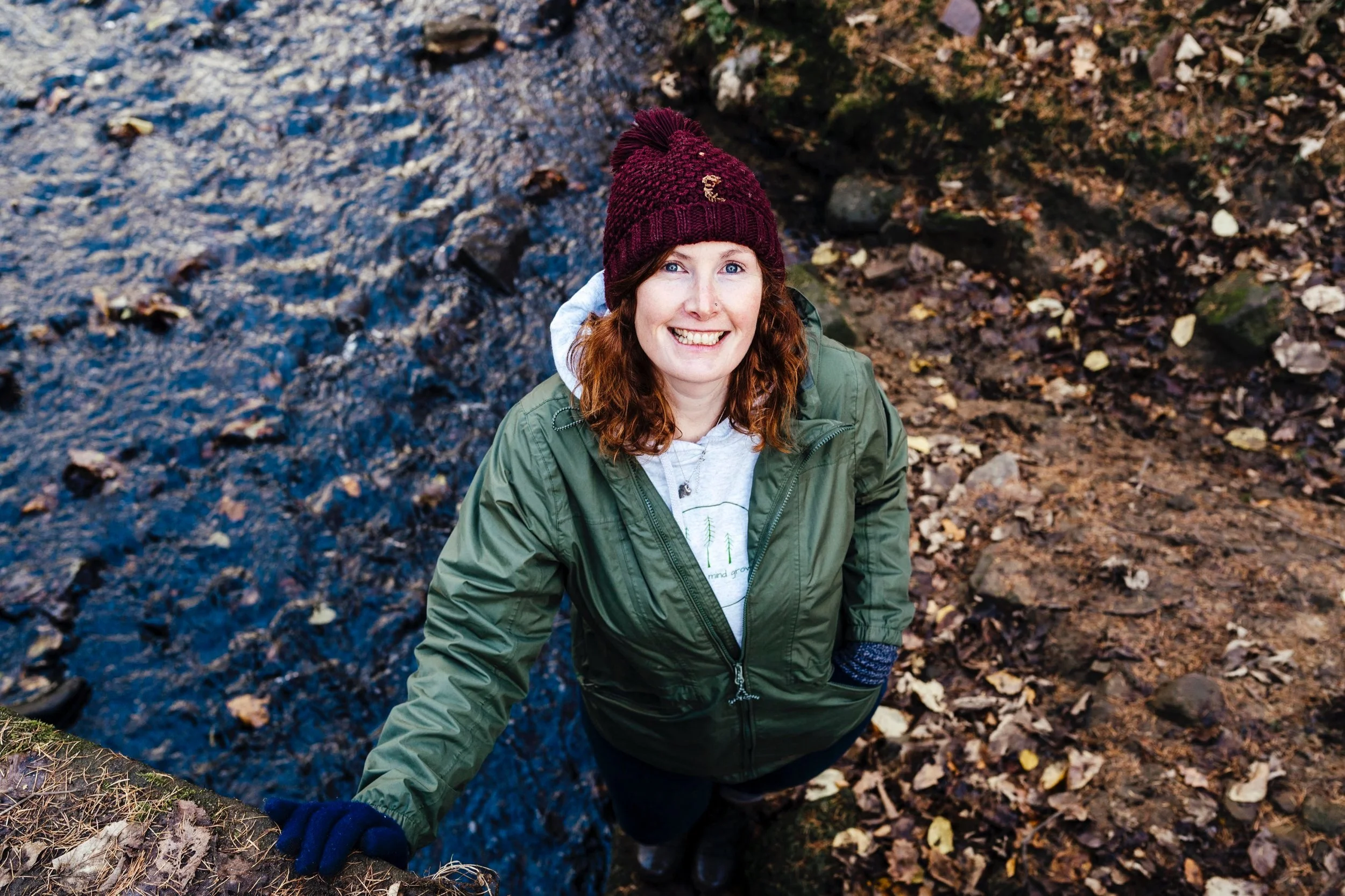
Reconnect with Nature: Simple Ways to Boost Mental Wellbeing
When was the last time you felt truly connected—to yourself, to the world around you? It turns out, the quickest path to reconnection may be as close as the tree outside your window.
In a world that moves fast, it’s easy to feel out of sync—with ourselves, our surroundings, even our emotions. But there’s a simple, powerful way to start reconnecting today, and it doesn’t require special gear, a trip to a national park, or hours of free time. It starts with nature—right outside your door.
How I Reconnected Without Leaving My Neighborhood
When I first realized how disconnected I felt, I thought the solution needed to be a grand adventure—maybe camping in the wild or a mountain hike. But with work, family, and life all pulling at me, those ideas felt impossible.
Instead, I started small. I began noticing the little things: the tree I passed every morning on my walk, the way the sunset painted the sky as I washed the dishes, the flowers peeking through cracks in the sidewalk. These weren’t dramatic moments, but they were enough to start feeling a little more connected—not just to nature, but to myself.
It turns out, nature doesn’t have to be a grand expedition. It can be as simple as sitting on a park bench, feeling the wind on your face, or watching birds from your window. And the benefits are real and measurable.
Studies show that just a few minutes of exposure to nature can reduce stress, improve mood, and increase feelings of wellbeing. You don’t need to be an “outdoorsy” person to access these benefits—you just need to start noticing.
Nature is Closer Than You Think: Tuning Into Your Surroundings
So, how can you start reconnecting? Begin by expanding what nature means to you. It’s not just national parks or forests; it’s your local park, your backyard, that tree outside your office, or even the view from your window.
Nature is everywhere, waiting to be part of your everyday life. And when you let it in, you’ll find yourself grounding more deeply in the present, feeling more balanced, and yes—more connected.
Instead of feeling overwhelmed and scattered, you could find peace in a simple morning walk, or clarity by taking a moment to watch the clouds drift by. These are small steps, but they make a big difference.
Reconnect and Revive: Bringing Nature into Your Daily Life
What if feeling connected didn’t require major life changes or extra hours in the day? What if it’s simply about learning how to see what’s already around you? By bringing nature into your everyday routine, you can start feeling more in tune with yourself, your surroundings, and your emotions—without the pressure of doing it “right” or “big.”
If this resonates, consider joining our upcoming workshop, Seasonal Shifts: Enhancing Your Wellbeing Inspired by Nature. In this 90-minute session, you’ll explore how the rhythms of nature can support your mental and emotional wellbeing—no hiking boots required. We’ll dive into simple, science-backed strategies that help you reconnect with the natural world, even in small, everyday ways.
Let’s rediscover the connection you’ve been missing. Book your spot in the workshop and start your journey toward feeling more grounded, balanced, and whole.

How to Create an Everyday Retreat at Home: 8 Simple Ways to Take a Break
Feeling overwhelmed? Learn 8 easy ways to create an everyday retreat at home with mindfulness, journaling, and tech-free breaks. Discover how small daily practices can bring more peace and balance into your life.
Feeling overwhelmed? The idea of escaping to a retreat sounds dreamy, but what if you don’t have the time or money to whisk yourself away for a week of relaxation?
At If Lost, we believe that you don’t need to leave your home to experience the benefits of a retreat. With a few intentional changes, you can create a retreat-like atmosphere in your own space, giving yourself daily moments of calm and connection. Today we’ll be exploring 8 simple ways to turn your home into your personal sanctuary.
Why Everyday Retreats Matter More Than Big Escapes
We all crave breaks from the daily grind, especially when life feels overwhelming. Traditional retreats offer a space to reset, but they’re not always practical. That’s why creating an everyday retreat at home can be so powerful—it fits into your routine, is accessible anytime you need it, and helps you find moments of ease in your daily routine.
Here’s how you can build small daily practices that allow you to recharge, reconnect, and retreat into a calm mindset no matter where you are.
1. Morning Mindfulness
Start your day with intention. Set aside 5–10 minutes for a simple morning ritual that grounds you before you dive into your day. It could be as simple as sitting with your favorite drink in silence, focusing on your breath, or doing a quick body scan to check in with how you’re feeling. This small practice can set the tone for the rest of the day.
2. Designate a Calm Corner
Carve out a small space in your home that feels calming—whether it’s a cozy chair by a window, a corner of your bedroom, or even just a spot on your couch. This is your “retreat corner,” a place where you can go to decompress. Make it comfy with a soft blanket, candles, or anything that brings you a sense of peace.
3. Take Mini Breaks Throughout the Day
You don’t need to wait for a big moment to relax. Build small breaks into your day—a 5-minute stretch, stepping outside for fresh air, or just closing your eyes for a moment of quiet. These tiny pauses help prevent overwhelm and keep you grounded as the day unfolds.
4. Disconnect from Technology
One of the best parts of traditional retreats is the chance to step away from the constant noise of technology. Set aside intentional tech-free moments throughout the day, whether it’s turning your phone on airplane mode during meals or setting a timer for an hour of screen-free time in the evening.
5. Connect with Nature
Even if you can’t leave your home, you can still enjoy the calming effects of nature. Open a window, tend to a houseplant, or sit outside for a few minutes. If you have the time, take a walk in a nearby park or simply sit on your porch to enjoy the fresh air. Nature has a way of grounding us, even in the smallest doses.
6. Create a Sensory Experience
Activate your senses to create a calming atmosphere. Light a candle with your favorite scent, play soft music, or enjoy a warm cup of tea. When you focus on sensory details, it helps pull your attention away from worries and back into the present moment.
7. Journaling for Reflection
End your day with a journaling practice. Take 5 minutes before bed to reflect on your thoughts and feelings from the day. Jot down three things you’re grateful for, or use this time to check in with yourself emotionally. It’s a small but powerful way to release tension and process your day.
8. Practice Self-Compassion
Perhaps the most important part of creating an everyday retreat is allowing yourself the grace to take a break, even on the busiest days. Let go of guilt or the need to be “productive” at every moment. Retreating into calm is a form of self-care, and it’s okay to prioritize your wellbeing.
The Possibility of Everyday Retreats
Creating an everyday retreat at home is all about small, mindful practices that allow you to step back, even if it’s just for a few minutes. These tiny moments of calm can have a big impact on how you navigate your day and respond to overwhelming situations.
Sign Up for the Everyday Retreat: A Live 4-Week Course for Wellbeing
If you’re ready to dive deeper into these practices and want extra support, join us for the Everyday Retreat, our live, 4-week online course. In just 10 minutes a day, you’ll learn to integrate retreat-like practices into your everyday life, alongside a community of like-minded individuals. You’ll also get access to weekly live meet-ups where we’ll share, reflect, and support one another.
Give yourself the break you deserve, right from the comfort of your home. Want to start building your Everyday Retreat? Join as a paid Substack Member and get access to this course from April 7 for free.

Finding Purpose: The Story Behind If Lost Start Here
Discover how a personal promise sparked a mission to guide those who feel lost.
Have you ever felt like you’re trying to navigate life without a map? Maybe you’ve been searching for answers, or just a simple sense of direction in a world that feels more chaotic by the day.
We get it—because we’ve been there too. That’s why we built this company, not just for ourselves, but for you, and anyone else feeling lost and looking for guidance.
What began as a deeply personal vow to help others has grown into a company with a big social mission.
It all began with a promise. Claire, one of our co-founders, had just dropped her mum off at yet another mental health ward. Her mum’s long struggle with clinical depression and anxiety had reached a point where Claire felt powerless to help. But in that moment of deep frustration and sadness, she made a vow: if she couldn’t fix things for her own mum, then she would do everything in her power to help others who felt equally lost.
That personal story is at the heart of If Lost Start Here—a wellbeing company that stands for much more than just offering advice or selling products. We exist because, like so many others, we know what it’s like to be overwhelmed by life’s challenges, and we wanted to create a place where people could start finding their way back to themselves.
Our mission is rooted in five reasons—five guiding ‘whys’ that shape everything we do
Simon Sinek talks about finding your 'why'—the core purpose that drives everything you do. For us, that purpose is crystal clear. Every action we take, every product we develop, is rooted in five fundamental reasons:
1. Because Claire promised to help.
After that heartbreaking day at the psychiatric ward, she knew she had to create something that would offer real, meaningful support for those who feel lost.
2. Because we’re tired of the noise.
In today’s world, we’re bombarded with messages about how we need to change, improve, and be 'better' versions of ourselves. But sometimes, what we really need is to just accept ourselves as we are—and tune out the noise.
3. Because support matters.
We believe that to be truly self-guided, we also need collective support. Community and connection aren’t just nice-to-haves; they’re essential.
4. Because where we live matters.
Our environment—both the physical world around us and the inner world within us—shapes who we are. Exploring both is key to our wellbeing.
5. Because we follow curiosity.
We’re on a constant journey, always asking questions, always seeking new ways to support our community. Curiosity is the engine that drives us forward.
From feeling overwhelmed to feeling supported—If Lost Start Here is about helping you find your way
At If Lost Start Here, we don’t just want to inspire you—we want to help you take real steps toward a better life. Our purpose is to guide you from feeling overwhelmed to feeling supported, from feeling lost to finding your way.
Whether you’re new to us or have been with us for a while, we’re committed to walking alongside you on this journey of self-discovery and wellbeing. We invite you to explore more on our website, sign up for our Well-ish newsletter, and let curiosity guide you, just as it does for us.
Let’s Get Started.
Feeling lost in the world of wellness? Join our Well-ish newsletter for monthly insights, tips, and real stories to help guide you back to yourself. Sign up today and get our latest edition straight to your inbox!

What if fear wasn’t something to avoid, but something to face head-on?
Discover five practical strategies to face fear head-on and stop letting it hold you back. Learn how to manage everyday fears, take action, and unlock new possibilities in your life.
Fear. We all feel it. It can sneak in when we’re making big decisions, or it can hold us back from doing something small but important in our everyday lives. But what if, instead of letting fear stop us, we could use it as a guide to grow, learn, and take action?
How fear sneaks into our everyday lives
Fear isn’t just reserved for haunted houses or scary movies. It shows up in so many different ways in our day-to-day lives:
When you’re about to have a difficult conversation, and you feel your heart race.
When you’re considering a career change but hesitate, unsure of the outcome.
When you’re standing on the edge of an opportunity, but self-doubt whispers, “What if I fail?”
We all know what it feels like to be held back by fear. Sometimes, fear is rooted in real danger, but more often than not, it’s rooted in uncertainty. Fear of failure, fear of judgment, fear of the unknown – all of these can make us feel stuck, like we’re walking through life with invisible chains.
And while fear is universal, the way it impacts our individual lives can be deeply personal.
Turn fear into action: Here’s how
The good news? Fear doesn’t have to be your enemy. In fact, by understanding and facing it, you can reclaim your power and move forward. Fear is often a signal – it’s pointing you toward something important, something you need to confront, something that, once you handle, will lead to growth.
So, how can you start to face your fears? Here are five actionable strategies to help you do just that:
1. Name your fear
The first step in facing fear is to acknowledge it. Don’t push it down or pretend it doesn’t exist. When you name your fear out loud (or even write it down), it becomes more manageable. For example, “I’m afraid of failing this project” is much easier to address than a vague sense of anxiety. Naming it takes away some of its power.
2. Break it down
Fear often feels overwhelming because we see the whole picture all at once. If you’re afraid of a big decision or action, break it down into smaller, manageable steps. Afraid of public speaking? Start by talking in small groups. Afraid of making a career change? Break the process into research, networking, and then decision-making. Each small step you take lessens the grip of fear.
3. Challenge your thoughts
Fear often comes from irrational or exaggerated thoughts. Ask yourself, “What’s the worst that could happen?” and then challenge that thought with evidence. For example, if you’re afraid of failing an interview, remind yourself of past successes. Get into the habit of questioning fearful thoughts and replacing them with more balanced perspectives.
4. Practice exposure
The best way to overcome fear is to face it. Start small and build up to the bigger things that scare you. If you’re afraid of putting your work out there, start by sharing it with a trusted friend. If you’re nervous about trying a new hobby, dip your toe in with a class or tutorial. Gradually exposing yourself to the things that scare you helps you build confidence over time.
5. Reframe fear as growth
Instead of seeing fear as something negative, start seeing it as a sign of growth. When you feel fear, it’s because you’re stepping outside your comfort zone, and that’s where the magic happens. Every time you face fear, you’re strengthening your resilience. Remind yourself: “If I’m feeling fear, it’s because I’m on the edge of something new.”
How facing fear unlocks new possibilities
Facing fear is never easy, but it’s always worth it. Fear might never fully go away, but with the right tools, it can become something you manage, rather than something that manages you. When you understand your fear, break it down, and step toward it, you unlock new possibilities in your life. You grow, you learn, and you become braver every day.
Ready to take that first step?
Join us for a FREE interactive workshop where we’ll explore how fear is holding you back and give you the tools to move through it.
Sign up for the Brave Enough workshop today and take control of your future!

Do you feel disconnected from your own emotions?
Feeling emotionally disconnected? Learn three effective strategies to help you reconnect with your emotions and overcome emotional stonewalling.
You’re not alone if you find yourself feeling distant from your own feelings. Many of us have learned to avoid emotions as a way to cope—maybe it seemed safer, or maybe it just felt easier to ignore them than face them head-on. But over time, this can lead to a sense of numbness, like you’re cut off from yourself. It might even feel like you’re just going through the motions, without any real connection to your inner life.
Learning to block emotions out
According to Zoe Hawkins and Jo Wheatley, emotional stonewalling can become a natural response when we believe our feelings are too overwhelming or simply not worth acknowledging. It’s like building an invisible wall to protect ourselves from discomfort. The wall keeps us from feeling the heavy stuff—like sadness, fear, or anger—but it also keeps us from feeling the good things, like joy, connection, or peace.
Maybe you’ve told yourself that emotions just get in the way of being productive, or perhaps you grew up in an environment where expressing feelings wasn’t encouraged. Over time, avoiding emotions can become second nature. You push feelings aside, focus on getting things done, and ignore the subtle signals your body gives you. You might even feel like you don’t have any emotions at all—until one day they overwhelm you, and it feels like everything comes rushing in at once. It’s exhausting, isolating, and leaves you feeling like you’ve lost control.
What if there was another way to feel?
Imagine what it would be like if you could start gently lowering that wall. Not tearing it down all at once, but slowly creating space for yourself to feel—at your own pace, without fear. It’s possible to reconnect with your emotions in a way that feels safe and manageable. Instead of being overwhelmed, you could learn to accept emotions as they come, understanding them without letting them control you.
Reconnecting with your emotions doesn’t have to mean diving into deep waters all at once. It’s about small moments—like pausing to check in with yourself during the day, letting yourself experience how you feel, and learning that emotions are just part of being human. In fact, allowing yourself to feel can help you build deeper connections with others, feel more in control of your choices, and even experience greater joy in everyday moments.
Three strategies to reconnect with your emotions
Name Your Feelings Without Judgment
A simple yet powerful way to begin reconnecting with your emotions is by naming them. When you feel something—whether it’s frustration, sadness, joy, or something else—try to pause and say it to yourself: “I feel [emotion].”
This helps you become more aware of what you’re experiencing without judging yourself for it.
Remember, there’s no “wrong” emotion to feel—each one is just part of your experience in that moment.
Practice Body Awareness
Emotions don’t just live in your mind—they also show up in your body. Take a moment during the day to notice how your body feels. Are your shoulders tense? Is your stomach in knots?
When you start to recognize where emotions manifest physically, it becomes easier to identify and acknowledge them. Try a simple body scan, starting from your head and moving to your toes, noticing any sensations.
This gentle practice can help you reconnect with your feelings by tuning into how your body is reacting.
Journal for Five Minutes a Day
Writing can be a powerful tool for exploring emotions. Set aside just five minutes each day to write down how you’re feeling. It doesn’t need to be perfect or even make sense—just let your thoughts flow.
Journaling helps you release emotions you might not even realize you’re holding onto, and it creates a safe space for you to be honest with yourself.
Over time, this practice can help you feel more comfortable acknowledging and processing your emotions.
Taking the First Steps Toward Emotional Reconnection
It’s okay if reconnecting with your emotions feels intimidating. After all, you’ve built these walls for a reason, and they’ve protected you in many ways. But now, you can begin to learn that emotions aren’t something to fear—they’re a part of you, and by allowing them in, you’re taking an important step toward living a fuller life.
What might change if you started to gently accept your feelings instead of pushing them away? Imagine being able to name how you feel without judgment, to understand your emotions without fear, and to experience deeper relationships—both with yourself and with others. You can begin to feel again, one step at a time, in a way that works for you.
If you’re ready to begin lowering those emotional walls, our ‘Feel Again’ one-on-one coaching sessions are here to support you.
This October, take the first step toward reconnecting with your emotions in a safe, supportive environment. Book your session today and start your journey to emotional balance.

Feeling lost in the wellness world? Here’s how to find your way back.
Feeling overwhelmed by wellness trends? Discover how a personalized well-being prescription can help you reconnect with yourself and thrive in your everyday life.
The wellness world can feel like an endless cycle of "shoulds" — wake up early, meditate, run five miles, eat perfectly clean, and somehow stay balanced. But what if all those routines don’t fit into your life? What if, instead of feeling better, you feel even more overwhelmed by the pressure to do more?
Well-being Isn’t One-Size-Fits-All: Here’s What Really Matters
We’ve all been there — staring at the screen, scrolling through endless wellness advice that promises to change everything, only to feel discouraged when we can’t seem to keep up. It’s hard not to compare ourselves to others and feel like we’re falling short. The truth is, that the wellness industry has created an unattainable standard for many of us. It suggests that wellness is only for those with time, energy, and resources to spare, and it forgets that real people have real — often messy, unpredictable, and busy — lives.
But here’s the thing: wellness shouldn’t make you feel like you’re failing. True well-being isn’t about working your way through someone else’s routine. It’s about reconnecting with yourself, finding balance, and doing what works for you. Whether it’s carving out time for a walk in the park, engaging in creative activities, or simply taking a deep breath amidst the chaos of daily life, well-being is deeply personal.
A Personalized Well-being Prescription: Tailored to Your Life
That’s why we’ve developed Bespoke Well-being Prescriptions. Instead of a one-size-fits-all approach, we focus on creating a personalized well-being practice that works for you. This isn’t about keeping up with wellness trends — it’s about understanding what truly makes you feel good and building that into your daily life.
With our program, you’ll receive a Bespoke Prescription for Everyday Life, which includes practical tools, emotional support, and Culture Therapy recommendations. These sessions are designed to explore what well-being means to you personally, and how you can create space for it in your unique reality.
We start with a free call to get to know you and your needs. From there, you can choose a 90-minute starter session or dive into our twelve-session program, where we’ll guide you step-by-step to craft a sustainable well-being practice that fits your life. Whether you’re searching for emotional balance, creative fulfillment, or just more peace, this program will help you get there.
From Overwhelm to Balance: Your Well-being, Your Way
Imagine waking up feeling like you have a handle on your day — not because you’ve mastered the perfect routine, but because you’ve crafted a well-being practice that fits into your life effortlessly. You feel more grounded, more connected to yourself, and more capable of handling life’s ups and downs.
With your Bespoke Well-being Prescription, you’ll have the tools and insights you need to feel better, not just today, but every day. You’ll experience the benefits of a life that feels good to you — one where you’re thriving emotionally, mentally, and physically, without the pressure to be someone you’re not.
Ready to begin your journey? Find your unique way to better well-being today with a free call and see where life can take you.

How to manage emotional flooding and navigate overwhelming emotions with confidence
Overwhelmed by your emotions? Learn how to navigate emotional flooding and reclaim a sense of calm!
Imagine standing in the middle of a storm, with emotions swirling around you like a fierce wind. You’re deeply connected to your feelings, yet when it comes to expressing them, it’s like trying to catch raindrops with your bare hands—impossible to grasp and slipping away before you can make sense of them.
This is the experience of “emotional flooding”, an archetype defined by Zoe Hawkins and Jo Wheatley that explains the unconscious default we have with our emotions under pressure. In this case, emotions flood over you, leaving you feeling overwhelmed, misunderstood, and trapped in an inner world that feels hard to escape.
For some of us, emotional flooding can feel like a daily struggle. You might find yourself deeply feeling everything, but unable to articulate what’s happening inside. This can be incredibly frustrating and isolating, as you feel misunderstood—not just by others, but by yourself as well.
Emotions become so overwhelming that they feel frightening, and this fear only makes the experience more intense.
The result? You might find yourself avoiding situations that could trigger these emotions, or even trying to escape them when they arise, leaving you feeling ashamed and disconnected.
Navigating emotional flooding: Steps to build emotional capacity and resilience
But what if you could change the way you experience your emotions? What if you could find a way to navigate through the storm, turning those overwhelming feelings into something you can understand and manage?
While the emotional flooding archetype might feel like it’s taking over your life, there are steps you can take to build greater emotional capacity and find your way back to calm.
Building emotional capacity isn’t about pushing your emotions away or pretending they don’t exist. It’s about embracing them, understanding them, and learning how to express what’s happening inside. By taking specific steps, you can start to regain control, even when emotions seem overwhelming.
Reclaim your emotional balance: Building resilience against emotional flooding
Here are three essential steps to help manage emotional flooding and build greater emotional capacity:
Increase Self-Awareness:
Begin by tuning into your emotional landscape with mindfulness practices or journaling. By regularly checking in with yourself, you can start to recognize the patterns and triggers that lead to emotional flooding. This awareness is the first step toward managing your emotions, as it helps you catch the storm before it becomes overwhelming.
Practice Emotional Regulation:
When emotions start to feel too big to handle, pause and take a moment to breathe. Deep breathing and reflection can help you ground yourself and decide how to respond instead of reacting impulsively. Explore healthy ways to express your emotions—whether through talking to a trusted friend or an emotions coach, engaging in creative outlets, or moving your body. This helps prevent the buildup of emotions that leads to flooding.
Build Resilience:
Emotional flooding can make you want to avoid intense experiences, but building resilience involves facing these challenges rather than running from them. Use positive self-talk to remind yourself that emotions, while intense, are not bigger than you. Set boundaries to protect your emotional energy and seek support when needed. Over time, these practices will help you feel less overwhelmed and more in control, even in emotionally charged situations.
By incorporating these strategies into your life, you can start to shift from feeling overwhelmed by emotional flooding to managing your emotions with confidence and grace. It’s about turning the tide and reclaiming your inner peace, even when the storm hits.
Taking back control: Navigating emotional flooding with confidence
Ready to take control of your emotions and stop feeling overwhelmed? Join our Emotions Coaching Taster Sessions this month and start your journey towards emotional balance and resilience today!
Reserve your spot now and discover how you can transform your emotional experience with expert guidance.

Why September is the best month to reconnect with your emotions
Start the new season believing that your feelings matter. Discover how our Emotions Coaching Taster Sessions can help you learn how to have a happier relationship with all your feelings.
As the school year kicks off and the busy days of September begin, it’s easy to get swept up in the whirlwind of to-do lists and schedules. But amid all the chaos, have you taken a moment to check in with yourself? How are you really feeling as you step into this new season?
The Quiet Shifts of September
This morning, I found myself alone with my thoughts for the first time in weeks. After a summer of juggling endless responsibilities, I realized how easy it is to let our own emotions slip through the cracks. We’re so focused on making sure everyone else is okay that we often push our own feelings aside.
September brings with it a mix of emotions: the anxiety of what’s to come, the frustration of everyday challenges, and maybe a touch of nostalgia for summer’s freedom. But there’s also hope—the hope of a fresh start, a blank page, a chance to reset. Yet, how often do we actually give ourselves the space to explore these feelings? Too often, we believe that our emotions don’t matter, that we need to hide them or put them on the back burner because everyone else’s need come first.
It’s Time to Prioritize Your Emotions
But here’s the truth: your emotions are just as valid as anyone else’s. They’re the key to understanding where you are right now and where you want to go. This September, instead of simply going through the motions, why not take a moment to tune into what you’re feeling? Whether it’s excitement, anxiety, or something in between, every emotion has something to tell us.
That’s why we’re offering for the first time single online sessions to introduce you to emotions coaching. These sessions are designed to help you reconnect with your feelings, validate them, and use them as a guide for navigating the months ahead.
Emotions were the missing piece for us, and they might be for you too.
Unlock a New Perspective This September
Imagine starting this new season not just with a fresh schedule, but with a renewed understanding of yourself. By taking the time to check in with your emotions, you can transform how you approach not just September, but every aspect of your life. You deserve to feel heard, understood, and empowered—because your emotions matter.
Ready to give yourself the attention you deserve? Join us for an emotions coaching taster session and discover the power of understanding and embracing your feelings. Let’s make this September the start of a better relationship with your emotions..
Click here to book your session and take the first step towards a more fulfilled, emotionally aware you.

Embrace the magic of September’s new beginning
September Reset: How to embrace new beginnings and prioritize your wellbeing
September is here, and with it comes the promise of fresh starts, new beginnings, and that unmistakable “back-to-school” energy that fills the air. For many of us, it’s not just the kids heading back to class; it’s a time for us to rediscover our own rhythm and seize the moment to create the life we truly desire.
From Summer Chaos to September Calm
This morning, I found myself savoring my first hot coffee in what feels like weeks, the house was finally quiet after dropping my daughter off for her first day of school. The hustle and bustle of summer, with its constant activity and joyful chaos, has given way to a serene, almost sacred silence. After weeks of juggling too many things (and learning which balls were made of glass and which were just plastic), it was a moment of calm.
September always brings a whirlwind of emotions: anxiety about the unknown, the inevitable scramble to find a missing shoe, the thrill of new beginnings, and a wistful glance back at summer’s cherished memories. But amidst all these feelings, there’s a powerful sense of hope—a belief that this new school year isn’t just for the kids, but for us too. It’s a chance to start over, a blank page ready to be filled with whatever we choose.
Turning New Beginnings into Lasting Change
September’s gentle nudge feels different from January’s forceful push. There’s less pressure to be perfect, and more space to figure out what matters. It’s like the first page of a new notebook, where anything is possible. This week, as I navigated the usual back-to-school rush—ordering uniforms, helping with geography coursework, and planning for the months ahead—I also took a moment for myself. I paused to review the key areas of my life that often get overlooked but are essential to my happiness.
What I found were three areas in need of more attention: social connections, creativity, and mind-body practices. I realized that these aspects of my life are what truly nourish me, yet they’re the first to be neglected in the chaos of daily life. So, this season, I’m committing to nurturing relationships, embracing my creative writing journey, and exploring ways to move my body that support both my physical and mental well-being.
Your Path to a Joyful, Fulfilled September
So, what about you? What areas of your life are calling out for attention as we step into this new season? Maybe, like me, it’s about deepening connections, unleashing your creativity, or finding harmony between mind and body. Or perhaps your focus lies in digital wellbeing, meaningful work, or contributing to your community.
What new start might September bring for you?
Join Us in Seeking a Better Way to Well
The path to well-being isn’t linear—it’s personal, evolving, and sometimes messy. What matters is finding what works for you.
If you’re looking for a way to start, we’ve created A Better Way to Well, a free five-part email series designed to help you cut through the noise and connect with what truly matters. You’ll receive practical, research-backed prompts to help you reflect, reset, and create your own personalized approach to well-being.
Sign up here and take the first small step toward feeling better in your everyday life.

Let go of summer stress | Your path to a relaxed and happy August
Discover how to enjoy a stress-free summer by learning what to let go.
Imagine embarking on a hike along the Appalachian Trail, a challenging six-month journey spanning over two thousand miles. At the start, eager hikers carry backpacks filled with items for every conceivable situation — flasks, cooking utensils, tarps, tents, granola bars, and extra clothes. But, by the first stop, many realize they’ve overpacked. They begin to understand a crucial lesson: what they can set down.
Embrace the freedom of letting go
This story, beautifully told in Kate Bowler’s No Cure for Being Human, highlights a vital truth: carrying too much makes any journey harder. As life throws more at us, especially during summer, we tend to overload ourselves. Whether it's packing for a beach day or managing the kids' summer schedules, the extra baggage can become overwhelming. Over-preparing and multitasking can lead to stress and burnout, leaving little time for relaxation or enjoyment.
Lighten your load for a more joyful journey
This summer, consider what you can set down to make life easier and more enjoyable. Instead of juggling everything, let go of the unnecessary burdens. Embrace the idea of doing less to feel freer and lighter. It’s about finding balance and allowing yourself moments to simply be.
Transform your summer with our Wellcation
Join us for our Summer Wellcation, an online course designed to help you lighten your load and enjoy a stress-free summer. For just 10 minutes a day, you’ll find your own retreat from the hustle and bustle of daily life. No need to pack or plan — just show up with a pen and paper if you’d like. This is your chance to pause, breathe, and rejuvenate.
Don’t miss out! Register by Sunday 11 August 2024 and receive a free 3-month subscription to The Wellery, our supportive Substack community. Take this step towards a more relaxed and joyful summer, and let’s journey together through this season.
Join Now and start your path to a lighter, brighter summer!

Reads to make your summer that much better
Explore what makes the perfect summer read with our curated selection of books for every mood and moment.
What makes the perfect summer read? Is it the latest bestseller purchased in the airport while racing to your flight? Is it the book your sister-in-law just finished, passed to you across the beach lounger? Or is it a book you bought long ago that you’ve never quite had the time for until now?
We’ve rounded up our picks for summer reading this year. Some are recent hits. For others all the chatter happened a while ago. Books are made to last so we’ve included a selection of our favorites from different moments, for different moods, and with different intentions.
The One You Won’t Want to Put Down | Romantic Comedy, Curtis Sittenfeld
To be read by the pool. On the plane. In bed in the morning. At any moment you can grab really. Curtis Sittenfeld's Romantic Comedy is a witty and insightful exploration of love and modern relationships set against the backdrop of a late-night comedy show. With sharp humor and relatable characters, this novel offers a fresh take on the classic rom-com genre. If the sun isn’t warming you, this book will.

The Joyful Read | Still Life, Sarah Winman
Probably the book we most recommend at the moment. We read this earlier in the year and regretted that we hadn’t sooner. Sarah Winman's Still Life is a heartwarming tale that spans decades, blending art, love, and friendship in post-war Florence. At a moment when we’re only ever reminded about what divides us, this book shows how we can make our lives better by connecting, both wildly and with joy.
The Darker And Twistier One | The Marriage Portrait, Maggie O’Farrell
And the opposite, though still a great read that you’ll tear through. Maggie O'Farrell's The Marriage Portrait is a captivating historical novel that transports readers to Renaissance Italy, unraveling the life of Lucrezia de Medici through a richly woven tapestry of art, power, and intrigue. Full of twists, turns, and surprises.
The Secret Find | Enchanted April, Elizabeth von Arnim
We picked this up after our local bookshop Winstone’s made it their book club pick of the month. Knowing nothing about Enchanted April this book has become one of our surprise reads of the year. Elizabeth von Arnim's novel published in 1922 is a delightful escape to a sun-drenched Italian castle, where four women find renewal and unexpected friendships. If you want to still believe in people’s capacity to change and to surprise themselves, read this. Though it captures the magic of springtime and renewal, it’s still perfect for a summer when we’re all longing to feel more hopeful.

The Heavy Book That Shouldn’t Have A Place In Your Suitcase But Does | Wolf Hall, Hilary Mantel
Summer doesn’t have to mean new. Or light. Or contemporary. It can mean older, weighty, and historical. During the non-summer months, we often fall asleep after a few pages because we are so, so exhausted. But on vacation, with the promise of more hours free, that also hopefully means more hours for reading. That’s where Wolf Hall (and the following two books in the series) can come in. Hilary Mantel's masterful historical novel brings to life the complex and cunning world of Thomas Cromwell in the court of Henry VIII. With its rich detail and compelling narrative, this Booker Prize-winning book will immerse you in the political intrigue and drama of Tudor England. Deeply engrossing, you’ll ignore everyone you’re on holiday with.
The One Everyone Else Has Read (and Watched) Except You | One Day, David Nicholls
Yes, we spent spring talking about the Netflix show. Yes, there’s another book out by David Nicholls that we’re falling for too. But in case you haven’t read One Day, do. Not just a beautifully crafted love story between the seemingly mismatched Emma and Dexter as we revisit their lives on the same day each year, but a nostalgic remembering of the two decades that it spans. It may even have you longing for a pre-smartphone age.
The One That Will Have You Thinking | Such a Fun Age, Kiley Reid
This came out some years ago but it’s still lodged in our heads. Such a Fun Age is a sharp and thought-provoking novel that delves into issues of race, privilege, and identity through the lens of a young Black babysitter and her well-meaning employer. Summer reading doesn’t have to mean throwaway; it can include those books that just stay with you through the years. This is one of them.

The Trusted And True One | Tom Lake, Ann Patchett
Really anything by Ann Patchett. Could be The Dutch House, Commonwealth or These Precious Days. We’re mid Tom Lake, and we couldn’t leave this off the list. Already we’re been drawn into one of those intimate stories that only Patchett can tell. It’s a beautifully crafted novel that explores themes of love, memory, and family through the lens of a summer theater production in Michigan. By the time you read this, we will have finished it and will be reaching for the next Patchett novel. We’re slightly envious that you’ve yet to start.
The Ultimate Summer Read By The Ultimate Summer Author | People We Meet on Vacation, Emily Henry
Pick anything by Emily Henry and you’ve got the perfect summer escape. We first discovered her with Beach Read which is exactly what it says on the cover. People We Meet on Vacation is a delightful and heartwarming romance that follows the evolving friendship and love between travel writer Poppy and her best friend Alex. An easy, breezy summer read.
Let us know if any of these become your favorite summer read. And tell us about other book discoveries from this summer or those long past.
Love books as much as we do? Explore our Culture Therapy series or book an appointment to match the best podcasts, books, or series with what ails you.

Where to stop on the way to Devon & Cornwall
Here's our curated list of the best places to stop en route to Devon or Cornwall.
Every year around this time we google the same thing: “Where to stop on the way to Devon / Cornwall.”
What we’re looking for is somewhere independent and interesting, that isn’t too far from the main road (and doesn’t take us down more tiny roads). We need somewhere the kids can run and we can refuel. And we’re hoping for a feel-good stop that makes the journey that much easier (and memorable in a positive way).
Like a National Trust that feels magical and like we’re in a movie. Or an incredible bakery that makes the best sourdough (we would probably drive anywhere for a bakery). Or a cute countryside pub with a beer garden and great food.
Here’s our round-up of the best places that we’ve found to stop on the way to Devon or Cornwall. Hopefully, these will help you feel like your holiday has already started or hasn’t yet ended.
Wiltshire

Stourhead

Stourhead

The Boot Inn
The Boot Inn
This is a great antidote to the Stonehenge traffic. Dating back to the 17th century, this charming pub has a gorgeous beer garden to stretch legs and classic country pub fare made from locally sourced ingredients if car snacks aren’t cutting it.
Stourhead (National Trust)
One of the UK’s most enchanting places Stourhead is just off the A303. Though it’s not a quick stop, the stunning 18th-century landscape garden complete with classical temples, tranquil lakes, and vibrant floral displays, is a welcome respite from a long car journey. You’ll need to be a member or buy a day pass to wander the grounds and take in the estate's historic Palladian mansion, but you can also take a route beyond the perimeter that goes through picturesque woodlands. Another find Alfred’s Tower is worth a look too but its more of an effort to get to (think more narrow lanes). You can eat in the cafe, The Spread Eagle pub in the village or picnic on the lawn with gorgeous views.
Somerset

Teals

Montacute House

Jordan’s Courtyard
Fleet Air Museum
We often get stuck in traffic on the A303 right around here, so if you’re looking to replace your frustration with some wonder divert to the Fleet Air Museum. Aviation history comes to life with an impressive collection of over 100 aircraft. Our kids particularly love the interactive exhibits and flight simulators that offer a hands-on experience (though these would appeal to all ages). There are more than enough stories of naval aviation to keep you interested (including the largest collection of Royal Navy aircraft in Europe.) Not a quick stop, but a fascinating one, that will either start or keep going those holiday vibes.
Teals
An easy stop directly off the A303, Teal’s has become one of our go-to places for taking a quick break. Offering farm-fresh groceries, locally sourced treats, and artisan goods you can shop for your picnic or that first night meal. Or stay a while in the cafe (which has a lovely outdoor seating area). You can also stretch your legs by wandering some of the countryside pathways (Teals is based on one of Somerset’s famed ley lines).
Lytes Cary Manor
Another charming National Trust property, step back in time at Lytes Cary Manor. Explore the medieval manor house, stroll through beautiful Arts and Crafts inspired gardens, and treat yourself to the tearoom. For the kids, there’s a Natural Play Area. If you need a longer stay, you can also book an overnight here.
Montacute House
Situated in a gorgeous village (the kind you expect the family of the lead from a rom-com to live) Montacute House is a gorgeous Elizabethan mansion. Wander through the grand house, admire the impressive collection of portraits, and relax in the stunning gardens. Owned by the National Trust, Montacute offers a blend of history, art, and natural beauty.
The Kitchen at Jordans Courtyard
Offering a menu of fresh, locally sourced dishes in a relaxing setting, The Kitchen at Jordan’s Courtyard is a great food stop. Sit inside the light-filled cafe or on the terrace. Perfect for travelers and food enthusiasts alike. While here also check out The Pastry Bench bakery and wellness and yoga options (maybe one will coincide with your journey).
The Flintock Inn
Nestled on the Somerset/ Devon border and just off the A303, the Flintlock Inn is a charming countryside pub offering hearty meals and a warm, welcoming atmosphere. Enjoy locally sourced dishes, real ales, and the kid-friendly pub garden.
Devon

Buckfast Butterfly Farm

Dartington Estate

Hog and Hedge
Darts Farm
Darts Farm has over the past 50 years evolved from a farm shop to an award-winning lifestyle and dining destination. Shop the food hall full of fresh, local produce and artisan food (we particularly like the ice cream and baked goods). The Farm Table has been named one of “Britain’s 100 Best Local Restaurants’ in 2024. There’s even Vineyard Tours and a Maize Maze. Set within the beautiful Devon countryside, there are also some easy walks. Just check the traffic before turning off your main route as it can get busy around here.
Castle Drogo
While not the quickest detour, the majestic Castle Drogo (run by the National Trust), perched above the Teign Gorge, will make your journey memorable. The last castle to be built in England — in the twentieth century by renowned architect Sir Edwin Lutyens — is captivating. The walks up to it and the views around it are well worth a visit. If you need a longer stop, you can also take scenic walks in the surrounding area.
Hog & Hedge
Not your usual service station, Hog and Hedge (an easy find just off the A30) offers fresh, locally sourced food and specialty hand-roasted coffee. A place with a mission, Hog and Hedge promote low food miles, supports small suppliers and uses packaging made from plants and not plastic. Enjoy a homely atmosphere while helping people and the planet.
Dartmoor Otter Sanctuary and Buckfast Butterfly Farm
We don’t know quite why otters and butterflies go so well together but they do. Wandering through the butterfly house can feel magical as they fly around you; while there is something so fun about watching the otters outside get playful. Try to time your stop for one of the otter feedings.
Dartington Estate
We’re never quite sure what we’ll find at Dartington Estate. On our last visit, we stumbled on a summer literary festival. Dartington offers a perfect blend of culture, nature and relaxation. Check out the packed calendar of events, eat at The Green Cafe, or shop at The Cider Press Center. There’s even a Barn Cinema. Our kids also love to run around here and spend time on the nature-inspired playground. There are also many options to stay over — from glamping to cabins — if you need a longer break.
Almond Thief, Dartington
One of our favourite bakeries is located in an unassuming setting, tucked away on an industrial estate. Savour artisanal bread, pastries, and fresh coffee in a welcoming, if stripped back, setting. A great spot to refuel and indulge in some of the tastiest baked goods around.
Cornwall

Coombeshead Farm

Tre Pol & Pen

Da Bara Bakery
Coombeshead Farm
This takes a little more to seek out: there are some twisty lanes and you’ll need to double-check opening times, but Coombeshead Farm feels like an idyllic retreat before continuing your journey. A charming guesthouse, bakery, and working farm nestled in Cornwall's serene countryside, you’ll find farmhouse comforts, freshly baked goods, and the beauty of 66 acres of meadows and woodlands. You can also stay overnight on the farm with dinner, bed and breakfast provided.
Tre Pol & Pen
An award-winning farm shop and restaurant in the Tamar Valley, we loved the striking design, charming countryside setting, and indoors/ outdoors feel of Tre Pol & Pen. The cafe and farm shop offer fresh Cornish produce, delicious meals, and unique gifts, plus there’s room and a playground for the kids to run around. It’s a slightly longer detour but down pretty straightforward roads.
Da Bara Bakery
Where to stop can be all about timing. How soon or late in the journey do you make a detour? Sometimes we arrive here just as we’re leaving Cornwall and though it can feel early in our road trip we’re drawn by the cinnamon rolls and wholewheat molasses. Offering freshly baked goods that showcase local flavors and expert craftsmanship to eat in or takeaway, this is an easy comfort stop just off the main route.
Places open and close, they change hands or menus. We once drove 30 minutes out of the way to find a highly recommended coffee grindery and cafe closed (though the next-door winery wasn’t so that was a bonus).
If you’re planning to stop at one of these places check directly with them on their socials or website for the latest details.
Let us know where you would add. Reach out to us here or on socials. Or if you run a place you’d like us to feature in our guidebook, get in touch too. We’d love to hear from you.
Browse our online guidebook for more people-positive places.

Mood & Moves Dance Co.
Explore your mood through dance at Mood & Moves, a creative studio in San Francisco. Founded in 2020 by Marcella Palazzo, the studio promotes creativity, self-expression, and well-being through empowering and fun dance experiences.
Go here if: You’re curious about exploring your mood through dance and having fun as you do so.
What is it: Mood & Moves is a dance studio and creative space in the heart of San Francisco founded in 2020 by Marcella Palazzo. They offer dance classes and host monthly workshops as well as pop-up classes in various styles of dance. They also provide 1:1 and group private lessons for a customized experience.
Why you need it: Mood & Moves inspires creativity and individuality. Classes are empowering and promote dancing as self-expression, passion, and self-enjoyment for better overall well-being
What else do they offer: Their studio is a blank canvas for creatives of all kinds to bring their vision to life. Whether you're a photographer, dancer, artist, or filmmaker, the studio is a big open space for you to turn your idea into reality. Studio rentals are available 7 days a week for all things creative! You can rent the space by the hour for rehearsals, photoshoots, video shoots, fitness, workshops, and more.


What makes it different: Whether you're renting the studio space or taking a class, you will feel like a star. The facilities are inviting, stylish, and clean. Need a costume change? Step into their Hollywood-themed dressing room. Hosting an event with refreshments? Take advantage of the kitchenette. Ready for your video? Take one in front of their marquee letters. Dancing for the first time ever? Their instructors are ready to take your hand!
How Mood and Moves Dance Co can inspire you, wherever you are: Founder Marcella Palazzo and her group of advanced dancers create concept videos in all styles of dance. The Mood & Moves signature style is featured in these videos, and can be enjoyed by people watching anywhere in the world! You’ll get to experience their passion for creating a performance that makes you feel something, and hopefully become inspired to dance/create as well wherever you may be!
Behind the space
We asked Founder Marcella Palazzo for the story behind Mood and Moves Dance Co.
“Before opening my studio, dance has always been my passion and form of self-expression. I always feel the most like myself when I'm dancing.

As I got older I developed an even greater passion for choreography and watching the ideas in my head come to life. It is my main goal to provide a space for other creatives to dance and bring their visions to life in a world that doesn't always prioritize the arts.
At the end of the day, I lead my art and business with my heart. Whether I'm creating choreography, teaching a class, or prepping for a rental, I give it my all.
If something doesn't feel authentic, I won't do it. I care about the quality of learning my students are receiving, choreography that reflects who I am, and a studio that is always ready to make other people's visions happen.
I hope that through my videos, classes, and studio people can feel my passion for the industry and the art!”
Where inspires you?
“When I'm not feeling like myself I take a break from creating and allow myself to just be.
I usually spend time in nature, read a fictional book, watch a new movie, or go see an artistic performance. I let my mind wander and become inspired by something I experienced doing these activities.”
Mood and Moves Dance Co.
264 Dore Street
San Francisco, CA 94103
USA
The monthly Heels/Burlesque Workshop takes place every second Sunday of the month.
Pop Up Classes with guest instructors are always updated/posted on the website, Instagram, & newsletter
The studio is available for rent 8 am-10 pm 7 days a week.

How to cultivate a creative mindset in your daily life for better well-being
Learn how to bring a creative mindset to your well-being practices.
What would happen if you cultivated a creative mindset in your everyday life? If you’re well-being practices came from a perspective of play, curiosity, and openness?
This mindset isn’t just limited to engaging in creative activities; it’s also about fostering an environment and attitude that encourages creative approaches to human flourishing.
How could you get creative with your life?
Key strategies to cultivate a creative mindset:
1. Embrace Curiosity:
Curiosity drives exploration and fuels the desire to learn, which are essential for creativity.
Make a habit of asking questions, seeking new experiences, and learning new skills. Studies show that curious individuals tend to be more creative because they are constantly seeking new knowledge and experiences.
When you bring a creative mindset to your well-being practices you’ll be more open to exploring ideas that can help you feel better. You’ll also remove some of the self-judgment that can accompany either not getting to or even believing you're failing at the self-care practices that you’ve chosen.
2. Practice Mindfulness:
Mindfulness enhances focus and awareness, allowing you to fully engage with the present moment and your creative process.
Incorporate mindfulness practices such as meditation, mindful walking, or mindful art-making into your routine. Mindfulness has been linked to increased creativity and problem-solving abilities.
When you apply this to your well-being practices, you can find ways to connect more with your needs in the present moment. Not who you’ll be when x happens or when you reach a certain goal, but who you are now, how you feel in this moment, how you experience life right now. You’ll find ways to feel better in the practice of your everyday life rather than in some distant future.
3. Create a Stimulating Environment:
Your physical and social environment can significantly influence your creativity.
Surround yourself with inspiring objects, art, and people who encourage and challenge your creative thinking. Design your workspace to reflect your creative aspirations and ensure it is conducive to creative activities.
Create an environment that supports your well-being; beautiful things that help you feel good, books that hold the epiphanies you need, reminders of happy moments and future goals. Define what living within a context of creative well-being looks like to you.
4. Adopt a Growth Mindset:
A growth mindset, the belief that abilities can be developed through dedication and hard work, fosters resilience and the willingness to take risks.
Embrace challenges, learn from criticism, and persist in the face of setbacks. Carol Dweck’s research shows that individuals with a growth mindset are more likely to pursue creative endeavors and persist through difficulties.
As you embark on new well-being practices hold onto the idea of ‘not yet’. You may not have reached the place you want to be, but that doesn’t mean you’ll never get there. It just hasn’t happened yet.
5. Engage in Regular Reflection:
Reflecting on your experiences helps you understand your creative process and identify areas for improvement.
Keep a creativity journal to document your ideas, inspirations, and reflections on your creative activities. Regular reflection can help you recognize patterns and develop new strategies for fostering creativity.
Take time out to connect with your thoughts and feelings, to have a regular dialogue with yourself, so that you can understand what you need that day from your well-being practices and what you’d like to most focus on in your everday life.
6. Balance Structure and Freedom:
A balance between structure and freedom provides a framework for creativity while allowing for flexibility and spontaneous ideas.
Set aside specific times for creative activities while also allowing for unstructured, free-flowing creative sessions. Studies suggest that having some structure can help in organizing thoughts and ideas, while freedom allows for exploration and innovation.
You’ll need both as you bring a creative mindset to your well-being. Define the framework in which you’ll be approaching your life, and then meander in all kinds of directions within it.
Approaching your well-being with a creative mindset might open up new possibilities for feeling better. You might also find that you start to enjoy all those practices you currently believe you have to do. Bring play and possibility to how you approach your everyday life.
By focusing on cultivating a creative mindset, you can integrate creativity into your daily life more effectively, enhancing both your well-being and your creative output.
Further Reading and Resources:
Books:
Mindset: Changing the Way You Think to Fulfil Your Potential by Carol Dweck
Big Magic: How to Live a Creative Life and Let Go of Fear by Elizabeth Gilbert
The Creative Habit: Learn It and Use It for Life by Twyla Tharp
Discover a Better Way to Well
Sign up to our newsletter to receive five ways to approach your well-being so that it works for you. Discover how to create your unique way to well.

The Creativity Cure | How creativity can positively impact your well-being
Learn how to fold more creative activities into your everyday life, so that you can feel happier.
In the moments when we feel most stuck or disconnected, we can overlook how turning to creative practices could help us feel better.
Engaging in creative activities has been found to boost mental health, improve our mood, and help us feel more connected to ourselves and the world around us.
Sometimes though the routine of work, chores, and responsibilities can leave little room for creativity and self-expression. We can get caught in a cycle of endless tasks and relentless deadlines.
If we also have a natural interest in creative pursuits, we can find this lack of an outlet leads us to feel blocked and uninspired. We can start to miss the joy of creating for the sake of creating.
5 Ways to access the well-being benefits of creativity
If you’re curious about exploring your own creativity for well-being purposes, or you long to reconnect with your artistic side, here are some steps to get you started.
1. Try New Creative Outlets:
Experiment with different creative activities, such as painting, writing, dancing, or playing a musical instrument. Trying new things can spark your creativity and open up new possibilities.
2. Set Aside Creative Time:
Make time for creativity in your daily routine. Set aside a specific time each day or week for creative activities, and treat it as a non-negotiable part of your schedule.
3. Join Creative Communities:
Connect with others who share your creative interests. Join local art classes, writing groups, or online communities where you can share your work and get inspired by others.
4. Embrace Imperfection:
Don't worry about creating something perfect. Allow yourself to experiment, make mistakes, and have fun with the creative process. The goal is to enjoy the activity itself, not just what it produces.
5. Seek Inspiration:
Surround yourself with inspiration by visiting museums, attending concerts, reading books, or exploring nature. Inspiration can come from anywhere, and exposing yourself to new experiences can fuel your creativity.
Creativity offers numerous ways to reconnect with yourself, other people, and the world around you.
How could you fold more creative activities into your everyday life, so that you can feel happier?
Find your way to more creativity
Creativity is one of our company’s core values. It’s also one of the areas of our lives that we explore in our online well-being course Find Your Way.
Here’s just a glimpse into how we’ll help you explore more creativity in your everyday life so that you can feel good.
If you’re curious about how to bring more creativity into your life for better well-being, learn more about Find Your Way here.

Reignite your spark: 5 playful ways to nourish your curiosity and boost your well-being
Explore how curiosity can help you feel more connected, joyful, and inspired.
When we’re feeling a bit lost, disconnected, or overwhelmed, we might not think of taking the temperature of our curiosity. Instead, we might try to eat better, move more, or sleep in.
But cultivating more curiosity in your life can be a game-changer serving as the very fuel you need to guide you back to a place of joy and connection.
But how to do this when curiosity can feel harder to nourish than our bodies? Let’s explore five playful ways to feed your curiosity and lift your spirits.
1. Dive into independent magazines: Your new paper adventure
Sure, we all love a good digital scroll, but there’s something magical about flipping through the pages of a magazine. It’s the very kind of tactile and analog experience that we might all be losing touch with.
Independent magazines can be your go-to for a refreshing dose of inspiration. Visit indie magazine stores like Magalleria in Bath or Mag Culture in London and wander the aisles for new reads. Or subscribe to services like Free Range Magazines and Stack Magazines to get a surprise read delivered to your door.
Indie magazines often cover niche topics and unique perspectives that you might not stumble upon otherwise, sparking new interests and ideas.
2. Discover new Podcasts: Your portable therapy and entertainment
Podcasts are like a buffet for your brain — there’s something for every palate. We’re always hunting for new takes even as we add another new listen to our queue.
Great resources for discovering new shows include Feed the Queue and Your Next Podcast. Whether you’re driving, walking, or just chilling at home, a good podcast can be both a companion and a guide through life’s complexities.
Podcasts can introduce you to big ideas, new perspectives, or even a bit of free therapy.
3. Explorer days: Rediscovering the joy of local adventures
Ever feel stuck in a weekend rut, not knowing what to do? Enter "Explorer Days," a fun way to rebrand leaving the house and discovering new places. It’s a simple reframe that can help you break free from your routine and explore the possibilities of nearby places.
Here’s how it works: Create your own Explorer Formula. Yours could involve visiting an indie coffee shop, a bakery, a creative space, and a bookstore — ideally with a scenic spot nearby. Or maybe it needs to include charity shops, a local museum, and a pub, preferably with some greenery around.
Some of our favorite places to explore include Lyme Regis, Totnes, Stroud, Point Reyes, and Alameda. What’s your explorer formula? Share your favorite spots!
4. Embrace the experiment: Tiny glimmers of curiosity in daily life
Life can sometimes feel like an endless to-do list, but weaving small moments of curiosity into your day can make a huge difference. Create and have to hand feel-good prompts to help explore new things and keep your curiosity alive. These can be little micro-adventures you can do anywhere, whether you’re out and about or cozy at home.
Adopting a mindset of experimentation means being open to trying new things, even if they’re just tiny tweaks to your daily routine. Maybe it’s a new recipe, a different route for your daily walk, or a spontaneous visit to a local art gallery. The key is to stay curious and open to where these small changes can lead you.
5. Books, always: Reconnect with the magic of reading
Now that life has gone on Zoom, it can be easy to forget the joy of getting out of the house and connecting with inspiring people in-person. Seek out author talks and literary festivals and discover how enriching these experiences can be. You’ll leave feeling inspired and with a fresh perspective.
If getting out feels like a chore, remember that there’s always the simple pleasure of getting lost in a good book at home. Books can be gateways to new worlds, ideas, and conversations. You might already find yourself surrounded by books you haven’t shelved yet, but there’s a certain joy in that organized chaos.
For a seamless blend of curiosity and convenience, pair a good book with a related podcast. This way, you can dive deeper into topics that fascinate you.
Over to you: Where could your curiosity take you?
Now that you have these playful ways to nurture your curiosity, which will you choose to do? Where do you go to feed your curiosity already? How could curiosity connect to your mental and emotional well-being?
Remember, curiosity isn’t just about seeking information — it’s about opening your mind and stretching your world. While online curiosity can lead us down endless digital rabbit holes, true curiosity thrives in the real world, where books, people, and natural wonders abound.
More Curiosity, More Joy
Curiosity is one of our company’s core values, which is why we created our Well-being Prescriptions. You’ll discover how curiosity can enhance your mental and emotional well-being. You’ll also get to create curiosity-based practices to help you feel happier, calmer, and more confident.
Whether you’re navigating life’s twists and turns or simply seeking to add more adventure to your days, the tools and prompts you’ll learn will help you harness your curiosity in ways that feel right for you.
Your only challenge? To see how you best feed your curiosity. Happy exploring!

Feeling overwhelmed? Learn how to manage dysregulated emotions and enhance your well-being
Struggling with overwhelming emotions? Learn how to find your emotional balance.
Are you struggling to keep your emotions in check? Do you often feel overwhelmed, with your emotions spinning out of control?
Understanding emotional dysregulation can be the first step toward better mental health and overall well-being. Let's explore what it means to have dysregulated emotions and how you can regain control to live a balanced, fulfilling life.
Navigating the emotional rollercoaster: Recognizing dysregulated emotions
Life is filled with ups and downs, and our emotions are a natural response to these daily experiences. However, when emotions become too intense or out of control, they can negatively impact our mental health and well-being.
According to the American Psychological Association (APA), dysregulation refers to "any excessive or poorly managed response." Specifically, emotional dysregulation is a common issue that can make us feel like we're constantly on an emotional rollercoaster, struggling to manage our feelings effectively.
Emotional dysregulation can manifest in various ways, such as difficulty understanding and accepting emotions, lack of effective strategies to manage emotional responses, unwillingness to experience emotional distress while pursuing goals, and inability to engage in goal-directed behaviors when distressed.
These challenges can lead to unhealthy coping mechanisms like avoidance, rumination, denial, aggression, and emotional suppression, ultimately exacerbating negative emotions and impacting our well-being.
From chaos to calm: Understanding emotional dysregulation disorders
While everyone experiences emotional dysregulation to some degree, extreme cases can lead to mental health conditions like depression, anxiety disorders, and panic disorder.
Recognizing the signs of emotional dysregulation and understanding its impact is crucial. By identifying these patterns, you can take proactive steps to manage your emotions and improve your mental health.
Mastering emotional regulation: Practical tips for when you are feeling overwhelmed
Learning healthy emotion regulation strategies can benefit everyone. Here are some practical tips to help you manage your emotions and enhance your well-being:
1. Exercise Regularly:
Physical activities like cycling, running, or even a brisk walk can help regulate emotions. Exercise releases endorphins, which improve mood and reduce stress.
2. Practice Deep Breathing:
When anxiety strikes, our breathing becomes shallow and rapid. Deliberately deepening and slowing your breath can calm your mind and improve your mood.
3. Engage in Yoga:
Yoga combines physical movement with mindful awareness, helping you connect with your body and emotions.
4. Accept Your Emotions:
Embrace your feelings without judgment. Remember that emotions like sadness are a natural part of the human experience, and accepting them can reduce their intensity.
5. Cultivate Awareness:
Develop an awareness of your inner experiences. Recognize when and why you feel certain emotions, which can help you respond more effectively.
By incorporating these strategies into your daily routine, you can better manage your emotions, reduce stress, and improve your overall well-being. Emotional regulation is a skill that can be developed with practice and patience, leading to a more balanced and fulfilling life.
Finding balance: Embracing emotional regulation for a healthier life
It's normal for our emotions to fluctuate, but if you find yourself frequently overwhelmed by strong emotions, you might be experiencing emotional dysregulation. The good news is that there are effective ways to manage your emotions and improve your mental health. By embracing strategies like regular exercise, deep breathing, yoga, emotional acceptance, and cultivating awareness, you can regain control and find balance in your emotional life.
Next time you feel overwhelmed, remember these tips and give yourself the support you need. Emotional well-being is within your reach, and taking these steps can lead to a calmer, more fulfilling life.
Take control of your emotional well-being today
Are you ready to take the first step towards a calmer, more balanced life? Discover how our expert emotions coaching can help you manage overwhelming emotions and enhance your well-being.
At If Lost Start Here, we offer personalized sessions designed to support you in navigating emotional challenges. Visit our emotions coaching page to learn more and book your first session. Start your journey to emotional clarity and resilience today!

Discover your inner strengths: A guide to boosting confidence and fulfillment
Find out how to incorporate more of your strengths are into your everyday life.
What are your strengths?
How do you feel about me even asking that? Do you feel comfortable talking about all that is great about who you are and how you naturally function in the world? Even having this conversation can be difficult for people. We’re told so often not to boast, not to get too big for ourselves, even that there is something uncouth about singing our own praises. Maybe answering just this question will bring something up for you.
But research shows that identifying our strengths and folding them into our lives:
helps make decisions (we can assess if the options available to us align with our strengths and where they don’t)
makes us more energized and engaged as we learn where and how we want to put our focus;
and enhances our well-being, sense of life satisfaction, and overall feelings of happiness.
So right now, let’s get the resistance piece out of the way. This is the part where we celebrate who you are because discovering your strengths will help you find your way. And that my lovely is ok.
Below are some ideas to get you started. We’ve woven through some of the research of Jolanta Burke and Jonathan Passmore on how to think about your strengths. The key here is to figure out something they call a “Strengths tilt”: “an individual’s interests and preferences, as well as the ways in which strengths are uniquely applied in each person, in order for them to live their lives in alignment with their values.”
Let’s find out how you can uniquely understand your strengths and then apply them or tilt your life in their direction.
Step 1: Play a little & take a quiz:
There are a ton of quizzes out there to help you find your strengths. Here are some that we like (if you subscribe to our newsletter we talk about some more we like there):
Authentic Happiness: we recommend PERMA, Strengths Finder & The Authentic Happiness Inventory (from Martin Seligman)
The Four Tendencies (from Gretchen Rubin)
Introvert versus Extrovert (from Adam Grant at Ted)
Step 2: Get to know yourself & ask some questions:
Take whatever you like to write with, and whatever surface or device works for you, and jot down your responses to these questions:
Explain a situation where you were in flow. What were you doing? Who were you doing it with? What were you working on?
How did you get here? What does it tell you about yourself?
What do you like to teach others?
Keep in mind something that Passmore and Burke called “Strengths Blindness”: “individuals not appreciating their strengths and viewing them as something common and ordinary, rather than something that needs to be celebrated and developed further.”
Learn how your strengths talk to each other. Passmore and Burke call this: a “Strengths Constellation”: ”the interactions of strengths with each other. For example, an individual who frequently uses the strengths of fairness and bravery would be more likely to stand up for someone who is unfairly treated than those who score highly in fairness but low in bravery”. With this in mind, reflect on these questions:
How do your strengths speak to each other?
What consistently shows up for you that maybe doesn’t with others?
And if there’s some resistance here that might be “Strengths sensitivity”: which “may occur in clients who are being criticized around their strengths or when they discuss the negative aspects of their strengths.”
How could what others think about your strengths affect how you use yours?
What have you been told to hide, that you no longer want to?
What’s your secret strength that you are ready to make space for?
Step 3: Now bring your strengths into your life & learn how to integrate them
There’s the knowing piece, and there’s the doing piece. For you to get to the place you want to go, you need more than awareness. The next part is all about movement: In what ways can you now bring in your strengths to align with who you are? Take each of your strengths — the ones you want to invite in — and brainstorm what you can commit to doing in each area of your life that you’re looking to shift. Or take a look at this list for inspiration on how to use your strengths to boost happiness.
Keep in mind that the more you increase the number of positive strengths that you use, the greater the positive impact this has. Dr. Laurie Santos in her course on The Science of Wellbeing has identified 4-7 as the sweet spot (the number that tips a job to a calling for instance).
So what’s next for you? How can your strengths help you find your way?
If you’re interested in exploring more about who you are and how you best show up in the world, explore our coaching options. From exploring your strengths to identifying your values, you’ll find ways to reconnect with yourself when life feels uncertain or you feel like you have lost your way.