

Rediscover Emotional Well-being This Holiday Season: Craft Your Unique Well-being Practice.
Amidst the holiday rush, prioritize your emotional well-being. Explore personalized practices with us to thrive during this festive season.
As the holiday season shimmers into view, it's time for joy, merriment, and connection. Yet, for many of us, it can also mean a rush of overwhelming to-dos, bustling crowds, and a whirlwind of expectations. Amidst this festive fervor, have you found yourself yearning for something else? Maybe even a way to reset and reach for better emotional well-being in your life?
Right now though it might feel like any well-being practices are drowned out by the clamor of daily life. You have no capacity to do more, stretching yourself even thinner; any wellbeing practices that you usually rely on can slip through the cracks of your busy schedule.
But what if this holiday season, we could approach taking care of ourselves differently?
Imagine if you had a set of well-being practices crafted exclusively for you—a bespoke prescription designed to fit into your life, your values, and your unique needs. Sounds intriguing, right?
Here at If Lost we’ve made it our focus to curate personalized well-being practices that can fuel curiosity, build self-acceptance, and bring a sense of play to our everyday lives.
This isn’t about conforming to preset ideals or adding more 'must-dos' to your list. It's about rediscovering what well-being needs to mean for *you*—finding tranquility in nature, fostering deeper connections with those in your life, or simply carving out moments amidst the holiday hustle.
In these 1:1 online personalized sessions, you’ll get to:
🌟 Dive into the Science of Well-being—unpacking the significance of such areas as nature, connection, and giving back—and understand how these elements can attainably weave into your everyday life.
🌟 Discover what drives your curiosity—what brings you joy and what lights that spark of excitement, as well as what's ready to be released.
🌟 Create a sturdy foundation within your routine, offering steadfast anchors to turn to when life feels uncertain.
Your takeaway? A tailored well-being practice that aligns with your daily life—a plan designed to rejuvenate your spirits during this bustling season.
Imagine savoring the holidays with renewed calm, energy, and curiosity. It's not just about surviving the festivities; it's about thriving amidst them.
Ready to make this holiday season about rediscovering your emotional well-being? Reach out to us and let's craft your unique well-being practice today.

How to navigate midlife and (peri)menopause with Edwina Jenner
Are you experiencing the challenges of midlife and the menopausal transition? Health coach Edwina Jenner helps us navigate this time with more confidence, intention and self-compassion.
The journey through midlife and perimenopause can be a challenging and transformative time for many women. The myriad of physical and emotional changes during this phase can often leave us feeling overwhelmed and uncertain. That's why we invited Edwina Jenner, an experienced health coach specializing in menopause, to shed light on this often misunderstood stage of life.
Understanding Perimenopause
Perimenopause is the transitional period leading up to menopause when the body begins to produce less estrogen. This phase can last for several years and is characterized by a variety of symptoms, including hot flashes, mood swings, sleep disturbances, and menstrual cycle changes. Understanding these bodily changes is crucial to ease symptoms and maintain a high quality of life during perimenopause.
Navigating Midlife
Midlife represents a significant transition, both physically and emotionally. It's a time when women often re-evaluate their lives and contemplate their future. It can also be a period of increased stress, as women juggle the demands of work, family, and personal health. However, with the right strategies and support, midlife can also be an era of personal growth, self-discovery, and renewed vitality.
Edwina Jenner's Expertise
Edwina Jenner has dedicated her practice to guiding women through the complexities of midlife and perimenopause. Her extensive knowledge and compassionate approach have empowered numerous women to better understand their bodies, manage symptoms effectively, and embrace the changes that come with this life stage. Edwina's insights and coaching can support you in approaching midlife and perimenopause with confidence and grace.
What’s next?
Whether you're in the midst of perimenopause or just embarking on your journey through the shifts of midlife, remember that you're not alone. With the guidance of experts like Edwina Jenner and the support of a community of women going through similar experiences, you can navigate this transition with strength and resilience. Embrace the changes, cherish the journey (where you can, because it’s hard), and look forward to the wisdom and fulfillment that this stage of life can bring.
Find out more about Edwina Jenner on Instagram and Facebook.
Find out more about midlife and menopause coaching at If Lost

Ready to be found? How to find your way when you’re lost in life.
Discover the key to nurturing your mental health and enhancing your emotional wellbeing. Explore effective strategies and expert insights to support your mental health journey and cultivate a lasting sense of emotional balance and wellness.
In recent years, we’ve noticed that more and more of us are finding ourselves lost, struggling with our mental health and emotional well-being. Sometimes this manifests within ourselves, sometimes in our own lives, and sometimes out in our interconnected world.
We’ve seen it in our clients as they grapple with an indescribable unease, feeling adrift, disconnected from their days, in search of a destination but unclear about where that would even be.
We’ve seen it in our friends, our families, and the people in our communities. It's evident in the small moments - in the eyes of parents dropping off their kids, where conversations about the weather have transformed into discussions about inflation, war, and environmental challenges.
And we're not exempt from this experience. We've had our own days of uncertainty, thoughts slipping through our fingers, and goals that felt elusive. The constant "what now" and "what next" can be deafening
It's a shared feeling, a collective yearning for solid ground in a world that seems ever-changing.
Perhaps you're right in the middle of it all, juggling countless responsibilities, and trying to make sense of it. You're in the mix of obligations, losing sight of your own desires and even your true self.
You might be battling feelings of uncertainty, overwhelmed by the chaos, feeling disconnected, and anxious. Maybe you've lost your footing, even your way.
But the question lingers: where do you begin? Which path should you follow? Where do you want to be if not here, at this moment?
We’re here to guide you through the process. We'll explore the steps you can take when you find yourself in this state of being lost. Together, we'll help you reconnect with yourself, reignite your curiosity, build confidence, and find presence in your life.
Think of us as your mental health and emotional well-being guides. We're here to support you in finding your way.
STEP 1: LEARN HOW TO REGULATE YOUR NERVOUS SYSTEM
Learning about the sympathetic and parasympathetic nervous systems helped us orientate ourselves. The former responds to (perceived) danger and triggers our fight or flight response, the latter helps us feel calm and restored by activating our 'rest and digest' system. To shift from one to the other, find an embodiment practice that you like, such as breathwork, dancing, or grounding in your five senses.
STEP 2: IDENTITY WHAT SAFETY LOOKS LIKE TO YOU
Find a safe place, whether it's a person, environment, thought, or belief. Recognize cues in your surroundings and know where to seek help when needed.
STEP 3: BRING IN SELF-COMPASSION
Remember, feeling lost is not your fault. Practice self-compassion and reframe negative thoughts that bring judgment or shame. Acknowledge your courage in trying, even when things don't go as planned.
STEP 4: KNOW YOUR BOUNDARIES, YOUR HARD NO’S
Understanding your boundaries is essential. Honor what you can or cannot tolerate, even if it may seem unconventional to others.
STEP 5: TALK IT OUT
Give yourself the space to reflect on your priorities and struggles. Consider booking a one-on-one session to gain clarity and confidence in navigating life's challenges.
By following these steps, you can find your way and regain a sense of purpose in your life. We understand the feeling of being lost, and we hope that these strategies will help you move closer to better mental health and emotional well-being.

Lost in... Books | A Podcast Playlist
Discover the best podcasts on books. Our favourite podcasts to read more, discover new books, and talk about the latest great read.
We’ve made a Podcast Playlist for you to take on your next walk, to accompany you on your drive, and to make tidying the house just a little less tedious.
This month we’ve curated a podcast playlist about our most favourite thing: books.
This round-up includes our favorite podcasts and episodes that:
help us find the next great read,
give us a fresh perspective on the one we can’t put down,
or go searching on our shelves for the one we read ages ago and have been inspired to read again.
This playlist covers all the ways we need and want books in our lives.
We hope you enjoy it as you go trampling through the autumn leaves.
Let us know what your favorite bookish listens are. Which podcasts and episodes would you add?
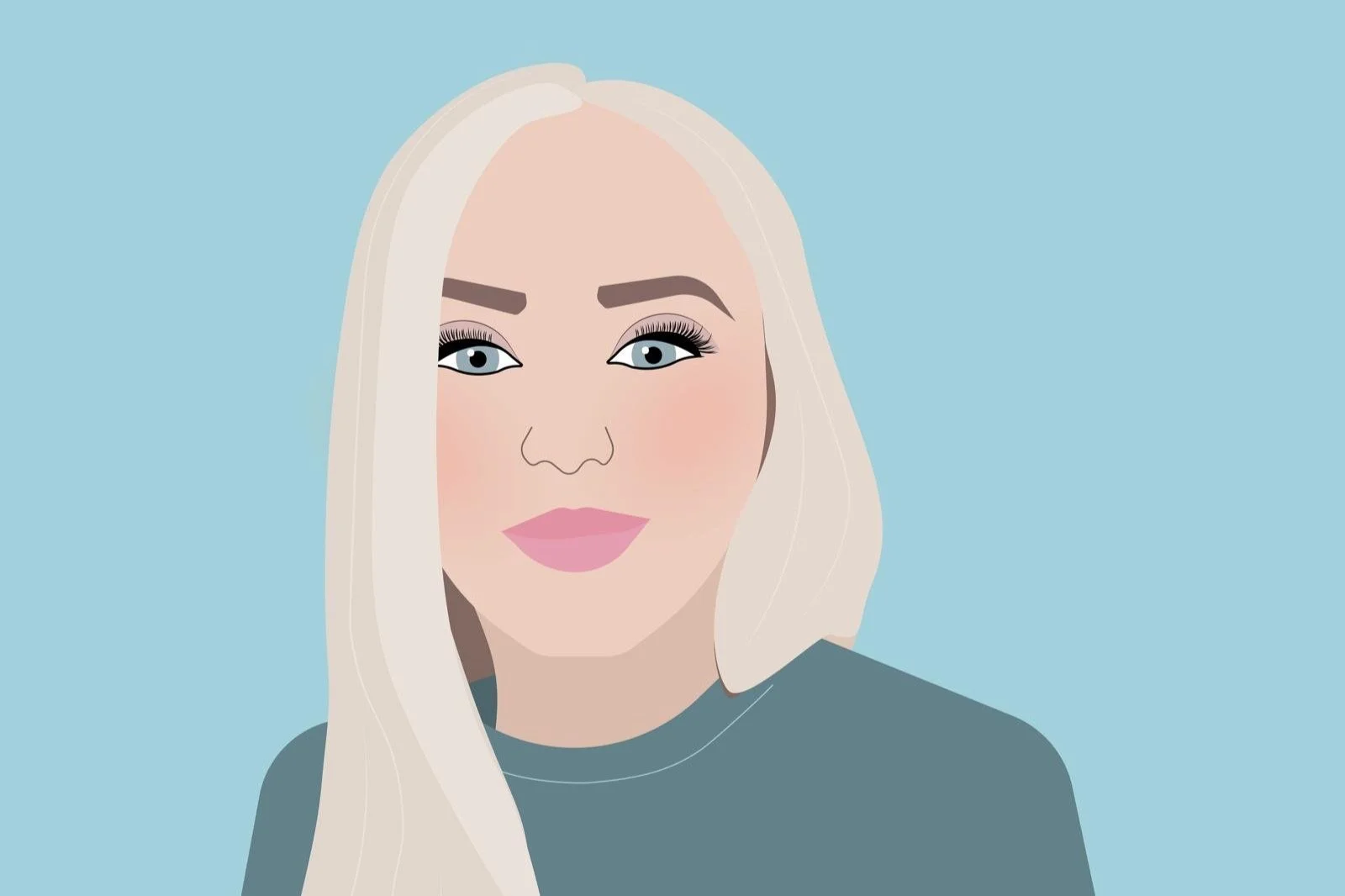
Life advice for the spiritually-curious
Feeling like there's something else, but you don't know what? Some meaning out there that you've yet to locate? Hannah Carey, founder of Rewild the Empress, talks to us about being Spiritually-Curious and how that's helped her find herself.
Today we have a guest post from Hannah Carey, the founder of Rewild The Empress, a place and community in which there is infinite space for self-acceptance.
In Hannah’s practice, she supports the spiritually curious as they navigate, discover and recommit to living in an authentic and aligned way: “to be the me you were always meant to be”. Rewilders often come from a place of feeling destined for more and, at the same time, fear they may not be enough or that they are unfulfilled and failing. Something that Hannah has experienced first-hand as she writes here:

Spirituality for me has become about confronting the conscious unrest within us.
But it wasn’t always that way: I was brought up in an informally Christian household, was baptised and attended traditional schools in which formal religion, regular chapel attendance and hymns were woven throughout the school week. My weekends ended on Sundays at 6 pm with a Sunday Service or Hymn Practice, the school’s version of informality.
Internally I was already rejecting the patriarchal God our Father, the Almighty and the governor of us all. It wasn’t me and didn’t align with my values of Freedom, Authenticity and Personal Growth.
And yet my heart rejoiced when an entire congregation of people sang in unison and in troubled times I found the voice in my head speaking to a higher power – I assumed God.
And so commenced the constant narrative of right or wrong, god or no god, and the general black-and-white thinking that goes with this, which might also be familiar to you.
As a teenager (pre-google, damn and pre-mainstream internet access) I bought tarot cards and explored. I read about paganism, and astrology. I aligned with nature and the cycle of the year. But wasn’t this “Witchcraft”? I couldn’t call myself a witch and be taken seriously – at 15 I knew enough to know that it was safer to keep it quiet.
Years passed by and in the many times of existential crisis in my 20s I muddled through beating myself up with the shame stick (it’s one of my personal favourites – what’s yours?). I figured I was agnostic, got married in a church because I rationalised that there was ‘something there’ and it may as well be God and continued to aspire to success and fitting-in-ness so unaligned with my personal values I wound up deeply misshapen and lost. I viewed it as ‘just the way it is’ and carried on.
But that internal compass just wouldn’t let it go. The conscious unrest ebbed and flowed like a tide and every so often I allowed my inner self a small win… I closed a ‘successful business’ searching for more. I took a slight detour down ‘what the fuck were you thinking avenue’ and finally landed at a rest stop in which I dusted off my tarot cards, took a deep breath and shuffled.
Death, The Emperor, The Hanged Man and 10 coins stared back at me. Plain as day my ‘god’ was telling me – Change it girl. You are meant for more.

Hannah is one of our ‘People We Love’ - handpicked practitioners who can help us feel better in our lives. To work with Hannah reach out to her here (we may get affiliate fees which help support our work but in no way influences who we choose to feature).
Hannah offers coaching in all areas of life whilst exploring your personal version of spirituality.
By recognising where systems, structures and history may have led you astray, unpicking family dynamics, the messaging you took on from the big people around you as you grew up, and your beliefs and the “shoulds” that keep you small and unfulfilled, you’ll get to re-decide and choose to do life differently.
Whether it’s through modalities like Astrology, Human Design, or the lunar cycles, you will get to connect with yourself and deepen your self-awareness. Hopefully, from working with Hannah you’ll discover that there is a glorious permission and freedom that comes from knowing you are whole and OK just as you are.

How nature can help us feel better in our everyday lives
How can we broaden out what nature can be for us: the micro gestures that have us listening for bird songs to the bigger-ask ones that have us hiking up mountains? Discover more of nature’s wellbeing benefits.
You do not need to be ‘outdoorsy’ to access nature’s benefits for our mental health and emotional well-being.
We know that we needed to hear that. It can often feel like the entry point to the natural world can be so high, and involve trips to REI, extensive bush-crafting knowledge and an orienteering certificate.
We’re definitely not saying hike in flip-flops or wander into the wilderness without knowing what you’re really taking on. But we are saying there are many, many ways to find yourself in the natural world and to do so in some really simple ways.
We love National Parks, but we also love that field we walk through after dropping our kids off, and that lake we can wander around with a close friend while having a chat on a Sunday morning. We get so much from looking out the window and catching sunsets, or planting something in our garden and willing it to grow (this one is very mixed for us). We feel happy around trees (though slightly less happy in the middle of a forest), and take us to any beach at any time and our hearts will sing. There’s a way into nature for all of us.
Here are just some of the ways to explore where your curiosity might take you as you find ways to wander through the natural world (with not a blistered hiking boot in sight).
To read:
How to overcome eco-anxiety
The Norwegian love of friluftsliv and why being in the fresh air can help us all feel good
A secret sanctuary created with hope in Los Angeles
How a search for female gardeners combatted this writer’s loneliness
How bad air quality is connected to depression later in life
Inspiring books for going outside
A land art masterpiece in the Nevada desert
How to assess the benefits of nature and walking in nature
To do:
Become a community scientist and discover the animals in your neighborhood
Discover The Gardening Mind on Substack
Join 72 Seasons
Plant organic seeds
To watch:
To discover:




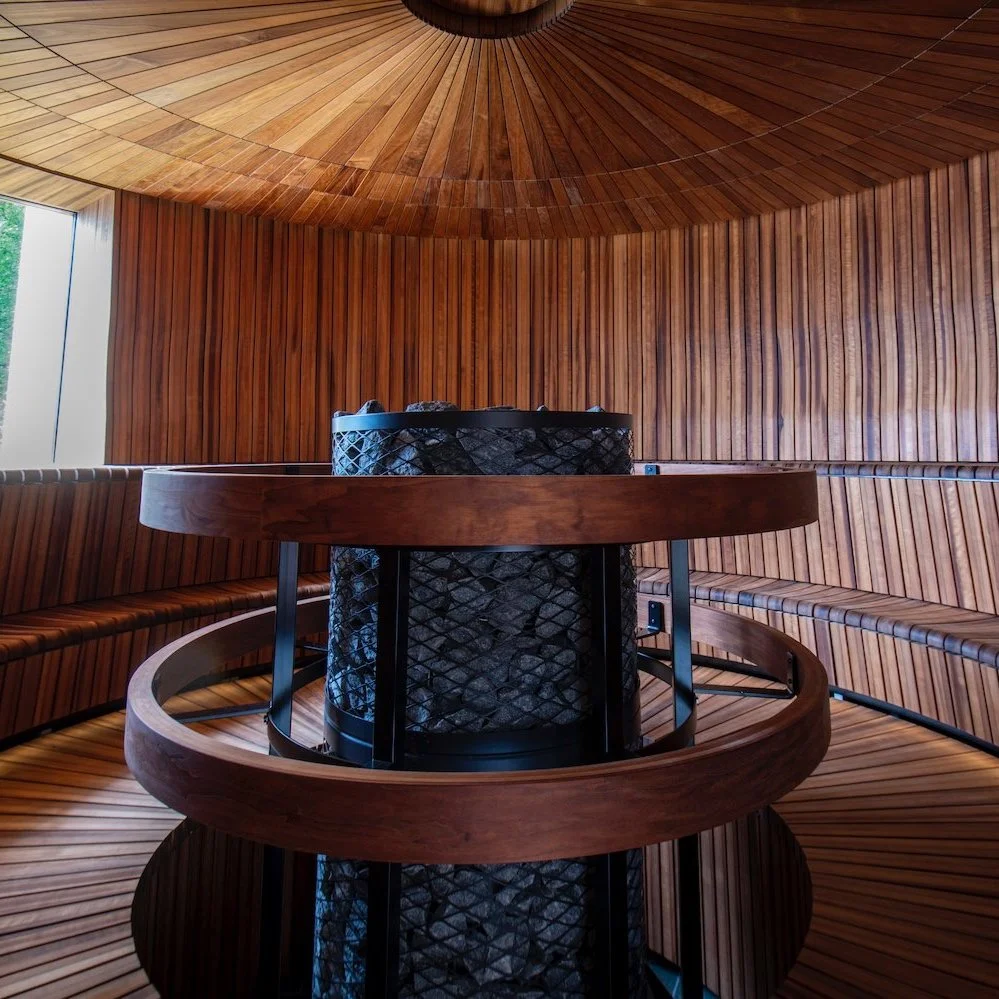
How can we broaden out what nature can be for us: the micro gestures that have us listening for bird songs to the bigger-ask ones that have us hiking up mountains?
How do you see nature as something that affects your emotional well-being and mental health?
Let us know how you navigate this aspect of your everyday life.

How to bring a sense of wonder back to your everyday life
Discover how a sense of wonder can bring more meaning, joy and connection into your life
“Let yourself go past those thoughts that tell you it’s silly or pointless or a waste of time, or you’re far too busy to possibly do this...Instead give yourself permission to want that in the first place — to crave that contact with the sacred, and that feeling of being able to commune with something that’s bigger than you are.”
We started to notice wonder in our everyday lives during the first pandemic when our worlds became small but our attention needed to roam. That sense woke up for us then. Birds we never noticed before held our attention for a moment longer than we ever thought they could. We noticed skies and stars and the movement in the trees. We focused on a single program (Normal People anyone) while not texting or a Ted talk which we might once have scanned while doing 100 other things, allowing it to endure in our minds and not dissipate as the next video played. We stayed in moments because we had nowhere to go.
Now we’re back to some kind of normal, the challenge here is to sustain that wonder-driven life so that we can keep our minds open and stretch our worlds. How to do that? Through new (or once lost) hobbies that connect us with nature, the visual arts or music, looking up from our phones and noticing the world around us (and maybe even the moon above us), and by allowing ourselves to be lost in big ideas and imaginary worlds that we wouldn’t ordinarily visit.
Below we share some recent reads on the science behind wonder, some things to try, and places to visit to access it in all our everyday lives.
Where will wonder take you?
Why wonder can be so beneficial to our emotional and mental well-being:
Finding awe amid everyday splendor
How to absorb wonder in small spaces and enchant your life
Discovering Pacha, a word that contains multitudes
This will make your head spin. What is life really?
Starting a bookstore to save a marriage (because bookstores = wonder for us)
A Wonder List: follow ours, make your own, chase your curiosity
The weighted blanket of the public library
The Webb Telescope and our stunning universe
More dark skies and night-welcoming lighting
Prehistoric Planet and just about anything David Attenborough
Vermeer. Maybe always.
Ai Weiwei again
The Poetry of Sarah Kay
How do you feel about wonder? And how could you connect with its benefits for your emotional and mental well-being?
If you’re curious about it and want to see how it can help you find more joy, meaning and connection in your life, sign up for Find Your Way. In this Well-being Reset that puts what you like first, we’ll explore how to find more wonder in your everyday life. Wonder is just one of the ten Pathways we’ll follow together as we explore all that life can offer us.

Find Your Way to a Better Place
Curious about how to create the life you want without losing your way? Explore what better emotional well-being means to you with this 25-Day Reset. Join now.
As we've navigated our anxieties and everyday life together, we've learned that returning to the basics, again and again, is what serves us best — reaching out to a friend, putting our phones away, going on a daily walk — but we still get distracted by the latest well-being trends and cute social media posts that sell us something different.
We've been supporting each other, and now our clients, to develop an everyday well-being practice that focuses on what matters and filters out all the noise so that we can feel more confident and connected throughout the ups and downs. We've found that when we're lost, we return back to this practice again and again and again. It brings us back to ourselves, creates space to move (in the direction we want, not one that we unheedingly follow), and reduces those familiar feelings of being unmoored, fearful, or full of self-doubt.
We want to share this practice with you too and have distilled this into our new Find Your Way Reset designed to reorientate your life to what really matters. To bring more of what you need into your everyday life. And to discover more of what makes you feel good.
Where will it take you?

Discover some of the ways that human connection can help you feel better
We are hardwired to connect. Explore some of the benefits that simply being together can have for your emotional well-being and mental health.
Connection is complicated, isn’t it? Study after study tells us how central it is to human happiness and health, but in our everyday lives we often forget its importance.
Call a friend? But what if they don’t want to hear from us? Reach out to a family member? But what about that political view they seem to have that’s different than my own? Volunteer in the local community? But when? Who has the time?
But this is what we’ve found. When we do reach out, contribute to our community, or try to get to a place of understanding if not agreement, we tend to feel much better than we’d imagined. And we carry those benefits into the rest of our lives.
Curious about how to cultivate more connections in your own life? We’ve selected some things to read, do, watch and experience so that you can discover the benefits to your emotional well-being and mental health of relationships in all their various forms.
Read through an article about what the longest study on happiness tells us about the importance of relationships, try going to therapy with a friend, watch a talk on what empathy can do for us, and discover some cafes that are shaping the community for all.
Be open to the form that relationships can take in your life, and what they can offer you (and you, in turn, can offer them).
To read:
How human relationships fit into a lifetime of happiness
Alternatives to ‘How Are You?’
We are interwoven beings
What to do if you find yourself in the “friendship recession”
An experiment in connection across generations
How to ease your loneliness
Dating with an Expiration Date
When to end a toxic relationship
To do:
Take a quiz to learn how connected you are to humanity
Take a course in the Art of Gathering by bestselling author Priya Parker
Learn how to apologize
Go to friend therapy
Join a community like Peanut
Support the Campaign to End Loneliness
To watch:
To discover:


The Dot Cafe (Spain)

Fluid Coffee (San Francisco, US)

Milk Cafe (San Francisco Bay Area, US)

Kinfolx (Oakland, US)
What are you learning about how your connections impact your emotional well-being and mental health?
Let us know how you navigate this aspect of your everyday life.
Where to next?

How nature can benefit our emotional well-being
We’re learning more about nature’s positive impacts on our emotional well-being and mental health. But how do you access its benefits in your everyday life? We have some ideas for you.
Let’s think about nature for a moment. What comes to mind for you?
We’re learning more about nature’s positive impacts on our emotional well-being and mental health. But how do you access its benefits in your everyday life?
We’ve rounded up some things to read, do, watch and experience so that you can both learn about nature and live in alignment with it.
Read through articles about what happens to our bodies and brains when we walk in nature, try a ‘Going Outside Challenge’, watch an unexpectedly funny talk on foraging, or get to dinner on a beach with a hundred strangers. You’ll learn some of the ways nature can positively impact your emotional well-being and mental health.
Just explore where your curiosity takes you as you find ways to wander through the natural world.
To read:
Just two hours of nature a week offers benefits to our health and well-being
The unique benefits of walking in nature
Are you guilty of ‘plant blindness’? What plants are saying about us
How activism can help with climate anxiety
How buying that fleece could save our National Parks
A stunning new green lung in Hong Kong
What we’re learning from leafing through seed catalogues
Water… as a blueprint for health and well-being
To do:
Although we’re now in March, there’s value in starting this at any time: The Go Outside Challenge
How can you begin to notice the nature that is around you
We made it. Look for signs of spring
Try therapy outdoors
Discover a wild sauna
Develop carbon literacy
To watch:
To discover:


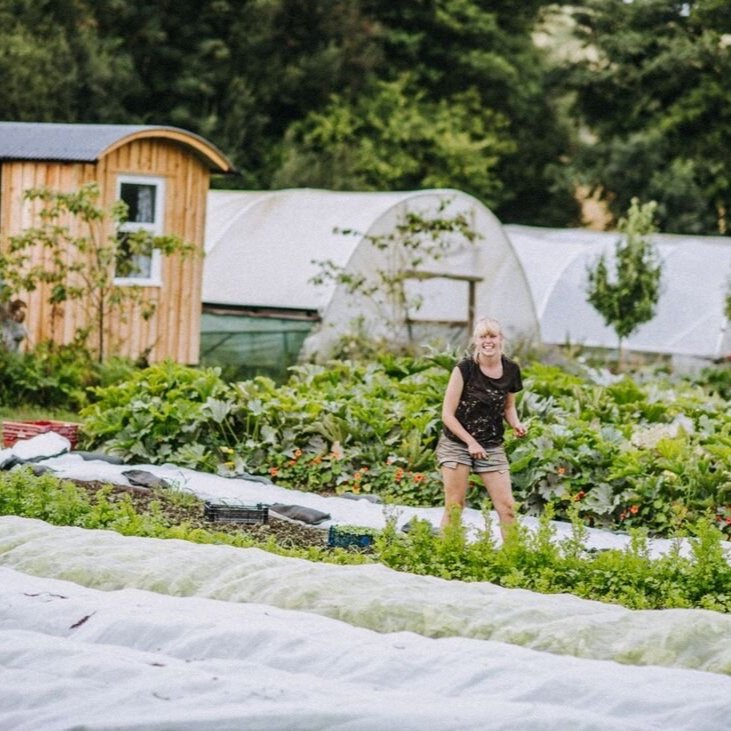


Bronx River Foodway (New York, US)

Oko Farms (New York, US)

Flora Grubb Gardens (San Francisco Bay Area, US)

How can we broaden out what nature can be for us: the micro gestures that have us listening for bird songs to the bigger-ask ones that have us hiking up mountains?
How do you see nature as something that affects your emotional well-being and mental health?
Let us know how you navigate this aspect of your everyday life.

Rediscover yourself: How identifying values can guide your life
Find your way to better emotional well-being by connecting with your values
““Your personal identity comes from your values.””
Values are decision-making magic. When you know what yours are, you can better navigate your life.
They are things like: Creativity. Freedom. Purpose. Kindness. Curiosity. Love.
We once heard the idea that values are something that you can't put in a wheelbarrow — like integrity, wonder and creativity — but not like money, which could be represented by words such as safety, security, status, and belonging instead.
Indicators of meaning, of what matters to you, values are powerful when we connect with them. Values point the way to how you want to live your life, what you’d like it to contain, and how you want to spend your time. Even on what and with whom.
When your values are being met you are more fulfilled and happier. But often in life when you are not achieving something that matters to you this can be because it conflicts with your values. Feelings of disconnection, emptiness, frustration, anger, or just the sense that something isn't quite right, suggest that those values you need do not yet have a place in your life.
But here’s the thing: although our values are deeply important and are threaded through our lives, often they can be maddeningly unconscious to us.
Discovering your values can be a one-off exercise (or a session with a coach like me) so that you can get to the small handful of values you want to live by (Brene Brown swears by having just 2).
So the first step is identifying them.
Something to Try
Here are a handful of words. Choose any that spark something in you:
Adventure Community Fairness Health Kindness Play
Authenticity Courage Friendship Honesty Laughter Respect
Beauty Empathy Growth Innovation Love Tranquility
What resonates? What’s missing?
Book a Values Assessment
Want to explore more? Book a 1:1 online coaching session to capture what your values might be, and learn how discovering them can help you find your way.
““Nobody has passion and perseverance unless what they do aligns with their values.” ”

Where do you want to begin?
Curious about coaching? Discover what it really is and how it might help you navigate your everyday life.
Before I became certified as a coach I had some ideas about what this profession was — big personalities, large audiences, lots of ‘motivational speaking’ — so much so that I hesitated to train for a very long time. Finding coaches who were nothing like this — who listened, created a safe space, and challenged yes, but supported also — led me to rethink some of my biases.
You may also have some thoughts about who coaches are and what they (or rather we now) do, so I thought I’d try and dispel some of your own myths.
Or maybe you haven’t come across this helping profession — you’re more familiar with its sister practitioners counseling, therapy, or mentoring. Maybe you are curious to just know more. Hopefully, this helps you gain an inkling of what it is and if you would benefit from coaching,
So what is coaching?
The ICF (the prestigious international accrediting body) defines coaching as “partnering with clients in a thought-provoking and creative process that inspires them to maximize their personal and professional potential.”
But what I love about coaching is that we (the coach and the client) co-create the experience together. See sessions as a structured conversation, where the coach walks by your side.
Coaching is client-driven – you set the focus of the session – and the coach partners with you to identify what you want to explore, facilitate new insight and learning, and find a way to create what you need in your life.
And it’s non-directional – which means that the coach won’t tell you what to do – but will hold the space for you to think and discover, clarify and align with what you want to achieve in your life. The coach’s role is to encourage reflection and self-discovery, help you reach strategies and solutions for your life, and to hold you accountable where you need this.
Sessions can be exploratory, giving space for you to think and reflect (maybe for the first time), and enabling you to take your thoughts in new directions.
Or sessions might be more goal focused, formulating the steps to take you from where you are to where you want to be while figuring out the resources, support, and skills you need to get you there.
You may end a session with something to work on or something to process, or a shift in how to show up in your world and how you think about it.
And what coaching isn’t.
This is key: It’s not consulting, therapy, counseling, or mentoring. In coaching sessions you can work in depth – you may touch on limiting beliefs, learning from earlier experiences, and even relational dynamics – but you’ll do this in a forward-focused way and in relation to a goal or a desired change.
If during sessions, you or your coach feel that you are better served by someone else (like a trauma-informed coach or a psychotherapist), or a resource outside of the coaching practice, these may be suggested to you.
How do I work?
In my training, I learned how to coach the whole person and work holistically across different coaching approaches and modalities, including Positive Psychology, Transactional Analysis, and Neuroscience, which help to understand what it means to be a person in this world, and how we can possibly do life with all that life can contain. As a Trainee Emotions Coach Practitioner, I'm learning how to help clients make contact with the full range of their emotions and use this awareness to bring insights and shifts to their lives.
In our sessions together, clients can be assured of a safe space, thoughtful inquiry, and openness to what they would like to bring. My approach is always shaped by courage and compassion (and challenge framed within both if needed).
5 expansive questions to ask yourself:
In coaching sessions, you’ll be asked some situationally-appropriate questions to bring more awareness into your life, like these:
Where are you now in your life?
Where would you like to be?
What sits in the gap between the two?
Where do you want the first steps to take you?
What’s most meaningful to you in your life? Is this showing up in ways you like?
Grab a pen and paper and take a moment to answer these. Is anything coming up for you? Any new learning?
If you had the opportunity to be coached, how would you like to use it?
If you’re interested in knowing more, finding out how coaching can specifically help you, and curious about how to move forwards in your life, let’s chat (sounds scary but really it’s just a conversation to get to know each other and find out how we can best work together). Or check out some options for 1:1 coaching here.

Finding Myself Lost
Why being lost is sometimes the thing that points the way.
Let me tell you a story.
There’s a very personal “why” for me in co-founding with Amanda If Lost, Start Here: While working at some of the most renowned spaces for contemporary art in the world, my mum’s mind began to slip away, slowly at first, then completely. She struggles now to manage everyday tasks and has a diagnosis somewhere around Dissociative Identity Disorder, the parts of herself fragmented, doctors still confused about how to treat her.
I have seen myself in my mum’s situation, enough to shift my life’s focus. I have struggled with panic attacks, general anxiety disorder, and depression, which in London meant not being able to get on the tube some days, and in San Francisco not being able to cross the Golden Gate Bridge. I’ve been to therapists and energy healers, attended workshops, and engaged in thought work, becoming an active seeker of strategies that work for me, both in the hope of managing my own mind and preventing the same slide as my mum’s. I think part of me believed I was helping her too - if I could just find the right thing, I could save her (and yes, I’ve had years of learning on that one).
That question of how we function as people, put front and center in my life, meant that the pristine environment of conceptually oriented art exhibitions in which I worked didn’t connect with my life anymore. So I worked on swapping gallery walls for something more intimate, two chairs and slightly worse decor.
A year at CCPE completing a foundational course in Counseling & Psychotherapy taught me many things:: that ideas can shape our understanding of who people are and why they do what they do, that Carl Rogers was as cool as Foucault, that I shouldn’t try to fix my role-playing clients (more rescuing).
But most importantly for this project, I also learned that it wasn’t about just the role for me, the job of a therapist, it was about the room, the therapist’s office, the safe container. That interest would lead to seeking out the very spaces that we curate in our guide.
If Lost, Start Here began to percolate when I realized that people were starting to build brick-and-mortar places and starting initiatives that went beyond therapy (though there are now some great contemporary reframes on that) around things like community and emotional intelligence, anxiety and depression, and even the end of relationships and the end of life. They were starting to make places that hold our mental well-being in ways that the museums that I had worked in held contemporary art and the way that a therapist could hold a room.
I also realized that there was nowhere to go to find all those different things. There were, and are, incredible platforms for great interior design, or travel off the beaten path, or well-being trends, but there is nowhere to think about all the different places in the world that are now being kind to our minds and making for better lives. I realised that we needed a guide to this new sector, one that combines well-being with culture, and includes curiosity, travel, lifestyle, place-making and socially engaged art, independent cafes, and mom-and-pop stores — all approaches directed at making our lives better, and easier, and more thoughtful.
If Lost, Start Here brings together the open inquiry I learned in my years in curatorial practice – creating narratives out of disparate subjects and working across different fields of interest — and the search for spaces that act therapeutically and offer different possibilities in which to contain and explore our lives. This project is founded on the belief that the spaces that we make in the world for ourselves matter in who we are and who we are able to become.
My hope for If Lost, Start Here is that it becomes the platform for finding the therapeutic, bringing together the best places that support us as actual people in our worlds. Here we bring together that practical search for something else, for whatever it is that fills the gap in all our lives, for the thing that we need most and are still seeking. As we build this guide, hopefully you’ll find more of what your looking for to help you navigate your days.
How you can help
Help us create a guide to all the places that can help our mental, emotional and physical well-being (they are all interconnected) and you’ll be helping others find more of what they need in their lives as well.

Podcasts for Spirituality & Meaning | March Edit
Modern Wisdom for bringing more Spirituality & Meaning into our days. We’ve curated a selection of recent Podcasts that can help you think differently about faith, belief and ritual.
“Many of us come to astrology in search of ourselves. In search of the meaning of our lives. In search of some clues about what it is we are here to do and whether or not we are on the right track.”
When we think of this pathway, Spirituality & Meaning, we think of anything that can bring wisdom into our lives, orientate us in our days, and find our way forward in ways that make sense for us. These podcasts share this open approach to what belief, ritual and faith can look like. They cover how to use the Enneagram, Tarot, and Astrology as tools of understanding. How the practice of prayer or the modern church can show up in our current lives. And how to locate joy and healing even when faced with the darkest times.



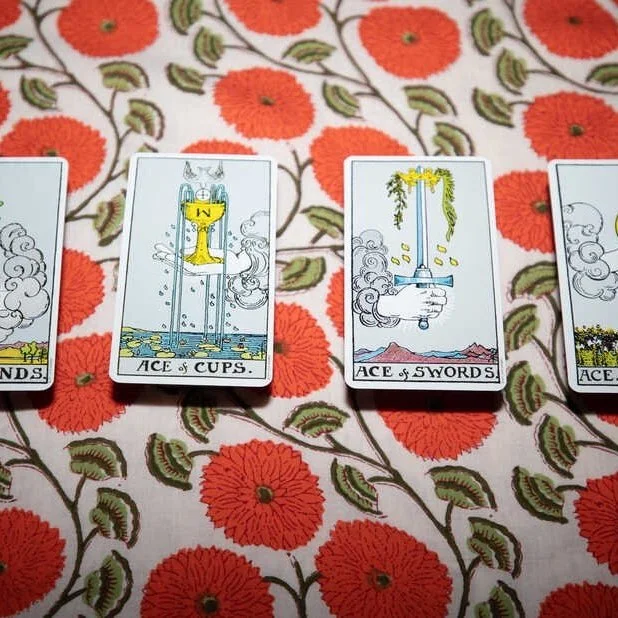


“Our future-focused, technology-obsessed world seems to be hurtling down a bad path. People are turning to ancestral practices for a sense of enduring longevity, and comfort. To help stay sane and grounded in the midst of so much cultural insanity. To source a different kind of power in hopes of making changes both personal and political. From learning meditation to fighting off a cold with some homemade fire cider; from indigo-dyeing your curtains to strengthening your intuition with the aid of the Tarot, such old-world practices are capturing our imaginations and providing us with meaningful ways to impact our world.”
All these selections can be found in our Spotify playlist for Spirituality and Meaning. You can listen here:
Let us know what you’ve been listening to this month to help you think about your own approach to Spirituality & Meaning. Which podcasts have inspired you to think more about meditation and manifesting, Tarot and Astrology, ritual and faith?
To seek out more resources for how to bring more Spirituality and Meaning into your life take a look at our guide.
Main Image: Photo by Ashley Inguanta on Unsplash

Podcasts for Connection | February Edit
Our February Edit of Podcasts for Connection from therapy with our friends to how to deal with loneliness. Inspiring conversations and stories for finding your people.
“Loneliness does not come from having no people about one, but from being unable to communicate the things that seem important to oneself, or from holding views which others find inadmissible.”
Our February Edit of Podcasts for Connection covers everything from therapy with our friends to why we’re all so lonely. Some of our favourite podcasts — Invisibilia and Doing it Right — have recently talked about why connection is so important to our mental wellbeing and covered strategies for how to be in relationship with others in ways that feel good to us. We also recommend checking out the new series, This is Dating, and Wild.






“These are human beings with unbelievable emotional and social capacity. And we as a culture just completely try to zip it out of them.”
All of our February selections can be found in our Spotify playlist for Connection. Listen here:
Let us know what you’ve been listening to this month to help you deal with feeling lonely, finding community, figuring out your close relationships, or just finding connection in ways that feel good to you.
And seek out more resources for more connection and community in our guide.
“Part of it is a kind of a bias that commitment, love and intimacy belong in the realm of family and belong in the romantic sphere, that they don’t necessarily apply to friendships. ”

A Handful of Books for Seeking Connection
For when you need more people in your life, sometimes the imaginary ones work the best. In our latest Culture Therapy Prescription, here are the books we’re recently looked to for more connection, though here of the at-home kind.
Maybe it’s a contradiction to look to books when we’re looking for more connection in our lives. But as introverts, we’ve found that sometimes the books we turn to provide exactly the kind of company that we need.
We’ve pulled together some recent reads that have helped shape our perspective on this idea of connection. We’ve included non-fiction by Vivek Murthy, Priya Parker, and Johann Hari that explore the science of relationships, helping us realize why people matter as much as they do, how why we gather has impacts beyond the moment of coming together, and why who shows up in our lives can shape our experience of it.
And there’s fiction too by Sally Rooney and Bernardine Evaristo that reveal the breadth and nuance of different kinds of relationships as well as allowing us an intimacy with the characters playing out their imaginary worlds. Others are memoirs like those by Michelle Obama and Bill Hayes that give us glimpses of lives that have prioritized service to and curiosity about the people with whom we share our neighborhoods.
We hope you’ll discover some new finds, some new ways to friendship, and maybe even some new relationships, imaginary or real.
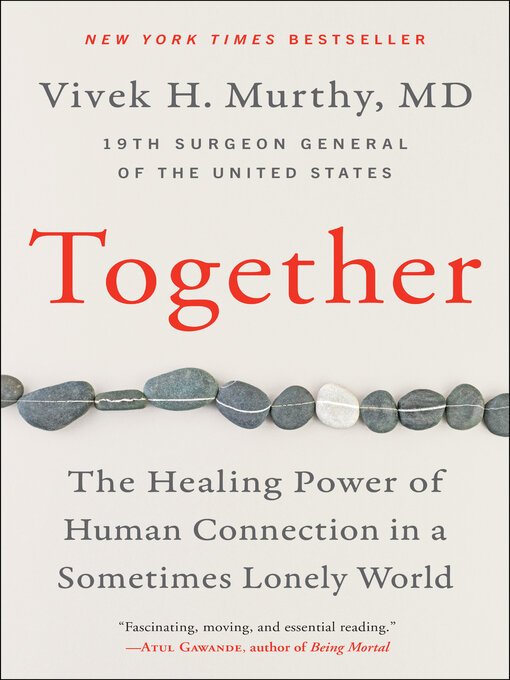
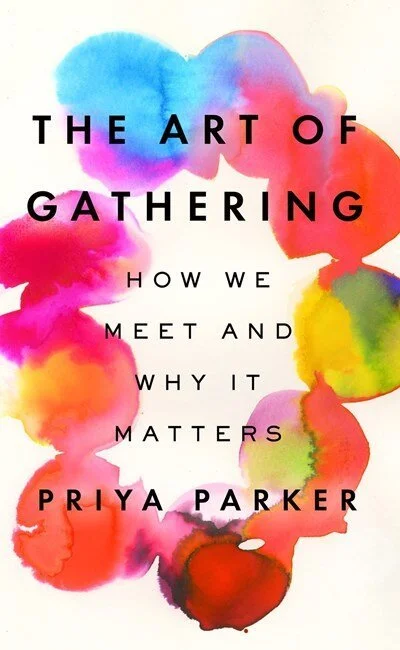
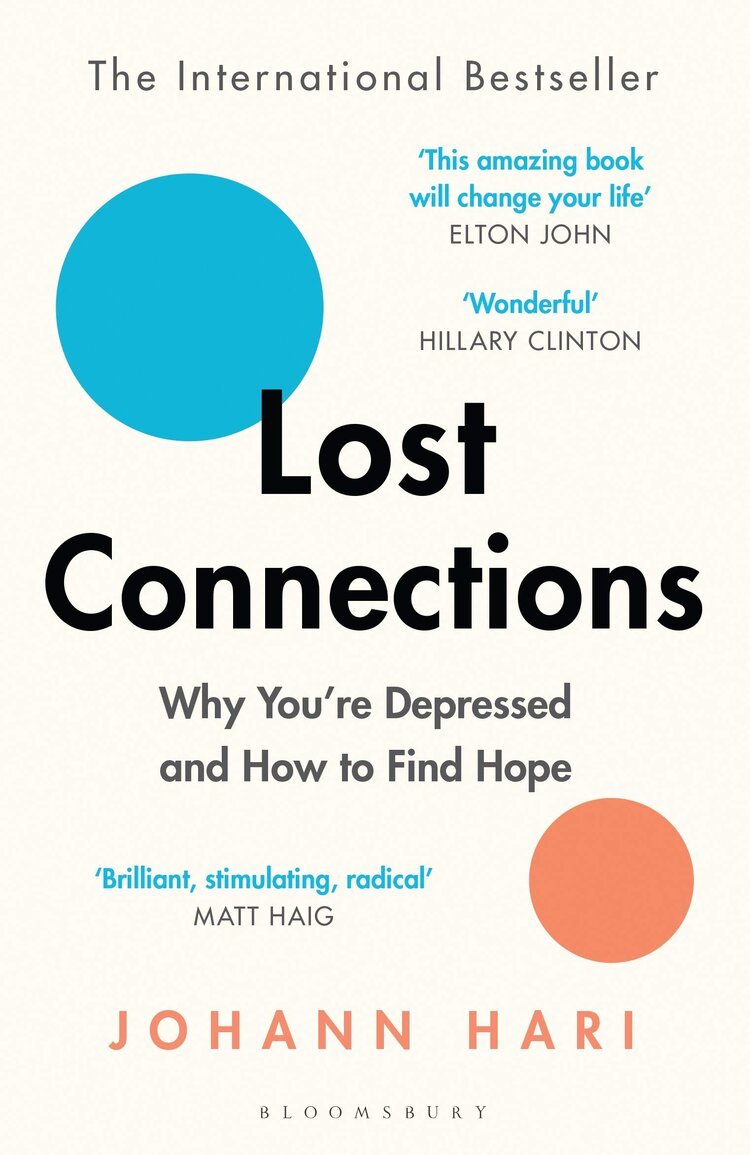


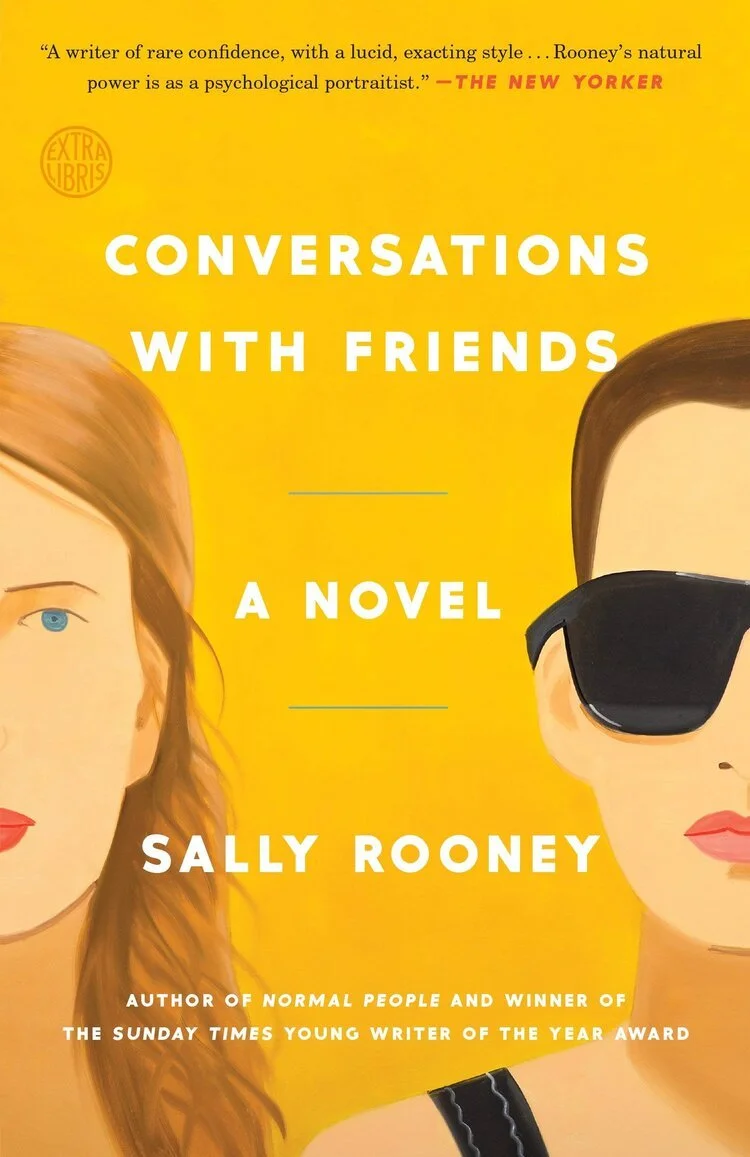
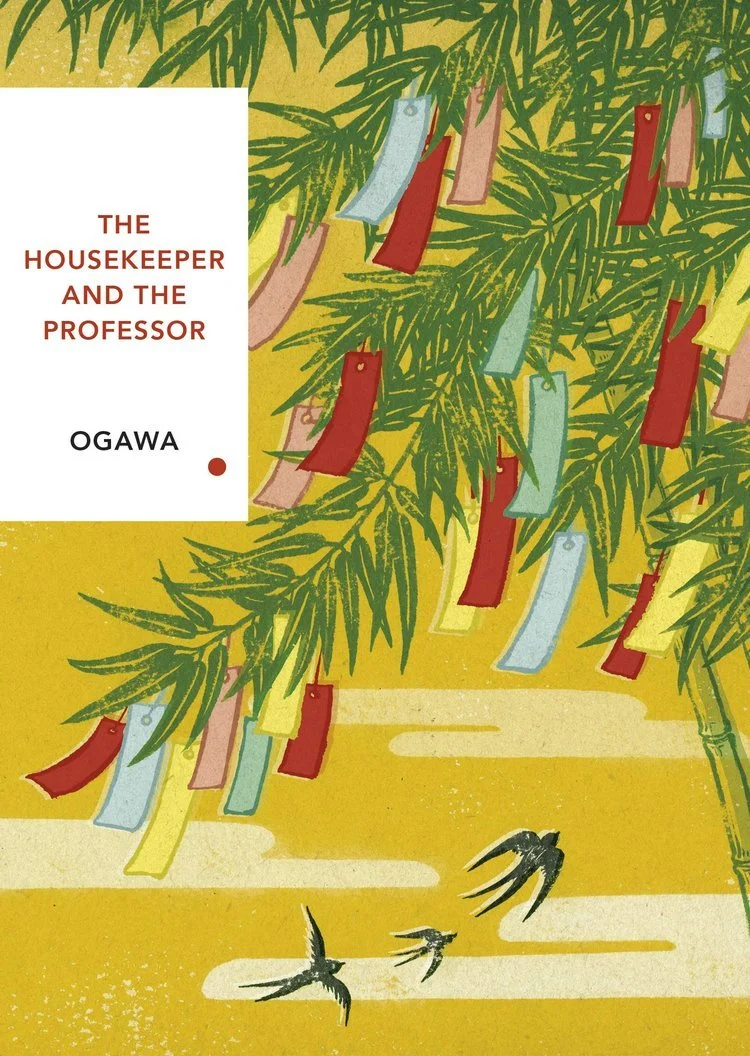
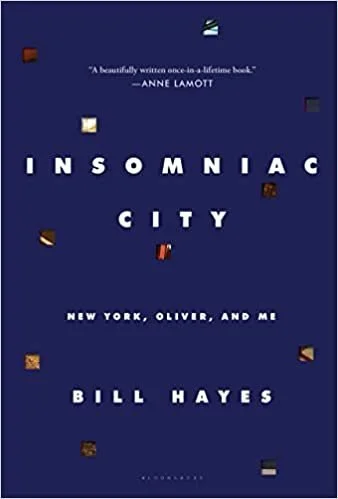
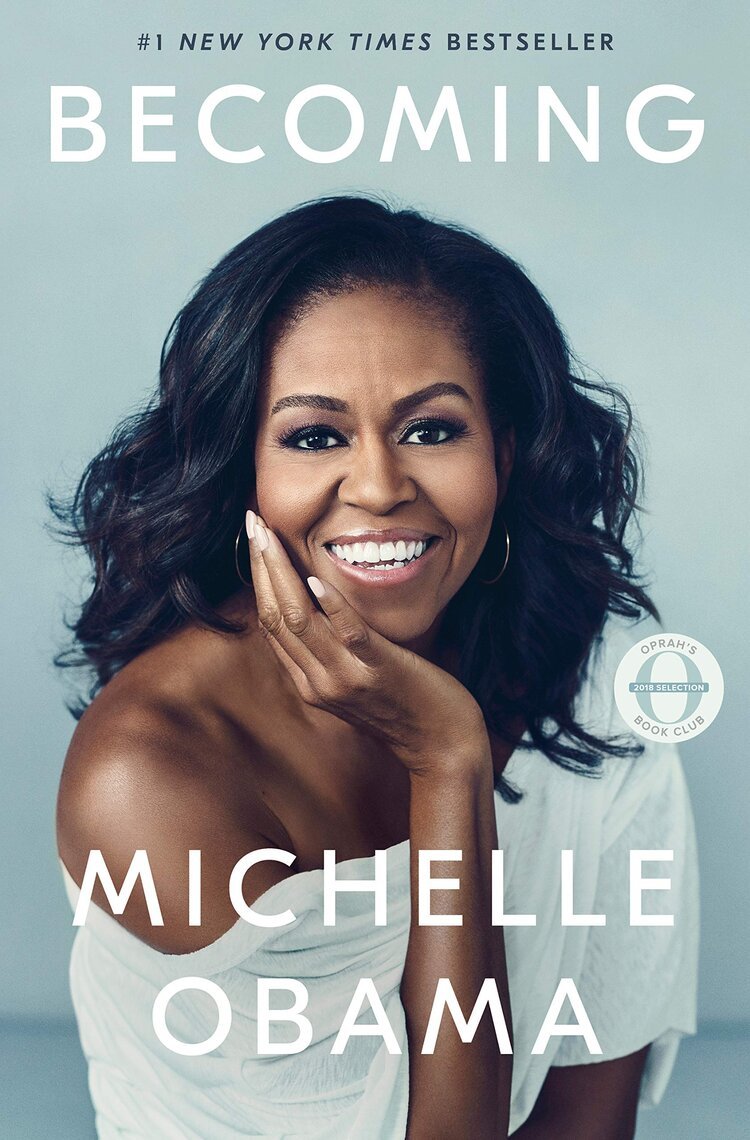
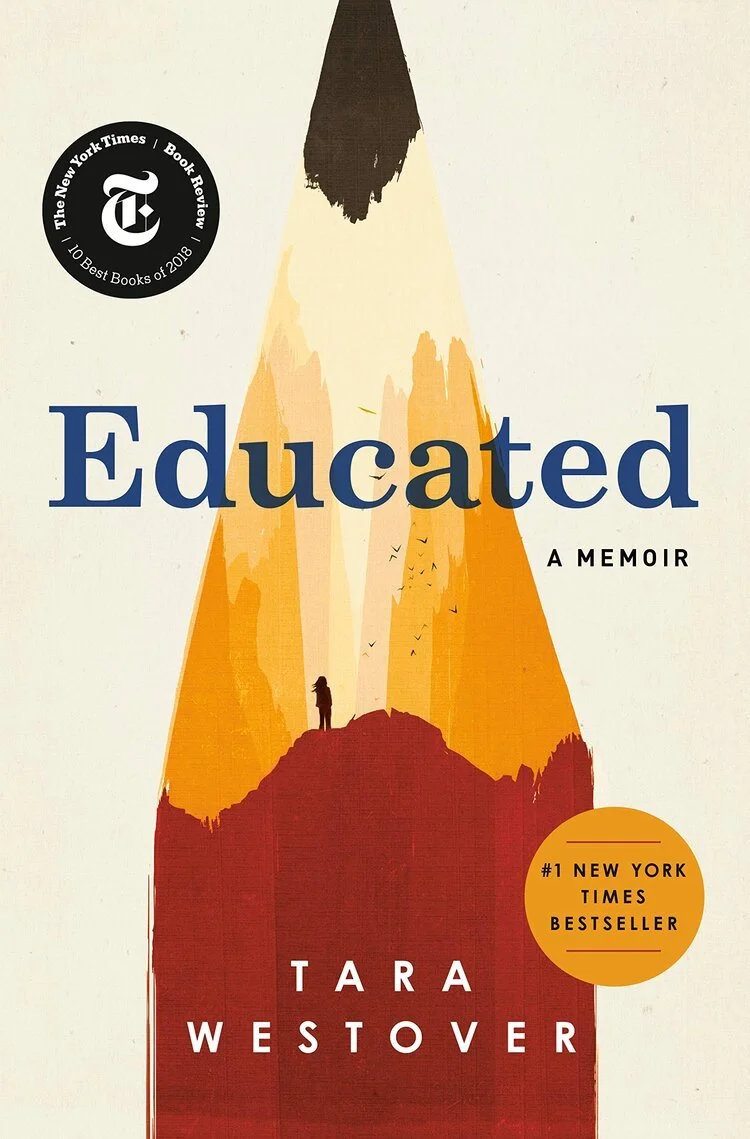

As our understanding of the importance of connection increases, so too do the number of great books on the subject, particularly in terms of its effects on our mental and emotional wellbeing. We’ve included just a handful here, but there are others that we’re hoping to get to in the coming weeks that we’ve included in our Bookshop. Our Connection Edit includes books that we’ll talk about here soon, as well as others recommended to us that are on our reading lists. We hope browsing these shelves you’ll find one or two to help bring more connection and locate more community in your own life.
We’re always on the lookout for more Culture Therapy ideas, those books, podcasts, TV shows, films, artists, music, and magazines to seek out when we’re searching for something to inspire, support, and soothe. Let us know what you love and help us find more ways to navigate this complicated world of ours.

Our Selection of Books for Uncertain Days
When the world outside isn’t appealing (cold, COVID, conflict), sometimes we turn inwards, to books. In our latest Culture Therapy Prescription, here are the books we’ve been turning to during these uncertain days.
When we’re struggling through our days (and not leaving the house), we often find ourselves turning to books. What we’re searching for is more understanding — why are we feeling what we’re feeling, what is that feeling even, and what do we do about it — and some reassurance that we’re ok and it’s all going to be ok.
Below are a handful of the books that we’ve read recently that have helped us orient ourselves. From blockbuster fiction with Meg Mason, to memoir and advice from Matt Haig, Glennon Doyle, and Bryony Gordon (actually seek out anything from these writers and sometimes podcasters), to non-fiction with Dr. Camilla Pang and poetry with Cheryl Cox. Across all genres, we’re finding writers, journalists, therapists, poets, and researchers who are sharing their stories and helping us understand our worlds. Through their words, we’re able to find better ways of navigating our lives and we hope you do too.
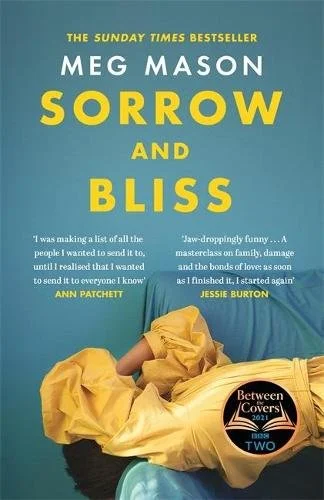
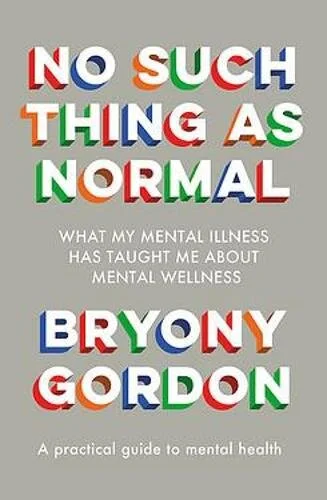


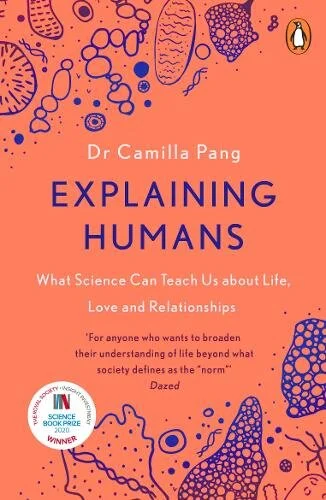
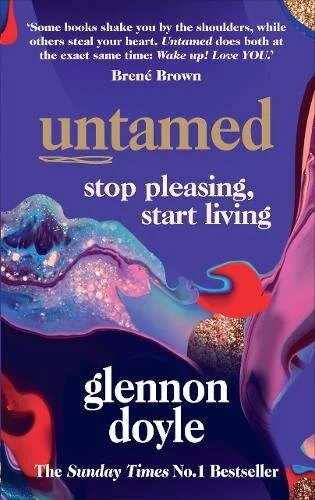
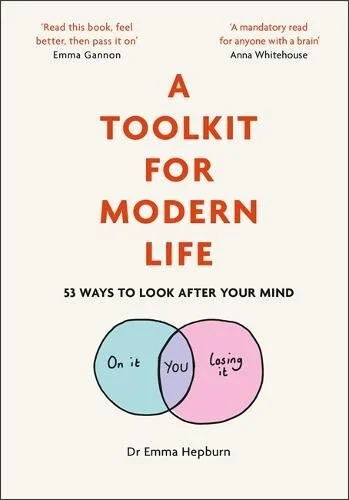
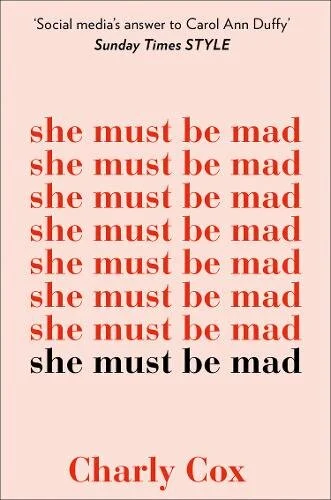


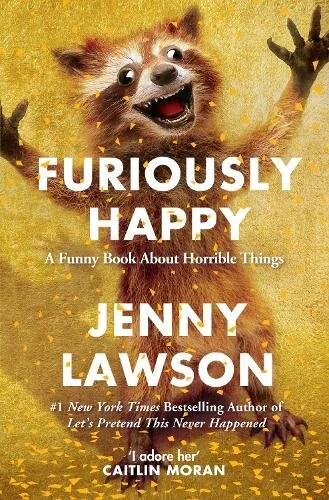


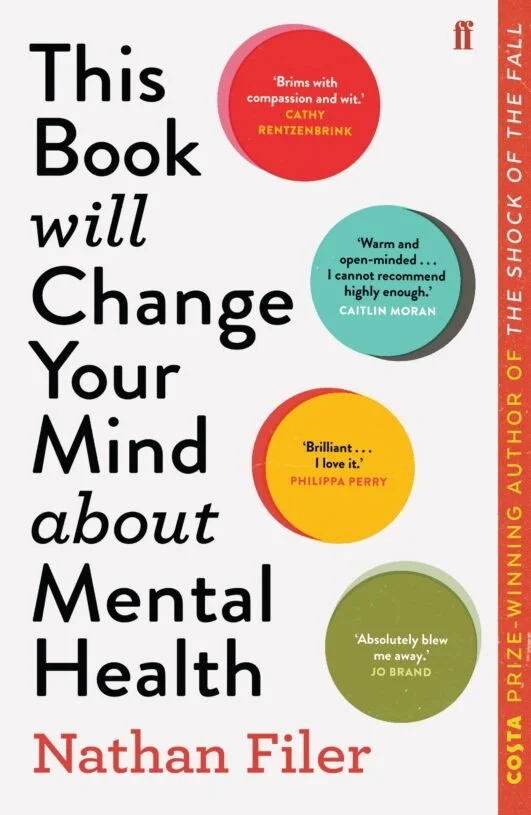
In the last few years, we’ve been finding so many great books that touch on mental wellbeing, many of which are now featured in our Bookshop store (one day we hope to make this into a real entity but for now having even an online bookstore feels like a kind of wish fulfillment). Our Mental Wellbeing Edit includes many of the books we’ve read and would recommend, those we want to get to, and those that friends have suggested. Browse our online shelves for more of what you need.
What we turn to shifts, so we’ll keep you up to date on our new discoveries. This year, we have a goal to build out our Culture Therapy series, so do tell us which books, podcasts, TV shows, films, artists, music, and magazines you look to when you are searching for that something to inspire, support, and soothe.

Self-Help for Real Lives
How we’re reframing self-help as the collective together and how you can get involved.
We’re used to thinking about our bodies, of seeking out gyms, personal trainers and diets. It’s on us to find the thing that will give us more energy, a sleek bum or hair, a fitter body. We’re used to that responsibility and autonomy when we make decisions about what we look like and how our body functions. Plus, we know there are such things as gyms. We know we can join a running club. We know that we can pick up any magazine or newspaper and get advice on diet and fitness.
But do we draw the same parallels with our emotional and psychological life? Put us in the same situation, with the aim to feel less foggy, glum, confused, and let’s play that out. Who do you call? Where do you go? What’s in town that might actually appeal? Then we’re at more of a loss.
Alongside all this talk of mental health (which really is what it is, if we’re going to have to name it) we’re now grappling with ideas of mental wellbeing. Just as we’ve been taught to value our bodies with exercise and good nutrition, we’re now being taught to be proactive and curious in how we value our minds, our emotional health, ourselves. We’re not talking GOOP attainability and being our best possible selves we ever could be, we’re talking about getting our mental health on our own agendas. Of having a conversation with an actual human being as we buy that kale. Of picking up a good book, rather than just chasing down the To-Do List. Of volunteering for a Disaster Relief effort and not just shaking our heads at the news. Of being active participants in our lives and communities, and not just passive consumers.
That might mean learning the five-a-day’s to getting mentally and emotionally savvy as defined by the New Economics Foundation: connection, being active, paying attention, life-long learning, and helping others. Or figuring out how to get more of something into your life, whether that’s community, creativity, or curiosity. Or looking at how to untether from our tech and get away from our screens and into nature. Or learning like our kids about such things as emotional intelligence, resilience, and mindfulness, and, yup, Happiness (with that capital ‘H’). Even looking to figure out what spirituality or meaning or purpose might be in the context of our own lives.
Sometimes it might even mean specific help with a life situation: always work, maybe aging, illness, death, urgh? There’s also relationships, and love, sexuality and divorce, to contend with; parenting and the teenage years. The universals we all go through on an individual level for which there are now avenues of support and advice so you don’t have to go it alone. Others are going through this too, and we can negotiate it together.
We’re getting beyond self-help. As everyone (let’s face it this applies to you too) contends with major life issues, what this emerging sector is saying is you are not alone. That’s a huge shift from that hard-faced individualism, with its focus on sucking it up; to recognizing that there are other people who share those same trials, and that can come together around the personal issues that we must all contend with.
Over are the days of navigating life alone.
We’re building a guidebook to life that can help us navigate our world from wherever we are. You can help us by:

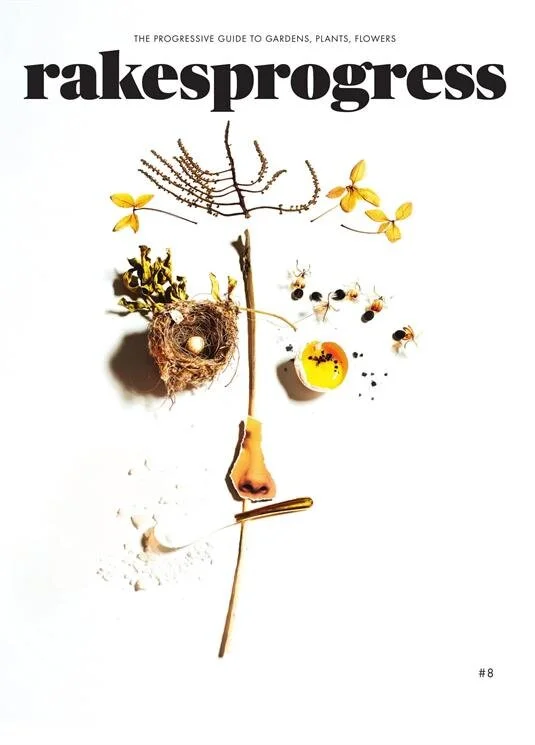
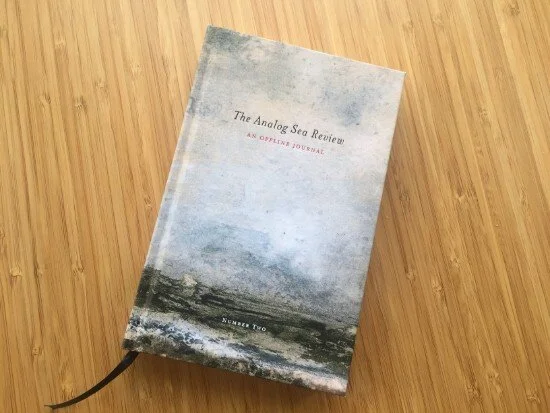
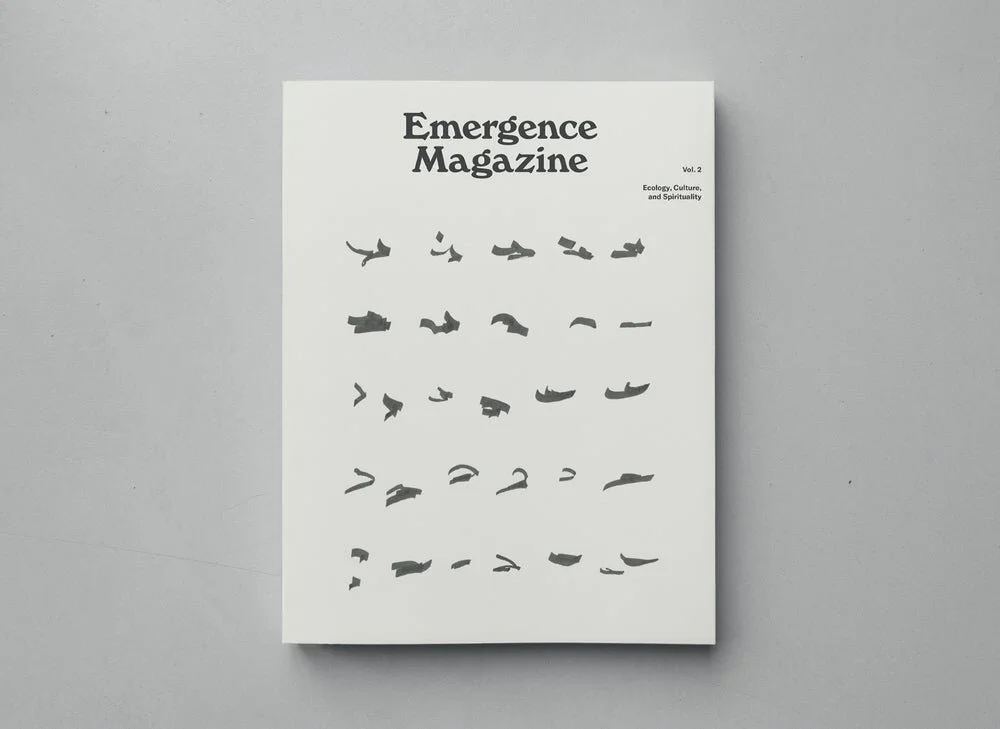
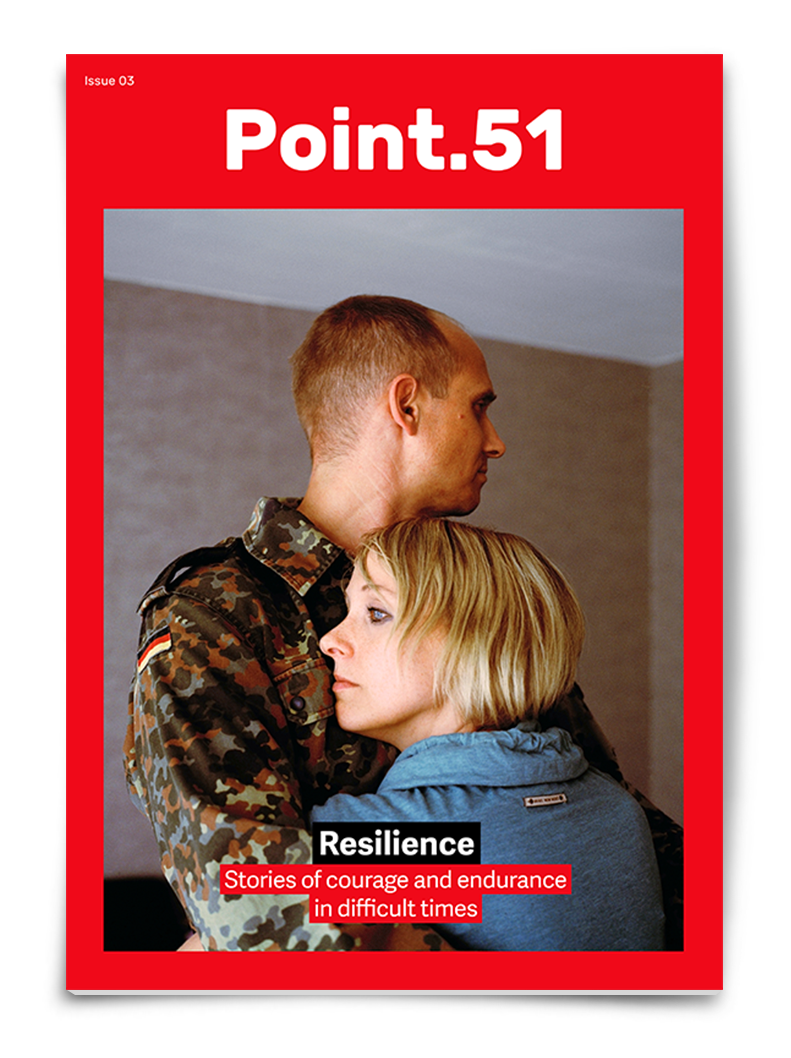
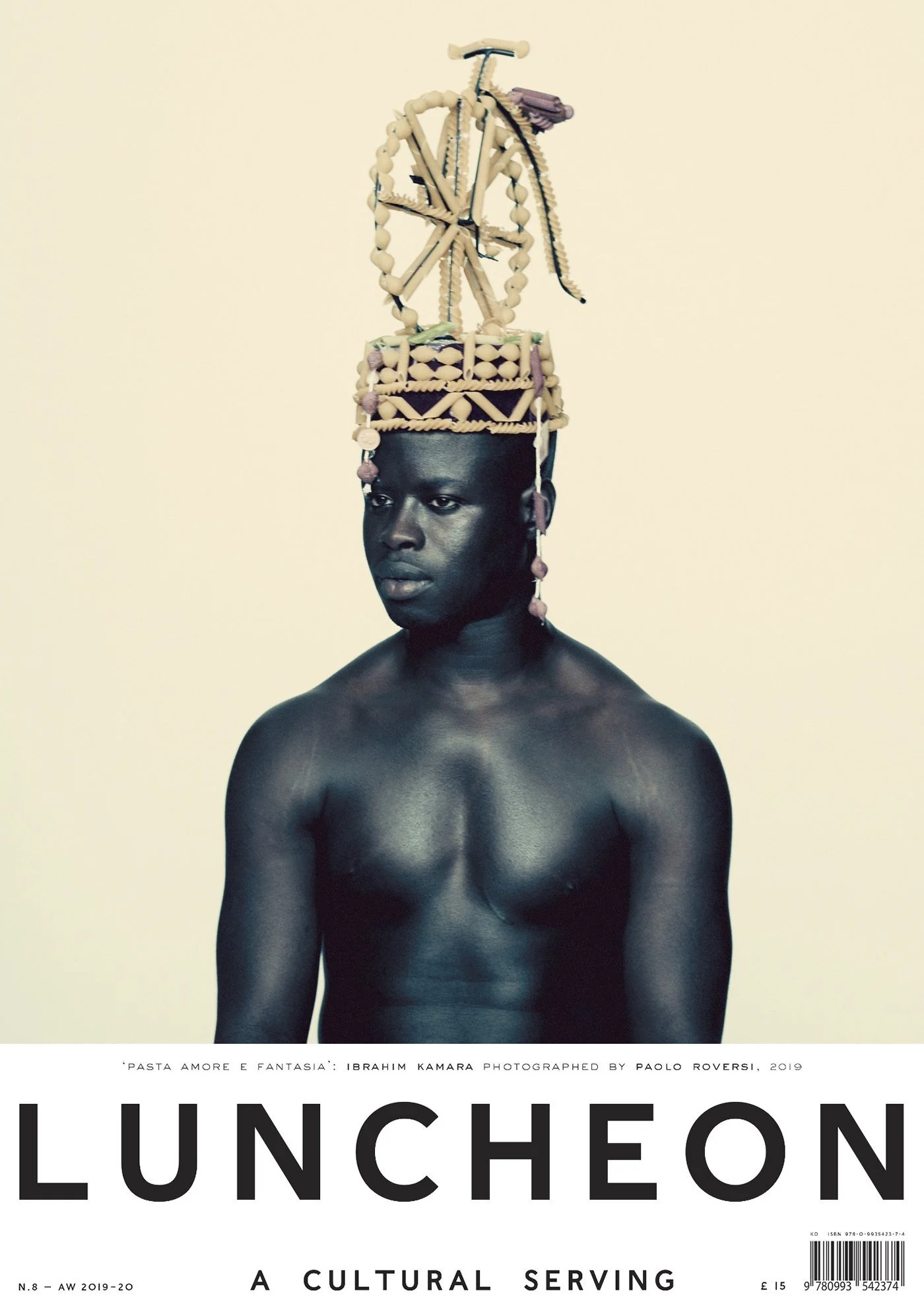
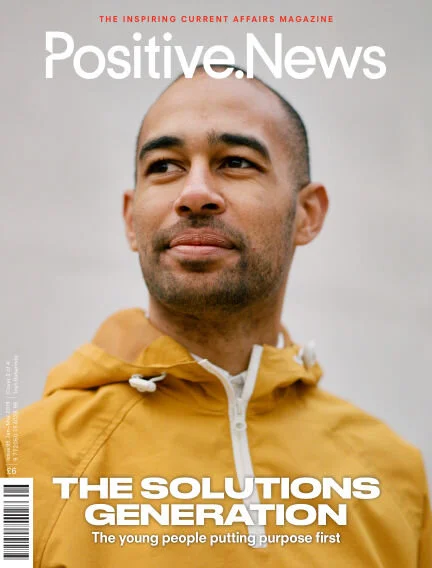
A Magazine Prescription from Magalleria
Magalleria founder Daniel McCabe’s recommendations for the magazines to seek out when we’re lost, lonely, anxious, or just curious. There are some new discoveries to be had here.
When we first started If Lost, Start Here, we knew that we wanted to take a broader view of the things that make us feel good in life. Wellness can mean yoga and spa retreats, but it can also mean finding connection dancing to live music, planting your own magical terrarium to find your way back to nature, and refining your emotional intelligence at a School of Life.
Restoring our own equilibrium, and helping others find their balance, has meant searching far and wide for the therapeutic in the everyday. That’s where Bath’s Magalleria has stepped in for us, particularly during the lockdowns. For me, losing myself in a store dedicated to independent magazines has been a crucial form of respite. It has helped me find ways to get off my phone and reconnect with the analogue, get out of my head to access different points of view, and push against assumptions of what printed material is, what creative expression can be and who gets to live a purposeful life.
Over the past few months as we couldn’t get out into the world, we’ve folded some of our go-to independent magazines into our Culture Therapy series but what we’ve really wanted to do for a while is bring in the expertise of Magalleria founder Daniel McCabe. So we invited him to write his own Culture Therapy prescription based on the magazines he knows so well and he very kindly agreed. Below are Daniel’s recommendations for all the things we need when we’re lost, lonely, anxious, or just curious, in his own words for why these choices matter.



Easing Into Adventure
Tips for overcoming anxiety, introversion and overwhelm so you can say “Yes!” to doing more of the things you (actually) want to do.
It might seem ironic that someone who struggles to leave the house is the co-founder of a project designed to get people out and into the world. But when you stop to think about it, maybe it’s actually less ironic, and more...necessary?
So often it is the confident extroverts of the world who are guiding us through our days, making recommendations for the must-see places of the world, filling us in on the latest go-to destinations, hashtagging their way into our hearts with their carefree wanderlust. While this is lovely and appreciated and a gift to so many...for some, it can make an already impossible-seeming task feel even more impossible. Like many people who live with anxiety and depression, I understand the value of getting out into the world (and long for the “good” days when I feel capable of doing so)...but I also understand that it isn’t always easy, or, in some cases, even possible.
I spent many years absolutely terrified to be in the world. Trapped in my home / my car / my mind.
If this project has taught me anything, it’s that healing can be gentle...gradual. We don’t have to power through and push beyond everything that makes us uncomfortable all at once, and we certainly don’t deserve to suffer the wrath of our own judgment when we can’t. If the goal of life is progress and forward momentum...I think it makes sense then to choose the paths that bring us the most comfort and joy, to hold ourselves accountable, sure, but more importantly to hold ourselves. I hope these tips help to ease you into doing more of the things you want to do. Please share with anyone who could use a boost.
