

Find Your Way to a Better Place
Curious about how to create the life you want without losing your way? Explore what better emotional well-being means to you with this 25-Day Reset. Join now.
As we've navigated our anxieties and everyday life together, we've learned that returning to the basics, again and again, is what serves us best — reaching out to a friend, putting our phones away, going on a daily walk — but we still get distracted by the latest well-being trends and cute social media posts that sell us something different.
We've been supporting each other, and now our clients, to develop an everyday well-being practice that focuses on what matters and filters out all the noise so that we can feel more confident and connected throughout the ups and downs. We've found that when we're lost, we return back to this practice again and again and again. It brings us back to ourselves, creates space to move (in the direction we want, not one that we unheedingly follow), and reduces those familiar feelings of being unmoored, fearful, or full of self-doubt.
We want to share this practice with you too and have distilled this into our new Find Your Way Reset designed to reorientate your life to what really matters. To bring more of what you need into your everyday life. And to discover more of what makes you feel good.
Where will it take you?

Discover some of the ways that human connection can help you feel better
We are hardwired to connect. Explore some of the benefits that simply being together can have for your emotional well-being and mental health.
Connection is complicated, isn’t it? Study after study tells us how central it is to human happiness and health, but in our everyday lives we often forget its importance.
Call a friend? But what if they don’t want to hear from us? Reach out to a family member? But what about that political view they seem to have that’s different than my own? Volunteer in the local community? But when? Who has the time?
But this is what we’ve found. When we do reach out, contribute to our community, or try to get to a place of understanding if not agreement, we tend to feel much better than we’d imagined. And we carry those benefits into the rest of our lives.
Curious about how to cultivate more connections in your own life? We’ve selected some things to read, do, watch and experience so that you can discover the benefits to your emotional well-being and mental health of relationships in all their various forms.
Read through an article about what the longest study on happiness tells us about the importance of relationships, try going to therapy with a friend, watch a talk on what empathy can do for us, and discover some cafes that are shaping the community for all.
Be open to the form that relationships can take in your life, and what they can offer you (and you, in turn, can offer them).
To read:
How human relationships fit into a lifetime of happiness
Alternatives to ‘How Are You?’
We are interwoven beings
What to do if you find yourself in the “friendship recession”
An experiment in connection across generations
How to ease your loneliness
Dating with an Expiration Date
When to end a toxic relationship
To do:
Take a quiz to learn how connected you are to humanity
Take a course in the Art of Gathering by bestselling author Priya Parker
Learn how to apologize
Go to friend therapy
Join a community like Peanut
Support the Campaign to End Loneliness
To watch:
To discover:


The Dot Cafe (Spain)

Fluid Coffee (San Francisco, US)

Milk Cafe (San Francisco Bay Area, US)

Kinfolx (Oakland, US)
What are you learning about how your connections impact your emotional well-being and mental health?
Let us know how you navigate this aspect of your everyday life.
Where to next?

How nature can benefit our emotional well-being
We’re learning more about nature’s positive impacts on our emotional well-being and mental health. But how do you access its benefits in your everyday life? We have some ideas for you.
Let’s think about nature for a moment. What comes to mind for you?
We’re learning more about nature’s positive impacts on our emotional well-being and mental health. But how do you access its benefits in your everyday life?
We’ve rounded up some things to read, do, watch and experience so that you can both learn about nature and live in alignment with it.
Read through articles about what happens to our bodies and brains when we walk in nature, try a ‘Going Outside Challenge’, watch an unexpectedly funny talk on foraging, or get to dinner on a beach with a hundred strangers. You’ll learn some of the ways nature can positively impact your emotional well-being and mental health.
Just explore where your curiosity takes you as you find ways to wander through the natural world.
To read:
Just two hours of nature a week offers benefits to our health and well-being
The unique benefits of walking in nature
Are you guilty of ‘plant blindness’? What plants are saying about us
How activism can help with climate anxiety
How buying that fleece could save our National Parks
A stunning new green lung in Hong Kong
What we’re learning from leafing through seed catalogues
Water… as a blueprint for health and well-being
To do:
Although we’re now in March, there’s value in starting this at any time: The Go Outside Challenge
How can you begin to notice the nature that is around you
We made it. Look for signs of spring
Try therapy outdoors
Discover a wild sauna
Develop carbon literacy
To watch:
To discover:


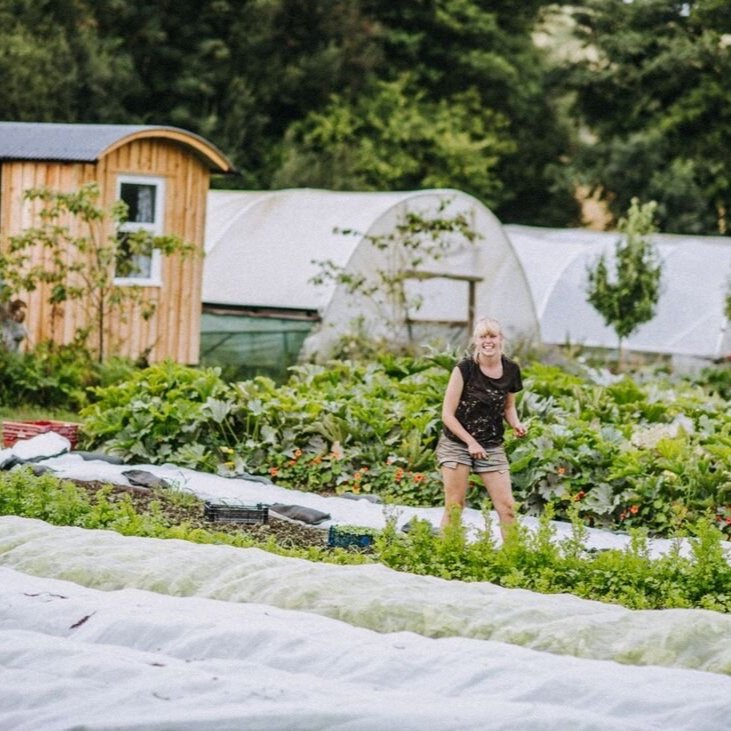


Bronx River Foodway (New York, US)

Oko Farms (New York, US)

Flora Grubb Gardens (San Francisco Bay Area, US)

How can we broaden out what nature can be for us: the micro gestures that have us listening for bird songs to the bigger-ask ones that have us hiking up mountains?
How do you see nature as something that affects your emotional well-being and mental health?
Let us know how you navigate this aspect of your everyday life.

Rediscover yourself: How identifying values can guide your life
Find your way to better emotional well-being by connecting with your values
““Your personal identity comes from your values.””
Values are decision-making magic. When you know what yours are, you can better navigate your life.
They are things like: Creativity. Freedom. Purpose. Kindness. Curiosity. Love.
We once heard the idea that values are something that you can't put in a wheelbarrow — like integrity, wonder and creativity — but not like money, which could be represented by words such as safety, security, status, and belonging instead.
Indicators of meaning, of what matters to you, values are powerful when we connect with them. Values point the way to how you want to live your life, what you’d like it to contain, and how you want to spend your time. Even on what and with whom.
When your values are being met you are more fulfilled and happier. But often in life when you are not achieving something that matters to you this can be because it conflicts with your values. Feelings of disconnection, emptiness, frustration, anger, or just the sense that something isn't quite right, suggest that those values you need do not yet have a place in your life.
But here’s the thing: although our values are deeply important and are threaded through our lives, often they can be maddeningly unconscious to us.
Discovering your values can be a one-off exercise (or a session with a coach like me) so that you can get to the small handful of values you want to live by (Brene Brown swears by having just 2).
So the first step is identifying them.
Something to Try
Here are a handful of words. Choose any that spark something in you:
Adventure Community Fairness Health Kindness Play
Authenticity Courage Friendship Honesty Laughter Respect
Beauty Empathy Growth Innovation Love Tranquility
What resonates? What’s missing?
Book a Values Assessment
Want to explore more? Book a 1:1 online coaching session to capture what your values might be, and learn how discovering them can help you find your way.
““Nobody has passion and perseverance unless what they do aligns with their values.” ”

Where do you want to begin?
Curious about coaching? Discover what it really is and how it might help you navigate your everyday life.
Before I became certified as a coach I had some ideas about what this profession was — big personalities, large audiences, lots of ‘motivational speaking’ — so much so that I hesitated to train for a very long time. Finding coaches who were nothing like this — who listened, created a safe space, and challenged yes, but supported also — led me to rethink some of my biases.
You may also have some thoughts about who coaches are and what they (or rather we now) do, so I thought I’d try and dispel some of your own myths.
Or maybe you haven’t come across this helping profession — you’re more familiar with its sister practitioners counseling, therapy, or mentoring. Maybe you are curious to just know more. Hopefully, this helps you gain an inkling of what it is and if you would benefit from coaching,
So what is coaching?
The ICF (the prestigious international accrediting body) defines coaching as “partnering with clients in a thought-provoking and creative process that inspires them to maximize their personal and professional potential.”
But what I love about coaching is that we (the coach and the client) co-create the experience together. See sessions as a structured conversation, where the coach walks by your side.
Coaching is client-driven – you set the focus of the session – and the coach partners with you to identify what you want to explore, facilitate new insight and learning, and find a way to create what you need in your life.
And it’s non-directional – which means that the coach won’t tell you what to do – but will hold the space for you to think and discover, clarify and align with what you want to achieve in your life. The coach’s role is to encourage reflection and self-discovery, help you reach strategies and solutions for your life, and to hold you accountable where you need this.
Sessions can be exploratory, giving space for you to think and reflect (maybe for the first time), and enabling you to take your thoughts in new directions.
Or sessions might be more goal focused, formulating the steps to take you from where you are to where you want to be while figuring out the resources, support, and skills you need to get you there.
You may end a session with something to work on or something to process, or a shift in how to show up in your world and how you think about it.
And what coaching isn’t.
This is key: It’s not consulting, therapy, counseling, or mentoring. In coaching sessions you can work in depth – you may touch on limiting beliefs, learning from earlier experiences, and even relational dynamics – but you’ll do this in a forward-focused way and in relation to a goal or a desired change.
If during sessions, you or your coach feel that you are better served by someone else (like a trauma-informed coach or a psychotherapist), or a resource outside of the coaching practice, these may be suggested to you.
How do I work?
In my training, I learned how to coach the whole person and work holistically across different coaching approaches and modalities, including Positive Psychology, Transactional Analysis, and Neuroscience, which help to understand what it means to be a person in this world, and how we can possibly do life with all that life can contain. As a Trainee Emotions Coach Practitioner, I'm learning how to help clients make contact with the full range of their emotions and use this awareness to bring insights and shifts to their lives.
In our sessions together, clients can be assured of a safe space, thoughtful inquiry, and openness to what they would like to bring. My approach is always shaped by courage and compassion (and challenge framed within both if needed).
5 expansive questions to ask yourself:
In coaching sessions, you’ll be asked some situationally-appropriate questions to bring more awareness into your life, like these:
Where are you now in your life?
Where would you like to be?
What sits in the gap between the two?
Where do you want the first steps to take you?
What’s most meaningful to you in your life? Is this showing up in ways you like?
Grab a pen and paper and take a moment to answer these. Is anything coming up for you? Any new learning?
If you had the opportunity to be coached, how would you like to use it?
If you’re interested in knowing more, finding out how coaching can specifically help you, and curious about how to move forwards in your life, let’s chat (sounds scary but really it’s just a conversation to get to know each other and find out how we can best work together). Or check out some options for 1:1 coaching here.

Finding Myself Lost
Why being lost is sometimes the thing that points the way.
Let me tell you a story.
There’s a very personal “why” for me in co-founding with Amanda If Lost, Start Here: While working at some of the most renowned spaces for contemporary art in the world, my mum’s mind began to slip away, slowly at first, then completely. She struggles now to manage everyday tasks and has a diagnosis somewhere around Dissociative Identity Disorder, the parts of herself fragmented, doctors still confused about how to treat her.
I have seen myself in my mum’s situation, enough to shift my life’s focus. I have struggled with panic attacks, general anxiety disorder, and depression, which in London meant not being able to get on the tube some days, and in San Francisco not being able to cross the Golden Gate Bridge. I’ve been to therapists and energy healers, attended workshops, and engaged in thought work, becoming an active seeker of strategies that work for me, both in the hope of managing my own mind and preventing the same slide as my mum’s. I think part of me believed I was helping her too - if I could just find the right thing, I could save her (and yes, I’ve had years of learning on that one).
That question of how we function as people, put front and center in my life, meant that the pristine environment of conceptually oriented art exhibitions in which I worked didn’t connect with my life anymore. So I worked on swapping gallery walls for something more intimate, two chairs and slightly worse decor.
A year at CCPE completing a foundational course in Counseling & Psychotherapy taught me many things:: that ideas can shape our understanding of who people are and why they do what they do, that Carl Rogers was as cool as Foucault, that I shouldn’t try to fix my role-playing clients (more rescuing).
But most importantly for this project, I also learned that it wasn’t about just the role for me, the job of a therapist, it was about the room, the therapist’s office, the safe container. That interest would lead to seeking out the very spaces that we curate in our guide.
If Lost, Start Here began to percolate when I realized that people were starting to build brick-and-mortar places and starting initiatives that went beyond therapy (though there are now some great contemporary reframes on that) around things like community and emotional intelligence, anxiety and depression, and even the end of relationships and the end of life. They were starting to make places that hold our mental well-being in ways that the museums that I had worked in held contemporary art and the way that a therapist could hold a room.
I also realized that there was nowhere to go to find all those different things. There were, and are, incredible platforms for great interior design, or travel off the beaten path, or well-being trends, but there is nowhere to think about all the different places in the world that are now being kind to our minds and making for better lives. I realised that we needed a guide to this new sector, one that combines well-being with culture, and includes curiosity, travel, lifestyle, place-making and socially engaged art, independent cafes, and mom-and-pop stores — all approaches directed at making our lives better, and easier, and more thoughtful.
If Lost, Start Here brings together the open inquiry I learned in my years in curatorial practice – creating narratives out of disparate subjects and working across different fields of interest — and the search for spaces that act therapeutically and offer different possibilities in which to contain and explore our lives. This project is founded on the belief that the spaces that we make in the world for ourselves matter in who we are and who we are able to become.
My hope for If Lost, Start Here is that it becomes the platform for finding the therapeutic, bringing together the best places that support us as actual people in our worlds. Here we bring together that practical search for something else, for whatever it is that fills the gap in all our lives, for the thing that we need most and are still seeking. As we build this guide, hopefully you’ll find more of what your looking for to help you navigate your days.
How you can help
Help us create a guide to all the places that can help our mental, emotional and physical well-being (they are all interconnected) and you’ll be helping others find more of what they need in their lives as well.

Podcasts for Spirituality & Meaning | March Edit
Modern Wisdom for bringing more Spirituality & Meaning into our days. We’ve curated a selection of recent Podcasts that can help you think differently about faith, belief and ritual.
“Many of us come to astrology in search of ourselves. In search of the meaning of our lives. In search of some clues about what it is we are here to do and whether or not we are on the right track.”
When we think of this pathway, Spirituality & Meaning, we think of anything that can bring wisdom into our lives, orientate us in our days, and find our way forward in ways that make sense for us. These podcasts share this open approach to what belief, ritual and faith can look like. They cover how to use the Enneagram, Tarot, and Astrology as tools of understanding. How the practice of prayer or the modern church can show up in our current lives. And how to locate joy and healing even when faced with the darkest times.



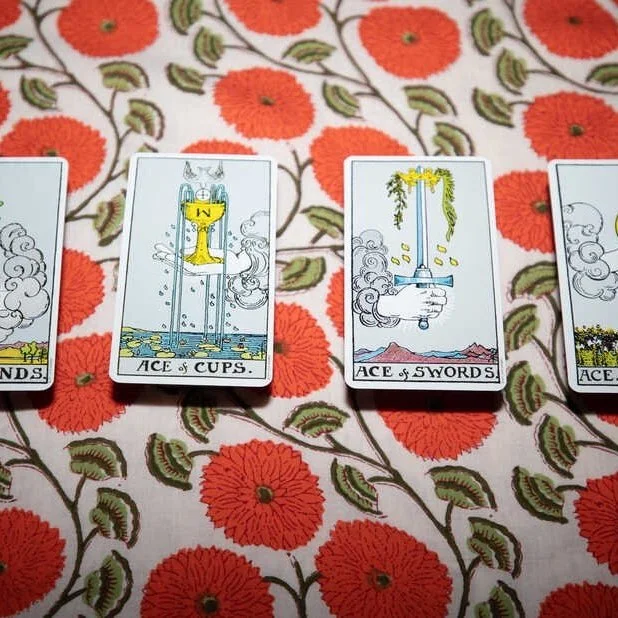


“Our future-focused, technology-obsessed world seems to be hurtling down a bad path. People are turning to ancestral practices for a sense of enduring longevity, and comfort. To help stay sane and grounded in the midst of so much cultural insanity. To source a different kind of power in hopes of making changes both personal and political. From learning meditation to fighting off a cold with some homemade fire cider; from indigo-dyeing your curtains to strengthening your intuition with the aid of the Tarot, such old-world practices are capturing our imaginations and providing us with meaningful ways to impact our world.”
All these selections can be found in our Spotify playlist for Spirituality and Meaning. You can listen here:
Let us know what you’ve been listening to this month to help you think about your own approach to Spirituality & Meaning. Which podcasts have inspired you to think more about meditation and manifesting, Tarot and Astrology, ritual and faith?
To seek out more resources for how to bring more Spirituality and Meaning into your life take a look at our guide.
Main Image: Photo by Ashley Inguanta on Unsplash

Podcasts for Connection | February Edit
Our February Edit of Podcasts for Connection from therapy with our friends to how to deal with loneliness. Inspiring conversations and stories for finding your people.
“Loneliness does not come from having no people about one, but from being unable to communicate the things that seem important to oneself, or from holding views which others find inadmissible.”
Our February Edit of Podcasts for Connection covers everything from therapy with our friends to why we’re all so lonely. Some of our favourite podcasts — Invisibilia and Doing it Right — have recently talked about why connection is so important to our mental wellbeing and covered strategies for how to be in relationship with others in ways that feel good to us. We also recommend checking out the new series, This is Dating, and Wild.




“These are human beings with unbelievable emotional and social capacity. And we as a culture just completely try to zip it out of them.”
All of our February selections can be found in our Spotify playlist for Connection. Listen here:
Let us know what you’ve been listening to this month to help you deal with feeling lonely, finding community, figuring out your close relationships, or just finding connection in ways that feel good to you.
And seek out more resources for more connection and community in our guide.
“Part of it is a kind of a bias that commitment, love and intimacy belong in the realm of family and belong in the romantic sphere, that they don’t necessarily apply to friendships. ”

A Handful of Books for Seeking Connection
For when you need more people in your life, sometimes the imaginary ones work the best. In our latest Culture Therapy Prescription, here are the books we’re recently looked to for more connection, though here of the at-home kind.
Maybe it’s a contradiction to look to books when we’re looking for more connection in our lives. But as introverts, we’ve found that sometimes the books we turn to provide exactly the kind of company that we need.
We’ve pulled together some recent reads that have helped shape our perspective on this idea of connection. We’ve included non-fiction by Vivek Murthy, Priya Parker, and Johann Hari that explore the science of relationships, helping us realize why people matter as much as they do, how why we gather has impacts beyond the moment of coming together, and why who shows up in our lives can shape our experience of it.
And there’s fiction too by Sally Rooney and Bernardine Evaristo that reveal the breadth and nuance of different kinds of relationships as well as allowing us an intimacy with the characters playing out their imaginary worlds. Others are memoirs like those by Michelle Obama and Bill Hayes that give us glimpses of lives that have prioritized service to and curiosity about the people with whom we share our neighborhoods.
We hope you’ll discover some new finds, some new ways to friendship, and maybe even some new relationships, imaginary or real.
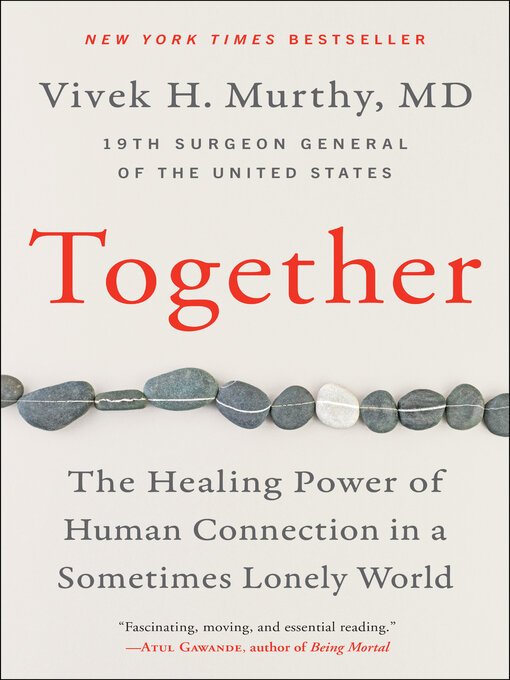
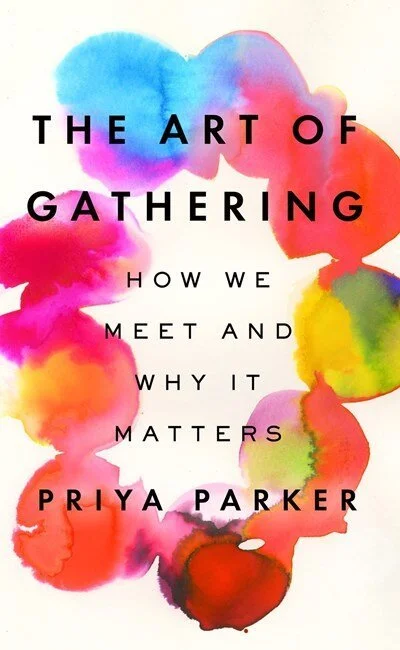
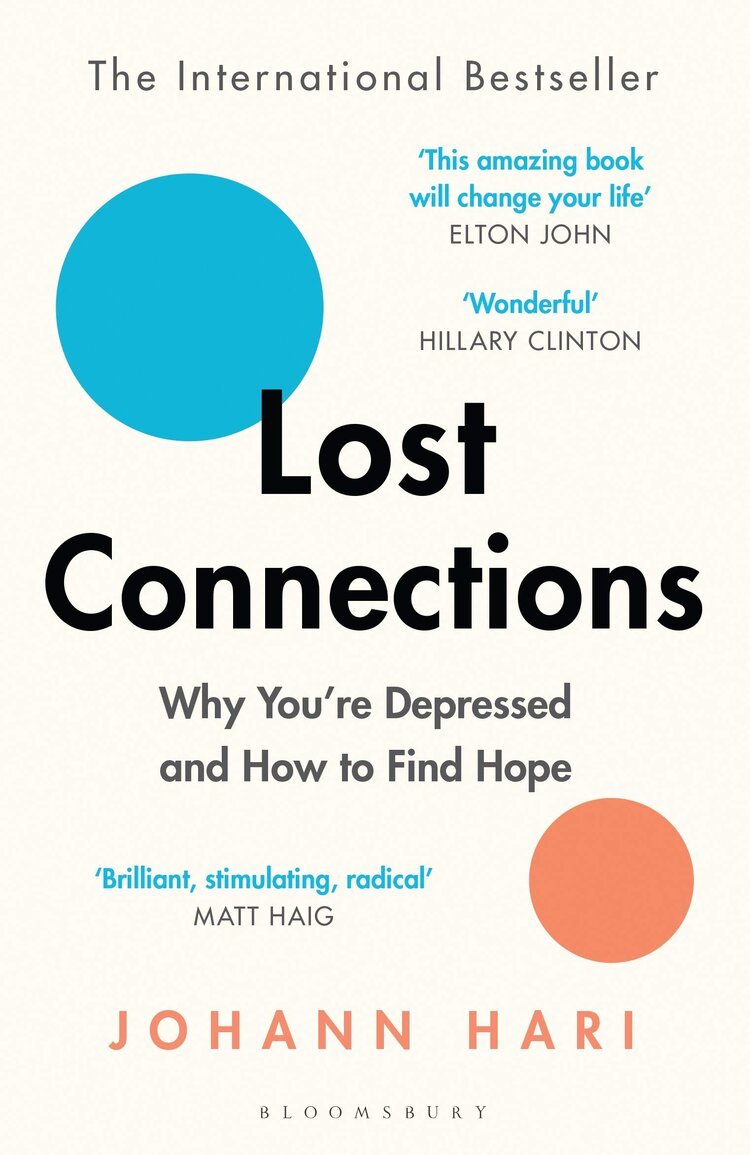

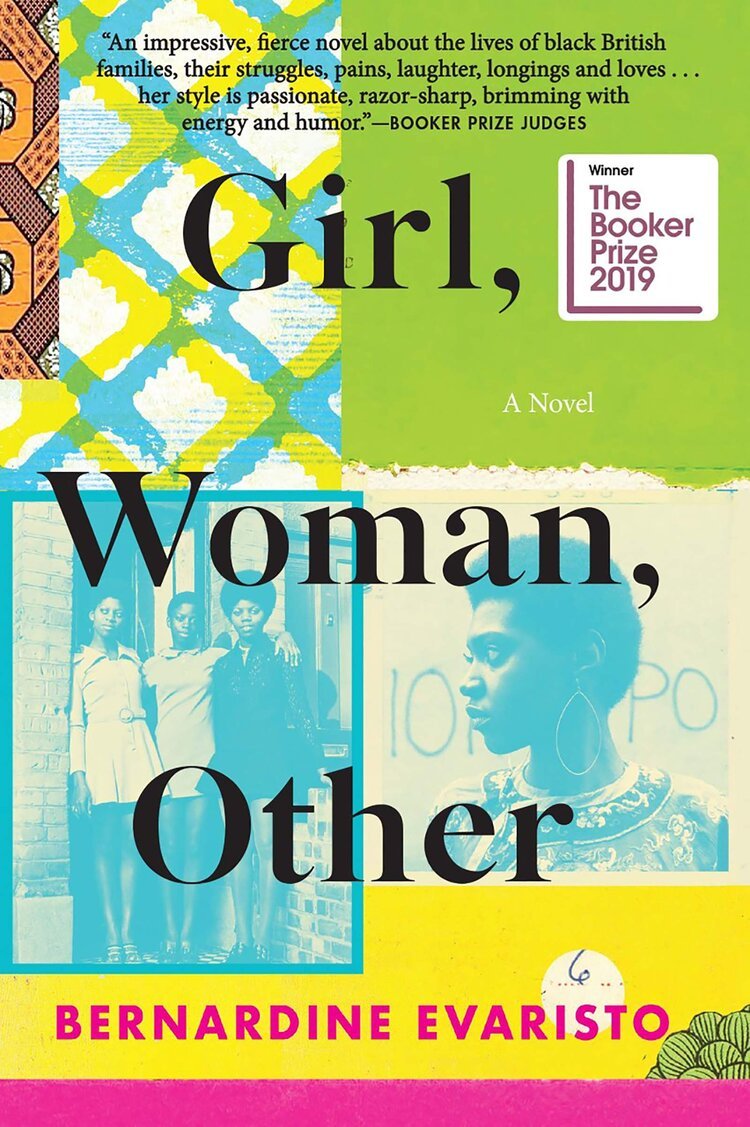
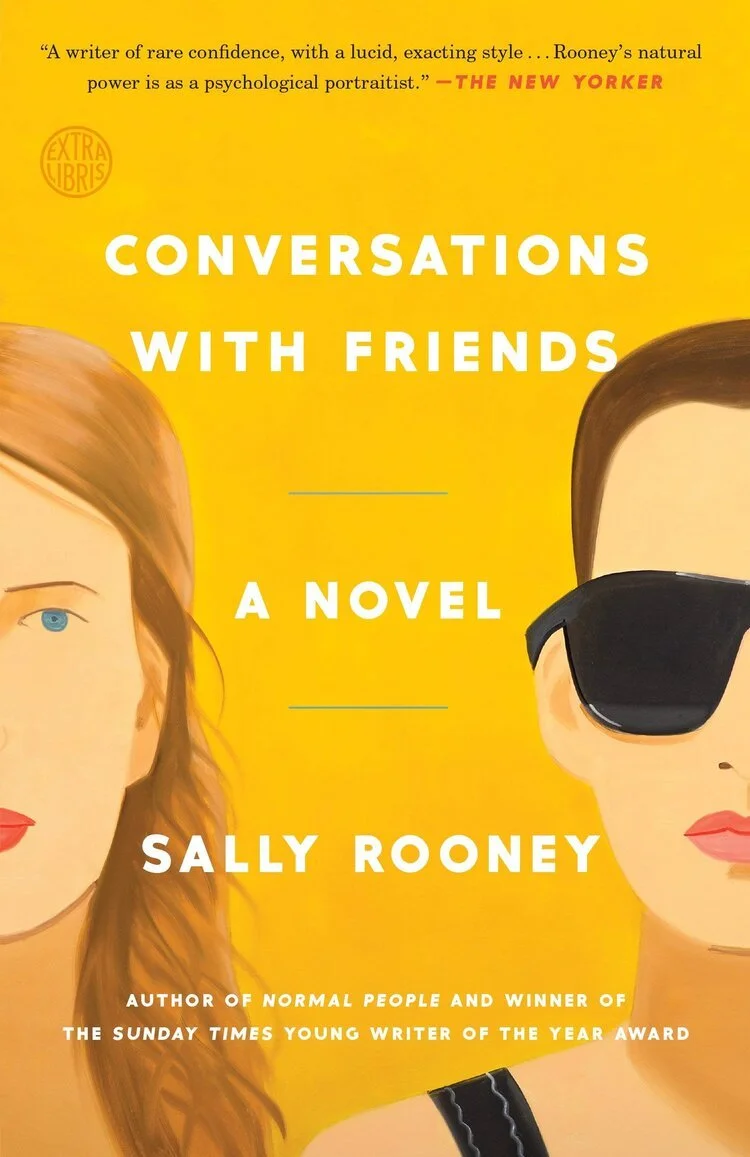
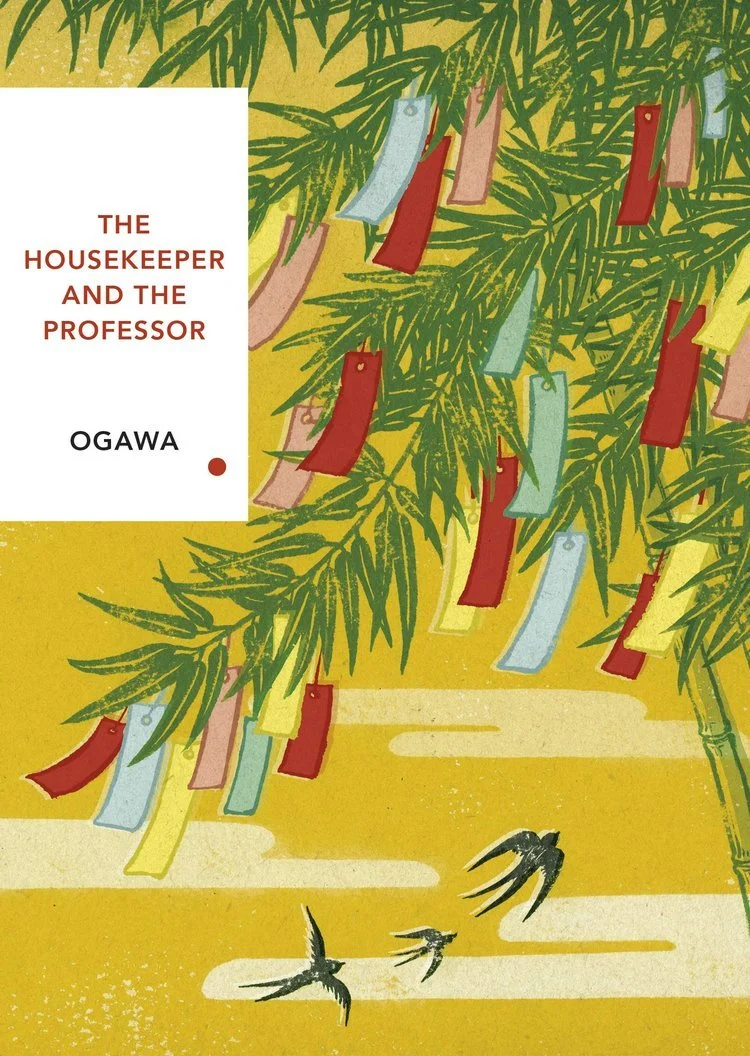
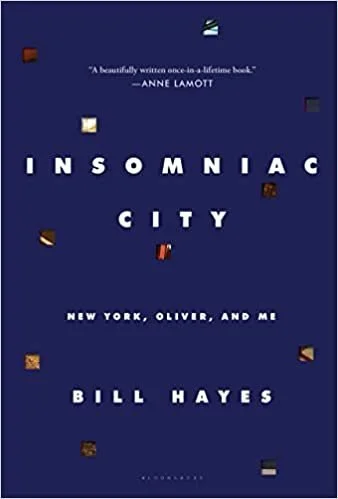
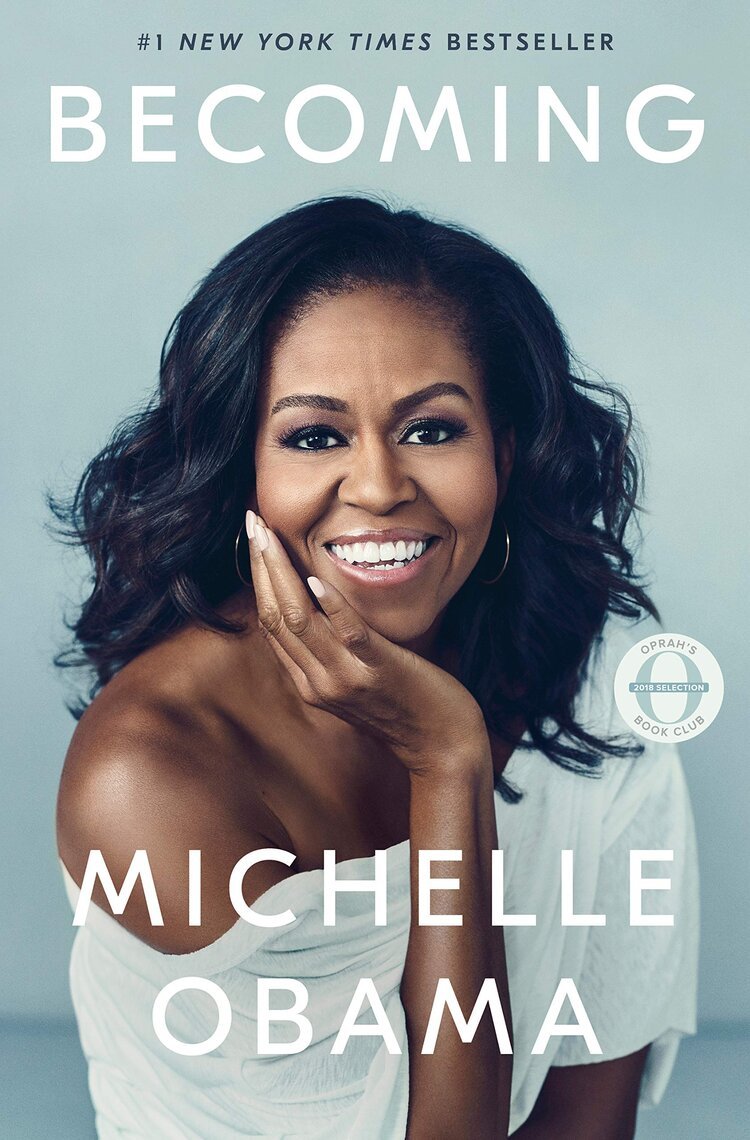
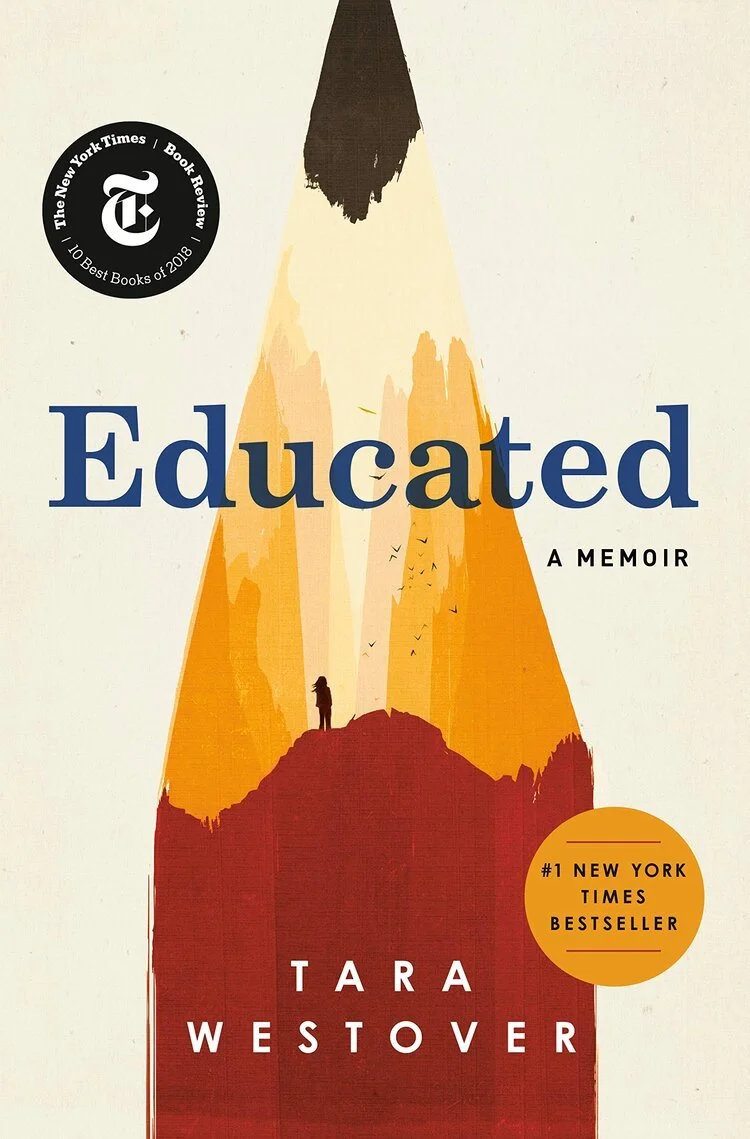
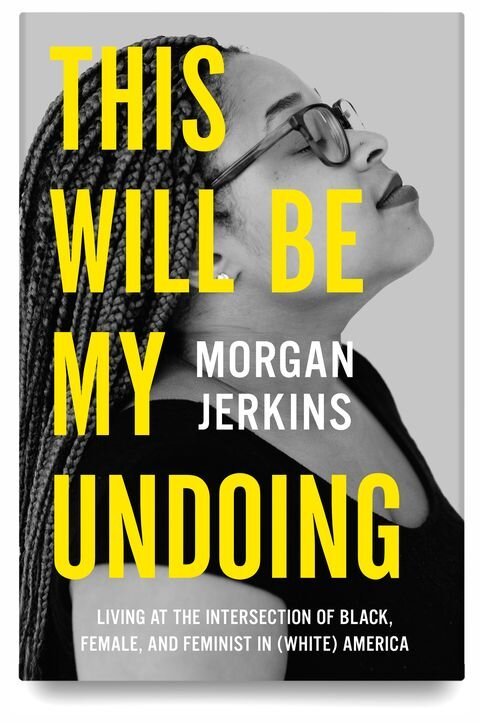
As our understanding of the importance of connection increases, so too do the number of great books on the subject, particularly in terms of its effects on our mental and emotional wellbeing. We’ve included just a handful here, but there are others that we’re hoping to get to in the coming weeks that we’ve included in our Bookshop. Our Connection Edit includes books that we’ll talk about here soon, as well as others recommended to us that are on our reading lists. We hope browsing these shelves you’ll find one or two to help bring more connection and locate more community in your own life.
We’re always on the lookout for more Culture Therapy ideas, those books, podcasts, TV shows, films, artists, music, and magazines to seek out when we’re searching for something to inspire, support, and soothe. Let us know what you love and help us find more ways to navigate this complicated world of ours.

Our Selection of Books for Uncertain Days
When the world outside isn’t appealing (cold, COVID, conflict), sometimes we turn inwards, to books. In our latest Culture Therapy Prescription, here are the books we’ve been turning to during these uncertain days.
When we’re struggling through our days (and not leaving the house), we often find ourselves turning to books. What we’re searching for is more understanding — why are we feeling what we’re feeling, what is that feeling even, and what do we do about it — and some reassurance that we’re ok and it’s all going to be ok.
Below are a handful of the books that we’ve read recently that have helped us orient ourselves. From blockbuster fiction with Meg Mason, to memoir and advice from Matt Haig, Glennon Doyle, and Bryony Gordon (actually seek out anything from these writers and sometimes podcasters), to non-fiction with Dr. Camilla Pang and poetry with Cheryl Cox. Across all genres, we’re finding writers, journalists, therapists, poets, and researchers who are sharing their stories and helping us understand our worlds. Through their words, we’re able to find better ways of navigating our lives and we hope you do too.
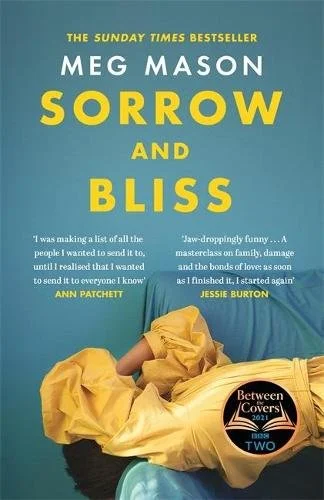
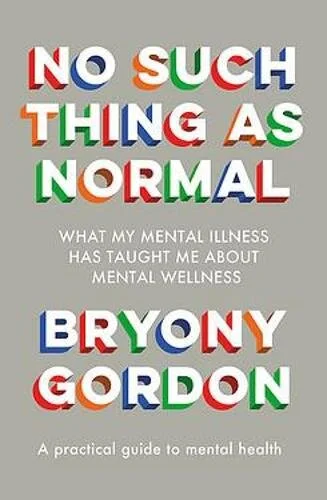


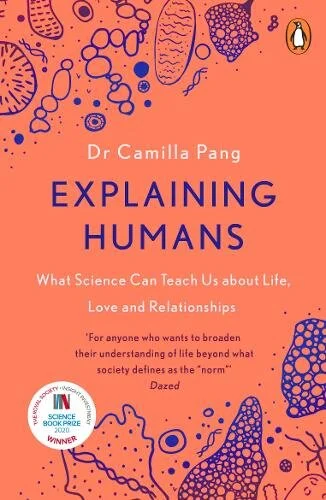
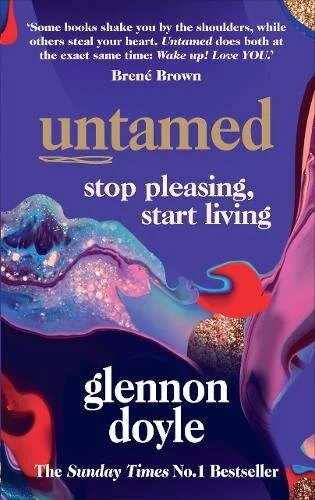
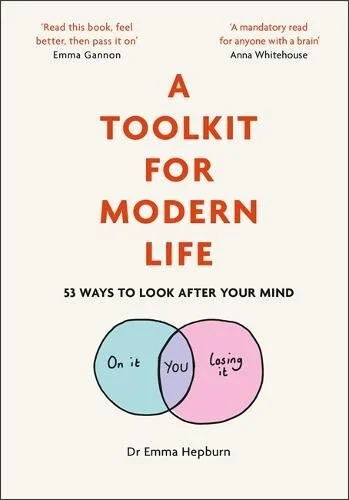
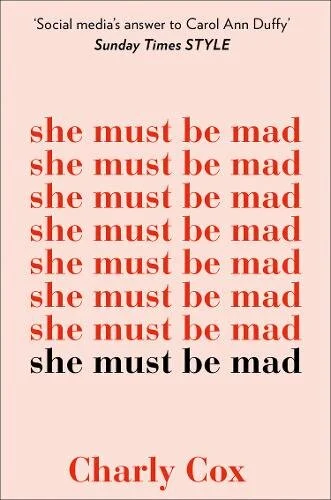


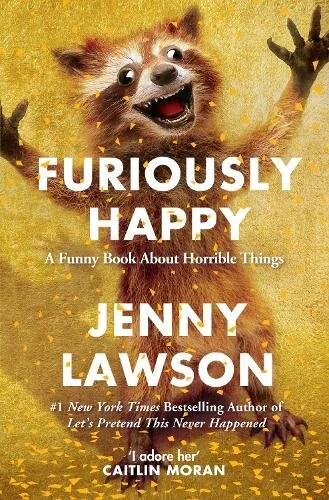


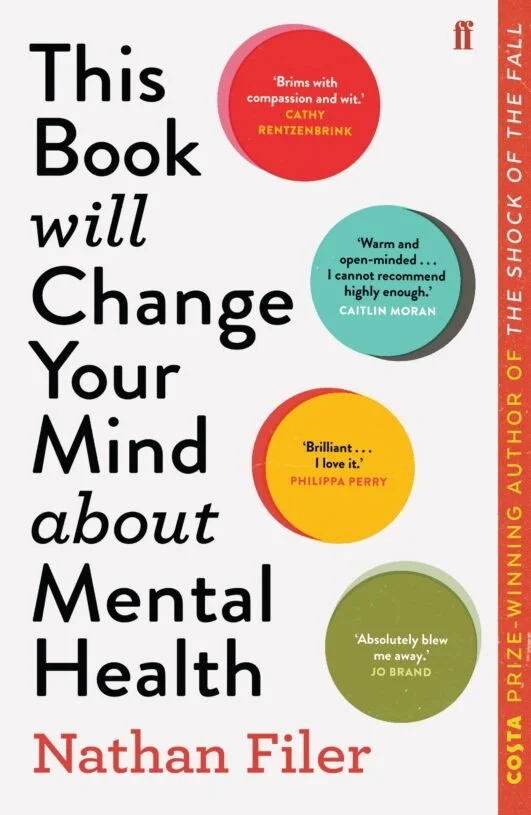
In the last few years, we’ve been finding so many great books that touch on mental wellbeing, many of which are now featured in our Bookshop store (one day we hope to make this into a real entity but for now having even an online bookstore feels like a kind of wish fulfillment). Our Mental Wellbeing Edit includes many of the books we’ve read and would recommend, those we want to get to, and those that friends have suggested. Browse our online shelves for more of what you need.
What we turn to shifts, so we’ll keep you up to date on our new discoveries. This year, we have a goal to build out our Culture Therapy series, so do tell us which books, podcasts, TV shows, films, artists, music, and magazines you look to when you are searching for that something to inspire, support, and soothe.

Self-Help for Real Lives
How we’re reframing self-help as the collective together and how you can get involved.
We’re used to thinking about our bodies, of seeking out gyms, personal trainers and diets. It’s on us to find the thing that will give us more energy, a sleek bum or hair, a fitter body. We’re used to that responsibility and autonomy when we make decisions about what we look like and how our body functions. Plus, we know there are such things as gyms. We know we can join a running club. We know that we can pick up any magazine or newspaper and get advice on diet and fitness.
But do we draw the same parallels with our emotional and psychological life? Put us in the same situation, with the aim to feel less foggy, glum, confused, and let’s play that out. Who do you call? Where do you go? What’s in town that might actually appeal? Then we’re at more of a loss.
Alongside all this talk of mental health (which really is what it is, if we’re going to have to name it) we’re now grappling with ideas of mental wellbeing. Just as we’ve been taught to value our bodies with exercise and good nutrition, we’re now being taught to be proactive and curious in how we value our minds, our emotional health, ourselves. We’re not talking GOOP attainability and being our best possible selves we ever could be, we’re talking about getting our mental health on our own agendas. Of having a conversation with an actual human being as we buy that kale. Of picking up a good book, rather than just chasing down the To-Do List. Of volunteering for a Disaster Relief effort and not just shaking our heads at the news. Of being active participants in our lives and communities, and not just passive consumers.
That might mean learning the five-a-day’s to getting mentally and emotionally savvy as defined by the New Economics Foundation: connection, being active, paying attention, life-long learning, and helping others. Or figuring out how to get more of something into your life, whether that’s community, creativity, or curiosity. Or looking at how to untether from our tech and get away from our screens and into nature. Or learning like our kids about such things as emotional intelligence, resilience, and mindfulness, and, yup, Happiness (with that capital ‘H’). Even looking to figure out what spirituality or meaning or purpose might be in the context of our own lives.
Sometimes it might even mean specific help with a life situation: always work, maybe aging, illness, death, urgh? There’s also relationships, and love, sexuality and divorce, to contend with; parenting and the teenage years. The universals we all go through on an individual level for which there are now avenues of support and advice so you don’t have to go it alone. Others are going through this too, and we can negotiate it together.
We’re getting beyond self-help. As everyone (let’s face it this applies to you too) contends with major life issues, what this emerging sector is saying is you are not alone. That’s a huge shift from that hard-faced individualism, with its focus on sucking it up; to recognizing that there are other people who share those same trials, and that can come together around the personal issues that we must all contend with.
Over are the days of navigating life alone.
We’re building a guidebook to life that can help us navigate our world from wherever we are. You can help us by:

A Magazine Prescription from Magalleria
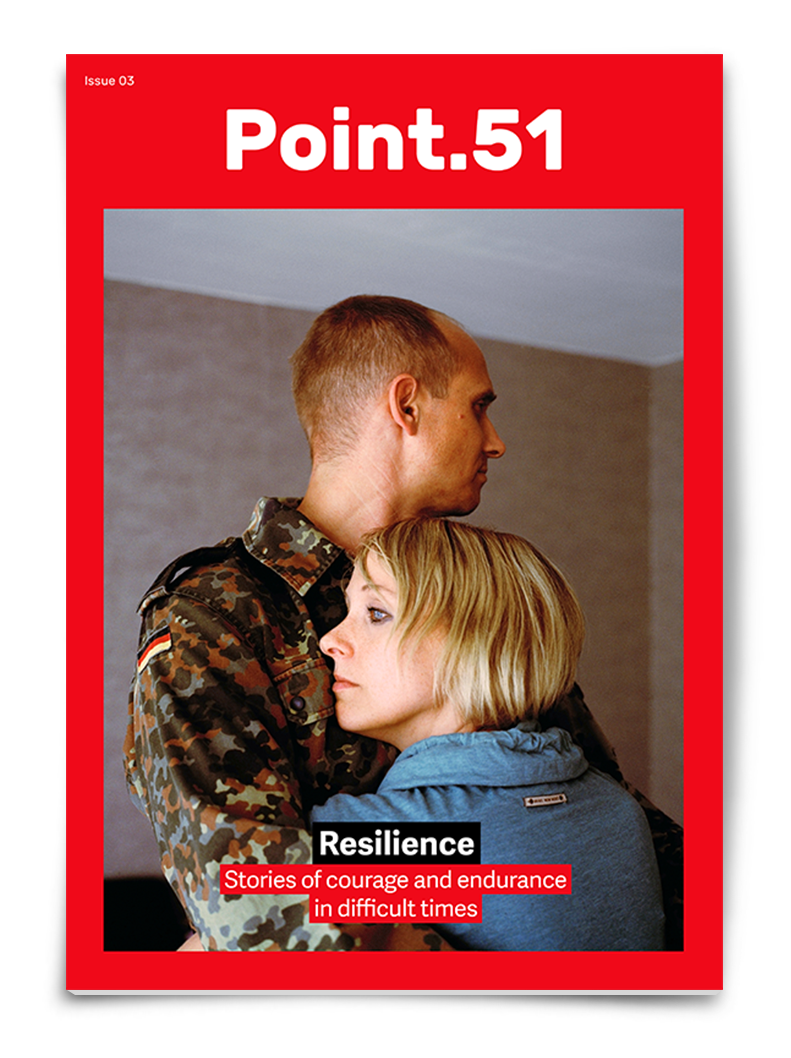
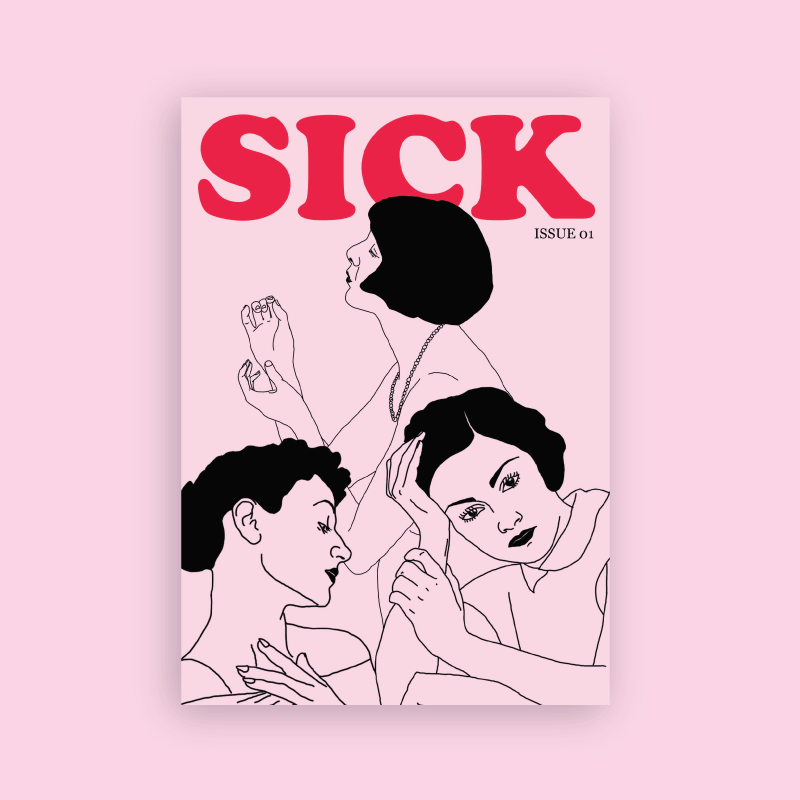
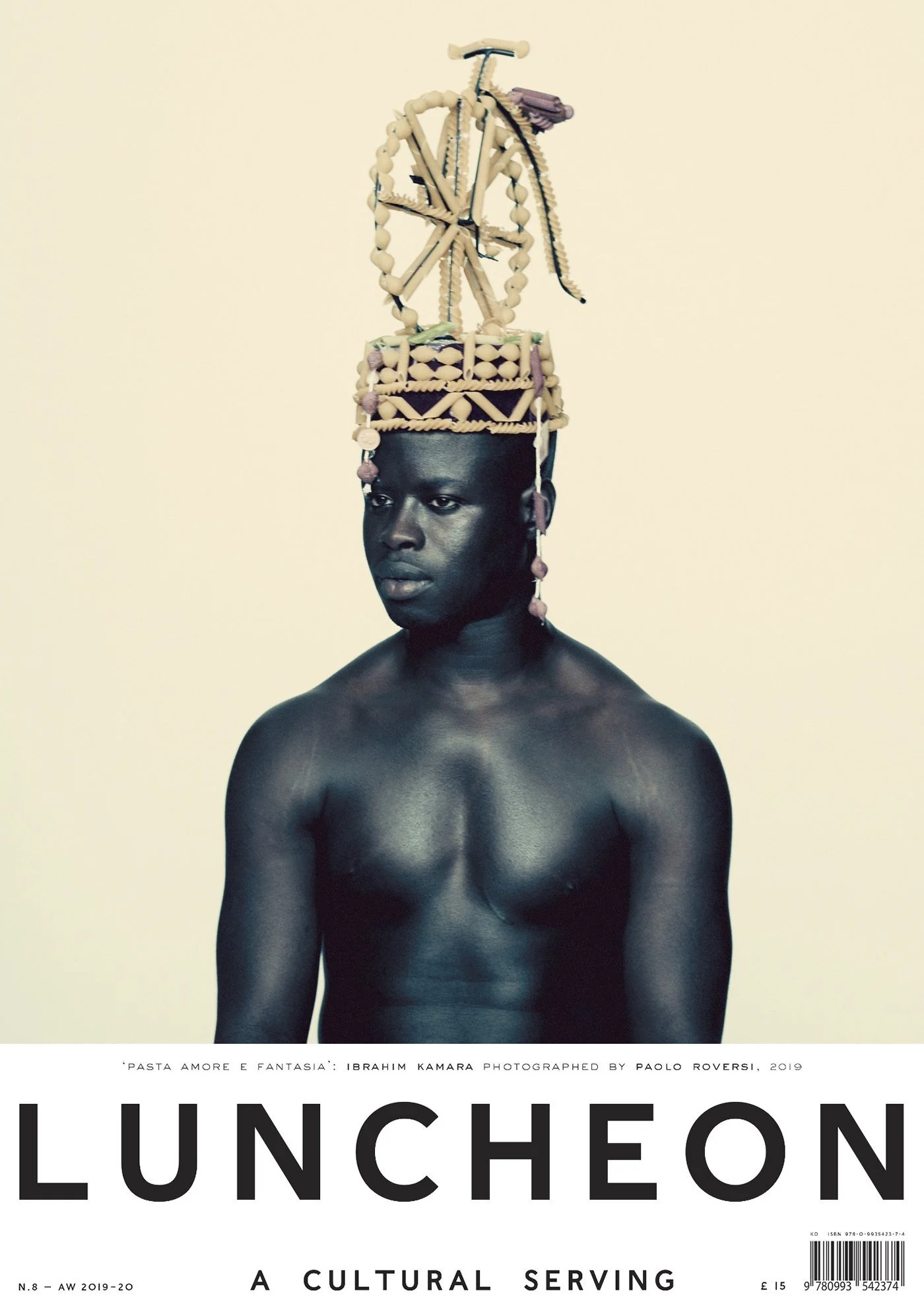
Magalleria founder Daniel McCabe’s recommendations for the magazines to seek out when we’re lost, lonely, anxious, or just curious. There are some new discoveries to be had here.
When we first started If Lost, Start Here, we knew that we wanted to take a broader view of the things that make us feel good in life. Wellness can mean yoga and spa retreats, but it can also mean finding connection dancing to live music, planting your own magical terrarium to find your way back to nature, and refining your emotional intelligence at a School of Life.
Restoring our own equilibrium, and helping others find their balance, has meant searching far and wide for the therapeutic in the everyday. That’s where Bath’s Magalleria has stepped in for us, particularly during the lockdowns. For me, losing myself in a store dedicated to independent magazines has been a crucial form of respite. It has helped me find ways to get off my phone and reconnect with the analogue, get out of my head to access different points of view, and push against assumptions of what printed material is, what creative expression can be and who gets to live a purposeful life.
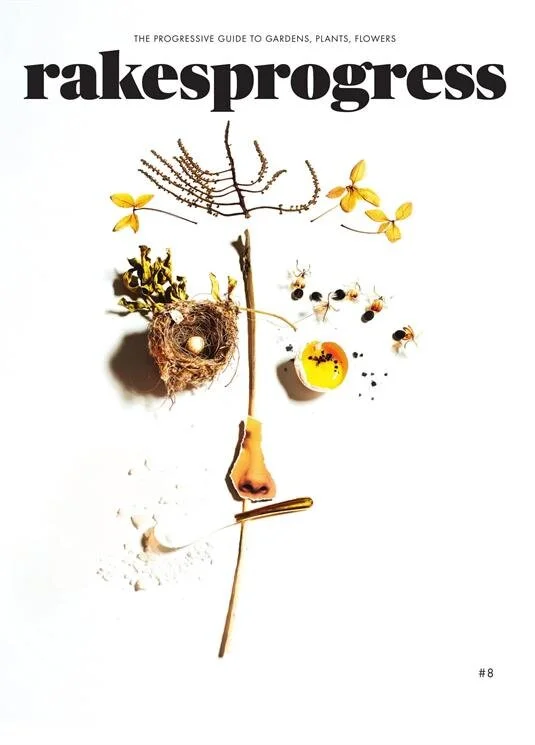
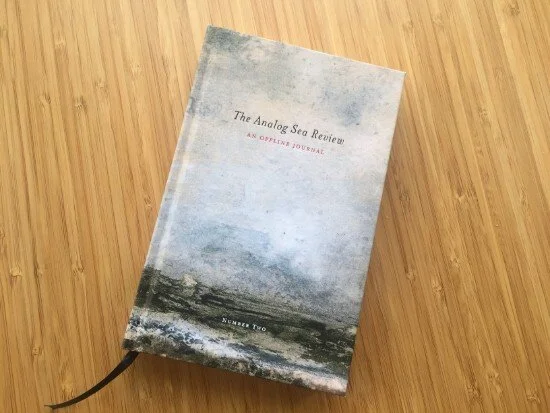
Over the past few months as we couldn’t get out into the world, we’ve folded some of our go-to independent magazines into our Culture Therapy series but what we’ve really wanted to do for a while is bring in the expertise of Magalleria founder Daniel McCabe. So we invited him to write his own Culture Therapy prescription based on the magazines he knows so well and he very kindly agreed. Below are Daniel’s recommendations for all the things we need when we’re lost, lonely, anxious, or just curious, in his own words for why these choices matter.


Easing Into Adventure
Tips for overcoming anxiety, introversion and overwhelm so you can say “Yes!” to doing more of the things you (actually) want to do.
It might seem ironic that someone who struggles to leave the house is the co-founder of a project designed to get people out and into the world. But when you stop to think about it, maybe it’s actually less ironic, and more...necessary?
So often it is the confident extroverts of the world who are guiding us through our days, making recommendations for the must-see places of the world, filling us in on the latest go-to destinations, hashtagging their way into our hearts with their carefree wanderlust. While this is lovely and appreciated and a gift to so many...for some, it can make an already impossible-seeming task feel even more impossible. Like many people who live with anxiety and depression, I understand the value of getting out into the world (and long for the “good” days when I feel capable of doing so)...but I also understand that it isn’t always easy, or, in some cases, even possible.
I spent many years absolutely terrified to be in the world. Trapped in my home / my car / my mind.
If this project has taught me anything, it’s that healing can be gentle...gradual. We don’t have to power through and push beyond everything that makes us uncomfortable all at once, and we certainly don’t deserve to suffer the wrath of our own judgment when we can’t. If the goal of life is progress and forward momentum...I think it makes sense then to choose the paths that bring us the most comfort and joy, to hold ourselves accountable, sure, but more importantly to hold ourselves. I hope these tips help to ease you into doing more of the things you want to do. Please share with anyone who could use a boost.


LOST: Myself | FOUND: A limited edition of one
How do you find yourself when you’ve become lost even to yourself? Here coach Amanda Blair helps us navigate our way again.
Once upon a time, every single human being on the planet was born as a limited edition of one. We began to crawl about on a pioneering discovery tour, taking in our new world with curiosity and amazement. The gift of walking enhanced our spirit of adventure. Then, step-by-step, we began to imitate others. That was how we learned life-changing skills, from speaking to cleaning our teeth.
The less fun side of this mirroring came when we started to paddle in the sea of sameness. There was pressure to have a certain appearance, from a slender body to ripped jeans. Perhaps we were encouraged to pursue a career path that carried an externally applied success label. That would magically mean that we could purchase the dream homes, kitchens, and holidays that yelled at us from ads.
Then there was the layer of “shoulds” related to adhering to social, gender-specific, and cultural norms. The sea of sameness can get scary and ultimately swallow us up. The temptation to fit in and measure up to standards we didn’t set ourselves endangers our mental and physical wellbeing. We get lost.
So how can we return to factory settings and start to use our onboard uniqueness to achieve the happiness, success, and wellbeing WE define? Spoiler Alert. It’s not actually that hard. The answer is to explore, express, and enjoy our “daily differentness”, the everyday behaviors, actions, and thoughts that make us who we are and nobody else can ever be. This is an easily accessible, playful tool with the potential to develop into a helpful default mindset.
Your daily differentness inputs can be gathered in a variety of forms. You can write down examples of your onboard uniqueness in a journal or notebook. Maybe it’s more your thing to record them on your phone. Or you can take photos, or even do some quick sketches, to make sure they don’t escape you. Another possibility is simply to reflect on them during a walk, meditation, or coffee break. Anything goes, because this authentic proof of your uniqueness belongs 100% to you and nobody else.
Your map
Take time to think about the path you took to get to where you are today. It’s a guaranteed limited edition of one from the very start. What comes up for you when you think of the place where you spent a significant part of your childhood? Focus on associations that only you would have – memories of weddings, birthdays, or other events you experienced or your favorite hangouts… What did the place give you? Moving on from there, where were you when some of the turning points or highlights of your life to date happened? Revisit them in your mind and try to remember how they made you feel. Think of three places where you felt or feel good and go there in your mind, via a Google search, or even physically. What surroundings would you like to be in right now if feasibility wasn’t an issue? This is YOUR map and you are the only person who needs to find their way around it.
Your language
Your one-off route through life will of course have an original script. Every human being has their own unique vocabulary. Furthermore, no two people have been part of exactly the same repertoire of conversations during their life. We are all affected by different words spoken by others. Try scan-reading a block of text on your phone, tablet, or computer screen. What words jump out and what thoughts or images do they trigger? What does silence mean to you? In which situations has it been positive and in which ones has it been negative? How did you behave in these moments? What secret code words do you have? For instance, have you invented a nickname for yourself or someone else? Do you use a particular word in a way that would be foreign to a person with the same native language? By discovering how rich and diverse our own language is, we are nurturing our voice, the voice that we need in order to speak our truth.
Your equipment
Each of us has a unique combination of perceptions, strengths, skills, connections, and likes. What was your favorite childhood food? Do you still have access to it? If so, try it and see what it evokes now. Go for a walk, no matter how short. Commit to looking out for something that will not have caught anyone else’s eye, be that an animal shape you see in a cloud, or a stranger wearing an item of clothing that reminds you of someone you know or have known in the past. Bring to mind a small gesture or action that reflects who you really are and how you see the world. Think of someone who has had a positive impact on your life. What characteristic of theirs do you appreciate most and why? No one can steal what belongs 100% to you.
Your reward
So how can developing the daily differentness muscle and mindset serve you?
· It reveals who you really are and can flourish being.
· It highlights the unique contribution you make to the situations, communities and relationships that make up your everyday life.
· It opens your mind to the differentness of others, enabling you to live diversity rather than just talk about it.
Some Resources:
Limited Edition of One: The Book
The Cloud Appreciation Society
The Power of Diversity Within Yourself, Rebecca Hwang for TED

SoberIRL | In Conversation wtih Karla Carolina
In conversation with soberIRL founder Karla Carolina on the power of connection in sobriety.
We spoke with SoberIRL founder Karla Carolina about her journey to sobriety and her realization about the role connection can play in helping people to maintain their alcohol-free lifestyle (and overall mental well-being).
How long have you been sober? Can you tell us a bit about yourself and your journey?
I celebrated 2 years on 12/31/20. I started drinking at 19 when I was studying abroad in college and knew I was a problematic drinker from the get-go. Binge drinking was normal in my circle of friends so even though I was blacking out and acting in ways I didn't like, they were too so it was normal. I also was getting great grades, got into a master’s program, and started my career so it was easy to rationalize away my fears that I had a problem. After 13 years and seeing how much my life was changing for the worse because of drinking, I finally accepted sobriety was the right choice for me.
What is the most important component to maintaining your sobriety and overall well-being?
Community is everything to me, which feels so odd because I felt very strongly against socializing with other sober people in the beginning. I was 8 months in when I started feeling lonely and mourned the loss of my party buddies. I decided to go to a sober retreat and holy guacamole — I felt myself come alive! I made deep connections with people I still talk to regularly. Having a network of people who get me, who understand what I've gone through, and don't judge me for it, is incredibly healing. I have people I can count on when I need some encouragement, need to vent, or want to celebrate. Essentially my real, true, authentic friendships keep me going.
What was the catalyst behind starting soberIRL? Did you ever struggle to be social without alcohol? If so, how have you worked to move past that?
When I went to a sober retreat at 8 months, I became friends with so many amazing people but they lived all over the country. I also made great connections with people I met through Instagram but they didn't live near me either. I struggled to find where I could meet other women locally who were also sober/sober-curious in a casual setting. Since I couldn't find it I decided to create what I wanted. I was equally part scared shitless and excited about the possibilities!
Alcohol had always been part of the equation when I socialized and the idea of meeting new people without it terrified me. What I learned at the sober retreat is: the awkwardness lasts for a short time and as long as you push past it, everything will be ok. Each time I put myself in a situation to socialize without alcohol it has gotten easier, like any other skill.
How has COVID affected your mission?
After doing 2 meetups pre-pandemic, I was heartbroken when we couldn't meet up anymore especially when IRL is part of the name! The coolest thing happened though — I started getting DMs and messages from people asking if we could just do virtual meetings in the meantime. By keeping the virtual meetups for local people, we were still able to foster our connections so when we could do social-distanced hangouts outside. We were so excited to be in each other's company!
COVID has also made me think through what virtual offerings I'd like to make permanent for soberIRL, especially for people with accessibility concerns or those who don't live nearby. A virtual community is still important and can bring lots of value to someone's life. I think after being cooped up for a year, people will want to socialize more than ever but also want to be very intentional about who and what they spend their time on.
What is your dream for soberIRL? How has it been going starting new chapters?
I want to get lofty with this, I'd love for soberIRL to be as ubiquitous as AA! For a long time, it's been the main resource people know, even if they don't have issues with alcohol. I am doing my part to co-create a world where people understand there are multiple pathways to recovery and they have the opportunity to choose what feels right for them. And for those who want to explore what it’s like to socialize and participate in life without alcohol, soberIRL will be there.
After a year of hosting meetups in San Francisco and sharing it with people through Instagram, I decided to partner with women to bring soberIRL to their local community. Right now my biggest challenge is spreading awareness that soberIRL is no longer just a Bay Area thing. I almost feel like I'm getting people set up to start their own franchise! It's been great as a forcing function to be very clear about the mission, vision, and vibe of the community.
What are some of your favorite sobriety resources? Products?
The resources I am forever grateful to:
Podcasts: Recovery Happy Hour and Recovery Elevator
Books: This Naked Mind by Annie Grace and Quit Like A Woman by Holly Whittaker
NA Drinks: CLEAN Cause, Curious Elixirs, Siren Shrubs
Places: Ocean Beach Cafe
What would you say to someone who might be sober-curious but afraid to take the leap?
You know where alcohol leads you, why not see where cutting it out for a bit takes you? Part of what kept me stuck was feeling I had to quit forever and to make that decision on Day 1. Because I couldn't commit to forever I kept drinking. You don't have to worry about forever right now.
The other thing I would say is...get first-hand experience of what sober life is like. Just imagining it (like I did for years!) is not sufficient. Immerse yourself in it. Read some quit lit, listen to podcasts, check out some blogs, and/or scroll through sober IG for inspiration — it will help you see people who are empowered by their sobriety, not ashamed of it.
What are some of your favorite quotes?
“I understood myself only after I destroyed myself. And only in the process of fixing myself, did I know who I really was.” ― Sade Andria Zabala.
"I would rather go through life sober, believing I am an alcoholic, than go through life drunk, trying to convince myself that I am not" -unknown
You can learn more about SoberIRL, find a local chapter or sign-up for a virtual meet-up by reaching out on instagram or their website!

When Friendship Saves Us (Part 3): Our Take on Modern Love
This weekend, we’re celebrating our female friendships, the people who really help us find our way when we are lost. For our co-founder Claire, that’s Amanda, our other co-founder. Here’s some of our story.
I imagine getting comfortable before take-off on the plane back to England. Putting electronics in flight mode. Fastening my kids’ seat belts. Looking over the in-flight entertainment options with my husband. And then fleeing down the aisle. Stop, wait, don’t close the doors. Then running, running through the airport, the soundtrack kicking in, grabbing a taxi (after someone steals the one I want), to get to her. Amanda. Like the last scene in the romantic comedy, but this time I’m running to my best friend, and like a movie, I know that this is a fiction too.
Watching the end of Book Smart recently, I had a thrill of recognition. About to leave on a gap year to Africa, Amy comes back from Departures to her best friend Molly, for one last pancake, before getting on the flight late. I texted Amanda, “That’s us!!!” And although we’ve never eaten pancakes together and despite the fact that I arrive at the airport three hours in advance and couldn’t possibly be late, we thought that sounded about right.
In my final weeks in California before returning home after 13 years away, I seek out time with Amanda. She overrides my not-yet-filled bucket list. I choose her over the Golden Gate Bridge, over Napa wineries, over Stinson Beach sunsets. I choose barista-style coffee made by her 11-year-old, socially distanced in her garden, over Blue Bottle pulled by hipsters in San Francisco’s Ferry Building. I choose meeting her down by the creek in our little town over a road trip to Lake Tahoe, crossing stepping-stones over a quiet stream rather than riding jet-skis on alpine-fed horizons. In our last days together, I’m aware of making the promises a teenage girl would make to a best friend. “I will love you forever, we will grow old together, our kids will be best friends always.” But this time I mean them with the sincerity of a middle-aged woman who knows what commitment is and what true love can be.
When I met Amanda, the friendship that was designed to blossom was between our sons, both aged five and about to enter the same kindergarten class. It was a practical arrangement and it resulted in the connection we’d hope for our boys. But it was the two of us—with our new baby girls in slings and relentless nursing habits—who found a friendship neither knew we needed. For my daughter Ottilie, now aged 6, Amanda has become her second mum, though she calls her ‘Grandma,’ which befuddles us. Amanda’s daughter Willa is of course her sister-friend and they fight and love each other accordingly. Six years later our sons are like cousins, affectionate but sometimes confused by what connects them, aware only that it has something to do with family. My husband calls Amanda my real partner; she calls herself his wife’s wife.
I’d seen Amanda around town before that first blind playdate. I saw her when she toured the preschool where my son went, but she was Nikki’s friend, unattainably beautiful, and she chose not to go there, so our relationship never began. I saw her again when I was playing in the park and she was walking by, in labor, with her mum. To me, several months pregnant and puking every day, terrified of childbirth and ready to check myself into hospital weeks in advance in case something happened, she seemed a nonchalant goddess who would drop the baby and make magic happen. I felt fumbling and unsure, she looked resolute and dreamy.
In that unexpected way of life, it was Amanda that I would come to share the next years with. We would raise our girls and our boys together—navigating schools and relationships, work and shifting bodies. She taught me how to text with emojis: “It hurts my feelings when you don’t use them.” I learned that nature wasn’t terrifying and that hiking a trail alone did not mean instant murder. She showed me that kind could also mean strong, that humor didn’t need sarcasm, that the fears I had, she had too. I became vegetarian, because she’s vegan and I can get closer to that (though not quite that far). I know now that maple syrup makes everything taste better. I’ve become an unembarrassed fan of all things Disney. She sends me texts at night that I answer in the morning, because I go to bed early and she seems unoffended by that. She takes me to concerts, though live music makes me feel awkward; it’s her happy place and she wants to share it. We tell each other that “we are amazing,” without irony and with joy. Amanda was the first person I hugged post-lockdown.
In our last couple of weeks together during this odd coronavirus-threaded summer, I tread carefully in conversations about home. My husband and I had long contemplated the move back to England after too many trips home ended in tears at Heathrow. My best friend and I had known this was coming; it hung around us like a diagnosis we tried to put aside and that we often forgot. In what we thought would be our last year in San Francisco, the pandemic put paid to our plans and Amanda and I relaxed again into our time together. I realized that I could endure everything that lockdown had removed, except seeing her. That realization hit hard. Then my husband lost his job in the theater, which meant we had nothing to tie us to California. The decision to return home came quickly and forcefully. Moving back to England took on an urgency that neither of us has been prepared for and that I can’t ignore, much as I want to. We’re now down to three weeks and counting, no longer in the maybes and perhapses that chased our time together.
Together yesterday—the girls on the trampoline, the boys wondering what shared activity they could find—I try not to flinch when Amanda mentions a new friend she’s taking daily walks with. Past my house, up through the winding paths of our hill. I imagine them walking by when new people are here in my newly-sold home, saying, “I knew someone who lived there once.” I start to cultivate bruises of loss. But Amanda has taught me in our years together that love is boundless, to be shared. I allow myself to be the better person she believes me to be. “I like Hilary,” I say, “That sounds nice.”
Because I know this too. We are golden: she’s my Anne Parker, my Christina Yang, my Abby Wambach, my Rayya, my Farly, my person. Like women before me, I love my best friend. We have filled a space, begun a story, that women have navigated for centuries: Bringing up children together, finding support through our anxieties, spending hours in whispers and laughs. Making the in-between times count for more than the major moments of our lives.
Sitting on a packed suitcase in what will be my old bedroom with too many things that don’t fit and yet have nowhere to go, I hesitate. Why leave? But I know there is nothing I can do to stay here, in this moment, with her.
I have chosen: my home country that I left when I was 30. I will return there with two children whom I want to experience that home too. I’ve chosen grandparents and brothers and cousins that I’ve never quite learned to live without. I’ve chosen green fields and cozy pubs and heavy coats and clearer seasons and self-deprecating humor and supermarket shelves speak my language.
On paper, the decision makes sense. The conversations justifying our move make all the sense. The plotting—yearly plans with schools and budgets and careers and timing—makes sense too. Leaving Amanda makes no sense. And it matters nothing because I can’t get off the plane and unbuckle my children and walk down the airplane aisle with my husband to run to her and say, I love you. You are my home and I will stay with you forever. Let’s build something that will hold us and a future we can name.
When I imagine that plane ride home—now with wipes for the seats, premade snacks, stickers and coloring pads in Ziploc bags—I imagine listening as the flight attendant instructs us about what to do in an emergency. “First put on your own mask,” he’ll say. “Take care of yourself first.” But like everyone else on this plane, I know that if it came down to it, we’d put on our family’s oxygen first and save ourselves last.

Silent Book Club | In Conversation with Laura Gluhanich
We talked to Silent Book Club co-founder Laura Gluhanich about how a simple night of reading with a friend became a global phenomenon.
We recently discussed with co-founder Laura Gluhanich all the ways that Silent Book Club offers community and a space to unplug, both vital to our mental health and emotional wellbeing as we negotiate these uncertain times.
What compelled you to start reading together, silently?
One night out to dinner at a favorite local spot in San Francisco my friend Guinevere de la Mare and I shared our frustration with traditional book clubs, and our joy of reading at restaurant bars. The next time we met for dinner, we planned to sit at the bar and read together. We continued meeting up, and as friends heard about our “silent book club” they asked to join. Everything today comes from that.
How do you get over that initial need to chat, to make noise, to fill the silence? We’re so unaccustomed now to filling the spaces between us.
Our format includes some planned conversation at the start. Typically a silent book club meeting starts off with everyone saying hello and sharing what they are reading. It creates a shared space and connects folks over shared books or genres. I think our members appreciate that when they start reading they know they don’t have to worry about anything else at that moment. We set an alarm and wrap up the session, so they can just dive into whatever they are reading.

Book club selections can be very particular to a group or the situation of coming together to talk about one. Are there certain books that lend themselves to Silent Book Club? Like, don’t read conversation-inducing books such as anything by Glennon Doyle or Three Women?
What surprises me more is that at every in-person meet-up, I’d venture we have a minimum of five genres represented in a group of ten. It is a very welcoming group, and if someone isn’t into what you happen to be reading, it’s not taken personally. And in our Facebook group, just about everything goes, though we choose to not offer a platform to white supremacists, misogynists, and the like.
Have you ever thought of Silent Book Club as an anti-tech space?
Yes! My co-founder and I both work full time in tech, so providing a time to ignore notifications is a benefit we recognize.
Or maybe even an anti-loneliness initiative?
Yes! I love that Silent Book Club can provide community in a really low-key way. Beyond the minimal conversation, it is super low stakes, so especially if people are less extroverted it’s a great opportunity to connect. And while there are lots of book lovers in the community, particularly the Facebook group regularly gets posts from folks who are getting into reading for the first time or rediscovering their love.
You have chapters globally now. Have you noticed differences between how these book clubs meet or how they are received locally?
Not really! Shout-out to our Genoa chapter for being super photogenic and fun. There’s a ton of variety throughout our chapters but I don’t see a difference based on location.
What kind of setting is conducive to a Silent Book Club?
As you can see from that Genoa link, lots of places work to meet up and read. We recommend cafes and bars (hotel lobby bars can be chic and have the perfect level of background noise). Bookstores, ice cream shops, community centers, parks, beaches, and backyards have all been successful. We’ve even seen them at conferences — a great option for introvert attendees to chill out.
Do you have any favorite meetup anecdotes?
We’ve had a couple of chapters see people meet at their events (ready for that meet-cute to happen in a movie). We definitely hear more about books getting discovered than soulmates.
One fun thing that has happened with the virtualization of Silent Book Clubs is the ability for anyone to join any virtual meetup. Our Denver chapter has had guests from Mexico City, Guinevere has said hi to Italian chapters, and I sat in on a meetup based in South Korea. It’s a fun way to explore!
How are Silent Book Clubs adapting to the shifting situation of the pandemic?
We’ve seen dozens of chapters shift to an online format. A number have hosted outdoor meetups globally. Of course, plenty of countries have had competent pandemic leadership, so they have been able to meet far ahead of us here in the US.

Why do you think the idea of Silent Book Club has taken off so much?
I think there are two primary reasons people have responded to Silent Book Club. The first is broadly the mental wellbeing aspects that I’ve already mentioned. And in conjunction, we are all so over-productive, Silent Book Club is an antidote to that.
What is your vision for Silent Book Club going forwards?
We’d love to see its continued growth, supported by brands or organizations that share our mission of encouraging reading. We plan to continue our author series in 2021, and have an idea of a global Silent Book Club week, promoting literacy in public.
Any places out in the world or books that you seek out to support you in uncertain times?
We’re big fans of independent bookstores and libraries, and while there is broad uncertainty, we encourage folks who have the resources to support their local cultural institutions in an ongoing way. The mutual aid movement reflected in Little Free Libraries and the Community Fridge network gives me hope.
What should people do if they are curious about Silent Book Club?
Find a local chapter on our website or a virtual meetup. We welcome you whether you are looking for the time to get through a few chapters for another book club, or just for fun.
“If you are finding it hard to find space for reading, joining Silent Book Club gives you that time back. It prioritizes reading in your life again. It gives books back to you. ”
Discover more ways to connect

Content Care Package: Edition 3
Now we’re in the Holiday Season, we’ve pulled together a Content Care Package to keep us all together.
As we’re now in the Holiday season, we have to admit to finding this Content Care Package an odd one to write. Uncertainty is swirling around us again as we continue to live with the pandemic, forcing us apart from those we love and filling our days with anxiety and fatigue. Over the past couple of weeks, we’ve definitely been displacing with some Netflix watching as you’ll see below, but we’ve also been finding some gems to keep us feeling good and even just that little bit grateful in spite of it all. We’ve pulled together the places, the prompts, and the cultural events that are helping us and which we hope will help you too.


Mental Wellbeing:
We’re obsessed with The Queen’s Gambit on Netflix, Matt Haig’s The Midnight Library, Charlie Mackesy’s The Boy, the Mole, the Fox, and the Horse, and podcasts Goodnight Stories for Rebel Girls, Decoder Ring (particularly this episode on the Cabbage Patch Kids) and Reply All (see Happiness Calculator and the Case of the Missing Hit).
For a guide that’s all about getting to ok, we’d recommend these wellbeing focused magazines: Rising Issue – 01 // Mental Health Matters; What Do People Do? – Issue 2; Anxiety Empire – Issue 1, Positive Wellbeing — A Zine for Mums, Seed, and perennial favorite Flow. Even better, buy them from an independent magazine store.
Is it safe to see your therapist in-person anymore?
“Over the past decade, resilience has become a buzzword – touted as a protective talisman against the effects of trauma, which individuals, communities, and whole economies are told to cultivate.”
Open Door is a new initiative by Making Space in Stockport, which opens up free mental health support to those living in the Stockport area.
We’re huge fans of Meghan Markle for finding her own way through one of the trickiest family’s in the world (have you see The Crown), not least for her heartbreaking recent piece on her miscarriage in The NYT
Connection & Community:
How a small town in England is teaching us the value of community.
An introvert Happy Hour that we can get behind. Find a chapter of The Silent Book Club
Nature:
All the wisdom for living a nature-centered lifestyle at home is captured in ”Fforest: Being, Doing, and Making in Nature.” Create a tiny bit of the magic at home with star walks, wild swims, and den building. Planning something for 2021? Head to the book’s source material, Fforest.
New Zealand gets a new butterfly sanctuary courtesy of The Hobbit.
Forest Bathe Wales is finding a way to deepen our connection with nature.


Mind/Body Connection:
We’re on board with the millions of people who discovered yoga with Adriene Mishler during lockdown. No judgment about bad downward dogs or falling over trees, or even working out in our PJ’s.
As the seasons change, we’re looking to Red January to keep us motivated.
Follow Loom as it launches its campaign to #protectblackbirth and develops resources for women’s health from periods to menopause.
Modern Life:
In Culture Therapy, we’ve been thinking about How to Stay Sane in an Age of Division and how to navigate The Social Dilemma.
Pair with digital detox resources from It’s Time to Log Off
Culture and Creativity:
Inspired by Outlet PDX, consider which words you’d want to disseminate into the world. Which messages of support would you want to create for those within your community? Learn the skill of printing and give form to these words. You don’t need to be an artist, just a thoughtful person in the world hoping to counter messages of hate, division, and isolation that we’re now bombarded with. Or if that makes you tired, learn to draw your coffee mug.
One of our favorite Studio Ghibli movies Kiki’s Delivery Service gets the museum treatment in Tokyo.
‘Art, architecture and music have proven health benefits from alleviating pain, improving wellbeing and shortening recovery periods."‘ New online platform AORA by up-and-coming architecture studio EBBA, aims to instill a sense of calm and wellbeing through art, architecture, and food.
Is sitting in a ball pit allowed anymore? Why The Color Factory is making the argument that it is.


Doing Good:
How I Built This Host Guy Raz interviews Varshini Prakash co-founder of the Sunshine Movement on how to build an idea into a movement for change in the climate space.
You can still virtually attend KindFest even though it’s past. Standard tickets will give you access to the recordings into the next month.
We’re inspired by Counterpart Chef Almitra “Mimi” Williams who brings fresh food from her vegan restaurant to the homeless camps in Echo Park. From where you are, and if you are able to, volunteer or donate to Feeding America this Holiday Season.
Spirituality & Meaning:
We know that saying meditate is like saying eat your kale, but San Francisco’s Within has ways of making it seem doable with its classes now going online.
Awe & Wonder:
Discover Scarfolk: “a town you’re not permitted to visit, with sights you’re not allowed to see.”
Take a masterclass with Another Place artist Antony Gormley: choose between Zabludowicz Collection talk, BBC’s quarantine drawing class or National Saturday Club’s body sculpting exercise.
New podcast Ask Biq Questions has Bill Gates and Rashida Jones asking the things that are on our minds like wil be the COVID vaccines be safe or what’s the answer to widening social inequalty?
Purpose:
We’ve been pouring over Riposte magazine which is full of smart interviews with women who are figuring things out in ways we can relate to.
Do send us your recommendations for our next Content Care Package so that we can feature them in our next edition. Together we can build a better world to hold us.
Btw we wanted to let you know that we’ve changed all the links to the books we mention to Bookshop, which supports both our own work and that of independent bookstores, which is particularly crucial as many of them are struggling to survive.
Until next time, x Amanda & Claire

Content Care Package: Edition 2
As everything shifts, yet again, we’ve pulled together our second Content Care Package with all the places we’re turning to, the resouces getting us through, and just the fascinating things we just learned and had to share.
With much of Europe back in Lockdown and the US both celebrating and resisting the outcome of the recent election, we’ve pulled together our second Content Care Package. We’ve searched for the podcasts that make us run a little further just to keep listening, the online and offline initiatives that give us ways to feel better, the neuroscience that’s making us think differently about ourselves, the sources of support that have our backs through uncertain times, the books that capture all the things we’d want to say, and the big and small ways to feel more curious and less anxious. Let’s get lost together.

Connection & Community:
One of our favorite reads of recent times Together makes the argument that being with one another matters, though it was launched ironically at the beginning of a pandemic that found us locked in our homes and crossing streets to avoid one another. Now we’re excited that its author, Dr. Vivek Murthy has been appointed to President-Elect Joe Biden’s Coronovirus Task Force.
Already looking for something for post-lockdown life? Birch is the staycation you may be looking for (along with every creative in London)
Pop-up Magazine is hosting virtual suppers with recipes and chat. We sat down for the one with Cord Jefferson of The Good Place and the writer Jia Tolentino hosted by chef Priya Krishna.
Live in Bath and ready to enter The Dream Space. It’s an experimental project for sharing people’s stories around racism, the climate and ecological crises, and the social inequalities revealed through Covid-19.
Solitude: we all end up there eventually. Some willingly, some not.
“In these times of social distancing, business closures, and the constant questioning of why we live in this city at all, this is my weekly reminder that San Francisco is still somewhere special.” A Pop-Up Market in our beloved city taking us back to SF’s recent olden times.
Nature:
If you need a starting point to get back into nature, or if you are looking to deepen your knowledge of the greenery around you, we recommend Bloom Magazine.
Bringing greenery into our home is an act of conscious self-care. Having houseplants around us has been connected to a better sense of calm and well-being, reduced anxiety, and a happier mood. Our go-to houseplant shop is Frome’s Pilea.
Living Streets is finding ways to get us walking.
A Veteran’s Healing Farm opens in North Carolina.
Mind/Body Connection:
“I often say, the psyche as well as the body can, you know, stretch and come back into shape…But sometimes it doesn’t.”
The world’s first Vagina Museum is more than a display of gynecological anatomy. It’s dedicated to a serious discussion of women’s health, feminism, and sexuality
“We can use this medicine to start closing the health disparity gaps that exist because melanated humans in the United States live unnaturally stressed lives.”

Modern Life:
Esther Perel on The Sway Podcast brings her wisdom from relationships to the post-election world, the interpersonal costs of the pandemic, and finding freedom in confinement.
Are we allowed to plan ahead yet? If so, booking a slot at The Good Life Experience is high on our list of things to do for making 2021 nothing like 2020. In the meantime, you can participate in the new project Lockdown Radio and an All Day Communion, a partnership with writer Mark Shayler.
Watched The Social Dilemma? We did, with our kids, utterly terrifying. Sign up for the Center for Humane Technology to use technology more humanely.
Purpose:
This is all too familiar: “Many scholars, such as the psychologist Barbara Killinger, have shown that people willingly sacrifice their own well-being through overwork to keep getting hits of success.”
Work doesn’t have to mean competition. Creativity can play nice. Both your practice and your life may better from it.
Spirituality & Meaning:
The host of our new podcast find Unholier Than Thou, Philip Picardi is like a good friend holding your hand and bringing you along. He’s curious and open to all as he explores how faith can “fit into our lives today when the secular doesn’t feel like enough and the spiritual doesn’t always feel like a home”.
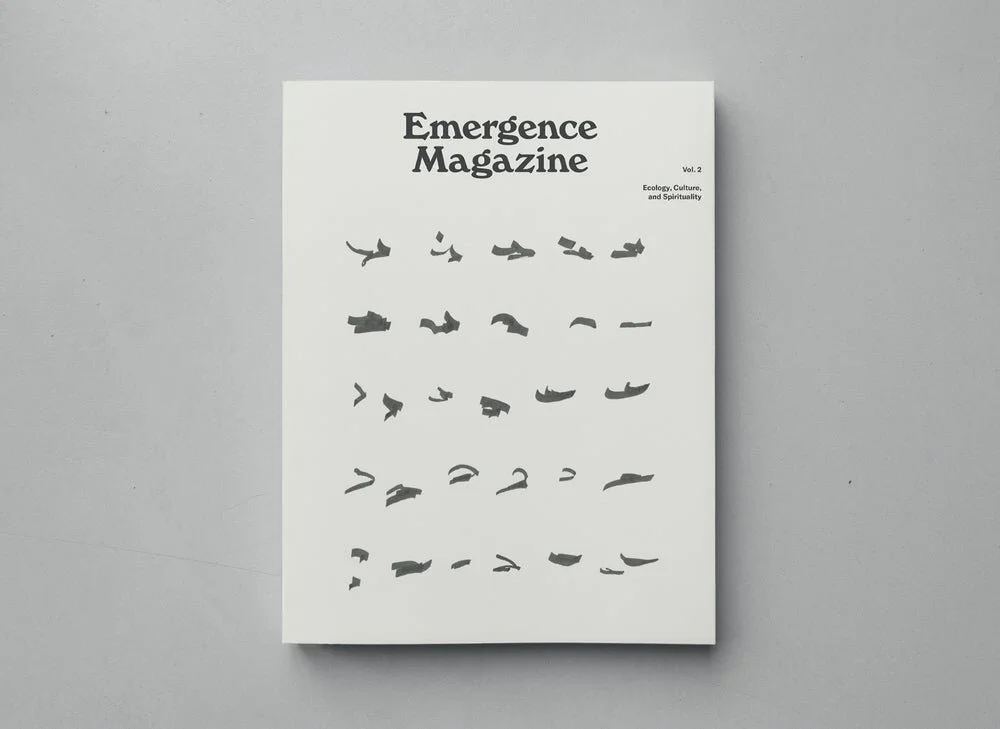
Looking to slow down and find new stories in these uncertain times, Emergence Magazine is a long-read for this moment that follows threads that link ecology, culture, and spirituality (the same interests of its publisher The Kalliopeia Foundation).

Mental wellbeing:
When a mid-life crisis doesn’t shape up to be the thing you believe it will be.
Having gone through this, we applaud this again and again and again. Make Birth Better
Preparing for the Holidays. Book Virtual Christmas Carols that support mental health charity Charlie Waller
Listening to the podcast Ten Things That Scare Me always reminds us that we’re not alone and that we all have fears, some of which we share. There are the tiny, seeming inconsequential concerns that stymie people, and the monumental, overarching themes of our lives that cause someone to catch their breath.
Recent advice from Headspace: Start your day with something positive (not the news). It will transform the rest of your day.
Awe & Wonder:
Our brains have two-distinct centers for beauty. Amazing.
Need more of Glennon Doyle. Or maybe Caitlin Moran. Or Deborah Frances-White. The How-to-Academy can bring them (or rather their insights) into your home.
When doomscrolling becomes too much, and the world becomes an even heavier burden than usual to carry, escape into stories, into time spent curled up with a good read, into the simple pleasures of holding something in your hands that doesn’t send push notifications.
Creativity & Culture
Seek out London’s Institute of the Imagination to let your imagination run free (even during a stay-at-home order)
Lionheart is a little gem of a magazine, something to sink into with a cuppa in hand (and a roar in that heart of yours). It’s been designed specifically to make you feel good, though it's more handmade than self-help.
Looking for creativity at home: workshops and kits from Stitch School (also loving their Supper Cloth for when the world starts back up again).
Ready to play in the analog world? Head to Berlin’s Clayground or purchase one of their clay kits to do at home, with all the tools and materials you need to get your hands muddy.
Doing Good:
Whether it’s for shopping small, shopping ethically, shopping cruelty-free, or simply for supporting some amazing people who work every day fighting the good fight, choosing Herbivore is a choice that makes us feel good.
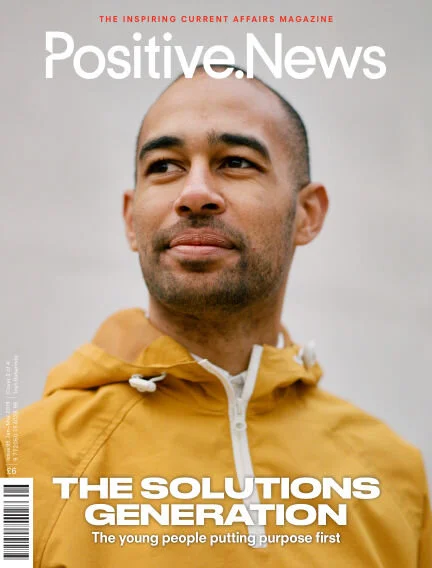
Reading the magazine Positive News is reassuring: that the world isn’t entirely falling apart, that people aren’t demons in disguise running amok, that humanity isn’t doomed to endlessly flail (all thoughts that may have crossed our minds in the past curiosity of a year).
And leaving you with Obama and his enduring belief that America can become a place that aligns with the best of us.
We also wanted to let you know that our thoughtful guide to life is now back. Since March, we’ve hesitated on writing about places in the world as they close and open then close and open again, but we’ve come to believe strongly that in times of need we all need somewhere to go — even if it’s saved for later, or engaged with online, even as it can be bookmarked in the imaginary or supported from afar. The hope of bookstores, departments of make-believe, festivals, bakeries, cafes, museums, independent stores, maker studios, pop-up markets, school of emotions, sculpture parks, all existing still keeps us going. As our collective mental health is spiraling, the world out there, the collective world of our making, still has something to offer: ideas, nature, people, comfort, meaning, purpose, and wonder. We hope you enjoy our recent guide entries. We’re working on posting one a day and building out our guide, so we can truly make the mental health map that we believe we need.
One note: This platform is built by us but made by and for you. Let us know which sources of joy, wisdom, and connection you are looking to wherever you are by writing with us. Head here to know how to do this.
And also Schitt’s Creek is making the world a better place, still.

Solitude
Solitude is the latest place to be, whether we choose to go there or not.
As seekers of places in the world that contain us, there is nowhere that captures our imagination as much as that of Solitude. As commonplace as Costa (or Target for American readers), and as divisive as Goop, that state of being alone is one that we all may experience, but only some of us willingly seek out.
As Lockdown 2.0 is with us in much of Europe, we’re having to confront once again how Solitude can show up in our lives and how it stakes territory around us. This time though, from where I’m sitting alone at my kitchen table, it doesn’t feel like we’re all starting our frantic self-improvement projects again, but rather, as the color drains out of our newly returned worlds, we’re just trying to make stays against depression, loneliness, and loss.
When Solitude works, when it asserts itself as the Scandinavian design of our self-care worlds, it offers clarity, an opportunity to hear our inner voices, it gives us a chance to reconnect with ourselves. Silent meditations, forest bathing, wild swims, epic walks, even sitting reading in a favorite chair and lying a little longer in bed in the morning, whatever form Solitude can take, can capture that sense of being alone, but in a resoundingly positive way. Solitude holds the world back so that we may come in again. It’s a wall we can build around ourselves or the boundary that can set us apart for a while — even if you use it to connect with something bigger than yourself and to untether your mind to get to that universal ‘om’.
For some of us, Solitude is a place of comfort we deliberately seek out in our days. As with many introverts, for me, it’s the place I find to recharge. It was in a group lesson with a meditation teacher on how to get out of our minds, that I realized that wasn’t where I wanted to go. Getting into my mind, being able to play inside, that’s a place of comfort and retreat, a way to lose myself. In the first lockdown, my struggle was that I carried everywhere with me this potential for solace and comfort, but I couldn’t access it because I was never alone. With two children to homeschool, a business to run, and a husband no longer commuting, my life became crowded, my days full, and Solitude a place that I dreamt of.
I recognize that it’s a beast though, Solitude, if we allow it to grow, to take over, to become the only place we ever get to. Solitude can sit on us, it can hold us down, it can make us struggle for ways out that we can never find. When imposed and not chosen, Solitude does something very different to us. It calls in loneliness, it shines a light on our failings, it cultivates our anxiety, it can even bring on madness. Alone in our homes (even as the husband puts the kettle on beside us), separated from those we love by a pandemic and maybe also politics now (the post-election US is very much the context here), with our purpose confined to laptops and zoom calls, we can feel like we’re in a place no longer of our choosing. And with ever-shifting regulations and news bulletins, we’re told it’s one that we can’t easily leave.
Solitude as the storefront of our emotional lives starts to present differently, too. It can be a covetable indie café or an anonymous dollar store. Our Solitude over here can start to look much worse than your Solitude over there. Your neighbor, friends, or Insta-acquaintances can seem to be giving Solitude a Lockdown makeover. They’ve gone heavily into Hygge — their candles are burning, and sheepskins are carelessly draped on artisan benches beside outside firepits. Or they’ve become the creatives we envy and aspire to be, developing new but highly successful practices in screen-printing or photographic still lives. Or they are filling their days with awe and wonder, taunting us with complicated dance routines and planetariums built in the backyard.
We’re looking over Insta shoulders and neighbors’ walls wondering why Solitude looks so good for them, but so suffocating for us. How are they living in the better version? How are they shaping it rather than it them? But we know by now that styling a life, is not the same as living a life, or indeed telling the truth about a life (even though we forget that we know that all the time). Our coping strategies take all forms — and, indeed, have to, for we are all different, and so Solitude too is a shape-shifter.
However, you feel about Solitude — whether it’s a place you run towards or from — know this: Solitude has closing hours, too. It’s a temporary destination with a month-by-month (maybe even minute to minute) lease. There are ways out if that is what we are looking for (see Connection) and if it’s not, there are ways to nestle deeper into it (and extend its run). I know people who avoid Solitude with the passion of someone on a restrictive diet: they busy themselves, reach out to people widely and carelessly, fill days with things to do, spend time always with all the people, avoid its dark spaces.
I know others who crave it like new love, get itchy to spend time with it, fall into its comforts, and neglect the open arms of their human companions. Either approach works until it falls out of balance and then doesn’t. There is no judgment that Solitude should show up a certain way, but rather a recognition that we are in relationship to Solitude because we are in relationship to ourselves. After all, isn’t that the reality of Solitude, it’s the one place we can never avoid, because we are always there.
When our world shifts again, which we know now that it must, you can choose to stay in Solitude a bit longer. You may have found, like some the first time around, that they rather liked it. Or you may leave it behind, car tires screeching as you drive to new sunsets. Because by then hopefully, the destination of Solitude will be a choice and not an imposition. No one should be forced to go anywhere, especially here. Solitude can be life’s respite but also our greatest torture. It contains multitudes. There are very few places like it.