
Finding presence through tactility by Sarah Robertson
How sensory activities and physical objects can bring us home to ourselves.
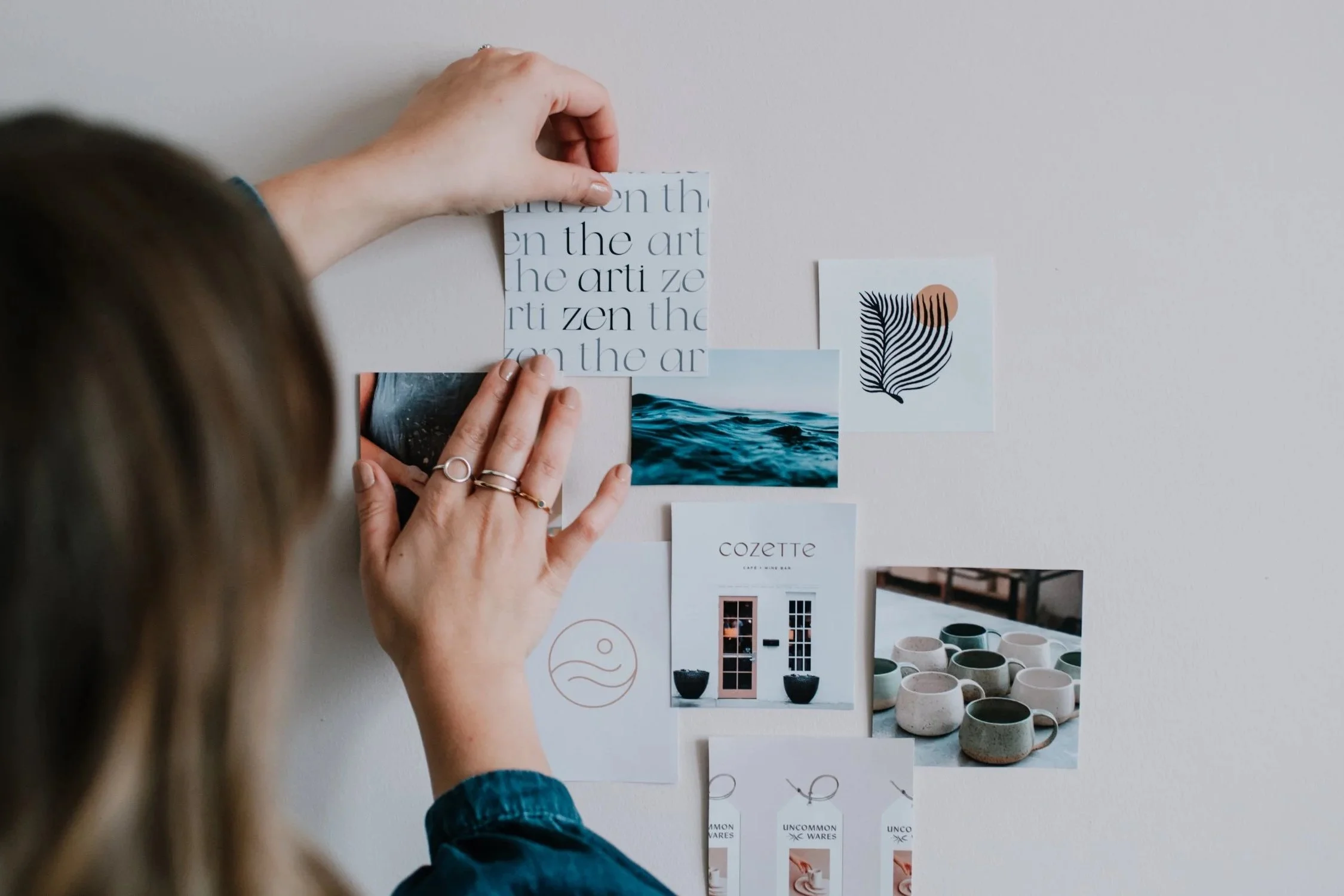
All photos courtesy Sarah Robertson
We are increasingly living in a state of digital abstraction, consuming stories and making connections through the blue light of our screens.
Yet we often finish a session of scrolling feeling strangely detached, as if we’ve travelled miles without ever having moved. So how do we find our way back?
How do we ground ourselves when the digital world pulls us toward endless distraction or when the rhythms of our own lives feel chaotic and overwhelming?
For me, the answer lies in tactility.
“The hands are the instruments of man's intelligence.”
— Seneca
Sensory rituals
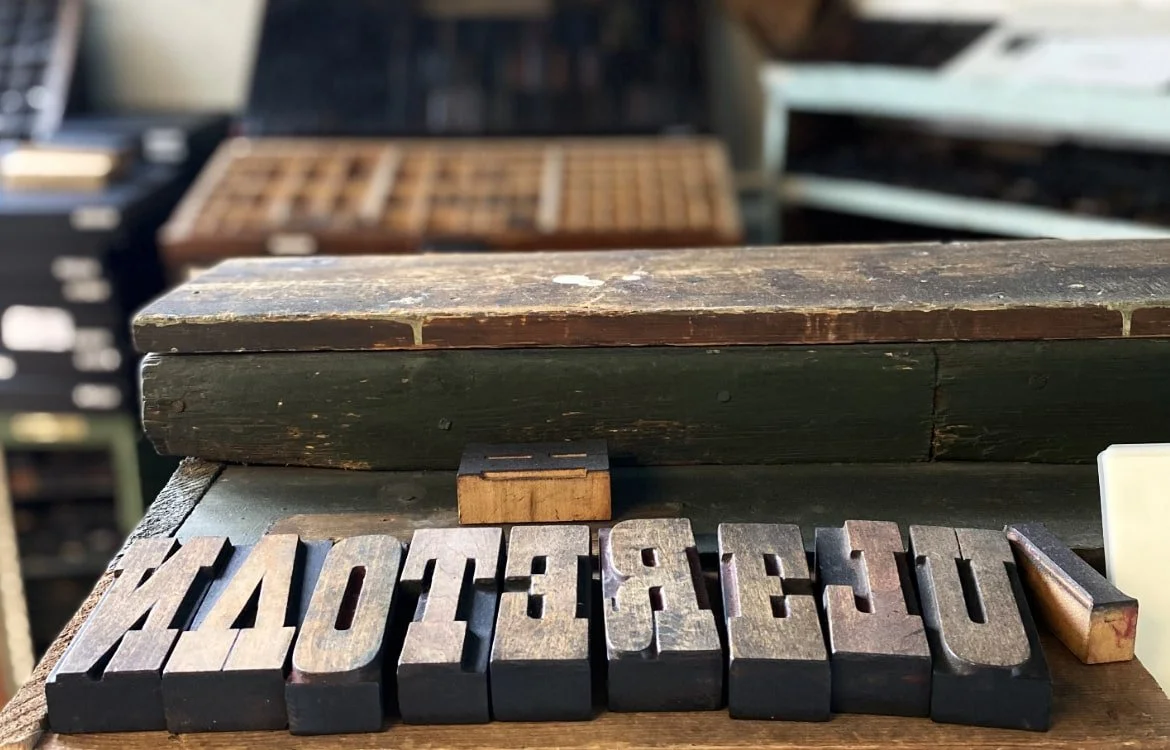
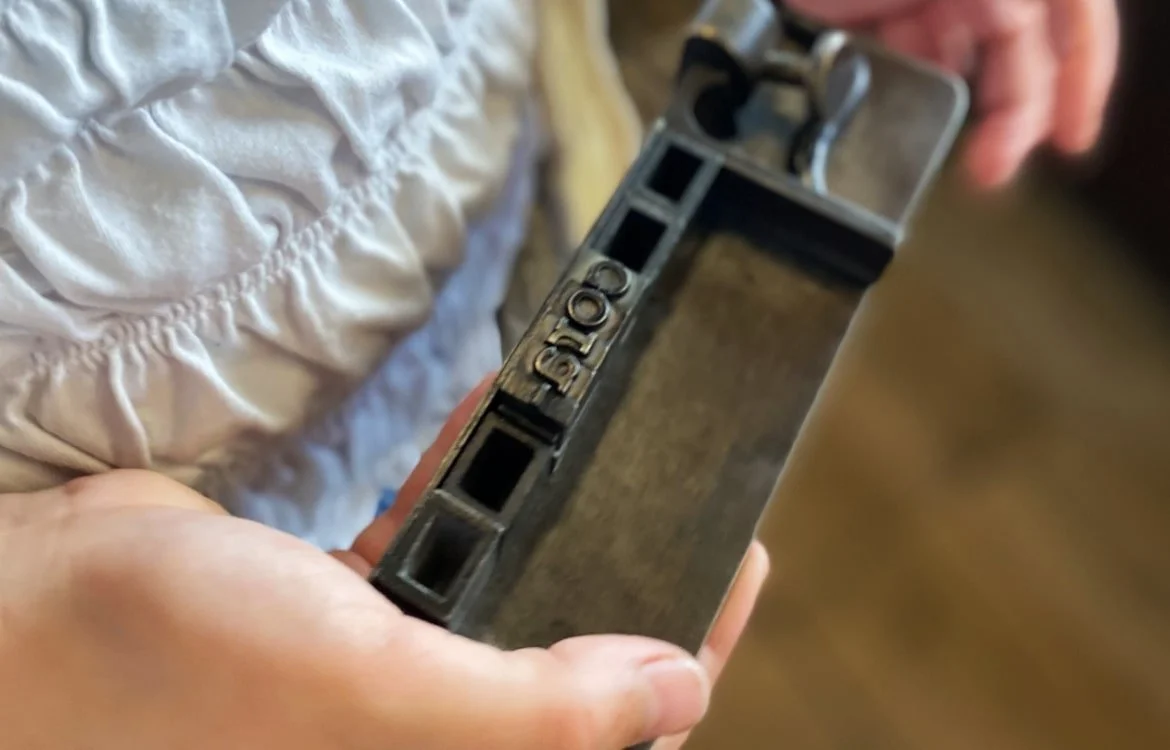
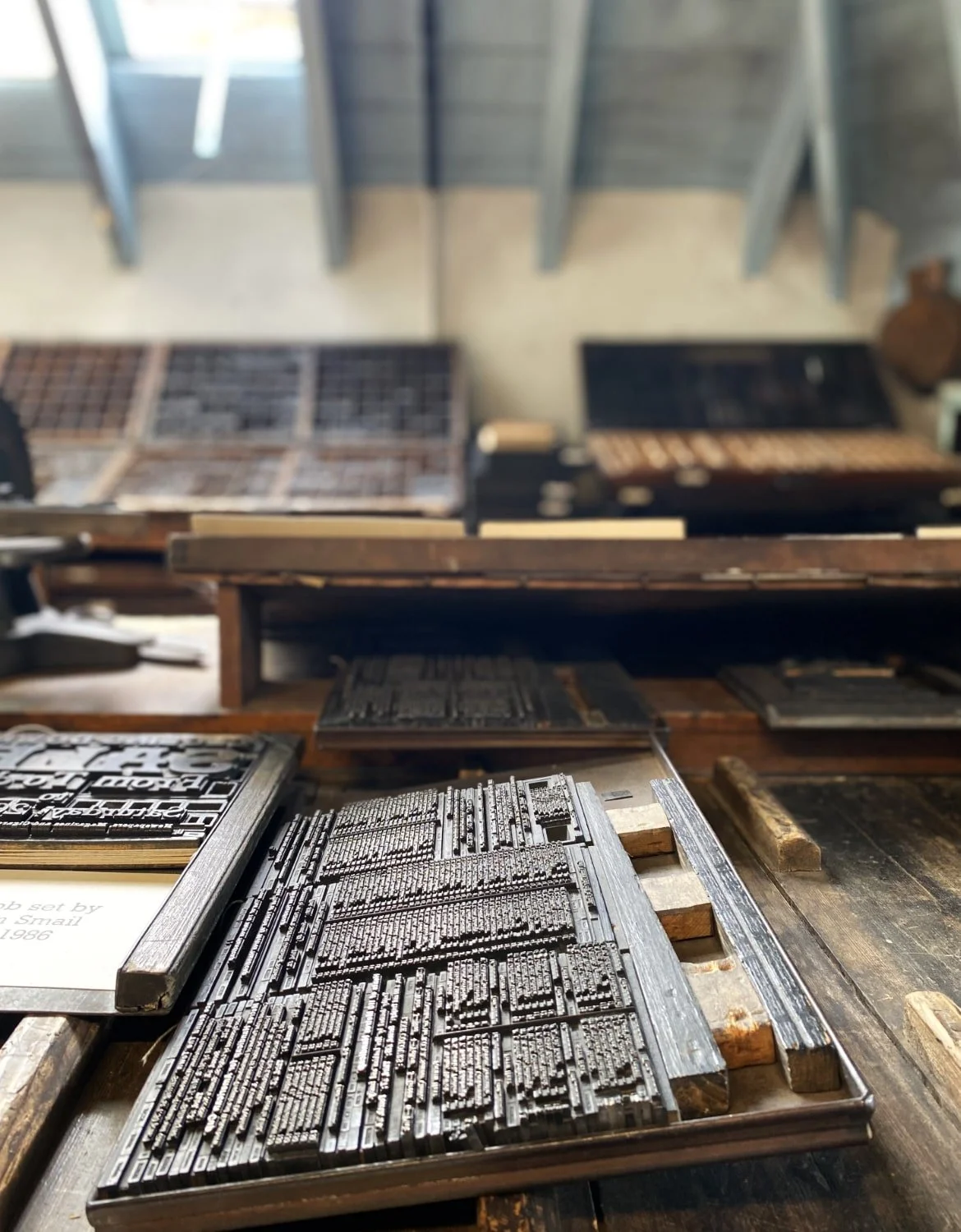
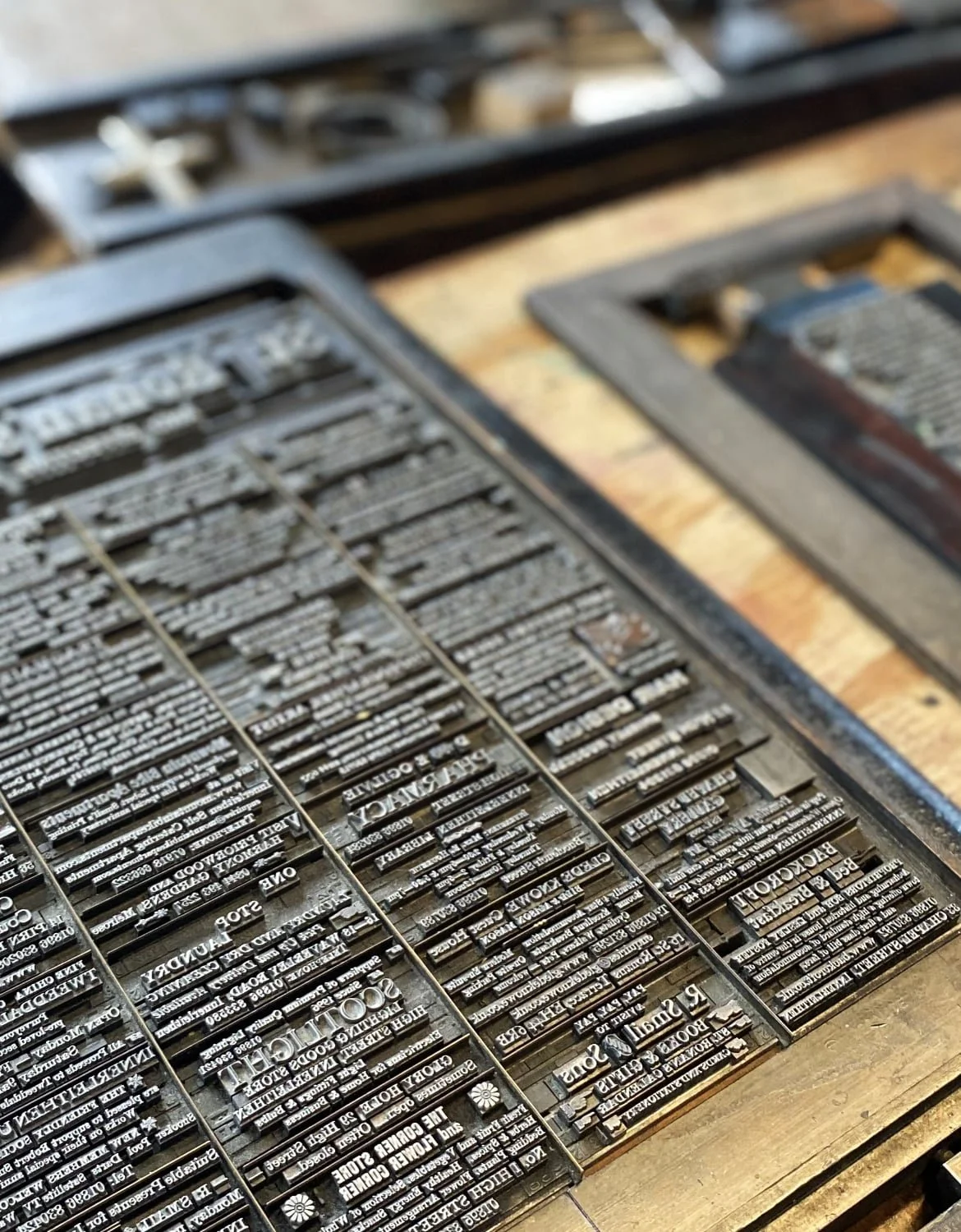
I recently took my daughter on a creative pilgrimage to Robert Smail’s Printing Works, one of the few remaining Victorian letterpress printers in the UK. It’s a quiet place, filled with the scent of ink and the rhythmic clunk and whirr of cast-iron machines.
Watching the type being laid one character at a time, I was struck by how much patience and presence are required in the physical act of making. As my daughter made her own bookmark, it struck me that there’s a profound magic in things that have weight, texture and even scent
The feel of paper, the impression of a letterpress print, the resistance of a pen as we write — these aren't just aesthetic preferences. They’re sensory signals, acting as anchors, pulling our attention away from the infinite expanse of the internet and back into the immediate, physical moment.
Objects as anchors
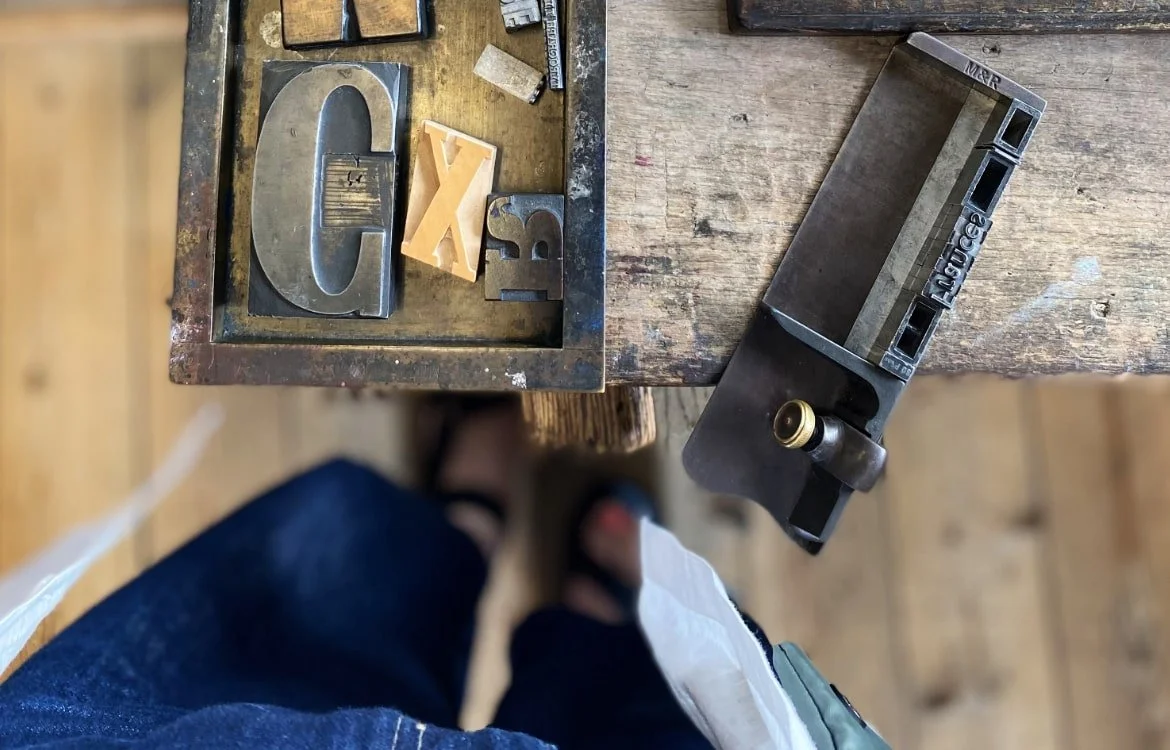
When we engage with a physical object — be it a beautifully bound book, a ceramic mug held in both hands or a wellbeing journal like those created by If Lost Start Here or Saorsa Psychology — we engage in ritual. We’re choosing a medium that requires us to slow down.
I’ve come to realise that these sensory moments aren’t about productivity; they’re about protection. They create a soft space for our thoughts and ideas to arrive. In a busy world that asks us for polish and perfection, the tactile world offers us permission to be messy. There’s a grace in imperfect action…the scribbles, the ink stains, the sketches. These moments signal to our nervous system that it is safe to land, to be.
This sense of ritual is something I used to enjoy exploring through the concept of the "Artist Date", a weekly practice of seeking out sensory, playful experiences to refill our creative wells, popularised by The Artist’s Way by Julia Cameron. Of course, it doesn't have to be an excursion to a printing works; it can be as simple as choosing a specific notebook for your morning reflections or finding joy in turning the pages of a new magazine.
Returning to self
The tools we use to care for ourselves matter. In seasons where our capacity feels limited, or life feels loud, these tactile anchors become even more vital.
For me, it’s a reminder that creativity and connection don't always require grandeur; they require mindfulness, maybe even playfulness. And I’ve learned that the value of these rituals isn't in the "finish line" or the end result. It’s in the returning; the decision to show up for ourselves and our curiosity, even when we feel uninspired.
By choosing the tactile, we choose the real. By choosing the moment, we choose to be here.
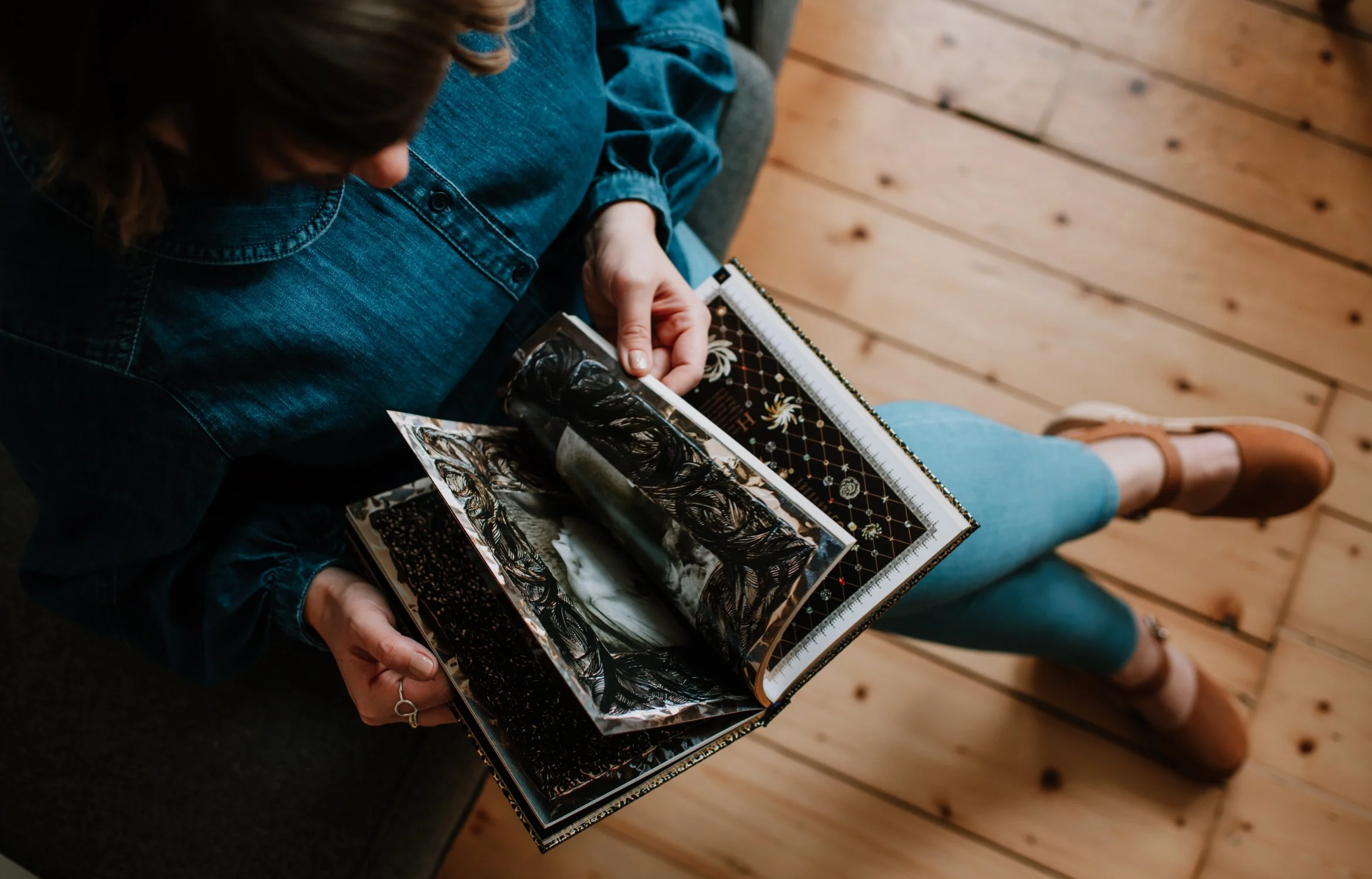
This love for the sensory is woven into the very fabric of my upcoming book, Shape Your Brand Story. This tactile companion for founders, makers and creatives is a beautifully crafted hardback — complete with gold foiling and accents — something to be held and enjoyed as you navigate the cycles of your branding and business journey.
Do you have a tactile ritual that helps you transition from the digital world into a more intentional space? Whether it’s the scratch of a fountain pen on paper or the ritual of opening a fresh journal, I’d love to know what helps you slow down enough to notice.
Sarah Robertson is the creator of the Brand Seasons® Method, a cyclical approach to branding and business that inspired the Brand Seasons® Playdeck and Playbook.
Through her storytelling studio, Fonn, she helps founders, makers and creatives define their vision, craft beautiful visuals and discover their voice. You can find more reflections on intentionality and creativity on her Substack publication, This Creative Life.
Sarah’s first book, Shape Your Brand Story, is being published with 91 Editions this autumn and is now available to pre-order.
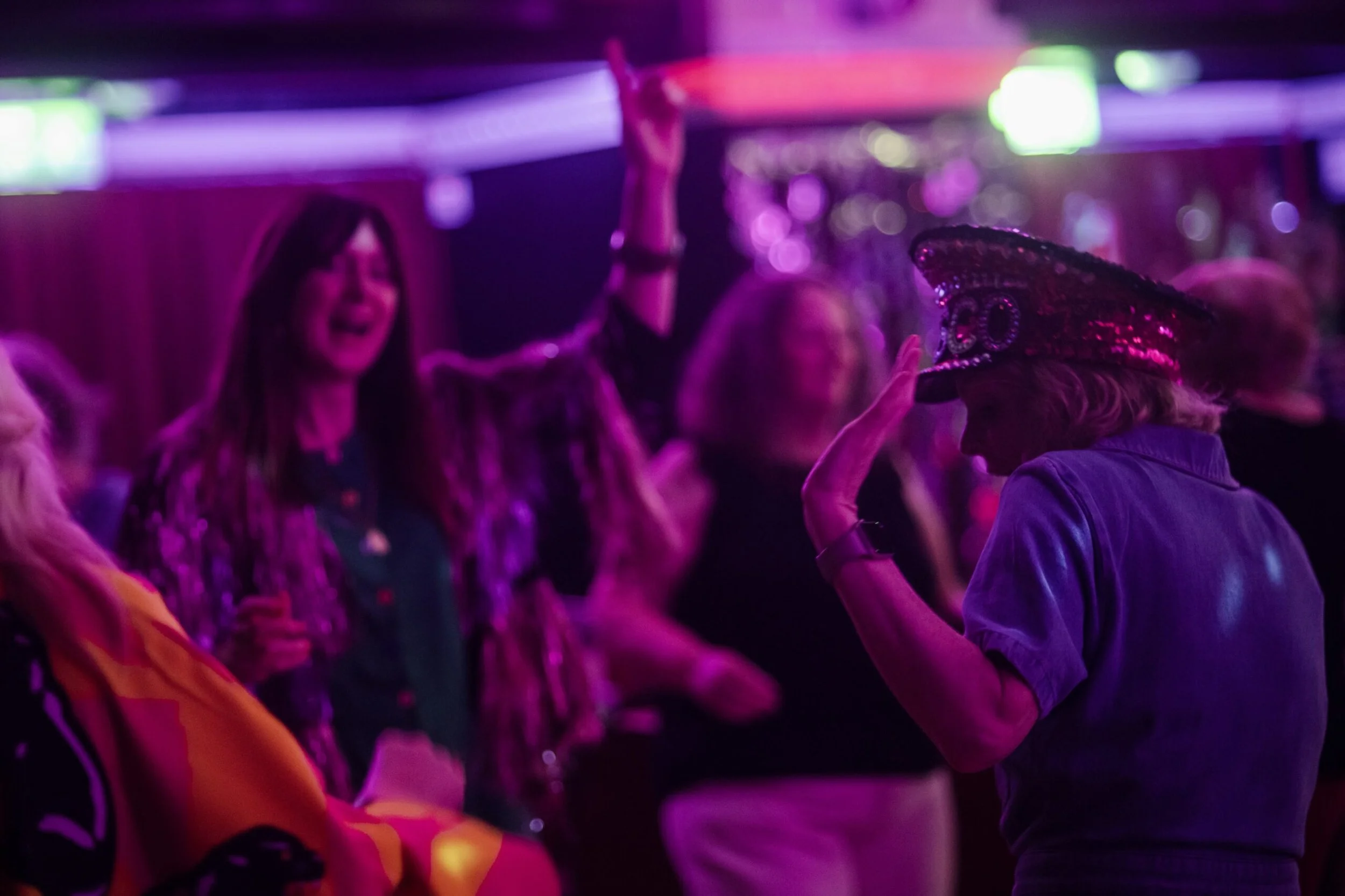
Grief Disco
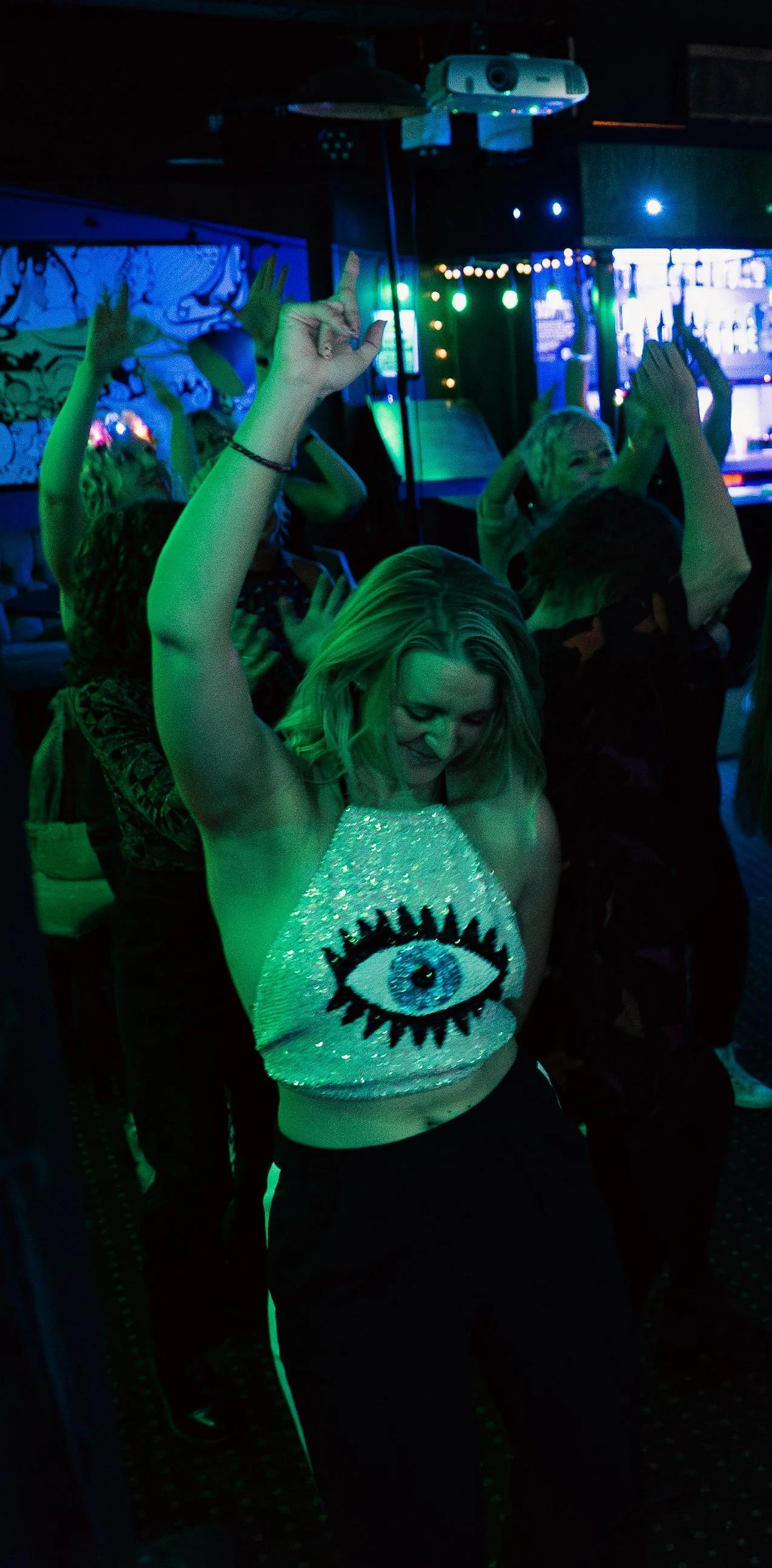
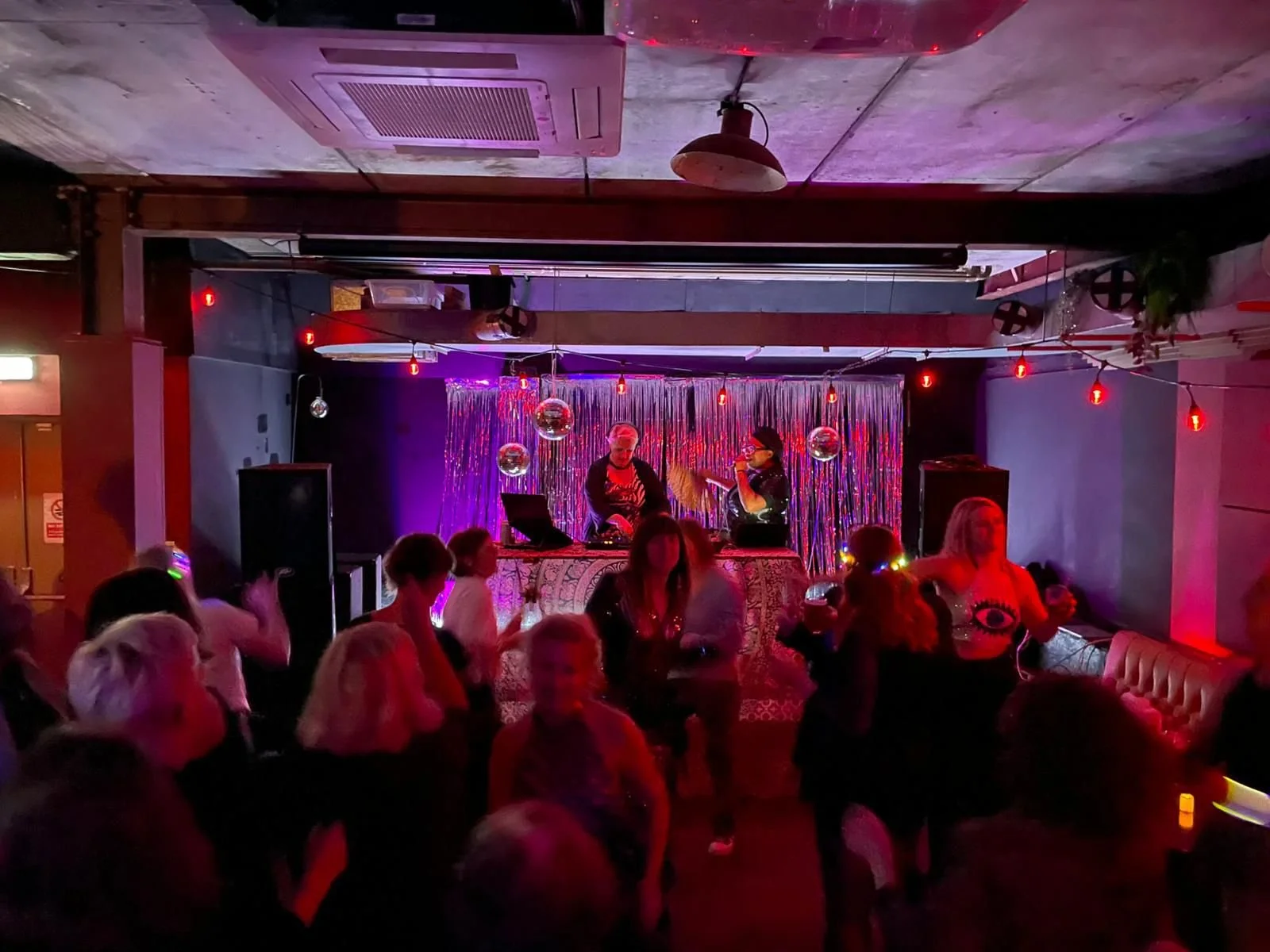
Discover Grief Disco, a welcoming and uplifting space for anyone living with loss. A place to heal, connect and feel grief through music, movement and community.
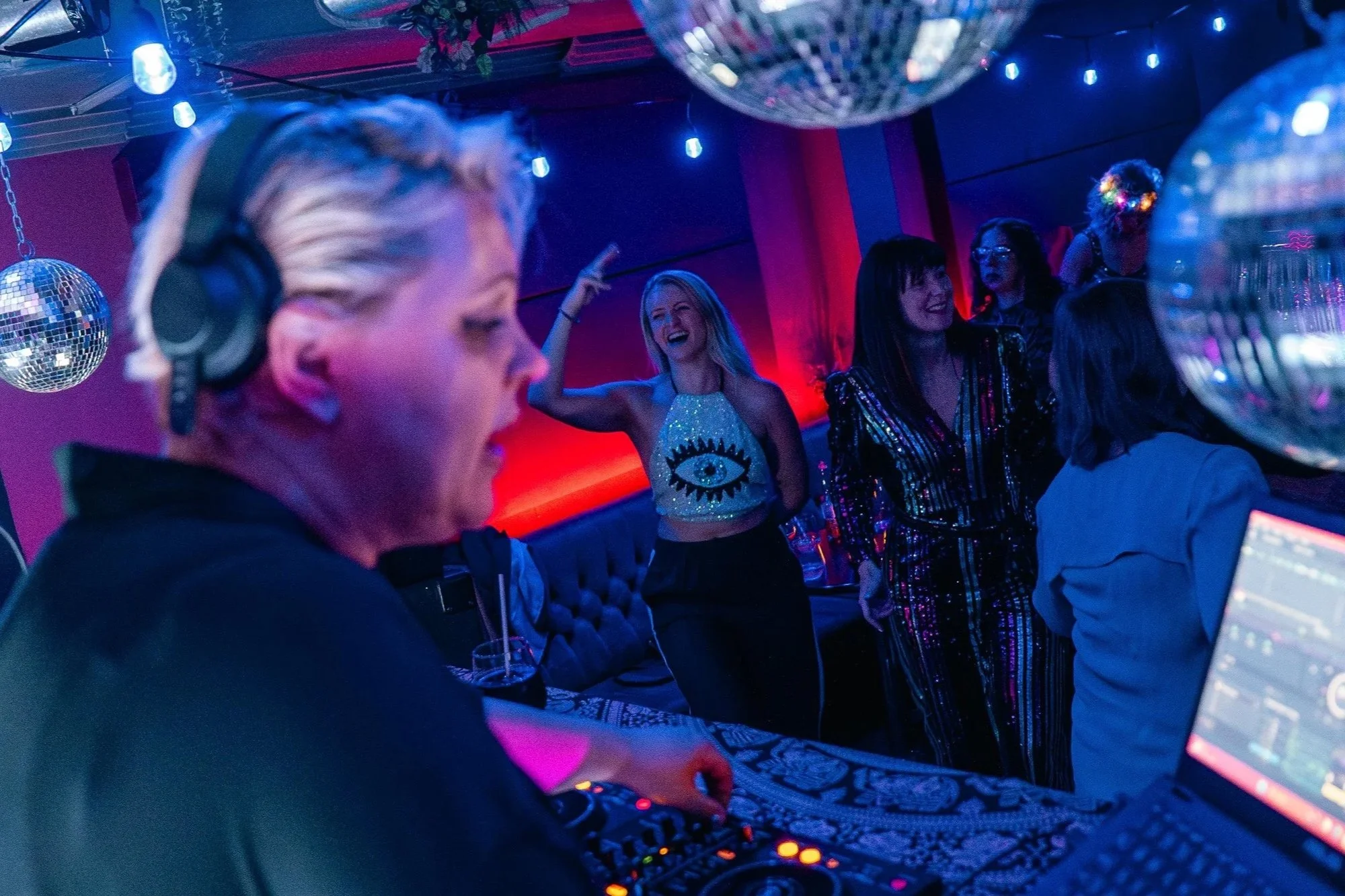
Perfect For
Grief Disco is for anyone living with loss and looking for a different kind of space to hold it. It’s for people who don’t always have the words, who feel isolated in their grief, or who want to be around others who understand without needing everything explained. It’s for the heartbroken and the hopeful, for people who want somewhere gentle, human and a little unexpected to go with what they’re carrying.
You do not need to be good at dancing. You do not need to be ready to talk. You do not need to arrive in any particular state. You just need permission to come as you are.
Why You’ll Love It
Grief Disco offers something many grieving people are missing: a place to feel less alone without being forced into conversation or expected to “do grief” the right way. Through music, movement and a sense of shared understanding, it creates room for sadness, joy, memory, release and connection to exist together.
This isn’t about dancing to forget. It’s about dancing to remember, to honour and to reconnect. For some people that might look like tears on a dance floor. For others, it might be a small exhale, a moment of laughter, or the relief of being in a room where no one needs grief explained to them.
What Makes It Special
So much of grief can feel isolating. People don’t know what to say, or they say nothing. We can start to feel cut off from ourselves, from our bodies and from other people. What Grief Disco understands is that grief does not only live in words. It lives in the body too.
That’s what makes this space so powerful. It offers people a way to process loss through movement, music and presence, rather than through talking alone. There is no pressure to perform, no expectation to be upbeat and no fixed script for how you should feel. Everything is an invitation.
Grief Disco also holds something many of us forget is possible: that joy and grief can coexist. That a person can cry and dance at the same time. That love, memory, heartbreak and laughter can all be in the room together. In that sense, it doesn’t just offer support for grief. It offers a more human way of being with it.
The If Lost Take
There is something quietly radical about creating a place where grief is allowed to move.
So many of us are more familiar with the language of coping than the experience of actually feeling. We know how to keep going, keep functioning, keep answering “fine” when we are anything but. Grief Disco interrupts that. It offers something softer and, for many people, more freeing: a chance to let grief be alive in the body, not just managed in the mind.
What we love most is that this doesn’t turn grief into a problem to solve. It doesn’t rush people towards silver linings or ask them to package their pain into something neat and shareable. Instead, it makes room for what is true. Sometimes that truth is sorrow. Sometimes it is love. Sometimes it is a song that opens something you didn’t realise you were still carrying.
And sometimes healing looks less like fixing and more like finding a room where you can be fully human again.
Founders Story | Co-founded by Georgina Jones and Leah Davies
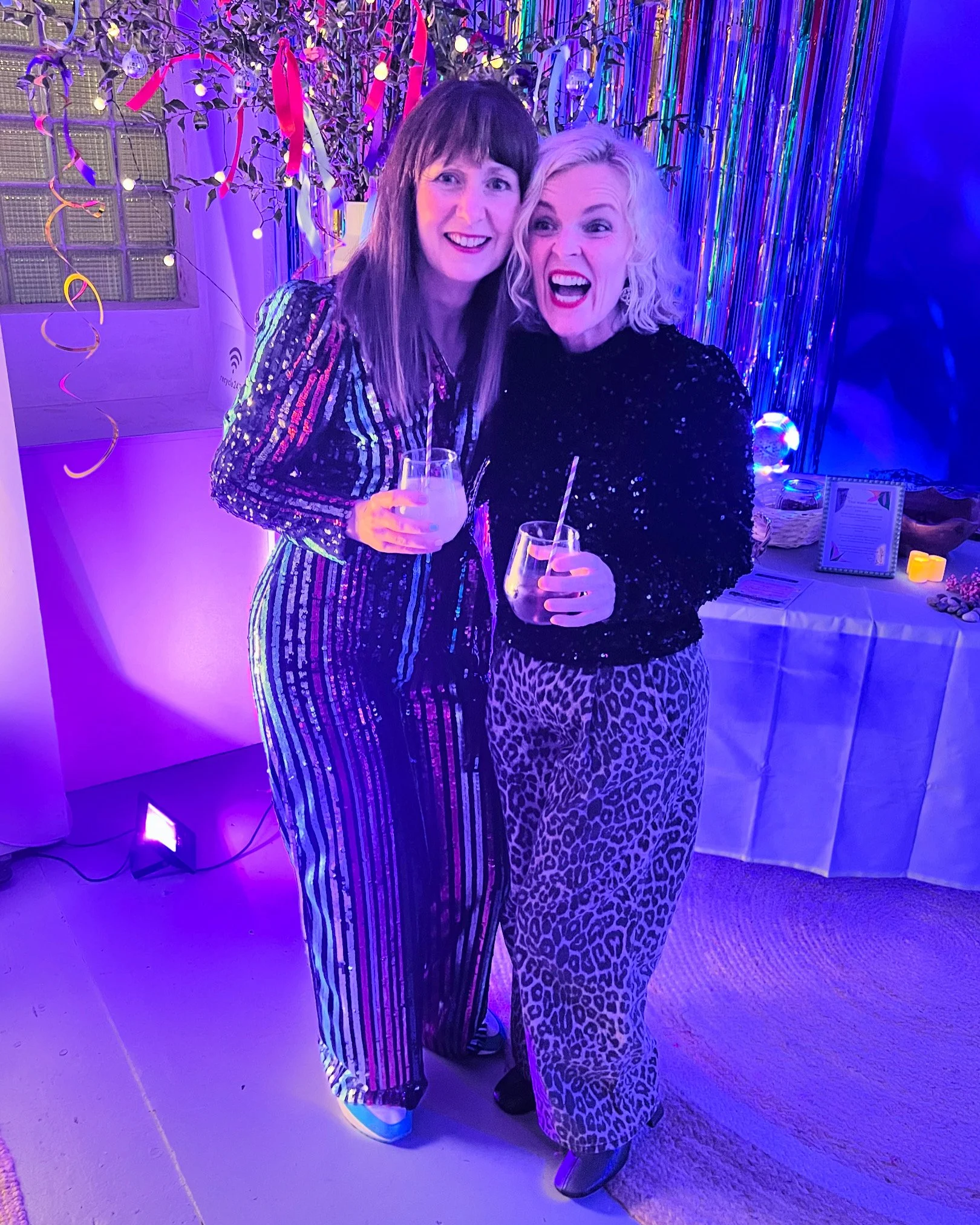
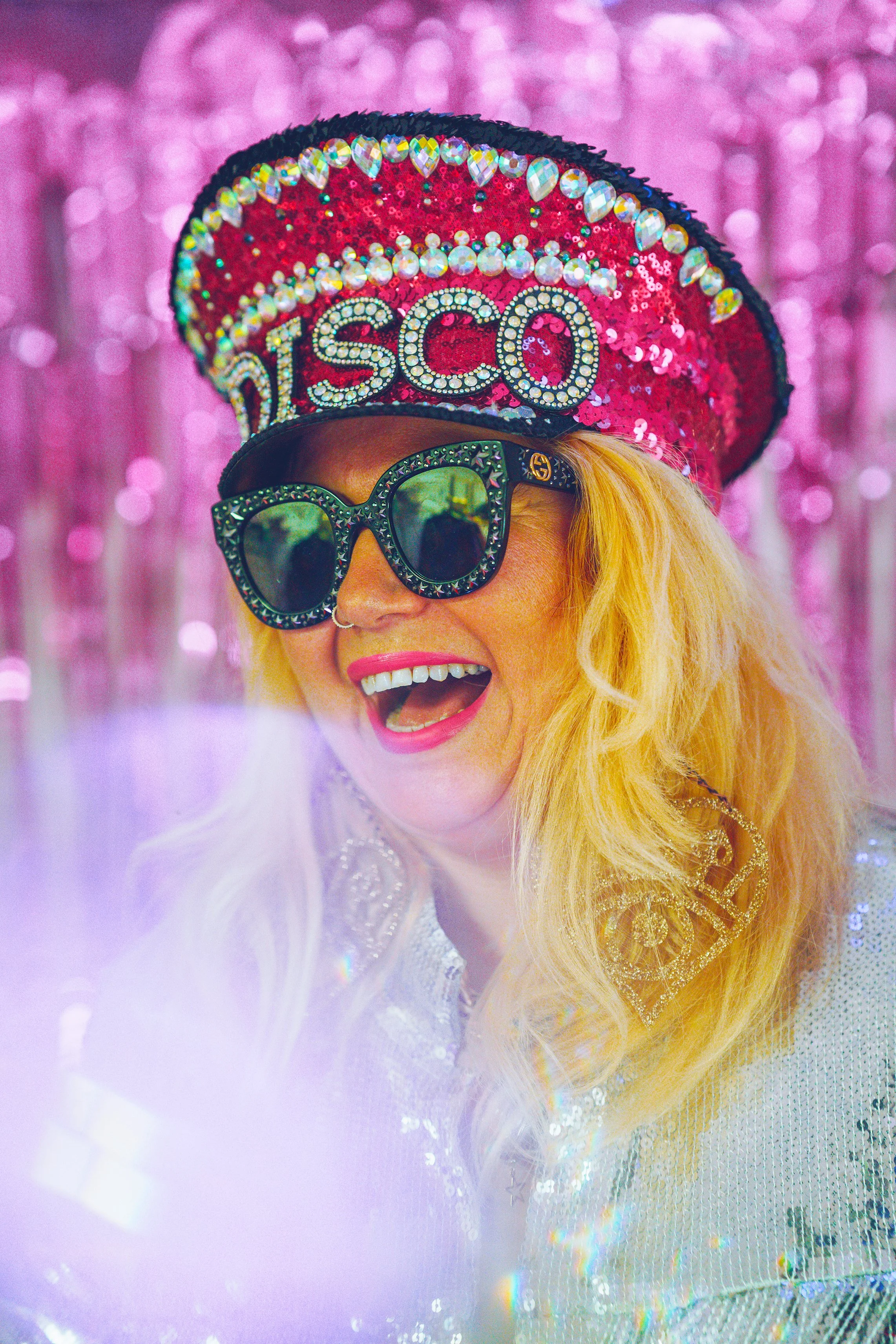
Grief Disco was born from lived experience of loss and a belief that grieving people deserve spaces that feel connecting, warm and real. Co-founders Georgina and Leah created it as a response to the loneliness that grief can bring and to the sense that many of the places available to grieving people do not always make room for the body, for joy or for community. Their approach is shaped by the understanding that no one should have to grieve alone, and that music and movement can help us find our way back to ourselves and each other.
Founder’s Go-To Wellbeing Advice
“Look for the love.
Look for the tiny moments of joy that are still here, even in the hardest seasons. Keep a playlist that helps shift your energy. Let music help you move what words can’t always reach.
And remember that grief is not something to fix or get over. It is something to feel, and you don’t have to feel it alone.”
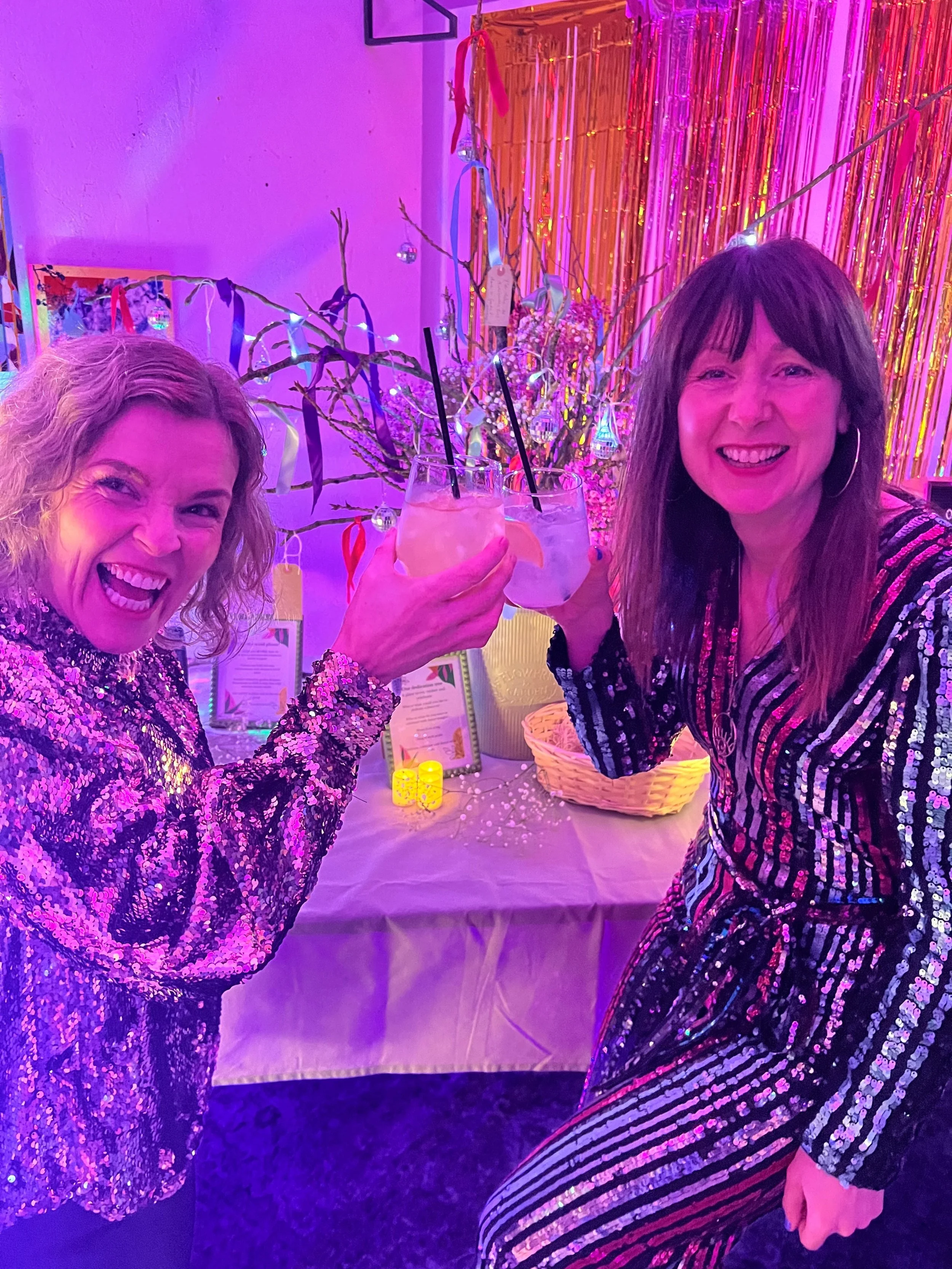

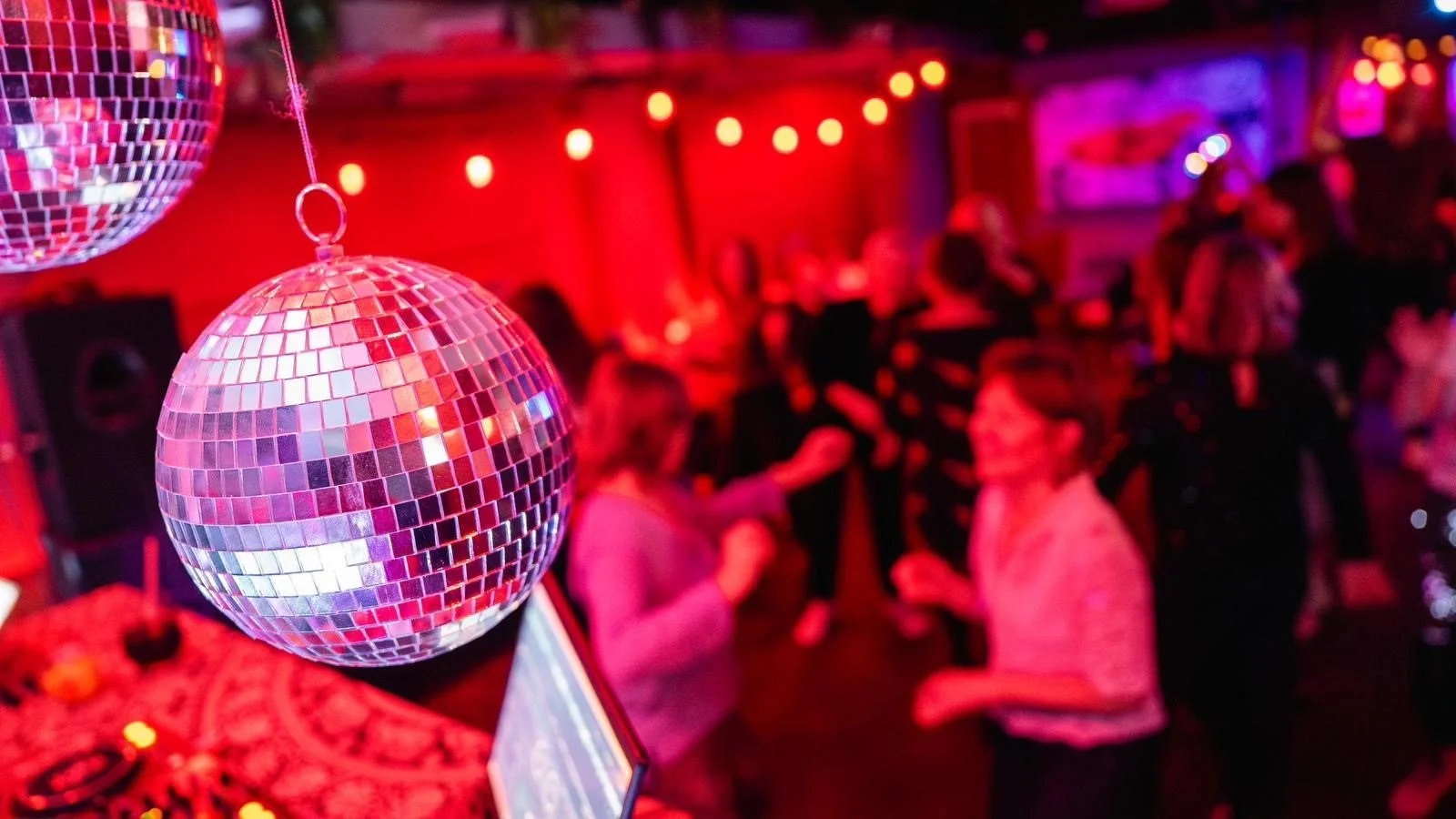
Some Practical Details
Grief Disco is a space where people can come together around grief through music, movement and optional sharing. Some events happen in person and there are also online grief discos for people who would rather join from home. The atmosphere is invitational rather than intense: you can dance, sit, cry, talk, stay quiet, turn your camera off or simply witness. There are also small ritual elements, such as dedications and moments to remember the person or people you are dancing for.
If you are grieving and looking for support, this may be one of those rare places that helps not by asking you to explain your loss, but by giving you somewhere to bring it.
Zenaa Retreats
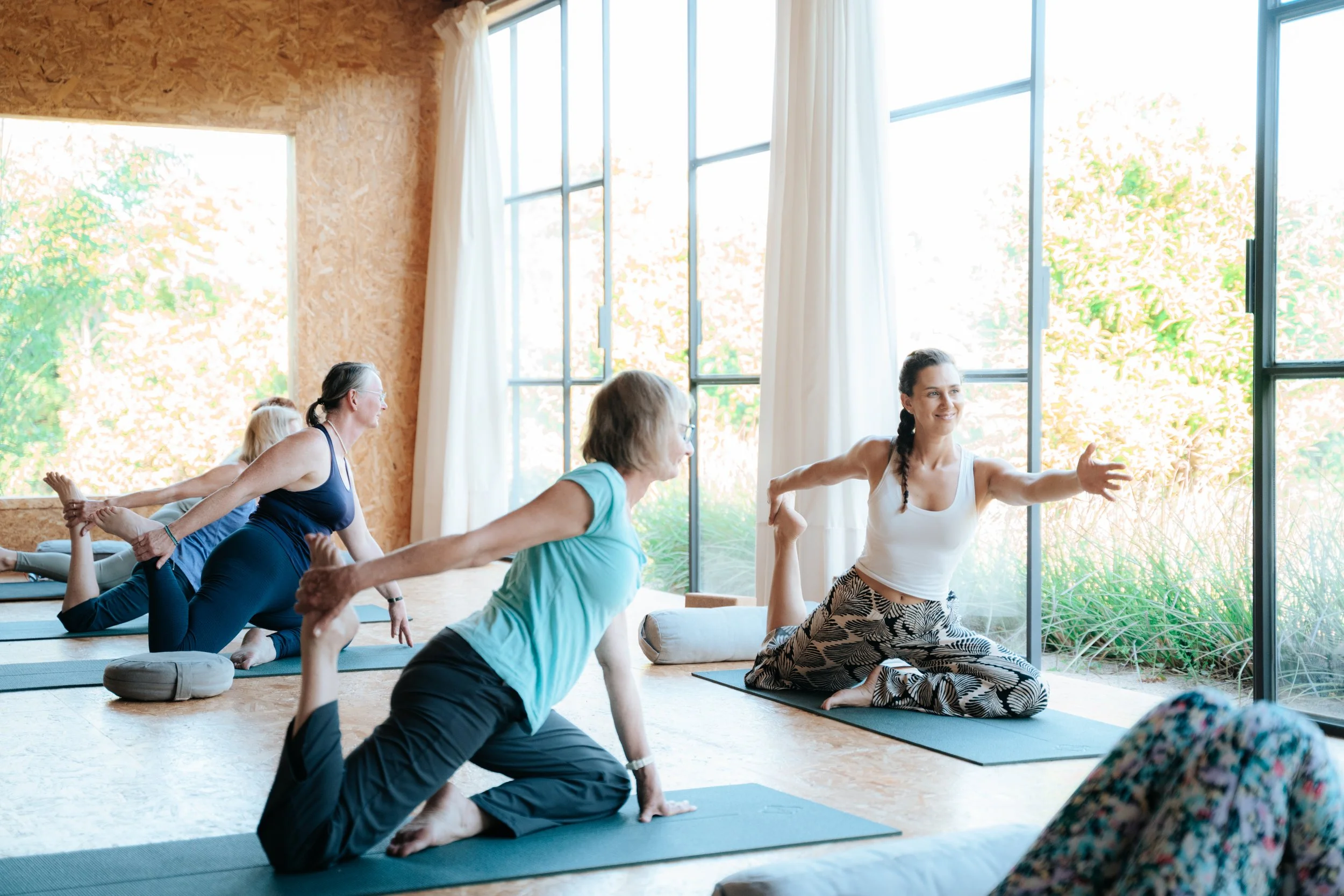
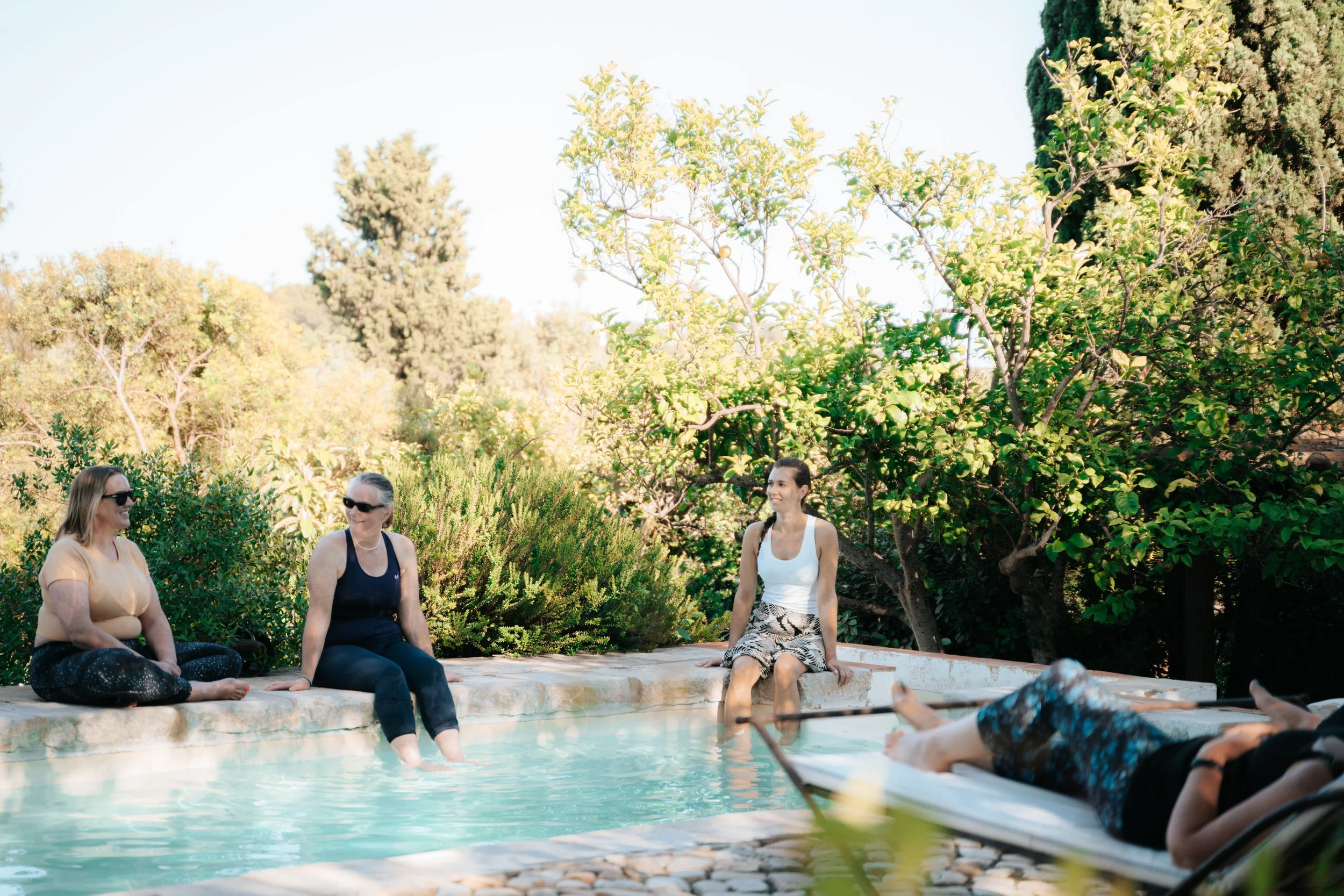
Discover Zenaa Retreats, a welcoming, fad-free approach to yoga and wellness retreats in the UK and abroad. Designed for real life, these nourishing escapes blend movement, rest, great food and genuine connection. Perfect for beginners, solo travellers and the yoga curious.
Perfect For
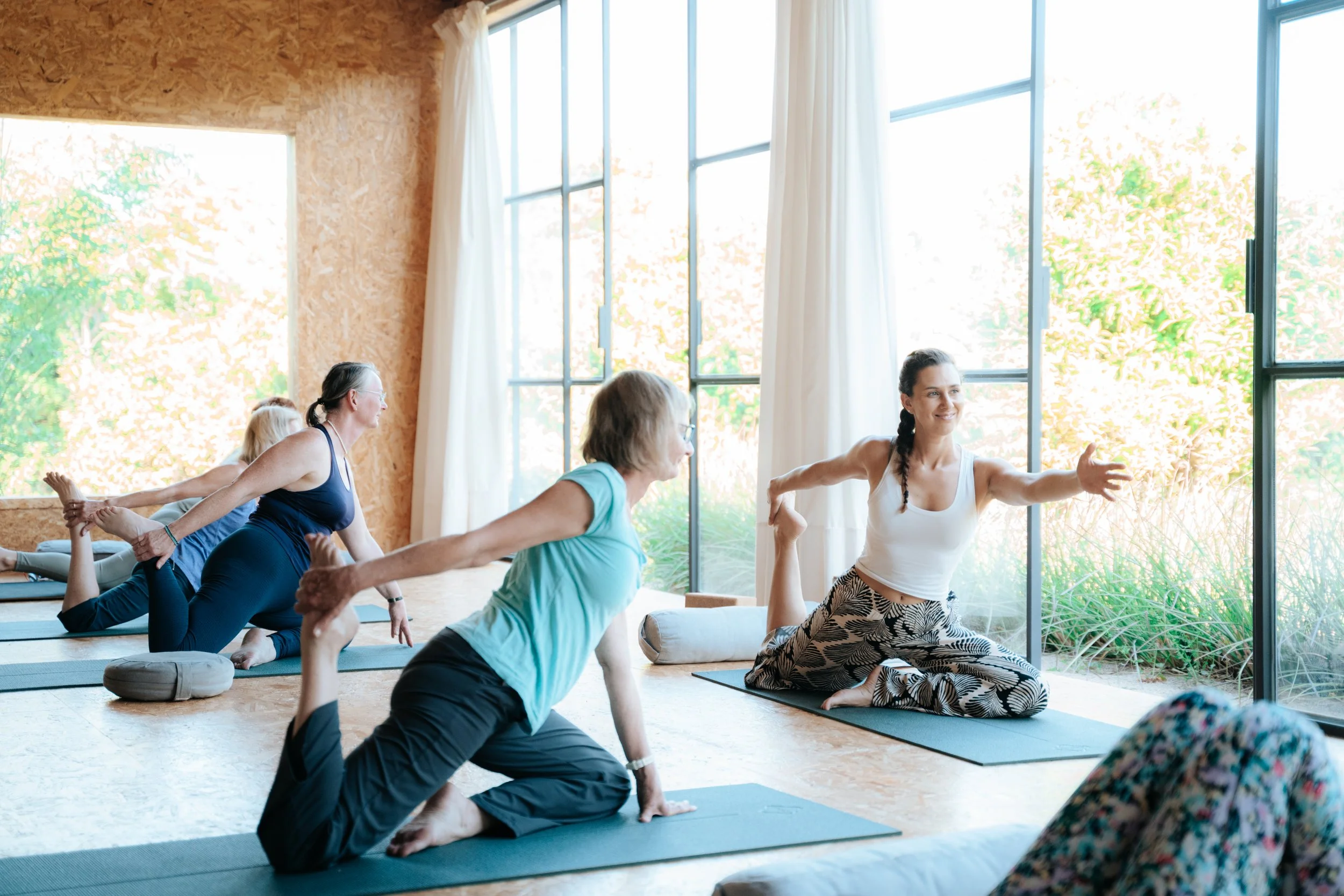
Zenaa Retreats are for the "yoga curious" including regulars, dabblers, those who prefer the back row, and complete beginners. It is designed for the "schedule-seeking, choice-conscious" crowd who value a balance of activity and downtime. Solo travellers are especially welcome and make up a large part of the community.
Why You’ll Love It
We all need a space to pause, breathe, and reconnect. In a world of high expectations, Zenaa provides a judgment-free environment to strip away the pressure and allow you to be present. It’s an opportunity to escape the daily grind, slow down through the "art of slow living," and find nourishment for the mind, body, and soul without the pressure of a detox or juice cleanse.
What Makes It Special
Zenaa stands out for its "fad-free," balanced approach to wellbeing. Unlike many retreats that focus on restriction, Zenaa celebrates food and connection. The focus is on handpicked serene venues and a non-judgmental atmosphere that welcomes all body types and abilities. It is a family-feel business (founder Katie’s mum even helps out!) that prioritises genuine connection over performance.
The If Lost Take
We’ve often written about how we can get lost in wellbeing itself and we’re very much on a mission to get you to the places that can help you find your way through it all. When we met Katie we felt like here was a retreat organiser who really understands our real-lives. The places where we get overwhelmed or stuck, burned out and disconnected. And her events aren’t about adding yet more pressure, but really meeting you where you are, with consideration and kindness too.
Founder’s Story | Katie Hodge
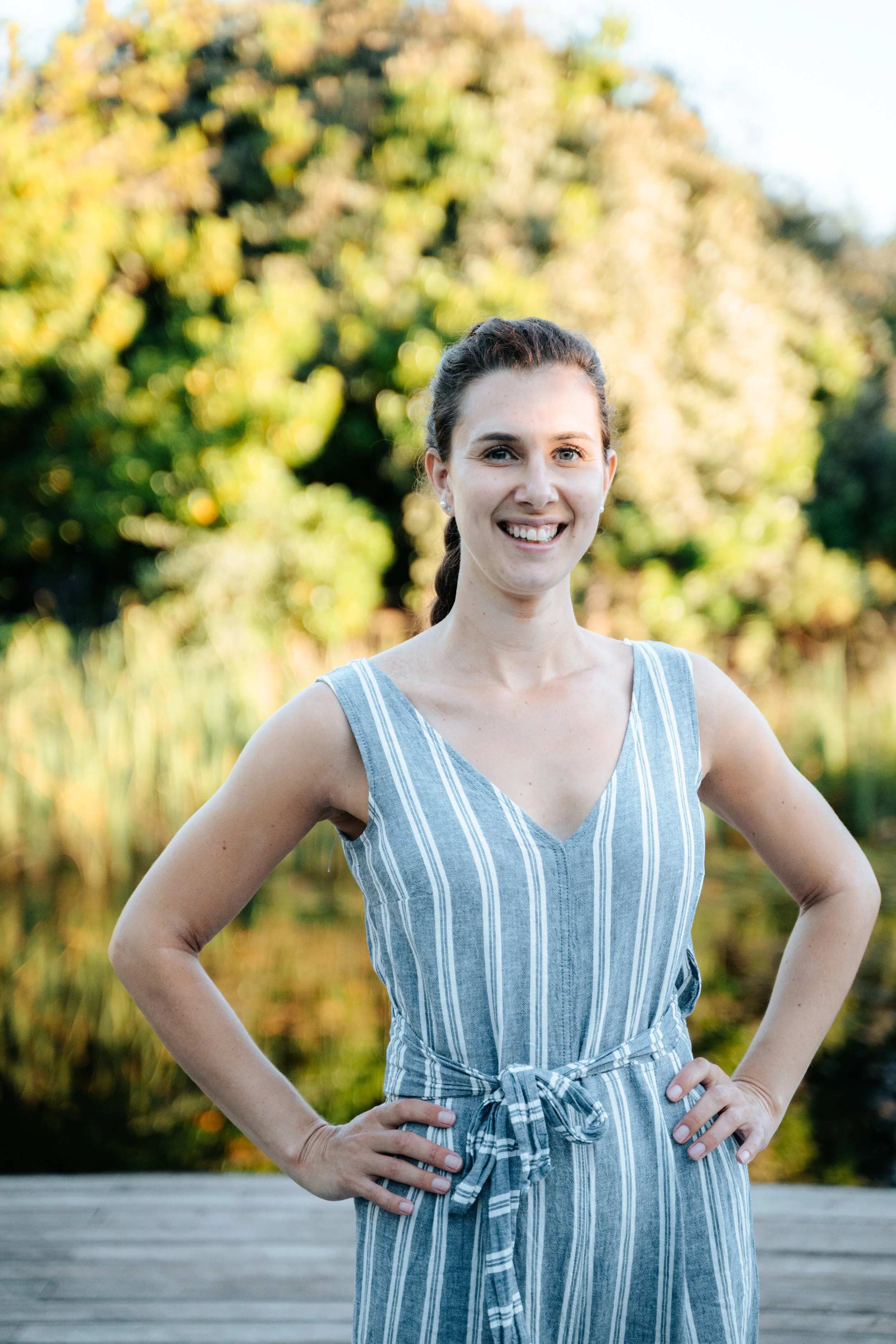
Founder Katie is a wellbeing advocate and planner whose passion for events and yoga creates the perfect blend for meticulously designed retreats. Her journey began ten years ago in Sydney, where she first turned to yoga to find calm for an anxious mind. What started as a personal practice evolved into a mission to bring like-minded people together to connect with nature and enjoy incredible food, the ultimate self-care experience.
After launching Katie J Yoga in 2020 she rebranded to Zenaa in 2024. Today, it is a thriving community where every detail is covered so guests feel entirely nourished and supported.
Founder’s Go-To Wellbeing Advice
“Prioritising sleep. When everything feels overwhelming or I've lost my way, coming back to a consistent and restful sleep routine is the foundation for mental clarity and emotional resilience.”
Some Practical Details
Zenaa offers luxury wellness and yoga retreats in the UK (including Devon, Bath, and the Cotswolds) and abroad (Italy, France, Portugal, and Sri Lanka). These include:
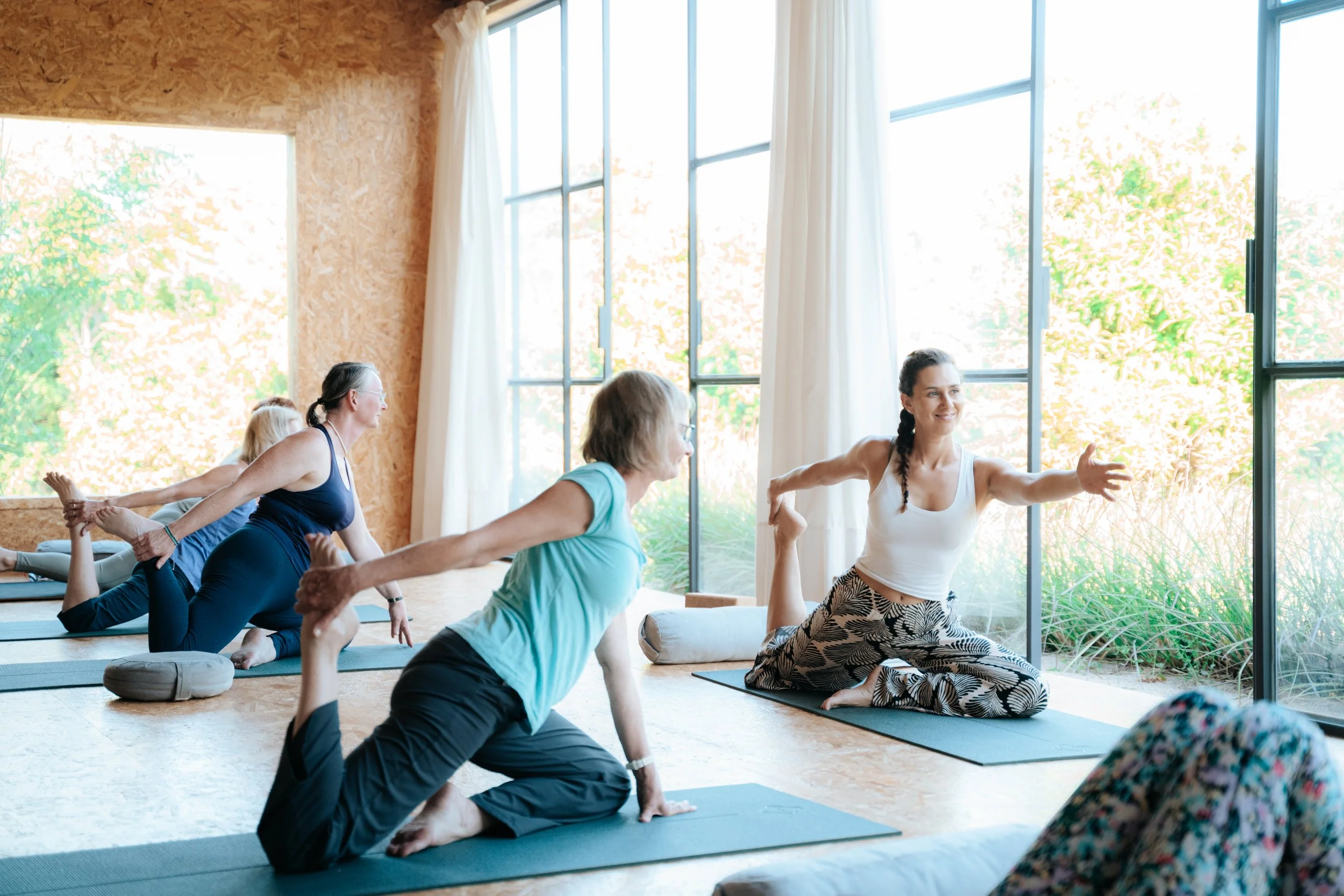
Varied Yoga: Dynamic Hatha sessions in the morning and gentle Yin or yoga nidra in the evenings.
Nourishment: Healthy, wholesome meals prepared by private chefs (always including dessert and sometimes a glass of wine).
Activities: Countryside walks, cold-water swims, creative workshops, and meditation.
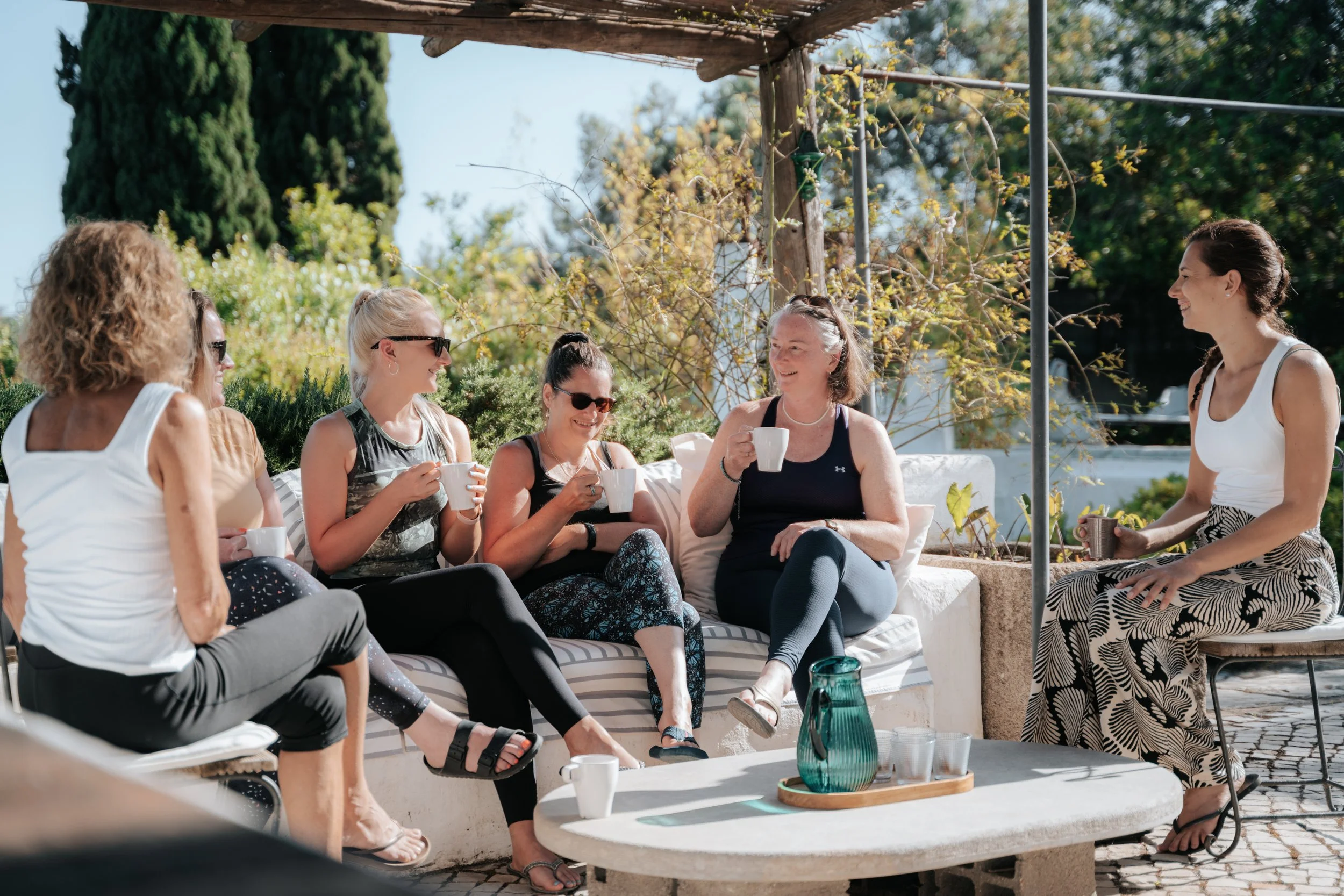
Community: A warm, inclusive environment where guests often leave as close friends.
If you’re not able to attend in-person, don’t worry, there’s Zenaa Online which provides an online retreat experience. You can try out their free 7 day trial here.
Coming up:
Italy Retreat (July 2026) – A 6-night restorative escape
France Retreat (Sept/Oct 2026) – A 5-night wellness experience
Devon, UK (Oct 2026) – A weekend of nourishment and nature
Book a retreat using code IFLOST and get a special welcome gift.
IceBreakers
Part of our wellbeing guide for life, IceBreakers offers men a welcoming space to step into nature, share conversation and find connection through cold water and simple weekly rituals.
Perfect For
IceBreakers is for men of all ages and backgrounds. Some come because they’re struggling. Others come because they want more connection, more nature and a healthier rhythm to their week. You don’t need experience with cold water or wellbeing practices. You just need to show up.
Why You’ll Love It
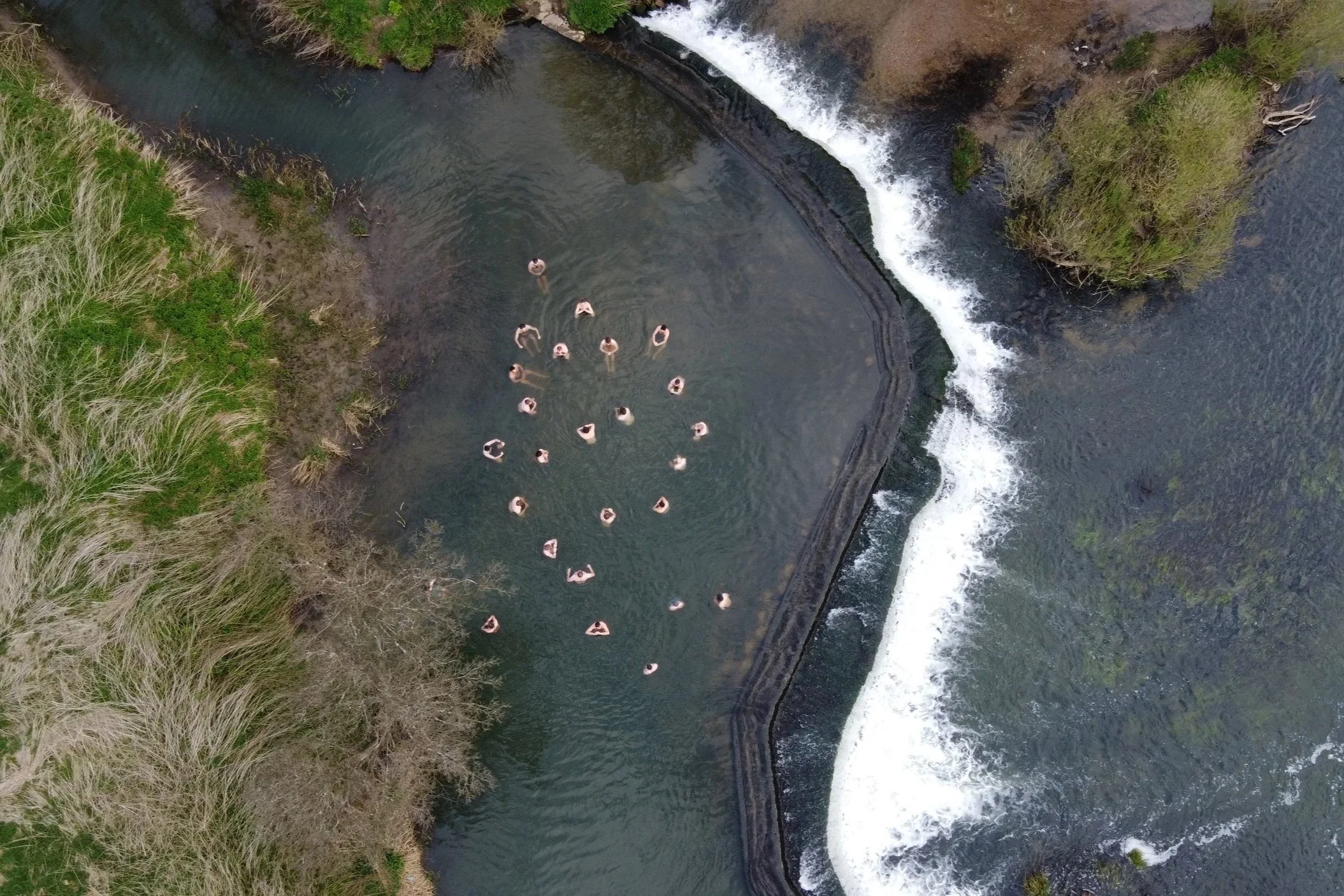
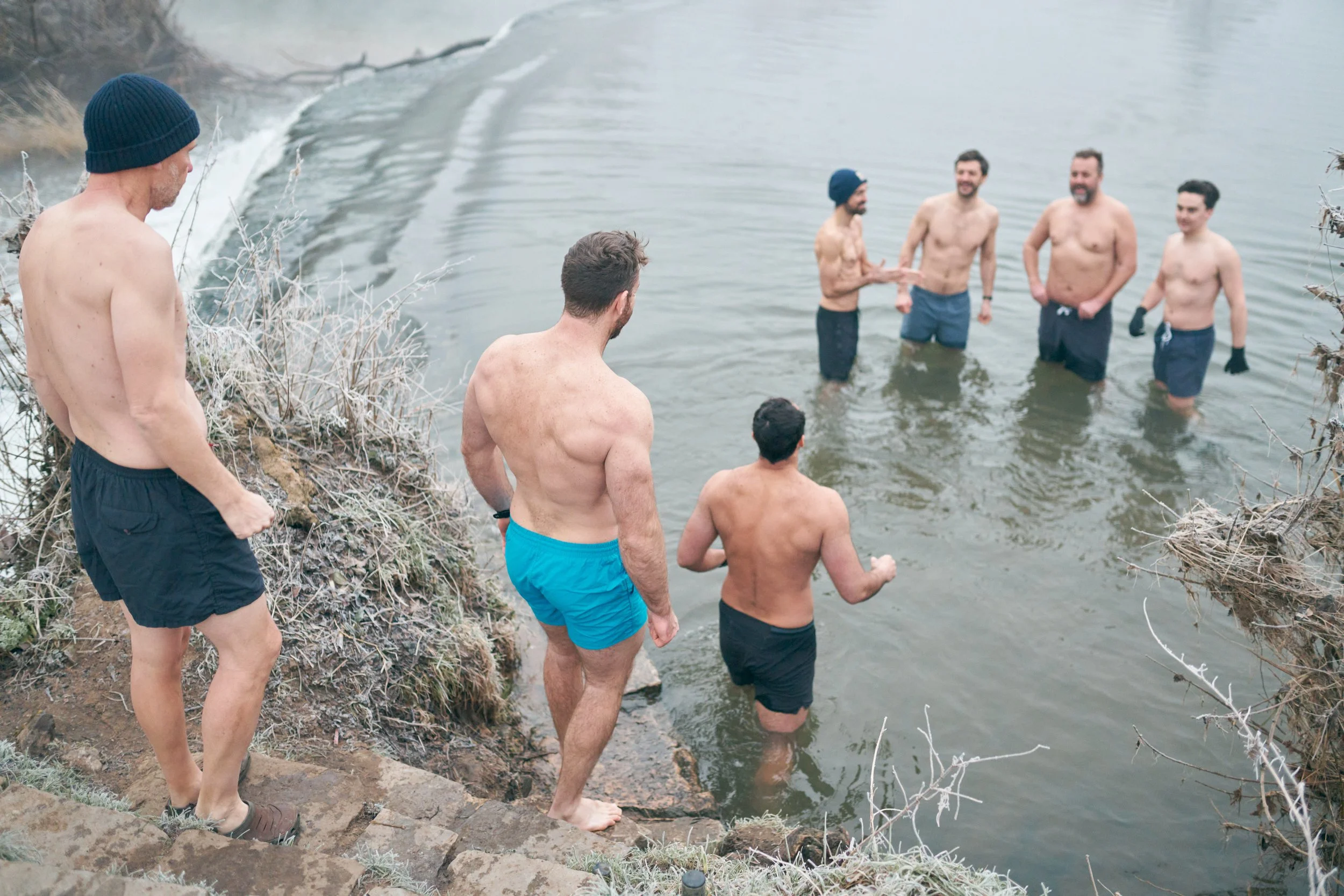
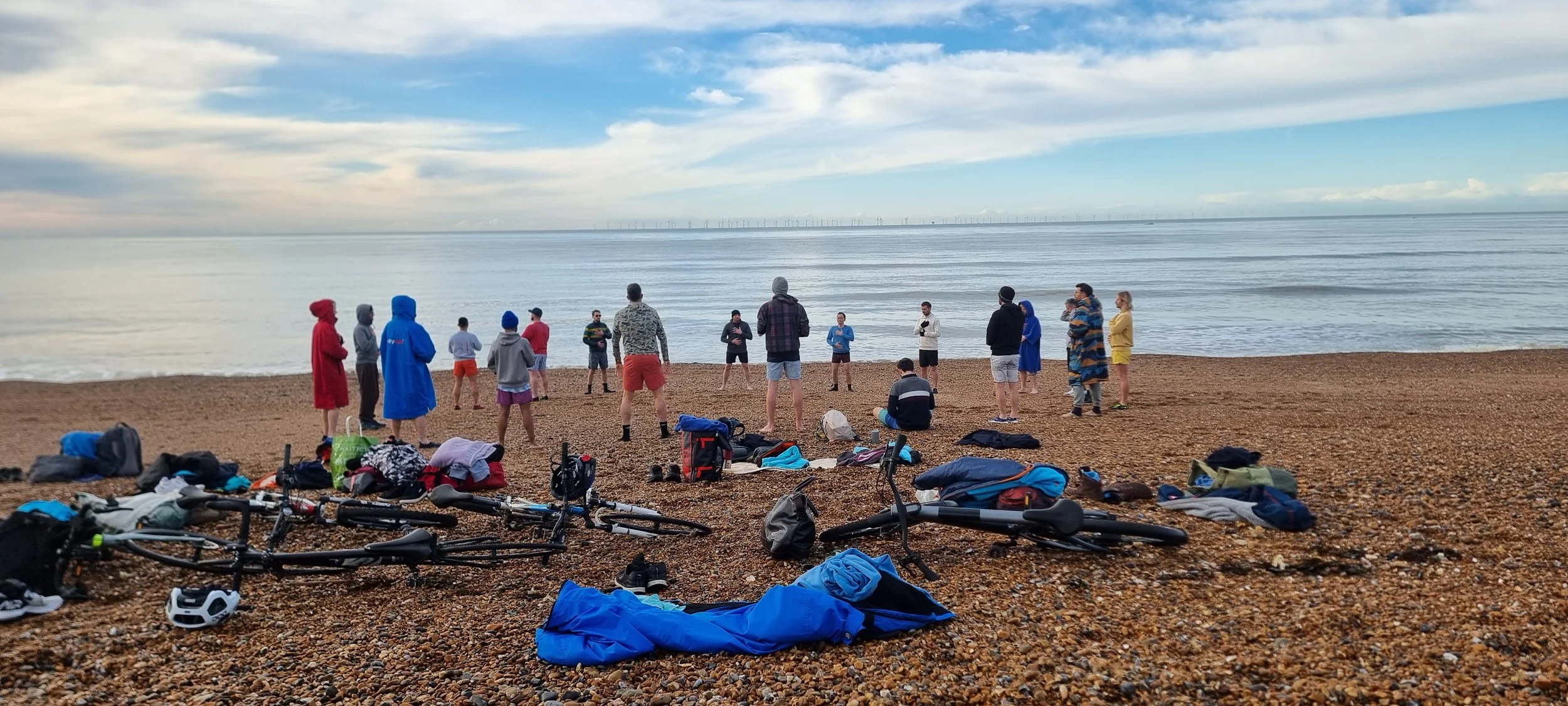
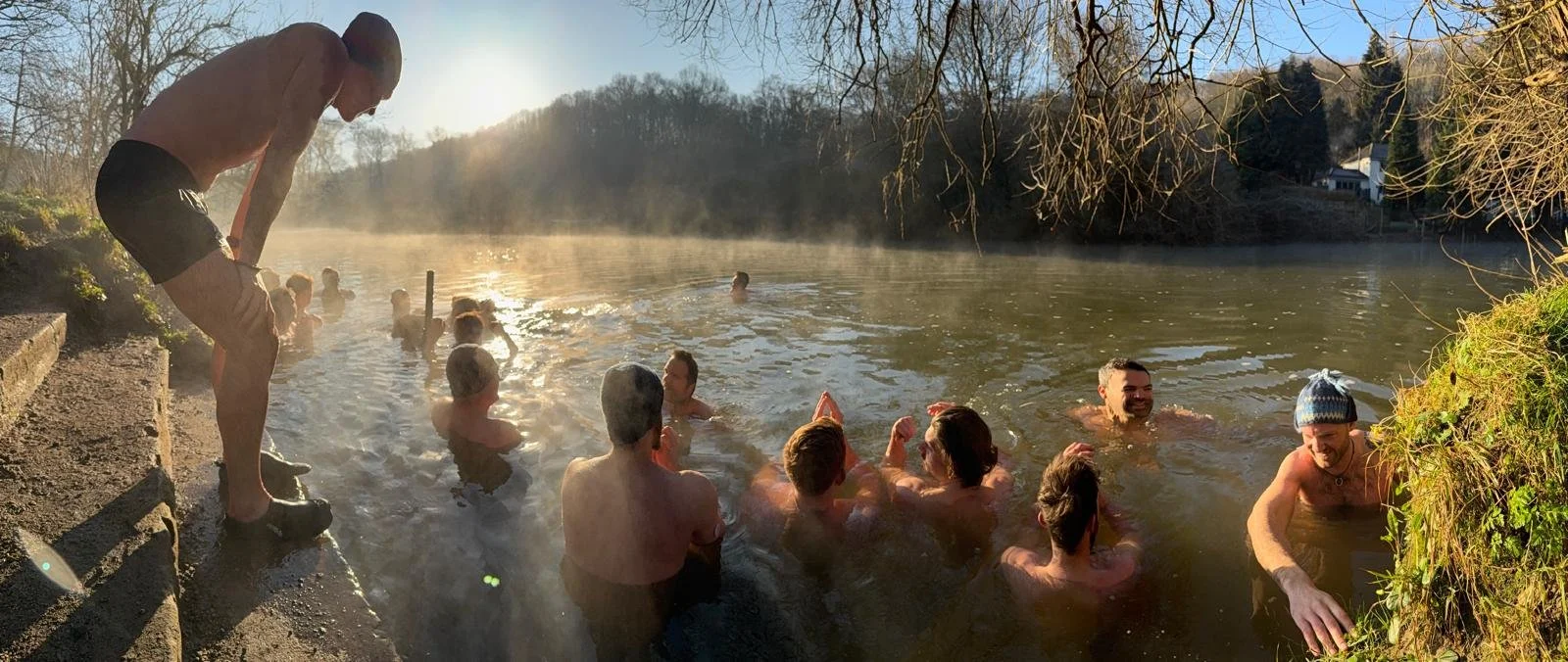
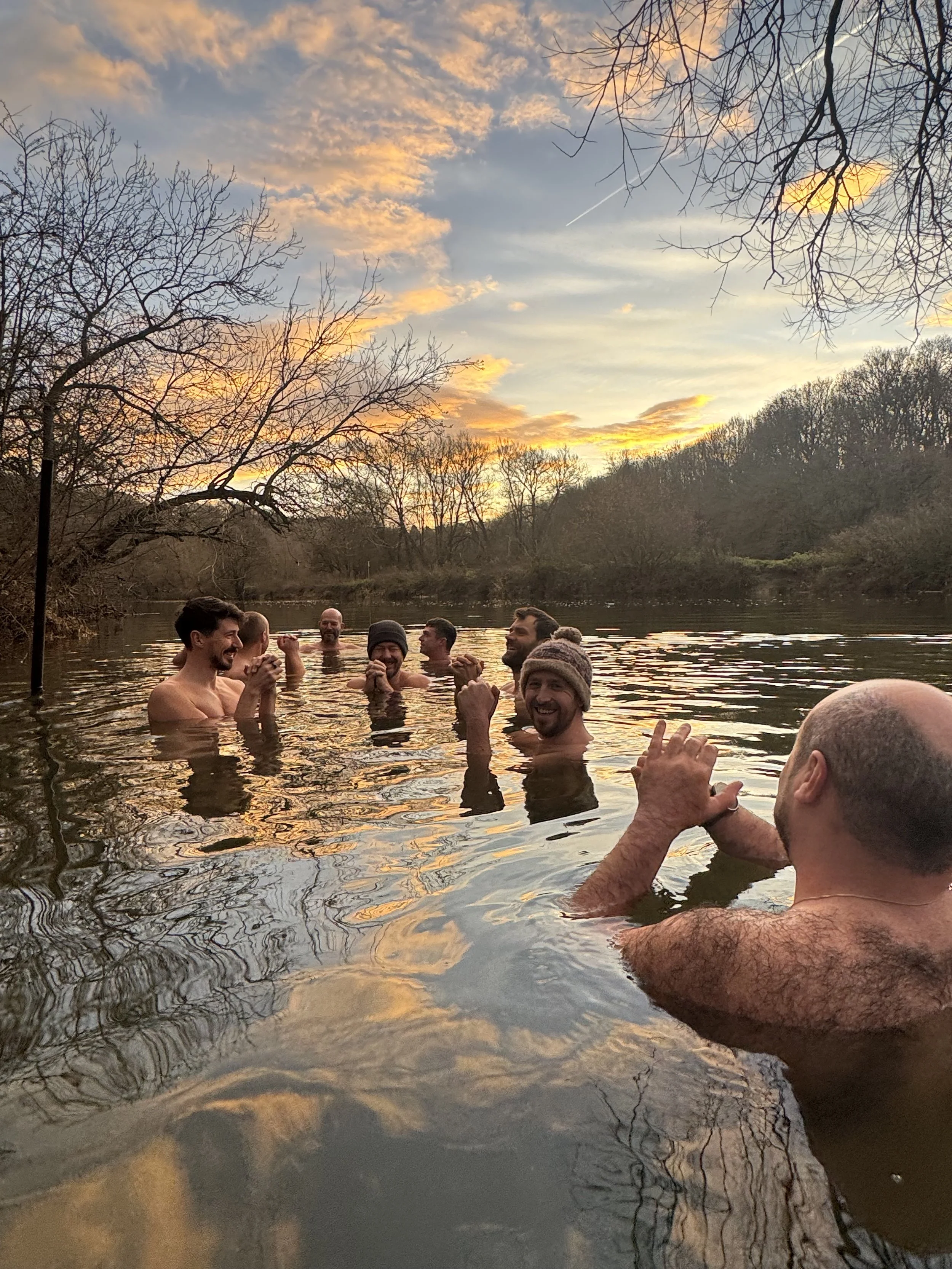
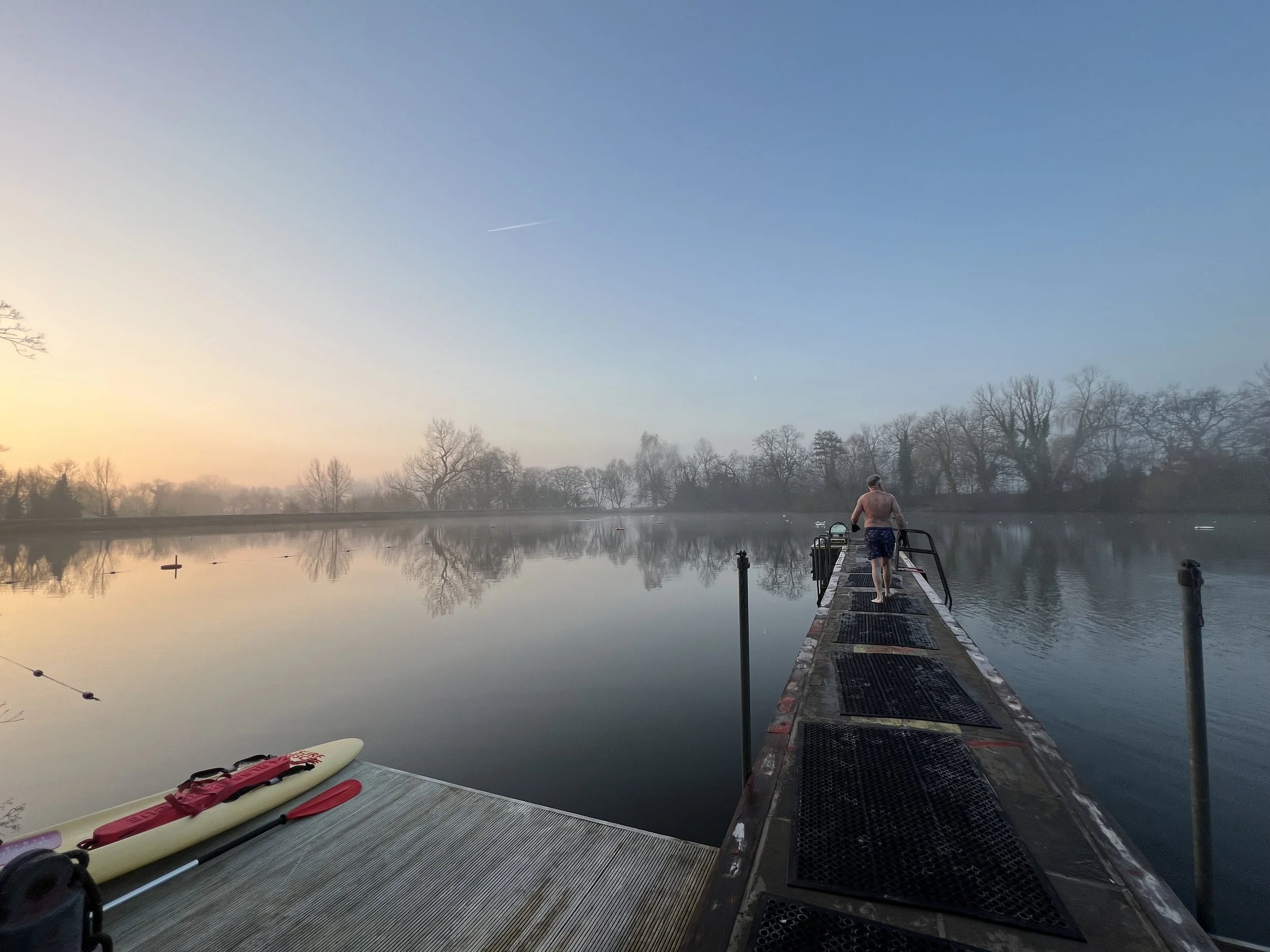
IceBreakers is a men’s wellbeing community that meets outdoors each week for breathwork, cold water immersion and conversation. They gather in rivers, lakes and the sea to reconnect with nature, challenge themselves and support one another. It’s a simple ritual that helps men step out of their heads and back into the world.
IceBreakers isn’t about endurance. It’s about presence and connection.
What Makes It Special
Many men don’t have places where they can slow down, speak honestly or feel supported without pressure. Being outdoors, breathing together and stepping into cold water creates a powerful reset. It helps people reconnect with their bodies, their thoughts and the people around them, often leading to stronger friendships and a deeper sense of belonging.
IceBreakers isn’t a class or a programme. It’s a simple shared ritual: men meeting in nature, breathing together, stepping into cold water and supporting each other. There’s no pressure to perform, no hierarchy and no fixing, just people showing up side by side and meeting life’s challenges together.
The If Lost Take
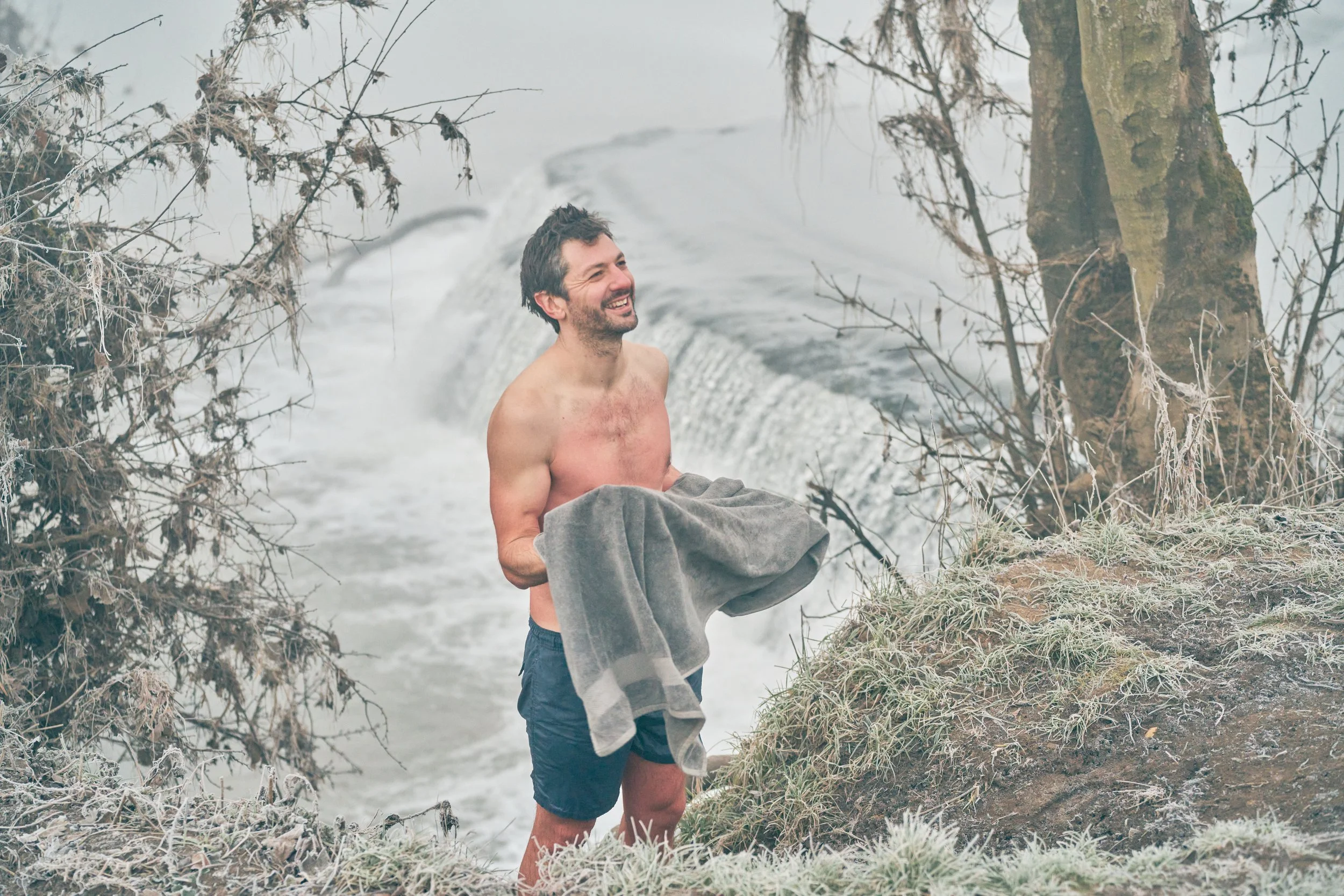
We’ve seen first-hand what a difference an early Sunday start can make. There’s something about standing waist-deep in a river, sharing a simple “hi, how are you?” that cuts through the noise of the week.
It can become a kind of reset. A chance to let go of what’s been building, even if just for a moment. And to notice, without needing to say much, that other men are carrying things too, moving through life with their own hopes and concerns.
Turning up for the first time might feel like a big step. But Icebreakers is a genuinely welcoming group. And somehow, with each Sunday, it gets a little easier to answer the alarm, grab your dry robe, and head out the door.
You come back with flushed cheeks, and often feeling a little lighter than when you left.
Founders Story | Co-founded by Tim Bowles, Arron Collins-Thomas and Jack Horner
IceBreakers began when two friends lost people close to them to suicide and realised how few spaces existed where men could talk honestly about how they were feeling.
They hosted a small retreat and discovered that the most powerful moments came from stepping into cold water together. That shared challenge created openness, connection and real conversation.
From there, weekly gatherings began and the community grew.
Founder’s Go-To Wellbeing Advice
“Step outside.
Move your body, breathe slowly and spend time in nature, even if it’s just a short walk.
And if you can, share that moment with someone else. A conversation and fresh air can shift more than you think.”
Some Practical Details
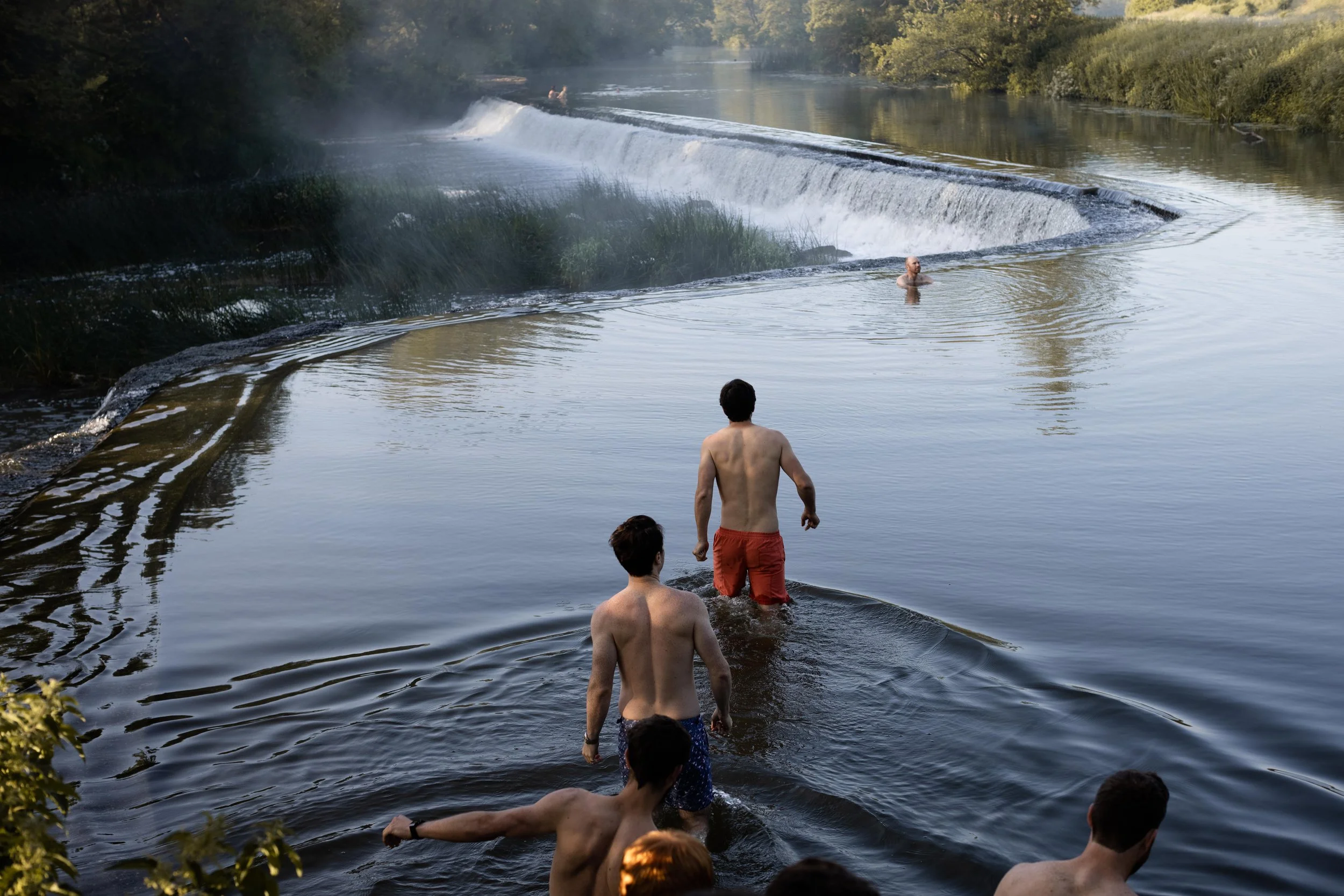
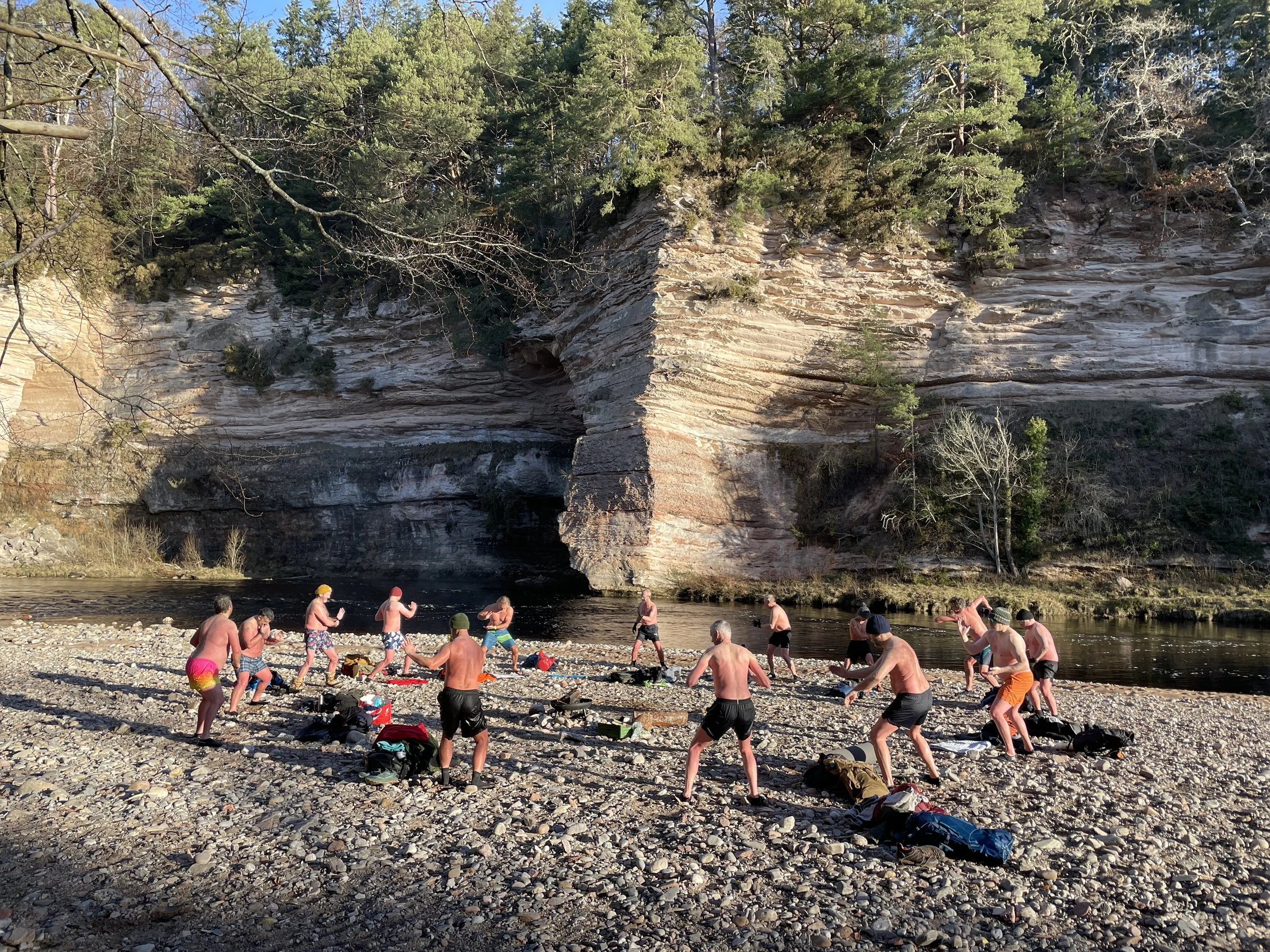
IceBreakers core offering is a weekly outdoor gathering, usually on Sunday mornings. Each session includes breathwork, movement, optional cold water immersion and time for conversation. Some chapters also host fire circles, walks, saunas and other events that deepen connection and community.
You don’t have to be brave or “good at cold water”. Some men dip for a few seconds. Some stay waist-deep. Some just come along for the conversation.
They also organise walks, camps, saunas and get togethers beyond the cold water.
Most of what they do happens outdoors in person. However they do share stories, guidance and inspiration in their WhatsApp community, and new chapters are launching across the UK so more men can find a group near them.
They also host occasional camps and events that people can travel to.
Coming up
Alongside their weekly Sunday gatherings across the UK, IceBreakers is hosting a Spring Camp from the 24th - 26th April, 2026.
It’s a few days in nature where men step away from the noise of everyday life and reconnect through cold water, movement, fire circles and honest conversation. Think of it as a deeper version of the weekly IceBreakers experience.
A special If Lost bonus
IceBreakers are offering 10% off their upcoming Spring Camp to If Lost readers, just use code LOST10 at checkout. Details of the Spring Camp can be found here.
Burmieston Farm and Steading
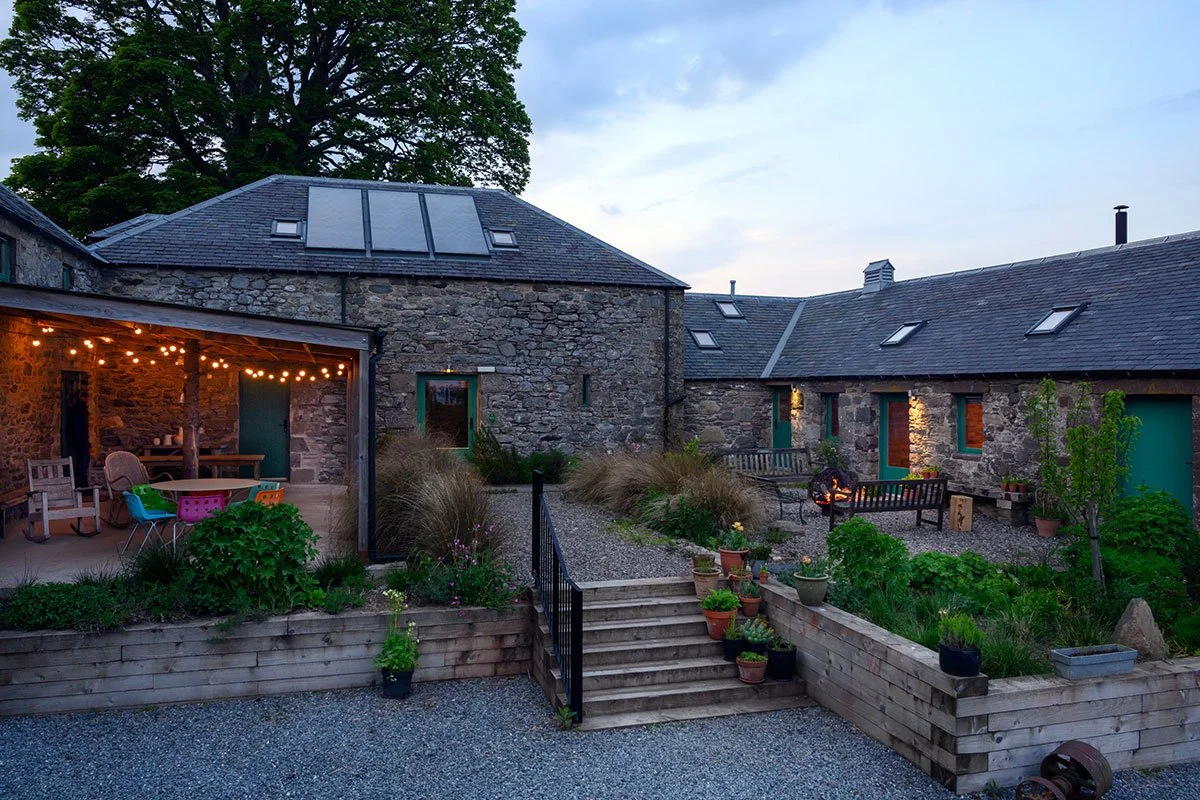
An off-grid, award-winning eco steading near the Scottish Highlands. Burmieston offers screen-free stays, sauna, escape barn, retreats, local food and space to reconnect with nature and each other.
Perfect For
Burmieston is perfect for families, groups of friends, or anyone looking to come together in the middle of rural Scotland.
Why You’ll Love It
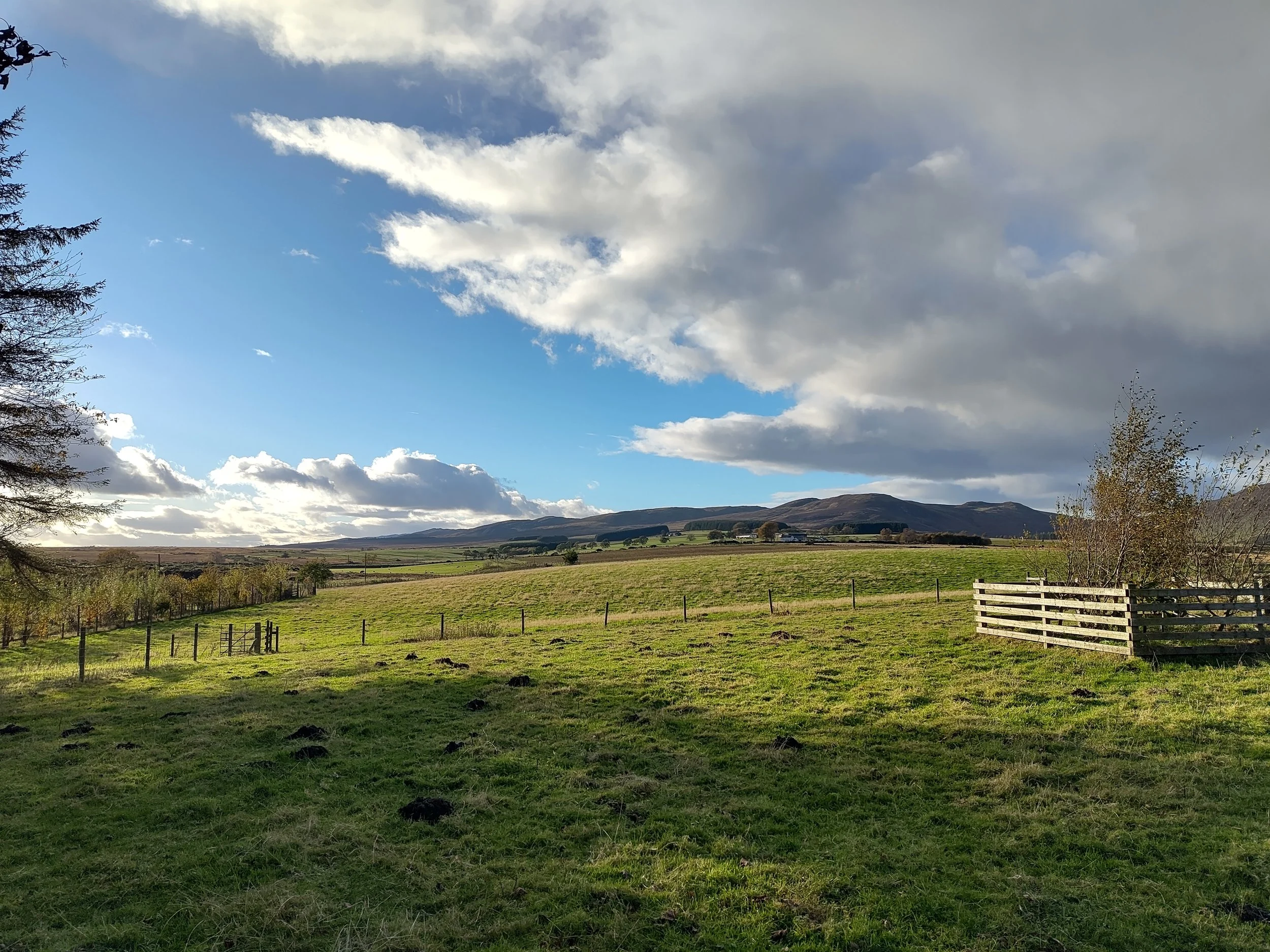
Burmieston Steading is a group accommodation space on the edge of the Scottish Highlands where nature is close, the air and water are crystal clean, and there is space to be….just be.
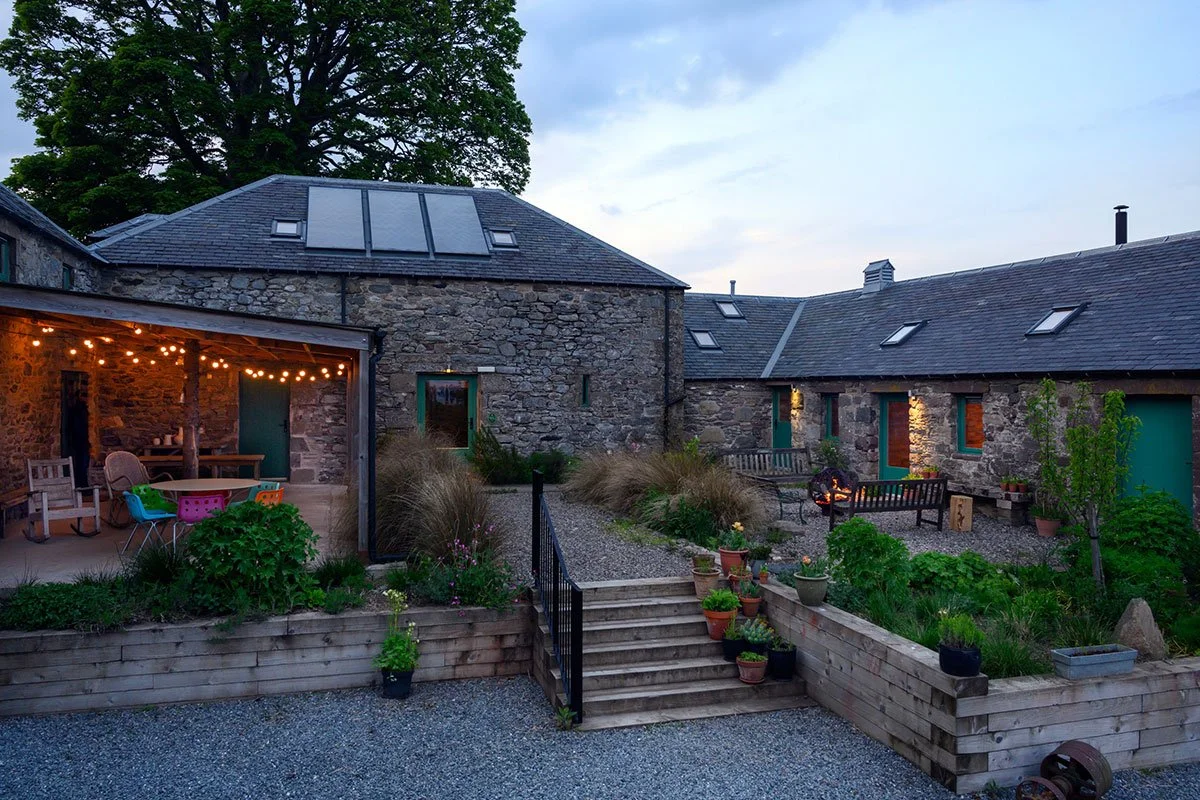
They offer 5 ensuite bedrooms sleeping 12-13 people with a spacious kitchen and great sitting room with a library wall and a projector. Co-owner Keesje Crawford-Avis can even cook for you! They have an Escape Barn, a sauna and rural Scotland is all around. They also sell their own lamb, wool and skins as well as jams and chutneys made from orchard produce.
What Makes It Special
They don’t have WiFi or TVs, so you can really get away from screens here if you choose to. Nature and climate change are at the core of their business. The building was renovated with many eco features (they even won the Historic Scotland RIBA award for climate change in 2018) and they run Burmieston conscious that they are part of an ecosystem. Keesje can entertain you for hours if you want to know more!
The If Lost Take
So many people live in cities and rarely have the opportunity to let their senses become alive again. It’s quiet here. It’s dark at night. The weather is always present and the beds are super comfy. Burmieston gives you the space to remember there is no wall between you and the natural world (without camping), and an opportunity to spend time with your loved ones and/or the fun ones and space to be on your own. In a moment that we are longing to be together, Burmieston is all about in-person reality.
Founders Story
Keesje and Olly Crawford-Avis: “We found Burmieston in the Guardian’s ‘Wreck of the Week’ column around 2015 and wanted to start farming on a very small scale. (Olly and I met at agricultural college a long time ago). We also wanted to share this amazing spot and we opened the renovated Steading in 2017, the weekend our second son was due. It’s a truly family affair — he’s our chief customer relations officer in charge of all things on the trampoline. We are passionate about our surroundings, about community and about food. Burmieston is the physical reality of that passion.”
Founder’s Go-To Wellbeing Advice
“Take a walk on a well worn path and look for things you have never noticed before. A plant you have always walked past, a bird song you have never noticed before. And then breathe.”
Some Practical Details
They are dog friendly but do have chickens, geese, ducks and sheep around so please keep your dog well controlled. They have their own dogs too.
The team also work with a number of wellness businesses to host their events, from meetings to retreats to catering. They focus on self catering groups at weekends and B&B for singles and couples during the week.
Coming up
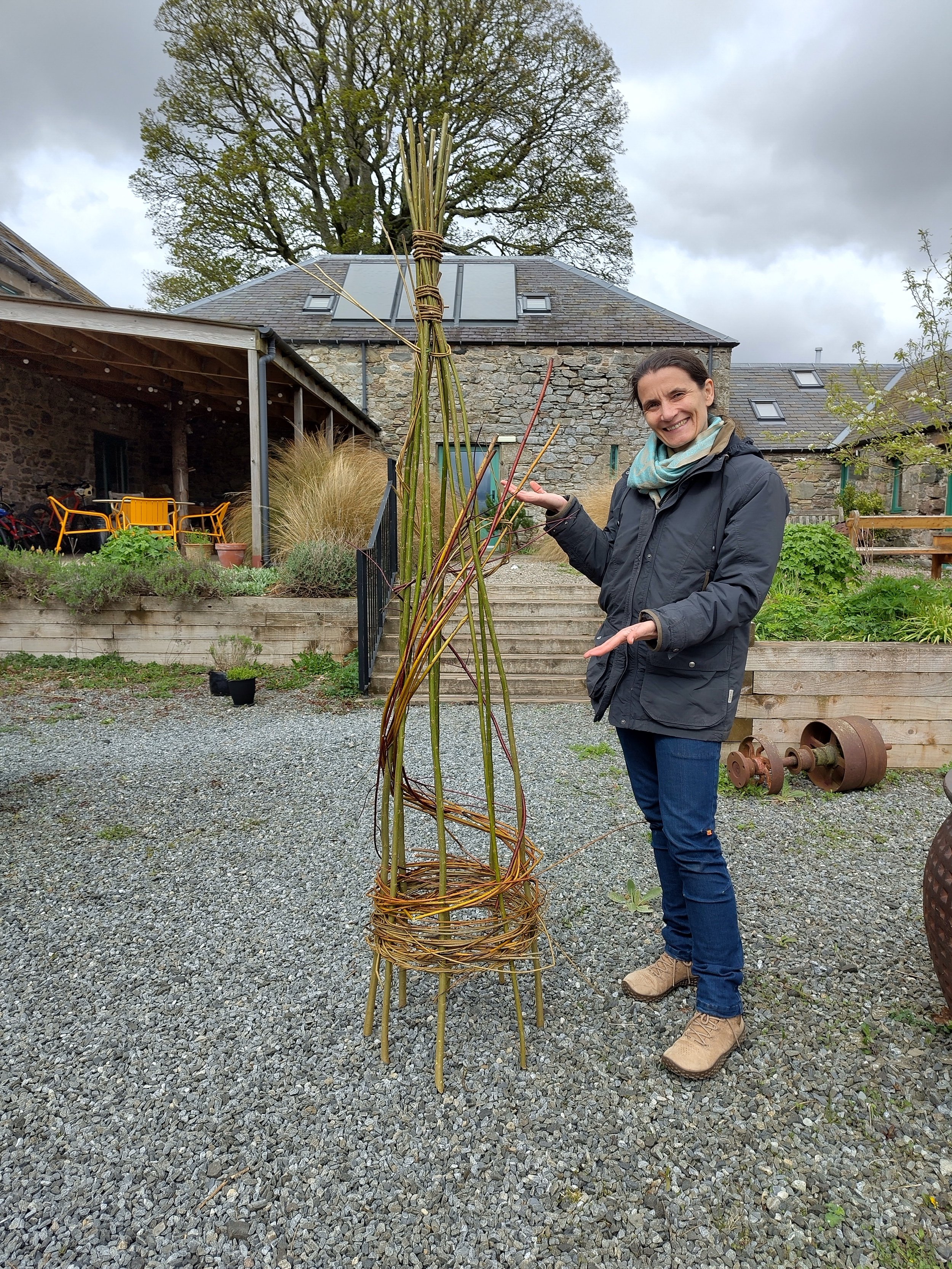
They have a few weekend retreats coming up: willow basket making, a weekend of wet felting with yoga and sauna, and a weekend of drawing with a brilliant illustrator. They also have the next in their series of seasonal yoga and mindfulness day retreats. New adventures are being planned all the time. More info and book can be found here.
A special If Lost bonus
Anyone who finds them here will receive a guided walk around the smallholding. You can choose either a night walk with Keesje or an introduction to our farming set up with Olly.

Well-being Series: How to boost your digital well-being
What is digital well-being and how can you boost your own? Discover how tech is impacting your mental health and emotional wellbeing.
Although people define digital well-being in different ways, this is generally thought to be the extent to which our digital lives help or hurt our well-being. This can involve the physical tools we use to manage the amount of time we spend online, the behaviors we decide to engage in while online, and the emotional tools we use to manage our experiences online. Discover what better digital well-being might look like to you.
Physical Tools for Digital Well-Being
First, discover how much time you spend online and how you might want to disconnect more often with a tool like Google's Digital Well-Being App or Apple’s Screen Time. These can show you how often you use different apps and check your phone. They can also allow you to set limits that can help protect your sleep and focus. Knowing your current digital habits is a good step in understanding yourself.
And setting limits can indeed be helpful for well-being. But if a digital well-being tool's primary purpose is to help us be on our phones less, this means that we’re working with an inherent assumption that more digital interactions lead to worse well-being. And the research doesn’t quite support this assumption.
Although movies like The Social Dilemma point to clear problems with how Internet apps are being developed, these leave out important information that can help you better improve your digital well-being. Indeed, app designers are trained in psychological techniques that get users addicted and reliant upon these apps for a sense of connectedness, emotion regulation, and just survival in the modern world. This can be especially problematic for those prone to addictions and can significantly hurt the well-being of some people.
However, the research shows that some apps improve the well-being of some people in some circumstances. Hopelab published a fascinating study showing that youth who suffer from depression benefited from accessing other people’s health stories through blogs, podcasts, and videos. Overall, research reviews suggest that technology use is not bad for all and not bad in all circumstances.
Behavioral tools for digital well-being
Given the research, behavioral and emotional tools are likely also useful for enhancing digital well-being. In other words, we need to choose to avoid apps or experiences that make us feel bad and instead choose to engage with apps and experiences that make us feel good.
This means growing our understanding of how different apps affect our well-being, self-reflecting on how our digital time is spent, and making the right decisions for us.
Emotional tools for digital well-Being
Many of the emotional tools we need for digital well-being are the very same emotional tools we need for real life. We just need to apply them in our digital lives. Here are some specific tips:
1. Be more mindful
When we're more mindful of how we live our digital lives, we pay more attention to our experiences and emotions, and also to others. This heightened awareness can help us make decisions that help us better appreciate the good and manage the bad.
2. Focus on others
When we are on social media, we tend to focus mostly on ourselves — our feelings, opinions, and experiences. But heightened self-focus can amplify negativity. The research shows that other-focus and prosocial behavior (kindness towards others) are fantastic ways to boost well-being. So when you're online, try to focus more on doing kind activities.
3. Find the good things
While online, try to look for the good things or the silver linings. If you find something positive, consider sharing it with others (#SilverLinings). Practicing this skill both on and offline can help you improve your well-being.
4. Practice gratitude online
Gratitude is fantastic for well-being. And we can practice it both on and offline. Practice gratitude with gratitude journaling apps, share your gratitude in texts, or create a gratitude collection on Pinterest. Our digital lives are a great place to practice gratitude.
5. Cultivate self-esteem
The messages people post on social media can sometimes make us feel bad about ourselves. Maybe we don't feel attractive enough or popular enough. To fight these negative messages, try to spend more of your digital life doing things that boost self-esteem (like learning skills or making content) and less time pouring over what everyone else is doing.
Digital well-being for everyday life
Digital well-being is now an important part of overall well-being. Knowing how to improve it and taking action to improve digital well-being is essential.
If you’re curious about how your digital life is impacting your overall well-being, explore our course Find Your Way where we cover how untethering from tech can help you feel better.
References
Rideout, V., & Fox, S. (2018). Digital health practices, social media use, and mental well-being among teens and young adults in the US.
Verduyn, P., et al. (2017). "Do Social Network Sites Enhance or Undermine Subjective Well‐Being? A Critical Review." Social Issues and Policy Review 11(1): 274-302.
Ingram, R. E. 1990. “Self-Focused Attention in Clinical Disorders: Review and a Conceptual Model.” Psychological Bulletin 107 (2): 156–176.

The Little Retreat & The Big Retreat Festival | A Conversation with founder Amber Rich
We speak to Amber Rich, founder of The Little Retreat and The Big Retreat Festival about how she arrived at these projects, how wellness is now something that we all reach for, and her role as a curator of discovery and awe.
To call The Little Retreat in Pembrokeshire glamping is like calling Glennon Doyle a blogger. Staying in one of the wood-furnace heated domes (with furniture you’d find in a boutique hotel), warming up in your own Scandi hot tub, or roasting smores by a private fire pit after a day at the beach or walking in the Preseli Hills, you’ll sink into what life could be if we stopped for a while to notice its possibilities.
The Little Retreat was founded by Amber Rich, who also curates The Big Retreat “feel-good festival” that takes place on these grounds (2022 tickets are already on sale), and from which it takes its cue. Where the festival has a Darwin den, campfire stage, cold water swims in The Cleddau, a talk tent curated by Shelf Help director Toni Jones, and creative workshops, its weekend away counterpart has sustainability woven through its design, foraging workshops about to start, stargazing tents with views of dark skies, and curated programs focusing on such practices as breathwork, yoga, arts and craft. The festival and retreat overlap, exchange ideas, and share their approach, with both offering a slowed-down lifestyle and collective experiences that get you closer to a vision of how you might shape your own life when you return back to it.
After a few days at The Little Retreat, we had the chance to speak with Amber about how she arrived at this place, how closely the festival and the retreat are connected, and how wellness is now something that we all reach for:
Let’s start with the connection between The Big Retreat and The Little Retreat. Why did you start them and how do they connect? If the core value of the festival is one of ‘discovery’, how would you describe the retreat?
I used to own my own gym and ran fitness and wellbeing classes to improve mental and physical health. After the birth of my daughter Bea (who is now 7) I decided that I wanted to utilise the family land to create a sanctuary where people could come to escape their busy lives, pause and reconnect. This was the start of the original "Little Retreats".
I found that these retreats were having such a profound effect on people’s lives and making a real difference: One lady who attended had not been able to sleep for years. After our retreat, she learnt how to pause and use those skills to have her first good night’s sleep in 7 years! It was feedback like this that spurred me on to create The Big Retreat Festival.
I wanted to create a space where people could come and discover breath work, fire walking, gong baths, yoga, wild swimming, forest bathing — literally anything and everything that allowed people to "find their feel good". It also included festival favourites such as gin workshops and music to enhance people’s experience and wellbeing.
I realised that giving people time and space in a beautiful setting to discover all of these wonderful life-enhancing experiences could really make a positive change in people’s lives.
Discovery and "finding your feel good" still remains the core value to this day.
What do you think people are looking for who stay with you or attend one of your events?
I think people are looking for time to reflect on themselves, to unplug from daily life and to find out what makes them feel good. We are perfectly poised in the heart of the Pembrokeshire National Park on the banks of the "Secret Waterway". The stunning location inspires awe and wonder every time and we think the unique setting coupled with a sanctuary and safe space to discover is the catalyst for change.

What do you hope people experience with the projects that you create? What do you hope they take away and bring into their everyday lives?
I hope that people’s appreciation for nature and the outdoors grows and they are able to reconnect and utilise outdoor space to improve their wellbeing. I think it’s important with the complexity of modern living that people are reminded that sometimes it’s the simple things that bring us the most happiness.
If you attend one of our Feel Good Retreats you will learn skills that you can take away with you and implement straight away in your everyday life. The goal is to inspire people to reset and to really connect with themselves and the great outdoors.
I see my role as a curator of discovery and awe, allowing people the opportunity to reset, rethink and equip themselves with a host of skills and experiences — a toolkit that they can take home and continue to use to ultimately change their path and enhance their lives.
How do you think the idea of wellness has shifted since you started The Little and Big Retreats?
When I first began The Little Retreat the words wellbeing and wellness were quite niche and only appealed to a select few. Today looking after your mental and physical health is much more mainstream and in the public psyche. With the Covid pandemic more and more people are realising just how important nature and mental as well as physical health are to enhance our lives. That is one positive we can take away from the Covid pandemic.

What motivates you to create these spaces in the world? What kept you going during recent challenges?
My key motivation is to provide a sanctuary that allows people to discover not only nature but how to unwind and reconnect for their physical and mental health. A safe space where people are free to discover and pause.
The design of the space at The Little Retreat was about focusing on ways for people to connect with the outdoors without necessarily having to "rough it" to experience the joys of being close to nature. A key focus was also to have a minimal impact on the surrounding ecology and landscape.
The pandemic has actually given me the time and space to take ecology and planning into focus and look at ways for nature to thrive. We noticed during the pandemic the return of otters on the river banks and native oysters that had previously been wiped out due to human impact. This rewinding of our natural space showed me just how important it is to tread lightly on the site and in everything we do. We have worked to encourage nature in the planning — from bat boxes, swallow bricks, hedgehog runs, planting native species and harvesting the rainwater. We are really hoping to reduce our carbon footprint at both The Little Retreat and The Big Retreat Festival.
Over the pandemic, I realised that conserving the area was so important for nature and our own wellbeing that I set up the nonprofit arm "The Big Retreat Community". This is geared at enhancing and protecting nature as well as giving welsh artists a platform at our next festival.
In our guide for life, we roam across ten different pathways in the places that we feature and I’m curious about where you’d position your projects and why?
After looking through your Ten Pathways it is extremely difficult to choose one. All of them are intertwined intrinsically in everything we do from untethering upon arrival, to reconnecting mind and spirit right through to purpose and doing good. All of your pathways align exactly with our mission and how we conduct our projects.

How do you bring the values of the places you create into your own life?
I am constantly trying new things and discovering not only the latest external wellbeing practices but rediscovering the landscape. I make sure I set aside time every day to do this. Whether it’s a cooling wild swim in the Cleddau or a mindful walk through the woodland set around our site. I make sure that at least once a day I allow time for myself to reconnect and discover. I think it is so important to schedule this time into your diary in the same way you would an appointment at the doctor’s.
As we emerge from the lockdowns and are maybe feeling more hopeful about our worlds, is there anything that you’re particularly excited about going forwards?
There is so much going on at The Little Retreats this year it’s actually really really exciting. We have the addition of wild food workshops offering a foraging course and a 12-course dinner, the release of our Find Your Feel Good In Pembrokeshire guide, wild swimming sessions, forest bathing, and breathwork. We are currently building the space for the new stargazer tents with outdoor hot baths — a perfect opportunity to make the most of our stunning location in an official UK Dark Sky reserve. There are so many things that are organically falling into place.
We want both The Little and The Big Retreat to be a sanctuary and a beacon for anyone and everyone who wants to set aside time to find out just what it is that makes them tick and "find their feel good".
While there: we recommend pastries and bread from the micro bakery in the village Hugtasty, the award-winning beach shack Café Mor at Freshwater West (also the site of Dobby’s resting place), the stunning beaches, hikes, and paddle-boarding at Stackpole, and cafe with a mission Get the Boys a Lift.

Unplugged
Exhausted by the tech in your life? Unplugged offers you a way to get some space from your phone.
Go here if: you’d had it with Zoom calls, social media, and emails, you’ve become not tethered but entrapped by your online life, or you’re never two steps away from your smartphone, ever.
What is it: A 3-day digital detox retreat in the form of a cabin in the countryside just an hour outside of London.
Why you’ll love it: Rather than rustic chic, the cabin looks like something a tech start-up would design (somewhat aptly the founders met at a tech-startup), clean lines, matt black, and a large screen in the form of a window to look through rather than an interface to scroll down.
What you need to know: Write. Play board games. Read. Go for a non-lockdown-induced walk. Talk to one another. There are lots of options to spend time and connect and be in this place, but screens are not one of them. They will literally be locked away. No photos, no just checking, no looking over at notifications during mealtimes. Founders Hector Hughes and Ben Elliott will help you get through it though. On arrival, you’ll get a welcome pack, a polaroid camera, a map of the area, a compass, and a torch, as well as postcards to send out into the world. The cabin also has books and activities (and a cassette player!) to occupy your time
What they offer (online and off): Only offline this one.
Why we think it's different: Founders Hector and Ben started Unplugged in response to their own needs. Hector had realized the extent to which he was tethered to technology when he went on a two-week silent retreat to the Himalayas. Ben could get in up to 14 hours of screen time a day. Looking for a solution that didn’t involve vast amounts of time and a plane flight, they opened their first cabin to reconnect with ourselves by turning off our devices. That they did so last July, after the first lockdown, was particularly timely.
During the first few months of the pandemic, many of us forgot where we ended and our devices began. Any tech boundaries we had dissolved in work from home, zoom pub quizzes, and Netflix binges. We digitized our days, whether as a numbing distraction or for essential professional needs, our devices became the way we interacted with a world we couldn’t physically get to. But as that real-life world opens up, now is the moment to shift that co-dependency, to find ways to reclaim analog space and our non-tech-centered lives.
In their own words: “Humans have always escaped to nature as an antidote to hectic city life. The issue is that now so many of us just wouldn’t know where to start. We’re glued to our phones, inundated with push notifications & respond to emails at all times of the day. We’re on a mission to help you unplug from your devices so that you can recharge.”
Something to do: Wherever you are you can set boundaries around technology. Start with turning off notifications, taking your smartphone out of your bedroom, leaving it behind occasionally when you pop out, using apps to mediate social media time or gaming, keep your phone literally out of sight which will translate to out of mind, buy a watch and an alarm clock, and let people know that you can’t be reached sometimes. In those moments when a phone demands your attention, really think about whether that moment of interruption in your day was worth it. If it wasn’t find ways to block those demands on your time like deleting apps, and even turning off your phone for short, then longer, periods.

Men's Shed Movement
As men have traditionally struggled to find outlets to talk about their feelings and challenges, the men’s shed movement is starting to fulfill this need for connection.
What is it: A network of DIY-enthusiast communities that bring men (and now women) together to fix things, collaborate on projects, and share stories.
What you need to know: The men’s shed movement began life in Australia in the 1990s as a way to give older men a social hub. Working shoulder to shoulder (rather than face to face) offered participants a chance to share skills, learn techniques, and make friends. The men’s shed movement has since spread across the world; there are now 2000 sheds across 12 countries, including Finland, Ireland, the USA, and the UK, where there are more than 600 nationwide.
What they offer (online and off): Depending on the particular shed, there could be tools for woodworking, electricals, and metalwork, while members frequently pass on their own skills — coding, welding, machine tools, or car repair. Although most sheds are run by and for older men, there’s no barrier to entry; many sheds feature both female members and younger men. If there’s no shed in your area, British shedder Chris Lee has a TEDx talk on YouTube that’s a useful introduction to what sheds mean to him and how they’ve helped him. And if you’re inspired, get some tips from the guys who’ve “made one earlier” and start your own shed!
Why we think it matters: While individual sheds offer a creative, communal, and inclusive environment, the growth in the men’s shed movement illustrates the deep need for male companionship.
After major life changes such as retirement or the death of a partner, some men can become isolated. Often the loss of status or purpose can impact men’s mental health, as they keep their anxieties to themselves without finding outlets to talk about their feelings or their challenges. “As men we seem to be conditioned into letting go of things but not replacing them,” says Chris Lee, a former marketing professional who’s now a trustee of the men’s shed movement in the UK. Sheds — gathering points that feature activities from coffee to carpentry — provide a sense of community and purpose.
Whether sheds are literally wooden huts or shared community spaces, they are places where men can feel useful, comfortable, and purposeful.
In their own words: “When I heard about the Men’s Sheds movement, I immediately thought it was a brilliant way of bringing people together around something creative and fun. Men aren’t always the best at making new friends or talking to one another, but get them around a piece of wood or a DIY task and it’s amazing how they open up.” — Mike Magnay, retired electrical engineer and co-founder of a shed in Blewbury, Oxfordshire
One piece of advice for where you are: Start online and see if there’s a men’s shed in your area. Check out the website and learn more about weekly events or special sessions. Email the team. Show up. You don’t have to own a toolbelt — some guys just come along for the company and the conversation. Drink coffee, ask questions, learn wood-turning, repair an appliance, smell the smoke of a soldering iron, make a connection . . . whatever you’re looking for, the shed is what you make it.
To find out more: Website / Instagram / Facebook / Twitter
If you’ve visited a men’s shed, or you have other organizations with a purpose that you’d recommend, tell us about it at hello@ifloststarthere.com.

Shop Small Special | Alice in Scandiland
We’re starting our Shop Small Holiday Special with Alice’s adventures in Scandiland.
When indie doors close at the most important time of the year (many shops make the bulk of their earnings in the run-up to the Holidays), our makers, shop owners, small-batch producers, and our communities struggle. In the weeks before Christmas, we’re focusing on independent stores that are anchor points in their neighborhoods, who support small themselves, and who make our worlds just that little bit better by existing.
In a moment when we can easily slip into the mass-produced at the expense of the environment, our makers, and ourselves — what do 80p black dresses really do for us and all those amazon deliveries we’re now relying on — we feel that shops that curate the handmade, that add to our high streets, and that give us places to go matter more than ever. If you can (we understand the competing pressures financially that many of us have this year), give independent stores in your community the gift of your support.
What is it: Scandinavian design comes to Cornwall courtesy of award-winning style blogger Alice Collyer.
Why you’ll love it: As with many independent stores, Alice in Scandiland started as a labor of love two years ago, when Alice decided to transform the inspiration for her blog and the vintage finds that she sold in her backyard She-Shed, into a bricks and mortar shop. Literally built out by Alice and her dad, Alice in Scandiland is very much an extension of her own home and life philosophy.
Why we think it matters: Hygge. Lagom. Fitka. Scandanavian concepts in living that have caught our attention, and which have themselves spun mini industries. But take away the quickly produced books and listicles that cash in on cool new words, pare all the trend styling back and they represent enduring healthy approaches to life. Alice got there before most of us, embracing the cult around all things Scandinavian (yes, we know they are better at everything than us now) when she started to makeover her own home by taking the things away she didn’t need and immediately felt the benefits of living with less.
Favoring a natural color palette and materials, integrating form with function, and bringing in light and nature where possible, Scandinavian design is all about creating a sense of stillness that is soothing in its calm. Its warm minimalism helps our environment too – items are made to last and owning less is foundational. If we’re fortunate to be able to work from home (and still not resent it), how we create our home environments will make even more of a difference to how we function. Alice may have been having adventures in Scandiland for a while, but they are adventures we can now share in worlds of our own making.
In conversation with 91 Magazine Alice says: “I love to champion independent makers, they are keeping amazing skills and crafts alive, putting their heart and soul into their creations. I firmly believe that it is these carefully considered pieces that add the meaningful finishing touches to a home and that’s not something you can buy for £3 in Primark. I am a strong advocate of buying less, but buying better.
It really doesn’t have to mean spending much more either, if you average it out over a year. It’s important that we all become more conscious consumers and support our local creatives. Add this with vintage, thrifted finds and it’s a total winner.”
In our gift guide: we recommend Sofia Lind’s white flower print, Laura Lane’s Cornish Textured Mug and for those thank you cards, Gemma Koomen’s note set.
How to bring this into your life: Want to recreate the pared-down look at home – think woven baskets, cozy textures, and handmade ceramics. Alice’s blog gives tons of tips. During usual times, Alice also acts as a small business mentor and hosts workshops including one on building as successful an Instagram platform as her own.

FForest
As many of us have realized how vital nature is to how we function in our worlds, places like Fforest have been holding that idea for a while for us.
What is it: Oh that’s a tough one. We hesitate to put it in any of the buckets — glamping, nature retreat, lifestyle brand, eco camp, staycation — so we’ll go with this. Fforest is what happens when someone dreams something and makes it happen for all of us. Sorry, that’s not so helpful. Let’s jump to here:
What you need to know: Conceived by two London creatives, Sian Tucker and James Lynch, graduates of the Royal College and St Martins who had found a way to live the good life in Shoreditch and New Zealand, before taking some of that to Fforest. On 500 acres in Wales, they have created a magical place to pursue the simple life with their family of four boys and many, many others. Fforest takes form across specially designed places to stay — geodesic domes, hill and garden shacs, crog lofts, a stone farmhouse, and Kata Cabins. Each is furnished in that way that hand made can feel luxurious: with craft furniture, Welsh woolen blankets, and small touches like wildflowers in enamel jugs on arrival. What is in essence a thoughtfully designed situation makes the best of life, of our natural world, and the things right there in front of us (no, not washing up, your mobile phone, or screaming in-box). Rather they have built a spirit of slow, of play, of untethering,
While there: Book a pizza night in town at their tented restaurant in Cardigan or supper in the woods at Hydref (where you order ahead to reduce food waste, also note the repurposed 24 classroom doors), seek out ‘the bwythn’, a tiny pub that serves their own IPA, or if a sauna is more your style, head to the wooden cedar barrel. Getting out into the natural surroundings is encouraged, in fact, part of the religion here: walk the coastal path, find the National Trust beach Penbryn, or take a canoe along Teifi gorge. And if it all sounds very grown-up, that’s not true. Kids are very much welcome to run free — there’s even a family summer camp of sorts in the form of Gather 2021.
How to bring this into your life: All the wisdom for living the Fforest lifestyle at home is captured in Sian’s book: ”Fforest: Being, Doing, and Making in Nature.” Create a tiny bit of the magic, with star walks, wild swims, and den building.
Why it caught our attention now: In a year that has taught us the pleasure in the simple, in each other, and in nature (amongst many, many other hard-won lessons), Fforest has been ahead of us, speaking this language for a while. All the components of a good life – defined here as one lived slowly, locally and with meaning are woven into the ethos of this place: food is served to be collectively enjoyed, ingredients are sourced from the farm gardens, architecture from repurposed materials encourage a feeling of sanctuary. Think low environmental footprint, high human value. It’s all designed to linger: over sunsets and views, firepits and new friendships, in wildflower meadows and outdoor terraces. Life is lived in the details; how we spend time with each other and how we exist in place is not the stuff of life’s periphery but its core.
Favorite thing said about this place: “How to describe Fforest? Labelling it a campsite would be like calling El Bulli a café. Instead, picture a hip hybrid of Welsh farm and Japanese forest retreat, where you can get up close and personal with nature.”
In their own words: “The dream would be about celebrating how good ‘simple’ could look, feel and taste. The dream was to combine the life-enhancing feeling of living outdoors with the simplest of things all wrapped up in the luxury of a magical setting, underpinned by all the design and creative skills that Sian & I had learned over the years.” – James (@fforestchief)
One piece of advice we take from Fforest: As the cold sets in here, we’re taking Fforest’s advice to ‘Do Winter Well: Embrace winter with candles, fires, beautifully crafted food, long cozy lie-ins & woodland walks.” Add a thick blanket and cute PJs and we’re preparing to face this winter, maybe more alone than we like, but ready to get together when the weather turns again.

The Good Life Experience
Is it too soon to start planning for a different year? The Good Life Experience is one festival that might get you back to enjoying everything that life has to offer.
What is it: Billed as a festival like no other, The Good Life Experience takes place over a long autumn weekend on a castle estate in North Wales and has all the things that you’d hope to have in your regular life — great music, creative expression, inspirational books, time in the great outdoors, incredible food — to give you a taster of The Good Life. Founded by Cerys Matthews, Steve Abbot, and Charlie and Caroline Gladstone in 2014 to be ‘more than just’, from its starting point of “powerful, memorable and — most importantly — FUN experiences.”, it has since expanded to include Summer Camps, a dog-diving competition, and a range of activities for our grown-up inner children like fairground rides, ax throwing, and blacksmithing!
Why you’ll love it: Sometimes we think of The Good Life like our guide made in festival format: it has all the components that we try to weave together in the way that we approach the world: connection, nature, wellness, untethering, purpose, meaning, awe, creativity and doing good. All that is needed for our wellbeing.
Or see it like a favorite lifestyle magazine that makes all the things recommended and talked about happen in the real world rather than just on the page, so there’s the latest authors talking about their writings, top chefs cooking their recipes with us, sustainably produced fashion and small independent makers to shop, and travel spreads on glamping that you get to inhabit for a few nights. It's all there for real-world engagement.
Or consider it like how kids feel when they get to a theme park and want to do all the things and they have that squeaky voice and excitement inside, but here it’s us grown-ups (though many of us with our kids) wanting to do all the things too. On our list are floristry and weaving, dancing to new bands then star gazing, faery card reading, and campfire cooking sessions.
In short, The Good Life Experience is a playground of the thoughtfully curated and frankly just fun for the curious and the seekers among us.
What you need to know: Are we allowed to plan ahead yet? If so, booking a slot at The Good Life Experience is high on our list of things to do for making 2021 nothing like 2020. (Tickets are already available for next year’s festival taking place from 29 April to 2 May and the waitlist for them has already started — which we’re now also on, sigh).
How to bring this into your life: The Good Life Experience is not just a festival anymore, it’s becoming a way of life to access year-round. And when lockdown happened (and is happening again) the team behind it got active: see a community shop in a pub, new podcasts and daily posters, Some Good Ideas, and a whole array of Good Life Experiences to do at home. At the time of writing, you can participate in the new project Lockdown Radio and an All Day Communion, a partnership with writer Mark Shayler. Out of festival hours, there are also weekend camps at sister project Glen Dye in Scotland and open through all the times their farm shop on Hawarden Estates.
Why we think it’s different: There was a moment not that long ago when making anything other than toast for breakfast was seen as the norm and self-care extended to a long bath. Maybe we learned knitting from our nans, or we tried Jamie Oliver when we needed to cook, or we got into the National Trust to go outdoors. But then something shifted, hugely. With the constant demands of our working and online lives, a planet on a horribly destructive path, and daily life that’s getting harder on our minds and souls, many of us are now seeking out the different and the good and the life-affirming. We’re looking for ways to connect with something slower, more meaningful, and dare we say it more human.
Such pastimes as wild swimming, crafting, and poetry, have become newly popular and widely sought out. Just think about those sourdough starters and new crocheted wall pieces that you started in Lockdown. We turn to other things when the world turns inside out, and often these are simple pleasures, the people around us, and the natural world.
Where once The Good Life Experience was a singular way of being, now more of us are open to experiences that help us find new ways of navigating our lives and having better, more joyful, and sustainable days as we do so. If The Good Life Experience becomes just an interruption in the year from all the things that make modern life what it is than that’s great, but taking new discoveries beyond the weekend has the capacity to help year-round.
In their own words: “At its core, this movement can best be defined, perhaps, as The Search for The Good Life; a life that’s fulfilled and considered, yes, but is also fun and values the things that matter... family, friends, a real connection with The Great Outdoors, proper food and drink, discovery, music that comes from the soul, great books, craft. All the things that don’t cost a great deal but that make life richer, more rewarding, and better fun.”
To find out more: Website / Instagram / Twitter / Facebook
Additionally try: The Big Retreat

Lost at Home: Prompts for thriving while social-distancing
We’ve put together a quick guide for how to maintain your mental wellbeing while social-distancing.
We all have the same basic needs — even when we’re stuck at home. While If Lost Start Here generally focuses on the *places* we go to meet these needs, we’re pivoting and reassessing to find ways to meet them from home. From finding community and connection to discovering your own creative potential, we’ve collected some of our ideas for thriving while social distancing. Have something to add? Feel free to share ideas in the comments below! This is in no way an exhaustive list! (And of course, please share with anyone who may need a boost of inspiration!)


Butser Ancient Farm
Writer Tiffany Francis-Baker takes us both back in time and brings us into the moment on the South Downs.
The farm sits in a small valley, just metres away from the A3 trunk road that roars its way between London and Portsmouth. You’d never guess it was so close—to drive down the dirt track is like being transported into another world, one serenaded by yellowhammers singing in the hedgerows, their golden feathers like turmeric in the morning light. This is Butser Ancient Farm in the South Downs National Park, where rosebay willowherb tumbles out of the earth like coils of pink rope, and adders sunbathe, hidden, in heaps of firewood.


At the heart of the farm is the Iron Age village that Butser has become most famous for, a cluster of six roundhouses with roofs like pointed witches’ hats against the sky. What is this place? The internet might indicate a museum or education center, but the truth is more ambiguous. It’s an archaeological research site, specialising in the construction of ancient houses using their archaeological footprints and sustainable materials. In one morning you can explore 10,000 years of British history, from the Stone Age longhouse, through to the Roman villa and Saxon mead hall—all with a cup of coffee in hand and plenty of time to greet the rare breed pigs, sheep and goats that lounge about in the sun.


To the south, at the base of a steep hill, the interior walls of the Neolithic longhouse are marked with wall paintings, streaks of umber pigment replicating a hunting scene from an archaeological dig in Turkey. On the northern edge of the farm, the Roman villa stands white and cool, complete with handcrafted mosaic, underfloor heating, and a walnut tree in the garden that is said to bring on a ‘heaviness of the head’, according to Pliny the Elder, if one sits beneath it for too long. And at the far end of the site, the Saxon mead hall glows with heat from the fireplace, a favourite roosting spot for one of the farm’s barn owls who shelters in the timber roof on dark winter nights.


Both staff and volunteers are drawn to this place through their love for an older, slower way of being. They are passionate, often eclectic, but never boring. In one day you might meet a woman weaving tapestries by the roundhouse fire, while the clink clink clink of the blacksmith echoes through the air as he forges a new sword. Elsewhere, a Roman cook drizzles honey over a batch of freshly grilled figs in the villa kitchen, as the treewright finishes hewing another timber beam in the Saxon workshop. You can smell the warmth of sleeping goats, the elderflower blossom and fire smoke, all caught in a time capsule that seems so very distant from the chaos of the modern world.


In spring, the biggest event of the Butser calendar takes place, rooted in the Celtic wheel of the year and the festival that marks the beginning of summer. Beltain (or Beltane) is held around 1st May, halfway between the spring equinox and summer solstice. At Butser, it’s a time to welcome in longer, warmer days, celebrated with live music, dancing, drumming, real ale and cider, crafts, local food, storytelling and ancient skills. As the sun sets, the festival finishes with the burning of a 30ft Wickerman, an inferno of cleansing fire and raging heat. Hundreds of people come together to bask in the Wickerman's flames, cider in hand, drummers beating their rhythm into the night, as each guest dares to escape modernity for a few short hours, hidden away in the dark wilderness of the South Downs landscape.

Ride with Me | Drawing Bike Lines Together
For Roos Stallinga riding a bike is both an art and therapy, making ourselves, and the world around us, a better place. Ride with Roos in Barcelona, Amsterdam and New York.
When I lived in New York City (between 2002-5) and studied Art Therapy at NYU, I met with a therapist as part of my training. At some point, she asked what made me most happy. I answered, “When I ride my bike around NYC!” The woman, American and in her fifties, could visibly not relate. She blinked a few times, and then kind of ignored my remark. Like, “Right, but now for something real, like work or study, something in the actual world.” At that time it was indeed really strange to bike in New York. Almost no one was doing it. But to me, I later realized, this really WAS essential — so much that I turned it into my profession.
Riding my bike in New York made me feel free, strong, alive, and right at home (maybe it helped that being Dutch I was basically brought up on a bike). I got so much inspiration and energy from riding around the city, absorbing the sights, sounds, smells, and stories. It was never boring and I got to know the city really well. The bicycle opened up new neighborhoods and parts of the city I wouldn't have come to otherwise.
At times, I would feel slightly scared, exploring new ground, not knowing anyone. Sometimes I would meet people and have a chat. Other times I would just sit in a café, writing in my diary, enjoying just being there and grateful for getting a peek into another world. Even though I was usually alone on my adventures, I somehow always felt connected, to the city, and its inhabitants. There would be eye contact with a fellow biker, laughs from a random stranger on the street. And even the occasional angry driver, who would tell me to get out of the way, or off the road. I would try to stay calm, strong, and smile. “Just smile” Another NYC cyclist once told me “You’ve got a right to be here, too”.
Now I explore cities for RIDE WITH ME, discovering the best biking routes, coffee, art, parks, hills, beaches, bars, and restaurants on the way. In 2009, I created RIDE WITH ME NYC, out of my experiences and insights, as well as conversations with fellow bikers. I wanted to share the joy, and the beautiful places and people I discovered on my way. I used my bike as my pen, to draw lines in the city. And as a key to open the city. I wanted more people to experience this, to ride these routes, and even better, to create their own adventures!
RIDE WITH ME guides are like cookbooks, with recipes for urban adventures. Some of my favorite recipes and ingredients are listed here:

AMSTERDAM is my hometown and base; I think it’s the best place in the world to bike. And so beautiful! It’s an easy place to ride, once you get beyond the chaos and amount of other people on bikes. My advice: just go with the flow, stay on the right, make eye contact, and don’t stop in the middle of the road. You will be fine!
Ride to the ‘Noord’ (North) side, taking your bike on the free ferry behind Central Station, and explore the area around the old NDSM ship wharves, with street art and artist studios, and some nice cafés, like Noorderlicht or Pllek (here’s a city beach too). Continue along the water, passing by freshly built neighborhoods, warehouses, car garages, and find another special place on a dead-end alley called De Ceuvel. Old boats lying on land are turned into creative offices, a polluted area that is slowly being cleaned by using innovative methods. There’s a nice cafe as well, and in the summer, people go swimming.

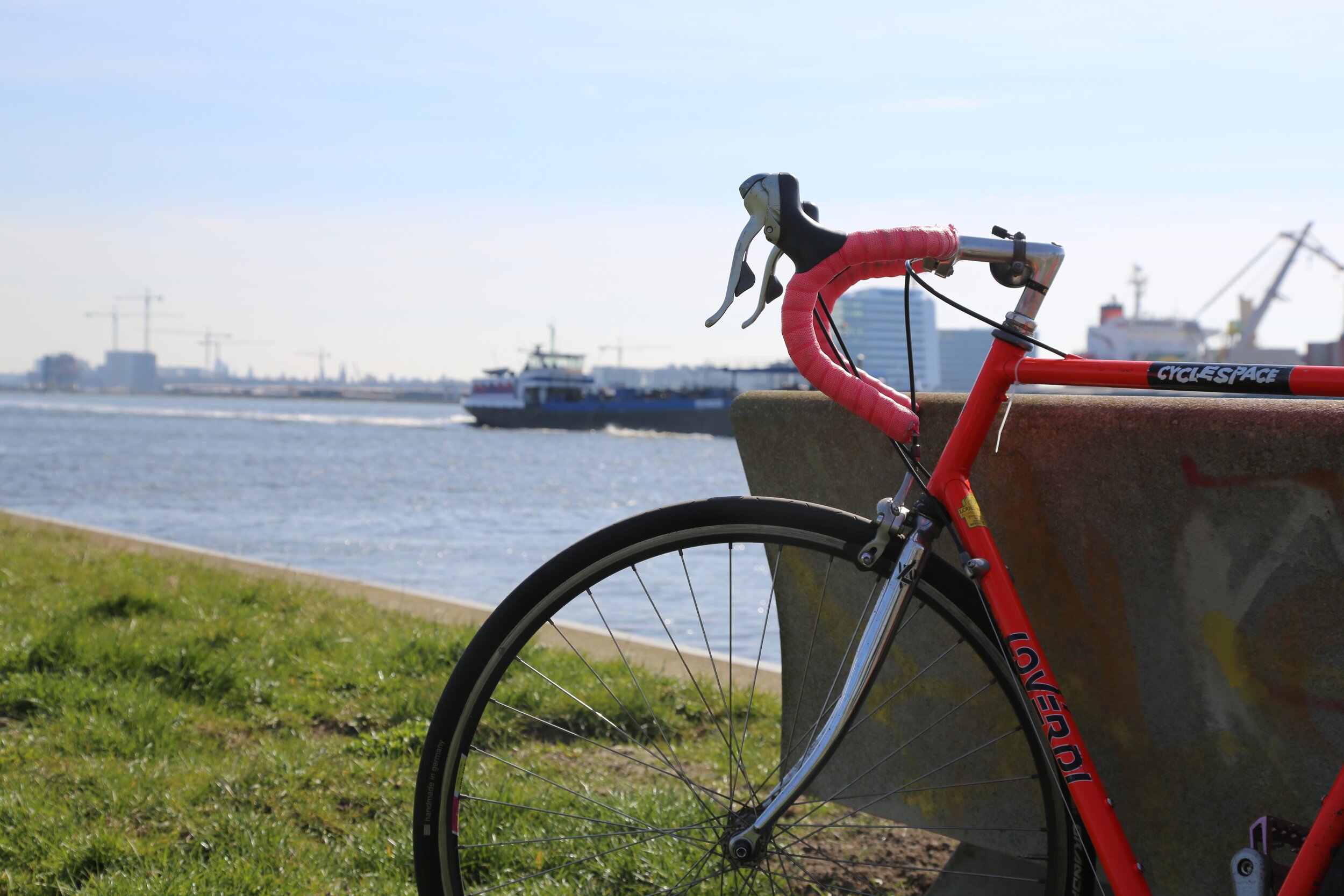
Further on, if you keep heading east, crossing the ‘Noord-Hollandsch’ canal, you will pass small workers homes, more warehouses with creative offices, a brewery called Oedipus, a local winemaker and co-working place called Chateau Amsterdam and find a couple of delicious destinations, like the Mexican taqueria called Coba, and a huge and welcoming restaurant named Hotel de Goudfazant. Ah! And if you want, you CAN also just stay and go dancing at the Skate Café. Or keep riding, all the way to Durgerdam, a quaint fishing village along the IJ lake, amongst green fields and cows.


Ride around the old city center, and its Red Light District, early in the morning, possibly on a Sunday. When most people are still asleep, you can really sense the soul of this place, rich with history, and its share of drugs, sex and rock ‘n roll.


Head West on your bike, exploring the old gas factory site called ‘Westergas’ in Westerpark, now filled with cultural happenings and culinary destinations. Through the park, you can ride even further west, towards ‘Bos en Lommer’ neighborhood — or BoLo — a diverse and upcoming area. There’s a super sweet book shop called ‘De Nieuwe Boekhandel’, and kick-ass coffee place called Friedhats Fuku Cafe founded and run by star barista Lex Wenneker and friends.

BARCELONA soothes my soul. I just love residing in this city, with its beautiful light, buildings, and nature, the people, the way of life. It always relaxes me. How wonderful being able to ride your bike to the beach, dive in, dry in the sun, and ride on. Then enjoy a long and lazy lunch, for example at Sala Beckett, which is inside a beautiful theater building, or LEKA, for deliciously local and sustainable food, both in the Poblenou neighborhood (in general a great area to explore by bike).


Barcelona is relatively easy to ride in, just go easy and accept the occasional counter-intuitive bike infra, AND the fact that as a person on a bicycle you are basically at the bottom of the mobility food chain here (after the car, the moped, the pedestrian, and maybe also the electric scooter).


Photo: Gregor van Offeren
I love riding up the Montjuic hill, a magical place filled with plants, art, culture, and sports facilities — the Olympic Games were hosted here in 1992. At the back of the mountain, there is an impressive cemetery (many famous Barcelonians were buried here) with views of the industrial port, which makes for a surreal setting. If you continue to ride up here you will pass the botanical gardens and finally get to a semi-secret ‘mirador’ (outlook post) and bar La Caseta, with beers, music, and bbq ‘en plein air’. It’s the perfect bike stop, after which you can just roll down that hill and maybe end the day at the lovely Poble Sec neighborhood.
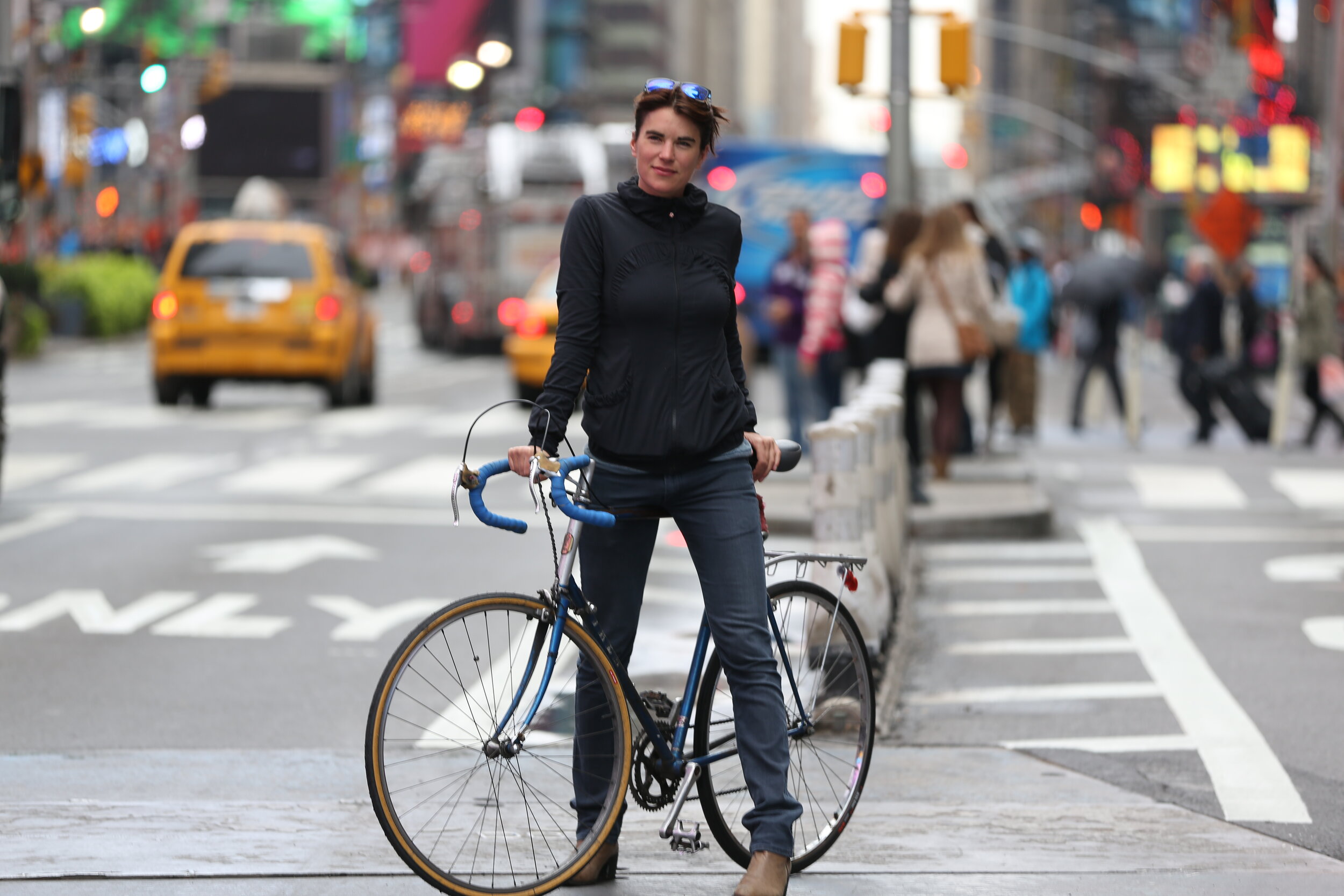
Photo: Lisa Smidt
NEW YORK CITY gives me courage and inspiration. Riding around on my bike here feels like I am surfing the waves of the city. There is so much energy! Of course, you do have to be alert at all times, focused and relaxed at the same time, kind of like a Zen monk on two wheels. Oh, and on a practical note: the blue bike-share system Citibike works great if you don’t have your own bike!
Ride to Red Hook in Brooklyn, over the Manhattan Bridge, landing in Dumbo (neighborhood Down Under the Manhattan Bridge Overpass). Along the East River, through industrial wastelands, and discover at the end of the road this old village that used to be a Dutch settlement called ‘Roode Hoek’. You’ll find you can look Lady Liberty right into the eyes, amongst red-brick warehouses, fishermen, and boats. Maybe have a Key lime pie (!) at Steve’s Key Lime Pies, or a special dinner at The Good Fork. There’s a bar called Sunny’s, straight from a Tom Waits song, rundown, smokey, with a bartender cracking jokes.
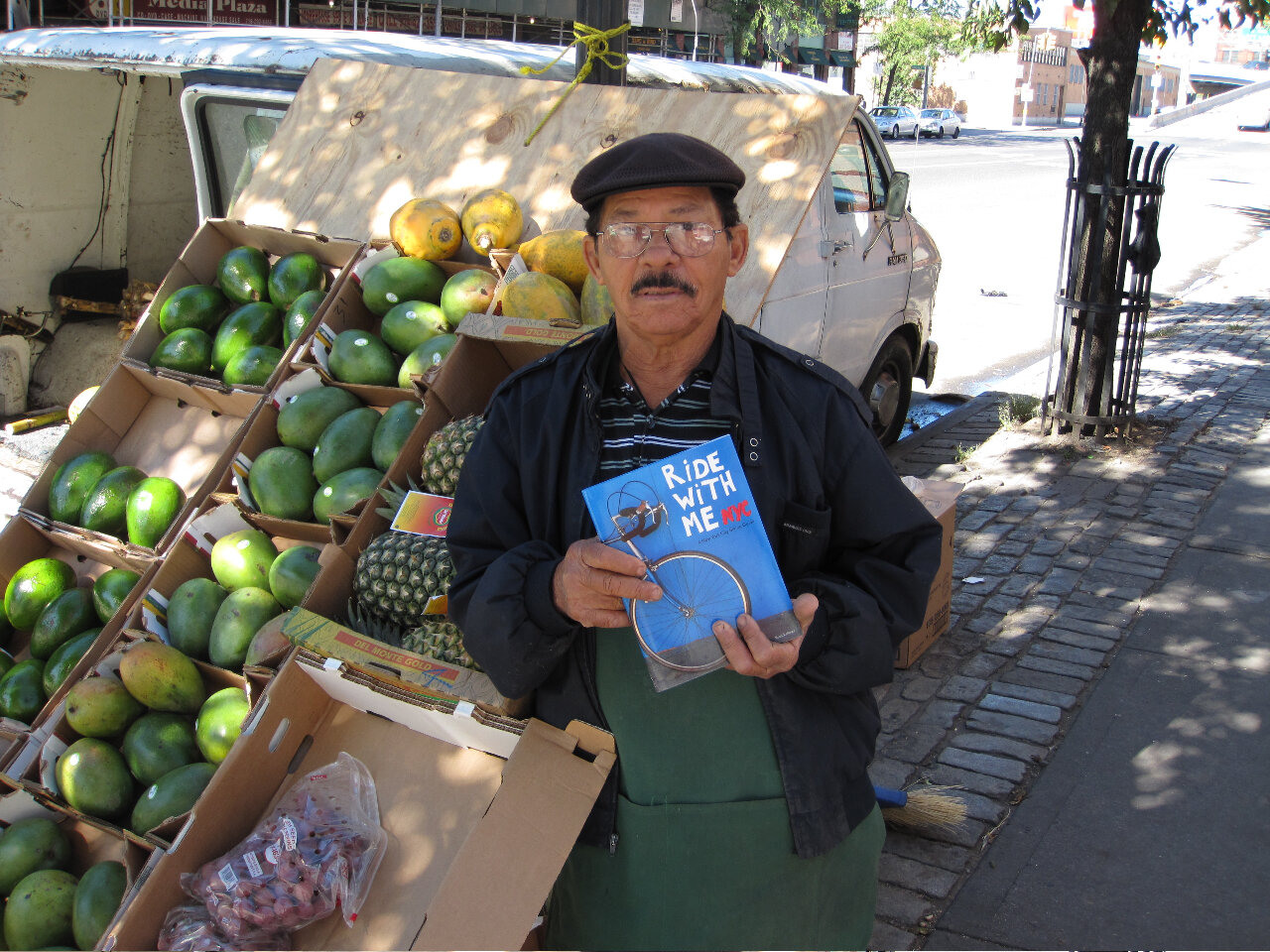

Or ride down along the Hudson River over the greenway — no cars just skaters, runners and cyclists — until you see the Statue of Liberty and Ellis Island. Maybe take a ferry to Governors Island, a historical military base transformed into a car-free, green, and arty play zone.
Ride from Dumbo all the way to Greenpoint, Brooklyn, riding through the Hasidic Jewish area, feeling like you are back in time, with the men wearing black fur hats and the women long skirts and wigs, pushing vintage strollers down the street. Hit the Brooklyn Roasting Company for a pitstop (either in Dumbo or on the way to Williamsburg). In Williamsburg and Greenpoint are tons of nice shops, cafes, and restaurants. Just riding around on your bike, watching the street life and art, is a pleasure too.
If you want more, make a detour to East Williamsburg/Bushwick, still a bit rough, with many murals, warehouses, artist spaces, and many cool bars and restaurants. A weird and wonderful place — completely hidden at the end of a tiny alley — is the Australian restaurant Carthage Must Be Destroyed. Here, they painted everything pink and serve super fresh and original dishes.


Maybe it all makes sense after all. I lived in Barcelona when I was 18, studied Psychology in Amsterdam, Art Therapy in New York City, traveled a lot, and kept a diary to write and draw in. I look at the city as a psychologist, using my bike to be free and get a grip at the same time. To get inspired, and connected to the people and places around me. Riding a bike is both an art and therapy, making ourselves, and the world around us, a better place.
Ride on!
xxxRoos

Photo of Roos: Chris Prins
Additional Photo Credits: Cover image of Roos on the Brooklyn Bridge in NYC: Theo Westenberger
All other photos/artworks/illustrations: Roos Stallinga

How to Meditate in the Midst of Holiday Madness (and/or everyday life)
With meditation, not only are you taking a much-needed break from your thoughts, and the glorious internet, and whatever else is jockeying for attention in your life…but you’re also taking a few moments to devote yourself, fully, to your own wellness. A beautiful practice. (Your third-eye chakra is likely quivering at the mere mention of such an activity.)
Meditation is important. (Right?) It’s like, THE thing.
With meditation, not only are you taking a much-needed break from your thoughts, and the glorious internet, and whatever else is jockeying for attention in your life…but you’re also taking a few moments to devote yourself, fully, to your own wellness. A beautiful practice. (Your third-eye chakra is likely quivering at the mere mention of such an activity.)
Chances are you’ve made these promises of self-care before:
“Starting next week, I’ll work out everyday!”
“I’m finally going to do that juice cleanse. #rawtil4 #plantbasedprincess #fitfam”
“I will definitely get one of those gong things and breathe out very slowly while the peaceful reverberating sound fades amidst the shrieks of my rampaging children.”
But, let’s be real: you’re busy. Yes, meal prepping and spin class and meditation almost always leave you feeling refreshed and alive, but the pressure of having to fit them in is often enough to send you reeling with overwhelm — particularly over the holidays.
So, this got me thinking: how important is it that I do the FULL 30 minute meditation? Like would I be 50% of a good person if I only did half?? (Am I even looking to be that good?) But, no, whatever you’re thinking is probably right: listening to the whole thing is crucial. Yes. There is, of course, an arc and a story and some highly precise process that your body relies on in order to settle fully.
Truly though, I once tried to stop midway through a meditation (re: rampaging children) and found that one of my eyes just sort of drooped unceremoniously in disappointment for the remainder of the day. It was like it knew peace was soo close, but not quite attainable (a sentiment that was often echoed in my life, naturally, so a bit of a waste of 15 minutes really). And maybe it’s because the REAL peace comes at the end? That slow, deep voice gets slooowwwer and deeeeeeper and you can hardly even stay awake for the subtle ad that they weave, so seamlessly, into the end of each episode.
You’re probably thinking this is just one giant buzzkill where I tell you to give up on your dreams of ascension or betterment or anything good existing in the absence of ample-time and product-placement and greed, or whatever, BUT NO. No, friends! I am here to offer you a priceless life hack. (A hack that will be despised by 95% of the population, but a hack nonetheless!)
If you consume your meditations randomly via the podcast app, as I do (by typing in words like “meditation for sleep” or “mindfulness in the morning” or “meditations, man voice” *ow ow* #sorry) then you know that there is an option to listen to your selections at 1.5 speed.
It would, of course, be preposterous to apply this setting to a meditation that is designed to grant you time and space to center and calm yourself.
…
Absurd really.
…
Laughable.
…
Very much not something a grown-up should do.
…
Right?
…
…
Except…
…
here’s the thing you’re not considering….
meditations feature lots of slow-talking. (Like, so much.) And they have a TON of down time built in. (We are talking minute upon minute of silence!) Do we really need that much silence? Is the allotted time scientific? Or are the people recording these things just sort putting us on mute while they call their doctors or watch daytime TV or sing along to the Frozen 2 Soundtrack (#notanad … but that album is legit).
So, ok, I’m guilty. Fine. I was very busy last week. Was planning to dedicate a whole 30 minutes to myself before picking up my homeschooled (read: ever-present) children from an activity, when I got sucked into a too-long work call and my me-time plummeted from a decadent 30 minutes to a pretty-much-useless 15. There was a mediation I was dying to listen to and I had literally no time left. The hosts had specifically stated at the beginning of each episode that I was not to be operating heavy-equipment whilst listening and though I always picture myself riding on a tractor when I hear this, I knew what they meant: Don’t drive your car while you listen to this, you dumb bitch.
Fine.
I complied.
But then, as my pre-departure minutes dwindled, something happened.
In a fit of #mindfulMonday-induced FOMO, I switched on my meditation, fast-forwarded through the “obviously-an-ad” portion (No one loves protein shakes that much, Karen.) and BLAM-O started my peaceful self-care practice at 1.5 speed. (This, I realize, is blasphemy.)
Yes, there were moments where she was (apparently) speaking “normally’ and it sounded like the most frenetic parts of the Alvin and The Chipmunk’s album, but MOST of the time, she was just sort of letting words fall lazily from her mouth. At 1.5 speed things were honestly more palatable. I literally do not have time to hear all your mouth noises as you labor to articulate every word, Karen, please just make me a better person, and be quick about it. (Fun fact: the meditation I listen to is actually led by a woman named Karen! *kisses fingers in victory like a proud Italian chef*)
I know this hack is not for everyone (and maybe it should be for no one?) but in a pinch, as the rush of the holidays descends upon us, it is nice to know we have options. Yes I may have rushed through something that was specifically designed to help me relax, but I assure you, I DID relax. And sometimes just the act of checking something “good” off your to-do list is enough to bring comfort and peace.
Maybe I don’t have ample time to devote to my self-care practice, or maybe I just don’t find the time for it. But isn’t doing something better than doing nothing? Isn’t it the effort that counts? Or the practice that counts? Or the acceptance that while I may not know exactly how to become the best version of myself, that I’m definitely willing to cheat the system in order to make it look like I do that counts?? You might have answers to all of these questions, and instead of bringing a voice to them, I suggest, instead, that you take whatever feelings this has stirred within you, and apply them to your own self-care practice. That way, you’ll feel better, and I’ll continue to float through life blissfully unaware that I am doing it all wrong.
Namaste (but said really quickly).

The Sketchbook Project at Brooklyn Art Library
At Brooklyn Art Library spend time with a living sketchbook museum.
“A crowd-funded sketchbook museum and community space.”
For the Lost: ‘A Lovely Wander NYC’ by Sara Boccaccini Meadows
For the Curious: ‘Come Travel with Me’ by Jill Macklem
For the Lonely: ‘somewhere across the sea’ by Michael Elizabeth Zimmerman
For the Anxious: ‘Anxiety Sucks’ by Suzie Deplonty
But you could equally be looking for ‘A story worth telling’, ‘Pocket-size memories’, or ‘Trivial retrospectives’. The floor to ceiling shelves of The Sketchbook Project at Brooklyn Art Library contain all those themes and more in thousands upon thousands of identical 5 x 7” sketchbooks. In fact, this Williamsburg storefront houses the largest collection of sketchbooks in the world: 45,000 in all (with 24,000 in its digital library). And most are made by amateurs: 30,000 different people in over 130 countries have so far contributed to this over a decade-old project. Anyone can submit a sketchbook irrespective of background, perspective and, here’s the key, ability. These drawn-out and doodled narratives can be made by a granny in Croatia, a mum in California, a child in England. Even you.
We’re a little in love with it.
This is how it works: you order one of their custom designed, Scout-made sketchbooks online and receive along with it a list of thematic prompts: recent calls included: ‘One last chance’, ‘Fearful faces’ and ‘Lamppost Limericks’. Choose one or discard them entirely. It’s up to you. You get to fill 36 pages with whatever you want—abstract squiggles, detailed portraits, maps and landscapes, diary entries, poems, fragments of images and memories, secrets and declarations of lost love—anything that can be contained within its pages (so no glitter or messy embellishments).


Here’s the genius part—your sketchbook has a barcode, so you’ll upload some details to an online catalog, like search terms and your bio. Then you’ll mail it back to The Sketchbook Project for the next part of its life: most likely it will be part of one of the traveling exhibitions which take place in a custom made Mobile Library (‘like a food truck, but instead of tacos you get sketchbooks’) that tours to schools, music festivals, art fairs, museums, and blue-chip companies, in such places as Melbourne, Chicago, Atlanta, Toronto, San Francisco, and even Rapid City, South Dakota. But your sketchbook will definitely find its permanent home on one of those shelves in that storefront in Brooklyn. All sketchbooks are cataloged and kept. There’s no jury, no judgment.
Founded in 2006 by Steven Peterman and Shane Zucker, The Sketchbook Project questions who gets to create, who gets to be good and whether that idea has any currency, and why creativity still matters. By giving people a blank page, it also gives them the impulse to make and the platform to share. This is art for everyone, and artist as anyone. As Peterman attests: “I wanted to create an informal outlet for anyone to create art, with a purpose. I believed and still believe in the notion that a creative community is stronger than its individual artists and that a project can be impactful in a way that is different than a traditional gallery.”
All these sketchbooks—made and mailed in from all over the world, collectively form a library of sorts. Visitors to the storefront, which has a very unlibrary feel—yes, there’s check-out cards, but there’s also music, art supplies and memorabilia on sale—can view any of these sketchbooks in its cozy space. Remember that barcode? That makes the in-store librarian’s job way easier: now visitors just search the catalog by theme, figure out what they want to view, and the librarian will pull it from the shelves. As the artist/maker/author you can get updates on how many times it been viewed—you can even get texts when your sketchbook-baby leaves its home on the shelves. The beauty in all this is that the person who made and then the person who viewed the sketchbooks are now in conversation; the sketchbooks forming physical testimonies of lives lived, documented and shared.


The Sketchbook Project gives analog form to some of our most basic needs, namely to tell stories and to connect. As we’re increasingly driven online to spill and share, it’s a real-world kickback. These shelves express myriad lives and ways of being in the world that you can flick through and digest over time and in physical space. It’s collectively made, with all the contributors expressing themselves very differently while working within exactly the same parameters. And it’s collectively understood; visitors can search for what they need amongst the pages or maybe even chance upon something unexpected. Plus it's permanent. These sketchbooks are designed to last, to be an archive of global creativity that endues longer than the time it takes to scroll through your feed.
(See also the workshops in the community space, on such things as bookmaking and journaling, and other interactive global art projects that aim to connect and dispel some fundament myths around creativity like the Pen Pal Exchange).

Governors Island
Rawly Bold Founder Pamela Delgado on why New York’s Governors Island is the place she turns to when she needs some balance in her life.
You know when you’ve reached that overwhelming point and you’re in dire need of an escape? It happens to all of us. For me, on those occasions when I can’t take the vacation that I would like, thankfully I can escape to a local New York City gem: Governors Island. As soon as the weather permits I’m on the first ferry there.
This little historic island (172 acres to be exact) is located off the southern tip of Manhattan and depending on where I’m standing I can see Brooklyn, Staten Island, New Jersey or the Big Apple. Once used as military installation, Governors Island is now a seasonal destination which gets around 800,000 visitors per year.
With ample park space, I often just set up my own little picnic and just be. For these escapes I don’t need to take much. I may pack a book or a magazine, but on Governors Island I get to dine, snack and support local food vendors too. Being a small business owner I’ve learned the value of support and I’m happy to do so whenever I can. Island Oyster is my favorite. I will usually indulge in oysters and a glass of champagne while watching the hustle and bustle of the city. During the hot summer days, I’ll hang out near Little Eva’s Beer Garden before frolicking over to see the Statue of Liberty. After living here for eight years New York is still surreal to me. I used to dream of living here.

Having alone time is so very rare and I take full advantage when I get it. Being here makes me feel peace. I’m a lover of the sun and water and although there is no beach, it’s close enough and gives me the fuel I need to keep on trucking. When was the last time you walked barefoot on grass? I consider that to be a luxury. The last time I did was on one of my visits here in July.
It’s now November and I’ve loved this past season! It was my first time visiting during the Fall and it won’t be my last. I felt like there was always something different or new to discover. I visited their incredible pumpkin patch: cider stations, pumpkin decorating for the kids, pumpkins for purchase, and fall foods to nosh on.


Governor’s Island gives me the opportunity to let go, of all the stress I may have experienced prior to my visit or whatever issue is coming up for me. It gives me the space to regain my clarity and prepare to face things that may require my attention or make me feel uncomfortable. Problems don’t disappear overnight, but taking a step back can help. I can be silly. I can get out of my comfort zone and meet new people if I feel like it. On occasions when I need to release pent up energy or ease my anxiousness I put my sneakers on and go for or a run. This island is the perfect track. There have been times where I turn on my yoga app and dive right into a pose with no worries in the world. It never fails to transform me. I head home feeling like a brand new person.
Living in such a fast paced city, sometimes all I need is just time to be alone with my thoughts or have a moment to meditate while the breeze from New York City harbor hits my face. As the mother of two very energetic toddler boys, I escape here to feel grounded and centered. And as someone who is multi-passionate, finding down time is required to nurture this journey of life. Governors Island has become that place for me; it will always have my heart.
To find out more, Website, Instagram, Facebook, and Twitter (Please note that Governors Island is closed for the season and will reopen in Spring 2020)

Re:Mind
Finding calm in stressed-out London with a new kind of lifestyle studio.
“Find Your Calm.
Drop-in meditation classes in the heart of London.”
Re:Mind speaks to a future where mindfulness studios are as common as your local gym. We all now understand the benefits of exercise, even as we procrastinate to get ourselves to that yoga class, or Soul Cycle session, or just out the door for a half-arsed hike. But we’re now coming to understand the benefits of being in our bodies in a different way, in ways that are slower, gentler and much less sweaty than cardio. Breathwork and meditation once meant retreats or a niche happening-over-there kind of thing. They were definitely for other people. Now we strive to bring these self-care practices into our working weeks and everyday attempts to keep it all together.
Re:Mind helps us negotiate that shift in how we see and experience mindfulness techniques. And it does so by removing some of the woo-woo that might have put us off before—incense sticks, tie-dye, those draped curtains. Founded in 2018 by entrepreneurs and wellness warriors Carla von Anhalt and Yulia Kovaleva, Re:Mind is London’s first drop-in healing studio. Bringing a lustrous charm to self-care practices, Re:Mind takes out the intimidation factor around more alternative wellness approaches.
That all starts with the space. It has been designed to hold you in your practice; to be an instant balm as you walk through the doors. The colour palette is soft, more akin to a high-end boutique. Attention has been paid to best practices for air quality, comfort and serenity. An abundance of greenery (including an air-purifying floor-to-ceiling plant wall) and cascading natural light, nature-derived materials liked the covetable buckwheat filled floor mats, and a mandala of Himalayan Salt Lamps (which are having their moment), create the setting for finding your calm. And if something looks this good, it must be good for us, right?
Actually, right. There’s now study after study to back up the techniques on offer. The intimate studio offers a wide range of equilibrium finding drop-in sessions: There’s yoga, in restorative movement class (Re:Store), mindfulness techniques (Re:Heal), and energizing breathing (Re:Breathe). But there’s also more intriguing sounding offerings such as healing sound baths (Re:Sound), rituals for connection with one another (Re:Connect) and the one we lean towards, bringing in kindness and self-care practice (Re:Caim).
In this serene urban oasis, practitioners are called ‘Calmers’, clients are invited to relax before or after a session with herbal tea, and a small library offers some context (or diversion to those of us who feel less comfortable in new environments). The on-site eco-wellness store is stocked with small businesses who are doing some of the work of sustaining us and our environment, with handmade soaps, flower remedies, chimes and the requisite crystals.
Bringing some Californian lifestyle savvy to the streets of London, this pristine boutique studio for the stressed-out gives both the space and the permission to pause. Here is a place to actually practice some of those concepts that are increasingly talked about as vital tools for navigating modern life; jumping off the pages of a lifestyle magazine or a wellness manual into our real-world. LA would be proud.
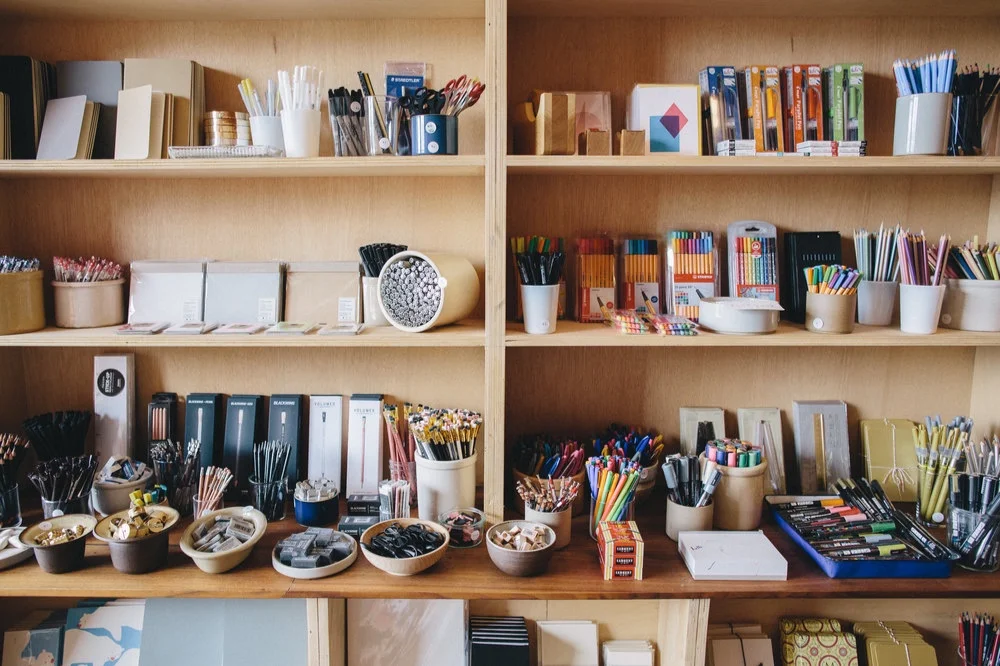
Case for Making
An emporium for the curious, for searchers and explorers of the page and white space. San Francisco’s Case for Making has been thoughtfully designed to ‘push our collective ideas further about what creativity can be’.
“Case for Making is a storefront offering creative supply basics, raw materials, and workshops, selected and designed to encourage process-focused exploration. Our practice is to recognize the presence of creative inquiry in multiple forms, and to provide space for engaging in and valuing this work.”
Right in a pocket of community in San Francisco’s Outer Sunset neighborhood, sits Case for Making, its creative beating heart. Founded by Alexis Joseph and Lana Porcello in 2014, because ‘the potential of humans doing projects makes them very happy’, this sweet storefront stakes a mark in the ground for the importance of making in our lives. Its an artist’s store for all of us.
Browse their products (you can do this online too). Take time in the store to just figure out what appeals to you and what makes you want to play at the process of it all. For us, its usually the handmade watercolors and indigo inks, and the special paper goods, particularly their fill-in-the-blank greeting cards.
This is an emporium for the curious, for searchers and explorers of the page and white space. Its a place designed to ‘push our collective ideas further about what creativity can be’.
Maybe this is best captured by the workshops on offer. Through classes led by local makers they admire, you are invited to produce your own pigments, learn how to draw, or paint with watercolors (their current offerings). These practical explorations sit closely to a spirit of guided inquiry, about how we show up as people in our worlds.
Case for Making takes down the idea that art is precious a notch or two, and opens the door to whatever it is that creativity means to each of us. We get to decide what we want to make and why it matters. They get to help us to do that. That’s why we love them.
*There’s a sister store at The Aesthetic Union too that you should check out!
Website www.caseformaking.com / Instagram @caseformaking