

Reads to make your summer that much better
Explore what makes the perfect summer read with our curated selection of books for every mood and moment.
What makes the perfect summer read? Is it the latest bestseller purchased in the airport while racing to your flight? Is it the book your sister-in-law just finished, passed to you across the beach lounger? Or is it a book you bought long ago that you’ve never quite had the time for until now?
We’ve rounded up our picks for summer reading this year. Some are recent hits. For others all the chatter happened a while ago. Books are made to last so we’ve included a selection of our favorites from different moments, for different moods, and with different intentions.
The One You Won’t Want to Put Down | Romantic Comedy, Curtis Sittenfeld
To be read by the pool. On the plane. In bed in the morning. At any moment you can grab really. Curtis Sittenfeld's Romantic Comedy is a witty and insightful exploration of love and modern relationships set against the backdrop of a late-night comedy show. With sharp humor and relatable characters, this novel offers a fresh take on the classic rom-com genre. If the sun isn’t warming you, this book will.

The Joyful Read | Still Life, Sarah Winman
Probably the book we most recommend at the moment. We read this earlier in the year and regretted that we hadn’t sooner. Sarah Winman's Still Life is a heartwarming tale that spans decades, blending art, love, and friendship in post-war Florence. At a moment when we’re only ever reminded about what divides us, this book shows how we can make our lives better by connecting, both wildly and with joy.
The Darker And Twistier One | The Marriage Portrait, Maggie O’Farrell
And the opposite, though still a great read that you’ll tear through. Maggie O'Farrell's The Marriage Portrait is a captivating historical novel that transports readers to Renaissance Italy, unraveling the life of Lucrezia de Medici through a richly woven tapestry of art, power, and intrigue. Full of twists, turns, and surprises.
The Secret Find | Enchanted April, Elizabeth von Arnim
We picked this up after our local bookshop Winstone’s made it their book club pick of the month. Knowing nothing about Enchanted April this book has become one of our surprise reads of the year. Elizabeth von Arnim's novel published in 1922 is a delightful escape to a sun-drenched Italian castle, where four women find renewal and unexpected friendships. If you want to still believe in people’s capacity to change and to surprise themselves, read this. Though it captures the magic of springtime and renewal, it’s still perfect for a summer when we’re all longing to feel more hopeful.

The Heavy Book That Shouldn’t Have A Place In Your Suitcase But Does | Wolf Hall, Hilary Mantel
Summer doesn’t have to mean new. Or light. Or contemporary. It can mean older, weighty, and historical. During the non-summer months, we often fall asleep after a few pages because we are so, so exhausted. But on vacation, with the promise of more hours free, that also hopefully means more hours for reading. That’s where Wolf Hall (and the following two books in the series) can come in. Hilary Mantel's masterful historical novel brings to life the complex and cunning world of Thomas Cromwell in the court of Henry VIII. With its rich detail and compelling narrative, this Booker Prize-winning book will immerse you in the political intrigue and drama of Tudor England. Deeply engrossing, you’ll ignore everyone you’re on holiday with.
The One Everyone Else Has Read (and Watched) Except You | One Day, David Nicholls
Yes, we spent spring talking about the Netflix show. Yes, there’s another book out by David Nicholls that we’re falling for too. But in case you haven’t read One Day, do. Not just a beautifully crafted love story between the seemingly mismatched Emma and Dexter as we revisit their lives on the same day each year, but a nostalgic remembering of the two decades that it spans. It may even have you longing for a pre-smartphone age.
The One That Will Have You Thinking | Such a Fun Age, Kiley Reid
This came out some years ago but it’s still lodged in our heads. Such a Fun Age is a sharp and thought-provoking novel that delves into issues of race, privilege, and identity through the lens of a young Black babysitter and her well-meaning employer. Summer reading doesn’t have to mean throwaway; it can include those books that just stay with you through the years. This is one of them.

The Trusted And True One | Tom Lake, Ann Patchett
Really anything by Ann Patchett. Could be The Dutch House, Commonwealth or These Precious Days. We’re mid Tom Lake, and we couldn’t leave this off the list. Already we’re been drawn into one of those intimate stories that only Patchett can tell. It’s a beautifully crafted novel that explores themes of love, memory, and family through the lens of a summer theater production in Michigan. By the time you read this, we will have finished it and will be reaching for the next Patchett novel. We’re slightly envious that you’ve yet to start.
The Ultimate Summer Read By The Ultimate Summer Author | People We Meet on Vacation, Emily Henry
Pick anything by Emily Henry and you’ve got the perfect summer escape. We first discovered her with Beach Read which is exactly what it says on the cover. People We Meet on Vacation is a delightful and heartwarming romance that follows the evolving friendship and love between travel writer Poppy and her best friend Alex. An easy, breezy summer read.
Let us know if any of these become your favorite summer read. And tell us about other book discoveries from this summer or those long past.
Love books as much as we do? Explore our Culture Therapy series or book an appointment to match the best podcasts, books, or series with what ails you.

Beyond Books
This independent Bookshop Week, escape into the Imaginary with some of our favourite independent bookshops.
This Independent Bookshop Week (Saturday 18 June – Saturday 25 Jun), we’re celebrating some of our favourite indie bookshops. We often seek out bookstores when we’re feeling lost, even lonely, when we need a pick-me-up, when we need inspiration, and occasionally when we have that happy-just-to-be-in-the-world-feeling and want to connect with other people. Bookshops are pretty much there for us all the times of our lives.
So let’s return the favour this week and show up for them. Show them our support: Buy a book, attend an event, say hello to the booksellers and ask their advice on your next read, go on a bookshop crawl. Make a point of visiting your local bookshop, alone, with your friends, on a date, or with your kids (get them in the habit of bookstores early).
That way bookshops will get to stay around, making our lives and communities just that little bit better.
Here are our picks this week for Independent Bookshops we love and why we think they matter.
Bookbar, London

If we were a bookshop, we’d aspire to something like this: coffee on arrival, bottles of wine dotted amongst the bookshelves downstairs, spot-on curation from owner Chrissy Ryan (see the very covetable Booklists), and inspiring events that have included conversations with people like Emma Gannon and “read-dating”. To celebrate the book of the month: Akwaeke Emezi’s You Made a Fool of Death with Your Beauty, Bookbar even played host to a pop-up nail bar. Where “books are social”, this is a place to seek out all the things: connecting, learning, or most crucial of all belonging
With a cause: This one’s all about community: even their Loyalty Card supports books for the local school, Ambler Primary.
To do: Get some bibliotherapy with Shelf Medicate Prescription and Consultation. We’ve very much in need of the escapism offered by the G&T for the Soul Prescription. Consultations are also available for the kids in our life.
Max Minerva’s, Bristol

Every neighborhood needs its own bookstore, every community a hub for kids and grown-ups. When Jessica Paul and Sam Taylor moved into Bristol’s Westbury Park neighborhood they thought they’d found that in Durham Down Bookshop. But when the owner died in 2016, they realized that it was down to them to keep a bookstore in their community. In 2018, Max Minerva’s opened its welcoming yellow fronted space, with a built-in window seat and cozy armchair for lingering. For Jessica, “Bookshops are a comfort thing.” They also tell deeply personal stories: Named after Maxene Emily Minerva, Paul’s late 15-year-old cousin (and also the Goddess of Knowledge Minerva), the store celebrates her voracious love of reading. It’s a joyful celebration of how books are all about ‘emotion, imagination, and ways to making you think.”
With a cause: Bright orange lettering outlines a quote from Lemony Snicket: “All the secrets of the world are contained in books. Read at your own risk.” And it is the joy of reading for all, but particularly kids, that Max Minerva’s encourages by focusing on kids' literacy and creative classes that tell some of those secrets.
To do: Sign up for a children’s reading subscription, and choose between titles for Juniors aged 9 to 12 or aged 5 to 8.
The Book Hive, Norwich

Founded by Henry Layte who describes it as “someone’s home where you can buy a book. Always has, intentionally,’ The Book Hive is an irreverent indie bookstore, with a highly individualistic take on what to read. Located in a landmark building in Norwich Lanes, this is a bookstore for discovering the unexpected. Beloved by authors like Margaret Atwood (who completed her novel The Heart Goes Last in one of its upstairs rooms) and poet Simon Armitage (part of the shop’s award-winning imprint Propolis), the titles on offer are not your usual suspects, but an eclectic assortment that puts personal choice above algorithms. Similarly, the events push back on where we’re all falling down: like Page Against the Machine, a space dedicated to reading, which in itself feels radical now: coming together, detoxing from tech, and putting the world on hold by escaping into a good book.
With a cause: The Book Hive supports the work of the Norman Lamb Mental Health and Wellbeing Fund, which funds vital local, grassroots, community mental health initiatives
To do: Join the Short Short Story BookClub, which takes the much underrated short story and gives it its due with two collections mailed a month to be discussed for now on Zoom.


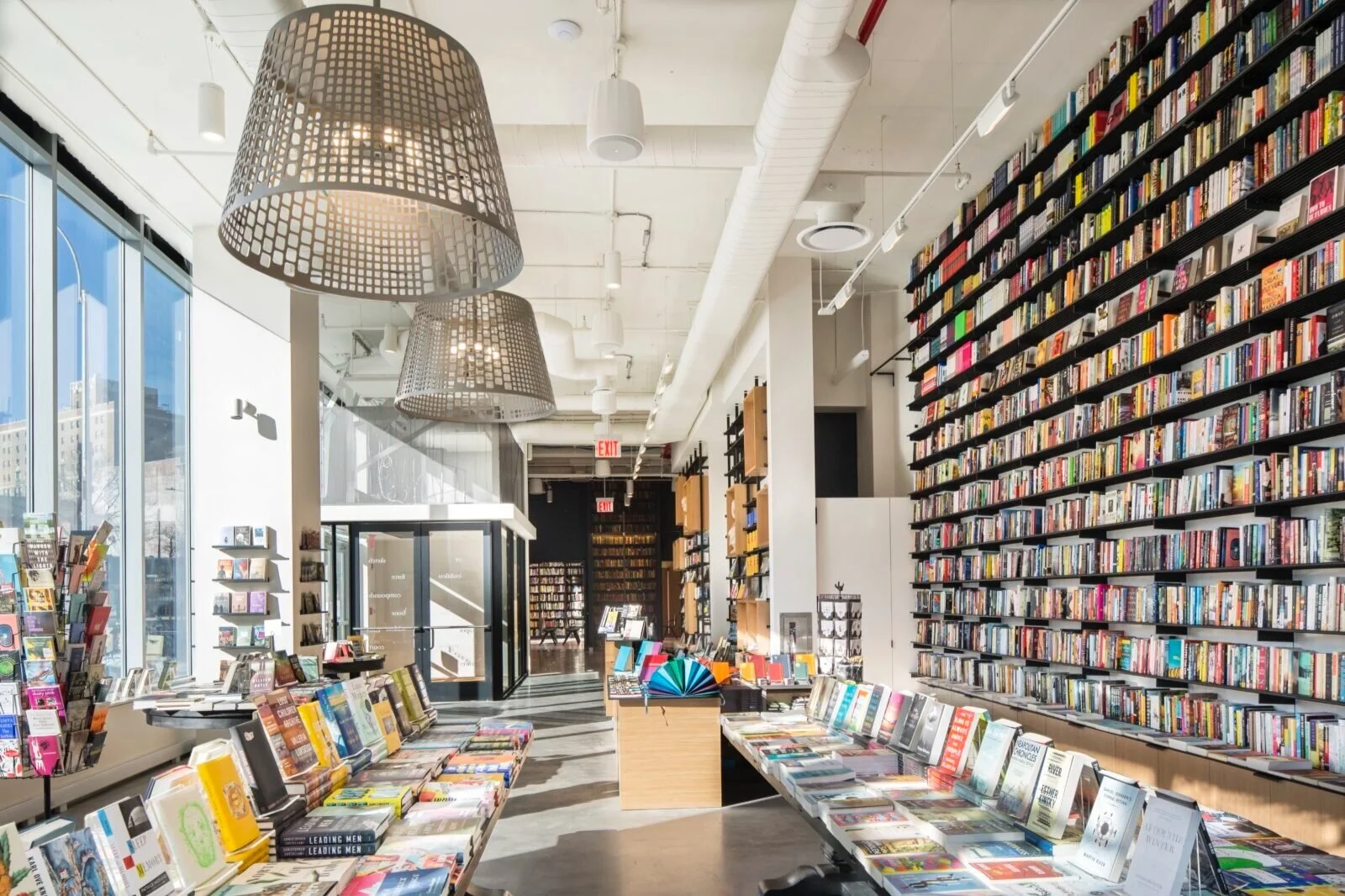


Support your small book store. Read something you love.
Let us know which local bookshops make your life better and which you’d recommend for our guide.
[Main photo: Photo by Pj Accetturo on Unsplash]

Some of Our Favorite Books for Discovering Nature
For when the world out there seems too much, we reveal the books that can connect us back to it. In our latest Culture Therapy Prescription, here are some recent reads that have brought nature indoors and back in our minds again.
If the thought of leaving your house, going for a walk, maybe even trying wild swimming, is all too much for you, reach for the bookshelves. Our green and blue spaces have taken root in memoirs and non-fiction that reveal again and again the well-being benefits of our natural world.
We’ve listed a handful of our favorite reads (you can find more over in our Nature Edit on Bookshop): We’ve recommended Wintering to countless friends and family members for whom this may not be their favorite season, while H is for Hawk was the book everyone got to years ago that we got to last year and then understood why. We’ve played around with more tricks to rewild ourselves with ideas from Simon Barnes and Sarah Stirling. And we’ve followed the transformative story of Raynor Winn who walked a coastal path and changed her life and that of her partner.
So curl up indoors with one of these books and discover the power of nature to reconnect you with the world out there and the world in you.
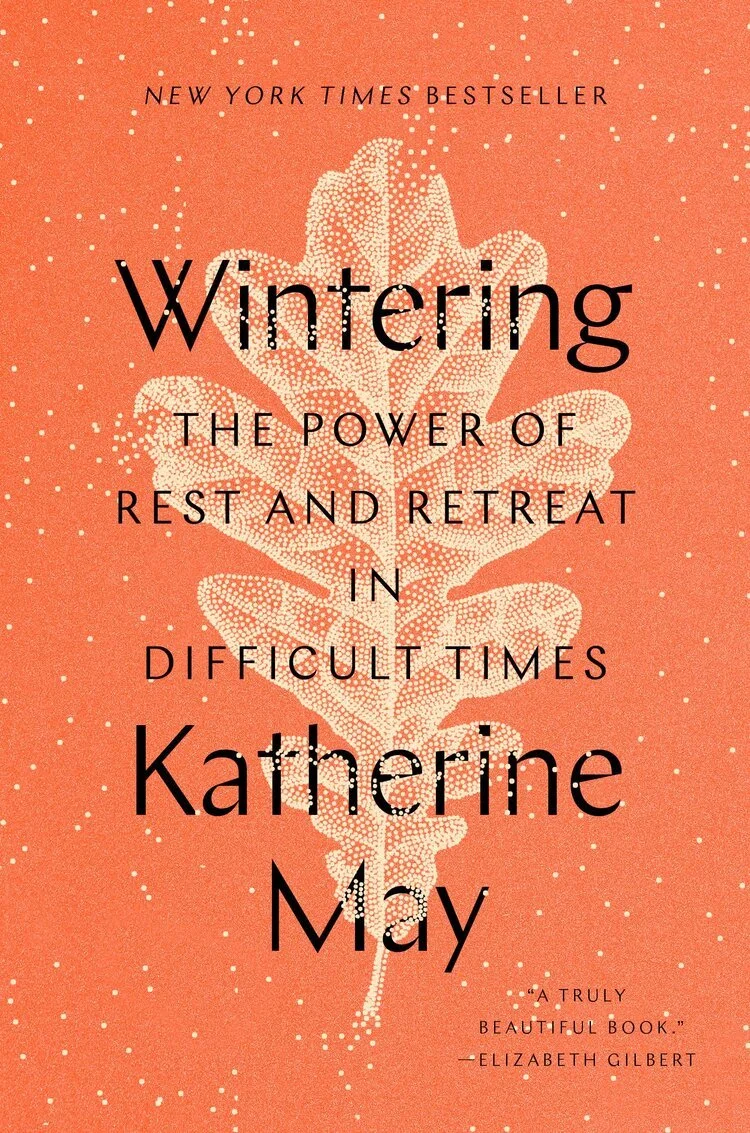
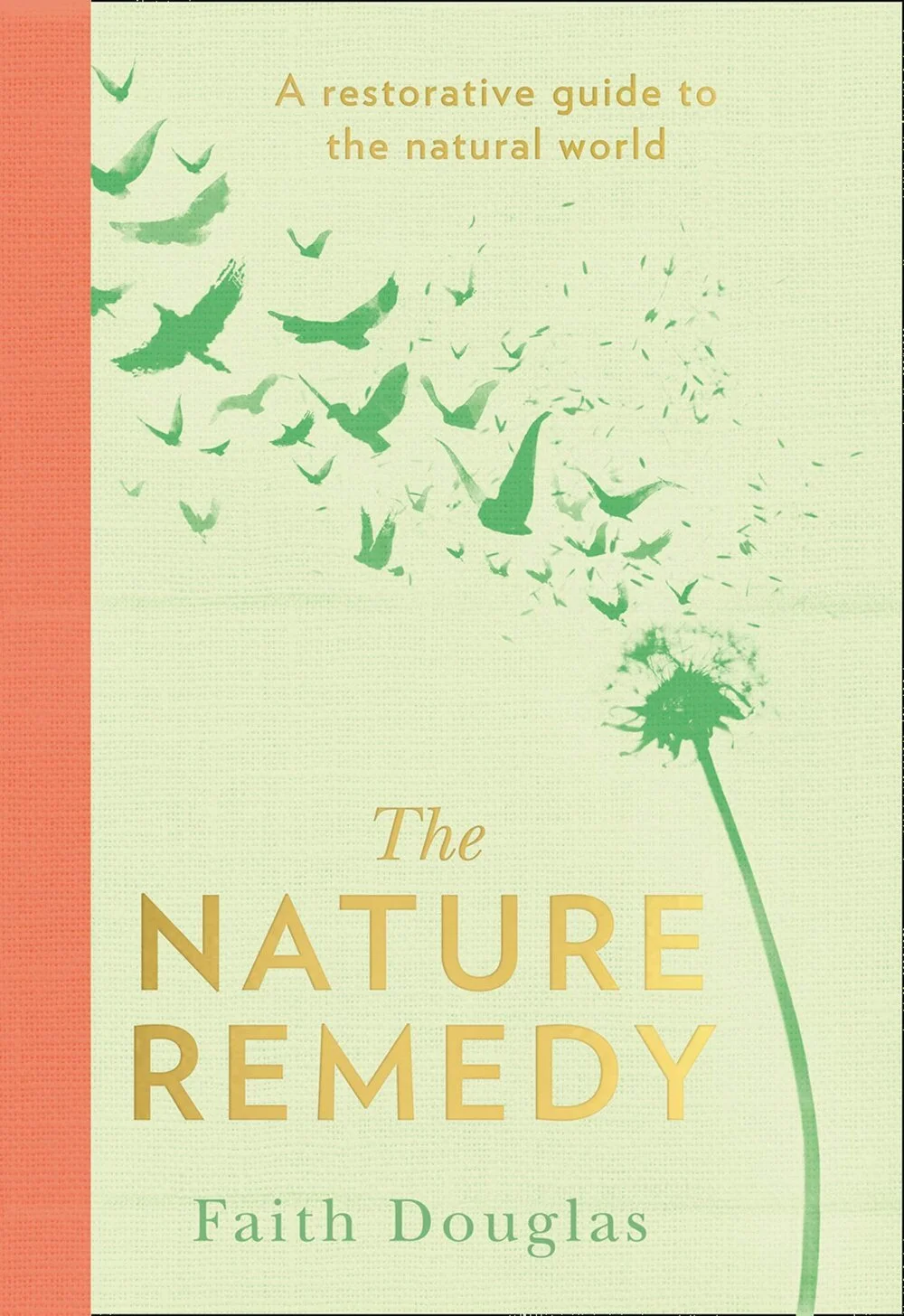
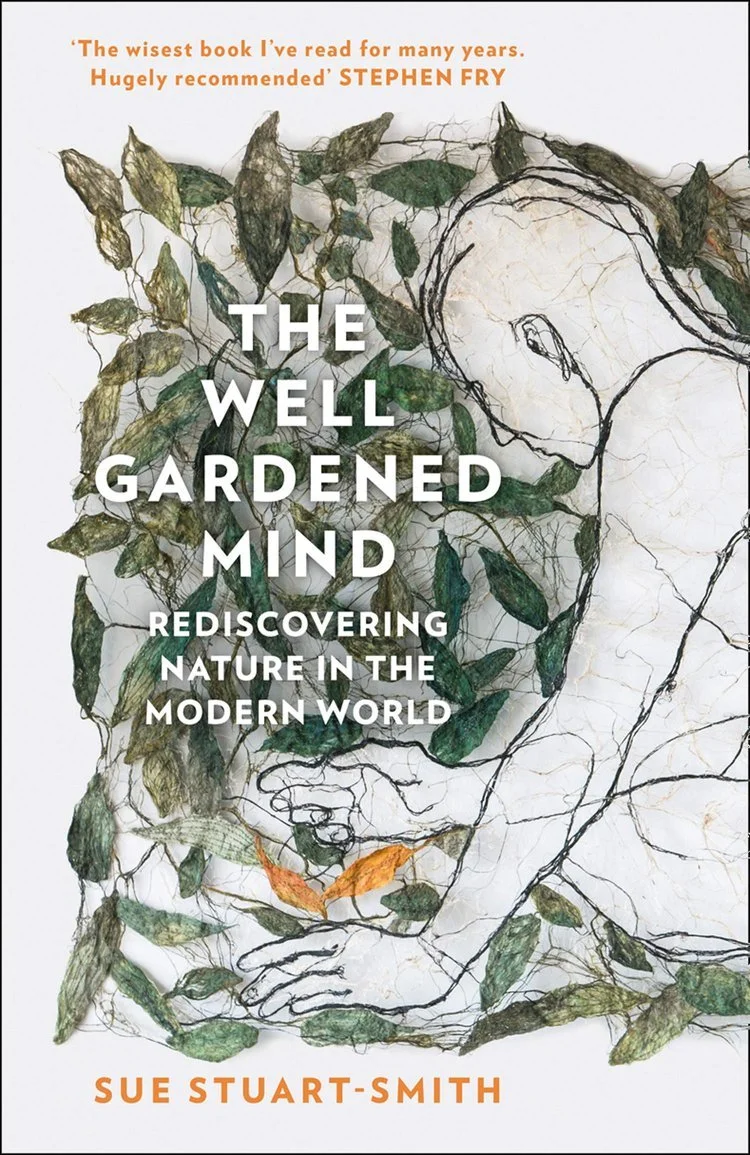
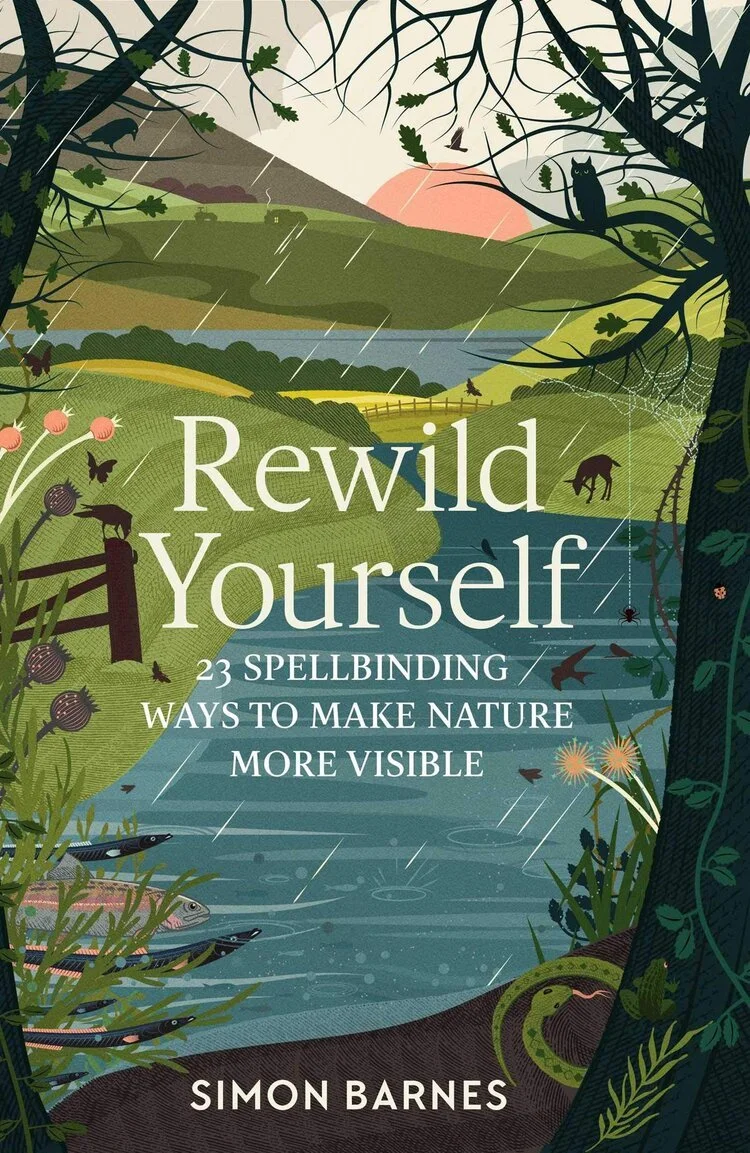
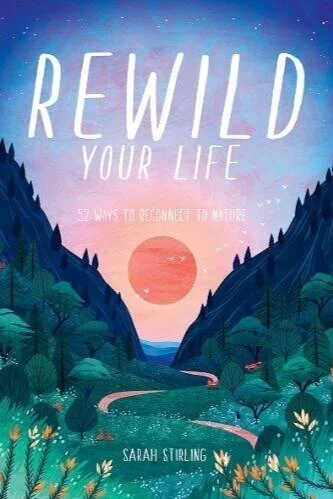
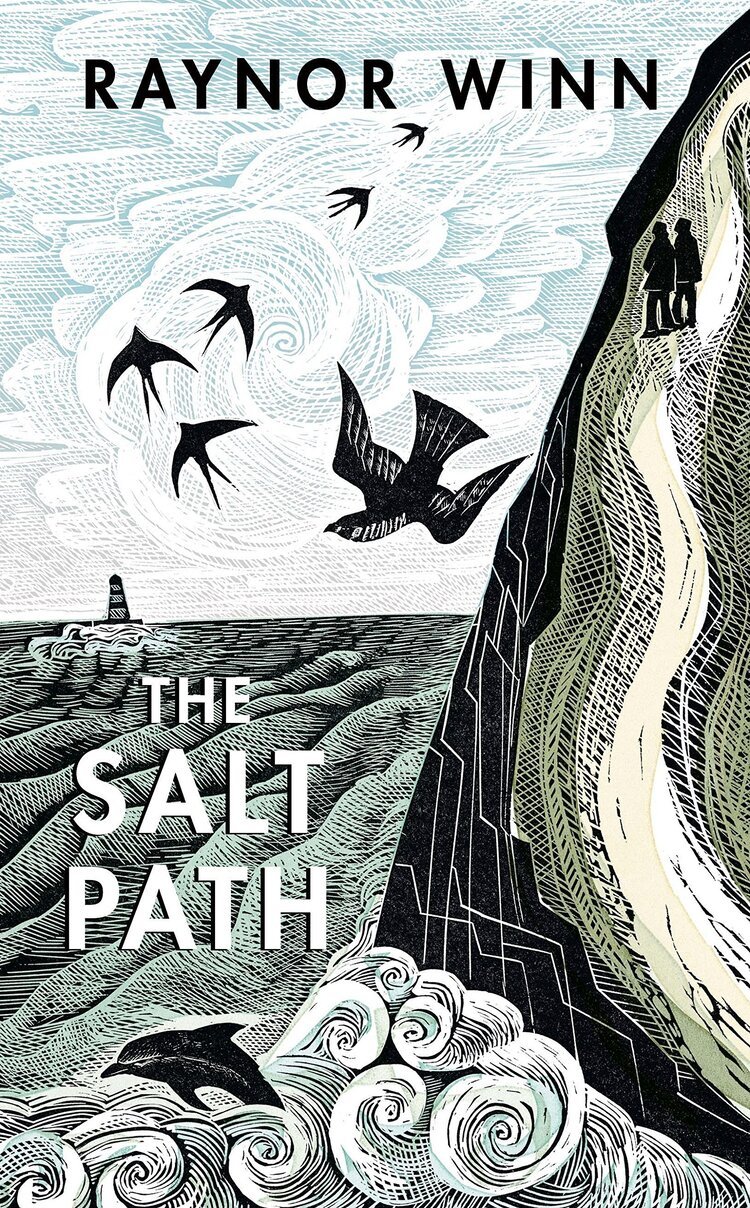


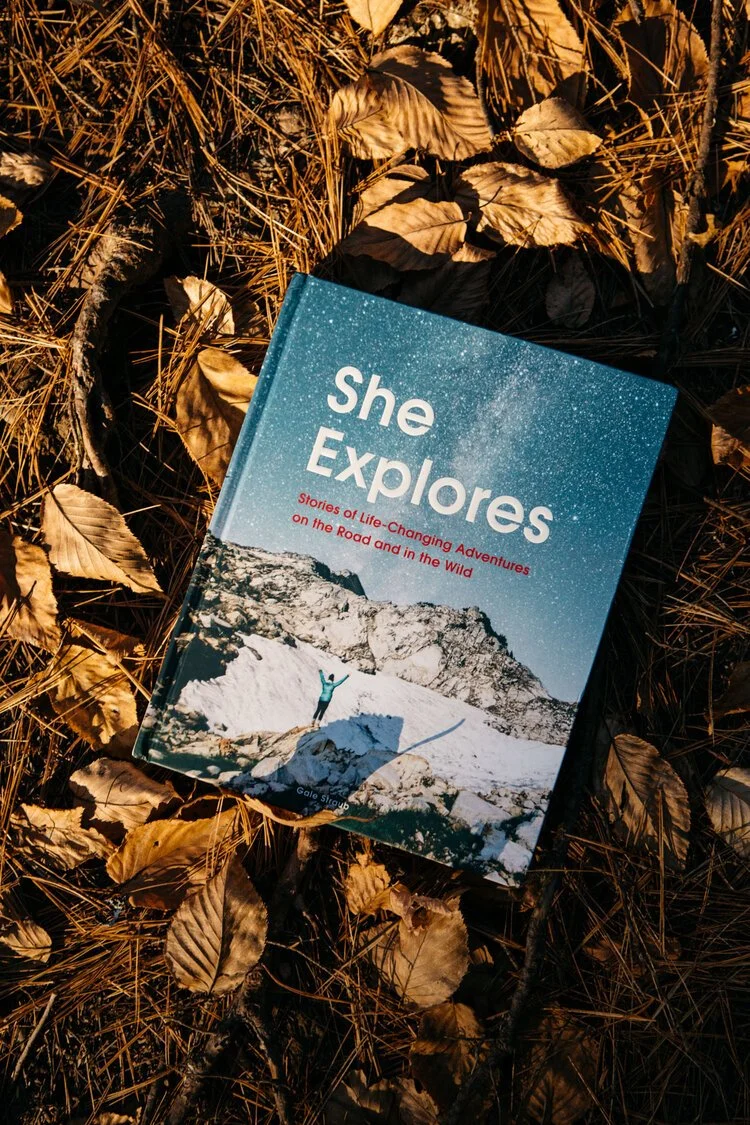
As our understanding of the importance of nature increases, so too do the number of great books on the subject, particularly in terms of its effects on our mental and emotional wellbeing. We’ve included just a handful here, but there are others that we’re hoping to get to in the coming weeks that we’ve included in our Bookshop. Our Nature Edit includes books that we’ll talk about here soon, as well as others recommended to us that are on our reading lists. We hope browsing these shelves you’ll find one or two to help bring more nature into your own life.
We’re always on the lookout for more Culture Therapy ideas, those books, podcasts, TV shows, films, artists, music, and magazines to seek out when we’re searching for something to inspire, support, and soothe. Let us know what you love and help us find more ways to navigate this complicated world of ours.

A Handful of Books for Seeking Connection
For when you need more people in your life, sometimes the imaginary ones work the best. In our latest Culture Therapy Prescription, here are the books we’re recently looked to for more connection, though here of the at-home kind.
Maybe it’s a contradiction to look to books when we’re looking for more connection in our lives. But as introverts, we’ve found that sometimes the books we turn to provide exactly the kind of company that we need.
We’ve pulled together some recent reads that have helped shape our perspective on this idea of connection. We’ve included non-fiction by Vivek Murthy, Priya Parker, and Johann Hari that explore the science of relationships, helping us realize why people matter as much as they do, how why we gather has impacts beyond the moment of coming together, and why who shows up in our lives can shape our experience of it.
And there’s fiction too by Sally Rooney and Bernardine Evaristo that reveal the breadth and nuance of different kinds of relationships as well as allowing us an intimacy with the characters playing out their imaginary worlds. Others are memoirs like those by Michelle Obama and Bill Hayes that give us glimpses of lives that have prioritized service to and curiosity about the people with whom we share our neighborhoods.
We hope you’ll discover some new finds, some new ways to friendship, and maybe even some new relationships, imaginary or real.
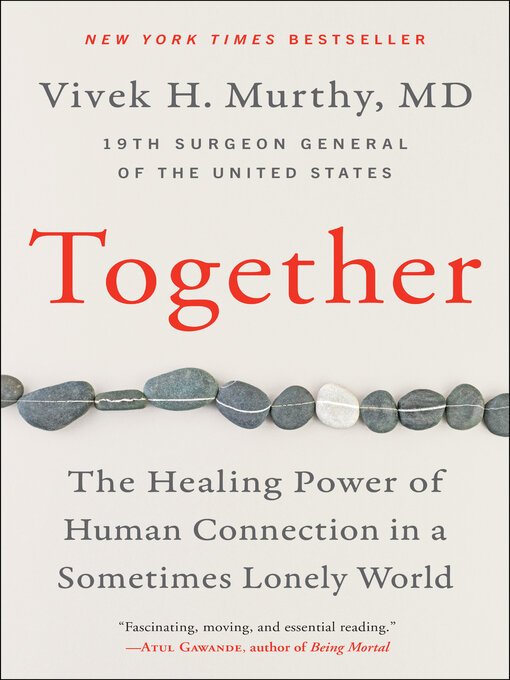
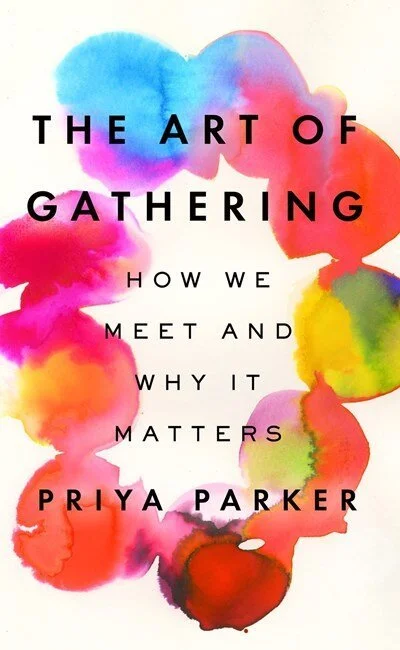
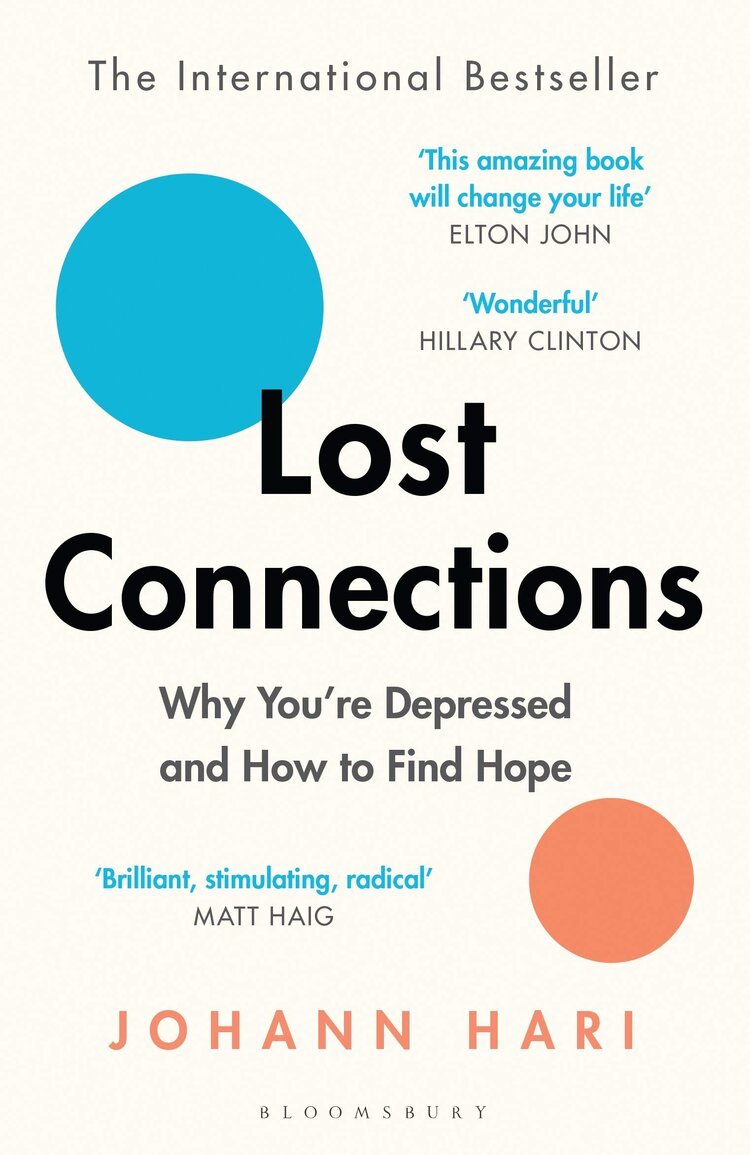

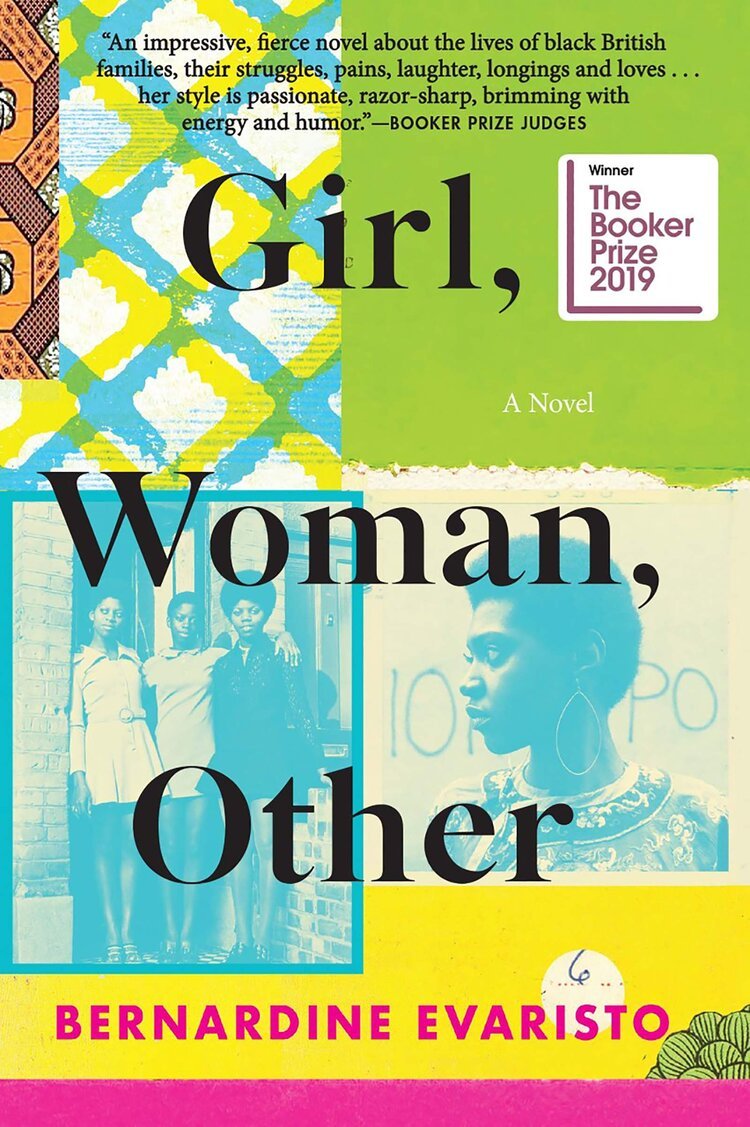
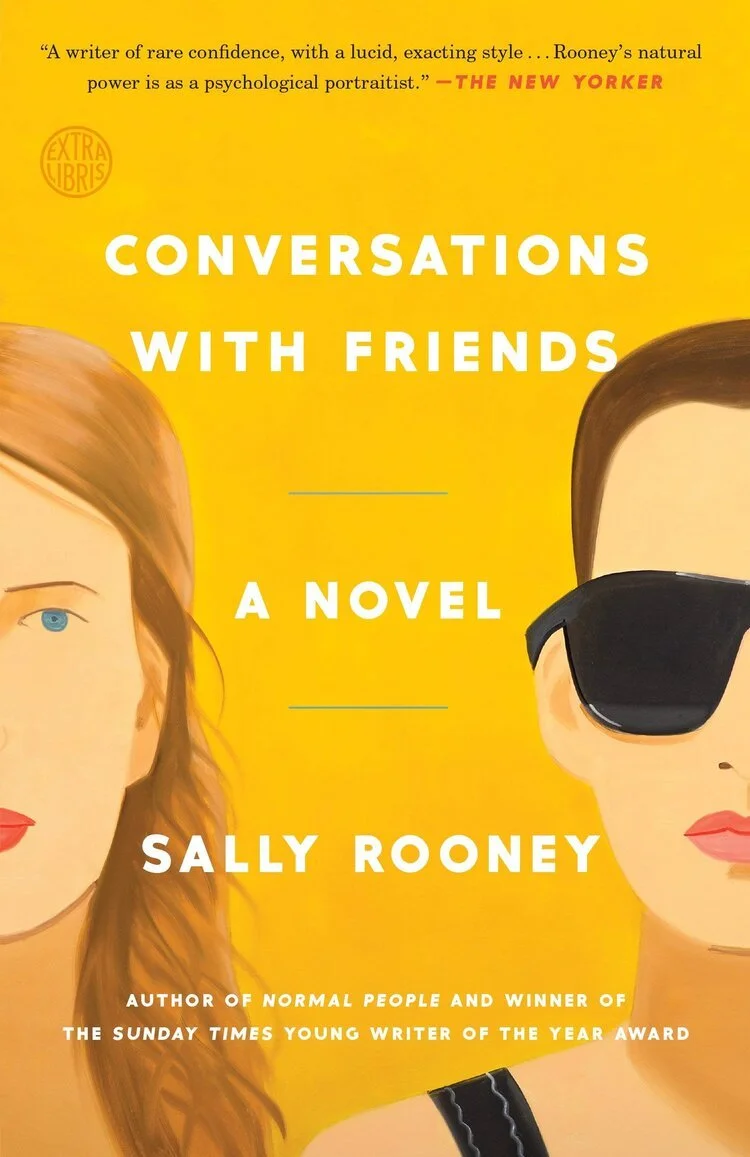
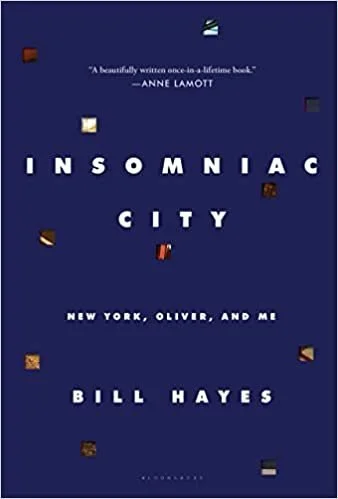
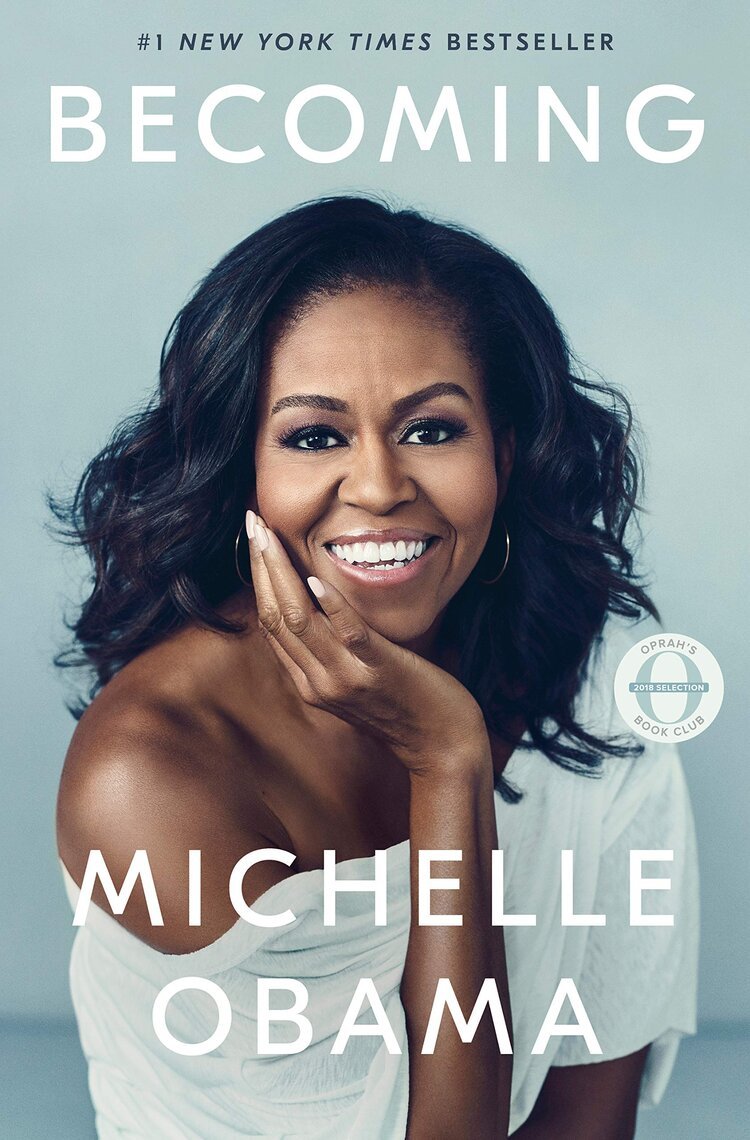
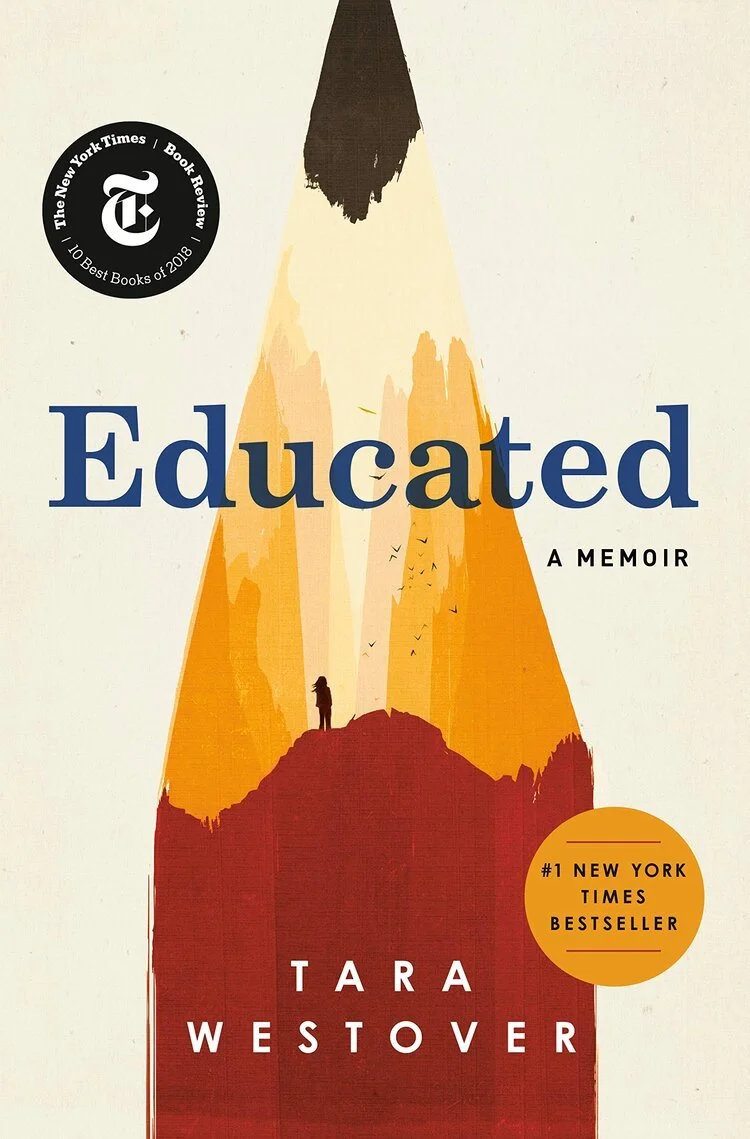
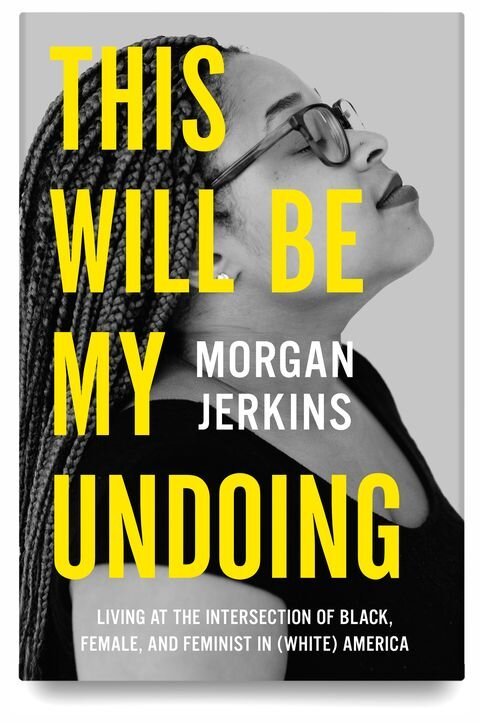
As our understanding of the importance of connection increases, so too do the number of great books on the subject, particularly in terms of its effects on our mental and emotional wellbeing. We’ve included just a handful here, but there are others that we’re hoping to get to in the coming weeks that we’ve included in our Bookshop. Our Connection Edit includes books that we’ll talk about here soon, as well as others recommended to us that are on our reading lists. We hope browsing these shelves you’ll find one or two to help bring more connection and locate more community in your own life.
We’re always on the lookout for more Culture Therapy ideas, those books, podcasts, TV shows, films, artists, music, and magazines to seek out when we’re searching for something to inspire, support, and soothe. Let us know what you love and help us find more ways to navigate this complicated world of ours.

Our Selection of Books for Uncertain Days
When the world outside isn’t appealing (cold, COVID, conflict), sometimes we turn inwards, to books. In our latest Culture Therapy Prescription, here are the books we’ve been turning to during these uncertain days.
When we’re struggling through our days (and not leaving the house), we often find ourselves turning to books. What we’re searching for is more understanding — why are we feeling what we’re feeling, what is that feeling even, and what do we do about it — and some reassurance that we’re ok and it’s all going to be ok.
Below are a handful of the books that we’ve read recently that have helped us orient ourselves. From blockbuster fiction with Meg Mason, to memoir and advice from Matt Haig, Glennon Doyle, and Bryony Gordon (actually seek out anything from these writers and sometimes podcasters), to non-fiction with Dr. Camilla Pang and poetry with Cheryl Cox. Across all genres, we’re finding writers, journalists, therapists, poets, and researchers who are sharing their stories and helping us understand our worlds. Through their words, we’re able to find better ways of navigating our lives and we hope you do too.
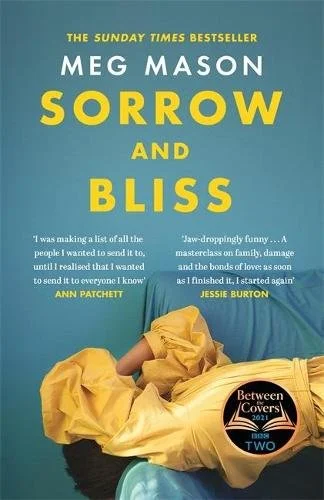
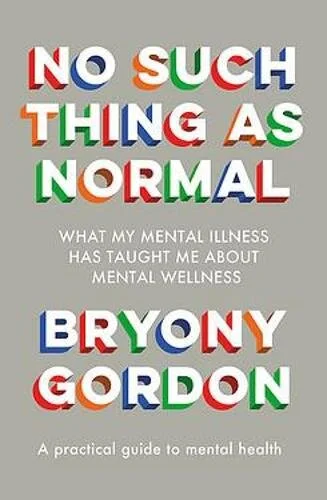


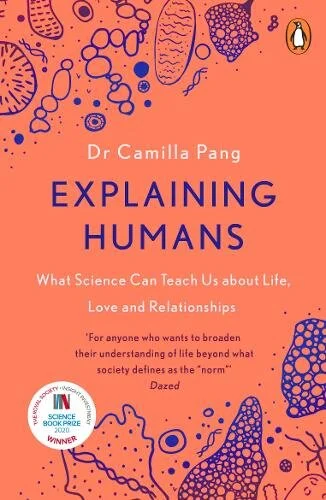
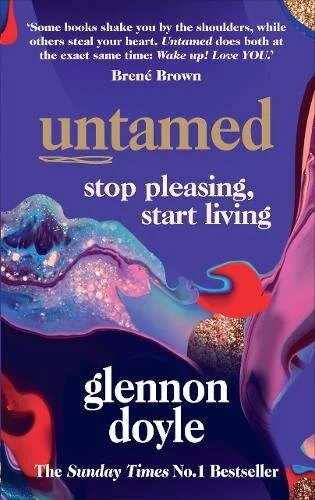
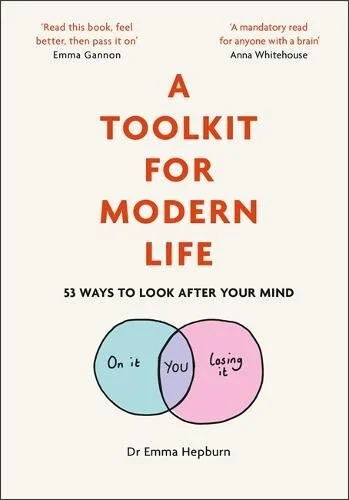
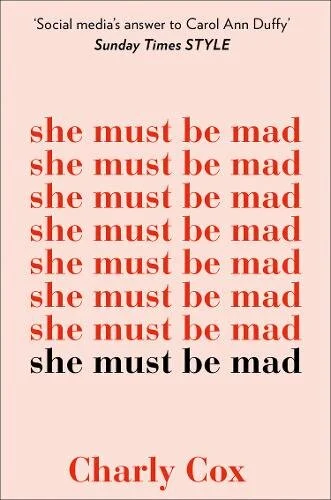


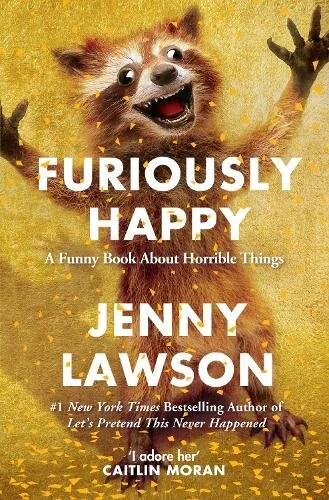


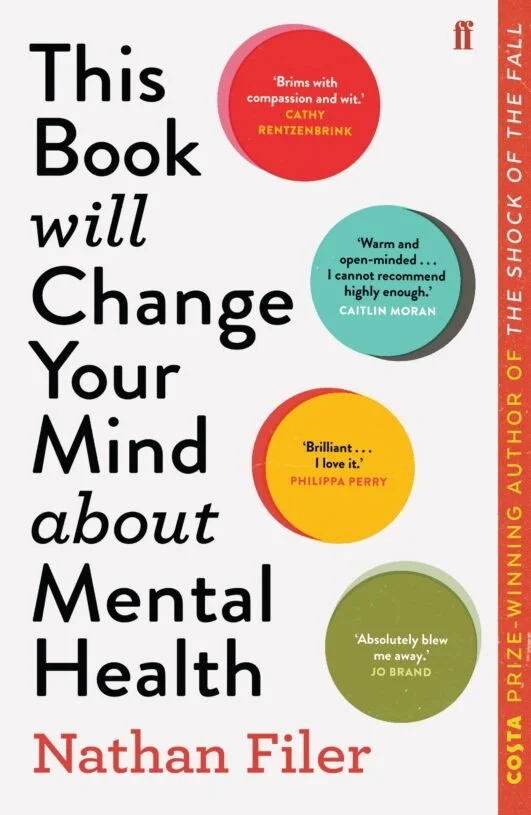
In the last few years, we’ve been finding so many great books that touch on mental wellbeing, many of which are now featured in our Bookshop store (one day we hope to make this into a real entity but for now having even an online bookstore feels like a kind of wish fulfillment). Our Mental Wellbeing Edit includes many of the books we’ve read and would recommend, those we want to get to, and those that friends have suggested. Browse our online shelves for more of what you need.
What we turn to shifts, so we’ll keep you up to date on our new discoveries. This year, we have a goal to build out our Culture Therapy series, so do tell us which books, podcasts, TV shows, films, artists, music, and magazines you look to when you are searching for that something to inspire, support, and soothe.

FOLDE: A Conversation with Co-founder Karen Brazier
We spoke with Karen Brazier about how Dorset’s FOLDE is connecting more people with nature and how this contributes to their, as well her own, wellbeing.
Let’s start with, what FOLDE is. It feels like a bookstore that goes beyond just books. One for curiosity seekers and nature lovers.
That’s a pretty good description. FOLDE doesn’t really fit neatly into your typical shop categories, e.g. bookstore or gallery. Our starting point is our theme - the nature and landscape of our home county of Dorset - and everything else tends to follow from that. In addition to our core collection of nature-writing books, we sell art and traditional craft from local artists and makers that in some way celebrate our county’s nature, lore or landscape. That could be through subject matter or the use of locally sourced materials. We also sell a carefully curated range of items that enhance your experience of being outdoors, from field kettles for making a fresh cup of tea when you’re out on a walk, to quick-dry towels for use after wild swimming.
What led you to start FOLDE and create a space in your community?
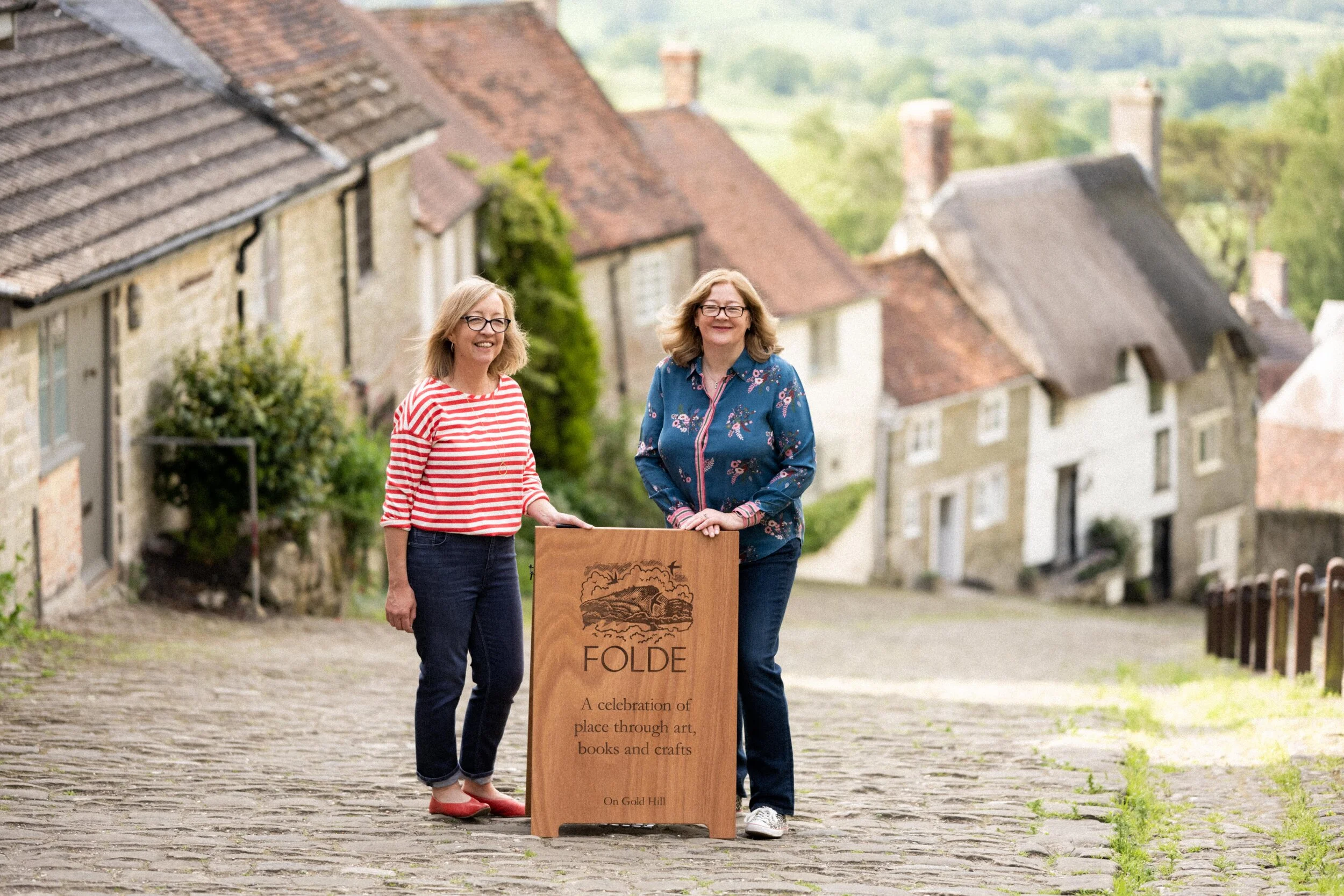
We jokingly call FOLDE our pandemic-induced midlife crisis but its origins began long before the first lockdown. We met over the garden fence (quite literally, our gardens back onto each other) and, as our friendship developed, we discovered that we had both reached a point in our corporate careers where we wanted to make a change. It wasn’t just work-life balance; our jobs were taking us away from Shaftesbury, our beautiful hilltop town, physically and mentally, just as we were waking up to the fact that regularly spending time outdoors in the Dorset countryside was vital to our wellbeing. We wanted to find a way of rooting ourselves in the heart of the place that had given us so much, of celebrating it and protecting it, whilst also giving ourselves more time just to be here.
All Photos: Matt Austin
Tell us about your three themes: Land. Sea. Self.
Quite simply, these are the things that make us tick, from swimming in salty waters to striding across the Dorset hills. The products we sell are broadly grouped around the ‘land’ and ‘sea’ themes, while ‘self’ addresses our central aim of helping more people to discover how a greater connection with nature can contribute significantly to their own wellbeing.
What has been your own experience of the therapeutic value of nature?
It’s fair to say that we had both experienced a degree of burnout in our previous careers, which had taken its toll on our mental and physical health. For me (Karen), it took some years to discover that there was a sanctuary to be found in getting outside; in my twenties and early thirties, I used to think the answers I sought were waiting in a shopping mall. My partner has always been an outdoorsy sort of person and when I was at my lowest ebb, he knew that it would help me to get outside, even on those days when all I wanted was to stay under the duvet. His persistence paid off and gradually, over a period of years, I grew to truly love walking, on the Dorset coast in particular, and I became better at managing my stress levels. I found that being outside gave me the tools I needed to recalibrate as well as a deeper connection with nature that helped me to make sense of my place in the world. Regular walks are now essential to my wellbeing, supplemented by year-round sea-swimming, and I border on the evangelical about the therapeutic benefits of both.
As for Amber, she had spent her childhood growing up in various small villages in West Dorset, and found that the sense of community, nature and belonging had become something of a beacon to her through her adult years. Travel was a big part of her previous working life and, while she enjoyed the experiences, she found she always yearned for the green hills and vales of Dorset. It keeps her grounded and connected to the earth, and it’s home to the footpaths she treads when she needs time to think. It also helps her to appreciate the seasons, and the changes that come with them.

During the pandemic many of us turned to nature for our mental wellbeing? Were you surprised by that? Do you think this is sustainable as something in people’s lives now?
No, we weren’t entirely surprised. Over the past decade or two, we had both found great comfort in noticing the rhythms of nature. No matter what else is going on, the sun always rises and sets, the seasons come and go; these rhythms are a constant among the more chaotic aspects of life. But in order to notice these things, you have to allow yourself to experience nature, and this can sometimes push people out of their comfort zones.
In recent generations, so many of us have come to live and work in a context that is entirely separate from nature. It doesn’t help that until relatively recently, the outdoor recreation industry was heavily geared towards white men dressed in Gore-Tex and if you didn’t look like that, it was easy to think, ‘well, that’s not for me.’ However, when our options for entertainment, exercise and socialising were suddenly and so dramatically curtailed by lockdown, it was not surprising that the simple act of taking a daily walk outside brought nature into closer focus for so many of us and, in so doing, allowed us to discover our fundamental human need to connect with it.
Whether it is sustainable is a good question. We like to think it is, and if the burgeoning number of nature-writing titles being published is anything to go by, we don’t think people’s interest in the subject shows any signs of waning, whether that’s wild swimming or planting a bee-friendly garden. That said, we are acutely aware that it is largely dependent on people’s access to green space, and the pandemic highlighted that there are significant societal inequalities in this regard.
On returning to the UK after 14 years away, we’ve been struck by how outdoorsy it’s become here, from wild swimming and camping to coastal hikes and paddleboarding. What do you think has accounted for this shift and where do you see it going next?
There’s definitely a much greater awareness in the UK of the physical and mental health benefits of outdoor pursuits and, to a certain extent, social media has glamorised the appeal of these activities: we can’t be the only ones to have looked at a photo of a dreamy coastal clifftop at sunset and thought ‘I want to be there’. Instagram in particular has effectively become a wanderlust travel brochure in terms of its ability to present aspirational images of beautiful outdoor experiences, and it is often said that Millennials prefer to collect experiences rather than tangible goods. It’s more than that, though. We think it also has much to do with the speed and relentless distractions of the digital age; spending time actively engaged with the outdoors is a brilliant antidote to that.
In terms of where it’s going, we hope that there will be a greater focus on diversity and inclusivity, as well as sustainability, although the sector still has some way to go in these areas.

What’s been your experience of starting a space in your community? What have been your joys and challenges? Anything unexpected?
It has been almost entirely a complete and utter joy. Shaftesbury is a close-knit town of largely independent businesses, which are greatly valued by the people who live here, particularly since the pandemic when they pivoted overnight to provide for the community at a time of great uncertainty. Support for local businesses has never been greater, and recognising this helped us to take the leap of faith and open FOLDE. We had tested the proposition online first and, when a space became available right here on the iconic Gold Hill, we took it as a sign that we should go for it. True to Shaftesbury form, we were met with a very warm reception by our community and, although we are in a good spot for tourists, it is our local customers who keep us going.
There are so many joys to doing what we do, from building relationships with the many talented artists and makers right here on our doorstep to having a presence at the heart of the town we love. The biggest joy, undoubtedly, has been growing our FOLDE community, both online and in-person, i.e. the people who share our love for this beautiful part of the world and want to swap stories about the places they’ve been and the outdoor experiences they’ve had. We’re aware that we don’t look like your typical outdoor action women and we think that this might sometimes help our customers to try something they haven’t done before, such as cold water swimming; very much a case of ‘if they can do it, so can I.’
As far as the challenges are concerned, sometimes it can be hard to find certain products that fit with our ethos without compromising on our sustainability standards. And given that it’s just the two of us, we’ve had to learn quickly about many different aspects of running a clicks-and-mortar business, from till systems to packaging to payroll. Perhaps the biggest challenge is knowing when to leave it alone; we’re having a lot of fun and we’re brimming with ideas about where we can take FOLDE but we have to remind ourselves that we don’t have to do everything in year one. Luckily, our other halves are good at reining us in.

We have a series called Culture Therapy, where we list the podcasts, books, TV shows, films, etc. that people can seek out in our different pathways. Which books probably (though if you have other media that relate let us know) would you recommend for people wanting to bring more nature into their lives?
Almost every book we sell helps people to find a closer connection with nature in one way or another but the ones we would specifically recommend are:
The Salt Path and its follow-up The Wild Silence by Raynor Winn. These are obviously very well-known titles but we recommend them because they speak volumes for the power of nature to heal and restore, and they remain among our bestselling books.
The Forager’s Calendar by John Wright. There’s no shortage of interest in foraging among our customers but John Wright’s often humorous book is by far our most popular title on the subject. Foraging is a great way to reconnect with the natural world: it makes you slow down, notice and engage with everything that’s going on in the hedgerows, all year round.
Grounded: How Connection with Nature Can Improve Our Mental and Physical Wellbeing by Ruth Allen. We are both avid followers of outdoor psychotherapist Ruth Allen’s Instagram account (@whitepeak_ruth) and were delighted when she published her first book. She is wise beyond measure, and the book is a visually appealing, soul-nourishing mix of practical exercises and mindful activities interspersed with personal stories and thought-provoking questions. You will often find yourself nodding in agreement.
In music, we are huge fans of British folk singer and conservationist Sam Lee. His most recent album, Old Wow, is a spellbinding love letter to nature but one that contains stark warnings about all that we stand to lose. Earlier this year, we took part in Sam’s ‘Singing With Nightingales’, an unforgettable, immersive and profoundly moving experience that highlights through music the threat to the nightingale and other endangered species.
We would also recommend Lost in the Cedar Wood, a collaborative, lockdown project between folk singer Johnny Flynn and nature writer Robert Macfarlane that brilliantly melds myth, poetry, landscape and music. The opening track, Ten Degrees of Strange, is a rambunctious song about trying to outrun anxiety by seeking joy and strength in landscape and movement.

What are your favorite places to reconnect with nature?
We both love to explore Dorset’s Jurassic Coast, which offers an embarrassment of riches for anyone who likes walking or swimming against some breathtaking backdrops. There’s something about walking through fields to a clifftop or beach that can make you feel as if you’re the first person to discover it. While the honeypot attractions such as Durdle Door and Old Harry Rocks can be unbearably busy in high season, there are still plenty of other lesser known places, particularly if you’re prepared to walk a little, or go earlier or later in the day.
For our daily fix, we are fortunate that our commute to the shop takes us along a wooded path known as Pine Walk, which is lined with soaring beech and pine trees, punctuated with views across to Melbury Beacon. This is the hill that features in the wood engraving that we commissioned from Dorset printmaker Robin Mackenzie to use as our logo.
How can people engage with FOLDE from wherever they are?
Our website offers an edited selection of our products for purchase online as well as journal articles about our favourite artists, books, walks and outdoor experiences. On Instagram, we share the daily goings-on in the shop as well as many of our outdoor adventures when we’re not behind the counter.
Anything we’ve missed? Anything that you’re excited to share?
FOLDE will be appearing as a pop-up at Planted Cities at King’s Cross from 23 to 26 September, which is an event that aims to bring people and spaces closer to nature. We’re also working on a series of readings and workshops with some of our authors and makers, such as basket-making with local willow weaver Yanina Stockings. In spring 2022, we plan to launch FOLDE Out, a series of walking retreats for people who are looking to explore Dorset whilst widening their outdoor experiences as part of a small and supportive group.

Ready to bring more nature into your life, wherever you are?


LOST: Myself | FOUND: A limited edition of one
How do you find yourself when you’ve become lost even to yourself? Here coach Amanda Blair helps us navigate our way again.
Once upon a time, every single human being on the planet was born as a limited edition of one. We began to crawl about on a pioneering discovery tour, taking in our new world with curiosity and amazement. The gift of walking enhanced our spirit of adventure. Then, step-by-step, we began to imitate others. That was how we learned life-changing skills, from speaking to cleaning our teeth.
The less fun side of this mirroring came when we started to paddle in the sea of sameness. There was pressure to have a certain appearance, from a slender body to ripped jeans. Perhaps we were encouraged to pursue a career path that carried an externally applied success label. That would magically mean that we could purchase the dream homes, kitchens, and holidays that yelled at us from ads.
Then there was the layer of “shoulds” related to adhering to social, gender-specific, and cultural norms. The sea of sameness can get scary and ultimately swallow us up. The temptation to fit in and measure up to standards we didn’t set ourselves endangers our mental and physical wellbeing. We get lost.
So how can we return to factory settings and start to use our onboard uniqueness to achieve the happiness, success, and wellbeing WE define? Spoiler Alert. It’s not actually that hard. The answer is to explore, express, and enjoy our “daily differentness”, the everyday behaviors, actions, and thoughts that make us who we are and nobody else can ever be. This is an easily accessible, playful tool with the potential to develop into a helpful default mindset.
Your daily differentness inputs can be gathered in a variety of forms. You can write down examples of your onboard uniqueness in a journal or notebook. Maybe it’s more your thing to record them on your phone. Or you can take photos, or even do some quick sketches, to make sure they don’t escape you. Another possibility is simply to reflect on them during a walk, meditation, or coffee break. Anything goes, because this authentic proof of your uniqueness belongs 100% to you and nobody else.
Your map
Take time to think about the path you took to get to where you are today. It’s a guaranteed limited edition of one from the very start. What comes up for you when you think of the place where you spent a significant part of your childhood? Focus on associations that only you would have – memories of weddings, birthdays, or other events you experienced or your favorite hangouts… What did the place give you? Moving on from there, where were you when some of the turning points or highlights of your life to date happened? Revisit them in your mind and try to remember how they made you feel. Think of three places where you felt or feel good and go there in your mind, via a Google search, or even physically. What surroundings would you like to be in right now if feasibility wasn’t an issue? This is YOUR map and you are the only person who needs to find their way around it.
Your language
Your one-off route through life will of course have an original script. Every human being has their own unique vocabulary. Furthermore, no two people have been part of exactly the same repertoire of conversations during their life. We are all affected by different words spoken by others. Try scan-reading a block of text on your phone, tablet, or computer screen. What words jump out and what thoughts or images do they trigger? What does silence mean to you? In which situations has it been positive and in which ones has it been negative? How did you behave in these moments? What secret code words do you have? For instance, have you invented a nickname for yourself or someone else? Do you use a particular word in a way that would be foreign to a person with the same native language? By discovering how rich and diverse our own language is, we are nurturing our voice, the voice that we need in order to speak our truth.
Your equipment
Each of us has a unique combination of perceptions, strengths, skills, connections, and likes. What was your favorite childhood food? Do you still have access to it? If so, try it and see what it evokes now. Go for a walk, no matter how short. Commit to looking out for something that will not have caught anyone else’s eye, be that an animal shape you see in a cloud, or a stranger wearing an item of clothing that reminds you of someone you know or have known in the past. Bring to mind a small gesture or action that reflects who you really are and how you see the world. Think of someone who has had a positive impact on your life. What characteristic of theirs do you appreciate most and why? No one can steal what belongs 100% to you.
Your reward
So how can developing the daily differentness muscle and mindset serve you?
· It reveals who you really are and can flourish being.
· It highlights the unique contribution you make to the situations, communities and relationships that make up your everyday life.
· It opens your mind to the differentness of others, enabling you to live diversity rather than just talk about it.
Some Resources:
Limited Edition of One: The Book
The Cloud Appreciation Society
The Power of Diversity Within Yourself, Rebecca Hwang for TED
The Center for Fiction
A space dedicated to bringing fiction into the world, that supports our real lives as it does so.
What is it: For book lovers of all ages, whether those who love to read or those who love to write, The Center for Fiction celebrates fiction in all its stages, from first imaginings to beloved reads. Over 200-years after it was founded — originally as the Mercantile Library — the non-profit moved into its public-facing home in Brooklyn’s Cultural District in February 2019. Over 18,000 square feet across three floors, architects BKSK have created the conditions to make words come alive and to enter our lives in a multitude of ways.
Why you’ll love it: Browse the independent bookstore (with a focus on fiction, works in translation, and independent publishers), chat books in the café and terrace bar, attend workshops, events, writing groups, and seminars, or sit at a writing station to get down to the actual work of crafting your own story.
The Center is a living organization that grows both readers, from the youngest kids exposed to its workshops (see its Kids Read and Kids Write programs), and writers, from the earliest stages of their careers, such as the Emerging Writers Fellowship and First Novel Prize. Within its quote-strewn walls, books can be experienced at every point in their realization.
What you need to know: The Center is also home to a circulating library of over 70,000 books focused entirely on fiction, including a prominent crime fiction collection that goes back to the early twentieth century.
How to bring this into your life: Recently retired Executive Director Noreen Tomassi started a bibliotherapy program, that is still going strong, called A Novel Approach, which prescribes a year’s worth of fiction reading depending on your situation, your interests, your longings.
Why we think it matters: Though books are read alone, often they come alive when experienced together. The Center pivots on this duality. It offers a place of solace and reflection, a retreat, or maybe just a pause, from the noise and encroachments of modern living. And it sets up the connections between readers, to not just enliven narratives through discussion but to offer an antidote to our loneliness, and a comfortable excursionon for introverts. Books can take us inwards while opening up our worlds. We can hold fiction in our minds, and those stories can have a life that exists in conversation. The Center for Fiction attests to the importance of making physical space in the world that supports our imaginary one, bringing people together over words that connect.
In their own words: “The Center for Fiction, founded in 1820 as the Mercantile Library, is the only organization in the United States devoted solely to the vital art of fiction. The mission of The Center for Fiction is to encourage people to read and value fiction and to support and celebrate its creation and enjoyment.”
Something to inspire: How can you lift words off the page and live them in company, wherever you are? Seek out a writing community, a book club, an author’s talk, a book festival, an independent book store, a library. The Center is a one-stop-shop for the craft of fiction, but parse out its functions and you’ve got a version of your own making, slightly spread out but highly tailored to your world.
Book-ish
For curiosity seekers, book lovers, and those looking for an escape into ideas, Crickhowell’s Book-ish makes a community out of reading.
“Reading gives us somewhere to go, when we have to stay where we are.”
What is it: An award-winning bookstore – Independent Bookshop of the Year Award 2020 — situated in an award-winning town — Crickhowell officially has one of Britain’s best High Streets, Book-ish was founded by an award-winning local high street hero Emma Corfield-Walters in 2010. Likes all good bookstores there’s a person behind it who believes in its capacity to be the heart of a community.
What you need to know: When the pandemic closed the store, Corfield-Walters (aka Mrs. Bookish) quickly got together with the female-founders of three other leading independent bookstores — Helen Stanton from Forum Books, Carrie Morris from Booka Bookshop, and Sue Porter from Linghams Booksellers — to start 4Indies, an online space that hosts author events for at home times.
How to bring this into your life: Book-ish has one of the widest range of book clubs that we’ve seen, including The Throw Away Your Television Society that delves into ever-changing themes, and The Underground for teen readers. You can sign up for a subscription service, with a book pick — non-fiction, fiction, poetry, picture book — sent out each month. (One option includes a monthly candle). Book-ish still runs an active online events calendar for when in-person is on hold.
Why we think it matters: Our favorite bookstores are those that go beyond books into the lives of our communities, enriching not only our minds and imaginations but also the relationships that bind us together. During non-pandemic times, the bookshop, with its bar, café, and events space, is a critical place to come together, to chat, to make space for ourselves. But its work goes outwards too. Corfield-Walters is a local advocate, bringing books into schools, hosting pop-ups at local festivals such as Green Man and HowTheLightsGetIn (when they are running), and serving as the co-director of the Crickhowell Literary Festival. She’s also an active supporter of community-building campaigns like Totally Locally, Fair Tax Town, and the community Corn Exchange Program. Book-ish makes space for books, but it also makes space for the people who love them too.
What next: If your pandemic fatigue now comes with reading fatigue, seek out Corfield-Walters’ recommendation to get you back to books: My Sister The Serial Killer by Oyinkan Braithwaite for “its short chapters and wickedly dark characters”.
To find out more: Website / Instagram / Facebook / Twitter
Additionally, try: Mr. B’s Emporium of Reading Delights / Pages of Hackney

Silent Book Club | In Conversation with Laura Gluhanich
We talked to Silent Book Club co-founder Laura Gluhanich about how a simple night of reading with a friend became a global phenomenon.
We recently discussed with co-founder Laura Gluhanich all the ways that Silent Book Club offers community and a space to unplug, both vital to our mental health and emotional wellbeing as we negotiate these uncertain times.
What compelled you to start reading together, silently?
One night out to dinner at a favorite local spot in San Francisco my friend Guinevere de la Mare and I shared our frustration with traditional book clubs, and our joy of reading at restaurant bars. The next time we met for dinner, we planned to sit at the bar and read together. We continued meeting up, and as friends heard about our “silent book club” they asked to join. Everything today comes from that.
How do you get over that initial need to chat, to make noise, to fill the silence? We’re so unaccustomed now to filling the spaces between us.
Our format includes some planned conversation at the start. Typically a silent book club meeting starts off with everyone saying hello and sharing what they are reading. It creates a shared space and connects folks over shared books or genres. I think our members appreciate that when they start reading they know they don’t have to worry about anything else at that moment. We set an alarm and wrap up the session, so they can just dive into whatever they are reading.

Book club selections can be very particular to a group or the situation of coming together to talk about one. Are there certain books that lend themselves to Silent Book Club? Like, don’t read conversation-inducing books such as anything by Glennon Doyle or Three Women?
What surprises me more is that at every in-person meet-up, I’d venture we have a minimum of five genres represented in a group of ten. It is a very welcoming group, and if someone isn’t into what you happen to be reading, it’s not taken personally. And in our Facebook group, just about everything goes, though we choose to not offer a platform to white supremacists, misogynists, and the like.
Have you ever thought of Silent Book Club as an anti-tech space?
Yes! My co-founder and I both work full time in tech, so providing a time to ignore notifications is a benefit we recognize.
Or maybe even an anti-loneliness initiative?
Yes! I love that Silent Book Club can provide community in a really low-key way. Beyond the minimal conversation, it is super low stakes, so especially if people are less extroverted it’s a great opportunity to connect. And while there are lots of book lovers in the community, particularly the Facebook group regularly gets posts from folks who are getting into reading for the first time or rediscovering their love.
You have chapters globally now. Have you noticed differences between how these book clubs meet or how they are received locally?
Not really! Shout-out to our Genoa chapter for being super photogenic and fun. There’s a ton of variety throughout our chapters but I don’t see a difference based on location.
What kind of setting is conducive to a Silent Book Club?
As you can see from that Genoa link, lots of places work to meet up and read. We recommend cafes and bars (hotel lobby bars can be chic and have the perfect level of background noise). Bookstores, ice cream shops, community centers, parks, beaches, and backyards have all been successful. We’ve even seen them at conferences — a great option for introvert attendees to chill out.
Do you have any favorite meetup anecdotes?
We’ve had a couple of chapters see people meet at their events (ready for that meet-cute to happen in a movie). We definitely hear more about books getting discovered than soulmates.
One fun thing that has happened with the virtualization of Silent Book Clubs is the ability for anyone to join any virtual meetup. Our Denver chapter has had guests from Mexico City, Guinevere has said hi to Italian chapters, and I sat in on a meetup based in South Korea. It’s a fun way to explore!
How are Silent Book Clubs adapting to the shifting situation of the pandemic?
We’ve seen dozens of chapters shift to an online format. A number have hosted outdoor meetups globally. Of course, plenty of countries have had competent pandemic leadership, so they have been able to meet far ahead of us here in the US.

Why do you think the idea of Silent Book Club has taken off so much?
I think there are two primary reasons people have responded to Silent Book Club. The first is broadly the mental wellbeing aspects that I’ve already mentioned. And in conjunction, we are all so over-productive, Silent Book Club is an antidote to that.
What is your vision for Silent Book Club going forwards?
We’d love to see its continued growth, supported by brands or organizations that share our mission of encouraging reading. We plan to continue our author series in 2021, and have an idea of a global Silent Book Club week, promoting literacy in public.
Any places out in the world or books that you seek out to support you in uncertain times?
We’re big fans of independent bookstores and libraries, and while there is broad uncertainty, we encourage folks who have the resources to support their local cultural institutions in an ongoing way. The mutual aid movement reflected in Little Free Libraries and the Community Fridge network gives me hope.
What should people do if they are curious about Silent Book Club?
Find a local chapter on our website or a virtual meetup. We welcome you whether you are looking for the time to get through a few chapters for another book club, or just for fun.
“If you are finding it hard to find space for reading, joining Silent Book Club gives you that time back. It prioritizes reading in your life again. It gives books back to you. ”
Discover more ways to connect
Golden Hare Books
Edinburgh’s Golden Hare Books keeps the city’s literary tradition alive with its thoughtful curation.
What is it: An award-winning (Bookshop of the Year 2019 UK & Ireland) indie bookstore to warm your heart (and hands by its wood-burning stove) in Edinburgh’s village within the city, Stockbridge.
What you need to know: Founded in 2012 by Sir Mark Jones – previously the Director of the Victoria & Albert Museum and the National Museums of Scotland – this is a bookstore as curated space in both how it looks and what gets to be included. Covers face out and draw attention to great design, creating an immediate visual hook for potential readers and making objects of the books themselves.
The range of its small careful selection of books changes constantly –‘the idea is that you never visit the same bookshop twice.’ Golden Hare is known for bringing in a wide range of choices, including works in translation, books by women, and diverse children’s authors
How to bring this into your life: It’s all about the reading subscription, Postbooks, which sends a beautifully packaged fiction or non-fiction book(s) each month specially chosen for you, often around a theme, like Green Transformation, and with its own reading guide. The key difference though is that Golden Hare supports indie presses and small publishers in its choices such as Charco Press, Tilted Axis, or & Other Stories, widening your reading from the usual suspects and making sure more writers get attention from readers.
Golden Hare is also a bookstore where you can become a Member, and during usual times there is an active book club and Sunday Stories reading club for kids. Golden Hare has pivoted to the ways we now shop: click and collect, and Saturday bike deliveries.
Why it caught our attention: This is a bookstore that works hard. It does a lot. Not just in its active support of indie publishers but its reach within the local community and that of the city of Edinburgh. In 2019, Golden Hare hosted its first book festival with local partners and it co-hosts the Edinburgh Book Fringe with Lighthouse Books. Books are embedded in the cultural life of Edinburgh – a UNESCO City of Literature. It was famously here that J.K. Rowling wrote some of her Harry Potter series and Arthur Conan Doyle, Sherlock Holmes. Golden Hare keeps the tradition alive of supporting local voices and creating a place for the writing community.
In their own words: “We are a knowledgeable team of self-confessed reading addicts who have been selling beautiful and important books since 2012.
Our charming independent bookshop is situated in Edinburgh's Stockbridge, where you can find an ever-changing collection of fiction and non-fiction for readers of all ages. We hold close to 2000 titles covering all genres of writing from cookery to travel, from flower arranging to science fiction - and many more topics in between.”
Lost at home: It's winter where we are. Maybe there too. Cozy down with a book. Choose one of Golden Hare’s winter picks: Once Upon a River by Diana Settenfield, The Snow Child by Eowyn Ivey, and The Changeling by Victor LaValle. While purchasing, make a resolution not to buy from internet giants (take this resolve into the rest of 2021).
While here: Seek out Golden Hare collaborators café Lovecrumbs and Smith & Gertrude, as well as If Lost favorites the Royal Botanic Gardens and Lifestory.
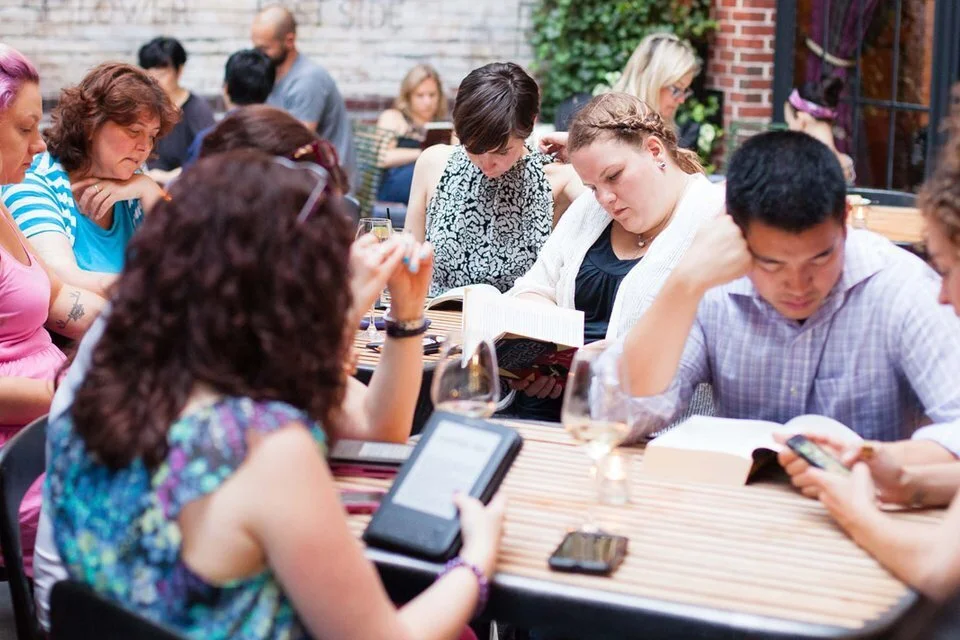
Silent Book Club
For the introverts, a book club that doesn’t get you talking.
“Welcome to introvert happy hour.”
What is it: An opportunity to read. The twist, there are others reading with you too. You’ll be in a café, a bar, a public library; in COVID times maybe you’ll be on Zoom or outdoors. The people with you will have their own books, you’ll have yours. And though there’s a social moment built in — a hello and sharing of what you are reading — the focus is simply on you and your book. Enjoyed now in ways which we have learnt to understand, together but apart.
Why you’ll love it: This is one for the introverts among us (of which we count ourselves). Yes, book clubs are great – we’ve hosted and attended many – but sharing just the love of reading that’s something magical. The Silent Book Club started in 2012 when two friends Guinevere de la Mare (a UX writer at Google) and Laura Gluhanich (director of programs at Him for Her) began reading together in a neighborhood bar in San Francisco. Gone was the pressure of typical book clubs, having to read the same books, having smart things to say, hiding the fact that you haven’t read the book. Here was just enjoying the moment of reading together – no mobile phones, no commitments pressing in, no pressure to select the right thing to share or carry out a conversation in the right way. Just a book, a friend, and a nice location somewhere. And from this, this now Silent Book Club grew to friends and acquaintances, and grew to a handful of cities, and grew to now 285 chapters in 37 countries.
What you need to know: If books are your happy place, you can now seek out a Chapter probably wherever you are, though if there isn’t you can start one (friends there isn’t one in Bath or the Marin area where we’re both based if someone’s inclined to host…). During stay-at-home times, many of these Chapters offer virtual read-ins.
Why we think we need it to exist: We’re noticed something odd going on in our lives. Though we love books, we’re no longer reading them in quite the same way that we used to. We seek out recommendations, we subscribe to book boxes, we haul heavy bags from independent stores, we ship boxes upon boxes when we move, but the reading part is not as high up our agenda as it once was. You may be finding the same in your life. Life pressing in, doomscrolling replacing narrative and character development, anxiety blocking any possibility of retreat or escape. Time has gone, and we’re trying to find it again. For many purposes, but also so that we can return to the books that we love and the ones we might love in our future. If you are finding it hard to find space for reading, joining a Silent Book Club gives you that time back. It prioritizes reading in your life again. It gives books back to you.
It also gives you other people. As many of us spiral in our loneliness, that companionable silence actually gives us connection, it fosters relationships. As co-founder Gluhanich says, “For people who want to do something on their own but at the same time are seeking connections and a community with other people, SBC’s can offer them both of these. People all around the world are forming emotional bonds with one another while reading in silence.”
In their own words: “Silent Book Club is about community. Everyone is welcome, and anyone can join or launch a chapter. We encourage people all over the world to start their own Silent Book Clubs. All you need is a friend, a café, and a book. We have more than 240 active chapters around the world in cities of all sizes, and new chapters are being launched by volunteers every week.”
Something to do from anywhere: Wake up, doom scrolling. Before bedtime, doom scrolling. These have traditionally been times for reading books. So for a non-binding, after the New Year’s, non-resolution, ban the phone from the bedroom, buy a book light, and read books again. Paper pages. Like us, you may find your brain working just that little bit better, your life feeling slightly less heavy, and the world just that little bit bigger. You’ll be reading books again.
To find out more: Website / Instagram / Twitter / Facebook
Love this? Try also Shelf Help, or podcast Celebrity Book Club
Cafe Con Libros
A feminist bookstore making vital space for the stories of women and girls.
What is it: An intersectional feminist independent bookstore and coffee shop in Brooklyn’s Crown Heights neighborhood.
Why you’ll love it: Café Con Libros was founded by Kalima DeSuze in December 2017 when she made real the space that she wanted to see in the world, one that could hold the stories of womxn and girls – stories which have overwhelmingly been sidelined in favor of those of male voices – for those who want, need and are open to hearing them. Though intimate, the reach of the store is wide, bringing together on its physical and virtual shelves an abundance of books by female authors (99% of the selections are books by, for, or about womxn), including those beyond the continental US and by LGBTQAI+ writers.
Why we think it matters: During normal times, Café Con Libros is very much a community space for female-identifying folx; it's somewhere to hang out and be as much as it’s a bookstore. As Kalima says, the spaces that we create are political. Who holds physical space, what that space is used for, and even the stories these places are allowed to tell has meaning on a personal and collective level. Bookstores like Café Con Libros hold not just the stories within pages that we need to hear, but stories within a place that allow for all possible futures, for nurturing relationships, for community action, and for extending our learning together. As Kalima notes: “It’s time that womyn’s stories be prioritized and that a space exists explicitly for and about womyn. So many of our spaces are male-dominated; even the ones that are created solely to be for and about womyn. My womyn only spaces have served as a healing tonic and, a reminder of whose shoulders I stand on. It’s important that more of our girls and womyn have access to such warmth and mirroring.”
How to bring this into your life: As mothers of young daughters, we’re excited by the monthly subscription boxes, which include an option for baby feminist board books for the zero to fives and emerging feminist books for kids aged five to nine. There are also subscription boxes focusing on womxn of color and for the feminists among us. You can also join one of two book clubs that meet monthly (on zoom during shut-door times): either the Feminist Book Club which focuses on a book by, for, and about womxn, or The Womxn of Colour Book Club, a reading space and conversation for womxn of color. There are also virtual read-a-longs and a monthly podcast Black Feminist & Bookish, hosted by Kalima.
In their own words: “ We value: family. community. justice. art. transparency. accountability. equity. equality. authenticity. joy. solidarity. earth. the brilliance and possibility of imperfection. love.
We respect and value the contentious history womxn of color have with the word "feminist;" the tension hold us to account to live our Black Feminist and Womanist principles in real and measurable ways. We were born from and are guided by the lush cannon of Black Feminist thought producers and activists; the space endeavors to be intersectional, inclusive and welcoming of all who stand with and on behalf of the full human rights of womxn and girls. We seek to advance and uplift stories of womxn and girls around the globe who are redefining the word feminist and feminism with every day, ordinary culturally informed acts of resistance and love.
Something to inspire: Try a reading challenge: purchase, support, and read books only by womxn, or womxn of color, or by LGBTQIA+ writers for 3, 6, or 12 months. Change your knee-jerk choices in what you’d ordinarily see or consume. Extend this challenge even further to include podcasts, TV shows, films, and music that are by, for, and about womxn. This not only helps our own understanding of the ongoing pursuit for gender equality but the choices you make in where you put your attention and your money indicates to the industries behind them – the entertainment, publishing, and culture industries – what it is you really want to see.
Black Bird Bookstore
San Francisco’s Black Bird Books sits on the edge of the world while being resolutely of its place.
“a community bookstore for all”
What is it: Black Bird Bookstore is exactly how an independent bookstore located a couple of blocks from the Pacific Ocean should look. It brings the outdoors very much in. Hinting at Cali Cabin chic, Black Bird is wooded out (in reclaimed oak and cypress) coziness — perfect for a neighborhood that in San Francisco is known for its non-warming fog blanket. There’s even an indoor treehouse reading nook complete with a twisting oak branch that our kids love to spend time in.
Why you’ll love it: Opened by Kathryn Grantham, formerly the owner of feminist bookstore Bluestockings in New York, this is a place driven by curiosity: all titles face out, are regularly changed, and tightly curated from an inclusive selection of writers. It’s all about discovery with thought out selections made from the 1000 titles across just 900 square feet of space.
What they offer (online and off): Even during shifting times, this sense of discovery is still there, only its also happening online: chose from a monthly box of curated picks such as the Bay Area Box, Poetry Box, or Cooking Box. You can also currently book a 30-minute appointment to shop alone (from 6 pm to 8 pm), which sounds like a book lover's fantasy date.
Why we think it's special: Opening an independent bookstore feels counter to all the claims that both storefronts and books don't work anymore. But Black Bird makes the case that as our lives are pushed to be experienced more and more online, physical spaces for books and people matter. It’s a bookstore driven by both curiosity and community. Leading book lovers through its titles while supporting those who share this community.
Black Bird is so much an expression of its neighborhood (there’s a high-end garden shed by local artist Jesse Schlesinger and the shelving and counter space have been designed by Luke Bartels). Even the name was inspired by one of Kathryn’s kids who noted the awe-inspiring presence of Black Birds in the neighborhood. Books connect us to worlds on the page; the bookstores that contain them to the wider world outside their doors.
In their own words: We’re borrowing the words from Ocean Vuong that Kathryn has quoted: “The way I see it, whenever someone walks into a bookstore, they are walking into the future of their cultural and intellectual life… Amazon, with its algorithms, can only show you where you’ve been, can only give you a calcified mirror of your past. In a bookstore, you get a human being who is also a mapmaker of possibility. As booksellers, you are practicing, to my mind, one of our species’ oldest arts, the art of fostering, sharing and shepherding our most vital stories into the future.”
Something to do: Be driven by curiosity about where you live. Now is the moment to spend time in one place – the place where you are. Books can take you there in ways that go beyond your local commute, your working days, the school drop off. We recently sought out guidebooks to our county, and though it's hard for us to visit the places we’re learning about, we’re layering on history that we probably wouldn’t have connected with if we didn’t need to live hyper-locally. Our block is holding our world: our social connections, our daily outings, new discoveries and narratives that haven’t involved us. What’s really around you? Who has shaped your community and how is it evolving. Where are you really? Even when doors close, lives are still open.
While there: Black Bird Bookstore sits in the middle of our favorite SF block: Stop by Trouble next door for toast and coffee, the General Store, Case for Making, and Outerlands. Then head to the sand dunes for fast runs down to the ocean.
Mr. B’s Emporium of Reading Delights
This month, we’re finding awe and wonder in our independent bookstores. First up for booklovers and the curious, Mr B’s Emporium.
This week, in the middle of winter and at the start of a New Year that’s feeling decidedly same-y, we’re seeking wonder in the everyday. We need an antidote to All This (gestures to COVID, politics, BREXIT, homeschool, laundry, Tuesdays in January).
For us, one of the easiest ways to access awe is through bookstores. As holders of the imaginary, of knowledge and curiosity, these special places out in the world give us access to lives that we might otherwise not know and avenues in our own worlds that we currently may be unable to tread. Even during the harshest of lockdowns (hello, UK), the doors of independent bookstores may be closed, but what they contain can still be made available to us.
Over the next week, we’re going to focus on a handful of independent bookstores that help us find our way in uncertain times. Like a great café or bakery, a local dive bar or a music venue, we’re aware that we each have our go-to independent bookstores, so let us know what yours are, so we can bring them into our guide and into other people’s lives.
Mr. B’s Emporium of Reading Delights
“Book lovers — welcome to your spiritual home.”
What is it: How bookstores look in movies, Bath’s Mr. B’s Emporium has all the delight, whimsy, and charm of a highly idiosyncratic world created especially for bibliophiles. A dream conceived on a honeymoon by newly married lawyers Nic and Juliette Bottomley, since it opened in 2006 Mr. B’s Emporium has twice been named best UK Independent bookstore and The Guardian has named it as one of the top ten bookstores in the world.
Why you’ll love it: For us, it’s the friendly staff who have an exhaustive knowledge of books and aren’t afraid to share it — every time we’re there we eavesdrop on excited conversations about much-loved recommendations — while also kinda apologizing when it feels like they may be upselling us as they get enthused about something. It’s also the magical kid’s section, with its fairytale tree and park bench corner. It’s The Imaginarium, an in-store spot for visiting writers-in-residence. It’s the fine touches: the wall of comic book pages, the winding staircase, the fireplace, and claw foot bath (book filled, of course). It's maybe also the fact that Mr. B’s Emporium is set off the main street, down an alleyway, so it feels like a find, though other book lovers have been lured this way before.
What you need to know: It’s so much about reading here: about opinions on books and chatter on authors, about bringing into your world books you may not have previously considered. The staff will gently guide you through but also leave you alone if you are more of a private browser.
How to bring this into your life wherever you are: For At-Home Times, go with their specially tailored to you Reading Subscriptions, which are like a through-your-letterbox monthly bibliotherapy session. One to save for Later (which we are), the Reading Spas – meaning a cozy tea and cake moment in the bibliotherapy room with a pile of books chosen especially for you. During All Times, watch storytime on the YouTube channel or listen to their podcast with more recommendations and meandering chats, Talking to Book People.
Why we think it matters: Books are personal but sometimes the way they are sold feels nothing of the sort. Book buying becomes transactional, with stores that pile it high, discount massively, and rotate them fast. Reading lists become bestseller lists. At Mr. B’s Emporium book-finding feels more person to person, one world brought into another, a love shared and passed on. Here books are restored as the wonders that we, and they, believe them to be.
In their own words: “Mr. B's is a beautiful, energetic and innovative bookshop on John Street in the heart of Bath. It's a bright labyrinthine space where book-related chatter and advice seems ever-present and you never know what you might encounter next, from claw-foot bath book displays to toilets illustrated by Chris Riddell.”
Something to do when this is all done: Take a bookshop tour of wherever you are (you could even attempt this virtually). See Louise Boland’s Bookshop Tours of Britain for inspiration.
While local: We recommend Landrace Bakery and Colonna Coffee, and If Lost featured places: Meticulous Ink and Magalleria.

Little Free Diverse Libraries
A movement born on social media changing the narratives that make up our neighborhoods.
What is it: A movement born only six months ago on social media that is having real-world impacts, Little Free Diverse Libraries aim to amplify and share stories of Black, Indigenous, and People of Colour.
What you need to know: You may have seen Little Free Libraries in your community: those cute wooden boxes around since 2009 where you are invited to take a book and leave a book. But have you thought about the books that make-up those libraries? Do they represent the community, country, or context in which you live? Do they represent you, your voice, and your life? Do they include a breadth of voices, diverse backgrounds, and inclusive stories?
On a walk, through her home neighborhood of Arlington, Massachusetts where she was sitting out the pandemic, New York School Counsellor Sarah Kamya noticed that those in her own neighborhood didn’t do any of those things. As a daughter of a black father and a white mother, they didn’t reflect her. Neither did they speak to the Black Lives Matter Movement that was taking hold across the county.
With $150 donated from her family, Kamya brought books from black authors and began placing them in the Little Free Libraries in her neighborhood. This tiny gesture grew and grew: boxes of books by BIPOC authors began arriving at her home, as did donations from people to buy more books from diverse authors, all of which were to be distributed in other Free Libraries. Kamya bought directly from black-owned bookstores and opened her own Little Free Diverse Library.
Over 2,200 books have now been distributed to Little Free Libraries across 50 states, over 15 Little Free Diverse Libraries have been installed, $16,000 of books have purchased from Black-Owned bookstores, and the movement has inspired 20 LFDL Instagram accounts.
Why we think it matters: The stories that we are exposed to shape our understanding of the world and our place in it, not just in terms of whose lives we get to see represented but in terms of who gets to even tell those stories. Growing up, Kamya didn’t see herself in the characters or the narratives of the books she loved to read. Little Free Diverse Libraries aims to change that by widening the books that we are all exposed to so that we can increase our empathy, understanding, and kindness towards others, and think differently about issues such as social justice, systemic racism, and gender inequality.
As Kamya says: “I find books to be such an important place where one can build their self-confidence and self-worth, start conversations, and create change. I believe that Black and brown children deserve to see themselves represented in books and that if you cannot see it, you cannot be it. Some of my favorite books have been discovered in Little Free Libraries, and I am so excited for others to discover books they may have never seen, books they wish they had seen, and books that create conversations and change for years to come.”
The project has since expanded to include books about LGBT+ issues, people with disabilities, and who have different religious beliefs.
How to bring this into your life: Read widely, from diverse authors. Kamya is generous with her knowledge of books, and you can find recommendations for both adults and children on the Little Free Diverse Libraries Instagram. Among her recommendations are: Hair Love by Matthew A. Cherry, illustrated by Vashti Harrison; Of Thee I Sing by Barack Obama, illustrated by Loren Long; Talullah the Tooth Fairy CEO by Tamara Pizzoli, illustrated by Federico Fabiani; and Amazing Grace by Mary Hoffman, illustrated by Caroline Binch.
In her own words: “Having conversations regarding race with children and youth is extremely important to me. I truly believe that we have to teach about race and differences and a lot of that starts at home, and through books. I also find it important for books to represent diverse characters because if you can’t see it, you can’t be it. This project has allowed me to show Black and brown children that they deserve to have themselves represented, celebrated, and portrayed in literature. For Black authors, this project has allowed me to bring their work to the forefront. For so long Black authors have not had the recognition they deserve and this project has allowed me to highlight their work, as well as the Black-owned bookstores who have made it their mission to amplify Black voices.”
To find out more (or even start your own): Instagram
Topping and Company
A beloved independent bookstore to escape to, even from your sitting room when necessary.
What is it: One of those independent bookstores to wander, with floor to ceiling books (complete with signature bookshelf ladders), heaving tables of the latest reads, and approachable staff.
Why you’ll love it: More than books (but there are so, so many), Topping supports writers (and their readers), with supper talks, one-day literary festivals, book signings, and reading groups.
What you need to know: There are now four of them: In 2002, Robert and Louise Topping opened the first bookstore in Ely, Cambridgeshire, in 2007 the Bath branch followed, in 2014 St Andrews and in 2019 the 4000 sq foot Edinburgh store (run by their now grown-up kids).
What they offer during whatever situation we find ourselves in: Can’t get to the shop for any reason (pandemics, life, general fatigue) you can call or go online to order books or get recommendations. You could even holler from the doorstep! Join their Signed Fiction Club or Signed Non-Fiction Club with a book a month selected by their booksellers sent your way. Some of the author events head online when regulations shift.
Why we think it matters: After some years out (children, work, smartphones), we found ourselves returning to books over the lockdown months. This after studying English Literature and always having a book in our pocket into our early grown-up years. But when doomscrolling became too much, and the world became an even heavier burden than usual to carry, we escaped into stories, into time spent curled up with a good read, into the simple pleasures of holding something in our hands that didn’t send push notifications. Books are a way back to a version of life that had been edged out by phones, click-bait, and ‘being busy’; they are an antidote to that to-do list that keeps you scrambling.
And one crucial thing to add, yes Amazon is all convenience, but it’s not all community or connection. Indie bookstores are truly some of our neighborhood’s special places — where else can you lose yourself in worlds, be led by curiosity alone, wander while forgetting what time it is? The fact that as legendary a bookshop as Paris’ Shakespeare and Company, and one as popular as New York’s The Strand have had to embark on public campaigns to save themselves, means that an even larger hole has opened up to swallow up these beloved places and we need to stop that, one book purchase at a time (you are the superhero that can save them in this analogy). Think about what you want to remain when life returns. For us, bookstores need to stay with us. There are souls are our cities (yes, we really believe that).
In their own words: Quite simply: “Explore The Universe From Your Sitting Room.”

Imaginary Places
This week we decided to pull together some of our favorite imaginary places (from TV shows, plays, movies and books.) We found that it was quite fun to imagine where we’d love to spend our time, if reality weren’t a confine.
We’ve spent the last year and a half devoting ourselves to finding the places in the world that help to support us as people.
We’ve defined categories representing our most basic needs for happiness and connection and belonging. We’ve categorized and consolidated, gained traction and lost momentum, burnt out and forged on. Eventually, we found our stride and mapped out our plans. You might be able to imagine, then, our surprise (read: panic) when the world shut down and “going places” was, suddenly, no longer a thing.
Instead of wallowing in self pity or questioning our entire lives, or throwing in the towel, we’ve pivoted, temporarily resetting our path and redefining our focus. (You can head here to see all of our prompts for surviving while Lost At Home or here to check out the tote bags we created to support struggling small businesses.) If we’re being honest though, the thing we miss more than anything is finding the most magical places for people.
So this week, we decided, instead, to pull together some of our favorite imaginary places (from TV shows, plays, movies and books.) We found that it was quite fun to imagine where we’d love to spend our time, if reality weren’t a confine.
We hope this list inspires you! And if it does, we have a challenge for you. Your prompt this week is to dream up your own imaginary place, sketch it out, write a story. Maybe when we come out of this, you could aim to stretch that imagination into the actual, and make that place real.
In the mean time, here’s a look at the places we’re visiting via Netflix binges and late night read-a-thons.
Our Favorite Imaginary Places




Shelf Help | In conversation with Toni Jones
We talk to the British journalist Toni Jones, Founder of Shelf Help about the bookclub that became a global movement and why its her mission to make self-help accessible, collaborative and cool.
When we first found out about Shelf Help, we felt like we had found our people. It’s a book club, built around self-help books, that also builds community in real-life. Isn’t that the ultimate combination?
OK, you’re hesitating, and we’re guessing it might have something to do with the genre because let’s face it, self-help can be a bit naff. You probably already have your biases, unconscious or otherwise.
Don’t worry, in the conversation that follows with Founder Toni Jones, we’ll cover that uncool factor and all the other reasons why Shelf Help is something you might need in your own life. Prepare to change your mind.

Claire: What led you to start Shelf Help?
Toni: I had just left my full-time job as a journalist to become a freelance writer, which meant suddenly spending a lot of time by myself. I was 36 and I’d never spent any time alone. It should have been the dream. I’d quit a job that I hated. I was busy and getting work. But it wasn’t that easy being by myself and getting to know myself. I realized I had spent a long time just ignoring my needs, and as soon as the job wasn’t there as a distraction, it was all back down to me.
I spent a lot of that time not unravelling but definitely in a bit of a mental health black hole. I was transitioning from this high-octane life to having a lot of time to think about whether I had done the right thing. I didn’t know how to deal with any of it. I knew I didn’t want to go back. I knew that wasn’t the right thing to do but I wasn’t sure which way to go.
I just started reading a lot of self-help. I started taking care of myself in other ways too; going to therapy for the first time (which I found really hard and amazing), doing yoga, attending retreats, and participating in a few support groups like Al Anon. I was also writing more about wellbeing because it was a trend that was coming in. In a way, in trying all these things, I was approaching my own life like I was writing a feature.
Claire: What was the first self-help book that you read?
Toni: Paul McKenna’s Change Your Life in Seven Days, which people thought was hilarious and really weird, because you don’t think of him as a self-help guru. To many people he’s that weird hypnotist on tele but he’s well-trained in positive psychology and NLP.
Because it was the first self-help book that I read, it really resonated. All these light bulbs went off. I read it slowly; I’d read a concept in that book and then I’d go away and research it. I’d go deep into the black hole of a certain author or self-help concept. Suddenly I was learning all this stuff and I literally could not get enough of it. I was devouring all these self-help books. I was fascinated by it particularly when I started reading about positive psychology and neuroscience and things like Dr Joe Dispenza (he talks about the power of your brain to change and it’s kind of the Law of Attraction but with all the science behind it).
But I was boring my actual friends with it. They were seeing a change in me—and that does spike people’s curiously—but they were like: ‘we get that you are into self-help, but it’s not our thing but good for you that it’s working.’ I started Shelf Help to find new friends who I could talk to about it. Also, as a journalist, I’m the kind of person who, when I find something good, I just want to share it.
Claire: Tell me about the first meet-up. Was it what you expected?
Toni: Shelf Help started as a local book club at a little wine-bar in west London. The first couple of meet-ups were a bit more earnest than they are now, because I started off thinking I needed to be super serious to be able to offer good support, but I’ve learned—as I’ve got better at running groups and also sharing my own story—that you can talk about the big stuff and still have fun.
Meet-ups today cover all kinds of heavy things; purpose, grief, breakups, fertility, friends, fear, careers…but we end up laughing a lot. They are actually really fun! We don’t just sit there and talk about our problems. People do bring up things that are bothering them and things that they are struggling with but there is usually someone in the room who can help them, someone who can say that happened to me and I did this. The idea is that we can all come together because everyone is fragile. We’re probably going through the same old shit and it’s nice to know other people have gone through it and that they have survived. Everyone leaves feeling positive.
Shelf Help has gone from me saying let’s talk about our problems, and that its ok to share, to a place to move forwards. Now I say we celebrate self-help. It’s about inspiring positive change. We advocate that it’s totally ok to not be ok and that people’s feelings are valid, but there’s a lot we can do to feel better, and so we focus on what’s next and how can we help each other.
Claire: As Shelf Help isn’t therapy but is to the side of therapy, how do you create an environment that is safe and purposeful?
Toni: What I do is create a space to give people tools to empower themselves. It’s self-help, so I’m never saying that I’m a therapist and that I have all the answers. At each meet-up, we use a different book but the same format. I’ll pull out 5-6 quotes or exercises from the book and every host around the world and on-line will use those questions for discussion. That gives us the framework as we’re going through the session.
For instance, let’s take a recent book Designing Your Life, which focuses on working out different versions of who you can be. I’ll say ‘The authors say… ‘ and ‘This is how they say it will work…’ Then I’ll ask, ‘Who has experience of this...’
I’m not saying that’s my advice or opinion, though I’ll share something usually based on my own experience. People understand that I’m not trying to direct anyone in any way. If you have chosen to read this book and come along to a meet-up, it’s because you are interested in the topic and meeting like-minded people. I’m pretty sure the attendees aren’t just there to see me or listen to what I have to say about something. I’m just the host: I bring people together and create an environment. But very much people are coming with their own stories to share.

Claire: It sounds like the book itself is giving you the safe container?
Toni: Yes, the expert in the room is the book. Sometimes we have the author there but not always. In a way, it is like a regular book club where you get together to chat about the different characters and chapters and everybody has a different opinion.
Also, I’m quite clear that confidentiality, kindness and no judgement are our code of conduct. That’s on our printed materials that we put out. Hosts also read out the manifesto at the beginning of each meet-up, which explains what we are and what we’re not.
We do have different levels of people at different levels of pain or need. Some people have gone to the doctor and they are going to therapy. They are using this as another tool. There are a million experts that people can google but what they are looking for with Shelf Help is a way to connect to others and a way to connect with themselves.
Claire: The self-help genre has been promoted as being so individualistic, as something you do alone. There’s this idea that you read a book alone and have all these epiphanies alone. With Shelf Help what you are saying is that actually self-help is not solitary, but rather it can be in understood as a collective experience and can be experienced in a social environment.
Toni: My mission with Shelf Help is to make self-help accessible, collaborative and cool. The idea of self-help is a bit of a misnomer. Yes, you do need to do a bit of that work on yourself, but you also need help to take that work forward. It’s much more powerful when we come together.
If you’ve got used to sitting at home by yourself, with just those stories that go around your head, often just saying something out loud to someone else can give you a different perspective. Shelf Help gives people access to different perspectives, and entirely different life experiences
When we did Susan Jeffer’s Feel the Fear and Do It Anyway at our meet-up in London, we had an Indian grandma who had the original copy from the 80s that she’d been given when she first moved to London. She was sitting next to a Gen-Z girl, 22 years old, clutching her brand-new edition of the book. Though it’s a bit of a worry that we’re still dealing with the same old stuff, it was amazing to watch them connect over the same material. They probably would never have met or talked to each other otherwise, but these are universal themes that can easily see three generations apart talking about the same eternal topics.
Claire: As an advocate for self-help books, going to therapy and going on this deep dive into personal wellness, how do you negotiate some of the cynicism that can come into play? There’s definitely an undertone that says that stuff you are doing over there, that wellbeing stuff, isn’t credible or serious.
Toni: Yes, I see that. But it started working for me, and for others, and as soon as something starts working, people want more of it.
My dream with Shelf Help is that people are not scared to read self-help, that it gets people talking about this genre and connecting, rather than thinking you must be a mess because you are reading a certain book. I believe that the audience is everyone and that’s the whole point. I want people who maybe don’t think they are self-help readers to maybe read an interesting quote or a passage on our Instagram and to go, “oh wow, that’s what’s that book is about.”
Claire: It’s interesting to see that shift, that there is a real thirst for it. That people are going towards it.
Toni: What something like Shelf Help does, and what I realize that I do for my friends and my family, is to give them permission to get curious about self-help. Yes, some people do still see it as naff and cringey, but quietly people will come along to a meet-up. They’ll have read the book and they will want to talk to me about it but maybe not in front of everyone. The interest is definitely there.
Shelf Help is all about accessibility. We make it accessible by organizing free or affordable meet-ups and events as well as via the content we share across various social media. That’s why I now call Shelf Help a platform—the book club is always going to be a big part of it—but we can share all kinds of content too. One day I hope we will be creating online courses, better digital meet-ups, and more events, like author workshops—which means you don’t have to have read any of the books to come along.
The way that people consume content now works to our favor; we don’t necessarily just have to read a book to be helped by self-help. People can also watch a Ted talk delivered by the author, listen to a podcast or follow them on social media and still connect to the strategies and ideas.

Claire: There’s a criticism that I’ll paraphrase here, that 100% of people who have read a self-help book will read another one. This means in effect that they don’t work. But really the point is not that they are buying another one because the last one didn’t work, but that they are buying another one because it is working.
What you are saying in effect with Shelf Help is that your relationship to yourself and to other people is a life-long one. That people can have a growth mindset around their own learning. That’s something positive that people can sustain in their lives. You are shifting the perception that self-help is failing if you need more to its working if you need more. It becomes a form of ongoing mental nutrition in a way instead of an ineffectual crutch.
Toni: I think the more that you learn the more you realize you have to learn. If you are looking to a book to fix you, you are missing the point because most self-help comes back to the same finding: you need to start with you. All these books and tools will help guide you but ultimately you need to know yourself, to meet yourself and then start that work.
People say to me how can you read all this self-help and not be fixed? They have this idea that if it’s so great you only need one book. But we’re always learning. That’s what we are here to do, to grow. You are never going to be complete and how boring would that be if you were? What you learn along the way is amazing and is probably the best bit.
Claire: How do you get over self-help overwhelm/ fatigue (you know that feeling where the 11 things to do to better your life feels like 1000 things to do)? How to do you go from reading self-help to actioning it?
Toni: After feedback from members we’ve slowed down the reading process, to one book of the moment (BOTM) every two months (instead of one book every month). These books require that you delve into yourself or peel off these layers. You need to do the exercises and read it at a pace that allows you to process.
Claire: You give a reading schedule?
Toni: Yes, for accountability and so people can follow along with what we’re doing. Everyone is so busy, and I have to appreciate that reading can be a luxury. We need to allocate proper time to get through these books. It’s very much about reading, processing and then acting on it. In Crazy Good, one of the books we have covered, author Steve Chandler says: “Once for information and twice for transformation.”
Claire: Do you choose all the books that you cover? How do you go about that?
Toni: Yes, I’ve done that so far. I’ve gone on books that I’ve loved and that have made a big difference to me and that I know. People seem to like the fact that they are directed to what to read. Not that I know everything about self-help, but I do get a good vibe for what most people want to know about at the moment, whether that’s happiness or habits or purpose. I also get a sense from everything that I’ve read that this particular book is one that we can dissect together. Now, it has to be available globally cause we’re a global book club and we have loads of engagement in Canada and Australia.
Claire: I saw that you are now worldwide, including Amsterdam and Los Angeles. Why did you decide to make Shelf Help a worldwide movement?
Toni: I want to make the conversation as big as possible and to get as many people as possible talking about these subjects.
I think these things affect you in San Francisco the way they affect someone here in London: Feeling lonely, and just wanting to connect. We’re so connected and so disconnected. People are just looking for things to do that bring them together. I started Shelf Help at a time that I really needed it, but I underestimated how much everyone else needed it as well.

Claire: Shelf Help fits in this cultural moment, this global phenomenon of being disconnected, and searching for something to fill the void. We’re all going through it. For me, Shelf Help covers those universal longings: how do we connect, how do we come together, how do we help ourselves?
Toni: People do want to connect online but people ultimately want to go to or even start a meet-up. We’re able to create this amazing network and that’s what technology is allowing us to do but really its feeding people’s need to connect in real life as well.
People want to catch-up or go to events with each other. Most hosts are starting to organize social events in-between book clubs where they’ll go for dinner or a yoga class or a workshop.
At the meet-up in Farnham UK, they seem to bond over their love of cake as much as the books they read. In central London, the meet-ups typically focus on purpose, career and burn out. The one in Pembrokeshire takes place at lunch-time because it is made up mostly of mums.
I want the hosts be as autonomous as possible. If you want to host a meet-up for me and for Shelf Help, then that’s brilliant. We want you on board. We want as many people as we can get, but applicants have to understand that there’s a certain level of commitment (hosts need to commit to a minimum of 6 bi-monthly meetups, and are responsible for the venue and local members, with some support from Toni/Shelf Help). To scale this movement, I know that it can’t be about me; I can’t be everywhere.
Claire: You don’t have to be the person in the room, you can create the system for it, but it doesn’t have to be you?
Toni: I absolutely don’t want it to me about me. I’m happy to be the figurehead and I’m glad that people relate to my story. I love organizing the events and managing the network of hosts, but, ultimately, I want to empower people to help themselves and build a community that helps each other.
Claire: You’re 2 years old (congratulations!). How has the idea for and realization of Shelf Help shifted from when you started to where you are now?
Toni: Two years ago, it was just a book club in Chiswick, west London. Now, I talk about Shelf Help as both a platform and community. We’re all about connecting people to ideas through both the books and other types of content that we share. We’re creating spaces on-line and off-line, with lots of events and meet-ups, and an active digital community. The community is a massive part of it
A lot of Shelf Helpers who are assisting with our second birthday party, are people who are either hosts or come to a lot of meet-ups. I didn’t know many of them a year ago. Now they’re really good friends who are all giving up their time for this celebration.
I’m finding that people want to be part of what we’re doing. They want to do what they can to help us grow. We seem to call on people who can see a huge value in focusing on their mental wellbeing and who then want to share that message.
Claire: If someone is interested in getting involved, what’s the best way for them to engage with you?
Toni: You can come to a meet-up, an event or a retreat. Or join the Facebook group, follow us on Instagram, sign up to the newsletter or even host your own local book club. There are lots of ways to get involved.
Claire: And finally, what’s the one message you take away from reading so much self-help.
Toni: At its most simple, Shelf Help is about helping people to like themselves more. Because I think that too many of us don’t like ourselves enough (maybe don’t even know how to?) and that everything in life can be made better when we improve the relationship we have with ourselves.
To find out more about Shelf Help, head to the Website, Instagram, or Facebook.


Teatulia | A Literary Tea Bar with A Living Bookshelf
London’s Teatulia is uniquely a tea house, cocktail bar and literary salon all rolled into one. It’s also a podcast.
“Teatulia is an organic tea bar in the heart of London’s Covent Garden with a literary twist.”
A blend of fresh mint and lemongrass entices you into a stylish jewel-colored space with a cozy living room vibe. The manager Valentine greets you warmly. At a small curved terrazzo-topped bar hot and cold organic teas are served as well as beautifully executed tea cocktails (and best of all mocktails). A small complimentary food menu of pastries and colorful tea-infused cakes accompanies the selections. A buzzy mix of families and couples fill the mid-century-influenced vignettes. It’s all designed to encourage intimate conversation. This is Teatulia.
Given that my favorite things in life are tea, books and cocktails, you can understand my excitement when I discovered this gem, located in Covent Garden, London. Conceived as a ‘tea shop like no other; a space for conversation and contemplation’, Teatulia delivers. It’s a tea house, cocktail bar and literary salon all rolled into one. And it’s all in the details: Every hot tea is served with an infuser and a timer so you can be involved in brewing the tea yourself, what a novel idea in being present and slowing down.
The piece de resistance of Teatulia’s offering is its ‘Living Bookshelf’, a rotating selection of book titles curated by authors, actors and celebrities. The brainchild of actor Tilda Swinton—who curated their first bookshelf—it was inspired by her own experience: “Reading and tea leaves go together like breathing in and breathing out. Go slow. Take time to brew yourself some harmony. Separate the signal from the noise.” You can hear more from Swinton on reading, tea and her early career on Teatulia’s new podcast, which also features Lionel Shriver and collaborations with Granta Magazine.
Beyond its literary ambitions (writer Elizabeth Day also records her podcast here), Teatulia has an important social justice focus: it’s tea is organically produced by 3,500 women who run a garden in Northern Bangladesh. The tea garden provides jobs, education and healthcare for their workers and their families.
We know its usually all about coffee, but you know sometimes its needs to be about tea. Definitely treat yourself to this cozy respite, and be sure to check out their literary events and tea pairings while you’re at it.
To find out more: Website www.teatuliabar.com / Instagram @teatuliauk / Facebook @Teatuliauk