
What If Kindness Included You Too?
Feeling burnt out from caring for everyone else? Discover why kindness needs to include you too, inspired by our podcast conversation with Nicky Marshall.
There are some people who are very good at knowing what everybody else needs.
They remember the message that needs replying to. They notice when someone is quieter than usual. They check in on their children, their parents, their friends, their colleagues. They make the lunches, hold the door open, listen to the problem, rearrange the diary, pick up the thing that everyone else seems to have forgotten. They care, often deeply, about making other people’s lives a little easier.
Kindness can be one of the most powerful ways we can create a better life. It’s why it’s one of our Pathways to Wellbeing at If Lost, Start Here. There is something profoundly wellbeing-giving about looking beyond ourselves, connecting with another person and knowing that something we did made a difference.
But what happens when our kindness includes everybody except ourselves?
This came up in my recent conversation with Nicky Marshall for A Thought I Kept. Nicky is a speaker, mentor, publisher, wellbeing facilitator and author of No One Is Coming to Save You. She has spent much of her life wanting to help people and make a difference. But the thought she brought to the podcast came from realising that there was one person she had repeatedly left out of that mission:
“To make a difference in this life, I had to put myself in the queue first.”
When caring becomes too much
I recognise so much in this, not only in myself but in the women I work with. There can be so much invisible and emotional labour involved in caring for other people. We know what needs doing. We know who needs checking on. Even when we are supposedly concentrating on something else, part of our brain can still be carrying the people we love. And if you’re someone who believes strongly in kindness, putting yourself first can feel uncomfortable. Perhaps even selfish.
But if I don’t do it, who will?
So we keep going. We finish this and then we’ll rest. We get everyone else sorted and then we’ll look after ourselves. We make it through this week, this deadline, this difficult patch, this stage of the children’s lives, this period with our parents, and imagine that somewhere on the other side there will finally be enough time left over for us.
Nicky knows something about what can happen when we keep overriding the signals that tell us we have reached enough. At 40, after months of pushing herself, she suffered a disabling stroke following a scuba diving accident. Looking back, she can see the bargaining she had been doing with herself before it happened: I’ll do this and then I’ll relax. I’ll do this and then I’ll get some help.
That line stayed with me because I think many of us have our own version of it.
I’ll just get through this week.
I’ll rest when this is finished.
I’ll go for the swim tomorrow.
I don’t really have time for myself today.
Until sometimes we’ve been so busy caring, helping, achieving and getting through that we barely notice how far down our own queue we have slipped.
Kindness doesn’t have to mean self-sacrifice
What I particularly like about Nicky’s thought is that she doesn’t conclude that the answer is to stop helping other people. She still wants to make a difference. She talks in our conversation about making a difference to her husband, her children, her parents, her friends and her customers, right down to the stranger she holds a door open for. She believes those small acts ripple outwards.
The shift is that she now includes herself in that ripple.
As she puts it, she realised: “I need to make a difference to myself.” From there, she could continue making a difference to everyone else, but in a way that might actually be sustainable.
I think this matters because self-care is sometimes presented as the opposite of caring for others. As though we have to choose between being generous and having boundaries, between being available to the people we love and having needs of our own. Perhaps the more interesting question is whether kindness can remain genuinely kind when there is no kindness in it for us.
Because eventually something has to give. We become exhausted. Resentful. Irritable. We lose our sense of ourselves inside all the things we are doing for everybody else. The kindness might still be happening on the outside, but internally we are running increasingly close to empty.
Can you hear the nudges before they become a shout?
One of my favourite parts of my conversation with Nicky is when we talk about the smaller signals that tell us we are reaching capacity. After what happened to her, Nicky says she doesn’t want her body to have to give her another really big message. She wants to listen to the nudges.
For her, those nudges might begin with feeling grumpy when her phone pings, becoming more negative or noticing herself thinking, I’ve got so much to do. If she doesn’t respond, the message moves into her body: tense shoulders, a headache, pain in her hips.
“I like listening to the nudges,” she tells me.
I love this as a way of thinking about caring for ourselves because it doesn’t require a complete life overhaul. It asks us to become a little more curious about ourselves.
What are your nudges?
Perhaps you start resenting people you usually love spending time with. Maybe every request feels like an imposition. You find yourself endlessly scrolling because you have no capacity left to decide what you actually need. You’re tired but keep saying yes. You stop doing the small things that make you feel more like yourself because there simply doesn’t seem to be room for them.
These aren’t necessarily signs that you need to become better at coping. They might be information.
What would putting yourself in the queue actually look like?
This is where I think Nicky’s approach becomes particularly useful, because putting yourself first doesn’t have to mean putting yourself first in every situation, all day, every day. Her version can be surprisingly small. She takes ten minutes in the morning with a coffee, looking outside and checking in with herself. She puts ballet and Zumba into her week because they bring her back to herself. If her energy is lower, she tries to halve her diary for the following week. If she has 20 minutes and feels exhausted, she might get under the duvet.
There’s an acceptance in this that I find really refreshing: we are not machines with a consistent amount of energy to distribute every day. “We are organic beings,” Nicky says. Sometimes we have more energy than at other times. Sometimes life has asked more of us and we need to recuperate. Nature rests in winter, she points out, while somehow we imagine we should be able to keep going indefinitely.
It made me think about my own swimming. I sometimes swim in the morning, and on the day I spoke to Nicky I had caught myself considering cutting my swim short because I had so much to do afterwards. I had to actively remind myself: I am allowed to take this time.
Not because swimming makes me more productive. Not because I have earned it by doing enough for everybody else. But because I get to occupy some space in my own life too. And perhaps that is where putting yourself in the queue begins.
A different way to think about kindness
At If Lost, Start Here, we think about kindness as a pathway into wellbeing because turning towards other people can connect us to meaning, purpose and something beyond our own immediate worries. But pathways are invitations to explore, not another set of rules to get right.
So perhaps there is another direction we can travel along this one too: allowing some of that kindness to find its way back to us.
Not me instead of you.
Not caring less.
Not becoming someone who never helps, gives, supports or shows up.
Just recognising that you are one of the people whose wellbeing matters too.
Maybe today that means noticing the first signs that you’re depleted rather than waiting until you can’t keep going. Maybe it means saying no to something. Leaving something undone. Taking the full swim rather than cutting it short. Sitting with your coffee for ten minutes. Asking yourself what you need before automatically responding to what everybody else needs from you.
Nicky talks in the episode about moving away from the idea of balance and towards something she calls bounce. I like that distinction. Balance can suggest that there is some perfect state we should eventually achieve and then somehow maintain. Bounce makes room for movement. Our energy goes down and comes back. We lose ourselves and find ourselves again. We have weeks when we can hold more and weeks when we need to hold much less.
Maybe kindness can work like that too.
It can move outwards towards the people we love, our communities and even strangers. And it can move back towards us.
Because perhaps the most sustainable way to keep making a difference is not to keep placing ourselves at the very end of the queue.
It’s to remember that we were meant to be in it all along.
Listen to “Put Yourself in the Queue First” with Nicky Marshall on A Thought I Kept to hear our full conversation about burnout, resilience, people-pleasing, self-trust, spirituality, learning to listen to your body and what it might mean to put yourself back into your own life.
And if this idea of kindness as a pathway into feeling better resonates with you, explore this pathway at If Lost, Start Here for more ideas, reflections and small ways to experiment with kindness including, perhaps, extending a little more of it towards yourself.
If You’re Self‑Cared‑Out: How to Move from Doing to Being Seen
Feeling disconnected, overwhelmed or stuck in the self‑care loop? Discover how self‑advocacy, emotional health and receiving care can bring meaningful change.
You’ve done the rituals — the colouring‑in, the bubble bath, the breaths, the affirmations. And yet, you still feel drained.
In a recent conversation on A Thought I Kept, I asked psychologist and author Suzy Reading: “What is the one thought you have kept?” Suzy’s answer: “I am someone worth caring for.” And in that simple sentence lies the pivot many of us need — from checking the self‑care box to stepping into the kind of care we might be missing.

1. The Self‑Care Loop: When Doing Becomes Disconnection
Suzy begins the conversation by admitting that it was a “very dreary Friday” and she hadn’t had her usual morning walk to clear the jangly energy. Yet here she was, making space for the conversation and acknowledging the discomfort.
“I’ve got some jangly energy going on too … but you know, we make space for it and it’s all right for it to be here.”
That’s the thing. We often rush into another self‑care “thing” to fix the feeling, rather than giving ourselves permission to simply have the feeling.
If you’re someone who’s been doing self‑care, but still feels numb, overwhelmed or disconnected, consider this: maybe it isn’t more rituals you need — but a different relationship to care.
2. Worthy of Care: The Thought that Changed Everything
At its core, Suzy’s inquiry reveals something many of us never gave ourselves permission to believe: I am someone worth caring for.
She traces that thought back to her late teens and how it’s marks key turning points — a knee injury in her competitive ice‑skating days, becoming a mother, losing her father.
In each, the practice shifted from “perform better” to “treat myself as though I’m worth care” because, as she said:
“If you don’t do that, you’re not going to be here anymore.”
For those feeling burnout, disconnected or emotionally exhausted — the very phrase says this: you do not have to wait until you’ve earned care. You are already worth it.
3. The Barrier: Selflessness, “Not‑Enough”, and Silence of Needs
Why is this so hard? Suzy outlines layers upon layers of cultural messaging:
A “good baby” is one who doesn’t cry. How does that shape how we regard feelings?
A “good child” is one who doesn’t question adults. How does that influence advocating for ourselves?
Women especially carry messages of being selfless, resilient, productive, grateful. In the process our feelings and needs become invisible.
“You mustn’t be selfish. You must be selfless… our own personhood, turning attention inwards … feels shame‑inducing.”
So if you feel lost, exhausted, invisible — it might be less about you doing more and more about you giving yourself permission to need and receive. The blankness you feel might be the space where your needs weren’t asked, seen or met.
4. Self‑Advocacy: The Relational Layer of Self‑Care
Here’s where it deepens: self‑care is not just about self‑soothing or solo rituals. Suzy gently expands it to include receiving care and asking for what you need.
She offers real, grounded advice:
Practice asking with “safe people” first.
Instead of “I don’t mind where we go,” say “Here’s a place I’d enjoy. What about you?”
Be clear: “I feel unappreciated and taken for granted. Would you help me?"
For anyone feeling disconnected — this is an invitation to turn invisible needs into visible requests. To start the conversation with yourself and others. To move from surviving to being supported.
5. Overwhelm, Midlife & the Invitation to Receive
If you’ve been pushing through for years, if you’re mid‑life and your body is starting to whisper (or shout) “slow down”, you might realise the old methods aren’t working. Suzy shares:
“I could muscle my way through anything … until my body said sweetheart you cannot just railroad and muscle your way through everything.”
And so we pivot. We honour the winter seasons of life. We ask:
What have I weathered?
What do I need now?
Can I allow someone to help?
At the close of the episode, Suzy gives a simple but potent practice: every time you sip water (or tea, or whatever you have), place a hand on your heart and say: “I am someone worthy of care.” Use it as a daily touchpoint.
“Where am I at? What do I need?”
Because relational wellbeing isn’t a luxury, it’s a lifeline.
6. What You Can Do Right Now
If you’re reading this and you feel drained, disconnected or simply over it — try this:
1. Pause for one minute, put a hand on your heart and say: “I am someone worth caring for.”
2. Write down one need you have today. (No judgement.)
3. Make one gentle request from someone you trust. It could be: “Would you hold space for me for 10 minutes this week?” or “Could you help me with X so I don’t burn out?”
4. Listen to the episode of A Thought I Kept where Suzy and I unpack all this in vivid detail. (Link below.)
5. If you feel comfortable, share this page or the podcast with someone you trust — being seen is the other half of caring.
If Suzy’s thought — “I am someone worthy of care” — stirred something in you, our Coaching Sessions are here to help you gently unpack those feelings, reconnect with your needs, and practice the relational skills of self-advocacy.
Whether you're overwhelmed, self-cared-out, or simply seeking a safe space to feel seen, we’re here.

Creative Self-Care For When No-one is Watching
Feeling stuck or disconnected from yourself? Discover how creative self-care can restore emotional wellbeing — and why creativity might be exactly what you need during life transitions.
I used to think being creative meant having the right aesthetic. Saying the right things. Looking the part.
It was the '90s, and I wanted to be like Maggie O’Connell from Northern Exposure — all-black wardrobe, self-contained, mysterious. When I landed an internship at New York’s Museum of Modern Art, I leaned into that persona hard. Black turtlenecks, boots, cynicism. I belonged. Or at least, I looked like I did.
But the longer I stayed in the art world, the more disconnected I felt. I was writing gallery texts and walking through exhibitions before they opened, surrounded by creativity but somehow far away from it. I had become someone who performed creativity — without actually feeling it.

Then I remembered my mum and what real creativity looked like for her. My mum didn’t care about art-speak or curation. Her creativity was visceral, chaotic, healing. It was hers.
She made clocks, hundreds of them. Covered in sparkles, stars, pinks, purples. Scribbled on with felt-tip pens. For three years, she attended creative wellbeing sessions at our local town’s Art Room, a space a long way from sleek museums. Those mornings were her reset. Her way back to herself.
When she died, she left us the clocks. They’re in wardrobes, on bedroom walls — small reminders of making something just because you need to.
I didn't realise it then, but the idea of creativity was shifting for me too. I wasn’t calling it burnout at the time. I wasn’t saying I was “lost.” But things were shifting. I was tired. Flat. Uncertain. The things that used to light me up didn’t anymore. I kept pushing forward — working, parenting, managing but underneath, something was fraying.
That’s when I started to wonder if creativity could help me find my way back to myself too. Not the polished, performative kind, but the one you do when no one’s watching.
The Link Between Creativity and Wellbeing
What my mum knew instinctively, science now confirms: creative expression can be a powerful tool for wellbeing.
Even simple acts like doodling, journalling, taking photos, and collage can reduce stress, increase positive emotions, and help us feel more like ourselves. Studies in the field of positive psychology link creative practices to improved emotional regulation and resilience.
And the best part? You don’t have to be “creative” to benefit from creative self-care. You just have to make something. Or start.
5 Ways to Reconnect with Creativity During a Life Shift
If you’re in a season of change, burnout, overwhelm, or confusion — here are a few small ways to begin again:
Create something without a plan — a collage, a playlist, a scribble.
Take a creative walk — snap one photo every 5 minutes.
Try a “morning pages” style journal — three uncensored pages first thing.
Colour outside the lines — literally. Get all the pencils and get messier.
Find your kitchen-table creativity — the kind where you get to play.
The Wellery: A Space for Creative Self-Care and Collective Living
Inside The Wellery, our group space for curious, compassionate wellbeing, we’re currently exploring creative self-care as our theme.
Each quarter, we meet for a Co-Well: a group experience to anchor yourself with others through small, doable, reflective practices including creative ones.
If you’d like to explore what creativity might mean for your own version of wellbeing, you’re invited to join us.
Or subscribe here to follow this month’s theme.
Prefer Personal Support? Try a Wellbeing Prescription
If you’d rather explore this one-to-one, I offer Wellbeing Prescriptions: one-off, personalised sessions where we gently map out a plan that supports your energy, creativity, and wellbeing — based on where you are now.
Book your session here.
Make Something That Doesn’t Have to Mean Anything
You don’t need to wait until you feel inspired. Or healed. Or ready. Sometimes, the making is the way.
And in a season of life that feels uncertain, flat, or like you're standing in the hallway between who you were and who you're becoming — creating something just for you might be the most radical act of self-care there is.

Finding Calm in the Chaos: Simple Self-Care for Busy Lives
Feeling overwhelmed? Discover 8 easy, time-saving self-care strategies designed for busy women. Reclaim balance and calm with simple steps you can fit into any schedule.
When life’s demands keep piling up, it’s easy to lose sight of your own well-being. Whether it’s caring for family, managing work, or handling all those unexpected “must-do” tasks, many of us get caught in a cycle that leaves little space for ourselves. The result? A feeling of disconnection from what truly matters. At If Lost, we believe self-care doesn’t have to be complicated.
Today we wanted to share eight quick, manageable strategies that can help you reconnect with yourself, even in the busiest moments.
1. A Morning Pause for Yourself
Start the day with a Morning Pause: just five quiet minutes without screens or tasks, setting a simple intention for the day. This small practice creates a grounding moment before the day’s demands begin.
2. Journaling for Clarity
Dedicate 5-10 minutes to jot down what’s on your mind, letting thoughts flow freely. This quick reflection can help you process emotions, feel more centered, and gain insight into what you truly need.
3. A Nature Refresh
Spend a few moments outside—even just a short walk or sitting on the porch. Fresh air and a change of scenery can shift your perspective, clear mental fog, and bring a sense of calm.
4. Intentional Breath Breaks
Take a few seconds to close your eyes, breathe deeply, and let your shoulders relax. These quick “micro-breaks” throughout the day can recharge you, helping to ease tension and refocus your mind.
5. Simplified Self-Care Routines
Self-care doesn’t need to be elaborate. Choose one small thing each day that brings you joy, like listening to a favorite song, enjoying a cup of tea, or savoring a quiet moment. A single uplifting practice can often be enough to help you reset.
6. Mindful Transitions Between Tasks
Before diving into a new activity, pause for a few seconds to recognize the shift. This tiny habit helps you stay present and avoid feeling like your day is just one big, overwhelming blur.
7. Digital Boundaries for Peace of Mind
Set aside specific times for checking emails and messages rather than constantly checking in. Reducing digital overload helps reclaim your time and lessens the feeling of always being “on.”
8. Finding Support in Community
Whether through friends, a group, or a well-being workshop, connecting with others can boost your resilience and remind you that self-care doesn’t have to be solitary. A quick chat or shared experience can make a world of difference.
These small, everyday practices fit into even the busiest schedules, helping you reconnect with yourself without adding stress. Self-care can be simple and fulfilling—a small shift that brings more ease and joy to your life.
Want more simple, practical ways to reclaim your well-being?
Sign up for our newsletter and get Five Ways to a Better Well—a down-to-earth guide filled with easy tips to help you find balance, one small step at a time. Delivered straight to your inbox, it’s designed to bring more ease and calm to your everyday life.

Less Stress, More Care: Tailor Self-Care to Your Real Life
Feeling overwhelmed by self-care advice? Discover five simple, personalized practices to help you redefine self-care, reconnect with your needs, and find balance in your daily life
Does it ever feel like self-care has become just another to-do list item?
Between “perfect morning routines,” endless lists of self-care must-dos, and the latest wellness trends, it’s easy to get overwhelmed. Instead of feeling better, you might find yourself feeling more exhausted.
But what if self-care could actually be about less? Less pressure, less perfection, and more about what genuinely supports you?
Why Self-Care Feels Like Another Task on Your To-Do List
Everywhere you look, there’s advice on how to meditate better, eat cleaner, or optimize your downtime. We’re bombarded by messages about self-care that often seem to suggest we need to add more things to our already busy lives. The result? Many of us feel like we’re failing at self-care. Instead of feeling relaxed and rejuvenated, we’re left stressed out and exhausted, wondering if we’re doing it all wrong.
But self-care isn’t supposed to be another area where you feel like you need to excel. It’s about supporting yourself in a way that feels right for you. It’s time to rethink self-care, moving beyond the latest trends and finding what truly helps you reconnect, recharge, and feel good.
How to Make Self-Care Yours—And Actually Enjoy It
How do we do that? By shifting from a one-size-fits-all approach to a personalized one. These five practices will help you make self-care yours, focusing on what genuinely fits your life and needs.
1. Identify Your “Non-Negotiables”
What are the small actions that make a big difference in your day? Maybe it’s your morning cup of coffee, a quiet walk, or five minutes of stretching. By figuring out the few things that you genuinely need to feel good, you can prioritize them no matter how busy your day gets. Your non-negotiables are the anchors that keep you steady, even when everything else is chaotic.
2. Create a ‘Done for Today’ Ritual
We’re often caught up in a cycle of constant productivity, but self-care can start with the simple act of letting go. Establish a small ritual to mark the end of your workday, whether it’s turning off your computer, lighting a candle, or putting on your favorite music. By creating a boundary between your work and personal time, you give yourself permission to relax and unwind without guilt.
3. Experiment with Micro-Moments of Self-Care
Self-care doesn’t have to be a grand gesture. It can be as simple as taking a deep breath, stepping outside for a minute, or savoring a piece of chocolate. Think of it as sprinkling little moments of care throughout your day rather than waiting for a big break. These micro-moments can be powerful ways to reset and recharge, especially when you don’t have time for a full routine.
4. Embrace the Power of Saying “No”
Sometimes the best self-care is knowing when to set boundaries. If you’re someone who often says yes to others, start practicing the power of a gentle “no.” Declining an extra project, skipping an event, or simply carving out time for yourself is not selfish—it’s essential. By saying no to what drains you, you’re saying yes to your well-being.
5. Revisit an Old Hobby or Passion
Self-care can also be about reconnecting with things you once loved but have set aside. Whether it’s painting, gardening, reading, or playing an instrument, revisiting an old hobby can bring a sense of joy and fulfillment. It’s a reminder that self-care is not just about maintaining your well-being but also about nourishing your passions and interests.
There’s No ‘Right’ Way to Self-Care—Only What Feels Right to You
Self-care shouldn’t be a source of stress. It could be a way to bring a little more joy, ease, and connection into your life. By identifying your non-negotiables, creating rituals, embracing micro-moments, learning to say no, and revisiting old passions, you can create a self-care practice that feels authentic, attainable, and genuinely helpful.
There’s no right or wrong way to do it—just your way. So, how will you make self-care yours today?
Ready to Make Self-Care Simple?
Sign up for our free guide, 5 Ways to a Better Well, and discover easy, practical tips to boost your well-being every day. Get started on your journey to feeling better, one step at a time.

Create your path to clarity and calm by discovering your unique way to well
Discover how to create a self-guided wellbeing practice that can take you from overwhelm to calm. Where would you like to explore in your life?
Feeling overwhelmed by the demands of everyday life? Many women today are searching for ways to navigate their busy schedules with more ease and purpose. Discover how our self-guided wellbeing course can help you reclaim your well-being and move forward with confidence.
Your Journey Towards Self-Wellness
Imagine taking a moment to pause and reflect on your current state, identifying areas of your life that feel cluttered and distracting. This simple act of reflection can give you a clearer picture of where to focus your energy. This is the first step, Taking Stock, in our self-guided online course designed to help create a personalized well-being practice.
As you move through the course, you’ll learn to Embrace Change. Letting go of old habits and beliefs can be liberating, making space for new growth. You’ll begin to live more intentionally, aligning your daily actions with your core values and goals.
The concept of Frequent Resets will become your new mantra. Regular, small adjustments can keep you aligned with your aspirations and prevent you from getting stuck.
You’ll explore how to Integrate New Practices that support your well-being, such as creative pursuits and adventures in nature.
Refreshing your life in meaningful ways—whether it's reevaluating relationships or learning to have a healthier relationship with your emotions—can give you a renewed sense of energy and purpose.
Finally, by Investing in Yourself, you’ll discover the joy of dedicating time and resources to activities that enrich your life, resulting in increased happiness and fulfillment.
Create Your Own Well-Being Practice
Many women have found themselves on a similar journey, seeking ways to feel more connected and less overwhelmed. Our online self-guided course is designed to help you create a tailored well-being practice that fits seamlessly into your daily life. It’s about learning to live with intention and acceptance, making small, attainable changes that lead to a more fulfilling life.
What You’ll Learn in Our Course
Take Stock: Gain clarity on what needs your attention.
Embrace Change: Let go of what no longer serves you.
Live Consciously: Make mindful choices aligned with your values.
Reset Frequently: Keep your life dynamic and forward-moving.
Integrate New Practices: Support your health and happiness.
Refresh Your Life: Create a renewed sense of energy and purpose.
Invest in Yourself: Find joy and fulfillment in personal growth.
Join Our Course Today
Imagine waking up each day with a sense of clarity and calm, knowing that you’re investing in your well-being in ways that truly matter. Our course is your guide to creating a well-being practice that’s uniquely yours.
Start your journey today and discover how to navigate your life with more ease, purpose, and joy. Click here to enroll in our online self-guided wellbeing course now.
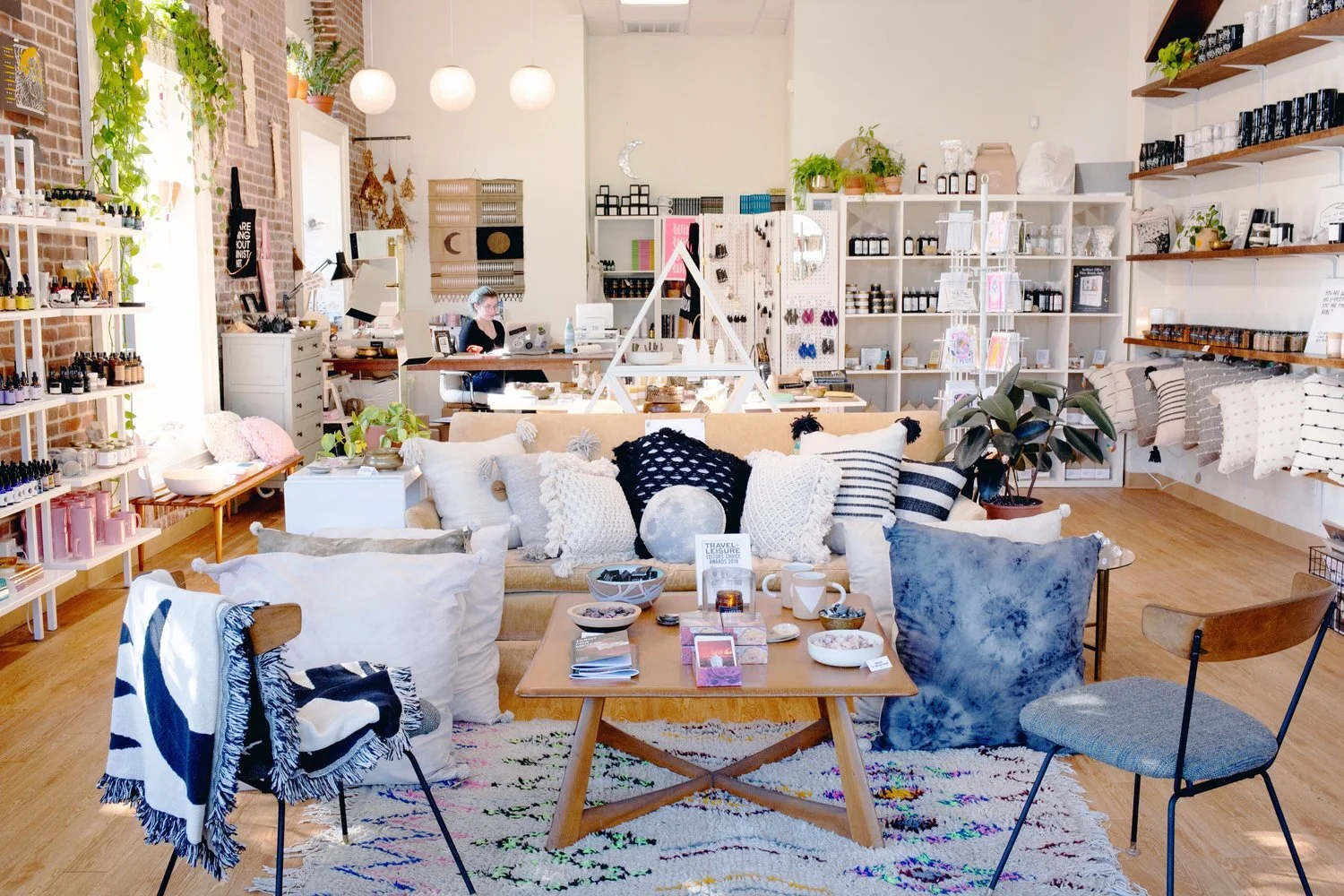
HausWitch
Think you know witchcraft? Think again with this space in Salem redefining Witchcraft for modern times.
Go here if: you are seeking strategies for self-care, are ready to push against some social boundaries, and want to make your home the sanctuary you need it to be.
What is it: A metaphysical lifestyle store for the modern witch, or those curious about what that even means, in Salem – yes, that Salem.
Why you’ll love it: Founder Erica Feldmann opened HausWitch in 2015 after completing her graduate studies in the sacred feminine and witchcraft at Simmons College and as a positive space to bring magic into our everyday lives and homes. This isn’t the version of witchcraft told in fairytales or Halloween stories or even those witch trials: it’s not black peaked hats, cauldrons, and evil incantations. Rather its more Scandi design and modern twists: the storefront is light-filled, combining a keen eye for interior decoration with products that reframe witchcraft for contemporary times, bringing in ideas of self-knowledge, empowerment, healing, intuition, mindfulness, and nature-inspired spirituality.
What you need to know: The Treasure Palace as Feldmann refers to the storefront holds minimally designed items for the modern witch (some serious, some playful): incense, spell kits, candles, and potions as well as throw pillows, cleaning products (from own brand LightHaus) and ceramics (‘Witches are the Future’ ). HausWitch also hosts workshops for developing intuitive skills, such as tarot reading or astrology, and that offer safe spaces for women to share, learn and support one another.
How to bring this into your life: HausWitch has just opened up again after a year of being closed due to the pandemic but you can still shop the collection from wherever you are, attend an online workshop or even bring in some magic to your home with Feldmann’s book, HausMagick.
Why we think it's different: Witchcraft is being reframed; we’re increasingly curious about what it represents, what it can provide, and how we can bring it into our lives. In a moment when we’re struggling to live within the constraints of our modern-day world, for the curious and the seekers, witchcraft offers alternative ways into healing and reflection. Its rituals can ground our days, its practices offer self-care to orientate us in spiraling lives. But witchcraft is also about empowerment, about resistance. HausWitch offers ways to slow down, tune in, recognize, but it also offers ways to push against, make space, be heard.
When you get beyond the narrative that has represented witches as outsiders, you get to one that reveals that witches are often those who have pushed against patriarchy, social norms and spiritual expression denoted narrowly. As Feldmann has said: "It's more about feeling empowered, wanting to change the world and connecting to your own intuition."
Witchcraft here sits closely with feminism, with women no longer silenced, reclaiming their powers and making space for themselves in a world that better reflects who they really are (Also shop: “A simple spell against the cis hetero white supremacist patriarchy”. ) For Feldmann, the meaning of witch is ‘Women in Total Control of Herself’ — with women here meaning all gender identities. HausWitch is an intersectional space that is consciously open to “all genders, sexualities, ethnicities, abilities, and anyone who feels like they are in need of a truly supportive and safe environment in this ever-changing world.” Feldmann’s wife Melissa Nierman teaches workshops here (currently offering Past Life and Clairvoyant Energy Readings) and runs NowAge Travel.
In their own words: “HausWitch Home + Healing is a modern metaphysical lifestyle brand and shop, providing Salem locals and visitors with a selection of witchy and handmade products from independent makers from around New England and the US! HausWitch combines the principles of earth magic, meditation, herbalism, and interior decorating to bring magic and healing into everyday spaces.”
Inspired to: We’ve all been tied to our homes this year in ways that may have made us love our spaces slightly less than usual. This spring, find a way to reconnect to where you are. In her book HausMagik, Feldmann suggests rebuilding our relationship to our own space by decluttering, being attuned to what feels good and what doesn’t, bringing in greenery and crystals, and burning sage to reset the energy of a room. Our homes are the spaces that can hold and sustain us through the less cozy outer world; this spring find a way to make it your own again, restorative and replenishing for whatever comes next.

Collective Care // A Guide to Supporting Others While Supporting Ourselves
It’s with dual tensions in mind that we offer up our first shopping guide to supporting small during uncertain times.
We’re writing this — our first Shopping Small Guide — with competing interests. Like many of you now, we’re all too aware of what resources we have and how we can best use them. We’re hunkering down, saving where we can, managing our budgets in ways we might not have done previously. We’re acutely aware that many are struggling to pay rent, to cover food needs, and to sustain basic necessities, as they are being financially dragged under by this virus.
We also know that as we pull back and retreat, we’re creating more pain for independent businesses, creative spaces, and places in the world that rely on our support to make their own ends meet. We’re conscious of places closing now and shutting their doors, and though we are hopeful that they will reopen, we’re aware that they also might not be able to if they can’t sustain some aspect of their business during lockdown. And we’re worried that the vital businesses that made up our neighborhoods— that we might have overlooked as luxuries but which were sustaining the connections we all need in our lives unbeknownst to us — will disappear. That the texture and heart of human life, the places that baked the bread, pulled that shot of espresso and sold the books (insert your own list here), will cease to exist even if the conditions return to allow them to.
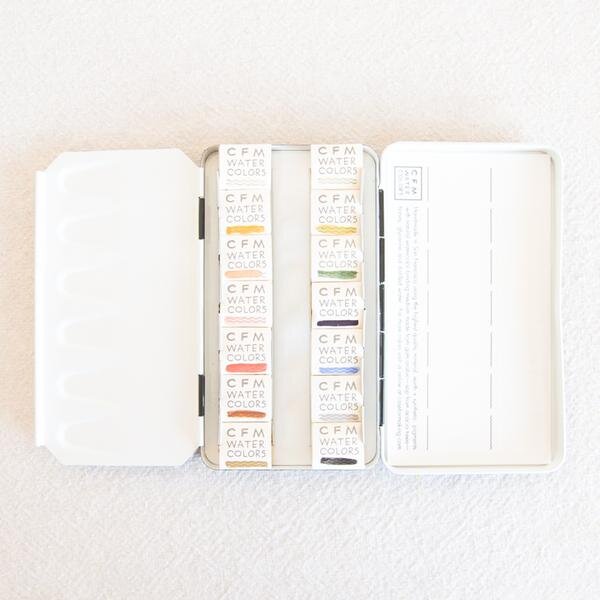
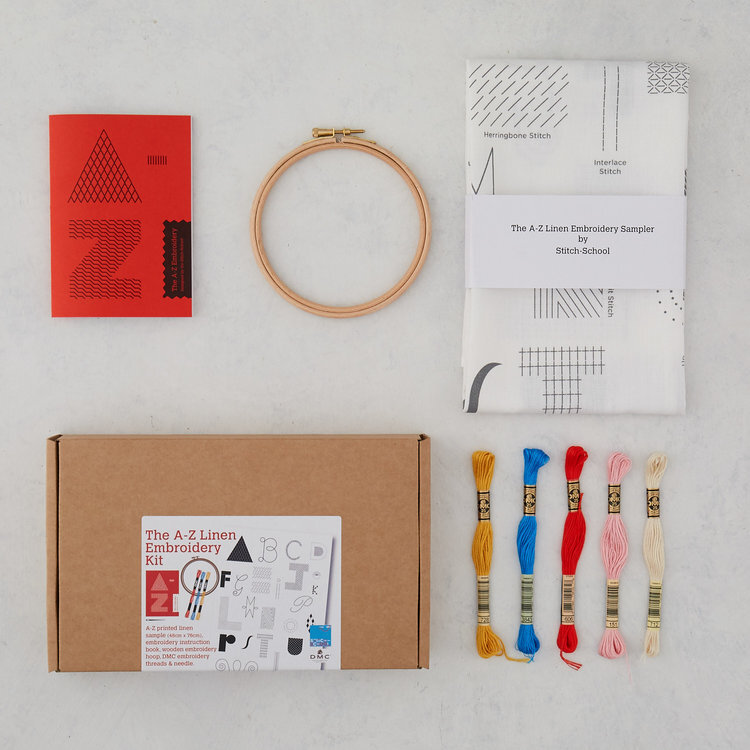
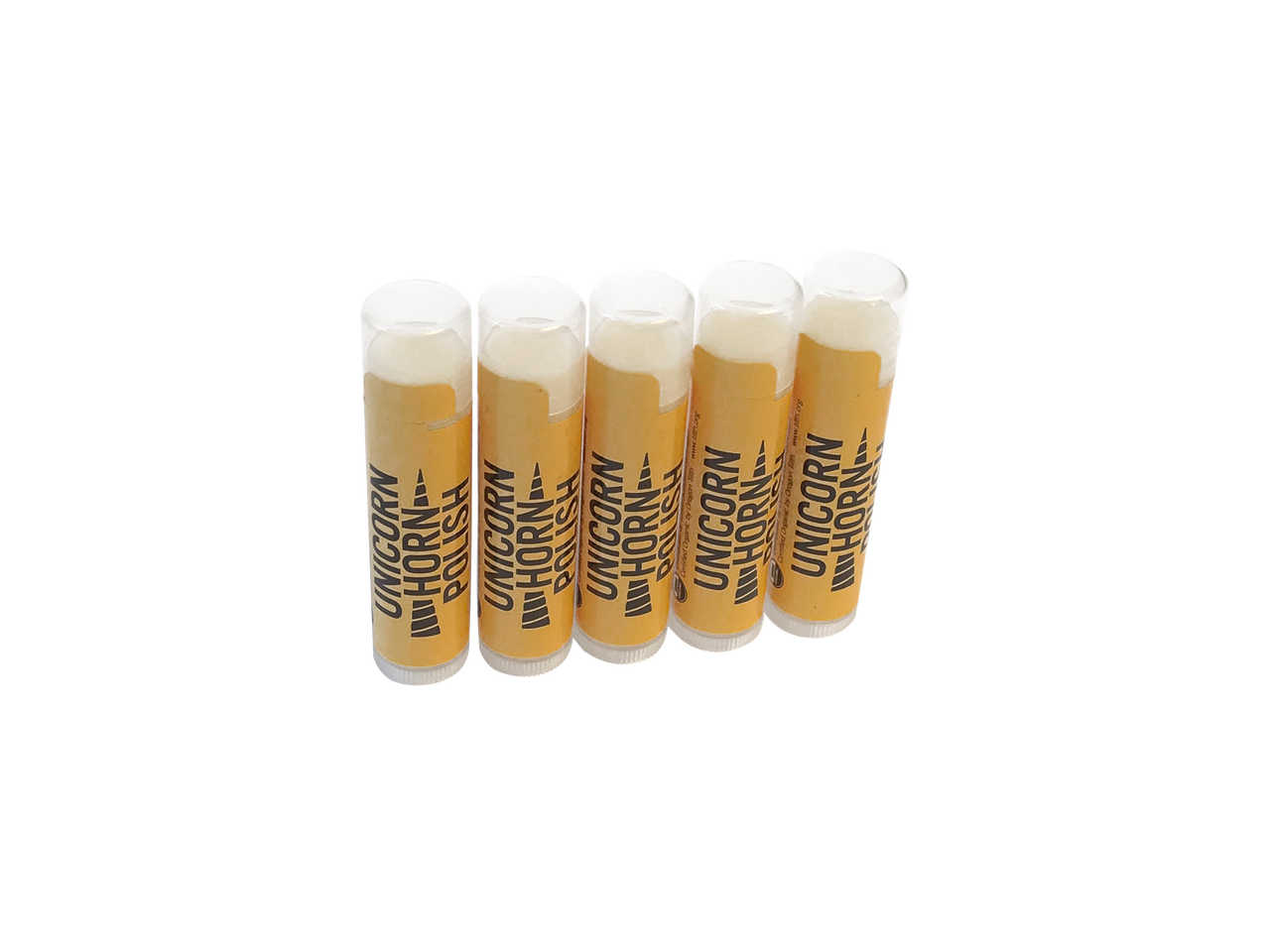
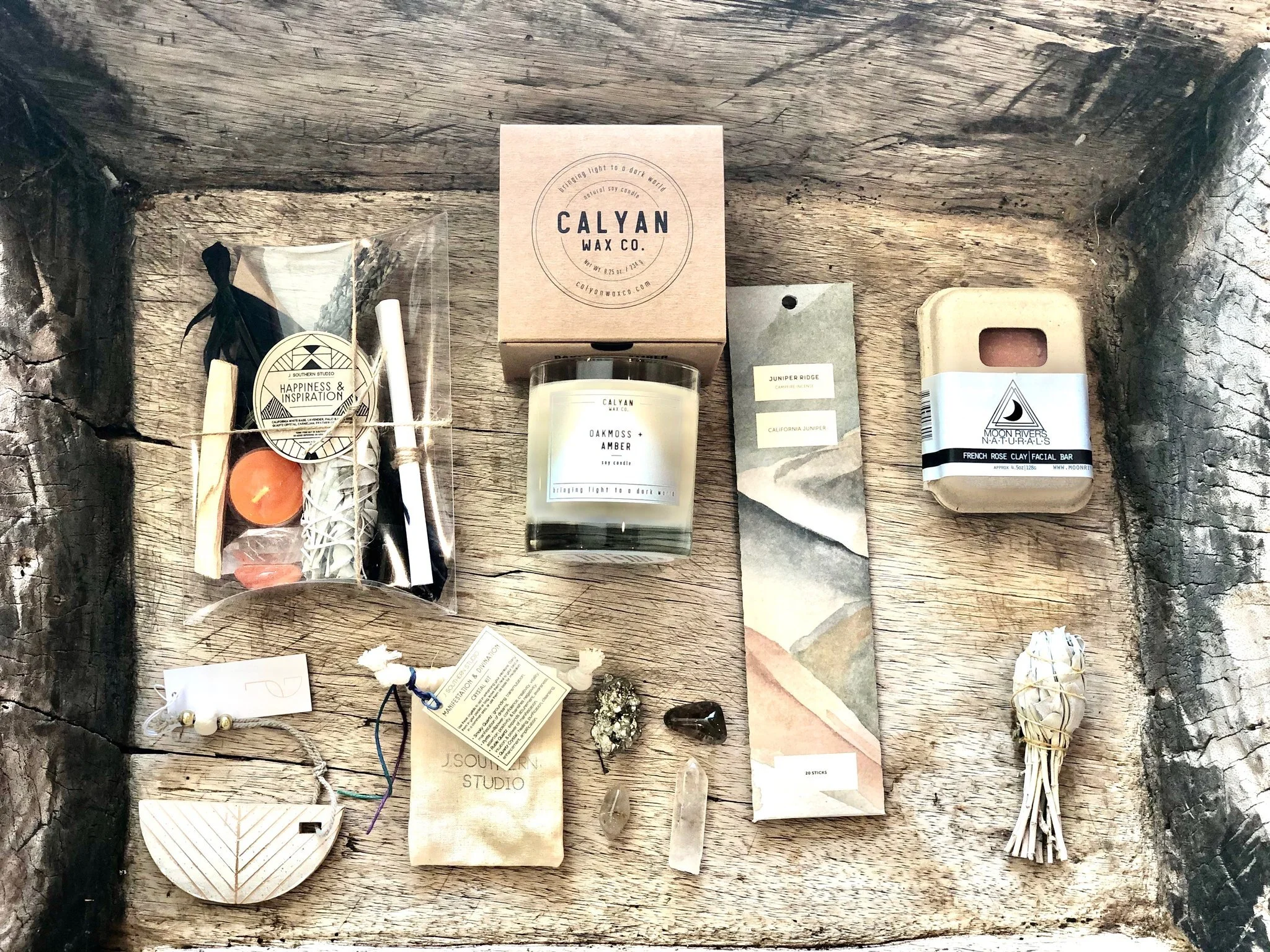
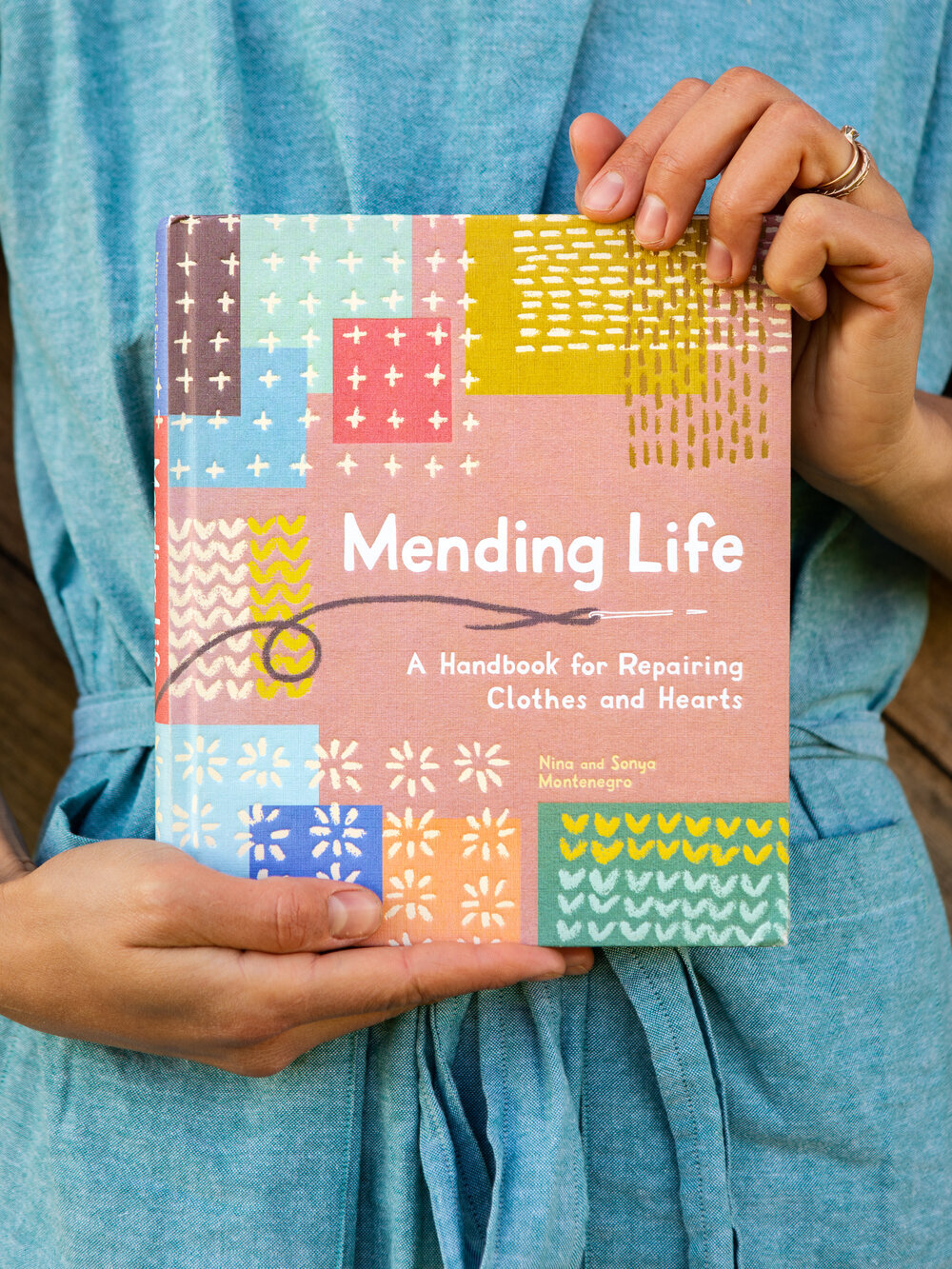
So it’s with those dual tensions in mind, that we offer up this guide. We’ve tried to identify products from places that we’ve supported and who we’d encourage you to continue to support if you can. Some offer self-care essentials, or new skills (clothes repairing). Some offer treats like really good coffee beans or magic (yes you don’t need unicorn horn polish, but does that idea make you smile?). Some offer support to get us through — conversation cards feel like a must now for those fading home relationships. Some just kindness like a simple thank you.
We hope that you can find something here that might help you and help others who created these as we negotiate these uncertain times in relation to one another. And as always let us know what we missed, what you love and what is bringing joy to you in who you support in your life right now.










Local Spotlight
If you live in the SF Bay Area, we hope you’ll join us in supporting these women-owned brands and businesses. Each of them has impacted us and helped to lift us up through this time, and we want to do the same for them.



Two Chairs | A Conversation about Thoughtful Therapy with Alex Maceda
Two Chairs is doing therapy differently. We spoke to its Director of Brand Strategy about why the model of delivery has been so broken but also why therapy itself isn’t.
I’ve sat in uncomfortable chairs in rooms with badly painted walls. I’ve awkwardly handed over a cheque or counted out cash at the end of a session. I’ve missed weeks of help because scheduling hadn’t worked out with the shape of my week. I’ve stumbled down stairs afterwards crying and fled to my car for solace. I’ve found people, then dropped them when it didn’t work, but made sure that I felt like I was the cause of the ending and not them. All of the above, all of it is wrong, but all of it is what can happen in our experience of therapy.
We are huge advocates of the practice of therapy and have been in and out of it (between us) for most of our adult lives. Sitting with a therapist has saved us again and again. We’re happy to spread the cause that #therapyiscool, and we’re in the business of making all our mental health tools, including talk therapy, more present in our lives.
But as we do this, we also need to acknowledge that the model of how therapy is given—not the content or the relationship parts—but all those things around it such as booking, payment, design, and fit, make it really, really hard to have a good experience at best and to get the help we need at worst. We pay more attention to how we go for a haircut, then how we go for therapy, and that makes no sense at all.
That’s why we were relieved to discover Two Chairs, a San Francisco start-up (hold the judgement) that’s making therapy all about you in all the ways that it hasn’t been so far and really needed to be. That means when you step into one of their seven therapy clinics across the Bay Area, you enter a setting that actually has your back as a person in the world.
Here the design of the spaces matters, not just in terms of beautiful furnishings with yellow (brand color) flourishes amongst the muted tones, or the LaCroix stocked in the fridge, and carefully chosen Phaidon art books on the coffee tables, but in psychologically impactful ways too. How the chairs are arranged affects how comfortable you might feel as a therapy go-er depending on your life situation. The art on the walls can subtly shift your mood. The presence of plants actually makes for a calmer environment.
Yes, therapy here is given the modern makeover it so, so badly needed, but it’s also been given one that takes into account what science is telling us about the environments and processes we need to best function as people. This is all Two Chairs Therapy’s Alex (Amac) Maceda’s domain. As the Director of Brand Strategy, Amac is responsible in her remit for interior design and client experience, working through all these details with not just operations and designers, but also clinicians and clients, who are folded into the process of what goes on before and after, as well as during a therapy session.
We had the opportunity to talk to Amac about why the model of delivery has been so broken but also why therapy in itself isn’t.


Claire: Let’s start with what Two Chairs is changing about the experience of therapy from the client’s side. Although we’re huge believers in therapy, we know that it’s really hard to just get the help that’s needed. How are you responding to this?
Amac: At Two Chairs, it’s all about access. We think of access as all the barriers that the system puts in front of you when you want to start care. The most classic example is that you are probably in crisis and you know that you want to go to therapy. You go online and Google. You maybe find 10 names. All of them are phone numbers only. Three of them call you back. Two of them don’t have availability. One of them can see you 30 minutes away at 2pm. Even when you’re opted-in, the system makes it so hard for you to get care. It’s such a disheartening experience, especially when you are engaging with it for the first time.
Claire: It’s hard to say,“I need to go to therapy,”and it’s even harder when you are trying to do this, and it’s still not coming together.
Amac: For a lot of people by the time they are asking for help, they have probably gone through quite a bit. Also, a lot of people are afraid to ask for help that first time. Whether they don’t know where to start or fear the stigma, there are so many things that you find yourself up against. Imagine that after taking so long to get to that realization, there’s still 20 barriers that they didn’t even know existed. When Two Chairs first started, that was the problem that we were trying to solve: How can we make engaging in high-quality care as easy as possible for those seeking it.
Claire: Can you talk me through how you are doing that in practice?
Amac: Some of the things we are doing are so simple, and take inspiration from different consumer brands, but are not typical in a health care setting. Things like online scheduling—it takes less than five minutes to schedule an appointment—and convenient locations—all of our clinics are located near major transit hubs. We want clients to be able to get in and out. We want clients to get on with their day and have the experience of therapy be as seamless as possible in daily routines.
Claire: You also have a unique offering in how the therapy journey starts way before clients are physically in a room with someone. Can you tell me about that intake piece?
Amac: We have a really dedicated care coordination team, and see them as a helping hand before clients even start care. They help clients think through questions like, “I don’t know if therapy is right for me, but someone recommended it,” to “how much can I expect to be covered with my insurance plan?”
What I think is really unique with Two Chairs compared to private practice or other group practices is our emphasis on matching. It’s clinically proven that the strength of the alliance between the therapist and the client is the biggest predictor of success, rather than the therapeutic approach taken by the therapist. However, the current system is not set up to match well.
Choosing a therapist can be really intimidating for anyone, and at Two Chairs, we try to make that as easy as possible. What that looks like from a client perspective is: you book an appointment online, receive a series of emails about what to expect in your appointment and then we send you a client profile to fill out.
The profile is a detailed intake form asking what some of your goals are for therapy, some demographic information, and questions that try to get at what modality might work for you, including,“How structured of a thinker are you?” from very structured to not structured, and,“How much do you want to be challenged in therapy?” from pushing back to I want a therapist who listens more. We’re not asking you to choose a modality, but rather we’re getting at some of the qualities that might move you towards one type of care or another.


Claire: That’s an interesting technology-driven part of your approach that hasn’t had a place previously in therapy. How important is the personalized data-driven piece to the Two Chairs model?
Amac: The self-reported data from the client goes into a matching algorithm that has been built in-house by our engineering team, and is founded on the latest data science. But our approach is not founded on data only. That information forms a hypothesis that a consult clinician (a position unique to Two Chairs) uses for a first consult. They prep with all the intake data, but they use their clinical expertise in that first in-person appointment to move the data around and to form a recommendation based on this human interaction. It is that person who then matches you with an ongoing clinician.
We match on so many different factors, from demographics, lived experience, and any specific preferences, like, “I can only come in at 8am in Oakland and I want to see a female who is middle aged.” We take this all into account when matching.
Claire: So, they take what they understand as you as this person on paper and you as this person in space, then put you in contact with the person who would be your therapist? If someone then goes to that therapist, and that’s not a good match, do you then rematch them? That’s one of those broken parts of classic therapy, that bad matches do happen and then someone drops out of therapy because of this even though they still need help.
Amac: Yes, that is where the consult clinician is so powerful—they become that point of contact throughout the process if anything is wrong. But we do have an over 90% success rate with the first match. Clients tend to be in therapy for quite a long time, though our goal is not to keep you in therapy forever. We’re now just over two years old, and at this stage, we’re seeing clients come back for new courses of care, and to work on new issues in more proactive ways versus more reactive ways.
Claire: I’m interested in this narrative of therapy positioned within life maintenance, like something you fit in on a regular basis. I’ve noticed that in the language of Two Chairs, that you are positioning therapy as a self-care tool rather than just as crisis management.
Amac: We have a good mix of clients who are brand new to therapy, and also those who are returning to therapy. On the new to therapy side, it’s been so powerful to see clients coming in for the first time who are telling us that they’ve been looking for a therapist, but that it had felt too intimidating, and that Two Chairs made it so easy. And on the flip side, we’ve had clients who have been in therapy for years who are coming more proactively, and treating therapy as a tool that is part of their life.
Claire: Do you approach those two needs differently in the intake process given that therapists have their own specialisms, such as trauma or situational issues, or work more generally, in a style that can be more holistic and generalized?
Amac: Yes, there’s all this self-reported data on the client side but I think what people don’t think about as much with Two Chairs is that we also have all this self-reported data on the clinician side too. Our matching tool includes their clinical expertise in session and the data we have about the clinicians about how they self-report their stylist preferences, their studies and research backgrounds.
Claire: How do you deal with the inclusivity piece? Therapy has been charged with being very narrow in its focus.
Amac: There’s a few different aspects to inclusivity, and certainly one of the hardest is financial. We’re still an Out-of-Network provider and we charge $180 for a session. That’s under market in San Francisco. But we aspire to be In-Network which we know will help a lot in terms of that financial piece. We know that the bigger we get the more power we have to be in network and then we can open access to more people.
On the other side, one of the narratives around therapy is that traditionally minority communities are less served within therapy and that gets back to our matching system. A big part of what we hear from clients is that we have a very diverse population of therapists across demographic and lived experience, qualities like gender, race, and sexual orientation. We consciously build for that. The feeling that someone understands your lived experience is very important, so we hire against that.


Claire: What happens after a therapy session? I always had this issue with therapy where I would sit in this non-descript room, see my therapist, and then come out with whatever raw feeling that I had, but then I have to go on the tube and get myself home. Can people hang out? Can they linger in the waiting room or sit with a cup of tea before heading back out into their non-therapy worlds?
Amac: I personally feel so passionately about this. Imagine that you cried during therapy and then you have to go to the bathroom to check your face and then sit in your car doing breathing exercises to collect yourself before going back to work. It doesn’t happen always, but for many of us, myself included, we’ve been there once or twice. For much of therapy, there’s no after. We think a lot about how you enter, but no one ever thinks about how you leave.
That’s something we’re addressing in all of our newest clinics and bringing that concept into the space. We’re introducing decompression areas to the extent that we can where you have separate exits and semi-private areas where you can sit and journal. We have essential oils and rocking chairs, so you can take a few moments if you need to. Each of our therapy rooms have a small mirror right before you exit so you can check how you look. These are all the little thoughtful details that we know from experience or from our clients speak to where they are at in that moment and we try to pull that into the design of the space.
Claire: Two Chairs didn’t go down the route of becoming an app but has invested in bricks and mortar and that in-person piece. Why is that aspect of just being in the room with someone so important. I know Two Chairs Founder Alex Katz has talked about Sherry Turkle’s Reclaiming Conversation: The Power of Talk in a Digital Age as a foundational text, and I wonder how this folds into your approach?
Amac: We know it’s clinically proven that in person is better. You lose so much when you are not in the room: like body language, tone, how a person is presenting, and how they seem to feel.
We also know that we are in a generation where we keep talking about how much digital is taking over our lives, and how much interaction is going through a screen. To be able to interact in person, especially around topics that are so deeply personal and that a lot of clients are talking about for the first time, allows us to bring a lot more empathy and understanding to the experience.
Claire: You have all the science backing up therapy, but you also have the science backing up the in-person piece. We’re at this moment that those two pieces are coming more and more together.
Amac: Yes, there’s so much care and attention paid understandably to the clinical setting. The hard part goes on in the therapy room. But there’s so much across the whole experience that matters—being able to be in person, to walk into a space and to feel a sense of calm, to have a cup of tea and to sit there for a moment, to take an hour out of your day in a beautifully designed setting that addresses our needs as a person.
Claire: Do you find that therapy is as stigmatized as when you started even a couple of year ago?
Amac: I certainly feel the stigma has decreased—but we have a long way to go. I find myself in a lot more open conversations about it, but know it’s a self-selecting group of people around me saying they go to therapy and that they love it. Even then, they are sharing in small conversations but not necessarily projecting it in public.
As someone who has worked in brand and marketing at different companies, I find it to be a very unique and specific reflection of where we’re at culturally with mental health. I used to work in fashion, and we had tons of user generated content on social media—people were posting pictures and tagging our brand, being advocates for our sustainability efforts, sharing our mission with friends—they wanted to be publicly associated with us. That’s not quite the same at Two Chairs—yet. We had our first tag from a client testimonial for Two Chairs only a couple of months ago, which was so powerful and exciting. Even two years ago, it would be hard to imagine someone posting about their experience with therapy on Instagram and thanking their mental health provider. It’s happening, but it’s still rare. Which makes sense—how many people do you know are going to therapy and taking a selfie and saying, “I had a great therapy session?”
There’s still a little bit of a ‘coming out’ that people do when they start to publicly associate themselves with mental health, mental illness, and therapy. Even people who are very mental health positive are not necessarily saying I’m going to therapy every week.
I was there six years ago, when I told a friend that I was in therapy and I remember feeling so scared. When they just said, “that’s great”, this relief washed over me. But even that makes such a big difference. It can be so powerful.
Everyone is on their own journey with telling their personal mental health story, but we hope that the work we’re doing at Two Chairs is making therapy a little more approachable, and creating more space so that you can talk to people about your experience with therapy when you’re ready. We want to humanize therapy more. In the past couple years there have been more and more mental health stories of famous people, often with this narrative of a grand fall from grace and then rise, which is inspiring, but not representative of most people’s experience. We’ve introduced an initiative called #TalkTherapy on our blog where we put more stories out there to show there’s a breadth of experience, that it’s positive or that it’s negative, sometimes life changing and sometimes it’s not, but we try to normalize the breadth of what happens to people in therapy.
Claire: How has Two Chairs been received on both sides, client and therapist, since launching?
Amac: We’ve seen over 2000 clients in the San Francisco Bay Area over the past two years. Last month we opened our fourth clinic in two years within San Francisco. We are one of the biggest group providers in the Bay Area at this point.
We are creating demand for therapy—we know this because a large percentage of our clients are coming to therapy for the first time, but there’s still a lot of latent demand for therapy. We’re the first consumer brand in a space that has existed for a long time and what we’re offering is a high-quality version of a something that is already there. We’re not trying to create something new that people don’t understand; we’re a better-quality version of what’s out there and we’re adding new aspects to it that make it more compelling for clients. In San Francisco there’s an emphasis on wellbeing, wellness, and self-improvement, and it’s really exciting to be in the generation that’s opening the conversation around mental health.
To learn more about Two Chairs visit their Website, Instagram, and Facebook

Governors Island
Rawly Bold Founder Pamela Delgado on why New York’s Governors Island is the place she turns to when she needs some balance in her life.
You know when you’ve reached that overwhelming point and you’re in dire need of an escape? It happens to all of us. For me, on those occasions when I can’t take the vacation that I would like, thankfully I can escape to a local New York City gem: Governors Island. As soon as the weather permits I’m on the first ferry there.
This little historic island (172 acres to be exact) is located off the southern tip of Manhattan and depending on where I’m standing I can see Brooklyn, Staten Island, New Jersey or the Big Apple. Once used as military installation, Governors Island is now a seasonal destination which gets around 800,000 visitors per year.
With ample park space, I often just set up my own little picnic and just be. For these escapes I don’t need to take much. I may pack a book or a magazine, but on Governors Island I get to dine, snack and support local food vendors too. Being a small business owner I’ve learned the value of support and I’m happy to do so whenever I can. Island Oyster is my favorite. I will usually indulge in oysters and a glass of champagne while watching the hustle and bustle of the city. During the hot summer days, I’ll hang out near Little Eva’s Beer Garden before frolicking over to see the Statue of Liberty. After living here for eight years New York is still surreal to me. I used to dream of living here.


Having alone time is so very rare and I take full advantage when I get it. Being here makes me feel peace. I’m a lover of the sun and water and although there is no beach, it’s close enough and gives me the fuel I need to keep on trucking. When was the last time you walked barefoot on grass? I consider that to be a luxury. The last time I did was on one of my visits here in July.
It’s now November and I’ve loved this past season! It was my first time visiting during the Fall and it won’t be my last. I felt like there was always something different or new to discover. I visited their incredible pumpkin patch: cider stations, pumpkin decorating for the kids, pumpkins for purchase, and fall foods to nosh on.


Governor’s Island gives me the opportunity to let go, of all the stress I may have experienced prior to my visit or whatever issue is coming up for me. It gives me the space to regain my clarity and prepare to face things that may require my attention or make me feel uncomfortable. Problems don’t disappear overnight, but taking a step back can help. I can be silly. I can get out of my comfort zone and meet new people if I feel like it. On occasions when I need to release pent up energy or ease my anxiousness I put my sneakers on and go for or a run. This island is the perfect track. There have been times where I turn on my yoga app and dive right into a pose with no worries in the world. It never fails to transform me. I head home feeling like a brand new person.
Living in such a fast paced city, sometimes all I need is just time to be alone with my thoughts or have a moment to meditate while the breeze from New York City harbor hits my face. As the mother of two very energetic toddler boys, I escape here to feel grounded and centered. And as someone who is multi-passionate, finding down time is required to nurture this journey of life. Governors Island has become that place for me; it will always have my heart.
To find out more, Website, Instagram, Facebook, and Twitter (Please note that Governors Island is closed for the season and will reopen in Spring 2020)