
Which bits of yourself do you quietly edit away?
Do you hold back to avoid being too much? Explore confidence, self-trust and the parts of ourselves we quietly edit away, with insights from Genelle Aldred.
Perhaps you’ve had that moment after a conversation when you start going back over what you said. Were you a bit too direct? Did you sound like you thought you knew everything? Should you have kept that opinion to yourself? You might have felt perfectly comfortable while you were speaking, but afterwards not so much. Next time, you decide, you’ll soften it a little. Or say less.
It can happen with the good things too. You’re excited about something you’ve made, something you’ve learned, something you’re proud of. You want to share it, but then you hesitate. You wonder what people will think. And a small piece of you that wanted to be seen gets put away for another time.
I’ve been thinking about these moments since my conversation with broadcaster, communication strategist and author Genelle Aldred on A Thought I Kept. When I asked how she hoped to hold on to the thought she’d brought, her answer was: “By not quietly editing bits of myself away.”
We can so easily begin to lose parts of ourselves through small, everyday decisions about what does feel acceptable to show and we get less and less visible, and even confident, as we do so.
How the editing begins
Genelle’s thought was: “You are allowed to be a mess and a masterpiece at the same time.” And it gave us a way into confidence that felt much more human than the certainty and polish we might associate with it.
Even the beginning of our conversation offered an example of this. Genelle arrived feeling flustered after some client work and said so. We talked about the pressure to be calm and together, and how much more there is to connect with when someone can tell you how they actually feel. We could have done the usual exchange of “How are you?” and “Fine.” Instead, we got to share where we really were.
But being honest about how we’re arriving can feel risky. Genelle spoke about the expectations placed on women, and specifically her experience as a Black woman: how standing up for yourself or expressing a view can attract labels such as aggressive or too emotional. Those responses can begin to shape what you feel able to say.
As she described it, we start to self-filter, self-edit and minimise. We don’t want to appear messy. We don’t want to be wrong. We feel we should have everything worked out before we speak.
That context matters. The editing isn’t always something we’ve invented in our own minds. Sometimes we’ve learned from experience that certain parts of us receive a difficult response. It makes sense that we might become careful. But it’s worth noticing what that carefulness is beginning to cost us.
When one mistake becomes the whole story
One of the things Genelle suggested was how readily we judge ourselves by the worst thing we’ve done. We can do the same to other people. A moment when someone wasn’t there for us can become bigger than all the times they were.
I wonder how often we do this with our confidence. We have a difficult conversation and begin questioning whether we’re any good at communicating. We disappoint someone and start wondering whether we’re a good friend. We get something wrong at work and suddenly our experience seems to count for very little.
Genelle knows she’s good at communication. She also knows that she doesn’t get every conversation right. Sometimes people misunderstand her. Sometimes she makes a mistake and needs to apologise. Both things can be true.
There’s something useful to try here the next time you find yourself replaying a conversation: can you stay with what actually happened? Perhaps you interrupted someone, chose the wrong words or spoke before you’d understood. There may be something to acknowledge or repair. But can you do that without turning the moment into a verdict on who you are?
You’re allowed to acknowledge the masterpiece too
I think many of us can understand the relief of being allowed to be a mess. Being allowed to be a masterpiece might feel more uncomfortable.
Who am I to say I’m good at this? To trust my own judgement? To acknowledge that I have something valuable to offer?
For many of the women I work with, these questions can be difficult. We may be used to looking for reassurance from someone else, or qualifying a strength so quickly that we barely let ourselves acknowledge it.
Genelle brought a lovely, everyday example of holding different parts of herself together. She can post a silly meme or a picture of her dinner and also advise senior leaders on their communication. Enjoying one doesn’t diminish her ability to do the other.
Perhaps there’s a part of you that you keep separate because you worry it will undermine something else. Your playfulness and your expertise. Your sensitivity and your authority. What might become possible if you allowed them to belong to the same person?
What are you trying to say?
Genelle also spoke about the distance between saying what we mean and saying what we think will please the person listening. This might mean pausing to acknowledge this before we edit ourselves again.
What am I trying to communicate? What matters to me here? Have I changed my words to make them clearer, or have I removed the thing I wanted to say?
There is care in this too. Genelle was clear that we should consider how our communication affects others, while remembering to care for ourselves within it. We can take responsibility for our words and still allow ourselves to have a view, a feeling or a need.
You might try noticing one moment this week when you begin to edit yourself away. There’s no requirement to suddenly say everything. Just become curious about what you’re holding back, and whether you’d like to give it a little more room.
Listen to my conversation with Genelle Aldred on A Thought I Kept for more on confidence, communication and being allowed to be yourself.
And if you’d like some space to explore the feelings that come up around confidence, visibility or expressing what you need, you can explore emotions coaching sessions with me here..

Why Is It So Hard to Validate Ourselves?
If other people's approval never feels like enough, you're not alone. Discover why we seek external validation and how emotions coaching can help you trust yourself more.

A few years ago, I was talking to a coaching client about a project she had recently completed at work. It had gone well by every measure available. The feedback was positive, her colleagues were happy, and her manager had praised her contribution. As we talked about it, I asked a simple question: "So how do you feel about it?"
She paused for a moment before replying, "I don't know. No one's told me yet."
It was one of those answers that stayed with me because it captured something many of us experience but rarely say out loud. So often, we are waiting for someone else to tell us how to feel about ourselves. We wait for the compliment, the approval, the performance review, the invitation, the praise, the message that confirms we are doing a good job, making the right choice, or becoming the person we hope to be.
When those moments arrive, they can feel wonderful. There is relief in being recognised and comfort in being seen. Yet for many people, the feeling never lasts for long. The compliment fades. The praise is forgotten. The promotion becomes the new normal. Before long, we find ourselves searching for the next piece of evidence that we are okay.
If this sounds familiar, you are far from alone.
When Other People's Opinions Carry More Weight Than Our Own
Many of the people I work with in coaching are thoughtful, capable and deeply caring individuals. From the outside, they often appear confident and successful. Yet inside, they are carrying a constant question: Am I doing enough? Am I enough? They look to other people for the answer because trusting their own judgement feels surprisingly difficult.
What fascinates me is that this isn't usually a problem of confidence. More often, it is a problem of trust.
Somewhere along the way, many of us learned that other people's opinions carried more weight than our own. Perhaps praise was linked to achievement. Perhaps approval felt conditional. Perhaps there wasn't much room for our feelings, perspectives or needs growing up. Perhaps we discovered that being liked felt safer than being honest, or that getting things right earned connection and belonging.
Whatever the origin, the result can be the same. We begin to treat other people as the experts on our lives while becoming increasingly disconnected from our own authority.
The difficulty is that no amount of external validation can fully solve that problem. If you don't trust your own perspective, even the most generous praise struggles to land. It might make you feel better for an afternoon or a few days, but eventually the doubt returns and the search begins again.
What Are We Really Looking For?
One of the most helpful shifts I have seen in coaching comes when we stop focusing on validation itself and become curious about what sits underneath it.
Because validation is rarely the thing we are actually seeking.
When we long for reassurance from another person, what we are often looking for is something deeper. Sometimes it is safety. We want to know we haven't made a mistake. Sometimes it is belonging. We want to know we still have a place in the group. Sometimes it is certainty in an uncertain situation. Sometimes it is visibility. We want someone to notice how hard we have been trying. Sometimes it is worth. We want proof that we matter.
When we begin to understand the need beneath the validation, something softens. Instead of criticising ourselves for being needy, insecure or dependent on what other people think, we can approach ourselves with curiosity. We can ask what it is we are really hoping someone else's approval will give us.
That question often opens an entirely different conversation.
From Self-Validation to Self-Trust
I think this is why the language of self-validation can sometimes feel unhelpful. It can sound like another thing we should be doing better. Another wellbeing task to add to the list. Another reason to feel we are falling short.
What if the goal wasn't to become completely self-validating? What if the goal was simply to begin trusting ourselves a little more?
Not more than everyone else. Just enough that our own voice gets a seat at the table.
Letting Your Experience Count
Many people assume that self-trust means being certain all the time. In reality, it often looks much quieter than that. It is being willing to acknowledge your effort before someone else notices it. It is recognising when you have handled something well, even if there is no applause. It is allowing your experience to count as evidence. It is asking yourself what you think before immediately turning to someone else for an answer.
This isn't about becoming immune to feedback or pretending other people's perspectives don't matter. Relationships matter. Community matters. Being seen matters. We are human beings, not islands.
The invitation is simply to stop outsourcing your entire sense of worth and direction to people who can never fully know what it is like to be you.
The people who love you can offer encouragement. They can reflect your strengths back to you. They can remind you of things you have forgotten. What they cannot do is build the relationship you have with yourself.
Building a Different Relationship with Yourself
That work happens slowly, often through hundreds of small moments. Moments when you pause before seeking reassurance. Moments when you acknowledge your own effort. Moments when you choose to believe your experience rather than immediately questioning it. Moments when you allow yourself to be both uncertain and trustworthy at the same time.
If you are someone who constantly seeks validation from others, perhaps the question is not, "How do I stop needing reassurance?" Perhaps the question is, "What need am I hoping reassurance will meet, and how might I begin meeting some of that need myself?"
That feels like a gentler place to begin. It is certainly a more compassionate one.
And from that place, it becomes possible to build something far more sustainable than confidence. It becomes possible to build trust.
Explore Emotions Coaching
If you recognise yourself in this story, emotions coaching can help you understand why external validation feels so important, what needs sit beneath it, and how to build a steadier relationship with your own voice.
Together, we'll explore the emotional patterns that keep you second-guessing yourself, learn what your emotions are trying to tell you, and help you move forward with greater self-trust, clarity and confidence.
Because the goal isn't to stop caring what other people think. It's to make sure your opinion matters too.
How We Learn to Matter Too
Always supporting everyone else can leave you exhausted and disconnected from yourself. Explore how to care for others without losing sight of your own needs.
One of the things I see come up most often in my work is what happens when someone has become the strong one.
They are the person everyone calls. The person who knows what needs to happen next. The person who organises the appointments, remembers the details, absorbs the worry, keeps the family going, manages the work, checks in on everyone else and says, when someone finally asks how they are, “I’m fine.”
Often, they are fine. Or fine enough. They are functioning. They are coping. They are doing what needs to be done, and perhaps doing it incredibly well. But somewhere in all that doing, they can begin to disappear.
This is particularly complicated when the people we love are going through something difficult themselves. If your partner is unwell, your parent needs care, your child is struggling, or someone close to you is living through grief, trauma or a major life change, it can feel almost impossible to say: What about me?
Their difficulty might seem bigger. Their needs might feel more urgent. You might look at what they are going through and decide that your exhaustion, sadness, anger, loneliness or uncertainty is somehow less important. You might tell yourself that this is simply what love looks like. You might believe that being strong means being the person who can handle it.
But what happens when you keep telling yourself that it isn’t about you?
When “it’s not about me” becomes a way of life
This is the question at the heart of my conversation with Lois Jackson on A Thought I Kept.
In 2017, Lois’s then-fiancé, former professional rugby player Ed Jackson, suffered a life-changing spinal cord injury. Their lives changed almost overnight, and Lois did what came naturally to her: she went into care mode. She booked appointments. She drove Ed where he needed to go. She spoke to doctors. She supported his recovery. When people asked how she was, her answer was simple: “It’s not about me. Ask Ed. I need to look after Ed.”
What struck me in talking to Lois was how little conscious decision there seemed to be in this. She didn’t sit down and decide to erase her own needs. She simply stepped into the role that needed filling, and perhaps the role she had always been good at filling.
I think many of us will recognise this. Losing ourselves rarely happens in one dramatic moment. It can happen gradually, through a thousand reasonable decisions. Someone else needs us more today. This isn’t the right time to bring that up. I can deal with it later. I don’t want to make things harder. I should be grateful. I should be able to cope. And then, one day, we might look at our lives and wonder where we have gone.
For Lois, that realisation came a couple of years after Ed’s accident. From the outside, life had in some ways returned to “normal”, but of course it wasn’t the old normal. Ed was living with the physical and psychological consequences of his injury. His rugby career had ended. Their relationship had changed. Their future had changed.
Lois realised that Ed had changed, their life had changed, but she was still, as she described it, “stuck in old Lois”. She had kept pushing her feelings to the back of her mind because it still felt as though they weren’t relevant.
Eventually, she knew she had to be honest.
The strong one has feelings too
This is often the difficult part. It can feel selfish to acknowledge that supporting someone has been hard when what they have experienced seems harder. We can turn suffering into a hierarchy in which only the person going through the most visible difficulty is allowed to have needs. But emotions don’t work particularly well in hierarchies.
You can love someone deeply and feel exhausted by caring for them. You can be grateful for your family and need time away from them. You can understand why someone is struggling and still be affected by the way their struggle changes your life. You can want to support someone and feel angry, lonely, scared or resentful. The presence of your feelings does not cancel out your love.
Lois had been afraid that being honest would hurt Ed. She was afraid of losing him. There was perhaps also something else underneath it: a fear that she might no longer be able to be the strong one who could handle everything.
But, as she told me, she came to understand strength differently. Sometimes the strong thing is not continuing to cope quietly. Sometimes strength looks like vulnerability. Sometimes it is saying the difficult thing carefully and honestly. Sometimes it is admitting that you are struggling too.
Lois began having those conversations with Ed. She also spoke to a relationship counsellor and started putting into words what she had been pushing away. Rather than destroying their relationship, that honesty became part of rebuilding it. She described it as though their relationship was “born again”.
There is something important here for those of us who have come to associate love with endurance. We can believe that protecting a relationship means protecting another person from our feelings. But what happens to a relationship when one person can no longer fully exist inside it?
What we suppress doesn’t simply disappear
When we repeatedly decide that our feelings are not relevant, they don’t usually go away. They can become exhaustion, disconnection, irritability or resentment. We might become increasingly frustrated with people we genuinely love, while also feeling guilty for that frustration. We might stop knowing what we want because we have spent so long asking what everyone else needs. Sometimes we end up in lives we never really chose.
This doesn’t necessarily happen because someone else chose them for us. It can happen because we made so many decisions around other people that we stopped including ourselves in the decision-making process.
This is why I think Lois’s thought is so important. After years of saying, “It’s not about me,” she realised something else:
It is about me.
Not only about me. Not me instead of you. Not my needs matter and yours don’t. Me as well as you.
There is a significant difference between putting yourself first all the time and remembering to put yourself somewhere in your own life.
Where are you in your own story?
One of the questions I found myself returning to during my conversation with Lois was: Where am I in my own story?
For those of us who are very good at looking outwards, this can be a surprisingly difficult question to answer. We might know what our children need, what our partner is worried about, what is happening at work, what our parents need help with and what is expected of us this week. But ask what we feel, what we need or what we want, and the answers can be much less clear.
Lois now does a lot of work around values, both for herself and with the people she supports. Values can sound like a very abstract idea until we think of them as an anchor: What actually matters to me? What makes me feel alive? What do I want more of? What am I no longer willing to lose?
When we have spent a long time responding to other people’s needs, reconnecting with ourselves may not begin with a dramatic life change. It might begin by noticing.
What am I feeling that I keep dismissing? What do I need that I keep telling myself is unreasonable? Where am I saying yes because I am afraid of what will happen if I say no? What parts of me have become smaller while I have been taking care of everyone else? What would it mean to include myself in the picture?
We may not immediately know the answers. Perhaps the important thing is to begin asking the questions.
You don’t have to wait until everyone else is okay
I think this is one of the hardest beliefs to loosen when you are caring for someone else: the idea that your turn will come later.
I will rest when things calm down. I will think about what I want when they are better. I will ask for help when this difficult period is over. I will return to myself eventually.
But sometimes things don’t calm down for a very long time. One difficult period becomes another. Children need us in different ways. Parents age. Work changes. Someone gets ill. Life continues to be life.
If our wellbeing is always conditional on everyone around us being okay, we may be waiting for a moment that never quite arrives.
Lois has learned to notice her boundaries, to lean on other people and to delegate. She has also learned that putting something back into herself does not have to be enormous. At the beginning of our conversation, after ten emotionally demanding days supporting people on a charity walk, she told me she had just had her hair done. It was a small thing, but it mattered. She had recognised that she needed something put back in.
I loved that because caring for ourselves can become another impossible standard. We imagine it requires a retreat, a perfect morning routine or hours of uninterrupted time we simply do not have. Sometimes it might be a walk. A book. Getting your hair done. Asking someone else to take over. An honest conversation. An hour in which nobody needs anything from you.
Lois also reminded me that rest does not have to look the same for everyone. For her, it might be walking slowly through the woods and paying attention to what she can see, smell and hear. Rest can still involve movement. Support can take different forms. The question is less whether we are doing self-care correctly and more whether there is anywhere in our lives where we are being replenished rather than continually depleted.
Small changes still count
There is another idea woven throughout Lois and Ed’s story: millimetres to mountains.
During Ed’s recovery, progress could be almost imperceptibly small. A finger moving a little more. A toe beginning to wiggle. Changes that were difficult to see from one day to the next, but became visible when they looked back. I think there is something useful in this for anyone trying to find themselves again.
You do not have to completely redesign your life tomorrow. If you have spent years being the person who copes, asking for help once might be a significant step. Saying what you actually feel might be a millimetre. Letting someone be disappointed in your boundary might be another. Doing something because you enjoy it, rather than because it is useful to somebody else, might be another still.
There may be steps backwards too. Lois is clear about that. Progress is not a neat journey in one direction. But once you have evidence that you can do something differently, you have something to return to.
Perhaps the question is not: How do I become someone who always puts myself first?
Perhaps it is: What would help me matter a little more in my own life today?
Maybe being strong was never meant to mean doing it alone
One of the great contradictions of being the strong one is that the more capable you appear, the less likely people may be to realise that you need support. You become the support system rather than someone within it.
But Lois’s work, both through her coaching and through the charity Millimetres 2 Mountains, is deeply rooted in connection. She has seen again and again how much it matters to be around people who understand, to have somewhere you can be honest, and to know that you do not have to carry everything alone.
The same should be true for the supporters. You are allowed to need somewhere to put your feelings. You are allowed to be affected by what is happening to someone you love. You are allowed to want things for your own life even while someone else is struggling. You are allowed to be tired of being strong.
And perhaps strength itself can become something different. Less about holding everything together without complaint, and more about knowing when to let yourself be held too.
Listen to my conversation with Lois Jackson
In this episode of A Thought I Kept, How We Learn to Matter Too with Lois Jackson, we talk about being the strong one, supporting someone through life-changing circumstances, honesty in relationships, identity, rest, hope, nature, joy and what happens when we finally realise that our own feelings and needs matter too.
Listen to the full episode and discover the thought Lois kept: “It is about me.”
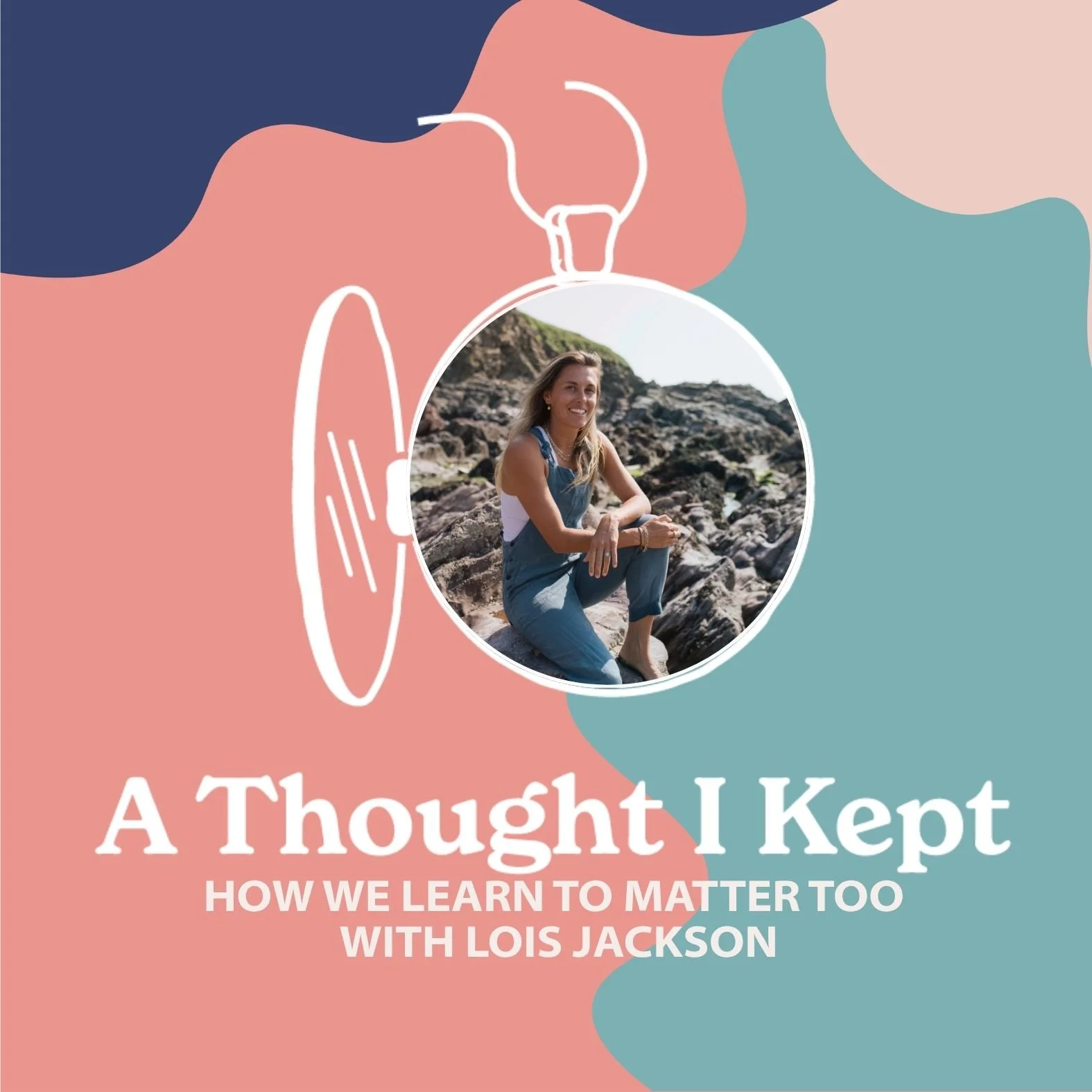
Who supports the person who supports everyone else?
If you are used to being the capable one, the person who holds everything together, it can be difficult to know where to take your own emotions. You may not want to burden the people you love, particularly when they are struggling too, but that does not mean you have to keep carrying everything alone.
An emotions coaching session is a space for you. A place to talk honestly about what you are feeling, including the feelings that seem complicated, selfish or difficult to admit, and begin to understand what they might be asking for.
If you need somewhere to be supported while you support everyone else, you can book an emotions coaching session with me at If Lost Start Here.
The Difference Between Kindness and People-Pleasing
People-pleasing isn't always a flaw to fix. Explore the difference between kindness and self-abandonment, why people-pleasing develops, and how to reconnect with your own needs.
There is a lot of advice out there about people-pleasing. We're told to stop doing it. To set firmer boundaries. To care less about what other people think. To say no more often. To put ourselves first.
While there is wisdom in some of that, it can also leave us feeling as though people-pleasing is simply another flaw to fix, another habit to break, another reason we're somehow getting life wrong.
Listening to my recent podcast conversation with psychotherapist Alice Bramhill reminded me that there might be a more helpful place to begin. Rather than asking how we stop people-pleasing, what if we got curious about why it exists in the first place? Because for many of us, people-pleasing didn't appear out of nowhere. It developed for reasons that made sense at the time.
Perhaps it helped us feel safe. Perhaps it helped us belong. Perhaps it helped us navigate difficult family dynamics, demanding workplaces, friendships we didn't want to lose, or relationships where conflict felt frightening. Perhaps we learned, consciously or unconsciously, that being easy-going, agreeable, capable, useful, accommodating, or endlessly understanding was the best way to move through the world.
Over time, those behaviours can become so familiar that we stop noticing them altogether. We become highly attuned to the needs, moods, preferences, and expectations of everyone around us, often without realising how little attention we're paying to our own.
This is where many people find themselves feeling lost. Not because they don't care enough about other people, but because somewhere along the way they stopped knowing what they themselves wanted.
When Kindness Becomes Self-Abandonment
One of the things I appreciated most about Alice's perspective is that she doesn't demonise people-pleasing.
There is a tendency in wellbeing spaces to treat it as something entirely negative, as though caring deeply about other people is automatically a problem. Yet most of us can think of countless examples where being thoughtful, considerate, generous, or compassionate enriches our relationships and our lives.
Many people-pleasers are genuinely kind people.
The challenge comes when kindness stops being a choice and starts feeling like an obligation.
When we say yes because the thought of disappointing someone feels unbearable.
When we agree because we don't know how to express what we really want.
When we take responsibility for everyone else's emotions while quietly carrying our own.
When we become so focused on keeping the peace that we lose touch with ourselves altogether.
The difference can be subtle, which is why so many of us miss it.
Making your grandmother happy because you love her and want to spend time with her is very different from feeling unable to say no to anyone, ever. Supporting a friend through a difficult time is different from believing you are responsible for fixing their life. Being considerate is different from constantly abandoning your own needs.
The question is rarely whether we're being kind. The question is whether we're choosing that kindness freely.
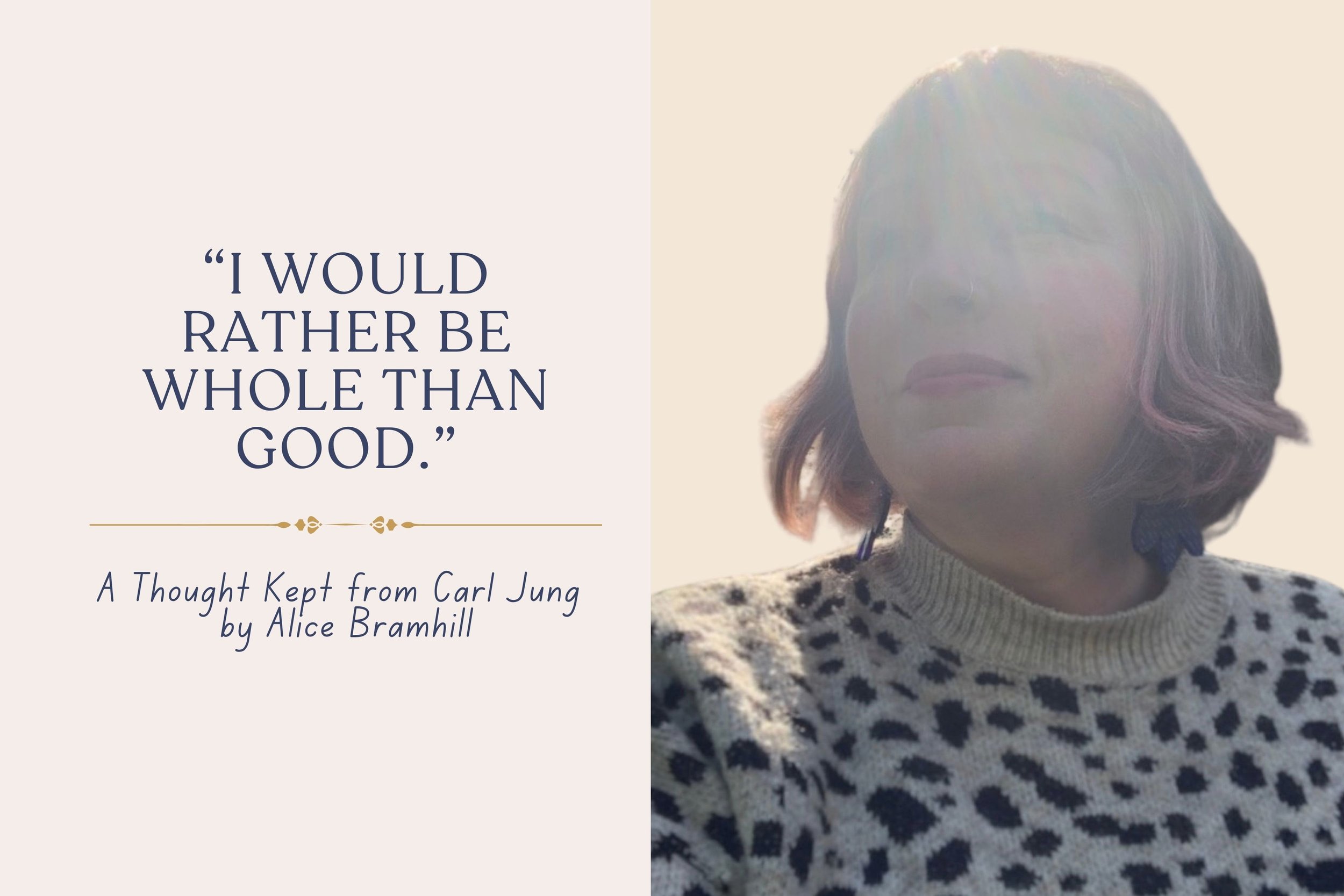
The Hidden Cost of Always Being Good
For many women especially, people-pleasing is tangled up with a much older story about being good.
A good daughter. A good mother. A good friend. A good employee. A good partner. A good person.
These ideas often arrive long before we have a chance to question them. They are handed to us through family, school, work, culture, religion, advertising, and countless everyday interactions. Some serve us well. Some help us become thoughtful, responsible, caring human beings.
Others can become surprisingly heavy. Because when being good becomes the primary goal, we sometimes start rejecting parts of ourselves that don't fit the picture.
Our anger. Our ambition. Our uncertainty. Our need for rest. Our desire for more space. Our wish to change our minds. Our longing for a different life.
The more energy we spend trying to maintain the image of being good, the harder it can become to hear what is actually true.
The Fawn Response and the Need to Feel Safe
In recent years, more people have become familiar with the idea of the fawn response, a survival strategy where we seek safety through pleasing, accommodating, or appeasing others.
For some people, this language offers an enormous sense of relief. What looked like weakness may have been adaptation. What felt like a personal failing may have been an intelligent response to circumstances. Seen through this lens, people-pleasing becomes less of a character flaw and more of a conversation.
What was this behaviour trying to protect?
What did it help me avoid?
What need was it meeting?
Those questions don't excuse every pattern or remove the challenges people-pleasing can create. They simply invite us to respond with curiosity rather than criticism. And curiosity tends to open doors that self-judgement keeps firmly closed.
Becoming Curious About Yourself Again
One of the hidden consequences of people-pleasing is that we often become experts in everybody else's needs.
We know who likes what.
We know who is upset.
We know who needs support.
We know who is disappointed.
We know who might be annoyed.
We know who requires reassurance.
What we often don't know is how we feel. Or what we need. Or what we want.
Many people arrive at coaching, therapy, or periods of personal reflection not because they are selfish, but because they realise they have spent years looking outward and very little time looking inward.
This is where the work begins. Not with becoming harder. Not with becoming less caring. Not with learning to stop being ourselves.
But with gradually extending some of the same curiosity, compassion, and attentiveness that we offer other people towards ourselves.
A Different Question
Perhaps the goal isn't to stop people-pleasing altogether. Perhaps the goal is to understand it well enough that we have a choice.
To recognise when kindness feels nourishing and aligned. To notice when accommodation becomes exhaustion. To understand when caring for others is an expression of who we are and when it has become a way of disappearing from our own lives.
Because there is a difference between kindness and self-abandonment. And sometimes finding our way back to ourselves begins with asking a gentler question than "How do I stop people-pleasing?"
Perhaps it begins with asking:
What has people-pleasing been trying to do for me all these years?
The answer might tell us far more than any boundary script ever could.
If you’re curious about where people-pleasing and ideas of being “good” show up in your own life, listen to my conversation with psychotherapist, writer, and podcast host Alice Bramhill on A Thought I Kept.
Together, we explore self-trust, boundaries, sensitivity, late-diagnosed neurodivergence, and the thought Alice has carried with her for decades: "I'd rather be whole than good."
If you've ever felt exhausted by trying to be good, struggled to know what you want, or wondered where people-pleasing ends and genuine kindness begins, I think you'll find this conversation really helpful.
Listen to When Being Good Is Exhausting with Alice Bramhill on A Thought I Kept.
If this piece resonated with you, it may be because you've spent a long time paying attention to everyone else.
Many of the people I work with arrive feeling exhausted, overwhelmed, resentful, or disconnected from themselves. They often know exactly what everybody around them needs but struggle to answer a much simpler question: "What do I need?"
Emotions coaching offers a space to slow down and get curious about those patterns with someone alongside you. Together, we can explore the habits, beliefs, emotions, and expectations that may have helped you navigate life so far, while gently uncovering what you need now.
You don't have to stop being kind. You don't have to become a different person. Sometimes the work is simply learning how to include yourself in the care and attention you've spent years offering everybody else.
If you'd like some support finding your way back to yourself, I'd love to help. Explore emotions coaching and book a free discovery call.

A Thought I Kept… About Connection
Feeling disconnected, overwhelmed, or emotionally exhausted? Explore why human connection matters most in difficult times. Inspired by conversations from our podcast, A Thought I Kept.
There are moments when the world can feel too loud to properly hear yourself think. You wake up already behind. The news is unbearable again. Somebody somewhere is shouting online. The food shop costs more than you thought it would. Your phone keeps filling with reminders, requests, headlines, notifications. Work spills into evenings. Even rest starts to feel strangely performative. We scroll instead of pausing. We cancel plans because we’re tired. We tell ourselves we’ll reply properly tomorrow.
And slowly, often without noticing, many of us begin retreating from one another. Not dramatically. Quietly.
We stop reaching out first. We stay home more. We become suspicious of people who think differently to us. We compare ourselves. We convince ourselves everyone else is coping better. We move through life slightly armoured — overstimulated, emotionally exhausted, and unsure how to find our way back to each other again.
But one of the thoughts I’ve kept from making A Thought I Kept is this: human connection matters most precisely in the moments when we’re tempted to withdraw from it.
Not because connection fixes everything. Not because friendship erases grief or anxiety or burnout or uncertainty. But because being with other people — really being with them — can remind us that we are still here. Still human. Still part of something larger than our own spiralling thoughts.
As I pulled together conversations with Cathy Rentzenbrink, Tanya Lynch, Hiroko Yoda, Laurence McCahill, Suzy Reading, Liana Fricker and Lauren Barber, I realised that although these episodes explored very different corners of life — grief, spirituality, creativity, burnout, friendship, books, business, midlife, rest — they kept circling back to the same idea. Connection is not an optional extra to wellbeing. It might be the thing holding so much of it together.
1. We Retreat When Overwhelmed But Isolation Deepens the Feeling
One of the strange things about difficult periods is how quickly they can make us disappear from our own lives. You stop texting back properly. You feel too tired to explain how you are. Going out starts to feel like effort. You tell yourself you’ll reconnect when you feel calmer, less overwhelmed, more yourself again.
But listening back to these conversations, I kept noticing how often people found their way back through other people. Not through becoming shinier or more productive or more emotionally “together,” but through being alongside somebody else long enough to soften a little.
In my conversation with Laurence McCahill, we talked about how growth and change so rarely happen in isolation. We can read the books and underline the quotes and listen to the podcasts and still feel strangely stuck. Sometimes what’s missing isn’t another idea. It’s other people. Someone sitting opposite you saying, “Yes, I know exactly what you mean.” A room where you don’t have to explain yourself quite so much. A gathering that reminds you life can feel different to this.
I think modern wellbeing culture sometimes forgets this. So much advice is aimed at the individual: your morning routine, your mindset, your habits, your healing, your optimisation. And while solitude can absolutely be restorative, there is also something profoundly regulating about being witnessed by another human being. The friend you voice note while unloading the dishwasher. The person who notices you’ve gone quiet. The neighbour you always end up chatting to longer than intended. The group chat that suddenly becomes honest at 11pm. These moments can seem tiny from the outside, but emotionally they can be enormous.
2. Connection Doesn’t Have to Look Big or Impressive
What struck me listening back to these episodes was how often connection appeared in ordinary forms. Not grand gestures or perfectly curated social lives, but cups of tea, shared books, walks, retreats, conversations that drift unexpectedly from logistics into longing.
In my conversation with Tanya Lynch, we spoke about the feeling of being gathered — of spaces where people are allowed to arrive exactly as they are, whether that’s hopeful or grieving or emotionally threadbare. There was something in that conversation that stayed with me because I think so many of us are craving precisely that kind of space right now. Not networking. Not performance. Just moments where we can stop pretending to be fine for a minute.
I think many of us accidentally make connection feel harder than it needs to be. We imagine thriving social lives and elaborate dinner parties and huge friendship circles maintained through impeccable emotional availability and perfectly colour-coded calendars. But often connection is much quieter than that. It’s somebody saving you a seat. Somebody remembering what you said last week. Somebody sending you a photo because it made them think of you.
These tiny gestures matter because they remind us we exist in other people’s minds and lives. That we are held somewhere beyond our own stress and self-criticism.
3. Being Witnessed Changes Us
There’s a moment in my conversation with Cathy Rentzenbrink where we talk about books and grief and the relief of feeling recognised by somebody else’s words. I think that’s one of the deepest forms of connection there is: the feeling that someone else has inhabited something adjacent to your own experience and survived long enough to describe it.
Loneliness is not only physical isolation. It’s also the feeling that your inner world is somehow unshareable, too strange or messy or contradictory to be understood by anyone else. Which is why it can feel so unexpectedly emotional when somebody articulates the thing you haven’t been able to say yourself.
This is part of why art matters so much to me. Why conversations matter. Why podcasts matter. Why books matter. Not because they solve life, but because they make our inner worlds feel more shareable. Somebody else has also sat in the car park crying. Somebody else has also felt lost at a dinner party or uncertain in midlife or disconnected from themselves after years of coping. Somebody else has also stared at the ceiling at 3am wondering what on earth they’re doing with their life.
Being witnessed doesn’t remove pain, but it can make pain feel survivable. Sometimes another person’s honesty becomes a bridge back to our own.
4. Rituals and Shared Experiences Help Us Feel Human Again
I kept thinking about this during my conversation with Hiroko Yoda, where we explored Japanese spirituality and the way it can live quietly inside ordinary rituals and everyday life. Shared meals. Seasonal practices. Returning to certain places. Moments of pause and reverence that tether people back to each other and to the world around them.
It made me realise how many of us are quietly searching not only for connection with other people, but connection with meaning itself. Something beyond productivity and algorithms and constant consumption. Something that helps us feel part of a wider human experience again.
Maybe this is why small rituals can feel so unexpectedly important during difficult seasons. Cooking for somebody. Reading in bed beside another person. Returning to the same café every Saturday morning. Listening to a familiar voice on a podcast while commuting home in the dark. These things can seem insignificant until you realise they are helping hold you together.
There’s comfort in repetition. In familiarity. In tiny practices that remind us we belong somewhere — to a person, a community, a season, a place, a version of ourselves we’re trying not to lose.
5. Other People Help Us Remember Who We Are
Perhaps this is the thought I’ve kept most strongly from these conversations: we do not become ourselves entirely alone.
Other people reflect us back to ourselves all the time. A friend remembers the version of you that existed before burnout. Someone notices your excitement returning before you do. A conversation unlocks a part of yourself you thought had disappeared. A community helps you imagine a different future.
We are constantly shaped by what we share, what we witness, and what we allow ourselves to receive from one another. Which feels particularly important in a culture that simultaneously encourages hyper-independence while exhausting us emotionally.
Maybe wellbeing was never supposed to be something we carry entirely alone. Maybe part of feeling better is allowing ourselves to be held — by conversations, friendships, rituals, stories, books, communities, shared meals, and moments of recognition that arrive unexpectedly in ordinary life.
Putting together this playlist reminded me that connection rarely arrives looking cinematic. More often it appears quietly. A message sent at the right moment. A conversation that stays with you for weeks afterwards. Somebody making you laugh when everything has felt unbearably heavy. A voice in your headphones helping you feel a little less alone as you move through another complicated Tuesday.
And maybe, for now at least, that’s enough.
If you’d like to listen to the full A Thought I Kept… About Connection playlist, you can find it here:

How Human Connection Helps Us Through Hard Times
Feeling overwhelmed, burned out, or disconnected? Explore how human connection can support us through difficult times, ease loneliness, and help us feel less alone in modern life.

I think one of the hardest things about modern life is that so many of us are living right at the edge of ourselves.
You can feel it in the way people answer “How are you?” with a sigh before they even begin. In the low-level exhaustion that seems to sit underneath everyday life now. In how quickly conversations move from grocery prices to burnout to the latest terrible thing in the news.
There is so much happening at once.
There’s the pressure of work and bills and trying to hold together ordinary life during a cost of living crisis. There’s the endless churn of headlines arriving directly into our palms before we’ve even had breakfast. There are wars unfolding in real time, including the ongoing devastation in the Middle East, which many people are carrying emotionally while still trying to navigate school runs, meetings, laundry, dinner, emails, ageing parents, and the strange expectation that we should somehow continue functioning normally through all of it.
And underneath all of that, many of us are simply tired. Not dramatic collapse tired. More the kind where joy starts slipping out of reach. The kind where you become permanently a little irritated, a little resentful, a little emotionally threadbare. The kind where you keep going because you have to, but feel increasingly disconnected from yourself while you do.
What interests me about difficult seasons like these is that we often respond to them in ways that make us feel even more alone.
We retreat.
We stop replying to messages.
We cancel plans.
We convince ourselves we’re too exhausted to socialise.
We scroll instead of speaking.
We mistrust people more easily.
We compare our messy lives to everyone else’s carefully edited competence.
We assume we’re behind.
We become less generous with one another because we’re barely holding ourselves together.
And the wider culture often deepens that separation. Politics becomes polarised. Algorithms reward outrage. Conversations flatten into sides to pick rather than people to understand. We become wary of saying the wrong thing, believing the wrong thing, being judged, misunderstood, excluded, criticised, corrected.
It can start to feel safer to withdraw.
But I keep coming back to the possibility that it’s exactly in moments like these that human connection matters most.
Not in a glossy “community fixes everything” sort of way. Not because a coffee with a friend magically resolves grief or burnout or fear about the state of the world. But because connection helps us carry reality differently.
There’s something regulating about being with people who allow you to exhale a little.
Someone making you laugh when you hadn’t realised how long it’s been since you properly laughed.
Someone texting to ask if you got home alright.
Someone saying, “Honestly? I’m struggling too.”
Someone sitting at your kitchen table while life remains unresolved, but somehow more bearable because another person is witnessing it with you.
Connection reminds us that we are not machines built only for productivity and endurance.
We are relational creatures. We make meaning together. We soothe each other’s nervous systems. We borrow hope from one another. We remember ourselves through other people sometimes.
And importantly, connection does not have to look impressive to matter.
I think we can sometimes make ourselves feel worse by imagining “good connection” as being endlessly social, extroverted, emotionally articulate, always surrounded by friends or part of some perfect community.
But connection can be tiny and ordinary too.
It might be the person at the local café who remembers your order. The neighbour you chat to while bringing the bins in. Sending a voice note instead of a text because you want someone to hear your actual voice. Watching a film with your teenager and briefly entering their world. Going for a walk with someone who doesn’t require you to be cheerful. Sitting in a room with other people at yoga, church, choir, book club, a protest, a workshop, or a community garden and remembering, even fleetingly, that we are living alongside one another rather than entirely alone.
Sometimes connection is simply the experience of being real with another person for five minutes instead of pretending you’re coping perfectly.
And perhaps that’s why it can feel both comforting and uncomfortable at the same time.
Because real connection asks us to emerge slightly from hiding.
To let ourselves be seen before everything is neatly resolved.
To admit we’re struggling before we’ve found the lesson in it.
To risk not being entirely self-sufficient.
Which can feel deeply vulnerable in a culture that rewards performance, certainty, independence, and appearing fine.
But when life gets hard — and for many people, it really is hard right now — isolation rarely softens the experience. Usually it sharpens it.
Connection, meanwhile, often gives us just enough steadiness to keep going.
Not because other people save us.
But because being human was probably never meant to be done entirely alone.

Explore the Connection Pathway
Our wellbeing journal, If Lost Start Here, includes a full pathway exploring connection — the people, places, conversations, communities, and everyday moments that help us feel more supported, understood, and alive.
Inside you’ll find reflections, prompts, and playful experiments to help you reconnect not just with others, but with yourself too.
You can explore the journal here
Connecting While Human
When something shifts in your relationships, it can feel confusing and lonely. This piece explores how to stay connected while being yourself, even when it’s messy.
You’re halfway through a conversation and realise you’re not really in it. You’re nodding, saying the right things, keeping the tone light enough, agreeable enough. You hear yourself laugh at something that isn’t quite funny. You offer an explanation you’ve offered before, one that lands just well enough to move things on. And at the same time, there’s something else happening underneath — a more insistent feeling that says: this isn’t quite it.
You might notice it later, when you’re walking home or making dinner, replaying the conversation in your head. The bit you didn’t say. The way you softened something. The way you tried, once again, to explain yourself into being understood. And then, almost reluctantly, the thought arrives: I don’t think this is about explaining anymore.
It’s a subtle shift, but once it’s there, it tends to stay.
This is the place Jacky Power and I found ourselves in during our conversation — not just the moment of clarity that so many wellbeing conversations promise, but in what comes just after it. The part where you realise something about yourself or your relationships, and then very messily try to do something about it.
Jacky described believing, for a long time, that if she could just say things the right way, people would meet her there. That the gap between her and others was something she could bridge with better words, more careful explanations, a little more effort. It’s such a human instinct — to assume that understanding is something we can earn if we try hard enough.
And sometimes that’s true. But not always.
Sometimes what we’re up against isn’t a lack of clarity, but a difference in direction. A difference in how we see things, what we value, what we’re willing to hold or not hold anymore. And that’s much harder to resolve, because it doesn’t bend as easily.
What follows that realisation isn’t a clean decision. It’s more like learning to walk again on uneven ground.
You say something you’ve been meaning to say, and it comes out slightly wrong. Or it lands in a way you didn’t expect. You question yourself almost immediately. Was that too much? Too blunt? Not quite right? You tell yourself you’ll try again next time, maybe in a softer way, a clearer way. You adjust, you retreat, you step forward again.
Jacky described it as “stumble, trip, stumble, trip.” And it’s exactly that. Not a confident stride into a new way of being, but a series of attempts, some of which don’t go to plan.
There’s a kind of vulnerability in this stage that doesn’t get talked about much. Because from the outside, it might look like growth — becoming more self-aware, more aligned, more boundaried. But from the inside, it can feel uncertain and exposing. You’re no longer fully comfortable in the old way of relating, but you’re not yet steady in the new one either.
And that can feel lonely.
Not necessarily in the obvious sense of being alone, but in the quieter sense of not quite being met. Of noticing that the ways you’re beginning to show up don’t always fit neatly into the relationships you’ve had before. Of realising that not everyone will come with you, or understand you in the way you hoped.
Jacky spoke about this without dressing it up. That there can be grief in it. That choosing your own direction — even gently, even kindly — can create a kind of separation. Not because you want it to, but because something has shifted, and you can’t quite go back to not knowing that.
And still, there was something else in what she said that felt just as important.
That the alternative — ignoring what you’ve noticed, continuing to override yourself for the sake of keeping things smooth — comes at a cost too. A quieter one, perhaps, but one that builds over time. A sense of being slightly out of step with yourself. Of saying yes when you mean maybe, or maybe when you mean no. Of slowly losing touch with what feels true.
This is where connection becomes more complicated than we often allow it to be.
Because it isn’t just about being close to other people. It’s also about how close you are to yourself within those relationships. Whether there is space, even in small ways, to be honest about what you feel, what you need, what you see differently now.
And that honesty doesn’t have to arrive all at once.
One of the things I took from this conversation is that connection doesn’t depend on getting it perfectly right. It might be something much smaller than that. A moment where you say a little more than you usually would. A conversation where you don’t immediately tidy up your feelings. A pause where you notice the urge to explain, and choose, just for a second, not to.
It might be noticing where you feel able to do that, and where you don’t.
Because not every space will hold it. And that, too, is information.
Jacky talks about “human tricky things” — the parts of being alive that don’t resolve easily. The feelings we don’t always have words for. The experiences that sit somewhere between connection and disconnection, between being seen and staying hidden. And what struck me is that learning to connect while human isn’t about smoothing those things out. It’s about finding ways to stay with them.
To stay with yourself when you’re unsure. To stay in relationship where you can, without forcing it where you can’t. To allow for the possibility that connection might look different now — less about being perfectly understood, and more about being real in the places that can hold it.
If you’re in that space at the moment — noticing something has shifted, but not yet sure how to live it — it might help to know that this part doesn’t need to be rushed.
You’re not behind. You’re not getting it wrong. You’re in the middle of learning something about yourself that takes time to settle.
And there is a kind of steadiness that can grow here, even if it doesn’t feel like it yet. Not from having all the answers, but from beginning to trust what you notice. From allowing that to matter, even when it complicates things.
If you’d like to hear more of this conversation, you can listen to my episode with Jacky Power on A Thought I Kept, where we explore emotions, loneliness, and what it means to stay connected — to ourselves and to each other.
And if you’re looking for somewhere to think about your own relationships or feelings a little more gently, explore our coaching and resources here If Lost Start Here.

Grief Disco
Discover Grief Disco, a welcoming and uplifting space for anyone living with loss. A place to heal, connect and feel grief through music, movement and community.

Perfect For
Grief Disco is for anyone living with loss and looking for a different kind of space to hold it. It’s for people who don’t always have the words, who feel isolated in their grief, or who want to be around others who understand without needing everything explained. It’s for the heartbroken and the hopeful, for people who want somewhere gentle, human and a little unexpected to go with what they’re carrying.
You do not need to be good at dancing. You do not need to be ready to talk. You do not need to arrive in any particular state. You just need permission to come as you are.
Why You’ll Love It
Grief Disco offers something many grieving people are missing: a place to feel less alone without being forced into conversation or expected to “do grief” the right way. Through music, movement and a sense of shared understanding, it creates room for sadness, joy, memory, release and connection to exist together.
This isn’t about dancing to forget. It’s about dancing to remember, to honour and to reconnect. For some people that might look like tears on a dance floor. For others, it might be a small exhale, a moment of laughter, or the relief of being in a room where no one needs grief explained to them.
What Makes It Special
So much of grief can feel isolating. People don’t know what to say, or they say nothing. We can start to feel cut off from ourselves, from our bodies and from other people. What Grief Disco understands is that grief does not only live in words. It lives in the body too.
That’s what makes this space so powerful. It offers people a way to process loss through movement, music and presence, rather than through talking alone. There is no pressure to perform, no expectation to be upbeat and no fixed script for how you should feel. Everything is an invitation.
Grief Disco also holds something many of us forget is possible: that joy and grief can coexist. That a person can cry and dance at the same time. That love, memory, heartbreak and laughter can all be in the room together. In that sense, it doesn’t just offer support for grief. It offers a more human way of being with it.
The If Lost Take
There is something quietly radical about creating a place where grief is allowed to move.
So many of us are more familiar with the language of coping than the experience of actually feeling. We know how to keep going, keep functioning, keep answering “fine” when we are anything but. Grief Disco interrupts that. It offers something softer and, for many people, more freeing: a chance to let grief be alive in the body, not just managed in the mind.
What we love most is that this doesn’t turn grief into a problem to solve. It doesn’t rush people towards silver linings or ask them to package their pain into something neat and shareable. Instead, it makes room for what is true. Sometimes that truth is sorrow. Sometimes it is love. Sometimes it is a song that opens something you didn’t realise you were still carrying.
And sometimes healing looks less like fixing and more like finding a room where you can be fully human again.
Founders Story | Co-founded by Georgina Jones and Leah Davies
Grief Disco was born from lived experience of loss and a belief that grieving people deserve spaces that feel connecting, warm and real. Co-founders Georgina and Leah created it as a response to the loneliness that grief can bring and to the sense that many of the places available to grieving people do not always make room for the body, for joy or for community. Their approach is shaped by the understanding that no one should have to grieve alone, and that music and movement can help us find our way back to ourselves and each other.
Founder’s Go-To Wellbeing Advice
“Look for the love.
Look for the tiny moments of joy that are still here, even in the hardest seasons. Keep a playlist that helps shift your energy. Let music help you move what words can’t always reach.
And remember that grief is not something to fix or get over. It is something to feel, and you don’t have to feel it alone.”
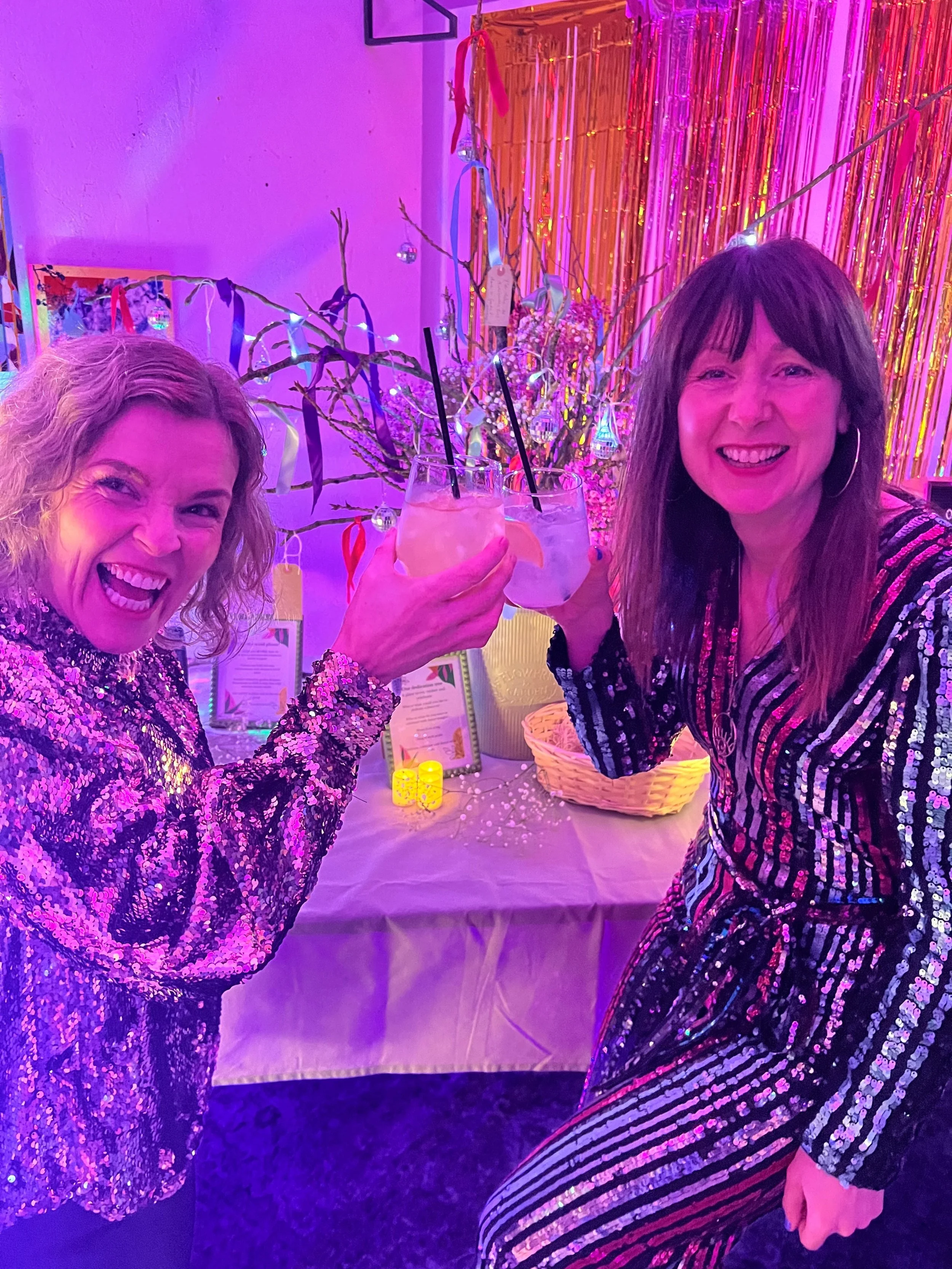


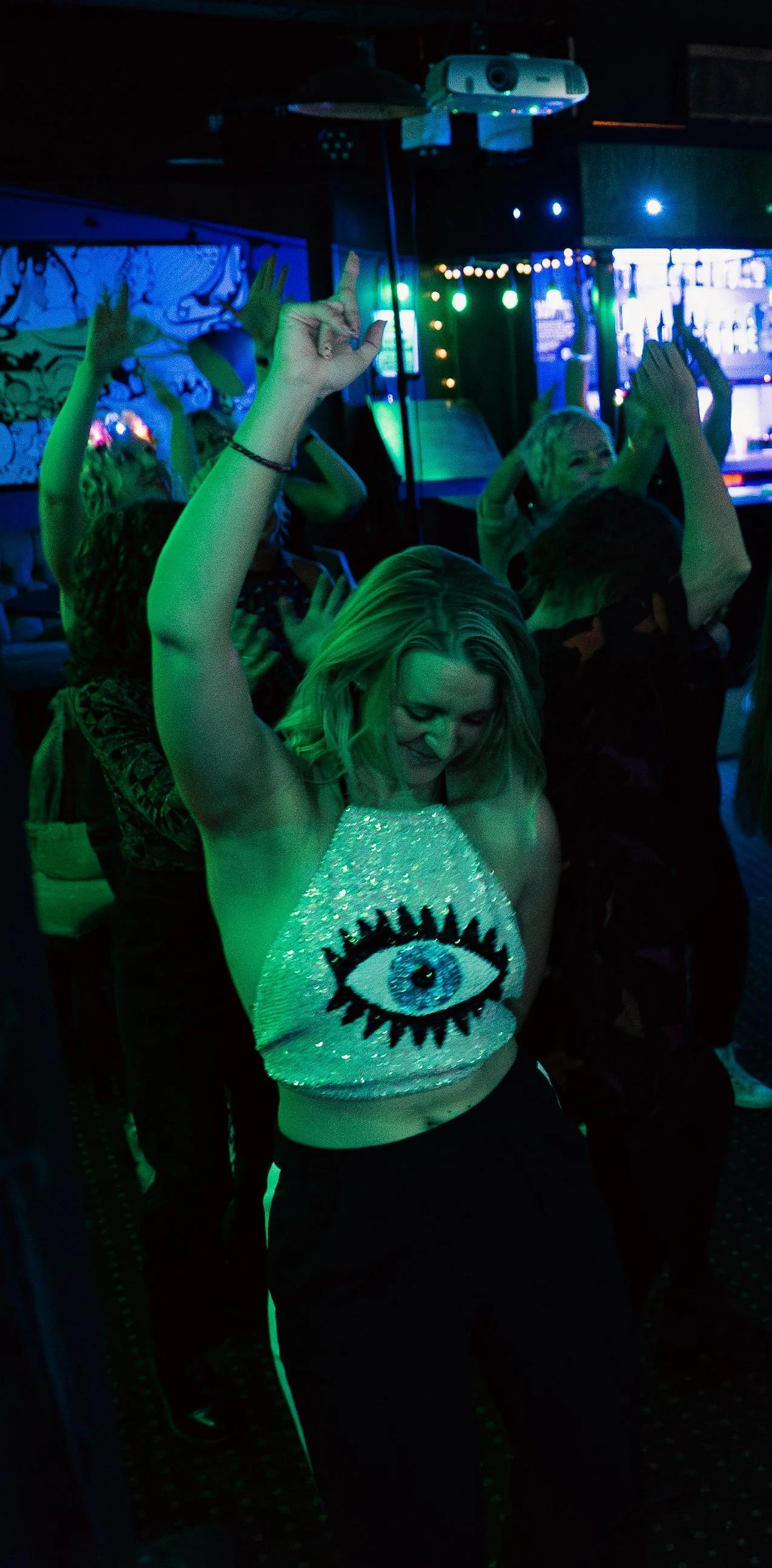
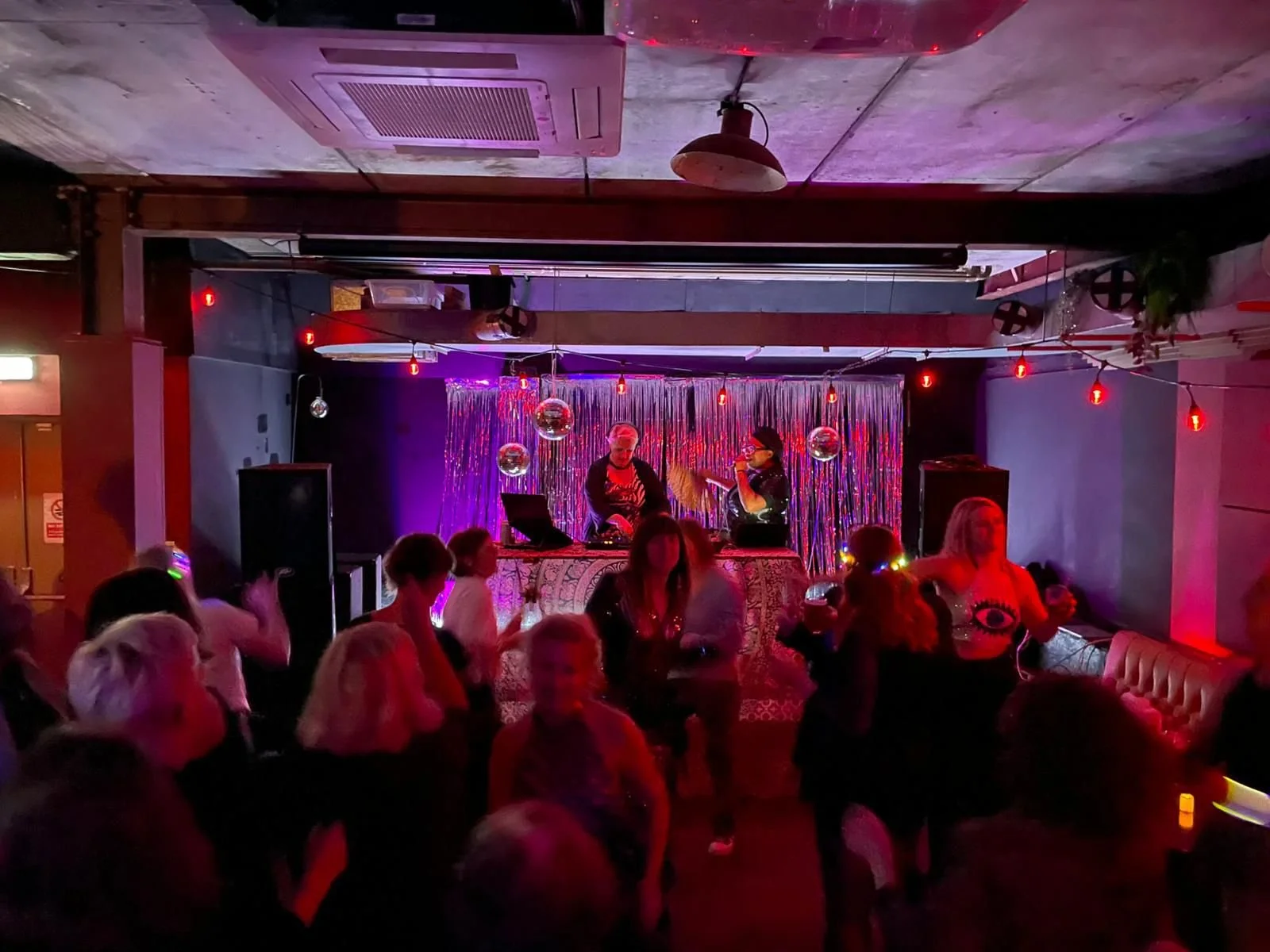
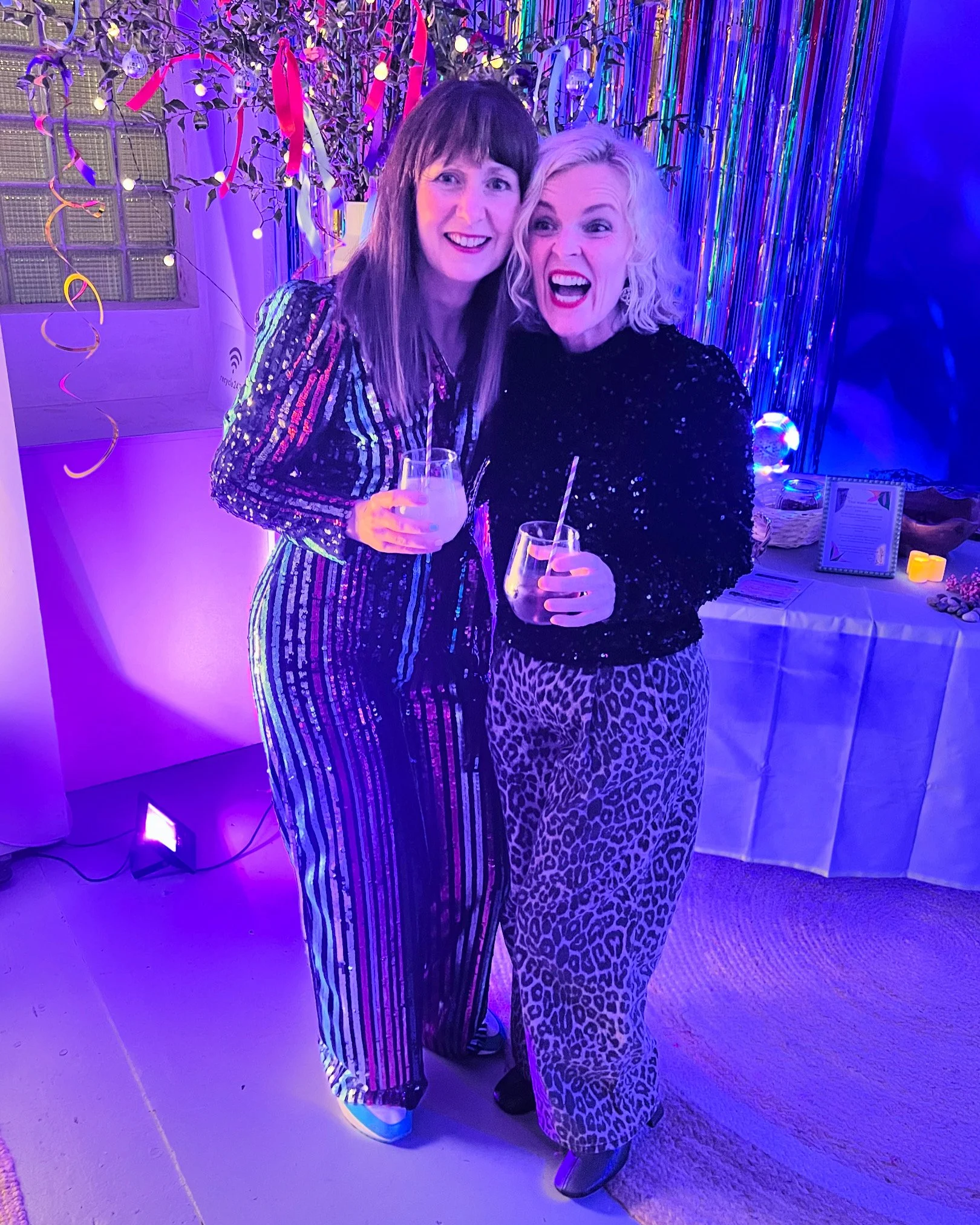

Some Practical Details
Grief Disco is a space where people can come together around grief through music, movement and optional sharing. Some events happen in person and there are also online grief discos for people who would rather join from home. The atmosphere is invitational rather than intense: you can dance, sit, cry, talk, stay quiet, turn your camera off or simply witness. There are also small ritual elements, such as dedications and moments to remember the person or people you are dancing for.
If you are grieving and looking for support, this may be one of those rare places that helps not by asking you to explain your loss, but by giving you somewhere to bring it.
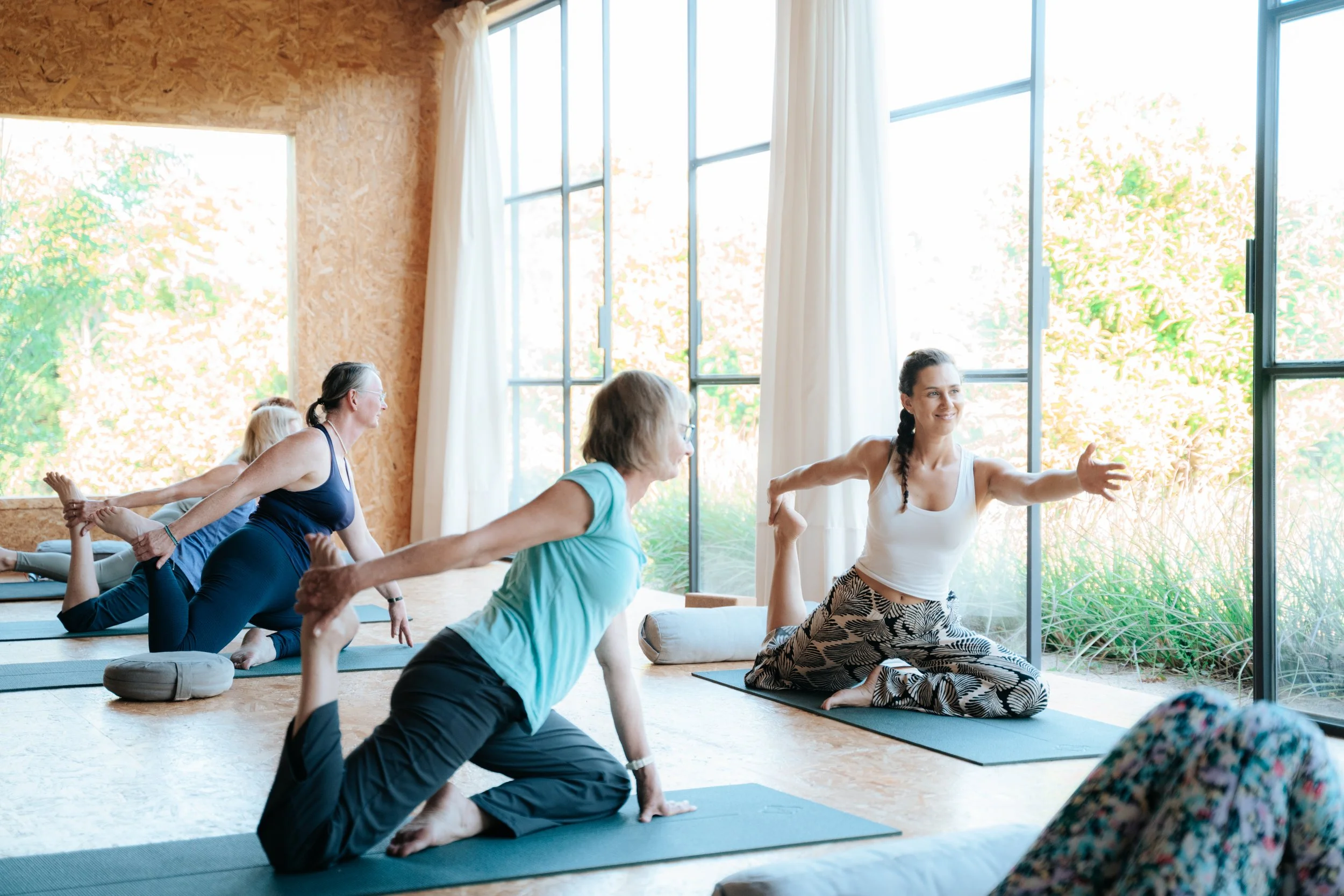
Zenaa Retreats
Discover Zenaa Retreats, a welcoming, fad-free approach to yoga and wellness retreats in the UK and abroad. Designed for real life, these nourishing escapes blend movement, rest, great food and genuine connection. Perfect for beginners, solo travellers and the yoga curious.
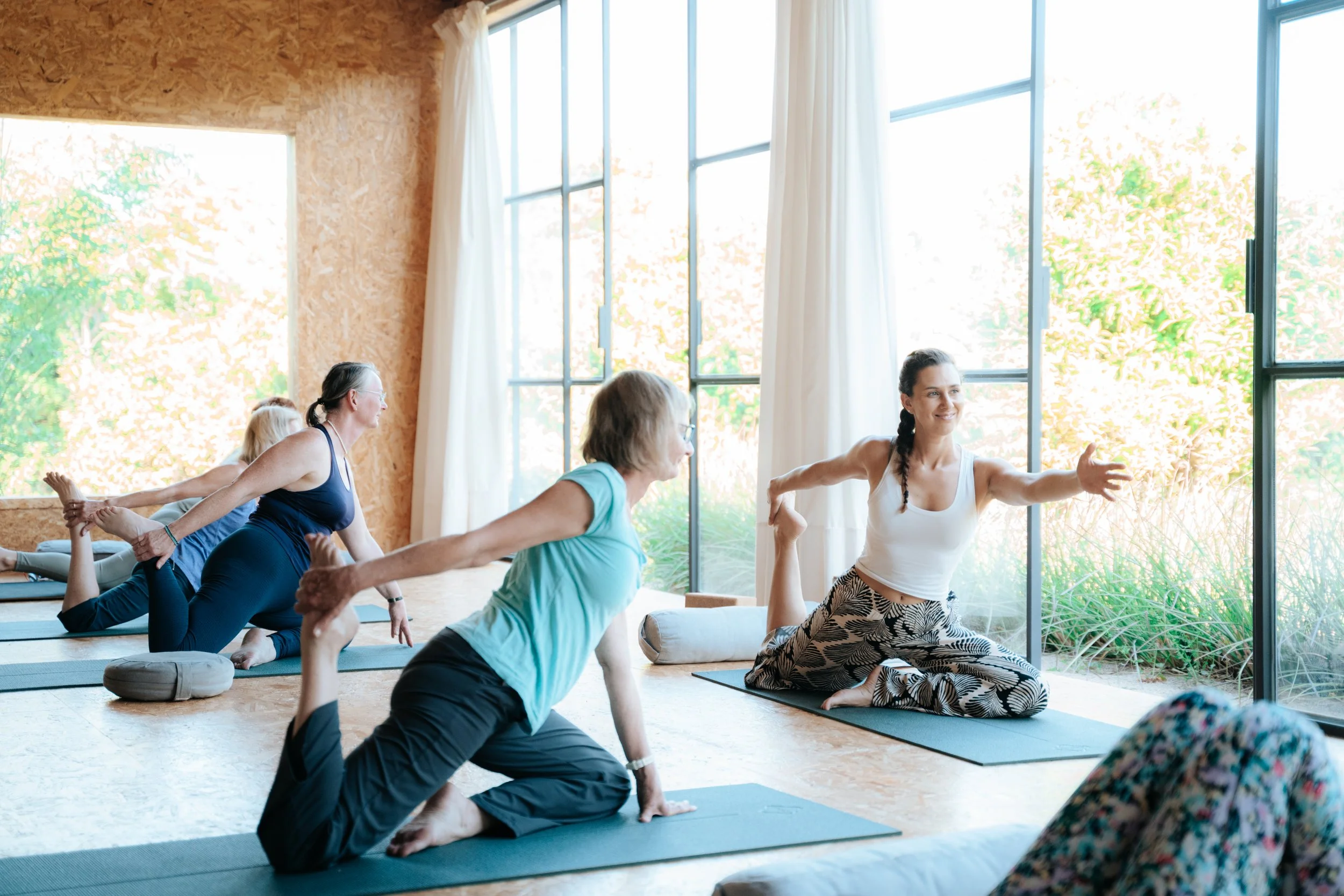
Perfect For
Zenaa Retreats are for the "yoga curious" including regulars, dabblers, those who prefer the back row, and complete beginners. It is designed for the "schedule-seeking, choice-conscious" crowd who value a balance of activity and downtime. Solo travellers are especially welcome and make up a large part of the community.
Why You’ll Love It
We all need a space to pause, breathe, and reconnect. In a world of high expectations, Zenaa provides a judgment-free environment to strip away the pressure and allow you to be present. It’s an opportunity to escape the daily grind, slow down through the "art of slow living," and find nourishment for the mind, body, and soul without the pressure of a detox or juice cleanse.
What Makes It Special
Zenaa stands out for its "fad-free," balanced approach to wellbeing. Unlike many retreats that focus on restriction, Zenaa celebrates food and connection. The focus is on handpicked serene venues and a non-judgmental atmosphere that welcomes all body types and abilities. It is a family-feel business (founder Katie’s mum even helps out!) that prioritises genuine connection over performance.
The If Lost Take
We’ve often written about how we can get lost in wellbeing itself and we’re very much on a mission to get you to the places that can help you find your way through it all. When we met Katie we felt like here was a retreat organiser who really understands our real-lives. The places where we get overwhelmed or stuck, burned out and disconnected. And her events aren’t about adding yet more pressure, but really meeting you where you are, with consideration and kindness too.
Founder’s Story | Katie Hodge
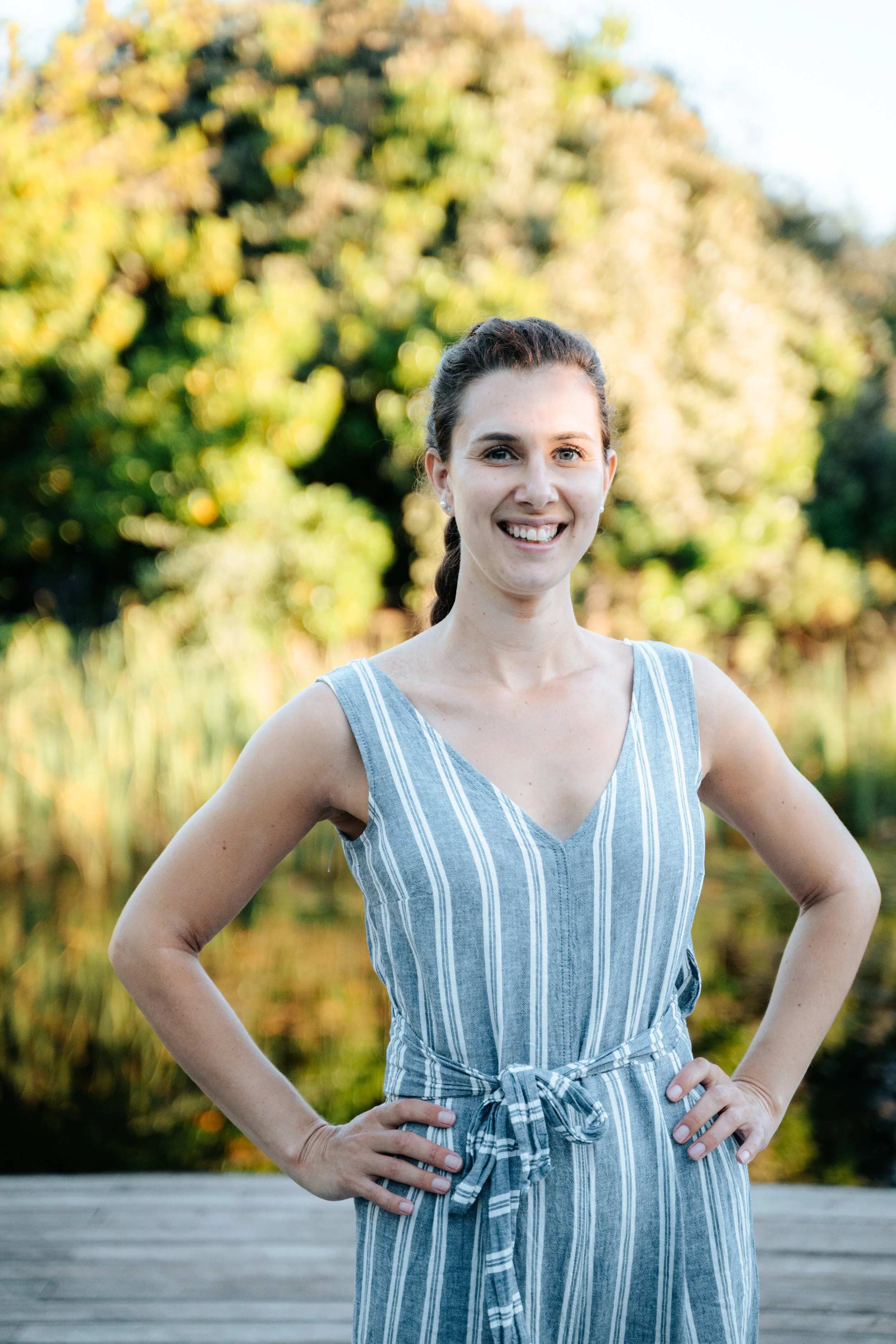
Founder Katie is a wellbeing advocate and planner whose passion for events and yoga creates the perfect blend for meticulously designed retreats. Her journey began ten years ago in Sydney, where she first turned to yoga to find calm for an anxious mind. What started as a personal practice evolved into a mission to bring like-minded people together to connect with nature and enjoy incredible food, the ultimate self-care experience.
After launching Katie J Yoga in 2020 she rebranded to Zenaa in 2024. Today, it is a thriving community where every detail is covered so guests feel entirely nourished and supported.
Founder’s Go-To Wellbeing Advice
“Prioritising sleep. When everything feels overwhelming or I've lost my way, coming back to a consistent and restful sleep routine is the foundation for mental clarity and emotional resilience.”
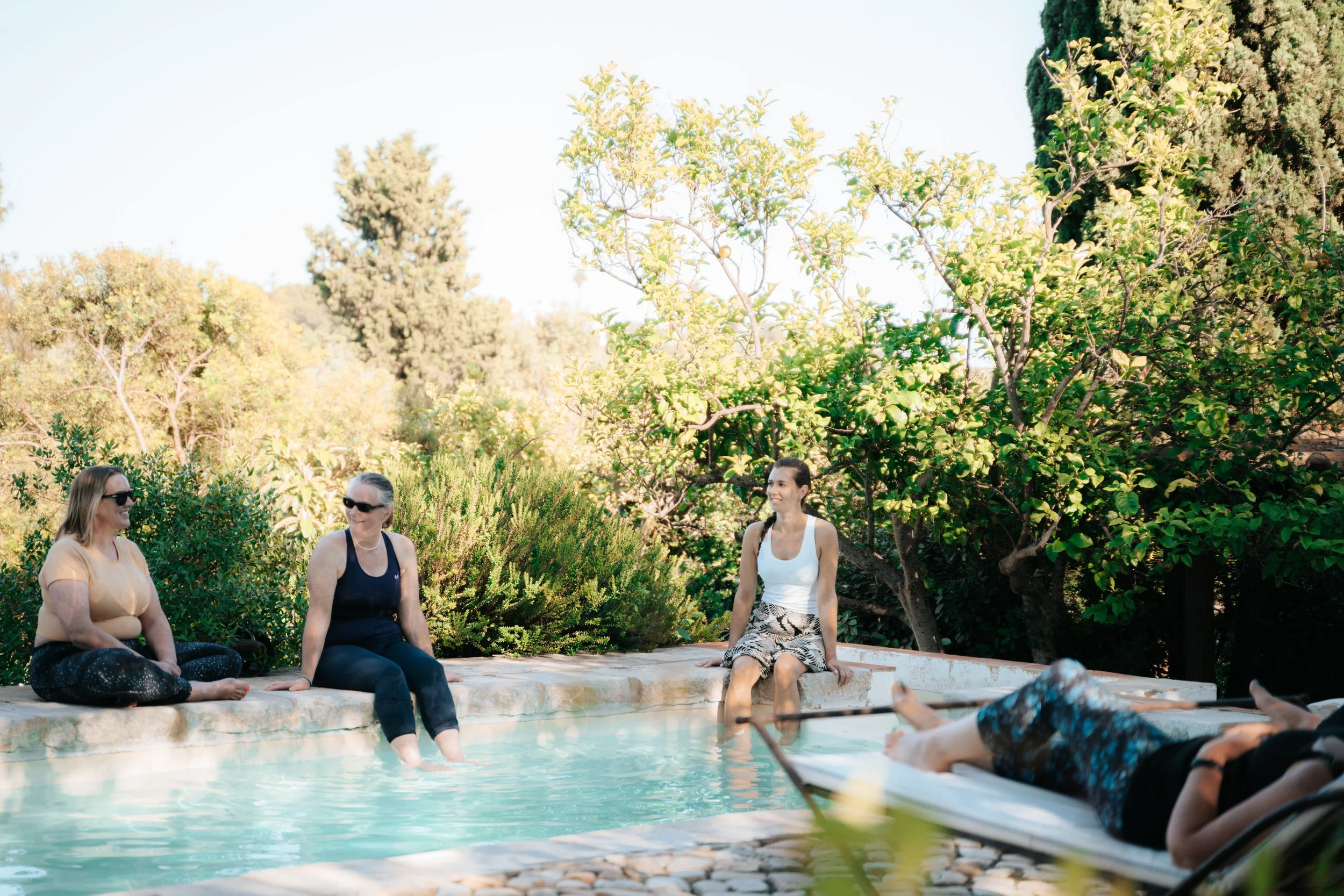
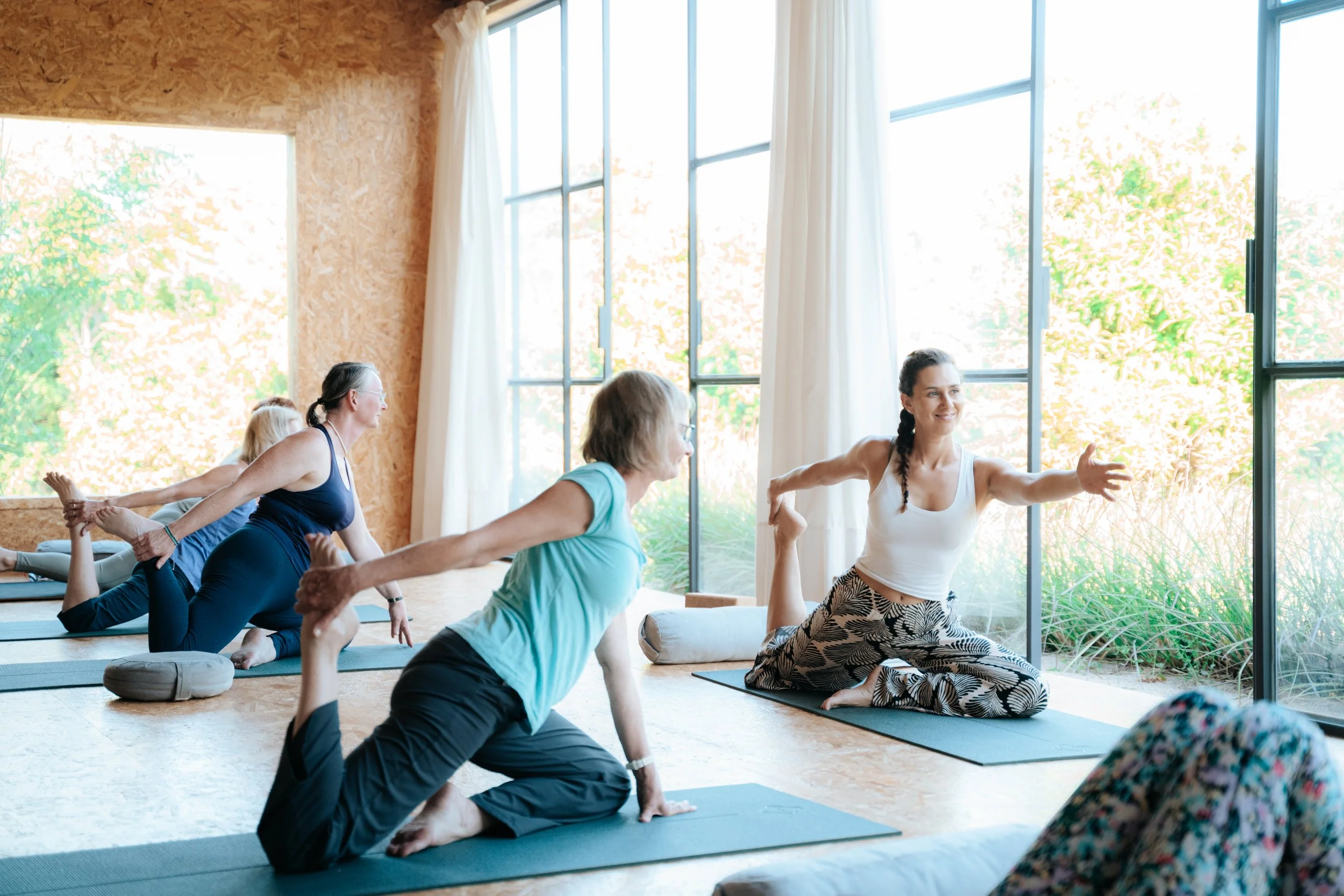
Some Practical Details
Zenaa offers luxury wellness and yoga retreats in the UK (including Devon, Bath, and the Cotswolds) and abroad (Italy, France, Portugal, and Sri Lanka). These include:
Varied Yoga: Dynamic Hatha sessions in the morning and gentle Yin or yoga nidra in the evenings.
Nourishment: Healthy, wholesome meals prepared by private chefs (always including dessert and sometimes a glass of wine).
Activities: Countryside walks, cold-water swims, creative workshops, and meditation.
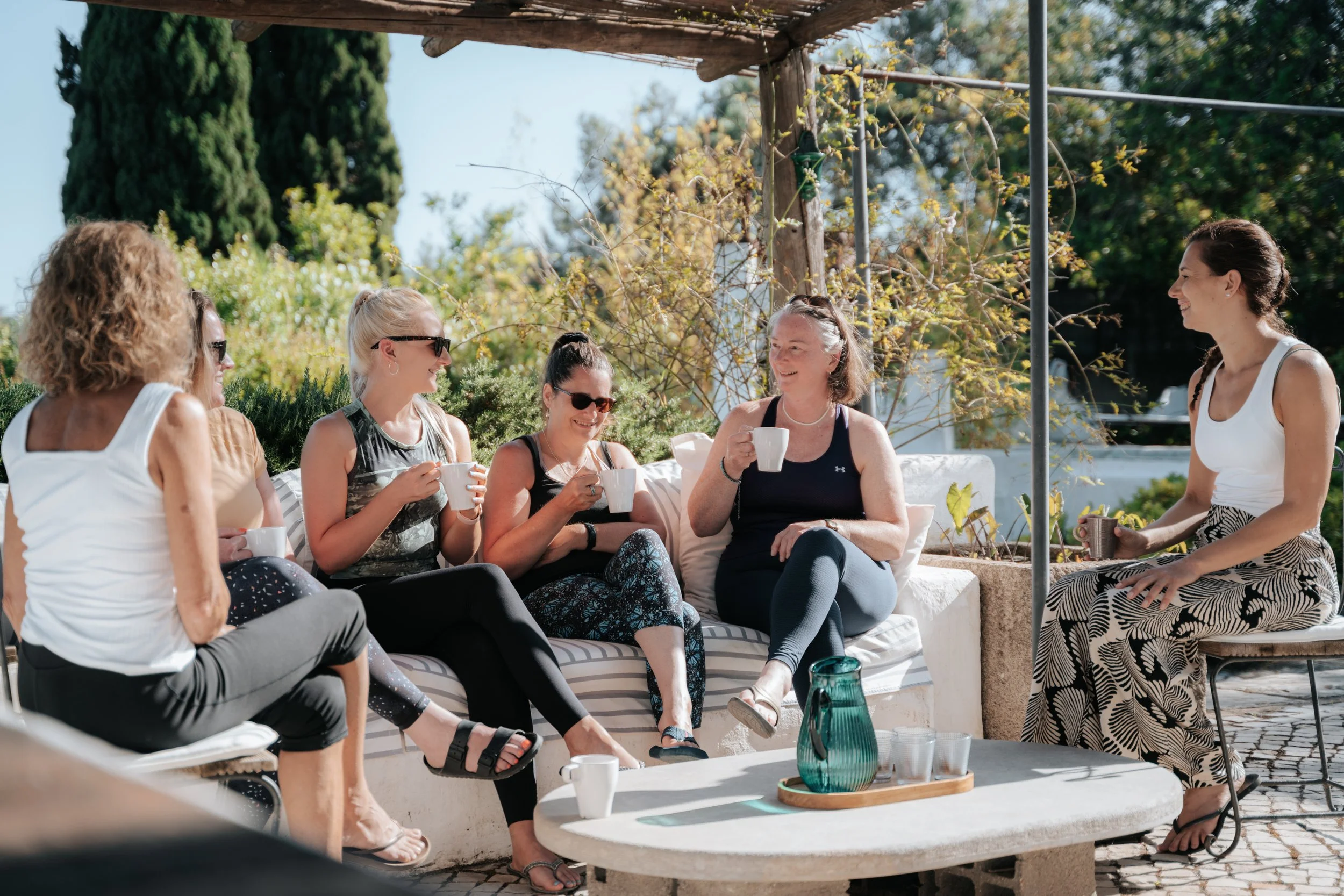
Community: A warm, inclusive environment where guests often leave as close friends.
If you’re not able to attend in-person, don’t worry, there’s Zenaa Online which provides an online retreat experience. You can try out their free 7 day trial here.
Coming up:
Italy Retreat (July 2026) – A 6-night restorative escape
France Retreat (Sept/Oct 2026) – A 5-night wellness experience
Devon, UK (Oct 2026) – A weekend of nourishment and nature
Book a retreat using code IFLOST and get a special welcome gift.

Better Read Book Festival
Explore Better Read Book Fest, a one-day festival of books, ideas, and authors to support your mental and emotional wellbeing.
Perfect For
Better Read Book Fest is for readers interested in self-development, mental health and emotional wellbeing. It's for coaches, therapists and wellbeing practitioners. If you want to learn more about how you can support your own mental and emotional wellbeing this festival is for you.
Why You’ll Love It
Better Read Book Fest is the UK’s first literary festival dedicated entirely to wellbeing books. It's a one-day celebration of books focusing on self-development, mental health and emotional wellbeing, and their authors. The festival is taking place on Saturday 3 October in Abergavenny, south Wales.
What Makes It Special
Literary festivals may include books on mental health and self-development, and wellbeing festivals can feature wellbeing authors alongside workshops and practical experiences. But until now there hasn’t been a UK literary festival dedicated solely to books focused on personal development, mental health and emotional wellbeing, and their authors.
No workshops, no other genres, purely authors sharing their books, their experience, research and expertise with readers. These books provide validation, greater self-understanding and practical tools, empowering the reader where they’ve felt lost and alone, in an accessible form and price.
You will leave feeling inspired, informed, empowered and uplifted.
The If Lost Take
When we first heard about a festival dedicated entirely to wellbeing books, it was an instant yes. It brings together so much of what we care about: wellbeing and words, connection and community, ideas and the people who love them too.
We believe there’s something powerful about the right book finding you at the right moment. It can steady you, shift your thinking, or simply help you feel a little less alone. And already, the authors announced for this festival feel like exactly those kinds of voices.
There’s also something quietly joyful about being in a room full of people who care about these books as much as you do — who know the non-fiction bestseller list almost as well as their local takeaway menu.
We’ve interviewed Gabrielle (and speaker Suzy Reading) on the podcast, and what stands out is the warmth and intention behind this festival. It’s been thoughtfully curated with a genuine belief in bringing people together around ideas — not to prescribe what wellbeing should look like, but to help each of us explore what it means in our own lives.
Founder’s Story | Gabrielle Treanor
“Years ago when I was struggling with anxiety, people-pleasing, overthinking and overwhelm (which I later discovered was due in part to my unrecognised ADHD) it was picking a book on positive psychology off the shelf in my local bookstore, and subsequently diving headfirst into wellbeing books, that gave me a sense of agency. In these books I found explanation and understanding as well as ideas and tools to support myself.
I then embarked on a journey which ultimately led to writing my own book, The 1% Wellness Experiment (published Dec 2023), and supporting others as an ADHD coach, writer and podcaster.
My respect and appreciation for the writers who pour their knowledge, skills, experience and heart into their wellbeing books inspired me to champion and celebrate this genre by creating Better Read Book Fest.”

Some Practical Details
The festival is a day of interviews and panel discussions with the authors about their books, self-development, mental health and emotional wellbeing, and space to ask them questions. There will be the opportunity to purchase the authors’ books and have them signed by the authors. Festival merchandise will also be on sale.
Authors confirmed so far are Suzy Reading, Natalie Lue, Dr Helen Wall and Natasha Page.
The festival won't be available online but there will be interviews with the authors in a special festival season on the Pressing Pause podcast.
Venue: St Mary’s Priory Hall, Monk St, Abergavenny NP7 5ND
Date: 3rd October, 2026

IceBreakers
Part of our wellbeing guide for life, IceBreakers offers men a welcoming space to step into nature, share conversation and find connection through cold water and simple weekly rituals.
Perfect For
IceBreakers is for men of all ages and backgrounds. Some come because they’re struggling. Others come because they want more connection, more nature and a healthier rhythm to their week. You don’t need experience with cold water or wellbeing practices. You just need to show up.
Why You’ll Love It
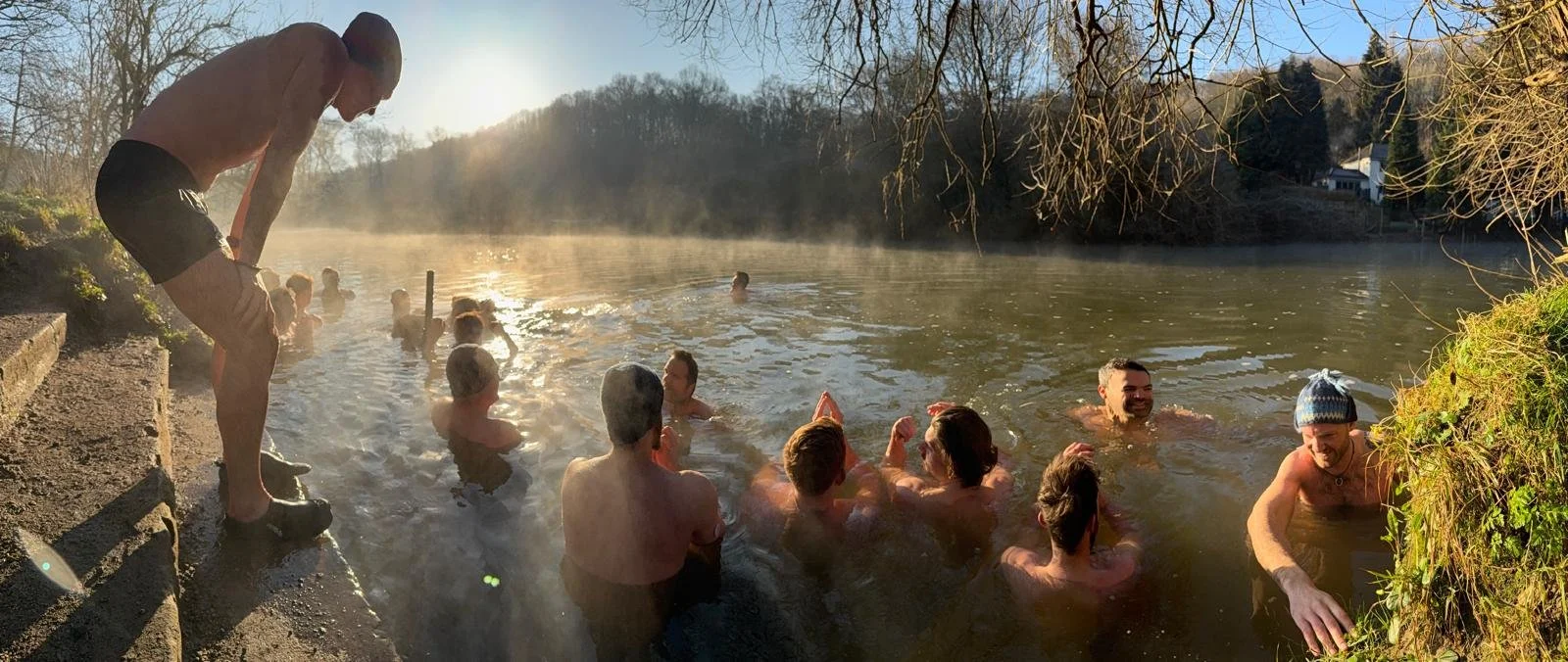
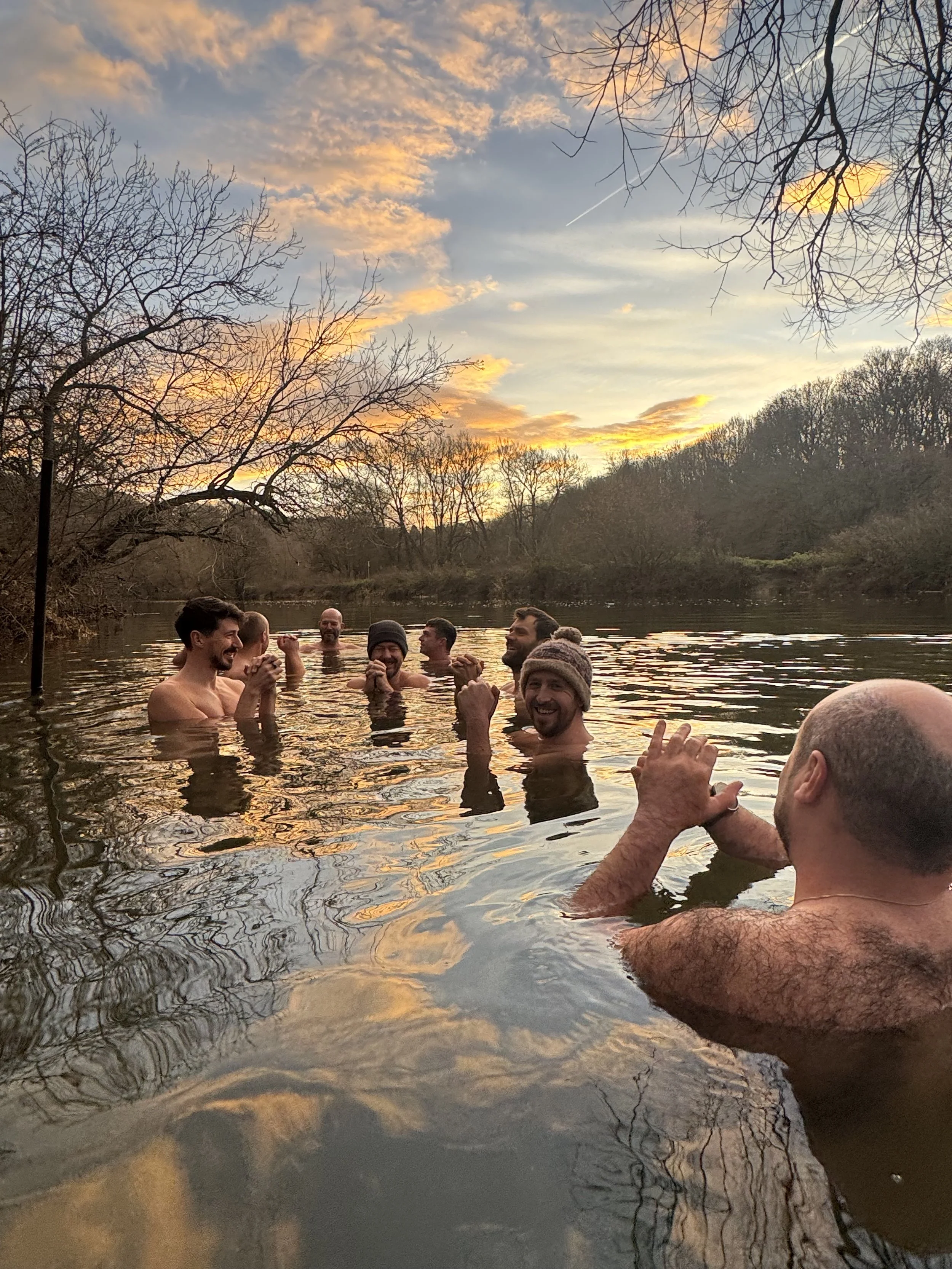
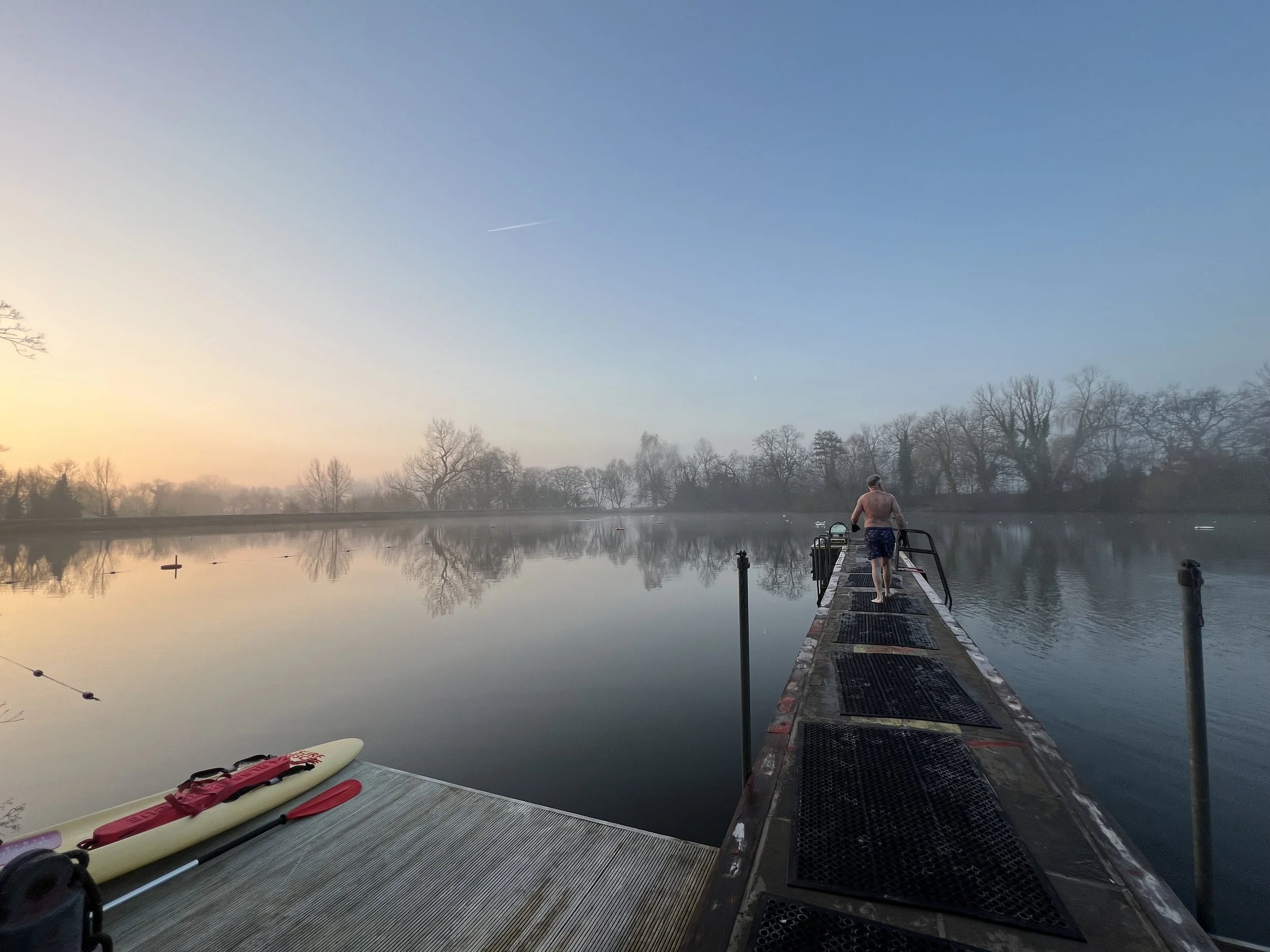
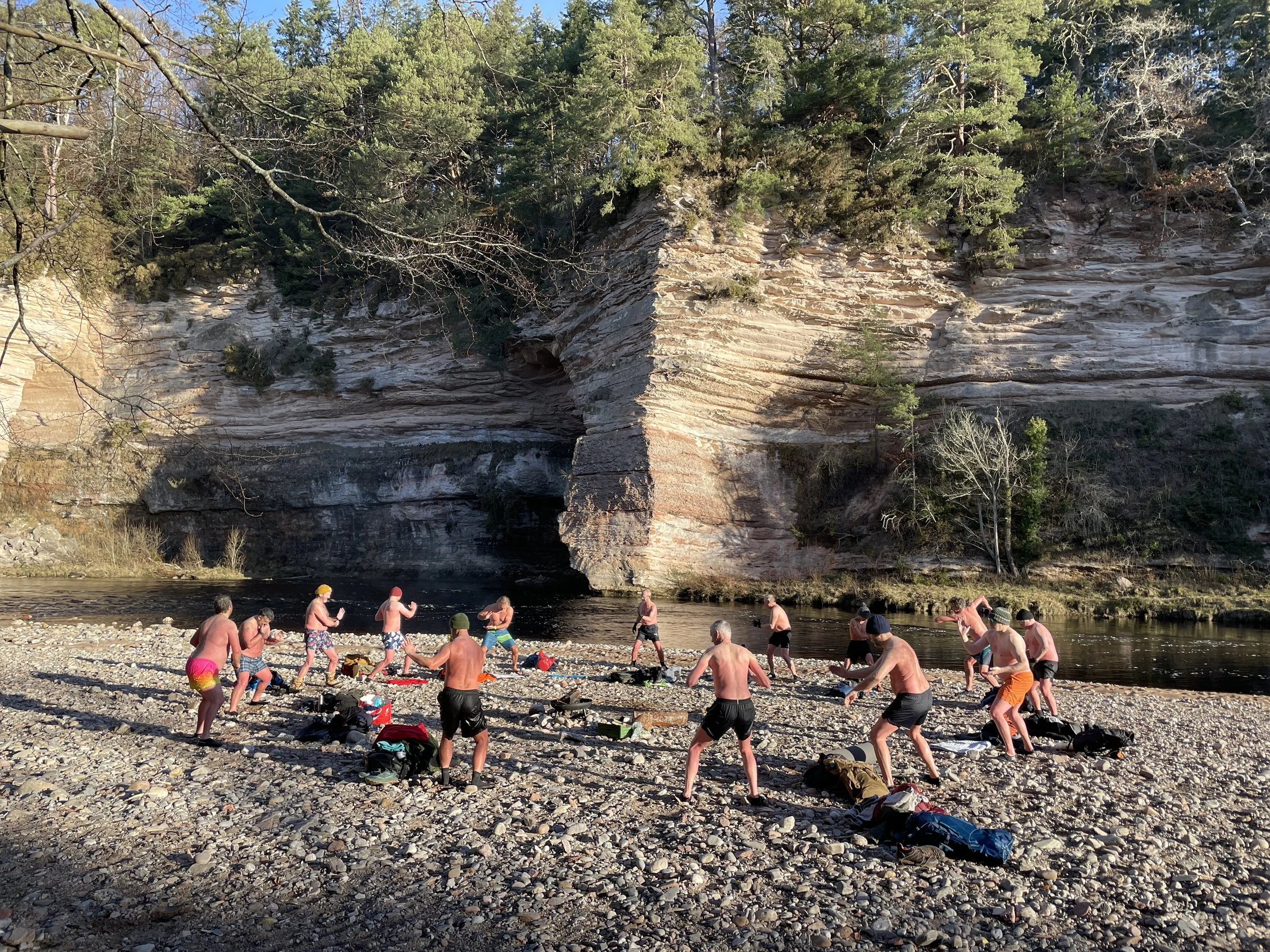
IceBreakers is a men’s wellbeing community that meets outdoors each week for breathwork, cold water immersion and conversation. They gather in rivers, lakes and the sea to reconnect with nature, challenge themselves and support one another. It’s a simple ritual that helps men step out of their heads and back into the world.
IceBreakers isn’t about endurance. It’s about presence and connection.
What Makes It Special
Many men don’t have places where they can slow down, speak honestly or feel supported without pressure. Being outdoors, breathing together and stepping into cold water creates a powerful reset. It helps people reconnect with their bodies, their thoughts and the people around them, often leading to stronger friendships and a deeper sense of belonging.
IceBreakers isn’t a class or a programme. It’s a simple shared ritual: men meeting in nature, breathing together, stepping into cold water and supporting each other. There’s no pressure to perform, no hierarchy and no fixing, just people showing up side by side and meeting life’s challenges together.
The If Lost Take
We’ve seen first-hand what a difference an early Sunday start can make. There’s something about standing waist-deep in a river, sharing a simple “hi, how are you?” that cuts through the noise of the week.
It can become a kind of reset. A chance to let go of what’s been building, even if just for a moment. And to notice, without needing to say much, that other men are carrying things too, moving through life with their own hopes and concerns.
Turning up for the first time might feel like a big step. But Icebreakers is a genuinely welcoming group. And somehow, with each Sunday, it gets a little easier to answer the alarm, grab your dry robe, and head out the door.
You come back with flushed cheeks, and often feeling a little lighter than when you left.
Founders Story | Co-founded by Tim Bowles, Arron Collins-Thomas and Jack Horner
IceBreakers began when two friends lost people close to them to suicide and realised how few spaces existed where men could talk honestly about how they were feeling.
They hosted a small retreat and discovered that the most powerful moments came from stepping into cold water together. That shared challenge created openness, connection and real conversation.
From there, weekly gatherings began and the community grew.
Founder’s Go-To Wellbeing Advice
“Step outside.
Move your body, breathe slowly and spend time in nature, even if it’s just a short walk.
And if you can, share that moment with someone else. A conversation and fresh air can shift more than you think.”



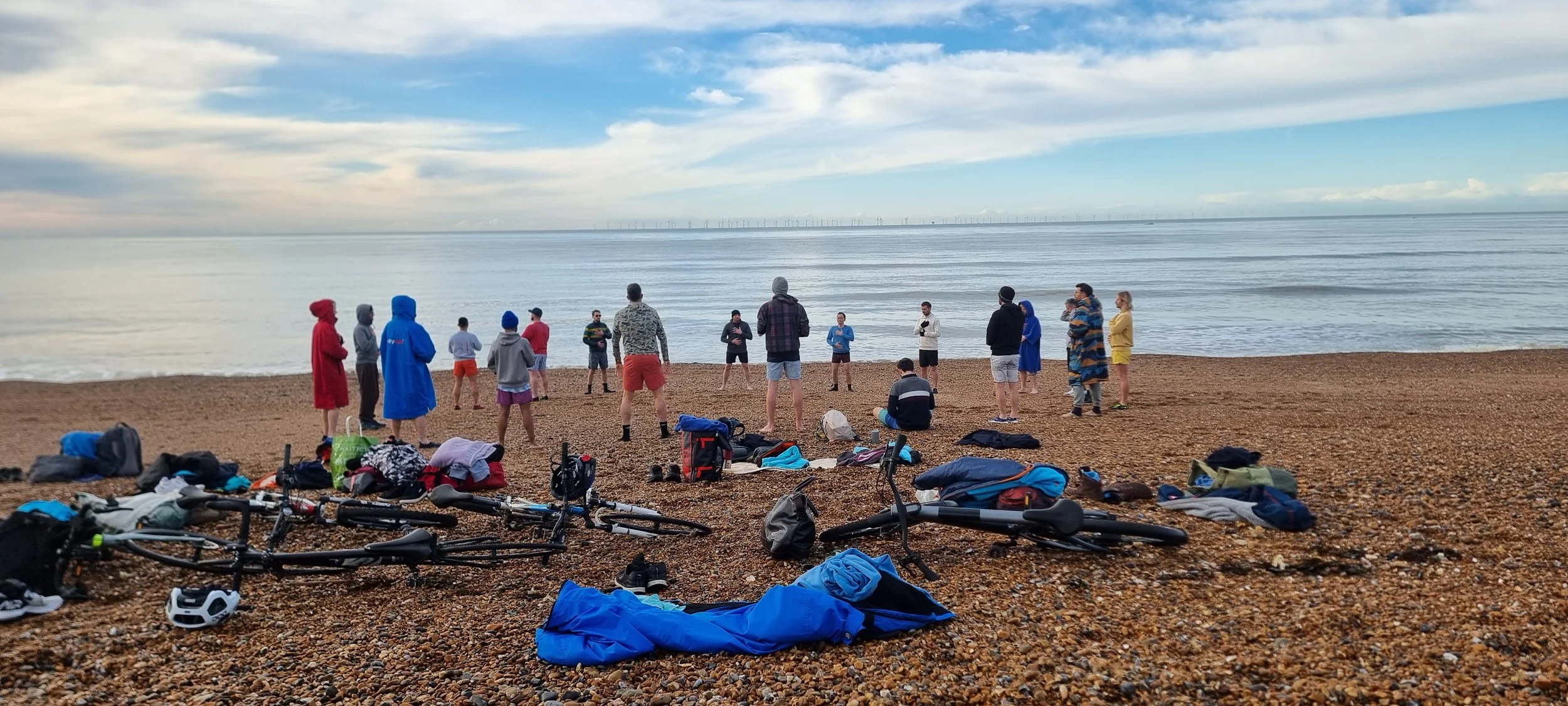
Some Practical Details
IceBreakers core offering is a weekly outdoor gathering, usually on Sunday mornings. Each session includes breathwork, movement, optional cold water immersion and time for conversation. Some chapters also host fire circles, walks, saunas and other events that deepen connection and community.
You don’t have to be brave or “good at cold water”. Some men dip for a few seconds. Some stay waist-deep. Some just come along for the conversation.
They also organise walks, camps, saunas and get togethers beyond the cold water.
Most of what they do happens outdoors in person. However they do share stories, guidance and inspiration in their WhatsApp community, and new chapters are launching across the UK so more men can find a group near them.
They also host occasional camps and events that people can travel to.
Coming up
Alongside their weekly Sunday gatherings across the UK, IceBreakers is hosting a Spring Camp from the 24th - 26th April, 2026.
It’s a few days in nature where men step away from the noise of everyday life and reconnect through cold water, movement, fire circles and honest conversation. Think of it as a deeper version of the weekly IceBreakers experience.
A special If Lost bonus
IceBreakers are offering 10% off their upcoming Spring Camp to If Lost readers, just use code LOST10 at checkout. Details of the Spring Camp can be found here.

Postcards from a Happy Place
A day at The Happy Place wellbeing festival — and the ideas I brought home with the tote bag
I’m sitting under the shade of a 100-year-old tree in a west London park, the kind with branches that creak when the breeze moves through them. I’ve claimed one of the bright bean bags scattered across the lawn and wedged it against the bark. It’s quieter here than in the big open-sided marquee where the talks are held. I almost left earlier — the heat was stifling — but this patch of dappled light invited me to stay.
This is the Happy Place Festival, Fearne Cotton’s annual celebration of all things wellbeing. Held in Gunnersbury Park, the event feels relaxed despite the crowds. There’s a sound bath tent, hormone talks, yoga happening under awnings, iced lattes for a quick pick-me-up, and a hum of voices talking about nutrition, breathwork, sleep, and happiness.
I wander a little, swap my trainers for sandals, browse the book tent, and eventually drift towards the Talk Tent — where the ideas start to land.
What Wellbeing Looks Like When You Do It at Your Own Pace
There’s a clawfoot bathtub painted bright yellow on the lawn. Giant HAPPY PLACE letters. Pink phone booths for Instagram moments.
People move slowly, or not at all. Some stretch into yoga poses. Others lounge with notebooks. I’m surrounded mostly by women. An older woman in a navy wrap dress stands near a mother and daughter in yoga pants. And I start to wonder: What are we all here for?
A day of self-care? A search for clarity? A break from decision fatigue?
For me, it became about gathering small, meaningful insights or the big ideas that I hope might stick. Here's what I took home from a single day of getting away from it all (so I could get back to it all).
5 Takeaways from The Happy Place Festival
1. Midlife Is for Beginning Again
“Everyone has something.” — Donna Ashworth
Poet Donna Ashworth shared that she didn’t begin writing until her mid-40s. “It was either me… or it,” she said. There was something inside her that needed to be expressed — even if it emerged messily.
Holly Tucker, founder of Holly & Co, echoed this. She shared that 75% of the small businesses they support were started by people aged 40–60. Midlife isn’t an ending. It’s the start of something else.
2. Listen to the Whispers of the Soul
The idea of tuning inward came up again and again. Katy Hill spoke of following the “whispers of the soul.” Kelly Holmes said she’s living not in the “if onlys” but the “maybes.”
What if we don’t need to have the whole plan — just enough of a nudge to start?
3. Time Is Measured in Moments, That Become Years
“Life is 80 summer holidays.” — Julia Bradbury
Oliver Burkeman’s 4000 Weeks was cited more than once. It’s a reminder that life is not endless. Julia Bradbury put it plainly: "You only get about 80 summers." She advocates for nature snacks as the way to reset her days — stepping outside every couple of hours to widen your gaze, regulate your nervous system, and remember you’re alive. The evidence backs her up. A University of Exeter study found that if 1.2 million people took part in a green prescribing project that would save the NHS £635.6 million.
4. Start Imperfectly, Stay Imperfect
“Just begin.” — Donna Ashworth
Donna’s talk — and the reading of her poem “Just Begin” — was a balm for the overthinkers. “Someone here needs this,” she said before reading. She was right. That someone was me. And maybe it’s you too.
Start before you’re ready. Begin without knowing the outcome. Let the thing live in the world. That’s where the magic happens — not in the editing, but in the doing.
5. Small Impacts Matter
“What’s my impact?” — Holly Tucker
Holly said she grounds herself daily in one question: What will my impact be today? Not in a pressure-filled way, but as an invitation. She believes we all have the potential to lift others — to support their dreams in small, significant ways.
And if you don’t know your answer yet? Ask yourself: What lit you up when you were 10?
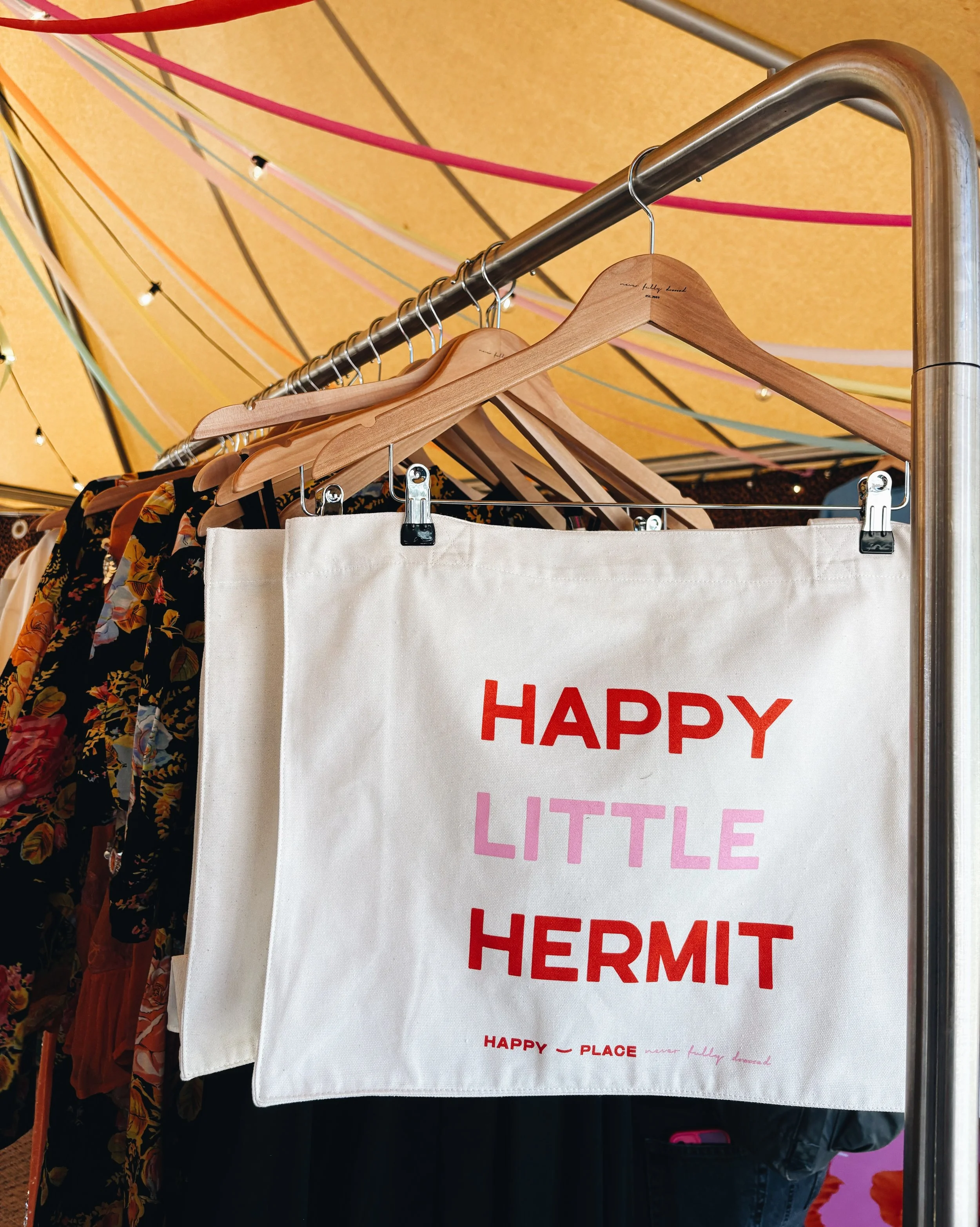
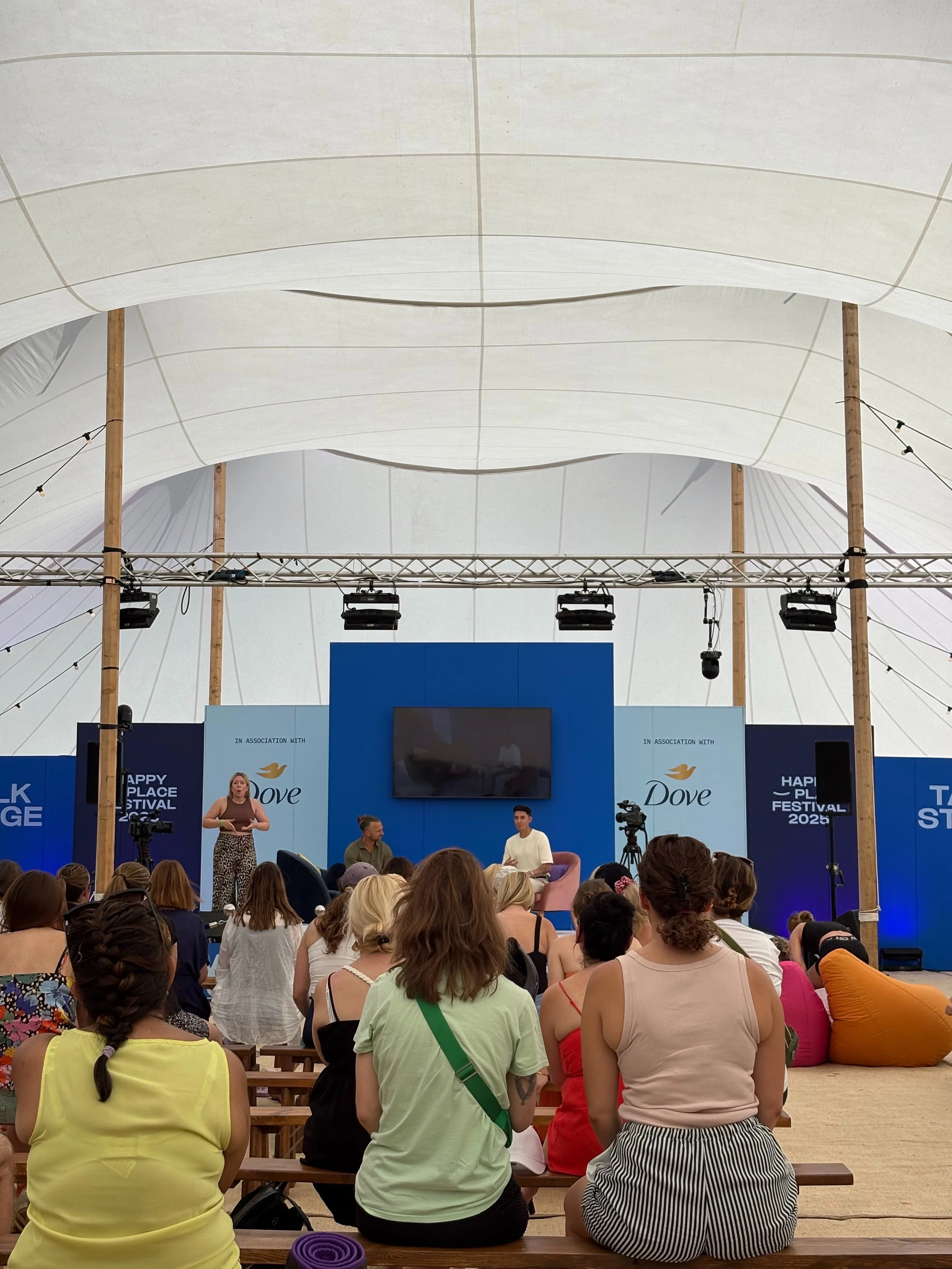


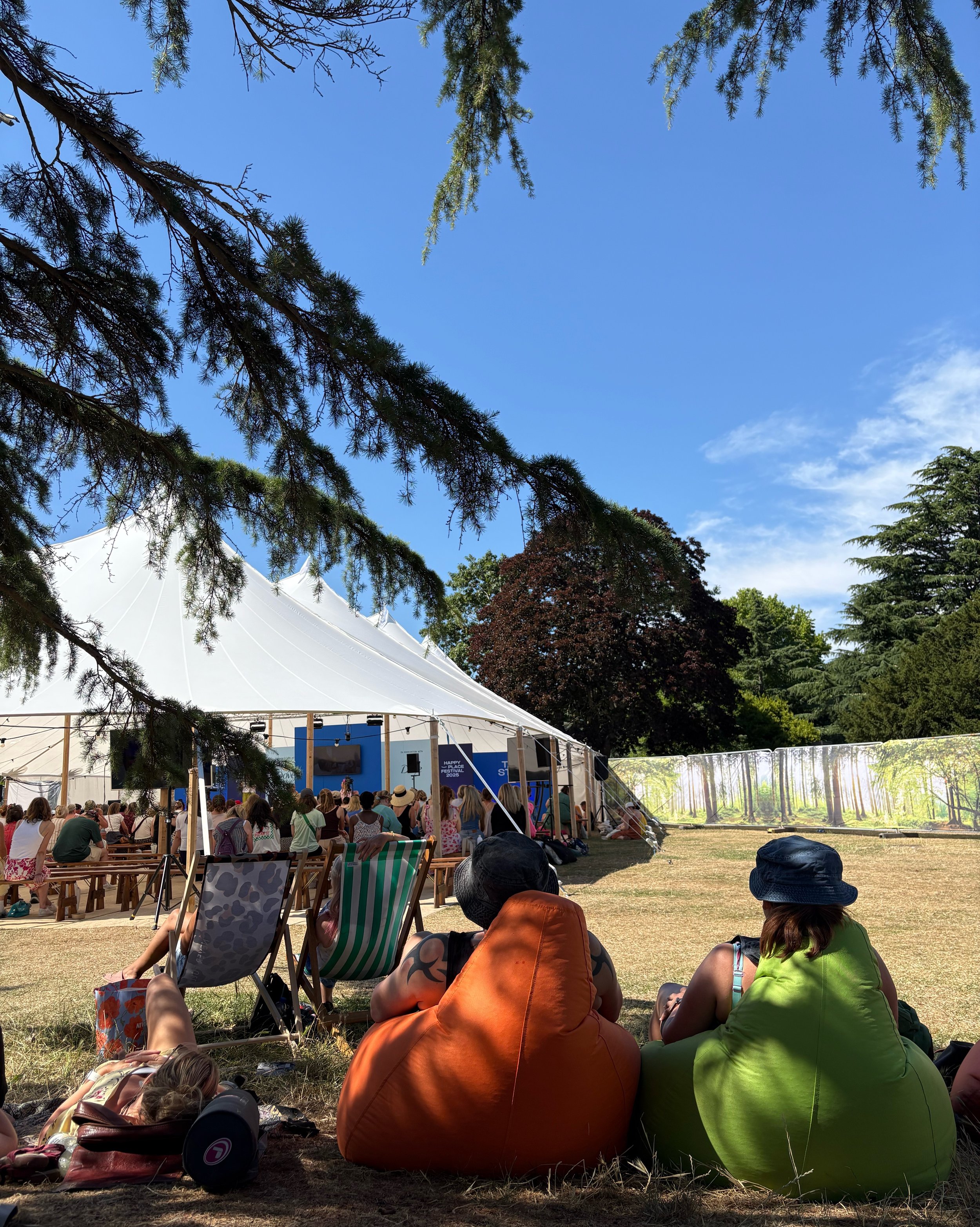


Wellbeing That Feels Possible
There’s a lot out there right now about how to live better. Some of it’s helpful. A lot of it is loud. What this day reminded me is that you can be curious without committing to a complete reinvention.
Wellbeing isn’t a fixed destination or a 12-step plan. It’s something you get to define. Something you can build, imperfectly. Slowly. Softly. On your own terms.
Your happy place might not be mine. And that’s more than okay.
So, what’s your Version of a Happy Place?
Maybe it’s not a festival. Maybe it’s a book, or a walk, or a quiet cup of tea. The point is not to do more. It’s to tune in.
Here’s a gentle question to leave you with:
What whispers have you been ignoring?
And what might shift if you started to listen?
Want to explore this further?
We’re creating spaces for the wellbeing curious — people who want better days, not busier ones.

Distil Coworking Somerset
Discover Distil Coworking Somerset—an inspiring rural coworking space set in a restored mill with gardens, café and community. Ideal for creatives, freelancers and small business owners looking to feel more connected and work well in beautiful surroundings.
Perfect For
Creatives, freelancers, small business owners, remote workers — or anyone craving a more inspiring alternative to working from home.
Why You’ll Love It
Housed in a beautifully restored former mill, Distil Coworking Somerset offers a calm and inspiring place to work with beautifully restored wooden floors, abundant natural light and views out to a landscaped courtyard. It’s the kind of place that makes you exhale as soon as you walk through the door.
Whether you're a small business owner looking for an inspiring workspace for your team, a parent looking to be super productive around the school run or you want a change from the commute to the city — Distil Coworking Somerset is designed to make your working day better.
With plenty of free parking, choose the scenic route and work from a beautiful location in the heart of the Somerset countryside.
What Makes It Special
Set within the wider Kilver Court development, Distil offers more than just a desk. Booking a coworking space here includes access to the lush 3.5-acre gardens — perfect for stretching your legs between meetings, taking a walking call or a giving yourself a moment of pause under the trees.
You’ll also find fashion and homeware outlets like Toast and Mulberry and a newly renovated café with a wellbeing-focused menu. It’s all part of what founder Sam Cunningham envisioned when he transformed this site: “a thriving creative business ecosystem that drives growth, sparks innovation, and encourages collaboration.”
Whether you're looking for a quiet corner to enjoy a warm cup of tea, to scribble ideas in a notebook or simply to close your eyes and let the gentle rustle of leaves spark fresh inspiration, this is garden coworking.
The If Lost Take
We often think of coworking spaces as urban hubs — but Distil is part of a growing movement to bring creative, connected workspaces to rural settings. While countryside living has its charms, working from home in remote areas can sometimes deepen feelings of isolation and disconnection. Spaces like Distil shift that story — offering a place to come together, connect and work alongside fellow creatives, freelancers and entrepreneurs who also call Somerset home.
Founder’s Go-To Wellbeing Advice:
“You spend a third of your life at work — choose environments that nurture your wellbeing and people who help you thrive. The right environment can do more than just support productivity; it can restore calm, spark creativity, and invite genuine connection.”


Some Practical Details
Book a desk, meeting room or the podcasting studio. Facilities include free parking, superfast WIFI, private call booth, shower and kitchen with coffee and tea.
During every booking, receive 10% off at the café and access to the stunning Kilver Court Gardens — the perfect place to recharge during the working day.
Distil Coworking will soon have an events programme up and running, including the option of remote attendance at some events. For anyone visiting the area, they also offer day passes as well as the option of booking by the hour.
Kilver Court, Kilver Street, Shepton Mallet, BA4 5NF, United Kingdom
hello@distilcoworkingsomerset.co.uk
If Lost Reader Benefits: Use code 'InnerCircle' for 10% off your first month when signing up to a monthly membership.
If you prefer to book on a pay-as-you-go basis, use code InnerCircleHotDesk for 20% off your first day pass.

The Lost Art of Reaching Out (Especially When You Don’t Feel Like It)
Feeling disconnected but too overwhelmed to socialise? Here’s how to gently rebuild your sense of community and connection — even when it feels like too much.
Sometimes, connection feels like a beautiful idea that belongs to someone else’s life.
You want it — the warmth, the welcome, the sense of being seen — but everything in your body says not now.
You're burnt out. Anxious. Tired from holding too much for too long.
And instead of reaching out, you slowly slip back. Into silence. Into solitude.
You tell yourself that it’s just for now. But now has been a while.
If that’s you? You’re not failing. You’re human. And you’re not alone.
Many of us are here right now, wanting to connect but not quite knowing how to.
Why We Pull Back When We Most Need People
When life overwhelms us, our nervous systems do something wise: they protect.
They shut things down to help us survive. Socialising — even with people we love — can feel like one demand too many.
The problem is: we still need people. We are hardwired for connection.
It’s a core human need — not a nice-to-have.
But the modern world hasn’t made that easy.
Loneliness is rising, even as we become more digitally connected. According to the Mental Health Foundation, 1 in 4 adults in the UK feel lonely some or all of the time. And among those dealing with burnout, that number climbs even higher.
And yet, when we do connect — even briefly — we feel the shift.
Tiny interactions can co-regulate our nervous systems. A nod from a neighbour. A friendly moment with a stranger in a queue. A text back from someone we haven’t heard from in a while.
The secret is this: connection doesn’t need to be big to be meaningful.
What If We Started Small?
The invitation here is not to “join a group” or “go to more things.”
It’s to experiment with connection that fits you now.
Maybe that looks like:
Sitting in a café instead of scrolling at home — just being in proximity to others.
Texting one person to say: thinking of you, no need to reply.
Wandering a local bookshop or museum, where other quiet people gather.
Volunteering, not for the social aspect, but because doing something small that matters feels grounding.
Attending a gentle yoga or movement class where connection is built through shared breath, not small talk.
Let the moment be enough. You don’t need to stay long.
Just notice how your body feels before and after. Maybe a little lighter?
Rebuilding Trust in People
Reconnection isn’t just about other people. It’s about learning to trust that it’s safe to be seen again. To believe that the right people will meet you where you are.
You don’t need to fix your burnout first. Or wait until you’re “back to your old self.”
The act of connecting — even in the smallest of ways — is part of the healing.
And connection doesn’t mean constant availability.
You can have boundaries. You can take breaks. You can be someone who dips in and out, without explanation.
Because community isn’t a performance. Its presence that you can choose.
What If You Tried One Tiny Reach?
What would your version of a gentle reach look like?
A walk with someone you enjoy talking to?
A visit to a familiar café?
A class where no one expects anything from you except that you try?
Try just one. Let it be small. Let it be enough.
When you’re ready, here are 3 ways we can help you:
1. Join us on Substack – Become a paying member and we’ll gift you our Spring Everyday Retreat right now so you can focus on how you like to connect even when life does its thing.
2. Book a wellbeing coaching session – If you want company while figuring out your next steps, let’s chat. Book a free consultation to see how we can help you connect in ways that feel good to you.
3. Sign up for our newsletter – Receive real-life tools, everyday insights and tiny reminders that you’re not alone in this. We’re all yearning to connect while also finding it easier to binge-watch Netflix.

How Emotions Shape Our Increasingly Isolated Lives
Discover how emotions like fear and loneliness shape disconnection and learn practical ways to reconnect with yourself and others.
Have you ever wondered why it feels harder to connect these days? You’re not imagining it. Life has shifted, and with it, our emotions have too. What we’re feeling (or not) might play a bigger role in how we engage with others—and ourselves—than we thought.
From stress to loneliness, our feelings often push us toward isolation, even when what we crave is connection. But we’ve found that understanding this emotional interplay can help us break free from this sense of disconnection and move toward a more connected, fulfilling life.
The Emotional Side of Disconnection
Our feelings are deeply intertwined with how we navigate the world. Stress, fear, and overwhelm often lead to withdrawal, while positive emotions like curiosity and joy can inspire us to seek connection.
Some common emotions that can drive disconnection include:
1. Stress and Overwhelm
Modern life feels like a constant race. Between work, family, and endless to-do lists, stress leaves little room for meaningful connection.
When overwhelmed, we tend to retreat, choosing solitude or distraction over engagement.
2. Fear and Vulnerability
Fear of rejection or judgment can make reaching out feel risky, leading us to avoid social situations altogether.
Past experiences of hurt or betrayal may create emotional walls that keep others at a distance.
3. Loneliness and Shame
Loneliness often perpetuates itself. When we feel disconnected, shame can convince us that we’re the problem, making it harder to take steps toward connection.
This creates a cycle: disconnection fuels negative emotions, which then reinforce isolation.
When Isolation Becomes a Cycle
The longer we stay disconnected, the harder it can feel to break the cycle. This is because isolation reinforces the very emotions that keep us apart:
Stress compounds stress: Without social outlets, stress builds, making re-engagement feel even more overwhelming.
Loneliness intensifies: The absence of connection magnifies feelings of emptiness, leading to further withdrawal.
Recognizing this cycle is the first step toward shifting it. The next steps might include:
1. Name Your Emotions
Awareness is the antidote to avoidance. Spend time identifying and naming what you’re feeling:
Are you avoiding connection because you’re afraid of rejection?
Does stress make you feel like you don’t have time to engage with others?
Journaling or mindfulness practices can help you explore these emotions without judgment.
2. Reframe Disconnection as an Opportunity
Disconnection doesn’t have to be a dead end—it can be a starting point for better understanding yourself.
Use periods of solitude to reflect on what truly matters to you.
Ask yourself: What kind of connections would feel meaningful right now?
3. Seek Out Moments of Joy and Curiosity
Positive emotions like joy and curiosity can nudge you toward connection.
Try something new: Join a group or take a class that sparks your interest.
Revisit an old passion: Shared interests often lead to natural connections with like-minded people.
4. Foster Emotional Safety
Strong connections thrive on emotional safety. Deepen relationships by being vulnerable in small, manageable ways:
Share a personal story with a trusted friend.
Show up authentically in conversations, even if it feels a little scary.
5. Make Connection a Habit
Connection doesn’t have to be grand or time-consuming. Small, intentional actions can go a long way:
Send a quick text to someone you care about.
Schedule a weekly walk with a friend or family member.
Join a virtual or in-person community aligned with your interests.
Emotions as a Bridge to Connection
Your feelings don’t need to be obstacles—they can also be clues. By understanding how emotions like stress, fear, and joy shape your behavior, you can begin to take intentional steps toward connection.
Whether it’s reaching out to a friend, trying a new activity, or exploring what’s holding you back, the journey to reconnection starts with acknowledging what you’re feeling.
Connection is closer than you think—it begins with this one small step.
Your emotions are the key to connection. Our emotions coaching sessions help you understand which feelings can hold you back, help you reconnect with your inner self, and build deeper, more meaningful relationships.
Curious to know more? Click here to explore emotions coaching and how your feelings can help you better connect with both yourself and others.
You can also sign up for our special newsletter dedicated to better understanding your emotional life. Subscribe here.

Why I Collect Places: A Human-Centered Guidebook to Better Wellbeing
Discover why independent bookstores, cafés, museums, and unexpected spaces are vital to our wellbeing. Why we’re writing a guide to help you find places that make life feel just that little bit better.
There’s a certain kind of magic in finding a place that feels just right. A small bookstore where the owner remembers your name. A café where the coffee is secondary to the conversation. A public park that holds space for quiet moments.
I’ve always been drawn to places like these—the ones that anchor us, remind us of who we are, and offer ways back to ourselves, and each other. It’s why I started Our Guide to Life, a collection of human-centered spaces that nurture our wellbeing in ways that often go overlooked as we rush through our days.
Wellbeing Beyond the Expected
When we talk about wellbeing, the conversation so often stops at wellness trends—meditation apps, self-care routines, morning rituals. And while all of that has its place, what if wellbeing was also connected to where we live, how we shape our worlds, and how we create space for each other.
That’s what I’ve been exploring. Beyond the polished wellness industry, there are places—hidden, local, ordinary—that hold a different kind of support.
The museum that allows your mind to soar and your imagination to expand.
The coworking space that brings people into your days, and not just more ways to be productive.
The bakery that somehow soothes you, even if croissants are a far cry from green juice.
These places aren’t selling a version of self-improvement. They’re simply there, existing in a way that makes life a little softer, a little easier, and sometimes even a little more magical.
Why Now?
We’re living in an era of increasing isolation. Studies show that loneliness is as harmful to our health as smoking 15 cigarettes a day. At the same time, the places that have historically brought us together—independent cafes, bookshops, music venues—are struggling to survive.
The irony is, we need them more than ever. We need places where we can show up as humans. Places where we don’t have to earn our belonging, where connection isn’t transactional, and where simply being present is enough.
This is why I collect places—not just for myself, but for anyone who might be looking for a way to feel at home in the world again.
A Guidebook for Everyday Wellbeing
Our Guide to Life is an evolving collection of the places that matter—places that meet you wherever you are and offer something real. It’s a growing map of
Independent and unexpected spaces—community gardens, unusual storefronts, gathering places.
Places that hold stories—libraries, bookshops, cultural hubs.
Third places that aren’t home or work—cafés, coworking spots, creative studios.
Spaces that make room for joy—live music venues, art workshops, immersive experiences.
Some of these places will be in your own backyard. Some might be places you’ve never thought to look. But they all share one thing in common: they make life into something to explore, making us more connected and more human.
A Collective Exploration
But this isn’t just my guidebook—it’s ours.
The places that matter most to you might be different from mine. Maybe it’s the beach at sunset where you exhale fully for the first time in days. Or the record shop where you’ve had the best conversations with strangers.
We all have places that ground us, restore us, and remind us that we belong. And when we share them, we make it easier for others to find their own.
So, tell me—where’s your place? The one that holds you when you need it most? The one that brings you back to yourself? Your happy place? Your calm place?
Let’s build this guide together. Because the right place, at the right moment, can change everything.
P.S. If you run a place that you think would fit in our Guidebook reach out to us. We’ll send you details to apply.

Glove Factory Studios
Glove Factory Studios in Bradford on Avon is a beautifully designed coworking space set in a restored Victorian glove factory. Home to a thriving community of creatives, freelancers, and entrepreneurs, it offers inspiring workspaces, events, and even a wild swimming pond.
Perfect For
Freelancers, creatives, and entrepreneurs who want a unique workspace—somewhere that encourages focus, connection, and maybe even a mid-morning swim.
Why You’ll Love It
Tucked away in the Wiltshire countryside, Glove Factory Studios is far more than a workspace—it’s a hub for creativity, collaboration, and connection. Set in a beautifully restored Victorian glove factory, it’s home to independent businesses, freelancers, and creatives who want more than just an office—they want a space that inspires ideas, fosters community, and embraces work-life balance in the best way possible.
With light-filled studios, a rural setting, and a café that feels like a creative meeting ground, this is a workspace designed for people who think differently, work independently, but love being part of something bigger.
What Makes It Special
An inspiring setting – A heritage industrial building meets modern design, creating a workspace that feels both professional and creative.
A built-in creative community – More than just a place to work, it’s a network of like-minded people, with regular talks, events, and collaboration opportunities.
Surrounded by nature – With open countryside, walking trails, and even wild swimming nearby, this is a space that understands the balance between productivity and wellbeing.
The Story Behind It
Glove Factory Studios was founded with the belief that where you work should inspire you, not drain you. Over the years, it’s evolved into a thriving community of designers, writers, makers, and entrepreneurs, all drawn to its unique blend of rural calm and creative energy. From its history as a glove-making factory to its reinvention as a workspace for modern independents, its story is one of transformation, creativity, and new possibilities.
Something Else We Love
Their onsite wild swimming club, the Glove Dippers—yes, really. With a natural swimming pond, members can take a dip before, after, or even between meetings. It’s the kind of workplace perk you don’t know you need until you try it.
We also love it for coworking, dropping in when working from home gets a little lonely. Oh and the gorgeous cafe on site, Wild Herb at the Field Kitchen is the perfect any-time of day pick me up.
The If Lost Take
We love Glove Factory Studios because it proves that work doesn’t have to happen in dull offices or overrun cafés. It’s a space that prioritizes both creativity and wellbeing, offering a place where people can build businesses, spark ideas, and create their own version of that illusive work-life balance.
Some Practical Details
Holt, Bradford on Avon, UK

Friendship First: Celebrating Connection This Galentine's Day
Explore the joy of friendship, why it matters to your well-being, and how to nurture these bonds—especially in the isolating winter months.
Winter often brings a sense of stillness, but for many of us, it can also feel isolating. Long nights and cold days can leave us yearning for connection—those shared moments that remind us we’re not alone. This Galentine’s Day is the perfect opportunity to celebrate the friendships that light up our lives, especially during this quieter time of year.
Science tells us that friendships aren’t just nice to have; they’re essential. From boosting our mental health to supporting our longevity, these connections nurture us in ways we often overlook.
The Science of Friendship: The People That Hold Us Together
Friendship isn’t just good for the soul; it’s vital for our well-being. Research shows that meaningful relationships can reduce stress, strengthen resilience, and even improve physical health. Whether it’s a quick catch-up over coffee or a heartfelt phone call, these connections create a buffer against loneliness.
Positive psychology tells us that shared experiences strengthen our sense of belonging. Even simple rituals—like meeting a friend for a walk or laughing over a shared memory—build powerful emotional bonds.
Friendships also teach us the value of showing up for each other in small ways. Being present for someone, without trying to fix their problems, creates a space where both people feel seen and supported.
Practical Ways to Celebrate Friendship This Galentine’s Day
Friendship thrives on intention. Here are a few ideas to nurture your bonds this winter:
Host a Candlelight Dinner Tradition:
Invite a friend over for a simple meal by candlelight. Share stories, laugh, and enjoy the warmth of connection.
Create a Winter Walk Ritual:
Bundle up and explore your local park or neighbourhood together. The fresh air and movement can lift your spirits.
Swap Playlists or Books:
Share your favourite music or a novel that resonated with you. It’s a small gesture that sparks deeper conversations.
Start a Mini Friendship Project:
Whether it’s a joint craft, a collaborative journal, or planning a small adventure, working on something together strengthens bonds.
Gratitude in Action:
Write a short message to a friend sharing why you appreciate them. It doesn’t have to be long—just heartfelt.
How Friendship Changes Us
Friendships are life’s anchors, keeping us steady when we feel adrift. They remind us that life is a shared journey, full of laughter, support, and even the occasional tear.
This Galentine’s Day, celebrate your friendships in all their perfectly imperfect beauty. Honour the messy schedules, the missed calls, and the moments where you showed up for each other anyway.
And if you’re longing to deepen your connections, take the first step: reach out. Friendships don’t need grand gestures; they need small, consistent acts of care.
“Take a moment today to text or call one friend you’re grateful for. Let them know why they’re important to you. It’s a small gesture that can mean the world.”
Celebrate Friendship With Us
At If Lost, Start Here, we know how crucial connection is for emotional well-being.
Join us in celebrating the beauty of friendship. Sign up for our newsletter or explore our facilitated courses to find out more. Because life feels better when it’s shared.

Single Parents Wellbeing
Discover an organisation in Wales run by single parents for single-parent families that aims to foster connection and belonging.
Go here if: You are seeking some wellbeing support as a single parent.
What is it: Single Parents Wellbeing is a CIC in Wales run by single parents for single-parent families. They offer a peer-led, compassionate and connected approach to being in a single-parent household, improving the mental wellbeing of single-parent families.
What do they offer: Workshops and events for single parents and their families. They also have a wealth of resources online, an active Facebook Community and training and development opportunities for their Volunteers.
What makes it different: SPW is committed to breaking down barriers. By actively employing single parents and engaging volunteers from within the community, they provide meaningful opportunities for growth, fostering a sense of purpose and belonging.
Creating a safe and connected community is at the core of what they do. Through peer-led events, socials, and workshops, SPW aims to reduce isolation and loneliness, building a single-parent family community that supports and uplifts each other.
Recognising the importance of staying connected, SPW extends its support online, reaching single parents across Wales. Their online resources provide valuable support and information to those who may not have easy access to in-person services.
Who is behind Single Parents Wellbeing: SPW began when co-founders Rachel Cule and Amy Holland started a walking group in 2017 for single mums. They found each other on an online forum, each struggling with mental health and the stigma surrounding being a single parent. Getting outside with people in similar circumstances helped their mental health and overcame anxieties about being out and about as a single parent. Following funding from the National Lottery they are now able to reach a much larger audience. SPW now works tirelessly around mental health and supporting their community.
Not in Wales no worries: They also have a huge online resource of their blogs and podcasts as well as links to useful websites and helplines which can be accessed wherever you are.
Where inspires them: Nature, every time. Getting outside for a walk, swim or run makes all the difference. Remembering also that friends always want to support you, so reaching out to a friend for a listening ear is always helpful.

Connection: The Word That Defines Our Mission in 2025
Feeling disconnected? In 2025, If Lost Start Here is making connection our word of the year. Read why it matters now more than ever and discover three ways to reconnect with yourself, others, and the world around you.
We live in an age of paradox. Never before have we been so hyper-connected—constantly plugged into notifications, messages, and social media feeds. And yet, we are also lonelier, more isolated, and more disconnected than ever.
Recent studies paint a concerning picture:
One in three adults worldwide experience loneliness regularly.
The former U.S. Surgeon General Dr Vivek Murthy has declared loneliness an epidemic, citing its impact on physical and mental health, including higher risks of depression, anxiety, and even heart disease.
Social fragmentation is rising due to remote work, an increase in digital communication over in-person interactions, and the pressures of modern life that leave us exhausted and stretched thin.
At If Lost Start Here, we believe that the antidote to this growing crisis isn’t just found in another self-help book or productivity hack. It’s in connection. Connection with ourselves, with others, and with the world around us. It’s in deep conversations, small moments of presence, and shared experiences that remind us we’re not alone.
So in 2025, we’re making connection our focus. Not just as a word, but as a way of living.
Three Ways to Reconnect in 2025
At If Lost Start Here, we don’t just talk about wellbeing; we create experiences that help people feel it. Here are three ways we’re helping you reconnect this year:
1. Reconnecting with Yourself
True connection starts within. When was the last time you checked in with yourself—not just to tick off a to-do list, but to ask what you really need?
Here’s how we help:
Guided Wellbeing Courses – Our Find Your Way program helps you build an everyday wellbeing practice that supports emotional, mental, and physical balance.
One-on-One Coaching – Sometimes, you need a conversation that brings clarity. Our coaching sessions offer a space for self-reflection, emotional support, and guidance.
Creative Reflections – Whether through journaling prompts, gentle reset practices, or curiosity-driven exercises, we provide simple ways to get back in touch with yourself.
2. Reconnecting with Others
Loneliness isn’t just about physical isolation—it’s about the feeling that no one really sees you. The good news? Human connection isn’t about how many friends you have but the depth of the relationships you cultivate.
We’re creating spaces for real connection through our community The Collective Together and our Events including:
Small Group Sessions – Intimate, guided conversations where people can show up as they are, without pretense.
Community Gatherings & Events – From online wellbeing retreats to informal meetups, we’re bringing people together to connect meaningfully.
Shared Learning Experiences – Whether it’s a book club, a workshop, or a wellbeing challenge, we believe in collective learning as a way to strengthen relationships.
3. Reconnecting with the World
When we feel disconnected, it’s easy to shrink inward. But sometimes, the best way to find ourselves is to expand outward—to seek inspiration, to engage with the world in new ways.
Maybe that means stepping into a gallery where a single painting stops you in your tracks. Or walking through a city park and feeling the crisp air shift something inside you. Maybe it’s volunteering for a cause that reminds you just how much you have to give.
We believe in the power of small, intentional experiences to help you feel more anchored in the world around you. That’s why we’re:
Creating Wellbeing Prescriptions – Sometimes, we all need a little direction. Our personalised wellbeing prescriptions offer a roadmap to help you reconnect with what nourishes you—whether that’s more rest, creativity, movement, or something unexpected.
Offering Culture Therapy – We believe that books, art, music, and creative resources have the power to heal and inspire. Our culture therapy sessions help you find new ways to engage with the world through stories, creativity, and shared human experiences.
Curating a Guidebook to Connection – We’re mapping out places—cafés, museums, parks, and cultural spaces—that help you feel a little more at home in the world. Because sometimes, the right environment can make all the difference.
The world is full of places, experiences, and ideas waiting to reconnect you. Let’s explore them—together.
Connection: The Heart of Our Mission
At If Lost Start Here, we believe connection isn’t just something we do—it’s something we build, something we feel, something that makes life worth living.
As we step more into 2025, we invite you to reconnect with what matters most. To make space for deep conversations, real relationships, and a sense of belonging. To not just exist but to engage fully in life.
If you’re ready to start feeling more connected, we’d love to support you.
Explore Our Wellbeing Courses & Coaching
Join One of Our Community Sessions
Because no one should have to find their way alone.
Let’s Stay Connected—Join Us
If this piece resonated with you, let’s keep the conversation going. Our newsletter is a space for real connection—where we share insights on wellbeing, stories that inspire, and small ways to feel more anchored in your life.
It’s not just another email. It’s a moment of pause, a reminder that you’re not alone, and an invitation to explore what truly matters.
Sign up now and let’s navigate this year—together.