

Getting High: The Power of Nature in Early Sobriety
Maybe the problem is less about who we are and how we escape and more about the walls we try to contain ourselves within.
A friend once told me that when life got hard, the secret was to get high...like, on a hill, or in a tree...maybe even in a small plane? (I’m not totally sure about the details.) While I never clarified how high, the sentiment behind this philosophy, I’ve come to understand, is that when life is feeling overwhelming, sometimes what we need is simply a shift in perspective.
1000 days ago, I set out on a journey to become sober. (Or, more aptly, 1000 days ago was the last time I set out on a journey to become sober.) For me, chasing a new and natural way to get high was a pursuit born less out of curiosity and more out of necessity.
I started questioning my relationship with alcohol when I realized how much I clung to my experiences of intoxication. How I pushed to keep those blurry nights going. How the evening wasn’t a success until I’d climbed to the top of a batting cage fence and balanced along the edge singing “Don’t Stop Believin” to whoever would listen; until I’d shut down the bar and become best friends with the bartender; until I’d climbed a tree and called to profess my love to every friend I’d ever made. And it was really not over until I stumbled through my door, passed out on my bed, and sunk fitfully into a familiar depression.
Maybe this persona, which only felt accessible when drunk, represented youth and freedom...maybe it represented recklessness and bravery. (Maybe those were the same thing to me?) Whatever it was, there were pieces of this version of myself that I cherished. And the truth was, I knew I would never grant myself this type of freedom in everyday life. I could never square who I was in sobriety with the freer version of myself I could conjure when drinking. Or maybe the problem was, I’d never stopped to try.
1000 days ago marked what I assumed was the beginning of some sort of infinite and unbearable tedium.
But, as it turned out…that’s not what happened at all.
Early Sobriety
So much of early sobriety was defined by not knowing what to do with my hands, or my thoughts, or myself — so afraid of judgment that I could hardly stand to exist in the same room as other people, let alone myself. Here I was, fully lucid, but unable to connect to my body or emotions or anyone around me in any real way.
A huge part of sobriety, for so many of us, is learning to live within the confines of our own minds, processing traumas and regrets, and fears, and finding a way to accept who we once were and redefine who we’re still becoming. We go to therapy and find support groups and lean on our most trusted friends. We take all the big steps, but we sometimes fail to know how to take the small ones, how to move through our daily lives.
When you’ve constructed a world around yourself that relies on your ability to escape it, removing the easiest exit can be terrifying.
Maybe though, the problem is less about who we are and how we escape and more about the walls we try to contain ourselves within.
So many of the things I was running from, so many of my fears, stemmed from this idea that I was not enough. That I had to shift and contort to fit into some preconceived mold, that who I was did not fit within the context of the walls I’d found myself trapped behind.
I wondered, then, what would happen if I removed the walls, and attempted to exist in a different setting? What would happen if I let go of control (of myself, my environment) and embraced something messier? Maybe the problem wasn’t mine to hold...maybe it was mine to set free.
Finding Nature
I can still remember the first time I stripped down to my underwear and plunged into the freezing Pacific. I was six months sober and desperate for something I couldn't name. My decision was made before I’d had time to second guess it (and before I’d seen the sign that said “Don’t go in here, you’ll die.”) This was the type of behavior that I’d assumed was relegated to my college years - the years of invincibility and low-stakes, when you could get drunk and jump in a fountain at midnight and it was mostly just funny; When your ideas were the only prompts needed to move you to action. In sobriety, I assumed that this spontaneity would die.
There is still something that calls me to live on the edge of recklessness, at times, some nearly-forgotten piece of myself that begs to be brought to life. I’ve found though, that at its root, this is not a calling to destroy myself, or even risk anything, it’s more of a call to move and live, to find joy and adventure. This is not a call to push myself to the brink of disaster, it’s simply a call to act.
The waters of Northern California answer the call. The cold hits like a punch to the face, but there is something about the way the shock is met with the lull of the waves. Something about the feeling of being alive, and not wanting to escape.
Being in nature offers us the chance to put our minds and bodies at ease by forcing them to adapt to new and changing conditions, by presenting us with opportunities to be present, without the fear that our minds will run away with us.
Today, plunging into violent waves, jumping into October rivers, and floating in lakes created from newly melted snow are the highlights of my life, a chance to feel alive and in awe. Today hiking and biking and exploring are regular practices and every time I climb a tree or attempt some made-up yoga position atop the highest boulder I can find, I feel a connection, not just to myself and within my body, but to something bigger...something I can’t explain.
When I first stopped drinking, the idea of connecting to some power greater than myself was touted as one of the many necessary stages to recovery. And while I don’t know that it is the same as believing in God or an afterlife or some other whimsical notion, nature is certainly bigger than I am, and full of as many mysteries as anything else. If there were ever a power I felt compelled to respect, this was it.
Rediscovering Ourselves
I can still recall the feelings of drunkenness. The weightless moments that lived somewhere between my anxieties and regrets. For a long time, I missed the feeling, longed for it. But it never occurred to me that there could be something in the world of sobriety to rival that feeling.
This ease of being in nature was enough to get me thinking: what is it that we get from drugs and alcohol that is mimicked here? Why do so many of us feel free and restored? Seen and accepted? Safe and held? I began to wonder if maybe everything we had deluded ourselves to believe we were running towards by drinking, was actually available to us in the natural world.
While there are so many paths to addiction and alcohol dependency, and no simple solutions or quick fixes, I can’t help but wonder if many of us, in addition to our deeper issues, are also starving for feelings of awe and wonder, for some presence of magic in our everyday lives.
For me, drinking had been largely about escape. Less from the problems in my life and more from the incessant hum of my brain, the voices in my head that ran the same narratives, filled with the same lies, over and over and over again, no matter how much I tried to drown them out. As anyone who has ever drunk alcohol knows, the voices can only be quieted for so long, and in the end, they always seemed to come back louder.
I remember being newly sober and in therapy (for anxiety that had shifted to panic attacks and near-constant paranoia). I remember speaking to my therapist about all the things I’d wished I could do but was too afraid to try. At the top of the list were always the same few things: hiking alone, surfing, camping with my kids. I couldn’t shake the feeling that who I was and who I wanted to be, would never coincide.
I’m not sure if it was something she said or some slow realization that progressed over months, but I began to push myself to spend time outside in ways that were uncomfortable. I had to face fears of murderous wildlife and even more murderous humans, fears of sharks and undertows, of snakes, and being alone with my thoughts. In time, the life I imagined for myself, the life I longed for and needed in sobriety, became the life I was leading. In some sort of magical gift of synchronicity, “who I wanted to be” suddenly became much closer to “who I actually am”.
Honesty and Acceptance
I feel like I should be holding a crystal and beating some sort of handmade drum as I expound on the purity and honesty of nature, but despite the painfully cliche trope, I can’t help but believe it is true. With nature, there is no facade. Sure from a distance it is pristine. A snowy mountain top. An alpine lake. The sun setting slowly into the sea...but get up close and you’ll find that it is an entirely different story.
One of my favorite settings is a grassy hillside dappled with cows. You’ve seen it before: The bright green hills set against a perfect blue sky, 7 wispy clouds peacefully poofing by. (It is possible that the Windows XP background, circa-2001, has brainwashed me.) But what happens when you get up close? What happens when you park your car and hop the fence and head up that perfect hill?
Here’s what happens: It’s literally covered in shit.
Truly, just shit. Everywhere.
Rocks. Thorns. Snakes. Shit. Not one square foot of grass that looks suitable for sitting on. Just the luckiest version of factory-farmed cows with their sweet big eyes and dangling little ear tags looking at you like: “Why the fuck are you here? This is our poop hill. Can we not find peace anywhere? Please go away.”
Because here’s the thing. Anything can look beautiful from far away, but pretty much everything is a mess if you look closely enough.
Take any natural wonder and I’ll show you the murky underside. This is the duality of life...the very nature of existence. There is no black and white, there is no perfection. Everything is all of it, all of the time.
1000 days ago I did not understand what it meant to be all of it, all of the time. I didn’t understand the complexity of the mountain that sat before me, could not grasp the nature of the climb or the difficulty of the landscape. 1000 days ago clouds were just beginning to part so that I could finally see the sun.
Today, I am somewhere on the mountain but with the understanding that I’ll never get to the top. I climb because I need the freedom to explore and the space to be myself and the air that is fresh and new. I climb because the alternative is to tumble off of the cliffside and plummet to the river and drown. I climb for the clarity and the perspective and the views. I climb because I can feel the earth beneath my feet and it reminds me of being a child, reminds me that I’m connected to something I cannot understand, reminds me that there is mystery and adventure waiting for me. I climb not because I am headed toward a destination, but because I’m learning to revel in the challenge of the never-ending journey, because there is joy here, and beauty. Because everything I’d ever longed for - freedom and escape, peace and chaos, honesty and connection - all reside here.
I used to think life was about shutting all of the bad parts of myself out so that the beauty could shine. Now I understand that it was that manner of thinking that led me to drink in the first place. The trick isn’t to suppress who you are to be something else, it’s to see the beauty in every piece of yourself, even when it’s a total disaster, to build a life free from the confines of our shallow judgments, to recognize our shortcomings, and love ourselves anyway.
In sobriety, we are forced to grapple with every version of ourselves, who we’ve been through every season, forced to sit with whatever shame or guilt or sadness we’ve spent our lives amassing and running from. Here, there is no running. We are the beautiful shit-covered hillside. We are the mud beneath the melting snow. We are the seagull choking on cigarette butts as the sun slips slowly into the sea. (Someone please find a way to put this on my headstone.)
There is an honesty in nature not because it’s perfect, but because despite its inherent chaos, it’s still beautiful... awe-inspiring...worthy of our love and admiration.
I’m beginning to wonder if maybe we love nature not because it represents something more pure than us, but because it is just like us: a total fucking mess—-and it’s beautiful.

The Me You Can't See
Beyond the click-bait headlines, we explore the places and initiatives behind Apple TV’s mental health series produced by Prince Harry and Oprah.
“Connection to anyone who cares about you makes a world of difference.”
Much has been written about The Me You Can’t See, Apple TV’s new star-produced mental health series that was two years in the making and that has become the most-watched program on the platform. Unfortunately, the media narratives have played to the headlines, the narrative hooks of Prince Harry, Oprah, Lady Gaga, and Glenn Close gaining the most attention.
But what these click-bait articles overlook are both the courage and vulnerability that comes with anyone sharing their stories and also the other powerful narratives woven through. We were struck by Chef Rashad Armstead of the Black Food Collective talking about his struggles with depression and anxiety, the openness of boxer Virginia Fuchs about how she manages her OCD, and the struggle of Fawzi, a refugee boy in Greece who had violently lost his young brother to the civil war in Syria and is only just learning to speak of his trauma.
This isn’t a series to be reduced to princes and celebrities, but one that gives breadth to people’s experience of something that we all have to contend with: our mental health. And whether you come at that clutching an Oscar or a crown, empty-handed or drowning, not waving, all of our stories matter, because no life gets to be untouched by this subject.
As we write a guide to the places in the world thinking differently about mental wellness, we wanted to take a moment to look at a handful of the impactful places and initiatives that The Me You Can’t See includes.
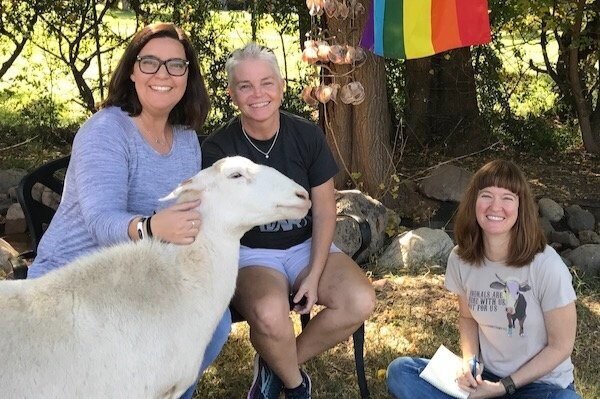
SELAH CAREFARM | ARIZONA, USA
“The world’s first therapeutic care farm for traumatic grief.”

CAHOOTS |
OREGON, USA
A model for a potential fourth emergency response team trialed in Eugene.

BRING CHANGE TO MIND | USA
An advocacy organization with a mission to end the stigma around mental health.
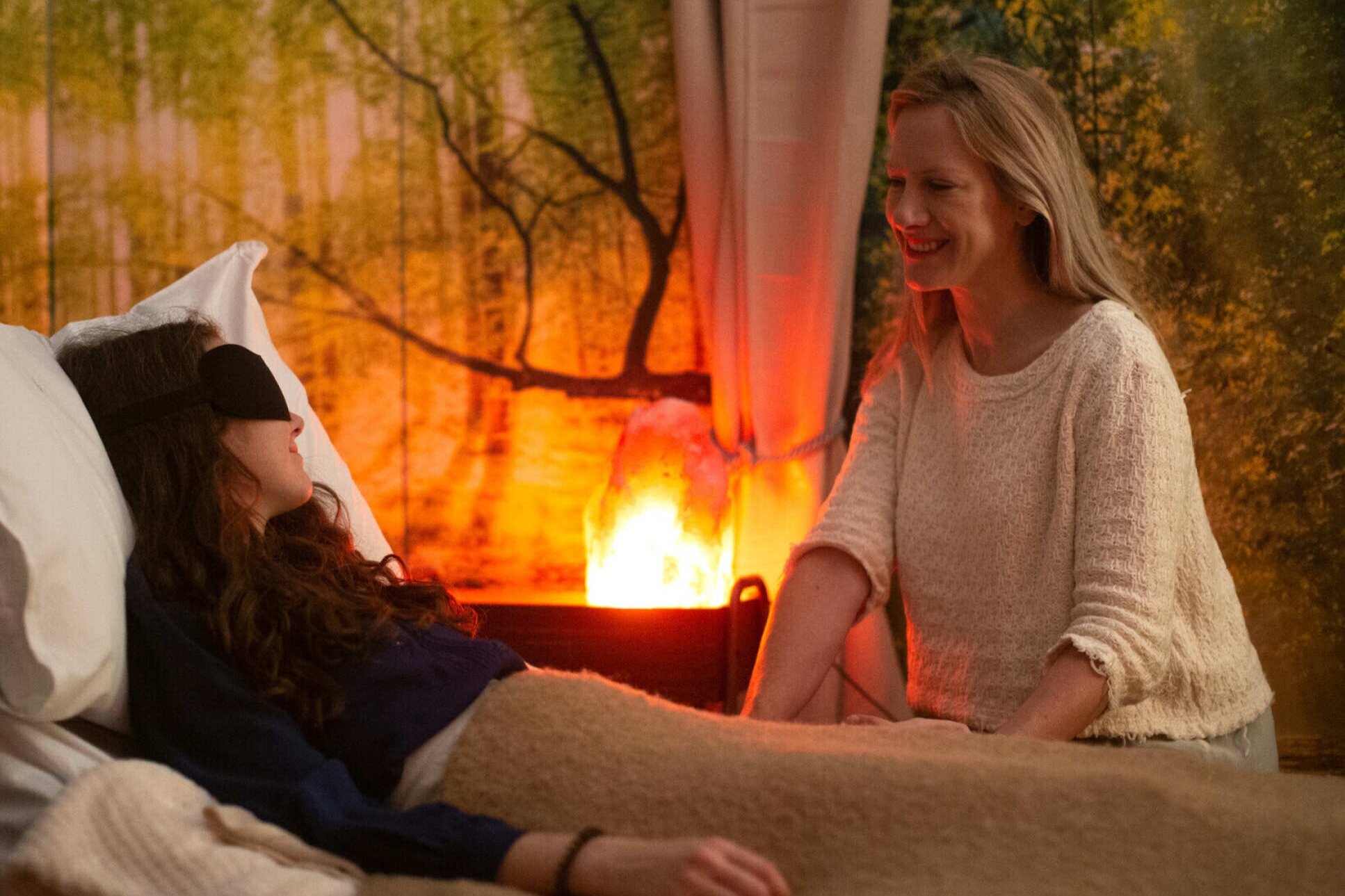
THE CENTER FOR PSYCHEDELIC RESEARCH | LONDON, UK
Based at Imperial College and focusing on the clinical potential of psychedelics, including their impact on depression.

HUMANITY CREW | GREECE
Co-founded by inspirational psychiatrist Essam Daod, bringing mental health resources to humanitarian crisis.
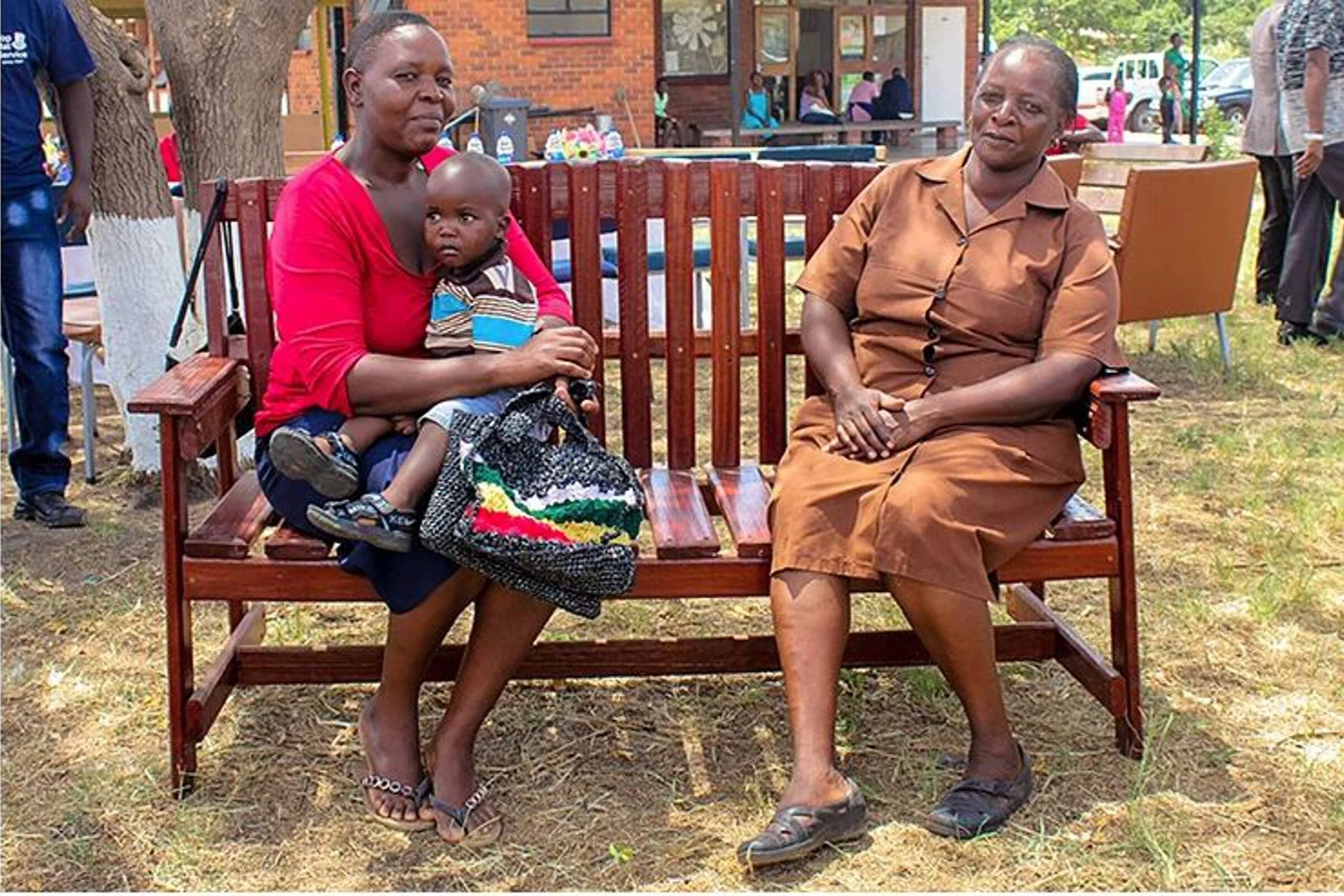
THE FRIENDSHIP BENCH | ZIMBABWE
Peer-led talking support within walking distance of anyone in a community

YA_ALL |
MANIPUR, INDIA
A safe space for children, adolescents and youth, and part of “an inclusive revolution” started by founder Sadam Hanjabam
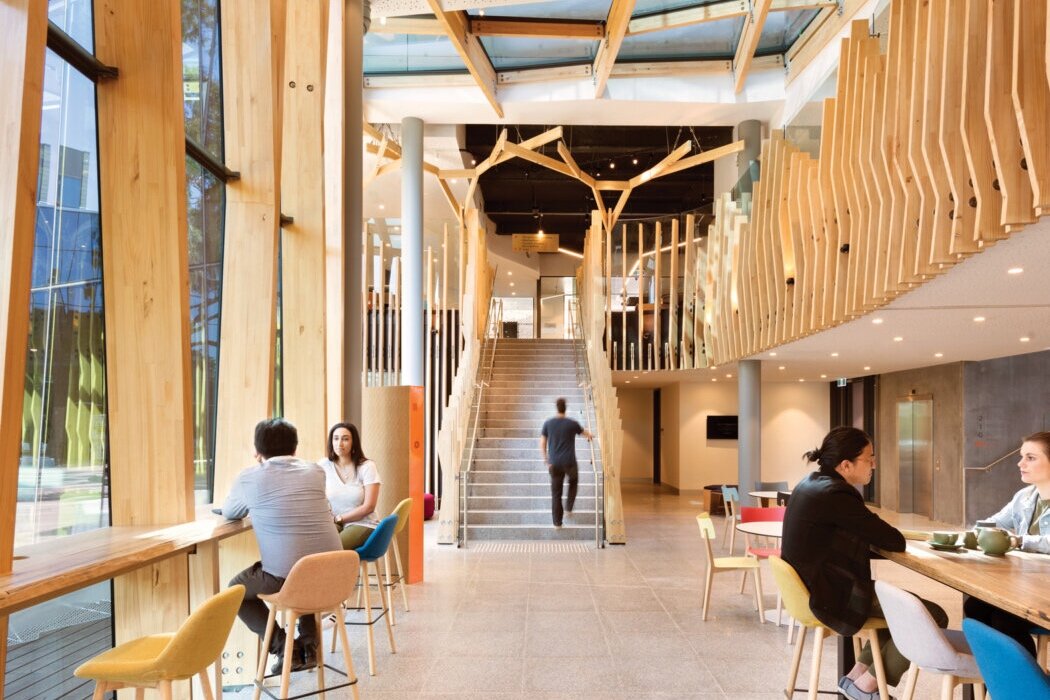
ORYGEN | AUSTRALIA
Shifting access to better mental health for young people through research, advocacy, clinical care and education.

A Prescription for Everyday Life: Bath (Part 1)
In the first of a new series, we’ve brought together our favourite places in Bath to seek out for bringing more creativity, purpose, nature, awe, doing good and mental wellbeing into your life.
We’re starting a new series with local prescriptions for everyday life. Each month — maybe more often if we can get it together and the world keeps opening — we’ll focus on one location and tell you about the independents, the social spaces, the nature spots, the creative outlets, and the communities — that can help you have more good days.
First up, Bath, Claire’s new home town. We’ve been discovering this Georgian city beyond the tourist places and the Bridgerton version we’ve come to love. Within its crescent streets and hilly avenues, Bath holds many possibilities for helping us live more thoughtful lives. Here are some of our newly discovered places for finding more of what we need.
For Purpose: Cassia

A recent addition to Bath’s creative life, Cassia Coworking and Café opened on the riverside this spring and has already attracted those of us seeking to get out of our houses and back into a beautifully designed working environment that doesn’t have dirty clothes on the floor, the same four walls around us, or Netflix tempting us.
You can choose to work out of the café, or you can book a space in the study — in which case you get access to the Snug for private phone calls, tea, coffee and water brought to you regularly throughout the day and a supportive group of people around you making things happen too.
A lockdown-born dream founded by Anna Sabine and Tom Graham who wanted to combine the benefits of a café, coworking and bar in one place, Cassia proves the antidote to our languishing moments. And with a set of values that matches many of the companies and individuals who choose to work out of here, it's becoming our go-to place for reconnecting with a world we’ve long been locked out of.
For Nature: Botanica Studios

What started as a market stall is now a densely packed house-plant pop-up (and consultancy business) founded by plant stylist Alice Dobie.
There’s a warm welcome for both the faint-hearted and the more adept, for those willing but maybe not yet able to cultivate greenery in their own homes and those with a collection they adore and are hoping to build upon. Many plants here are chosen for their tolerance like Ceropegia woodii (string of hearts) and golden pathos, others for the touches that they might add to a space.
Here the aesthetic appeal of plants sits closely with their calming benefits and ties to our emotional health, with plants as companions in our days, particularly the stay-at-home ones.
For Doing Good: Share and Repair:

Many a time we’ve had a toaster or printer that we couldn’t fix (in spite of Youtube videos) and that ultimately ended up at the tip, when they might have been revived and returned to life in our homes.
Step in Share and Repair founded by local Lorna Montgomery which fixes just this problem by providing the space, the volunteers and the know-how to get things working again. Just having celebrated its fourth birthday, this community group and charity also offers How-to Sessions to learn repair techniques yourself.
And if you’re trying to reduce the amount that you consume, you can also rent popular appliances, tools, house and garden items, and even camping equipment, so there’s no use once and throwaway culture going on but rather an investment in a shared community cupboard (their Library of Things) from which we can all borrow.
For Mental Wellbeing: Urban Garden
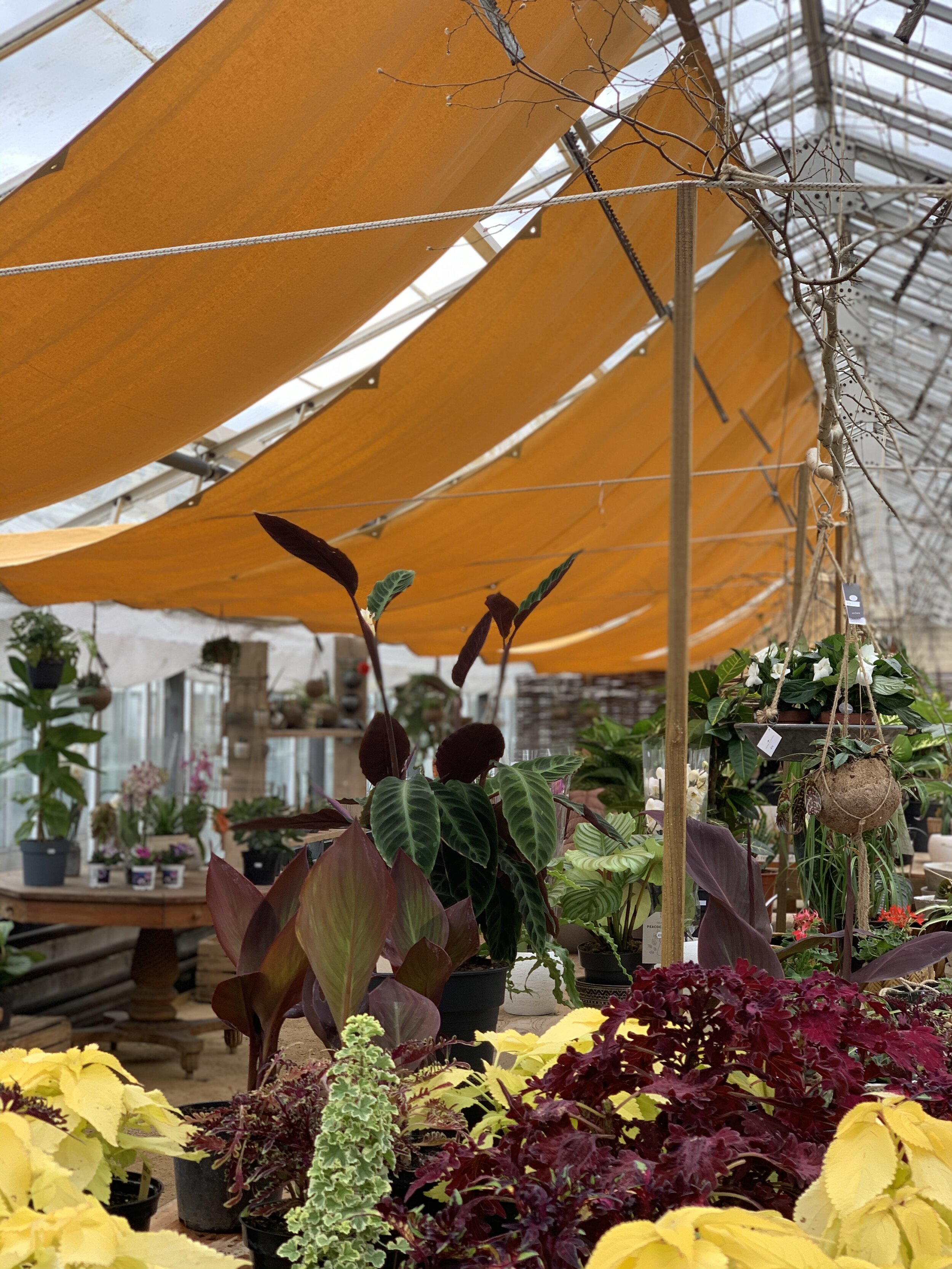
Many years in the making, this social enterprise and garden center in Royal Victoria Park recently opened after three failed attempts due to the shifting COVID situation.
As much about people as plants, the Urban Garden is run by Grow Yourself a Community Interest Company (CIC) that helps young people get back into work and partners with the charity Grow for Life which offers horticultural therapy programs. The range of plants (cacti, terrariums, edibles, shrubs, perennials) stocked in its light-filled glasshouses include many that are grown on-site in partnership with BANES council and volunteers.
But Urban Garden is not just committed to supporting our mental wellbeing but also to helping the environment too, with initiatives to reduce single-use plastics that include offering refillable (non-peat-based) compost bags and making use of posipots for taking new plants home.
Urban Garden is still in its early stages. There are also plans for public workshops and a café on site.
If you’re curious about how gardening, particularly in a community, can help you feel better, check this one out.
For Awe and Wonder: Persephone Books
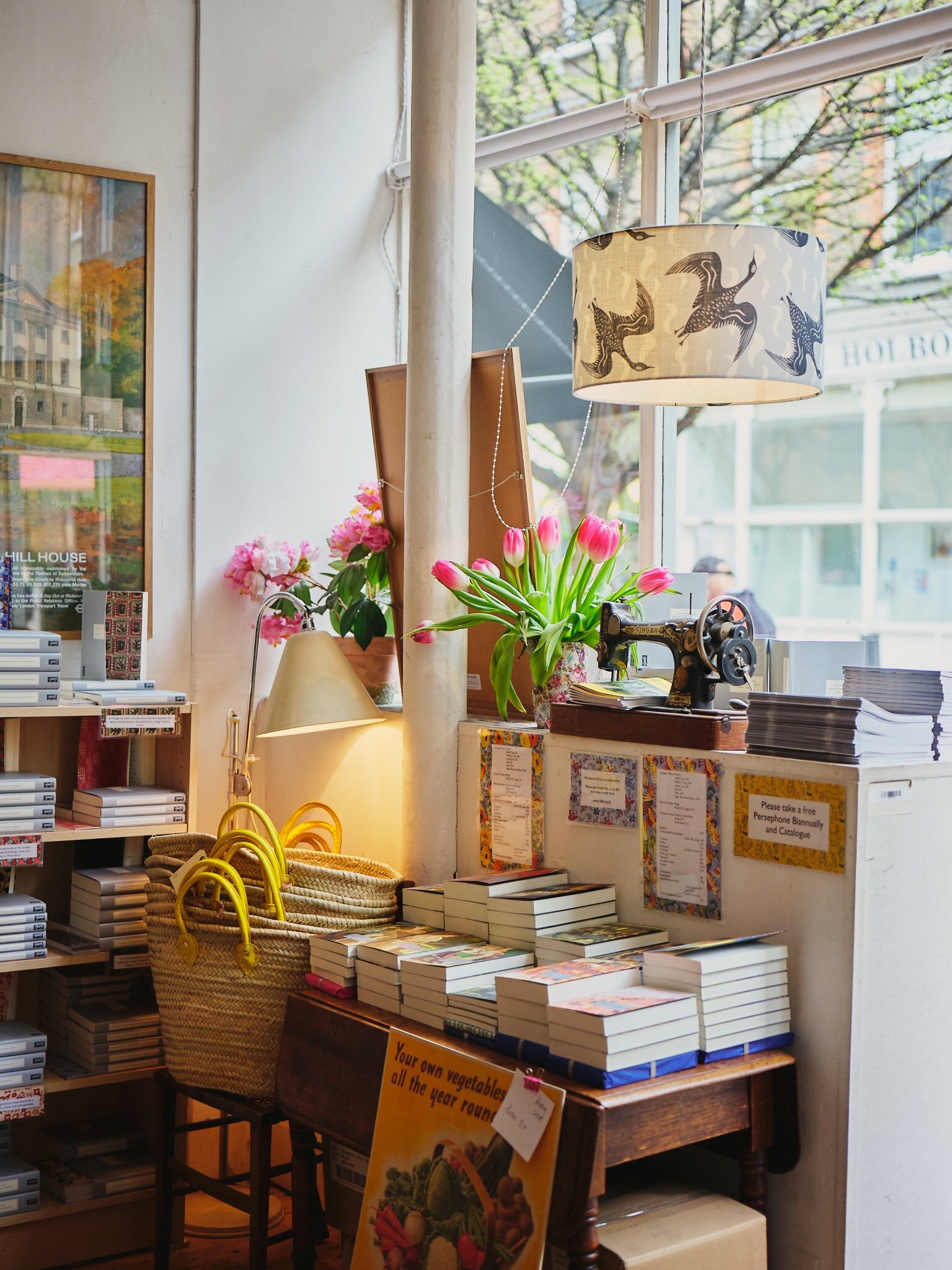
New to Bath, the charming Persephone Books brings some of its former home base of Bloomsbury to the city. This intimate bookstore showcases the independent Persephone publishing house founded in 1999 by Nicola Beauman – which The Observer has referred to as “The nearest thing British publishing has to a cult”.
Displayed across its shelves are each of Persephone’s 139 signature grey-jacked books by twentieth-century female writers, many from the mid-century and long-neglected. New to these writers, we found our way through with the helpful descriptors, some written by contemporary female cultural figures. Just choosing is a process of discovery, with short stories, memories, diaries, poems and cookbooks from writers you may already be acquainted with such as Virginia Woolf (A Room of One’s Own, no. 134) and Frances Hodgson Burnett (The Making of a Marchioness, no. 29), to many that may be new to you such as D.E. Stevenson (Miss Bundle’s Book, no.81) and Oriel Malet (Marjory Fleming, no. 17). A popular favourite is Miss Pettigrew Lives for a Day (book no. 21) by Winifred Watson.
Seek out the table of books they wished they had published: including recent BBC hit The Pursuit of Love. With the office right there at the back of the store, you can absorb the magic of book-making, while in the space upstairs there are plans for programs to support local writers.
There’s a palpable sense of reclaiming at Persephone – of the books that were almost lost, of lives often rushed through and here slowed down, of a love of reading often pushed aside by aimless scrolling. It marks a coming home for writers, the lives they trace, and for women’s creativity itself. Also for ourselves as we’re inspired to sit with a good book over a mug of tea.
Additionally, try: Mr. B’s Emporium of Reading Delights | Topping and Company | Magalleria
For Creativity and Culture: A Yarn Story

A University of Kentucky report recently claimed that our emotional well-being and self-esteem can be boosted by just one craft session. Inspired, we headed to A Yarn Story, on Bath’s artisan Walcot Street, which has been making space for the craft of knitting and crocheting since 2015.
Founded by west coaster Carmen Schmidt (from Oregon by way of Germany and Ireland), the store offers thoughtfully sourced patterns, tools and yarns, with many natural, hand-dyed, and even organic (Garthenor) on offer. It's designed for both the novice and the seasoned maker in mind with workshops and events to bring like-minded people together and refine skills (when times don’t allow for in-person there are virtual knit-nights).
Its fan base regularly celebrates this store as one of the best yarn shops in the country. We love it for its friendly service, with staff enthusiastically sharing ideas for projects and excitement over textures and colours.
On a recent visit, we were guided to the kits of Toft as a good starter project. We also discovered Nordic Knit Life magazine Laine and 52 Weeks of Shawls while there. One to seek out if you’re looking to bring more creativity into your life. In the words of Maya Angelou — once quoted on the store’s windows — ‘You can’t use up creativity…the more you use, the more you have.
Additionally, try: Meticulous Ink
Local to Bath? Let us know where we’ve missed? Where would you add to this Prescription for Everyday Life? Tell us the thoughtful places in Bath that help you find your way in the world.
In Part 2, we’ll cover our favourite places in Bath for Spirituality & Meaning, for Mind & Body Connection, for Untethering, and for Connection & Community. Have ideas for where we should feature in these categories? Reach out to us here.
And if you’re interested in writing about your city, complete this form and tell us where you seek out.

Get The Boys A Lift
A group of lads in Wales is making conversations about men’s mental health more acceptable at their cafe headquarters and beyond.
Go here if: you are looking for a supportive space to talk.
What is it: A not-for-profit coffee shop, community hub and drop-in counseling space in Haverford West run by a group of local lads who are vocal advocates for better mental health in Pembrokeshire.
Why you’ll love it: For its origin story and ongoing mission: when founder Gareth Owens returned from a year in New Zealand in 2016, he felt isolated. Remembering a couple of students at his school who had taken their own lives, Owens embarked on a walk around Wales to raise funds for mental health awareness and suicide prevention. Part of his strategy was printing branded T-shirts to raise additional funds.
The idea quickly caught the attention of others, and he was joined by more friends — including fellow GTBAL founders Jake Hicks, Steven Cristofaro and Mike Slack — for his next fundraiser, a hike to every UK capital. This morphed into further sponsored walks over the next few years, with the hugely popular campaigns and accompanying merchandise culminating in a donation of £12,000 to local and national mental health organizations.
But it also led them to start their own place — this place — that does the work that they realized needed to be done in their own community to raise mental health up the agenda, and make it ok to talk about what people, particularly men, are really going through in a safe, supportive space.
What you need to know: The coffee is good, like destination good (GTBAL was featured in The Independent Coffee Guide), there are board games and brownies to be had and a warm friendly welcome when you come through its doors. Beyond the coffee, there is free counseling on-site by trained practitioners which is significant when you realise the cost and access barriers that typically accompany therapy.
GTBAL are active campaigners for better mental health with recent campaigns including their Get Out and Get Active campaign, a recent climb in collaboration with a local gym, or Pints4Prevention, where you can donate the cost of a pint each month to support free counseling.
How to bring this into your life wherever you are: The merchandise supports the work of the social enterprise so ‘buy merch, fund counseling’. Or raise funds for the vital work that they do like one person’s recent shiver-inducing ’30 Days, 30 Swims’. Their founding ethos, you don’t need to know someone to give them a lift very much applies here.
Why we think it’s different: Get The Boys A Lift shifted from handing over the money raised to non-profits to launching a model of support that worked in its own community, a unique drop-in free counseling spot open to everyone. As more people need therapy, and waiting lists get longer, GTBAL is making it easier for people to access the help they need when they need it. If only there was one of these on every high street. Since the café started in April of 2019, it has funded mental health support for over 220 people in the community.
GTBAL is also stepping into the space of men’s mental health, crucial when two-thirds of suicides were carried out by men and one of the most vulnerable populations for suicide are males aged 45-49, but surprising when so much of the wellness and therapeutic fields continue to be associated with women. The stigma of needing and asking for help is still gendered, though thankfully this is starting to shift (see the advocacy work too of Jonny Benjamin for this and Prince Harry’s recent vocal testimonies to his own struggles with mental health.)
In their own words: “We’re a Community Interest Company based in the heart and soul of West Wales that pride ourselves on doing right by our community to help improve mental health within our own community as well as those further afield.”
Something to do: Allow the men in your life and your community to be open about their mental health. Hold back on any gendered assumptions about how someone should or shouldn’t be coping. Bring empathy, compassion and support to conversations with those who are open about their struggles. Make it ok for everyone to talk about their mental health, whatever that looks like for them and whoever they are.

Bath City Farm
How a suburban farm in Bath is raising our spirits along with the animals.
What is it: A working farm in a residential area of Bath.
What you need to know: The southwestern city of Bath is known for its hills and skyline views, but one of the most unexpected viewpoints is at Bath City Farm. Overlooking the west end of the city, Twerton and Bath Football Club ground, the farm is virtually hidden in the residential Whiteway neighbourhood. Sprawling across grassy hillsides, its 37 acres include pens for Gloucester Old Spot pigs, sheep fields, Shetland ponies, Dexter cattle, Pygmy goats, and chickens and ducks.
What they offer (online and off): Bath City Farm helps hundreds of people every year by running nearly a dozen social and educational projects, including Roots to Health, which supports adults with complex health and social needs. For local families, it’s a great spot to visit with young children and get to know more about farm animals. There’s also a café and a farm shop selling produce, jam and meat.
Why we think it matters: In a time when many of us live in cities, being around farmyard environments, seeing animals and experiencing the daily and seasonal rhythms of farms, can be hugely grounding for many different communities. Bath City Farm isn’t just a plucky working farm, it provides vital therapeutic activities and emotional and social support to hundreds of families and individuals in an under-resourced area of Bath.
In their own words: “When I was signed off work 18 years ago, the mental health team tried to get me into quite a lot of different things. Bath City Farm is the only place that got my interest. It’s made me much better coming here. I’ve learnt how to clip goats’ hooves, mend fencing and do lots of mucking out! It gives me something to look forward to every week. I love what I am doing here. It suits me down to the ground.” — volunteer, Bath City Farm
One piece of advice for where you are: Stop by to see the animals and pick up some fresh groceries, drop in for a cup of tea and a flapjack, or (if you’re looking for a community to join) sign up to be a volunteer. If you’re not based within reach of Bath, keep an eye on their Facebook page for news—recent updates include the arrival of a rare Large Black pig and new kids for a momma goat named Biscuit.

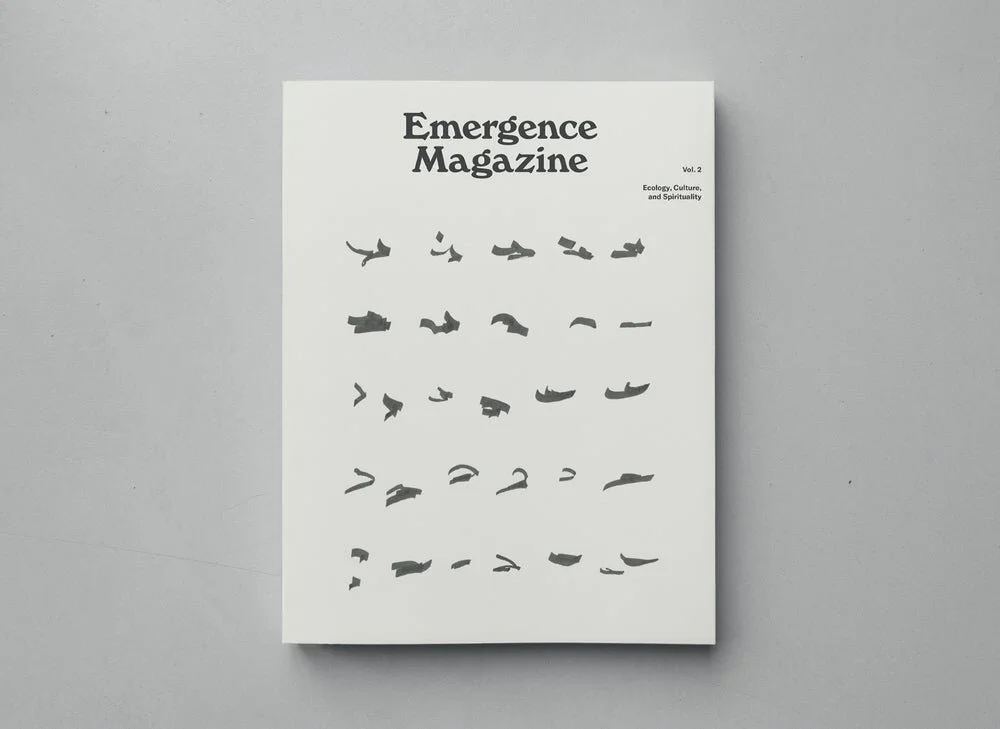
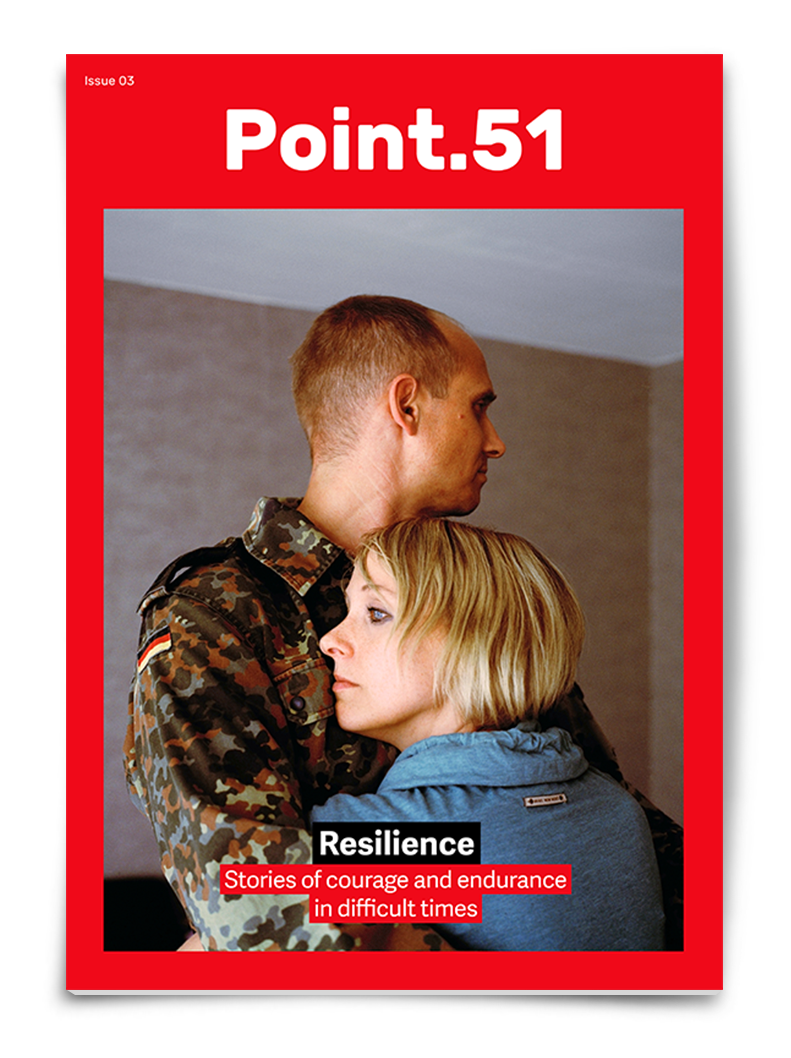
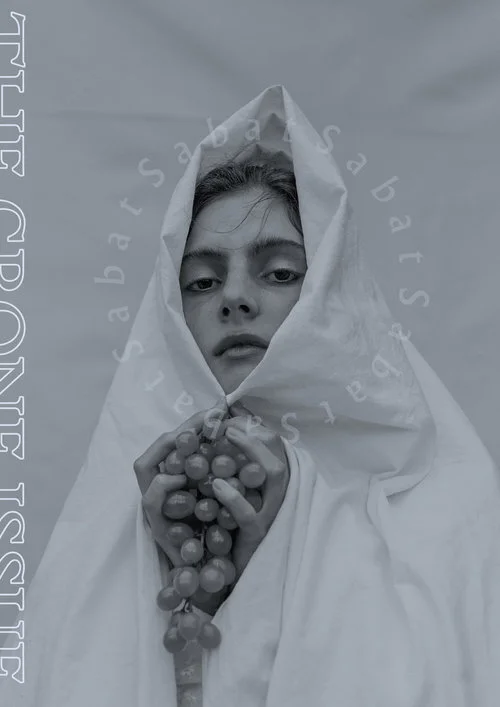
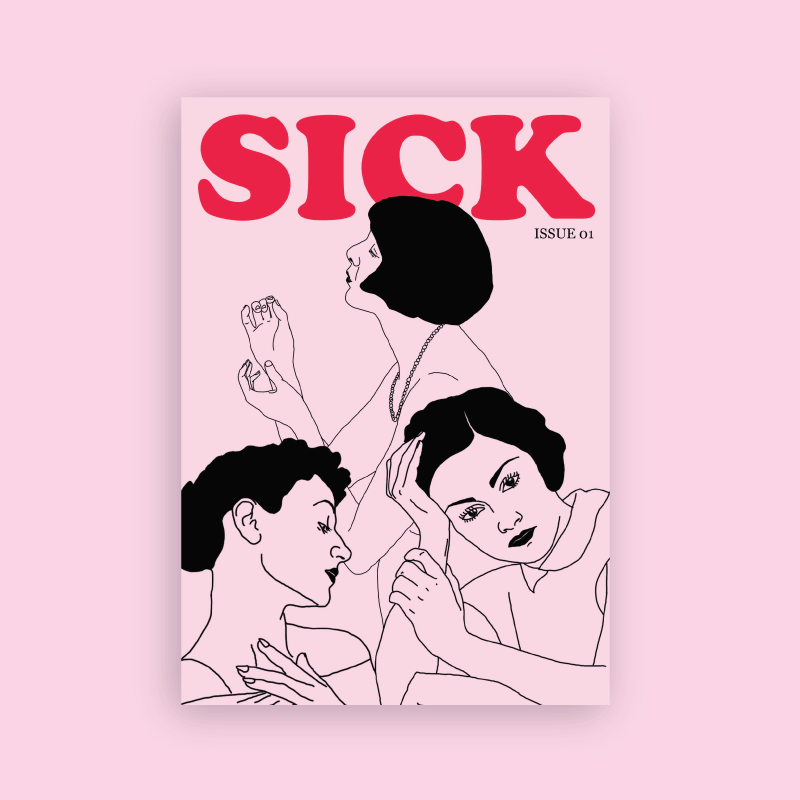
A Magazine Prescription from Magalleria
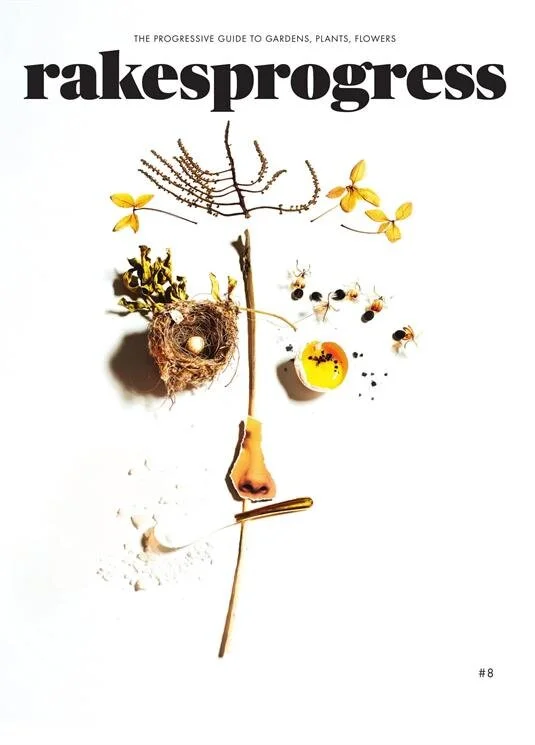
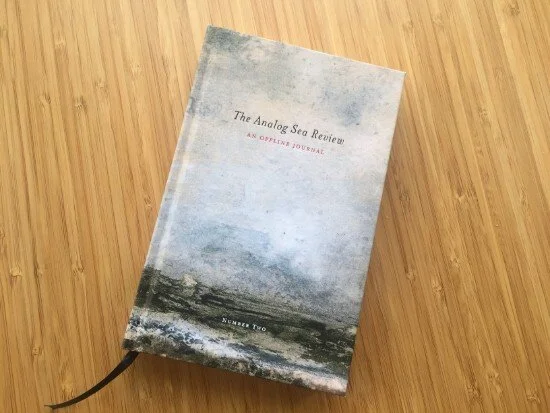
Magalleria founder Daniel McCabe’s recommendations for the magazines to seek out when we’re lost, lonely, anxious, or just curious. There are some new discoveries to be had here.
When we first started If Lost, Start Here, we knew that we wanted to take a broader view of the things that make us feel good in life. Wellness can mean yoga and spa retreats, but it can also mean finding connection dancing to live music, planting your own magical terrarium to find your way back to nature, and refining your emotional intelligence at a School of Life.
Restoring our own equilibrium, and helping others find their balance, has meant searching far and wide for the therapeutic in the everyday. That’s where Bath’s Magalleria has stepped in for us, particularly during the lockdowns. For me, losing myself in a store dedicated to independent magazines has been a crucial form of respite. It has helped me find ways to get off my phone and reconnect with the analogue, get out of my head to access different points of view, and push against assumptions of what printed material is, what creative expression can be and who gets to live a purposeful life.
Over the past few months as we couldn’t get out into the world, we’ve folded some of our go-to independent magazines into our Culture Therapy series but what we’ve really wanted to do for a while is bring in the expertise of Magalleria founder Daniel McCabe. So we invited him to write his own Culture Therapy prescription based on the magazines he knows so well and he very kindly agreed. Below are Daniel’s recommendations for all the things we need when we’re lost, lonely, anxious, or just curious, in his own words for why these choices matter.
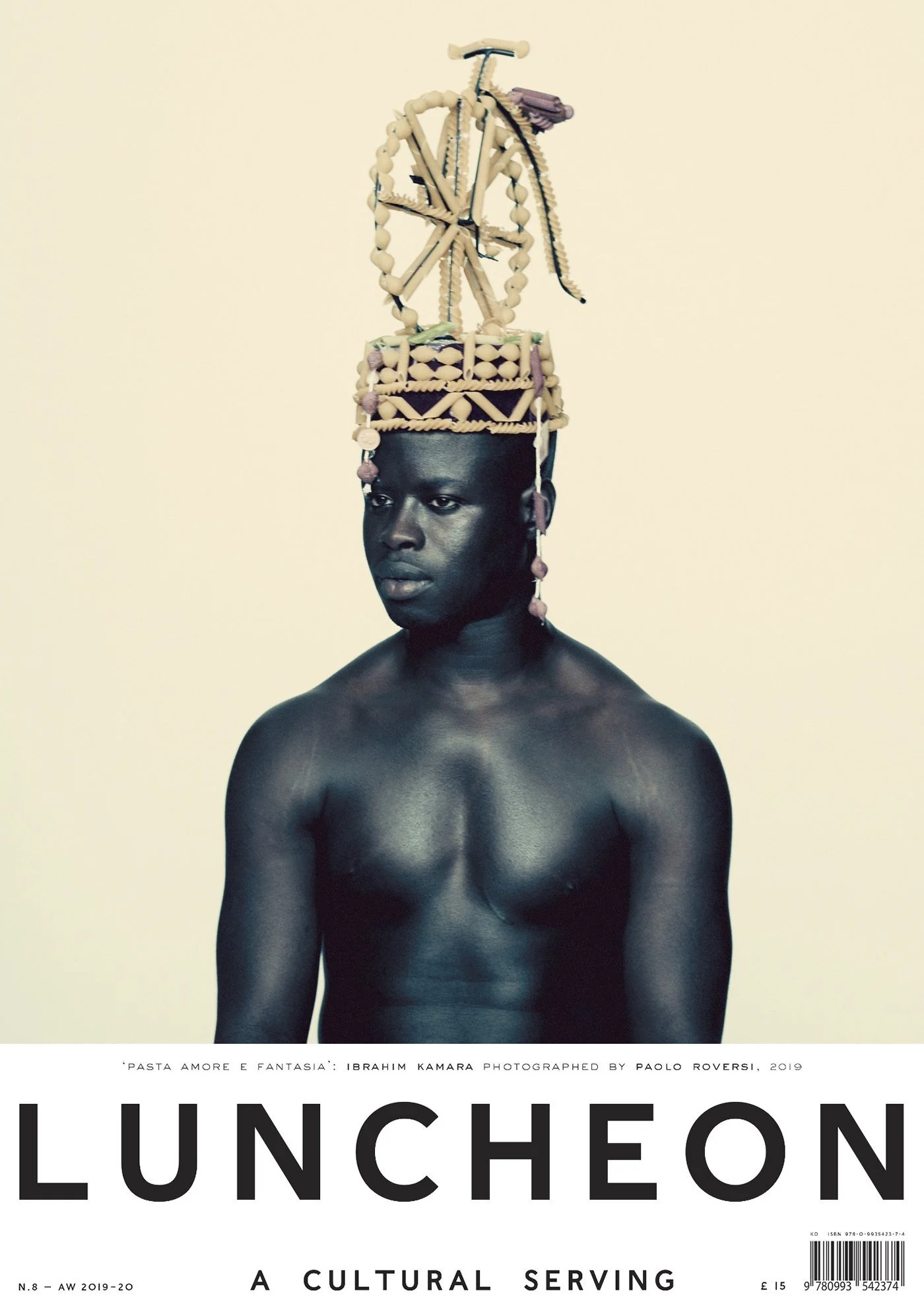
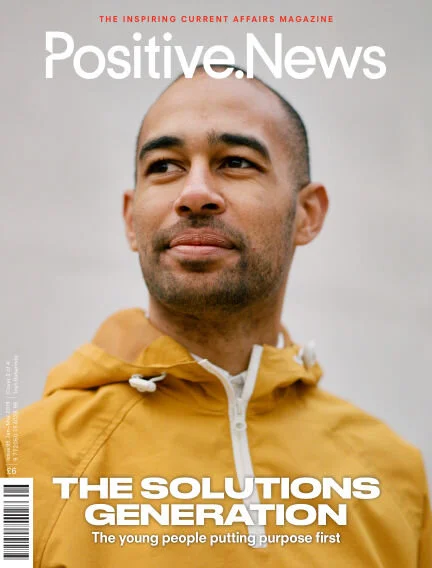

Easing Into Adventure
Tips for overcoming anxiety, introversion and overwhelm so you can say “Yes!” to doing more of the things you (actually) want to do.
It might seem ironic that someone who struggles to leave the house is the co-founder of a project designed to get people out and into the world. But when you stop to think about it, maybe it’s actually less ironic, and more...necessary?
So often it is the confident extroverts of the world who are guiding us through our days, making recommendations for the must-see places of the world, filling us in on the latest go-to destinations, hashtagging their way into our hearts with their carefree wanderlust. While this is lovely and appreciated and a gift to so many...for some, it can make an already impossible-seeming task feel even more impossible. Like many people who live with anxiety and depression, I understand the value of getting out into the world (and long for the “good” days when I feel capable of doing so)...but I also understand that it isn’t always easy, or, in some cases, even possible.
I spent many years absolutely terrified to be in the world. Trapped in my home / my car / my mind.
If this project has taught me anything, it’s that healing can be gentle...gradual. We don’t have to power through and push beyond everything that makes us uncomfortable all at once, and we certainly don’t deserve to suffer the wrath of our own judgment when we can’t. If the goal of life is progress and forward momentum...I think it makes sense then to choose the paths that bring us the most comfort and joy, to hold ourselves accountable, sure, but more importantly to hold ourselves. I hope these tips help to ease you into doing more of the things you want to do. Please share with anyone who could use a boost.


First Art Kit: A Conversation with author & illustrator Boo Paterson
On the publication of her new book First Art Kit, we caught up with Boo Paterson to talk about how therapy and paper crafting can come together, why using our hands can help our brains, and how sometimes peace can be found in a paper Gramophone sitting on our bedstand.
“Hope comes from working to overcome your problems, so they no longer have a detrimental effect on your life. The first step is in identifying what’s going on — which is where I think First Art Kit can help.”
Over the past year of uncertainty, many of us have been searching for that something that works for us. We’ve had to go looking for that thing that can ground us. We’ve had to develop new strategies to contend with our anxieties and our struggles. For many of us, what we’ve found to help ourselves is Creativity.
As our world shifts and shifts again, watercolor sets have been opened, easels purchased, and sketchpads taken on daily walks. Some of us have picked up a pencil for the first time, some have returned to a lost passion long abandoned in school art class. A few have even managed to nurture a hobby into a profession.
Creativity has now staked its place firmly within the realm of mental health. We’re becoming accustomed to it being something to reach for when we’re lost, lonely or anxious. For journalist, illustrator and book sculptor Boo Paterson art has long been a cure for her soul and with her soon-to-be-released book First Art Kit we all get to benefit from her learnings.
In this book of modern creative remedies, Boo brings together common emotional and psychological ailments, from anxiety to insomnia, with paper crafting projects that have helped her navigate her life and that might help each of us in our own. With each paper trace and fold, each twist and tear, Boo takes us step by step through possible antidotes, with projects that get us into a state of flow, signpost changes in our own behaviour and give hope for whatever our situation might be.
Recently awarded the prestigious American Illustration Awards 2021, we caught up with Boo to talk about how therapy and paper crafting can come together, why using our hands can help our brains, and how sometimes peace can be found in a paper Gramophone sitting on our bedstand.
In First Art Kit, you pull together a few strands that we’re often used to seeing separately, the craft of paper-cutting, the practice of therapy, your own story and mental wellness more widely. How did you come to bring them together in this way?
I had a traumatic upbringing and consequently suffer from severe depression. A few years ago, I was going through another black-dog episode and began to think ‘you’ve had loads of therapy — why don’t you make a first aid kit for your brain from the advice you’ve had?’
Then I thought I could make things out of paper that were connected to each psychological cure as reminders for me to do the work because therapy *is* hard work!
I’ve been making things out of paper since I was a very young child and this later became what I was known for as an adult. It’s my go-to material for expressing myself. I knew almost instantly that the idea would make a cool book that could potentially help other people, and this spark of ingenuity actually lifted me out of the depression. I came up with the title and the design within the first 5 minutes: I wanted it to look like a vintage first aid kit.
The crafts in First Art Kit aren’t just papercutting, they’re all different types of paper creations; collage, book sculpture, construction, and colouring. I chose paper because it’s easily accessible to all, inexpensive, and recyclable. Also, paper is unintimidating; many people who think of themselves as ‘bad at art’ are put off by paints and other media, feeling that they have no skills and that they’ll somehow embarrass themselves. But people handle paper every day. It’s seen as something that everyone can use.

Header image: Photo Alex Robson
I love how the book normalises everyday life — the moments we feel we have low self-esteem, or experience anger, or struggle with family members for instance. It universalises our emotional and mental wellbeing. How did you choose the 25 ailments covered in the book? What’s the balance between what you’ve experienced in your own life and how you understand the experiences of others?
I’ve had 23 years of different types of therapy — and every type I’ve tried has benefited me in some way. The last treatment I had was Schema Therapy plus EMDR for trauma, which I have found to be the most useful of all, as it rewires your brain so you no longer default to problem coping strategies. It does seem to have cured my depression and PTSD.
Each chapter tackles a different problem, such as insomnia or anxiety, for example. I’d say I’ve personally dealt with about 18 of the 25 problems and I started writing about those first because, remember, the book was initially created to cure me!
I then began to think of friends’ struggles — such as hoarding or eating disorders — which I’ve never had, but have been on the periphery of. So that’s what I researched next.
The crafts themselves are therapeutic, allowing people to get into a ‘flow state’ of deep concentration. It’s a state that children are frequently in through play, but that adults hardly ever experience. It’s incredibly relaxing and allows the chatter of your brain to be switched off. Making things with your hands also gives people a sense of mastery, which is very important for self-esteem.
As my shrinks never tired of telling me, it’s normal to have a range of emotions. No one is happy all the time, and it wouldn’t be ideal if you were. For those who don’t have problematic behaviours, there is still something here for you — if you’re on a downer, you can read the advice, and relax by doing the crafts.
For those rare people with no problems at all, it can just be used as a craft book!
What’s your hope when someone picks up this book?
I hope that people who’ve never been to therapy and who have little experience of psychology can get a little insight into what the real reason for their unhappiness might be and that it leads them on a journey to find out more and even seek treatment. I also hope that people can get some light relief from doing the crafts, relaxing into the flow state, picking up new skills and learning to incorporate these into their daily life.

Photo: Alex Robson
I like how some of the projects feel like talismen almost, as reminders of some learning, others as meditative exercises, and others as ways of processing something. Some of them are funny and whimsical, others heartbreaking, or heady/conceptual. How did you connect the ailments to the projects; what purpose are you hoping they’ll serve and did that shift as you developed this book?
I wanted them to be beautiful — that’s always a given for me. And I wanted them to be linked in some way to the psychological work that people would have to do. You have to practise therapeutic cures repeatedly to make them stick. I thought if they were unusual, in whatever manner, then that would make users have a connection with the objects.
I guess the reason they came out as they did — with this range of emotions associated with them — is just how my brain works. I reckoned that if I wanted a mini-gramophone made out of paper on my mantlepiece, then probably other people would too!
You mention your own experience with therapy in the preface and you’ve mentioned elsewhere that you’ve been in therapy for 23 years. I’m curious about your relationship with therapy now. This book feels very open to the practice and brings in advice from your own sessions, so you seem therapy-curious still?
My Schema Therapy and EMDR finished in January and its effect on me has been amazing, so I don’t actually need therapy anymore. I exhibit completely different behaviours now.
My parents were alcoholics, so were emotionally absent, and I couldn’t rely on them to meet my needs. As is typical of children who never had their needs met, I continued to put myself in situations where they would not be met as an adult, because that is what is comfortable.
I was face-palming myself all during Schema Therapy, at each realisation that I was inflicting these cruelties on myself.
A good example is this: I have Raynaud’s Syndrome, so I’m always cold unless it’s about 25 degrees. But I wouldn’t switch the heating on unless it was below about 5 degrees. I would sit in the house in my coat — or sometimes two coats — and a hat and scarf, saying it was because I couldn’t afford the heating.
But keeping myself poor was also one of my problem behaviours. I felt I didn’t deserve to have financial security or warmth, or enough food; just the bare minimum, as I’d grown up with emotional deprivation.
As I was undergoing the Schema Therapy, I suddenly noticed that I was starting to turn the heating on as soon as I felt even slightly cold — it made me laugh, actually, as it was so unusual. It became automatic and over-rode the original problem behaviour. So much so that I started meeting my needs all over the place! Now I not only turn the heating on, but buy nice food, and treat myself as I treat others.

Photo: Alex Robson
Why do you think so many people are now turning to creativity as a tool to think about and manage their relationship with themselves and their lives?
Well, it’s completely enjoyable for a start. But there are also numerous studies showing how it alleviates anxiety, depression and stress. I mean, art therapy isn’t a highly skilled profession for nothing.
How do you hope First Art Kit might help in our current moment, of increased loneliness and disconnection, and our collective need to heal from the past year (and keep hopeful in the coming months)?
I think that there’s an element of kismet in First Art Kit coming out at a time of worldwide collective trauma. Many people — who could distract themselves in normal times — were left for the first time to have a good hard look that their problems and their personal situations. People realised what they did and didn’t need. Emotional needs were actually talked about in public discourse, which rarely happened before.
People who have considered the subject of mental health to be embarrassing or un-macho are now verbalising their problems.
Hope comes from working to overcome your problems, so they no longer have a detrimental effect on your life. The first step is in identifying what’s going on — which is where I think First Art Kit can help. Most people have no idea why they act the way they do.
Could you tell me a little about the process of making this book over the 6 months of the first lockdown? I was sorry to learn that you lost loved ones.
I had started writing the words in December 2019 and started conceptualizing and creating the crafts by February 2020. My aunty died around the time of the first lockdown in March, my mum in May, my uncle in August, my friend of 30 years in October and another great friend the day after my birthday in January 2021.
It was like a grenade going off in my face every couple of months. I have actually had a year like this before though: I lost six loved ones in seven months in 2016. So that experience helped somewhat, in that I knew it was normal to feel absolutely abnormal most of the time. I knew that it would take years to process, because — for me anyway — after 3 deaths you don’t have the capacity to grieve for any more people. You kind of put them on a mental back-burner and the grief for them hits you later — sometimes years later.
As for doing the book at the same time, well this is where a dysfunctional childhood really comes into its own! If it doesn’t completely break you, it makes you highly resilient; to the extent where you can cope with almost any trauma and also hold down a full-time job. You’re so used to having no one to rely on that you just get on with it. So I did.
You’ve long used art as an escape. What did that look like for you as a child and how did it help you?
Well, the ‘artist as a tortured soul’ isn’t a cliche for nothing. In childhood, as in adulthood, art allows you to funnel emotional pain out of you and onto a page, where you can process it. Sometimes it’s beautiful, sometimes it’s ugly, but it’s always meaningful.
Personally, I like to create beauty out of suffering, then I feel I’ve converted pain into something worthwhile that others can enjoy.

Photo: Alex Robson
What drew you to paper cutting in particular as a child and why does it continue to be something that you do in your life?
One of my earliest memories was watching an episode of Me and You with my mum — I was probably 3 or 4. They showed you how to make a birdcage out of paper and so I followed along and was amazed that I could make something flat into something 3D.
I also had a ‘play box’, which was a big cardboard box filled with Fairy bottles, loo-roll tubes, and scrap paper; I think we’d now call it ‘the recycling’, but we made our own fun in the 70s. Luckily, there was a plentiful supply of scrap paper as my dad was an author, as well as being a fireman, so all his manuscript pages that didn’t make the cut went into the play box.
I suppose if there had been oil paints and canvas lying around, I would have been into that.
You’ve experienced first-hand the surge in popularity of paper cutting? What do you attribute this to?
I suppose I’m partly responsible for this, as I created Papercut This Book to allow people with no artistic experience to get really nice results papercutting using templates. But aside from that, it’s the case of paper being cheap and available to all — so paper cutting is really a democratic art and craft.
Departing from the book, can you tell me a little about your book holiday course and how this came about?
I’m a book sculptor and created a 15-day e-course to let people immerse themselves in the joy of books and related arts and crafts, and like First Art Kit, its main thrust was to improve overall wellbeing.
I came up with the idea when I was incredibly stressed, and a friend told me to take a week off and do nothing but read books. I loved that idea of taking a vacation from life to be creative with books, and so Book Holiday was born. And, of course, I didn’t take a week off to read books — I got stuck in creating the course instead!
Last question, where do you go when you are lost, lonely, anxious or curious?
Books for when I’m lost, lonely or curious; either reading them or making things out of them.
I’ve been doing Transcendental Meditation for several years now, so I no longer experience anxiety.

Boo Paterson is an artist, illustrator, and journalist whose papercuts and book sculptures have been exhibited at the prestigious Royal Scottish Academy and short-listed for the World Illustration Awards twice. She is a regular cultural commentator for the BBC, and extensive coverage of her artwork has appeared in publications across the world, including the Guardian, the Week, and the Sunday Times. Boo divides her time between New York and the UK.
To learn more about Boo, visit her online.
Boo Paterson, First Art Kit: 25 Creative Papercraft Remedies for What Ails You
Published by Simon & Schuster.

The Little Retreat & The Big Retreat Festival | A Conversation with founder Amber Rich
We speak to Amber Rich, founder of The Little Retreat and The Big Retreat Festival about how she arrived at these projects, how wellness is now something that we all reach for, and her role as a curator of discovery and awe.
To call The Little Retreat in Pembrokeshire glamping is like calling Glennon Doyle a blogger. Staying in one of the wood-furnace heated domes (with furniture you’d find in a boutique hotel), warming up in your own Scandi hot tub, or roasting smores by a private fire pit after a day at the beach or walking in the Preseli Hills, you’ll sink into what life could be if we stopped for a while to notice its possibilities.
The Little Retreat was founded by Amber Rich, who also curates The Big Retreat “feel-good festival” that takes place on these grounds (2022 tickets are already on sale), and from which it takes its cue. Where the festival has a Darwin den, campfire stage, cold water swims in The Cleddau, a talk tent curated by Shelf Help director Toni Jones, and creative workshops, its weekend away counterpart has sustainability woven through its design, foraging workshops about to start, stargazing tents with views of dark skies, and curated programs focusing on such practices as breathwork, yoga, arts and craft. The festival and retreat overlap, exchange ideas, and share their approach, with both offering a slowed-down lifestyle and collective experiences that get you closer to a vision of how you might shape your own life when you return back to it.
After a few days at The Little Retreat, we had the chance to speak with Amber about how she arrived at this place, how closely the festival and the retreat are connected, and how wellness is now something that we all reach for:
Let’s start with the connection between The Big Retreat and The Little Retreat. Why did you start them and how do they connect? If the core value of the festival is one of ‘discovery’, how would you describe the retreat?
I used to own my own gym and ran fitness and wellbeing classes to improve mental and physical health. After the birth of my daughter Bea (who is now 7) I decided that I wanted to utilise the family land to create a sanctuary where people could come to escape their busy lives, pause and reconnect. This was the start of the original "Little Retreats".
I found that these retreats were having such a profound effect on people’s lives and making a real difference: One lady who attended had not been able to sleep for years. After our retreat, she learnt how to pause and use those skills to have her first good night’s sleep in 7 years! It was feedback like this that spurred me on to create The Big Retreat Festival.
I wanted to create a space where people could come and discover breath work, fire walking, gong baths, yoga, wild swimming, forest bathing — literally anything and everything that allowed people to "find their feel good". It also included festival favourites such as gin workshops and music to enhance people’s experience and wellbeing.
I realised that giving people time and space in a beautiful setting to discover all of these wonderful life-enhancing experiences could really make a positive change in people’s lives.
Discovery and "finding your feel good" still remains the core value to this day.
What do you think people are looking for who stay with you or attend one of your events?
I think people are looking for time to reflect on themselves, to unplug from daily life and to find out what makes them feel good. We are perfectly poised in the heart of the Pembrokeshire National Park on the banks of the "Secret Waterway". The stunning location inspires awe and wonder every time and we think the unique setting coupled with a sanctuary and safe space to discover is the catalyst for change.

What do you hope people experience with the projects that you create? What do you hope they take away and bring into their everyday lives?
I hope that people’s appreciation for nature and the outdoors grows and they are able to reconnect and utilise outdoor space to improve their wellbeing. I think it’s important with the complexity of modern living that people are reminded that sometimes it’s the simple things that bring us the most happiness.
If you attend one of our Feel Good Retreats you will learn skills that you can take away with you and implement straight away in your everyday life. The goal is to inspire people to reset and to really connect with themselves and the great outdoors.
I see my role as a curator of discovery and awe, allowing people the opportunity to reset, rethink and equip themselves with a host of skills and experiences — a toolkit that they can take home and continue to use to ultimately change their path and enhance their lives.
How do you think the idea of wellness has shifted since you started The Little and Big Retreats?
When I first began The Little Retreat the words wellbeing and wellness were quite niche and only appealed to a select few. Today looking after your mental and physical health is much more mainstream and in the public psyche. With the Covid pandemic more and more people are realising just how important nature and mental as well as physical health are to enhance our lives. That is one positive we can take away from the Covid pandemic.

What motivates you to create these spaces in the world? What kept you going during recent challenges?
My key motivation is to provide a sanctuary that allows people to discover not only nature but how to unwind and reconnect for their physical and mental health. A safe space where people are free to discover and pause.
The design of the space at The Little Retreat was about focusing on ways for people to connect with the outdoors without necessarily having to "rough it" to experience the joys of being close to nature. A key focus was also to have a minimal impact on the surrounding ecology and landscape.
The pandemic has actually given me the time and space to take ecology and planning into focus and look at ways for nature to thrive. We noticed during the pandemic the return of otters on the river banks and native oysters that had previously been wiped out due to human impact. This rewinding of our natural space showed me just how important it is to tread lightly on the site and in everything we do. We have worked to encourage nature in the planning — from bat boxes, swallow bricks, hedgehog runs, planting native species and harvesting the rainwater. We are really hoping to reduce our carbon footprint at both The Little Retreat and The Big Retreat Festival.
Over the pandemic, I realised that conserving the area was so important for nature and our own wellbeing that I set up the nonprofit arm "The Big Retreat Community". This is geared at enhancing and protecting nature as well as giving welsh artists a platform at our next festival.
In our guide for life, we roam across ten different pathways in the places that we feature and I’m curious about where you’d position your projects and why?
After looking through your Ten Pathways it is extremely difficult to choose one. All of them are intertwined intrinsically in everything we do from untethering upon arrival, to reconnecting mind and spirit right through to purpose and doing good. All of your pathways align exactly with our mission and how we conduct our projects.

How do you bring the values of the places you create into your own life?
I am constantly trying new things and discovering not only the latest external wellbeing practices but rediscovering the landscape. I make sure I set aside time every day to do this. Whether it’s a cooling wild swim in the Cleddau or a mindful walk through the woodland set around our site. I make sure that at least once a day I allow time for myself to reconnect and discover. I think it is so important to schedule this time into your diary in the same way you would an appointment at the doctor’s.
As we emerge from the lockdowns and are maybe feeling more hopeful about our worlds, is there anything that you’re particularly excited about going forwards?
There is so much going on at The Little Retreats this year it’s actually really really exciting. We have the addition of wild food workshops offering a foraging course and a 12-course dinner, the release of our Find Your Feel Good In Pembrokeshire guide, wild swimming sessions, forest bathing, and breathwork. We are currently building the space for the new stargazer tents with outdoor hot baths — a perfect opportunity to make the most of our stunning location in an official UK Dark Sky reserve. There are so many things that are organically falling into place.
We want both The Little and The Big Retreat to be a sanctuary and a beacon for anyone and everyone who wants to set aside time to find out just what it is that makes them tick and "find their feel good".
While there: we recommend pastries and bread from the micro bakery in the village Hugtasty, the award-winning beach shack Café Mor at Freshwater West (also the site of Dobby’s resting place), the stunning beaches, hikes, and paddle-boarding at Stackpole, and cafe with a mission Get the Boys a Lift.

LOST: Myself | FOUND: A limited edition of one
How do you find yourself when you’ve become lost even to yourself? Here coach Amanda Blair helps us navigate our way again.
Once upon a time, every single human being on the planet was born as a limited edition of one. We began to crawl about on a pioneering discovery tour, taking in our new world with curiosity and amazement. The gift of walking enhanced our spirit of adventure. Then, step-by-step, we began to imitate others. That was how we learned life-changing skills, from speaking to cleaning our teeth.
The less fun side of this mirroring came when we started to paddle in the sea of sameness. There was pressure to have a certain appearance, from a slender body to ripped jeans. Perhaps we were encouraged to pursue a career path that carried an externally applied success label. That would magically mean that we could purchase the dream homes, kitchens, and holidays that yelled at us from ads.
Then there was the layer of “shoulds” related to adhering to social, gender-specific, and cultural norms. The sea of sameness can get scary and ultimately swallow us up. The temptation to fit in and measure up to standards we didn’t set ourselves endangers our mental and physical wellbeing. We get lost.
So how can we return to factory settings and start to use our onboard uniqueness to achieve the happiness, success, and wellbeing WE define? Spoiler Alert. It’s not actually that hard. The answer is to explore, express, and enjoy our “daily differentness”, the everyday behaviors, actions, and thoughts that make us who we are and nobody else can ever be. This is an easily accessible, playful tool with the potential to develop into a helpful default mindset.
Your daily differentness inputs can be gathered in a variety of forms. You can write down examples of your onboard uniqueness in a journal or notebook. Maybe it’s more your thing to record them on your phone. Or you can take photos, or even do some quick sketches, to make sure they don’t escape you. Another possibility is simply to reflect on them during a walk, meditation, or coffee break. Anything goes, because this authentic proof of your uniqueness belongs 100% to you and nobody else.
Your map
Take time to think about the path you took to get to where you are today. It’s a guaranteed limited edition of one from the very start. What comes up for you when you think of the place where you spent a significant part of your childhood? Focus on associations that only you would have – memories of weddings, birthdays, or other events you experienced or your favorite hangouts… What did the place give you? Moving on from there, where were you when some of the turning points or highlights of your life to date happened? Revisit them in your mind and try to remember how they made you feel. Think of three places where you felt or feel good and go there in your mind, via a Google search, or even physically. What surroundings would you like to be in right now if feasibility wasn’t an issue? This is YOUR map and you are the only person who needs to find their way around it.
Your language
Your one-off route through life will of course have an original script. Every human being has their own unique vocabulary. Furthermore, no two people have been part of exactly the same repertoire of conversations during their life. We are all affected by different words spoken by others. Try scan-reading a block of text on your phone, tablet, or computer screen. What words jump out and what thoughts or images do they trigger? What does silence mean to you? In which situations has it been positive and in which ones has it been negative? How did you behave in these moments? What secret code words do you have? For instance, have you invented a nickname for yourself or someone else? Do you use a particular word in a way that would be foreign to a person with the same native language? By discovering how rich and diverse our own language is, we are nurturing our voice, the voice that we need in order to speak our truth.
Your equipment
Each of us has a unique combination of perceptions, strengths, skills, connections, and likes. What was your favorite childhood food? Do you still have access to it? If so, try it and see what it evokes now. Go for a walk, no matter how short. Commit to looking out for something that will not have caught anyone else’s eye, be that an animal shape you see in a cloud, or a stranger wearing an item of clothing that reminds you of someone you know or have known in the past. Bring to mind a small gesture or action that reflects who you really are and how you see the world. Think of someone who has had a positive impact on your life. What characteristic of theirs do you appreciate most and why? No one can steal what belongs 100% to you.
Your reward
So how can developing the daily differentness muscle and mindset serve you?
· It reveals who you really are and can flourish being.
· It highlights the unique contribution you make to the situations, communities and relationships that make up your everyday life.
· It opens your mind to the differentness of others, enabling you to live diversity rather than just talk about it.
Some Resources:
Limited Edition of One: The Book
The Cloud Appreciation Society
The Power of Diversity Within Yourself, Rebecca Hwang for TED

The Lake Shrine
Neuroscientist Dr. Daya Grant discovers a sanctuary in Los Angeles for reflection and a moment of respite from it all.
“Live each present moment completely and the future will take care of itself. Fully enjoy the wonder and beauty of each instant.”
What is it: The Lake Shrine is a sanctuary in the heart of Los Angeles. The beautiful grounds have a small lake (with turtles, koi fish, and two exquisite swans) surrounded by a walking path, pristine plants, flowers, and trees, as well as benches for reflection.
Why You'll Love It: As soon as you step onto the grounds, you can't help but exhale. It is peaceful and inclusive, and every time I visit I can't help but feel that "All is OK". The setting is absolutely gorgeous, but there's also an energy there that is grounding, uplifting, and hopeful. It's a place where you're encouraged to slow down and take your time.
What They Offer: Pre-COVID, the Lake Shrine offered beginner meditation classes in the charming windmill chapel right on the lake. Now, all inspirational presentations and meditations have shifted online. At the Lake Shrine itself, there is a small gift shop with gifts from India, as well as a small bookstore with thoughtful readings.
What Makes It Different: The Lake Shrine invites you to just be — to breathe deep and surrender to the present moment and the beauty all around. While it is on the grounds of a spiritual organization, inclusivity is paramount.
What You Need to Know: During COVID, reservations are required. A limited number of parking permits are available and can be reserved (for free) at a particular time the week prior. It does sell out each week within five minutes, so jump on your computer early and prepare to hit refresh! It is open from Wednesday to Sunday from 1 pm to 4 pm.
In Their Words: "Lake Shrine is part of Self-Realization Fellowship founded by Paramahansa Yogananda. Dedicated in 1950, he envisioned a spiritual environment where people from all over the world could come and experience peace of heart and mind. Today, Lake Shrine offers a lakeside Meditation Garden with shrines and waterfalls, a hilltop Temple with weekly inspirational services and meditations, a retreat for silent renewal, and an ashram for monks of Self-Realization Fellowship."

Unplugged
Exhausted by the tech in your life? Unplugged offers you a way to get some space from your phone.
Go here if: you’d had it with Zoom calls, social media, and emails, you’ve become not tethered but entrapped by your online life, or you’re never two steps away from your smartphone, ever.
What is it: A 3-day digital detox retreat in the form of a cabin in the countryside just an hour outside of London.
Why you’ll love it: Rather than rustic chic, the cabin looks like something a tech start-up would design (somewhat aptly the founders met at a tech-startup), clean lines, matt black, and a large screen in the form of a window to look through rather than an interface to scroll down.
What you need to know: Write. Play board games. Read. Go for a non-lockdown-induced walk. Talk to one another. There are lots of options to spend time and connect and be in this place, but screens are not one of them. They will literally be locked away. No photos, no just checking, no looking over at notifications during mealtimes. Founders Hector Hughes and Ben Elliott will help you get through it though. On arrival, you’ll get a welcome pack, a polaroid camera, a map of the area, a compass, and a torch, as well as postcards to send out into the world. The cabin also has books and activities (and a cassette player!) to occupy your time
What they offer (online and off): Only offline this one.
Why we think it's different: Founders Hector and Ben started Unplugged in response to their own needs. Hector had realized the extent to which he was tethered to technology when he went on a two-week silent retreat to the Himalayas. Ben could get in up to 14 hours of screen time a day. Looking for a solution that didn’t involve vast amounts of time and a plane flight, they opened their first cabin to reconnect with ourselves by turning off our devices. That they did so last July, after the first lockdown, was particularly timely.
During the first few months of the pandemic, many of us forgot where we ended and our devices began. Any tech boundaries we had dissolved in work from home, zoom pub quizzes, and Netflix binges. We digitized our days, whether as a numbing distraction or for essential professional needs, our devices became the way we interacted with a world we couldn’t physically get to. But as that real-life world opens up, now is the moment to shift that co-dependency, to find ways to reclaim analog space and our non-tech-centered lives.
In their own words: “Humans have always escaped to nature as an antidote to hectic city life. The issue is that now so many of us just wouldn’t know where to start. We’re glued to our phones, inundated with push notifications & respond to emails at all times of the day. We’re on a mission to help you unplug from your devices so that you can recharge.”
Something to do: Wherever you are you can set boundaries around technology. Start with turning off notifications, taking your smartphone out of your bedroom, leaving it behind occasionally when you pop out, using apps to mediate social media time or gaming, keep your phone literally out of sight which will translate to out of mind, buy a watch and an alarm clock, and let people know that you can’t be reached sometimes. In those moments when a phone demands your attention, really think about whether that moment of interruption in your day was worth it. If it wasn’t find ways to block those demands on your time like deleting apps, and even turning off your phone for short, then longer, periods.
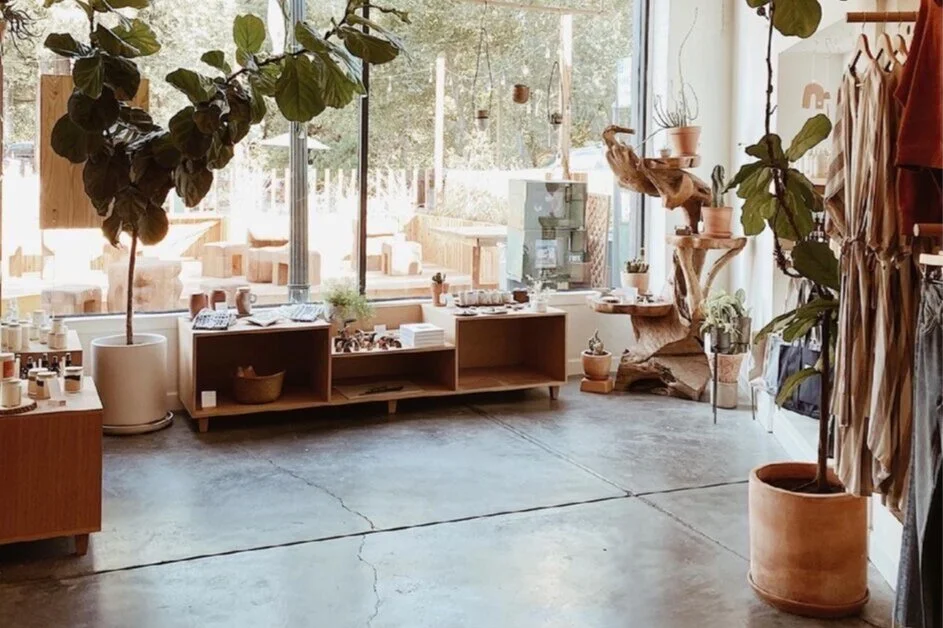
Longway California
Slow fashion meets community and connection at this California-based clothing store and cafe.
“We celebrate slow creation. The people who make things and ideas. The people who spend their lives imagining and dreaming in the same way that we do. We look to take the road with more curves, but also more thought - where a difference can be made and adventures found.”
For: anyone who values taking the backroads, those who cherish slow and thoughtful. This is the anti-thesis of fast fashion.
What is it: A California-based sustainable clothing brand and coffee shop whose dedication to building community rests at the forefront of their mission.

What you need to know: Originally opened under the name Neve and Hawk (a moniker inspired by the first and middles names of their daughter and son, respectively) Longway was, at one time, nothing more than a master bedroom turned screen printing studio. Founder Kris Galmarini and husband Bob took a passion for graphic tees and turned it into one of the most beautifully designed and highly sought-after clothing brands in California, featuring small-batch and handmade pieces that appeal to the dreamer in all of us.
How to bring this into your life: Bay Area locals can stop by their San Anselmo storefront to peruse their collection of women’s, men’s, and children’s clothing along with home goods, books, and gifts, featuring a curated selection of treasures from other artists, designers, and small businesses. While there, be sure to head to the back to find the hidden gem of Marin— an adorable cafe serving SF’s own Lady Falcon Coffee and a selection of seriously delicious treats. We cannot stress enough that this is THE BEST COFFEE IN MARIN COUNTY.
In addition to ample inside seating, which will remain closed/limited through the duration of the covid-pandemic, Longway has partnered with Orca Living to expand their dreamy vibe with the creation of a front patio that is straight out of our Pinterest dreams. Carved wooden stools and thoughtful corners designed for community, connection, and fresh air, greet visitors as they sit to sip on their coffee and give in to the feeling of slow.
For anyone who is not California-based, the Longway Instagram is a great place if you’re looking to redefine your relationship to fashion and start building towards a slower more thoughtful wardrobe, or life, in general. As a bonus, founder Kris Galmarini often graces us with her incredible dance moves and we are very much here for it! She also pops on to give followers a behind-the-scenes look at how the brand is built and the relationships she holds with the people who work so hard to bring her beautiful designs to life. From seamstresses in San Francisco and Peru to her in-store team, to her late-night stories delving into setbacks (both personal and production-related) you cannot help but feel connected to Longway. Their mission to foster community and sustainability shines through everything they do.
We can still recall when the pandemic hit and Kris jumped on Instagram to say something to the effect of. “People are struggling and it feels ridiculous to ask you to buy a new sweater right now.” There was something to her realness and understanding of privilege, that made us love Longway just a little more. At the end of the day, this is the type of brand and space we want to see existing in the world. This is the type of place we are dedicated to supporting in any way we can because it’s the type of place that pushes our world to operate at a higher standard, to value people over profit, to help us redefine consumerism.
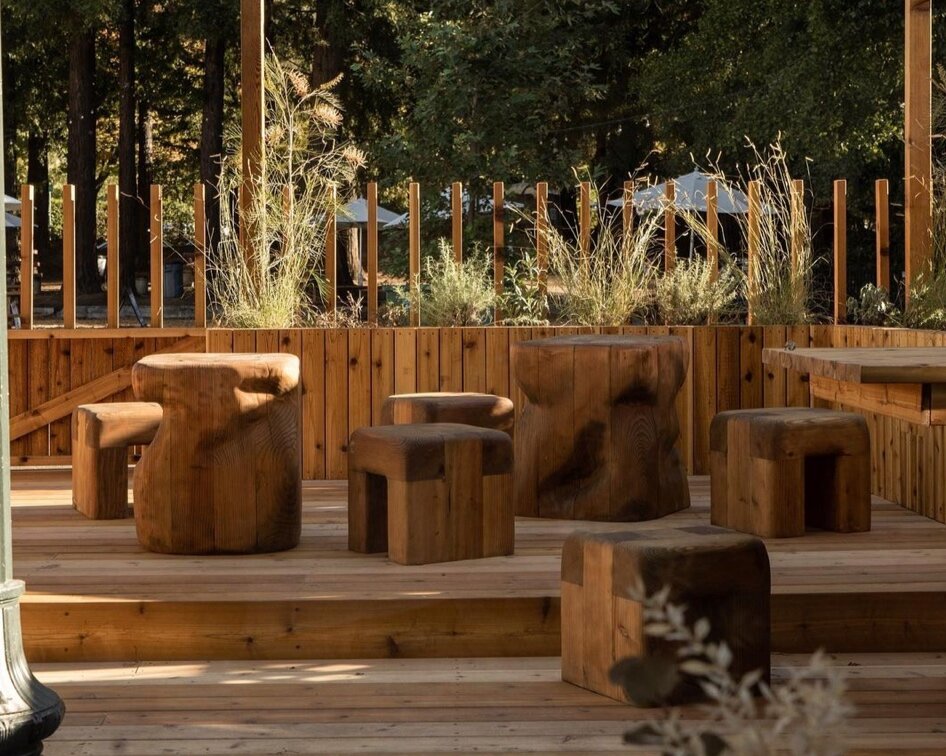
Why we think it’s different: Longway’s storefront goes beyond just selling something (though we totally want to buy EVERYTHING they create), to actually building something. “We want it to be a place people want to come,” says founder Kris Galmarini. “We want people to come into the store, and feel better than when they walked in. We want them to interact, to feel inspired, to leave the store feeling better about shit. We’re in this community and we want people to feel good.”
In their own words: “We celebrate slow creation. The people who make things and ideas. The people who spend their lives imagining and dreaming in the same way that we do. We look to take the road with more curves, but also more thought - where a difference can be made and adventures found.”

Something to inspire: Whether fighting for racial justice or the end to family separations at the border, or the normalization of mental health struggles, or the value of slow fashion, Longway is a brand that is not afraid to speak out or to take action, raising awareness, funds and the vibrations of a community who look to them for inspiration. We appreciate Longway for their beautiful selection of goods, but we stay because we know at their heart, they are not a brand, they are a family, one that grows and changes overtime to ensure that they continue to push forward towards a kinder, more just world.
Also their Denim Sunset Jumper is literally the perfect item of clothing. (Don’t even try to change our minds.)
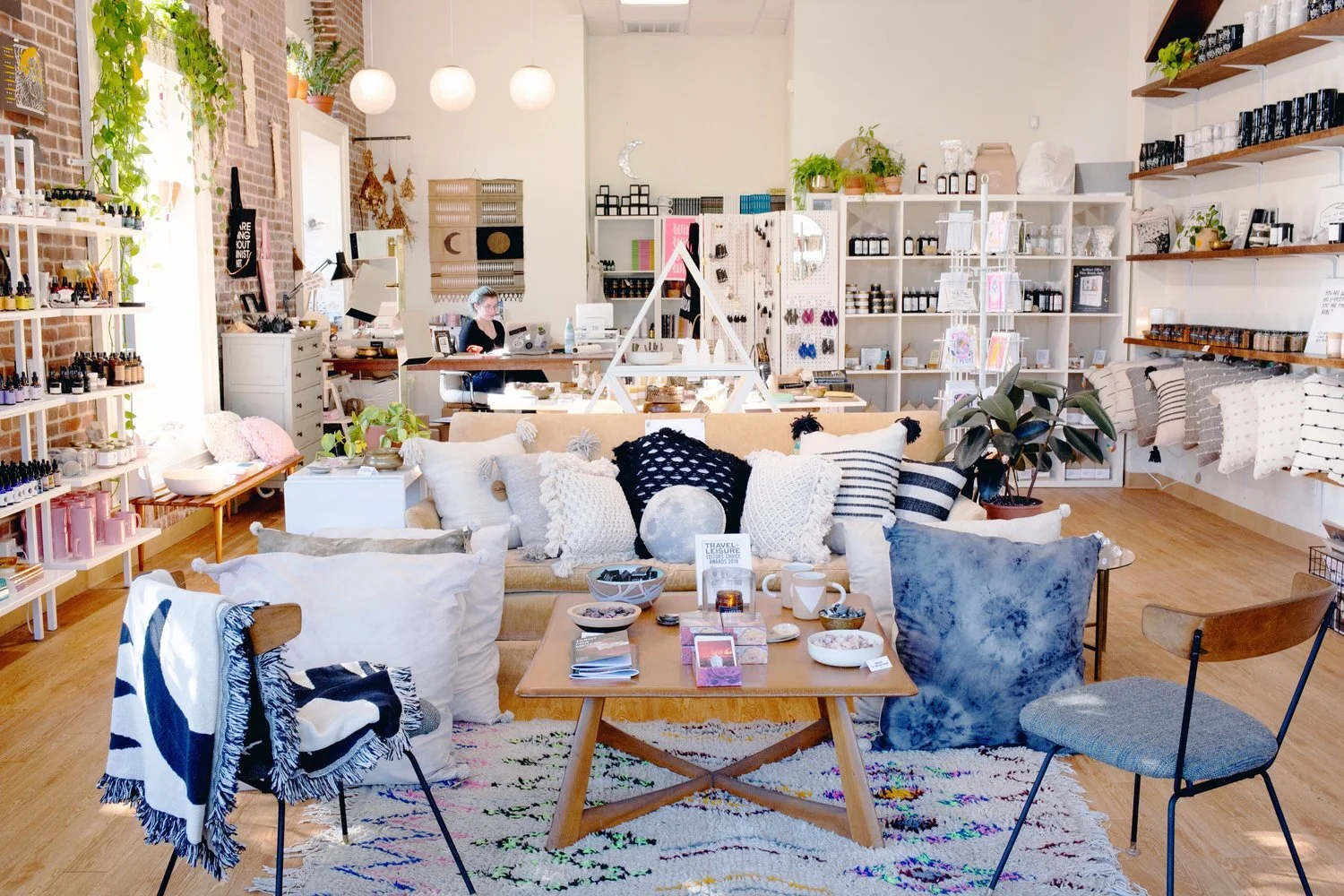
HausWitch
Think you know witchcraft? Think again with this space in Salem redefining Witchcraft for modern times.
Go here if: you are seeking strategies for self-care, are ready to push against some social boundaries, and want to make your home the sanctuary you need it to be.
What is it: A metaphysical lifestyle store for the modern witch, or those curious about what that even means, in Salem – yes, that Salem.
Why you’ll love it: Founder Erica Feldmann opened HausWitch in 2015 after completing her graduate studies in the sacred feminine and witchcraft at Simmons College and as a positive space to bring magic into our everyday lives and homes. This isn’t the version of witchcraft told in fairytales or Halloween stories or even those witch trials: it’s not black peaked hats, cauldrons, and evil incantations. Rather its more Scandi design and modern twists: the storefront is light-filled, combining a keen eye for interior decoration with products that reframe witchcraft for contemporary times, bringing in ideas of self-knowledge, empowerment, healing, intuition, mindfulness, and nature-inspired spirituality.
What you need to know: The Treasure Palace as Feldmann refers to the storefront holds minimally designed items for the modern witch (some serious, some playful): incense, spell kits, candles, and potions as well as throw pillows, cleaning products (from own brand LightHaus) and ceramics (‘Witches are the Future’ ). HausWitch also hosts workshops for developing intuitive skills, such as tarot reading or astrology, and that offer safe spaces for women to share, learn and support one another.
How to bring this into your life: HausWitch has just opened up again after a year of being closed due to the pandemic but you can still shop the collection from wherever you are, attend an online workshop or even bring in some magic to your home with Feldmann’s book, HausMagick.
Why we think it's different: Witchcraft is being reframed; we’re increasingly curious about what it represents, what it can provide, and how we can bring it into our lives. In a moment when we’re struggling to live within the constraints of our modern-day world, for the curious and the seekers, witchcraft offers alternative ways into healing and reflection. Its rituals can ground our days, its practices offer self-care to orientate us in spiraling lives. But witchcraft is also about empowerment, about resistance. HausWitch offers ways to slow down, tune in, recognize, but it also offers ways to push against, make space, be heard.
When you get beyond the narrative that has represented witches as outsiders, you get to one that reveals that witches are often those who have pushed against patriarchy, social norms and spiritual expression denoted narrowly. As Feldmann has said: "It's more about feeling empowered, wanting to change the world and connecting to your own intuition."
Witchcraft here sits closely with feminism, with women no longer silenced, reclaiming their powers and making space for themselves in a world that better reflects who they really are (Also shop: “A simple spell against the cis hetero white supremacist patriarchy”. ) For Feldmann, the meaning of witch is ‘Women in Total Control of Herself’ — with women here meaning all gender identities. HausWitch is an intersectional space that is consciously open to “all genders, sexualities, ethnicities, abilities, and anyone who feels like they are in need of a truly supportive and safe environment in this ever-changing world.” Feldmann’s wife Melissa Nierman teaches workshops here (currently offering Past Life and Clairvoyant Energy Readings) and runs NowAge Travel.
In their own words: “HausWitch Home + Healing is a modern metaphysical lifestyle brand and shop, providing Salem locals and visitors with a selection of witchy and handmade products from independent makers from around New England and the US! HausWitch combines the principles of earth magic, meditation, herbalism, and interior decorating to bring magic and healing into everyday spaces.”
Inspired to: We’ve all been tied to our homes this year in ways that may have made us love our spaces slightly less than usual. This spring, find a way to reconnect to where you are. In her book HausMagik, Feldmann suggests rebuilding our relationship to our own space by decluttering, being attuned to what feels good and what doesn’t, bringing in greenery and crystals, and burning sage to reset the energy of a room. Our homes are the spaces that can hold and sustain us through the less cozy outer world; this spring find a way to make it your own again, restorative and replenishing for whatever comes next.
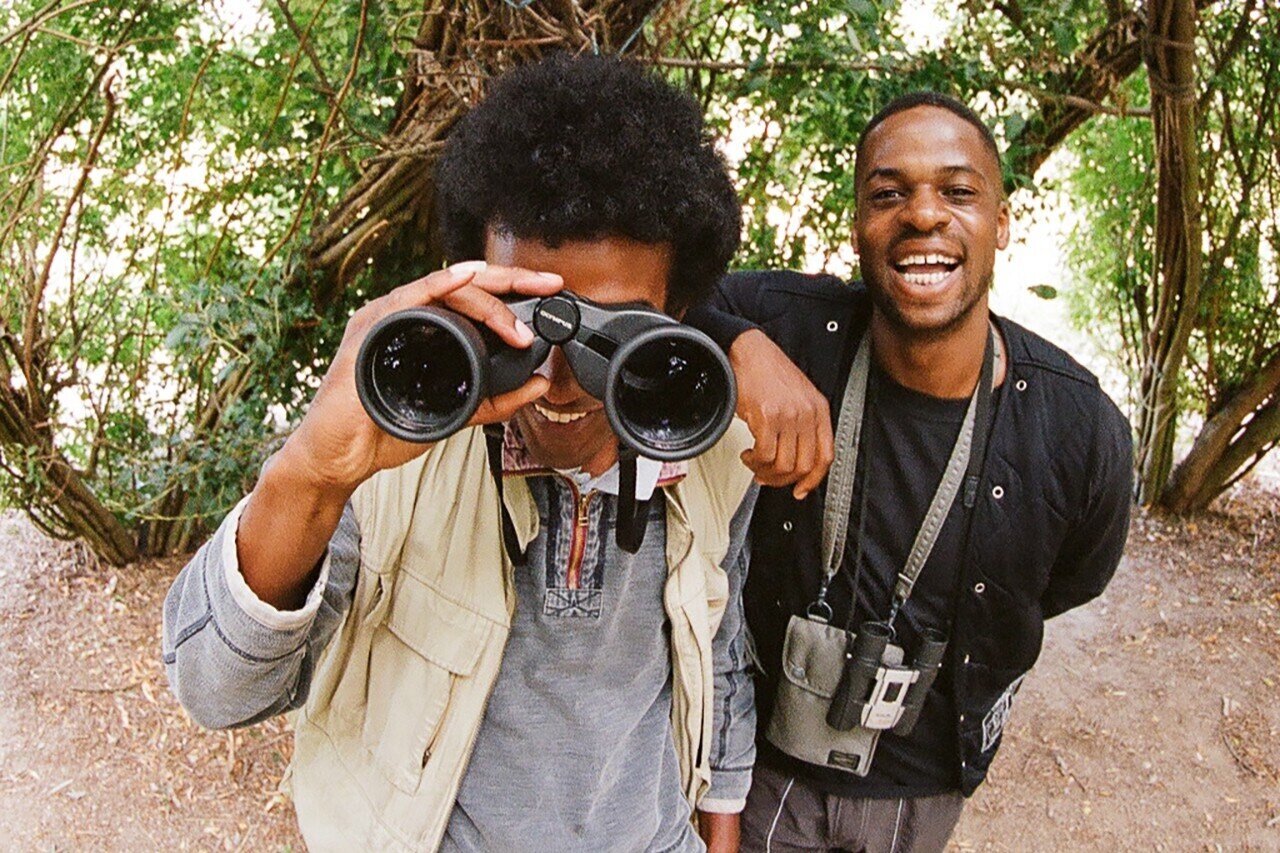
Flock Together
A birdwatching collective founded by and for people of colour that’s as much about mental health, creativity, ecology and community as ornithology.
What is it: A birdwatching collective for people of colour started in London by Ollie Olanipekun and Nadeem Perera (who met each other on Instagram over their shared love of birdwatching). From its first walk on Walthamstow Wetlands last year, Flock Together now has chapters worldwide, including in Toronto, New York, Milan and Paris.
Why you’ll love it: Join one of the monthly birdwatching walks — don’t worry, no experience is needed and beginners, as well as experienced birdwatchers, are very much welcome. So that no one is left out, Flock Together has developed brand partnerships, with binoculars and equipment donated. Although the walks are built around how to spot birds and what they are when you do — is that a jay, a wood pigeon, a robin? — they also build a supportive community, that understands the circumstances that might have brought you here.
What you need to know: New initiative Flock Together Academy makes sure kids get into nature, start to see the birds around them, and begin to understand ecological issues. Nature has been shown to have huge benefits to our kids — a year of being glued to Zoom classrooms and disconnected from the outdoors has been a desperately sad indicator of this. These classes in green spaces make nature visible, accessible, and vital again to young minds ready to learn outside the classroom what’s really important.
How to bring this into your life: Interested in the mission of Flock Together? Reach out to them to open a chapter wherever you are.
Why it matters: Think birdwatching and what’s the image that comes to mind? Maybe the media painted picture of a middle-aged khaki-wearing white man sat with their triangle sandwiches in a bird hide deep in the English countryside. That’s the history and that’s the misrepresentation problem, right there. Flock Together began during both lockdown – when the connection between nature and mental health became clearer — and the Black Lives Matter movement when who had access and who didn’t to this form of support also became more apparent. Similarly, birdwatching hasn’t been equitable, or diverse. This became acutely known when a white dog walker called the police on a black birdwatcher Chris Cooper in Central Park. Also, birdwatching hasn’t exactly been cool, but Flock Together is shifting that too. And those mental health benefits, Olanipekun and Perera are building this into their mission developing therapeutic sessions for participants.
In their own words: “Nature is a universal resource. For too long black, brown and POC have felt unwelcome and marginalised in spaces that should be for everyone. Together we are reclaiming green spaces and rebuilding our relationship with nature — one walk at a time.”
Something to do: We’re very new to noticing the birds around us. During the lockdown, we learned to identify the birds in our garden for the first time. And though we learned their rhythms, their colours and their songs, we also learned that we play a role in looking after them. Read this post from Flock Together, which shows us all how to take care of our feathered friends: by feeding them, cultivating wildflowers, putting out water, and looking after the insects — the birds need them too.
Lead photo credit: Zaineb Abelque

The Magazine Stores We're Escaping To
Looking for some inspiration for where to shop for those indie magazines you love? Here are just a handful of our favorites. Let us know yours.
Over the pandemic, some of us have turned to magazines for connection when we couldn’t turn to people. With glimpses of other lives and different times, with stories of inspiration and creative possibilities, with images of places we can’t get to and people we aren’t allowed to meet, independent magazines to some of us have become the escape that we needed. But today, instead of featuring our favorite reads (head over to our Culture Therapy section for some ideas), we’re going to travel to our favorite places to find those reads. Hopefully, in one of these stores, you will find the magazine for whatever you need, wherever you are.

Shop. Journal. Podcast. Events. Consultancy. A magazine loving empire created by graphic designer and veteran of the magazine industry Jeremy Leslie: he worked on City Limits, Time Out and Blitz, titles by companies like Waitrose and Virgin Atlantic, and in 2018 was awarded the Mark Boxer Award for his contribution to magazines by the British Society of Magazine Editors.
The Clerkenwell flagship store opened in 2015, suitably in an old Squires Newsagents and in a neighborhood closely associated with the printed word — just up the road are both the first place where the word ‘magazine’ was used ( in 1731 referring to The Gentleman’s Magazine) and the University of London’s Journalism school. The space – described by Creative Review as ‘The spiritual home of independent publishing’ — has been designed to showcase the magazines themselves and to allow people to feel comfortable browsing the 500 or so titles sourced from around the world. You are encouraged to linger over the finely curated selections that are “based on gut instinct” and the right mix of great design, imagery, and content. You’ll find stalwarts like Interview and Zoetrope and newcomers like Baggage – travel for solo parents – and The World Needs Magic – transforming workplaces. A visit will have you falling down analog rabbit holes of the kind we’d like more of in our everyday lives.
If Lost recommends: Disquiet focusing on men’s perspective on their mental health, Friends on the Shelf, a conversation within its covers, and The Delicate Rebellion, inspiration for those going it alone as creatives, makers, and entrepreneurs.

In a town just outside of Manchester now undergoing a one billion pound regeneration (and where I went to school), locals Holly Carter (a designer and maker) and Martin Wilson (a graduate of Manchester School of Art) opened Rare Mags after a successful Kickstarter campaign. The bright blue storefront heralds an interior that holds a carefully edited selection of independent magazines and a true passion for the printed page, all in a definite northern tone. Stocking hard to find and international titles – and going deep on personal interests like indie titles for cyclists (Carter is an avid fan of the sport) and art & photography — this is a place to seek out if you want to find new and much-loved titles. There are magazines we’ve never come across. Like did you know there was an indie Scottish soccer periodical called Nutmeg, a wine magazine like no other called Noble Rot and a food history magazine named Eaten? There are also books, stationery and coffee (by local Hard Lines Coffee). Wish this one had been around when I’d been going to school just up the road. Would have made journeys on the A6 way more interesting.
If Lost recommends: Standart, Courier, Grimoire Silvanus, bilingual les others, this issue on Period, thematic ‘Lost’, and the most beautifully titled Where the Leaves Fall. In need of even more inspiration, choose one of Rare Mags Subscriptions.

Between a Card Factory and a Holland & Barrett in outdoor shopping center Rushden Lakes, you’ll find not WHSmith but Magazine Heaven. Why the name? It’s the size and breadth of titles on offer. Amongst its 3000 titles — the largest selection of magazines under one roof — you’ll find High Street staples like the Vogues and Tatlers of the world, newcomers like bathing magazine Hamam, niche culture magazines like Mayday and Soffa and even self-published magazines, Wonk, Scorchin and Explorations. Founder Bill Palmer has said the store embraces “a wide range of hobbies, passions, and interests within an environment that will encourage exploration and browsing’, its aim to “become a destination for magazine lovers.” With locally sourced coffee and blended teas at Artisan café, this is one place to linger – maybe for hours rather than minutes. Magazine Heaven also functions as a community hub, hosting Yoga, Jazz and Tapas Evenings, Games Nights, Book Clubs, and Art Events, amongst other programs.
If Lost Recommends: Bloom, Positive News, The Homeworker and Womankind. Magazine Heaven also stocks books such as Kazuo Ishiguro’s highly anticipated new novel Klara and the Sun.
Additionally try, previously featured If Lost places:
Let us know where you go to source indie magazines. Tell us about the stores that you love that feature a range of indie titles, the shopfronts that do for magazines what bookstores do for books. You can email us or fill in this form so that we can include them in our guide for life and bring more awe and wonder into our worlds.


Hoxton Street Monster Supplies
Now allowing in humans, this store has everything the monster in you needs (and a not-so-secret cause behind it all).
For: monsters of every kind struggling to find the supplies they need to get through their ghoulish days and humans of all ages looking to restore make-believe in their lives.
What is it: One to enter at your own risk, this quirky store on an ordinary-looking street in Hackney is maybe the only one in the world (that we know of) that stocks “Bespoke and Everyday Items for the Living, Dead and Undead’.
What you need to know: Escape into your imagination with a store that is really one of its kind: since its murky start by newly exiled Igor the 1st in 1818 and its tentative steps into the human world in 2010, it has been serving everyone and everything with the kind of canned and boxed delights that any self-respecting creature needs, the fang floss, breath remedies, and dragon treats on our shopping list.

How to bring this into your undead life: Wherever you are, your way into this world is definitely via witty and fantastic products like their Salt Made from the Tears Shed while Home Schooling, Mummy’s Sewing Kit and packets of powdery pink brain food. If you live locally, volunteer to help brave visitors survive the store or become a writing mentor in the Ministry of Stories.
Why we think it’s different: Beyond its license to sell ‘items including, but not limited to: Malodulous Gases, Children’s Ears, Gore, Fear (tinned only)”, behind a secret password guarded door is The Ministry of Stories , a creative and mentoring charity for mini-humans aged 8 to 18.
The not-for-profit was started by About a Boy / Fever Pitch / High Fidelity writer Nick Hornby with Lucy Macnab and Ben Payne and was modeled on Dave Egger’s 826 Valencia. The aim of the classes here is to make writing fun and accessible across all genres from gaming to screenwriting, cookbook contributions, and graphic novels, and to build the confidence that comes with creative adventures on the page experienced in a supportive community.
It’s now been widely published that there’s a curse in the store – that makes all profits go to the Ministry of Stories. As Minister of Fluency, the beloved by us and many a monster, Colin Firth declares “you know your helping to support the business of the imagination with the next generation”, so maybe this is one hex that we humans won’t venture to break.

In their own words: “We pride ourselves on being London’s, and quite possibly the world’s, only purveyor of quality goods for monsters of every kind. Many of our customers have been coming to us for centuries. Indeed, some have been coming for considerably longer. Whether you’re a Vampire, Werewolf, Sasquatch or something else entirely, we have everything you need.”
Something to inspire: Short of attempting to rebrand everything in our homes – will our kids go with water if it’s the elixir of life – look to ways to bring in the make-believe. In a year, when we’re been abruptly pulled up by reality, there are ways of escape that might be nearer than the dream destinations we’re been longing for – retreats made in our minds, and played out in worlds of our own making. Even travel bans can't go there. But monsters can.

SoberIRL | In Conversation wtih Karla Carolina
In conversation with soberIRL founder Karla Carolina on the power of connection in sobriety.
We spoke with SoberIRL founder Karla Carolina about her journey to sobriety and her realization about the role connection can play in helping people to maintain their alcohol-free lifestyle (and overall mental well-being).
How long have you been sober? Can you tell us a bit about yourself and your journey?
I celebrated 2 years on 12/31/20. I started drinking at 19 when I was studying abroad in college and knew I was a problematic drinker from the get-go. Binge drinking was normal in my circle of friends so even though I was blacking out and acting in ways I didn't like, they were too so it was normal. I also was getting great grades, got into a master’s program, and started my career so it was easy to rationalize away my fears that I had a problem. After 13 years and seeing how much my life was changing for the worse because of drinking, I finally accepted sobriety was the right choice for me.
What is the most important component to maintaining your sobriety and overall well-being?
Community is everything to me, which feels so odd because I felt very strongly against socializing with other sober people in the beginning. I was 8 months in when I started feeling lonely and mourned the loss of my party buddies. I decided to go to a sober retreat and holy guacamole — I felt myself come alive! I made deep connections with people I still talk to regularly. Having a network of people who get me, who understand what I've gone through, and don't judge me for it, is incredibly healing. I have people I can count on when I need some encouragement, need to vent, or want to celebrate. Essentially my real, true, authentic friendships keep me going.
What was the catalyst behind starting soberIRL? Did you ever struggle to be social without alcohol? If so, how have you worked to move past that?
When I went to a sober retreat at 8 months, I became friends with so many amazing people but they lived all over the country. I also made great connections with people I met through Instagram but they didn't live near me either. I struggled to find where I could meet other women locally who were also sober/sober-curious in a casual setting. Since I couldn't find it I decided to create what I wanted. I was equally part scared shitless and excited about the possibilities!
Alcohol had always been part of the equation when I socialized and the idea of meeting new people without it terrified me. What I learned at the sober retreat is: the awkwardness lasts for a short time and as long as you push past it, everything will be ok. Each time I put myself in a situation to socialize without alcohol it has gotten easier, like any other skill.
How has COVID affected your mission?
After doing 2 meetups pre-pandemic, I was heartbroken when we couldn't meet up anymore especially when IRL is part of the name! The coolest thing happened though — I started getting DMs and messages from people asking if we could just do virtual meetings in the meantime. By keeping the virtual meetups for local people, we were still able to foster our connections so when we could do social-distanced hangouts outside. We were so excited to be in each other's company!
COVID has also made me think through what virtual offerings I'd like to make permanent for soberIRL, especially for people with accessibility concerns or those who don't live nearby. A virtual community is still important and can bring lots of value to someone's life. I think after being cooped up for a year, people will want to socialize more than ever but also want to be very intentional about who and what they spend their time on.
What is your dream for soberIRL? How has it been going starting new chapters?
I want to get lofty with this, I'd love for soberIRL to be as ubiquitous as AA! For a long time, it's been the main resource people know, even if they don't have issues with alcohol. I am doing my part to co-create a world where people understand there are multiple pathways to recovery and they have the opportunity to choose what feels right for them. And for those who want to explore what it’s like to socialize and participate in life without alcohol, soberIRL will be there.
After a year of hosting meetups in San Francisco and sharing it with people through Instagram, I decided to partner with women to bring soberIRL to their local community. Right now my biggest challenge is spreading awareness that soberIRL is no longer just a Bay Area thing. I almost feel like I'm getting people set up to start their own franchise! It's been great as a forcing function to be very clear about the mission, vision, and vibe of the community.
What are some of your favorite sobriety resources? Products?
The resources I am forever grateful to:
Podcasts: Recovery Happy Hour and Recovery Elevator
Books: This Naked Mind by Annie Grace and Quit Like A Woman by Holly Whittaker
NA Drinks: CLEAN Cause, Curious Elixirs, Siren Shrubs
Places: Ocean Beach Cafe
What would you say to someone who might be sober-curious but afraid to take the leap?
You know where alcohol leads you, why not see where cutting it out for a bit takes you? Part of what kept me stuck was feeling I had to quit forever and to make that decision on Day 1. Because I couldn't commit to forever I kept drinking. You don't have to worry about forever right now.
The other thing I would say is...get first-hand experience of what sober life is like. Just imagining it (like I did for years!) is not sufficient. Immerse yourself in it. Read some quit lit, listen to podcasts, check out some blogs, and/or scroll through sober IG for inspiration — it will help you see people who are empowered by their sobriety, not ashamed of it.
What are some of your favorite quotes?
“I understood myself only after I destroyed myself. And only in the process of fixing myself, did I know who I really was.” ― Sade Andria Zabala.
"I would rather go through life sober, believing I am an alcoholic, than go through life drunk, trying to convince myself that I am not" -unknown
You can learn more about SoberIRL, find a local chapter or sign-up for a virtual meet-up by reaching out on instagram or their website!

Arium Botanicals
A plant shop in Portland that does it all just that little bit differently, from the plants they stock to how they think about the environment.
Go here if: you are a collector or seeker of botanical curiosities no matter your existing knowledge about houseplants.
What is it: As much for plant lovers as curiosity seekers, Portland’s Arium has become known for its wide variety of different species and types of plants. In a city that has an abundance of plant stores and a fervent plant community, you’ll find here special interest and rare plants that you may not be familiar with or haven’t seen before, as well as the advice and information that makes you confident about taking them home (they may be unusual but that doesn’t necessarily make them hard to care for).
Partners in business and life Anthony Sanchez and Tylor Rogers started Arium online before finding their forever home in a former Land Rover repair shop. They transformed the garage into a bright open space with white walls and a garage door that opens to let in the light, and brought in wall-to-wall foliage, with hanging displays, moss column growing plants, and greenery seemingly everywhere.
Why you’ll love it: We’re in the midst of a houseplant boom that’s been tied to social media posting millennials who understand the wellbeing benefits of bringing plants indoors: four in five 16 to 24-year-olds own at least one houseplant, with a fifth of plant owners buying them for their wellness benefits. One-third of new gardeners are millennials.
With leaves of subtle colors or unusual shapes, decorative patterns, and broad textures, Arium steps into the space that owner Tyler Rogers grew through his own wildly popular Instagram account, @Urlocalplantboy. The space celebrates ornamental horticulture and searches out truly unique specimens while making them approachable, if not coveted.
Each plant is given its botanical name, from the huge leaves of the Alocasia “Regal shield”, a sweet Ficus Altissima, and cork growing Hoya Obovata Mount. When you go there might be Begonia “Cracked Ice”, Philodendron “Pink Princess” and Alocasia “Silver Dragon”.
What you need to know: The name ‘arium’ is a play on terrarium (earth + container); here the store is given its Latin meaning: ‘a space or vessel that contains something’. It’s rather magical to think of Arium as the container of the green world owners Rogers and Sanchez have conceived to inhabit it.
How to bring this into your life: Currently Arium is open to the public with COVID-care measures in place, though workshop programs, book signings, and events are not yet back up and running. Look out for announcements on social media for when they begin again. They also ship within the US.
Why we think it's different: A vegan and queer-owned business, which the owners have declared a safe space for “all sexual orientations, gender identities, religions, and races” and that also takes its conservation standards seriously. Arium donates monthly to Conservation International and doesn’t stock plants on the IUCN Red List of Threatened Species. All their plants are ethically sourced from certified U.S. nurseries, and they use their space to educate about plants that face extinction or habitat loss, condemning the poaching of plants or wild collection. Beyond horticulture, they also support the local creative community in Portland by stocking a selection of ceramics made by local makers.
In their own words: “We initially started Arium as a means of making unusual plants that can be implemented in design and in the home. We firmly believe there is a plant for everyone and that no question is dumb or illegitimate. Like us, we all started somewhere. Making our space welcoming, a place for learning, and geek out about plants. We are proud to be a space for beginners all the way to avid collectors.”
Something to do: Our plant parenthood journey started small – as many with a single succulent. Choose a plant that you love to cultivate and bring into your home (doesn’t have to be the celebrity Fiddle Leaf Fig). Build up your gardening muscle slowly. It's ok not to have a collection of 60, start with one and see how it makes you feel. Do you like owning a plant, do you like looking after it, does it make you feel good? If it's too much pressure, feel free to abandon your houseplant journey. But if it incites something positive, bring in plant number 2.

How creativity can improve your wellbeing during uncertain times and beyond
The many ways that creativity can make you feel better wherever you are, and whatever your creative practice.
“Unused creativity is not benign. It metastasizes. It turns into grief, rage, judgment, sorrow, shame. We are creative beings. We are by nature creative.”
Creativity is an important aspect of life, but many people are currently struggling to feel creative. Months of isolation have left many of us feeling lonely and uninspired.
However, some people in the past and present have found that uncertainty and crisis can actually spark creativity and innovation. From trying new crafts like knitting to renovating your home, undertaking creative projects can help boost your mood, bring some joy during these difficult days, and also help you cope during periods of isolation, especially if you live alone.
What is creativity?
Creativity can be channeled, honed, and expressed in tonnes of different ways, not just on canvas or through arts and crafts. It could be through a board game, party planning, or even coming up with solutions to a business problem.
Everyone is creative, but many of us choose to not explore, express or appreciate it, for a variety of reasons, so it goes down the pecking order of priorities and/or the benefits aren’t felt.
Sam had the perception for years that being creative involved painting a masterpiece, like Van Gogh, or writing and performing a song. Both of which he felt he couldn’t do; his creativity was locked in a box or didn't even exist. He’s now come to realise that creativity just needs an outlet that works for you, like many things in our lives.
Similarly, when we think of creativity, many of us still think of painters and musicians, rather than architects, interior designers, warehouse managers, founders, accountants, and all the other people who need to be creative regularly and may not realise they are.
We’ve found that being more creative, however, you choose to access it, is a superpower that can positively impact your life and business. Don't forget - you are creative, it is in you just waiting to come out.

Being more creative boosts your mental health
Here are seven ways that creativity can help us negotiate uncertain times and get through periods of isolation.
1. Creativity reduces stress, anxiety, and mood disturbance
The pandemic has created a lot of doubt and uncertainty, and for many people, this can create feelings of negativity — but you can help mitigate this negativity by doing something creative. Whether you make something beautiful for yourself (such as a pair of earrings) or use your creativity to help someone else (for instance, you could help a small local business with advertising), this focus on doing something and bringing an idea to life will give you a sense of purpose and productivity — giving more meaning to your days in isolation.
The Connection Between Art, Healing, And Public Health — a Review of Current Literature (2010) concluded that “creative engagement can decrease anxiety, stress and mood disturbances.” Another study Everyday Creative Activity as a Path to Flourishing similarly concluded that engaging in a creative activity just once a day can lead to a more positive state of mind.
[A creative activity can be simple, don’t worry. You may be doing it regularly already. It could be doodling in a journal, crafting, playing the guitar, redesigning your kitchen, or business planning. These are things everyone can do and just acknowledging it can give you a boost.]
Back to the study. The results surprised the researcher Tamlin Conner, who didn’t think the findings would be so definitive. Conner said...“Research often yields complex, murky, or weak findings…But, these patterns were strong and straightforward: Doing creative things today predicts improvements in well-being tomorrow. Full stop.”
During the pandemic, your local council might offer creative workshops. For example, the creative sector in Bradford has come up with a host of creative ways for locals to improve their mental health; they are providing virtual classes for both adults and children, including drawing classes, yoga classes and writing classes.
2. Creativity Can Improve Your Personal Space
Lockdown created a whole host of DIY clichés and for good reason! Being stuck inside your house for months isn’t much fun, especially if you don’t find your home relaxing or pleasant — but up-cycling is an easy way to improve your surroundings.
From up-cycling old chairs to give them some personality, repainting some cupboards to breathe new life into them, or turning old cups and bowls into planters for flowers and shrubs this is a simple way to stay occupied (and it is also great for the environment!).
If you are looking for some upcycling inspiration, we can recommend these Instagram Accounts:
@maiseshouse for beautiful upcycle furniture inspiration
@restoringlansdowne for moody interiors and Victorian home renovations
@linsdrabwell for some budget-friendly upcycle hacks
You can start small on something like a plant pot or a mirror and work your way up to something bigger.
This leads to another benefit of creativity; it gives us a feeling of pride, that "I did that, yeah, me”. It’s really nice spending an hour or more creating something, and then et voila. It’s done, it’s there, something that reflects your inner creativity and personality. An expression of you. It feels very empowering and never gets old.

3. Creativity Allows You To Connect With Other People – Close to Home & Around The Globe
Creativity allows you to connect with other people. One of the hardest things about isolation is limited socializing, but you don’t have to be creative alone.
When lockdown first started, and we were on furlough when our studio M.Y.O had to close, we launched #createsolation. This was a series of almost daily challenges trying a new craft from macramé to string art and even fork calligraphy! This helped bring some structure to our days especially and keep us connecting with our audience and regular studio guests virtually. It was so great to see many guests try out the challenges we were doing and share their tips and creations with us.
There are now a whole range of classes that you can take online with friends, as well as hundreds of forums for specific creative interests (such as designing jewelry or knitting) that meet virtually. This allows you to connect with new people who have the same passion as you so that you can collaborate and have fun together. It also opens up borders enabling you to connect with people around the world, who you may not normally meet!
Closer to home, Sam has been sending his mum a range of creative kits from calligraphy to watercolours and even candlemaking for them to do together and to bring back her creative spark. She has been cocooning for a few months as a vulnerable person and having retired was looking for projects to keep her busy. It’s been amazing to see how much it has helped brighten her mood and give her a sense of achievement — from lino printing 50 Christmas cards to decorating her lampshade and upcycling her furniture, her creations have definitely inspired us!
Humans are social creatures, we crave company, connections, and being around other people. Social interactions are still a vital part of who we are — but it is possible to build connections virtually.

4. Creativity increases our sense of self-awareness and opens up expression
Dabbling in being creative produces an output, which is basically an expression of you — even if you don’t think it is! Over time and with a little practice, you can feel a lot more able to express yourself as you become more comfortable in yourself and the different techniques that you are drawn to.
5. Creativity can slow you down (in a good way) and give you an expanded sense of time
Time slows a little in the sense that your thoughts slow and it’s easier to stay focused on the task at hand and feel a little more present. This can be referred to as being in the flow.
Ever feel like your weeks are just absolutely flying by and you don’t know how and what you’ve done? Slowing that right down can really help, and arts and crafts can make that happen. Having such easy access to technology means our brains are constantly whirring, but not necessarily about the right things.
6. Creativity can help you think better
Experiments have shown that being creative, which can trigger mindfulness, boosts your general creativity as it can enhance your ability for divergent thinking — a thought process or method used to generate creative ideas by exploring many possible solutions. But, many of the qualities associated with convergent thinking are also enhanced by mindfulness. Convergent thinking is basically the opposite of divergent thinking. It generally means the ability to give the “correct” answer to standard questions that do not require significant creativity. Creativity helps with both.
7. Become a better problem solver
Short and sweet here. You can become a little more resourceful and creative with figuring things out, much like you need to be when creating something. Part of this comes from having more confidence to think creatively, as you will naturally think harder and come up with more possible solutions to problems, rather than latching onto the first two you think of.
There are so many times when very quick decisions are made on big challenges, without really looking for all possible solutions. When we can come up with more options, we can assess each one and decide on the one that increases our chance of success.

But how can I be creative?
We know that starting any creative practice can be intimidating, even when the benefits to us are increasingly evident. Here are a few ideas for getting you started on your creative adventure.
Start small
If you feel you are never creative, that’s fine. Maybe try it once this month and make a mental note of how you feel after. Try something you can quickly do like an adult colouring book, doodling, or painting by numbers. Do that a couple of times in the next few months, then maybe try more often… you may end up doing it daily — but don’t put pressure on yourself to do that from the outset. Small, incremental changes can become habits.
From a creative thinking perspective, think back to times where you were creative. This will give you a confidence boost to do it more often when you are looking at challenges in life and business. There is always option a, b and c but what about option z?
Next time you have a challenge you need to overcome, write down ten possible solutions to it. You'll be surprised with what you come up with.
Start with someone else
We always find a bit of peer pressure helps and keeps you in check. Get a friend or colleague who you think would equally benefit from having a creative practice, explain the reasoning and get them on board — they don’t have to do it with you, it’s fine to do it solo, but at the least, they can check-in to see how it went, increasing the chances of you doing it! Try making something for each other or teasing out a life or business problem together.
Check out resources for creativity and find the ones that appeal
Our creative space for grown-ups has many classes (both online and off), you can check out our kits (and podcast!) on Creative Jungle and of course If Lost, Start Here has advice on where to go to seek out creativity. However, you start, make it something that works for you, whether that's pottery or welding... the options are huge. Go play.
So, stay creative, stay inspired, and make sure to regularly reach out to your loved ones for a chat whatever your creative life looks like.
