

Positive Wellbeing Zine for Mums
A magazine that supports mums that’s also a community for motherhood, wellbeing, and self-care.
What is it?: An independent magazine for mums, that’s all about motherhood, wellbeing, and self-care. Though it's not just a 'magazine' — it’s also about bringing together a community of like-minded people to share their stories, their words of wisdom about topics related to motherhood, wellbeing, and self-care, and their support for other mums on their journey. Through its pages, this magazine shares the values of community, collaboration, and a sense of cheering each other on.
Why You'll Love It: The magazine came from my own experiences of motherhood and not being able to find a place where my needs as a mum were being addressed and so I created the space that I needed for other mums.
What It Offers: Isabella and Us has an online community, a Facebook group (Positivity Hub for Mums), a Podcast (Positive Wellbeing Podcast for Mums), and the magazine (Positive Wellbeing Zine for Mums).
What Makes It Different: The magazine is the only one of its kind currently being published with a community around it that supports mums.
What You Need to Know: Mums need the magazine right now to support them through this tough time and to support and encourage them to take time for themselves.
In Their Words: “Being a mum is tough and often so much of what we do, read and buy is for our little ones. A mum’s needs can often get put to the bottom of the pile but it’s so important that as a mum we take time for ourselves, time to recharge, and time to just be us. This is why the Positive Wellbeing Zine for Mums is so important."

Cafes for Life
Which cafes do more than get you started in the morning? Here we’re featuring a handful of cafes that go beyond coffee to our communities, our planet, even our minds.
Although our equivalent of lockdown bread baking was making a half-decent latte, we’ve been missing cafes. Today we’re looking at a handful that give us a place to think about the world differently, whether that’s giving back to our communities, raising money for charities that matter, working to save our planet, or even redefining their role in mental wellness. As we’ve come to realize as we steam oat milk in our kitchens, there is more to cafes than the drinks they serve; they are the hubs that bring a neighborhood together and offer a framework in which to explore what matters in life.
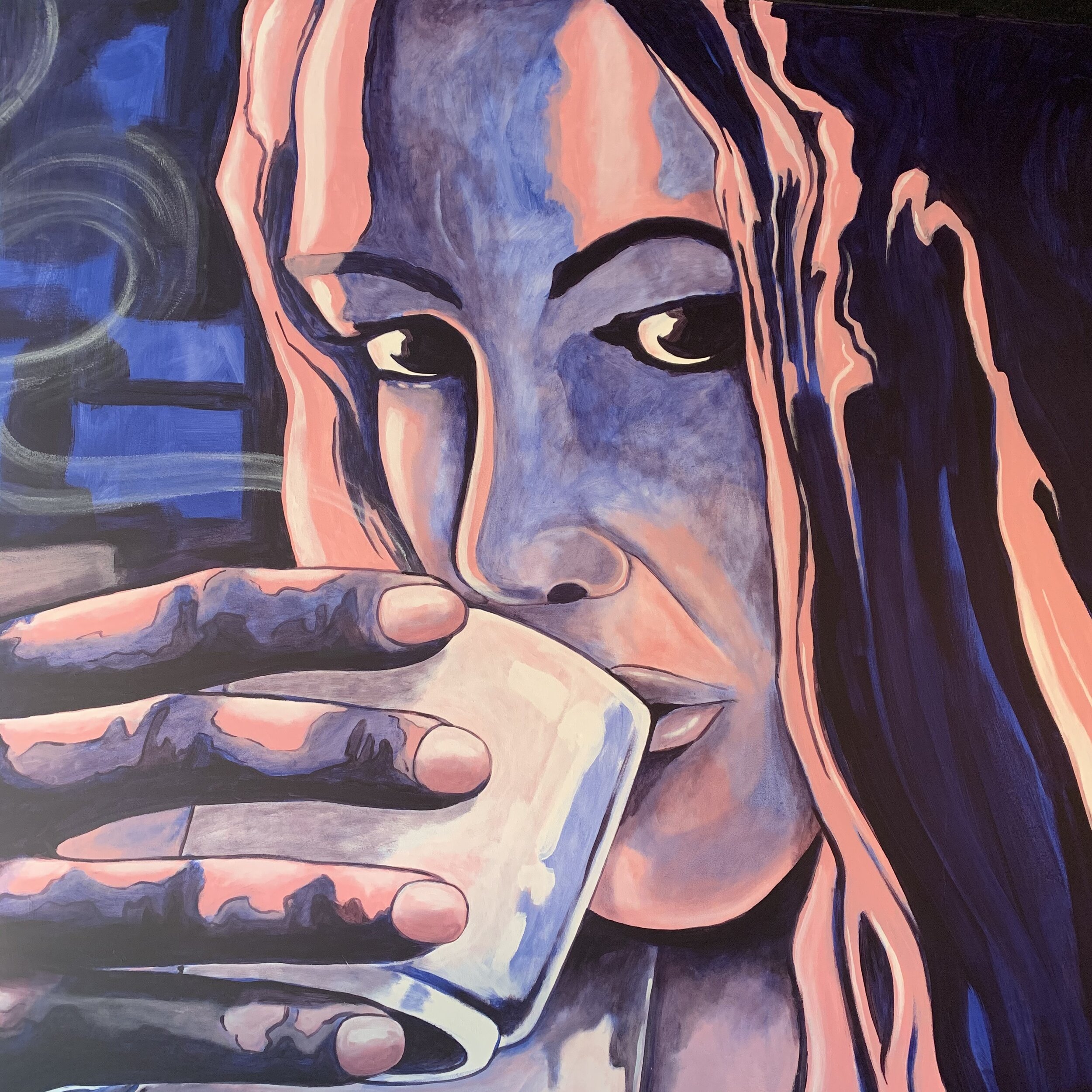
Pink Owl Coffee, Marin, CA
Before the pandemic, this was our place to head for early morning work meetings, chosen because of its friendly owners, great coffee, and cozy lounge. But the reason we’re including it here is the café’s mission to support breast cancer charities, with 10% of profits going to research and awareness initiatives. Founded by breast cancer survivor Saandra Bowlus and her partner Joe Carlo, the café puts its support front and center, from the name (the Owls are just because they like them), the pink inflected décor, and the savvy branding — as their new retail coffee bags say “Because breast cancer sucks”. When you buy their vanilla lavender oat milk latte made with the on-site roasted blend, or a mochi donut from Third Culture Bakery, or even a puppucino, you get to support a great cause too. Once the space reopens for inside coffee drinking, we recommend you seek out a spot by the fireplace or a window seat, grab a board game or a book on coffee, and settle down with a friend or listen to one of the live music sessions. A local with heart.
Back of the Yards Coffeehouse, Chicago
A womyn and Latinx-owned community-focused coffee company established in 2016 based in the Back of the Yards neighborhood on the south side of Chicago. In one of the city’s most historic districts – many European immigrants came to work on the stockyards, which has most recently seen an influx of Mexican migrants – that has become associated in the news with gun violence, Marya Hernandez and Jesse Iniguez, who grew up in the neighborhood, wanted to establish a different narrative and new opportunities for locals. Working against a belief that “Mexicans don’t drink coffee” and in a place where independent coffee shops weren’t going, Back of the Yards Coffeehouse has become a popular spot – awarded the 2018 Time Out Chicago Love Award for Most Loved Coffee Place. Its drinks menu includes Cafe de olla (with cinnamon and spices), Ojo Rojo (a shot of espresso added to drip), and Café Con Leche. But it is how the cafe supports ethical coffee production and the neighborhood that makes it stand out: The café sources its beans directly from farmers including those in the Chiapas region paying a fair price, directs 95% of waste to compost, everything from coffee cups to used beans, and hires locally, training up interns to be fully qualified baristas. For each purchase of a bag of their 47th Street blend, Back in the Yards Coffeehouse gives $1 to a Social Impact Fund that works to support programs for peace and education in the neighborhood. And those red mugs on the wall, represent all the people who pulled together to make this cafe happen for the community.


Trouble Coffee, San Francisco
We’ve written about how cafes have helped our own emotional wellbeing, but this Outer Sunset coffee shop was started 13 years ago to help the owner, Giulietta Carrelli, manage her own mental health. Many first came to Carrelli’s story on This American Life which relays how she founded the business to give her the order and routine she needed to manage her schizophrenia. Trouble Coffee reads like an autobiography, a stand-in for Carrelli herself, particularly its idiosyncratic menu which features cinnamon toast (for comfort and which is also attributed with starting San Francisco’s high-end toast craze), coconuts (for survival, containing everything needed for nourishment), and coffee (representing speed and communication). This tiny outpost by the ocean — which was created out of the driftwood found on the beach — also gave Carrelli the loose connections she needed to feel safe, to know that as people began to recognize her, she’d be known and understood within this community. Opening a coffee business is not a natural remedy for a mental health condition, but Trouble Coffee allowed Carrelli to make space for herself in ways she hadn’t been able to before and that saved her. As Carrelli/ Trouble says, “trouble is not only a coffee co it is a community of people and power that kept me alive.”
IXV, Brooklyn
In a city where, pre-pandemic, New Yorkers were going through 100,000 disposable coffee cups every half hour, IXV is the sustainably-minded coffee shop and brand that’s needed. It was founded by Jenny Cooper, former J.Crew/ crewcuts designer (the company is named after her grandfather) in the garage of her Boerum Hill, Brooklyn home, to make “life less trashy”. When she started just over a year ago, Cooper had a simple idea to bring sustainability and community together — making coffee for people in the neighborhood who could bring a mug to be filled and drop it off to be cleaned, with the cycle beginning again the next morning. Aiming for zero-waste, IXV encourages customers to bring their own cups (there’s a .25 cent charge for paper cups to cover composting and recycling charges), reduce waste and compost where possible (it’s all the detail here: cold drinks are served in algae lined paper cups which compost better than PLA compostable plastics). IXV also serves as a store with plastic-free household goods, ceramic espresso cups, and refillable hand sanitizer available, a vintage clothing upcyler aiming to counter the environmental impacts of fast fashion through reworking preloved pieces, and a location for a CSA food box that supports local growers and makers, in this instance New York’s Norwich Meadows and givebacks via donations to a local shelter and soup kitchen ChiPS. IXV is giving locals a better way of getting their caffeine and a different model for how our neighborhood coffeeshops might operate. More widely it can inspire us all to carry our keep cups while adjusting daily habits that trash the environment.

Tell us which cafes matter to you and could matter to other people too? Which cafes are helping our minds, our bodies, our communities and our planets function better? You can nominate them for our guide here.

Hackney Herbal
A garden and studio in Hackney promoting the well-being benefits of herbs and our connection with nature.
Go here if: you are curious about the potential for herbs and nature to impact your day-to-day life, you are looking for connection with others, or you are looking for strategies to improve your physical and mental wellbeing.
What is it: A social enterprise that promotes the wellbeing potential of herbs — growing them, cultivating them, using them as teas and remedies — founded in Hackney by Natalie Mady. Since its start in 2015, the community-minded business has gone on to collaborate with organizations such as Tate, Stella McCartney, and Kew Gardens.
What you need to know: From its garden space and studio, Hackney Herbal offers hands-on workshops that take a broad view of herbs – from practical skills that include how to grow and dry herbs for self-care purposes, and how to make herbal teas and remedies, to wider subjects like how to urban garden and how to connect with nature. Herbs here serve both as a practical remedy and a framework for thinking about our health and the environment
How to bring this into your life right now: Though Hackney Herbal is fundamentally about being together and working within nature, it has managed to put a selection of their workshops online. You can book classes in growing food on the windowsill, identifying wild herbs, and using essential oils for the mind. Also, they make handcrafted herbal tea blends from their own gardens and other organic growers that are available to buy, with profits funding initiatives that serve the local community.
Why we think it matters: By booking a workshop or an event or purchasing their teas and products, you are also supporting free nature-based programs that apply the therapeutic benefits of herbs to communities who need them such as the 6-week Herbal Craft Course at the Center for Better Health, and mental health orientated classes at Recovery College and the local chapter of the charity Mind.
In their own words: “We connect people, plants and place to:
1. Share knowledge and skills relating to horticulture, food growing, and nature
2. Inspire people on their own journeys with plants
3. Nurture the health and resilience of people and the land in Hackney
We use nature-based activities to allow people to come together, share ideas and collaborate. We provide a preventative intervention to the onset of poor mental health as well as a pathway to recovery for those already suffering. Our key outcomes follow the themes of health, education and community resilience.”
Something to do from wherever you are: Can’t wait to get started, Hackney Herbal offers tons of advice on their website and social media channels about making herbal remedies and growing herbs at home, as well as downloadable seasonal journals full of recipes (like this on making a solar infused oil or this on making a body scrub from coffee grounds), sales of which support their mission of increasing access to green spaces in the borough of Hackney and helping people improve their physical and mental health through herbs.

M.Y.O (Make Your Own)
A London studio designed for grown-ups to discover their own creativity, with all the wellbeing benefits of making.
Go here if: you’re wondering how to bring more creativity into your life, you are feeling lonely and looking for more connection, or you need to find a strategy for destressing, learned here, then taken home with your creation.
What is it: M.Y.O. (Make Your Own) is a space where grown-ups can play around with materials and making. The creative studio was launched in 2017 by Sam Lehane and Diana Muendo, both chartered accountants who were coming into their own creativity but could not find the environment that they needed to support their new interests.
Why you’ll love it: M.Y.O. gives you permission to be creative because Sam and Diana believe that everyone is. There’s no worrying about outcomes, or getting it wrong, or that you’re not really ‘Arty’ or an ‘Artist’. Just the space to explore and find the medium or practice that works for you.
What you need to know: Small classes take place in a two-level studio in Borough that has all the materials you could possibly imagine to get you making things and a space where it feels ok to get messy. There’s a huge variety of classes (refreshed every few months) on everything from watercolor painting to macrame plant hangers. Adults get a break from it all and a chance to explore arts and crafts skills without judgment or prior experience.
How to bring this into your life wherever you are: In parallel to the bricks-and-mortar space, M.Y.O. hosts a similarly wide array of virtual class options hosted with sister company Creative Jungle Co (which also offers Virtual Team Building with teams across the world).
Why we think it matters: The well-being benefits of creativity are becoming ever clearer (anyone who has picked up a watercolor brush or taken up baking in a lockdown can probably now attest to this). M.Y.O. is increasingly thinking about creativity in terms of how it helps us function in the world, helping reduce stress and loneliness. The classes offered by the studio give you an easy way into figuring out if creativity can have a place in your life and what shape that might take for you.
In their own words: “An art gym for your creative muscles.”
Something to do: You don’t need to be good at art to do it. You don’t have to make perfect pots to mold clay. All you need is the willingness to try, and an openness to seeing where it takes you. What would you try creatively if no one was watching and it’s really just for you? Start there.
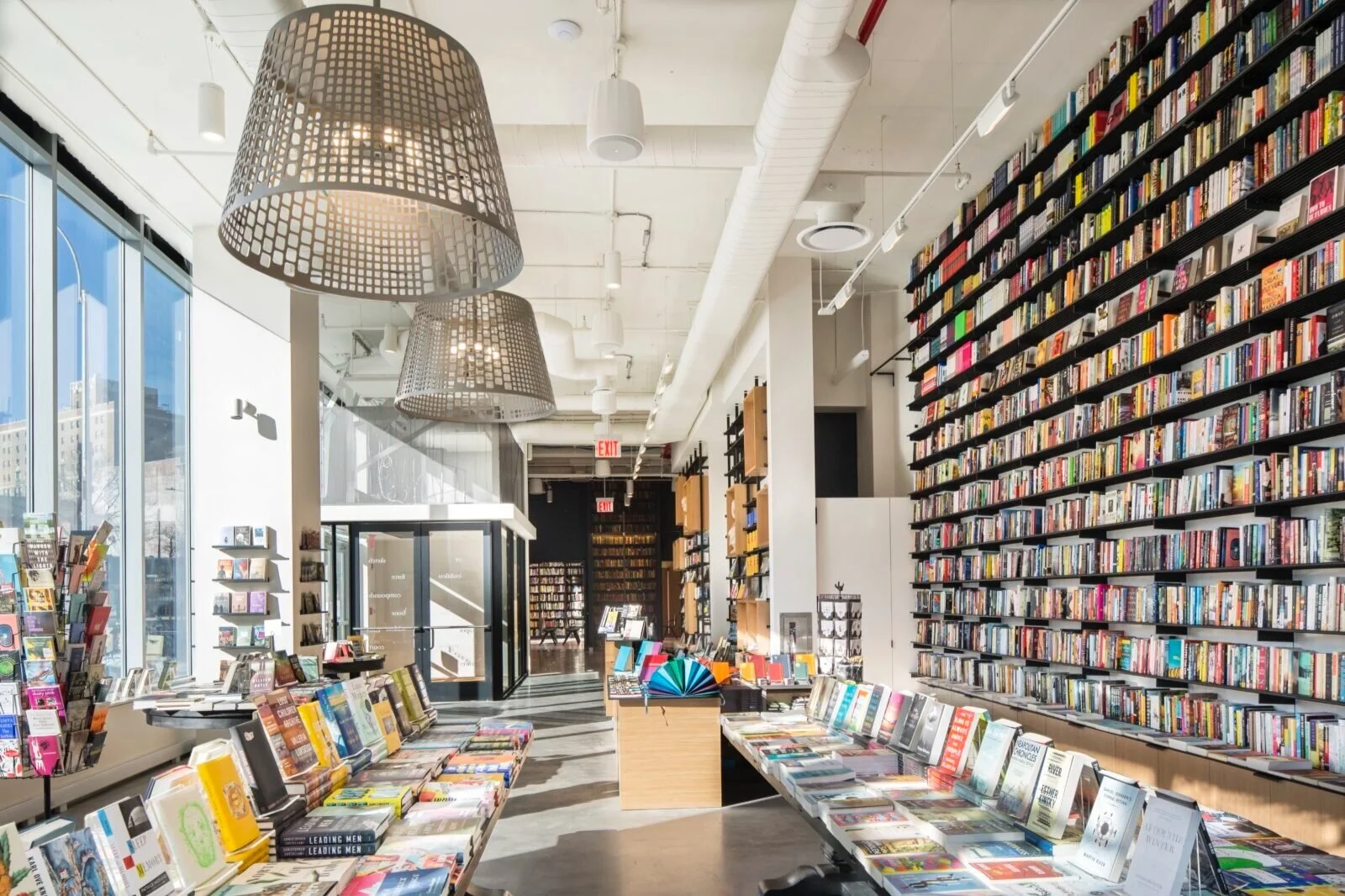
The Center for Fiction
A space dedicated to bringing fiction into the world, that supports our real lives as it does so.
What is it: For book lovers of all ages, whether those who love to read or those who love to write, The Center for Fiction celebrates fiction in all its stages, from first imaginings to beloved reads. Over 200-years after it was founded — originally as the Mercantile Library — the non-profit moved into its public-facing home in Brooklyn’s Cultural District in February 2019. Over 18,000 square feet across three floors, architects BKSK have created the conditions to make words come alive and to enter our lives in a multitude of ways.
Why you’ll love it: Browse the independent bookstore (with a focus on fiction, works in translation, and independent publishers), chat books in the café and terrace bar, attend workshops, events, writing groups, and seminars, or sit at a writing station to get down to the actual work of crafting your own story.
The Center is a living organization that grows both readers, from the youngest kids exposed to its workshops (see its Kids Read and Kids Write programs), and writers, from the earliest stages of their careers, such as the Emerging Writers Fellowship and First Novel Prize. Within its quote-strewn walls, books can be experienced at every point in their realization.
What you need to know: The Center is also home to a circulating library of over 70,000 books focused entirely on fiction, including a prominent crime fiction collection that goes back to the early twentieth century.
How to bring this into your life: Recently retired Executive Director Noreen Tomassi started a bibliotherapy program, that is still going strong, called A Novel Approach, which prescribes a year’s worth of fiction reading depending on your situation, your interests, your longings.
Why we think it matters: Though books are read alone, often they come alive when experienced together. The Center pivots on this duality. It offers a place of solace and reflection, a retreat, or maybe just a pause, from the noise and encroachments of modern living. And it sets up the connections between readers, to not just enliven narratives through discussion but to offer an antidote to our loneliness, and a comfortable excursionon for introverts. Books can take us inwards while opening up our worlds. We can hold fiction in our minds, and those stories can have a life that exists in conversation. The Center for Fiction attests to the importance of making physical space in the world that supports our imaginary one, bringing people together over words that connect.
In their own words: “The Center for Fiction, founded in 1820 as the Mercantile Library, is the only organization in the United States devoted solely to the vital art of fiction. The mission of The Center for Fiction is to encourage people to read and value fiction and to support and celebrate its creation and enjoyment.”
Something to inspire: How can you lift words off the page and live them in company, wherever you are? Seek out a writing community, a book club, an author’s talk, a book festival, an independent book store, a library. The Center is a one-stop-shop for the craft of fiction, but parse out its functions and you’ve got a version of your own making, slightly spread out but highly tailored to your world.

A Calendar for When Life Starts Again (UK edition)
As we’re coming up for lockdown air, we’re looking to this year’s festivals to restore a feeling of togetherness.
Events where we can gather together feel like a dream right now. We’re writing this in the winter lockdown. Festivals are still canceling for the year — including iconic Glastonbury and one of our featured places Do Wales. But over the past week, as new rules have become clearer and there are tentative dates moving forwards, we’re feeling cautiously optimistic, pulling out our calendar, thinking about how we might even fill some of those days with others.
Many of the festivals that we’ve come to associate with living a thoughtful life in the UK have been doing the same, announcing dates and line-ups and partnerships and glamping deals. They too are hoping to give us a break from screens, with non-zoom formats returning and in-person tickets selling fast.
We’ve pulled together the festivals that currently have dates next to their names, even if the format they are taking this year is still evolving. Of course, these might change — so check with the festivals themselves for the latest. We recommended using this list with this calendar from Marby & Elm that starts in April 2021, our hoped-for New New Year.
July
1 to 4 | Love Trails | Nature, Mind & Body

Love Trails is the world’s first trail running + music festival. Set in the stunning Gower Peninsula it’s aimed at everyone with an interest in running, from those who have just discovered it as a salve for lockdown days to those who have goals that include marathons and races. Each day of the four-night festival features runs of different lengths (from 5k to 42k) and different themes (sunrise, beer, mindfulness – not together) hosted by running clubs from across the UK. Still, have some energy to burn? There are also activities like wild swimming, sea kayaking, paragliding, yoga, and pilates sessions to keep you moving. And this being a festival, the days are closed out with live music and dancing, a spot in the soothing hot tub to ease those tired muscles, and camping under the stars to sleep it all off, but you’re more likely to wake up to fellow festival-goers arising for sunrise runs rather than falling into ditches.
16 to 18 July | Life Lessons Festival | Mental Wellness
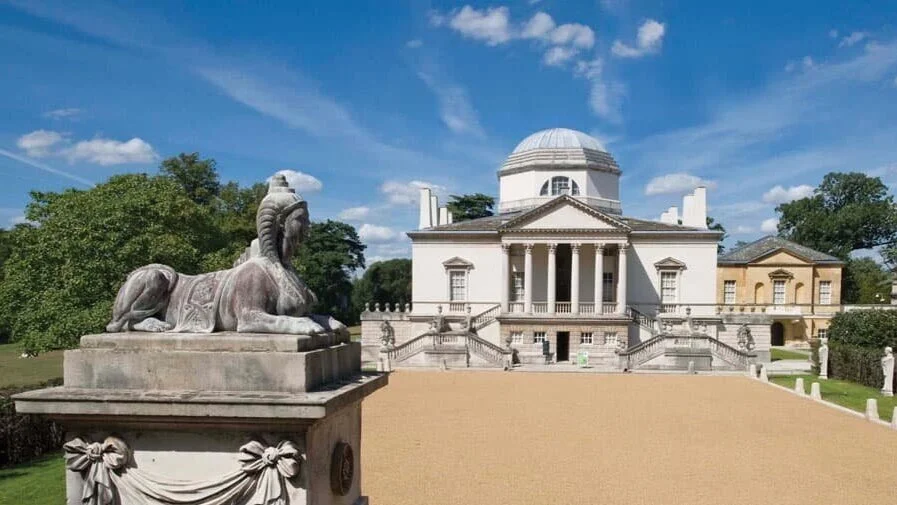
A relatively new addition to the circuit, now in its second year, this thought-led wellness festival takes place this spring in the open-air setting of eighteenth-century Chiswick House. Over three days, smart thinkers will be applying their big ideas to our everyday lives. This is a festival that aims “to get to the heart of what it means to be human: finding meaning in life, creating better communities, living more sustainably, doing business better, and realizing more from society and politics.” You can build your own festival by choosing which of the six sessions over the weekend you are interested in attending. We’re looking to our favorites The Poetry Pharmacy applying words to healing, Bryony Gordon talking about her relationship with her own mental health, and Caitlin Moran updating us on her take on modern feminism.
August
6 | Getahead Festival | Mental Wellbeing
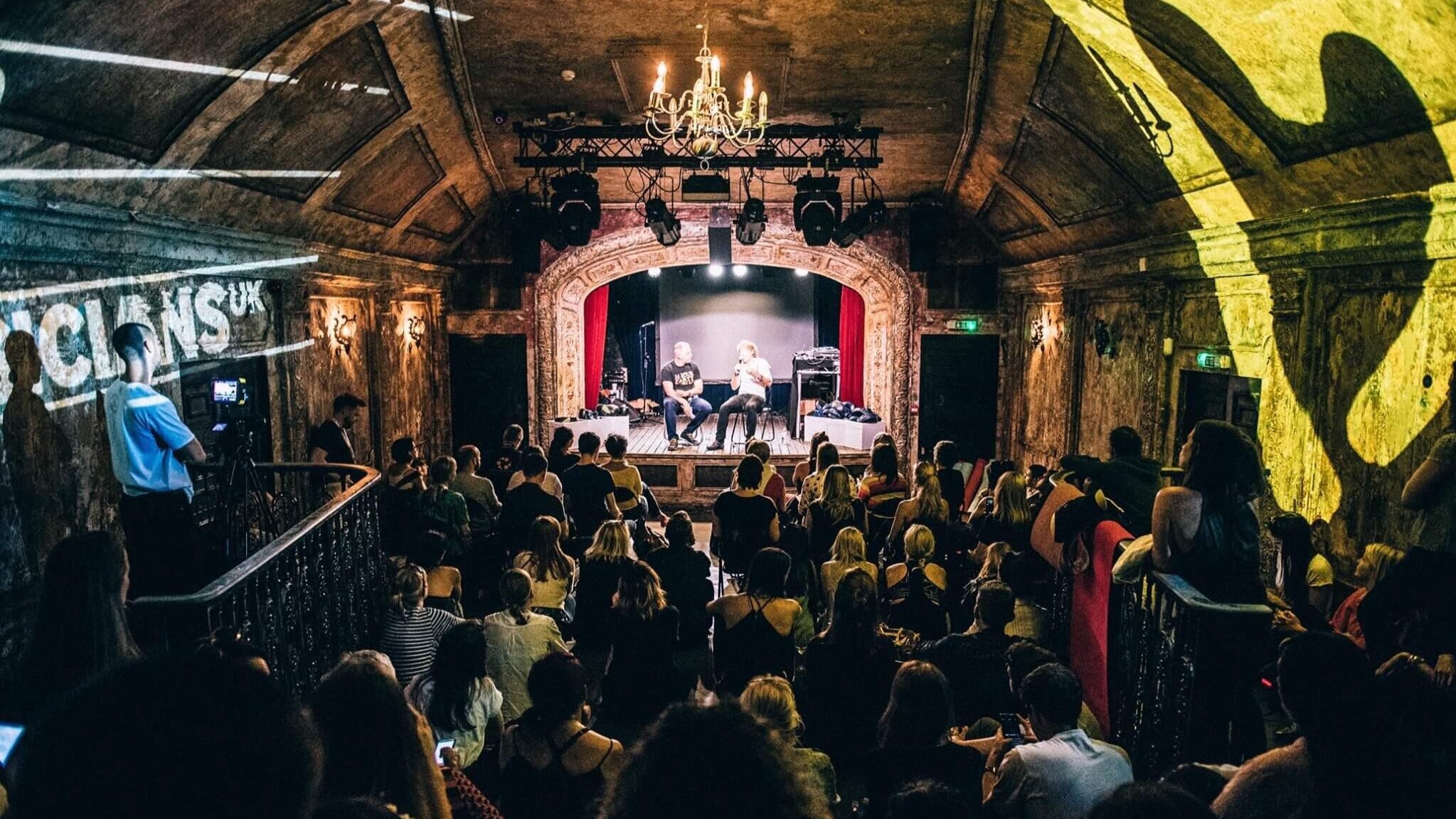
Billed as the only 24-hour festival focusing on mental health and wellbeing, the Getahead Festival steps into a moment when many people have been struggling. As Co-founder and CEO Jenni Cochrane has stated: “We may have a vaccine for the pandemic, but there is no vaccine for the mental health crisis we’re facing.” Over the course of a long in-person day at the Omeara in London attendees will have the chance to recalibrate their approach to their own wellbeing. Sessions will include those on mental and physical health, with topics including body positivity and mindful drinking, as well as lectures on personal and professional development with much-needed talks on financial wellbeing and productivity. To lighten the mood, they’ll also be a sober rave, comedy, dancing, dog therapy cuddles, and a sleep retreat. The non-profit Getahead launched its first festival in London in 2018 with a 25-year mission to positively impact a billion people.
5 to 8 | Wilderness Festival | Nature

Hot tubs, dodgeball, tug-of-war, dancing, river swimming, even a cricket game in the center of it all. After its 10th birthday year was canceled, this boutique festival is back this summer in the stunning setting of Cornbury Park, Oxfordshire — a 500 acres deer park and one of the only privately owned forests in southern England — for all the summer fun to be had and a sense of joy that’s been much delayed. Over four days, you can book experiences across categories such as wellbeing, the outdoors, and dining, filling the long days with inspiring workshops and delicious food, and maybe longer nights with live music, DJs, and dance.
20 to 22 | Soul Circus Festival | Mind & Body Connection
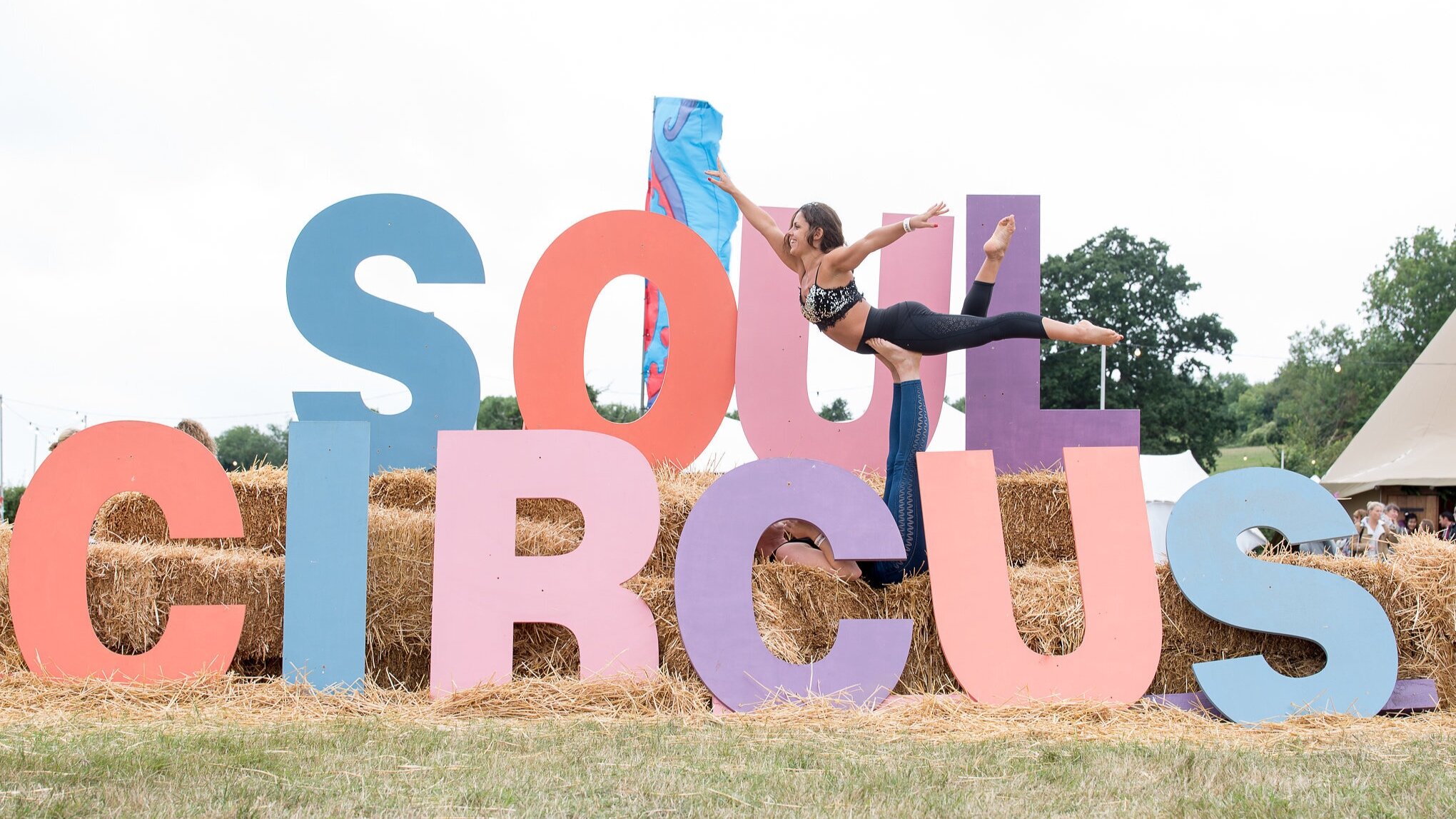
A summer festival that puts wellness at the center but keeps the fun going, set in the beautiful Cotswold countryside. If Downward Facing Dog in the company of hundreds and an openness to all things wellness is your thing, then this is the Summer weekender for you. Who needs wellies and stumbling drunk into tents when you can have tipis full of meditation, breathe work sessions from GOOP superheroes, and yoga to Beyonce (as in played not present). Don’t worry there are still cocktails to be had, comedy for life-affirming belly-laughs, and serious dancing in the evening (Goldie and Norman Jay MBE have attended previous years).
27 to 29 | The Big Feastival | Connection
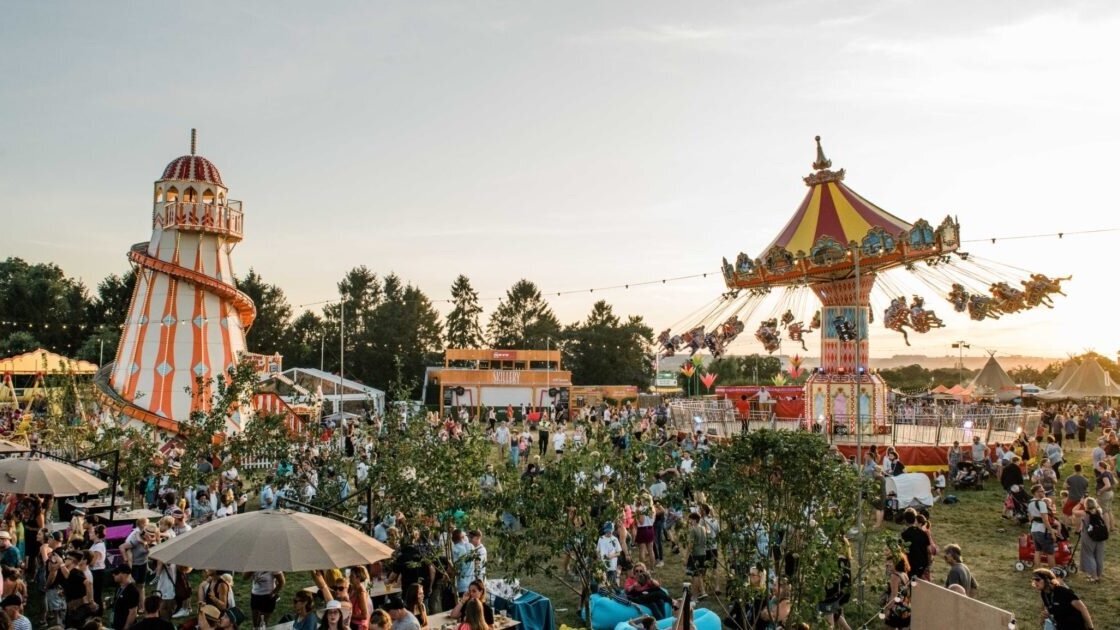
A village fete supersized that takes place on Alex James (Blur’s bassist) farm in the Cotswolds, this year supporting the work of charity partners The Flying Seagull Project and Magic Breakfast. It’s a uniquely family-orientated festival, where music shares billing with food; performances, and family silent discos in the evenings following days of workshops with Michelin starred chefs and hands-on cooking sessions. A vintage funfair and an on-site farm, as well as a BBC Introducing stage, brings the magic to all ages for a summer weekend of being in the moment, a Hawaiian poke bowl in hand.
27 to 30 | The Byline Festival | Awe & Wonder

Now entering its fourth year, The Byline Festival takes place on Pipingford Park Manor in East Sussex and bills itself as “a festival with a social, environmental and moral conscience. not just a shopping mall in a field.” Founded in 2017 by Stephen Colegrave and Peter Jukes, the executive editors of the sister organization Byline Times with a focus on the future of journalism, free speech, and the issues of the day, it also includes literary events, music, and comedy. This year’s festival will take you further into the forests with events from Lowkey, Tokyo Taboo, The Human Library, Hardeep Singh Kohli, The House of Comedy, and partners Frontline Club.
September
17 to 19 | The Good Life Experience | Untethering

Though The Good Life Experience is canceled, a more intimate version, Camp Good Life, is going ahead in September. It promises to have all the same elements that we’ve come to associate with its usual outing but reimagined for our current times.
25 | VERVE Festival | Mind & Body Connection

There have been some changes this year to the weekend wellness reset located in an area of outstanding natural beauty within the Wiltshire countryside. Now taking place over just one day and in a new location at Pyt House Kitchen Garden, it will keep its focus on health, exercise, and nature, with group yoga and pilates, lifestyle workshops and meditation sessions, forest bathing, and farm runs; something you might love already, and some new discoveries to try. Don’t worry, you don’t need to be a wellness warrior to attend, as VERVE caters to all levels, including families (who get to do bushcraft and foraging). Co-founded by Anna Hayward and Charlotte Cummings, VERVE prides itself on being sustainable – it’s a zero-waste festival and works with local food and drink suppliers to reduce food miles where possible.
Many of these festivals are now on our post-pandemic bucket list; we’re definitely finding that future thinking is keeping us hopeful. But these are just a handful of festivals that we’re looking forward to, for more connection, nature, wellness, and wonder later in our year. Let us know where we’ve missed. What are the places on your future festival list? Where are you longing to attend to bring more togetherness in the shape of a long weekend of out of our house fun?

Rochester Brainery
A community classroom space in Rochester teaching what really matters in life.
Go here if: you’re a seeker, of knowledge, skills, experiences, and connections.
What is it: A community classroom and event space in Rochester’s Neighborhood of the Arts founded by local Danielle Raymo.
Why you’ll love it: Rochester Brainery is a classroom driven by curiosity. Since it launched in 2013, it has hosted over 2500 classes. Before the pandemic, 70-80 classes were being held each month. Subjects are not limited but roam widely across interests from hand lettering to cocktail making, improvisation to mindfulness. Many of the lessons are co-created with local community partners, makers, artists, authors, and entrepreneurs reflecting everything and anything that someone would want to teach and someone would want to learn.
How to bring this into your life from wherever you are: At the time of writing the Rochester Brainery is open for in-person classes – a Shibori dye workshop, a History Happy Hour, and blacksmithing caught our eye. Outdoor classes have been added with popular geology field trips planned for the spring. If you are based outside the area, the Rochester Brainery is also offering its classes on zoom – a business development class for makers and creatives, and macaroon making looked particularly interesting and fun.
Why we think it matters: Learning sustains us, connecting to new subjects can expand our days, whether that is picking up a new skill or finding a life-long passion. Often as grown-ups, we forget this impulse for discovery; if we follow our curiosity it can be into the rabbit holes of scrolling, rather than meaningful searches in our analog lives. The Rochester Brainery makes it ok to learn again, to connect with subjects that just pique our interest, from history to cooking, and to make space for pursuing something just because we want to. It does so by bringing people together to share new experiences, enabling connections beyond the material and to those with one other. Within this classroom, new friendships have evolved, new business concepts tested (in events and pop-ups), and a community educated in what makes life most important, the people we get to share it with.
In their own words: “Learn from local authors, actors, artists, chefs, graphic designers, distillers, and more who share their smarts in single and multi-session classes.”
Something to try: Push your learning boundaries. We tend to sit within the subjects we feel comfortable with: maybe it's psychology for you, maybe it’s the arts. We may find it hard to wander into a different section of the bookstore, a different theme in podcasts, a different field to our own. Look outside of your world, try on another one. Even if just for a moment. The awe and wonder that can come with being somewhere else, might make it ok to be wherever you are again.
Photo: Rachel Liz Photography

London Terrariums
When you can’t leave the house, bring tiny worlds indoors with London Terrariums.
Go here if: space and time for gardening is limited but your interest in it isn’t
What is it: London’s first terrarium shop and studio in New Cross Gate is an entry into these magical ecosystems under glass.
What you need to know: London Terrariums was started by Emma Sibley in 2014, just before the houseplant movement really took off and potted plants went from dusty in the corner relics to central pieces in interior design. Ever since, attendees to the terrarium workshops, visitors to the brightly colored store which stocks bespoke creations and gardening tools, and clients from the V&A to The Hoxton Hotel, have become enraptured with these tiny self-sustaining worlds (the plants photosynthesize in the enclosed space, living off the condensation so there’s no need for watering). The practice of terrarium making and design stretches back to the Victorian era, and though particularly popular in the 1960s, it fell out of favor. Until now, when we’re looking for ways to reconnect with nature, to bring more of the outside into our lives, and to nurture something beyond ourselves.
What they offer (online and off): During current closed times, you can purchase a terrarium kit or attend an online workshop for at-home terrarium making. If you love subscriptions, check out their London Terrariums Plant Club for a monthly dose of greenery. LT ‘s bespoke terrariums can also be bought on the site if you are looking for a ready-made one.
Why we think it's special: As our awareness of the benefits of plants – for our mental wellbeing, productivity, and creative inspiration as well as the air quality in our homes – is increasing, making sure that everyone has access to green spaces matters more than ever. And yet the realities of urban lives often translate to no gardens, small spaces in which to live, and little time, distancing us from the natural world even more. Terrariums though striking are low maintenance taking up little space and fitting small apartments and overscheduled lives. As we’re also able to shape them ourselves, we have the added benefit of working with our hands and the pride that comes with making something. Creating terrariums gets our fingers muddy as we figure out designs with moss, orchids, and succulents within glass containers that range from huge carboys to quirky domes. As Emma has said: “ “It’s horticultural therapy. Working with the soil and the plants is meditative and calming.” They become objects of creation and reflection.
In their own words: “Terra- Meaning Earth. Arium- A suffix denoting a place. This is is the basics of what a terrarium is, we are creating a landscape protected from the outside elements, in which the plants and minerals used can interact and grow as if they are in their natural ecosystems.”
Something to inspire: Our relationship with nature doesn’t have to be monumental – like planting millennial forests – but can be realized as tiny worlds set on kitchen counters that make us smile as we pass them. House plants give us tiny ways for nature to take up space in our lives and for us to cultivate something beyond ourselves.

Sidewalk Talk
Sidewalk Talk takes the psychotherapist’s couch outdoors, creating the space for anyone to be heard.
Seek this out if: you want to refine your listening skills or just feel listened to.
What is it: A community-listening project, Sidewalk Talk offers a place of belonging within everyday surroundings. Just pull up a chair for the chance to be heard or volunteer to be the one listening. Connection doesn’t have to be complicated. It can happen right here in the streets around us by people who want to be there for us.
What you need to know: When San Francisco-based psychotherapist Traci Ruble noticed a surge in gun violence in her neighborhood, as well as increasing disengagement from each other due to tech and politics, she wondered whether she could place her therapist’s chair on the sidewalk and just listen. Curious about what was happening to society, Traci invited 28 psychotherapists to set up “listening chairs’ around the city, giving people an opportunity to just talk, to share their stories, to feel heard, and to find a connection. That was in 2015. Sidewalk Talk has since grown into a global movement and is now a non-profit operating in over 50 cities and in 15 countries, with over 8000 volunteers.
What they offer online and off: Sidewalk Talk is driven by its volunteers, 50% of whom have a background in therapy, though that’s not essential. Find out how to be trained as a listener or how to start your own chapter. Traci also hosts a podcast, Sidewalk Talk with invited guests discussing the breadth of issues creating loneliness and impacting our emotional wellbeing today.
New for 2021: The consequences of the pandemic – the stay-at-home orders, the focus on home at the expense of everything else, the pressures piling on – have strained some of our relationships like never before. Traci is also now offering a 12-week couples listening skills community, which is science-based, three-year tested, and heart-centered.
Why we think it’s special: In a moment when face-to-face contact has us feeling like we’re breaking rules or under threat, we’re looking forward to the time when that in-person piece is restored in our worlds. Sidewalk Talk recognizes the power of connection, how human it is just being together and how important it is just to feel heard. The organization also offers a much-needed counterpoint to the narrative that we need to do everything alone, including wellness, that being with each other, helping each other through, offers ways forward that going more and more inwards doesn’t. We need more kindness, more support, more togetherness; Sidewalk Talk steps into the “empathy deserts” we’re now living in and creates space for belonging and connection.
In their own words. “The world loves to talk - but words aren't enough. Listening helps people open up, share more, and reconnect in an increasingly lonely world. At Sidewalk Talk, our mission is to create communities of listeners who return to the same public spaces to practice heart-centered listening all over the world.”
More of a reflection: Learn to listen, not to fix, or give advice, or make sure someone knows absolutely what’s on your mind too. Learn to hear what someone is saying, reflect back to them the ways in which you understand, and be with them without judgment or preconceived direction. We’ve almost forgotten how to allow space for someone else and to show up to relationships with kindness. A language of listening can be learned, just as much as social media algorithms or cultural trends. Start with being aware of how you can listen better today. Then keep going, actively building positive relationships of trust and support.

The Freud Museum
London’s Freud Museum shares the legacy of the founder of psychoanalysis while giving the practice of therapy modern relevance.
Go here if: you ever wondered why we go to therapy.
What is it: The Hampstead home, now museum, of the founder of psychoanalysis Sigmund Freud and his daughter, pioneering child psychoanalyst, Anna.
What you need to know: Though Freud spent most of his life in his beloved Vienna, he was forced to flee to England ahead of the Second World War. He was to spend only one year in London before his death in 1939, but he brought to his new home an outstanding collection of over 2000 antiquities, objects, and books as well as his famous couch. These remain on display in the Queen Anne property; his treatment room and library veritably untouched. The Viennese apartment that he left behind was similarly transformed into a museum dedicated to Freud and recently underwent a four million Euro makeover, but here the driving theme, with its empty rooms, is one of absence and exile.
What they offer online and off: During closed times, you can still take a virtual tour of the museum, or attend a talk, event, or workshop such as one on the psychological effects of racism or another on attachment, desire, and chemical distractions. Also, a new podcast Freud in Focus, presented by Tom DeRose and Jamie Ruers, takes a close look at some of Freud’s texts.
Why we think it matters: Although much of Freud’s work has been contested, his impact on the way in which we continue to approach our mental health is enduring. The museum strives to keep his legacy relevant with a recent exhibition on melancholia that included UCL’s Psychoanalysis Unit and the current exhibition “1920/2020: Freud and Pandemic” makes connections between the current moment in which we’re living, and Freud’s own time when he published his seminal (and somewhat controversial) Beyond the Pleasure Principle and Other Writings and his own daughter Sophie died of the Spanish flu. The Museum has also commissioned contemporary artists such as Sophie Calle, Louise Bourgeois, and Mark Wallinger to create temporary pieces placed within the museum, giving Freud’s work, and that of his daughter Anna, new meanings.
In their own words: “The Freud Museum exists to promote the intellectual and cultural legacies of Sigmund and Anna Freud for the learning and enjoyment of all. While caring for the house and collections, we aim to highlight the relevance of Sigmund Freud, Anna Freud and psychoanalysis in the contemporary world.”
Something for now: Therapy curious? Explore podcasts, TV shows, and books that approach the practice of therapy in an open way. Therapy ready? We’ve pulled together some modern-day resources that are rethinking how we access the talking cure — now at some distance from Freud’s early treatments —and bring it into our modern lives.

How therapy is being redesigned for modern times
Therapy has changed. We’ve rounded up some of the new places and platforms bringing this practice into our modern world.
Finding a therapist can be difficult, particularly in a moment when people are feeling most anxious or lost. Figuring out who to see, and then checking in with yourself about whether they are the right fit, can feel bewildering, even exhausting.
We’ve been there: looking over lists of names, arranging the first meet-up, wondering whether something was off in your relationship or whether it was just your material, ending an ill-fitting arrangement, and then having the energy to find someone new to work with. Many times we gave up until the issue that pushed us to seek therapy could no longer go unheeded and we tried again. We knew when we’d found the right therapist, we knew who we wanted to work with, but there were some dead-ends and frustrations on the way there.
Often it's exactly this match-making piece that is the barrier to entry for someone seeking help. There are others — around cost, cultural sensitivity, access, and belief systems — but here we’re going to focus on how you can find the right therapist and how they can find you. Over the last few years entrepreneurs, mental health practitioners, and even the tech industry have noticed this issue too. Below we’ve pulled together some of the new services that have been emerging, ones designed to get you to the right person when you most need it, and in ways that feel very different to what has gone before.
Frame, Los Angeles

“Therapy looks different on everyone. We help you find your fit.”
Based out of Los Angeles, recent start-up Frame is approaching therapy with a modern consumer in mind. Forbes has called it the Bumble of Therapy. Long-time friends and founders Kendall Bird, a tech marketer, and Sage Grazer, a licensed clinical therapist, launched Frame to both serve the therapy-curious and the therapists themselves. Frame matches people with therapists through an algorithm, asking ten questions to best identify the six therapists that they could work with. These matches then each offer an introductory session. There’s no wasted money or awkward endings as you try to find the right person to work with. Frame is also currently offering digital workshops for the therapy-shy or for people who aren’t quite ready to commit to the one-on-one work of the therapeutic relationship. For therapists, Frame figures out all the back-end stuff too (therapists are effectively small business owners) — like billing and appointments, which in turn helps clients (who wants to take out cash and calendars at the end of a session?). Currently based in Los Angeles, Bird and Grazer plan to expand the service to San Francisco, New York, and Chicago within the next year.
Alma, New York

“Alma makes it easy to find high quality, affordable mental health care.”
New York-based Alma, approaches modern therapy from a completely different angle, that of the therapist. As founder Dr. Harry Ritter has said, “Great therapists need to be taken care of too.” Alma’s first space opened in 2018 in Manhatten’s midtown as a co-practicing space — or what CNN has called “WeWork for therapists” — providing a carefully designed environment in which mental health professionals – which also includes acupuncturists and nutritionists — can practice, a community in which their own learning and wellbeing is supported, and a suite of digital tools to make the business side of things easier. But the experience on the client-side is similarly thought through. Alma offers a searchable — including in terms such as race, ethnicity, gender, and sexuality — of its member therapists and a Client match-making team for more advice on finding the right person. Alma’s space is also not the environment of your typical therapy session with meditation stations in the lobby that offer Headspace while you wait for your appointment, check-in on iPad stations, chairs carefully positioned so clients can feel comfortable seated next to one each other, and a member’s library of books for browsing. Each therapy room also shares identical décor to make the experience consistent should sessions need to move spaces. Venture capitalist funded, named one of the most innovative companies of 2019 by FastCo, and with Ester Perel as a clinical adviser, Alma is in the process of expanding nationally. See their announcements for further cities in the US.
Black Female Therapists, USA

“Black Female Therapists (BFT) is the #1 lifestyle and empowerment platform for women of color.”
After Licensed Professional Counsellor Amber Dee struggled to find a therapist for herself, she established Black Female Therapists as a safe space to support the work of other black female therapists and to create a positive site for exploring mental health, self-care, and #blackgirlmagic for women of color more widely. The resulting Directory connects people across the US with therapists of color for both in-person and online sessions. It’s searchable in terms that include specialty, insurance, and Loveland coupons. With its focus on positivity and cultural sensitivity, BFT goes beyond just therapy though to include a range of wellbeing resources that aim to break the stigma around the practice of therapy within the black community. By promoting tools for thinking about mental wellness including the podcast 15 Minutes on the Couch, a daily affirmation service, and weekly classes, BFT also helps those not quite ready for therapy but in need of support through their everyday lives.
Additionally, try:
San Francisco and New York. The Silicon Valley funded one.
New York. Specializes in gender, sexual and racial issues

Online while NY space on hold.“The Wing of mental health”

You can also check out our conversation with San Francisco-based Two Chairs and our feature on Therapy for Black Girls.
As we’re all about the face-to-face, we’ve favored the in-person piece here, but there’s also a handful of digital therapy resources to explore like Talk Space, The Circle Line, Wysa and Mindler (now in the UK).
We’d love to hear your experiences of finding therapy online or off. Have you tried the new digital platforms or found someone to work with in analog spaces?. Let us know your experiences, what you’ve loved, what you haven’t, how things have improved, and what’s still missing. And if there are other resources that you’ve been turning to, tell us about those too, so we can include them in our guide for life and share with others who need them too.
The person who can help you is out there. Hopefully, these resources will help you find them.

Refettorio Felix
The magic that can happen when a Michelin-starred chef takes on food insecurity, food waste and social isolation.
What is it: The community magic that can happen when a three-star Michelin chef solves for issues of food waste, food insecurity, and social isolation through great food, compassionate design, and human dignity. Refettorio Felix takes London’s food surplus and turns it into meals for the vulnerable prepared by local chefs, bringing people together in community over a shared meal served in comfortable surroundings.
What you need to know: In 2017, renowned chef Massimo Bottura – his Moderna restaurant Osteria Francescana was named the world’s best – brought his innovative non-profit Food for Soul to St Cuthberts Centre, a 30-year old charity serving those experiencing mental health issues and homelessness, aging populations and the vulnerable in the community. Building on the impacts of Refettorio Paris and Refettorio Gastromotiva in Rio de Janeiro, in London Bottura teamed up with The Felix Project, a charity that saves food that can’t be sold — in date, good quality ingredients from national supermarkets — and delivers it to those in need.
As with his other projects, Bottura realized that the context mattered too. For Refettorio Felix he commissioned Ilse Crawford, a designer sensitive to the wellbeing impacts of the environments that she creates, to transform St Cuthbert’s space. Her brief: “to make it beautiful, a universal pleasure that is often missing from social projects”. The resulting dining area facilitates connection and closeness, with reading areas, low hanging light fixtures, and darker toned walls. Swiss furniture company Vitra donated the chairs.
How to bring this into your life: Refettorio Felix is very much active through the pandemic, serving meals and hot drinks. If you are local you can volunteer to support their ongoing work.
Why we think it matters: There are an estimated 8.4 million (12%) adults living in households with insufficient access to food. And yet, in the UK annually 10,000 tonnes of food is wasted (that figure is closer to 1.6 billion tons worldwide). These figures are pre-covid and have only gotten worse. Before the virus, the project served 75-80 people a day, in the early days of the pandemic that went up to 300 meals.
Refettorio Felix steps right into the gap between food insecurity and food waste, but it does so in ways that treat people with care and dignity. The conversations made over meals, the feeling of support of a safe environment, become as important as the social inequalities it hopes to alleviate. After a meal, people can stay – for therapeutic counseling, creative workshops, and even laundry services.
In their own words: “We sustain and support vulnerable people with positive and warm therapeutic services to accomplish our charity’s objectives of relieving poverty, hardship, sickness and distress. Our impact is grounded in the power of a shared meal of outstanding quality made with 100% surplus food.”
Something to do: If you are able, start to help alleviate food insecurity from your home – from reducing the meat you consume and the food you waste to supporting your local food bank and supporting school meal programs.
Additionally, support: Emma’s Torch | Social Bite | Brigade Bar + Kitchen | Luminary Bakery

Book-ish
For curiosity seekers, book lovers, and those looking for an escape into ideas, Crickhowell’s Book-ish makes a community out of reading.
“Reading gives us somewhere to go, when we have to stay where we are.”
What is it: An award-winning bookstore – Independent Bookshop of the Year Award 2020 — situated in an award-winning town — Crickhowell officially has one of Britain’s best High Streets, Book-ish was founded by an award-winning local high street hero Emma Corfield-Walters in 2010. Likes all good bookstores there’s a person behind it who believes in its capacity to be the heart of a community.
What you need to know: When the pandemic closed the store, Corfield-Walters (aka Mrs. Bookish) quickly got together with the female-founders of three other leading independent bookstores — Helen Stanton from Forum Books, Carrie Morris from Booka Bookshop, and Sue Porter from Linghams Booksellers — to start 4Indies, an online space that hosts author events for at home times.
How to bring this into your life: Book-ish has one of the widest range of book clubs that we’ve seen, including The Throw Away Your Television Society that delves into ever-changing themes, and The Underground for teen readers. You can sign up for a subscription service, with a book pick — non-fiction, fiction, poetry, picture book — sent out each month. (One option includes a monthly candle). Book-ish still runs an active online events calendar for when in-person is on hold.
Why we think it matters: Our favorite bookstores are those that go beyond books into the lives of our communities, enriching not only our minds and imaginations but also the relationships that bind us together. During non-pandemic times, the bookshop, with its bar, café, and events space, is a critical place to come together, to chat, to make space for ourselves. But its work goes outwards too. Corfield-Walters is a local advocate, bringing books into schools, hosting pop-ups at local festivals such as Green Man and HowTheLightsGetIn (when they are running), and serving as the co-director of the Crickhowell Literary Festival. She’s also an active supporter of community-building campaigns like Totally Locally, Fair Tax Town, and the community Corn Exchange Program. Book-ish makes space for books, but it also makes space for the people who love them too.
What next: If your pandemic fatigue now comes with reading fatigue, seek out Corfield-Walters’ recommendation to get you back to books: My Sister The Serial Killer by Oyinkan Braithwaite for “its short chapters and wickedly dark characters”.
To find out more: Website / Instagram / Facebook / Twitter
Additionally, try: Mr. B’s Emporium of Reading Delights / Pages of Hackney

The Museum of Broken Relationships
For when you don’t get your happily ever after, the Museum of Broken Relationships shows that you are not alone in your heartbreak.
Go here if: you didn’t live happily ever after.
What is it: When love stories end, we tend to purge our lives of our former partners. We burn letters, destroy souvenirs, throw away the detritus of our lives together. The Museum of Broken Relationships exists to provide an alternative, preserving objects that hold memories of our once beloveds. It holds a collection assembled entirely from mementos from broken relationships that still mean something to someone and that have lasted beyond the relationships that they eulogize.
What you need to know: The Museum started over a decade ago as a slightly quirky art installation by former couple visual artist Dražen Grubišić and film producer Olinka Vištica. As they were dismantling their own four-year relationship, they realized that they had objects that told their story, that held traces of their relationship, and nowhere to put them. Grubišić and Vištica gathered some of these together with similar objects from their friends, and curated an exhibition that could tell their love stories and serve as a testament that though over, these moments in time existed, they mattered.
Capturing a collective emotional nerve, the Museum of Broken Relationships has evolved into a permanent museum in Zagreb, where it opened in 2010. It now has over 3600 objects in its collection. Another venue in Los Angeles is temporarily closed. The Museum continues to travel internationally — with 58 previous iterations to date across the world including recent displays in New Zealand, Canada, Japan, and Romania
Why you’ll love it: The Zagreb museum will take you through thematic displays that chart emotions associated with a breakup. Its displays offer a fascinating walkthrough of others’ relationships, exploring what lingers at the end of a breakup through the physical objects that capture experiences of the lovelorn: An iron used on a wedding suit, the marriage’s only relic. A scab, from a literal wound. A love letter from a 13-year old to his first love, written when fleeing war-torn Sarajevo. A toaster (Colorado, 2006-10) taken on moving out –“How are you going to toast anything now?’ Not all relationships are of the unrequited kind. Next to a pile of Werther’s Originals is the caption, “I got these for you, but you died first.”
How to bring this into your life wherever you are: The online space exists very much in tandem with the offline one, with a virtual collection of personal objects that tell the stories of lost love. You can still donate your own items and tell your own story. A book inspired by the museum shares a similar emotional journey through people’s relationship souvenirs. If you make it to Zagreb, you can visit the Brokenships Café for emotional eating. Not a possibility, watch The Broken Hearts Gallery movie inspired by the same idea.
Why we think it’s special: The pain at the end of a relationship can make us feel singularly alone. We can feel like the only ones who have ever experienced the rejection, hurt, and frustrations that this moment can bring. But the Museum of Broken Relationships with its collection of stories shows us that relationships end for all of us, however that happens. We’ve all been down that road, or close to there. Reading these captions offers comfort; these objects bear witness to our stories, allowing us to realize that even in this, we are not alone.
Unusually for a museum, the Museum of Broken Relationships sits in parallel with our everyday lives; its existence shifts what a museum can be. The Museum of Broken Relationships more closely reflects the actuality of our personal lives, the messiness of our emotions, the randomness of the things we come to value and those we come to love and will one day let go.
In their own words: “Museum of Broken Relationships is a physical and virtual public space created with the sole purpose of treasuring and sharing your heartbreak stories and symbolic possessions. It is a museum about you, about us, about the ways we love and lose.”
Something not to do: We’ve deleted all the emails, torn all the notes, obliterated from our lives all remnants of past loves, and just occasionally we’ve come to regret it. Yes, the choice of our younger selves to destroy all reminders made absolute sense. It was a ritual that could help ease any ending, but did we erase something of our narrative as well? Sometimes we’d like a glimpse of who that person was we fell so heavily for, and who we were when we did that. Moments that we could have captured in time through random stuff, and held onto as treasured, even if the person involved in those memories is no longer with us.
To find out more: Website / Instagram / Facebook / Twitter
See also: Love Stories Museum / Museum of Failure

When Friendship Saves Us (Part 3): Our Take on Modern Love
This weekend, we’re celebrating our female friendships, the people who really help us find our way when we are lost. For our co-founder Claire, that’s Amanda, our other co-founder. Here’s some of our story.
I imagine getting comfortable before take-off on the plane back to England. Putting electronics in flight mode. Fastening my kids’ seat belts. Looking over the in-flight entertainment options with my husband. And then fleeing down the aisle. Stop, wait, don’t close the doors. Then running, running through the airport, the soundtrack kicking in, grabbing a taxi (after someone steals the one I want), to get to her. Amanda. Like the last scene in the romantic comedy, but this time I’m running to my best friend, and like a movie, I know that this is a fiction too.
Watching the end of Book Smart recently, I had a thrill of recognition. About to leave on a gap year to Africa, Amy comes back from Departures to her best friend Molly, for one last pancake, before getting on the flight late. I texted Amanda, “That’s us!!!” And although we’ve never eaten pancakes together and despite the fact that I arrive at the airport three hours in advance and couldn’t possibly be late, we thought that sounded about right.
In my final weeks in California before returning home after 13 years away, I seek out time with Amanda. She overrides my not-yet-filled bucket list. I choose her over the Golden Gate Bridge, over Napa wineries, over Stinson Beach sunsets. I choose barista-style coffee made by her 11-year-old, socially distanced in her garden, over Blue Bottle pulled by hipsters in San Francisco’s Ferry Building. I choose meeting her down by the creek in our little town over a road trip to Lake Tahoe, crossing stepping-stones over a quiet stream rather than riding jet-skis on alpine-fed horizons. In our last days together, I’m aware of making the promises a teenage girl would make to a best friend. “I will love you forever, we will grow old together, our kids will be best friends always.” But this time I mean them with the sincerity of a middle-aged woman who knows what commitment is and what true love can be.
When I met Amanda, the friendship that was designed to blossom was between our sons, both aged five and about to enter the same kindergarten class. It was a practical arrangement and it resulted in the connection we’d hope for our boys. But it was the two of us—with our new baby girls in slings and relentless nursing habits—who found a friendship neither knew we needed. For my daughter Ottilie, now aged 6, Amanda has become her second mum, though she calls her ‘Grandma,’ which befuddles us. Amanda’s daughter Willa is of course her sister-friend and they fight and love each other accordingly. Six years later our sons are like cousins, affectionate but sometimes confused by what connects them, aware only that it has something to do with family. My husband calls Amanda my real partner; she calls herself his wife’s wife.
I’d seen Amanda around town before that first blind playdate. I saw her when she toured the preschool where my son went, but she was Nikki’s friend, unattainably beautiful, and she chose not to go there, so our relationship never began. I saw her again when I was playing in the park and she was walking by, in labor, with her mum. To me, several months pregnant and puking every day, terrified of childbirth and ready to check myself into hospital weeks in advance in case something happened, she seemed a nonchalant goddess who would drop the baby and make magic happen. I felt fumbling and unsure, she looked resolute and dreamy.
In that unexpected way of life, it was Amanda that I would come to share the next years with. We would raise our girls and our boys together—navigating schools and relationships, work and shifting bodies. She taught me how to text with emojis: “It hurts my feelings when you don’t use them.” I learned that nature wasn’t terrifying and that hiking a trail alone did not mean instant murder. She showed me that kind could also mean strong, that humor didn’t need sarcasm, that the fears I had, she had too. I became vegetarian, because she’s vegan and I can get closer to that (though not quite that far). I know now that maple syrup makes everything taste better. I’ve become an unembarrassed fan of all things Disney. She sends me texts at night that I answer in the morning, because I go to bed early and she seems unoffended by that. She takes me to concerts, though live music makes me feel awkward; it’s her happy place and she wants to share it. We tell each other that “we are amazing,” without irony and with joy. Amanda was the first person I hugged post-lockdown.
In our last couple of weeks together during this odd coronavirus-threaded summer, I tread carefully in conversations about home. My husband and I had long contemplated the move back to England after too many trips home ended in tears at Heathrow. My best friend and I had known this was coming; it hung around us like a diagnosis we tried to put aside and that we often forgot. In what we thought would be our last year in San Francisco, the pandemic put paid to our plans and Amanda and I relaxed again into our time together. I realized that I could endure everything that lockdown had removed, except seeing her. That realization hit hard. Then my husband lost his job in the theater, which meant we had nothing to tie us to California. The decision to return home came quickly and forcefully. Moving back to England took on an urgency that neither of us has been prepared for and that I can’t ignore, much as I want to. We’re now down to three weeks and counting, no longer in the maybes and perhapses that chased our time together.
Together yesterday—the girls on the trampoline, the boys wondering what shared activity they could find—I try not to flinch when Amanda mentions a new friend she’s taking daily walks with. Past my house, up through the winding paths of our hill. I imagine them walking by when new people are here in my newly-sold home, saying, “I knew someone who lived there once.” I start to cultivate bruises of loss. But Amanda has taught me in our years together that love is boundless, to be shared. I allow myself to be the better person she believes me to be. “I like Hilary,” I say, “That sounds nice.”
Because I know this too. We are golden: she’s my Anne Parker, my Christina Yang, my Abby Wambach, my Rayya, my Farly, my person. Like women before me, I love my best friend. We have filled a space, begun a story, that women have navigated for centuries: Bringing up children together, finding support through our anxieties, spending hours in whispers and laughs. Making the in-between times count for more than the major moments of our lives.
Sitting on a packed suitcase in what will be my old bedroom with too many things that don’t fit and yet have nowhere to go, I hesitate. Why leave? But I know there is nothing I can do to stay here, in this moment, with her.
I have chosen: my home country that I left when I was 30. I will return there with two children whom I want to experience that home too. I’ve chosen grandparents and brothers and cousins that I’ve never quite learned to live without. I’ve chosen green fields and cozy pubs and heavy coats and clearer seasons and self-deprecating humor and supermarket shelves speak my language.
On paper, the decision makes sense. The conversations justifying our move make all the sense. The plotting—yearly plans with schools and budgets and careers and timing—makes sense too. Leaving Amanda makes no sense. And it matters nothing because I can’t get off the plane and unbuckle my children and walk down the airplane aisle with my husband to run to her and say, I love you. You are my home and I will stay with you forever. Let’s build something that will hold us and a future we can name.
When I imagine that plane ride home—now with wipes for the seats, premade snacks, stickers and coloring pads in Ziploc bags—I imagine listening as the flight attendant instructs us about what to do in an emergency. “First put on your own mask,” he’ll say. “Take care of yourself first.” But like everyone else on this plane, I know that if it came down to it, we’d put on our family’s oxygen first and save ourselves last.

The DEN Meditation
Los Angeles’ DEN Meditation helps find a way to make guided meditation part of your everyday life.
Go here if: you are looking for a space to deepen your understanding of meditative practices.
What is it: A drop-in studio for guided meditation with two Los Angeles locations founded by Tal Rabinowitz, former VP of Comedy Development at NBC (think The Mindy Project and Unbreakable Kimmy Schmidt).
What you need to know: Burned out on the entertainment business, Rabinowitz started meditating for all the reasons we now associate with the practice like destressing and finding calm. But she also found that it helped her get to know herself better and brought clarity about decisions going forwards. When Rabinowitz struggled to find the time to fit in her daily practice, she looked for a place that she could go – where she could be held accountable, experience the social benefits of a community, and learn a range of practices. When she couldn’t find the space that she needed, she started The DEN Meditation to be that place for herself and others.
What they offer online and off: During closed times, live and on-demand classes and workshops can be found at DENAnywhere. You can also listen to the DENtalks Podcast in which Rabinowitz hosts conversations with inspiring guests who share their experiences of how they found their way.
Why we think it’s different: Amongst the first of LA’s guided meditation studios, The DEN Meditation is designed to make the practice accessible to everyone and to make it easier to bring into people’s everyday lives. Classes are designed to fit within daily routines, many are just 30 minutes long. The studio feels universal, it's secular in its approach, with guided meditations from all styles and no specific lineage or spiritual practice. The space is intended to feel more like a home, comfortable for whoever walks through the door, as welcoming as a living room. That means brick walls, chenille, natural floors, and fabrics from India, rather than buddhas, lotus flowers, and mandalas. As Rabinowitz has said: “No one should feel they have to be a certain way to show up.”
In their own words: “Whether you want to learn how to meditate, find a home for your meditation practice, or just want to give yourself peace of mind in this fast-paced world, join us at The DEN. Come as you are. Leave feeling better.”
One piece of advice: Meditation can be intimidating, particularly if our idea of it might be 3-day silent retreats in monastic settings. But start small, really small, if you are new to the practice. Like two minutes. Be kind to yourself. Go slowly. Build up to 10 minutes, then 20-minute daily sessions. Make meditation an Atomic Habit – try it at the moment before you wake up and before you check your phone, or when you’re about to get into bed and have just brushed your teeth. Find ways to stack it on another habit, it will make finding the time to meditate easier.
To find out more: Website / Instagram / Facebook / Twitter
Additionally, try: Re:Mind / Spirit Rock

The Happiness Museum
Designed to connect us with different ways of understanding what happiness is and why we might be looking for it in all the wrong places, Copenhagen’s Happiness Museum is what we all need right now.
Seek this out if: Concepts like hygge have caught your attention, you are interested in how you can pursue happiness in your own life, or ideas of wellbeing have recently risen up your agenda.
What is it: After many people had expressed interest in visiting the offices of The Happiness Research Institute — an independent thinktank that aims to influence public policy through investigating what makes some societies happier than others — the team there decided to give people the space they hoped to find. The Museum of Happiness opened in the basement of an 18th-century building in Copenhagen’s historical center in summer 2020. Although it had been delayed due to the emergence of the pandemic, its existence anticipates a moment when we could all do with more joy, positivity, and wellbeing in our lives. The Museum has been designed to connect us with different ways of understanding what happiness is and why we might be looking for it in all the wrong places (hint more human connection, less emotionally driven Amazon purchases).
Why you’ll love it: When faced with “an experience machine” asking you to choose between the constant pleasure of an illusory life or moments of suffering in a real one, which do you choose? When listening to laughter, do you laugh too? Finding a wallet of cash on the floor, do you hand it in? What would you write on a post-it when asked what your happiest memory is or your definition of happiness?
At The Happiness Museum, you’re encouraged to participate, learning first-hand what happiness is and what it isn’t. Over just 2,585 square feet and eight rooms, visitors learn about happiness from every angle, from how it manifests physiologically to how it shifts according to geography, how thinkers have evolved an understanding of it from ancient Greeks to modern-day, to where our scientific understanding now rests. There’s a Trump MAGA hat representing the lowest level of happiness experienced in the UK (the day of his inauguration). A range of self-help books showing how the promise of finding happiness has become front and center in many of our lives. A harmonica that captures the happy beginning of a relationship.
What you need to know: The Happiness Museum is perfectly placed; it’s located in a country that is regularly cited as one of the world’s happiest – the UN World Happiness Report in 2020 put it second only to Finland. Within the museum, you’ll find displays on why this might be and what Nordic happiness really is. It’s also headed by Happiness Institute CEO Meik Wiking who literally wrote the bestselling book on Hygge, the Danish way to live life well, that has captured our imagination (and increased candle sales) worldwide.
How to bring this into your life wherever you are: Take The Happy Course and learn how to apply science-based principles on happiness to your own situation. Or brighten dinner conversations with The Hygge Game.
Why we think it’s different: The work of the Happiness Museum is not just to incite smiles (and to allow you to play with Mona Lisa’s), but to make you think about what happiness really is and why we’re so obsessed with it. Our knee-jerk path to it might be via rainbows and unicorns, but often we get it wrong. We seek out things that actually don’t make us happy — like the products that are sold to us that make us think they’ll make us fulfilled — and lean on strategies that don’t serve our lives well, like immediate dopamine hits that come from social media but don’t sustain us in the long term. The museum reframes some of what we think we know and gives us tools to find happiness in ways that are more sustaining. Like this quote from Epicurus: “Of all the means to ensure happiness throughout the whole life, by far the most important is the acquisition of friends.” A fleeting visit to the Museum is designed to instill a more lasting and nuanced relationship with happiness in our own lives.
In their own words: “A small museum about the big things in life. At The Happiness Museum you will understand why Denmark is often called the happiest country on earth, what hygge has got to do with it, and how you can measure something as subjective as happiness. The Happiness Museum is created by The Happiness Research Institute, a think tank focusing on well-being, happiness and quality of life.”
Inspired by: These words from Immanuel Kant: “Rules for happiness: something to do, someone to love, something to hope for.” Not this song on happiness by Lana del Rey, Happiness is a Butterfly (Happiness is a butterfly / Try to catch it like every night / It escapes from my hands into moonlight).
To find out more: Website / Instagram
Additionally, try: The Color Factory / The Museum of Ice Cream

The Civic Kitchen
A civic-minded kitchen classroom in San Francisco to get you cooking whether it scares or excites you.
What is it: A purpose-built kitchen classroom in the city of San Francisco designed for home cooks to master culinary skills. The Civic Kitchen will get you cooking.
What you need to know: Co-founders Chris Bonomo and Jen Nurse opened The Civic Kitchen in 2018 with a belief that anyone can learn to cook. Their Mission Street space has a program of accessible cooking classes taught by knowledgeable local chefs in a supportive and welcoming environment. The roster of classes, which in person never go about 14 attendees, cover the basics like knife skills and baking, through to more in-depth studies like a recent evening on sweet and savory souffles. The schedule goes beyond just making food though, to also talking about it (with Salt + Spine Cookbook Club), documenting it (with lessons on food styling and photography), and writing about it (a current offering is how to pitch a Cookbook of your own).
Why you’ll love it: This is not your typical classroom. This light-filled space feels like a home cook’s playground, from its brightly colored 20ft long floor-to-ceiling Cookbook Library through to a fully kitted out kitchen with its three ranges, double oven, and all the ingredients you could possibly need. The Civic Kitchen is all about practical hands-on learning and connecting with others as you sharpen those skills. During class, you’ll don an apron, get chopping and mixing, and make a meal to be enjoyed with your classmates on its central communal table.
What they offer online and off: Refresh those cooking skills during the pandemic with online workshops and wine tastings. Rather than the one-way of YouTube, learning from a kind person who is there with you in your own kitchen (albeit via a screen), can help instill more confidence and even joy in your cooking.
Why we think it matters: Vulnerability binds, but food connects us. With a motto of “Kindness in the kitchen”, The Civic Kitchen makes preparing a meal as much about bringing us together as about assembling ingredients. Co-founder Nurse encourages civility in all encounters with cooking, from learning about other cultures — along with the respect that must go with that — and finding a common language in preparing a shared meal. By taking the fear factor out of food, and giving us a much-needed alternative to food delivery apps, The Civic Kitchen is also creating a path back to nourishing ourselves and supporting a better ecosystem around food and how and where we get our daily meals.
In their own words: “We have built The Civic Kitchen from the ground up to be the perfect place for home cooks to learn.”
What next: Learn one meal that you can prepare for yourself, and one meal you can share with others. Something that you love to eat, and something you think others will. Two meals. That’s a start. Then keep going. A brunch for Sunday mornings. A lunch to break up WFH days. A grabbable snack as you race out the door. Something to make with kids, or grandparents. A classic that you’d choose in a restaurant. A dish to pack in a picnic basket. We much prefer this approach to selecting starters, mains, and desserts that you find in typical cookbooks. Give life boundaries around the food you make to make it relevant, accessible, and meaningful again.
To find out more: Website / Instagram / Facebook / Twitter
Additionally, try: 18 Reasons / Bite Unite

Grow2Know
A London based not-for-profit bringing the therapeutic benefits of gardening to young people and changing who gets to garden one project at a time.
What is it: “The healing power of nature in the community”. Grow 2Know is a not-for-profit based in the community of North Kensington aiming to make horticulture more inclusive, by inspiring, supporting, and educating young diverse gardeners through greening disused spaces across London.
What you need to know: In the aftermath of the devastating Grenfell Tower fire in 2017, local semi-professional footballer Tayshan Hayden-Smith who had lost friends in the fire turned to nature for healing, greening the spaces in the surrounding community as a form of therapy. With other community members in North Kensington, he founded the Grenfell Garden of Peace, a sanctuary and a symbol of resilience. Now with Danny Clarke aka The Black Gardener (and the first black gardener to be given a TV show, The Instant Gardener in 2015) and Ali Yellop a local agriculturalist, all of whom have Jamaican heritage, Hayden Smith has started Grow2Know. Through designing, building and collaborating on community gardens, Grow2Know aims to shift the narrative of who gets to garden and who gets access to green spaces.
Projects have included taking over a discussed green space at Morley College, transforming it into a place of tranquility with the help of members, staff and students. This year, Grow2Know will participate in the RHS Chelsea Flower Show creating a garden centered on the Caribbean community, and inspired by the now closed North Kensington Caribbean restaurant The Mangrove which in the 1970s was frequently the target of police. Future projects also include a Calisthenics exercise garden to reinforce the physical benefits of green spaces and a collaboration with Steel Warriors, who use salvaged steel from melted down confiscated knives to build outdoor exercise gyms.
Why we think it matters: This pandemic has made overt the connection between nature and our mental wellbeing, but persistent social inequalities mean that not everyone has access to those benefits. As Grow2know has noted “if you live on the 20th floor of a tower block what reason do you have to currently get involved in gardening?”. Gardening pulls together disparate threads all impacted by racial justice, from environmentalism — the quality of the air we breathe and who feels most the consequences of climate change — through to food insecurity (having access to fruit and vegetables through urban farming initiatives). Grow2Know aims to shape the conversation around gardening by mitigating some of these issues. Their approach takes a broad view, diversifying who has access to green spaces while showing young people the mental health benefits of gardening, and the connections between nutrition and growing food. The benefits of gardening here are far-reaching, experienced personally as therapy and support, and more widely, making communities more conducive to mental wellbeing and connection.
In their own words: “Grow2Know aims to heal, inspire, empower & educate using horticulture – planting seeds in the minds of young people & giving them the necessary tools to make a positive impact in their communities. We aim to change the narrative & break the mould on the stereotypes of what it is like to be a gardener & what a gardener may look like, & in turn, create a more inclusive industry. We feel that gardening is a pretty cool thing to do & it is our mission to exhibit just how cool it is.”
Something to do: Follow one of Mind’s tips for getting into nature wherever you are, such as bringing nature inside, helping the environment, and growing your own food.
Discover more ways to enhance your well-being through the natural world

The Goodlife Centre
If like many of us you’ve lost contact with basic DIY skills, London’s The Goodlife Centre gets those power tools back in your hands.
What is it: An independent DIY learning space in London’s Bankside.
Why you’ll love it: Classes are open to everyone (well over 10), so whether you are homeschooling, retraining for work, or exploring new skills for pleasure, there’s something to learn. With subjects as broad as Carpentry, Furniture Making, and Home Maintenance, that workshop could cover making a plant pot holder or simple bookbinding, learning modern upholstery or woodcarving, or delving into Log Cabin quilting or cold process soap making. You’ll come away with practical knowledge, more confidence in how to use those power tools, do things for yourself, and make whatever you need to happen in your home.
What you need to know: Inspired by her first “Tools for the Terrified” course in 2009, founder Alison Winfield-Chislett — formally a product designer at Asprey and Tiffany and author of The Girls Guide to DIY — developed the idea for The Goodlife Centre. From its first bright studio workspace in 2011 to its current permanent home in a renovated cardboard box making factory, The Goodlife Centre’s central location has given weary Londoners an escape into making.
What they offer online and off: During closed times, classes head online and are on-demand, with current offers including Basic Tiling, DIY drills, and Basic Practical Electrics. The Goodlife Centre can even send you a Practice Box, so you’re DIY endeavors are more played with than permanent.
Why we think it's special: If you’ve never learned how to ‘do things’, and you often turn to Youtube for how to rewire a plug or paint a wall, The Goodlife Centre’s experts offer the foundations and confidence to tackle repairs, restore unloved items, and make things from scratch. Becoming self-reliant is empowering, learning to take care of our homes and not outsourcing our own skills a way of reconnecting to our environments. Working with our hands again also gives us access to the analog world, getting us off our devices and into a learning experience that is all about the moment, the physical, the tangible. But these skills are impactful beyond the satisfaction of reupholstering a chair. Our throwaway culture is having serious consequences for our environment. By relearning basic object survival skills, we can reduce the amount that is wasted when something is deemed unbroken or unfixable.
In their own words: “The Goodlife Centre provides interesting practical ‘hands-on’ workshops where everyone can gain new skills and enjoy expanding their confidence and abilities. All classes are open to men and women and are intended to teach skills to beginners and are not intended as trade training courses. We do not test or evaluate – so you can relax while you learn.”
Something to do: Hesitate before you bin something you believe to be broken. Possibly it’s not and there’s a simple fix. Try to repair something (with safety cautions in mind) before you decide to replace it. Take Do Nation’s Pledge to Fix It.
To find out more: Website / Instagram / Facebook / Twitter
Photo: Vic Philips