

The Museum of Ice Cream
The Museum of Ice Cream might seem like it’s about sugary confections, and equally as sweet images, but approach it as a place of connection and then it becomes something else entirely different.
Ok, you probably have your assumptions about the Museum of Ice Cream that has been popping up in locations in San Francisco (now permanent), New York (very new and permanent), Miami, and Los Angeles. We had ours. We imagined it as an Instagram mecca, a hyperreal pink (that’s Pantone 1905C) paradise of shine and shimmer. Froth and frolics. And it was that: when we visited the SF version, we took photos with everyone else against backdrops of floating cherries and giant popsicles, made impermanent messages with pink magnets, crawled into mirrored rooms and climbed pink walls, and swam deep in the famous pit of colors. We hadn’t gone as far as some; we hadn’t coordinated our outfits and we hadn’t posed again and again for the perfect shot. But we had image-laden fun: we consumed a ton of sugar, visual and edible. We laughed and interacted and just spent a silly afternoon with our kids actually sharing in their joy and not watching from the sidelines as is sometimes the condition of modern parenting.
Though we did all this and came away feeling great (maybe slightly sick also), we have since realized we kind of missed the point. And maybe we weren’t, or aren’t, the only ones. See the Museum of Ice Cream is not really about ice cream (though there’s now a Target branded line that includes such things as Impeach-Mint so this argument might get a bit blurry). It’s also not about taking out your phone to capture the perfect image. It’s also not about screeching through oblivious of those around you as you try to craft the perfect time. What we have since learned is that that it is fundamentally about connection. That’s right, this experience, this museum, now handily rebranded by its founders as an ‘experium’, has been engineered to bring people together, to be a kind of social glue, albeit of the creamy vanilla kind.
It was this episode of Yale associated podcast The Happiness Lab by Dr. Laurie Santos that started to shift our perspective, and as we dug deeper into the motivation of co-founders Maryellis Bunn and Manish Voramotivation, we found more and more that spoke to The Museum of Ice Cream as a counterpoint to our current epidemic of disconnection and the loss of spaces in our worlds that give us the opportunities to just be people together.


Here’s the irony: The Museum of Ice Cream was intended to be so spectacular that we wouldn’t be driven into the world of image-making on our phones, but rather we would be driven away from them. We’d want to immerse ourselves more in this fantasy world, for a short time tangibly all around us, because it was more real, more compelling, than those pixels. We would want to share that experience with those following a similar journey through the joyful labyrinthine spaces, as that would heighten our own experience for us. We’d want to escape our isolation and run into a place of collective joy.
The Museum of Ice Cream has since pivoted and like all new concepts iterated on its theme. Yes, it’s a huge phenomenon that you may have visited, probably most likely have an opinion on, or are in the process of imitating (see the idiosyncratic experiential museums that it has since spawned), but it’s also still figuring itself out. Like Solo Nights (where you get in free if you turn up alone) and the phone free sessions; the Museum of Ice Cream concept is truly working when people connect within this fantasy palace, when they notice what’s actually around them and each other, and when the conversations started within the shininess go outside its walls, and sometimes that needs a phone-free helping hand.
The Museum of Ice Cream is a pop-up experience that’s meant to last more than the sugar high even as it gives you that high. It’s a careful line to tread, but we’re betting that as long as it's as much about the people it buoys up as the abundance of ice cream (or whatever the framework may become) that is consumed then this will stay a place of comfort that continues to soothe our disconnected lives.


Shelf Help | In conversation with Toni Jones
We talk to the British journalist Toni Jones, Founder of Shelf Help about the bookclub that became a global movement and why its her mission to make self-help accessible, collaborative and cool.
When we first found out about Shelf Help, we felt like we had found our people. It’s a book club, built around self-help books, that also builds community in real-life. Isn’t that the ultimate combination?
OK, you’re hesitating, and we’re guessing it might have something to do with the genre because let’s face it, self-help can be a bit naff. You probably already have your biases, unconscious or otherwise.
Don’t worry, in the conversation that follows with Founder Toni Jones, we’ll cover that uncool factor and all the other reasons why Shelf Help is something you might need in your own life. Prepare to change your mind.

Claire: What led you to start Shelf Help?
Toni: I had just left my full-time job as a journalist to become a freelance writer, which meant suddenly spending a lot of time by myself. I was 36 and I’d never spent any time alone. It should have been the dream. I’d quit a job that I hated. I was busy and getting work. But it wasn’t that easy being by myself and getting to know myself. I realized I had spent a long time just ignoring my needs, and as soon as the job wasn’t there as a distraction, it was all back down to me.
I spent a lot of that time not unravelling but definitely in a bit of a mental health black hole. I was transitioning from this high-octane life to having a lot of time to think about whether I had done the right thing. I didn’t know how to deal with any of it. I knew I didn’t want to go back. I knew that wasn’t the right thing to do but I wasn’t sure which way to go.
I just started reading a lot of self-help. I started taking care of myself in other ways too; going to therapy for the first time (which I found really hard and amazing), doing yoga, attending retreats, and participating in a few support groups like Al Anon. I was also writing more about wellbeing because it was a trend that was coming in. In a way, in trying all these things, I was approaching my own life like I was writing a feature.
Claire: What was the first self-help book that you read?
Toni: Paul McKenna’s Change Your Life in Seven Days, which people thought was hilarious and really weird, because you don’t think of him as a self-help guru. To many people he’s that weird hypnotist on tele but he’s well-trained in positive psychology and NLP.
Because it was the first self-help book that I read, it really resonated. All these light bulbs went off. I read it slowly; I’d read a concept in that book and then I’d go away and research it. I’d go deep into the black hole of a certain author or self-help concept. Suddenly I was learning all this stuff and I literally could not get enough of it. I was devouring all these self-help books. I was fascinated by it particularly when I started reading about positive psychology and neuroscience and things like Dr Joe Dispenza (he talks about the power of your brain to change and it’s kind of the Law of Attraction but with all the science behind it).
But I was boring my actual friends with it. They were seeing a change in me—and that does spike people’s curiously—but they were like: ‘we get that you are into self-help, but it’s not our thing but good for you that it’s working.’ I started Shelf Help to find new friends who I could talk to about it. Also, as a journalist, I’m the kind of person who, when I find something good, I just want to share it.
Claire: Tell me about the first meet-up. Was it what you expected?
Toni: Shelf Help started as a local book club at a little wine-bar in west London. The first couple of meet-ups were a bit more earnest than they are now, because I started off thinking I needed to be super serious to be able to offer good support, but I’ve learned—as I’ve got better at running groups and also sharing my own story—that you can talk about the big stuff and still have fun.
Meet-ups today cover all kinds of heavy things; purpose, grief, breakups, fertility, friends, fear, careers…but we end up laughing a lot. They are actually really fun! We don’t just sit there and talk about our problems. People do bring up things that are bothering them and things that they are struggling with but there is usually someone in the room who can help them, someone who can say that happened to me and I did this. The idea is that we can all come together because everyone is fragile. We’re probably going through the same old shit and it’s nice to know other people have gone through it and that they have survived. Everyone leaves feeling positive.
Shelf Help has gone from me saying let’s talk about our problems, and that its ok to share, to a place to move forwards. Now I say we celebrate self-help. It’s about inspiring positive change. We advocate that it’s totally ok to not be ok and that people’s feelings are valid, but there’s a lot we can do to feel better, and so we focus on what’s next and how can we help each other.
Claire: As Shelf Help isn’t therapy but is to the side of therapy, how do you create an environment that is safe and purposeful?
Toni: What I do is create a space to give people tools to empower themselves. It’s self-help, so I’m never saying that I’m a therapist and that I have all the answers. At each meet-up, we use a different book but the same format. I’ll pull out 5-6 quotes or exercises from the book and every host around the world and on-line will use those questions for discussion. That gives us the framework as we’re going through the session.
For instance, let’s take a recent book Designing Your Life, which focuses on working out different versions of who you can be. I’ll say ‘The authors say… ‘ and ‘This is how they say it will work…’ Then I’ll ask, ‘Who has experience of this...’
I’m not saying that’s my advice or opinion, though I’ll share something usually based on my own experience. People understand that I’m not trying to direct anyone in any way. If you have chosen to read this book and come along to a meet-up, it’s because you are interested in the topic and meeting like-minded people. I’m pretty sure the attendees aren’t just there to see me or listen to what I have to say about something. I’m just the host: I bring people together and create an environment. But very much people are coming with their own stories to share.

Claire: It sounds like the book itself is giving you the safe container?
Toni: Yes, the expert in the room is the book. Sometimes we have the author there but not always. In a way, it is like a regular book club where you get together to chat about the different characters and chapters and everybody has a different opinion.
Also, I’m quite clear that confidentiality, kindness and no judgement are our code of conduct. That’s on our printed materials that we put out. Hosts also read out the manifesto at the beginning of each meet-up, which explains what we are and what we’re not.
We do have different levels of people at different levels of pain or need. Some people have gone to the doctor and they are going to therapy. They are using this as another tool. There are a million experts that people can google but what they are looking for with Shelf Help is a way to connect to others and a way to connect with themselves.
Claire: The self-help genre has been promoted as being so individualistic, as something you do alone. There’s this idea that you read a book alone and have all these epiphanies alone. With Shelf Help what you are saying is that actually self-help is not solitary, but rather it can be in understood as a collective experience and can be experienced in a social environment.
Toni: My mission with Shelf Help is to make self-help accessible, collaborative and cool. The idea of self-help is a bit of a misnomer. Yes, you do need to do a bit of that work on yourself, but you also need help to take that work forward. It’s much more powerful when we come together.
If you’ve got used to sitting at home by yourself, with just those stories that go around your head, often just saying something out loud to someone else can give you a different perspective. Shelf Help gives people access to different perspectives, and entirely different life experiences
When we did Susan Jeffer’s Feel the Fear and Do It Anyway at our meet-up in London, we had an Indian grandma who had the original copy from the 80s that she’d been given when she first moved to London. She was sitting next to a Gen-Z girl, 22 years old, clutching her brand-new edition of the book. Though it’s a bit of a worry that we’re still dealing with the same old stuff, it was amazing to watch them connect over the same material. They probably would never have met or talked to each other otherwise, but these are universal themes that can easily see three generations apart talking about the same eternal topics.
Claire: As an advocate for self-help books, going to therapy and going on this deep dive into personal wellness, how do you negotiate some of the cynicism that can come into play? There’s definitely an undertone that says that stuff you are doing over there, that wellbeing stuff, isn’t credible or serious.
Toni: Yes, I see that. But it started working for me, and for others, and as soon as something starts working, people want more of it.
My dream with Shelf Help is that people are not scared to read self-help, that it gets people talking about this genre and connecting, rather than thinking you must be a mess because you are reading a certain book. I believe that the audience is everyone and that’s the whole point. I want people who maybe don’t think they are self-help readers to maybe read an interesting quote or a passage on our Instagram and to go, “oh wow, that’s what’s that book is about.”
Claire: It’s interesting to see that shift, that there is a real thirst for it. That people are going towards it.
Toni: What something like Shelf Help does, and what I realize that I do for my friends and my family, is to give them permission to get curious about self-help. Yes, some people do still see it as naff and cringey, but quietly people will come along to a meet-up. They’ll have read the book and they will want to talk to me about it but maybe not in front of everyone. The interest is definitely there.
Shelf Help is all about accessibility. We make it accessible by organizing free or affordable meet-ups and events as well as via the content we share across various social media. That’s why I now call Shelf Help a platform—the book club is always going to be a big part of it—but we can share all kinds of content too. One day I hope we will be creating online courses, better digital meet-ups, and more events, like author workshops—which means you don’t have to have read any of the books to come along.
The way that people consume content now works to our favor; we don’t necessarily just have to read a book to be helped by self-help. People can also watch a Ted talk delivered by the author, listen to a podcast or follow them on social media and still connect to the strategies and ideas.

Claire: There’s a criticism that I’ll paraphrase here, that 100% of people who have read a self-help book will read another one. This means in effect that they don’t work. But really the point is not that they are buying another one because the last one didn’t work, but that they are buying another one because it is working.
What you are saying in effect with Shelf Help is that your relationship to yourself and to other people is a life-long one. That people can have a growth mindset around their own learning. That’s something positive that people can sustain in their lives. You are shifting the perception that self-help is failing if you need more to its working if you need more. It becomes a form of ongoing mental nutrition in a way instead of an ineffectual crutch.
Toni: I think the more that you learn the more you realize you have to learn. If you are looking to a book to fix you, you are missing the point because most self-help comes back to the same finding: you need to start with you. All these books and tools will help guide you but ultimately you need to know yourself, to meet yourself and then start that work.
People say to me how can you read all this self-help and not be fixed? They have this idea that if it’s so great you only need one book. But we’re always learning. That’s what we are here to do, to grow. You are never going to be complete and how boring would that be if you were? What you learn along the way is amazing and is probably the best bit.
Claire: How do you get over self-help overwhelm/ fatigue (you know that feeling where the 11 things to do to better your life feels like 1000 things to do)? How to do you go from reading self-help to actioning it?
Toni: After feedback from members we’ve slowed down the reading process, to one book of the moment (BOTM) every two months (instead of one book every month). These books require that you delve into yourself or peel off these layers. You need to do the exercises and read it at a pace that allows you to process.
Claire: You give a reading schedule?
Toni: Yes, for accountability and so people can follow along with what we’re doing. Everyone is so busy, and I have to appreciate that reading can be a luxury. We need to allocate proper time to get through these books. It’s very much about reading, processing and then acting on it. In Crazy Good, one of the books we have covered, author Steve Chandler says: “Once for information and twice for transformation.”
Claire: Do you choose all the books that you cover? How do you go about that?
Toni: Yes, I’ve done that so far. I’ve gone on books that I’ve loved and that have made a big difference to me and that I know. People seem to like the fact that they are directed to what to read. Not that I know everything about self-help, but I do get a good vibe for what most people want to know about at the moment, whether that’s happiness or habits or purpose. I also get a sense from everything that I’ve read that this particular book is one that we can dissect together. Now, it has to be available globally cause we’re a global book club and we have loads of engagement in Canada and Australia.
Claire: I saw that you are now worldwide, including Amsterdam and Los Angeles. Why did you decide to make Shelf Help a worldwide movement?
Toni: I want to make the conversation as big as possible and to get as many people as possible talking about these subjects.
I think these things affect you in San Francisco the way they affect someone here in London: Feeling lonely, and just wanting to connect. We’re so connected and so disconnected. People are just looking for things to do that bring them together. I started Shelf Help at a time that I really needed it, but I underestimated how much everyone else needed it as well.

Claire: Shelf Help fits in this cultural moment, this global phenomenon of being disconnected, and searching for something to fill the void. We’re all going through it. For me, Shelf Help covers those universal longings: how do we connect, how do we come together, how do we help ourselves?
Toni: People do want to connect online but people ultimately want to go to or even start a meet-up. We’re able to create this amazing network and that’s what technology is allowing us to do but really its feeding people’s need to connect in real life as well.
People want to catch-up or go to events with each other. Most hosts are starting to organize social events in-between book clubs where they’ll go for dinner or a yoga class or a workshop.
At the meet-up in Farnham UK, they seem to bond over their love of cake as much as the books they read. In central London, the meet-ups typically focus on purpose, career and burn out. The one in Pembrokeshire takes place at lunch-time because it is made up mostly of mums.
I want the hosts be as autonomous as possible. If you want to host a meet-up for me and for Shelf Help, then that’s brilliant. We want you on board. We want as many people as we can get, but applicants have to understand that there’s a certain level of commitment (hosts need to commit to a minimum of 6 bi-monthly meetups, and are responsible for the venue and local members, with some support from Toni/Shelf Help). To scale this movement, I know that it can’t be about me; I can’t be everywhere.
Claire: You don’t have to be the person in the room, you can create the system for it, but it doesn’t have to be you?
Toni: I absolutely don’t want it to me about me. I’m happy to be the figurehead and I’m glad that people relate to my story. I love organizing the events and managing the network of hosts, but, ultimately, I want to empower people to help themselves and build a community that helps each other.
Claire: You’re 2 years old (congratulations!). How has the idea for and realization of Shelf Help shifted from when you started to where you are now?
Toni: Two years ago, it was just a book club in Chiswick, west London. Now, I talk about Shelf Help as both a platform and community. We’re all about connecting people to ideas through both the books and other types of content that we share. We’re creating spaces on-line and off-line, with lots of events and meet-ups, and an active digital community. The community is a massive part of it
A lot of Shelf Helpers who are assisting with our second birthday party, are people who are either hosts or come to a lot of meet-ups. I didn’t know many of them a year ago. Now they’re really good friends who are all giving up their time for this celebration.
I’m finding that people want to be part of what we’re doing. They want to do what they can to help us grow. We seem to call on people who can see a huge value in focusing on their mental wellbeing and who then want to share that message.
Claire: If someone is interested in getting involved, what’s the best way for them to engage with you?
Toni: You can come to a meet-up, an event or a retreat. Or join the Facebook group, follow us on Instagram, sign up to the newsletter or even host your own local book club. There are lots of ways to get involved.
Claire: And finally, what’s the one message you take away from reading so much self-help.
Toni: At its most simple, Shelf Help is about helping people to like themselves more. Because I think that too many of us don’t like ourselves enough (maybe don’t even know how to?) and that everything in life can be made better when we improve the relationship we have with ourselves.
To find out more about Shelf Help, head to the Website, Instagram, or Facebook.


6 Benefits of Sobriety (That You Might Actually Care About)
The value I found in this version of myself shifted over time. She was, undoubtedly, more fun than everyday-me (free from the plagues of anxiety, depression, paranoia, self-doubt). But pulling her up, and keeping her there, seemed to become harder over time. The disparity between who she was and who I wanted to be, who I thought I was, seemed to grow further and further apart…the transition away from her, back to me, increasingly more chaotic.
How Sober-Curiosity Opened the Door to Self-Discovery
When I drank, I liked to imagine that I was unearthing some deeply repressed version of myself. The fun version. The loving one. The one who might jump in a fountain or run the wrong way up an escalator or (expertly) choreograph a dance to Paula Abdul’s Opposites Attract. (Yes, THAT ONE.) This version was also the one who knew the answer to all of your life’s problems, the one who would stay up til 4am crying with you while we redesigned our entire lives, the one who would drunk-dial you seventeen times in one night just to say hello. (Yep, hi, so sorry about that.)
The value I found in this version of myself shifted over time. She was, undoubtedly, more fun than everyday-me (free from the plagues of anxiety, depression, paranoia, self-doubt). But pulling her up, and keeping her there, seemed to become harder over time. The disparity between who she was and who I wanted to be, who I thought I was, seemed to grow further and further apart…the transition away from her, back to me, increasingly more chaotic.
When I decided to leave this version of myself behind, decided she wasn’t worth the heartache, I assumed I’d be leaving behind all of the best things in my life, as well…all of the freedom and the fun and excitement. Real me was safe, made good choices, followed the rules. (How would I ever bear being her, all the time?!) What I didn’t realize then was that everything I’d created in the land of drunkenness, was available to me in the land of sobriety, I just had to work for it.
In time, it became clear that, with a little intention, I was in complete control of every facet of my life, every experience I had. And when something didn’t feel right? There was no escape. I either had to feel it or fix it, a realization that sat somewhere between extremely overwhelming and incredibly empowering.
Having now made it through one entire year of sobriety, I can only assume that I am the authority on the advantages of such a lifestyle. The following are the Top 6 benefits I’ve managed to work out.
FRIENDSHIP
Ok, this may come as a shock to you, but you have preferences. Yes, your very real need to be loved by every person you come in contact with is still VERY intact. (Gotta work on that.) But now, NOW, you have a chance to curate your company in a more intentional manner. Better still? You’ll have to! Because, eek, you probably don’t like most of your friends! (Whoop whoop!) I will tell you this…there is one sure-fire way to realize who you like to be around and it is to endure the potentially mind-numbing monotony of their company without the aid of alcohol.
As you may have predicted, everyone seemed much funnier when I was drunk. (Myself included!) The result? One million surface-level relationships that I’d convinced myself were more than they were. (And an entire stand-up routine that would make you cringe very, very hard.) Sober, I’m able to decipher behaviors I appreciate from ones I was simply entertained by. Yes, those friends who entice you to dance on tables and take shots at 2 am are “fun” but have you ever sat with someone you genuinely like and laugh-wheezed your way through an entire season of Bachelor in Paradise without so much as a swig of mouthwash? It’s fucking amazing.
MONEY
You’re likely thinking that I’m referencing the money you’ll save by avoiding nights out, or the mass amounts of money you’ll save simply by not purchasing alcohol (and yes, all that money is yours too—hurrah!) but what I’m really talking about is the guilt-induced online shopping that happens in those wee hours before dawn, those hours when you’re wide awake and tired of googling “do I have a drinking problem?” (Yeah girl, buy that face mask that makes it look like your eyes are about to pop out of your head. You don’t have a problem, you just need a new juicer and fourteen bath bombs. This is the path to salvation. This is the jam.)
As it turns out, this sort of spending is not novel. As revealed in a recent survey, last year, American consumers were said to have spent a staggering 40 BILLION dollars while drunk. As expected, the bulk of this money (52%) was spent on snacks. (Feels safe to assume that most of that 20 billion went to fries, but that’s more based on personal experience than science.) While the idea that people are spending any money while drunk is entertaining, the more outrageous categories are truly a treat. The breakdown? Somehow, “10% of people surveyed said they bought a ... car while drunk.” (Please zoom straight into this hole in my heart.) “14% caught wanderlust and booked a whole vacation.” (If an escape isn’t the answer then WHAT IS?!) Then “there was the man who reportedly bought a pig, a peacock, and a giant salamander while drunk online shopping." (The three best friends that anyone could have.) And, naturally “the couple who got wasted and purchased the hotel they were honeymooning at in Sri Lanka." (YOLO!)
Whether it’s the relatively innocent, “guess I smoke cigarettes now” type purchase, or the more serious, “I just purchased an entire fucking resort” situation, the jury is no longer out: we cannot be trusted to spend money wisely whilst intoxicated.
THE MORNING
This is no fucking joke, guys. The morning is glorious. It’s like the world’s best kept secret! Beautiful lighting, industrious little birds, infinite possibilities lying ahead. Just wow.
The first morning that I set my alarm for 5am I literally woke up hissing. Who in their right mind would subject themselves to this frigid, inhospitable start to the day? I thought. Is this what it feels like to live in Alaska? Or one of those other places that is dark for like a billion hours a day? (I was not with it.) I struggled to understand why anyone would ever do this to themselves. Didn’t people know they could set their alarms for 15 minutes before they had to leave, put some make-up over last night’s make-up (a gorgeous layered effect) maybe throw on some new clothes and head out?!
It took some getting used to, but soon, being an early-riser transformed me into one of those people who cannot help but tell you about the benefits of being an early-riser, a compulsion so strong that I’d literally risk any friendship just to get the message out. (Please email me hello@ifloststarthere.com if you’d like to talk more about these benefits. I will probably have gotten more done in the infinite hours I’ve been awake than you’ve ever gotten done in your entire life, so should have ample time to talk.)
WORK CLARITY
I’d like to say that in sobriety my workflow has morphed into something admirable and machine-like, but I still fumble through my to-do list like I always have. The difference now is, I know who I am, I know what I want, I know how to get there. (Ok, full disclosure I don’t *totally* know how to get there, but the answers are feeling increasingly more clear as the days go on.)
There is truly nothing like alcohol to dampen and deaden all of the negative feelings you have about yourself/your life. (A real selling point when things feel shitty, but not so great if you’re actually wanting to make a change and live your best life.) When drinking, I found it easier to stay in undesirable circumstances, accept less-than-ideal arrangements and fall into the after-work drink culture that essentially perpetuates an entire industry. Sober, I’m forced to look critically at the way I spend my days because I know there isn’t going to be an escape later. This same principle seems to crop up over and over again as I work towards actively creating a life that feels good.
TIME
I’m not just talking about the time you spent drinking/drunk/recovering (which, ugh, huge “ew” to that last one which really seemed like it kept holding on longer and longer as I got older) but also:
the time you spent in the middle of the night googling “what is addiction?” or “yoga for beginners” or “Will a pig, peacock and giant salamander fight?”
the time saved from not having to explain bruises you don’t remember acquiring.
the time spent wondering what you said/did the night before.
the time spent wondering if you’ve got a problem.
the time spent knowing you’ve got a problem but convincing yourself that it’s not a problem.
the time wondering why you keep spending so much time having the same fucking conversation with yourself.
Lots of time to be saved!
SOBER SEX SOCIETY
Ok, Sober Sex Society isn’t real* but if it were, I would appoint myself president and create a flag and, while I was at it, an embroidered jean jacket and I’d throw them both at every person shopping for La Croix at Safeway on a Friday night. (Ay-o let’s be best friends!)
Truly though, I’m at a bit of a loss as to why the sober community has been holding out on us here. Consistently sober sex is, and I cannot stress this enough, THE BEST SEX! (fr)
Over are the days of half-hearted “ooooo uh-huh”s. Over are the days of inaccurate fumblings and clouded judgements. These are the days of knowing what you want and GETTING IT.
It isn’t as though I’ve never had sober sex (though plenty of people haven’t, and the fear that they feel entering such a vulnerable arena without the aid of alcohol is real and valid and not to be down-played) but when I say “consistently sober sex,” I’m implying that, in a version of your world where escape is not ever-present and readily-available, it is on you to find ways to create your own escapes, to mimic the sensations you were seeking in the first place (preferably in happy/healthy/well-adjusted ways). And in order to do this, you’ve got to know what you want. You’ve got to be able to say it, or hint at it, and, in some cases, articulate it via fast breathing or morse code or well-timed hair-pulling (??) so that you can be in control of your own pleasure and your own body.
There is an inherit complacency that comes along with drunkenness, this idea that simply being in an altered state is the joy. Sobriety, on the other hand, requires a level of intention. What am I actually looking for? And how can I find it? It makes sense then that we’d have a vested interest in figuring this shit out. There is literally no one else watching out for you and your joy and your pleasure. It’s all you, babe. And if we’re going to be left here, shackled to our own bodies, we might as well figure out what makes them feel good.
*Oh my god, but what if it IS real???

Frazzled Cafes
With Frazzled Cafes, our mental wellbeing has hit the High Street. Comedian Ruby Wax has created safe spaces to talk at M&S locations across the UK.
“We live in a time where to have a life crammed to the hilt is considered a success story. But with all this pressure, so many of us have nowhere to go to meet and talk about it. Frazzled Cafe is about people coming together to share their stories, calmly sitting together, stating their case and feeling validated as a result. Feeling heard, to me, has always been half the cure.”
Modern life burn-out is as ubiquitous as M&S but we have this idea that we have to be all in with therapy or medication to deal with it. And we’re not knocking either (we have been and sometimes still are there), but sometimes we just need access to what we see as mental health maintenance, safe spaces to talk it out and talk it over. That’s where the network of Frazzled Cafes come in. They fill that gap between sitting alone with something, with the struggle and the frankly frazzled feelings that infiltrate our lives and our days, and pouring resources like money and time into talking cures, to committing to sessions and schedules. We need both. In fact we need all the different things, the different kinds of spaces and initiatives that might meet us where we are and hold us for the time that we’re there in whatever way we need, without judgment and with compassion.
Frazzled Cafes were launched a couple of years ago by the comedian Ruby Wax, who has recently become known as the popular author of books that include How to be Human, in which she discusses with a monk, and a neuroscientist the fundamentals of how we function as people, and A Mindfulness Guide for the Frazzled, an approachable and funny course in mindfulness. During the tour for her books, Wax had people again and again come up to her needing to talk and that was her lightbulb moment—that we all are running on empty and still finding our way through, and that we all need a way of expressing that feeling while connecting with others who are probably experiencing the same thing.
On why that word ‘Frazzled’, Wax explains: “A neurobiologist might say that someone is ‘stuck in a state of “frazzle”. They mean that, for this person, constant stress is overloading the nervous system, flooding it with cortisol and adrenaline; their attention is fixed on what’s worrying them and not the job in hand, which can lead to burn-out.”
The genius of the idea though is that Wax reached out to M&S, the widely beloved British High Street institution, to host these talk gatherings. And with that one call, you are in seriously stigma busting territory. If the venerable M&S is in that space of talking about our emotional and psychological lives, then surely that’s ok and allowed. Plus, who doesn’t want to spend time in an M&S after hours where the sessions are held?
Frazzled Cafes now take place in M&S locations across the UK, in their cafes and sometimes community rooms. Recently the idea was also tested at High Street Bakery Le Pain Quotidien. People are invited to RSVP beforehand and some weight is given to those who have attended before. Each session lasts 75-90 minutes and starts with a meditation to bring people into the room and ground their experience. The meetings are run according to the rules of therapeutic spaces, with a set of guidelines that promotes ideas of confidentiality, kindness and support.
If you interested in joining one of these meet-ups, sign-up for the newsletter which announces dates and venues and will link you to the RSVP for each cafe session. Just note that Frazzled Cafes are keen to point out that this is not designed to replace therapy but rather fills a need that most of us have just to be heard.
In our busy, often overwhelming lives, sometimes all we need is a safe space to talk. Frazzled Cafe is that space. And with that the issue of our mental wellbeing has now hit our high-street. Let’s keep it there.
To find out more: Website www.frazzledcafe.org / Twitter @frazzledcafe / Facebook @frazzledcafeuk / Instagram @frazzled_cafe

Bite Unite | A cook and share community
Bite Unite is one of the co-working cooking spaces popping up in the new world of shared kitchens.
“Modern facilities, a fully equipped commercial kitchen, business support, and a neighborhood cafe for foodie folk.”
We’re all now fully on board with the idea of co-working, of sharing work space for our laptop lives, but there’s a new idea in town, for co-working kitchens, shared cooking spaces for entrepreneurs who are happier holding a whisk and making creations of the edible kind.
The concept behind Bite Unite was first launched by amateur chef Patta Arkaresvimunin in Hong Kong in 2014, and four years later she brought it to San Francisco. Her co-working kitchens in both cities respond to a really pressing need: the huge cost barrier to creating commercial food enterprises. The set-up of just the cooking area can be prohibitive and rents, particularly in these cities, are in the make-up-numbers realm.
Bite Unite offers food entrepreneurs the chance to give it a low-risk-go by providing all the things: a licensed, insured and fully-equipped kitchen, as well as crucial software, business and community support to go along with this.
Kitchen Memberships—which work exactly like co-working ones with full-time, part-time and day pass access (there are even food storage options)—also offer a readymade community in which to test out products, dishes and techniques.


At the SF location, there’s a pick-up service, with chefs making to order options like lunch and cookie sets and anti-inflammatory veg soup, and they get to host community dinners and pop-up events in the space—like Hawaiian food, Borek rolls, and sushi making. Current chef members we have our eye on include Prep School, a wellness cooking club and Kristie Chow of Sip Therapy
But Bite Unite extends its work beyond that of the incubator kitchen: it offers more on the public facing side too, like a pop-up series of eating focused events such as that recently offered by A Hard Pill to Swallow, a roaming dinner series that supports people of color in the culinary space. And Bite Unite functions quite simply as a community café: you can stop by the light filled space for the tastiest of mini-donuts and matcha nitro.
There’s a ton going on mostly behind the scenes but some of it is visible through light-filled windows and while seated at the central farm-table; with Bite Unite you get to choose how far you go on this food journey, all the way from creation to consumption.
To find out more: Website www.biteunite.com / Facebook @biteunite / Instagram @biteunite

The Canvas: Vegan Cafe | Creative Venue | Community Hub
From the outside this yellow splash of a storefront just off Brick Lane is not exactly what it seems.
“What started as one woman’s idea has now evolved to become a living, breathing embodiment of all the best parts of humanity: generosity, positivity, kindness, hope and love. This is thanks to the people who have joined The Canvas along its journey, adding their voices, ideas and energy, nurturing the space so that it’s constantly growing and evolving to be something greater.”
Brick Lane’s Canvas Café is part of Action for Happiness’ network of Happy Cafes (yes there are more) throughout the world. In fact it was London’s first.
But what exactly is a Happy Café? What differentiates it from any other kind of caffeine-oriented place? Well, there’s a clue there—it’s less about the lattes served and more about what this space creates, the connections and the activity that happens here.
From the outside this yellow splash of a storefront just off Brick Lane is not exactly what it seems. You can just treat The Canvas like any other café—and if you do we recommend the freakshakes, unbelievably a slab of cake perched precariously on top of a ceramic mug of your choice (we chose the cloud/ rainbow one) filled with a creamy, non-dairy milkshake. But there are hints of something else afoot with the invitation to draw on the wall and answer questions like ‘what does community mean to you?’ and ‘what’s your happy place’.
There’s also the pay-it-forward board which invites you to add a drink or meal to your order for someone who might not be able to afford it. And this café is 100% vegan and all the food served is homemade. A mission to do good, to be good, determines everything in this café. All those buzzwords: sustainablilty, local, low-footprint, form the foundations of the Canvas Cafe. This extends to the suppliers that it works with, which includes local coffee purveyor Square Mile Coffee and Pip+Nut which doesn’t use any palm oil.


Beyond its café appearance it’s kind of the dream of positivity, exactly the kind of place that we find ourselves longing for at If Lost Start Here. The Canvas puts people—their ideas, their needs, their lives—at the center of what it does. That means there’s true generosity in how it operates. And if there’s a bit of cynicism there, let’s get that out the way right now. This isn’t some wishy-washy place that makes nice aphorisms and cute branding. It fundamentally operates from a place of living its values and combats such lifestyle nasties as loneliness, mental ill health, and climate change.
This is all encapsulated in the Community Hub, a white-walled blank canvas of a space for individuals, organizations and charities to try out their ideas for positive activitism. Renting space is expensive in London but this one room is offered for free to incubate ideas that can make people’s lives better. In return The Canvas just asks for donations to its Pay It Forward program.
The Community Hub has become a vital early supporter of innovative ideas for those things that we’re now finding we need in our lives to function better. Future events on the schedule include Hugs and Cuddle workshops, free meditation sessions from Inner Space, and improv for life. It already has an impactful history of supporting great causes in their early days: Places like the Museum for Happiness and Mike’s Table (which serves refugees) got their start here.
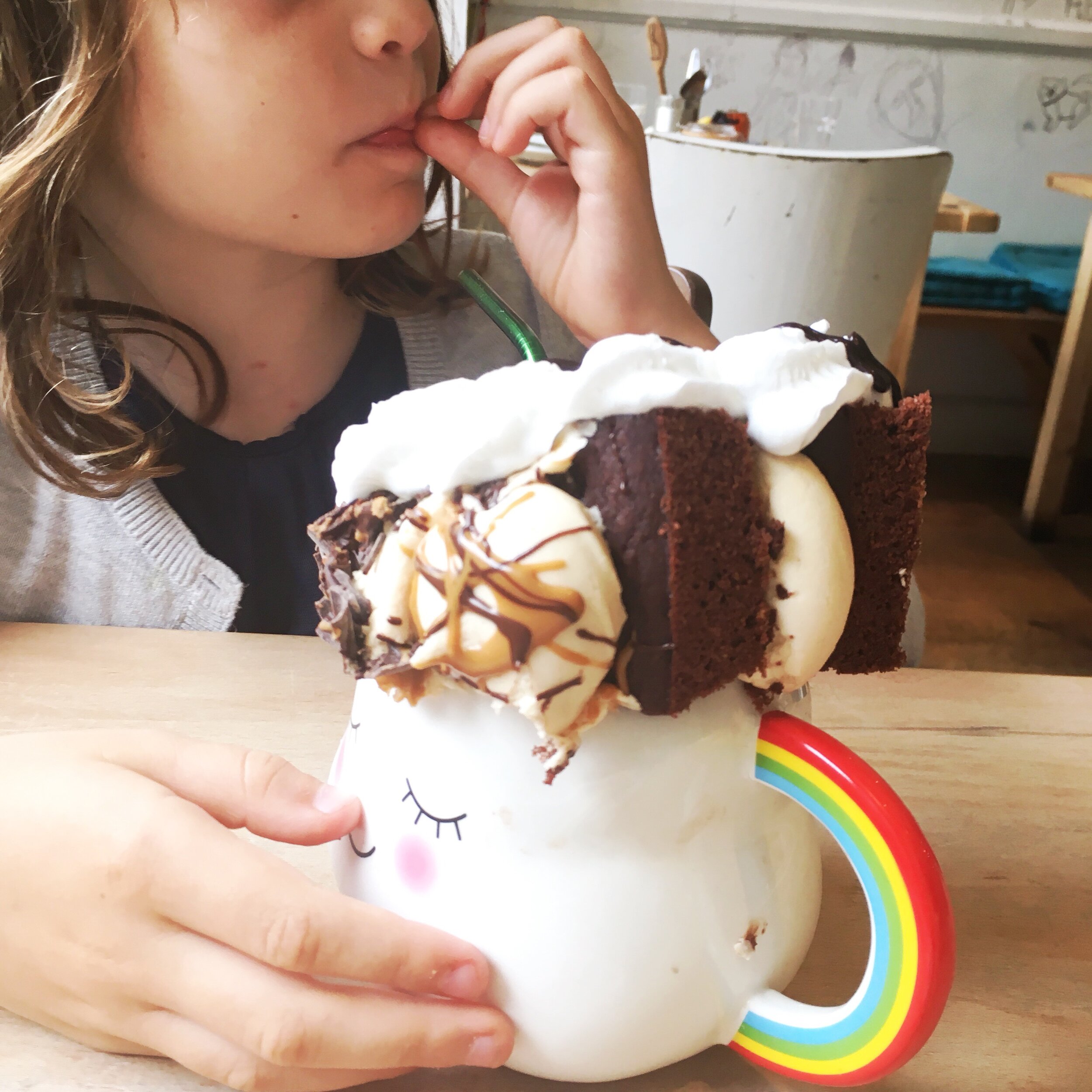

Since it was founded in 2014, by Ruth Rogers (not River Café, but the actress and puppeteer) as the blank space for the community and an outlet for both creativity and positivity, The Canvas has flourished. It now has an active program of partnerships. Each month sees 50-60 events with everyone from the perfectly named Revolting Vegans Supper Club—which offers a 6-course menu while taking on issues around food waste and the environmental impact of what we don’t get to eat—to Raining Sessions, where twenty-somethings get to share their stories and receive support. And The Canvas roams off-site too: over the summer they provided free meals and sport and craft activities to kids in Tower Hamlets.
Exhausted yet? The Canvas wants to do even more. They have just completed a fundraising campaign to renovate the Community Hub space which means more events, more support of great ideas, more people helped, more grass roots beneficial social change. Add another 5-years, we hope, and The Canvas will have brought even more people together in that big ole-city of London around positivity, innovation and creativity.
To find out more: website www.thecanvascafe.org / Instragram @thecanvascafee1 / Twitter @thecanvascafe / Facebook @thecanvascafeE1

Teatulia | A Literary Tea Bar with A Living Bookshelf
London’s Teatulia is uniquely a tea house, cocktail bar and literary salon all rolled into one. It’s also a podcast.
“Teatulia is an organic tea bar in the heart of London’s Covent Garden with a literary twist.”
A blend of fresh mint and lemongrass entices you into a stylish jewel-colored space with a cozy living room vibe. The manager Valentine greets you warmly. At a small curved terrazzo-topped bar hot and cold organic teas are served as well as beautifully executed tea cocktails (and best of all mocktails). A small complimentary food menu of pastries and colorful tea-infused cakes accompanies the selections. A buzzy mix of families and couples fill the mid-century-influenced vignettes. It’s all designed to encourage intimate conversation. This is Teatulia.
Given that my favorite things in life are tea, books and cocktails, you can understand my excitement when I discovered this gem, located in Covent Garden, London. Conceived as a ‘tea shop like no other; a space for conversation and contemplation’, Teatulia delivers. It’s a tea house, cocktail bar and literary salon all rolled into one. And it’s all in the details: Every hot tea is served with an infuser and a timer so you can be involved in brewing the tea yourself, what a novel idea in being present and slowing down.
The piece de resistance of Teatulia’s offering is its ‘Living Bookshelf’, a rotating selection of book titles curated by authors, actors and celebrities. The brainchild of actor Tilda Swinton—who curated their first bookshelf—it was inspired by her own experience: “Reading and tea leaves go together like breathing in and breathing out. Go slow. Take time to brew yourself some harmony. Separate the signal from the noise.” You can hear more from Swinton on reading, tea and her early career on Teatulia’s new podcast, which also features Lionel Shriver and collaborations with Granta Magazine.
Beyond its literary ambitions (writer Elizabeth Day also records her podcast here), Teatulia has an important social justice focus: it’s tea is organically produced by 3,500 women who run a garden in Northern Bangladesh. The tea garden provides jobs, education and healthcare for their workers and their families.
We know its usually all about coffee, but you know sometimes its needs to be about tea. Definitely treat yourself to this cozy respite, and be sure to check out their literary events and tea pairings while you’re at it.
To find out more: Website www.teatuliabar.com / Instagram @teatuliauk / Facebook @Teatuliauk

Cafes for Life: Are Cafes Good for our Mental Wellbeing?
On cafes and why my love for them is maybe not just a personal one, but part of a wider universal longing.
Last night my daughter Ottilie ended up in the ER. It wasn’t serious. That’s not this story. As we walked off the beach, my son threw a stone at her and though she was supposed to duck behind the boogie board, she didn’t. It punctured her eyebrow and off we went to get it glued and pulled back together.
This morning, at Kindergarten drop-off, Ottilie wobbled. She was worried about the plaster getting wet, worried about the rain forecast, worried about it being Monday morning and that she would be away from me again.
And I wobbled too. I felt her anxiety—felt it with my own, seeping through my body. I carried all of it into the beginning of my week too: The moment I saw the blood streaming down the left side of her face and my son screaming ‘it’s her eye, it’s her eye’. The fear of what might have happened, of washing away all that red to figure out how serious it was, the anger that my son had caused this and that my daughter was in pain.
I felt it keenly this morning when I awoke, that long evening in the ER waiting room, with kind doctors and nurses paying attention to this little girl still in her beach wetsuit, trying to stay calm and positive as I wanted to vomit into the trash can. And I felt too the effects of that very large glass of rose I used to dull my nerves on an empty stomach when I got home, and the kids finally slept. I felt it again and again, the vulnerability that is our world with children, and the times our lives smash into pauses of the non-self-care kind, but of the nothing-else-matters-because-my-kid-is-hurt-and-I-do-not-care-in-this-or-any-other-moment-how-many-followers-I-have-on-Instagram kind.

But we’re here now. On a Monday morning. With all the feelings. In need of pulling it all back together, to similarly glue the opposing sides of myself. To get back to work, to life. I know I’m supposed to do this: drop off the kids, walk home to my study, sit down and work. But instead I do this: drop off the kids and drive to a café. Sit down and work. Because this, getting myself to a café, feels good to me.
Here, in this bustling space, with the sound of the espresso machine, and frankly quite horrible music playing, here is my solace. This café is the balm, these people I don’t know sitting next to me, are the answer that I’ve found to sitting also with the sometimes ickyness of life. It’s cafés that I turn to for something, some cossetting. I don’t go for a run, I don’t go to the gym, I head here. To cradle a large latte and to feel ok again.
Home represents something else: maybe a spiraling down, an empty space to fill with feelings, the weight of family needs that populate it. But here, there’s no empty something to fill, it’s already filled to the brim with chatter and other people lives, adjacent to my own. None of this belongs to me, but I get to witness and to brush against other people’s stories, to be distracted from my own.
Maybe I’m avoidant. But I know I’m not running away. I still bring the crap with me, it just sits better here, perched on a stool looking out at the world. It’s not a ‘let’s not do this’, more of a ‘let’s do this’ but with a blanket of cafeness. Can that be a word? What’s does that even mean here—warmth, people, place?
My life is a long-read in cafes—my coming-of-age story happened not at the Hacienda in Manchester in a period of music that was to become quite defining (Happy Mondays, Inspiral Carpets, Stone Roses, you know), but at the now defunct Cornerhouse café (since morphed into Home) a pretentious enough place that reflected my tendency to rave in my own mind and happily alone. Attending University in Edinburgh it was the Elephant House where JK Rowling wrote some book. In London, actually Caffé Nero (sorry - there’s a nice one in Chiswick). In San Francisco, there were too many to count—this was the polyamorous part of my café love (in a pinch we’d go for Ritual, The Mill, Coffee Bar and the Equator locations). This was when I could get lost in a neighborhood, and find its people lounging in some carefully designed caffeinated environment.
Then came one of the blows to being a new parent: realizing that toddlers don’t do well in fancy, artisan places—which is why Blue Bottle’s takeaway counter at San Francisco’s Ferry Building does so well for us, and Sightglass doesn’t. And also, the realization, if I could not do anything else in my day with a baby in the sling, too knackered to function in the sleep deprivation months, I could get myself to a café where I knew the barista and a handful of people. They would be kind enough to acknowledge me as a person, not just a mama, and I could have that sensation that I was still a grown up, because going for coffee was something only real adults got to do, right? A little older, my kids now know the equation, playground + coffee shop (the brits do this best: see Bath’s Alice Park Cafe). When we travel, our sight-seeing comes with best guides to coffee shops as much as things to do with kids (thanks The Almond Thief, Moo and Two, Society Café, The Hobo Co, the Hairy Barista, The Hatch and Cargo Coffee – our favourite places that dotted our summer holidays).

Maybe I’m weird. Maybe this is an unusual anomaly to put out there in self-care (which autocorrects to self-café btw, which makes no sense at all). But there’s some science behind this. And it’s all around ‘minimal social interactions’, which are vital to our mental wellbeing. The NPR podcast Life Kit put me on to this, a study by Dr. Gillian Sandstrom at the University of Essex that she conducted on whether people were happier even through weak ties, i.e. connections with people that we barely know and with whom we have limited contact. In short, she studied the impact on people of their interaction with a barista. She defined two groups, one that had just a functional interaction with the barista, and the other who chatted a little more with them. Then she asked them some questions on the way out of the cafe. Her study concluded that people were more satisfied, connected and happier, if they had engaged the barista, even for just a little while.
Cafes do this work. The work of connection, of putting people in front of us, with our nods and their smiles, our how are you's and what about the weathers. They helps us. I know that, less scientifically, because for my dad who cares full-time for my mum, a cup of coffee in a café means he’s less lonely. A few words exchanged and he’s a person again not just a carer.
Cafes are our third spaces, that mythical place between work and home. Sometimes they are even our work locations as I type away on my laptop. As high streets fall apart and our communities fragment, cafes are becoming one of the few places we can actually go to be with others. They are vital to our wellbeing.
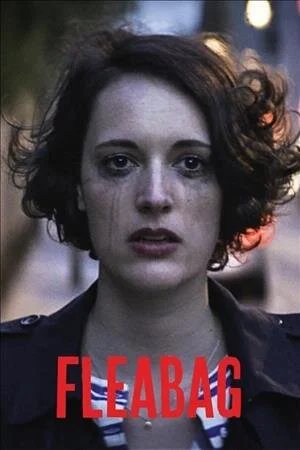
Real-world initiatives are building on this, like the Chatter & Natter tables now in over 1000 cafes across the UK (including at Costa and piloted this year in Sainsbury’s) that sets aside a table for strangers to chat and aims to combat loneliness. This scheme brilliantly responds to two very contradictory things: that 75% of us would like more real-life conversations and that we don’t know how to do this. Ever found yourself sat in a cafe and looking around at all the other people sat alone too who you might be able to chat with if you didn’t feel so uncomfortable about approaching them? Chatter & Natter tables make it easy: if you want to talk to someone, you choose to sit at one of these tables. You don’t need to forge forever friendships, but you can make your day better by talking to a person for the time it takes to drink your coffee, maybe even for longer. It’s an ingenious, and super simple, way of making the world less lonely. Even the guinea-pig themed café in FleaBag had Chatty Wednesdays.

Cafes for us are the main way we get to be in the world while deciding how and if we interact with other people. Some cafes are really getting this by actively building connection into what they do or finding ways to provide sustaining spaces of comfort and intimacy. Some are just making sure they exist beyond the beverages on offer. London’s Drink Shop Do has built connection (and craft and bottomless brunches) into their space with an active program of events and a welcoming style. Brooklyn’s IXV promotes a no-waste, people-first ethos. New Jersey’s The Peccary gets the central role baristas play, and puts their wellbeing, their knowledge of the product and their interactions with customers, at the heart of what they do.
Sometimes it’s in an even more direct response to our mental health needs: In Chicago, Sip of Hope is one of the first cafés where 100% of their profits go towards suicide prevention and mental health education. Wallers Coffee Shop in Atlanta was founded to take on the stigma of depression, through offering music, mental health first aid, even a wall of resources. Dear M&S has been getting in on the act for a while: select cafes have for the past few years been used after-hours for Ruby Wax’s Frazzled Cafes. And there’s even a network of Happy Cafes worldwide, realized in association with Action for Happiness, that count our psychological wellbeing next to the lattes on their menus.
Self-care takes many forms. Being in a cafe is one of them for us. Maybe even for you too?
Tell us about cafes you know that are your respite from the world, or make space for something you need, or that make mental wellbeing part of their impact. Over the next few weeks we'll look more at some of these places and bring them into our guide for in real-life locations that help us better live our lives.
Discover more places to feel connected

Culture Therapy | Mental Wellbeing
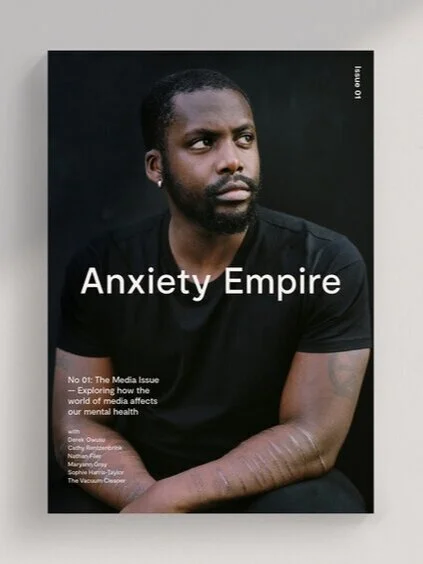
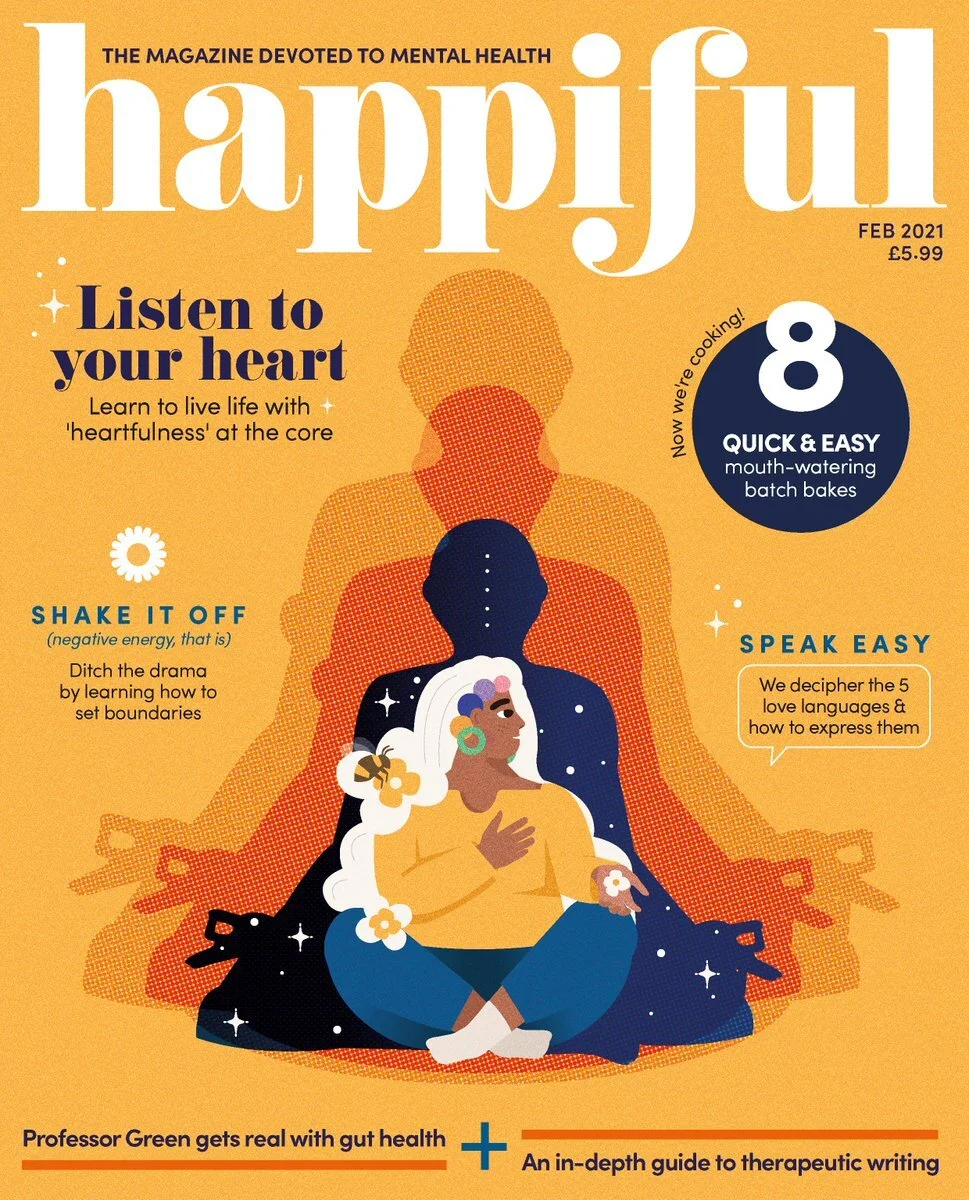
Here’s our Prescription for Mental Wellbeing: you will find in these pages and in these narratives, lives lived within, or touched by, consumed or imploded, maybe even adjacent to, issues around mental wellbeing. Our culture is now holding this space in a very different way than before for issues around depression, anxiety and mental health more widely. We recommend you check these out.
We went through a period of reading mental health memoirs: The Center Cannot Hold, Touched With Fire, Darkness Visible, My Age of Anxiety. We sought them out for information, for resources, for shared experiences. We held onto Andrew Solomon’s The Noonday Demon and Elizabeth Wurtzel’s Prozac Nation. We returned again and again to The Bell Jar. We looked to something outside ourselves that made sense of what was happening in our own minds, in our own lives, and with friends, colleagues and family also impacted by depression, anxiety, and other diagnosed and undiagnosable conditions. Through reading we found a way forward that wasn’t yet being spoken about; admittedly we sat alone with our books trying to locate ourselves and others we loved.
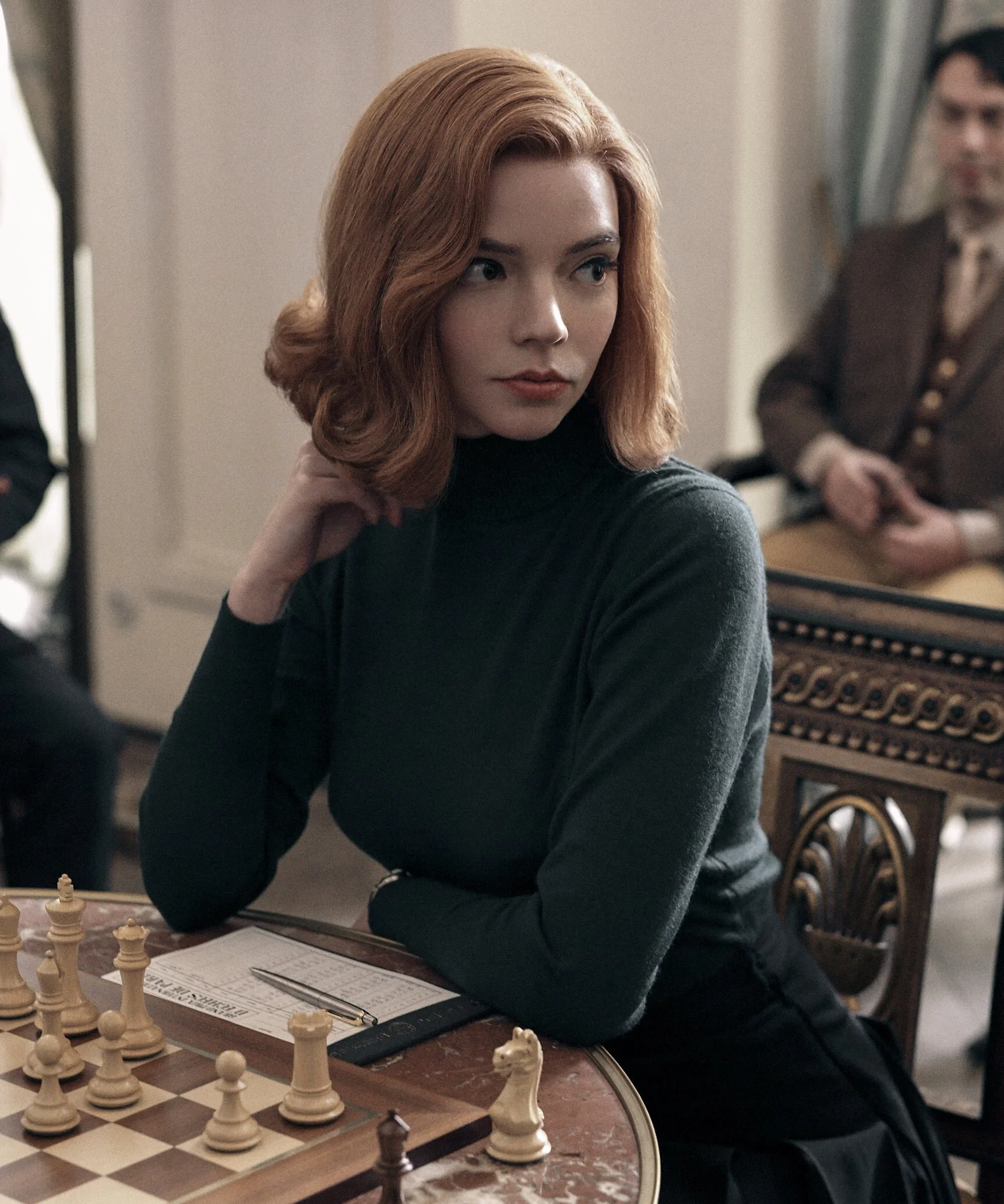
Thinking about this, our Prescription for Mental Wellbeing, we’ve realized that there’s been a huge shift in how we now get to talk about our mental health. There are now what seems to be an abundance of publications, podcasts, films and programs which to us collectively say no to that stigma that had previously left us alone with our experiences. There’s been a huge surge in positive media that has created a very real platform for our very real stories. Narratives that are now out there which take ownership of the conversation; that take someone’s experience and throw it out into the world so that we too can shift our relationship with what mental health means and how it shapes us and those around us.
These examples don’t glamorize mental health as bohemian or creative, rather they allow for truth and pain and joy and loss and connection, and for a deep, sometimes lifelong search for equilibrium and understanding. You will find in these pages and in these narratives, lives lived within, or touched by, consumed or imploded, maybe even adjacent to, issues around mental wellbeing. Our culture is now holding this space in a very different way than before for issues around depression, anxiety and mental health more widely. Messy, and unresolved sometimes. Hopeful and self-aware always. And for that we are very, very grateful.
Take up a book, head to Netflix, listen to something on your way to work. Support this shift and these very brave voices. Acknowledge that there are humans behind these stories putting themselves out there so that we may have a way to live our own situations outwardly. Make this openness last. Because we can not go back to not talking, to not reaching out, to being hidden and confused. To being alone with our books and our questions and our lives which didn’t have a place in the world and now very much do.






18 Reasons
18 Reasons is no ordinary cookery school. Even that vague bucket of a place holder doesn’t entirely encompass what this storefront is.
“18 REASONS - EMPOWERING OUR COMMUNITY WITH THE CONFIDENCE AND CREATIVITY TO BUY, COOK, AND EAT GOOD FOOD EVERY DAY.”
The Community Cooking School 18 Reasons has been a staple of San Francisco’s foodie Mission district for over a decade. Founded by Sam Mogannam as a non-profit extension of his popular family-run grocery store Bi-Rite Market to further his interests in food and community, 18 Reasons is now part of an esteemed community of businesses that includes one of the best ice-cream shops in the city and a 3-acre Sonoma farm.
18 Reasons is no ordinary cookery school though. Even that vague bucket of a place holder doesn’t entirely encompass what this storefront is. Yes, there’s the classroom at the 18th Street space that has a family-style dinner table set-up and a fully equipped teaching kitchen. It offers hands-on lessons on everything from eating more meatless and fish butchery, to food as medicine and mini-culinary boot camps on whatever it is you long to cook. It was here that I learnt how to really wash and prep leeks as well as how to eat mindfully. Both of equal value.
If you want to go on a deeper dive into food culture you can attend their 6-month Farm School at Bi-Rite’s wine country outpost, which gets you into the nitty gritty of the food system including planting and harvesting and is taught by the company’s own buyers and farmers. For a more cerebral though equally as fun take (past programs have included the seminal question: ‘what if Wes Anderson made s’mores’), in October, there’s the Annual Food + Farm Food Fest, that has been running since 2013 and this year takes place at the Roxie Theater.
What most excites us though about 18 Reasons is how it situates food within community, at every practical level. There’s the cookbook lending library – an inspired idea as we cycle through multiple volumes each year and sheepishly hand them back splattered and floured to our local, maybe less understanding, civic library. Communal dinners are convened on the last Wednesday of every month, on open invitation to gather with friends and strangers alike over a dinner cooked by a guest chef.
The jewel of their community crown though is the Cooking Matters program, which brings issues of food equity into the purview of what we consume, how we shop, and what we get to make for ourselves and our families. It’s a six-week series made available to low-income communities across the Bay Area on how to buy, cook and eat good food. Reaching 3,500 people each year and located within school programs, community centers, clinics, shelters, housing sites, and health centers, this free course covers nutrition as well as cooking skills. Anyone can volunteer to assist with this program – you just need an interest in food to apply. So, if you are looking for more meaning in your life, this might be the way to go.
What we eat matters. Food matters. To our bodies, to our minds. To the people around us – our neighbors, our communities. To those who grow, harvest it and distribute it. To the environment with which we’re in a Faustian pact to produce it. On every level and in every way, though we often take each of these aspects for granted, food matters. 18 Reasons is the perfect corrective to our narrow way of approaching food; it tells all the stories that there are around it, many in ways that we’ve yet to hear but so badly need to.
To find out more: Website www.18reasons.org / Twitter @18reasons / Instagram @18reasons / Facebook @18reasons
NB: If you are not local, take a look at Feed Your People: Big-Hearted Big Batch Gatherings and the Food We Gather Around, co-authored by the people at 18 Reasons.

The Newt
The Newt is a chic kind of Arcadia. A 300-acre Somerset estate transformed into nature pristine, the English landscape given a contemporary makeover.
“The Newt in Somerset is a country estate with magnificent woodland and gardens. The core is Georgian, with limestone buildings the colour of burnt orange, the seat of the Hobhouse family for more than two centuries. Innovative design is paired with the freshest produce from our gardens, beautiful country walks, superb service and a world-class spa – wrapping you in a sense of wellbeing.”
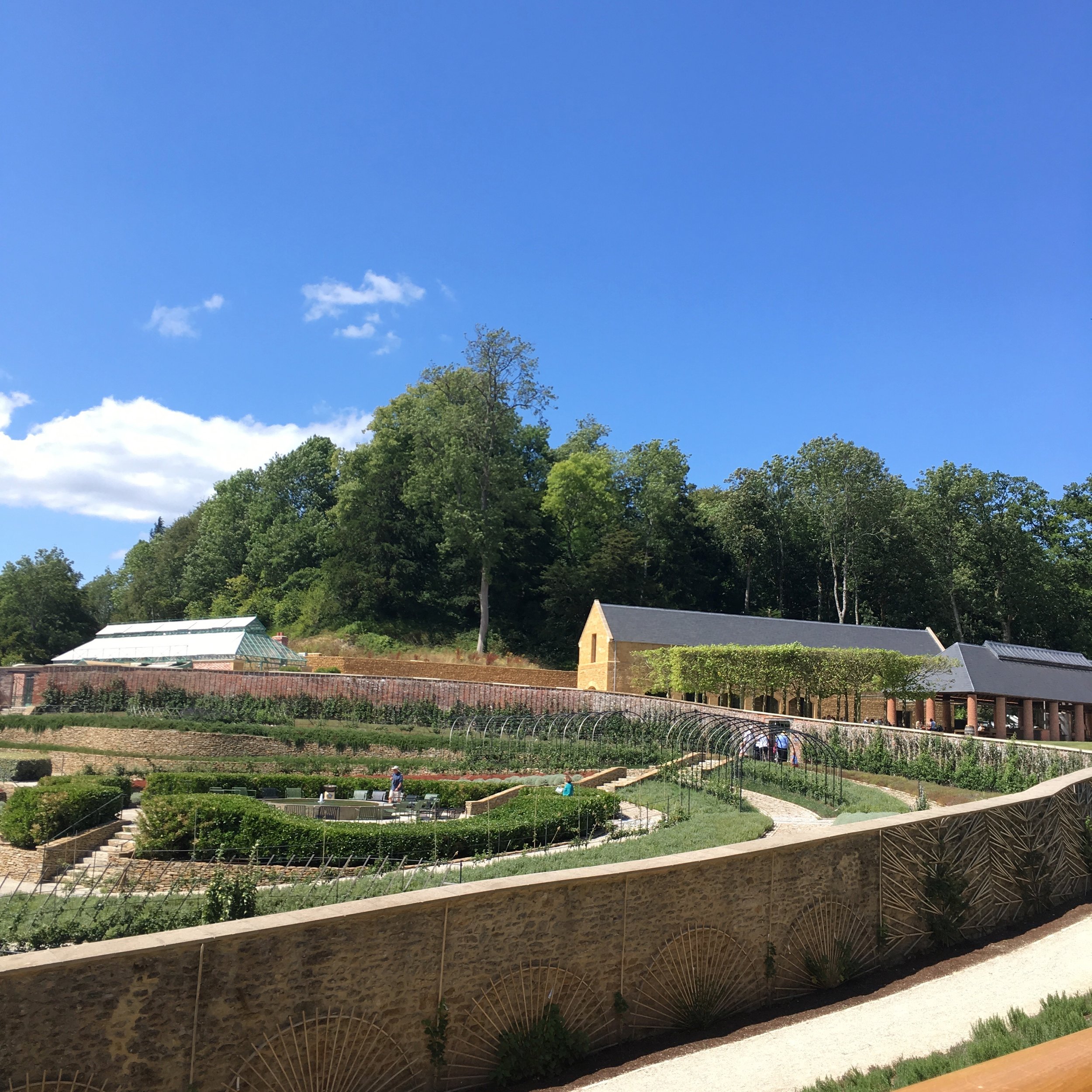
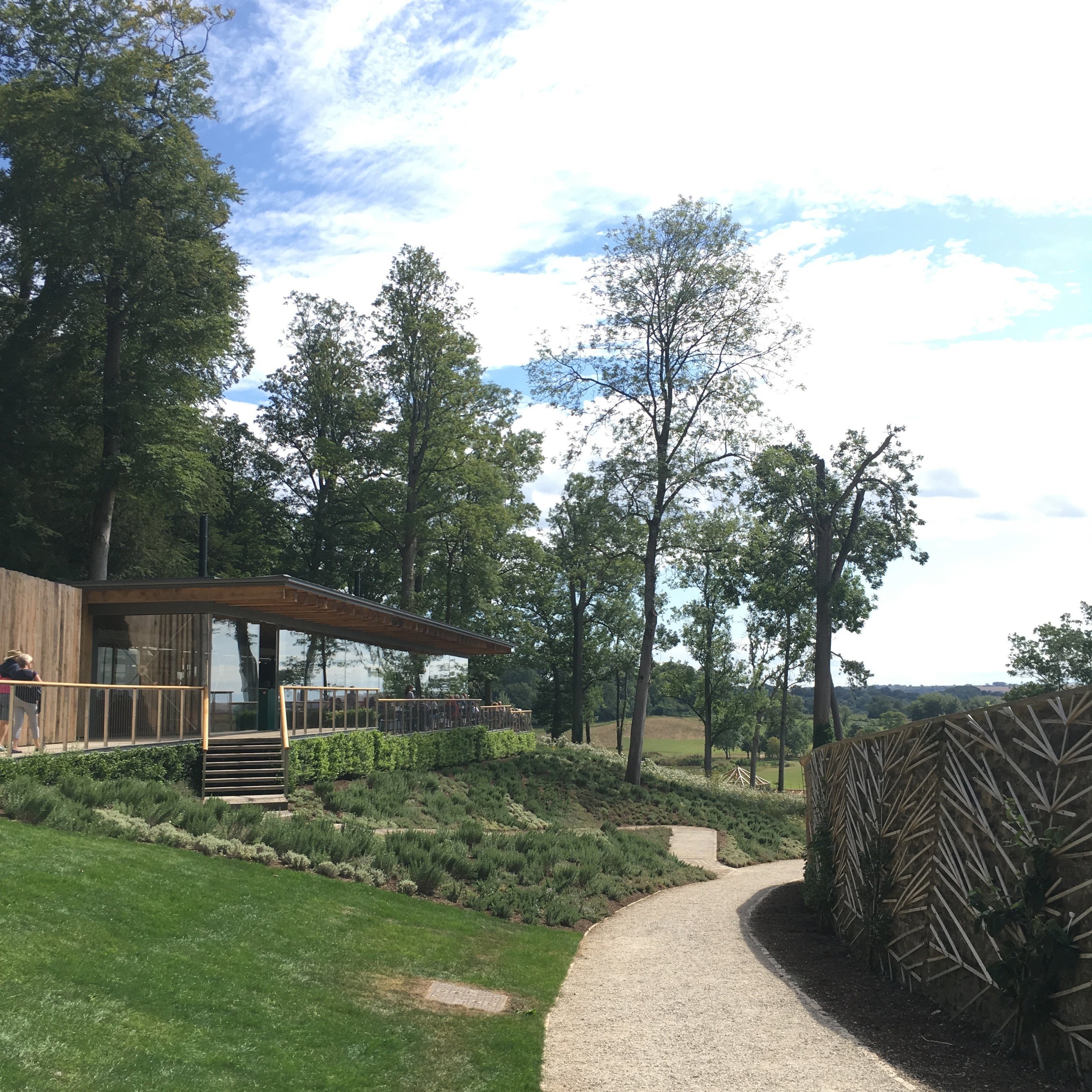
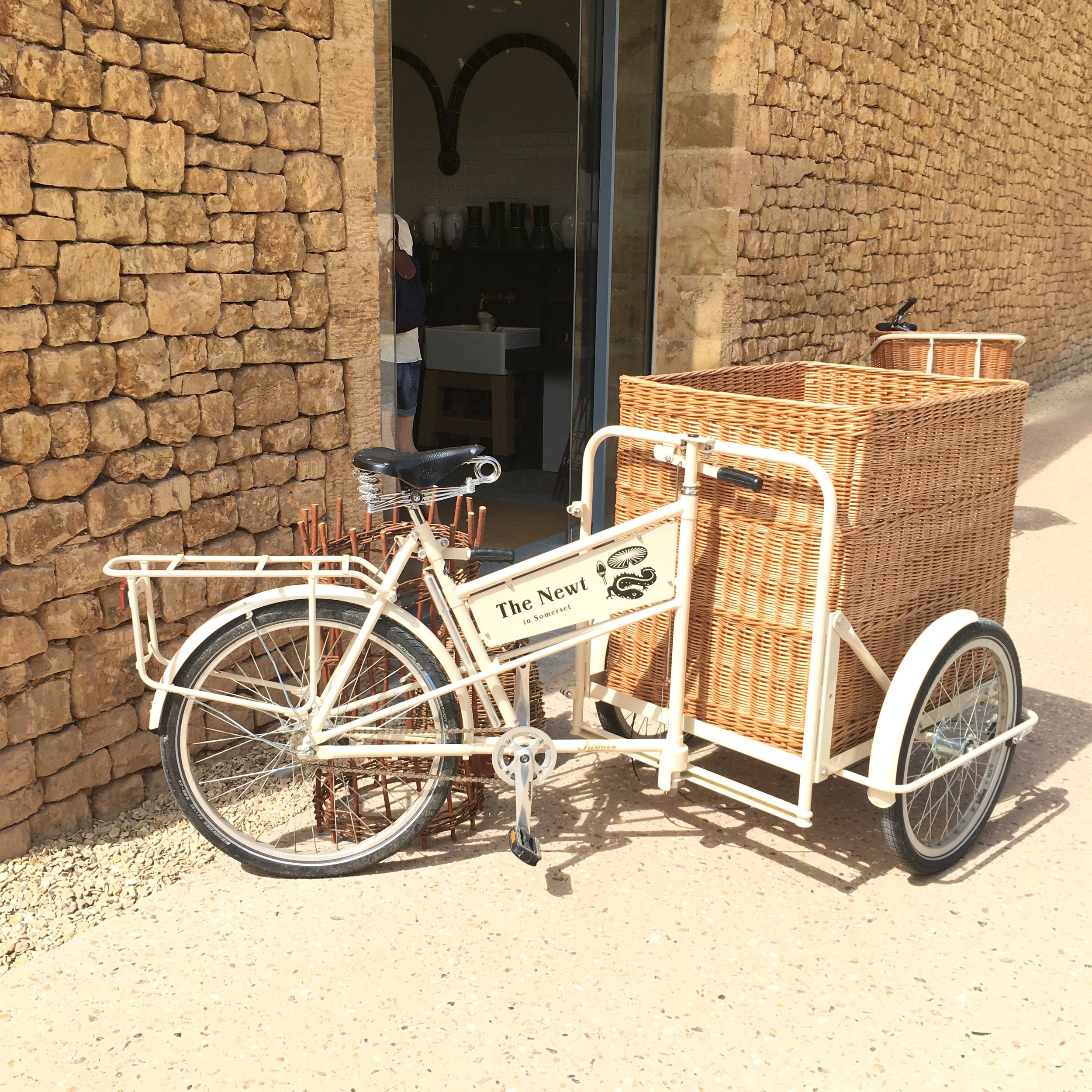
The Newt is a chic kind of Arcadia. A 300-acre Somerset estate transformed into nature pristine, the English landscape given a contemporary makeover. From the walk along a wooden platform that takes you up through the woods from the car park, through to the stunning Threshing Barn that marks its entrance (note the waving ceiling sculpture), to the open courtyard dotted with apple press, Cyder Bar (which serves 6 different varieties of ciders produced on the estate) and Farm Shop, you are cossetted in a dreamy version of the natural world.
That’s before you even get to the gardens themselves, which is the real reason you are here – though you might think that’s lunch at the stunningly situated Garden Café where you get to enjoy food created from the bounty of what’s around you and in-house charcuterie, breads and pastries (also check the covetable chef notebook style menus).
But it is the landscaping that is supposed to be the main draw – the 30 acres of finely crafted gardens that recently opened to the public after years of work. They serve as a serene escape from it all, as well as taking you through a carefully constructed horticultural history that reaches back two thousand years (and The Newt shows this through the plants, trees and design itself rather than any non-immersive signage).
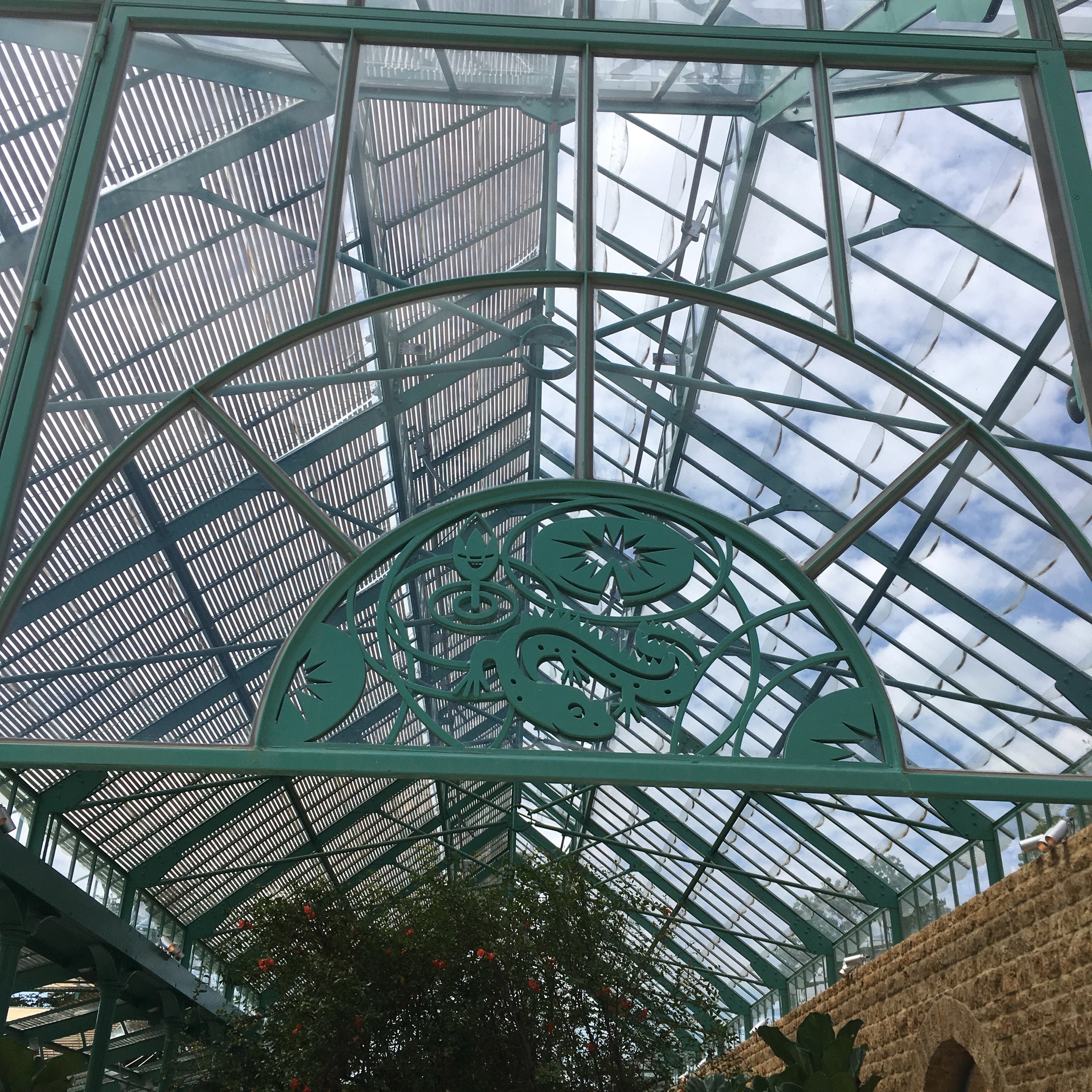
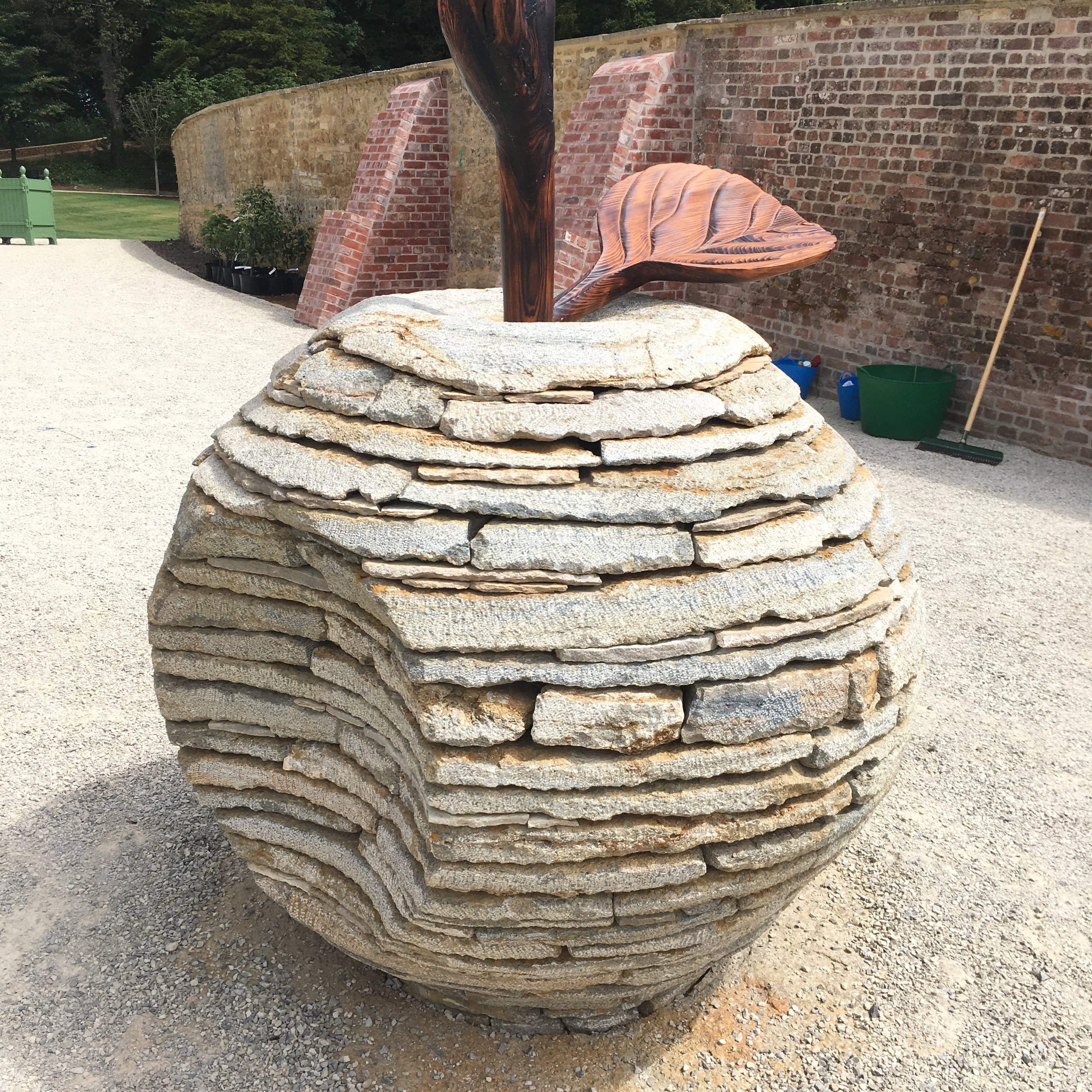
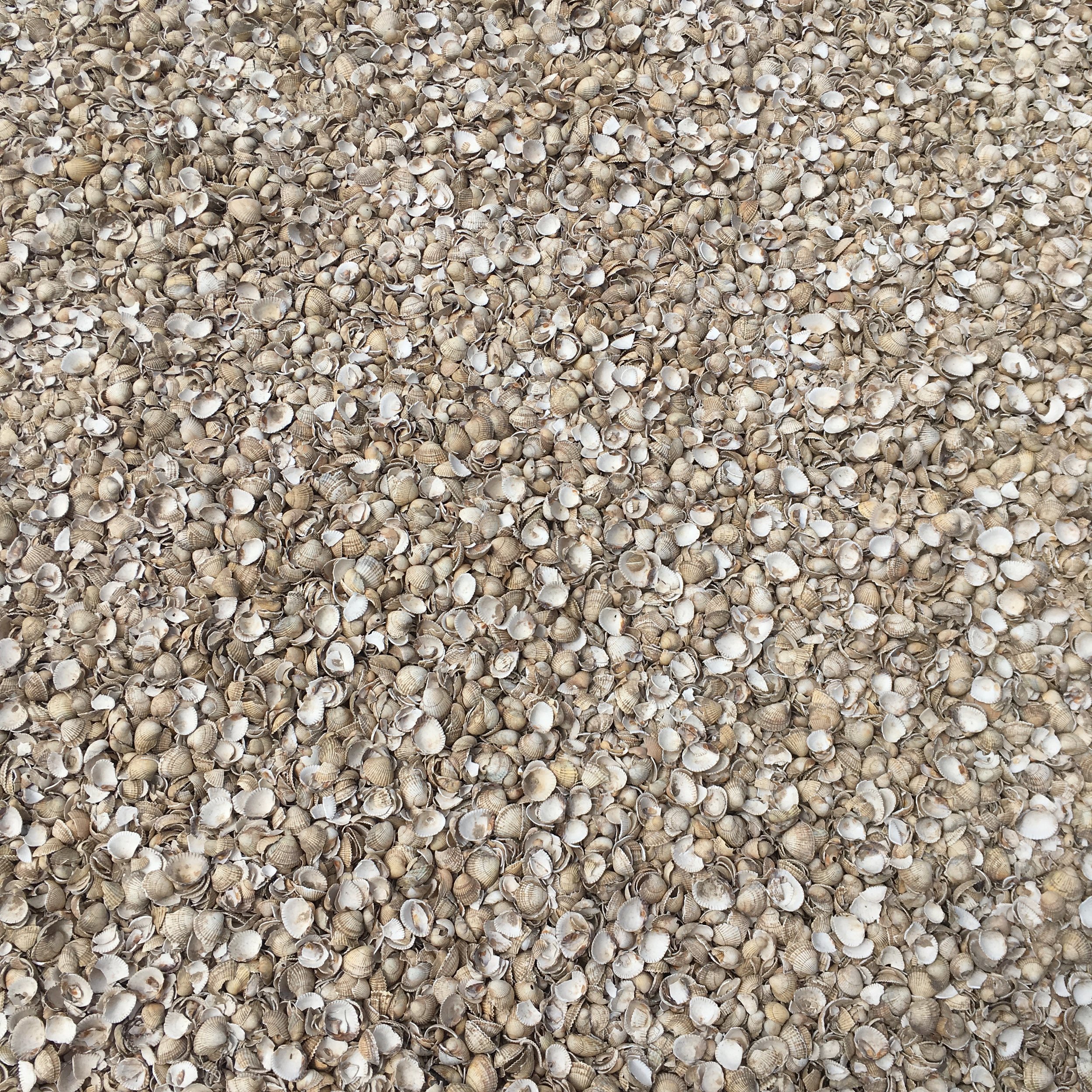
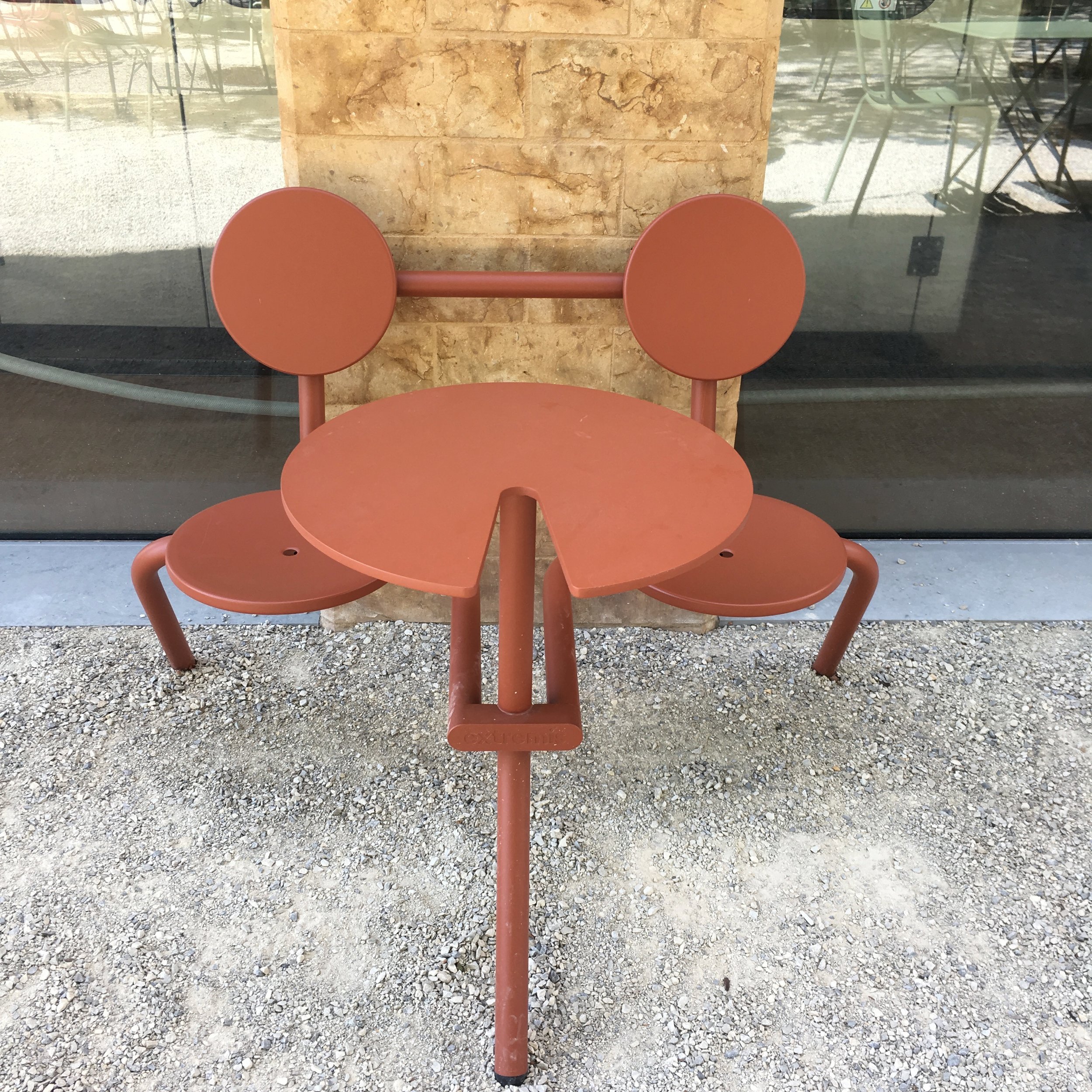
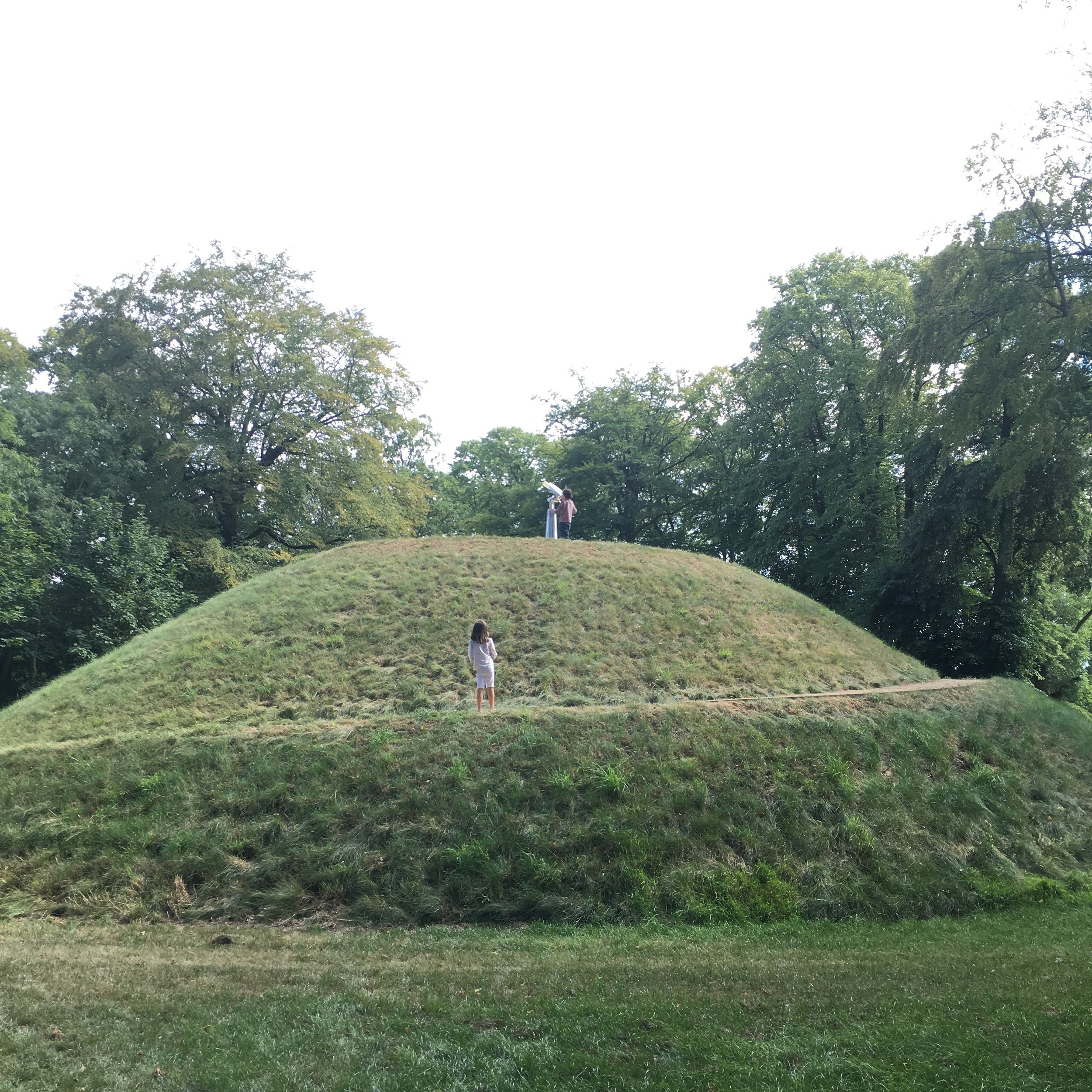
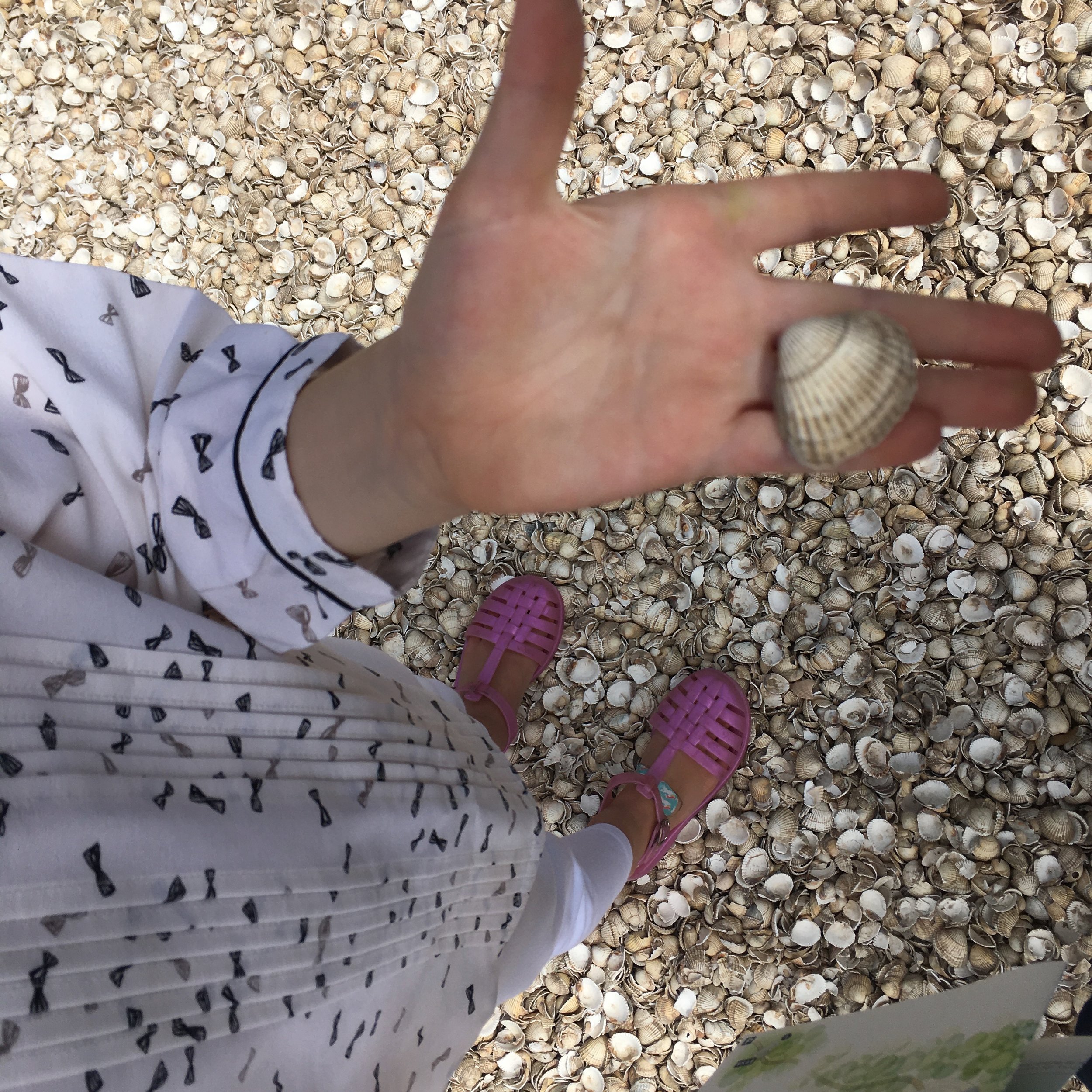
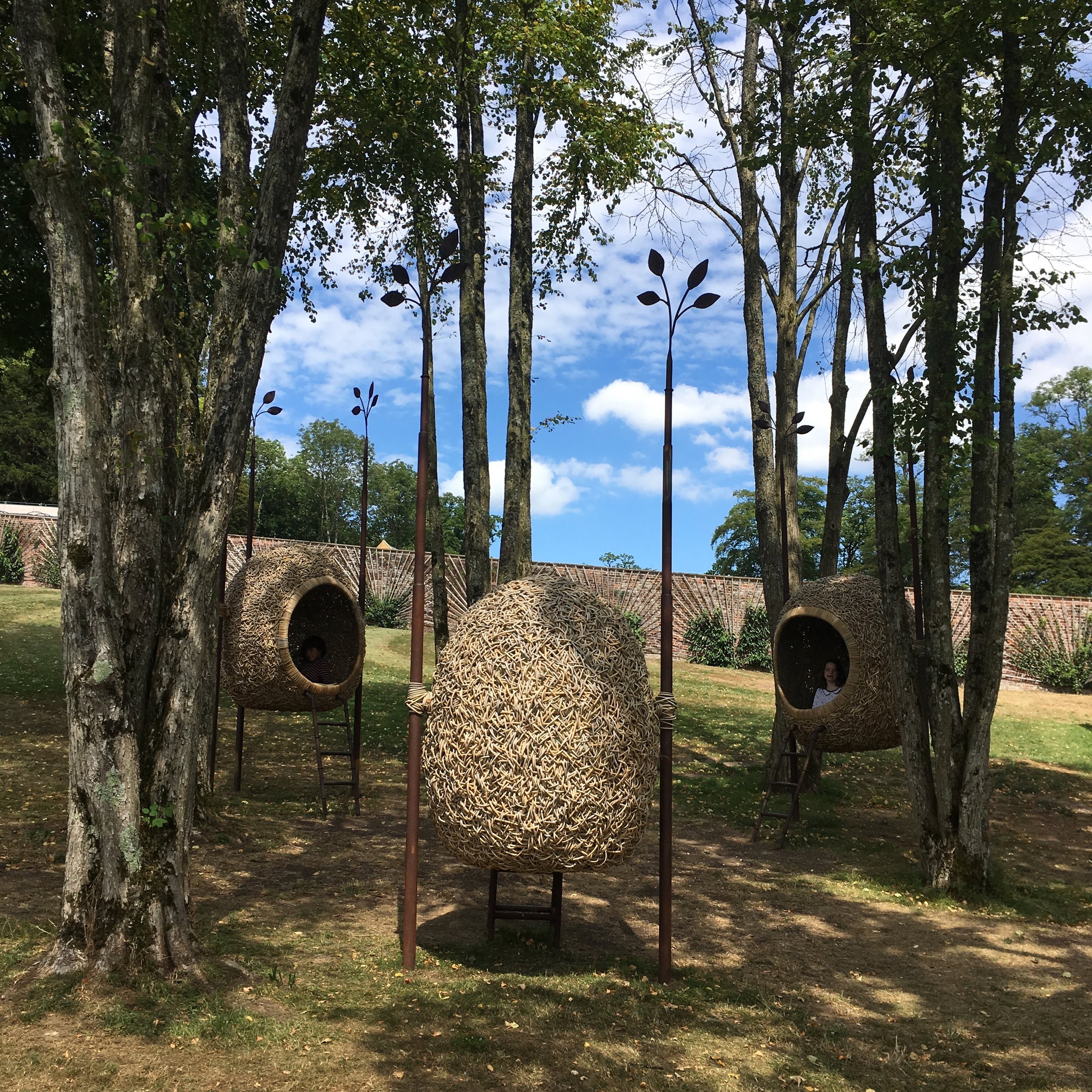
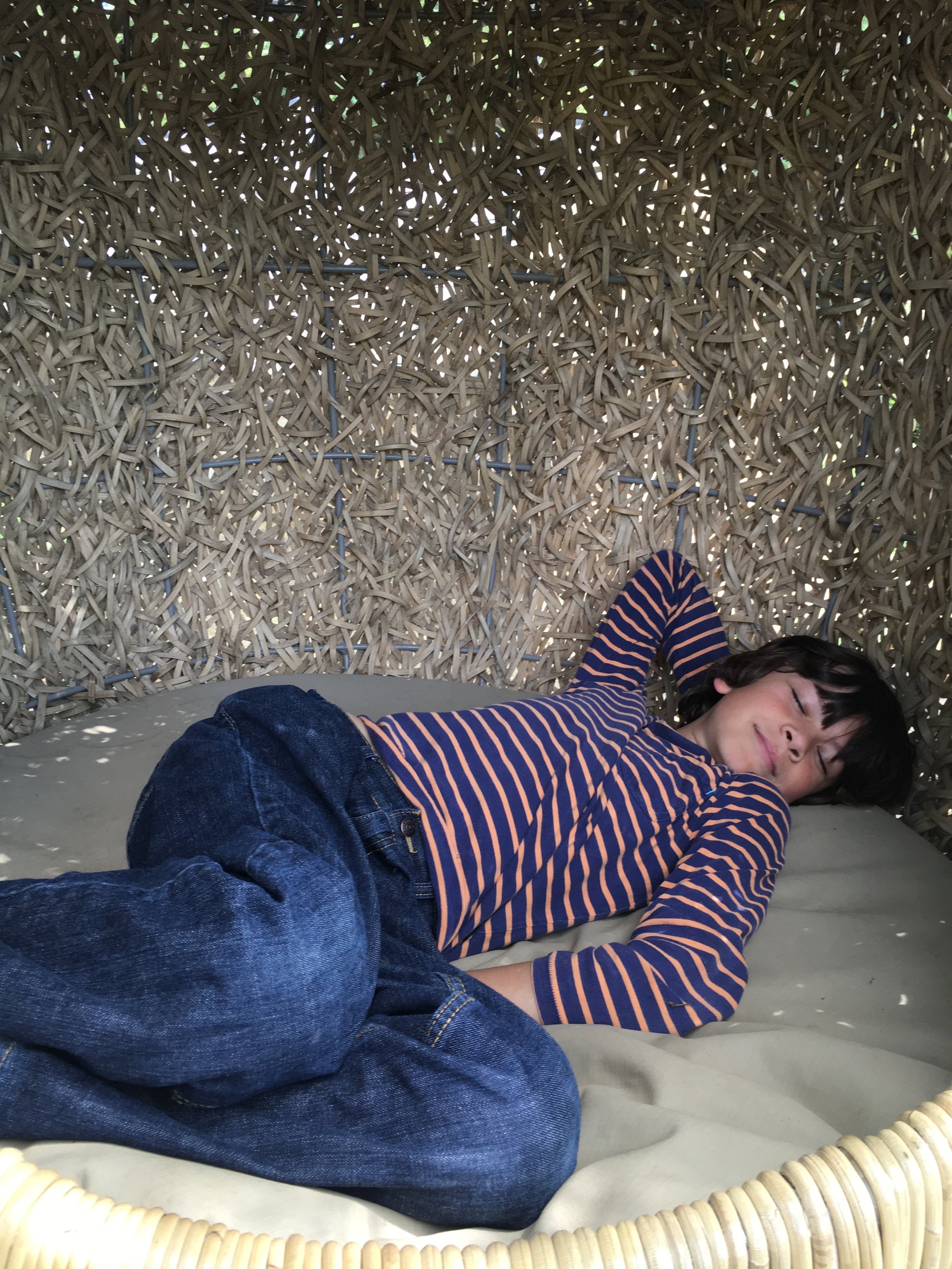
Highlights include the walled Parabola gardens conceived to function as a maze once it gets going and that also contains apples from every county in England and the sensory delight of a walkway made of crushed sea shells. We had soft spots for the fantasy of a Victorian greenhouse dotted with ferns and the joy inducing woven egg sculptures that the kids curled up in by South African designer Porky Hefer. The woodland walks contain hidden interventions in nature, including a spiral pathed heap of a hill, with views down the valley from its perfectly placed telescope. And there is an abundance of apple motifs - one ambition of the place is the have the best apple collection in the UK. It’s worth booking a daily tour by one of the estate’s gardeners to get a true understanding of the complexity contained with it.
The startling thing is this is oh but Phase 1 of The Newt, which only just opened to the public earlier this year. This August saw the opening of the country house at the center of the estate, Hadspen House, restored into an inviting hotel with all its Georgian glory in tact, The Stable Yard to bed down in similar luxury, and a stunning, ‘garden-scented’ Spa for soaking away worries. Later phases include a gardening college and museum, a succulent garden, as well as a lake inspired by King Arthur (!) amongst other ambitions for the site
The Newt—named after the four-legged amphibious creatures who cross the estate—is the lavish imagining of South African billionaire Koos Bekker and his wife Karen Roos. From the moment they bought the estate in 2013, they have used their means and have found the ways—enlisting French architect Patrice Taravella and gardeners and chefs of a similar pedigree—to make real their ambitious vision for the place, and then share it with us.
But the key here, and we kept forgetting this as we wandered around and the kids played in the fountains, is that this is a working farm and a sustainable enterprise in which much of the produce grown here is served here, even the deer provide venison for the restaurants, the roaming hens eggs and the grazing water buffalo mozzarella. The Newt prides itself on careful cultivation, not just of craftsmanship and artisan practices, but across the whole project. It’s a finely conceived ecosystem of its own. And they have designed a place for you in it.
Lose yourself at The Newt for a day. Slow down here. And lean into the magazine spread beauty that is England, utopian.
Find out more: Website www.thenewtinsomerset.com/ Facebook @theNewtinSomerset / Instagram @theNewtinSomerset / Twitter @theNewtSomerset
Top tip: The Newt can be a little pricey - when we were there, we were able to convert our day pass into a season pass through the app Candide – it’s worth asking if this offer is still current.

The Interval
As humans we’re obsessed by time, with running through our days while also being in the moment. We’re a little confused about it. To get a more balanced, holistic view head to San Francisco’s The Interval.
“Fostering long-term responsibility.”
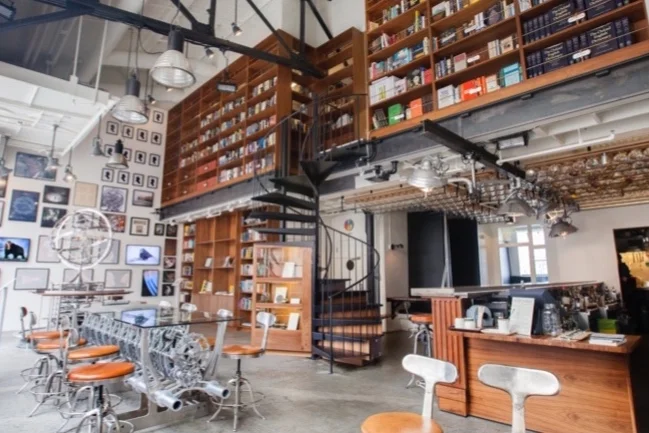
As humans we’re obsessed by time, with running through our days while also being in the moment. We’re a little confused about it. To get a more balanced, holistic view head to San Francisco’s The Interval, a unique blend of a café, salon, museum, and the home of The Long Now Foundation. Here time is very much slowed down and experienced for what it really is: infinite. Well that’s the hope anyway: Those books you’ll find on the floor-to-ceiling height shelves contain the wisdom to rebuild civilization.
The Interval is playing the longest of long games. Mechanical prototypes for a 10,000 year clock (yep, that blows our mind too) sit next to more contemporary, transient art exhibitions. Even the menu of bespoke drinks and food is time-inspired (see the perfectly named cocktail I’ve Grown to Love Life Too Much). But this is no gimmicky, temporal theme park. Rather this is a location that is thoughtfully (and maybe essentially) holding space for the idea that the long view matters.
This is made manifest most clearly in the program of conversations and lectures with scientists, technologists, creatives and entrepreneurs across subjects that take in climate, astronomy, psychology, the arts, any discipline really that intersects with an idea of the long-term (an approach that maybe encompasses everything, or should at least if we’re wise about it). Recent talks, available to watch online, have included primatologist Elizabeth Lonsdorf talking about how evolution and human behavior can be understood through studying primates, former NASA astronaut Ed Lu speaking to the importance of mapping our solar system, and historian Caroline Winterer on the idea of “deep time”, the billions of years we humans struggle to get our heads around.
You’ll find The Interval on one of our favourite sites in San Francisco, Fort Mason Center—which itself has evolved and shifted over its lifespan from military base to its latest iteration of culture center. Nab the coveted nook room for a coffee or drink, and you’ll also get a spectacular view of the city’s prized bay and the famous bridge that marks it entrance—testaments themselves to the natural and human forces that have shaped this region’s recent history. Then feel the awe of it all, the years past and those to come, while sipping on an in-the-moment latte and pulling one of those books, like Jorge Luis Borges’ Funes the Memorious or Angela Carter’s The Bloody Chamber, from the shelves. Then just be here right now.
To find out more: Website www.theinterval.org/ Twitter @interval / Facebook @longnowinterval / Instagram @theinterval

Dartington
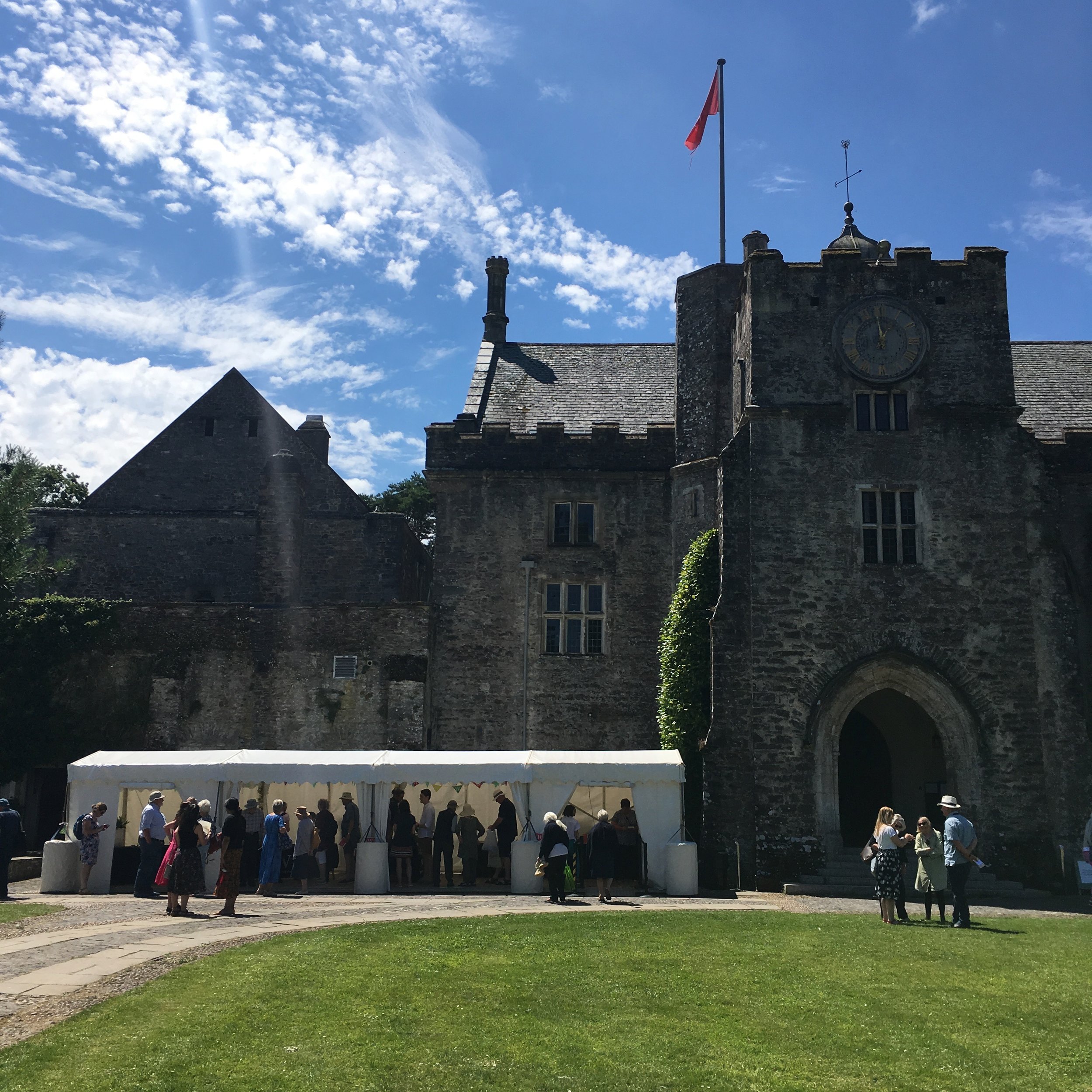
Dartington, we found out, is one of those special places that are many different things to many different people, some of which we’d guessed at, and many of which we hadn’t. It’s like a polymath of a place.
“Dartington is not one thing, but a complex unity of activities.”
The whole time we were here we kept saying, ‘wait, what is this place.’ Is it a learning center? A dance school? A festival site or wedding venue or camp ground? An indie cinema, maybe, a vegan café, an outdoors playground? A walled garden and a great hall? What is it? And why is it here on this stunning, rambling estate in Devon?
Dartington, we found out, is one of those special places that are many different things to many different people, some of which we’d guessed at, and many of which we hadn’t. It’s like a polymath of a place. Covering 1200 acres just outside of similarly independently spirited Totnes, Dartington is all the things that it would take to put thought into practice. It’s the thinking piece brought together with the doing piece of living a multifaceted life in a multifaceted world.
You know all that talk of ideas changing the world, that we hear about again and again. Well here that actually happened. Way back in 1925 when Dorothy and Leonard Elmhirst bought the house, the conversations and the connections that they nurtured amongst leading thinkers, politicians, and creatives of that day had real-world, lasting impact. The NHS, The Arts Council and Open University all had their start here. That’s a pretty impressive heritage. It’s also a progressive, forward-focused experiment that continues today.
Dartington is not an anachronism. That spirit of innovation and exploration, of bringing together change makers and thinkers, of nurturing creative entrepreneurs and impactful practices—is still as urgent given the ever-pressing realities of our modern lives. Now though the focus is brought across several categories— identified as arts and culture, agriculture and architecture, learning and making, socially minded business, social justice and sustainability— that ultimately interconnect and inform one another. Dartington is still pushing its agenda forward to a public that seems ready and very much willing to participate within it.
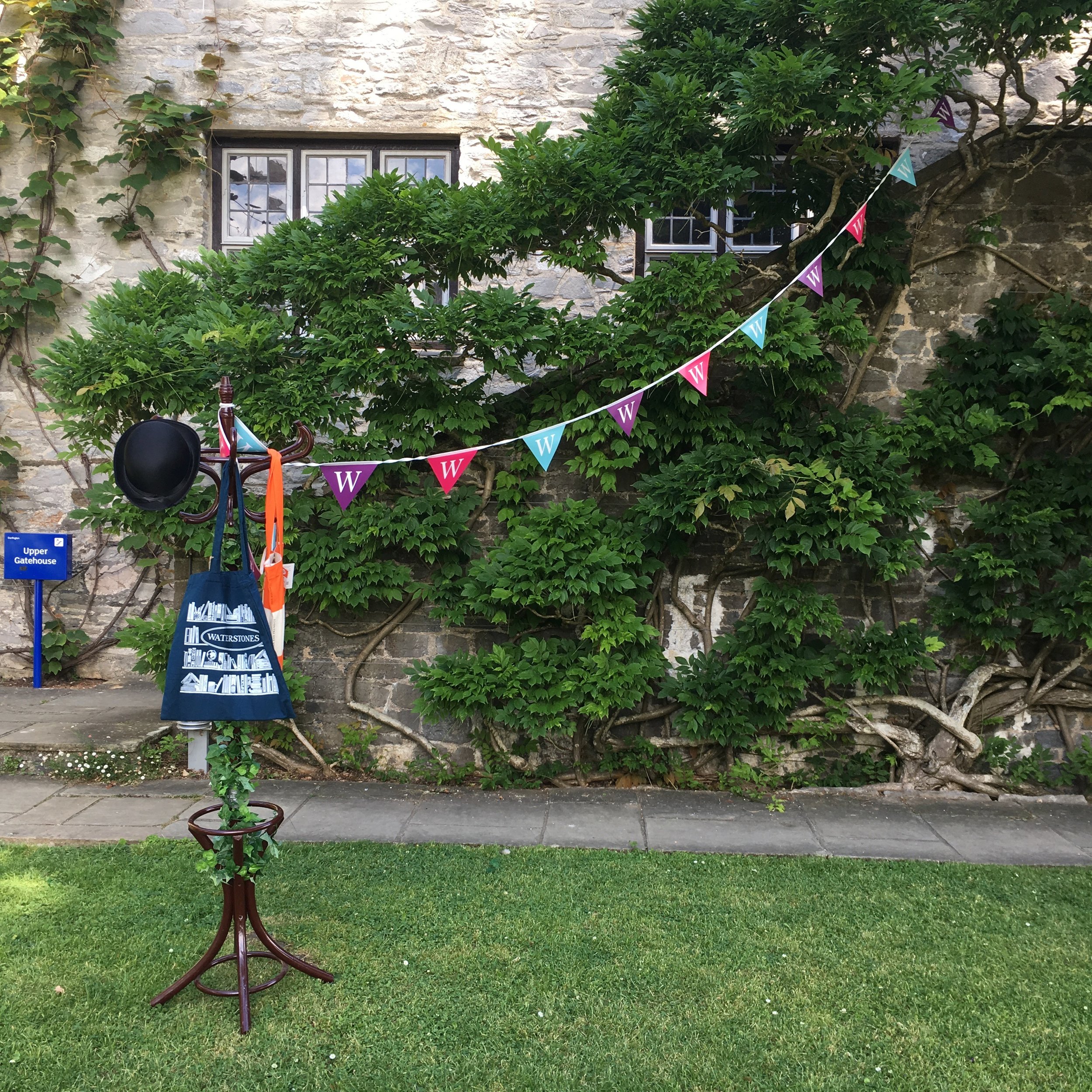
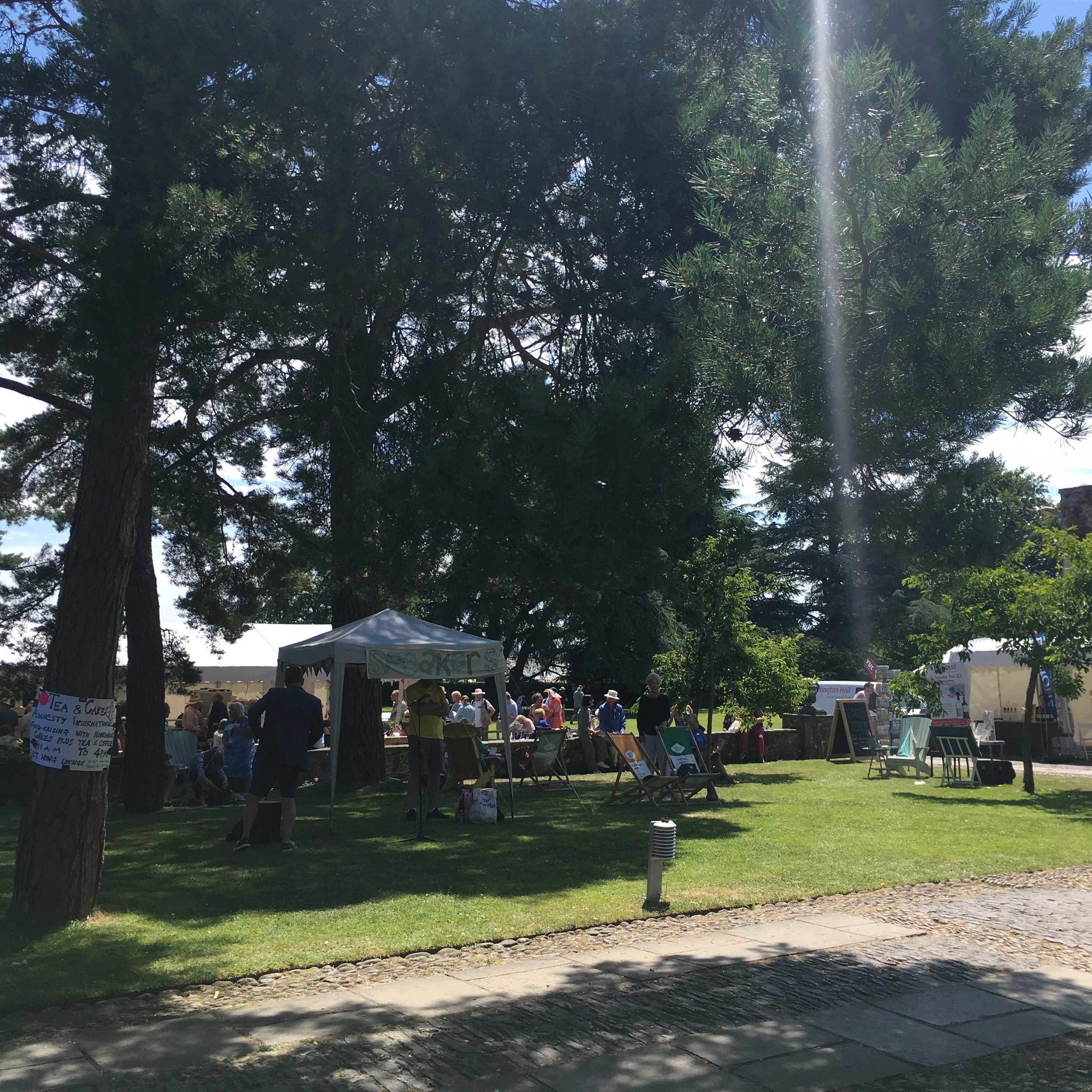
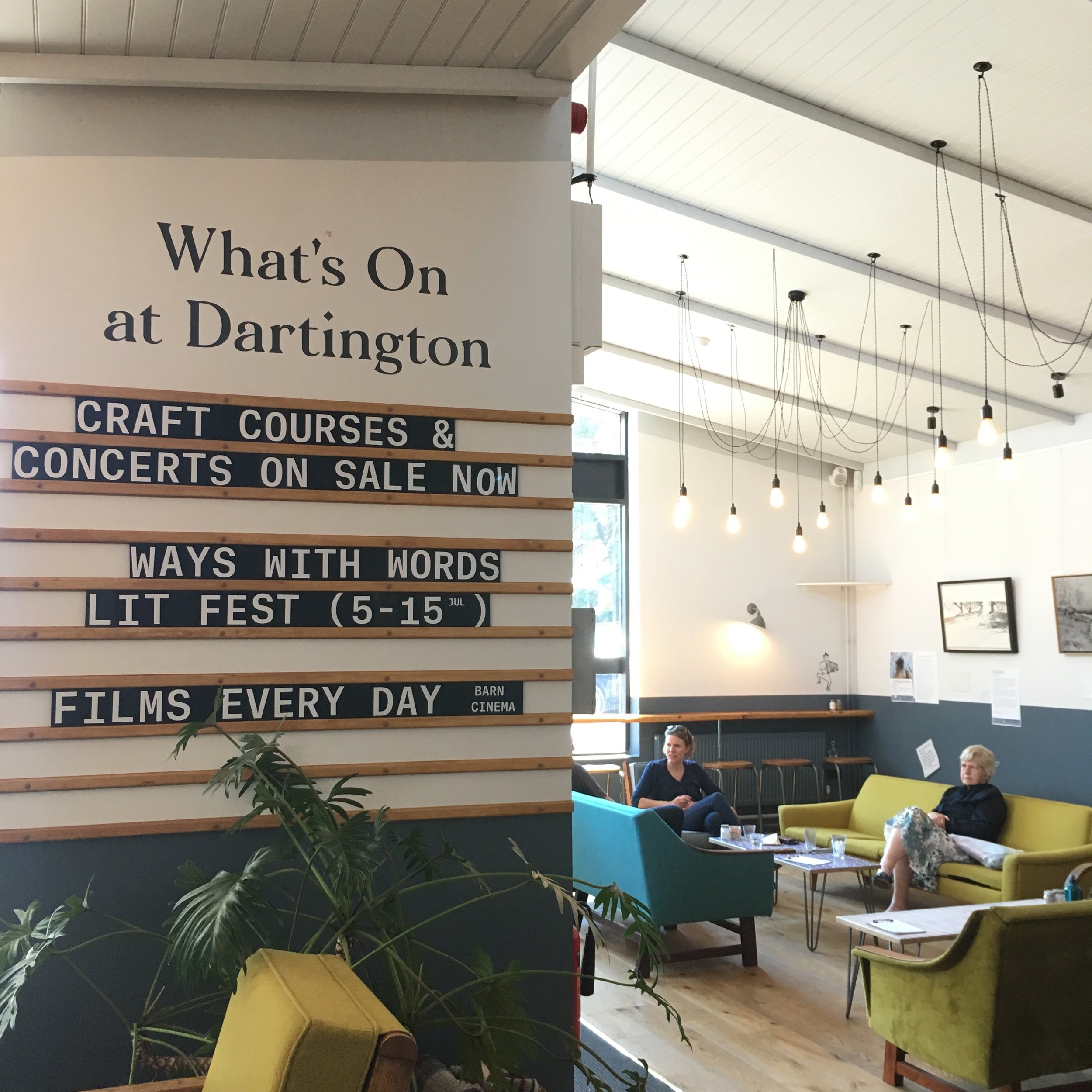
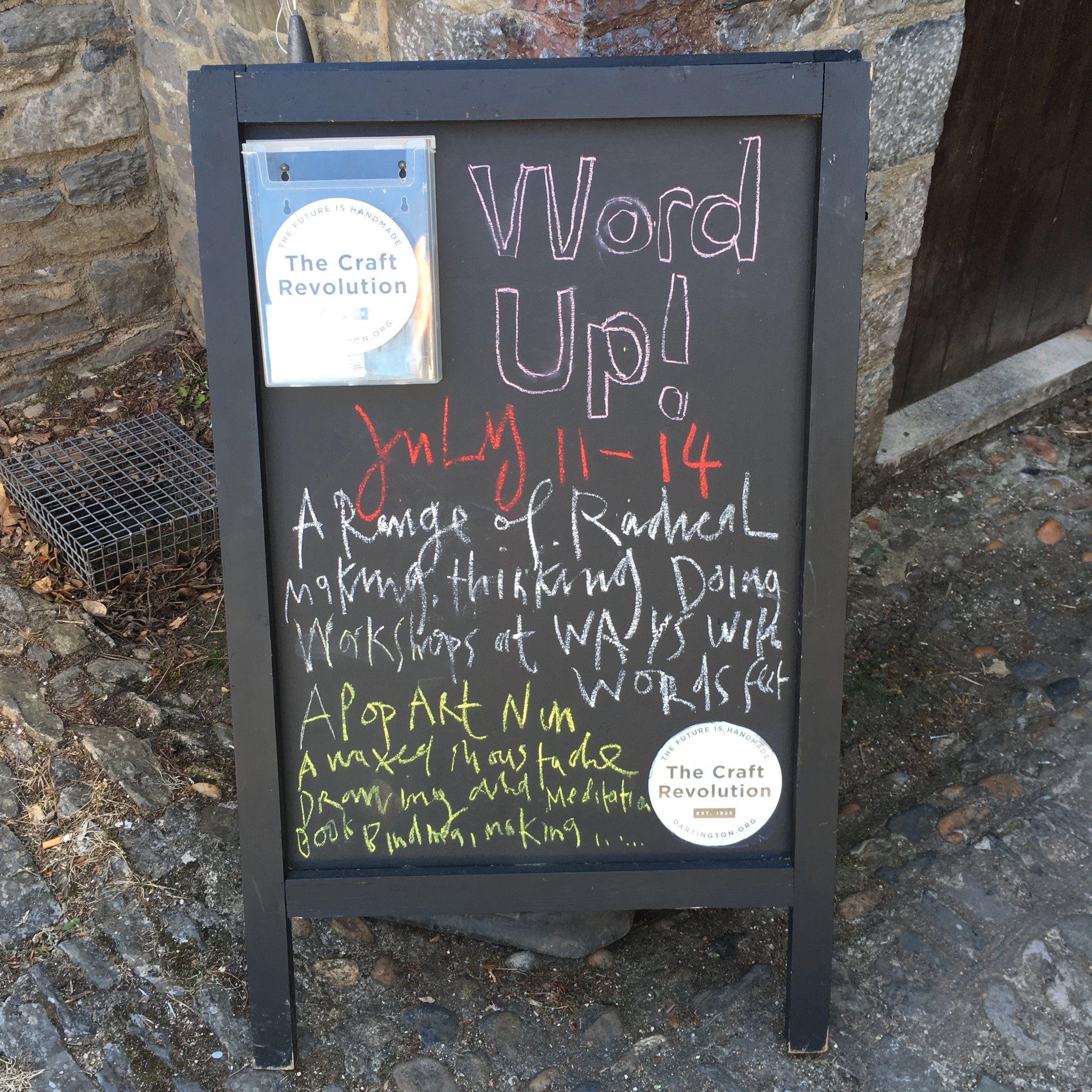
There are multiple ways to engage: Dartington offers programs, classes, workshops, and events that take myriad forms and can shape ‘a many-sided life’ that is really the goal at its heart. The appeal is looking through its strands and finding your thing, maybe even your Self, within it. Bringing its disparate elements into play in your own life as Dartington evolves and shapes the wider world. Whether that’s a slight dip with an indie movie at The Barn Cinema, a vegan lunch at The Green Table, or even a wild swim in the actual River Dart that flows through the estate. Or a longer engagement with a course, or mentorship, or partnership. Here you’ll find the brilliantly named The Craft Revolution, the School of Social Entrepreneurs, the summer literary festival Ways with Words. You can volunteer in the walled garden, attend the acclaimed Summer School that partners amateur musicians with professionals, and even camp within the grounds.
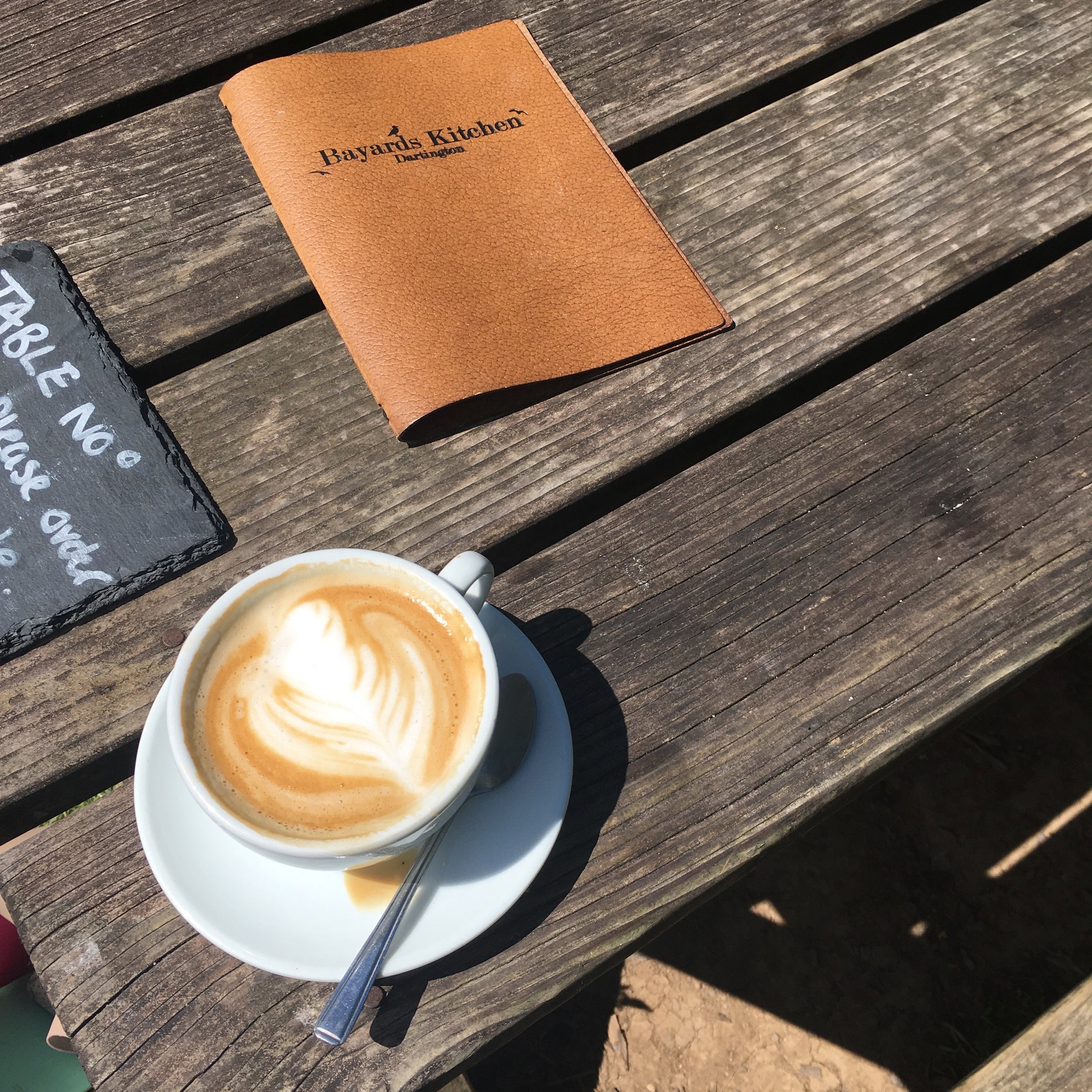
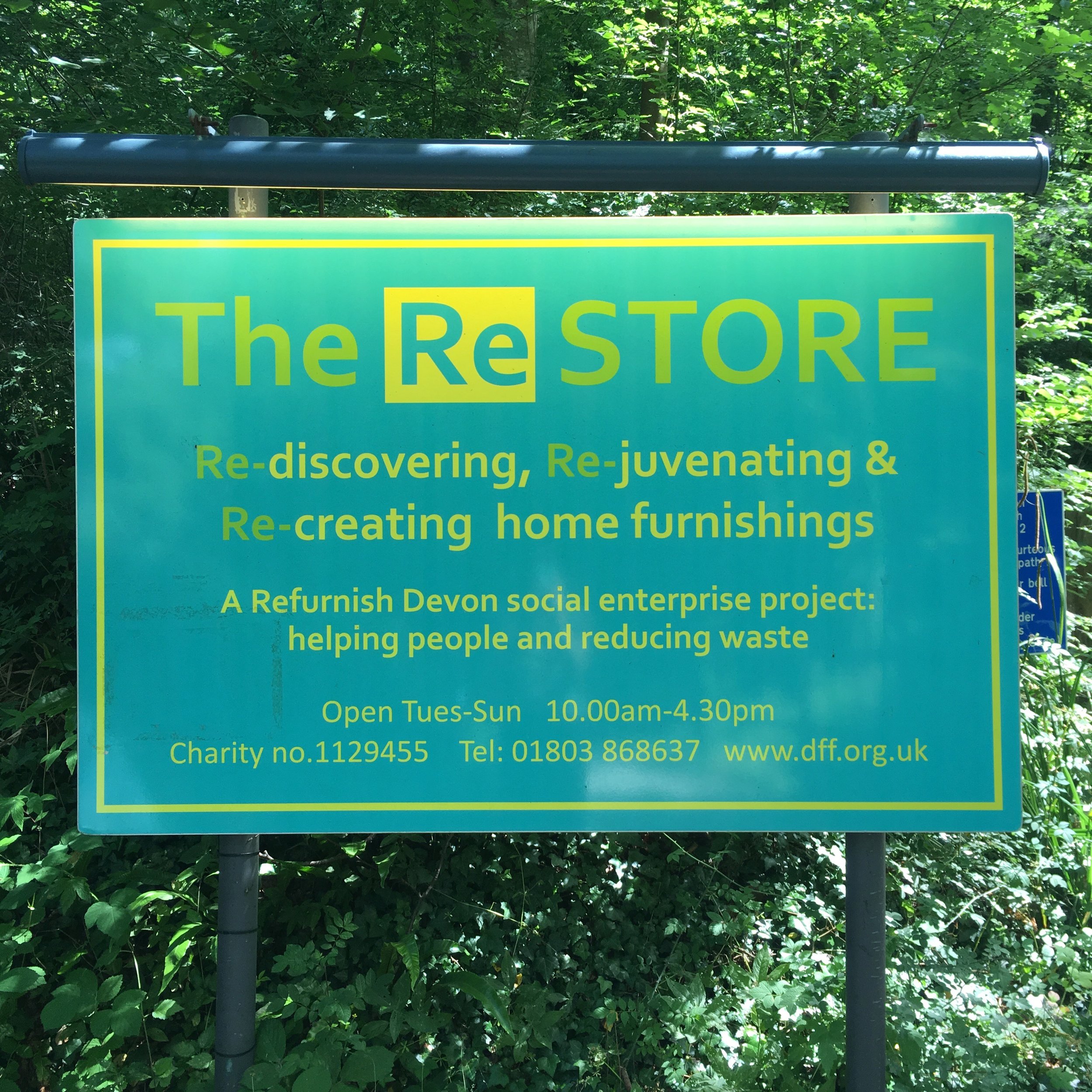
You can also just day trip, and seek out The Shops of Dartington, itself an experiment in social enterprise and community renewal. We recommend coffee at Bayards Kitchen and the quirky The Re-Store. Don’t let the many coaches belie its innovative intent.
We’re convinced that places can change the world. Dartington proves this theory in practice. What will it do for you?
To find out more: Website www.dartington.org / Facebook @dartingtonhall / Twitter @Dartington / Instagram @dartingtonhall

The Saviors We Never Knew We Needed
But the beauty in this moment, if there is any to be found, is that we’re beginning to accept that mental health isn’t just something to be addressed within the stark walls of our therapist’s office. We’re beginning to look to more than the typical health care provider to carry us through. We’re beginning to see that, maybe, there is healing to be found elsewhere? Maybe there are solutions and connections and answers in our everyday lives? Maybe music is here to save us, after all.
The sun is setting in San Francisco and I’m roaming the streets barefoot (again).
It’s the summer of 2004 and I’ve just lost my shoes for the fourth time. Seeing as I’ve spent the last hour fighting to stay alive amidst a sea of people, rioting and screaming, it feels like a relatively small casualty.
You might be imagining that I’d just witnessed a burgeoning political movement take shape, that I was standing (shoeless) at the precipice of some groundbreaking revolution (and, now that I think of it, maybe I was...but I certainly didn’t realize it at the time). You may *also* be thinking I was very drunk, tripping my way down the crowded streets of the Tenderloin (which is certainly a strong possibility, but I honestly can’t recall the details.) In reality, I was simply ambling back to my car after a night at The Fillmore...manically happy (albeit a bit bruised)...feeling more alive than I’d ever felt.
I often think back to this time, the early 2000s, coming of age just as the California music scene was coming alive with a new wave of emotionally-charged sounds. (Emo, Screamo, Pop-Punk, Hardcore ... whatever the distinction, there were lots of feelings, and everyone was yelling.)
While I’ve never fully fleshed out the true impact, this much, I know, is true: Packing into a small, hot venue, with all the focus and intensity funneling in one direction is a powerful, communal experience and arguably more cathartic than most other experiences we’re afforded as adults. (Truly, if you have never been allowed to push someone really hard and then sob next to that *same person* whilst swaying, let me tell you, friends: It does NOT disappoint!)
For someone lacking any sort of formal religion, rock shows became my church.
If you were to create a Venn-diagram outlining the commonalities between the two, there probably is a pretty sizable overlap.
(you should draw this)
It makes sense, then, that, in moments of struggle, we look to these idols for direction and guidance, that we take their words as gospel and apply them to our lives; that we pour over their lyrics in search of answers; that we try to align our experiences with their teachings; that we seek connection with other believers; that we stand and chant, screaming their words back to them hoping, this time, that we’ll finally hear them.
Because the truth of the matter is, the reason that we love music is that it offers us a safe place to process and feel—a necessity we’ve, historically, been completely starved for.
We’re a nation of young people being ravaged by mental health issues. Suicide rates and depression and anxiety are all on a steady rise.* But the beauty in this moment, if there is any to be found, is that we’re beginning to accept that mental health isn’t just something to be addressed within the stark walls of our therapist’s office. We’re beginning to look to more than the typical health care provider to carry us through. We’re beginning to see that, maybe, there is healing to be found elsewhere? Maybe there are solutions and connections and answers in our everyday lives? Maybe music is here to save us, after all.
For teens, specifically, there is a power in seeing the people we idolize, respect and trust bringing a vulnerability and openness around these difficult conversations.
Emerging at the same time as this early 2000s emo and punk scenes, To Write Love on Her Arms (TWLOHA) was established to reach this demographic of young people.
“TWLOHA is a non-profit movement dedicated to presenting hope and finding help for people struggling with depression, addiction, self-injury, and suicide. TWLOHA exists to encourage, inform, inspire, and also to invest directly into treatment and recovery.”
Traveling with The Warped Tour, TWLOHA brought mental health awareness to a massive audience and served as a springboard for other similarly impactful initiatives. “Wanting to support existing professional help organizations rather than replace them, TWLOHA has invested directly into causes such as Hopeline, InTheRooms.com, S.A.F.E. Alternatives, Minding Your Mind, and (in Australia) Kids Helpline."
The incredible thing about TWLOHA was seeing how it affected not just the fans, but the bands as well. It became clear that fame and success were no more protective against mental illness than anything else. The truth that we all struggle was brought fully, and literally, to center stage.
Working in the music industry over the last few years, I’ve noticed an uptick, not just in the vulnerability bands bring to their live shows, but in the intentional messaging that is expressed, both through their lyrics and through their on-stage admissions. There is a real drive to reach out and let listeners know that they are not alone.
This year alone:
We saw Lovely The Band frontman Mitchy Collins open up about losing friends to suicide , encouraging listeners to reach out, find help, and check in on one another.
We watched K.Flay release an entire album full of deeply personal stories from her childhood with topics ranging from her ever-present mental health struggles to her strained relationship with her father.
Blue October frontman Justin Furstenfeld’s Open Book tour exposed us to his addiction, how he found hope, accepted help and eventually saved himself.
Rainbow Kitten Surprise floored us with their groundbreaking video for “Hide” (please go watch it immediately) and their resolve to secure equal rights and protections for LGBTQ community members by donating a portion of ticket sales directly to Equality NC.
Billie Eilish took the world by storm by bringing an entirely new sound to the world of alternative and pop music, but she also brought stories of living with Tourette’s syndrome, normalizing the condition for sufferers across the world.
Whether they realize it or not, these bands are shifting the way we orient ourselves to mental health.
I remember the early days of attending shows, being lost in a sea of people, hoping, simply, to hold on to my shoes. I remember the days when “HOW THE FUCK ARE YOU GUYS?!” was the requisite level of interest a band was expected to pay you. I remember how, sometimes, I’d find myself being crushed against the barriers in front of the stage, how the band would stop playing to say something about loving and protecting each other before launching back in to their set. I remember, in that moment, however brief, after fighting for space and gasping for breath, the palpable feeling of relief.
Today’s bands are doing more than offering brief moments of reprieve from the pain... they’re creating a space where the pain can sit and live as we breathe our way through, creating a space where we can come together in recognition of our brokenness and in awe of our strength, creating a space where, yes, we might lose some shoes...but one where we might find some hope, as well.
* In the United States, the suicide rate has jumped 24 percent since 1999, to 13 per 100,000 people, with the steepest growth in the years since 2006, according to a new report from the Centers for Disease Control and Prevention.

The Centre de Danse du Marais
When you step off Rue du Temple, under the arches, and down the cobbled path to the central courtyard, known as “la coeur”, the heart of the Centre, you can feel the significance of this sacred space.
Steal away from the hustle and bustle of Paris to one of the city’s finest gems, a refuge that is only steps from the popular Centre Pompidou in the 4th arrondissement: The Centre de Danse du Marais, a mecca for dance.
Many types of classes and workshops are offered daily to people of all ages and abilities, including yoga, music, and other performing arts, but dance is the focus, and classes are available to fit any skill level, from beginner to professional.
When you step off Rue du Temple, under the arches, and down the cobbled path to the central courtyard, known as “la coeur”, the heart of the Centre, you can feel the significance of this sacred space. The beautiful old classic stone structure houses many uniquely shaped studios, each with its own personality and named for famous composers, like Debussy, Chopin, and Beethoven.
Magic is created every day here: Magic in the way that the light flows through the window into the room; magic in the way the floor creaks when embodied dancers move across it; magic in the way the drums make the sacred walls vibrate; magic in the way the vibration overflows, spilling into the courtyard, filling “the heart” with rhythms of the soul, rhythms that can be understood in all languages.
Studies have proven that dance is one of the best forms of exercise for health, wellbeing and longevity. It improves memory, balance, depression, anxiety, weight loss, sleep, sex, youthfulness, and overall happiness. But you don’t need studies to encourage you to dance. We’re betting that the smile on your face while you’re dancing will be evidence enough.
So do yourself a favor: Wherever you are in the world, find a way to dance! Try a few different styles and teachers. See what you like. Be open. Be vulnerable. Go for it.
But if you find yourself in Paris, you simply MUST visit the Centre de Danse du Marais. Yes, there’s the Eiffel Towel and the Louvre, but there’s this too. And where your body, your life, your sense of self is concerned, you will not regret an afternoon spent dancing here.
To find out more: website www.centrededansedumarais.fr / Instagram @centredansemarais / Facebook @centre.de.danse.du.marais

The Codfish Cowboy x Angela Skudin
What makes the beachy Codfish Cowboy unique is that it's filled with pieces made by local residents. There's a very low chance you'll be able to find the item on Amazon later.
It's not the wine country that is the North Fork, it's not the exclusive soiree scene of the Hamptons, nor is it quite the suburban sprawl that takes up much of the rest of Long Island. Long Beach, New York is a two square mile city of 30,000 people whose lives revolve around the 3.5 miles of beautiful beaches and 2.2 mile long boardwalk. Surfing, sunny days, and stiff drinks are certainly themes you’ll see thriving in the Long Beach’s West End, but scratch a little deeper and you’ll find so much more to this little community.
In the West End, where the bay and ocean are separated by two blocks, an impressive amount of restaurants, bars, and boutiques bring West Beech Street to life. In the midst of the action is an independent shop that draws you in with earthy smells and a friendly chalkboard whale letting you know they're open. This is The Codfish Cowboy. It’s the kind of store where you are guaranteed to find the perfect gift you went in to buy, and also sure to come out with your new favorite thing. Clever home items, a selection of clothing, unique jewelry, adorable kids stuff and more - it's all the vision of Angela Skudin, its founder and owner.
What makes the beachy Codfish Cowboy even more unique is that it's filled with pieces made by local residents. There's a very low chance you'll be able to go in and then find the item on Amazon later. Skudin prides herself on the fact that when you purchase one of her beautifully curated products, you are supporting a Long Beach maker. At the heart of her ethos is the notion of giving back; bringing something lovely into your life or home while supporting others, it's a win-win.

Here I talk to founder Angela Skudin for If Lost Start Here about what drove her to start The Codfish Cowboy:
What is The Codfish Cowboy and how did the idea for it come about?
I’m classic for my impulsive “great ideas” that fully lack any research, plan, or thought. If you put a visual perspective to it, imagine it like being a squirrel in a cage. The Codfish Cowboy was an impulsive idea that came from the desire to have a shop in my current hometown that reminded me of the shops I love visiting in my original hometown in Tulsa, Oklahoma. I’ve always been “the best gift giver” in my family. I’m told I have the ability to choose the perfect gift for anyone. At the Codfish Cowboy you can find something for a newborn baby, a bachelorette party, housewarming, 80-year-old Aunt Betty.
Why did you decide to open the store in the West End of Long Beach?
When I moved from Tulsa to Long Beach 16 years ago, I lived in the West End with my now-husband. The West End has a vibe and energy that’s undeniable. The Codfish Cowboy is now part of that vibe.
You are very supportive of various causes, from local makers to crucial environmental issues. Can you talk about how you decide whose work to display and sell and how those two passions intersect?
My mother is an immigrant from Germany. My grandfather was a maker. He owned his own furniture-making business. My family still has the original couches he made with his own two hands half a century ago. You can’t get quality like that from a factory. That business made my family who they are today. It paid for private school for all 3 of his children and allowed my family to own a home in America. It’s important to support makers. In turn, we get handcrafted quality items that have a story and help a family.
When I curate, I want to know that story. I want to pass that story on to my customers. We can spend our money anywhere we chose. It feels good to spend it on a piece of handmade art from Long Beach high school’s art teacher whose family lives 3 blocks away and rolls by in their beach wagon waving hello as they pass the store.
Growing up, my family focused on helping others and making sure my sister and I knew what paying it forward felt like. We were a middle-class average family with 2 hard-working parents. Every Thanksgiving my family adopted a family in need and brought Thanksgiving to that family. Every Christmas we adopted a family in need and brought wrapped gifts and Christmas dinner to that family. I’ll never forget those moments. When you are a kid, everyone is equal. When we dropped off the presents and food, my parents would converse with the parents and my sister and I played with those kids like they were our long-time friends. There was no Rich vs Poor, no sense of entitlement. We were all equal. I carried that feeling with me and it’s never left.
As far as environmental issues go, I have always been that person that’s picking up trash in a field, grabbing rogue plastic bags in the ocean or making sure all the soda can rings were cut so a duck doesn’t get strangled. I’m the crazy lady that washes plastic straws and reuses them. I have had the same bag from Ikea for 8 years now. To me it’s common sense….we only have one Earth and it’s our responsibility to make sure she is around for the comfort of the next generation.
What inspired you to begin your apothecary line, “tribal life alchemy”?
Karen Michel, one of my partners, was the inspiration and soul of Tribe Life. One day she said to me, “we should do our own pure essential oil product line,” and I said, “absolutely not.” Fast forward 2 months later we had Tribe Life. Karen is a basically a wizard and can do anything. I give her my ideas for graphics and she can read my crazy brain. With Tribe Life, we really wanted to ensure the quality of the products we were offering to our customers. We live in a toxic world. If I can offer pure products that have therapeutic properties to our customers, I’m going to be able to rest easier. That’s what Tribe Life Alchemy is about.
How would you say The Codfish Cowboy has evolved over the years?
I wanted to build our audience organically. No paid ads (because there simply was no budget for that). I started The Codfish Cowboy with $25,000. The build was done by myself and my awesome handy FDNY husband Casey. The materials were repurposed. I did a lot of dumpster dives to get the wood for the walls and molding. There are pieces of Long Beach homes on the walls of The Codfish Cowboy and I think that’s pretty cool. We are up to right around 3k on our Instagram followers and we are looking to launch our online sales this fall. I’m excited to see that number grow.
What has been the most surprising thing about running the store?
The perception other people have about your business. Just because you have a store does not mean you are rich and just because I’m not physically standing in the store does not mean I’m not working. When you own a brick and mortar your job never ends. There’s a ton of back end work, vendor meetings, research, buying, etc. I’m one person. I can’t be everywhere all the time, but I try.
What is your favorite way to spend a day in Long Beach, aside from being behind the counter?
Shopping local, eating local, riding my beach cruiser on the boardwalk, and soaking in the sun on our beautiful beaches.



Follow TheCodfishCowboy on Instagram and visit them at 891 W Beech Street Long Beach, NY
& visit my other West End Picks:
Blacksmith’s Breads 870 W Beech street
Dough Hut (right next door) 891 W Beech Street
Island Thyme 780 W Beech Street
Jetty Bar and Grill 832 W Beech Street
Lost at Sea 888 W Beech Street
RaKang 895W Beech Street
Shine’s Bar 55 California Street
Speakeasy 1032 W Beech Street

Lucky Penny Parlor & the World's Smallest Postal Service x Lea Redmond
Maria Popova, a similar collector of interesting (in ideas rather than things) encourages: “Be curious. Be constantly, consistently, indiscriminately curious.” We had that quote in mind talking to Lea and wandering through Lucky Penny Parlor.
“Lea’s storefront project is a place where matter and meaning meet through found object conversations and storytelling.”
At times of darkness, what do we reach for? What do we try to bring into our lives? Our go-to’s are probably around activism, around self-care, around community. But wonder? Curiosity? Sometimes we put them in the ‘superficial’ bucket, the one reserved for whimsy, for frivolity, for later. We leave them alone. They are coping strategies LITE.
Spending a morning with artist Lea Redmond at Lucky Penny Parlor in Oakland you realize you’ve got it all wrong. Finding wonder is deeply purposeful. To abandon it now is to abandon something of our humanity, of our possibility.
It’s ok to not feel entirely comfortable when you come into Lucky Penny Parlor. What is it really? How do you engage? Can you touch this? You’ll have these questions and others. And Lea is fine with this – she’ll lead you through it, spend time with you so you can reach for understanding, bring your experiences into hers. There’s a beauty in questioning, a kindness in the suggestion of clarity. Lea did this with my daughter and I – as we touched things on display, grasped for information as we tried to orientate ourselves, she provided the scaffolding for a connection. Over mint tea, in carefully chosen cups, we found our way in.
There’s a therapy of sorts to be found here in Tea Cup Consultations in which Lea choses a cup from her extensive collection and you bring something from your own life to discuss over tea, and the staged Tabletop Shows, dioramas that encapsulate narratives and even the universe (upcoming shows are about hummingbirds and a choose-your-own-adventure through the solar system). These intimate services provide the framework for poetic conversations, exploratory meanderings and immersive play.
Lea is interested in the material that’s in front of us of another kind though, of what’s available to us in the ordinary and every day that has a tangible quality, the concrete items that are all around us, all the time, and that we no longer see. Look through the hundreds of tiny drawers that make up Lea’s Wonder Cabinet and which contain the detritus of our everyday lives – tags, bottle tops, flea market finds, and household artifacts. Here you are taken right back into the space of seeing again, of living in the pause. Meaning here sneaks up on you, revealed by delight and humor and amusement.
Maria Popova, a similar collector of interesting (in ideas rather than things) encourages: “Be curious. Be constantly, consistently, indiscriminately curious.” We had that quote in mind talking to Lea and wandering through Lucky Penny Parlor which houses her personal collection of curios and from which she curates her own singular world.
Two doors up from Lucky Penny Parlor, is a work in process, the very soon to be first outpost of Lea’s World’s Smallest Post Service and the latest iteration of her 10-year tiny mail project. A space of serendipity – Lea happened upon the perfect-sized vintage post office front to pull it all together. From here Lea and her team will send out tiny – as in seriously tiny – packages into the world.
It’s a truly magical space that captures our love of the absurd and the cute, as well as our need for connection, our longing for the analogue. With this project, Lea is returning to something long lost – our wonder at receiving things in the mail that are not in the form of a bill or bulk entreaties. Can you imagine finding one of these tiny letters or parcels in your mailbox. Can you imagine that moment being in your day? Aren’t you smiling now just thinking about it? Or maybe you are thinking about who you can send something to?
For Lea the World’s Smallest Post Service is all about bringing not just ‘tiny mail magic’ but ‘more wonder into the world’: “We propose to create an enchanting, museum-like, open-to-the-public brick & mortar home for our World's Smallest Post Service. We want to make a place, a magical coordinate on the globe where people can count on wonder and kindness.”
Lea has constructed her world too so that we can reach for it wherever we are – with products by her design company Leafcutter Designs. Like Lively Matter a deck of prompt cards to encourage creativity and play through ‘a grand adventure of the ordinary’, and that provide a much-needed break from our screens, and the Letters to My Series, which we’ve handed to grandparents and friends, to capture the stories they may want to tell but have had no format to do so. Most recently, Lea created Everyday Offerings, which holds a way forward in our daily lives.
From the outside, all this, these storefronts and projects, Lea’s vision for crafting this magical way of living, look fun but it takes hard work, a serious and keen drive, to sustain this creative space. It looks easy because whimsy is a kind of sleight of hand, a magic of sorts that leads you out of the mundane and into belief. You don’t see the trickery (read commitment and focus) that makes it happen, that makes non-obviously functional spaces, exist in the world.
Yes, we need independent cafes and bakeries, coworking spaces and stores. But we need this other non-definable space on our high streets – of inspiration, wonder and play. Of something else. That’s a need that is not being fulfilled in our grown-up lives. We’re losing our joy, and we need to badly capture it again. We’re lucky in that we get to visit this world of Lea’s creation. For a short while. To walk within this vision of what light existing in darkness can actual be, the physical form it can take and its importance in sustaining our lives. There’s nothing superficial in that.
To find out more: website www.leafcutterdesigns.com / Instagram @lucky_penny_parlor / Facebook @LeafcutterDesigns

neve & hawk x Kris Galmarini
At a moment when we’re all being pushed to do more and more online—more apps, more sharing, more webinars—neve & hawk founder, Kris Galmarini is making the case that actual brick-and-mortar spaces matter.
At a moment when we’re all being pushed to do more and more online—more apps, more sharing, more webinars—neve & hawk founder, Kris Galmarini is making the case that actual brick-and-mortar spaces matter. In many ways, she doesn’t need her brand’s flagship location in Marin County. Neve & hawk has a thriving online presence for its super cute California- inspired, family-loving clothing line. But Kris, herself, does need it, in a very personal way, because community matters (like really matters) to her.
Neve & hawk’s storefront goes beyond just selling something (though we totally want to buy EVERYTHING they create), to actually building something. “We want it to be a place people want to come. We want people to come into the store, and feel better than when they walked in. We want them to interact, to feel inspired, to leave the store feeling better about shit. We’re in this community and we want people to feel good.”
Kris’ mission to bring people into the space has led to a new use for the back section, a café headed by the female-backed coffee brand Lady Falcon. From mid-August, the flagship will be the site of pour-overs, crafted coffees and a reason to hang out. It’s “another way to have people in there and to bring out the community.” This builds on other offerings: a monthly workshop teaching screen printing and chain stitching where people can learn how to sew, or mend, or distress something, as well as a Quarterly Artist series, which gives creatives a start and someone who believes in their work.
This focus on human interaction and holding physical space goes hand-in-hand with who Kris is as a person. Yes, she’s an introvert who might just be hiding in her studio when you visit the store, but she also believes deeply in people, in their worth, in their authenticity, in their talents.
This starts with the design and production process around the clothes themselves: which are made and sourced (from the inks to the manufacturing process) in San Francisco, Sonoma and Marin and are given a fair market price which reflects this intentionality. At all these steps, Kris never forgets that “there are humans who are making it”, that they have value too, creatively and monetarily. “Shopping can be a thought-process”.
The sentiment extends to Kris’ sense of responsibility to her clients: “Community and loyalty go hand in hand.” Both on and offline she has actively fostered a community that people can be part of and has allowed it to grow organically.
And it absolutely extends to how Kris presents (or rather doesn’t) as a person. She doesn’t play the game we’re all being pressed into playing. At a moment, when we’re collapsing our brands with our personhood, when our sense of self is tied up with clicks, when our lives need post-production effects to make them good enough, Kris is working hard to push back. And we are so grateful for that perspective: for someone who is allowing the masks to drop, for her soul to show, and proving this idea that who we are matters much more than what we know (borrowing from two of Kris’ go to quotes).
If places can be a person, and a person can be a place, neve & hawk’s flagship would be it.
To find out more: website www.neveandhawk.com/ Instagram @neveandhawk / Facebook @neveandhawk

NOIR CITY | Dark City Wanderings
It’s like a religious revival tent meeting, but for cynics. Instead of their Sunday best, they wear their vintage 1940s finest. Rather than speaking in tongues, they wax on and on about who played what character in whatever desperately underrated classic. And Communion comes in the form of a big dose of black and white on the Castro Theatre’s massive screen.
It’s like a religious revival tent meeting, but for cynics. Instead of their Sunday best, they wear their vintage 1940s finest. Rather than speaking in tongues, they wax on and on about who played what character in whatever desperately underrated classic. And Communion comes in the form of a big dose of black and white on the Castro Theatre’s massive screen. You’ll leave sated, exhausted, but you’ll be back tomorrow night for another double feature, day-job alertness be damned. If you’re a true acolyte, you’ll see all twenty-some movies over the ten days of NOIR CITY, the annual film festival of the Film Noir Foundation.
I’ve always loved film noir. My parents apparently never thought it odd that an eleven-year-old couldn’t get enough of The Maltese Falcon; was inviting her (probably confused but at least good-humored) friends over to watch Rear Window; and once VCRs became a thing was trotting home from the movie rental shop with whatever sounded dark: Double Indemnity, Out of the Past, The Third Man. My dad had a particular soft spot for Philip Marlowe and Sam Spade, and together we tried in vain to piece together the plot of The Big Sleep, which even having read the book multiple times is incredibly hard to follow (Raymond Chandler himself allegedly said the same). But it looks superb.
Eddie Muller, founder of the Film Noir Foundation and organizer of NOIR CITY since its inception, has summarized film noir thus: “The men and women of this sinister cinematic world are driven by greed, lust, jealousy, and revenge—which leads inexorably to existential torment, soul-crushing despair, and a few last gasping breaths in a rain-soaked gutter. But damned if these lost souls don’t look sensational riding the Hades Express.”
So... Did noir make me a cynic, or did something already in Young Me gravitate toward this material, finding there something that made sense of the Evil That Men Do (or, in my case, that mean junior-high-school girls do)? My experience in the music world leads me to suspect the latter—that I was born this way, and that noir gave my imaginings form. And what a form!! Colossal glamour, pithy wit, underworld allure... Who wouldn’t want to live in a world where you could be sparklingly eloquent, successfully self-employed, adept in a fistfight, and irresistible to the ladies even if on the looks scale you’re more Fred MacMurray than Kirk Douglas?
Seeing these movies at the Castro Theatre, alongside fourteen hundred fellow travelers, takes the thing to a whole new dimension. Each evening opens with live music on the fabulous Castro Wurlitzer (recently replaced with an even more elaborate pipe/digital hybrid organ), then an acutely articulate, written-note-less introduction by the Czar of Noir (the aforementioned Mr. Muller), then the dramatic opening of the curtain to start the first feature. Each year has a theme (my personal fave so far was “international noir”), and Muller and his fellow programmers do their best to balance a few better-known titles that most people still will never have seen on the big screen, lesser-known titles that extremely few will have witnessed on the big screen, and one or two that have been saved from actual oblivion, often through a restoration directly funded by last year’s festival ticket sales. This is the goal of the nonprofit that is the foundation: to save noir films on 35mm, as they were meant to be seen. Say what you will about the viability of actual film as a medium for mass exposure to “film”—Eddie’s got a counterargument ready for you.
At this point there are numerous satellite NOIR CITY fests around the country, but San Francisco is where it all started, and where Muller grew up. He still lives here, and treats the SF iteration as the mother ship that steers the rest of the fleet. I’ve read Muller’s introduction to film noir, Dark City: The Lost World of Film Noir (1998), and have for the last couple of decades made little pencil checks next to the titles I’ve personally seen. Dark City Dames: The Wicked Women of Film Noir (2001) is the clearest manifestation of Muller’s career-long vendetta to bring the femmes of noir, fatale or otherwise, from the clichéd sidelines into the spotlight. I dutifully enrolled in Muller’s “continuing studies” course at Stanford University, “The Politics, Passions, and Personnel of Film Noir,” and I even successfully muscled my way into the gang’s inner circle, helping with the ticketing for the annual SF fest.
But at the end of the day, after you’ve completed all the reading and pondered all the theorizing and copied all the fashions and cut way too much school to watch Dialing for Dollars, the point is the theater experience. This is the “why” of the foundation: to save the films, and to show the films, at venues like the Castro. There’s got to be a really compelling reason why we keep coming back to a joint that holds 1,400 seats, puts on shows that last four or five hours, and has less than ten toilets total.
I’ve got a lot of NOIR CITY memories, but a couple stand out. The first is actually from NOIR CITY XMAS, a teaser show that happens a couple of weeks before the holidays, also at the Castro, as a kind of appetizer for the main fest coming in January. It usually features a bleak Christmas movie (I know, right?!) but this year it was Holiday Affair, a mostly-comedy with the odd bleak moment. I remember laughing so hard I was crying, right along with the crowd, fully realizing that if I’d been watching the thing at home on DVD, I would have been bored, maybe even wouldn’t have finished. I described it to Eddie the next day and he said of course that was right, that’s the power of experiencing movies in the theater. You’re physically, logistically committed, which makes you give yourself over to the larger emotive sense in the room. Sadness, injustice, intrigue, romance, glamour, and, yes, comedy are massively, massively magnified. See my religious-revival-tent metaphor that opened this piece.
This is what will be lost if the old-fashioned moviegoing experience evaporates.
Another very powerful memory of NOIR CITY is not even of being in the theater, but of reviewing the pictures taken by the photographer one year. I scrolled through crowd shot after crowd shot—hipsters, non-hipsters, old people, the occasional celeb (Chris Isaak and Jello Biafra have been noted attendees), and views of the stage showing Muller doing his thing. What stopped me in my tracks was a shot of what Eddie sees from the stage. There must be no sight on earth more satisfying than an ocean of folks who’ve paid their money and made the trek to love and support your dream, and gain something soul-satisfying that could be delivered, for us dark cynical believers, no other way.


Photographs by Rachel Walther © 2019
To find out more: website www.noircity.com / Instagram @Noir.City / Facebook @filmnoirfoundation / Twitter @noirfoundation

Paranoia | Like, The Worst Soup Ever
Sometimes I think back to the mash-up of issues I was facing as a perfectly concocted soup. (But less like a regular, hearty soup, set to warm your soul on a cold night…and more like one of those soups they’d serve cold in a school cafeteria: thick and mysterious and generally unpalatable.)
The worst thing about living with paranoia is my inability to trust my own instincts and intuition.
The second worst thing about living with paranoia is that my neighbors are probably going to kill me.
For many years, I simply thought I’d found myself on the unfortunate receiving end of a steady stream of lunatics—some sort of strange manifestation after so many years of obsessively fearing people. If the teachings of The Secret were to be believed, my thoughts were *actively* creating my destiny, a prospect so terrifying I’d opted to stop thinking all together. (Alcohol problem: commence!) But, of course, the damage was already done. My chakras were fucked. Something about metaphysical reactivity (?) or past life regression (?) or crystal disharmony (?) had gone horribly awry. I’d created my destiny, and now I had to see it through. (Great.)
On the nights when I’d peered out my windows 1000 times and noted all of the strange men tracking me, I’d usually remove the grates on my heating system to be sure I’d disabled the cameras. (A violent punch into the vent and a wild wave of my hand should do the trick!) Sometimes, of course, the cameras would be too small so I’d have cover the openings with duct tape. Other times, the men would be circling my house so rapidly that I could scarcely keep an eye on them. Occasionally they’d be plotting with people I knew or driving cars I swear I’d seen earlier in the week. How long had they been following me, and when were they going to make their move?
The interesting phenomenon here was that I had become so adept at justifying these theories, that even the people closest to me didn’t question them. I can almost assure you that it came as a shock to my friends and family when I, of all people, began to wonder if maybe all of these things weren’t happening to me. After all, there seemed to be so much build up…but no real action.
At my worst, I was certain that the build up was simply an attempt to drive me mad, to knock me off my guard, to render me incapable of fighting back. At my best, I agreed that these impending-death scenarios were improbable, but still, despite my best attempts to shake them, believed them to be true.
So, my mission was clear. It was my job to remain vigilant. To fight. To flee. To curl in a small ball behind the couch and play dead.
You’re likely thinking that I must have been under some sort of psychological care throughout this time, acutely aware that I was suffering from a combination of Anxiety, Depression, PTSD and Paranoia. To that, I’d respond with a sort of maniacal laughter that would haunt you for a lifetime. Therapy was for crazy people, angry people, people who didn’t have white picket fences and 2.5 kids and nice husbands and 401ks. Not me, bro. I’m cool. (*sunglasses emoji*)
Sometimes I think back to the mash-up of issues I was facing as a perfectly concocted soup. (But less like a regular, hearty soup, set to warm your soul on a cold night…and more like one of those soups they’d serve cold in a school cafeteria: thick and mysterious and generally unpalatable.)
It is so easy to get trapped in this feeling that mental illness defines us, or has broken us, but I’ve gone to therapy now (*pats self on the back VERY HARD*) and read lots and lots of inspirational quotes on instagram (*abruptly stops patting self on back*) and I realize now, that these are not the things that define us. Even the way we stumble through is not what defines us.
We’re allowed to break down and fuck up and do it all wrong. We don’t always have to overcome our setbacks gloriously with the sun bursting through dark clouds. Sometimes we just wake up and try a little harder not to suck, try to not peak out the windows looking for well-disguised murderers, try not to ruin our probably-expensive heating and air system with 16 layers of duct-tape…we wake up and take one little baby step towards healing/recovery/self-care and that’s ok.
I truly have to believe that what defines us is who we are in between these broken times. What defines us, if we even need defining, is the person we are when we have perspective, and coffee in-hand, and all the stars are aligned and we feel like we can shower and converse and meet opposition with something other than hysterical crying. I’d like to believe that who I am is the person I’m able to be when at my best. Anything else is just too much damn pressure.
Now, that I’ve largely overcome my paranoia (again, *emphatically* PAINFULLY patting myself on the back) now that I’m here making soup analogies and talking about sunlight bursting through clouds, I can hardly believe what my life once looked like. And while it’s easy to joke about now…in those moments, it felt absolutely insurmountable. Here I was, trapped in this self-imposed prison, unable to escape, probably destined to die there. I could not leave the house, could not forge new relationships, could not trust, could not love, could not function normally in the world. I was lost, and didn’t know where to turn.
If you’d have told me then that there were answers, that there were services, solutions, resources, support, people struggling in the same way, I’m not sure I would have believed you. In those moments, I needed that place, and I didn’t know where to start.
For me, If Lost, Start Here is a small step in the right direction. With so much of the world operating under the assumption of wellness, If Lost Start Here is a resource for people who are just unapologetically struggling, or at least those of us who accept that self-care is hard, and self-realization even harder, and self-compassion maybe the most difficult of all.
So many of the solutions offered for “wellness” or “recovery" can feel unattainable to people who are struggling. (How am I supposed to book a "Heavenly Weekend Getaway” when I can’t even go to the grocery store without having a panic attack?)
If Lost Start Here is less about “Resetting Your Wellness At This Jaw-Dropping Bali Retreat” and more about “700 Places Where You Can Openly Sob Without Judgement”. And for me (huddled in my bed, with my duct tape, thinking about soup) that feels just about right.