
You Don’t Have to Change Who You Are to Move Forward
If you’re feeling lost, overwhelmed or unsure, today we’re exploring self-trust, ADHD, and why you don’t need to change who you are to move forward.
Sometimes the feeling of being lost doesn’t announce itself loudly. It slips in quietly, disguised as self-doubt or restlessness. You find yourself wondering why the things that seem to work for everyone else don’t quite stick for you. Why your energy rises and falls. Why you can be so capable one week and so uncertain the next. Why the common advice about confidence or consistency feels faintly misaligned, as though it were written for someone else.
Many of the people who arrive here are not looking to reinvent themselves. They are looking for steadier ground. They are tired of trying to fix what might not be broken.
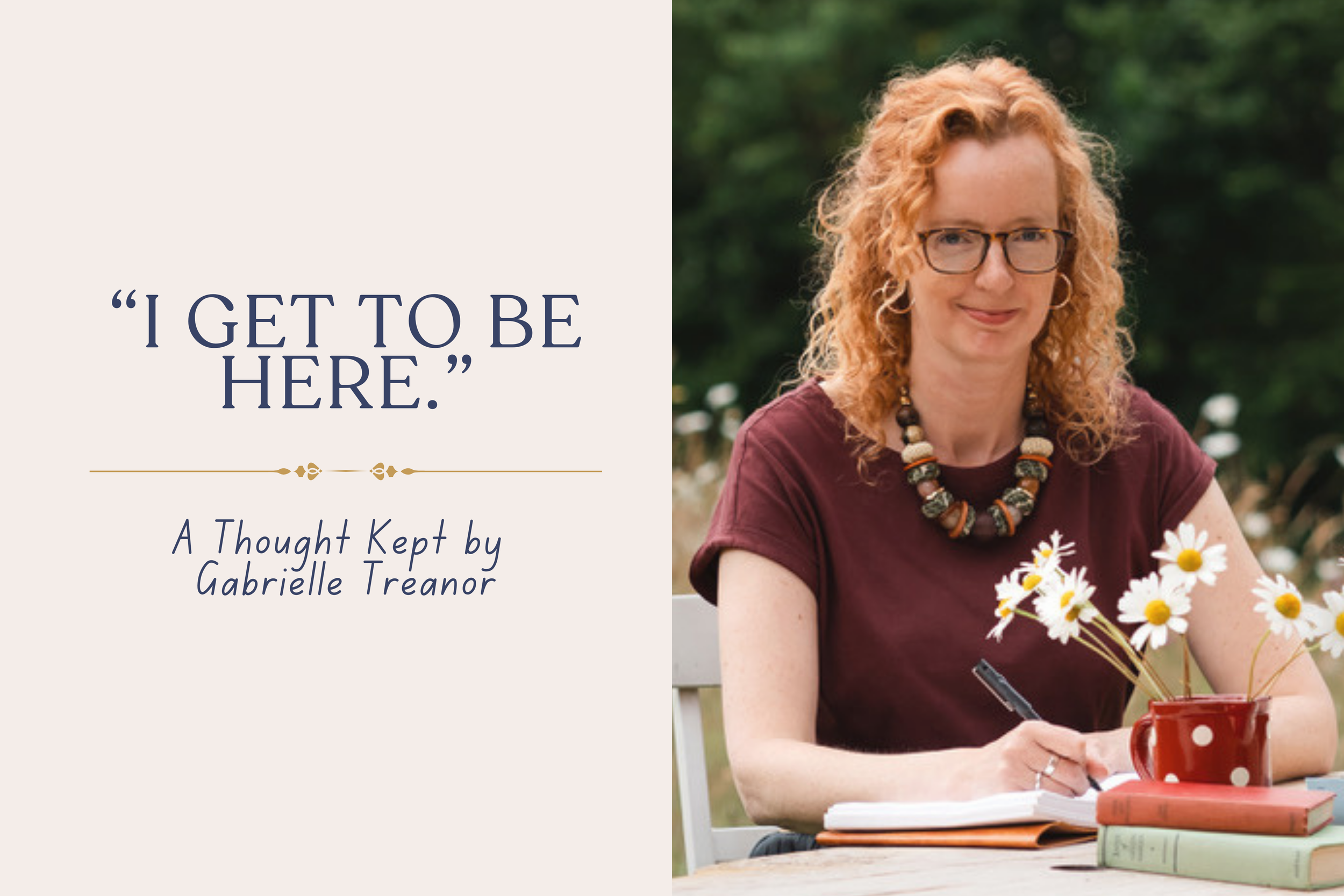
In a recent episode of A Thought I Kept, I spoke to writer and ADHD coach Gabrielle Treanor about a thought that had quietly reshaped her life: “I get to be here.”
When she said it, it wasn’t defiant. It wasn’t triumphant. It was calm. Considered. Almost surprised.
Gabrielle was diagnosed with ADHD in her late forties. For years she had assumed that her fluctuating motivation, her sensitivity, her tendency to procrastinate meant she simply wasn’t disciplined enough. She had tried to follow the prescribed routes to wellbeing — the routines, the systems, the ways of doing things “properly.” When she couldn’t sustain them, she thought the fault lay with her.
What changed was not her personality, but her understanding. Her brain worked differently. The expectations she had internalised were not neutral; they were shaped by a culture that prizes steadiness, productivity and linear progress. Realising this did not give her a new identity so much as a new understanding. A new willingness to stop apologising for the way she was wired.
I get to be here.
It is such a simple sentence, but it carries weight. It suggests that your presence is not conditional on becoming more efficient, more certain, more contained. It does not demand that you take centre stage; it simply reminds you that you belong in the room.
Many of us have been taught to make ourselves smaller in order to move through the world more smoothly. To temper our sensitivity. To soften our opinions. To be grateful for what we have and not ask for more. Even the language of wellbeing can subtly reinforce this shrinking — as though if we could only master the right practice, wake earlier, focus harder, meditate longer, we would finally become the sort of person who functions without friction.
But what if friction is not evidence of failure? What if it is simply information?
Gabrielle’s approach to wellbeing is rooted in experimentation rather than compliance. Instead of asking, “Why can’t I stick to this?” she asks, “What might work for me right now?” The difference is small but profound. It shifts the emphasis from self-criticism to curiosity. It acknowledges that we are not static creatures. Our energy shifts. Our capacity changes. The practices that nourish us in one season may not suit us in another.
For those of us who feel overwhelmed by self-improvement culture, this can be a relief. It allows us to step out of the exhausting cycle of starting and stopping, trying and failing, promising and abandoning. It invites us to pay attention to who we actually are, rather than who we think we ought to be.
If you are feeling unsure of your direction, it may not be because you lack ambition or courage. It may be because you have been trying to travel using someone else’s map.
To say “I get to be here” is to begin from your own coordinates. It does not solve everything. It does not remove uncertainty. But it offers a place to stand. From there, you can notice what feels steady and what does not. You can experiment gently. You can allow for inconsistency without interpreting it as collapse.
This is not an argument against change. Growth still happens. We still learn, adjust, stretch. But growth that begins from self-rejection rarely feels sustainable. Growth that begins from recognition — from a quiet acknowledgement of your temperament, your history, your rhythms — tends to be kinder.
If you are questioning whether the usual wellbeing advice works for you, that questioning may be wisdom rather than resistance. If you are tired of feeling behind, it may be because you have been measuring yourself against a timeline that was never yours.
You get to be here. As you are. With the brain you have, the experiences you carry, the particular mix of steadiness and fluctuation that makes you you.
If you’d like to hear the full conversation with Gabrielle, you can listen to the episode of A Thought I Kept where we explore this idea in more depth — including what it means to discover ADHD in midlife and how experimentation can replace striving.
And if you’re feeling especially untethered, our coaching sessions are here to help you explore these questions at your own pace.
There is no rush to become someone else. Sometimes the first step forward is allowing yourself to be exactly who you are.

Why Good Coaching Starts with Space — and the Thinking That Happens There
In this wellbeing podcast conversation, educational psychologist and coach Sarah Philp explores the link between thinking, action, and the spaces that make transformation possible. Perfect for anyone curious about coaching or feeling lost, burned out, or disconnected from themselves.
What if you can’t rush a thought into something useful.
That’s one of the learnings that emerged in my recent short-form podcast conversation with Sarah Philp, an educational psychologist and coach who’s built her work on the belief that:
“The quality of everything human beings do depends on the quality of the thinking that we do first.” — Nancy Klein
It sounds simple. But think about your week so far — how often have you given yourself, or someone else, uninterrupted space to follow a thought to its end?
For many of us, the answer is almost never.

On why coaching isn’t advice — it’s space
If you’ve ever wondered what coaching really is, just know that it’s not someone telling you what to do.
Good coaching is the art of creating space — a physical, mental, and emotional container where you can think more deeply than you might on your own. It’s presence without pressure. It’s being witnessed in your thinking, without being hurried toward a solution before you’re ready.
In Sarah’s words, it’s “following the thread” of a thought. And in our busy, interrupted lives, that’s a rare thing.
Why thinking and action need each other
Coaching is often misunderstood as being only about action — setting goals, hitting targets, ticking boxes. But action without clear thinking can be reactive, scattered, even counterproductive.
On the other hand, thinking without movement can keep us stuck in loops of over-analysis.
The power is in the relationship between the two. The right kind of thinking — spacious, supported, fully explored — naturally leads to clearer, more aligned action. And action, in turn, gives thinking something to respond to.
The role of space in wellbeing
Space isn’t just about coaching sessions. It’s also about the environments and practices that help you reset — whether that’s a walk in nature, a few minutes of stillness before starting your day, or, in Sarah’s case, cold water swimming and time on the Isle of Skye.
These moments aren’t indulgences; they’re essential to wellbeing. They give you a vantage point outside the noise, where you can reconnect to yourself and what matters most.
If you’re feeling lost, burned out, or disconnected
You don’t have to fix everything at once. Sometimes, the first step is simply to create a little more space — in your day, in your conversations, in your head.
That’s where coaching can help. It’s not about having all the answers. It’s about having the time, attention, and support to find the ones that fit you.
If that sounds like something you need, we think you’ll love this latest episode of A Thought I Kept. It’s thoughtful and full of insights that might just shift the way you think — and act.
Listen now to on Substack, Spotify or wherever you get your podcasts.

Exploring Emotions, Connection, and Wellbeing Through Podcasts
Discover the best podcasts for exploring culture, emotional connection, and wellbeing. From The Hidden Brain to Noticing, explore some inspiring stories, practical tools, and cultural insights in our latest podcast playlist in our Culture Therapy series.
What makes a culture thrive? How do emotions, traditions, and shared narratives influence our collective wellbeing? Welcome to our Culture Therapy series, where we learn about the intricacies of human connection, emotional health, and the shared experiences that shape our world through podcasts, books, and more.
This month, our curated podcast playlist highlights some incredible podcasts that offer fresh perspectives on culture, emotions, and our everyday wellbeing.
Podcasts About Emotions and Connection
Podcasts like Noticing and The Hidden Brain focus on how we connect with ourselves and others. In Noticing, Maggie Ward and Urvi Patel explore the roots of disconnection, sharing practical strategies like self-compassion, thought interruption, and micro changes that foster deeper reconnection. Meanwhile, The Hidden Brain series Emotions 2.0 examines how emotions spread and intensify in group settings, from the shared joy of concert crowds to the power of communal rituals like fire walking.
Podcasts About Cultural Narratives
Exploring the stories that shape culture, Conspiracy She Wrote reveals the women-led origins of conspiracy culture, tracing the roots of Illuminati paranoia to figures like Nesta Webster. Similarly, Don’t Drink the Milk examines the legacy of witch hunts, uncovering how these historic events continue to inform modern power dynamics and societal fears.
Science-focused podcasts like The Infinite Monkey Cage also weave cultural threads into their explorations, from how stargazing has shaped civilizations to the beauty and environmental significance of trees, featuring guests like Dame Judi Dench.
Podcasts That Inspire and Entertain
Storytelling is a powerful way to connect with culture and well-being. Comedian Amy Gledhill hilariously recounts her day on What Did You Do Yesterday, reminding us of the joy in life’s small moments. In Intersections, Lauren Layfield introduces immersive soundscapes and interviews with notable Angelenos to preserve Los Angeles’ untold stories.
For those exploring relationships and personal identity, Single Ladies in Your Area follows Amy Gledhill and Harriet Kemsley navigating the modern dating scene, while Kylie Kelce’s Not Gonna Lie balances humor, holiday traditions, and personal insights from guests like Charissa Thompson.
Why Podcasts Matter for Culture Therapy
Podcasts are a treasure trove of ideas, offering tools for emotional wellbeing, cultural understanding, and even some healthy distraction. From unpacking disconnection to exploring shared narratives and communal experiences, these episodes will help you explore more of life.
As you listen, think about how these podcasts might inspire you to move toward connection with yourself, each other and the world around you.
Whether you’re drawn to emotional health, cultural history, or lighthearted storytelling, there’s something here to spark some new thoughts and bring fresh perspectives to your sense of self and the world around you.
Ready to explore how stories, art, and culture can shape your emotional well-being? Discover Culture Therapy—a new approach to finding meaning and connection in everyday life.
Explore curated recommendations and insights designed to inspire and support you. Because sometimes, the right story or even podcast can be the best remedy.

A Very Well-ish Holiday Season: Navigating Family Dynamics with Grace and Joy
Discover how to approach family relationships this holiday season with kindness, curiosity, and connection. Let go of perfection and embrace what truly matters.
The holidays are here, and with them come the anticipation of connection, the glow of festive lights, and yes, the occasional family dynamic that feels more like a tangled string of fairy lights than a harmonious carol. In this post, we’re diving into how to navigate family relationships during the holiday season with compassion, curiosity, and a little less pressure.
If you're finding this time of year both heartwarming and nerve-wracking, you're not alone. Let's explore how to approach family relationships with a little more ease this season.
The Holiday Ideal vs. Reality
We often envision picture-perfect holidays: meaningful conversations, shared laughter, and moments of reconciliation. But reality can bring its own scenes—perhaps an awkward silence at dinner, a tense exchange, or a tradition gone awry. It’s important to remember that perfection is neither attainable nor necessary for connection.
The key? Letting go of rigid expectations. Instead of aiming for a movie-worthy holiday, focus on embracing the small, authentic moments of connection. Whether it’s a shared laugh during a holiday game or simply sitting together by the tree, these are the memories that truly matter.
1. Let Go of Perfection
The pressure to create a flawless holiday experience can weigh heavily. From planning the "perfect" menu to finding the "ideal" gift, this season often comes with an invisible checklist.
This year, consider letting go of one expectation. Maybe it’s allowing someone to arrive late without stress or accepting that not everyone wants to join the Christmas jumper tradition. By releasing some control, you open the door to unexpected joy.
2. Shift from Reacting to Responding
Family gatherings can sometimes bring out old dynamics or unresolved tensions. When emotions run high, it’s easy to react. Instead, try pausing and practicing curiosity:
What might this person be feeling right now?
What value or need might be driving their behavior?
How can I respond in a way that feels true to me?
By approaching situations with curiosity, you can create emotional distance and respond with intention rather than reactivity. Remember, this isn’t about excusing bad behavior but about navigating tricky moments with grace.
3. Cultivate Collective Care
The holidays shouldn’t rest solely on your shoulders. Consider inviting others to share the load, both emotionally and logistically:
Assign tasks: Have someone bring a dessert or a favorite side dish.
Share traditions: Invite others to take ownership of decorating or reading a holiday story.
Create opportunities for connection: Conversation starters or collaborative activities like baking can foster shared joy without adding to your to-do list.
The holidays are about being together, not delivering a perfect experience.
4. Break Old Patterns
Holiday gatherings often pull us into roles we’ve outgrown. Whether you’re the peacemaker, the overachiever, or the one who withdraws, take a moment to notice these patterns. Then, experiment with small changes:
If you tend to take on too much, practice saying no with kindness.
If you usually retreat, try staying present, even if it’s just for a few extra moments.
Breaking old habits can create space for new, healthier ways of being together.
5. Find Joy in Presence, Not Perfection
In the midst of the busyness, it’s easy to lose sight of what the holidays are truly about: enjoying the people we care about. Joy doesn’t require grand gestures—it’s often found in the little things:
Watching a holiday film together.
Sharing a quiet moment by the tree.
Laughing over a shared mishap.
This year, focus on what’s already here rather than striving for what’s missing. Ask yourself: “What’s one moment I’m looking forward to? How will I recognize joy when it appears?”
Family dynamics during the holidays are rarely perfect, but they don’t have to be. This year, let go of the need to manage every moment or fix every relationship. Instead, lean into curiosity and allow for surprise. Let kindness—for yourself and others—guide your interactions.
And if the season feels overwhelming, step back, take a breath, and reconnect with the people or moments that bring you warmth. The holidays are about being in it together—not creating a perfect façade.
What Are Your Thoughts?
What’s one expectation you’re letting go of this holiday season? Or a tradition you’re excited to embrace? Join the conversation on Substack or Instagram. If this post resonated with you, consider sharing it with someone who might need a little extra support navigating their holiday season.
Wishing you a season filled with small joys, meaningful connections, and a little less stress.

Embracing the Winter Season: Finding Magic in these Darker Months
Discover how to embrace winter's challenges and uncover its magic. Learn the art of slowing down, connecting with nature, and nurturing yourself through cozy practices and meaningful connections. Wintering well starts here.
Welcome to an exploration of a season that, for many, can feel daunting and seemingly endless: winter.
Much like you, I too have wrestled with the challenges that this cold and often gloomy time of year can present. Today, I want to challenge myself, and maybe you too, to find ways not just to endure but embrace winter, discovering a bit of magic along the way.
Winter isn't my favorite. It can feel relentless and isolating, casting a shadow over everything I do. I recognize its impact on my mental well-being, so I’m currently trying to make peace with it.
My goal this winter is to uncover some of its hidden gems—those small moments of beauty and coziness that might make the season more bearable, perhaps even enjoyable.
The Art of Wintering
My perspective began to shift after reading Katherine May's book, Wintering, which explores winter not merely as a season, but as a state of being. This time invites us to slow down, even when it feels uncomfortable. May's wisdom encourages us to accept winter's potential benefits—a more restful period in our lives.
I've come to see the tension in winter as both a call for productivity and an invitation to rest. The shorter days urge us to pause.
Could slowing down actually be productive? It's a question that might help us better navigate the different pace of this season.
Lessons from Nature
Could nature guide us through winter's challenges? Trees drop their leaves, conserving energy. Hedgehogs hibernate. Seeds rest beneath the earth. Nature embraces its seasons. Can we do the same?
The concept of the "fertile void"—a space where nothing seems to happen on the surface, yet beneath there's preparation and potential—resonates with me, particularly in the winter.
Are we, by slowing down, able to prepare for something needed right now, that might even return us back to ourselves in future months?
Connection: A Winter Essential
In winter, self-care often focuses on going inward. While important, there's also a need for connection. We must remember to lean on each other. Connection combats isolation and its creeping melancholy.
Consider small acts of connection this winter. Reach out—invite a friend for a walk, send a heartfelt message.
Building these threads of connection can lift us, and help us through these cold months.
Acceptance and Curiosity
Winter is an opportunity to disconnect from constant productivity and embrace the season's messy middle—the space between endings and beginnings.
We don't need to have it all figured out. Exploration can keep curiosity alive.
Whether it’s trying new recipes, chasing the light, or asking what sparks your curiosity now, these are paths winter opens for us.
Anchoring Ourselves
I've found anchoring practices helpful to remain present in ways that feel good this winter. A daily 3-2-1 practice—three things I’m grateful for, two things I’m curious about, and one act of kindness for myself or others—brings new awareness to my days.
Consider creating a well-being winter toolkit: perhaps the crackle of a fire, a glow of candles, a cozy weighted blanket, or a beloved seasonal movie.
What small comforts help you anchor in winter?
Seeking Ways to Wintering Well
Wintering well is not about fighting the season but listening—finding rest and connection in its quiet months.
Ask yourself: What would wintering well look like for me? Resting more, reaching out more, or simply acknowledging the good already present in your life?
What strategies have you developed to handle winter?
Until next time, take care, stay warm, and remember that if winter does not become your favorite season, spring is just around the corner.
Coming soon: how to navigate messy family relationships during the holidays—right when we need it the most.

Navigating Holiday Emotions: A Very Well-ish Holiday Season
During the festive season we can feel all the feelings. Learn what to do when the 12 Emotions of Christmas inevitably show up.
As the holiday season approaches, the pressure to make everything perfect for everyone else can often take a toll on our own well-being. But this year, let’s do it differently. Instead of focusing solely on creating magic for others, let’s also nurture ourselves.
In the first episode of our festive mini-series, A Very Well-ish Holiday Season, we dive into the complex emotions that surface during this time of year and explore ways to embrace and navigate them with care.
The Emotional Landscape of the Holidays
While the holidays are often joyful, they can also bring stress, overwhelm, and even burnout. The mix of emotions—joy, gratitude, anxiety, and loneliness—can feel like a rollercoaster. On top of that, grief may make an appearance, reminding us of those we’ve lost.
The key to navigating this emotional landscape? Acceptance. Embrace the full range of emotions, both positive and challenging, and allow space for authenticity and real connection. It’s not about eliminating negative feelings but creating a mindful space to honour whatever it is you feel alongside the joyful moments.
This Week’s Takeaway
This holiday season, give yourself permission to feel it all. Share your emotions with others—they might appreciate the validation and connection. And remember, nurturing your emotional well-being benefits everyone around you.
For more practical tips on embracing your emotions during the festive season, sign up for our newsletter or check out our recent journal posts.
Coming Up Next Week
In the next episode of A Very Well-ish Holiday Season, we’ll explore how to fold self-care into the holidays without adding to your to-do list. Subscribe on Substack to never miss an episode (you have enough to remember right now).

Lost in May | A Podcast Playlist
Explore our latest podcast playlist. We curated some of our favourite recent listens to help you navigate your everyday life. Discover how these episodes can help your emotional well-being.
We’ve made a Podcast Playlist for you to take on your next walk, to accompany you on your drive, and to make tidying the house just a little less tedious.
This month, there are many new listens including Wiser Than Me, Letters from a Hopeful Creative and It’s Going to be OK. There’s season 2 of WILD, a Southeast LA Rom-Com. And some great stand-out episodes from long-time favourites The Ezra Klein Show, Unladylike, Truth be Told and Normal Gossip. Plus that Clueless episode from Articles of Interest is just Podcast Perfection.
Listening to this playlist lets you know where our interests currently go (it’s a little like reading our journal). From our emerging curiosity about plant medicine to how we think about self-care, you’ll find that we’re seeking voices that offer us more than traditional well-being and counter some long-held narratives about how we should exist in this world of ours.
Hopefully, some ideas and conversations here help you navigate your own life just that little bit better this month.

Podcasts for Finding Your Purpose | The Spring Edit
We've curated a selection of our favorite podcasts about how we can best connect with our working lives and how we can think better about our emotional health as we go about finding our purpose.
“I’ve chosen opportunities where I might fail rather than live in the shadow of my own potential.”
Finding purpose. Isn’t that our life’s goal? Identifying what it is that excites us, that gets us to flow within our days, that shapes our working lives? But how do we go about doing that?
And when we find whatever it is that uniquely drives us, how do we then deal with everything that working life brings: the inevitable questions around work-life balance, how to be more productive, how to deal with failure or burnout, or even the Sunday night Scaries?
In this month’s playlist, we’ve pulled together some recent listens on how we can better think about our working lives and show up with more purpose, and more presence (the two we’ve found are often connected).







“Productivity is a trap. Becoming more efficient just makes you more rushed, and trying to clear the decks simply makes them fill up again faster. Nobody in the history of humanity has ever achieved “work-life balance,” whatever that might be, and you certainly won’t get there by copying the “six things successful people do before 7:00 a.m.” The day will never arrive when you finally have everything under control—when the flood of emails has been contained; when your to-do lists have stopped getting longer; when you’re meeting all your obligations at work and in your home life; when nobody’s angry with you for missing a deadline or dropping the ball; and when the fully optimized person you’ve become can turn, at long last, to the things life is really supposed to be about. Let’s start by admitting defeat: none of this is ever going to happen. But you know what? That’s excellent news.”
All these selections can be found in our Spotify Playlist for Purpose. You can listen here:
Let us know what you’ve been listening to this month to help you think about your professional life. Which podcasts have helped you think about how you spend your working days?
To seek out more resources for finding your own purpose take a look at our guide.

Podcasts for Spirituality & Meaning | March Edit
Modern Wisdom for bringing more Spirituality & Meaning into our days. We’ve curated a selection of recent Podcasts that can help you think differently about faith, belief and ritual.
“Many of us come to astrology in search of ourselves. In search of the meaning of our lives. In search of some clues about what it is we are here to do and whether or not we are on the right track.”
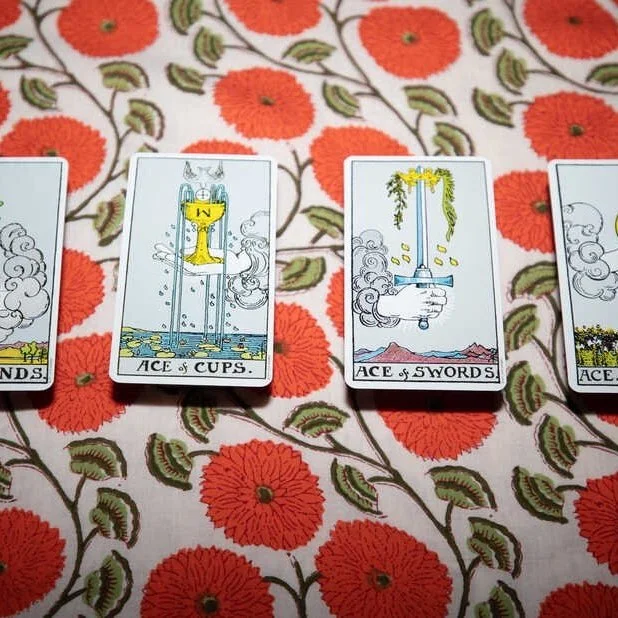
When we think of this pathway, Spirituality & Meaning, we think of anything that can bring wisdom into our lives, orientate us in our days, and find our way forward in ways that make sense for us. These podcasts share this open approach to what belief, ritual and faith can look like. They cover how to use the Enneagram, Tarot, and Astrology as tools of understanding. How the practice of prayer or the modern church can show up in our current lives. And how to locate joy and healing even when faced with the darkest times.






“Our future-focused, technology-obsessed world seems to be hurtling down a bad path. People are turning to ancestral practices for a sense of enduring longevity, and comfort. To help stay sane and grounded in the midst of so much cultural insanity. To source a different kind of power in hopes of making changes both personal and political. From learning meditation to fighting off a cold with some homemade fire cider; from indigo-dyeing your curtains to strengthening your intuition with the aid of the Tarot, such old-world practices are capturing our imaginations and providing us with meaningful ways to impact our world.”
All these selections can be found in our Spotify playlist for Spirituality and Meaning. You can listen here:
Let us know what you’ve been listening to this month to help you think about your own approach to Spirituality & Meaning. Which podcasts have inspired you to think more about meditation and manifesting, Tarot and Astrology, ritual and faith?
To seek out more resources for how to bring more Spirituality and Meaning into your life take a look at our guide.
Main Image: Photo by Ashley Inguanta on Unsplash

Podcasts for Mind & Body | February Edit
Our selections of this month’s podcasts on the Mind & Body Connection cover everything from sexual wellness to what self-care means today. These episodes gave us some helpful ways of thinking about our mind and our body that we hope you can take into your own life too.
“I used to think healing meant ridding the body and the heart of anything that hurt. It meant putting your pain behind you, leaving it in the past. But I’m learning that’s not how it works. Healing is figuring out how to coexist with the pain that will always live inside of you, without pretending it isn’t there or allowing it to hijack your day. It is learning to confront ghosts and to carry what lingers.”
We recently heard the term ‘serendipitous curation’ and that reflects our process of discovering this month’s Podcasts for the Mind & Body Connection. Our selections below cover everything from sexual wellness to what self-care means today, from some of our favorite listens (we’d really press play on anything from Pandora Sykes) to some new-to-us series like New York Magazine’s Cover Story: Power Trip. We hope you find some helpful new ways of thinking about your mind and your body and how they might relate to each other in your life.






“In the moments when we can offer suggestions to improve something in another or in the world, we can make those suggestions with kindness, tenderness, and affection, knowing that everyone is fighting their own battles and knowing that the hardest and most important things we’ll ever change for the better are our own hearts and minds. ”
All of our February selections can be found in our Spotify playlist for Mind & Body Connection. You can listen here:
Let us know what you’ve been listening to this month to help you think about your own Mind/Body Connection. What are your go-to’s on exercise, health, nutrition, self-care and healing?
To seek out more resources for your mind-body take a look at our guide.
Main image attribution: Photo by Jozsef Hocza on Unsplash

Podcasts for Connection | February Edit
Our February Edit of Podcasts for Connection from therapy with our friends to how to deal with loneliness. Inspiring conversations and stories for finding your people.
“Loneliness does not come from having no people about one, but from being unable to communicate the things that seem important to oneself, or from holding views which others find inadmissible.”
Our February Edit of Podcasts for Connection covers everything from therapy with our friends to why we’re all so lonely. Some of our favourite podcasts — Invisibilia and Doing it Right — have recently talked about why connection is so important to our mental wellbeing and covered strategies for how to be in relationship with others in ways that feel good to us. We also recommend checking out the new series, This is Dating, and Wild.








“These are human beings with unbelievable emotional and social capacity. And we as a culture just completely try to zip it out of them.”
All of our February selections can be found in our Spotify playlist for Connection. Listen here:
Let us know what you’ve been listening to this month to help you deal with feeling lonely, finding community, figuring out your close relationships, or just finding connection in ways that feel good to you.
And seek out more resources for more connection and community in our guide.
“Part of it is a kind of a bias that commitment, love and intimacy belong in the realm of family and belong in the romantic sphere, that they don’t necessarily apply to friendships. ”

Teatulia | A Literary Tea Bar with A Living Bookshelf
London’s Teatulia is uniquely a tea house, cocktail bar and literary salon all rolled into one. It’s also a podcast.
“Teatulia is an organic tea bar in the heart of London’s Covent Garden with a literary twist.”
A blend of fresh mint and lemongrass entices you into a stylish jewel-colored space with a cozy living room vibe. The manager Valentine greets you warmly. At a small curved terrazzo-topped bar hot and cold organic teas are served as well as beautifully executed tea cocktails (and best of all mocktails). A small complimentary food menu of pastries and colorful tea-infused cakes accompanies the selections. A buzzy mix of families and couples fill the mid-century-influenced vignettes. It’s all designed to encourage intimate conversation. This is Teatulia.
Given that my favorite things in life are tea, books and cocktails, you can understand my excitement when I discovered this gem, located in Covent Garden, London. Conceived as a ‘tea shop like no other; a space for conversation and contemplation’, Teatulia delivers. It’s a tea house, cocktail bar and literary salon all rolled into one. And it’s all in the details: Every hot tea is served with an infuser and a timer so you can be involved in brewing the tea yourself, what a novel idea in being present and slowing down.
The piece de resistance of Teatulia’s offering is its ‘Living Bookshelf’, a rotating selection of book titles curated by authors, actors and celebrities. The brainchild of actor Tilda Swinton—who curated their first bookshelf—it was inspired by her own experience: “Reading and tea leaves go together like breathing in and breathing out. Go slow. Take time to brew yourself some harmony. Separate the signal from the noise.” You can hear more from Swinton on reading, tea and her early career on Teatulia’s new podcast, which also features Lionel Shriver and collaborations with Granta Magazine.
Beyond its literary ambitions (writer Elizabeth Day also records her podcast here), Teatulia has an important social justice focus: it’s tea is organically produced by 3,500 women who run a garden in Northern Bangladesh. The tea garden provides jobs, education and healthcare for their workers and their families.
We know its usually all about coffee, but you know sometimes its needs to be about tea. Definitely treat yourself to this cozy respite, and be sure to check out their literary events and tea pairings while you’re at it.
To find out more: Website www.teatuliabar.com / Instagram @teatuliauk / Facebook @Teatuliauk

Culture Therapy | Mental Wellbeing
Here’s our Prescription for Mental Wellbeing: you will find in these pages and in these narratives, lives lived within, or touched by, consumed or imploded, maybe even adjacent to, issues around mental wellbeing. Our culture is now holding this space in a very different way than before for issues around depression, anxiety and mental health more widely. We recommend you check these out.
We went through a period of reading mental health memoirs: The Center Cannot Hold, Touched With Fire, Darkness Visible, My Age of Anxiety. We sought them out for information, for resources, for shared experiences. We held onto Andrew Solomon’s The Noonday Demon and Elizabeth Wurtzel’s Prozac Nation. We returned again and again to The Bell Jar. We looked to something outside ourselves that made sense of what was happening in our own minds, in our own lives, and with friends, colleagues and family also impacted by depression, anxiety, and other diagnosed and undiagnosable conditions. Through reading we found a way forward that wasn’t yet being spoken about; admittedly we sat alone with our books trying to locate ourselves and others we loved.
Thinking about this, our Prescription for Mental Wellbeing, we’ve realized that there’s been a huge shift in how we now get to talk about our mental health. There are now what seems to be an abundance of publications, podcasts, films and programs which to us collectively say no to that stigma that had previously left us alone with our experiences. There’s been a huge surge in positive media that has created a very real platform for our very real stories. Narratives that are now out there which take ownership of the conversation; that take someone’s experience and throw it out into the world so that we too can shift our relationship with what mental health means and how it shapes us and those around us.
These examples don’t glamorize mental health as bohemian or creative, rather they allow for truth and pain and joy and loss and connection, and for a deep, sometimes lifelong search for equilibrium and understanding. You will find in these pages and in these narratives, lives lived within, or touched by, consumed or imploded, maybe even adjacent to, issues around mental wellbeing. Our culture is now holding this space in a very different way than before for issues around depression, anxiety and mental health more widely. Messy, and unresolved sometimes. Hopeful and self-aware always. And for that we are very, very grateful.
Take up a book, head to Netflix, listen to something on your way to work. Support this shift and these very brave voices. Acknowledge that there are humans behind these stories putting themselves out there so that we may have a way to live our own situations outwardly. Make this openness last. Because we can not go back to not talking, to not reaching out, to being hidden and confused. To being alone with our books and our questions and our lives which didn’t have a place in the world and now very much do.
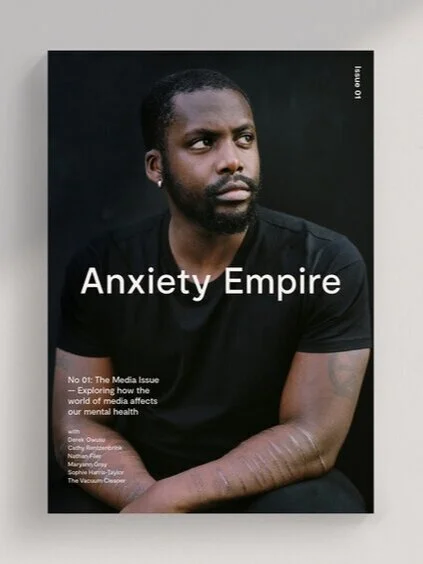
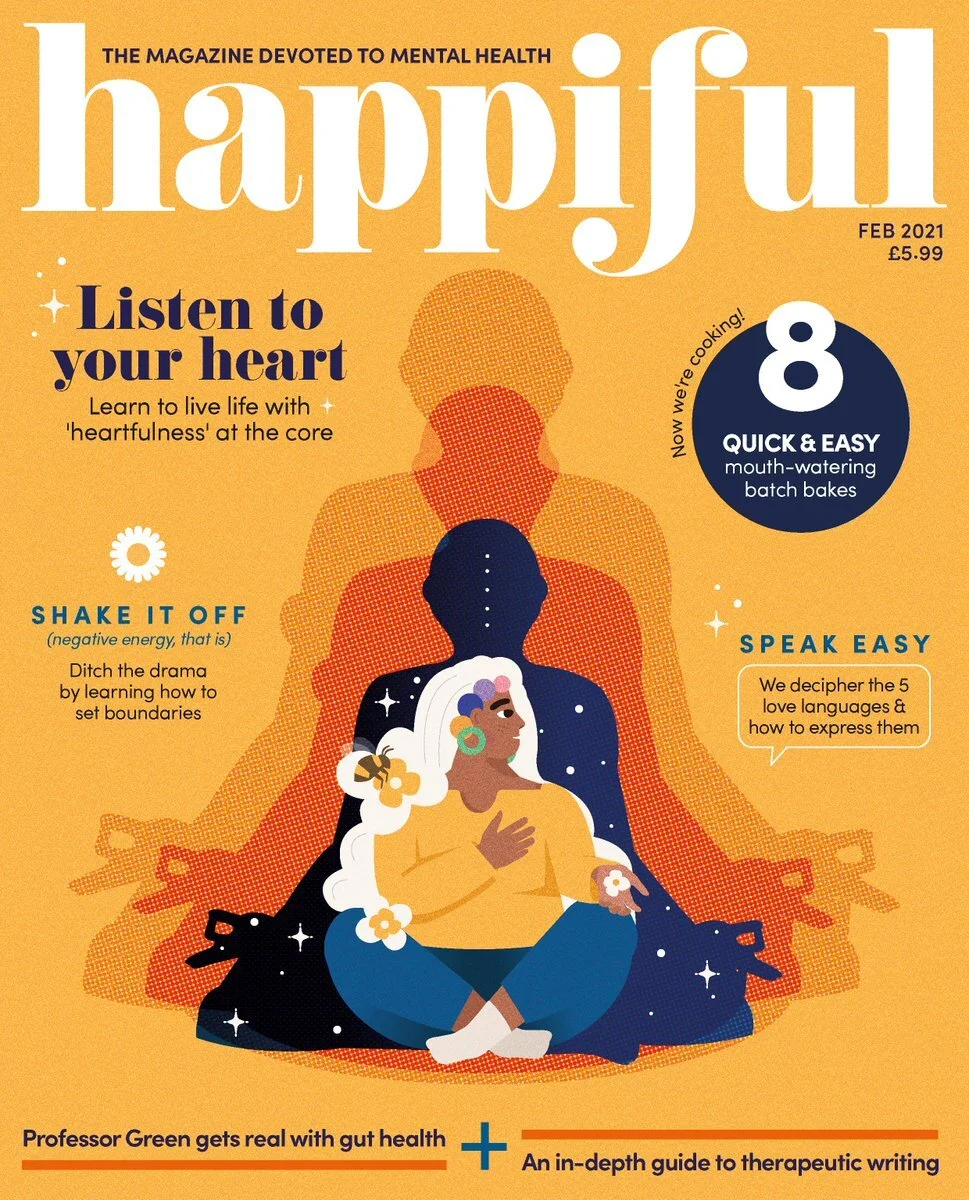








Culture Therapy | Part 1 Connection
We’re kicking off a new series on ‘Culture Therapy’ — the books, podcasts, music, magazines, and other media that we turn to when in need. First up how to get more connection into your life without leaving your house.
“In reality, every reader, while he is reading, is the reader of his own self. The writer’s work is merely a kind of optical instrument, which he offers to the reader to permit him to discern what, without the book, he would perhaps never have seen in himself. The reader’s recognition in his own self of what the book says is the proof of its truth.”
“Art is a social practice that helps people to locate their truth.”
We’re kicking off a new series on ‘Culture Therapy’ — the books, podcasts, music, magazines, and other media that we turn to when in need. Recently we realized that we’re the kind of people that often turn inward as much as outward when we need help (points for knowing ourselves!). We look to all kinds of things that we can do alone to shift our moods and our perspectives.
Here’s where that piece of being ‘a travel guide but for people who don’t want to actually go anywhere’ sits. There’s no pressure to get out of the house, there’s no pressure to Instagram a perfect life or enviable days, there’s no pressure to fill schedules instead of your heart and mind.
We’ll arrange our Culture Therapy posts according to the same categories of approach you’ve seen with our places, so there’s always somewhere to go — either physically or in the imaginary, whenever and wherever you need it.
We’re starting with the idea of connection, of the importance to our mental wellbeing of being around other people, which we know is kind of ironic. Yes, there are ways of pursuing connection in real time and space, in the actual world of humans; but then there’s ways of connecting through the shared experience of someone else’s life, exploring someone else’s point of view, of being consumed by the narrative of others for a while.
Writer Elizabeth Day believes in connection so much that she has ‘Only Connect’ tattooed on her wrist, because for her “that’s the whole essence of life, you need to connect.” So here goes, a Prescription for Everyday Life around the idea of connection:

Repeatedly on Best of Lists for 2018 (just see this list over on Amazon), Tara Westover’s memoir has stunned people with its true tale of a seventeen-year-old Westover entering a classroom for the first time after growing up in a Survivalist family in the mountains of Idaho. Though a deeply personal and moving account of one’s person’s struggle to navigate the reality of their own life, the universals of family, home and courage speak to all of us.
“Everything I had worked for, all my years of study, had been to purchase for myself this one privilege: to see and experience more truths than those given to me by my father, and to use those truths to construct my own mind. I had come to believe that the ability to evaluate many ideas, many histories, many points of view, was at the heart of what it means to self-create. If I yielded now, I would lose more than an argument. I would lose custody of my own mind. This was the price I was being asked to pay, I understood that now. What my father wanted to cast from me wasn’t a demon: it was me.”

THIS WILL BE MY UNDOING
This book blew us away. It’s courageous and open and raw and brave. It unsettles, and challenges, and moves, and awakens. Morgan Jenkins gives voice to her experiences of being a black woman growing up and living in today’s America. She talks openly in a series of essays about her experiences in contexts such as cheerleading, Ivy League college, and international travel, her take on figures such as Michelle Obama and Beyonce, the politics of black women’s hair, and how to have and sustain relationships, within ideas of identity politics and personal beliefs.
“We cannot come together if we do not recognize our differences first. These differences are best articulated when women of color occupy the center of the discourse while white women remain silent, actively listen, and do not try to reinforce supremacy by inserting themselves in the middle of the discussion.”

OK, Caitlin’s Moran’s book isn’t a memoir, but we fell in love with it and it has all the insight of one. Follow 19 year old music journalist Dolly Wilde as she deals with unrequited love for an actual pop star, the enmity of the all-male staff of a leading music magazine, and dealing with fame, London, and very, very bad sex.
“Think about how brave it is, to do this: to queue up, and meet your hero. There’s something incredibly intimate about reading, or listening, or looking at someone else’s art. When it truly moves you—when you whoop when Prince whoops in Purple Rain; or cry when Bastian cries in The NeverEnding Story, it is as if you have been them, for a while. You traveled inside them, in their shoes, breathing their breath. Moving with their pulse. A faint ghost of them imprinted, inside you, forever—it responds when you meet them, as if it recognizes its own reflection.”

CONVERSATIONS WITH FRIENDS
Sally Rooney’s stunning debut novel feels like its keeping itself in check while trying not to fall into the intimacy abyss of female friendship and love relationships. Frances, a millennial beholden only to herself, but who is really in thrall to the self-possessed Bobbi and confusingly charming Nick, works at figuring it all out with a cool detachment that she certainly doesn’t feel. People, yup, they are complicated. It will make you question why you think what you think about people, and how your ego sometimes needs to slide right out of the way.
“Things and people moved around me, taking positions in obscure hierarchies, participating in systems I didn’t know about and never would. A complex network of objects and concepts. You live through certain things before you understand them. You can’t always take the analytical position.”

Russian Doll
Really? Connection? The Netflix comedy-drama created by Natasha Lyonne (who also stars), Amy Poehler, and Lesyle Headland, is about many things. We’ll allow you to debate that endlessly. But we think this twisted Groundhog Day-style series — where Nadia keeps reliving the day that she heads to an NYC party to celebrate her 36th birthday and dies, in various ways, again and again — is about figuring out that people bit. At its heart, its about learning that not being alone in life is maybe enough to solve even the most mysterious of problems.
“In the ‘60s, you would see people dropping like flies at 27 and you felt, ‘Oh that must be a drug thing. But as you move into modern times, we’re realizing that it’s very adult and very accomplished people who find that life is simply too much to bear. That’s a very real thing that we need to remove a cloak of shame around. I think we need to be discussing freely and openly the underlying brokenness of the human experience.”

How to Human has become one of our default listens with its raw, open questioning, as much of host Sam Lamott as his guests. Sam is not afraid to face his past, and his present struggles, publicly and sincerely, and he’ll admit to feeling kind of afraid or crap or lost as he does so. That’s unusual in the highly polished storytelling of most of today’s podcasts. It’s an approach that has drawn in guests as wide-ranging as sometimes controversial lawyer Gloria Allred and wise person in the world Bryron Katie.
“If you believe what you see, you believe we look like our cherry-picked profile pictures we curate, that our life is the polished story we present. But our truth, our quirky, messy, actual human experience, is captivating and magnetic, because we see our true self in the story.”

We want to tell you that everything we learned about people we learned from listening to Terry Gross interview everybody of note, ever. But we didn’t. Though we did feel smarter and more understanding after listening to her conversations. Gross somehow doesn’t push her guests to reveal too much, but she does somehow sensitively and expertly allow for their vulnerability and for them as real people to show up, whether that’s Phoebe Waller-Bridge or Zadie Smith.
“I also often ask my guests about what they consider to be their invisible weaknesses and shortcomings. I do this because these are the characteristics that define us no less than our strengths. What we feel sets us apart from other people is often the thing that shapes us as individuals. This may be especially true of writers and actors, many of whom first started to develop their observational skills as a result of being sidelined from typical childhood or adolescent activities because of an infirmity or a feeling of not fitting in. Or so I’ve come to believe from talking to so many writers and actors over the years.”

We don’t believe in must-reads (who has the time) only loved-reads, and we’d add the literary magazine American Chordata into that pile. Fiction, non-fiction, poetry, art and photography approached with a beautiful design sensibility and brave emotional tenor. Make this your company for a while and it will be interesting company at that. This is a magazine that captures the ‘plurality of human experience.’
“We want to be a really good literary and arts magazine that celebrates sophisticated design and earnest expression on the same page… What interests us most is work that’s new but not smug, that’s brave enough to give us emotional detail and skilful enough to do it without melodrama.”

LOST IN TRANSLATION
We still go back to this movie, which to us defines a certain innocence of its stars Bill Murray and Scarlett Johansson, and of our times, when just hanging out in Tokyo and finding oneself and someone else to brush against seemed enough. Because what really happens here? Two people hang out, slight confused but content to be seen for a while as they are, maybe falling in love, maybe just holding each other for a while in time and space outside of their regular lives. Plus that karaoke scene?
“More than this, you know there’s nothing. More than this, just tell me one thing.”

Susan O’Malley was a SF-based artist who used the materials of our human connectedness to create meaningful works that engaged and inspired. This book centers on a single question — ‘What advice would your 80-year old self give to you?’ — that O’Malley asked people aged 7 to 88. Turns out you should listen to that voice. There are wise words to be heard from your future self if you listen.
“In every conversation I’ve had for this project, I’m reminded how we all are looking for similar things in our lives: meaning, security, happiness, community, and love. Your heart has reasons your head does not know; love is everywhere, look for it; do the things that matter to your heart. The words of others often express what I’m thinking but haven’t yet found words for. It’s these moments of hearing what I recognize that makes me feel alive, connected and understood. Yes, we are all in this together.’”

Amanda’s playlist for connection over on spotify. Listen to this if you don’t want to see people, or want to be inspired to be around them again! Either works.
Let us know what we’re missing, what you’d add and what you turn to when in need of more connection in your life. One note, this is not a list of everything ever written on the subject. Its our take, from what we’ve been consuming over the last few months. Its our prescription for your life for where we are, and you might be, right now. Enjoy!