

How creativity can improve your wellbeing during uncertain times and beyond
The many ways that creativity can make you feel better wherever you are, and whatever your creative practice.
“Unused creativity is not benign. It metastasizes. It turns into grief, rage, judgment, sorrow, shame. We are creative beings. We are by nature creative.”
Creativity is an important aspect of life, but many people are currently struggling to feel creative. Months of isolation have left many of us feeling lonely and uninspired.
However, some people in the past and present have found that uncertainty and crisis can actually spark creativity and innovation. From trying new crafts like knitting to renovating your home, undertaking creative projects can help boost your mood, bring some joy during these difficult days, and also help you cope during periods of isolation, especially if you live alone.
What is creativity?
Creativity can be channeled, honed, and expressed in tonnes of different ways, not just on canvas or through arts and crafts. It could be through a board game, party planning, or even coming up with solutions to a business problem.
Everyone is creative, but many of us choose to not explore, express or appreciate it, for a variety of reasons, so it goes down the pecking order of priorities and/or the benefits aren’t felt.
Sam had the perception for years that being creative involved painting a masterpiece, like Van Gogh, or writing and performing a song. Both of which he felt he couldn’t do; his creativity was locked in a box or didn't even exist. He’s now come to realise that creativity just needs an outlet that works for you, like many things in our lives.
Similarly, when we think of creativity, many of us still think of painters and musicians, rather than architects, interior designers, warehouse managers, founders, accountants, and all the other people who need to be creative regularly and may not realise they are.
We’ve found that being more creative, however, you choose to access it, is a superpower that can positively impact your life and business. Don't forget - you are creative, it is in you just waiting to come out.

Being more creative boosts your mental health
Here are seven ways that creativity can help us negotiate uncertain times and get through periods of isolation.
1. Creativity reduces stress, anxiety, and mood disturbance
The pandemic has created a lot of doubt and uncertainty, and for many people, this can create feelings of negativity — but you can help mitigate this negativity by doing something creative. Whether you make something beautiful for yourself (such as a pair of earrings) or use your creativity to help someone else (for instance, you could help a small local business with advertising), this focus on doing something and bringing an idea to life will give you a sense of purpose and productivity — giving more meaning to your days in isolation.
The Connection Between Art, Healing, And Public Health — a Review of Current Literature (2010) concluded that “creative engagement can decrease anxiety, stress and mood disturbances.” Another study Everyday Creative Activity as a Path to Flourishing similarly concluded that engaging in a creative activity just once a day can lead to a more positive state of mind.
[A creative activity can be simple, don’t worry. You may be doing it regularly already. It could be doodling in a journal, crafting, playing the guitar, redesigning your kitchen, or business planning. These are things everyone can do and just acknowledging it can give you a boost.]
Back to the study. The results surprised the researcher Tamlin Conner, who didn’t think the findings would be so definitive. Conner said...“Research often yields complex, murky, or weak findings…But, these patterns were strong and straightforward: Doing creative things today predicts improvements in well-being tomorrow. Full stop.”
During the pandemic, your local council might offer creative workshops. For example, the creative sector in Bradford has come up with a host of creative ways for locals to improve their mental health; they are providing virtual classes for both adults and children, including drawing classes, yoga classes and writing classes.
2. Creativity Can Improve Your Personal Space
Lockdown created a whole host of DIY clichés and for good reason! Being stuck inside your house for months isn’t much fun, especially if you don’t find your home relaxing or pleasant — but up-cycling is an easy way to improve your surroundings.
From up-cycling old chairs to give them some personality, repainting some cupboards to breathe new life into them, or turning old cups and bowls into planters for flowers and shrubs this is a simple way to stay occupied (and it is also great for the environment!).
If you are looking for some upcycling inspiration, we can recommend these Instagram Accounts:
@maiseshouse for beautiful upcycle furniture inspiration
@restoringlansdowne for moody interiors and Victorian home renovations
@linsdrabwell for some budget-friendly upcycle hacks
You can start small on something like a plant pot or a mirror and work your way up to something bigger.
This leads to another benefit of creativity; it gives us a feeling of pride, that "I did that, yeah, me”. It’s really nice spending an hour or more creating something, and then et voila. It’s done, it’s there, something that reflects your inner creativity and personality. An expression of you. It feels very empowering and never gets old.

3. Creativity Allows You To Connect With Other People – Close to Home & Around The Globe
Creativity allows you to connect with other people. One of the hardest things about isolation is limited socializing, but you don’t have to be creative alone.
When lockdown first started, and we were on furlough when our studio M.Y.O had to close, we launched #createsolation. This was a series of almost daily challenges trying a new craft from macramé to string art and even fork calligraphy! This helped bring some structure to our days especially and keep us connecting with our audience and regular studio guests virtually. It was so great to see many guests try out the challenges we were doing and share their tips and creations with us.
There are now a whole range of classes that you can take online with friends, as well as hundreds of forums for specific creative interests (such as designing jewelry or knitting) that meet virtually. This allows you to connect with new people who have the same passion as you so that you can collaborate and have fun together. It also opens up borders enabling you to connect with people around the world, who you may not normally meet!
Closer to home, Sam has been sending his mum a range of creative kits from calligraphy to watercolours and even candlemaking for them to do together and to bring back her creative spark. She has been cocooning for a few months as a vulnerable person and having retired was looking for projects to keep her busy. It’s been amazing to see how much it has helped brighten her mood and give her a sense of achievement — from lino printing 50 Christmas cards to decorating her lampshade and upcycling her furniture, her creations have definitely inspired us!
Humans are social creatures, we crave company, connections, and being around other people. Social interactions are still a vital part of who we are — but it is possible to build connections virtually.

4. Creativity increases our sense of self-awareness and opens up expression
Dabbling in being creative produces an output, which is basically an expression of you — even if you don’t think it is! Over time and with a little practice, you can feel a lot more able to express yourself as you become more comfortable in yourself and the different techniques that you are drawn to.
5. Creativity can slow you down (in a good way) and give you an expanded sense of time
Time slows a little in the sense that your thoughts slow and it’s easier to stay focused on the task at hand and feel a little more present. This can be referred to as being in the flow.
Ever feel like your weeks are just absolutely flying by and you don’t know how and what you’ve done? Slowing that right down can really help, and arts and crafts can make that happen. Having such easy access to technology means our brains are constantly whirring, but not necessarily about the right things.
6. Creativity can help you think better
Experiments have shown that being creative, which can trigger mindfulness, boosts your general creativity as it can enhance your ability for divergent thinking — a thought process or method used to generate creative ideas by exploring many possible solutions. But, many of the qualities associated with convergent thinking are also enhanced by mindfulness. Convergent thinking is basically the opposite of divergent thinking. It generally means the ability to give the “correct” answer to standard questions that do not require significant creativity. Creativity helps with both.
7. Become a better problem solver
Short and sweet here. You can become a little more resourceful and creative with figuring things out, much like you need to be when creating something. Part of this comes from having more confidence to think creatively, as you will naturally think harder and come up with more possible solutions to problems, rather than latching onto the first two you think of.
There are so many times when very quick decisions are made on big challenges, without really looking for all possible solutions. When we can come up with more options, we can assess each one and decide on the one that increases our chance of success.

But how can I be creative?
We know that starting any creative practice can be intimidating, even when the benefits to us are increasingly evident. Here are a few ideas for getting you started on your creative adventure.
Start small
If you feel you are never creative, that’s fine. Maybe try it once this month and make a mental note of how you feel after. Try something you can quickly do like an adult colouring book, doodling, or painting by numbers. Do that a couple of times in the next few months, then maybe try more often… you may end up doing it daily — but don’t put pressure on yourself to do that from the outset. Small, incremental changes can become habits.
From a creative thinking perspective, think back to times where you were creative. This will give you a confidence boost to do it more often when you are looking at challenges in life and business. There is always option a, b and c but what about option z?
Next time you have a challenge you need to overcome, write down ten possible solutions to it. You'll be surprised with what you come up with.
Start with someone else
We always find a bit of peer pressure helps and keeps you in check. Get a friend or colleague who you think would equally benefit from having a creative practice, explain the reasoning and get them on board — they don’t have to do it with you, it’s fine to do it solo, but at the least, they can check-in to see how it went, increasing the chances of you doing it! Try making something for each other or teasing out a life or business problem together.
Check out resources for creativity and find the ones that appeal
Our creative space for grown-ups has many classes (both online and off), you can check out our kits (and podcast!) on Creative Jungle and of course If Lost, Start Here has advice on where to go to seek out creativity. However, you start, make it something that works for you, whether that's pottery or welding... the options are huge. Go play.
So, stay creative, stay inspired, and make sure to regularly reach out to your loved ones for a chat whatever your creative life looks like.


Solitude
Solitude is the latest place to be, whether we choose to go there or not.
As seekers of places in the world that contain us, there is nowhere that captures our imagination as much as that of Solitude. As commonplace as Costa (or Target for American readers), and as divisive as Goop, that state of being alone is one that we all may experience, but only some of us willingly seek out.
As Lockdown 2.0 is with us in much of Europe, we’re having to confront once again how Solitude can show up in our lives and how it stakes territory around us. This time though, from where I’m sitting alone at my kitchen table, it doesn’t feel like we’re all starting our frantic self-improvement projects again, but rather, as the color drains out of our newly returned worlds, we’re just trying to make stays against depression, loneliness, and loss.
When Solitude works, when it asserts itself as the Scandinavian design of our self-care worlds, it offers clarity, an opportunity to hear our inner voices, it gives us a chance to reconnect with ourselves. Silent meditations, forest bathing, wild swims, epic walks, even sitting reading in a favorite chair and lying a little longer in bed in the morning, whatever form Solitude can take, can capture that sense of being alone, but in a resoundingly positive way. Solitude holds the world back so that we may come in again. It’s a wall we can build around ourselves or the boundary that can set us apart for a while — even if you use it to connect with something bigger than yourself and to untether your mind to get to that universal ‘om’.
For some of us, Solitude is a place of comfort we deliberately seek out in our days. As with many introverts, for me, it’s the place I find to recharge. It was in a group lesson with a meditation teacher on how to get out of our minds, that I realized that wasn’t where I wanted to go. Getting into my mind, being able to play inside, that’s a place of comfort and retreat, a way to lose myself. In the first lockdown, my struggle was that I carried everywhere with me this potential for solace and comfort, but I couldn’t access it because I was never alone. With two children to homeschool, a business to run, and a husband no longer commuting, my life became crowded, my days full, and Solitude a place that I dreamt of.
I recognize that it’s a beast though, Solitude, if we allow it to grow, to take over, to become the only place we ever get to. Solitude can sit on us, it can hold us down, it can make us struggle for ways out that we can never find. When imposed and not chosen, Solitude does something very different to us. It calls in loneliness, it shines a light on our failings, it cultivates our anxiety, it can even bring on madness. Alone in our homes (even as the husband puts the kettle on beside us), separated from those we love by a pandemic and maybe also politics now (the post-election US is very much the context here), with our purpose confined to laptops and zoom calls, we can feel like we’re in a place no longer of our choosing. And with ever-shifting regulations and news bulletins, we’re told it’s one that we can’t easily leave.
Solitude as the storefront of our emotional lives starts to present differently, too. It can be a covetable indie café or an anonymous dollar store. Our Solitude over here can start to look much worse than your Solitude over there. Your neighbor, friends, or Insta-acquaintances can seem to be giving Solitude a Lockdown makeover. They’ve gone heavily into Hygge — their candles are burning, and sheepskins are carelessly draped on artisan benches beside outside firepits. Or they’ve become the creatives we envy and aspire to be, developing new but highly successful practices in screen-printing or photographic still lives. Or they are filling their days with awe and wonder, taunting us with complicated dance routines and planetariums built in the backyard.
We’re looking over Insta shoulders and neighbors’ walls wondering why Solitude looks so good for them, but so suffocating for us. How are they living in the better version? How are they shaping it rather than it them? But we know by now that styling a life, is not the same as living a life, or indeed telling the truth about a life (even though we forget that we know that all the time). Our coping strategies take all forms — and, indeed, have to, for we are all different, and so Solitude too is a shape-shifter.
However, you feel about Solitude — whether it’s a place you run towards or from — know this: Solitude has closing hours, too. It’s a temporary destination with a month-by-month (maybe even minute to minute) lease. There are ways out if that is what we are looking for (see Connection) and if it’s not, there are ways to nestle deeper into it (and extend its run). I know people who avoid Solitude with the passion of someone on a restrictive diet: they busy themselves, reach out to people widely and carelessly, fill days with things to do, spend time always with all the people, avoid its dark spaces.
I know others who crave it like new love, get itchy to spend time with it, fall into its comforts, and neglect the open arms of their human companions. Either approach works until it falls out of balance and then doesn’t. There is no judgment that Solitude should show up a certain way, but rather a recognition that we are in relationship to Solitude because we are in relationship to ourselves. After all, isn’t that the reality of Solitude, it’s the one place we can never avoid, because we are always there.
When our world shifts again, which we know now that it must, you can choose to stay in Solitude a bit longer. You may have found, like some the first time around, that they rather liked it. Or you may leave it behind, car tires screeching as you drive to new sunsets. Because by then hopefully, the destination of Solitude will be a choice and not an imposition. No one should be forced to go anywhere, especially here. Solitude can be life’s respite but also our greatest torture. It contains multitudes. There are very few places like it.

Scrappy adventures at home
This weekend we brought the outside world indoors. Now we’re trying to bring the magic of the undomestic world home.
In a creative outburst (or desperation on day 40 of lockdown), we pitched a tent in our living room and went camping. We blew up the deluxe mattress, brought down our duvets, and hung a super bright lantern. The six-year-old asked for spooky stories, the eleven-year-old asked for more bouncing on that deluxe mattress, the forty-four-year-old husband gave up and headed for an actual bed, alone. As I fell asleep with the kids, we looked at the sky and trees through windows, snuggling into the warmth of indoor camping and our even cozier imaginations.
As we’re increasingly longing to be out in the world, we’ve also starting to think about how we can bring our favorite places indoors. We’re learning in our very scrappy way how to recreate a little of our former world’s magic in our domestic unbliss. Thrown together with whatever we have lying around the house, our manifestations at home are ungainly, un-Pinterest worthy recreations, but somewhere in our souls, they are filling an ever-growing need to be somewhere else, with you in the world outside.
We’ve noticed on social media the creeping in of festivals, discos, museums, into our living rooms, gardens, kitchens. We’re seeing a blending together of before and now, and a relentless hope that once was will come back again. For now, our attempts at capturing the spirit of where we once gathered will have to do.
Here’s our rundown of what we’re missing and how we’re, and you perhaps, are bringing places out there in here.
Cafes: Missing, missing, missing. We admit to buying a coffee maker as Step 1 of our lockdown journey (not sure there was a Step 2) and have since spent way too much time working out how to make an oat milk latte with froth (who needs to write the next NYT bestseller?). Add in Spotify’s Coffeehouse playlist, find a quirky chair at home, and nurse that coffee for 3-4 hours while trying not to make eye contact with anyone else. Maybe even throw $7 in the bin if you live in the Bay Area. You are almost, almost there.
Festivals: Can of wine, loud music, and deck chair on whatever outside space we can find. Kids running wild. We’ve nearly nailed it. The only things left are to throw mud at our tent, find the wellies, and start smoking.
Bakeries: A friend is baking cookies and cakes for distraction. Actually, everyone is baking cookies and cakes for distraction. There’s a run on flour and yeast and cultivating a sourdough starter has just become the new learning a language of lockdown. We’re also opening cookbooks like “50 most calorific things you can cook today with real sugar”, rather than “The Joy of Kale and Brown Rice”. Scents of bread baking, old school achievement, something to eat that isn’t from a can or cereal. Also comfort eating – it is a requirement to comfort eat right now. Pairs well with white wine at the end of the day. This is not the moment to diet, numb feelings yes with carbohydrates and alcohol. No one can see you anyway.
Coworking: If you live alone, sorry this one is going to be tough; you could make cut out figures as today’s art project and prop them next to your laptop while smiling at them occasionally. If you live with other people, just find any table, crowd around it, write an aspirational saying like ‘We work best together’ somewhere on a wall, and occasionally high-five each other. Points for adding name tags.
Indie cinema: Just switch out Netflix for National Theater Live, add in posh popcorn and a vodka tonic, and you’ve got the vibe.
Museum: Entry-level efforts, hang all the new creations you’ve been working on with everyone else on a wall in a pretty way. Add wall labels with cute names and give the whole thing a title (no, “Untitled” is cheating). Even better hang them on a wall outside and call it ‘Public Art’. But if you want to take it seriously, and you do, because you know ‘Art’, then follow the lead of New Jersey resident Teresa Mistretta. If you want to get super fancy, make your home into one of those experiential museums – paint your walls candy-colored (you need a DIY project right now). Even better, make merchandise in said theme to sell back to yourself.
Library / Bookstore: Those books on your shelves at home you’ve been meaning to read, now is the time to actually read them, not just wave at them. That might mean pulling I Could Pee on This off your shelves, but hopefully, you have something lying around like Joan Didion’s The Year of Magical Thinking. If going for the library vibe, post them back through your front door for added return affect. If indie bookstore, make cute piles randomly around your house. For either, go crazy and curate subject areas, that only you understand – brave princesses who’ve learned to say no, self-help for the days you hate everyone, chick-lit which you basically see as the great American novel but are too ashamed to say so. You could also print a cool Indie Store name on the side of a paper bag and shop your shelves. We always wanted to own a bookstore.
Lecture series: You can be inspirational too. Watch something by Brene Brown or Elizabeth Gilbert or Glennon Doyle, then hold forth at dinner about the value of vulnerability, creativity, love. Your co-lockdown companions will appreciate your Ted Talk at the kitchen table. They might even take notes.
Safari: If you have pets, just follow them around the house for an hour, narrating their escapades. Maybe even give them a backstory that adds drama – you need an arc for this one to work. Make sure to practice a Megan Markle narrating Elephants range of emotion.
Retreat: Basically, lockdown with some sort of epiphany and hiding alone in your bedroom trying not to talk to anyone.
Places in the world – we miss you. And though our attempts to make you real in our living rooms and gardens may be naff, they’ll have to do for now. One day when we visit you again, we will shower you with love and attention and never take you for granted again. We Promise.

Temporarily Closed // How the places of our lives have come home to us.
Wherever you are, we hope that you are finding your place. If you need some inspiration we’ve pulled together some of our favorite locations and how they are bringing themselves to you during these unusual times.
What can places out in the world teach us about staying at home at the moment? A lot it turns out. We’ve pulled together a round-up of what some of the places that we have featured in our guide are doing to help keep you healthy, connected, and sane during this pandemic.
Putting together this list though was both inspiring — so many places have pivoted and stretched their core business to help others and sustain themselves —but also terribly sad, with many of our favorite places being forced to close or struggling to keep digital and physical doors open. We keep returning to the idea that “what you support now is what will be there when its over”. It is so incredibly important now to use your precious resources, whatever they may still be — of your time, your money, your attention — to support small, local and independent.
While researching this piece, Kathryn Grantham, Founder of Black Bird Bookstore sent this note about how people can best help: “But mostly just keeping small neighborhood businesses on the minds of residents across the city is invaluable to all of us. These are the makers, the do-ers, the curators, the creative people that make our city so special.”
Take a moment to write down the kind of businesses that mean something to you — cafes, coworking spaces, bakeries, independent stores, design collectives, inspiring festivals, museums, indie cinemas, and more and more — and then actively seek them out from home. Maybe even ‘adopt’ them for the course of the effects of the virus. Then they’ll be there waiting for you when you emerge too.
What excites us about this list are all the new ways to engage, to support, to return the acts of service on offer. We’ve written elsewhere about some specific ways to help small businesses, this is more about ways you can interact with locations out in the world while social distancing. Many of the following ideas and initiatives enable us to now visit places globally that we might never have got to, to participate in festivals, courses and events remotely that have never been offered before, and experience new ideas, communities and businesses in ways that might be more accessible, or gentle on the introverts in the room. We’ve read again and again from places while writing this piece the words, “for the first time”. And yes, we are living in a time of firsts across the board, but some of these new ideas that places are experimenting with are giving us hope that they might become foundational for a better future when we all emerge from this.
One caveat, if like us, you might be feeling list overwhelm, of all the different things to pack into your day, of the hundreds of things you can learn, and an abundance of ways to transform your life, then we hear you. We have that too although we do admit to being very list-inclined as a way of orientating ourselves. This is not supposed to be another run down to make you feel crap about doing lockdown badly. Be who you are, sit with this pandemic however makes sense for you, and pick up any of the following if they feel right. If they don’t, don’t. That’s totally fine too. If there’s a moment to hold on to a mantra of “whatever works for you”, this is it.
We’ve divided this list into our categories of approach so you can find more of what you need. You can also head to any of the links in the place names to read our take on what this place meant to us before this unusual time. Through all this, we hope that you find your place, wherever you are.
Mental Wellbeing
Arts Sisterhood: Are offering live DIY art therapy workshops for COVID isolation
Frazzled Cafes: Have made their in-person meet-ups virtual and added Ruby Wax. Join the Founder for larger format Zoom meet-ups. We’ve heard these book up fast.
Mental Health Mates: Their meet-ups have now gone online, with virtual chats offered locally.
Mindfood: As many of us turn to nature to manage our wellbeing, this London-based social enterprise has put online its flagship Growing Wellbeing course — which had been designed explicitly to help people manage their stress, anxiety and depression through focusing on their relationship with nature. On social media, Mindfood is also offering great tips for bringing more greenery into our lives and homes, like kokedama DIY (yes, you want to do this).
Shelf Help: Listen to their Keep Calm Series, mini-podcasts from featured authors sharing tips on staying calm, positive and present during the pandemic.
Street Wisdom: Yes, you can find wisdom and inspiration at home too. Check out their Street Wisdom Comes Home initiative for ideas for how you can wonder/wander within our own homes.
The School of Life: Take a virtual class, participate in an online therapy session, or take a deep dive into their YouTube videos. For those working in a team, try one of their virtual workshops for business.
Two Chairs Therapy: Now offering teletherapy. Also check out their guide for maintaining good mental health.
The Poetry Pharmacy: Support their fantastic book These are the Hands, Poems from the Heart of the NHS. Also follow their Instagram account for poems to get you through — so many gorgeous words here.
Vent over Tea: With many cafes now closed, they are offering free phone and video vent sessions.
Connection & Community
18 Reasons: For the first time, this SF storefront kitchen’s beloved cooking classes are online. Now might be the perfect time to learn how to cook tinned fish, beans in your instant pot and what to do with eggs if you’re lucky enough to have any in your kitchen.
The Assembly: Ok, we’re kind of excited that this coworking and wellbeing space in SF has now gone everywhere. You can now join their digital wellness club from anywhere with live-streamed content
Bite Unite: Help this community shared kitchen space feed healthcare workers and keep their space going, by paying what you can for a donated meal. If you’ve started cooking at home or are deepening your skills during the lockdown, you can also now join their live-streamed cooking classes.
Black Bird Bookstore: This SF indie community bookstore has pivoted to online bookselling — selling curated 'boxes' of books. Amongst our favorites the Not Netflix Box and This Is the Time for Poetry Box.
Canvas Cafe: If you can, buy a meal for someone in need
The Good Life Heatons: Low on groceries, Shelley they have now started a Click & Collect Service
Neve & Hawk: One of our favorite local brands, has put their entire store online for the first time while acknowledging the complexity of working in the current situation
Parnassus Books: Like many indie bookstores, you can place online orders for your new reading habit.
Second Home: Has temporarily transformed into Second Homeworking with a daily calendar of events that cover Wellness Mondays, Libreria Tuesdays, Community Wednesdays, Breakthrough Thursdays and Feel Good Fridays.
Culture & Creativity
826 Valencia: While their stores and classroom spaces are closed, you can experience some of that 826 magic through their weekly writing prompts that ordinarily their students would benefit from. This week “your prompt is to find a hidden treasure in your home and let it inspire you to write an ode, a reminiscence, an adventure story, whatever you choose.”
Creative Mornings: Need some inspiration, this global breakfast lecture series has gone virtual (including for field trips)
Fiber Circle Studio: Founder Alisha is offering Learning to Knit Virtually using Zoom! Classes are "by donation" and materials kits are also available for purchase.
Hauser & Wirth: Still doing the work of bringing the best of the contemporary art world to new audiences, this prestigious network of galleries is now offering stunning online exhibitions like Zoe Leonard’s show ‘The Ties that Bind’, virtual artist studio visits and artist created coloring pages to do at home in your own way.
Headlands Center for the Arts: Still putting their artists in front of the public, the Headlands is continuing the dialogue through affiliate artists taking over their social media, like artist Judit Navratil exploring her aptly timed concept of an online Social Housing Neighborhood. Also check out their extensive list of resources to support artists through COVID-19
Sketchbook Project: There’s still a little time to participate in their 28 days of creative prompts and always time to donate to their Mask Fund
Tate Exchange: Though Tate’s socially engaged wing is closed, you can still learn how to start a movement or stretch your curiosity and take a deep dive into this year’s theme of power, visibility and truth in art
Yerba Buena Center: Has shifted its focus to support artists in the Bay Area impacted by COVID-19 with their vitally needed Artists Now initiative with Zoo Labs.
Awe & Wonder
Caveat: Although this smart speakeasy is currently closed, you can join the livestream shows of this New York venue from anywhere. Pay what you can and keep the wittiest of your brain cells working.
Dartington: Though closed, its still doing its eclectic learning thing by making an abundance of resources available online
The Do Lectures: Though Do Wales 2020 is cancelled this year, you can still head to their website for their inspirational lectures from past conferences and for new content, like their first live lecture How to Pause from Robert Poynton and their first live course later this month The Keyboard CEO: Write Your Company Into Growth
The Eden Project: The website has a ton of resources for getting off screens, like learning how to build a den at home, make a biome in a box and create a marble run.
Jodrell Bank: What better way to bring a sense of perspective into our stay-at-home lives than with stargazing, moon photography and lectures on space exploration. #watchtheskies with Jodrell Bank.
Natural History Museum: For the first time since the Second World War the museum buildings are closed, but you can still take a virtual tour of the museum, listen to Sir David Attenborough narrate a visit to the specimens of Hintze Hall, or join a virtual expedition with scientists (including a Dino Dig). There’s also a ton of inspiring content for exploring the natural world at home, like starting a nature journal to capture springtime or the animals now emerging as humans stay home (note those goats in Wales and Coyotes in California)
Mind / Body Connection:
Re:mind Studio: Yes, you can participate in live-streamed Reiki Healing, Crystal Bowl workshops and Healing Breathwork from your home.
Spirituality & Meaning:
Sunday Assembly: Now you can join their monthly gatherings, virtually. Plus check out their online calendar of events that capture something of their offline spirit, with poetry, laughter yoga and board games.
Let us know which places out in the world are now bringing you comfort, inspiration and support at home. As we’re expanding our guide to include a Lost at Home section, we’d love to hear where you are turning to.

The Regional Assembly of Text // Update
We revisited one of the first places that we featured in our guide to see how they are sustaining a creative enterprise in the current pandemic.
Recently we reached out to Brandy and Rebecca, founders of Canada’s Regional Assembly of Text and one of the first places that we wrote about in our guide to ask how they are navigating the impacts of the global pandemic. Our conversation hopefully offers some insight into how one creative business is responding to the current situation and how you can continue to support their work and each other in the coming months.
How has the coronavirus impacted your business / space / you?
We closed both our storefronts in the hope of helping keep our staff, customers and communities healthy. We feel privileged to have been able to make this decision. We thank our staff for their support and we thank all the essential workers in our communities who continue to do their jobs amidst risk and uncertainty.
What are you doing now?
We are both sticking close to home... having meetings on the interweb, trying not to panic too many times in one day and finding solace in the simple fact that we are all in this together.
How have you shifted your business / space?
Because we just launched a brand new website with an online shop featuring our products, we are still shipping orders twice a week from our Vancouver location.
How can people still engage with you from home?
We are loving our Instagram community more now than ever and invite people to join us @assemblyoftext. We are posting letter writing prompts for people to do at home with the hashtag #staystationarysendstationery
How can people best support you?
By engaging with us on Instagram, by telling their friends about us or by supporting us with online orders.
We love your products. Are there that you'd like to highlight?
We just posted a collection of Stay Stationary, Send Stationery goods on our website... including an Activity Book, Off the Grid Stationery, Missing You Card and more.
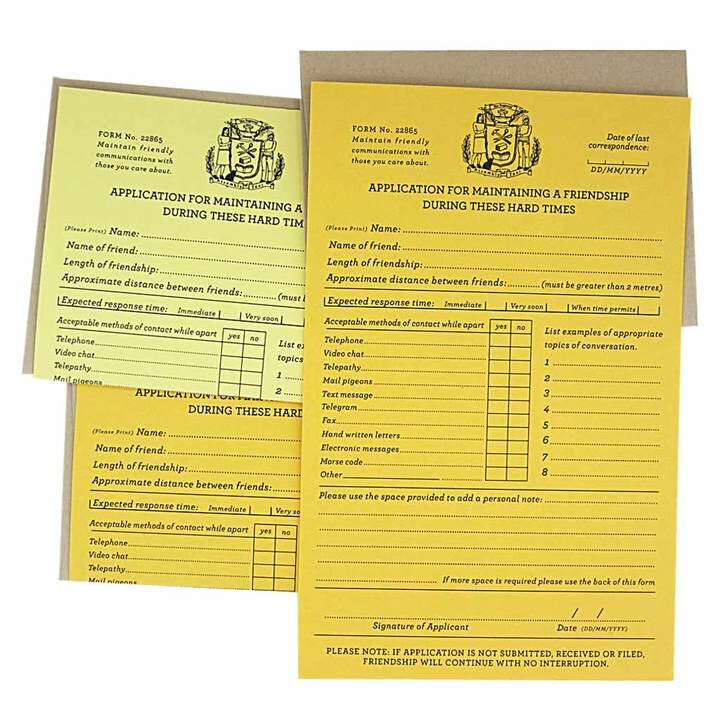
In the coming weeks, we’re going to try to feature more places that are pivoting at the moment to offer support, creativity and wisdom for our stay-at-home lives. Follow along on social media for updates.

Why bother? // Self-care in a time of uncertainty with pioneering author Jennifer Louden
Before the impacts of the current pandemic began to be so keenly felt, we were lucky to talk to one of the original pioneers of the self-care movement, Jennifer Louden. Posting this now, we’re finding that Jen’s wisdom here and in her forthcoming book Why Bother can be a helpful guide for approaching our current situation.
“Why Bother? is a reclamation. With curiosity, wisdom, reverence, and grace, Jennifer Louden shows us how to transform two simple words from the ultimate expression of futility into a path back to desire and, eventually, meaning. Read it, then live it.”
In times of uncertainty — both personal and collective — it’s easy to struggle with the question Why Bother? Pioneering self-care author Jennifer Louden answers this complex call to both complacency and action in her new book, Why bother? Discover the Desire for What’s Next.
We had the opportunity to talk to Jennifer before the devastating impacts of the global Coronavirus pandemic started to be widely felt. But her wisdom on how to continue to feed our desires, create small moments of activism and live our lives in the gap gives us hope for how we might adapt to our current moment.
The following interview is an edited version of our original conversation. We hope you enjoy it, and benefit from it, as much as we have.

We sometimes talk about If Lost Start Here as a guidebook for people who don’t want to go anywhere. Let’s start by talking about the idea of that stuck place, where many of us have found ourselves and which is as real as any other location in the world.
I know that when I was in my why bother times — which started in my 20s and periodically showed up every decade except my 50s — I always imagined the stuck place as having glass walls, though the top was open. There was a way out but there was no way to get traction, or as my grandmother would say purchase, on those glass walls.
I think the thing that makes this location — this prison, this place, this swamp, however people describe their stuck place — so real is that we think we have already answered the question that we are asking. We think we’ve answered the question of why bother, or “What’s the point?”. We think that there’s not going to be anything new, or that “I’ve already tried that”, or whatever version that we’re asking and then answering in the negative.
This kind of thinking just creeps up on us and convinces us to remain where we are (though sometimes there are a lot of real reasons to believe something). A lot of the ways that our brain works keep reinforcing an idea. The thing that I look back on and realize is that I kept bouncing up against and trying to climb those slippery glass walls using the same outlook, the same tools, trying to get to the same place.
What makes stuck feel so real is what we believe about why we have to stay there, and why we can’t get out.
What did that concept of being lost mean to you? You write about being "in the land of the lost”, finding yourself there after your divorce, your father’s death, your mother’s Alzheimer’s, a close friend's suicide and a creatively insecure period.
Being lost to me means what I can say and see now, but which I couldn’t at the time: that I only could conceive of the same “found” that I had experienced before, the same kind of success, like writing a successful book and having a successful teaching business. Part of what kept me lost is that I kept going back and trying the same things over and over again. That not only kept me lost but it also meant that I didn’t have the energy or the imagination to find my way through.

I’m really interested in the moment that comes before going, before doing. How did you overcome your own sense of inertia and start to take steps forward?
God knows it took me long enough and there are stories in the book of people who figured it our much faster or had a lightbulb moment early on, or really listened to a sense of inner prompting. I’m very stubborn and I’m incredibly slow to learn so those moments had to come a lot!
One of the biggest things I did to overcome my own sense of inertia is really what became the thesis of the book: when I could stop repeating the same ineffectual things, I could then explore with openness and a lack of attachment an experience of desire, a desire that had nothing to do with figuring anything out or achieving something for me.
That’s what’s so important to know about these why bother / “What’s the point?” lost times. That there is desire bubbling up even if its super faint. I’ve noticed though that we deny it. We’re afraid of it. We stamp on it because it triggers fears in us, it doesn’t work well for our brain. That’s what keeps us in a sense of inertia. But if we can cultivate our sense of desire like we would embers in a campfire we can make space for it. Imagine that moment when you are about to get up on water-skis, that moment when you get pulled out of the water – it feels like that. It’s not perfect, and to get us going requires some efforts on our part.
Let’s linger for a moment on that concept of desire. You make a distinction between the outward kind — about things and status that we’ve been told to pursue — and a more inward, self-defining kind.
Desire, the flow of desire, a relationship with it, a curiosity about it, is how we open the door to life. The image that always comes to me is of a spring. If you’ve ever seen a spring bubbling up out of the ground, or the rocks, it’s amazing to see what feeds it. Where is it coming from? I think desire is that bumbling up spring. It feeds our curiosity. It feeds our ability to do hard things. It gives us resiliency. It gives us pleasure.
But that spring gets mucked up. It gets mucked up with culture and trauma and fear and images of what it is supposed to be to desire and what we’re supposed to desire and our needs to make money. We have to keep cleaning out that spring — not because it’s going to make us money, not because it’s going to get us someone’s love, not because it’s going to get us likes on social media, but because it’s a flow of life, it feeds everything. The movement created by desire helps us to be here, to be present, to show up and develop the gifts that we want to. When we stamp on that, when we judge it, when we twist it, eventually we fall into really, the worst kind of why bother.
A lot of things that happen in the world come back to some form of desire and what I see, especially in western women which is the population that I know, is that desire has gotten completely messed up and with it so much of our sense of what we want our life to look like and the permission we give ourselves to make decisions. There’s so much exhaustion and burn out. We revive desire once it's dormant by paying attention to what we want and even if we can’t have those things, we need to still allow that feeling of want and curiosity to flow and then trying to understand it in different ways.

Your new book finds its pivot point on the question of Why bother — which can be both a call for change and an admission of defeat. How did your interpretation of that question change in writing the book?
I didn’t know for so much of those different lost periods in my life, those different stuck periods including the longest and darkest one, that I was asking even why bother. What I really discovered when people started reading the book is that they didn’t even know that they were in a why bother phase either. A couple of people who endorse the book wrote back that reading it was so good for them because they didn’t realize that they were trapped in this why bother phase and reacting in all these unhelpful ways. One person was just hustling their way through it, working harder, which I think we can all relate to. The question in and of itself can be such a pivot point, but the first thing that we have to recognize is that we’re asking it.
Even though it has its dark side, its flawed side, its done side, we still need this question of why bother. If someone is asking why bother to date again after a partner has died, they also need to acknowledge that that relationship, that past, that love is gone. You can’t go back to it. In some ways even asking why bother to keep trying is really, really important. But if we can’t embrace what’s done, what’s not working, what’s been taken from us, we can’t start to ask the question of “What do I want to bother about now?” and “What’s possible about bothering about now?”
What I saw myself doing, what I saw the people I interviewed and who I work with doing, is trying to go back to what’s known or familiar. We keep replaying the past and complaining about it. We keep being sad about it. That’s what keeps us from asking the generative why bother? Because we can’t embrace it, we can’t come to terms with it, we can’t face what is no longer ours to bother about. There’s a lot of hanging on it.
You write about why bother as not just a response to personal life circumstances, but as a response to such overwhelming situations as climate change, political upheaval, and social injustice. We’ve certainly felt the pull-down of those issues and the weight of what to do has kept us stuck. How have you found ways to negotiate overwhelm and feelings of futility?
It is buying into overwhelm and futility where we lose our ability to take any action. It’s buying into cynicism.
I had a friend say to me that it’s too late to do anything about the climate crisis, that there’s nothing to do, that they are going to be dead before it gets really bad. I had a conversation with friends at a party a couple of weekends ago who said that, “Trump is going to win, it’s too late, it’s already over”.
It’s that kind of thinking that we have to stop in ourselves and, if we can and it’s appropriate, in conversations with people who we’re in community with. It drags all of us down. It stops our brains from being creative. It stops us from wondering what is possible. I love what some climate activists are saying now, that we have to stop the conversation that this is impossible, that this is overwhelming, and that we can’t do anything.
The first thing that we need to do is to find reasons to be optimistic and to reclaim our agency. Without agency, there is nothing that can happen. It’s just bullshit to believe in futility. It is not what history shows us. History shows us a lot of things, but it also shows us the possibility of change. It’s not always the change that we like or in the direction we want, but there’s nothing about history that shows us that things don’t change. And so why can’t we believe that our actions can be a force for change?
The flip side is that we have to negotiate our own lives, our own passions. We have to embrace our own human-scaled life. I have it on my list to take one action a day on the climate crisis. Sometimes that’s reading a couple of articles at lunch. Yesterday it was buying a book and sharing something on Facebook. Sometimes it's calling or tweeting something to my senator. It can be really small, but I refuse not to do anything. I want to keep learning where I can be a voice, where I can be useful.

One of your six ideas for getting your bother on is “become by doing”. We love the idea of “staying in the gap”.
Yes, this has been something I have been curious about, practicing and writing about forever. Given how our brains and our nervous system is built, we do not like to not know. We would rather have certainty that sucks then live in the question, the uncomfortableness of reaching forwards and exploring more. So, the key to living in the gap between what’s stirring in us and where we currently are is to recognize and find ways to be curious, awake and comfortable, even if it's only for moments at a time. But we need to stay in that curious, uncomfortable place, without freaking out because when we do that we make decisions, we numb out and we get busy with all kinds of things that ultimately obscure our discomfort.
How do you think the self-care landscape has shifted since you first wrote The Woman’s Comfort Book: A Self-Nurturing Guide for Restoring Balance in Your Life?
Its shifted as far as you can imagine. When I first wrote that book nobody talked about self-care. It was quite a foreign concept. I remember I taught a workshop early on and a woman looked at me and said, “I take care of myself. I get my nails done.” It’s now a multibillion-dollar industry.
What I discovered pretty early on in talking and teaching after The Woman’s Comfort Book was published is that self-care is how we recharge in order to do the hard things in life. It’s how we claim the courage and energy to have agency for ourselves to speak up for what we want. Self-care is intimately tied to creating a life we want. It’s not intimately tied to what we buy. It’s not intimately tied to some of the hoo-ha that I see out there. That stuff can be really fun, we don’t have to make it wrong, but I think it so often becomes an arms war of pashmina blankets and unicorn tear face cream. It can really trivialize the deeply feminist stance, that Audre Lorde first spoke about long before I did in the context of her work.

Something I love about your book is that you work against the narrative of self-care: that if you meditate enough, pray enough, have enough therapy, eat clean enough, become successful, you can create some happy ending for yourself and that's Life Done. But what you offer here is something more flexible, something foundational.
Yes, the narrative of self-care for me became an idea that if I just did everything right, I wouldn’t suffer anymore. It’s really ludicrous when you say it out loud, but I really, really believed it. And sometimes it still creeps in. I have some food allergies and the thought occurred to me that maybe this autoimmune response is my body reacting to what I still tell myself: if I’m a good person, I should eat these foods and I’ll feel great. It’s so much more foundational to realize that we fall into why bother, “what’s the point?”, and swamps of feeling lost, no matter what kind of self-care we practice because it’s part of being human.
How does it feel to be someone who writes about self-help concepts, facing your own life and struggles head-on? Did you feel pressure as "a self-help author" to be happy and to keep with narratives of promise and fulfillment?
I used to. It almost did me in and made me quit. I tried to run away from the self-help business numerous times. I felt like a fake so often because I couldn’t always take care of myself. I wasn’t getting better or “having my best life”. Can I just tell you how much I hate that phrase? I have no idea what my best life is! It feels like such a pressure. I don’t want my best life. I want real life.
If I was going to get a tattoo it would say, “Be here for it all.” I don’t feel the same pressure anymore. I feel the pressure to be here and to share ideas and stories and create community and spaces where we can be here for it all. I really do believe that once our basic needs are met — which for several billion people on the earth is not happening — the question really is how much can I be here for it. How awake can I be? And how compassionate can I be with myself and everyone else? There’s nothing to fix. When I realized that there’s nothing to fix, when I realized that fixing things is not my job in life, everything changed.

All quotes are taken from Why Bother? You can pre-order Jennifer’s book today (head to IndieBound if you can and support small bookstores).
About the author: Jennifer Louden is a personal growth pioneer who helped launch the concept of self-care with her 1992 bestselling debut book The Woman’s Comfort Book. She is the author of five additional books, including The Woman’s Retreat Book, The Life Organizer and Why Bother? With close to a million copies of her books in print in nine languages, Jennifer is a sought-after speaker, addressing audiences across the USA, Canada and Europe. She is a former columnist for Whole Living, a Martha Stewart magazine, and has appeared on a number of television and radio shows and podcasts—including The Oprah Winfrey Show. Her work has been featured in People, USA Today, CNN, and Brené Brown’s books Daring Greatly and Dare to Lead.
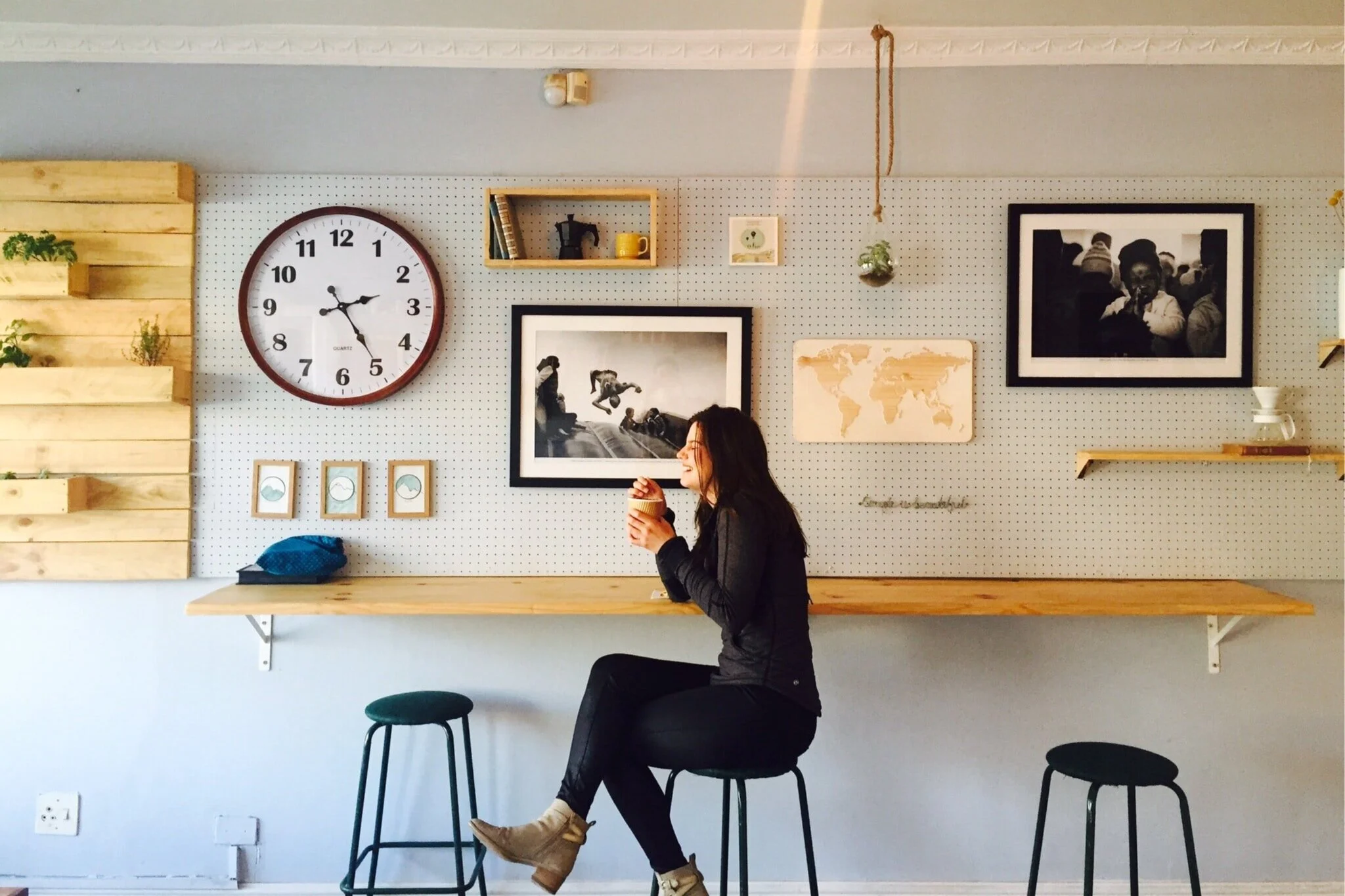
Collaborative Action in Self-Isolation
Share how we can come together to support community spaces and independent businesses through this unprecedented time, and help them keep the lights on.
We've been chatting about what we can do about what's happening in our world right now and our belief — shared we know with many of you — that we need to come together to take small actions to support the spaces we love.
We often feature indie stores, cafes, coworking spaces, bookshops, bakeries, unique storefronts, and cultural venues in our guide. All places that attract people and which are starting to feel the changes in attendance, balance sheets, and engagement. As we go day by day now, we're acutely aware of the need to find ways to help them keep the lights on. We have some ideas for how we might do this, whether that's just buying those much-needed groceries locally, seeing if a local restaurant has started delivery, getting books and stay at home activities from an indie store rather than the big guys, buying gift vouchers to use later. Small gestures to keep their worlds going even if we're stepping away for a while.
Here are a few quick ways to offer support. Please do share so that we can continue to offer concrete tips about how to help small businesses continue through unusual times.

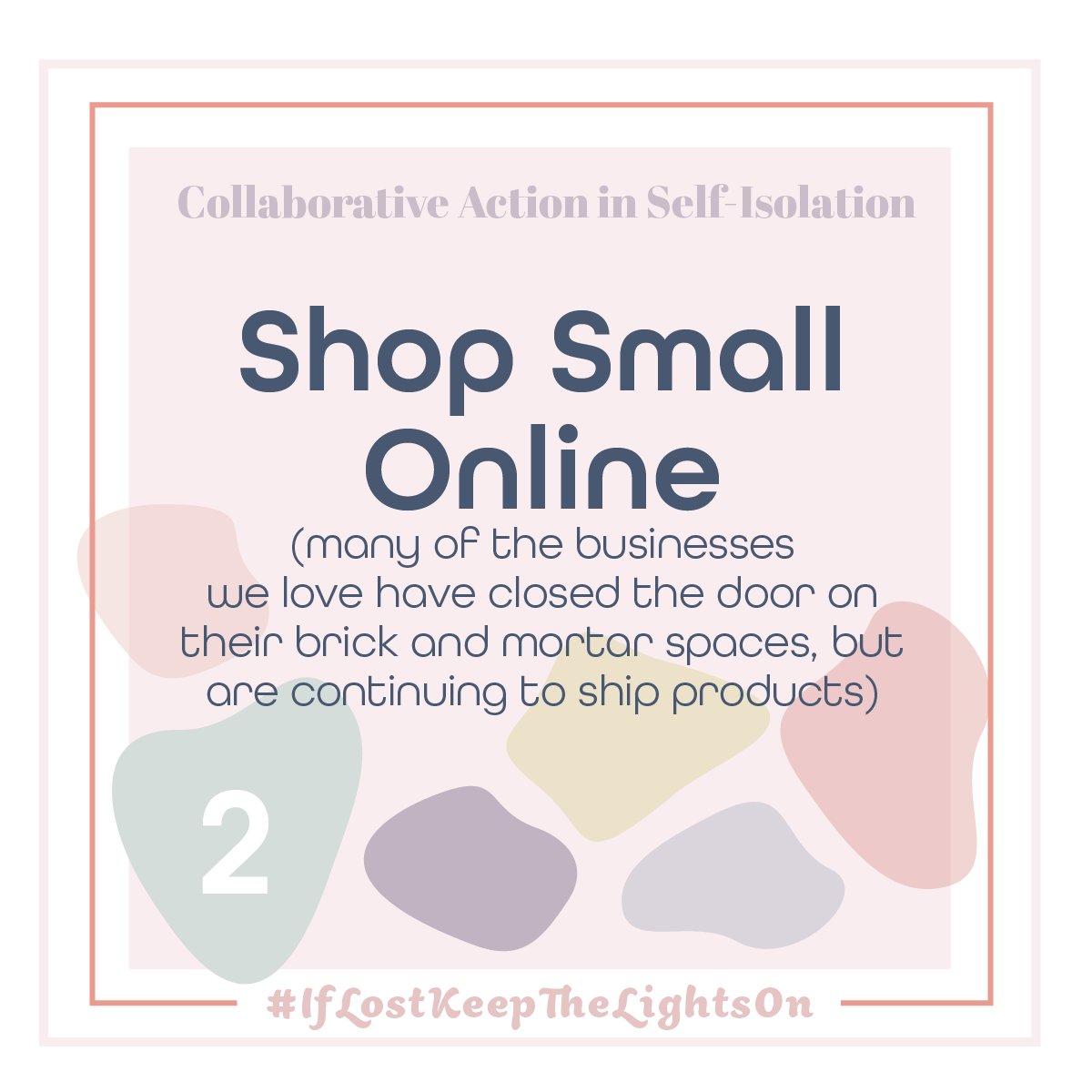


If you are a small business or if you are someone who is finding ways to engage with businesses differently, to still support them as we're social-distancing, use the hashtag #iflostkeepthelightson on social media to share advice about how people can help through these ever-evolving times.

Give Yourself a Break: A Homeschool Mom’s Guide to Loving Your Kids and Lowering Your Expectations
My friends keep asking me: “How do you homeschool ALL the time?! I am going crazy!! What’s your secret?!”
To which I keep responding:“You do realize that ‘homeschooling’ is much harder in the midst of a global pandemic when we are all panicked and locked indoors, right? Have you considered just doing a completely mediocre job??”
It should be noted, before we dive in, that there are truly unlimited ways to “homeschool” or “unschool” or “free-school”, unlimited ways to follow curiosity and to experience passion-driven, joyful education. This is just one mom’s path, in the midst of a world-altering crisis and in no way speaks to the path of any other homeschool family or system. I am posting this not to say: give up, do nothing. But rather, to say: give in, keep loving. I hope this perspective helps you to give yourself a tiny break and encourages you to find your way through, in any way that works for you and your family. You are doing a good job. You’ve got this.
In the wake of the coronavirus outbreak, rapidly intensifying shelter-in-place orders and now-mandated home-based education for many, my friends keep asking me:
“How do you homeschool ALL the time?! I am going crazy!! What’s your secret?!”
To which I keep responding:
“You do realize that ‘homeschooling’ is much harder in the midst of a global pandemic when we are all panicked and locked indoors, right? Have you considered just doing a completely mediocre job??”
This, I realize now, is not what the good parents of the world want to hear. They want the real shit. The ins-and-outs of our day. They want to know how we know that our kids are learning and well-adjusted and challenged and engaged. We do not nervously laugh-cry when we are asked this. We deliver.
So, here is everything I did today (which may be yesterday to you, or multiple days ago at this point..but does anyone even know what day of the week it is anymore? Let’s assume the construct of time will be dismantled soon.)
Ok…here we go.
It’s after 9am, but likely before 10. (Ok, it may also be after 10. I am not sure. These are trivial details now.)
We eat breakfast, pausing to be thankful that we have food and access to supermarkets (and that coffee is still allowed).
We flip through State Capital cards which happen to be strewn across the table and decide we could all really use a road trip around the continental US. (I feel like I’ve maybe never even heard of Frankfort, Kentucky before, but this must not be true?)
We make juice (convinced that ginger will save us). Kids cut fruits and veggies and craft and press their own concoctions. (This is probably science? Is “potions” a class?)
We eat chocolate because it’s delicious and this is self-care. (Also science.)
Stop everything! A package has arrived with massive blankets that look like tortillas. A photo shoot is necessitated!!
Now we’re dragging the blankets everywhere we go. (“No you can’t take it in the bathroom.” “Fine don’t let it fall in the toilet!” “No I don’t want to drag you around the house in it!” “Ok, last time! Wheeee!”)
The magic of the moment is waning.
The 11-year-old and I escape to watch Watch Harry Potter 5 (younger child reads Captain Underpants with homebound-husband then watches the movie...I’m assuming they watch other things after this as their movie is shorter but I am enraptured and intermittently sobbing so really cannot be sure.)
There are cuddles for all.
Movies are done and a “we should really do something productive” feeling surfaces. (I try to quell it but cannot.)
We Watch a 6 minute math tutorial on Khan Academy before deciding...“meh.”
We Read Harry Potter 7. It is the last book in the series and we are 81% of the way through. (I know this because my Kindle app is actively torturing me. #crucio) I’m doling out pages slowly, a seasoned addict, fully aware of the withdrawals we are all about to experience. I am sob-reading now and it’s time for a change of pace.
Still in HP-mode, we decide to watch Voldemort Make-Up Tutorials.
We do our own special effects make up. (Warning: hide your “good” make up.) (Pro tip: GO OUTSIDE)
Stop everything! Our large dog is licking our small dog and it is ADORABLE. He looks embarrassed by our laughter and we decide that he is a dog who holds himself to People Standards which is a very very complicated space to occupy. We feel for him but continue laughing. (The human experience is highly nuanced.) I think we are teaching empathy and humility but maybe we are just teaching that dogs are funny?
It’s feeling tired-y as it nears the “you’re either going to get ready for the day or you’re destined to eat an entire sleeve of Oreos at some point” threshold. (Getting ready still feels a bit too hard.)
We play charades. The kids choose things like “washing machine” and “pants”. (They are not good actors...but we do not let them in on this secret because there is still ample time to hone-in on their theatrical skills.)
We move on to play a game where you get to throw burritos at each other. (They are very good burrito throwers.)
It is lunch time. We eat at a table that some people would use for learning but that we mostly just use for eating (and burrito-related games). It used to be a nice table but is currently covered in paint...so I guess it is art now? (In a 900sf house with two dogs and two children it is very important to have functional pieces like this.)
While we’re at the table, we draw pictures of each other with our eyes closed. The 6-year-old cheats (but results suggest otherwise). The 11-year-old might be a prodigy.
We tour The Museum of Modern Art online and tell him we’ll love him even if he spends all of our (now) imaginary money on Art School. He assures us that YouTube tutorials will suffice.
We celebrate the news with a Lizzo dance party - the regular, unedited version because the Kidz Bop version is garbage (and we will not settle for anything less than “100% that bitch”.) We answer follow-up questions about “DMs” and the lure of spending time with professional football players. This is probably social studies? Maybe health, too?
Stop everything! Our snake has shed! The aftermath must be examined!! Muffin looks like a brand new man and we are all here to encourage him to be his shiniest, most noodle-y self.
It is now time for second lunch. In these strange times I’ve decided that I should not be eating food without utilizing the large bottle of buffalo wing sauce that I panic-bought at Target three weeks ago. Second Lunch is spicy and reminiscent of something you might find at an Applebees. This is self-care, now. (Unprecedented times, indeed.)
Kids disappear with boxes and scissors and tape. I am asked to cut yarn but I DO NOT ASK why because I don’t want to impede on this newfound independence. Also, I do not want to help and asking questions makes me complicit in the outcome of this project. (Plus, I need to stare at my phone.)
One child emerges from the bedroom as a dancing cardboard robot. He has painted on abs and a butt made of aluminum foil. We laugh hysterically because these are “buns of steel” and their execution is magnificent.
Child two has designed a remote control car and is operating as, I don’t know what (?) I wasn’t totally listening but something like the engine, or some sort artificial intelligence system??? Either way, she hands us the remote and it is, quite literally, the only time we’ve been in control of anything all day. Her override system is powerful, though, and she ends up going rogue. It’s ok because she is almost instantly back in the bedroom with the boxes and the scissors and her brother and all is silent for 10 glorious minutes.
Stop everything. The creativity has run out in all of us.
Everyone is lobbying for more TV (but we’re saving that for later when we’ll need to fully ignore them and get some work done.)
We lay around and listen to the Poetry Unbound podcast. (It’s possible that I am the only one listening but I mumble something about “osmosis” to myself and carry on.)
We pull out first grade spelling flash cards (despite the fact that no one here is in the first grade). We agree that English is nonsense and tentatively plan to learn Latin. The six-year-old assures us all that Spanish makes more sense and walks us through her app where she expertly clicks through pictures of corn and horses and airplanes as words the rest of us don’t understand come tumbling out of the phone.
It’s 5 now (maybe?) and we have determined that if we do not leave the house that we will literally suffocate.
We’ve heard about a project where kids go around town leaving delightful little chalk rainbows in their wake, a sign of hope and connection in otherwise unstable, disconnected times. Our neighbors are elderly so the kids make the rainbows big and extra-bright outside of their homes. We tell them that other kids may have left rainbows behind, too, and to see if they can count them on their journey around the block. They find “zero” but draw “probably 55”. The adventure is a success.
On the way home the kids find an empty basketball court and design giant chalk homes complete with rooftop decks and “more than 2 bedrooms” (an obvious slight to us, but we let it go).
Back at our tiny home, it is time for a bath.
I need to do some work, which feels pressing, but will have to wait until we’re back on dry land. For now a half-hearted mermaid impression is all I can be expected to produce.
Ok, out of the water. Kids are hungry because they didn’t eat second lunch. (Feels like their problem...but, fine, we will feed them.)
We eat dinner. It is pasta again, because we don’t understand how to save our food stores (and pasta is delicious).
We queue ANOTHER movie.
I, mostly-unapologetically, ignore them for two hours so that I can write hard hitting pieces like this. Except for the nine times I pop in to say “Sorry guys, almost done! Are you having fun? (Am I a good enough mom?) Anyway, cool cool cool, back to business! I love you!” I wish the head of the journalism program I dropped out of in college could see me now. (Except, no, not really see me as I’m still in yesterday’s PJs…which are actually PJs from TWO yesterdays ago, but who’s counting?)
We throw burritos again.
It is feeling dark enough to sleep now. We implore the children to brush their teeth (a process that spans multiple lifetimes but somehow we do not visibly age), then there are the meltdowns (whoops we missed our window), then hugs, mini-dance party, cuddles, everyone in our bed, circle back to Harry Potter and accidentally read for two hours which means we all wake up late again tomorrow.
Finally, I look around and let my eyes fall upon their little faces…faces with remnant make-up and rosy cheeks, faces that have hurled forth insults and uttered accidental poetry. Maybe it’s some mixture of gratitude that they are healthy (and silent) and the coziness of our too-small bed, or maybe it’s the realization that, holy shit, this all goes by so quickly, but, somehow, amidst the pressure to do it all right (and the fear that I’m doing it all wrong) there is really no where else I’d rather be.
Are you in search of connection and support through this time? Head to our guide for inspiration or navigate from our home page: If Lost, Start Here