
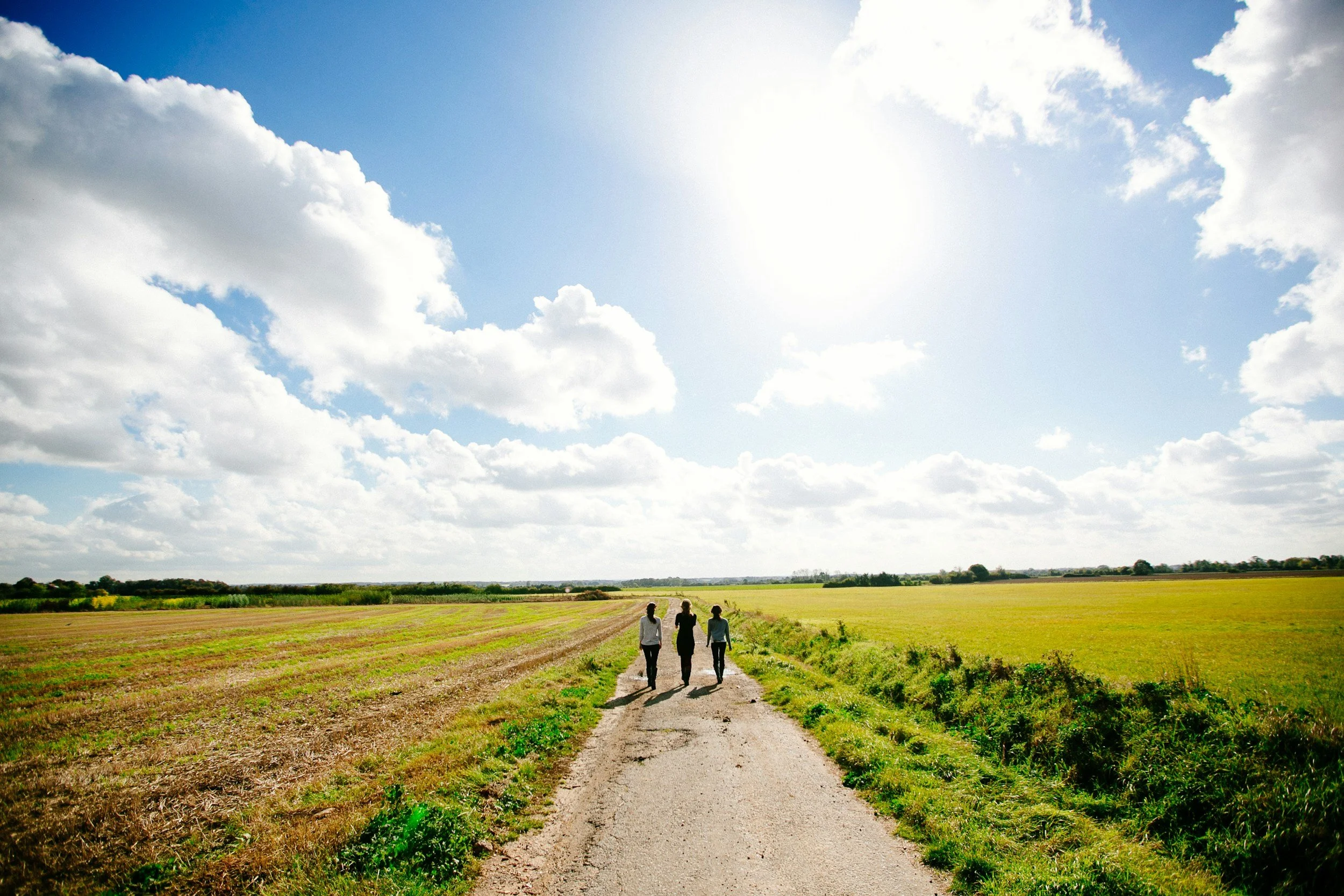
How to Rewild Your Summer (Without Adding Another Thing to Your To-Do List)
Feeling overwhelmed by summer? Discover a gentler approach to nature, wellbeing, and slowing down. Explore simple ways to reconnect with the outdoors without turning it into another project.
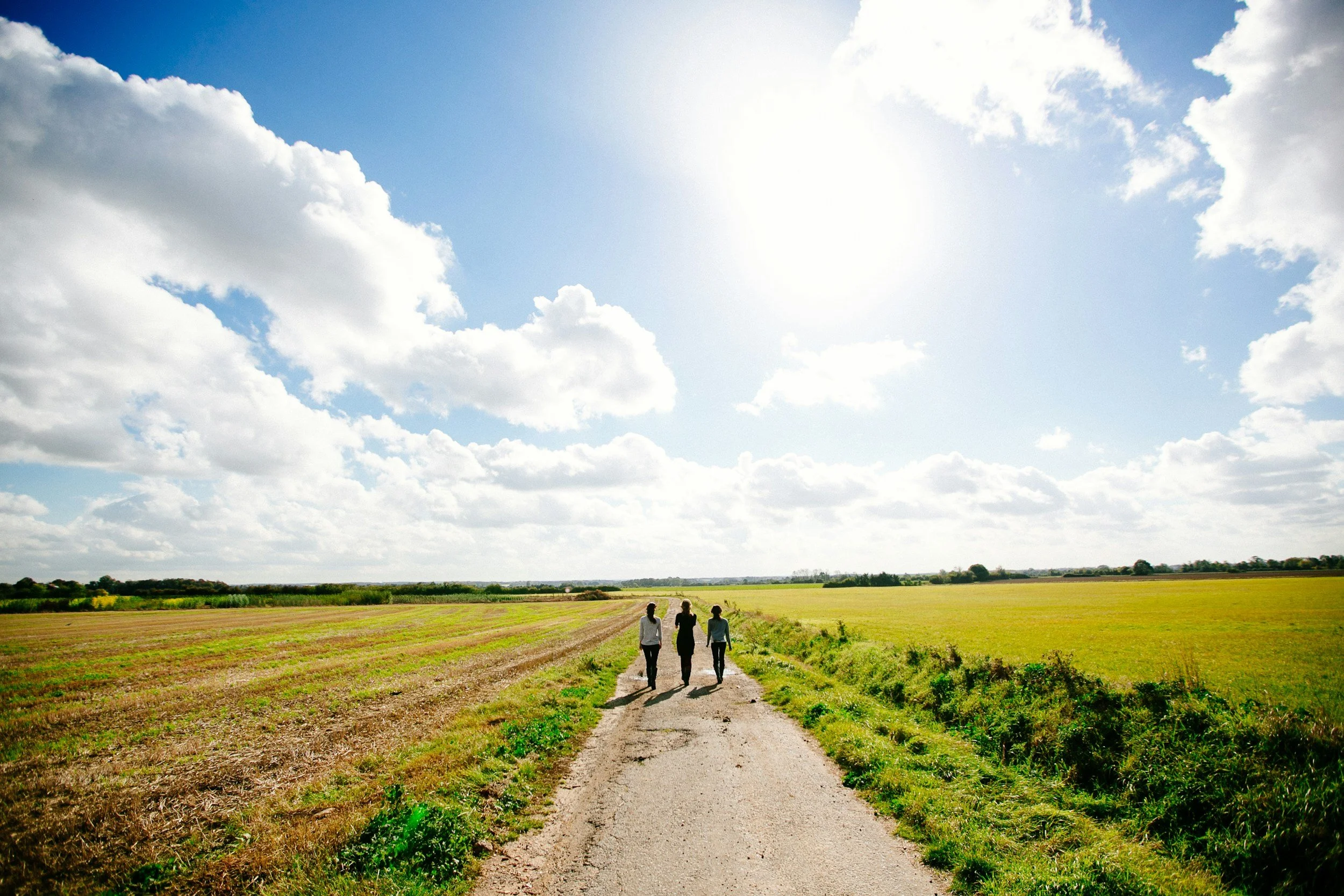
By June, summer can start to feel less like a season and more like a project.
There are holidays to organise, childcare puzzles to solve, gardens to tame, bbq invitations to accept or decline, and a growing awareness that these long evenings and warm days are somehow supposed to be enjoyed before they disappear again. If you have children, there can be the pressure to create memories. If you run a business, there can be the challenge of keeping things moving while everyone else appears to be on holiday. If you're already tired, summer can feel surprisingly demanding.
We're sold an image of summer as carefree and expansive. In reality, many of us arrive here carrying the same worries, responsibilities, and emotional baggage we had in February, only now we're expected to enjoy ourselves while carrying it.
Perhaps that's why I keep returning to nature at this time of year. Not because I believe it will fix everything. Not because I think everyone should be hiking mountains at dawn or plunging into cold rivers before breakfast. But because nature offers something that feels increasingly rare: a different pace.
Recently I came across a survey from the Wildlife Trusts that found almost 90% of UK adults have happy memories of spending time in nature as children. Reading it sent me back to my own childhood.
Growing up in suburban Manchester, nature wasn't wild swimming and forest bathing. It was annual trips to the Lake District, farm holidays in Devon, climbing shale hills in Yorkshire, and riding bikes across cul-de-sacs to fields that would soon become housing estates. It was picnics amongst gravestones because that was the nearest green space. It was drinking hot chocolate in garden centres with my mum while surrounded by tropical plants.
The details were different, but what struck me was how easily those memories returned.
The survey found something else too: people who remember positive experiences in nature are more likely to seek it out as adults. That feels important because many of us have drifted away from it.
Not necessarily because we don't care about nature, but because adult life has a way of shrinking our worlds. We spend more time indoors, more time looking at screens, more time moving from task to task. We become efficient. Practical. Busy.
Nature, meanwhile, waits patiently in the background.
But before we turn this into another wellbeing prescription, it's worth acknowledging that reconnecting with nature isn't equally easy for everyone.
One in five households in the UK cannot access green space within a fifteen-minute walk of home. Some people live with disabilities or identities that make outdoor spaces difficult to navigate. Some of us carry fears that make nature feel less restorative than wellbeing magazines suggest.
I still don't particularly enjoy walking through isolated country fields alone. Years after reading about attacks on women in rural places, I remain aware of my surroundings. Camping alone with a toddler and newborn didn't make me feel adventurous and free. Mostly it made me feel responsible for keeping everyone alive.
For some of us, nature is associated with discomfort, boredom, loneliness, danger, or exclusion as much as wonder.
Which is why I think rewilding our summer isn't really about becoming more outdoorsy.
It's about becoming more curious.
It's about asking what nature could look like for us.
Maybe it is wild swimming and mountain hikes.
Maybe it's moving your desk so you can see trees instead of a wall.
Maybe it's growing herbs in a window box.
Maybe it's reading a novel in the shade for twenty minutes while your children play nearby.
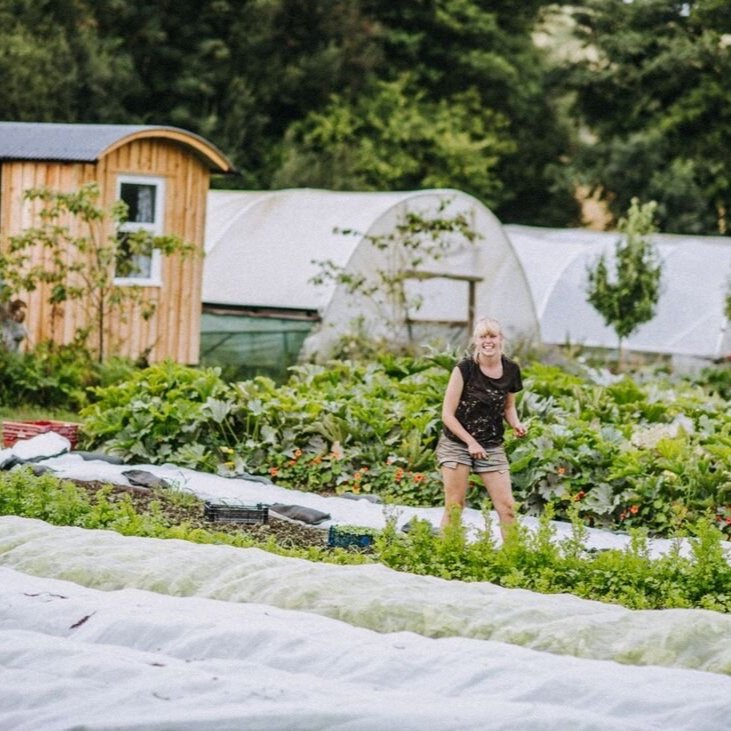
Maybe it's joining a community garden, visiting a flower farm, taking a slower route home, sitting in a park with a friend, or eating lunch outdoors whenever the weather allows.
Perhaps the goal isn't to become the kind of person who loves nature.
Perhaps it's simply to notice where nature is already waiting for you.
At If Lost Start Here, we often talk about wellbeing as a series of pathways rather than prescriptions. Nature is one of those pathways. Not because everyone needs the same relationship with it, but because so many of us feel better when we experience even small moments of connection with the wider world beyond our own concerns.
Summer offers us more opportunities for that connection than any other season.
Longer evenings.
Open windows.
Unexpected conversations on walks.
The scent of cut grass.
Strawberries that actually taste of strawberries.
A garden that changes week by week.
The first time you notice the swifts have arrived.
None of these moments require us to completely overhaul our lives.
They simply ask us to pay attention.
So rather than creating a summer bucket list or another set of expectations, what if we approached the next few months as an experiment?
What if we became curious about the role nature might play in helping us feel a little more grounded, a little less rushed, and a little more connected to ourselves?
Not because we should.
Not because it will solve everything.
But because there might be something there waiting for us.
A Question to Take With You
When you think about being outdoors as a child, what comes to mind first?
And is there a small piece of that feeling you'd like to bring back into your summer?
Ready to Explore What Helps You Feel Better?
Sometimes finding your footing isn't about doing more. It's about noticing what helps you feel more like yourself. If you're feeling overwhelmed, disconnected, or unsure where to start, our coaching sessions can help you explore what wellbeing looks like for your real life.
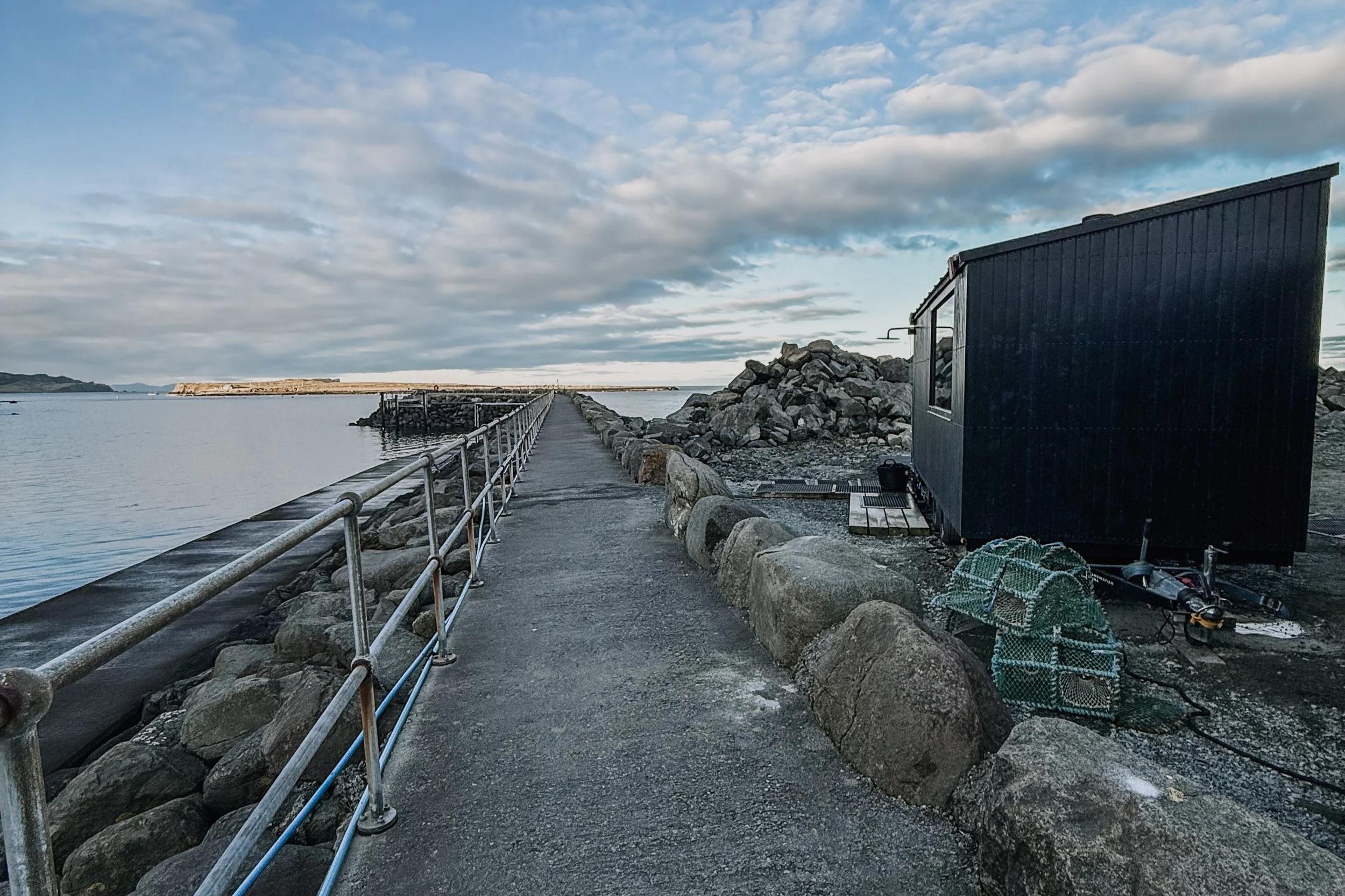
Scotland's Wild Saunas: A Wellbeing Guide to Heat, Stillness and Place in Scotland
Discover Scotland’s wild sauna movement through this wellbeing guide to outdoor saunas in St Andrews, Skye, Edinburgh, East Lothian, Cromarty, Fife and Aberdeen. From sea dips to wood-fired heat, explore the places helping people slow down, reconnect and experience Scotland differently.
At the start of this year I made myself a promise: each month, a new sauna. Alongside a photograph a day, it's a way of noticing the rhythm of the year, not just the headline seasonal shift but the smaller turns. Scotland is in the middle of something of a sauna revolution, with wood-fired wild saunas springing up along sea-edges, nestled in foothills, in walled gardens and by sea lochs. Each one belonging to its place - shaped by the landscape it sits within and the community around it, its own personality, its own story.
Why sauna matters for wellbeing
A sauna can feel like a treat, but the more I go, the more it reveals itself as so much more – a wellbeing practice rather than an event. There's the body: the heat soothing tense muscles, the cold sharpening focus, the cycle of expansion and contraction settling the nervous system back to its baseline. Research suggests the heat triggers a cascade of repair in the body, and the cold builds resilience in a way that ripples out into the rest of the week.
There's also the social side, for one, the unique and often inspiring conversations that happen in a hot wooden box where no one has their phone, where the usual scaffolding of who-we-think-we-are falls away. And there's the pause afterwards. The cup of tea. The slowing. The way you sit with flushed cheeks and notice the sea, or the trees, or the smoke rising from the stove and feel properly here. In Scotland, where the dark months are long, that small ritual of warmth and presence can feel like medicine. And as the energy rises in the spring and summer the sauna is still a magical experience – more than you might imagine.
The landscape, whether that’s the cold sea, hillside or loch isn't a backdrop, it's the other half of the cycle. Sauna here is inseparable from the place that holds it. It’s about the heat and the cold but it’s also the wind, the water, the long northern light, the weather doing whatever it pleases.
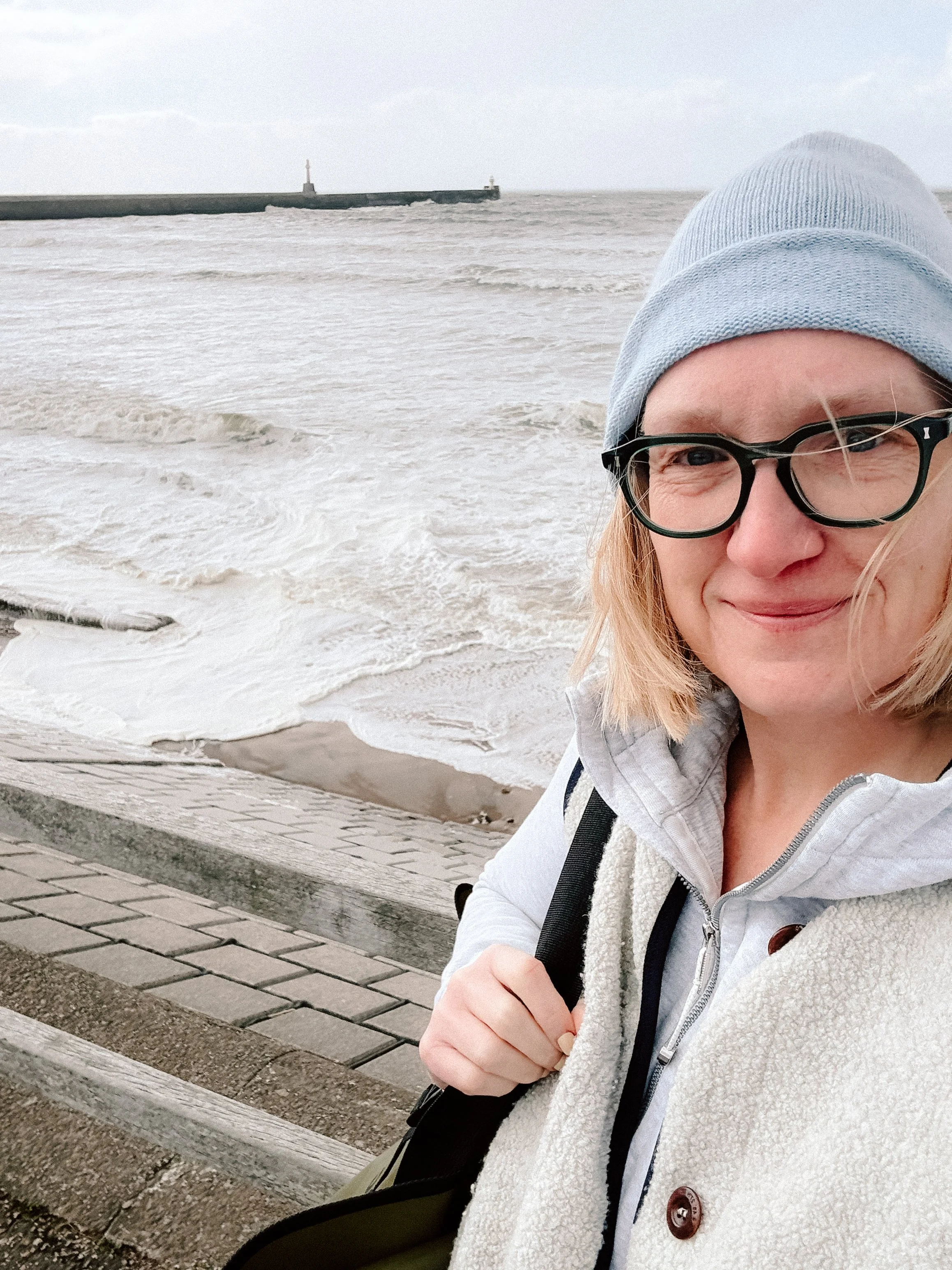
Sarah Philp getting sauna ready
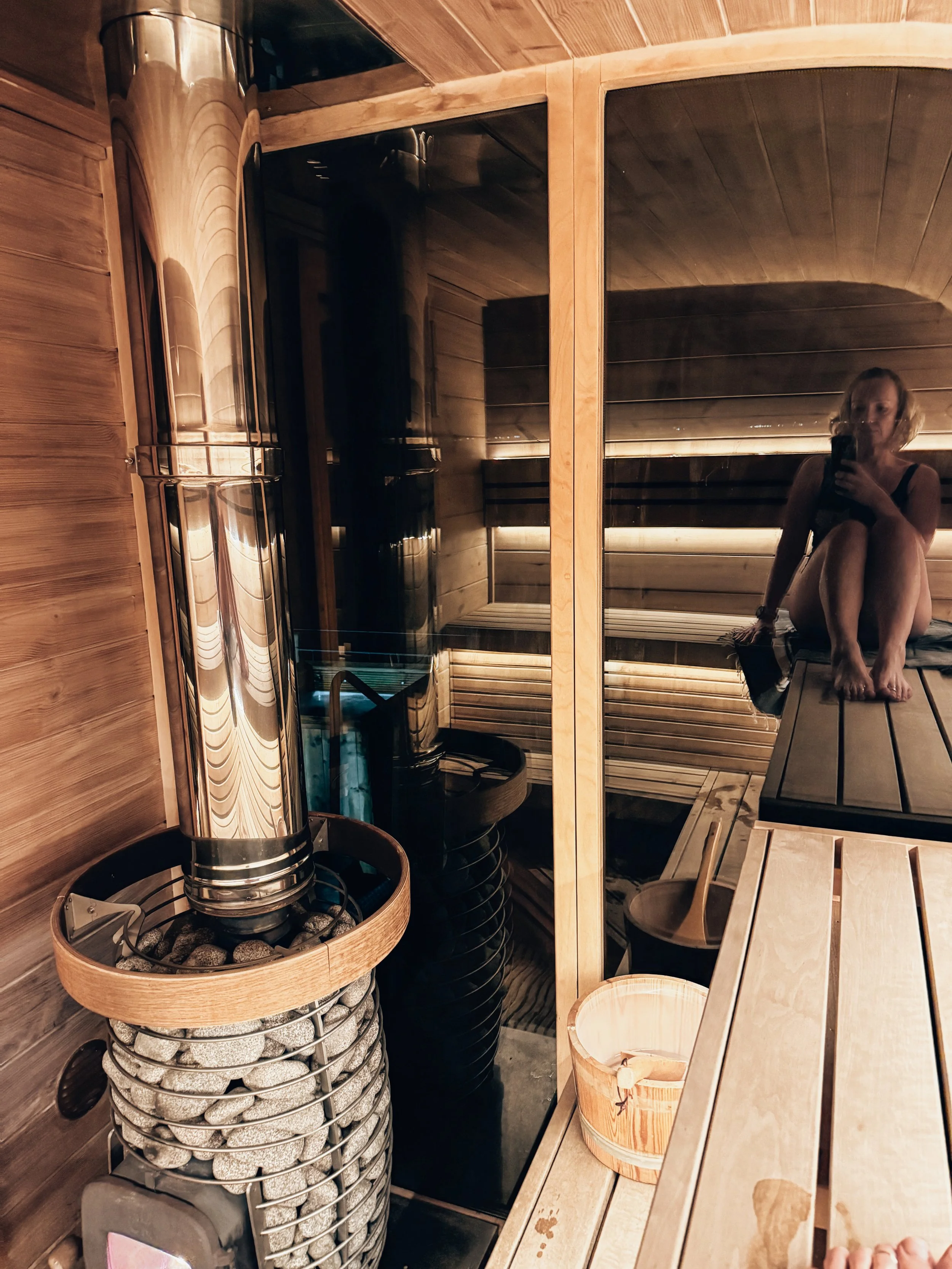
Sarah Philp in the sauna
Following the heat
Start with what's near you, you might be surprised at how many saunas are nearby. Here are the ones I've been to so far this year, beginning at the edge of the sea in January and moving through the seasons with curiosity and being in the moment.
Wild Scottish Sauna at West Sands, St Andrews
On a particularly wild January day, the only place to begin was West Sands in St Andrews. A wood-fired sauna tucked behind the dunes of the West beach, with the North Sea opening out in front and the famous old links curving away beyond. The air was sharp, the sky was wide, the waves were enormous and inside, the heat held me steady. There's something fitting about starting a year-long practice somewhere this elemental. You leave with salt on your skin, cheeks burning and the feeling of having properly arrived in the new year.
Suilanu Sauna at Croft 4, Isle of Skye
February took me west to Skye, and Suilanu turned out to be a mini retreat. A handcrafted sauna on a Broadford croft, sitting beneath a picture-perfect view of Bla Bheinn - the kind of view that does something to your shoulders before you've even stepped inside. I joined a day retreat of restorative yoga, shared lunch with a circle of brilliant women finishing the day in the sauna. Slower, softer, the heat held against the wildness outside. The day felt like being properly looked after, by the place and by each other.
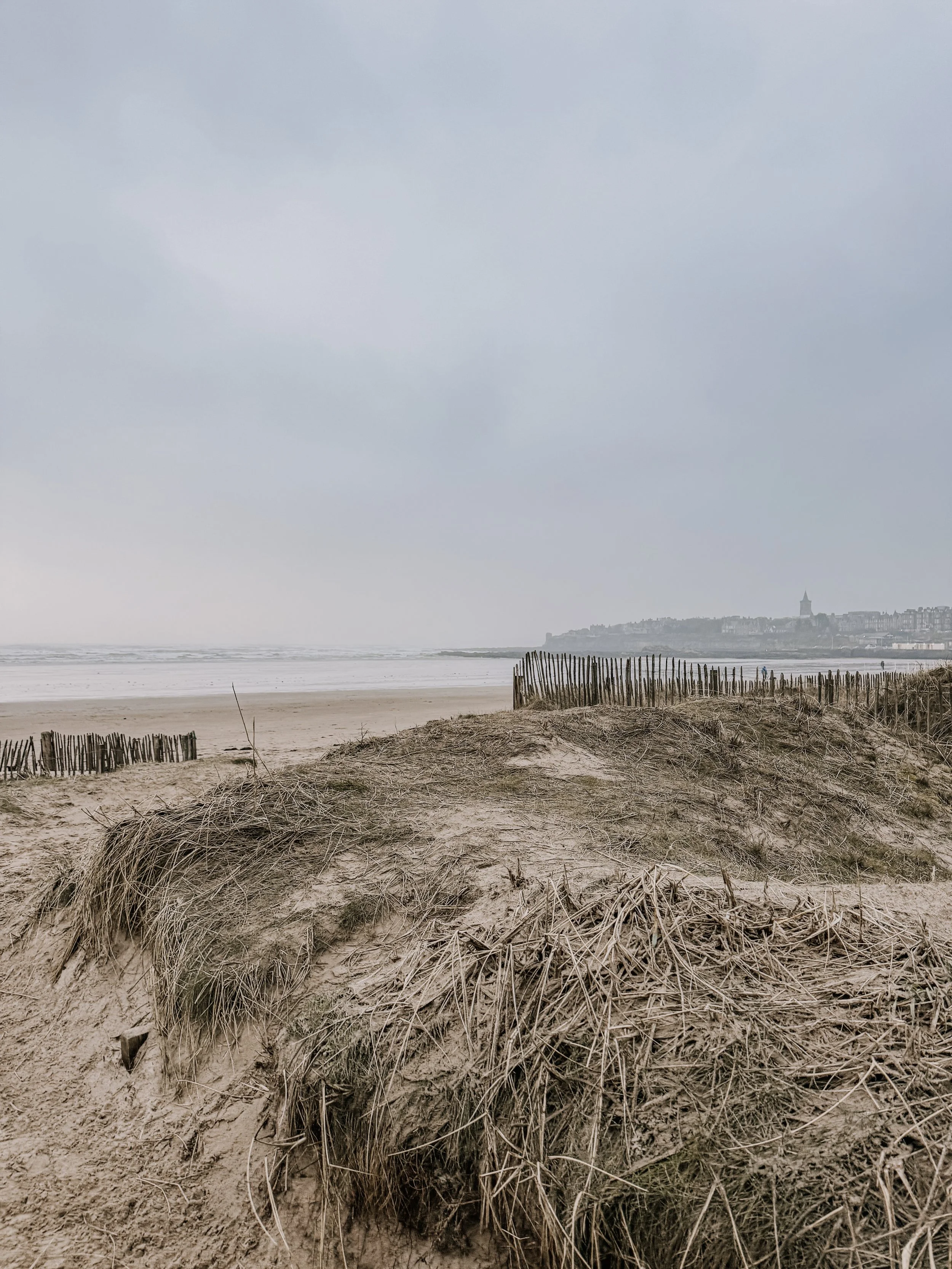
West Sands, St Andrews
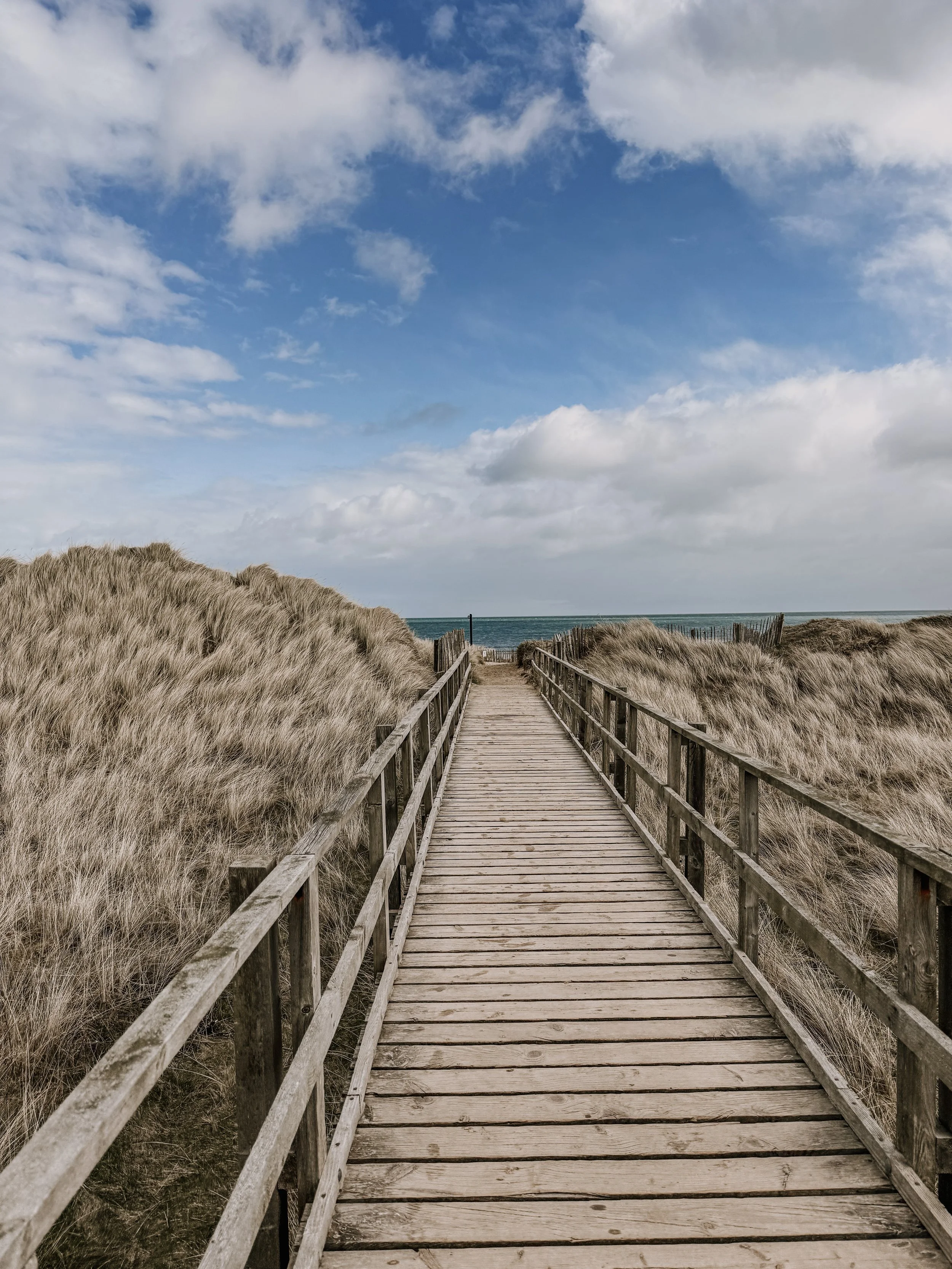
West Sands, St Andrews
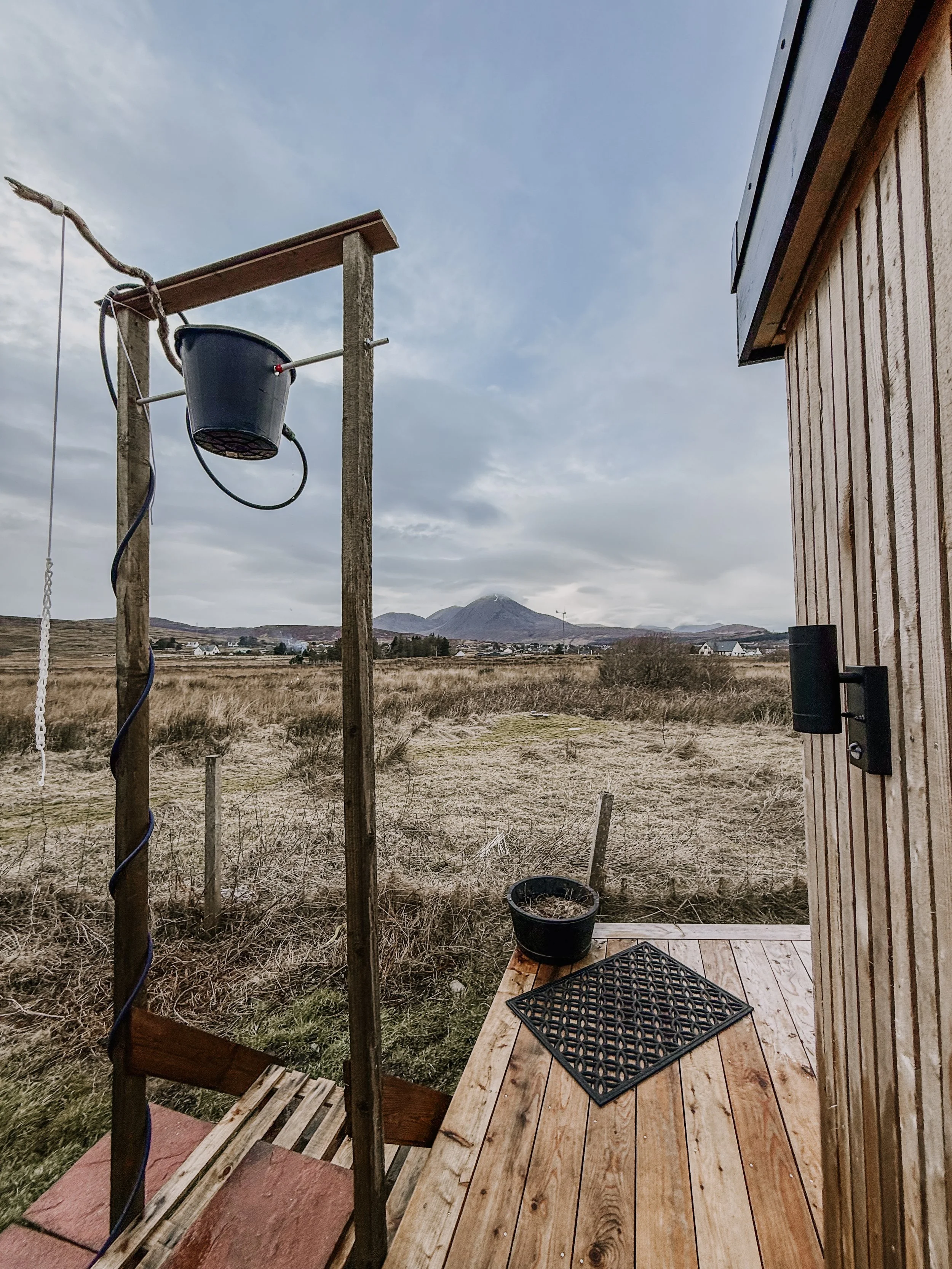
Suilanu, Skye
Staffin Sea Sauna, Isle of Skye
February also meant a return visit to Staffin, the OG of Skye saunas and still one of the most beautifully placed I know. A wood-fired Scandinavian sauna at Staffin Harbour, looking out toward Staffin and Flodigarry Island and, on a clear day, Harris and Lewis beyond. Steam, plunge, repeat, with the elements doing much of the work. Coming back to a sauna you've already loved is its own kind of reset. A reminder that practice often means returning, not just discovering.
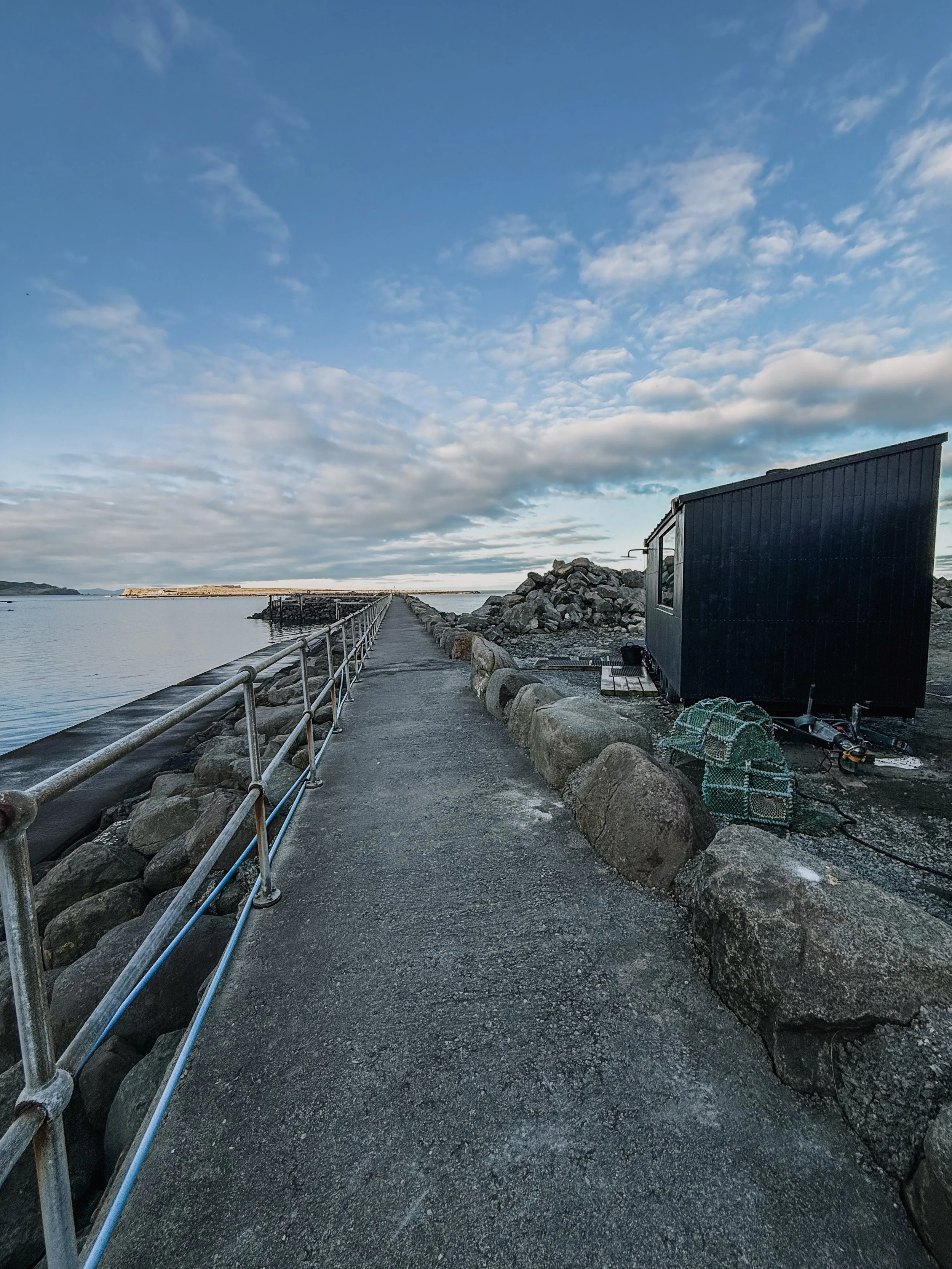
Staffin Sea Sauna, Skye
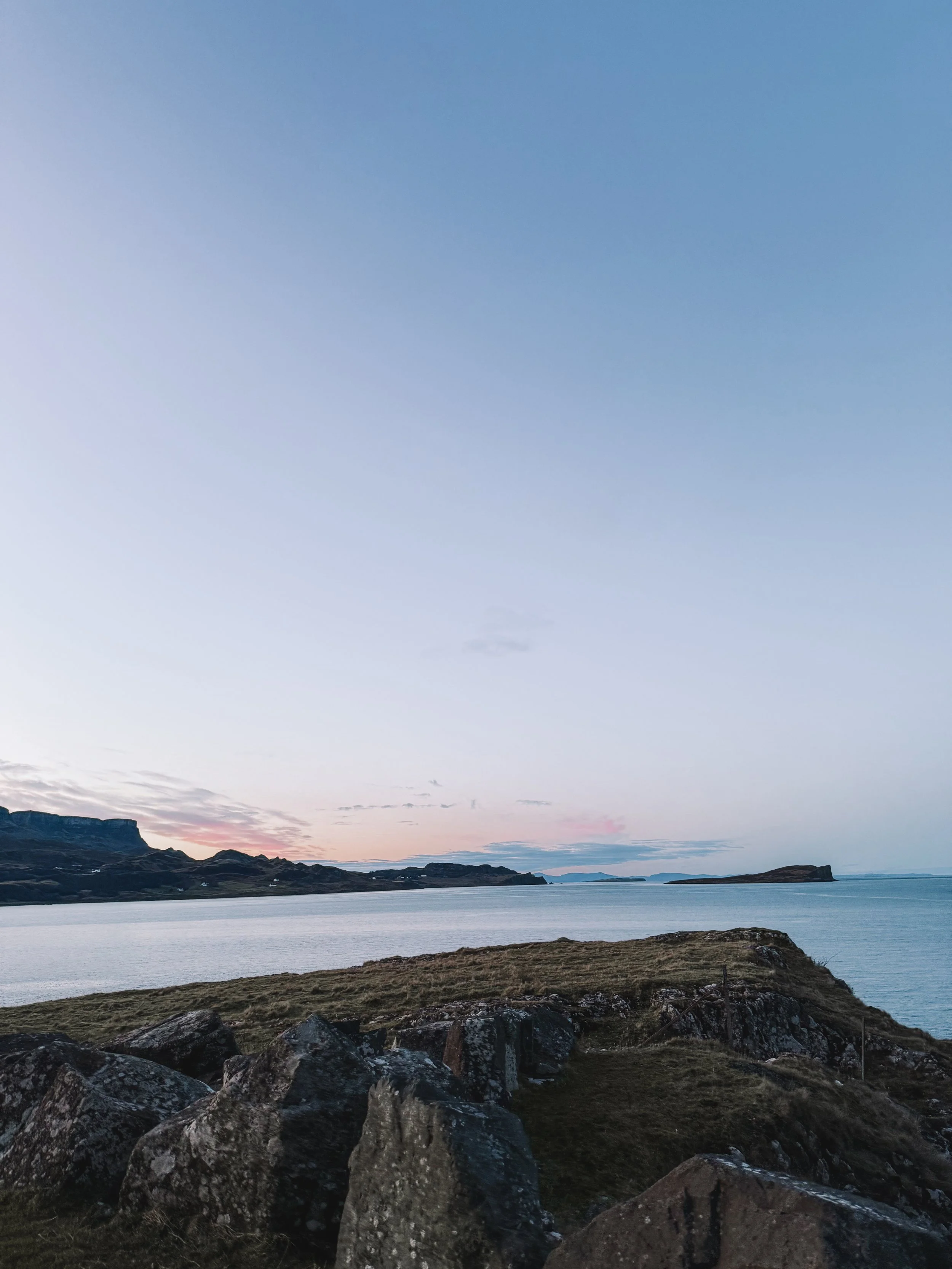
Staffin Sea Sauna, Skye
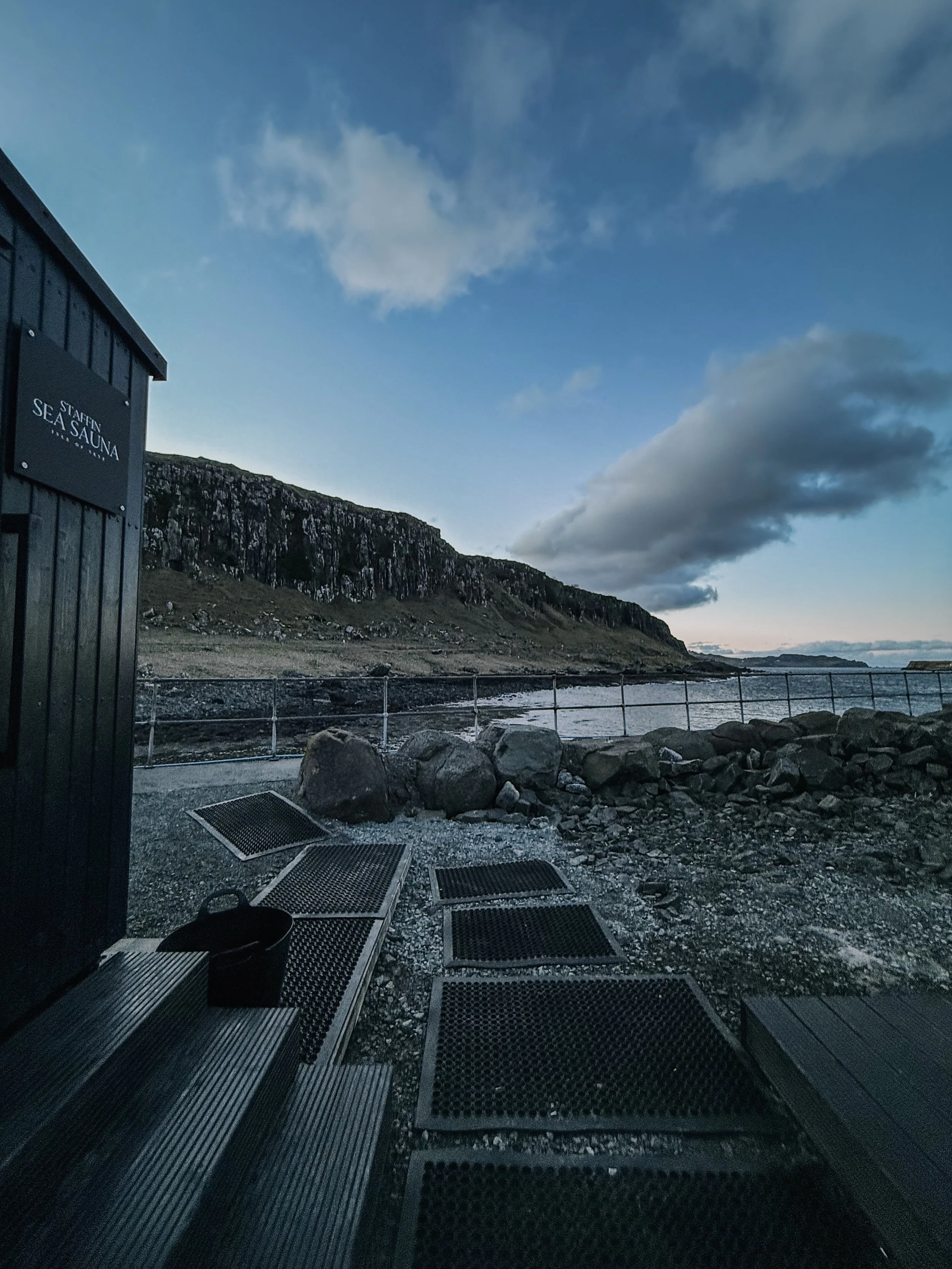
Staffin Sea Sauna, Skye
Pentland View Outdoor Sauna, Edinburgh
March brought me closer to home. A wood-fired sauna at the foot of the Pentland Hills, with Caerketton rising above and the city humming somewhere out of sight. Run by two warm and knowledgeable hosts who take real care of their guests. My experience was a beautifully session with oils, salt scrub, herbal tea and homemade cake by the fire pit afterwards - the kind of small, generous touches that turn an hour into a deep renewal. A reminder that you don't always have to travel far to find what you need, and that the most restorative places are sometimes the ones half an hour up the road.
Hot & Bothy Community Sauna, Archerfield Walled Garden
April, and a visit with my mum to Hot & Bothy is a community sauna tucked behind Archerfield Walled Garden in East Lothian - a small gathering of changing huts, a yurt sauna, the Bothy sauna, plunges and a fire pit, made from reclaimed materials and arranged to form a natural shelter for body and mind. The bothy hut has a window that frames the field beyond, allowing you to watch the wildlife drift past. The 90 minute sessions feel spacious allowing you to move between the saunas and the cold or if you'd rather, sit by the fire pit with herbal tea and orange slices.
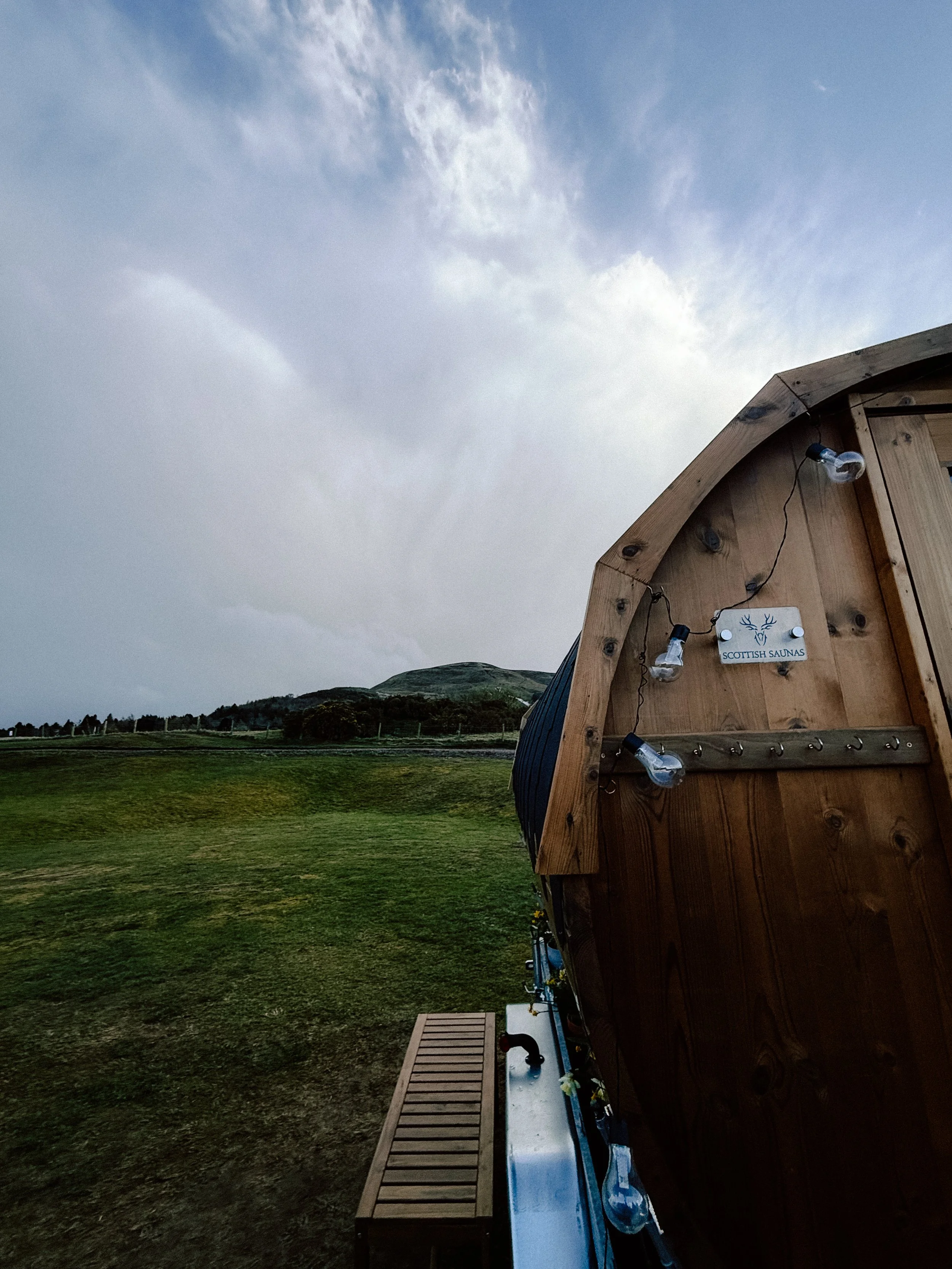
Pentland View, Edinburgh
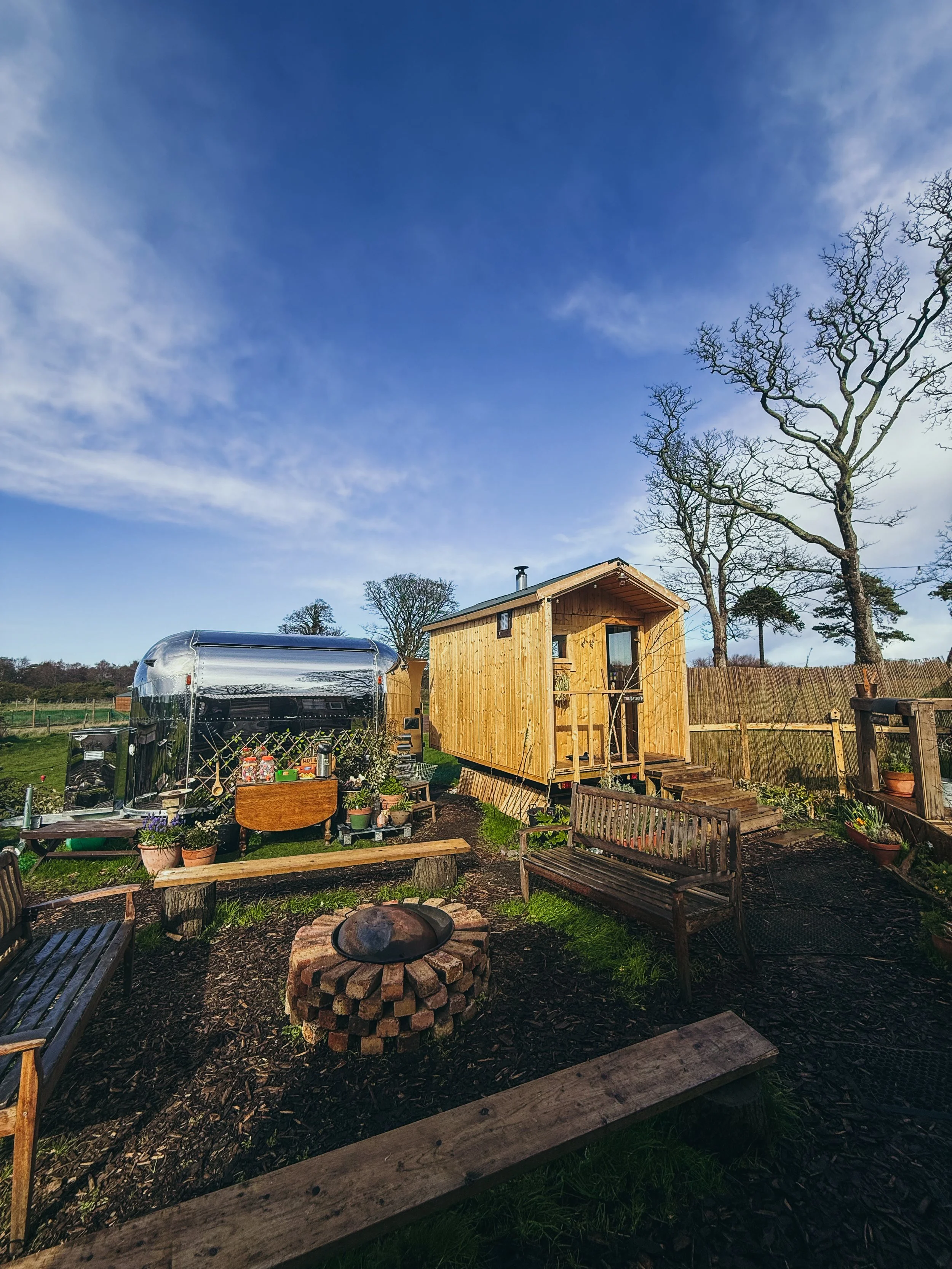
Hot & Bothy, East Lothian
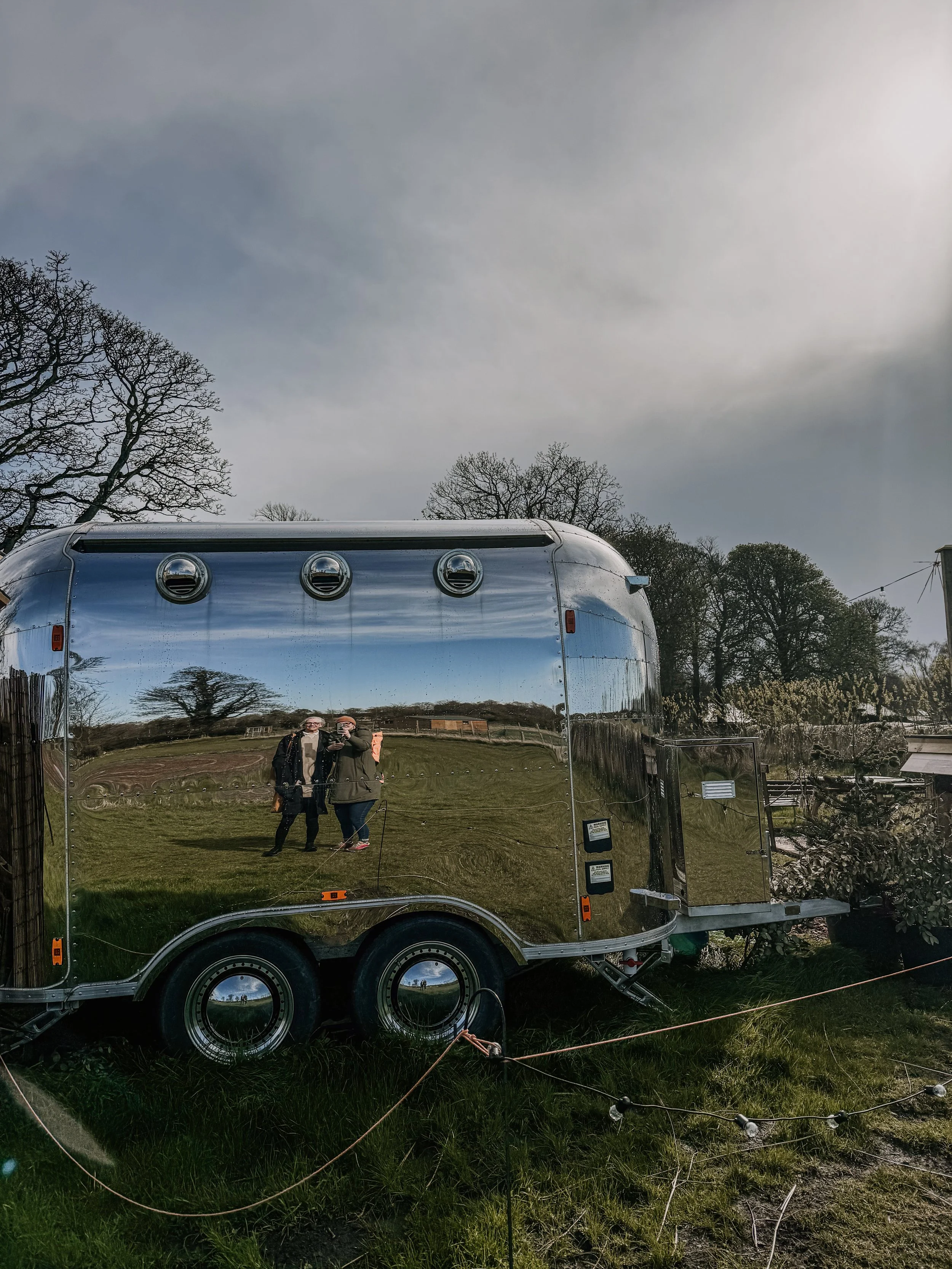
Hot & Bothy, East Lothian
Also April, and a community sauna that genuinely puts the capital C in community. A converted horsebox sauna by the Cromarty Firth, run by the Cromarty and District Development Trust. Here you sweat, take the few short steps down to the sea to dip in the lapping water, then climb back into the heat. Afterwards, coffee and cake at The Last Splash, the little café down by the water - exactly the right kind of unhurried post-sauna landing. What stays with you is the sense that this is somewhere woven into the everyday life of a small Black Isle town, supported by and supporting the people who live there.
Largo Castaway Sauna, Lower Largo
May, and onward along the Fife coast to Lower Largo. A wood-fired sauna on the edge of Largo Bay, warmly hosted with a generous attention to detail - multi-coloured changing huts, orange slices between heat cycles, home-made tablet afterwards. The picture window frames the Forth perfectly, looking back to East Lothian where on a clear day, North Berwick Law and the Bass Rock are visible across the water. The "Castaway" name nods to Lower Largo's own Alexander Selkirk, the real Robinson Crusoe, and the sauna does feel, briefly, like being marooned, in the best way.
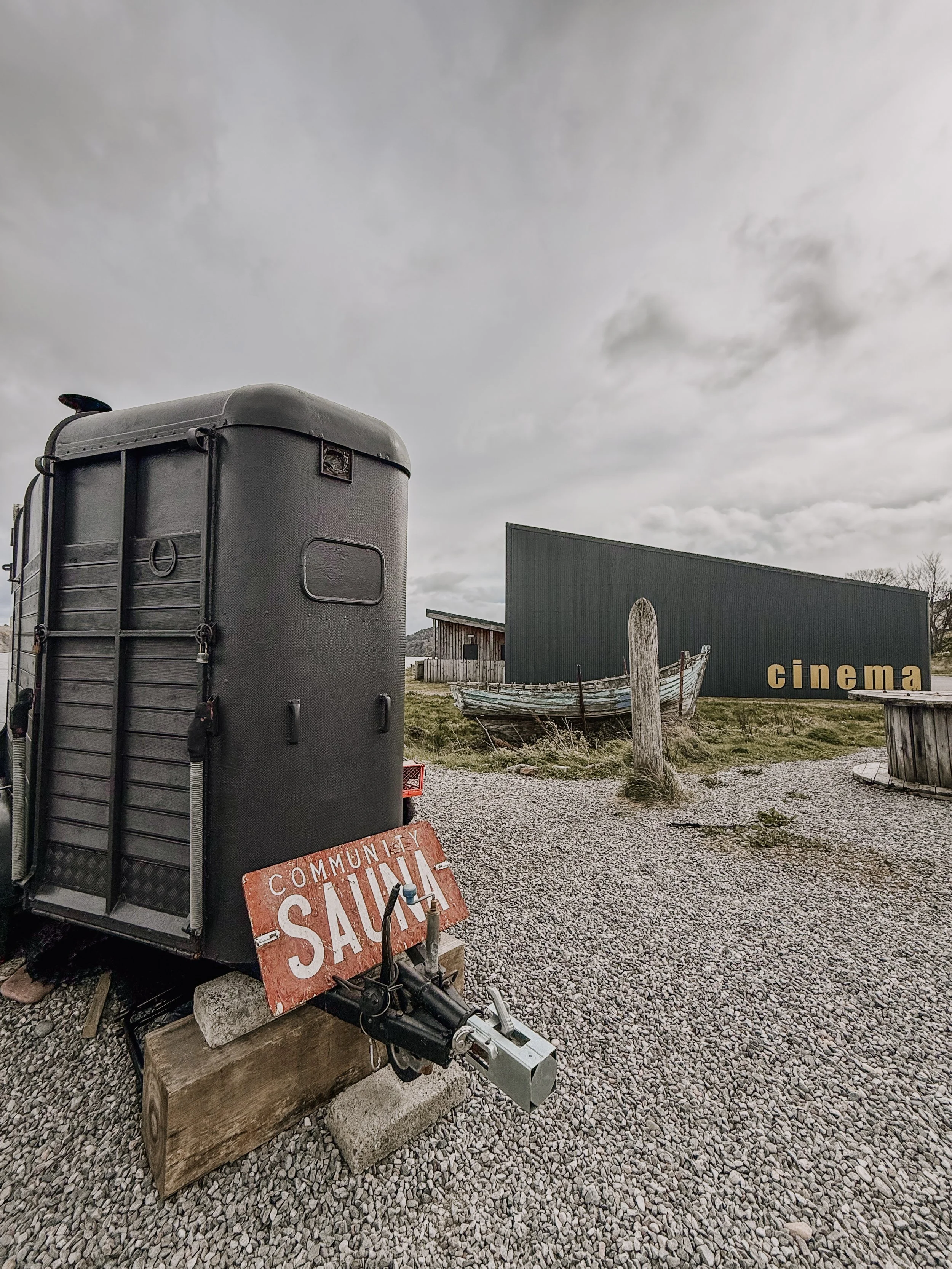
Cromarty Community Sauna
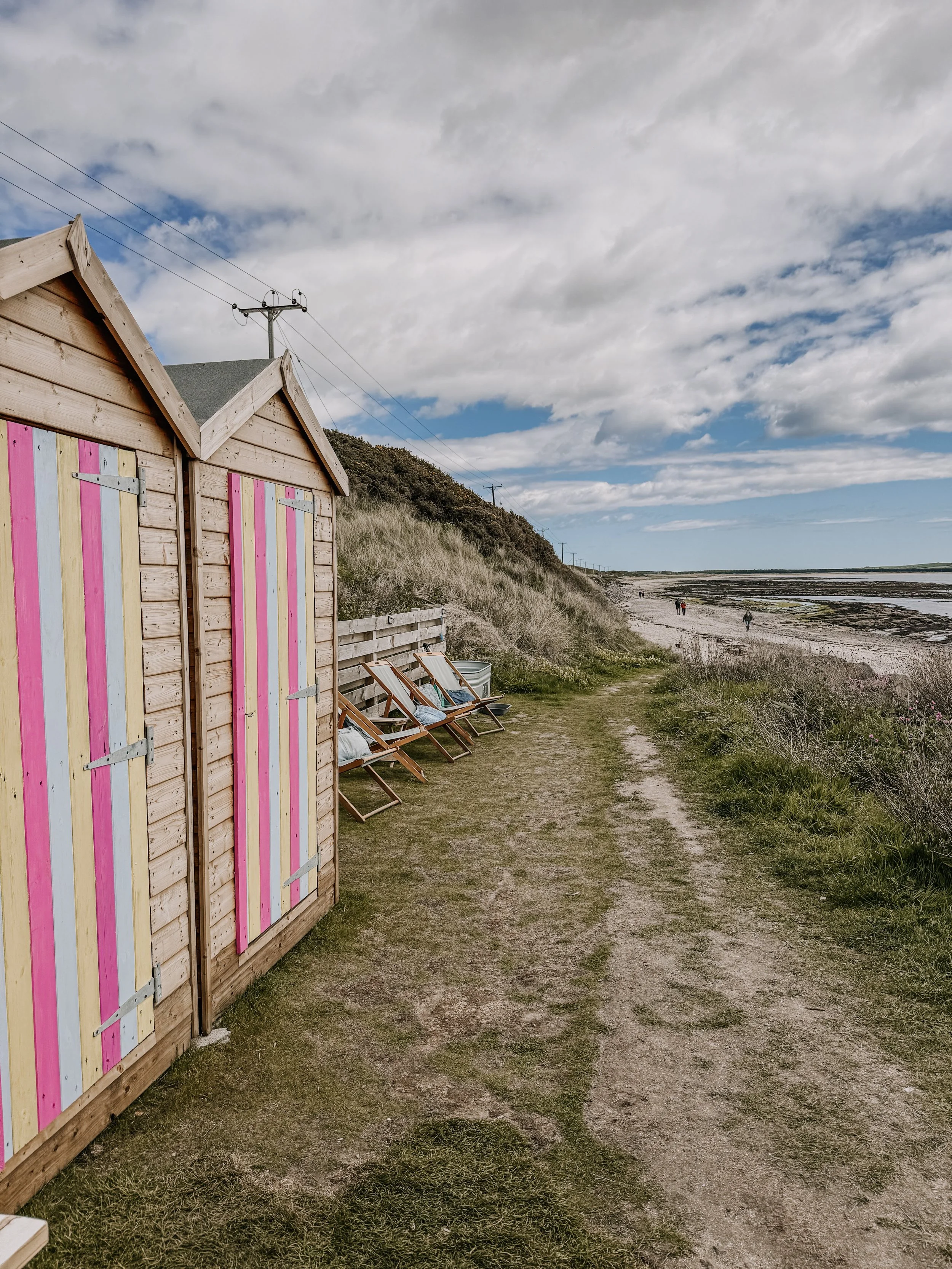
Largo Castaway Sauna, Lower Largo
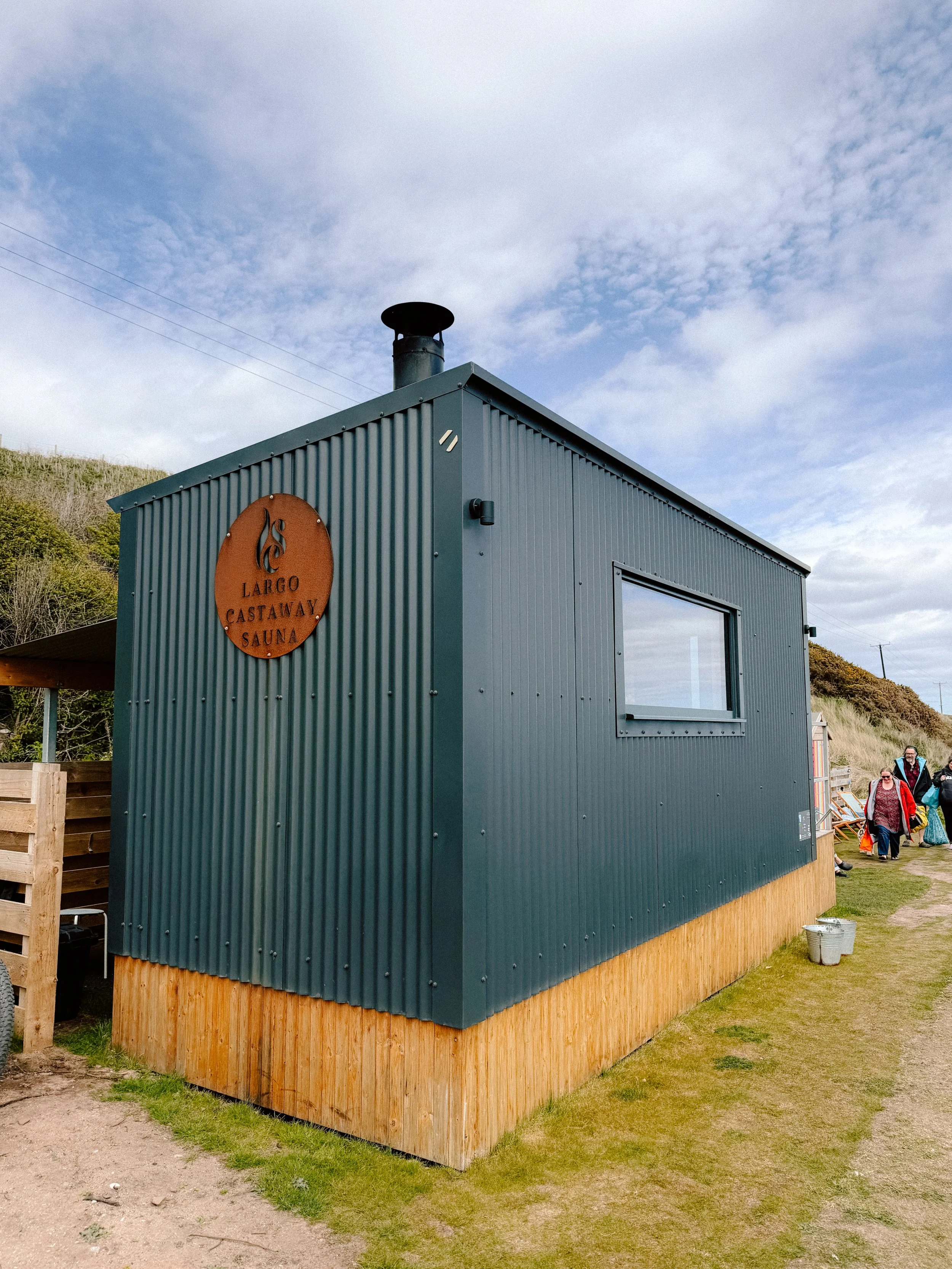
Largo Castaway Sauna, Lower Largo
Mid-May and I find myself in Aberdeen, the granite city, for work so the perfect opportunity to try one of a few saunas on the Aberdeen Esplanade. I chose Barbossauna, a horsebox sauna just along from the old fishing village of Footdee (or Fittie as it’s known locally). The day was a truly wild one, with enormous waves throwing themselves against the shore long before high tide and inside, the steam, eucalyptus and friendly chats did exactly what they needed to. Host Fabio is warm and easy to talk to and, it turns out, the same hands that built the horsebox in Cromarty. A small thread tying two of this year's stops together.
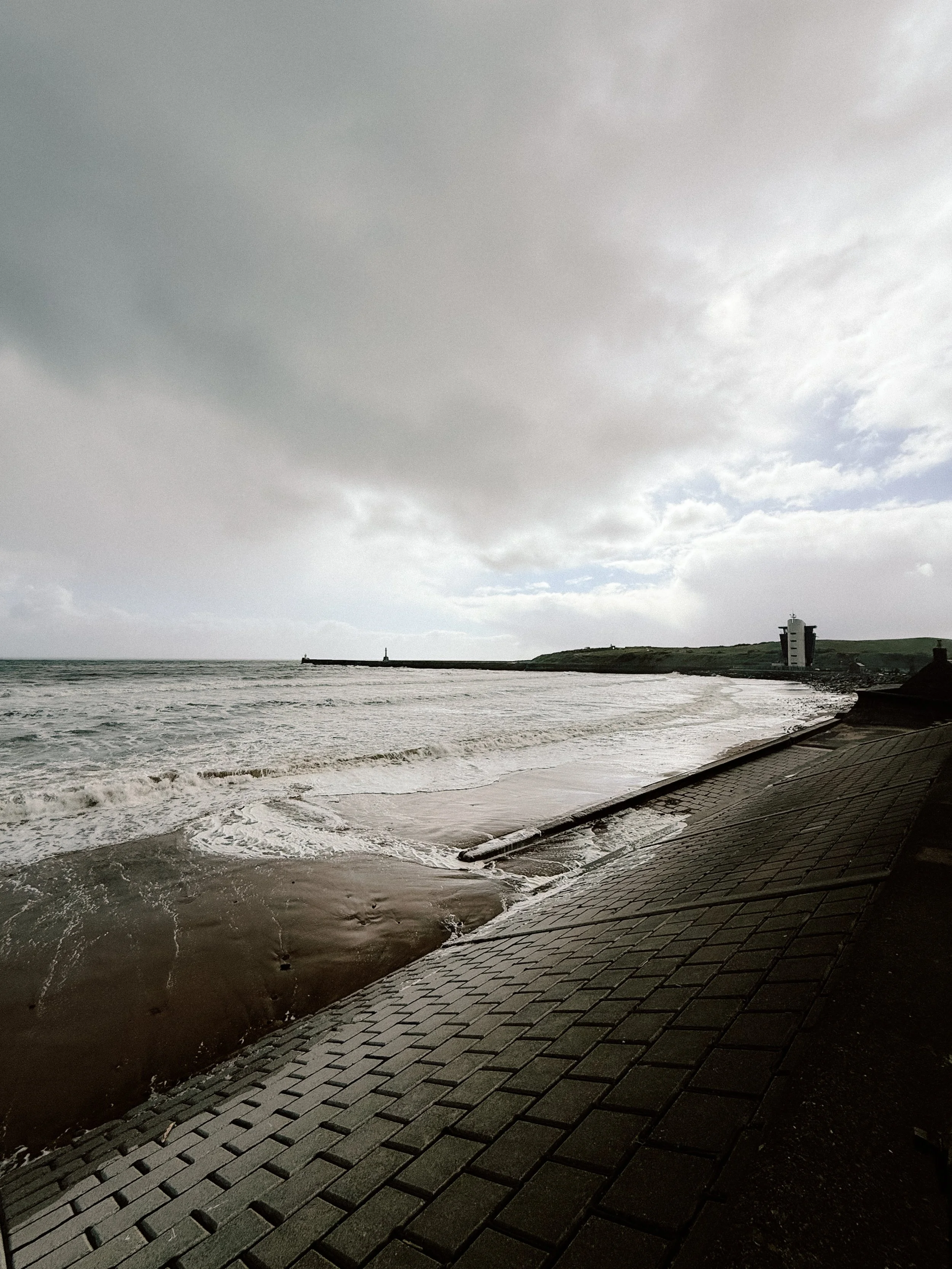
Barbossauna, Aberdeen
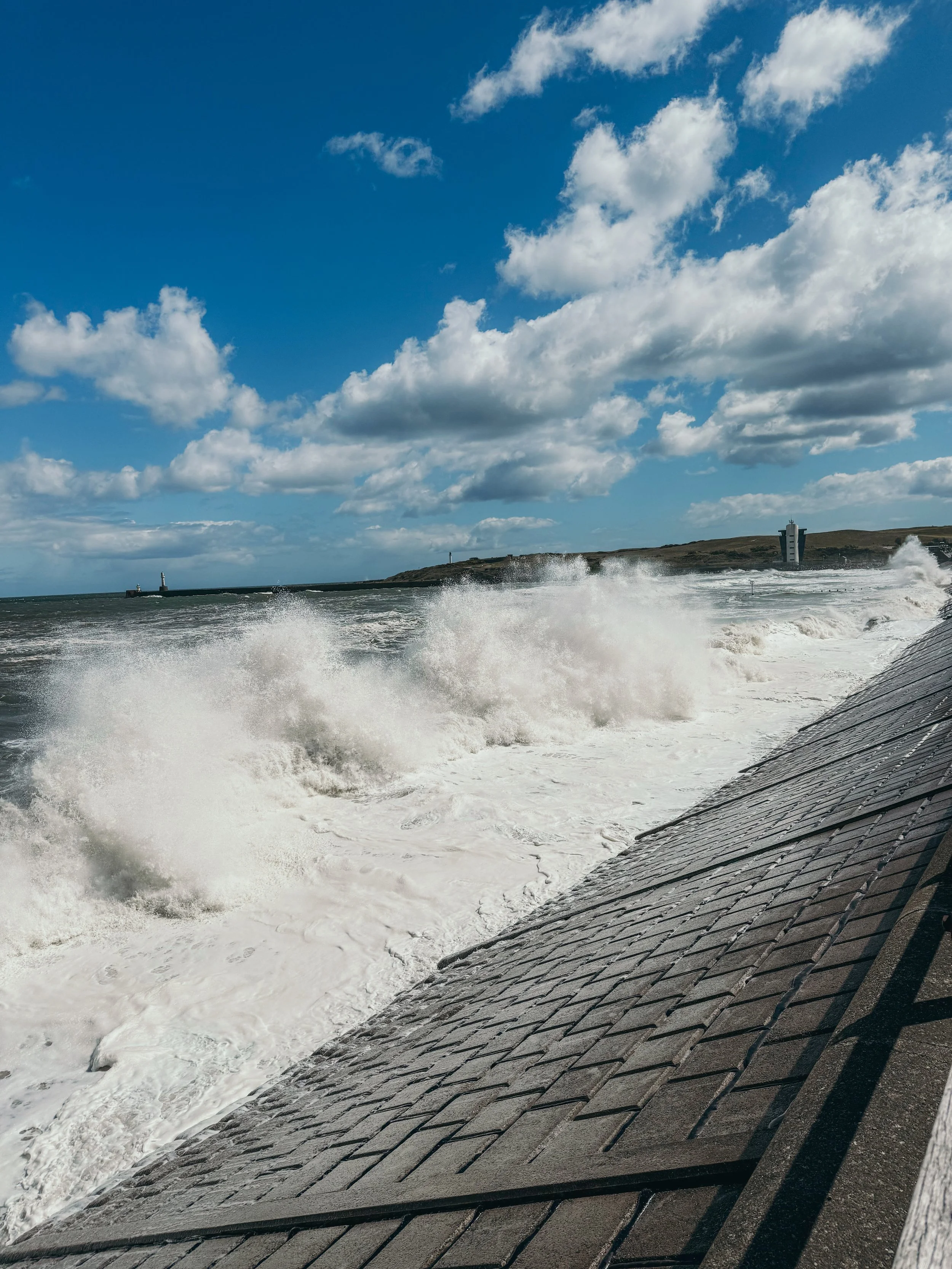
Barbossauna, Aberdeen

Barbossauna, Aberdeen
Going deeper
If you're curious to go deeper, I had a wonderful conversation with Cara Redpath on my Space to Think podcast. Cara is a nutritional therapist who also works at a sauna in Oban, she shares both the science and the soul of why sauna culture is taking root in Scotland. She talks about heat shock proteins, lower cortisol, the way the cold builds resilience as well as the things you can't quite measure: the third place, the social leveller, the medicine of having somewhere to go where there are no phones and no hierarchy, just people in warm, wood-fired glow getting to know each other. Her enthusiasm is infectious, and her clinical grounding will probably reframe how you think about going to the sauna for life.
From sea-edge to hillside to Loch, the saunas have started to feel like a way of seeing Scotland anew - a slow geography of warmth. I'm curious about where the heat will lead me next.
Written by Sarah Philp. Photos by Sarah Philp.
About Sarah Philp
Sarah is a Psychologist and Coach with almost 20 years of experience in Education. Her mission has always been to maximise the impact of Psychology; to help us understand ourselves and each other more deeply in order to be able to relate, learn and lead better together.
Sarah is also the host of the Space to Think podcast

Finding Winter Light: How Nature-Connectedness Boosts Wellbeing When Days Are Short
Spending time in nature — even short daily walks — can ease winter blues, lift mood, and support wellbeing. Here’s why nature-connectedness matters most in darker months.
Winter can feel like a long exhale — darker mornings, heavier coats, and that tug to stay inside. Yet stepping outdoors might be one of the gentlest ways to support yourself right now.
A few winters ago, I decided to make a small change: go outside every day, even if it was grey, damp, or uninspiring. Not hikes, not adventures. Just a walk — 10, maybe 30 minutes — in whatever patch of nature I could find: a park, a bridle path, a path by my kid’s school. I looked for small things — the biting crunch of frost, birds on bare branches, the way the sky changes colour even behind a cloud.
What started as an experiment turned into something else. My mood lifted. My head felt clearer. Even on days when I didn’t want to leave the house, coming back felt like I’d plugged myself into a quiet energy source.
It’s not just a feeling. Research backs this up. Studies show that time spent outdoors — especially in green or natural spaces — reduces stress, supports immune function, and improves mood.
Even brief “nature doses” (about 20–30 minutes) have measurable benefits, from lowering cortisol to easing anxiety. And in winter, when daylight is scarce and we spend more time inside, that effect matters even more.
Light matters: Outdoor daylight — even on cloudy days — is much stronger than indoor light, helping regulate mood and sleep.
Movement matters: Gentle walking outdoors supports mental health and resilience.
Nature matters: Contact with trees, water, birdsong, and sky connects us to something larger and steadies our nervous system.
So if winter sometimes feels like wading through fog, try weaving in small nature rituals:
A quick daily walk where you can see the sky.
Lunch by a window with outdoor views.
Pausing to notice tiny seasonal details — buds, frost patterns, migrating birds.
It doesn’t have to be perfect weather or a big adventure; just a moment to step outside.
Want help making small, feel-good changes that stick? Explore our wellbeing remedies including gentle ways to bring more light and balance into winter.
And if you suspect that nature might be your preferred way to reconnect with yourself and the world around you, explore our guide for life.
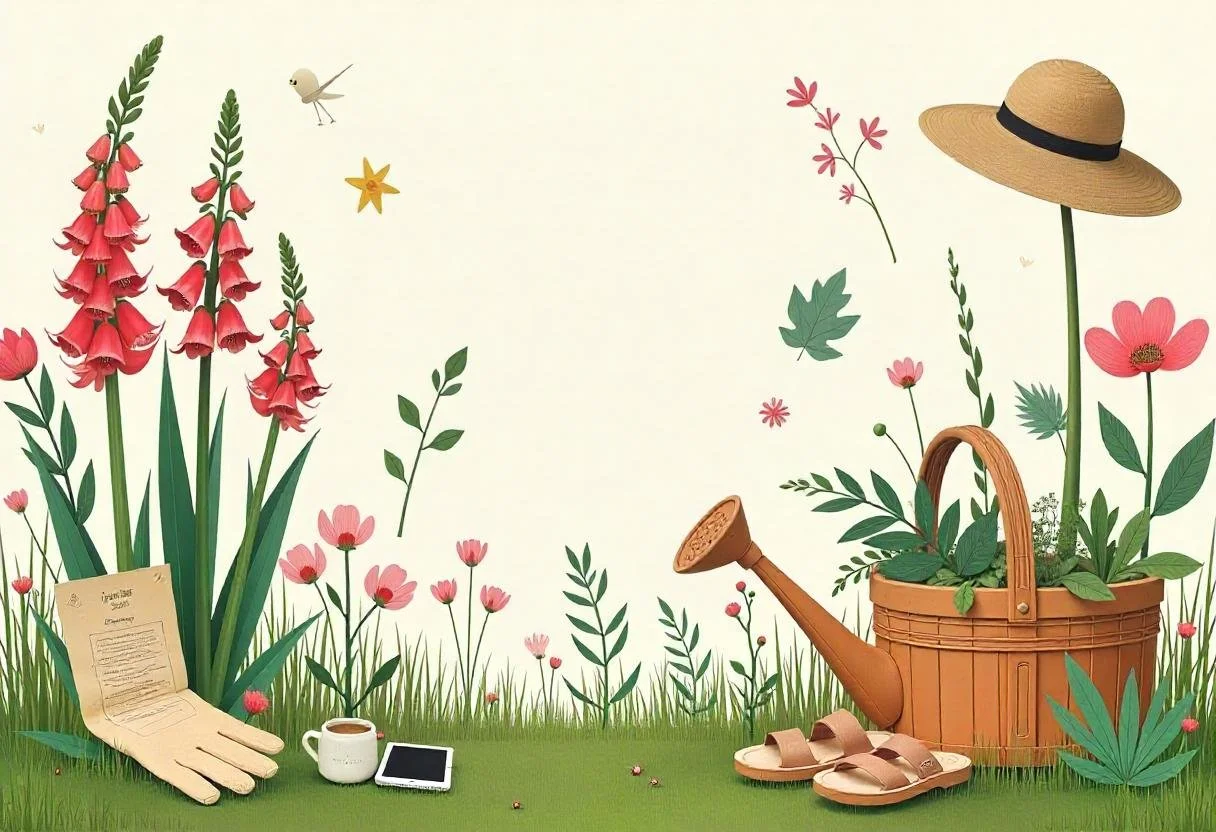
When the Garden Teaches You How to Grow
How I learned that tending a garden is like attending to my emotional wellbeing. Discover why gardening might just be the gentlest teacher of all and the life lessons it might hold for you.
We often talk about personal growth like it’s something we can hack or schedule: an efficient morning routine here, a life-affirming listicle there. But growth—real, emotional, soul-deep growth—doesn’t always work like that.
What if the better metaphor isn’t a staircase going ever upwards… but a garden?
Because while we search for clarity, balance, or simply a day that feels like “enough,” we forget that the slow, subtle tending we do matters too. And nowhere has that been more apparent to me than in my garden.
When I first began gardening, I thought I was there to grow flowers. I didn’t realise I’d be unearthing something else entirely.
The spinach bolting too soon mirrored parts of myself I’d neglected. The alliums blooming after months of dark reminded me that beauty often requires quiet persistence. And the mess? That was its own kind of magic.
My garden began teaching me the lessons more often held in books on self-improvement
That manifesting without doing is like planting without watering.
That completion is hard—not because we can’t finish things, but because we forget to savour when we do.
That wildness isn’t chaos—it’s aliveness.
That rhythms matter, and sometimes staying still is part of tending too.
Most surprisingly, I learned that I didn’t have to get everything right. Not in the garden. And not in myself.
Sue Stuart-Smith wrote, “The mind needs to be gardened too.” And once I read it, I couldn’t stop thinking about how true that is.
Gardening asks us to:
Observe without rushing.
Accept mistakes without shame.
Work with the seasons, not against them.
Let go of perfect outcomes.
And return, again and again, to the same patch of ground.
In other words—it’s the same practice that wellbeing demands of us.
You don’t need to own a garden to live this way. But you do need to notice what’s already growing.
If the garden has taught me anything, it’s this:
There will always be weeds. You are not failing because things still need clearing.
Rest counts. Sitting in your garden is still tending to it.
Growth doesn’t announce itself. Often it’s quiet, a cucumber hidden behind a leaf, a shift in mindset you barely notice.
You don’t need to be the expert. Just the one who shows up.
This is the version of wellbeing I believe in: imperfect, seasonal, and rooted in presence rather than performance.
So tell me—what’s growing for you right now?
What do you notice when you look at your days not as tasks to complete but as something to tend?
Let’s start a new kind of growth together: slower, kinder, and more alive.
If this resonated with you, sign up for the newsletter for our take on personal growth (hint: we never call it personal growth outside of a gardening metaphor). Or explore our wellbeing courses where we start, not with goals, but with grounding.
We can cultivate a different kind of wellbeing together: one that feels messy, but real, and offers its own kind of beauty..
Image: made with Freepik
Reconnect with Nature: Simple Ways to Boost Mental Wellbeing
When was the last time you felt truly connected—to yourself, to the world around you? It turns out, the quickest path to reconnection may be as close as the tree outside your window.
In a world that moves fast, it’s easy to feel out of sync—with ourselves, our surroundings, even our emotions. But there’s a simple, powerful way to start reconnecting today, and it doesn’t require special gear, a trip to a national park, or hours of free time. It starts with nature—right outside your door.
How I Reconnected Without Leaving My Neighborhood
When I first realized how disconnected I felt, I thought the solution needed to be a grand adventure—maybe camping in the wild or a mountain hike. But with work, family, and life all pulling at me, those ideas felt impossible.
Instead, I started small. I began noticing the little things: the tree I passed every morning on my walk, the way the sunset painted the sky as I washed the dishes, the flowers peeking through cracks in the sidewalk. These weren’t dramatic moments, but they were enough to start feeling a little more connected—not just to nature, but to myself.
It turns out, nature doesn’t have to be a grand expedition. It can be as simple as sitting on a park bench, feeling the wind on your face, or watching birds from your window. And the benefits are real and measurable.
Studies show that just a few minutes of exposure to nature can reduce stress, improve mood, and increase feelings of wellbeing. You don’t need to be an “outdoorsy” person to access these benefits—you just need to start noticing.
Nature is Closer Than You Think: Tuning Into Your Surroundings
So, how can you start reconnecting? Begin by expanding what nature means to you. It’s not just national parks or forests; it’s your local park, your backyard, that tree outside your office, or even the view from your window.
Nature is everywhere, waiting to be part of your everyday life. And when you let it in, you’ll find yourself grounding more deeply in the present, feeling more balanced, and yes—more connected.
Instead of feeling overwhelmed and scattered, you could find peace in a simple morning walk, or clarity by taking a moment to watch the clouds drift by. These are small steps, but they make a big difference.
Reconnect and Revive: Bringing Nature into Your Daily Life
What if feeling connected didn’t require major life changes or extra hours in the day? What if it’s simply about learning how to see what’s already around you? By bringing nature into your everyday routine, you can start feeling more in tune with yourself, your surroundings, and your emotions—without the pressure of doing it “right” or “big.”
If this resonates, consider joining our upcoming workshop, Seasonal Shifts: Enhancing Your Wellbeing Inspired by Nature. In this 90-minute session, you’ll explore how the rhythms of nature can support your mental and emotional wellbeing—no hiking boots required. We’ll dive into simple, science-backed strategies that help you reconnect with the natural world, even in small, everyday ways.
Let’s rediscover the connection you’ve been missing. Book your spot in the workshop and start your journey toward feeling more grounded, balanced, and whole.

Feeling Overwhelmed? Discover the Transformative Power of Nature
Embrace nature's healing power and find clarity amidst the chaos.
Are you overwhelmed by the demands of modern life? We often turn to productivity hacks and scheduling apps to help us manage everything better. But we can also turn to something else, the transformative power of nature to bring calm and clarity to our minds and souls.
The overwhelm of modern life: Navigating stress and finding balance
Life can be overwhelming, with constant stressors and the ever-present demands of work, family, and social obligations. Feeling lost and out of balance can start to feel like a daily struggle. The days can often feel like a whirlwind of activities and tasks, leaving little time for relaxation and self-care. This constant state of busyness can lead to exhaustion and a deep sense of disconnection. The pressures of modern living can take a significant toll on our mental health too, leading to anxiety and depression.
The good news is that nature offers a powerful antidote to the chaos of modern life. Spending time in nature has been shown to reduce stress, improve mood, and enhance overall well-being. It's a simple yet effective way to find calm and reconnect with yourself.
Embracing nature: Daily practices for calm and clarity
Here are some ways to incorporate the healing power of nature into your life:
1. Take Daily Walks:
Incorporate a daily walk into your routine, whether it's a stroll through a local park or a hike in the woods. Walking in nature helps clear your mind and reduces stress.
2. Create a Nature Corner:
If you can't get outside, bring nature indoors. Create a small nature corner in your home with plants, natural light, and soothing elements like water fountains or nature sounds.
3. Plan Nature Getaways:
Make time for regular getaways to natural settings. Whether it's a weekend camping trip or a visit to the beach, these breaks can rejuvenate your mind and body.
4. Practice Mindful Observation:
Spend time mindfully observing the natural world around you. Notice the colors, shapes, and sounds of nature, and let yourself be fully present in the moment.
5. Engage in Outdoor Activities:
Explore outdoor activities that bring you joy, such as gardening, birdwatching, or star gazing. These activities can deepen your connection to nature and provide a sense of peace.
Finding calm in chaos: Nature's path to mental clarity
By embracing nature, you can find a sense of calm and clarity that helps you navigate the challenges of everyday life. The beauty and tranquility of the natural world offer a powerful way to reconnect with yourself and find balance.
Next time you’re feeling overwhelmed, get into nature. It might help you find clarity and feel lighter.
Find your way through overwhelm with nature’s help
Ready to reduce stress and enhance your emotional wellness? Discover the positive impacts of nature with our course, 'Find Your Way.'
Learn practical strategies to connect with nature and improve your mental health. Enroll now and start your journey towards a more balanced and fulfilled life!

Simple ways nature can boost your mental health and well-being
Explore how connecting with nature can reduce stress and enhance your emotional wellness.
Feeling overwhelmed by the constant demands of daily life? You're not alone. We can now struggle to find moments of peace and clarity.
But what if the key to enhancing your well-being and regaining your sense of self was as simple as stepping outside and connecting with nature?
The power of micro gestures for how we connect with nature
Imagine starting your day with the sound of birds singing softly outside your window. Instead of rushing through your morning routine, you take a moment to listen, to really listen. These micro gestures can create profound connections with the natural world.
You don’t need to hike up mountains or venture into dense forests. Sometimes, all it takes is a few minutes of stillness and observation to feel the calming presence of nature.
These small acts of mindfulness can help you build a stronger relationship with nature in your everyday life.
Understanding our relationship with nature and its benefits
Our relationship with nature is complex and multifaceted. We often experience fear, longing, curiosity, and even avoidance, yet we have an inherent need to connect with the natural world. Recognizing and nurturing this relationship is crucial for our well-being.
Nature engagement is not one-size-fits-all though; it varies depending on our physical abilities, location, and interests. This personalized approach to connecting with nature ensures that everyone can find a way to experience its benefits.
Simple steps to integrate nature into your daily life
1. Start with Small Steps
Begin by incorporating micro gestures into your daily routine. Watch the sunrise, notice the clouds, or simply enjoy the fresh air. These small actions can have a big impact on your mood and well-being.
2. Embrace Accessibility
Nature is for everyone. Whether you live in a bustling city or a rural area, there are countless ways to experience nature. Find what works best for you, be it a walk in the park, tending to a small garden, or even just sitting by a window with a view of the outdoors.
3. Make Nature a Priority
Elevate your relationship with nature on your list of priorities. Make time to value and cherish your interactions with the natural world. Schedule regular nature breaks, plan weekend outings, or simply set aside moments each day to appreciate the beauty around you.
4. Find Beauty Everywhere
Look for glimpses of nature in your everyday life. Whether it's a flower growing in a sidewalk crack or the changing colors of the sky, these small moments of beauty can foster a deeper appreciation and connection to the environment.
5. Engage with Nature Indoors
If you can't go outside, bring nature to you. Listen to nature podcasts, watch documentaries, or enjoy nature-inspired artwork. There are many ways to experience the benefits of nature without leaving your home.
Embrace nature’s healing power for enhanced well-being
Connecting with nature is a powerful way to enhance your well-being. By incorporating micro gestures, embracing accessibility, making nature a priority, finding beauty everywhere, and engaging with nature indoors, you can profoundly enrich your life.
Nature has the power to reduce stress, improve mood, and boost overall health. So, step outside, take a deep breath, and let the natural world nurture and heal you.
Ready to reduce stress and enhance your emotional wellness? Discover the positive impacts of nature with our course, 'Find Your Way.'
Learn practical strategies to connect with nature and improve your mental health. Enroll now and start your journey towards a more balanced and fulfilled life!

How nature can help us feel better in our everyday lives
How can we broaden out what nature can be for us: the micro gestures that have us listening for bird songs to the bigger-ask ones that have us hiking up mountains? Discover more of nature’s wellbeing benefits.
You do not need to be ‘outdoorsy’ to access nature’s benefits for our mental health and emotional well-being.
We know that we needed to hear that. It can often feel like the entry point to the natural world can be so high, and involve trips to REI, extensive bush-crafting knowledge and an orienteering certificate.
We’re definitely not saying hike in flip-flops or wander into the wilderness without knowing what you’re really taking on. But we are saying there are many, many ways to find yourself in the natural world and to do so in some really simple ways.
We love National Parks, but we also love that field we walk through after dropping our kids off, and that lake we can wander around with a close friend while having a chat on a Sunday morning. We get so much from looking out the window and catching sunsets, or planting something in our garden and willing it to grow (this one is very mixed for us). We feel happy around trees (though slightly less happy in the middle of a forest), and take us to any beach at any time and our hearts will sing. There’s a way into nature for all of us.
Here are just some of the ways to explore where your curiosity might take you as you find ways to wander through the natural world (with not a blistered hiking boot in sight).
To read:
How to overcome eco-anxiety
The Norwegian love of friluftsliv and why being in the fresh air can help us all feel good
A secret sanctuary created with hope in Los Angeles
How a search for female gardeners combatted this writer’s loneliness
How bad air quality is connected to depression later in life
Inspiring books for going outside
A land art masterpiece in the Nevada desert
How to assess the benefits of nature and walking in nature
To do:
Become a community scientist and discover the animals in your neighborhood
Discover The Gardening Mind on Substack
Join 72 Seasons
Plant organic seeds
To watch:
To discover:


How can we broaden out what nature can be for us: the micro gestures that have us listening for bird songs to the bigger-ask ones that have us hiking up mountains?
How do you see nature as something that affects your emotional well-being and mental health?
Let us know how you navigate this aspect of your everyday life.

How nature can benefit our emotional well-being
We’re learning more about nature’s positive impacts on our emotional well-being and mental health. But how do you access its benefits in your everyday life? We have some ideas for you.
Let’s think about nature for a moment. What comes to mind for you?
We’re learning more about nature’s positive impacts on our emotional well-being and mental health. But how do you access its benefits in your everyday life?
We’ve rounded up some things to read, do, watch and experience so that you can both learn about nature and live in alignment with it.
Read through articles about what happens to our bodies and brains when we walk in nature, try a ‘Going Outside Challenge’, watch an unexpectedly funny talk on foraging, or get to dinner on a beach with a hundred strangers. You’ll learn some of the ways nature can positively impact your emotional well-being and mental health.
Just explore where your curiosity takes you as you find ways to wander through the natural world.
To read:
Just two hours of nature a week offers benefits to our health and well-being
The unique benefits of walking in nature
Are you guilty of ‘plant blindness’? What plants are saying about us
How activism can help with climate anxiety
How buying that fleece could save our National Parks
A stunning new green lung in Hong Kong
What we’re learning from leafing through seed catalogues
Water… as a blueprint for health and well-being
To do:
Although we’re now in March, there’s value in starting this at any time: The Go Outside Challenge
How can you begin to notice the nature that is around you
We made it. Look for signs of spring
Try therapy outdoors
Discover a wild sauna
Develop carbon literacy
To watch:
To discover:




Bronx River Foodway (New York, US)

Oko Farms (New York, US)

Flora Grubb Gardens (San Francisco Bay Area, US)

How can we broaden out what nature can be for us: the micro gestures that have us listening for bird songs to the bigger-ask ones that have us hiking up mountains?
How do you see nature as something that affects your emotional well-being and mental health?
Let us know how you navigate this aspect of your everyday life.