
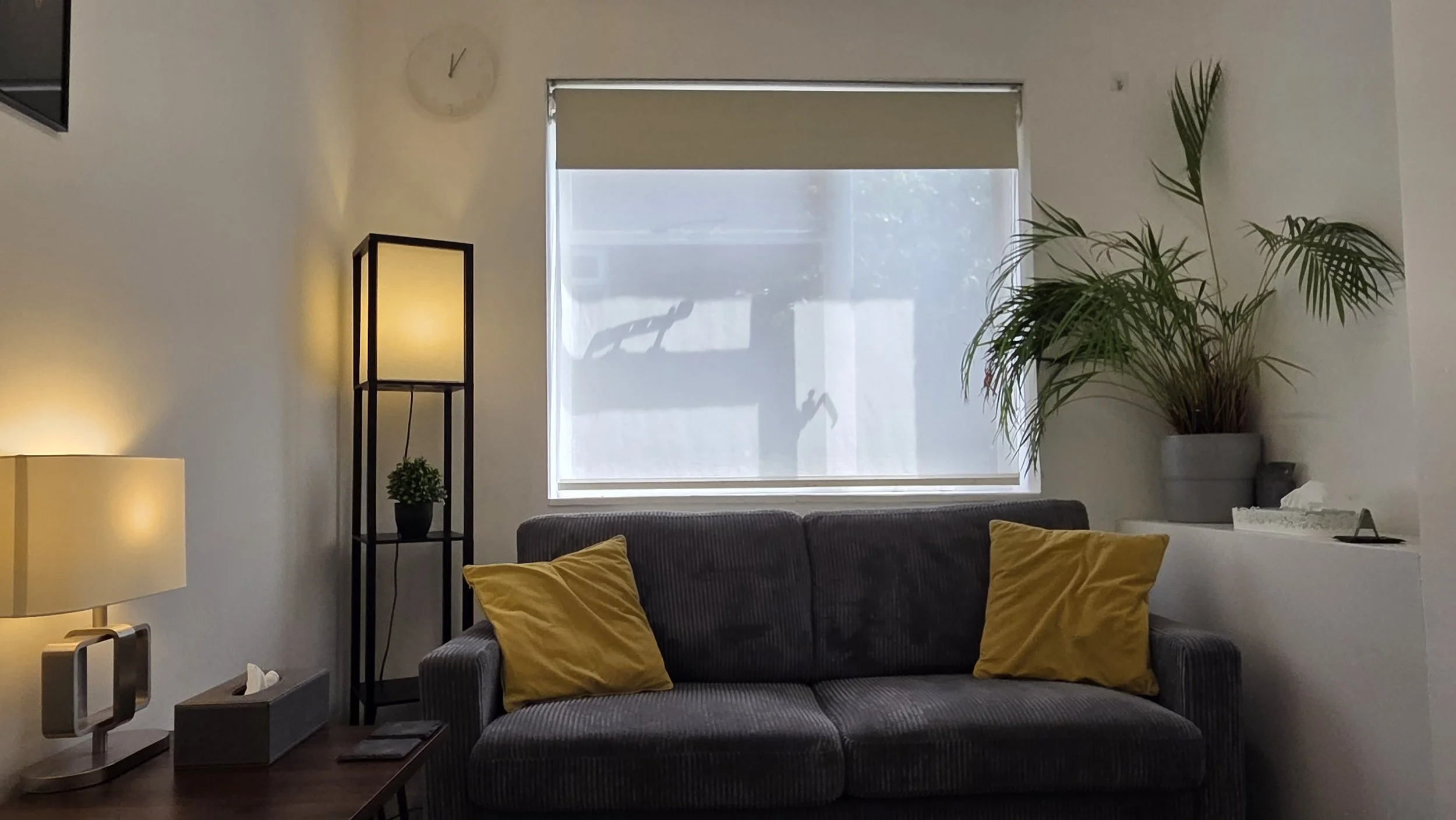
Space To Be You
Discover Space to Be You, a welcoming therapy practice in Hackney, East London, offering counselling and psychotherapy for individuals, couples, families and children.
Perfect For
Finding someone to talk to when life feels difficult, overwhelming or simply not quite right. Space to Be You offers therapy and counselling for individuals, couples, families, and children, whether you’re navigating anxiety, relationship difficulties, grief, uncertainty, family dynamics or a period of change.
Why You’ll Love It
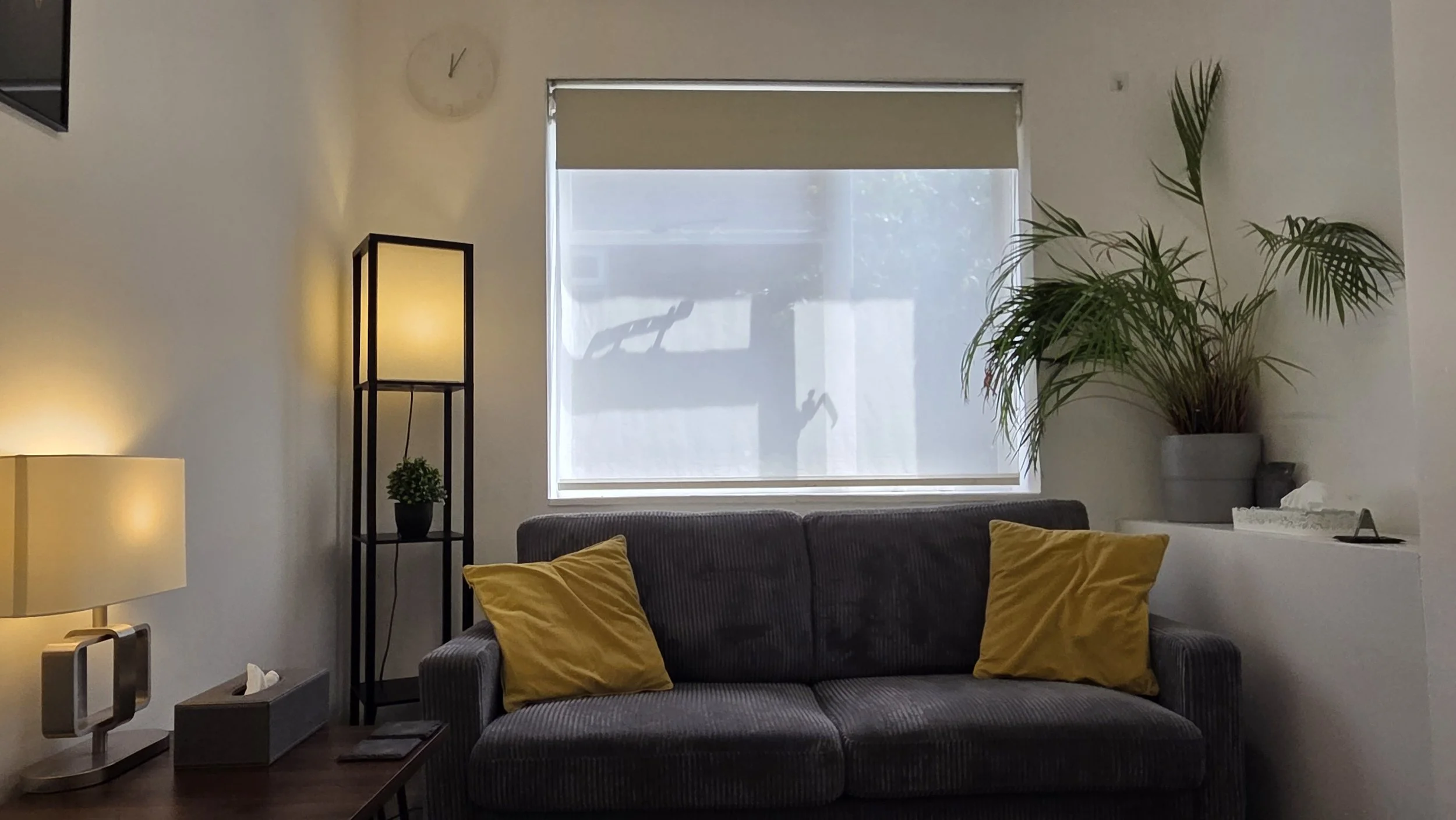
Space to Be You is a welcoming modern therapy practice based in Hackney E8, East London. Rather than offering one particular kind of therapy, its team works across a range of approaches, including CBT, psychotherapy, person-centred and psychodynamic therapy, as well as more specialist support.
That choice matters when you’re not entirely sure what you need. You might arrive knowing exactly what you want help with, or simply with the feeling that something isn’t working anymore. The aim is to help you find the therapist and approach that feels right for you.
What Makes It Special
Space to Be You is London’s largest private therapy practice, with 20 thoughtfully designed therapy rooms across two floors in Hackney, creating a dedicated space in the city for people to talk, reflect and be supported.
There’s flexibility too. Alongside face-to-face sessions, the practice offers online psychotherapy and counselling, making it easier to find support that fits around your life, wherever you are.
The If Lost Take
Sometimes the hardest part of therapy is knowing where to begin. Do I really need help? Is what I’m going through “enough”? What kind of therapist do I need? And what if I don’t yet have the words for what’s going on?
We like Space to Be You because you don’t need to arrive with those answers. You can begin exactly where you are: anxious, disconnected, uncertain, overwhelmed, struggling in a relationship or simply aware that you don’t feel quite like yourself. With a large and varied team of therapists and different approaches available, there’s space to find the kind of support that works for you rather than trying to make yourself fit a particular model.
And perhaps the name says something important too. Therapy doesn’t always have to be about becoming a different or “better” version of yourself. Sometimes it can simply be a space where you don’t have to perform, cope, look after everyone else or pretend that everything is fine. A space to be you feels like a pretty good place to start.
Founder’s Story | Creating More Space for Therapy
Space to Be You grew from a belief that finding good therapy should feel more accessible, human and personal. Its Hackney home brings together a diverse community of therapists under one roof, with different areas of expertise, therapeutic approaches and ways of working.
That breadth means the practice can support people through many different stages and experiences of life, while still recognising that therapy is deeply individual. The right support isn’t necessarily the same for everyone; what matters is finding the person and approach that feel right for you.
Founder’s Go-To Wellbeing Advice
"You do not have to be perfect to be worthy of peace, rest, and kindness. Just being here is enough."
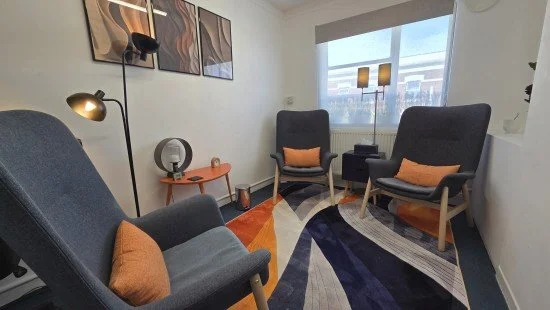
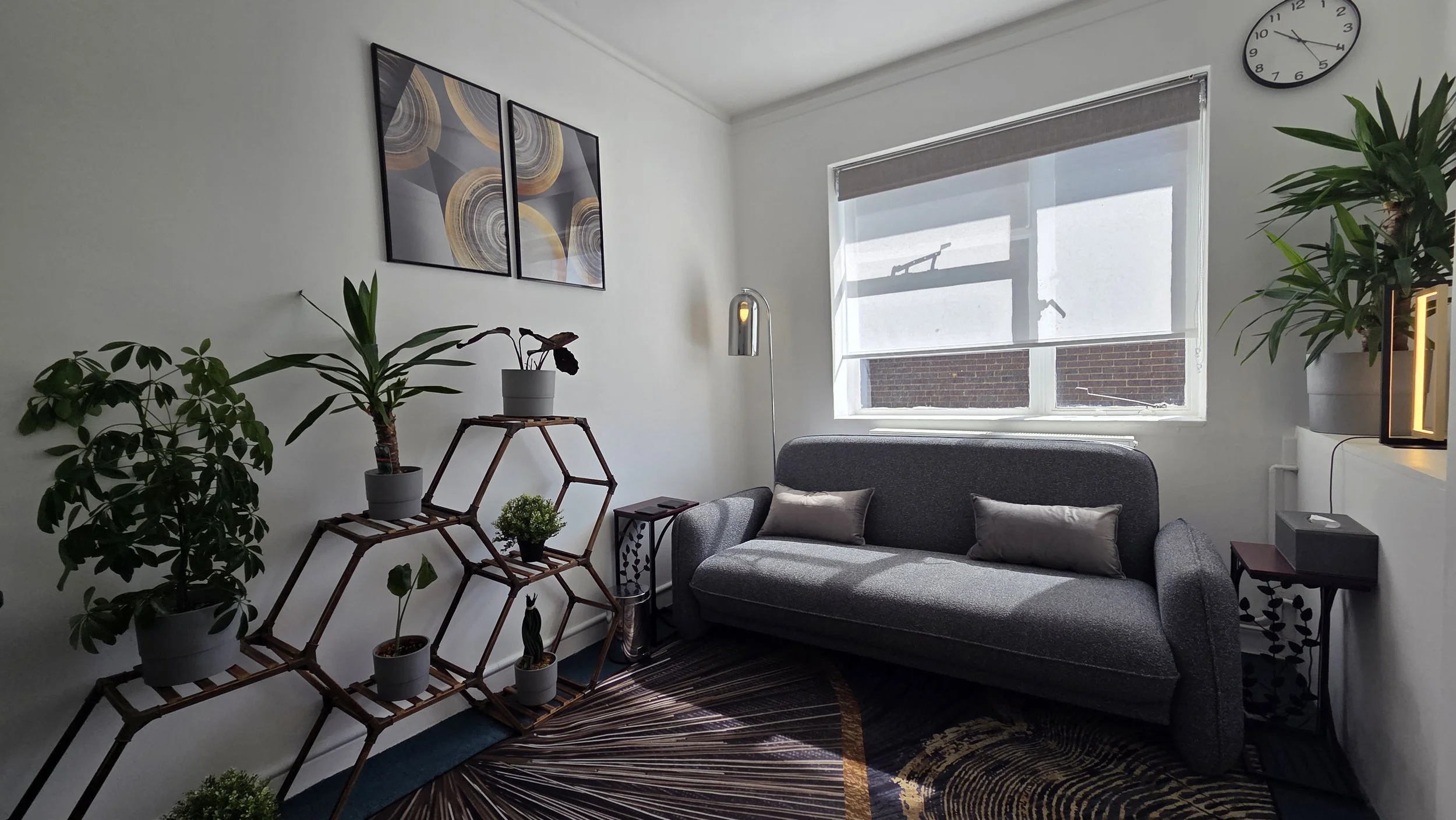
1st Floor, Mare Street Wing, St Joseph’s Hospice, Mare Street, London, E8 4SA, United Kingdom
Email: contact@spacetobeyou.com

Sometimes you just need to start (In memory of Carol)
On the many reasons why not If Lost Start Here, and the many (actually one) reason why, by co-founder Claire Fitzsimmons.
There are many reasons for not doing this project, for not starting If Lost Start Here. Want to hear a selection of them?
We are not ‘Experts’.
It makes us want to vomit.
Do projects like this pay?
Husband is doubtful.
Time to get a ‘proper’ job.
Don’t only perfectly-formed people start projects like this?
Someone, maybe many people, will laugh at us.
We are terrified of putting our ideas out there.
When? Like seriously when? And how? Maybe these are the same thing.
But there are many reasons why to work on If Lost Start Here:
We believe in it.
It wakes us up at 2am and gets us to the coffee shop to work on it by 5am.
More about mental wellbeing = matters hugely
It feels so good and right and necessary.
Good things might come of it, for us and others.
It might make people look differently at something, value their own thoughts, to notice who and what’s around them.
So many things in our lives led us to exactly this place.
We’d be moving forwards on one of our major life ambitions: mental health advocacy
Vomit can be cleaned and we’ll be ok even if we blush a little.
We get to decide what we do and where we put our attention, even if we have limited resources.
Not to, would be one of life’s big regrets
We love doing this together.
AND
This is the big one: because of my mum (this is a photo of her from sometime in the 70s—I love how she looks here). For many of us, it always comes back to our mums, doesn’t it?
There was a very clear ‘Before’ for me: I used to be a curator, in a former art world life, creating exhibitions in museums and galleries that I could have only dreamt of, like Tate Modern, the Serpentine and the ICA in London. It was an incredibly exciting career for a northern girl: I wore a lot of black.
Then something happened that forced me to reassess everything. My mum, who had been my best friend and constant in my life, started to lose her mind. Slowly, then completely. Now she struggles to function in the world. No, I don’t know her diagnosis. No-one does. We’re still trying to figure that out, after years and years of appointments, and ER visits, and specialists, and reading. Lots and lots of reading.
But the loss of my mum, even as she’s very much in this world, did this to me: it forced that question of the After, of what comes next. After I dropped my mum off at a psychiatric ward for the first time, as I drove to my childhood home, I made a promise to whatever entity we want to call it, that this would not all be for nothing, that I would work in any capacity I could to change whatever this situation was in which we were finding ourselves now lost. There is only After when you’ve been through something like this.
I’d quit the art world to train as a therapist. My experience with my mum’s mental health, and let’s add here my own, put the question of how we function as people front and center in my life, and it made me feel that this reified environment of conceptually-oriented art exhibitions didn’t connect with my life anymore. I would become the person in the room. I’d seek out a very clear role for myself.
My year at CCPE completing a Foundational Counseling & Psychotherapy course taught me that I was sincerely drawn to this world of therapeutic thinking. But I also wanted to bring that learning together with my curator brain—that roaming, search for thematics on which that profession is built. There’s always that tension in my mind between ideas and how they take their form in the world, in other words, the human piece. That’s the point of interaction that fascinates me the most. Could I make that into that something?
If Lost Start Here began to percolate when I realized that people were starting to do some fascinating things with that tension point. They were starting to build brick-and-mortar places around things like community and emotional intelligence, anxiety and depression, and even the end of relationships and end of life. They were starting to make places that hold our mental well-being in ways that the museums that I’d worked in held contemporary art.
I also realized that was nowhere to go to find all those different things. There were, and are, incredible platforms for great interior design, or travel off the beaten path, or well-being trends, but there’s nowhere to think about all the different places in the world that are now being kind to our minds and making for better lives. I realized that we needed a guide to this new sector, one that combines well-being with curiosity, travel and lifestyle, place-making and socially engaged art, independent cafes, and mom-and-pop stores—all approaches directed at making our lives better, and easier, and more fulfilling.
We’re hoping that If Lost Start Here will become the platform that curates the best places that support us as actual people in our worlds. It’s about that practical search for something else, for whatever it is that represents the gap in your life, for the thing that you need. My hope is that you’ll find what you are looking for and what you need. As I’m trying to do for my mum and me. Maybe we can do this together?
There are various ways for you to engage. By reading our online guide of those places that help with our sanity and our everyday lives, and supporting them as and when you need them in your life. By participating in our guide, contributing the places that you know prioritize our mental wellbeing in new and interesting ways. And of course, by sharing—help us get the word out that this platform exists, that there is help out there. Sometimes, we, you, and I just have to find it.
x Claire
My mum passed away unexpectedly last month. We’re reposting this piece now in her memory. This month, we’re supporting a place dear to mum’s heart, Sandbach Art Room. It helped my mum immensely over the last few years. You can also contribute to our Just Giving Page.

Okay Humans
With Okay Humans, founder and LMFT Christy Desai is modernizing and destigmatizing therapy to help more people feel better, stronger, and more alive.
We are constantly on the lookout for modern therapy that holds great design with great practice. We’ve sat in one too many uncomfortable waiting rooms, following frustrating booking systems, that came after equally as frustrating searches for someone we actually wanted to work with.
When we discovered LA’s Okay Humans, we knew we’d found a way of offering therapy that made sense to us, and how we live our modern lives. Founder (and LMFT therapist herself) Christy Desai tells us how she has designed a new client experience and environment around therapeutic practice. (We now just need one on every High Street and in every neighborhood).
Tell us about Okay Humans:
Okay Humans is a modern therapy practice from the founders of Drybar. We have a group of qualified and diverse therapists with degrees from places like Pepperdine, USC, Smith College, and more.
We’re all about making it easier to get to therapy. Before you even visit Okay Humans, we've simplified the process for you. Finding your therapist, booking your session, and filling out "paperwork" is all done at your fingertips through our industry-leading app or on okayhumans.com.
It was important to us that Okay Humans be on a visible street so we opened our flagship location in the Brentwood neighborhood of Los Angeles on 11710 San Vicente Blvd.
When you arrive at our brick-and-mortar location, you'll notice we've designed a space that makes you start to feel okay the minute you walk through the door – beautiful architecture, a wellness shop, mentali-tea bar, and sound diminishing therapy suites to ensure a feel-good experience from start to finish. We also built an industry-leading app that makes scheduling, booking, and paying a seamless experience.

What inspired you to start this space and app?
After unsuccessfully trying to outrun the stress of life, I finally looked for a therapist in hopes of catching my breath. What started as “3-5 sessions” turned into years of deep inner work. I learned how to be okay with conflict, curveballs, and growth, just to name a few things. My own experience turned into a personal mission to help other people feel better, stronger, and more alive so I went back to school to get my master’s in clinical psychology and become a licensed marriage and family therapist.
From my experience on both sides of the couch, I realized how antiquated and prohibitive the entire experience around therapy was. I knew that changes needed to be made to remove the barriers of entry so therapy could be more readily available and accessible.
Prior to becoming an LMFT, I was the franchise owner of a kids’ indoor playspace where I learned the ins and outs of building and operating a small business. Coupling these two experiences together, the idea of Okay Humans was born.
What do you offer?
We have a brick-and-mortar location where we see teens, adults, and couples for in-person therapy sessions and have a virtual option available for California residents.
To take even more of the headache out of the experience, we’re now in-network with Aetna & Cigna to help guests save up to 100% of their session costs. Even if guests aren’t covered by our in-network partners, we’ll submit insurance claims on their behalf so they can still save up to 80% on session costs, without the hassle.


What makes Okay Humans different?
We know therapy works. It changes lives and helps people thrive. The magic that happens between you and your therapist in session and the relationship you build together is key in accomplishing that. Our therapists at Okay Humans will provide a framework and a safe space, but there is no right or wrong way for the session to go - the important part is showing up. We make it easier for people to do that, and that’s what I’m most proud of.
With insurance benefits, an app-based booking and payment platform, qualified therapists, and a beautiful, safe space - it's the best way to prioritize your emotional wellbeing.
Our long-term goal is to continue modernizing and destigmatizing therapy so more and more people can reap the benefits. We plan to expand across the country to reach even more people and make going to therapy feel okay in every way.
What keeps you motivated?
The impact that we’re making on people’s lives each and every day is what keeps me excited about building Okay Humans. Building a business is certainly not easy but if you can wake up every morning and know that you’re making a meaningful difference in the world, then it’s worth it. You don’t need to be the smartest, loudest, or most educated person in the room to build a successful business. But you do need to believe wholeheartedly in what you’re doing. If you’re doing something you love and something you’re passionate about, the triumphs supersede the trials.
Next (or first) steps?
To book an appointment, download the Okay Humans iphone app or go to okayhumans.com. To stay in the loop and access mental wellness tips, follow @okayhumans on social media.


Queer LifeSpace
Discover San Francisco’s Queer LifeSpace which offers safe, affordable and accessible support for the queer community. We invited them to tell us about their approach and how people can access their services from wherever they are.
“Evidence-Based Training & Mental Health Services for the LGBTQ+ Community. For Queer People. By Queer People.”
What is it? We are a small, mental health non-profit based in the Castro neighborhood of San Francisco. We specifically focus on providing low-cost therapy to people in the queer community.
Why do people need it? There is a huge need for mental health support in the queer community. We also recognize that the cost of living in the Bay Area is challenging for many so we strive to create a safe, welcoming, and affordable place for our fellow queer people to find the help they need to navigate life's challenges.
What do you offer? We often participate in community events such as the Castro Street Fair. Our website has descriptions of our services, including individual, couples, and group therapy sessions. We just celebrated our 10-year anniversary with a fundraising daytime brunch and drag show Gala.
What makes it different? Our rates are sliding scale and start at $30 for an hour-long session, which, in the Bay Area, is very hard to find. Our organization is also a training site for emerging queer therapists. Because we are a small nonprofit, we have the freedom to create and run our own programming as we see fit. For example, we have a brand new program called EQUARTY, which supports up-and-coming queer artists in the Bay Area. We have another program called Rural Youth Outreach which offers free therapy to queer youth in remote and rural areas of California who may not have easy access to therapy due to their location. There are more plans to expand our programming beyond just therapy.
What do people need to know? We are now seeing clients on Zoom or in person, depending on client preference and therapist availability.
Tell us a little about your story: We understand how important it is to cultivate a space where people can be themselves. As a result, we make great efforts to pair our therapists with clients that share similar life paths. Because of the way we are structured, we aren't limited to a certain number of therapy sessions per client. Clients can attend sessions at QLS for as long as they need.
How can people be inspired by your space wherever they are? Queer mental health could always use more attention in mainstream society. We encourage anyone to talk about the need for mental health support, whether personally or as a culture.
Where inspires you? The strong queer community of the Bay Area is an incredible source of support. We draw upon the wisdom of the queer ancestors who have paved the way for us to do what we do today.
Main Image: Photo by Shingi Rice on Unsplash

Get The Boys A Lift
A group of lads in Wales is making conversations about men’s mental health more acceptable at their cafe headquarters and beyond.
Go here if: you are looking for a supportive space to talk.
What is it: A not-for-profit coffee shop, community hub and drop-in counseling space in Haverford West run by a group of local lads who are vocal advocates for better mental health in Pembrokeshire.
Why you’ll love it: For its origin story and ongoing mission: when founder Gareth Owens returned from a year in New Zealand in 2016, he felt isolated. Remembering a couple of students at his school who had taken their own lives, Owens embarked on a walk around Wales to raise funds for mental health awareness and suicide prevention. Part of his strategy was printing branded T-shirts to raise additional funds.
The idea quickly caught the attention of others, and he was joined by more friends — including fellow GTBAL founders Jake Hicks, Steven Cristofaro and Mike Slack — for his next fundraiser, a hike to every UK capital. This morphed into further sponsored walks over the next few years, with the hugely popular campaigns and accompanying merchandise culminating in a donation of £12,000 to local and national mental health organizations.
But it also led them to start their own place — this place — that does the work that they realized needed to be done in their own community to raise mental health up the agenda, and make it ok to talk about what people, particularly men, are really going through in a safe, supportive space.
What you need to know: The coffee is good, like destination good (GTBAL was featured in The Independent Coffee Guide), there are board games and brownies to be had and a warm friendly welcome when you come through its doors. Beyond the coffee, there is free counseling on-site by trained practitioners which is significant when you realise the cost and access barriers that typically accompany therapy.
GTBAL are active campaigners for better mental health with recent campaigns including their Get Out and Get Active campaign, a recent climb in collaboration with a local gym, or Pints4Prevention, where you can donate the cost of a pint each month to support free counseling.
How to bring this into your life wherever you are: The merchandise supports the work of the social enterprise so ‘buy merch, fund counseling’. Or raise funds for the vital work that they do like one person’s recent shiver-inducing ’30 Days, 30 Swims’. Their founding ethos, you don’t need to know someone to give them a lift very much applies here.
Why we think it’s different: Get The Boys A Lift shifted from handing over the money raised to non-profits to launching a model of support that worked in its own community, a unique drop-in free counseling spot open to everyone. As more people need therapy, and waiting lists get longer, GTBAL is making it easier for people to access the help they need when they need it. If only there was one of these on every high street. Since the café started in April of 2019, it has funded mental health support for over 220 people in the community.
GTBAL is also stepping into the space of men’s mental health, crucial when two-thirds of suicides were carried out by men and one of the most vulnerable populations for suicide are males aged 45-49, but surprising when so much of the wellness and therapeutic fields continue to be associated with women. The stigma of needing and asking for help is still gendered, though thankfully this is starting to shift (see the advocacy work too of Jonny Benjamin for this and Prince Harry’s recent vocal testimonies to his own struggles with mental health.)
In their own words: “We’re a Community Interest Company based in the heart and soul of West Wales that pride ourselves on doing right by our community to help improve mental health within our own community as well as those further afield.”
Something to do: Allow the men in your life and your community to be open about their mental health. Hold back on any gendered assumptions about how someone should or shouldn’t be coping. Bring empathy, compassion and support to conversations with those who are open about their struggles. Make it ok for everyone to talk about their mental health, whatever that looks like for them and whoever they are.

First Art Kit: A Conversation with author & illustrator Boo Paterson
On the publication of her new book First Art Kit, we caught up with Boo Paterson to talk about how therapy and paper crafting can come together, why using our hands can help our brains, and how sometimes peace can be found in a paper Gramophone sitting on our bedstand.
“Hope comes from working to overcome your problems, so they no longer have a detrimental effect on your life. The first step is in identifying what’s going on — which is where I think First Art Kit can help.”
Over the past year of uncertainty, many of us have been searching for that something that works for us. We’ve had to go looking for that thing that can ground us. We’ve had to develop new strategies to contend with our anxieties and our struggles. For many of us, what we’ve found to help ourselves is Creativity.
As our world shifts and shifts again, watercolor sets have been opened, easels purchased, and sketchpads taken on daily walks. Some of us have picked up a pencil for the first time, some have returned to a lost passion long abandoned in school art class. A few have even managed to nurture a hobby into a profession.
Creativity has now staked its place firmly within the realm of mental health. We’re becoming accustomed to it being something to reach for when we’re lost, lonely or anxious. For journalist, illustrator and book sculptor Boo Paterson art has long been a cure for her soul and with her soon-to-be-released book First Art Kit we all get to benefit from her learnings.
In this book of modern creative remedies, Boo brings together common emotional and psychological ailments, from anxiety to insomnia, with paper crafting projects that have helped her navigate her life and that might help each of us in our own. With each paper trace and fold, each twist and tear, Boo takes us step by step through possible antidotes, with projects that get us into a state of flow, signpost changes in our own behaviour and give hope for whatever our situation might be.
Recently awarded the prestigious American Illustration Awards 2021, we caught up with Boo to talk about how therapy and paper crafting can come together, why using our hands can help our brains, and how sometimes peace can be found in a paper Gramophone sitting on our bedstand.
In First Art Kit, you pull together a few strands that we’re often used to seeing separately, the craft of paper-cutting, the practice of therapy, your own story and mental wellness more widely. How did you come to bring them together in this way?
I had a traumatic upbringing and consequently suffer from severe depression. A few years ago, I was going through another black-dog episode and began to think ‘you’ve had loads of therapy — why don’t you make a first aid kit for your brain from the advice you’ve had?’
Then I thought I could make things out of paper that were connected to each psychological cure as reminders for me to do the work because therapy *is* hard work!
I’ve been making things out of paper since I was a very young child and this later became what I was known for as an adult. It’s my go-to material for expressing myself. I knew almost instantly that the idea would make a cool book that could potentially help other people, and this spark of ingenuity actually lifted me out of the depression. I came up with the title and the design within the first 5 minutes: I wanted it to look like a vintage first aid kit.
The crafts in First Art Kit aren’t just papercutting, they’re all different types of paper creations; collage, book sculpture, construction, and colouring. I chose paper because it’s easily accessible to all, inexpensive, and recyclable. Also, paper is unintimidating; many people who think of themselves as ‘bad at art’ are put off by paints and other media, feeling that they have no skills and that they’ll somehow embarrass themselves. But people handle paper every day. It’s seen as something that everyone can use.

Header image: Photo Alex Robson
I love how the book normalises everyday life — the moments we feel we have low self-esteem, or experience anger, or struggle with family members for instance. It universalises our emotional and mental wellbeing. How did you choose the 25 ailments covered in the book? What’s the balance between what you’ve experienced in your own life and how you understand the experiences of others?
I’ve had 23 years of different types of therapy — and every type I’ve tried has benefited me in some way. The last treatment I had was Schema Therapy plus EMDR for trauma, which I have found to be the most useful of all, as it rewires your brain so you no longer default to problem coping strategies. It does seem to have cured my depression and PTSD.
Each chapter tackles a different problem, such as insomnia or anxiety, for example. I’d say I’ve personally dealt with about 18 of the 25 problems and I started writing about those first because, remember, the book was initially created to cure me!
I then began to think of friends’ struggles — such as hoarding or eating disorders — which I’ve never had, but have been on the periphery of. So that’s what I researched next.
The crafts themselves are therapeutic, allowing people to get into a ‘flow state’ of deep concentration. It’s a state that children are frequently in through play, but that adults hardly ever experience. It’s incredibly relaxing and allows the chatter of your brain to be switched off. Making things with your hands also gives people a sense of mastery, which is very important for self-esteem.
As my shrinks never tired of telling me, it’s normal to have a range of emotions. No one is happy all the time, and it wouldn’t be ideal if you were. For those who don’t have problematic behaviours, there is still something here for you — if you’re on a downer, you can read the advice, and relax by doing the crafts.
For those rare people with no problems at all, it can just be used as a craft book!
What’s your hope when someone picks up this book?
I hope that people who’ve never been to therapy and who have little experience of psychology can get a little insight into what the real reason for their unhappiness might be and that it leads them on a journey to find out more and even seek treatment. I also hope that people can get some light relief from doing the crafts, relaxing into the flow state, picking up new skills and learning to incorporate these into their daily life.

Photo: Alex Robson
I like how some of the projects feel like talismen almost, as reminders of some learning, others as meditative exercises, and others as ways of processing something. Some of them are funny and whimsical, others heartbreaking, or heady/conceptual. How did you connect the ailments to the projects; what purpose are you hoping they’ll serve and did that shift as you developed this book?
I wanted them to be beautiful — that’s always a given for me. And I wanted them to be linked in some way to the psychological work that people would have to do. You have to practise therapeutic cures repeatedly to make them stick. I thought if they were unusual, in whatever manner, then that would make users have a connection with the objects.
I guess the reason they came out as they did — with this range of emotions associated with them — is just how my brain works. I reckoned that if I wanted a mini-gramophone made out of paper on my mantlepiece, then probably other people would too!
You mention your own experience with therapy in the preface and you’ve mentioned elsewhere that you’ve been in therapy for 23 years. I’m curious about your relationship with therapy now. This book feels very open to the practice and brings in advice from your own sessions, so you seem therapy-curious still?
My Schema Therapy and EMDR finished in January and its effect on me has been amazing, so I don’t actually need therapy anymore. I exhibit completely different behaviours now.
My parents were alcoholics, so were emotionally absent, and I couldn’t rely on them to meet my needs. As is typical of children who never had their needs met, I continued to put myself in situations where they would not be met as an adult, because that is what is comfortable.
I was face-palming myself all during Schema Therapy, at each realisation that I was inflicting these cruelties on myself.
A good example is this: I have Raynaud’s Syndrome, so I’m always cold unless it’s about 25 degrees. But I wouldn’t switch the heating on unless it was below about 5 degrees. I would sit in the house in my coat — or sometimes two coats — and a hat and scarf, saying it was because I couldn’t afford the heating.
But keeping myself poor was also one of my problem behaviours. I felt I didn’t deserve to have financial security or warmth, or enough food; just the bare minimum, as I’d grown up with emotional deprivation.
As I was undergoing the Schema Therapy, I suddenly noticed that I was starting to turn the heating on as soon as I felt even slightly cold — it made me laugh, actually, as it was so unusual. It became automatic and over-rode the original problem behaviour. So much so that I started meeting my needs all over the place! Now I not only turn the heating on, but buy nice food, and treat myself as I treat others.

Photo: Alex Robson
Why do you think so many people are now turning to creativity as a tool to think about and manage their relationship with themselves and their lives?
Well, it’s completely enjoyable for a start. But there are also numerous studies showing how it alleviates anxiety, depression and stress. I mean, art therapy isn’t a highly skilled profession for nothing.
How do you hope First Art Kit might help in our current moment, of increased loneliness and disconnection, and our collective need to heal from the past year (and keep hopeful in the coming months)?
I think that there’s an element of kismet in First Art Kit coming out at a time of worldwide collective trauma. Many people — who could distract themselves in normal times — were left for the first time to have a good hard look that their problems and their personal situations. People realised what they did and didn’t need. Emotional needs were actually talked about in public discourse, which rarely happened before.
People who have considered the subject of mental health to be embarrassing or un-macho are now verbalising their problems.
Hope comes from working to overcome your problems, so they no longer have a detrimental effect on your life. The first step is in identifying what’s going on — which is where I think First Art Kit can help. Most people have no idea why they act the way they do.
Could you tell me a little about the process of making this book over the 6 months of the first lockdown? I was sorry to learn that you lost loved ones.
I had started writing the words in December 2019 and started conceptualizing and creating the crafts by February 2020. My aunty died around the time of the first lockdown in March, my mum in May, my uncle in August, my friend of 30 years in October and another great friend the day after my birthday in January 2021.
It was like a grenade going off in my face every couple of months. I have actually had a year like this before though: I lost six loved ones in seven months in 2016. So that experience helped somewhat, in that I knew it was normal to feel absolutely abnormal most of the time. I knew that it would take years to process, because — for me anyway — after 3 deaths you don’t have the capacity to grieve for any more people. You kind of put them on a mental back-burner and the grief for them hits you later — sometimes years later.
As for doing the book at the same time, well this is where a dysfunctional childhood really comes into its own! If it doesn’t completely break you, it makes you highly resilient; to the extent where you can cope with almost any trauma and also hold down a full-time job. You’re so used to having no one to rely on that you just get on with it. So I did.
You’ve long used art as an escape. What did that look like for you as a child and how did it help you?
Well, the ‘artist as a tortured soul’ isn’t a cliche for nothing. In childhood, as in adulthood, art allows you to funnel emotional pain out of you and onto a page, where you can process it. Sometimes it’s beautiful, sometimes it’s ugly, but it’s always meaningful.
Personally, I like to create beauty out of suffering, then I feel I’ve converted pain into something worthwhile that others can enjoy.

Photo: Alex Robson
What drew you to paper cutting in particular as a child and why does it continue to be something that you do in your life?
One of my earliest memories was watching an episode of Me and You with my mum — I was probably 3 or 4. They showed you how to make a birdcage out of paper and so I followed along and was amazed that I could make something flat into something 3D.
I also had a ‘play box’, which was a big cardboard box filled with Fairy bottles, loo-roll tubes, and scrap paper; I think we’d now call it ‘the recycling’, but we made our own fun in the 70s. Luckily, there was a plentiful supply of scrap paper as my dad was an author, as well as being a fireman, so all his manuscript pages that didn’t make the cut went into the play box.
I suppose if there had been oil paints and canvas lying around, I would have been into that.
You’ve experienced first-hand the surge in popularity of paper cutting? What do you attribute this to?
I suppose I’m partly responsible for this, as I created Papercut This Book to allow people with no artistic experience to get really nice results papercutting using templates. But aside from that, it’s the case of paper being cheap and available to all — so paper cutting is really a democratic art and craft.
Departing from the book, can you tell me a little about your book holiday course and how this came about?
I’m a book sculptor and created a 15-day e-course to let people immerse themselves in the joy of books and related arts and crafts, and like First Art Kit, its main thrust was to improve overall wellbeing.
I came up with the idea when I was incredibly stressed, and a friend told me to take a week off and do nothing but read books. I loved that idea of taking a vacation from life to be creative with books, and so Book Holiday was born. And, of course, I didn’t take a week off to read books — I got stuck in creating the course instead!
Last question, where do you go when you are lost, lonely, anxious or curious?
Books for when I’m lost, lonely or curious; either reading them or making things out of them.
I’ve been doing Transcendental Meditation for several years now, so I no longer experience anxiety.

Boo Paterson is an artist, illustrator, and journalist whose papercuts and book sculptures have been exhibited at the prestigious Royal Scottish Academy and short-listed for the World Illustration Awards twice. She is a regular cultural commentator for the BBC, and extensive coverage of her artwork has appeared in publications across the world, including the Guardian, the Week, and the Sunday Times. Boo divides her time between New York and the UK.
To learn more about Boo, visit her online.
Boo Paterson, First Art Kit: 25 Creative Papercraft Remedies for What Ails You
Published by Simon & Schuster.

Sidewalk Talk
Sidewalk Talk takes the psychotherapist’s couch outdoors, creating the space for anyone to be heard.
Seek this out if: you want to refine your listening skills or just feel listened to.
What is it: A community-listening project, Sidewalk Talk offers a place of belonging within everyday surroundings. Just pull up a chair for the chance to be heard or volunteer to be the one listening. Connection doesn’t have to be complicated. It can happen right here in the streets around us by people who want to be there for us.
What you need to know: When San Francisco-based psychotherapist Traci Ruble noticed a surge in gun violence in her neighborhood, as well as increasing disengagement from each other due to tech and politics, she wondered whether she could place her therapist’s chair on the sidewalk and just listen. Curious about what was happening to society, Traci invited 28 psychotherapists to set up “listening chairs’ around the city, giving people an opportunity to just talk, to share their stories, to feel heard, and to find a connection. That was in 2015. Sidewalk Talk has since grown into a global movement and is now a non-profit operating in over 50 cities and in 15 countries, with over 8000 volunteers.
What they offer online and off: Sidewalk Talk is driven by its volunteers, 50% of whom have a background in therapy, though that’s not essential. Find out how to be trained as a listener or how to start your own chapter. Traci also hosts a podcast, Sidewalk Talk with invited guests discussing the breadth of issues creating loneliness and impacting our emotional wellbeing today.
New for 2021: The consequences of the pandemic – the stay-at-home orders, the focus on home at the expense of everything else, the pressures piling on – have strained some of our relationships like never before. Traci is also now offering a 12-week couples listening skills community, which is science-based, three-year tested, and heart-centered.
Why we think it’s special: In a moment when face-to-face contact has us feeling like we’re breaking rules or under threat, we’re looking forward to the time when that in-person piece is restored in our worlds. Sidewalk Talk recognizes the power of connection, how human it is just being together and how important it is just to feel heard. The organization also offers a much-needed counterpoint to the narrative that we need to do everything alone, including wellness, that being with each other, helping each other through, offers ways forward that going more and more inwards doesn’t. We need more kindness, more support, more togetherness; Sidewalk Talk steps into the “empathy deserts” we’re now living in and creates space for belonging and connection.
In their own words. “The world loves to talk - but words aren't enough. Listening helps people open up, share more, and reconnect in an increasingly lonely world. At Sidewalk Talk, our mission is to create communities of listeners who return to the same public spaces to practice heart-centered listening all over the world.”
More of a reflection: Learn to listen, not to fix, or give advice, or make sure someone knows absolutely what’s on your mind too. Learn to hear what someone is saying, reflect back to them the ways in which you understand, and be with them without judgment or preconceived direction. We’ve almost forgotten how to allow space for someone else and to show up to relationships with kindness. A language of listening can be learned, just as much as social media algorithms or cultural trends. Start with being aware of how you can listen better today. Then keep going, actively building positive relationships of trust and support.

The Freud Museum
London’s Freud Museum shares the legacy of the founder of psychoanalysis while giving the practice of therapy modern relevance.
Go here if: you ever wondered why we go to therapy.
What is it: The Hampstead home, now museum, of the founder of psychoanalysis Sigmund Freud and his daughter, pioneering child psychoanalyst, Anna.
What you need to know: Though Freud spent most of his life in his beloved Vienna, he was forced to flee to England ahead of the Second World War. He was to spend only one year in London before his death in 1939, but he brought to his new home an outstanding collection of over 2000 antiquities, objects, and books as well as his famous couch. These remain on display in the Queen Anne property; his treatment room and library veritably untouched. The Viennese apartment that he left behind was similarly transformed into a museum dedicated to Freud and recently underwent a four million Euro makeover, but here the driving theme, with its empty rooms, is one of absence and exile.
What they offer online and off: During closed times, you can still take a virtual tour of the museum, or attend a talk, event, or workshop such as one on the psychological effects of racism or another on attachment, desire, and chemical distractions. Also, a new podcast Freud in Focus, presented by Tom DeRose and Jamie Ruers, takes a close look at some of Freud’s texts.
Why we think it matters: Although much of Freud’s work has been contested, his impact on the way in which we continue to approach our mental health is enduring. The museum strives to keep his legacy relevant with a recent exhibition on melancholia that included UCL’s Psychoanalysis Unit and the current exhibition “1920/2020: Freud and Pandemic” makes connections between the current moment in which we’re living, and Freud’s own time when he published his seminal (and somewhat controversial) Beyond the Pleasure Principle and Other Writings and his own daughter Sophie died of the Spanish flu. The Museum has also commissioned contemporary artists such as Sophie Calle, Louise Bourgeois, and Mark Wallinger to create temporary pieces placed within the museum, giving Freud’s work, and that of his daughter Anna, new meanings.
In their own words: “The Freud Museum exists to promote the intellectual and cultural legacies of Sigmund and Anna Freud for the learning and enjoyment of all. While caring for the house and collections, we aim to highlight the relevance of Sigmund Freud, Anna Freud and psychoanalysis in the contemporary world.”
Something for now: Therapy curious? Explore podcasts, TV shows, and books that approach the practice of therapy in an open way. Therapy ready? We’ve pulled together some modern-day resources that are rethinking how we access the talking cure — now at some distance from Freud’s early treatments —and bring it into our modern lives.

How therapy is being redesigned for modern times
Therapy has changed. We’ve rounded up some of the new places and platforms bringing this practice into our modern world.
Finding a therapist can be difficult, particularly in a moment when people are feeling most anxious or lost. Figuring out who to see, and then checking in with yourself about whether they are the right fit, can feel bewildering, even exhausting.
We’ve been there: looking over lists of names, arranging the first meet-up, wondering whether something was off in your relationship or whether it was just your material, ending an ill-fitting arrangement, and then having the energy to find someone new to work with. Many times we gave up until the issue that pushed us to seek therapy could no longer go unheeded and we tried again. We knew when we’d found the right therapist, we knew who we wanted to work with, but there were some dead-ends and frustrations on the way there.
Often it's exactly this match-making piece that is the barrier to entry for someone seeking help. There are others — around cost, cultural sensitivity, access, and belief systems — but here we’re going to focus on how you can find the right therapist and how they can find you. Over the last few years entrepreneurs, mental health practitioners, and even the tech industry have noticed this issue too. Below we’ve pulled together some of the new services that have been emerging, ones designed to get you to the right person when you most need it, and in ways that feel very different to what has gone before.
Frame, Los Angeles

“Therapy looks different on everyone. We help you find your fit.”
Based out of Los Angeles, recent start-up Frame is approaching therapy with a modern consumer in mind. Forbes has called it the Bumble of Therapy. Long-time friends and founders Kendall Bird, a tech marketer, and Sage Grazer, a licensed clinical therapist, launched Frame to both serve the therapy-curious and the therapists themselves. Frame matches people with therapists through an algorithm, asking ten questions to best identify the six therapists that they could work with. These matches then each offer an introductory session. There’s no wasted money or awkward endings as you try to find the right person to work with. Frame is also currently offering digital workshops for the therapy-shy or for people who aren’t quite ready to commit to the one-on-one work of the therapeutic relationship. For therapists, Frame figures out all the back-end stuff too (therapists are effectively small business owners) — like billing and appointments, which in turn helps clients (who wants to take out cash and calendars at the end of a session?). Currently based in Los Angeles, Bird and Grazer plan to expand the service to San Francisco, New York, and Chicago within the next year.
Alma, New York

“Alma makes it easy to find high quality, affordable mental health care.”
New York-based Alma, approaches modern therapy from a completely different angle, that of the therapist. As founder Dr. Harry Ritter has said, “Great therapists need to be taken care of too.” Alma’s first space opened in 2018 in Manhatten’s midtown as a co-practicing space — or what CNN has called “WeWork for therapists” — providing a carefully designed environment in which mental health professionals – which also includes acupuncturists and nutritionists — can practice, a community in which their own learning and wellbeing is supported, and a suite of digital tools to make the business side of things easier. But the experience on the client-side is similarly thought through. Alma offers a searchable — including in terms such as race, ethnicity, gender, and sexuality — of its member therapists and a Client match-making team for more advice on finding the right person. Alma’s space is also not the environment of your typical therapy session with meditation stations in the lobby that offer Headspace while you wait for your appointment, check-in on iPad stations, chairs carefully positioned so clients can feel comfortable seated next to one each other, and a member’s library of books for browsing. Each therapy room also shares identical décor to make the experience consistent should sessions need to move spaces. Venture capitalist funded, named one of the most innovative companies of 2019 by FastCo, and with Ester Perel as a clinical adviser, Alma is in the process of expanding nationally. See their announcements for further cities in the US.
Black Female Therapists, USA

“Black Female Therapists (BFT) is the #1 lifestyle and empowerment platform for women of color.”
After Licensed Professional Counsellor Amber Dee struggled to find a therapist for herself, she established Black Female Therapists as a safe space to support the work of other black female therapists and to create a positive site for exploring mental health, self-care, and #blackgirlmagic for women of color more widely. The resulting Directory connects people across the US with therapists of color for both in-person and online sessions. It’s searchable in terms that include specialty, insurance, and Loveland coupons. With its focus on positivity and cultural sensitivity, BFT goes beyond just therapy though to include a range of wellbeing resources that aim to break the stigma around the practice of therapy within the black community. By promoting tools for thinking about mental wellness including the podcast 15 Minutes on the Couch, a daily affirmation service, and weekly classes, BFT also helps those not quite ready for therapy but in need of support through their everyday lives.
Additionally, try:
San Francisco and New York. The Silicon Valley funded one.
New York. Specializes in gender, sexual and racial issues

Online while NY space on hold.“The Wing of mental health”

You can also check out our conversation with San Francisco-based Two Chairs and our feature on Therapy for Black Girls.
As we’re all about the face-to-face, we’ve favored the in-person piece here, but there’s also a handful of digital therapy resources to explore like Talk Space, The Circle Line, Wysa and Mindler (now in the UK).
We’d love to hear your experiences of finding therapy online or off. Have you tried the new digital platforms or found someone to work with in analog spaces?. Let us know your experiences, what you’ve loved, what you haven’t, how things have improved, and what’s still missing. And if there are other resources that you’ve been turning to, tell us about those too, so we can include them in our guide for life and share with others who need them too.
The person who can help you is out there. Hopefully, these resources will help you find them.

Culture Therapy // Expanded Field of Therapy (Part 1)
In this edition of Culture Therapy, we talk about therapy itself and the podcasts, TV shows and books that are bringing this practice out of the therapy office and into our lives in very real ways.
We are huge advocates for therapy, having both been in and out of this special one-to-one relationship over our adult lives. Finding a good therapist has made the difference for us between floundering in the messiness of it all and feeling some measure of clarity and direction. We have found in therapy a language to articulate ourselves and our experiences, as well as support, care and tools for coping.
There’s still some stigma though around therapy, particularly for people with backgrounds that are anathema to talking anything out and are more about pushing it down or sucking it up.
So hopefully, for this edition of Culture Therapy, we can speak to both the therapy lovers and the therapy curious (maybe even cynics) out there both. We’ve pulled together those resources that we’ve found that help make going to therapy ok. Books, podcasts, and TV programs that make the vastly different approaches between therapists less confusing, and the process less intimating.







Two Chairs | A Conversation about Thoughtful Therapy with Alex Maceda
Two Chairs is doing therapy differently. We spoke to its Director of Brand Strategy about why the model of delivery has been so broken but also why therapy itself isn’t.
I’ve sat in uncomfortable chairs in rooms with badly painted walls. I’ve awkwardly handed over a cheque or counted out cash at the end of a session. I’ve missed weeks of help because scheduling hadn’t worked out with the shape of my week. I’ve stumbled down stairs afterwards crying and fled to my car for solace. I’ve found people, then dropped them when it didn’t work, but made sure that I felt like I was the cause of the ending and not them. All of the above, all of it is wrong, but all of it is what can happen in our experience of therapy.
We are huge advocates of the practice of therapy and have been in and out of it (between us) for most of our adult lives. Sitting with a therapist has saved us again and again. We’re happy to spread the cause that #therapyiscool, and we’re in the business of making all our mental health tools, including talk therapy, more present in our lives.
But as we do this, we also need to acknowledge that the model of how therapy is given—not the content or the relationship parts—but all those things around it such as booking, payment, design, and fit, make it really, really hard to have a good experience at best and to get the help we need at worst. We pay more attention to how we go for a haircut, then how we go for therapy, and that makes no sense at all.
That’s why we were relieved to discover Two Chairs, a San Francisco start-up (hold the judgement) that’s making therapy all about you in all the ways that it hasn’t been so far and really needed to be. That means when you step into one of their seven therapy clinics across the Bay Area, you enter a setting that actually has your back as a person in the world.
Here the design of the spaces matters, not just in terms of beautiful furnishings with yellow (brand color) flourishes amongst the muted tones, or the LaCroix stocked in the fridge, and carefully chosen Phaidon art books on the coffee tables, but in psychologically impactful ways too. How the chairs are arranged affects how comfortable you might feel as a therapy go-er depending on your life situation. The art on the walls can subtly shift your mood. The presence of plants actually makes for a calmer environment.
Yes, therapy here is given the modern makeover it so, so badly needed, but it’s also been given one that takes into account what science is telling us about the environments and processes we need to best function as people. This is all Two Chairs Therapy’s Alex (Amac) Maceda’s domain. As the Director of Brand Strategy, Amac is responsible in her remit for interior design and client experience, working through all these details with not just operations and designers, but also clinicians and clients, who are folded into the process of what goes on before and after, as well as during a therapy session.
We had the opportunity to talk to Amac about why the model of delivery has been so broken but also why therapy in itself isn’t.


Claire: Let’s start with what Two Chairs is changing about the experience of therapy from the client’s side. Although we’re huge believers in therapy, we know that it’s really hard to just get the help that’s needed. How are you responding to this?
Amac: At Two Chairs, it’s all about access. We think of access as all the barriers that the system puts in front of you when you want to start care. The most classic example is that you are probably in crisis and you know that you want to go to therapy. You go online and Google. You maybe find 10 names. All of them are phone numbers only. Three of them call you back. Two of them don’t have availability. One of them can see you 30 minutes away at 2pm. Even when you’re opted-in, the system makes it so hard for you to get care. It’s such a disheartening experience, especially when you are engaging with it for the first time.
Claire: It’s hard to say,“I need to go to therapy,”and it’s even harder when you are trying to do this, and it’s still not coming together.
Amac: For a lot of people by the time they are asking for help, they have probably gone through quite a bit. Also, a lot of people are afraid to ask for help that first time. Whether they don’t know where to start or fear the stigma, there are so many things that you find yourself up against. Imagine that after taking so long to get to that realization, there’s still 20 barriers that they didn’t even know existed. When Two Chairs first started, that was the problem that we were trying to solve: How can we make engaging in high-quality care as easy as possible for those seeking it.
Claire: Can you talk me through how you are doing that in practice?
Amac: Some of the things we are doing are so simple, and take inspiration from different consumer brands, but are not typical in a health care setting. Things like online scheduling—it takes less than five minutes to schedule an appointment—and convenient locations—all of our clinics are located near major transit hubs. We want clients to be able to get in and out. We want clients to get on with their day and have the experience of therapy be as seamless as possible in daily routines.
Claire: You also have a unique offering in how the therapy journey starts way before clients are physically in a room with someone. Can you tell me about that intake piece?
Amac: We have a really dedicated care coordination team, and see them as a helping hand before clients even start care. They help clients think through questions like, “I don’t know if therapy is right for me, but someone recommended it,” to “how much can I expect to be covered with my insurance plan?”
What I think is really unique with Two Chairs compared to private practice or other group practices is our emphasis on matching. It’s clinically proven that the strength of the alliance between the therapist and the client is the biggest predictor of success, rather than the therapeutic approach taken by the therapist. However, the current system is not set up to match well.
Choosing a therapist can be really intimidating for anyone, and at Two Chairs, we try to make that as easy as possible. What that looks like from a client perspective is: you book an appointment online, receive a series of emails about what to expect in your appointment and then we send you a client profile to fill out.
The profile is a detailed intake form asking what some of your goals are for therapy, some demographic information, and questions that try to get at what modality might work for you, including,“How structured of a thinker are you?” from very structured to not structured, and,“How much do you want to be challenged in therapy?” from pushing back to I want a therapist who listens more. We’re not asking you to choose a modality, but rather we’re getting at some of the qualities that might move you towards one type of care or another.


Claire: That’s an interesting technology-driven part of your approach that hasn’t had a place previously in therapy. How important is the personalized data-driven piece to the Two Chairs model?
Amac: The self-reported data from the client goes into a matching algorithm that has been built in-house by our engineering team, and is founded on the latest data science. But our approach is not founded on data only. That information forms a hypothesis that a consult clinician (a position unique to Two Chairs) uses for a first consult. They prep with all the intake data, but they use their clinical expertise in that first in-person appointment to move the data around and to form a recommendation based on this human interaction. It is that person who then matches you with an ongoing clinician.
We match on so many different factors, from demographics, lived experience, and any specific preferences, like, “I can only come in at 8am in Oakland and I want to see a female who is middle aged.” We take this all into account when matching.
Claire: So, they take what they understand as you as this person on paper and you as this person in space, then put you in contact with the person who would be your therapist? If someone then goes to that therapist, and that’s not a good match, do you then rematch them? That’s one of those broken parts of classic therapy, that bad matches do happen and then someone drops out of therapy because of this even though they still need help.
Amac: Yes, that is where the consult clinician is so powerful—they become that point of contact throughout the process if anything is wrong. But we do have an over 90% success rate with the first match. Clients tend to be in therapy for quite a long time, though our goal is not to keep you in therapy forever. We’re now just over two years old, and at this stage, we’re seeing clients come back for new courses of care, and to work on new issues in more proactive ways versus more reactive ways.
Claire: I’m interested in this narrative of therapy positioned within life maintenance, like something you fit in on a regular basis. I’ve noticed that in the language of Two Chairs, that you are positioning therapy as a self-care tool rather than just as crisis management.
Amac: We have a good mix of clients who are brand new to therapy, and also those who are returning to therapy. On the new to therapy side, it’s been so powerful to see clients coming in for the first time who are telling us that they’ve been looking for a therapist, but that it had felt too intimidating, and that Two Chairs made it so easy. And on the flip side, we’ve had clients who have been in therapy for years who are coming more proactively, and treating therapy as a tool that is part of their life.
Claire: Do you approach those two needs differently in the intake process given that therapists have their own specialisms, such as trauma or situational issues, or work more generally, in a style that can be more holistic and generalized?
Amac: Yes, there’s all this self-reported data on the client side but I think what people don’t think about as much with Two Chairs is that we also have all this self-reported data on the clinician side too. Our matching tool includes their clinical expertise in session and the data we have about the clinicians about how they self-report their stylist preferences, their studies and research backgrounds.
Claire: How do you deal with the inclusivity piece? Therapy has been charged with being very narrow in its focus.
Amac: There’s a few different aspects to inclusivity, and certainly one of the hardest is financial. We’re still an Out-of-Network provider and we charge $180 for a session. That’s under market in San Francisco. But we aspire to be In-Network which we know will help a lot in terms of that financial piece. We know that the bigger we get the more power we have to be in network and then we can open access to more people.
On the other side, one of the narratives around therapy is that traditionally minority communities are less served within therapy and that gets back to our matching system. A big part of what we hear from clients is that we have a very diverse population of therapists across demographic and lived experience, qualities like gender, race, and sexual orientation. We consciously build for that. The feeling that someone understands your lived experience is very important, so we hire against that.


Claire: What happens after a therapy session? I always had this issue with therapy where I would sit in this non-descript room, see my therapist, and then come out with whatever raw feeling that I had, but then I have to go on the tube and get myself home. Can people hang out? Can they linger in the waiting room or sit with a cup of tea before heading back out into their non-therapy worlds?
Amac: I personally feel so passionately about this. Imagine that you cried during therapy and then you have to go to the bathroom to check your face and then sit in your car doing breathing exercises to collect yourself before going back to work. It doesn’t happen always, but for many of us, myself included, we’ve been there once or twice. For much of therapy, there’s no after. We think a lot about how you enter, but no one ever thinks about how you leave.
That’s something we’re addressing in all of our newest clinics and bringing that concept into the space. We’re introducing decompression areas to the extent that we can where you have separate exits and semi-private areas where you can sit and journal. We have essential oils and rocking chairs, so you can take a few moments if you need to. Each of our therapy rooms have a small mirror right before you exit so you can check how you look. These are all the little thoughtful details that we know from experience or from our clients speak to where they are at in that moment and we try to pull that into the design of the space.
Claire: Two Chairs didn’t go down the route of becoming an app but has invested in bricks and mortar and that in-person piece. Why is that aspect of just being in the room with someone so important. I know Two Chairs Founder Alex Katz has talked about Sherry Turkle’s Reclaiming Conversation: The Power of Talk in a Digital Age as a foundational text, and I wonder how this folds into your approach?
Amac: We know it’s clinically proven that in person is better. You lose so much when you are not in the room: like body language, tone, how a person is presenting, and how they seem to feel.
We also know that we are in a generation where we keep talking about how much digital is taking over our lives, and how much interaction is going through a screen. To be able to interact in person, especially around topics that are so deeply personal and that a lot of clients are talking about for the first time, allows us to bring a lot more empathy and understanding to the experience.
Claire: You have all the science backing up therapy, but you also have the science backing up the in-person piece. We’re at this moment that those two pieces are coming more and more together.
Amac: Yes, there’s so much care and attention paid understandably to the clinical setting. The hard part goes on in the therapy room. But there’s so much across the whole experience that matters—being able to be in person, to walk into a space and to feel a sense of calm, to have a cup of tea and to sit there for a moment, to take an hour out of your day in a beautifully designed setting that addresses our needs as a person.
Claire: Do you find that therapy is as stigmatized as when you started even a couple of year ago?
Amac: I certainly feel the stigma has decreased—but we have a long way to go. I find myself in a lot more open conversations about it, but know it’s a self-selecting group of people around me saying they go to therapy and that they love it. Even then, they are sharing in small conversations but not necessarily projecting it in public.
As someone who has worked in brand and marketing at different companies, I find it to be a very unique and specific reflection of where we’re at culturally with mental health. I used to work in fashion, and we had tons of user generated content on social media—people were posting pictures and tagging our brand, being advocates for our sustainability efforts, sharing our mission with friends—they wanted to be publicly associated with us. That’s not quite the same at Two Chairs—yet. We had our first tag from a client testimonial for Two Chairs only a couple of months ago, which was so powerful and exciting. Even two years ago, it would be hard to imagine someone posting about their experience with therapy on Instagram and thanking their mental health provider. It’s happening, but it’s still rare. Which makes sense—how many people do you know are going to therapy and taking a selfie and saying, “I had a great therapy session?”
There’s still a little bit of a ‘coming out’ that people do when they start to publicly associate themselves with mental health, mental illness, and therapy. Even people who are very mental health positive are not necessarily saying I’m going to therapy every week.
I was there six years ago, when I told a friend that I was in therapy and I remember feeling so scared. When they just said, “that’s great”, this relief washed over me. But even that makes such a big difference. It can be so powerful.
Everyone is on their own journey with telling their personal mental health story, but we hope that the work we’re doing at Two Chairs is making therapy a little more approachable, and creating more space so that you can talk to people about your experience with therapy when you’re ready. We want to humanize therapy more. In the past couple years there have been more and more mental health stories of famous people, often with this narrative of a grand fall from grace and then rise, which is inspiring, but not representative of most people’s experience. We’ve introduced an initiative called #TalkTherapy on our blog where we put more stories out there to show there’s a breadth of experience, that it’s positive or that it’s negative, sometimes life changing and sometimes it’s not, but we try to normalize the breadth of what happens to people in therapy.
Claire: How has Two Chairs been received on both sides, client and therapist, since launching?
Amac: We’ve seen over 2000 clients in the San Francisco Bay Area over the past two years. Last month we opened our fourth clinic in two years within San Francisco. We are one of the biggest group providers in the Bay Area at this point.
We are creating demand for therapy—we know this because a large percentage of our clients are coming to therapy for the first time, but there’s still a lot of latent demand for therapy. We’re the first consumer brand in a space that has existed for a long time and what we’re offering is a high-quality version of a something that is already there. We’re not trying to create something new that people don’t understand; we’re a better-quality version of what’s out there and we’re adding new aspects to it that make it more compelling for clients. In San Francisco there’s an emphasis on wellbeing, wellness, and self-improvement, and it’s really exciting to be in the generation that’s opening the conversation around mental health.
To learn more about Two Chairs visit their Website, Instagram, and Facebook

The School of Life
The distinct yellow pop of this life-managing brand has found infinite ways to weave itself into our lives. And this has all been done without ever really talking directly about our mental health - which is maybe the most genius thing of all.
“The School of Life is designed to help you live a calmer, wiser, more fulfilled life.”
Heads up, I have a work connection with The School of Life - I helped put on their three-day Conference at Yerba Buena Center for the Arts in San Francisco in the spring of 2018. It was kind a personal dream come true as I’d followed and obsessed over the brand for years, so this entry is going to be unabashedly in the direction of loving what they do.
I’ve known about The School of Life since they first got going over a decade ago in 2008 as a single bricks-and-mortar location in London. But now The School of Life has developed into something else: a multi-platform cultural enterprise with outlets across the world. Their initial store/classroom/therapy room now has its duplicate in multiple international locations which include Amsterdam, Berlin, Sydney and Taipei, while the distinct content developed in London now fills the twice-yearly Conferences that have so far been hosted in Los Angeles, Lisbon, Zurich and SF.
But let’s not forget the YouTube channel, the crazily popular off-site events, the gorgeous publications and products, the community app, an architectural serene retreat, even marriages and a Book of Life (which has all the thoughts on all the things). The distinct yellow pop of this life-managing brand has found infinite ways to weave itself into our lives. And this has all been done without ever really talking directly about our mental health - which is maybe the most genius thing of all.
All of this, the crazily ambitious web of physical locations and online supports, is all guided by the philosophical wisdom and cadence of writer and thinker Alain de Botton. The School of Life was, and is still, very much his own passion project, aiming to extend emotional intelligence into our everyday lives. His ambition seemingly to shape how we think about all aspects of who we are and how we interact in all the main areas of potential concern, which he’s identified as work, relationships, sociability, self-knowledge, and calm.
At the core of this mission are the roster of classes, the first step of doing something in real-space with The School of Life. These classes are approachable How-To’s for schooling us in well, umm, our lives, with subjects that we all need like How To Find Love, How to Identify Your Career Potential, and How to Fail (believe me, you need to know how to do this).
I took the class at the London school in How to be More Confident, a mixture of practical techniques and the latest research, with an undertow of stoicism (which I know is having a moment but can be sort of a downer sometimes, less grounding more annoying). Over an afternoon, we were invited to think about what confidence is, practice it by interacting with our fellow students, and learn the techniques to deploy it in our lives. All in a comfortable classroom that made it feel like learning about yourself was as natural as learning about History, or Art, or some other capital letter subject heading. That’s quite an achievement in a country that does this kind of thinking typically behind closed doors of a home kind.
The School of Life is not a bad place to start if you are looking for a very accessible journey into who you are and how you might best function. Choose a class, build a curriculum for yourself, book a bibliotherapy session, and dive deeper and deeper into the gorgeous wisdom of this brand.
To find out more: www.theschooloflife.com / Twitter @TheSchoolOfLife / Instagram @theschooloflifelondon / Facebook @theschooloflifelondon