
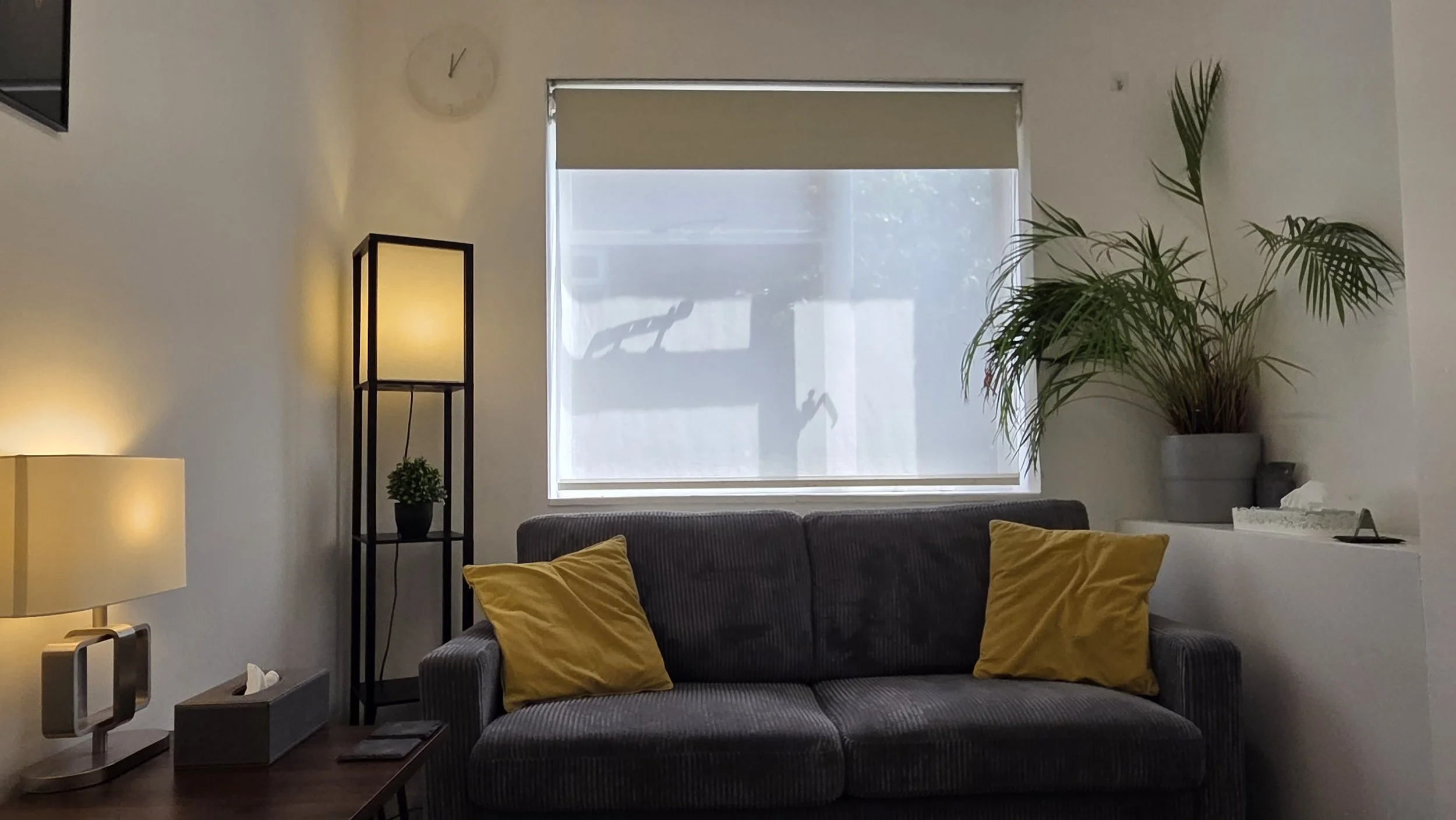
Space To Be You
Discover Space to Be You, a welcoming therapy practice in Hackney, East London, offering counselling and psychotherapy for individuals, couples, families and children.
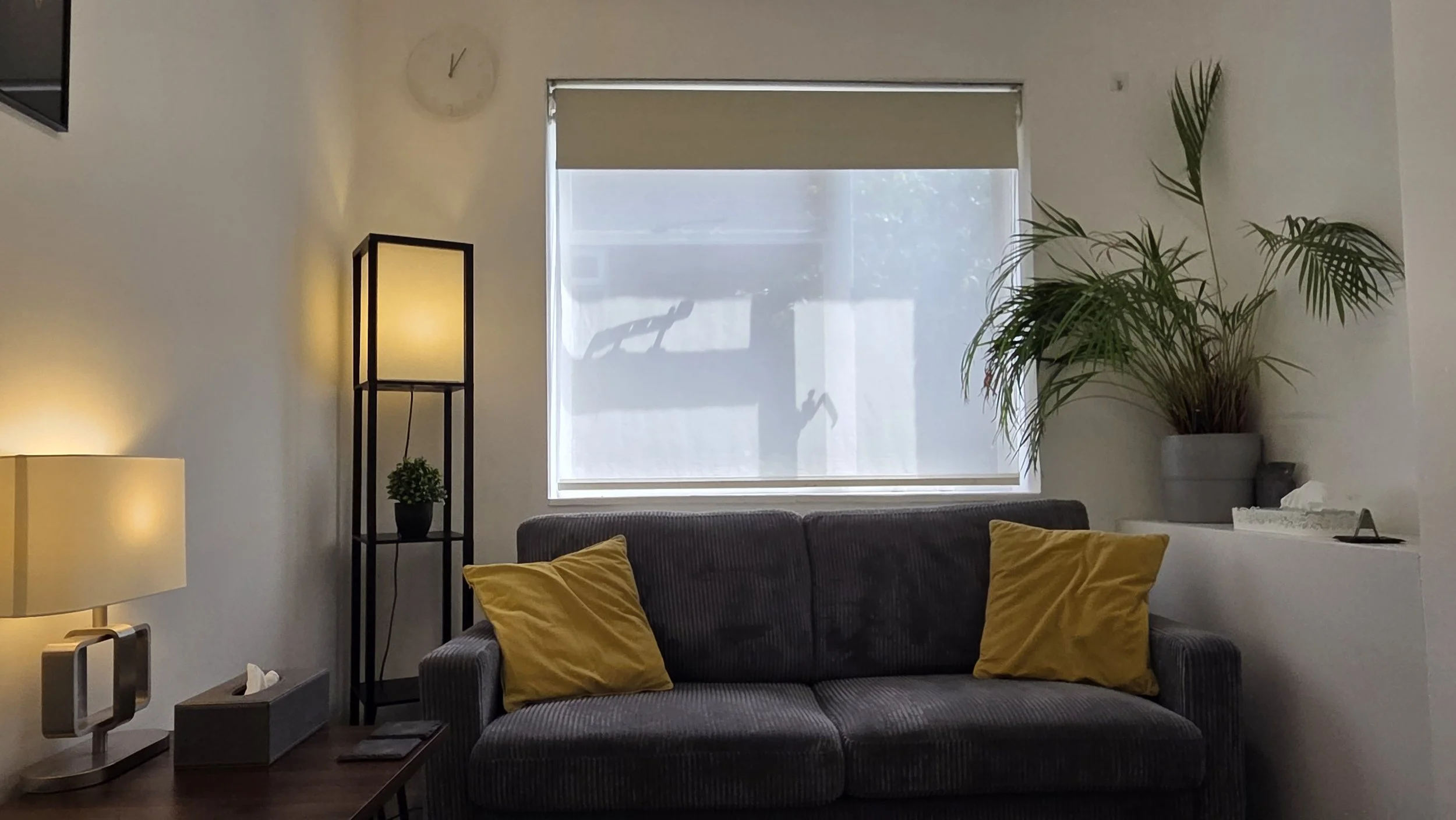
Perfect For
Finding someone to talk to when life feels difficult, overwhelming or simply not quite right. Space to Be You offers therapy and counselling for individuals, couples, families, and children, whether you’re navigating anxiety, relationship difficulties, grief, uncertainty, family dynamics or a period of change.
Why You’ll Love It
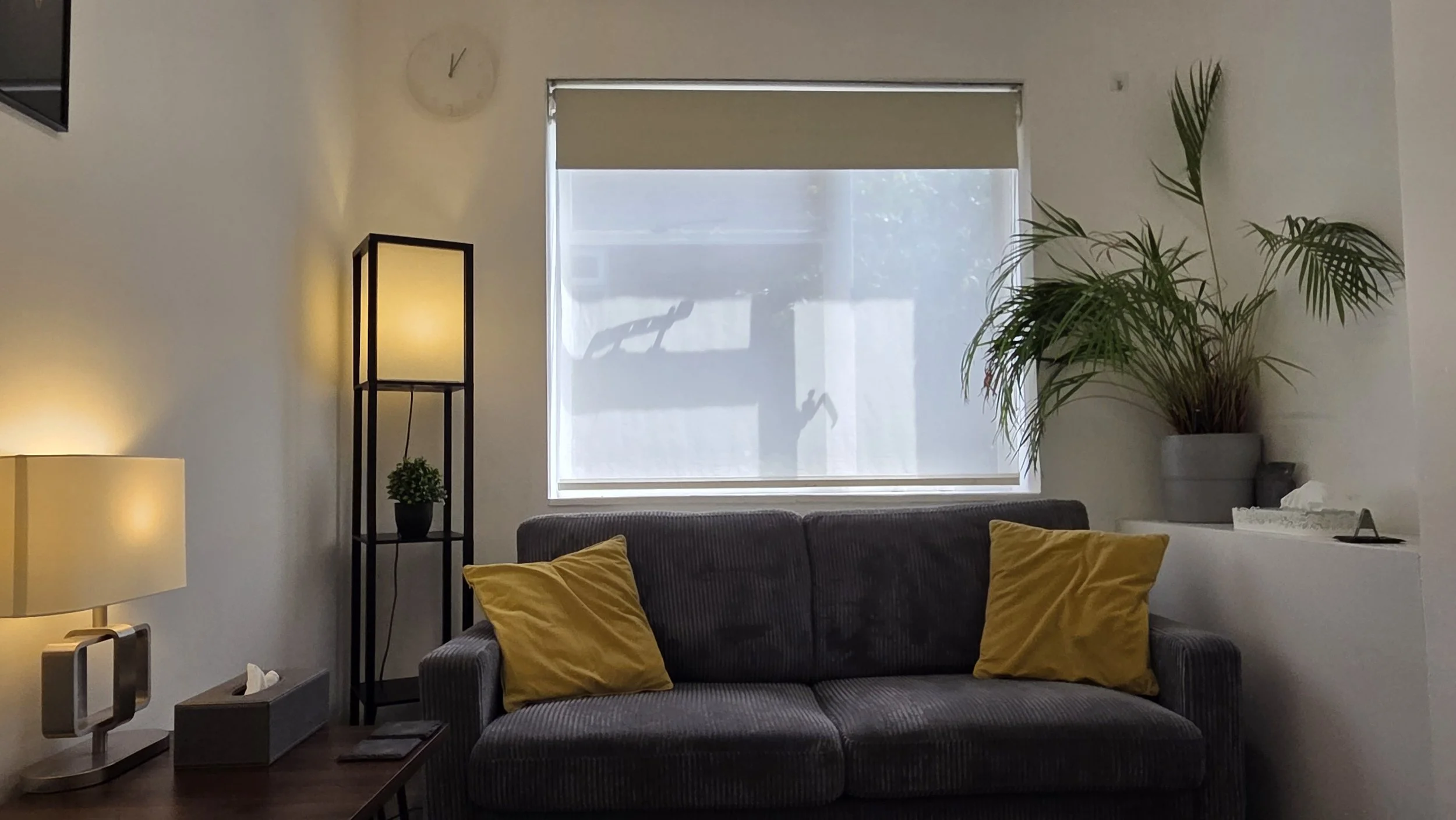
Space to Be You is a welcoming modern therapy practice based in Hackney E8, East London. Rather than offering one particular kind of therapy, its team works across a range of approaches, including CBT, psychotherapy, person-centred and psychodynamic therapy, as well as more specialist support.
That choice matters when you’re not entirely sure what you need. You might arrive knowing exactly what you want help with, or simply with the feeling that something isn’t working anymore. The aim is to help you find the therapist and approach that feels right for you.
What Makes It Special
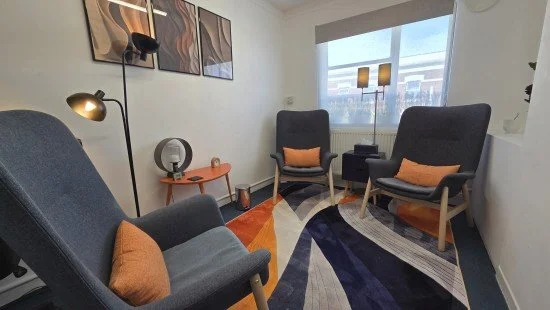
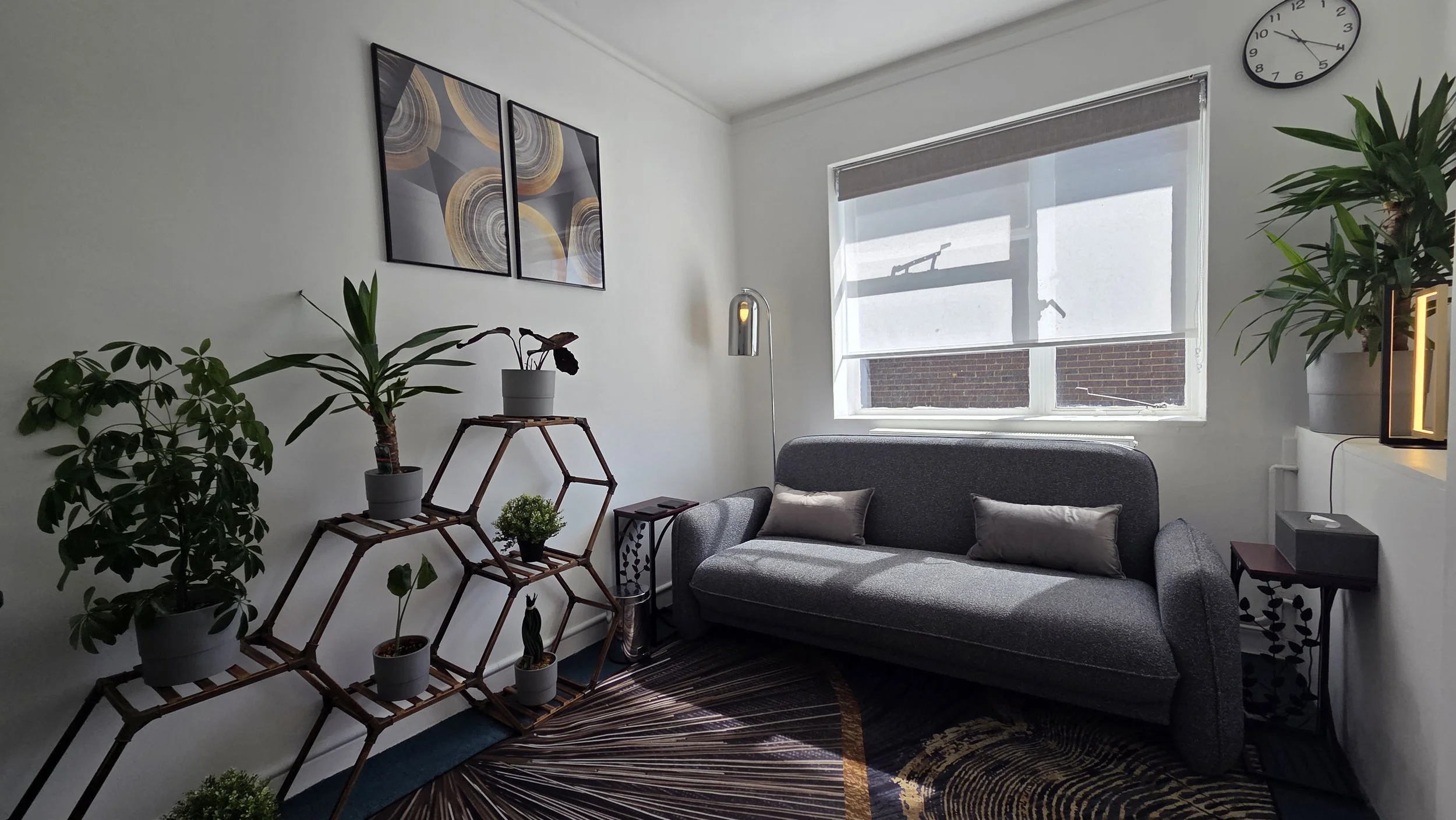
Space to Be You is London’s largest private therapy practice, with 20 thoughtfully designed therapy rooms across two floors in Hackney, creating a dedicated space in the city for people to talk, reflect and be supported.
There’s flexibility too. Alongside face-to-face sessions, the practice offers online psychotherapy and counselling, making it easier to find support that fits around your life, wherever you are.
The If Lost Take
Sometimes the hardest part of therapy is knowing where to begin. Do I really need help? Is what I’m going through “enough”? What kind of therapist do I need? And what if I don’t yet have the words for what’s going on?
We like Space to Be You because you don’t need to arrive with those answers. You can begin exactly where you are: anxious, disconnected, uncertain, overwhelmed, struggling in a relationship or simply aware that you don’t feel quite like yourself. With a large and varied team of therapists and different approaches available, there’s space to find the kind of support that works for you rather than trying to make yourself fit a particular model.
And perhaps the name says something important too. Therapy doesn’t always have to be about becoming a different or “better” version of yourself. Sometimes it can simply be a space where you don’t have to perform, cope, look after everyone else or pretend that everything is fine. A space to be you feels like a pretty good place to start.
Founder’s Story | Creating More Space for Therapy
Space to Be You grew from a belief that finding good therapy should feel more accessible, human and personal. Its Hackney home brings together a diverse community of therapists under one roof, with different areas of expertise, therapeutic approaches and ways of working.
That breadth means the practice can support people through many different stages and experiences of life, while still recognising that therapy is deeply individual. The right support isn’t necessarily the same for everyone; what matters is finding the person and approach that feel right for you.
Founder’s Go-To Wellbeing Advice
"You do not have to be perfect to be worthy of peace, rest, and kindness. Just being here is enough."
1st Floor, Mare Street Wing, St Joseph’s Hospice, Mare Street, London, E8 4SA, United Kingdom
Email: contact@spacetobeyou.com
Zenaa Retreats
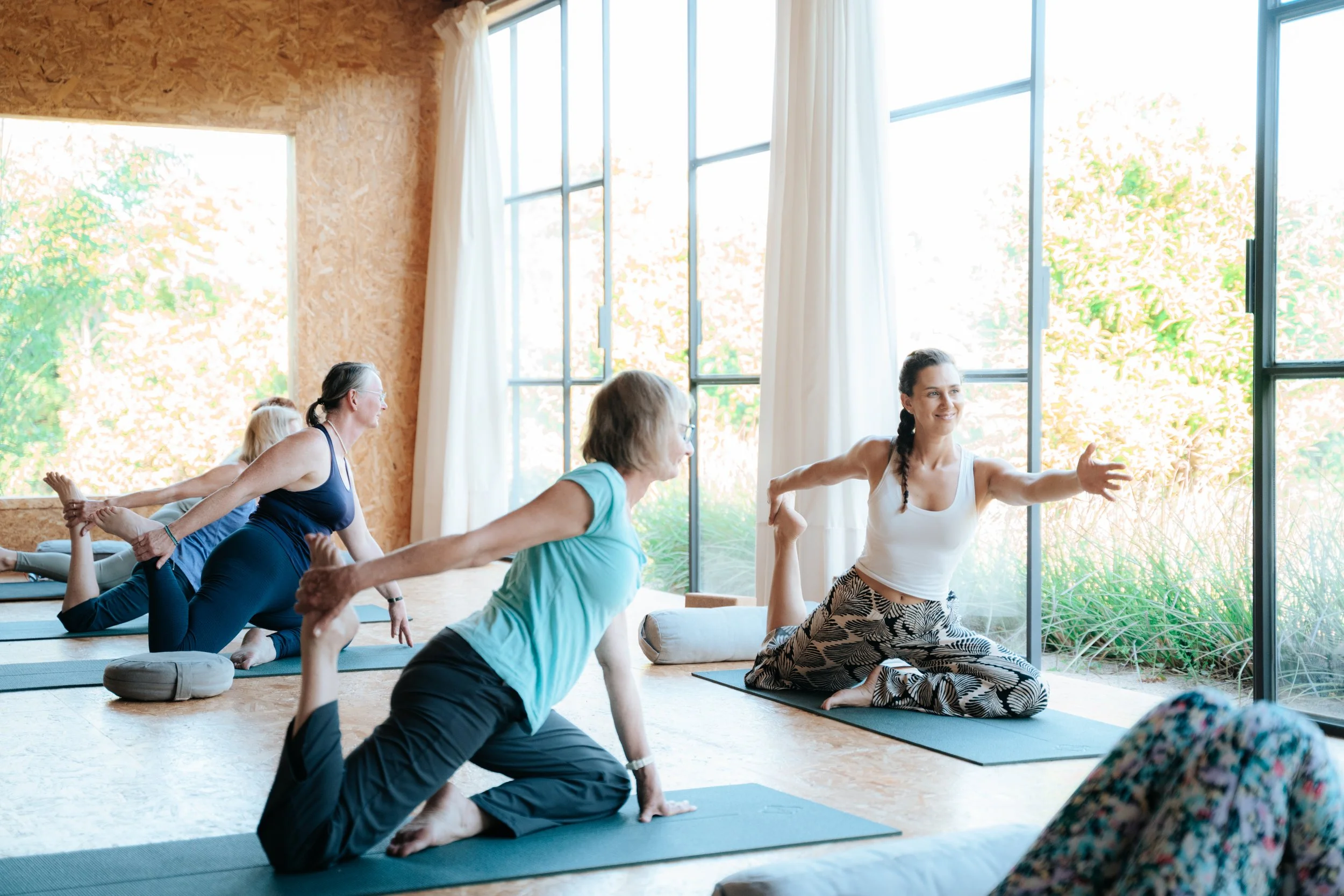
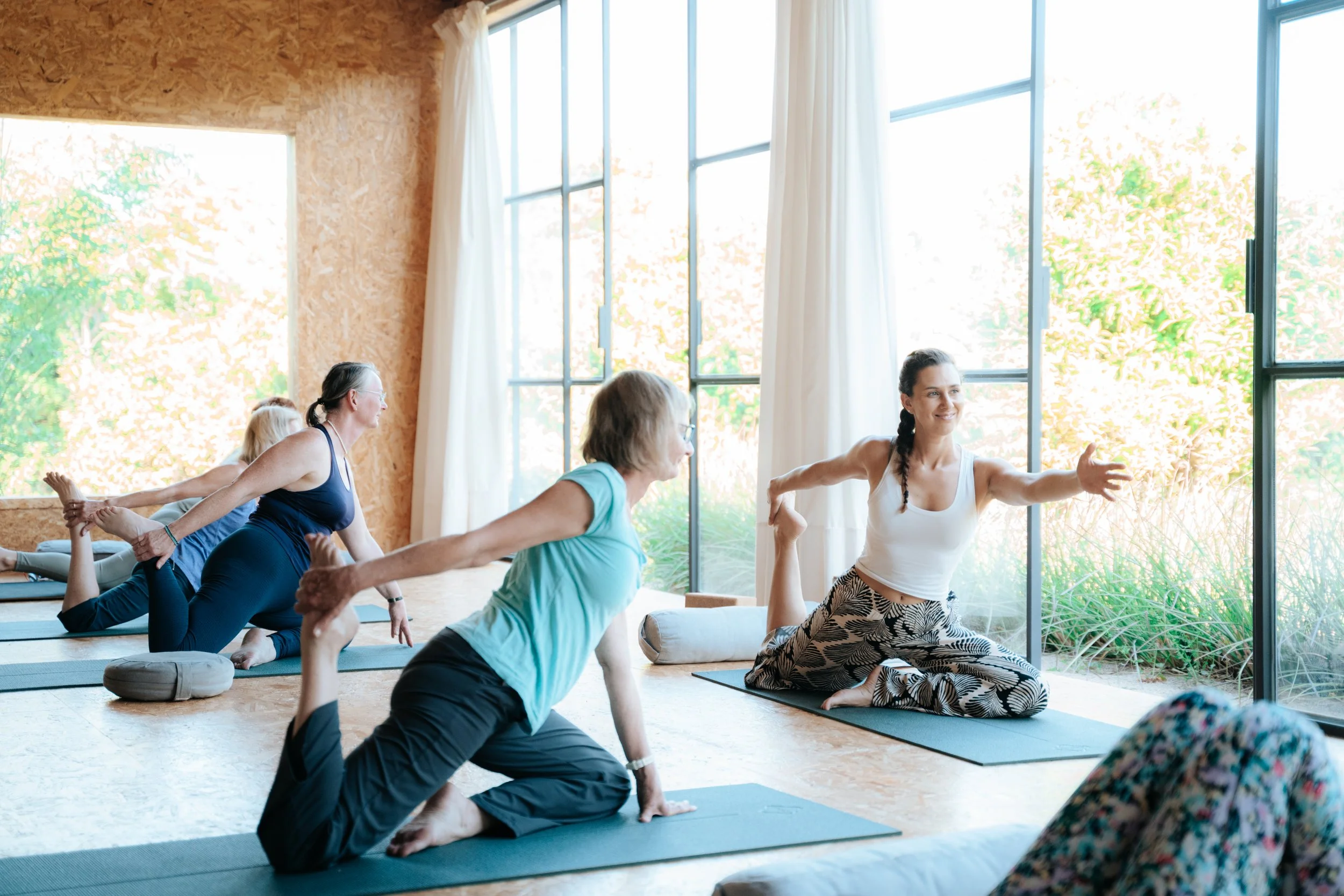
Discover Zenaa Retreats, a welcoming, fad-free approach to yoga and wellness retreats in the UK and abroad. Designed for real life, these nourishing escapes blend movement, rest, great food and genuine connection. Perfect for beginners, solo travellers and the yoga curious.
Perfect For
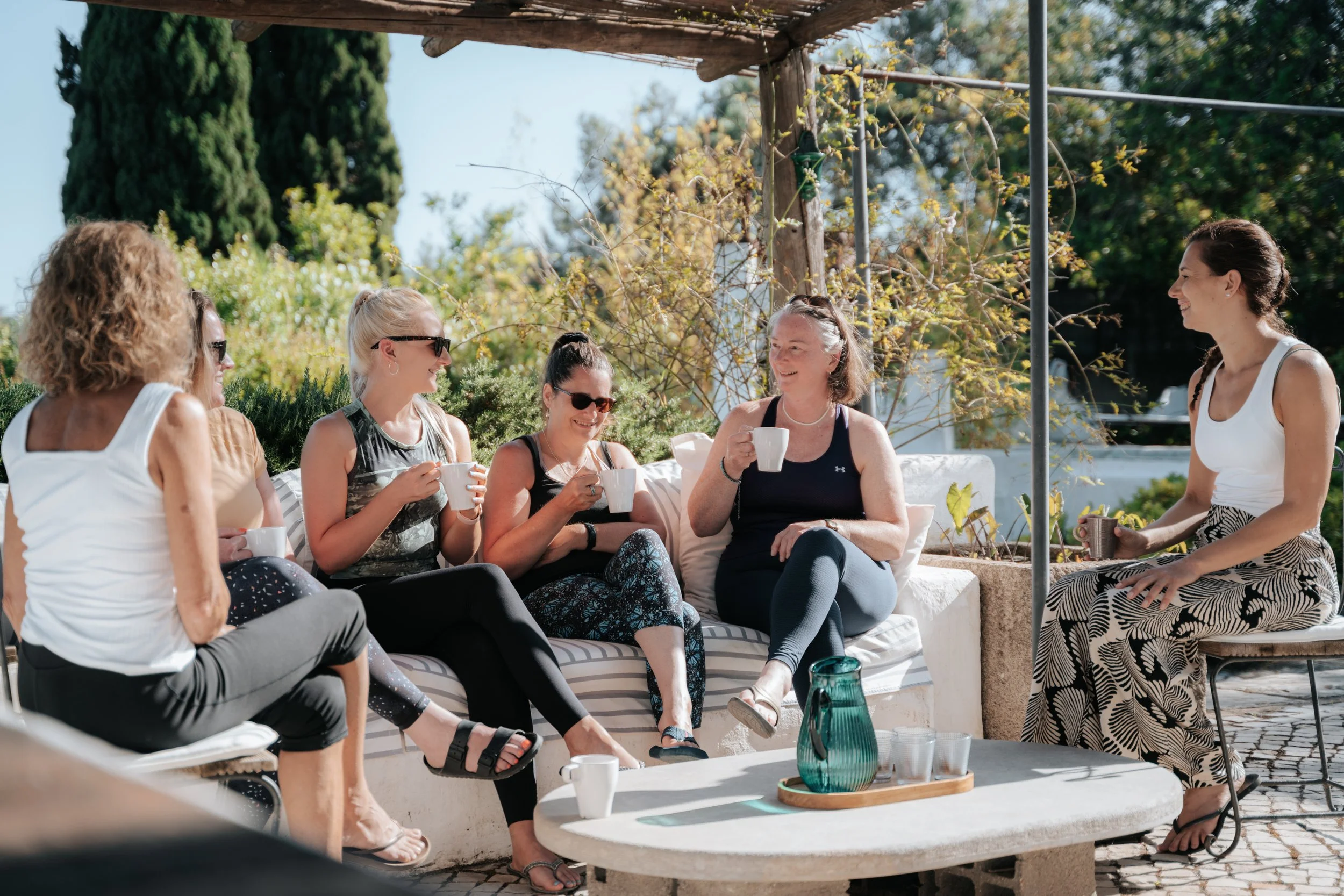
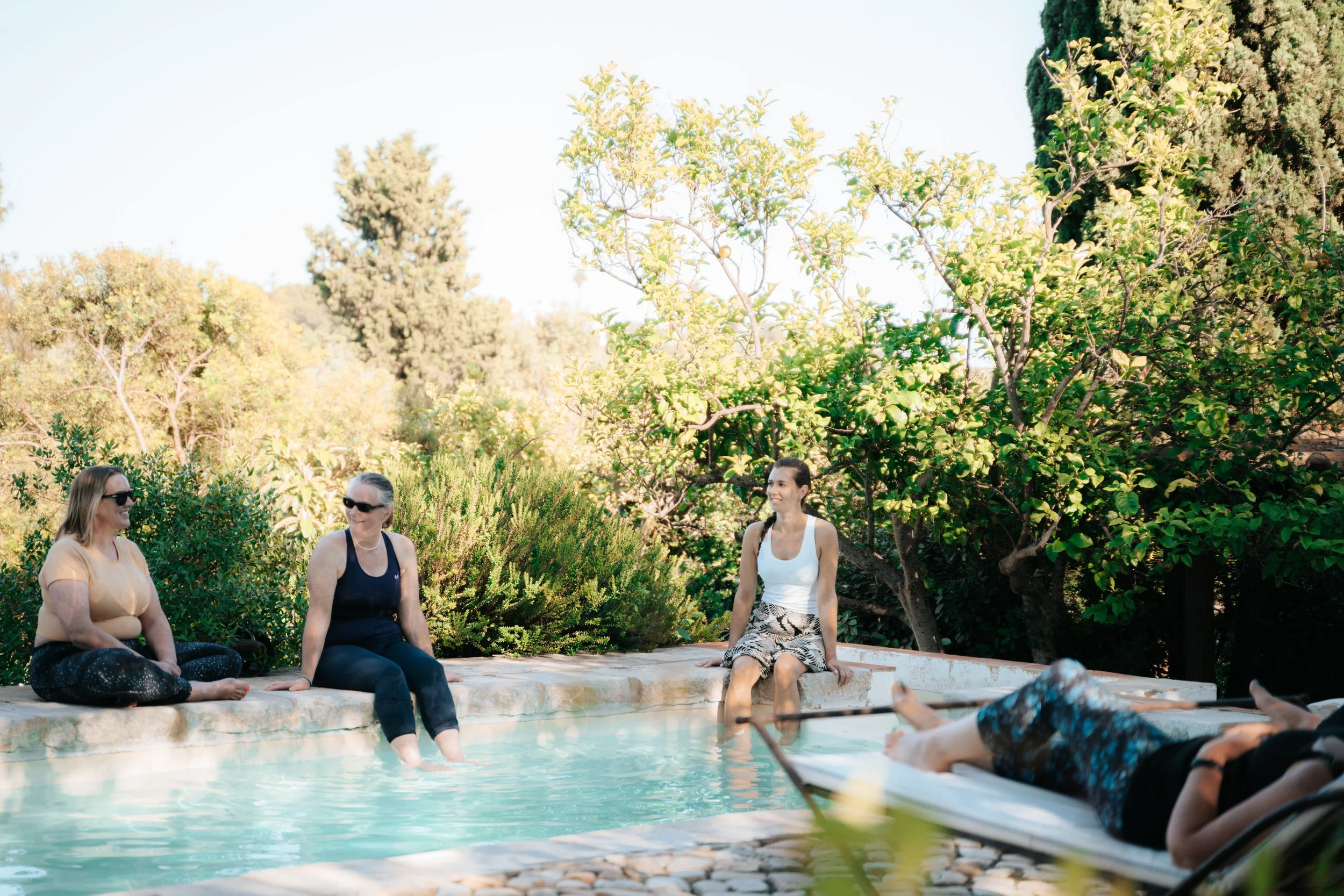
Zenaa Retreats are for the "yoga curious" including regulars, dabblers, those who prefer the back row, and complete beginners. It is designed for the "schedule-seeking, choice-conscious" crowd who value a balance of activity and downtime. Solo travellers are especially welcome and make up a large part of the community.
Why You’ll Love It
We all need a space to pause, breathe, and reconnect. In a world of high expectations, Zenaa provides a judgment-free environment to strip away the pressure and allow you to be present. It’s an opportunity to escape the daily grind, slow down through the "art of slow living," and find nourishment for the mind, body, and soul without the pressure of a detox or juice cleanse.
What Makes It Special
Zenaa stands out for its "fad-free," balanced approach to wellbeing. Unlike many retreats that focus on restriction, Zenaa celebrates food and connection. The focus is on handpicked serene venues and a non-judgmental atmosphere that welcomes all body types and abilities. It is a family-feel business (founder Katie’s mum even helps out!) that prioritises genuine connection over performance.
The If Lost Take
We’ve often written about how we can get lost in wellbeing itself and we’re very much on a mission to get you to the places that can help you find your way through it all. When we met Katie we felt like here was a retreat organiser who really understands our real-lives. The places where we get overwhelmed or stuck, burned out and disconnected. And her events aren’t about adding yet more pressure, but really meeting you where you are, with consideration and kindness too.
Founder’s Story | Katie Hodge
Founder Katie is a wellbeing advocate and planner whose passion for events and yoga creates the perfect blend for meticulously designed retreats. Her journey began ten years ago in Sydney, where she first turned to yoga to find calm for an anxious mind. What started as a personal practice evolved into a mission to bring like-minded people together to connect with nature and enjoy incredible food, the ultimate self-care experience.
After launching Katie J Yoga in 2020 she rebranded to Zenaa in 2024. Today, it is a thriving community where every detail is covered so guests feel entirely nourished and supported.
Founder’s Go-To Wellbeing Advice
“Prioritising sleep. When everything feels overwhelming or I've lost my way, coming back to a consistent and restful sleep routine is the foundation for mental clarity and emotional resilience.”
Some Practical Details
Zenaa offers luxury wellness and yoga retreats in the UK (including Devon, Bath, and the Cotswolds) and abroad (Italy, France, Portugal, and Sri Lanka). These include:
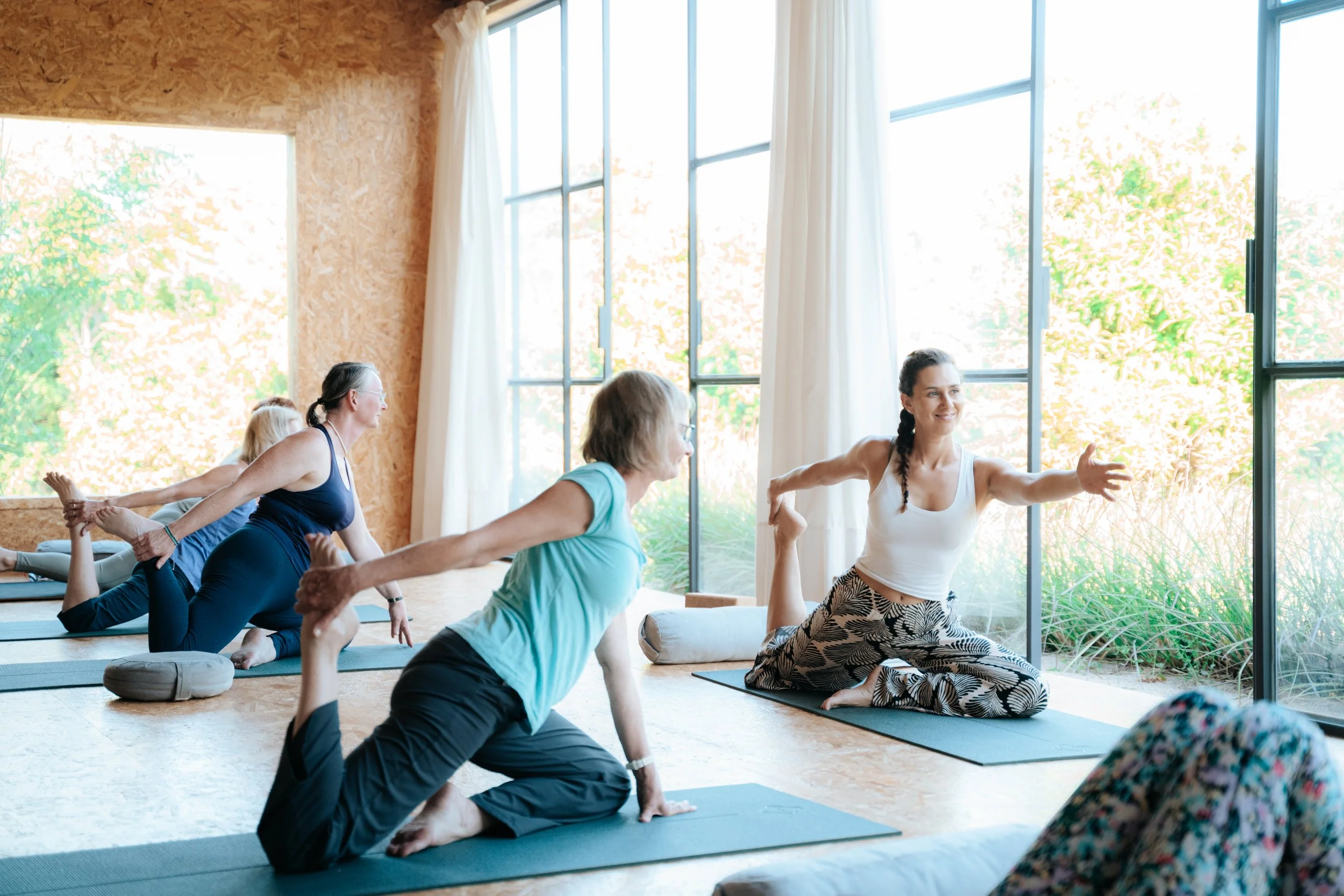
Varied Yoga: Dynamic Hatha sessions in the morning and gentle Yin or yoga nidra in the evenings.
Nourishment: Healthy, wholesome meals prepared by private chefs (always including dessert and sometimes a glass of wine).
Activities: Countryside walks, cold-water swims, creative workshops, and meditation.
Community: A warm, inclusive environment where guests often leave as close friends.
If you’re not able to attend in-person, don’t worry, there’s Zenaa Online which provides an online retreat experience. You can try out their free 7 day trial here.
Coming up:
Italy Retreat (July 2026) – A 6-night restorative escape
France Retreat (Sept/Oct 2026) – A 5-night wellness experience
Devon, UK (Oct 2026) – A weekend of nourishment and nature
Book a retreat using code IFLOST and get a special welcome gift.

5 Vegan Restaurants in Bath (and Beyond) for Everyday Wellbeing
Looking for vegan restaurants in Bath or the South West? These independent plant-based spots offer more than just food — they serve up community, comfort and a little slice of wellbeing.
Once a niche diet, vegan food has grown into something else entirely. Across the UK — from tiny Bath alleyways to buzzy London neighbourhoods — vegan cafés and restaurants are redefining what it means to nourish ourselves, and each other.
But it’s not about labels anymore, it’s about how food makes us feel. About where it comes from, who grows it, and who gets to sit around the table. And in an age where so much of life feels out of our hands, making a choice that feels aligned — even once a week — is a small act of care.
These five places are part of that shift. They’re serving up good food, yes — but they’re also places to pause, to reconnect, and to feel well, together. Here’s where to begin.

1.Plant.Eat.Licious, Bath

Plant Eat Licious is a hidden gem in the heart of Bath, offering a colourful, creative menu that changes with the seasons. The food is freshly prepared each day, with an emphasis on whole ingredients, vibrant vegetables and balanced flavours. Expect nourishing bowls, flavour-rich wraps, hearty mains and a counter full of house-made cakes.
Whether you're sitting in for a relaxed lunch or grabbing something to go, it’s a place that makes eating plant-based feel simple, satisfying and genuinely enjoyable.
Find out more here
2. Rooted Cafe, Bath

Located on Newbridge Road, Rooted Cafe offers a largely plant-based, seasonally changing menu that places vegetables at the centre of the plate. While not fully vegan, it’s a favourite among plant-based eaters for its inventive small plates, hearty mains, and carefully balanced flavours.
With a relaxed setting and a kitchen that clearly cares about quality and provenance, Rooted serves food that feels both satisfying and considered. A good choice for brunch, lunch, or a slower supper with friends.
Find out more here
3. Cascara, Bath

This compact, independently owned café in the centre of Bath offers a thoughtful, fully vegan menu that’s rooted in fresh ingredients and bold flavour. It’s a place where every element — from the house-made cakes to the seasonal salads and rotating toastie specials — is crafted with intention.
Whether you’re sitting in with a matcha and a peanut butter blondie or grabbing lunch on the go, it’s a brilliant example of how vegan food can be fast, nourishing and joyful. It’s also the sister restaurant to Green Rocket.
Learn more here
4. The Green Rocket, Bath
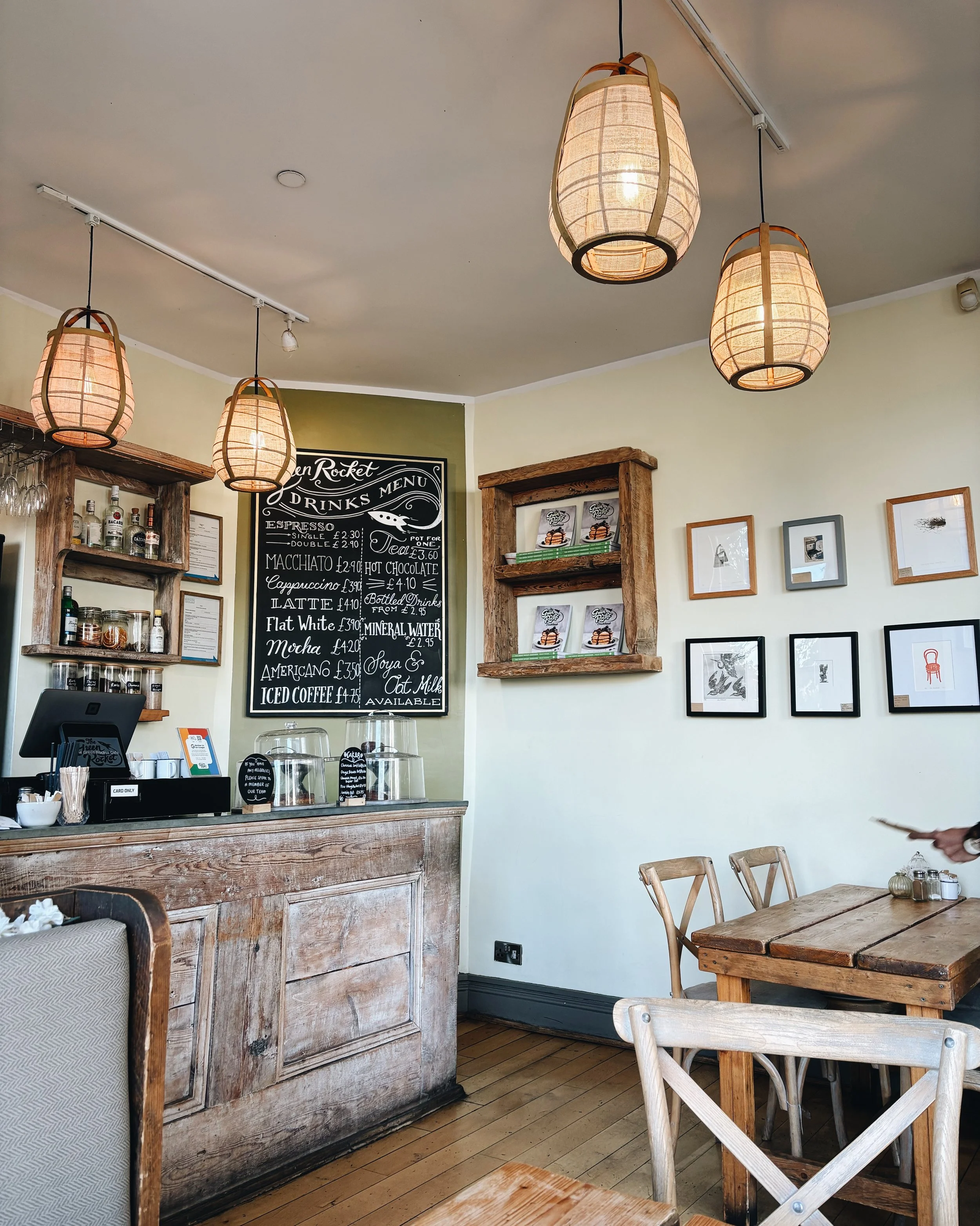
The Green Rocket has been part of Bath’s food scene for over a decade, offering an entirely vegan and vegetarian menu that’s earned a loyal following. Dishes are built around fresh, whole ingredients, with a global influence and a focus on generous portions — from vibrant salads to breakfast plates.
With its central location and laid-back setting, it’s a go-to for both locals and visitors looking for reliably good plant-based food. The cakes and coffee are worth lingering over, and the menu has enough variety to suit both weekday lunches and slower weekend meals.
Learn more here
5. Unity Diner, London

Unity Diner is a not-for-profit, fully vegan restaurant in East London serving indulgent, plant-based takes on diner classics. The menu features stacked burgers, loaded fries, “fish” and chips, mac and cheese, and rotating desserts — all made to satisfy, without compromise.
Founded by animal rights advocates, Unity Diner donates its profits to animal welfare causes. But the focus here is firmly on flavour, and the food delivers — generous, familiar and crowd-pleasing, it’s a good option for a relaxed meal that also aligns with your values.
Find out more here

Thinking of Going Vegan? Start Small.
You don’t have to go all in. Maybe it’s one meal a week. Maybe it’s your new favourite sandwich. Maybe it’s just about paying more attention.
Vegan eating today is less about following rules and more about feeling into what aligns with your values, your health and your preferences. For many, it’s part of a larger wellbeing practice. For others, it’s about curiosity. Either way, there’s no one right way to begin.
Know a place that belongs in our Guide to Life?
We’re always looking to spotlight the independent spots that nourish our lives.
→ Nominate a vegan place that helps people feel better here
→ Run or own a vegan restaurant? Apply to join our Guide to Life
Help us grow this human-centred, heart-fuelled guidebook — one small good place at a time.
Want to hear about more places like this and more ways to well? Join our mailing list for thoughtful guides, small shifts, and creative inspiration on how to feel better in everyday life.
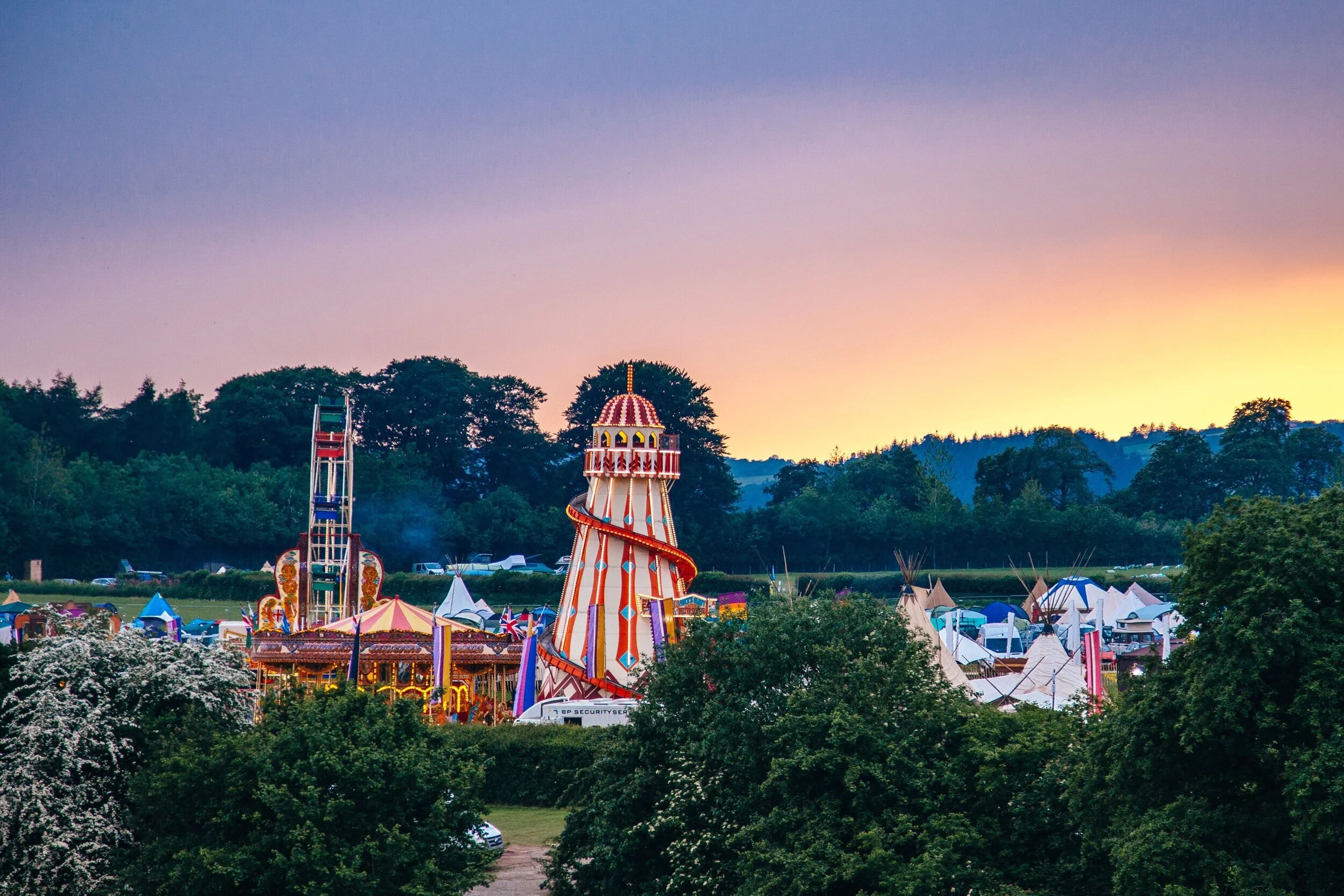
HowTheLightGetsIn Festival
Discover HowTheLightGetsIn Festival in Hay-on-Wye — the world’s largest philosophy and music festival. Join Nobel Prize winners, Grammy artists, thinkers, and dreamers for a long weekend of ideas, talks, live music, comedy, and connection.
Perfect For
Anyone who feels most alive when they’re learning something new. For the curious, the restless, the thinkers and the dreamers—the ones who want their minds moved as much as their bodies.
Why You’ll Love it
Ideas sit so close to wonder here. New thinking propels your imagination forward, with academics out of the universities and into fairground fields, dancing late into the night.
You’ll spend your days soaking up mind-expanding discussions on subjects like black holes, AI, anxiety, and epidemiology, and your evenings beneath glitter balls at riverside discos or swaying to live music.
It’s a rare space where Nobel Prize winners and Grammy award-winners share the same billing—and where you leave feeling stretched in the best way.
What Makes It Special
HowTheLightGetsIn is the world’s largest philosophy and music festival (that these go together says it all). It’s not just about intellectual sparring or abstract debate—it’s about weaving ideas into real life, combining heavyweight talks with laughter, connection, and dance.
The magic comes from the mix: sitting under a tent roof in the afternoon listening to leading thinkers, then catching comedy sets or live bands as the sun goes down.
The Story Behind It
It all starts with the name.
“There is a crack in everything… that’s how the light gets in.”
These Leonard Cohen lyrics trace the festival’s origin story and tone. The “light” here is unarguably ideas—but also a reminder that light comes through imperfections, through play, through music, and through gathering. Held bi-annually, the festival takes over Hay-on-Wye each spring for one long, invigorating weekend, and Greenwich in the autumn for a shorter city edition.
The If Lost Take
HowTheLightGetsIn isn’t just about absorbing knowledge—it’s about feeling the spark of aliveness that comes when we expand. This festival offers intellectual adventure and playful escape all at once: a space to be both serious and silly, thoughtful and joyful, stretched and soothed. For anyone seeking a festival that feeds both brain and soul, this is your place.

Practical details
Location: Hay-on-Wye, Wales
Tickets: A range of options available, including day and Flexi passes. Under-25s and students receive a 40% discount; children under 12 attend free.
Accommodation: Choose from self-pitch camping, pre-pitched tents, or glamping.
Accessibility: The festival is committed to inclusivity, with accessible facilities and support.
More info & booking here

Self Space
Self Space is redefining mental health support—no waiting lists, no clinical feel, just real, flexible therapy that fits into everyday. Discover where to go when you need support, inspiration, and a place that can truly help you navigate life’s challenges.
Perfect For
Anyone navigating life’s challenges—whether it’s stress, burnout, relationships, self-doubt, or just the need to talk things through with someone who truly listens.
Why You’ll Love It
Self Space is rewriting the rulebook on mental and emotional wellbeing. Think of it as a therapy studio for modern life—warm, welcoming, and refreshingly free from the clinical, impersonal feel of traditional therapy settings. Whether you need a one-off session or ongoing support, they make getting help as easy as grabbing a coffee (and honestly, just as essential).
What Makes It Special
No waiting lists – Book a session when you actually need it, not months down the line.
Flexible therapy – From in-person appointments from across its sites in London to online sessions from anywhere.
A modern, stigma-free approach – No judgment, just real conversations with expert therapists who get it.
The Story Behind It
Self Space was co-founded in 2018 by therapists Jodie Cariss and Chance Marshall. Frustrated by long wait times and clinical settings, they envisioned a more accessible and contemporary approach to mental health support. Starting from a small workshop in Shoreditch, they now plan to expand Self Space across the UK, offering a radically different way of accessing mental health support.
The If Lost Take
We love Self Space because it makes mental wellbeing as normal as physical wellbeing—like seeing a PT, but for your mind. It’s approachable, practical, and built for the way life actually works. If traditional therapy has ever felt intimidating, this is the alternative you’ve been looking for.
Something Else We Love
Self Space isn’t just about talking—it’s about making mental wellbeing part of everyday life. Their brilliantly designed merch does just that, from their book How to Grow Through What You Go Through (a straight-talking guide to navigating life’s ups and downs) to candles and tote bags stamped with reminders like “I’m a mess”—which, let’s be honest, we all feel at some point.
They also have one of the best mental health Instagram accounts out there. Expect refreshingly real, no-BS advice on everything from setting boundaries to handling burnout—plus the occasional reminder that you don’t have to “fix” yourself to be worthy.
Practical Details to Know
Self Space has Multiple locations + online

Studio Pottery
Reconnect with the practice of making in this light-filled and spacious pottery workshop located in the heart of Belgravia.
Go here if: You are seeking a break from the noise of the city and are looking to connect with the practice of making.
What is it: Founded by Lucy Attwood and Gregory Tingay in 2019, Studio Pottery London is a light-filled and spacious workshop for all who are attracted to making with clay, from absolute beginners to more experienced potters.
Why you need it: Uniquely located in central London in the heart of Victoria as part of the Eccleston Yards development, the studio has been created as a place of calm and community. A carefully curated working studio and gallery space provides a perfect environment for city-dwellers to come together to learn and create.

Photo: Yiki Dong, Studio Pottery, London

What they offer: Intimate classes across the two teaching classrooms with six wheels in each as well as a dedicated area that has been carefully designed to give members premium space. The central area, with its library, kitchenette and facilities, gives opportunities for the community to socialize.
Members and students are also welcomed by a resident potter into their private studio for one-to-one throwing and mentoring sessions, while an evolving teaching team and an in-house technician — who monitor the studio kilns and glazing room — provide support for the studio community.
For inspiration, take a look at the curated windows and displays of historic and contemporary ceramics (some of which are also for sale to visitors).
We asked Directors and Co-Founders, Lucy Attwood and Gregory Tingay what makes Studio Pottery different:
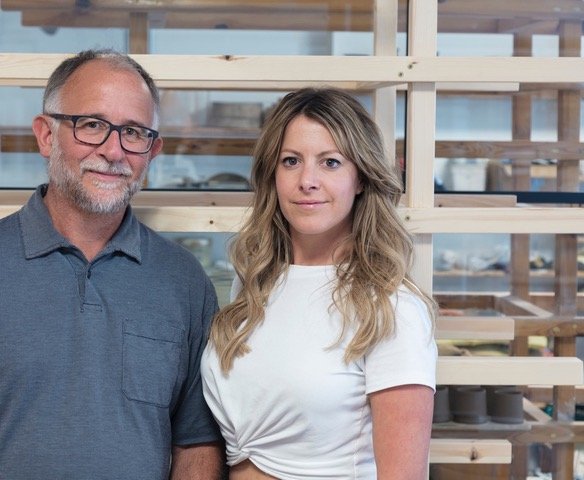
“Our focus is throwing – working with clay on the wheel. The studio also provides space for hand-building. This traditional craft provides a counterbalance to the hyperactive, mechanised, and technologically saturated metropolis.
The hands-on practice of throwing opens dormant creativity and encourages therapeutic transformation. Engaging with clay, the practitioner slows down, assimilating technique and mastering knowledge through careful repetition. It is a holistic, gradual and joyous experience, connecting the potter to a living history of human making.
Our lineage flows directly from Bernard Leach and the 20th Century revival of studio pottery – enshrined in our name. At the heart of Studio Pottery London is the desire to form a community around a shared ethos and love of pottery in all its forms.”
— Gregory Tingay, Co-founder
“Pottery can be a wonderfully social activity, as well as a solitary path of meditative practice. Our studio respects both.
We provide group taster introductions, 5 week foundation courses, and run a regular schedule of ongoing mixed ability classes that you can book according to your availability.
Our expert teachers not only lead our group sessions, they offer on-one-on tuition, which is an excellent way to learn and grow in confidence on the wheel. If you would like the flexibility of coming in your own time you can become a member, enjoying exclusive access to our members area, equipped with several wheels and workspaces.
Our studio is also available for private hire, and our team has a wealth of experience arranging workshops for private functions and one-off experiences.”
— Lucy Attwood, Co-founder

Turning Earth Ceramics
"Like a gym membership for potters", discover four pioneering London studios cultivating craft both as an accessible hobby and as a viable career.
Go here if: You want to learn a new skill, make work in ceramics, be part of a community, find new ways to relax and unwind, nurture your creativity, or even develop your career.
What is it: Turning Earth's pioneering ceramics studios are for everyone, from beginners to part-time professionals, and can now be found in four London locations: Hoxton, Leyton, Tottenham and Highgate. They offer classes and open-access membership, "like a gym membership for potters".

Turning Earth Hoxton

Turning Earth Highgate
Why you need it: Turning Earth's mission is to cultivate craft both as an accessible hobby and as a viable career (they offer a full-time professional studio, In Production, in Leyton). They want to contribute towards a broad adult curriculum that will improve the quality of life in the city.
What they offer: All the ways to try making and develop skills: Tasters, 8 or 12-week beginners courses, intermediate courses, week-long courses, weekend-long courses, private workshops, and monthly membership.
For members, they also organise improvement workshops, like their very popular raku parties, and they have exclusive access to their quarterly ceramics markets.

Turning Earth Leyton

Turning Earth Tottenham
What makes it different: The community and atmosphere are unique to each of their studios. Someone might join for the craft and end up staying for the friends and a 'second home' discovered.
What else do you need to know: They are open every day till late except on Mondays. If you’re not local you can see the wide diversity of skills and techniques on their Instagram which is often updated with pots made by their members in the studio.
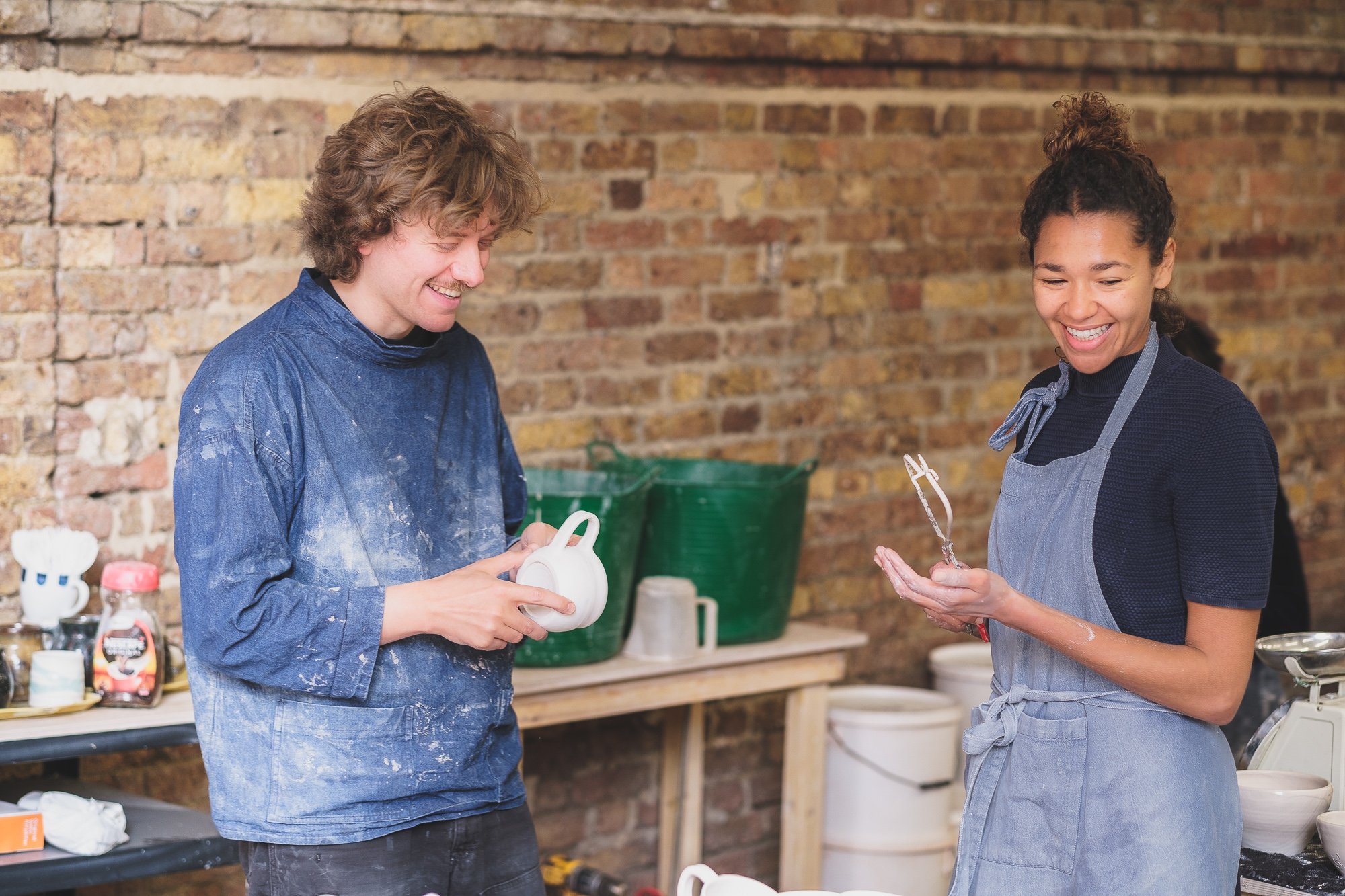

In their own words: Turning Earth was founded by Tallie Maughan. Their first studio, Turning Earth Hoxton, opened in December 2013. Following a model popular in the US, it was the first dedicated open-access ceramics studio in London.

“Turning Earth is indebted to the Arts and Crafts movement at the beginning of the 20th century, which suggested that there should be no separation between utility and art.
Our vision rests in the intuited feeling that we will naturally make life more beautiful when we take our aesthetic awareness, our right-brained feeling for things, as seriously as we take our rational understanding of the world.
We exist to enable people to make beautiful physical objects, and in so doing to make their lives more beautiful: more centred, more fulfilled, more present to what they truly care about.
We feel that in making this movement, we are encouraging a broader social shift towards living with care in our world.”


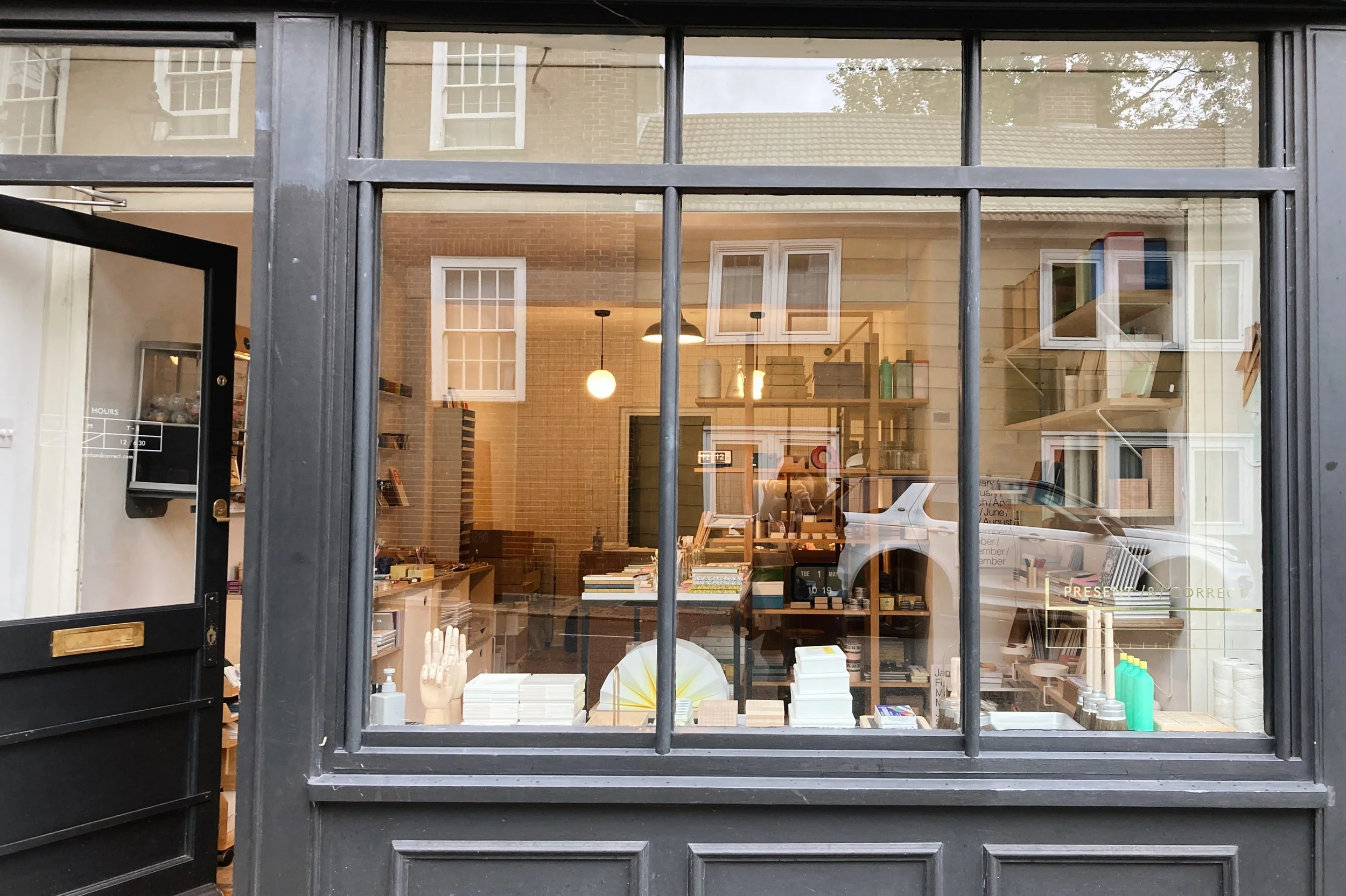
Present and Correct
A beloved stationary shop to quiet the mind and spark your creativity
Go here if: you still enjoy the tactile experience of writing, the thrill of organizing (also we see that looming project deadline that makes you want to tidy your desk), and hold the belief that self-care can come in the form of the perfect planner.
What is it: Present and Correct is a carefully curated stationary shop founded by Neal Whittington that’s currently tucked away in North London (though there’s a summer move to a larger space in Bloomsbury on the cards).
A popular destination for stationery enthusiasts and lovers of unique office supplies, this small shop offers a variety of paper goods and office conveniences from notebooks to desk accessories that combine contemporary design with a nostalgic touch. You’ll also find vintage items sourced from overseas markets. This is not your typical high-street office supply shop.
Why you’ll love it: Present and Correct is known for its emphasis on quality, craftsmanship, and attention to detail, but we also love the promises it holds. Of creativity: its notebooks and pens are the gateways to journaling, sketching, and writing that memoir in long form. Of calm: its clean and minimalist interior, and artfully arranged displays hint at some degree of control over our lives, a possible neatening of our edges. And maybe of a simpler moment: something of the analogue, of the openness of a new page, and even the joy of childhood and those new pencil cases on the first day of school.
How to bring this into your life: Although our true love is the physical store, the website offers the chance to browse and purchase from their collection of products (and they ship worldwide). We love the Finnish School chalk, Things to do Planners and Two Tone Ballpoints. And we’re huge fans – as are many – of Present and Correct’s Instagram.
In their own words: “It's a showcase for the things we have enjoyed since school….We want to spark a distant memory, make you smile or look at the most mundane in a new, and fonder, light.”


Present and Correct
At the time of writing 23 Arlington Way, London
From 20 June: see the new Bloomsbury address
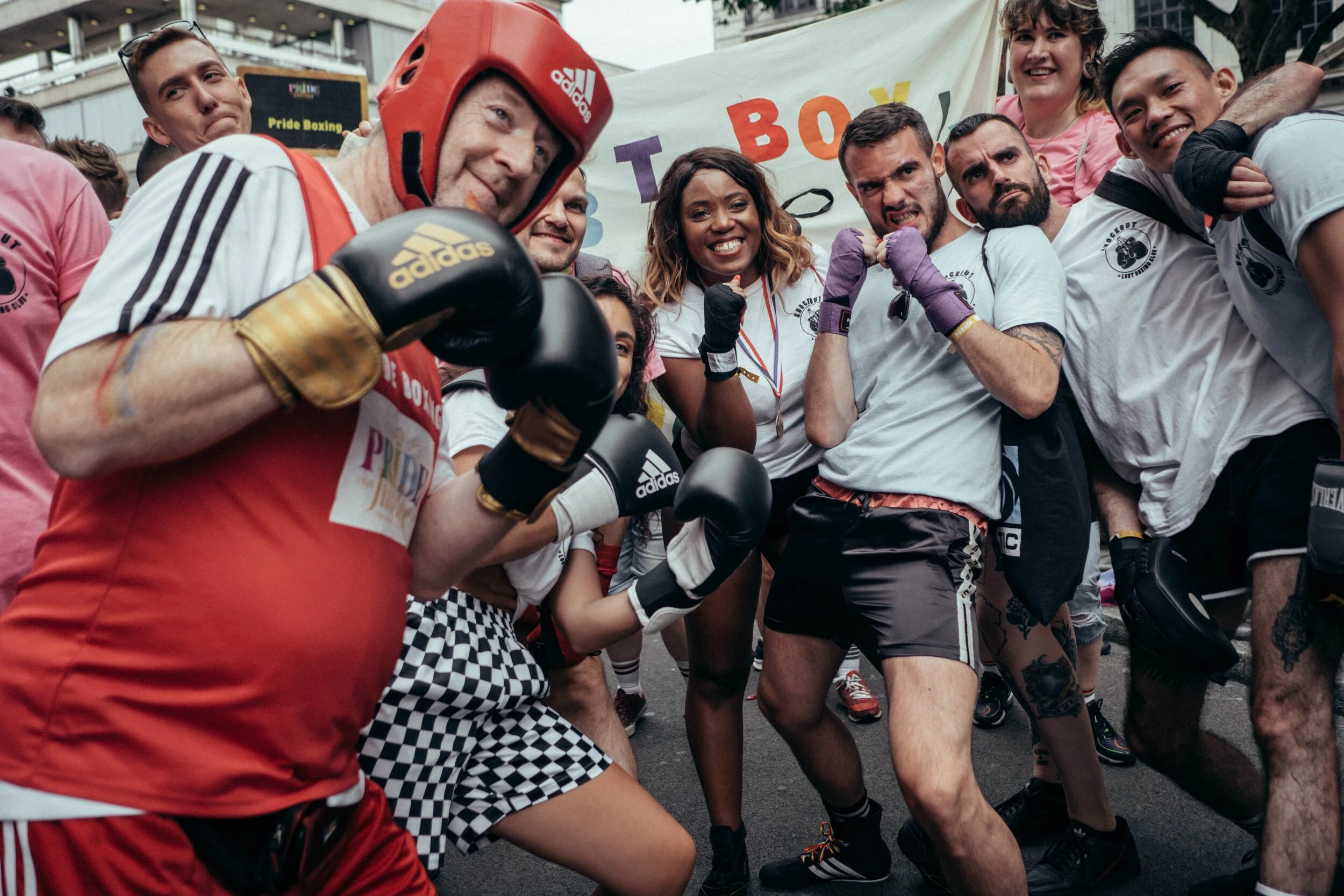
Knockout
We find out about London's Premier LGBTQ+ Boxing Club and the role that both the mind and community can play in physical wellbeing.
What is it? Knockout is a safe space for the LGBTQ+ community and their allies to gather together and pursue a healthier lifestyle through the sport of boxing. We are a fitness training group that recognises the health of the body comes through the security of the mind and community.
Why do people need it? This space was started as a secure and safe space for queer athletes who prefer non-team sports. Boxing is traditionally a sphere that is rife with difficulties for queer athletes, in regards to competitiveness and homo/transphobia. Knockout is a place where not only can these athletes find respite from these domineering structures, but also find individual and inner strength through a style of boxing not typically found in most other gyms. We focus on community and elevating the individual through the group.
What do you offer? A competitive boxing workout that challenges the body but is also tailored to the individual. We have some members who compete, but our core members are there to focus on their physical well-being.
In addition to this, we are a community that likes to deepen our bonds together by organising social events, karaoke nights, pub nights, and watching fights together.
We are also active in supporting other LGBTQ ventures, through charity drives and other forms of support. We organise 5k, 10k, and half marathon runs through our members, and help members find other sports and hobbies all with the mission statement of promoting LGBTQ+ rights and ideals.
What makes it different? Boxing is a hyper-aggressive individualistic sport that focuses on competitiveness and is typically taught in a harmful manner that isolates and can be damaging to the individual. Our trainers focus on combating these stereotypes to produce strong boxers that are developed through shared bonds and training together.
We emphasise positivity and connection, and work hard to welcome everyone to be a vital member of our community. Our training focuses on everyone who walks in the doors, leaving no one behind. For those who wish to, we encourage meeting strangers and learning something new from them. A Boxer steps into the ring alone, but we prove that the road to the ring can only be walked with friends and family.
What do people need to know? Boxing is a very intense sport and tends to attract introverted people. We are respectful of this and strive to provide a safe space for everyone, regardless of background. It is an intense workout, but highly rewarding, physically and mentally.
Currently, our trainings are held at the Sobell Center in North London, and are open to boxers of all levels. We have 2-3 coaches on hand in order to provide adequate attention to individual training, and thus are able to accommodate boxers of all skill levels.
For first-timers wishing to try out the sport, please come in comfortable trainers/running shoes, loose shorts, and a loose top. Freedom of movement is key. Please see our web page for more details.
Tell us a little about your story: Wanting to create a club run by queer people for queer people, to create a safe space and break down the barriers LGBTQ+ people feel when engaging in sport, Knockout London was born over a few drinks in the Duke of Wellington in Soho in January 2016. In the last six years, the club has expanded from a handful of people to a community of almost 200, with 2 classes available a week (and more coming soon), and supporting fighters participating in white-collar boxing events.
How can people be inspired by your space wherever they are? Our group focuses on community. We train strong individuals to become leaders but recognise that the individual is a construction of the community they are a part of. Competitive boxers are not created in gyms, but rather through the love, support and connection to the community around them. A strong Boxer gives back to their community and is active through charitable works and social events. It is not enough to carry these principles of Charity and Community only when one trains, but also throughout one’s everyday life.
Where inspires you? Any of the strong LGBTQ+ voices trying to bring positive changes to our community, whether they are activists (Munroe Bergdorf), actors (Elliot Page) or professional athletes (Jake Daniels). But also our members, all come to the club with their own stories, and our social events are a great opportunity to hear about their inspiring journeys.
Anything we're missing? We are a safe space for all members of the LGBTQ community and their allies, which means our members come first and foremost. Please be respectful of an individual’s right to privacy.
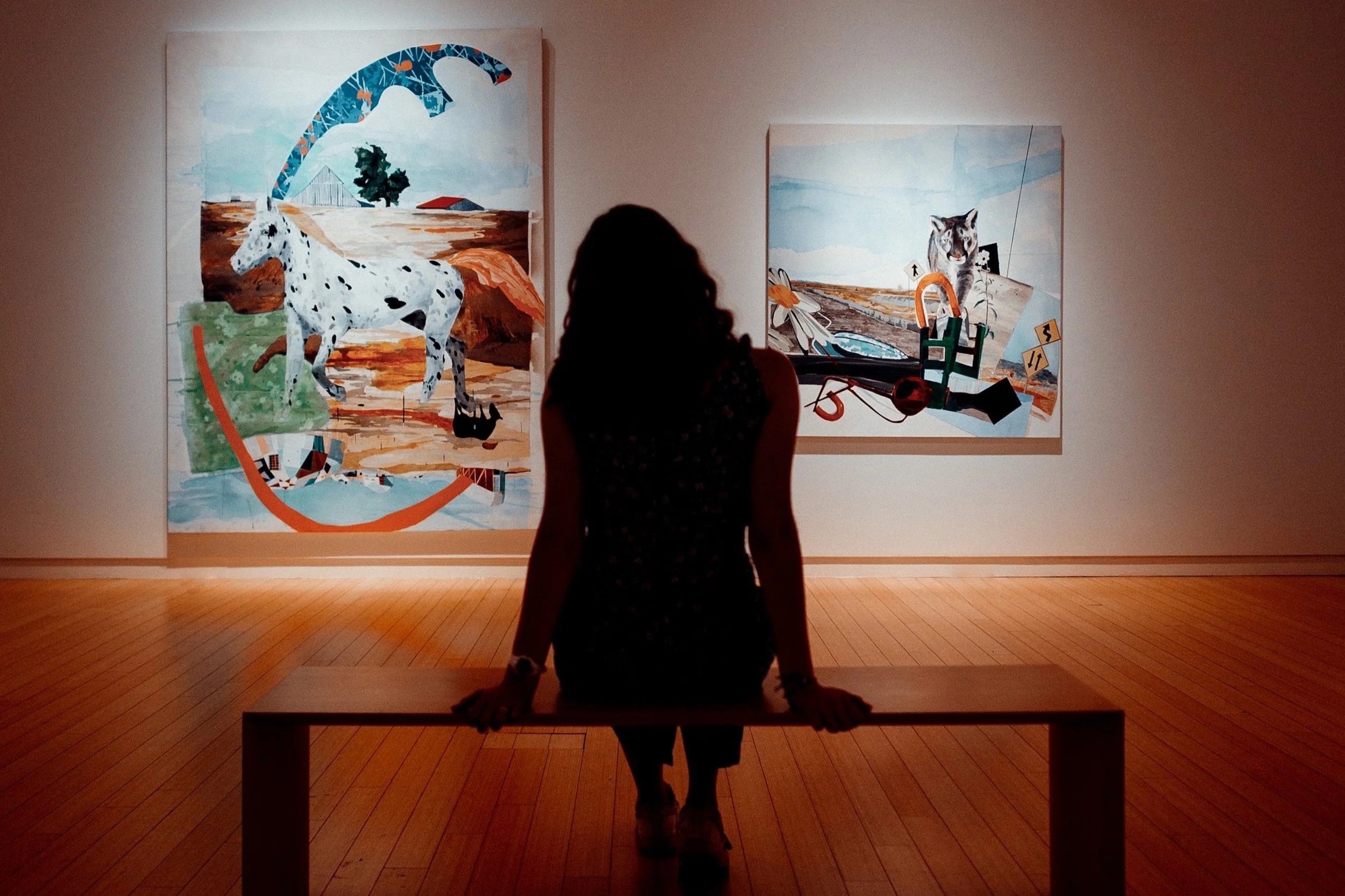
Five of our Favourite Museums for Finding Awe and Wonder
A visit to a museum can be one of those everyday adventures that helps inspire us in our daily lives, feeds our curiosity, and brings a sense of awe and wonder into our days. Here’s a round-up of five museums in London that recently offered the life pick-me-up that we needed.
Where do you go to locate awe and wonder? For us, it’s often a museum; that combination of the architecture of the space, the works in the galleries, the storytelling of the displays and exhibitions, and the people sharing the experience with us (plus the cafe and bookshop, of course).
A visit to a museum can be one of those everyday adventures that helps inspire us in our everyday lives and feeds our curiosity.
Here’s a round-up of five museums in London that we recently visited when we needed a life pick-me-up when all the things got a little too much.

Just the central atrium space on entering The Design Museum’s new home on Kensington High Street brings pause enough; but then the journey through approximately 1000 objects in Designer Maker User, the permanent collection display that contains everything from typewriters to roadsigns, is the experience we need to stimulate our (often neglected) creative minds.
For us, The Design Museum, one of the world’s leading museums on design and architecture, helps us to pay attention, to notice the details, the choices, that shape the things we use daily. The story of how we work, how we connect, and how we live our lives is told within these galleries (and sometimes it’s an odd sensation to look back on past iterations and realize that for a moment the promise they held was the future).
Look out for exhibitions that explore sensation in The World of ASMR, social and environmental issues in the work of Bethany Williams, and colour and play in the installations of Yinka Iloria.

A museum to break your heart and put it back together again: From the very first wall that reminds you that ‘Heathcliff was a foundling. Harry Potter was fostered… and Han Solo was adopted’, to the display of tokens that allowed a parent to reclaim a child, the Foundling Museum reveals the intimate stories behind the UK’s first children’s charity. Founded as a place for abandoned and neglected children by Thomas Coram, London’s first and only foundling hospital opened in 1939 (it took 17 years to raise the funds). Though the hospital has long closed, its purpose is still vital. As the current director, Caro Howell recently said, “This museum is unlike any other museum in the world, because for care-experienced young people, who have experienced such isolation and grown up without family, this museum gives them ancestry.”
But the museum also tells another story, one of artists and philanthropy; this was England’s first public art gallery (and a precursor to the Royal Academy) and artists (including William Hogarth, Charles Dickens and George Frideric Handel) created works to bring the public into its spaces. Today, The Foundling Museum celebrates the impact artists have had on children’s lives for over 270 years, from continuing to work with vulnerable young people to creating newly commissioned pieces that speak to the history of the museum itself (by artists such as Yinka Shonibare and Michael Craig-Martin).
Look out for the exhibition Superheroes, Orphans & Origins: 125 years in Comics.

We’ve often lost ourselves down the corridors of the V&A. For a time we were lucky enough to work close by and visit in our lunch hour – walking its many galleries, room by room, over years (though always finding ourselves back in the fashion galleries). The building in which the V&A is housed itself inspires awe, but it’s the vast collection spanning 5000 years of history and 1.2 million objects that inspires wonder. There’s Michelangelo’s David, Grayson Perry’s vases, Julia Margaret Cameron’s photographs, Alexander McQueen’s evening dresses and William Morris wallpaper, as well as ceramics from China, a theatre and performance collection and even a Glastonbury Festival Archive. And it’s all free to visit.
Now with a site in Dundee, a collection in Stoke on Trent, galleries in China, and future new London locations the Young V&A and the V&A East, this cultural behemoth continues to enthrall. For a taste of its magic wherever you are, watch the V&A film’s Creativity: It’s What Makes Us, or book a spot on one of their many online programs.
An exhibition to look out for Fashioning Masculinities: The Art of Menswear. An event to attend: Friday Late.

Tate Modern, always. Is there anywhere else like the Turbine Hall? Or the repurposed industrial tanks? Or the view from the iconic Lightbox on Level 6? Since it opened in May 2000, Tate Modern has dominated London’s cultural life and the South Bank. But though the building exists on a monumental scale, the artworks offer a more intimate experience: we recommended finding spaces away from the crowds (particularly in the permanent collection displays) and trying some techniques for Slow Looking.
Seek out Yayoi Kusama’s Obliteration Room and the artist’s Infinity Rooms, Lubaina Himid’s theatrical exhibition and Magdalena Abakanowicz’s woven sculptures. Participate in the Drawing Bar. And lose yourself in the wonder of modern and contemporary art (even if you don’t fully understand it).

What does home mean to you? This museum can help you reflect on that question.
Tracing how our homes have changed over a period of 400 years, this museum looks at how they are more than the spaces in which we play out our lives, but also hold emotional meanings around ideas of belonging, safety, and mental wellbeing. The Rooms Through Time Display traces a single room – the main living space – and how it evolved in middle-class households from 1630 to today offering a fascinating insight into how the way we organize our lives, our families, and our work, has changed dramatically in that period. Moving from a hall where all the household (including servants) ate together to a loft-style apartment in 1998, we get glimpses of lives once lived as well as some nostalgic moment’s along the way (like remembrances of our grandparent’s house).
Located in a row of former almshouses (whose architectural lines are traced in gold on the floor) in Hoxton, the Museum of Home reopened in 2021 (though it has existed in some form on the site since 1914) after a rebrand and refurbishment, so it’s definitely worth a visit even if you think you know it. Though on a domestic scale, there’s wonder to be hand exploring the spaces and witnessing just how much life has changed and continues to change, and how that’s impacting us – rightly or wrongly - on a daily basis.
Look out for the Museum’s Festival of Sleep and the Great Pajama Party.
Where would you add to this list? Which museums do you visit for bringing more awe and wonder to your everyday life? Let us know the places that you’d recommend we add to our guide for life.

Kelechnekoff Studio
A pole-dance studio that has diversity at its core that’s changing the shape of the wellness industry.
Nigerian-born Londoner Kelechi Okafor (recently named a Wellness Visionary to watch by Vogue) opened her pole-fitness and twerk studio space in 2016 to offer a more diverse space for women to get into their bodies and a more authentic approach to the dance styles that she teaches. Kelechnekoff Studio has since become a place of welcome to all, irrespective of body shape, ability, or background, restoring confidence to women who have been told one story of how they should look, and kindness in an industry that can seem anything but compassionate. Here the studio tells us more about their approach:
What is it? Kelechnekoff Studio is a pole dance studio in Peckham that offers classes of different levels, as well as classes in yoga, Wing Chun self defence, and handstands and flexibility.
Why do people need it? Kelechnekoff Studio is a place for all bodies to explore different types of fitness that have the power to make them feel sexy, powerful and confident. The space was started at a time when in the UK there were few fitness spaces that had inclusivity at their core and hardly any Black-owned pole dance studios.
What do you offer? The studio offers a range of pole dance classes — that include spinning pole, sexy pole, pole flow, pole dance inverts and climbs — from absolute beginners to intermediate levels. There are also sessions in Wing Chun self-defence, yoga flow, vinyasa yoga, and handstands and flexibility.
What makes it different? Our studio is based in the heart of Peckham and honours the origins of the dance styles we teach. Kindness and how people feel in their bodies are more important than appearance to us. We also strive to keep our classes as affordable as possible and create a caring community within our studio.
What do people need to know? We have classes every day of the week and even offer pole hire sessions for £5 during the week. In addition to this, you can buy a party package and have a pole dance or twerk party with us!
Tell us a little about your story: Our studio founder Kelechi Okafor is a trailblazer; she is an actress, personal trainer, pole instructor, director, author, and award-winning podcaster. Kelechi opened her studio in September 2016 to create a space for those who are often erased from mainstream fitness culture. These classes aim to nurture the relationship between mind and body and to be a safer space for people to enjoy fitness whilst exploring their sensuality with guidance and without judgment.
Kelechnekoff Studio Peckham
Sojourner Truth Centre
161 Sumner Road
London, SE15 6JL
Contact: info@kelechnekoff.com

Pages of Hackney
A bright blue beacon on Lower Clapton Road, Pages of Hackney is one of our favourite bookstores for reading advice. Founder Eleonor Lowenthal talks to us about what makes Pages of Hackney so unique and why independent bookstores matter so much to our neighborhoods.
A bright blue beacon on Lower Clapton Road, Pages of Hackney is one of our favourite bookstores for reading advice. It’s welcoming not just in how customers are greeted and the bookstore arranged (no intimidating, fusty-ness here), but also in terms of which books get to sit on its shelves and whose stories get to be told. Founder Eleonor Lowenthal talks to us about what makes Pages of Hackney so unique and why independent bookstores matter so much to our neighborhoods.
What is it? Pages of Hackney is a small award-winning bookshop on the Lower Clapton Road selling an eclectic mix of books. Our priority is to be a friendly, community bookshop that is accessible and inclusive, supporting the issues we believe in and giving a platform to marginalised voices in publishing.
Why do people need it? Everyone should have the opportunity to have books in their lives. When I started the bookshop in 2008, there hadn't been one in the local area for 30 years and we had both children and adults coming in who weren't sure what a bookshop even was. We do our best to reflect the local community in our diverse stock choices and through our Pay it Forward scheme to also make it affordable for everyone.
What do you offer? We sell books in the areas of literary fiction, politics, feminism, essays and life writing as well as philosophy, psychology, nature writing, music and children’s books. Our priority is for each customer to feel that the bookshop is for them, and we do our best to give our customers individually as much time and thought as we can. We put on lots of events, both in-person and online, addressing issues including gender, sexuality, race and current events as well as platforming novels from established and debut authors.
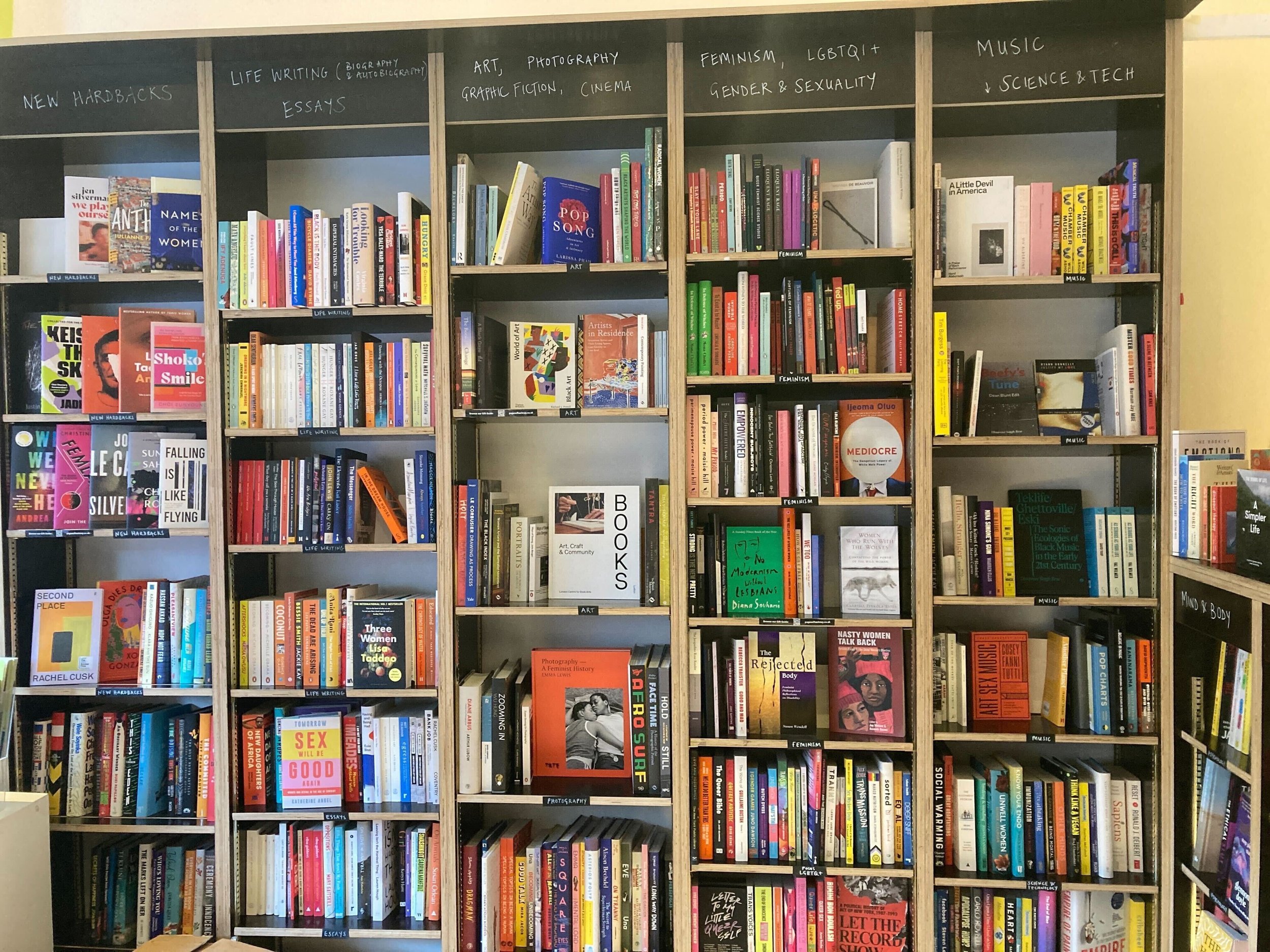
What makes it different? The space is designed to feel like a sanctuary from the busy life of the High Street. Once you step inside, you're free to browse in a quiet space, talk to us and ask for specific recommendations, or simply sit in our cosy basement. What makes us different is that we aren't simply invested in selling a book to every customer, but in making everyone feel welcome and as if the shop belongs to them and is a part of their community.
What do people need to know? We are open every day for in-person browsing, but you can also order all our books online, or request anything you don't see there. We can get most books we don't have in stock in 1-2 days and can also post books and gift wrap if required.
Tell us a little about your story: Books are an excellent way to unwind, escape into, and learn about how to cope with anything people might be struggling with. Our books reflect this and the bookshop itself is a safe space in which people can reconnect with themselves and consider what is important to them.
How can people be inspired by your space wherever they are? Simply browsing our shelves, online or in person, should be inspirational, connecting people to authors and ideas that they haven't heard of, or that they might want to explore more deeply. In addition to the usual categories, we have shelves dedicated to specific subjects that might be of interest (including the Black Britain series, both Japanese and Korean writing shelves, Afrofuturism) and authors we're currently inspired by (like Joan Didion and Toni Morrison).
Where inspires you? I get inspired by talking to new people every day in the shop and exchanging thoughts, ideas and feelings.


The London Lonely Girls Club
Looking for connection in one of the world’s busiest cities? Holly Cooke talks to us about why she started The London Lonely Girls Club and how it can inspire you wherever you are.
“Stepping outside of your comfort zone, saying yes to every opportunity to meet others, being bold.”
We talk to Holly Cooke, founder of The London Lonely Girls Club about why she started these IRL meet-ups for women looking for connection and how this idea can inspire you wherever you are.
What is it? The London Lonely Girls Club is a community in London, created to help women in the city meet up, hang out, build friendships and make London life a little less lonely.
Why do people need it? As an adult, it can be really difficult to meet new people, make new friends or simply find others with similar interests or hobbies. And so The London Lonely Girls Club was created to meet this need and help women across one of the busiest cities in the world connect with each other!
What do you offer? We are both an online and physical community. We have an active Facebook group of over 10.5k women. Within this forum our members can post, engage and get to know each other at their own pace. Alongside this, we run meet-ups multiple times a month where our members can get to know each other IRL whilst visiting some of London’s loveliest places or doing fun activities together.
What makes it different? The London Lonely Girls Club was specifically created to help women connect, make friends and beat loneliness. It’s as simple as that, no strings attached!
What do people need to know? LLGC, as we call it, is an inclusive, supportive, fun community that any woman in London can engage with in their own way. Whether they’re just looking to find someone to go on weekend walks or theatre trips with, advice on the best place to get their hair done in a specific part of northwest London, or to build lifelong friendships, everyone is welcome!
What’s your story? Before founding The London Lonely Girls Club, I was a very lonely girl living in London. I’d moved to the city for work and to fulfill a lifelong dream of living in the best city in the world. But very quickly moving to a city where you know absolutely no one can be both isolating and terrifying. From this The London Lonely Girls Club was born, a community created to bring the women of this incredible city together under the flag of unity, connection, and friendship. With meet-ups each month that allow people to connect in person, rather than just via a screen.
How can people be inspired by your initiative wherever they are? Every day the members of LLGC teach me about bravery and courage, whether it is sharing their story in our group’s main feed and looking for others who share a similar struggle or journey, stepping outside their comfort zone by coming along alone to our monthly IRL meet-ups and connecting with others in person over a coffee, burger or glass of wine, or simply revealing themselves by joining a community with lonely in the name.
I think this is something that can inspire everyone, no matter where you live, how you identify, or what your social situation is. Stepping outside of your comfort zone, saying yes to every opportunity to meet others, being bold. Just one small decision of courage really can change your life, I should know, it did mine!
Where inspires you? The women of our community and the incredible city that we live in. They’re both so inclusive and diverse and vibrant and loud and unapologetic, but also kind and supportive and beautiful. It is inspiring to get to be just a small part of these things.
Anything we’re missing? If a woman in London is reading this, then we’d love to have you be part of our community! Whether you’ve lived here your whole life or you moved a day ago, feeling lonely is the worst. As humans, we’re built to be in community, surrounded by others who can lift us and love us and support us during both our triumphs and challenges and that is what The London Lonely Girls Club aims to do.
To find out more visit: Our website | The LLGC FB community | Our social media


Discover more places to feel connected
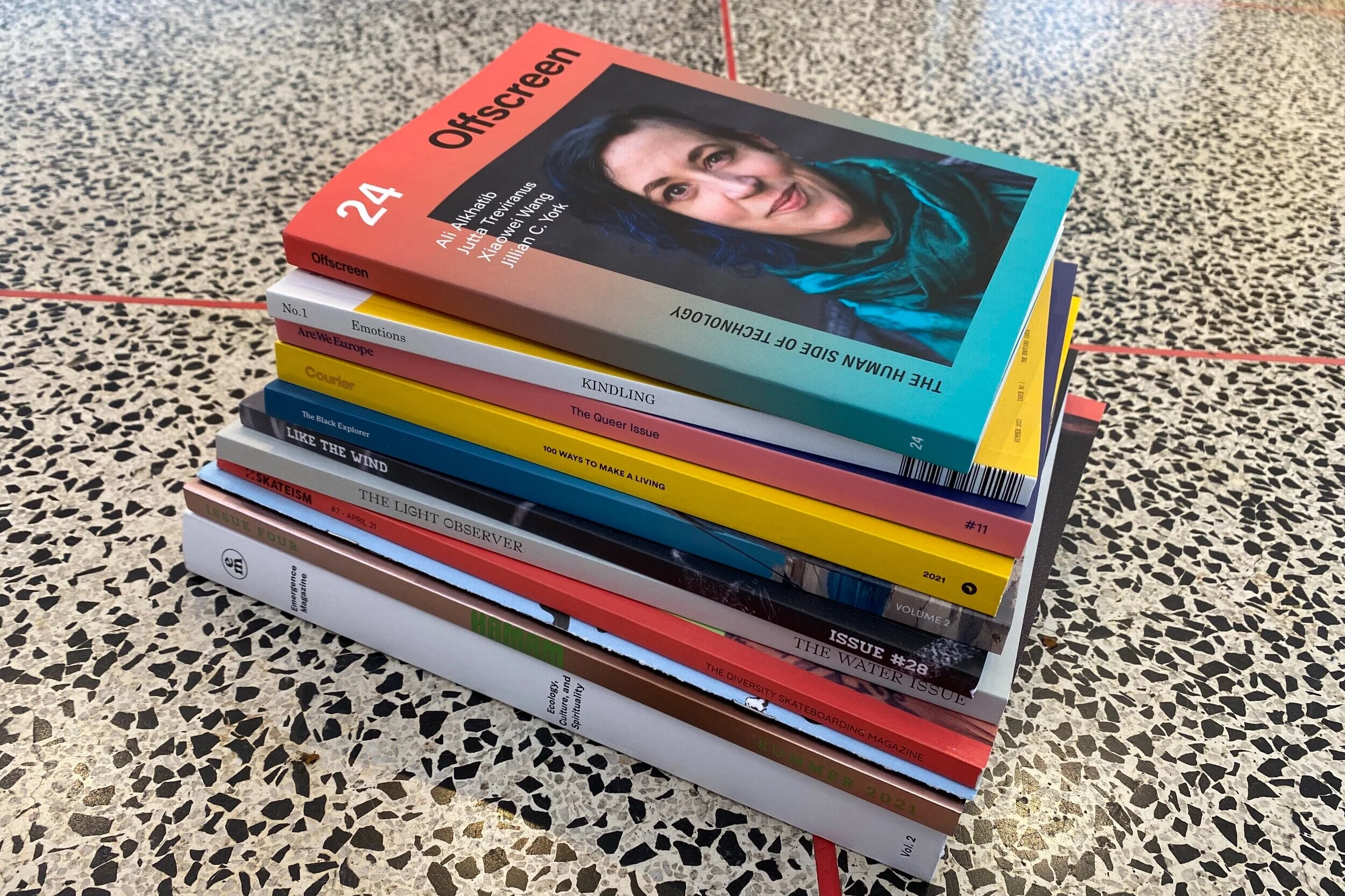
A Magazine Prescription from Danielle Mustarde at London's magCulture
Award-bagging writer Danielle Mustarde writes her prescription for the independent magazines to seek out in uncertain times.
For the second in our Culture Therapy Series, we invited award-bagging writer and shop manager at London's magCulture, Danielle Mustarde to write a prescription for independent magazines to seek out in these uncertain times.


Looking for more suggestions, magCulture now offers a quarterly boxset.
We hope you find many new discoveries amongst these selections for whatever ails you.
Subscribe to our newsletter for more ways to connect with what matters in your everyday life.

The Me You Can't See
Beyond the click-bait headlines, we explore the places and initiatives behind Apple TV’s mental health series produced by Prince Harry and Oprah.
“Connection to anyone who cares about you makes a world of difference.”
Much has been written about The Me You Can’t See, Apple TV’s new star-produced mental health series that was two years in the making and that has become the most-watched program on the platform. Unfortunately, the media narratives have played to the headlines, the narrative hooks of Prince Harry, Oprah, Lady Gaga, and Glenn Close gaining the most attention.
But what these click-bait articles overlook are both the courage and vulnerability that comes with anyone sharing their stories and also the other powerful narratives woven through. We were struck by Chef Rashad Armstead of the Black Food Collective talking about his struggles with depression and anxiety, the openness of boxer Virginia Fuchs about how she manages her OCD, and the struggle of Fawzi, a refugee boy in Greece who had violently lost his young brother to the civil war in Syria and is only just learning to speak of his trauma.
This isn’t a series to be reduced to princes and celebrities, but one that gives breadth to people’s experience of something that we all have to contend with: our mental health. And whether you come at that clutching an Oscar or a crown, empty-handed or drowning, not waving, all of our stories matter, because no life gets to be untouched by this subject.
As we write a guide to the places in the world thinking differently about mental wellness, we wanted to take a moment to look at a handful of the impactful places and initiatives that The Me You Can’t See includes.
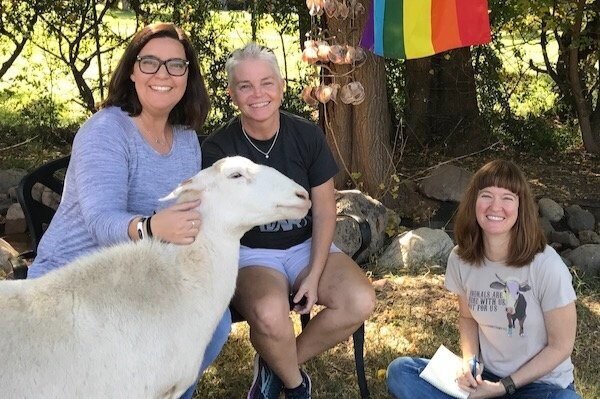
SELAH CAREFARM | ARIZONA, USA
“The world’s first therapeutic care farm for traumatic grief.”

CAHOOTS |
OREGON, USA
A model for a potential fourth emergency response team trialed in Eugene.

BRING CHANGE TO MIND | USA
An advocacy organization with a mission to end the stigma around mental health.
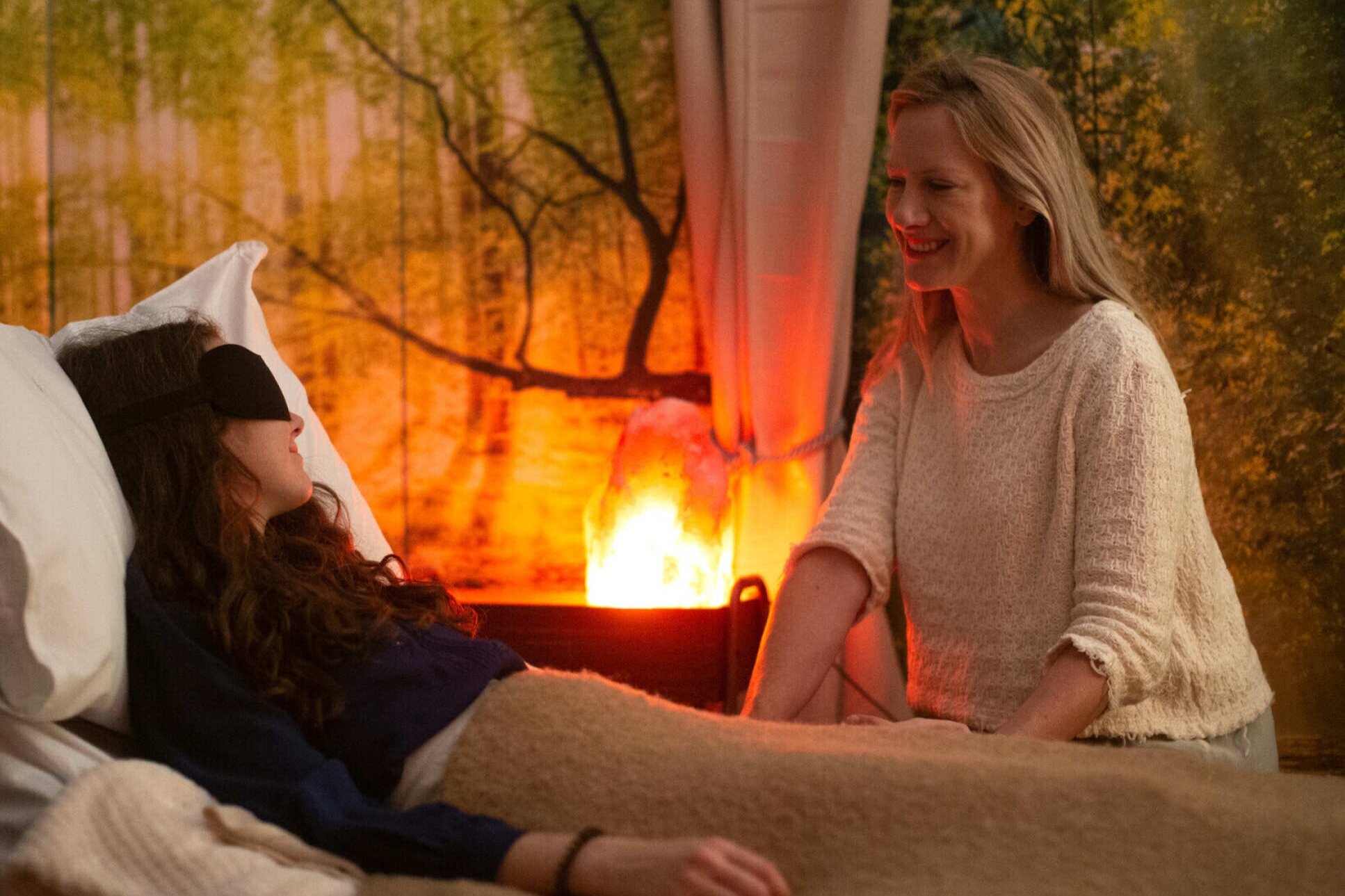
THE CENTER FOR PSYCHEDELIC RESEARCH | LONDON, UK
Based at Imperial College and focusing on the clinical potential of psychedelics, including their impact on depression.

HUMANITY CREW | GREECE
Co-founded by inspirational psychiatrist Essam Daod, bringing mental health resources to humanitarian crisis.
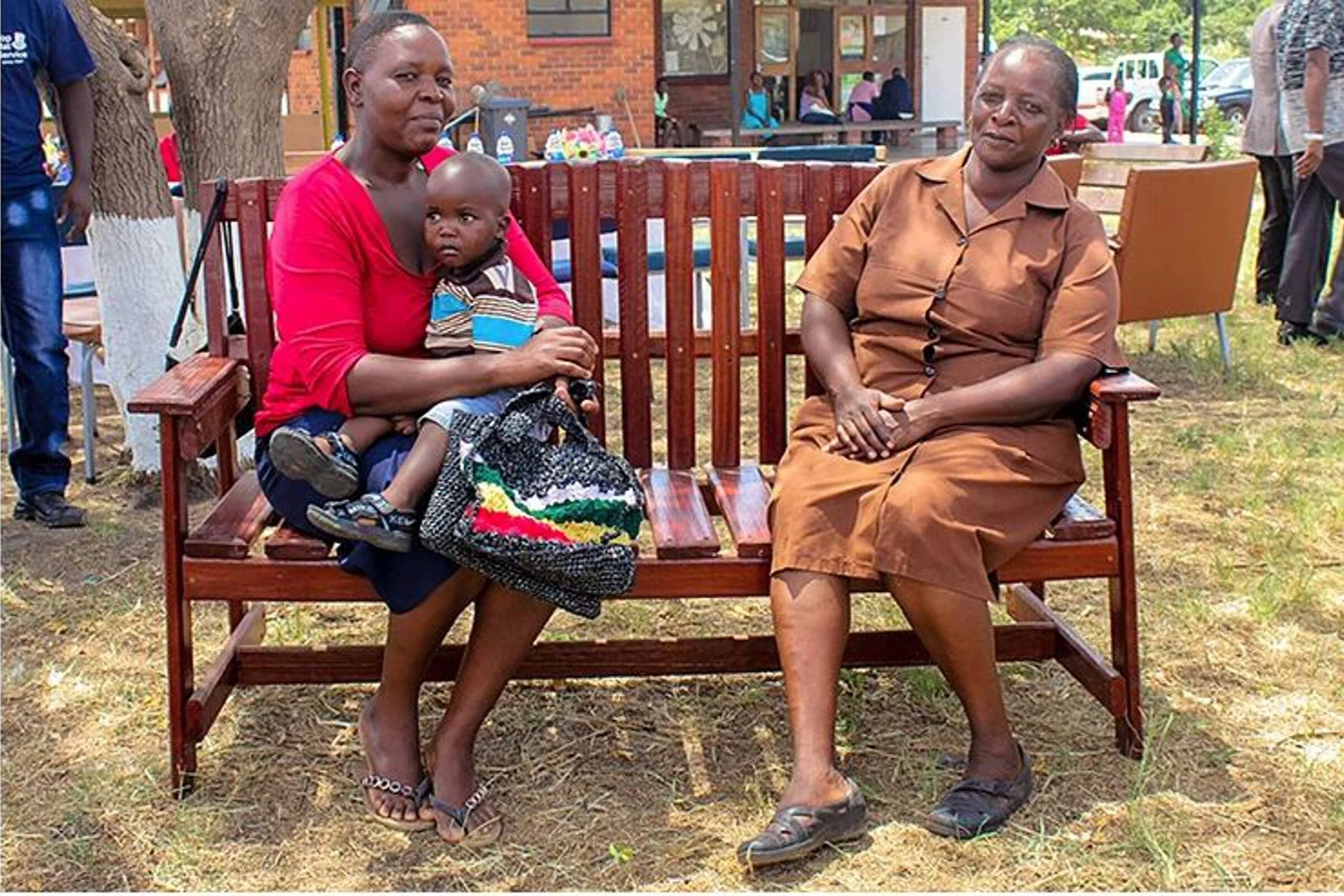
THE FRIENDSHIP BENCH | ZIMBABWE
Peer-led talking support within walking distance of anyone in a community

YA_ALL |
MANIPUR, INDIA
A safe space for children, adolescents and youth, and part of “an inclusive revolution” started by founder Sadam Hanjabam
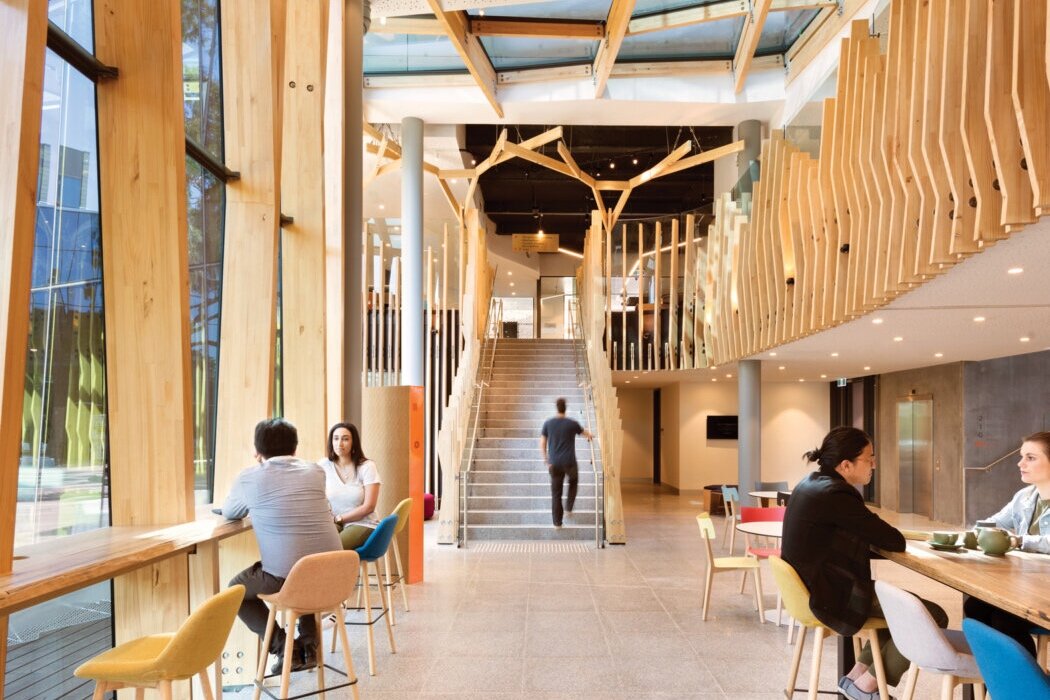
ORYGEN | AUSTRALIA
Shifting access to better mental health for young people through research, advocacy, clinical care and education.
Flock Together
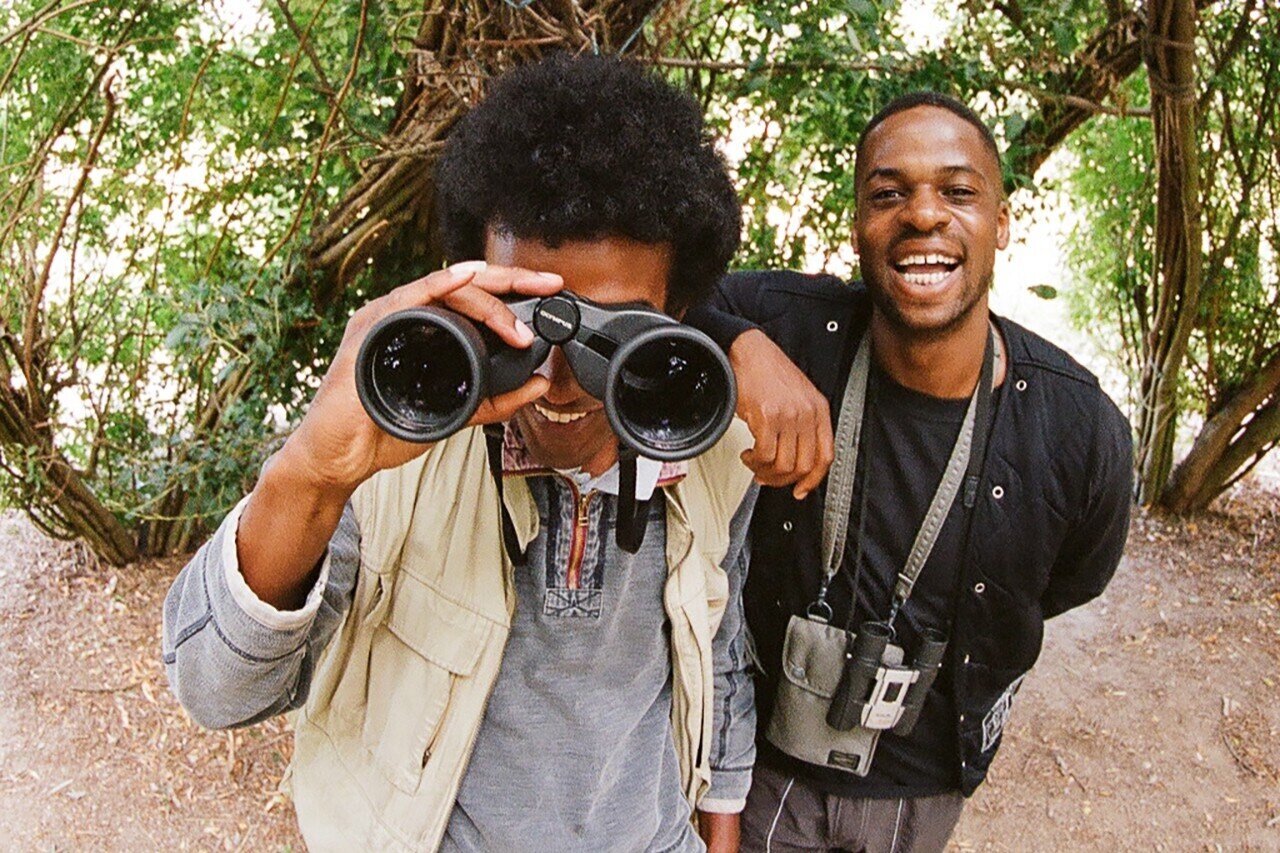
A birdwatching collective founded by and for people of colour that’s as much about mental health, creativity, ecology and community as ornithology.
What is it: A birdwatching collective for people of colour started in London by Ollie Olanipekun and Nadeem Perera (who met each other on Instagram over their shared love of birdwatching). From its first walk on Walthamstow Wetlands last year, Flock Together now has chapters worldwide, including in Toronto, New York, Milan and Paris.
Why you’ll love it: Join one of the monthly birdwatching walks — don’t worry, no experience is needed and beginners, as well as experienced birdwatchers, are very much welcome. So that no one is left out, Flock Together has developed brand partnerships, with binoculars and equipment donated. Although the walks are built around how to spot birds and what they are when you do — is that a jay, a wood pigeon, a robin? — they also build a supportive community, that understands the circumstances that might have brought you here.
What you need to know: New initiative Flock Together Academy makes sure kids get into nature, start to see the birds around them, and begin to understand ecological issues. Nature has been shown to have huge benefits to our kids — a year of being glued to Zoom classrooms and disconnected from the outdoors has been a desperately sad indicator of this. These classes in green spaces make nature visible, accessible, and vital again to young minds ready to learn outside the classroom what’s really important.
How to bring this into your life: Interested in the mission of Flock Together? Reach out to them to open a chapter wherever you are.
Why it matters: Think birdwatching and what’s the image that comes to mind? Maybe the media painted picture of a middle-aged khaki-wearing white man sat with their triangle sandwiches in a bird hide deep in the English countryside. That’s the history and that’s the misrepresentation problem, right there. Flock Together began during both lockdown – when the connection between nature and mental health became clearer — and the Black Lives Matter movement when who had access and who didn’t to this form of support also became more apparent. Similarly, birdwatching hasn’t been equitable, or diverse. This became acutely known when a white dog walker called the police on a black birdwatcher Chris Cooper in Central Park. Also, birdwatching hasn’t exactly been cool, but Flock Together is shifting that too. And those mental health benefits, Olanipekun and Perera are building this into their mission developing therapeutic sessions for participants.
In their own words: “Nature is a universal resource. For too long black, brown and POC have felt unwelcome and marginalised in spaces that should be for everyone. Together we are reclaiming green spaces and rebuilding our relationship with nature — one walk at a time.”
Something to do: We’re very new to noticing the birds around us. During the lockdown, we learned to identify the birds in our garden for the first time. And though we learned their rhythms, their colours and their songs, we also learned that we play a role in looking after them. Read this post from Flock Together, which shows us all how to take care of our feathered friends: by feeding them, cultivating wildflowers, putting out water, and looking after the insects — the birds need them too.
Lead photo credit: Zaineb Abelque

Hoxton Street Monster Supplies
Now allowing in humans, this store has everything the monster in you needs (and a not-so-secret cause behind it all).
For: monsters of every kind struggling to find the supplies they need to get through their ghoulish days and humans of all ages looking to restore make-believe in their lives.
What is it: One to enter at your own risk, this quirky store on an ordinary-looking street in Hackney is maybe the only one in the world (that we know of) that stocks “Bespoke and Everyday Items for the Living, Dead and Undead’.
What you need to know: Escape into your imagination with a store that is really one of its kind: since its murky start by newly exiled Igor the 1st in 1818 and its tentative steps into the human world in 2010, it has been serving everyone and everything with the kind of canned and boxed delights that any self-respecting creature needs, the fang floss, breath remedies, and dragon treats on our shopping list.

How to bring this into your undead life: Wherever you are, your way into this world is definitely via witty and fantastic products like their Salt Made from the Tears Shed while Home Schooling, Mummy’s Sewing Kit and packets of powdery pink brain food. If you live locally, volunteer to help brave visitors survive the store or become a writing mentor in the Ministry of Stories.
Why we think it’s different: Beyond its license to sell ‘items including, but not limited to: Malodulous Gases, Children’s Ears, Gore, Fear (tinned only)”, behind a secret password guarded door is The Ministry of Stories , a creative and mentoring charity for mini-humans aged 8 to 18.
The not-for-profit was started by About a Boy / Fever Pitch / High Fidelity writer Nick Hornby with Lucy Macnab and Ben Payne and was modeled on Dave Egger’s 826 Valencia. The aim of the classes here is to make writing fun and accessible across all genres from gaming to screenwriting, cookbook contributions, and graphic novels, and to build the confidence that comes with creative adventures on the page experienced in a supportive community.
It’s now been widely published that there’s a curse in the store – that makes all profits go to the Ministry of Stories. As Minister of Fluency, the beloved by us and many a monster, Colin Firth declares “you know your helping to support the business of the imagination with the next generation”, so maybe this is one hex that we humans won’t venture to break.

In their own words: “We pride ourselves on being London’s, and quite possibly the world’s, only purveyor of quality goods for monsters of every kind. Many of our customers have been coming to us for centuries. Indeed, some have been coming for considerably longer. Whether you’re a Vampire, Werewolf, Sasquatch or something else entirely, we have everything you need.”
Something to inspire: Short of attempting to rebrand everything in our homes – will our kids go with water if it’s the elixir of life – look to ways to bring in the make-believe. In a year, when we’re been abruptly pulled up by reality, there are ways of escape that might be nearer than the dream destinations we’re been longing for – retreats made in our minds, and played out in worlds of our own making. Even travel bans can't go there. But monsters can.

How creativity can improve your wellbeing during uncertain times and beyond
The many ways that creativity can make you feel better wherever you are, and whatever your creative practice.
“Unused creativity is not benign. It metastasizes. It turns into grief, rage, judgment, sorrow, shame. We are creative beings. We are by nature creative.”
Creativity is an important aspect of life, but many people are currently struggling to feel creative. Months of isolation have left many of us feeling lonely and uninspired.
However, some people in the past and present have found that uncertainty and crisis can actually spark creativity and innovation. From trying new crafts like knitting to renovating your home, undertaking creative projects can help boost your mood, bring some joy during these difficult days, and also help you cope during periods of isolation, especially if you live alone.
What is creativity?
Creativity can be channeled, honed, and expressed in tonnes of different ways, not just on canvas or through arts and crafts. It could be through a board game, party planning, or even coming up with solutions to a business problem.
Everyone is creative, but many of us choose to not explore, express or appreciate it, for a variety of reasons, so it goes down the pecking order of priorities and/or the benefits aren’t felt.
Sam had the perception for years that being creative involved painting a masterpiece, like Van Gogh, or writing and performing a song. Both of which he felt he couldn’t do; his creativity was locked in a box or didn't even exist. He’s now come to realise that creativity just needs an outlet that works for you, like many things in our lives.
Similarly, when we think of creativity, many of us still think of painters and musicians, rather than architects, interior designers, warehouse managers, founders, accountants, and all the other people who need to be creative regularly and may not realise they are.
We’ve found that being more creative, however, you choose to access it, is a superpower that can positively impact your life and business. Don't forget - you are creative, it is in you just waiting to come out.

Being more creative boosts your mental health
Here are seven ways that creativity can help us negotiate uncertain times and get through periods of isolation.
1. Creativity reduces stress, anxiety, and mood disturbance
The pandemic has created a lot of doubt and uncertainty, and for many people, this can create feelings of negativity — but you can help mitigate this negativity by doing something creative. Whether you make something beautiful for yourself (such as a pair of earrings) or use your creativity to help someone else (for instance, you could help a small local business with advertising), this focus on doing something and bringing an idea to life will give you a sense of purpose and productivity — giving more meaning to your days in isolation.
The Connection Between Art, Healing, And Public Health — a Review of Current Literature (2010) concluded that “creative engagement can decrease anxiety, stress and mood disturbances.” Another study Everyday Creative Activity as a Path to Flourishing similarly concluded that engaging in a creative activity just once a day can lead to a more positive state of mind.
[A creative activity can be simple, don’t worry. You may be doing it regularly already. It could be doodling in a journal, crafting, playing the guitar, redesigning your kitchen, or business planning. These are things everyone can do and just acknowledging it can give you a boost.]
Back to the study. The results surprised the researcher Tamlin Conner, who didn’t think the findings would be so definitive. Conner said...“Research often yields complex, murky, or weak findings…But, these patterns were strong and straightforward: Doing creative things today predicts improvements in well-being tomorrow. Full stop.”
During the pandemic, your local council might offer creative workshops. For example, the creative sector in Bradford has come up with a host of creative ways for locals to improve their mental health; they are providing virtual classes for both adults and children, including drawing classes, yoga classes and writing classes.
2. Creativity Can Improve Your Personal Space
Lockdown created a whole host of DIY clichés and for good reason! Being stuck inside your house for months isn’t much fun, especially if you don’t find your home relaxing or pleasant — but up-cycling is an easy way to improve your surroundings.
From up-cycling old chairs to give them some personality, repainting some cupboards to breathe new life into them, or turning old cups and bowls into planters for flowers and shrubs this is a simple way to stay occupied (and it is also great for the environment!).
If you are looking for some upcycling inspiration, we can recommend these Instagram Accounts:
@maiseshouse for beautiful upcycle furniture inspiration
@restoringlansdowne for moody interiors and Victorian home renovations
@linsdrabwell for some budget-friendly upcycle hacks
You can start small on something like a plant pot or a mirror and work your way up to something bigger.
This leads to another benefit of creativity; it gives us a feeling of pride, that "I did that, yeah, me”. It’s really nice spending an hour or more creating something, and then et voila. It’s done, it’s there, something that reflects your inner creativity and personality. An expression of you. It feels very empowering and never gets old.

3. Creativity Allows You To Connect With Other People – Close to Home & Around The Globe
Creativity allows you to connect with other people. One of the hardest things about isolation is limited socializing, but you don’t have to be creative alone.
When lockdown first started, and we were on furlough when our studio M.Y.O had to close, we launched #createsolation. This was a series of almost daily challenges trying a new craft from macramé to string art and even fork calligraphy! This helped bring some structure to our days especially and keep us connecting with our audience and regular studio guests virtually. It was so great to see many guests try out the challenges we were doing and share their tips and creations with us.
There are now a whole range of classes that you can take online with friends, as well as hundreds of forums for specific creative interests (such as designing jewelry or knitting) that meet virtually. This allows you to connect with new people who have the same passion as you so that you can collaborate and have fun together. It also opens up borders enabling you to connect with people around the world, who you may not normally meet!
Closer to home, Sam has been sending his mum a range of creative kits from calligraphy to watercolours and even candlemaking for them to do together and to bring back her creative spark. She has been cocooning for a few months as a vulnerable person and having retired was looking for projects to keep her busy. It’s been amazing to see how much it has helped brighten her mood and give her a sense of achievement — from lino printing 50 Christmas cards to decorating her lampshade and upcycling her furniture, her creations have definitely inspired us!
Humans are social creatures, we crave company, connections, and being around other people. Social interactions are still a vital part of who we are — but it is possible to build connections virtually.

4. Creativity increases our sense of self-awareness and opens up expression
Dabbling in being creative produces an output, which is basically an expression of you — even if you don’t think it is! Over time and with a little practice, you can feel a lot more able to express yourself as you become more comfortable in yourself and the different techniques that you are drawn to.
5. Creativity can slow you down (in a good way) and give you an expanded sense of time
Time slows a little in the sense that your thoughts slow and it’s easier to stay focused on the task at hand and feel a little more present. This can be referred to as being in the flow.
Ever feel like your weeks are just absolutely flying by and you don’t know how and what you’ve done? Slowing that right down can really help, and arts and crafts can make that happen. Having such easy access to technology means our brains are constantly whirring, but not necessarily about the right things.
6. Creativity can help you think better
Experiments have shown that being creative, which can trigger mindfulness, boosts your general creativity as it can enhance your ability for divergent thinking — a thought process or method used to generate creative ideas by exploring many possible solutions. But, many of the qualities associated with convergent thinking are also enhanced by mindfulness. Convergent thinking is basically the opposite of divergent thinking. It generally means the ability to give the “correct” answer to standard questions that do not require significant creativity. Creativity helps with both.
7. Become a better problem solver
Short and sweet here. You can become a little more resourceful and creative with figuring things out, much like you need to be when creating something. Part of this comes from having more confidence to think creatively, as you will naturally think harder and come up with more possible solutions to problems, rather than latching onto the first two you think of.
There are so many times when very quick decisions are made on big challenges, without really looking for all possible solutions. When we can come up with more options, we can assess each one and decide on the one that increases our chance of success.

But how can I be creative?
We know that starting any creative practice can be intimidating, even when the benefits to us are increasingly evident. Here are a few ideas for getting you started on your creative adventure.
Start small
If you feel you are never creative, that’s fine. Maybe try it once this month and make a mental note of how you feel after. Try something you can quickly do like an adult colouring book, doodling, or painting by numbers. Do that a couple of times in the next few months, then maybe try more often… you may end up doing it daily — but don’t put pressure on yourself to do that from the outset. Small, incremental changes can become habits.
From a creative thinking perspective, think back to times where you were creative. This will give you a confidence boost to do it more often when you are looking at challenges in life and business. There is always option a, b and c but what about option z?
Next time you have a challenge you need to overcome, write down ten possible solutions to it. You'll be surprised with what you come up with.
Start with someone else
We always find a bit of peer pressure helps and keeps you in check. Get a friend or colleague who you think would equally benefit from having a creative practice, explain the reasoning and get them on board — they don’t have to do it with you, it’s fine to do it solo, but at the least, they can check-in to see how it went, increasing the chances of you doing it! Try making something for each other or teasing out a life or business problem together.
Check out resources for creativity and find the ones that appeal
Our creative space for grown-ups has many classes (both online and off), you can check out our kits (and podcast!) on Creative Jungle and of course If Lost, Start Here has advice on where to go to seek out creativity. However, you start, make it something that works for you, whether that's pottery or welding... the options are huge. Go play.
So, stay creative, stay inspired, and make sure to regularly reach out to your loved ones for a chat whatever your creative life looks like.


Hackney Herbal
A garden and studio in Hackney promoting the well-being benefits of herbs and our connection with nature.
Go here if: you are curious about the potential for herbs and nature to impact your day-to-day life, you are looking for connection with others, or you are looking for strategies to improve your physical and mental wellbeing.
What is it: A social enterprise that promotes the wellbeing potential of herbs — growing them, cultivating them, using them as teas and remedies — founded in Hackney by Natalie Mady. Since its start in 2015, the community-minded business has gone on to collaborate with organizations such as Tate, Stella McCartney, and Kew Gardens.
What you need to know: From its garden space and studio, Hackney Herbal offers hands-on workshops that take a broad view of herbs – from practical skills that include how to grow and dry herbs for self-care purposes, and how to make herbal teas and remedies, to wider subjects like how to urban garden and how to connect with nature. Herbs here serve both as a practical remedy and a framework for thinking about our health and the environment
How to bring this into your life right now: Though Hackney Herbal is fundamentally about being together and working within nature, it has managed to put a selection of their workshops online. You can book classes in growing food on the windowsill, identifying wild herbs, and using essential oils for the mind. Also, they make handcrafted herbal tea blends from their own gardens and other organic growers that are available to buy, with profits funding initiatives that serve the local community.
Why we think it matters: By booking a workshop or an event or purchasing their teas and products, you are also supporting free nature-based programs that apply the therapeutic benefits of herbs to communities who need them such as the 6-week Herbal Craft Course at the Center for Better Health, and mental health orientated classes at Recovery College and the local chapter of the charity Mind.
In their own words: “We connect people, plants and place to:
1. Share knowledge and skills relating to horticulture, food growing, and nature
2. Inspire people on their own journeys with plants
3. Nurture the health and resilience of people and the land in Hackney
We use nature-based activities to allow people to come together, share ideas and collaborate. We provide a preventative intervention to the onset of poor mental health as well as a pathway to recovery for those already suffering. Our key outcomes follow the themes of health, education and community resilience.”
Something to do from wherever you are: Can’t wait to get started, Hackney Herbal offers tons of advice on their website and social media channels about making herbal remedies and growing herbs at home, as well as downloadable seasonal journals full of recipes (like this on making a solar infused oil or this on making a body scrub from coffee grounds), sales of which support their mission of increasing access to green spaces in the borough of Hackney and helping people improve their physical and mental health through herbs.

M.Y.O (Make Your Own)
A London studio designed for grown-ups to discover their own creativity, with all the wellbeing benefits of making.
Go here if: you’re wondering how to bring more creativity into your life, you are feeling lonely and looking for more connection, or you need to find a strategy for destressing, learned here, then taken home with your creation.
What is it: M.Y.O. (Make Your Own) is a space where grown-ups can play around with materials and making. The creative studio was launched in 2017 by Sam Lehane and Diana Muendo, both chartered accountants who were coming into their own creativity but could not find the environment that they needed to support their new interests.
Why you’ll love it: M.Y.O. gives you permission to be creative because Sam and Diana believe that everyone is. There’s no worrying about outcomes, or getting it wrong, or that you’re not really ‘Arty’ or an ‘Artist’. Just the space to explore and find the medium or practice that works for you.
What you need to know: Small classes take place in a two-level studio in Borough that has all the materials you could possibly imagine to get you making things and a space where it feels ok to get messy. There’s a huge variety of classes (refreshed every few months) on everything from watercolor painting to macrame plant hangers. Adults get a break from it all and a chance to explore arts and crafts skills without judgment or prior experience.
How to bring this into your life wherever you are: In parallel to the bricks-and-mortar space, M.Y.O. hosts a similarly wide array of virtual class options hosted with sister company Creative Jungle Co (which also offers Virtual Team Building with teams across the world).
Why we think it matters: The well-being benefits of creativity are becoming ever clearer (anyone who has picked up a watercolor brush or taken up baking in a lockdown can probably now attest to this). M.Y.O. is increasingly thinking about creativity in terms of how it helps us function in the world, helping reduce stress and loneliness. The classes offered by the studio give you an easy way into figuring out if creativity can have a place in your life and what shape that might take for you.
In their own words: “An art gym for your creative muscles.”
Something to do: You don’t need to be good at art to do it. You don’t have to make perfect pots to mold clay. All you need is the willingness to try, and an openness to seeing where it takes you. What would you try creatively if no one was watching and it’s really just for you? Start there.