

A Handful of Books for Seeking Connection
For when you need more people in your life, sometimes the imaginary ones work the best. In our latest Culture Therapy Prescription, here are the books we’re recently looked to for more connection, though here of the at-home kind.
Maybe it’s a contradiction to look to books when we’re looking for more connection in our lives. But as introverts, we’ve found that sometimes the books we turn to provide exactly the kind of company that we need.
We’ve pulled together some recent reads that have helped shape our perspective on this idea of connection. We’ve included non-fiction by Vivek Murthy, Priya Parker, and Johann Hari that explore the science of relationships, helping us realize why people matter as much as they do, how why we gather has impacts beyond the moment of coming together, and why who shows up in our lives can shape our experience of it.
And there’s fiction too by Sally Rooney and Bernardine Evaristo that reveal the breadth and nuance of different kinds of relationships as well as allowing us an intimacy with the characters playing out their imaginary worlds. Others are memoirs like those by Michelle Obama and Bill Hayes that give us glimpses of lives that have prioritized service to and curiosity about the people with whom we share our neighborhoods.
We hope you’ll discover some new finds, some new ways to friendship, and maybe even some new relationships, imaginary or real.
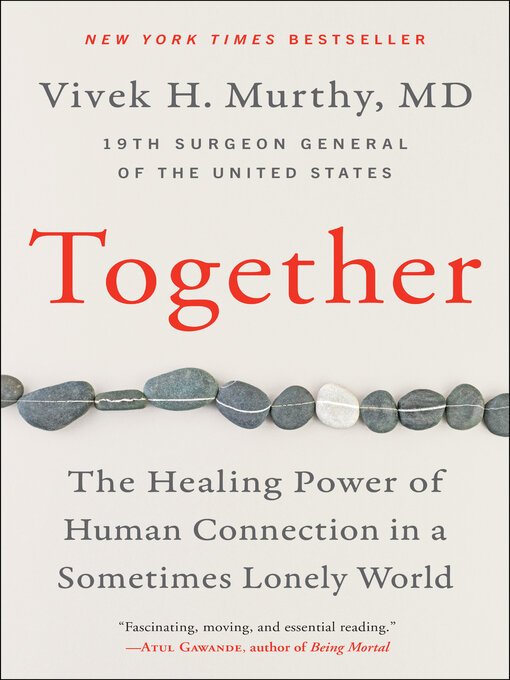
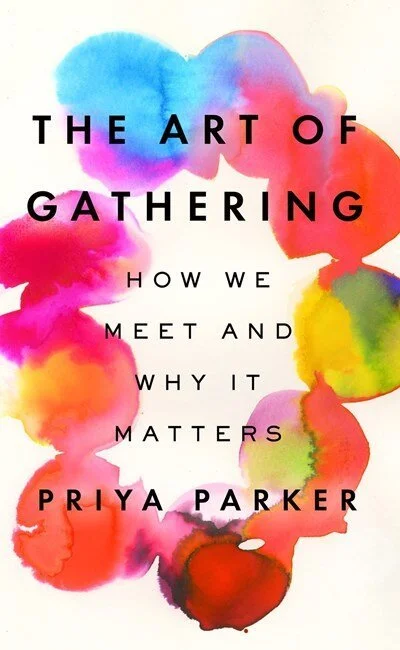
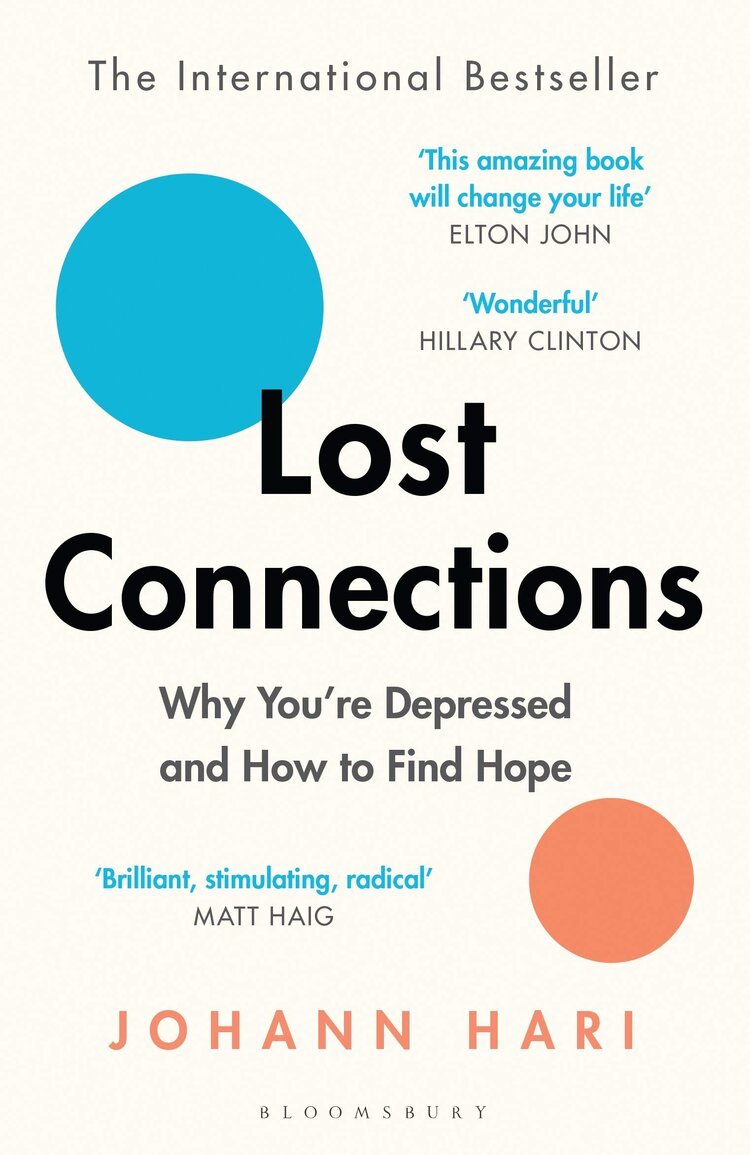

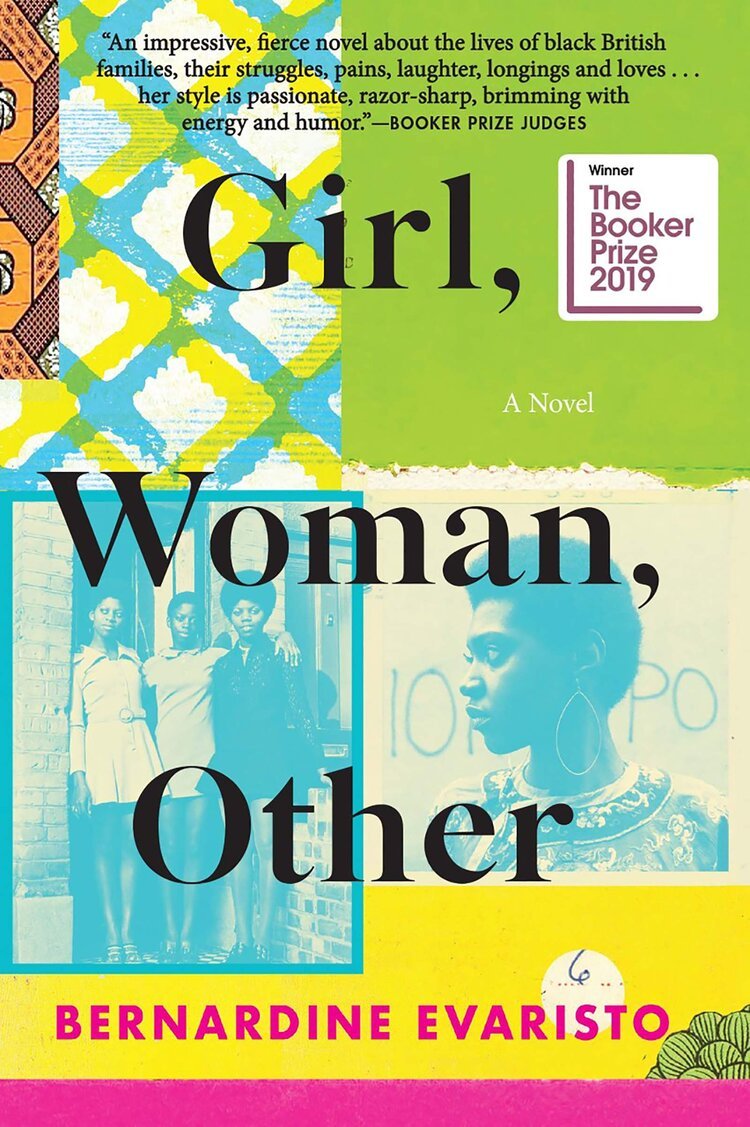
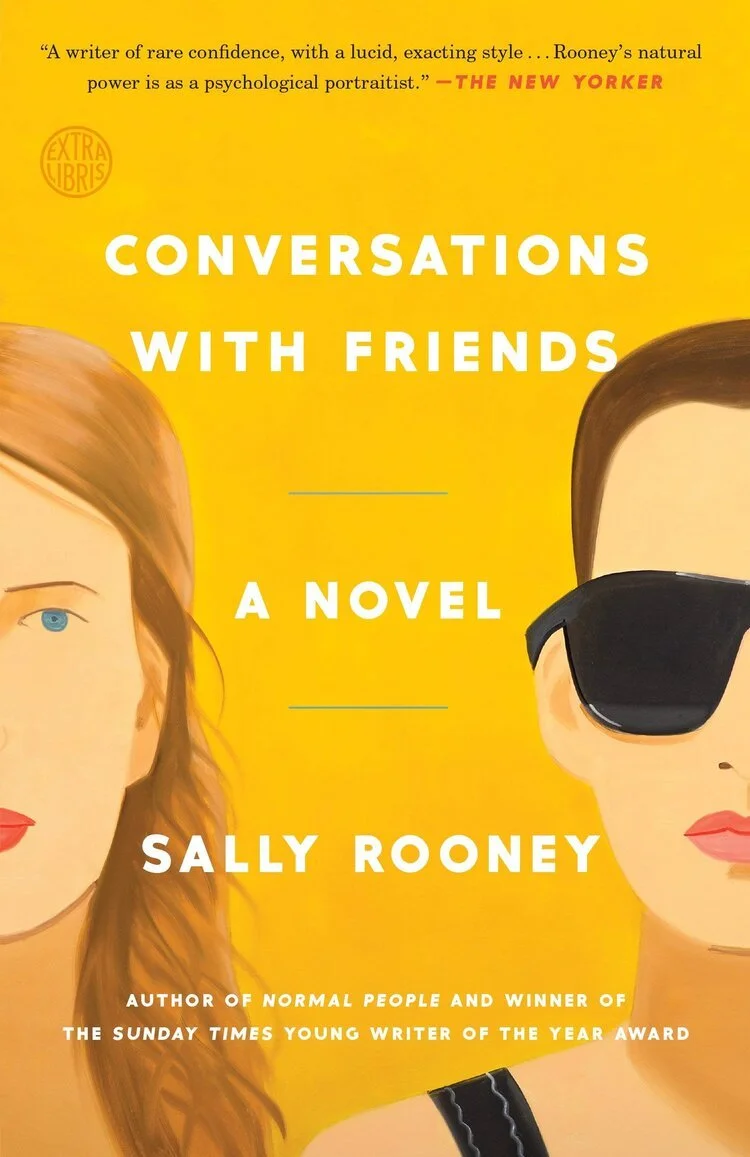
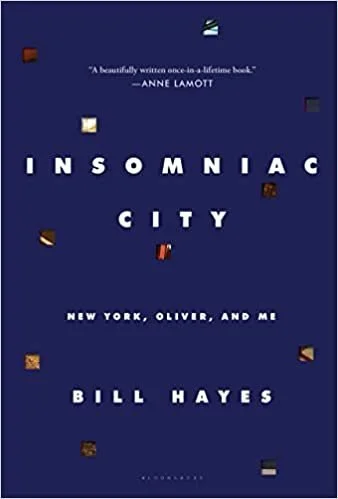
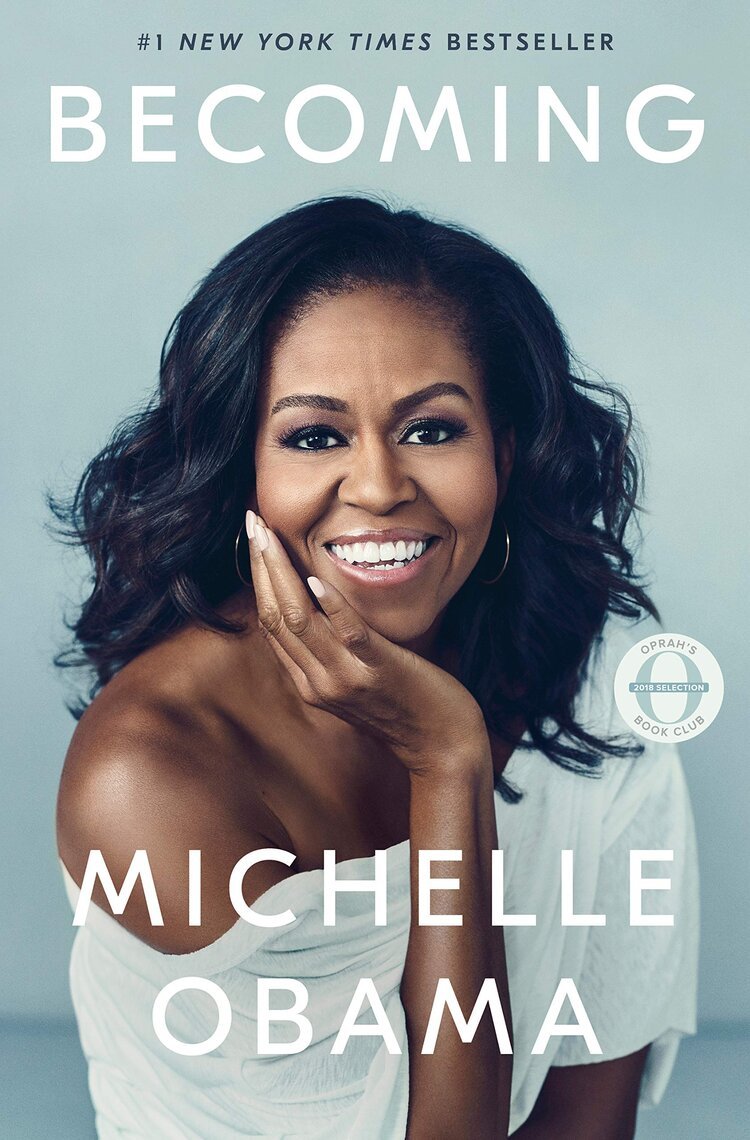
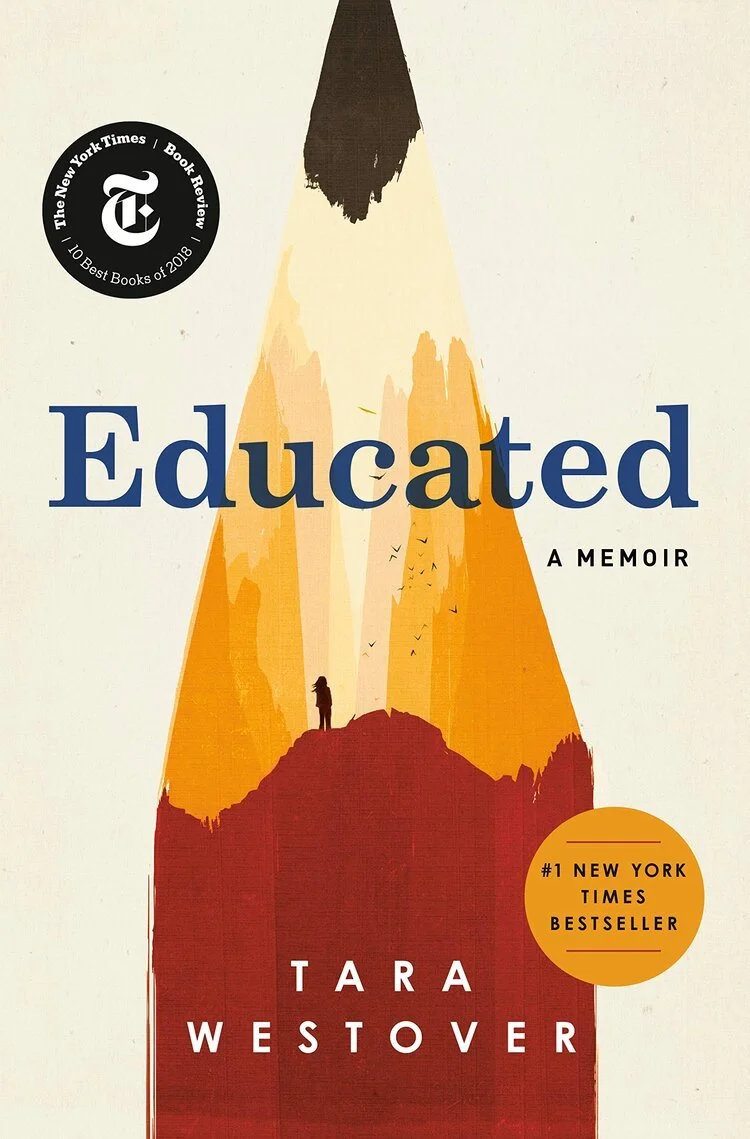
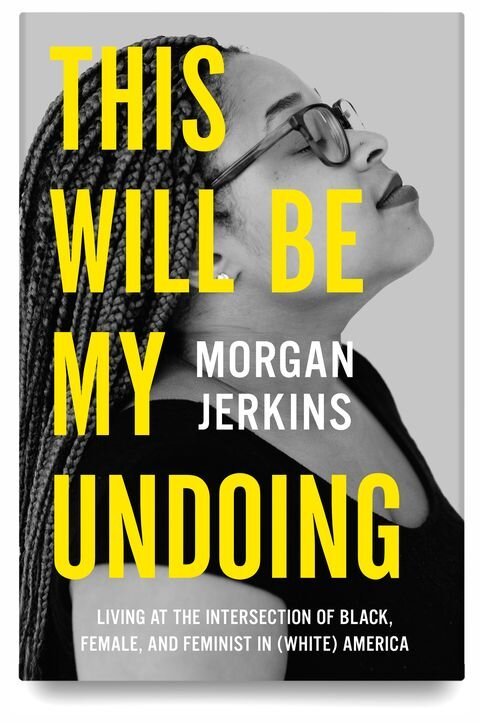
As our understanding of the importance of connection increases, so too do the number of great books on the subject, particularly in terms of its effects on our mental and emotional wellbeing. We’ve included just a handful here, but there are others that we’re hoping to get to in the coming weeks that we’ve included in our Bookshop. Our Connection Edit includes books that we’ll talk about here soon, as well as others recommended to us that are on our reading lists. We hope browsing these shelves you’ll find one or two to help bring more connection and locate more community in your own life.
We’re always on the lookout for more Culture Therapy ideas, those books, podcasts, TV shows, films, artists, music, and magazines to seek out when we’re searching for something to inspire, support, and soothe. Let us know what you love and help us find more ways to navigate this complicated world of ours.

Our Selection of Books for Uncertain Days
When the world outside isn’t appealing (cold, COVID, conflict), sometimes we turn inwards, to books. In our latest Culture Therapy Prescription, here are the books we’ve been turning to during these uncertain days.
When we’re struggling through our days (and not leaving the house), we often find ourselves turning to books. What we’re searching for is more understanding — why are we feeling what we’re feeling, what is that feeling even, and what do we do about it — and some reassurance that we’re ok and it’s all going to be ok.
Below are a handful of the books that we’ve read recently that have helped us orient ourselves. From blockbuster fiction with Meg Mason, to memoir and advice from Matt Haig, Glennon Doyle, and Bryony Gordon (actually seek out anything from these writers and sometimes podcasters), to non-fiction with Dr. Camilla Pang and poetry with Cheryl Cox. Across all genres, we’re finding writers, journalists, therapists, poets, and researchers who are sharing their stories and helping us understand our worlds. Through their words, we’re able to find better ways of navigating our lives and we hope you do too.
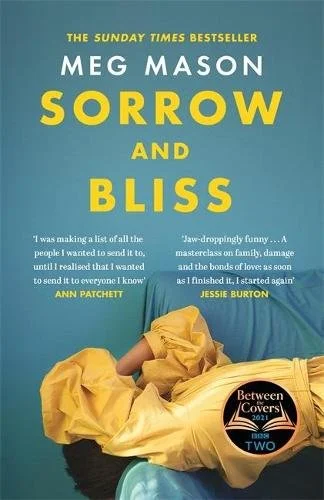
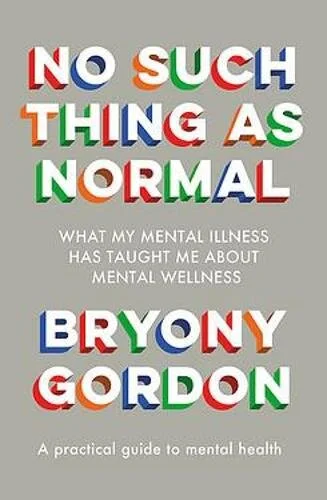


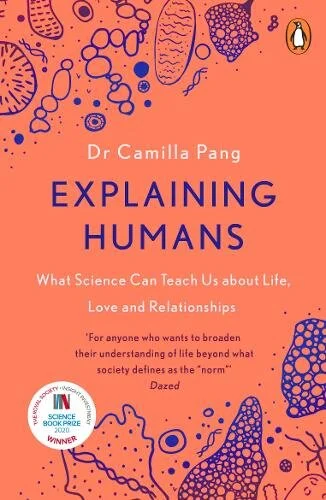
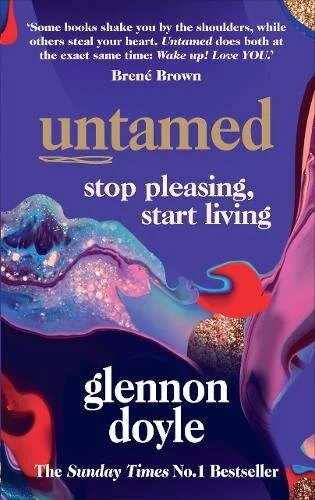
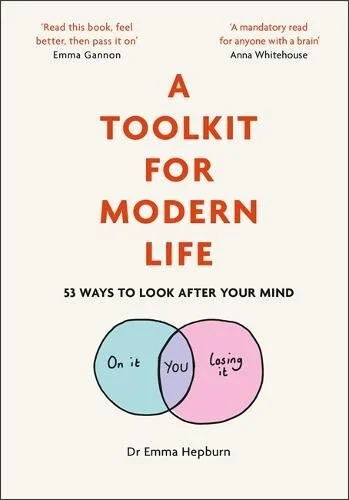
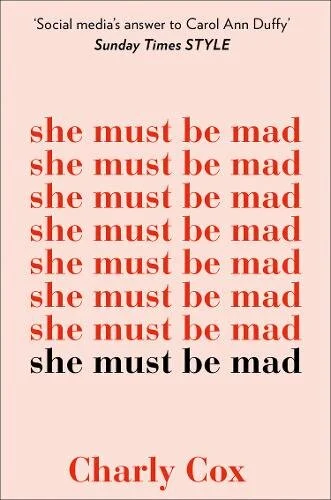


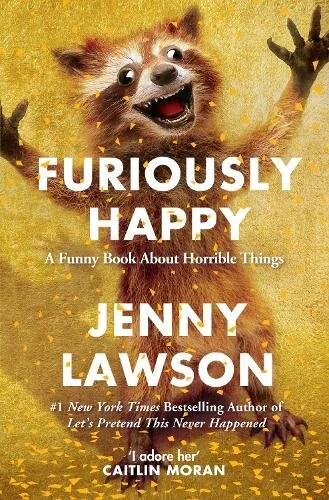


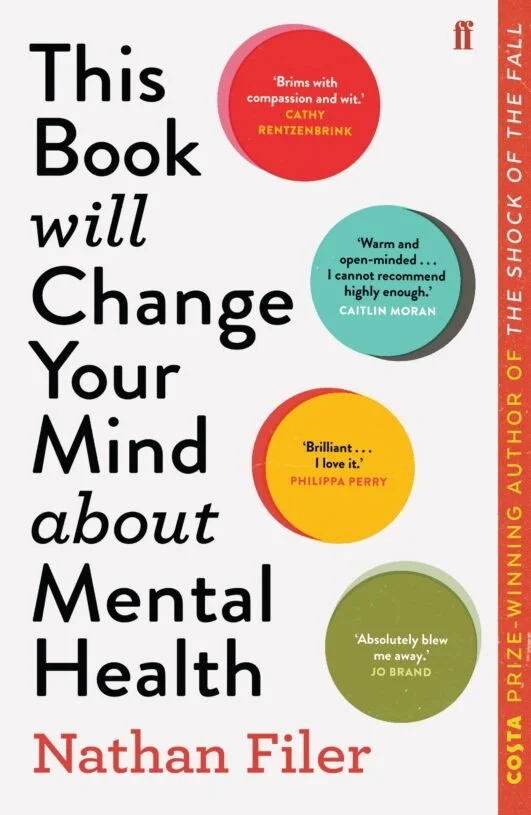
In the last few years, we’ve been finding so many great books that touch on mental wellbeing, many of which are now featured in our Bookshop store (one day we hope to make this into a real entity but for now having even an online bookstore feels like a kind of wish fulfillment). Our Mental Wellbeing Edit includes many of the books we’ve read and would recommend, those we want to get to, and those that friends have suggested. Browse our online shelves for more of what you need.
What we turn to shifts, so we’ll keep you up to date on our new discoveries. This year, we have a goal to build out our Culture Therapy series, so do tell us which books, podcasts, TV shows, films, artists, music, and magazines you look to when you are searching for that something to inspire, support, and soothe.
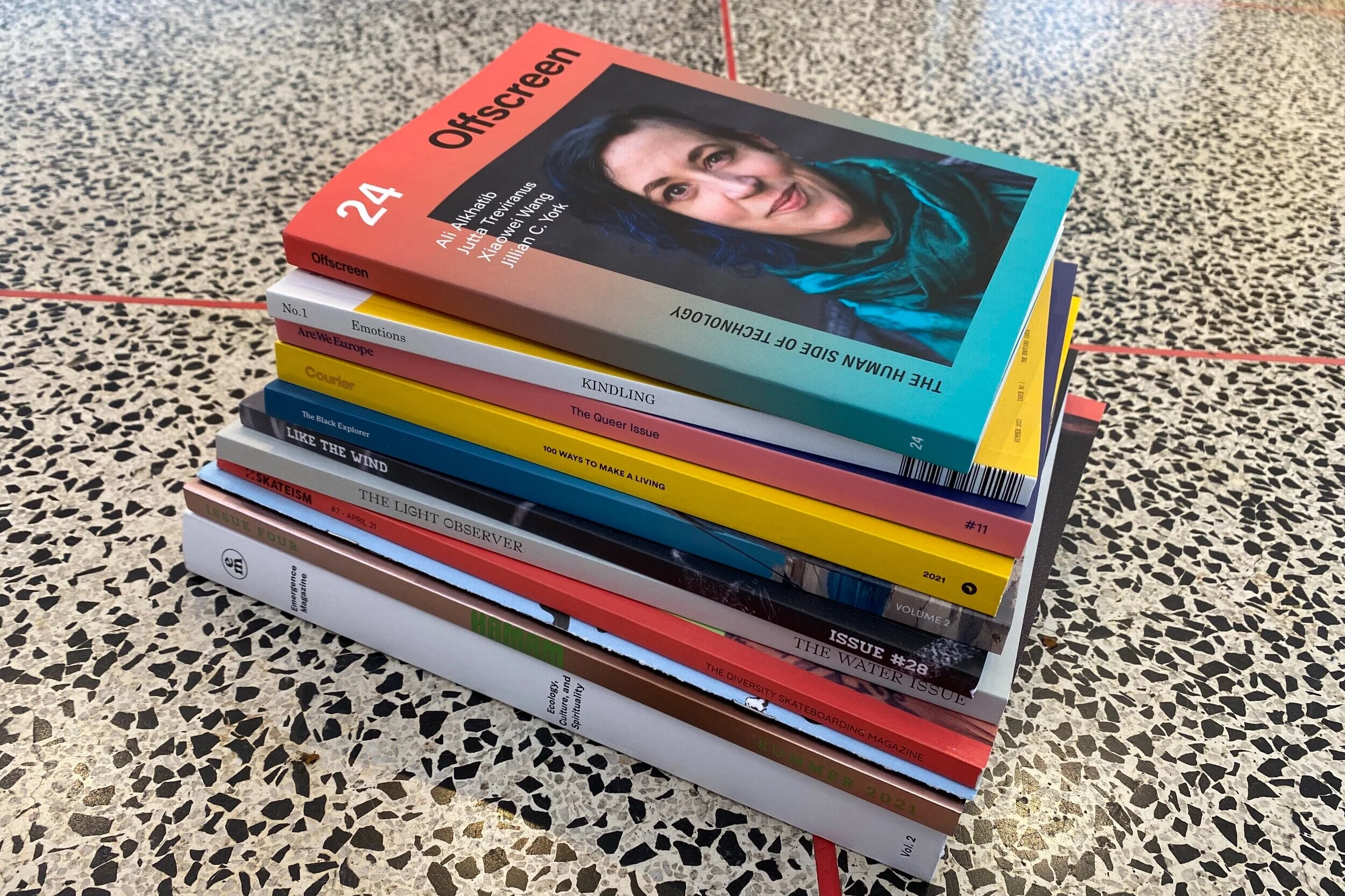
A Magazine Prescription from Danielle Mustarde at London's magCulture
Award-bagging writer Danielle Mustarde writes her prescription for the independent magazines to seek out in uncertain times.
For the second in our Culture Therapy Series, we invited award-bagging writer and shop manager at London's magCulture, Danielle Mustarde to write a prescription for independent magazines to seek out in these uncertain times.


Looking for more suggestions, magCulture now offers a quarterly boxset.
We hope you find many new discoveries amongst these selections for whatever ails you.
Subscribe to our newsletter for more ways to connect with what matters in your everyday life.

The push and pull of the sea
The sea contains multitudes and it is exactly this complexity that keeps calling designer Sarah Robertson to it in moments of loss and need.
Wild and calm. Chaotic and beautiful. Bold and soft.
The sea has its contradictions. And, for as long as I can remember, I have been drawn to the push and pull of it.
From embracing the joys of wild swimming and overcoming panic while scuba diving to my rehabilitation through water therapy and evenings spent watching sunsets over the ocean, blue spaces have helped me heal and grow.
In many ways, the sea is a metaphor for our own life experiences; the ups and downs and ebbs and flows. At its most tranquil, it can relax and restore us. At its most violent, we can lose ourselves in its grip.
What I love most about water is its capacity to shift us into a more mindful state. It can lower stress, decrease anxiety and relieve depression. And as well as settling our thoughts and lifting our moods, it can bring us back to the here and now — help us feel grounded and present — and sharpen our senses.
The sea has always been a kind of therapy for me, and I have felt the emotional, mental and physical benefits first-hand. My mind can be elsewhere — ruminating over the past, worrying about the future — but as soon as my feet touch the wet sand and the waves reach my bare toes, I am right where I need to be. At these points, I feel alone in the most reassuringly positive way, and the solitude it brings allows curiosity and creativity to thrive. It is almost elevating.

Above: Luskentyre Beach at Sunset, Isle of Harris, Scotland by Nils Leonhardt | Top: Golden Hour at Luskentyre Beach, Isle of Harris, Scotland by Nils Leonhardt
In his book, Blue Mind: How Water Makes You Happier, More Connected and Better at What You Do, Wallace. J. Nichols, a marine biologist, investigates how water — literally and metaphorically — helps us move into a flow state. He coined this the "blue mind". Nichols examines why we are attracted to lakes, rivers, oceans and pools and why being near water sets our minds and bodies at ease. He illustrates the importance of our water connection — its almost magical quality — with the science behind it and the ways in which it allows our thoughts to wander freely. Is it any wonder then that some of the greatest artists, musicians and writers have been moved by the sea? Or why so many of us are called there to explore ideas or seize inspiration? If you’re looking for an a-ha moment, maybe the coast is calling you too.
Something else I cherish is that feeling of awe. The sense that we are a part of something vast, far bigger than ourselves, that connects all of us. So perhaps it is no coincidence, then, that we are also drawn to the sea to celebrate death as well as life.
My dad, who passed 30 years ago, was from Stornoway on the Isle of Lewis. Throughout my life, I had always felt this tug to travel to the Outer Hebrides, and when I first visited almost 10 years ago, it was the beginning of my love affair with the islands. We camped by beaches most nights and I don't think I've ever felt so wild and free. We were at one with the elements and upon visiting the Isle of Harris, which is connected to Lewis, I felt so at home. The coast captured my heart; I have never been anywhere else quite like it. The trip brought me a feeling of togetherness, even with someone who was no longer with me.
I believe this sense of connection is why, in the months following the loss of my son during pregnancy in June 2016, I found my visits to the sea so comforting. When we travelled that year, some days I would swim out into the ocean and edge as far out as I could go, always a little further than was comfortable, because at my most empty I could feel exactly what I needed to feel and be wholly and fully me. I could give every thought its turn to surface and release. It was painful but it was freeing, in a way. And while I couldn't bring my son back, I could somehow bring him closer to me.

Luskentyre Beach, Isle of Harris, Scotland by Nils Leonhardt
Water, in this sense, has been essential for my healing. It shifts and shapes the land, and I believe in its ability to shift and shape us too. It certainly gave me the time and space to evaluate how I live my life and do my work. And it hit the reset button on my relationship and my business and truly started the healing process. It's what encouraged me to make some radical changes.
Being by the sea makes me feel small — in the best possible way — as though I am a part of something bigger. It’s where my troubles drift away and I find connection again. This awareness draws me back to the sea most weeks. On the bad days, when my anxiety and depression have the upper hand, it brings me solace and stillness. I can sit with my emotions, filter out the noise, and bring my awareness back to what supports me. On the good days, I can cultivate more of that good stuff, which I sometimes feel inspired to share, a lot like these words.
Water has been the antidote to my messy middle. And it has brought me closer to those I love, to those I miss and, perhaps most importantly, to myself. It is why I will always return to the sea; my safe place, where I can remember and celebrate, and where I can feel at my most alive.

Salt Marches, Isle of Harris, Scotland by Nils Leonhardt
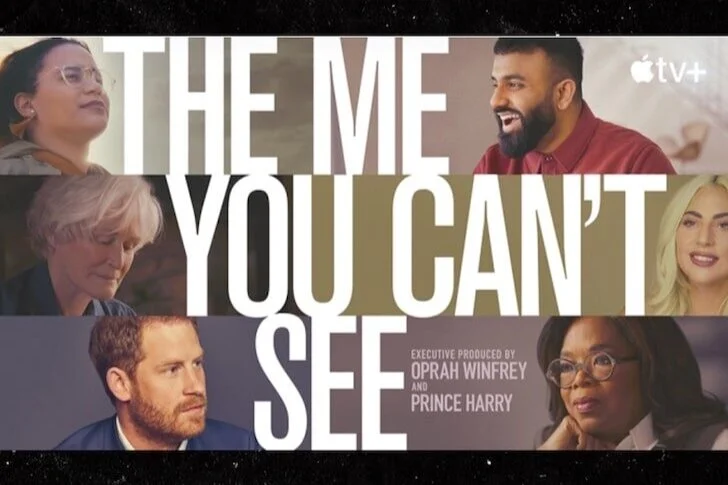
The Me You Can't See
Beyond the click-bait headlines, we explore the places and initiatives behind Apple TV’s mental health series produced by Prince Harry and Oprah.
“Connection to anyone who cares about you makes a world of difference.”
Much has been written about The Me You Can’t See, Apple TV’s new star-produced mental health series that was two years in the making and that has become the most-watched program on the platform. Unfortunately, the media narratives have played to the headlines, the narrative hooks of Prince Harry, Oprah, Lady Gaga, and Glenn Close gaining the most attention.
But what these click-bait articles overlook are both the courage and vulnerability that comes with anyone sharing their stories and also the other powerful narratives woven through. We were struck by Chef Rashad Armstead of the Black Food Collective talking about his struggles with depression and anxiety, the openness of boxer Virginia Fuchs about how she manages her OCD, and the struggle of Fawzi, a refugee boy in Greece who had violently lost his young brother to the civil war in Syria and is only just learning to speak of his trauma.
This isn’t a series to be reduced to princes and celebrities, but one that gives breadth to people’s experience of something that we all have to contend with: our mental health. And whether you come at that clutching an Oscar or a crown, empty-handed or drowning, not waving, all of our stories matter, because no life gets to be untouched by this subject.
As we write a guide to the places in the world thinking differently about mental wellness, we wanted to take a moment to look at a handful of the impactful places and initiatives that The Me You Can’t See includes.
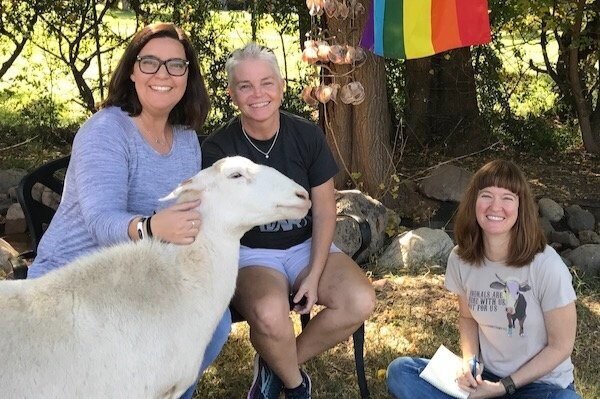
SELAH CAREFARM | ARIZONA, USA
“The world’s first therapeutic care farm for traumatic grief.”

CAHOOTS |
OREGON, USA
A model for a potential fourth emergency response team trialed in Eugene.

BRING CHANGE TO MIND | USA
An advocacy organization with a mission to end the stigma around mental health.
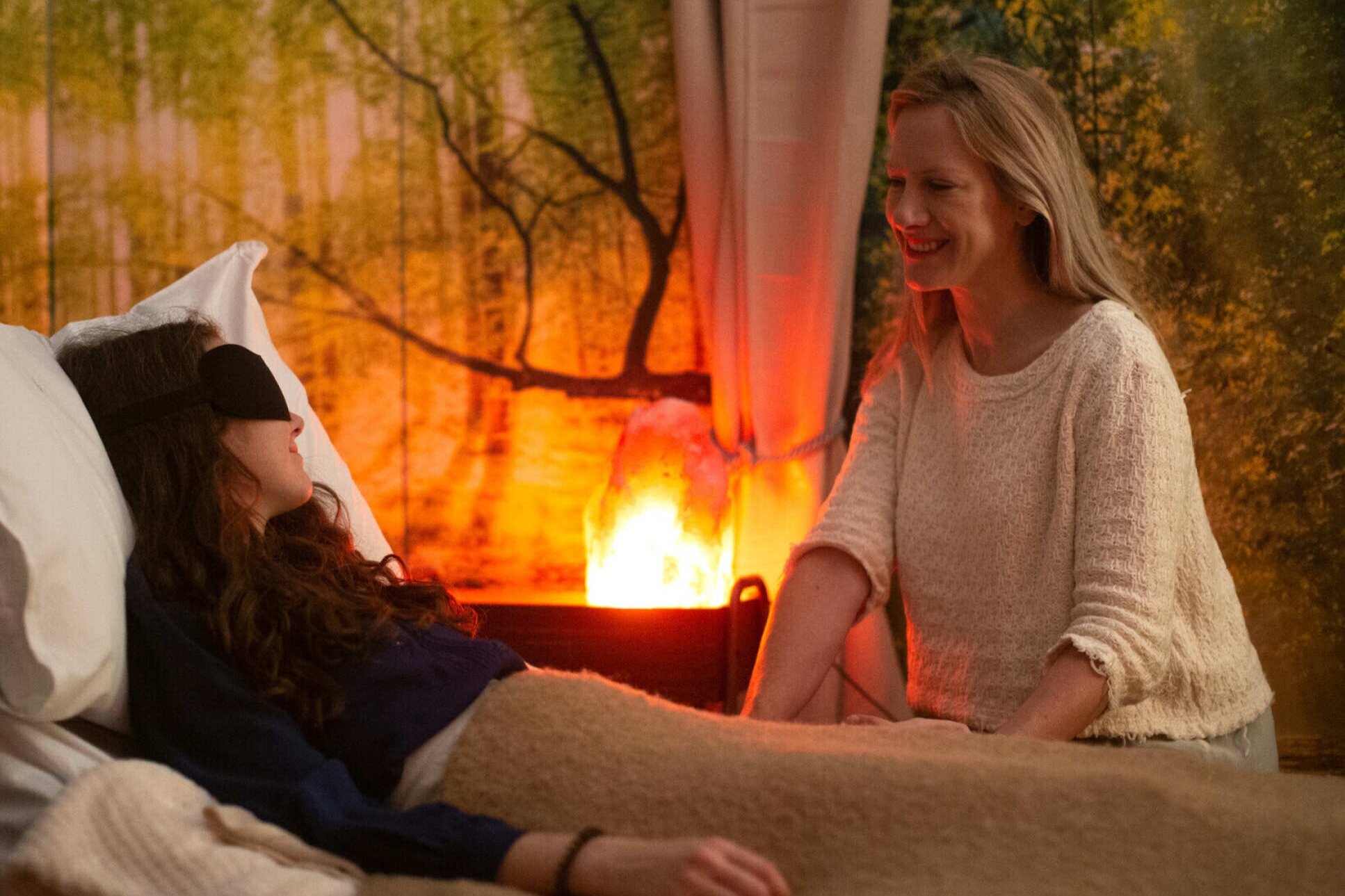
THE CENTER FOR PSYCHEDELIC RESEARCH | LONDON, UK
Based at Imperial College and focusing on the clinical potential of psychedelics, including their impact on depression.

HUMANITY CREW | GREECE
Co-founded by inspirational psychiatrist Essam Daod, bringing mental health resources to humanitarian crisis.
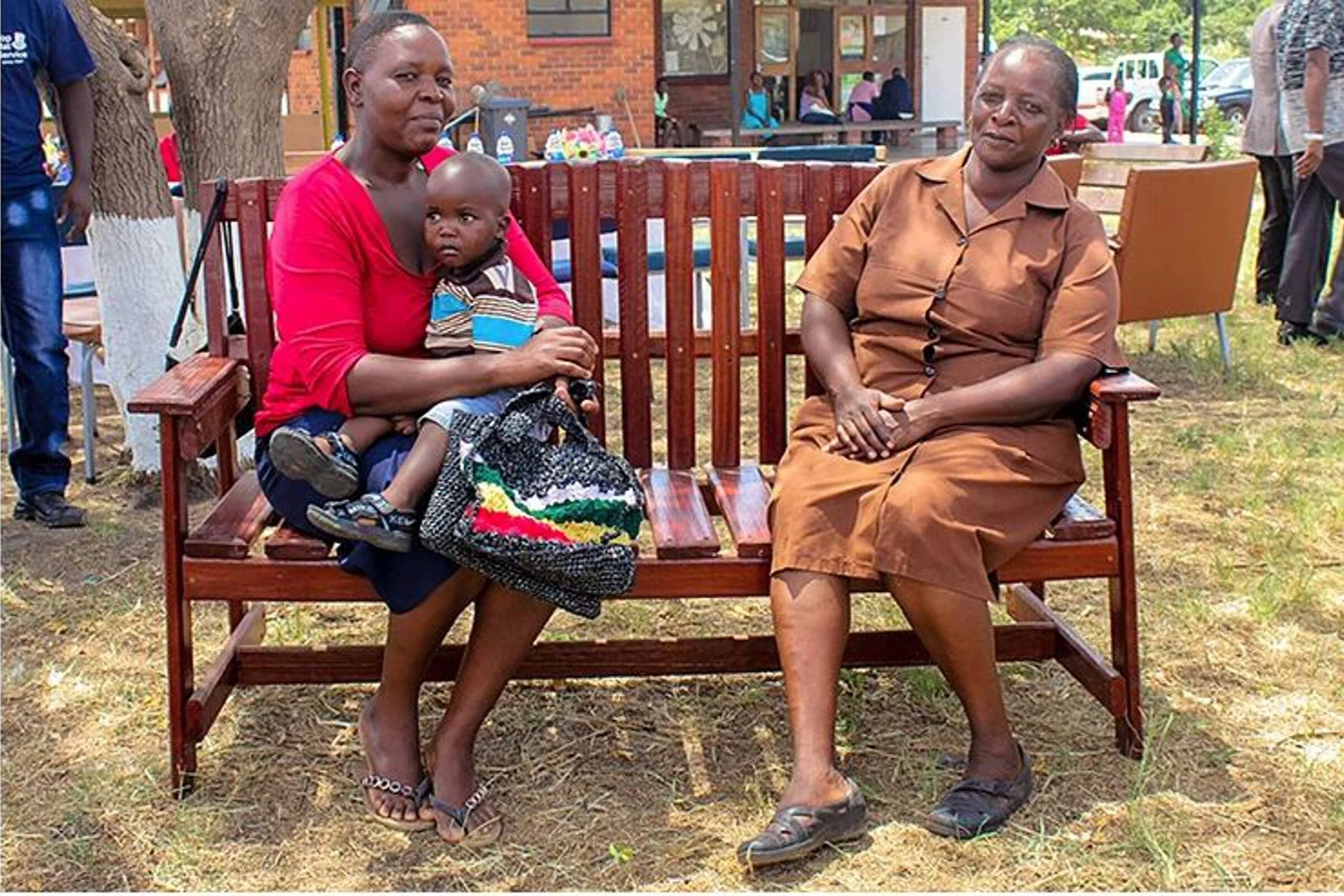
THE FRIENDSHIP BENCH | ZIMBABWE
Peer-led talking support within walking distance of anyone in a community

YA_ALL |
MANIPUR, INDIA
A safe space for children, adolescents and youth, and part of “an inclusive revolution” started by founder Sadam Hanjabam
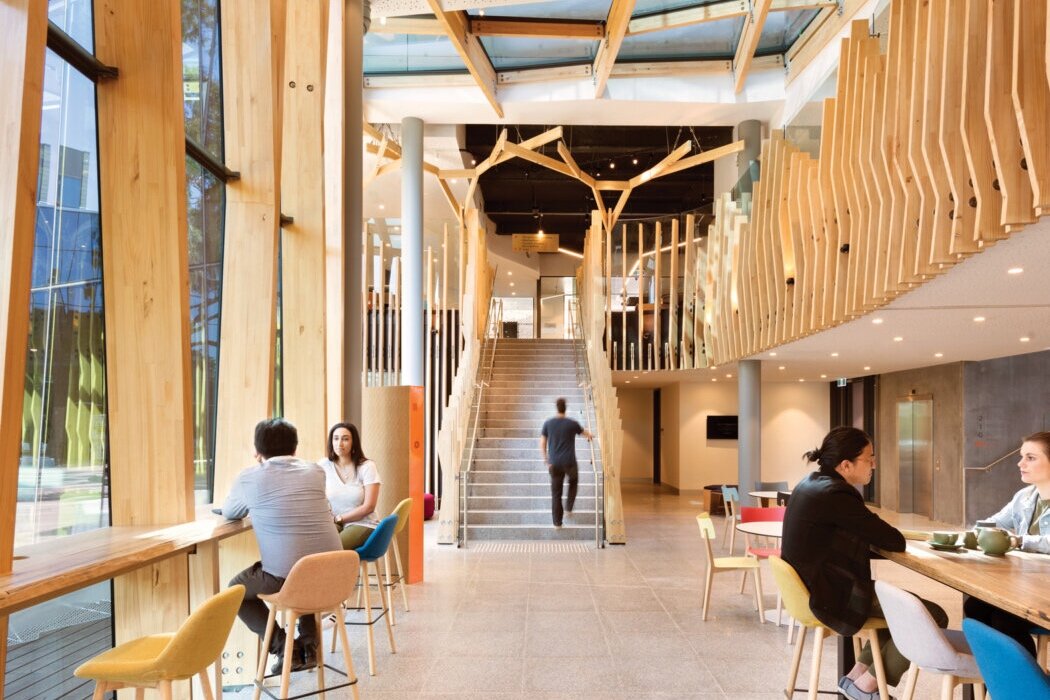
ORYGEN | AUSTRALIA
Shifting access to better mental health for young people through research, advocacy, clinical care and education.

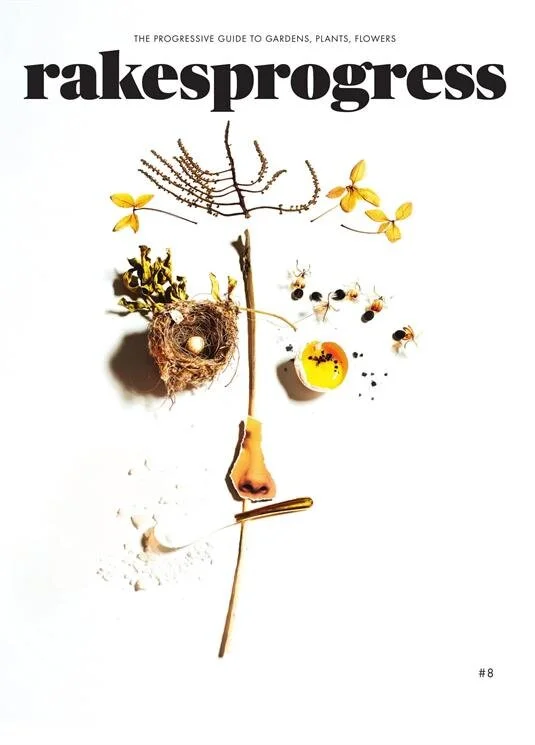
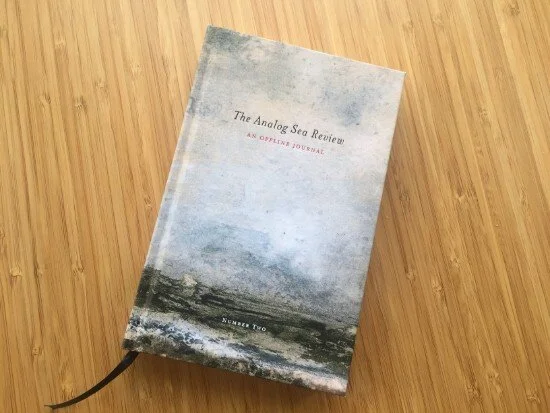
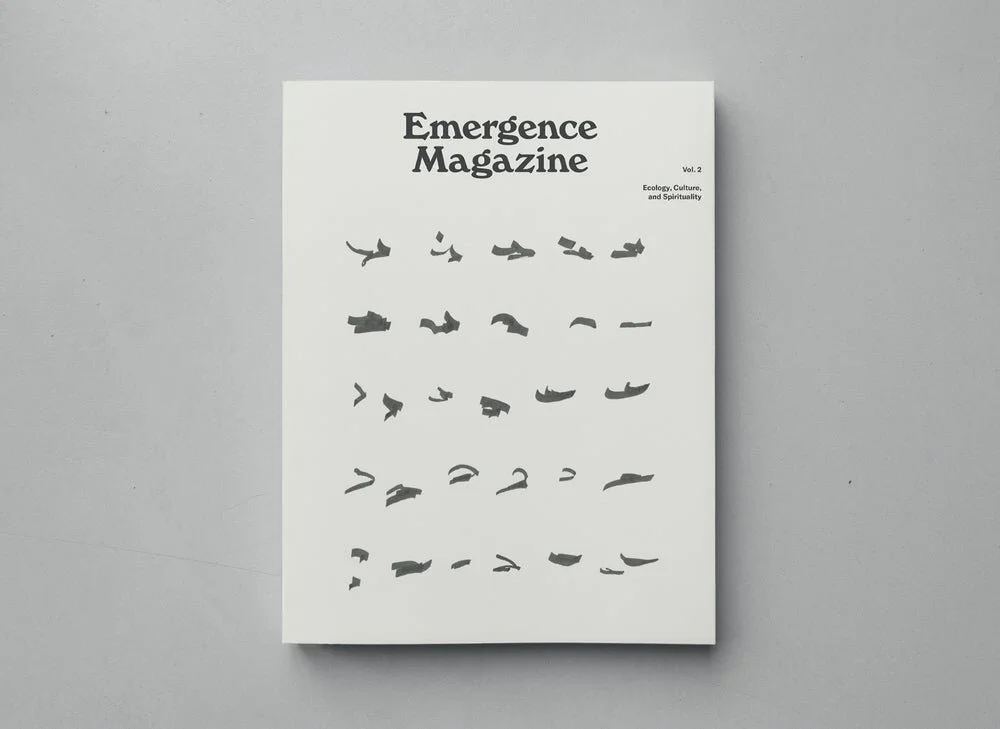
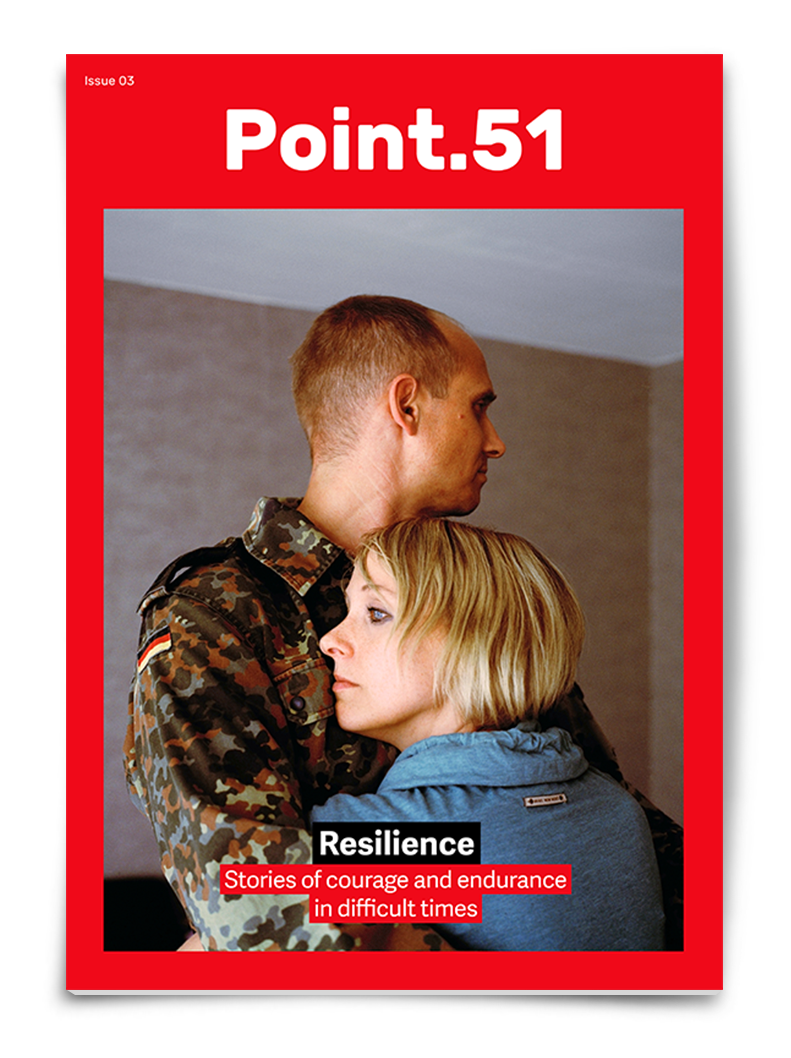
A Magazine Prescription from Magalleria
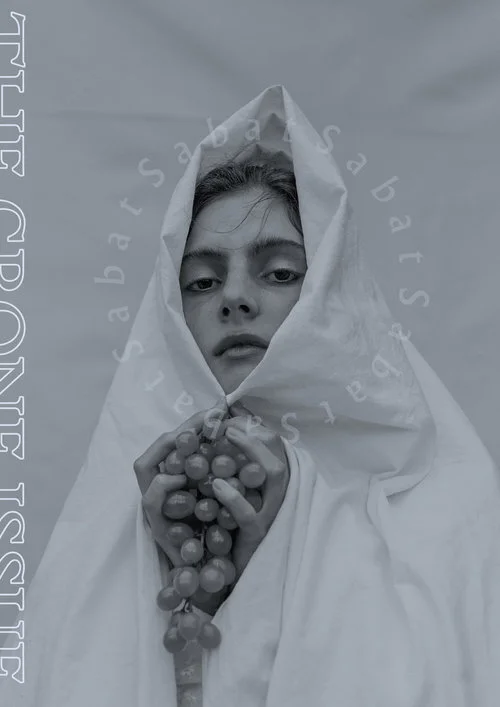
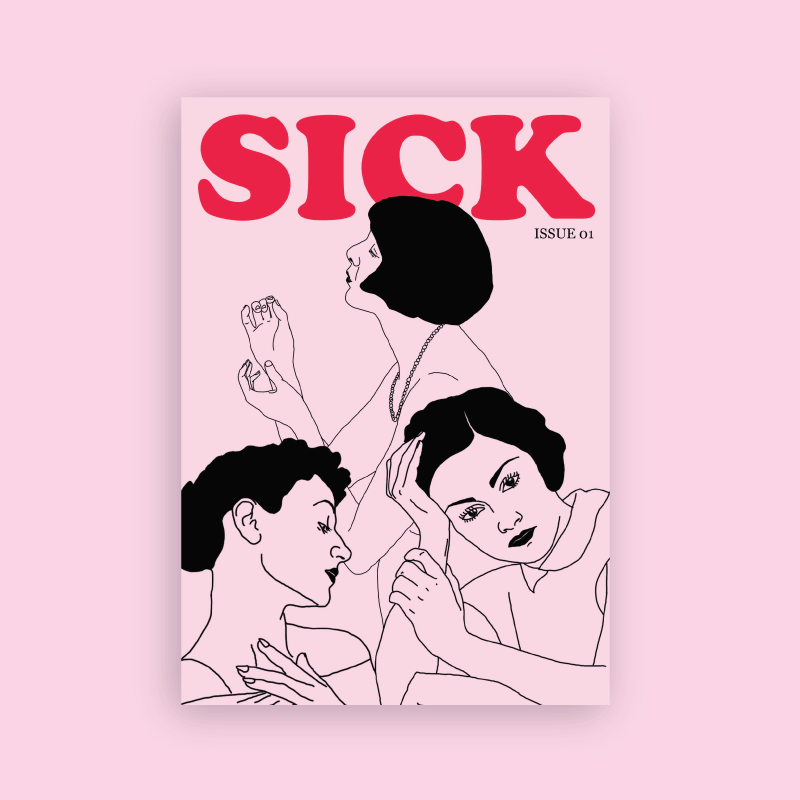
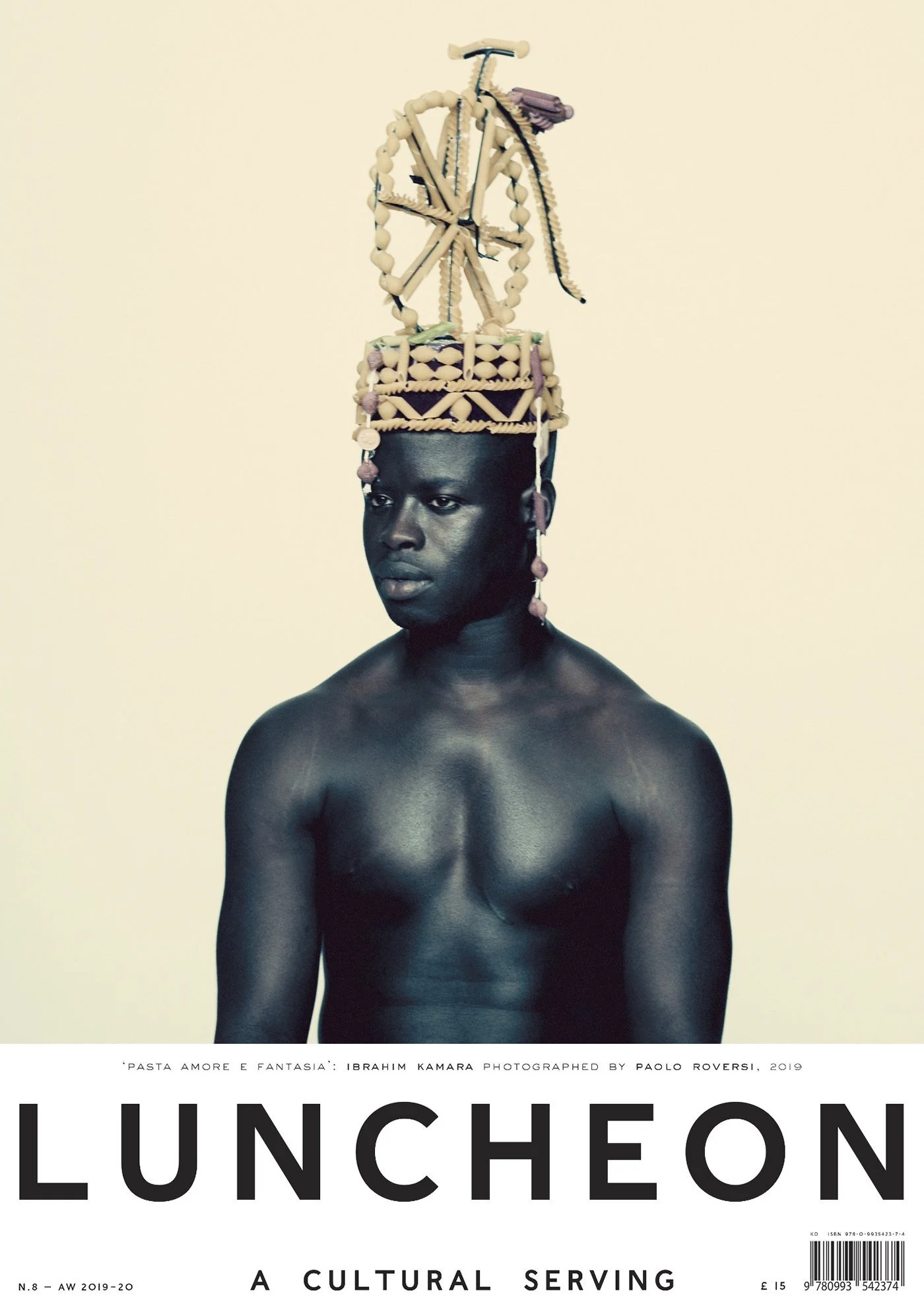
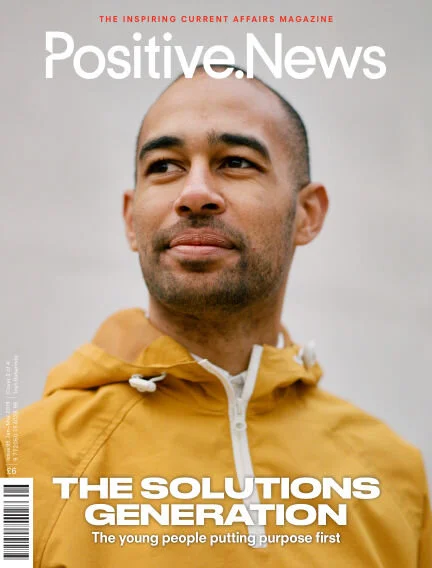
Magalleria founder Daniel McCabe’s recommendations for the magazines to seek out when we’re lost, lonely, anxious, or just curious. There are some new discoveries to be had here.
When we first started If Lost, Start Here, we knew that we wanted to take a broader view of the things that make us feel good in life. Wellness can mean yoga and spa retreats, but it can also mean finding connection dancing to live music, planting your own magical terrarium to find your way back to nature, and refining your emotional intelligence at a School of Life.
Restoring our own equilibrium, and helping others find their balance, has meant searching far and wide for the therapeutic in the everyday. That’s where Bath’s Magalleria has stepped in for us, particularly during the lockdowns. For me, losing myself in a store dedicated to independent magazines has been a crucial form of respite. It has helped me find ways to get off my phone and reconnect with the analogue, get out of my head to access different points of view, and push against assumptions of what printed material is, what creative expression can be and who gets to live a purposeful life.
Over the past few months as we couldn’t get out into the world, we’ve folded some of our go-to independent magazines into our Culture Therapy series but what we’ve really wanted to do for a while is bring in the expertise of Magalleria founder Daniel McCabe. So we invited him to write his own Culture Therapy prescription based on the magazines he knows so well and he very kindly agreed. Below are Daniel’s recommendations for all the things we need when we’re lost, lonely, anxious, or just curious, in his own words for why these choices matter.

First Art Kit: A Conversation with author & illustrator Boo Paterson
On the publication of her new book First Art Kit, we caught up with Boo Paterson to talk about how therapy and paper crafting can come together, why using our hands can help our brains, and how sometimes peace can be found in a paper Gramophone sitting on our bedstand.
“Hope comes from working to overcome your problems, so they no longer have a detrimental effect on your life. The first step is in identifying what’s going on — which is where I think First Art Kit can help.”
Over the past year of uncertainty, many of us have been searching for that something that works for us. We’ve had to go looking for that thing that can ground us. We’ve had to develop new strategies to contend with our anxieties and our struggles. For many of us, what we’ve found to help ourselves is Creativity.
As our world shifts and shifts again, watercolor sets have been opened, easels purchased, and sketchpads taken on daily walks. Some of us have picked up a pencil for the first time, some have returned to a lost passion long abandoned in school art class. A few have even managed to nurture a hobby into a profession.
Creativity has now staked its place firmly within the realm of mental health. We’re becoming accustomed to it being something to reach for when we’re lost, lonely or anxious. For journalist, illustrator and book sculptor Boo Paterson art has long been a cure for her soul and with her soon-to-be-released book First Art Kit we all get to benefit from her learnings.
In this book of modern creative remedies, Boo brings together common emotional and psychological ailments, from anxiety to insomnia, with paper crafting projects that have helped her navigate her life and that might help each of us in our own. With each paper trace and fold, each twist and tear, Boo takes us step by step through possible antidotes, with projects that get us into a state of flow, signpost changes in our own behaviour and give hope for whatever our situation might be.
Recently awarded the prestigious American Illustration Awards 2021, we caught up with Boo to talk about how therapy and paper crafting can come together, why using our hands can help our brains, and how sometimes peace can be found in a paper Gramophone sitting on our bedstand.
In First Art Kit, you pull together a few strands that we’re often used to seeing separately, the craft of paper-cutting, the practice of therapy, your own story and mental wellness more widely. How did you come to bring them together in this way?
I had a traumatic upbringing and consequently suffer from severe depression. A few years ago, I was going through another black-dog episode and began to think ‘you’ve had loads of therapy — why don’t you make a first aid kit for your brain from the advice you’ve had?’
Then I thought I could make things out of paper that were connected to each psychological cure as reminders for me to do the work because therapy *is* hard work!
I’ve been making things out of paper since I was a very young child and this later became what I was known for as an adult. It’s my go-to material for expressing myself. I knew almost instantly that the idea would make a cool book that could potentially help other people, and this spark of ingenuity actually lifted me out of the depression. I came up with the title and the design within the first 5 minutes: I wanted it to look like a vintage first aid kit.
The crafts in First Art Kit aren’t just papercutting, they’re all different types of paper creations; collage, book sculpture, construction, and colouring. I chose paper because it’s easily accessible to all, inexpensive, and recyclable. Also, paper is unintimidating; many people who think of themselves as ‘bad at art’ are put off by paints and other media, feeling that they have no skills and that they’ll somehow embarrass themselves. But people handle paper every day. It’s seen as something that everyone can use.

Header image: Photo Alex Robson
I love how the book normalises everyday life — the moments we feel we have low self-esteem, or experience anger, or struggle with family members for instance. It universalises our emotional and mental wellbeing. How did you choose the 25 ailments covered in the book? What’s the balance between what you’ve experienced in your own life and how you understand the experiences of others?
I’ve had 23 years of different types of therapy — and every type I’ve tried has benefited me in some way. The last treatment I had was Schema Therapy plus EMDR for trauma, which I have found to be the most useful of all, as it rewires your brain so you no longer default to problem coping strategies. It does seem to have cured my depression and PTSD.
Each chapter tackles a different problem, such as insomnia or anxiety, for example. I’d say I’ve personally dealt with about 18 of the 25 problems and I started writing about those first because, remember, the book was initially created to cure me!
I then began to think of friends’ struggles — such as hoarding or eating disorders — which I’ve never had, but have been on the periphery of. So that’s what I researched next.
The crafts themselves are therapeutic, allowing people to get into a ‘flow state’ of deep concentration. It’s a state that children are frequently in through play, but that adults hardly ever experience. It’s incredibly relaxing and allows the chatter of your brain to be switched off. Making things with your hands also gives people a sense of mastery, which is very important for self-esteem.
As my shrinks never tired of telling me, it’s normal to have a range of emotions. No one is happy all the time, and it wouldn’t be ideal if you were. For those who don’t have problematic behaviours, there is still something here for you — if you’re on a downer, you can read the advice, and relax by doing the crafts.
For those rare people with no problems at all, it can just be used as a craft book!
What’s your hope when someone picks up this book?
I hope that people who’ve never been to therapy and who have little experience of psychology can get a little insight into what the real reason for their unhappiness might be and that it leads them on a journey to find out more and even seek treatment. I also hope that people can get some light relief from doing the crafts, relaxing into the flow state, picking up new skills and learning to incorporate these into their daily life.

Photo: Alex Robson
I like how some of the projects feel like talismen almost, as reminders of some learning, others as meditative exercises, and others as ways of processing something. Some of them are funny and whimsical, others heartbreaking, or heady/conceptual. How did you connect the ailments to the projects; what purpose are you hoping they’ll serve and did that shift as you developed this book?
I wanted them to be beautiful — that’s always a given for me. And I wanted them to be linked in some way to the psychological work that people would have to do. You have to practise therapeutic cures repeatedly to make them stick. I thought if they were unusual, in whatever manner, then that would make users have a connection with the objects.
I guess the reason they came out as they did — with this range of emotions associated with them — is just how my brain works. I reckoned that if I wanted a mini-gramophone made out of paper on my mantlepiece, then probably other people would too!
You mention your own experience with therapy in the preface and you’ve mentioned elsewhere that you’ve been in therapy for 23 years. I’m curious about your relationship with therapy now. This book feels very open to the practice and brings in advice from your own sessions, so you seem therapy-curious still?
My Schema Therapy and EMDR finished in January and its effect on me has been amazing, so I don’t actually need therapy anymore. I exhibit completely different behaviours now.
My parents were alcoholics, so were emotionally absent, and I couldn’t rely on them to meet my needs. As is typical of children who never had their needs met, I continued to put myself in situations where they would not be met as an adult, because that is what is comfortable.
I was face-palming myself all during Schema Therapy, at each realisation that I was inflicting these cruelties on myself.
A good example is this: I have Raynaud’s Syndrome, so I’m always cold unless it’s about 25 degrees. But I wouldn’t switch the heating on unless it was below about 5 degrees. I would sit in the house in my coat — or sometimes two coats — and a hat and scarf, saying it was because I couldn’t afford the heating.
But keeping myself poor was also one of my problem behaviours. I felt I didn’t deserve to have financial security or warmth, or enough food; just the bare minimum, as I’d grown up with emotional deprivation.
As I was undergoing the Schema Therapy, I suddenly noticed that I was starting to turn the heating on as soon as I felt even slightly cold — it made me laugh, actually, as it was so unusual. It became automatic and over-rode the original problem behaviour. So much so that I started meeting my needs all over the place! Now I not only turn the heating on, but buy nice food, and treat myself as I treat others.

Photo: Alex Robson
Why do you think so many people are now turning to creativity as a tool to think about and manage their relationship with themselves and their lives?
Well, it’s completely enjoyable for a start. But there are also numerous studies showing how it alleviates anxiety, depression and stress. I mean, art therapy isn’t a highly skilled profession for nothing.
How do you hope First Art Kit might help in our current moment, of increased loneliness and disconnection, and our collective need to heal from the past year (and keep hopeful in the coming months)?
I think that there’s an element of kismet in First Art Kit coming out at a time of worldwide collective trauma. Many people — who could distract themselves in normal times — were left for the first time to have a good hard look that their problems and their personal situations. People realised what they did and didn’t need. Emotional needs were actually talked about in public discourse, which rarely happened before.
People who have considered the subject of mental health to be embarrassing or un-macho are now verbalising their problems.
Hope comes from working to overcome your problems, so they no longer have a detrimental effect on your life. The first step is in identifying what’s going on — which is where I think First Art Kit can help. Most people have no idea why they act the way they do.
Could you tell me a little about the process of making this book over the 6 months of the first lockdown? I was sorry to learn that you lost loved ones.
I had started writing the words in December 2019 and started conceptualizing and creating the crafts by February 2020. My aunty died around the time of the first lockdown in March, my mum in May, my uncle in August, my friend of 30 years in October and another great friend the day after my birthday in January 2021.
It was like a grenade going off in my face every couple of months. I have actually had a year like this before though: I lost six loved ones in seven months in 2016. So that experience helped somewhat, in that I knew it was normal to feel absolutely abnormal most of the time. I knew that it would take years to process, because — for me anyway — after 3 deaths you don’t have the capacity to grieve for any more people. You kind of put them on a mental back-burner and the grief for them hits you later — sometimes years later.
As for doing the book at the same time, well this is where a dysfunctional childhood really comes into its own! If it doesn’t completely break you, it makes you highly resilient; to the extent where you can cope with almost any trauma and also hold down a full-time job. You’re so used to having no one to rely on that you just get on with it. So I did.
You’ve long used art as an escape. What did that look like for you as a child and how did it help you?
Well, the ‘artist as a tortured soul’ isn’t a cliche for nothing. In childhood, as in adulthood, art allows you to funnel emotional pain out of you and onto a page, where you can process it. Sometimes it’s beautiful, sometimes it’s ugly, but it’s always meaningful.
Personally, I like to create beauty out of suffering, then I feel I’ve converted pain into something worthwhile that others can enjoy.

Photo: Alex Robson
What drew you to paper cutting in particular as a child and why does it continue to be something that you do in your life?
One of my earliest memories was watching an episode of Me and You with my mum — I was probably 3 or 4. They showed you how to make a birdcage out of paper and so I followed along and was amazed that I could make something flat into something 3D.
I also had a ‘play box’, which was a big cardboard box filled with Fairy bottles, loo-roll tubes, and scrap paper; I think we’d now call it ‘the recycling’, but we made our own fun in the 70s. Luckily, there was a plentiful supply of scrap paper as my dad was an author, as well as being a fireman, so all his manuscript pages that didn’t make the cut went into the play box.
I suppose if there had been oil paints and canvas lying around, I would have been into that.
You’ve experienced first-hand the surge in popularity of paper cutting? What do you attribute this to?
I suppose I’m partly responsible for this, as I created Papercut This Book to allow people with no artistic experience to get really nice results papercutting using templates. But aside from that, it’s the case of paper being cheap and available to all — so paper cutting is really a democratic art and craft.
Departing from the book, can you tell me a little about your book holiday course and how this came about?
I’m a book sculptor and created a 15-day e-course to let people immerse themselves in the joy of books and related arts and crafts, and like First Art Kit, its main thrust was to improve overall wellbeing.
I came up with the idea when I was incredibly stressed, and a friend told me to take a week off and do nothing but read books. I loved that idea of taking a vacation from life to be creative with books, and so Book Holiday was born. And, of course, I didn’t take a week off to read books — I got stuck in creating the course instead!
Last question, where do you go when you are lost, lonely, anxious or curious?
Books for when I’m lost, lonely or curious; either reading them or making things out of them.
I’ve been doing Transcendental Meditation for several years now, so I no longer experience anxiety.

Boo Paterson is an artist, illustrator, and journalist whose papercuts and book sculptures have been exhibited at the prestigious Royal Scottish Academy and short-listed for the World Illustration Awards twice. She is a regular cultural commentator for the BBC, and extensive coverage of her artwork has appeared in publications across the world, including the Guardian, the Week, and the Sunday Times. Boo divides her time between New York and the UK.
To learn more about Boo, visit her online.
Boo Paterson, First Art Kit: 25 Creative Papercraft Remedies for What Ails You
Published by Simon & Schuster.