
If You’re Not Ready for New Year’s Resolutions, Try This Instead
If New Year’s resolutions leave you feeling pressured or unsure, curiosity offers a gentler way to start the year without changing everything about yourself.
January has a way of making people feel behind before the year has properly begun. Even if you resist it, there’s a low hum of expectation in the background — conversations about goals, questions about what you’re changing this year, lists forming almost by default. The start of a new year is meant to feel like the thrill of new beginnings, but for many people it lands more like a dulling pressure.
A lot of people arrive here in January wondering whether New Year’s resolutions ever really worked for them. Whether it’s worth writing them down again. Whether this is the year they finally follow through — or whether they’re already tired of trying to become a better version of themselves before the year has even settled.
If that sounds familiar, it’s worth saying this clearly: not feeling ready doesn’t mean you’re unmotivated. It often means you’re paying attention to where you really are right now.
Resolutions are built on an idea of certainty that most of us don’t actually have at the start of a year. They assume we know what needs changing, that we’re ready to commit to it, and that progress happens best when we draw a sharp line between who we were and who we’re supposed to become. But life doesn’t tend to work in clean breaks. We carry the previous year with us — its questions, its fatigue, its unfinished business — and January doesn’t erase any of that.
That’s one reason resolutions can feel fragile. They ask us to decide too much, too soon, at a moment when many of us are still finding our footing, and in the middle of the grey days of winter too.
There’s another way to begin, one that doesn’t require reinvention or resolve. Curiosity.
Curiosity doesn’t ask you to map the year ahead. It doesn’t demand a plan or a promise. It invites you to notice what’s already happening and stay in relationship with it. Instead of asking what you should change this year, curiosity asks what’s worth paying attention to right now. Instead of pushing for answers, it allows you to explore.
This matters because curiosity works with real life, not an idealised version of it. You can be curious about when you feel most yourself and when you feel depleted. You can notice patterns in how you spend your time, what you avoid, what you keep returning to. You can start to understand what supports you and what quietly drains you, without turning those observations into a verdict on who you are.
For many people, the desire behind a resolution is something simple and human: to feel more confident, to enjoy life more, to feel steadier or more successful in a way that actually fits. Curiosity doesn’t get in the way of those hopes. It gives them room to grow.
One of the most freeing things about curiosity is that it removes the pressure to be ready. You don’t need a word for the year. You don’t need a perfect starting point. You don’t need to know where you’ll end up. You can begin with interest instead of intention, learning as you go rather than judging yourself for not having it all figured out.
That’s often where meaningful change starts — not from fixing yourself, but from understanding yourself better. From noticing what matters, what’s shifting, and what might need a little more care.
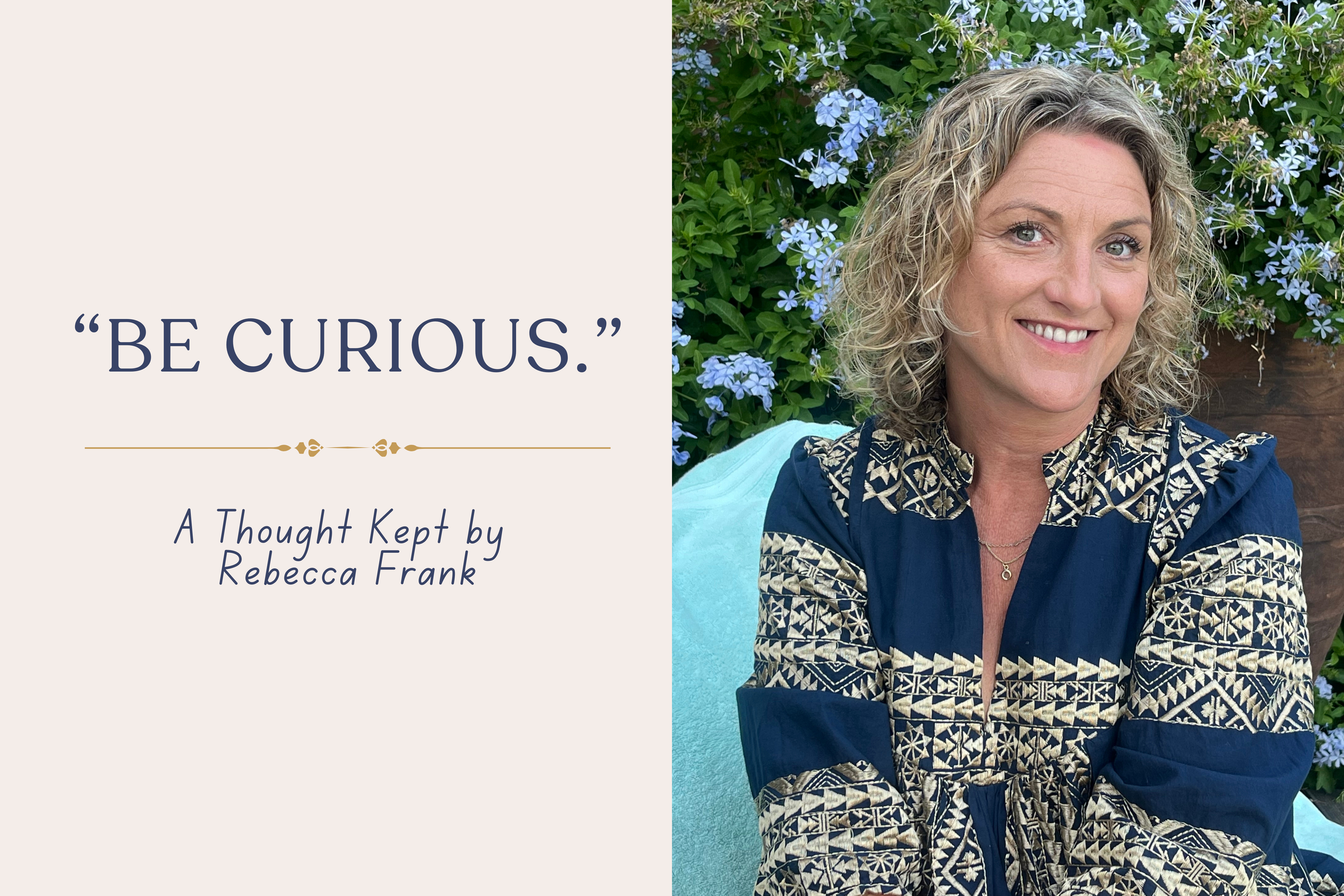
If you’re questioning whether New Year’s resolutions work, or whether there’s a gentler way to start the year, this week’s episode of A Thought I Kept explores curiosity as a way of approaching life without pressure. In this conversation with Rebecca Frank, wellbeing editor of The Simple Things, we talk about navigating January without having to change everything about yourself — and how curiosity might offer a different, and steadier, place to begin.

How to End the Year with Intention (Before the New One Begins)
December doesn’t have to be a sprint to the finish line. Here's a slower, more intentional way to reflect on the year behind you and quietly begin the next one with clarity and care.
December is often framed as a finish line: A final push. A test. A moment to evaluate everything and rework yourself before the clock strikes midnight. But what if we made space for something different?
What if the end of the year wasn’t a judgment point but a waypoint?
A natural pause to notice, gather, and begin again, without rushing?
This isn't though about anticipating resolutions. It’s more about recognising what this year asked of you and how you met it. It’s about taking stock of what mattered, what’s changed, what still hurts, and what you want to carry forwards (or quietly leave behind).
So here’s an invitation to end the year on your terms, whatever that means to you.

Step 1: Reflect Without the Pressure to Perform
This time of year can stir up all kinds of emotions — joy, grief, gratitude, burnout — often tangled together. So the first thing to do is simple:
Pause and notice. Instead of listing wins or judging what you “did enough of,” try asking:
What did I learn about myself this year?
Where did I feel most like me?
What surprised me, softened me, challenged me?
These are the kinds of reflections that grow self-trust, rather than self-criticism.
You could:
Write a “reverse bucket list” — things you experienced, even if small, that mattered
Map your year by seasons or quarters and list one lesson or moment from each
List three things you coped with or made space for, even if they don’t “look impressive” on paper
Growth isn’t always visible. This is the season to witness it anyway.
Step 2: Begin Again Without Reinventing Yourself
January can come with a lot of noise. New habits. Fresh starts. Big goals. But most meaningful change is quiet and ongoing.
So instead of asking, “What do I need to fix about myself?”, try this:
What do I want to protect, grow, or honour more in the year ahead?
A few questions that can help:
What helped me feel steady this year and how can I make space for more of that?
What small boundary, rhythm or mindset actually worked?
What’s something I’m curious about right now?
And one of our favourite ideas:
Choose a word — not as a resolution, but as a companion. Something that gently anchors your direction, without pressure. Words like ease, play, curiosity, rooted, or enough can be guideposts.
Yours doesn’t need to be “clever”. It just needs to feel like a hand on your shoulder, reminding you of what matters.
Step 3: A Gentle Reflection Practice (That Won’t Overwhelm You)
If you’re unsure where to start, try this 10-minute reflection ritual:
→ Write a letter to yourself from the end of next year.
Write as if it's already happened.
What moments are you grateful for?
What did you let go of?
What surprised you in the best ways?
What would you thank yourself for doing (or not doing)?
This isn’t about setting fixed goals. It’s about listening to what your life might want to become.
You can keep the letter, hide it in a book, or revisit it this time next year.
Or Try This: Your End-of-Year Clarity Toolkit
If journaling isn’t your thing, try choosing one of the following prompts to explore this December — in a voice note, a walk, or a conversation with a friend:
What are you proud of that no one else saw?
What helped you come back to yourself this year?
What do you know now that you didn’t in January?
Where did your energy feel most alive and how can you follow that in 2025?
Sometimes clarity doesn’t come through strategy but through honesty.
When This Season Feels Tender
Not everyone loves this time of year. For some, December brings exhaustion. Loss. Isolation. Or the sense that you’re not where you “should” be.
So here’s your permission slip:
You don’t have to optimise December.
You don’t have to write a perfect wrap-up post or choose a guiding word.
You are allowed to be in progress — unfinished, unsure, still becoming.
A different year is coming. But you don’t need to earn it. You only need to arrive in it as yourself.
This year has already shaped you. You’ve likely grown in ways you didn’t expect. And the new year? It’s not a blank slate you have to earn — it’s just the next page.
Take what you need from this season. Leave the rest. You’re already enough to begin again.
Want to Step into the New Year With Support?
If you're ready to approach 2025 with more clarity, confidence, or simply a better relationship with yourself, I’m now opening up a small number of coaching spots for the new year.
This isn’t about fixing you. It’s about creating space to explore:
What you actually want next — beyond the noise
How to hold boundaries without guilt
How to reconnect with energy, meaning and emotional steadiness
And how to live your life in a way that works for you, not just around you
We’ll work at your pace, with tools and reflections tailored to you.
If that sounds like something you're curious about, you can read more here and book a free discovery call here or drop me a message with any questions.

Reset Your Wellbeing for 2025: 8 Gentle Ways to Thrive This Year
Transform your approach to self-care with 8 simple, sustainable wellbeing principles. Start your 2025 with self-compassion, curiosity, and connection.
The start of a new year is full of promise—a fresh notebook ready to be filled with your story. Yet, the pressure of resolutions can feel overwhelming.
What if this year, instead of striving to fix yourself, you focused on nurturing your wellbeing? This New Year, step away from the hustle of perfection and explore 8 simple ways to reset your relationship with self-care and mental health.
Whether you’re feeling lost, overwhelmed, or simply curious, these principles are designed to help you reconnect with yourself in a way that feels sustainable and authentic to you.
1. Stop Trying to Fix Yourself
You are not broken. Wellbeing isn’t about becoming someone new—it’s about embracing who you already are and creating space for self-discovery.
Journal Prompt:
- What would it feel like to stop fixing myself and start exploring who I am?
2. Focus on Acceptance Over Transformation
Instead of chasing grand transformations, focus on small, compassionate changes that honor where you are now.
Journal Prompt:
- What is one thing I can accept about myself today?
3. Start with Tiny Actions
Big changes aren’t necessary. Tiny, consistent steps—like journaling for 5 minutes or stepping outside to breathe—are powerful.
Journal Prompt:
- What is the smallest action I can take today to feel better?
4. Embrace Imperfection
Wellbeing doesn’t have to be polished. Messy yoga, scribbled journal pages, or a walk in mismatched socks all count.
Journal Prompt:
- How can I let go of perfection in my wellbeing practice?
5. Tune Into Your Feelings
Feelings guide us, yet we often ignore them. Start noticing your emotions and invite them into your days for better wellbeing.
Journal Prompt:
- Which emotion have I been avoiding, and how can I make space for it?
6. Skip the Trends
Wellbeing trends can be fun, but they’re not always right for everyone. Choose practices that resonate with your values and lifestyle.
Journal Prompt:
- What trends don’t work for me, and what practices feel more authentic?
7. Accept Wellbeing’s Ebb and Flow
Your relationship with wellbeing will change over time, and that’s okay. Give yourself permission to adapt.
Journal Prompt:
- What does wellbeing mean to me right now, and how might it evolve this year?
8. Expand Your Definition of Wellbeing
Wellbeing isn’t just physical—it includes emotional, relational, and even spiritual aspects. Think of it as a whole-life approach.
Journal Prompt:
- What parts of my life—emotional, spiritual, relational—need more attention?
Your 2025 Wellbeing Reset Starts Here
What part of this manifesto speaks to you the most?
Ready to approach this year differently? Join New Year, New Approach to find a better way to well for all the days of 2025.
Let’s create a year of small, meaningful shifts that truly feel good to you.

How to Start 2025 in a Better Place: A New Approach to Wellbeing
Discover 3 alternatives to New Year’s resolutions and learn how to start 2025 in a better place. Focus on emotional wellbeing, micro-resolutions, and meaningful connections.
Are you ready to rethink how you start the New Year?
If you’re tired of setting resolutions that don’t stick, feeling the pressure to change everything about yourself, or just want a gentler way to approach 2025, this guide is for you.
Why Traditional Resolutions Don’t Work
Most people abandon their resolutions by February. Here’s why:
1. Resolutions Are Overwhelming: They demand huge changes at a time when our energy is already low (hello, January blues).
2. They Focus on Perfection: If you slip up, it feels like failure.
3. They Ignore What Really Matters: Resolutions often target surface-level changes while neglecting our emotional and relational needs.
This year, let’s start differently.
How to Start 2025 in a Better Place
Instead of aiming for a total reinvention, focus on sustainable, meaningful practices that align with your values. Here are three alternative ways to begin 2025:
1. Start Small with Micro-Resolutions
Micro-resolutions are tiny, actionable steps that feel manageable and build momentum.
Example: Replace “I’ll exercise five times a week” with “I’ll take a 10-minute walk on most days.”
Why it Works: Small actions are easier to stick to and help you build habits over time.
2. Make Emotional Resolutions
Instead of focusing on what you need to do, think about how you want to feel.
Ask yourself: “What emotions do I want to invite into my life this year?”
Examples: Replace “I need to lose weight” with “I want to feel energised.” Replace “I need to be more productive” with “I want to feel balanced.”
This approach shifts the focus from fixing yourself to creating a life that feels aligned with your values.
3. Focus on Connection-Based Goals
Wellbeing isn’t just about what you do alone—it’s about the relationships that sustain you.
Try: Scheduling a monthly catch-up with friends. Joining a community group. Setting boundaries to prioritize quality time with loved ones.
Why it Works: Strong connections improve mental health, reduce stress, and foster a sense of belonging.
A Simple Practice to Reflect and Reset
Before setting any goals for the year, take a moment to pause and reflect:
Look Back Without Judgment. What did 2024 teach you about yourself? What habits or experiences brought you joy or peace?
Reframe the New Year as a Continuation. Instead of asking, “What do I need to change?” ask, “What do I want to nurture?”
Write a Letter to Your Future Self. Imagine it’s December 2025. What would you thank yourself for? What moments would you hope to have experienced?
Rethink Wellbeing in 2025
If you’re looking for a better way to well this year, join our New Year, New Approach mini-course. This self-guided experience will help you:
Understand why resolutions fail and how to avoid the guilt cycle.
Explore 12 creative ways to approach the New Year.
Discover three flexible alternatives to resolutions that can guide you through 2025.
Why This Matters
Starting 2025 with a focus on curiosity, connection, and compassion can help you:
Reduce the overwhelm of traditional resolutions.
Feel more aligned with your values.
Build a sustainable foundation for your emotional and mental well-being.
Sign up for New Year, New Approach today and start 2025 in a better place—one that supports who you are, not who you believe you have to be.