
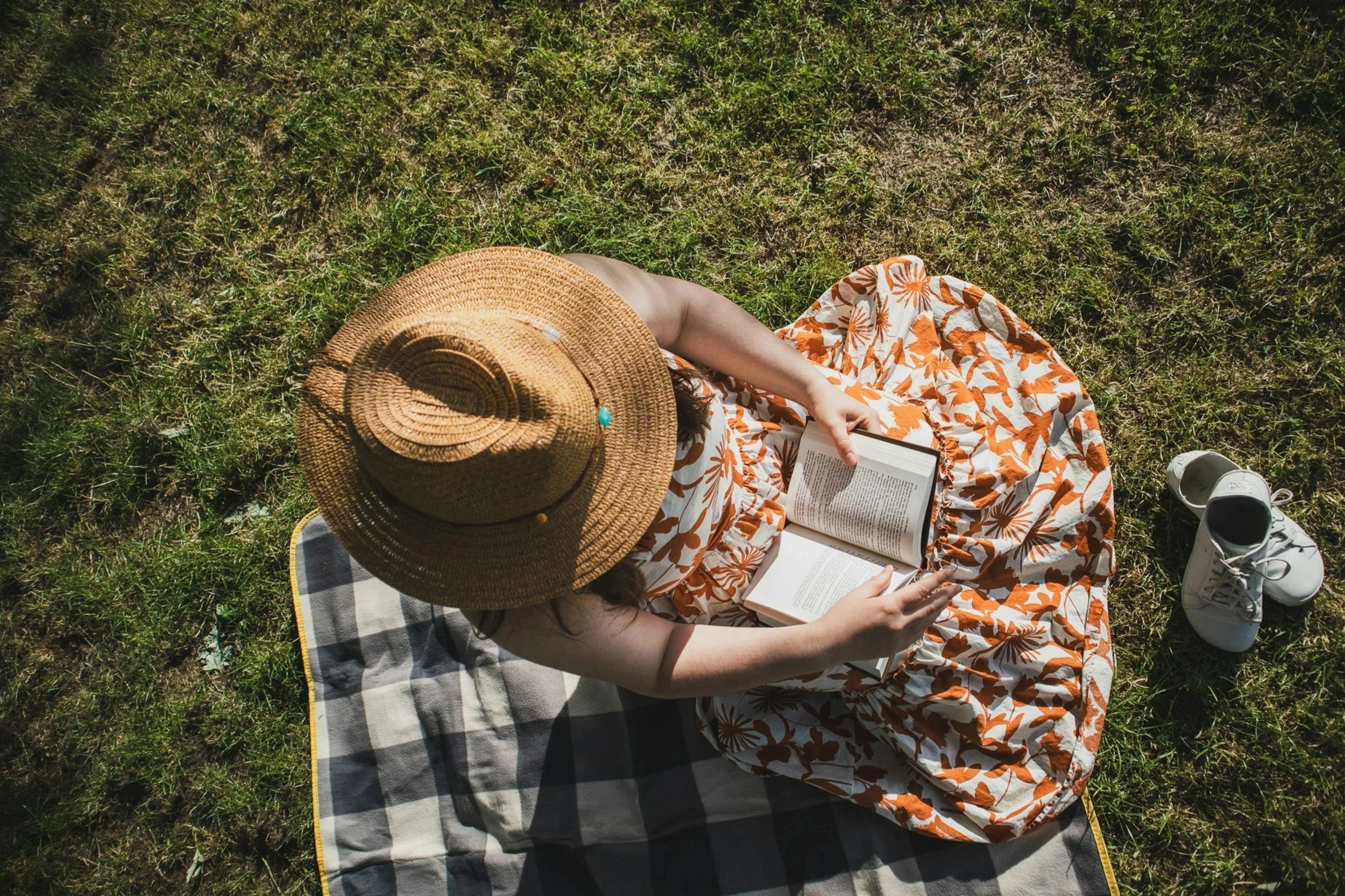
Better Read Book Festival
Explore Better Read Book Fest, a one-day festival of books, ideas, and authors to support your mental and emotional wellbeing.
Perfect For
Better Read Book Fest is for readers interested in self-development, mental health and emotional wellbeing. It's for coaches, therapists and wellbeing practitioners. If you want to learn more about how you can support your own mental and emotional wellbeing this festival is for you.
Why You’ll Love It
Better Read Book Fest is the UK’s first literary festival dedicated entirely to wellbeing books. It's a one-day celebration of books focusing on self-development, mental health and emotional wellbeing, and their authors. The festival is taking place on Saturday 3 October in Abergavenny, south Wales.
What Makes It Special
Literary festivals may include books on mental health and self-development, and wellbeing festivals can feature wellbeing authors alongside workshops and practical experiences. But until now there hasn’t been a UK literary festival dedicated solely to books focused on personal development, mental health and emotional wellbeing, and their authors.
No workshops, no other genres, purely authors sharing their books, their experience, research and expertise with readers. These books provide validation, greater self-understanding and practical tools, empowering the reader where they’ve felt lost and alone, in an accessible form and price.
You will leave feeling inspired, informed, empowered and uplifted.
The If Lost Take
When we first heard about a festival dedicated entirely to wellbeing books, it was an instant yes. It brings together so much of what we care about: wellbeing and words, connection and community, ideas and the people who love them too.
We believe there’s something powerful about the right book finding you at the right moment. It can steady you, shift your thinking, or simply help you feel a little less alone. And already, the authors announced for this festival feel like exactly those kinds of voices.
There’s also something quietly joyful about being in a room full of people who care about these books as much as you do — who know the non-fiction bestseller list almost as well as their local takeaway menu.
We’ve interviewed Gabrielle (and speaker Suzy Reading) on the podcast, and what stands out is the warmth and intention behind this festival. It’s been thoughtfully curated with a genuine belief in bringing people together around ideas — not to prescribe what wellbeing should look like, but to help each of us explore what it means in our own lives.
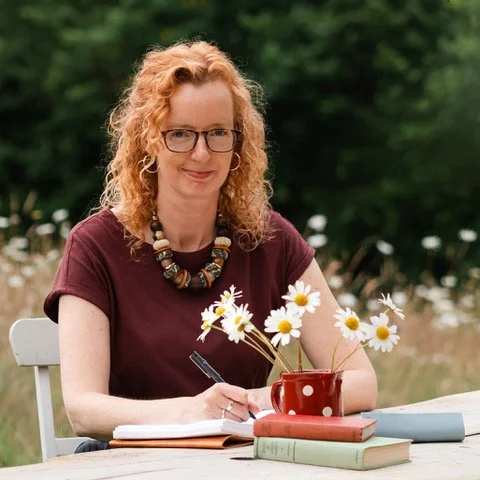
Founder’s Story | Gabrielle Treanor
“Years ago when I was struggling with anxiety, people-pleasing, overthinking and overwhelm (which I later discovered was due in part to my unrecognised ADHD) it was picking a book on positive psychology off the shelf in my local bookstore, and subsequently diving headfirst into wellbeing books, that gave me a sense of agency. In these books I found explanation and understanding as well as ideas and tools to support myself.
I then embarked on a journey which ultimately led to writing my own book, The 1% Wellness Experiment (published Dec 2023), and supporting others as an ADHD coach, writer and podcaster.
My respect and appreciation for the writers who pour their knowledge, skills, experience and heart into their wellbeing books inspired me to champion and celebrate this genre by creating Better Read Book Fest.”
Some Practical Details
The festival is a day of interviews and panel discussions with the authors about their books, self-development, mental health and emotional wellbeing, and space to ask them questions. There will be the opportunity to purchase the authors’ books and have them signed by the authors. Festival merchandise will also be on sale.
Authors confirmed so far are Suzy Reading, Natalie Lue, Dr Helen Wall and Natasha Page.
The festival won't be available online but there will be interviews with the authors in a special festival season on the Pressing Pause podcast.
Venue: St Mary’s Priory Hall, Monk St, Abergavenny NP7 5ND
Date: 3rd October, 2026
HowTheLightGetsIn Festival
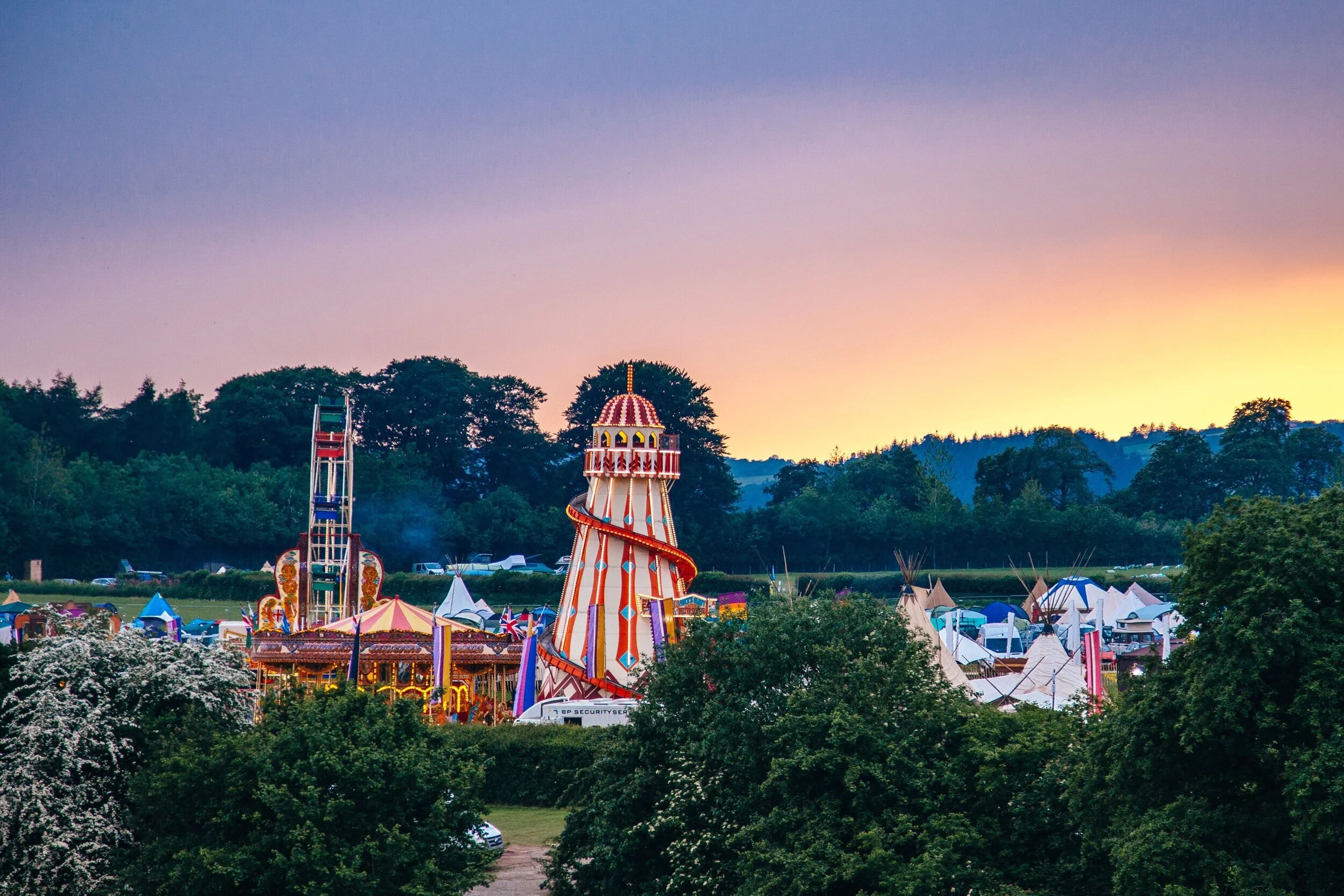
Discover HowTheLightGetsIn Festival in Hay-on-Wye — the world’s largest philosophy and music festival. Join Nobel Prize winners, Grammy artists, thinkers, and dreamers for a long weekend of ideas, talks, live music, comedy, and connection.
Perfect For
Anyone who feels most alive when they’re learning something new. For the curious, the restless, the thinkers and the dreamers—the ones who want their minds moved as much as their bodies.
Why You’ll Love it
Ideas sit so close to wonder here. New thinking propels your imagination forward, with academics out of the universities and into fairground fields, dancing late into the night.
You’ll spend your days soaking up mind-expanding discussions on subjects like black holes, AI, anxiety, and epidemiology, and your evenings beneath glitter balls at riverside discos or swaying to live music.
It’s a rare space where Nobel Prize winners and Grammy award-winners share the same billing—and where you leave feeling stretched in the best way.
What Makes It Special
HowTheLightGetsIn is the world’s largest philosophy and music festival (that these go together says it all). It’s not just about intellectual sparring or abstract debate—it’s about weaving ideas into real life, combining heavyweight talks with laughter, connection, and dance.
The magic comes from the mix: sitting under a tent roof in the afternoon listening to leading thinkers, then catching comedy sets or live bands as the sun goes down.
The Story Behind It
It all starts with the name.
“There is a crack in everything… that’s how the light gets in.”
These Leonard Cohen lyrics trace the festival’s origin story and tone. The “light” here is unarguably ideas—but also a reminder that light comes through imperfections, through play, through music, and through gathering. Held bi-annually, the festival takes over Hay-on-Wye each spring for one long, invigorating weekend, and Greenwich in the autumn for a shorter city edition.
The If Lost Take
HowTheLightGetsIn isn’t just about absorbing knowledge—it’s about feeling the spark of aliveness that comes when we expand. This festival offers intellectual adventure and playful escape all at once: a space to be both serious and silly, thoughtful and joyful, stretched and soothed. For anyone seeking a festival that feeds both brain and soul, this is your place.

Practical details
Location: Hay-on-Wye, Wales
Tickets: A range of options available, including day and Flexi passes. Under-25s and students receive a 40% discount; children under 12 attend free.
Accommodation: Choose from self-pitch camping, pre-pitched tents, or glamping.
Accessibility: The festival is committed to inclusivity, with accessible facilities and support.
More info & booking here

Charleston
Step inside Charleston, the historic home of the Bloomsbury Group, where art, literature, and radical thinking shaped a new way of life. This beautifully preserved house and garden in East Sussex offers an immersive experience in creativity, from hand-painted walls to inspiring exhibitions.
Perfect For
Anyone who loves art, history, and a bit of creative rebellion. If you believe that life itself should be an artwork, you’ll feel right at home here
Why You’ll Love It
More than just a house, Charleston is a living, breathing piece of art history—once the home of the Bloomsbury Group, a radical collective of artists, writers, and thinkers who redefined creativity, relationships, and modern life. Every inch of the house, from painted walls to hand-decorated furniture, tells a story of rebellion, artistic freedom, and a refusal to follow convention. It’s a place that invites you to step inside a world where creativity had no limits—and to leave inspired to create your own.
What Makes It Special
An artist’s dream home – Charleston isn’t just decorated; it’s painted from floor to ceiling, inside and out.
The garden is a creative project in itself too – Designed by Vanessa Bell and Duncan Grant, it’s full of colour and sculptural beauty.
A hub for creative minds today – From literary festivals to exhibitions, Charleston is still very much alive, a gathering place for ideas and imagination. Check out their events for up-to-date information.
The Story Behind It
In 1916, artists Vanessa Bell and Duncan Grant left London behind and moved to Charleston with their unconventional household. What started as a rural retreat became the heart of the Bloomsbury Group, where Virginia Woolf, John Maynard Keynes, and E.M. Forster would visit, debate, and create. Unlike the rigid, buttoned-up world of their time, Charleston was a space of artistic and personal freedom, where boundaries were blurred, rules were broken, and the walls—quite literally—became the canvas. Today, it stands as a testament to the power of living creatively, without constraints.
Something Else We Love
The Charleston shop is a treasure trove for lovers of art, literature, and design, with prints, ceramics, and homewares inspired by the house itself. But our favourites? Their fabric collection. If you’ve ever wanted to wrap yourself in Bloomsbury-inspired patterns, this is your chance. Their notepads make sweet gifts and make you feel like you’ve borrowing a little of their creativity. And we couldn’t resist buying Deceived with Kindness by Vanessa Bell’s daughter Angelica Garnett when we stopped by to better understand what it was like to grow up here.
The If Lost Take
We love Charleston because it’s not just a museum—it’s a manifesto for a different way of living. The Bloomsbury Group believed in art as a way of life, in challenging convention, and in finding beauty in the everyday. Stepping into Charleston is stepping into a world where those ideas are still alive and waiting for you to take them home.
Some Practical Details
Firle, East Sussex, UK
P.S.
If you visit, check out some of our favourite local places in nearby Lewes:
For independent shopping: Nord, Leadbetter & Good, Closet and Botts and From Victoria
For coffee: Trading Post Coffee Roasters
For eco-conscious snacks: Seasons
For a little bit of nature: Bulb Florist
For children’s books: Bags of Books
For culture (and lunch): The Depot
For artisan breads and pastries: Flint Owl Bakery

The Barbara Hepworth Museum & Sculpture Garden
Step into the world of sculptor Barbara Hepworth at her preserved home and studio in St Ives. The Barbara Hepworth Museum & Sculpture Garden offers a rare glimpse into the artist’s life, with her untouched workshop, iconic sculptures, and a breathtaking garden space.
Perfect For
Anyone who wants to be immersed in the story of art, seek out The Barbara Hepworth Museum & Sculpture Garden in St Ives. If you’ve ever wondered what it’s like to create something truly lasting, this is your place.
Why You’ll Love It
Tucked away in the heart of St Ives, this isn’t just a museum—it’s an escape into the mind of one of the UK’s most celebrated sculptors. Barbara Hepworth lived and worked here for the last 26 years of her life, and stepping into her home and garden feels like stepping into her world. From the intimate, light-filled studio to the lush outdoor sculpture garden, every part of this space invites you to slow down, breathe deeply, and see the world as she did—through form, texture, and movement.
What Makes It Special
A sculptor’s world, frozen in time – Hepworth’s workshop remains untouched, complete with tools, unfinished pieces, and even her white work coat, as if she just stepped out for a moment.
The sculpture garden – A hidden oasis where her iconic stone and bronze works sit between tropical plants, perfectly framed by Cornish light.
Awe in the everyday – Hepworth’s work invites you to pay attention, whether that’s noticing the shadows, reframing space, and seeing shape in a whole new way.
The Story Behind It
After Hepworth’s sudden passing in 1975, her wish was clear—she wanted her home and studio to remain as she left it, a place where people could experience her work in the environment that shaped it. Honouring this, the Barbara Hepworth Museum was established later that year by her family, with Tate taking over its care in 1980. Today, it stands as one of the most personal and intimate artist museums in the world, a place where her legacy is preserved not just in her sculptures, but in the very air of the studio she worked in.
Something Else We Love
It’s not just about the art—it’s about stepping into Hepworth’s way of seeing the world. One of the most moving parts of the experience? Seeing her unfinished works, left exactly as they were when she passed, mid-creation. It’s a rare, raw glimpse into the mind of an artist, proof that the creative process is never truly finished.
The If Lost Take
We love the Barbara Hepworth Museum because it’s not just about seeing art—it’s about experiencing the world through an artist’s eyes. Hepworth believed in sculpture as something to be lived with, and this place brings that philosophy to life. Whether you’re an art lover or just someone seeking a moment of quiet awe, this is a space that lingers with you long after you leave.
Some Practical Details
St Ives, Cornwall, UK
P.S.
If you do visit, also check out our favourite local places:
For coffee: The Yellow Canary and Yallah Coffee.
For morning pastries, artisan loaves and of course Cornish pasties: St Ives Bakery
For browsing: independent book shop St Ives Bookseller.
And of course, another awe-inspiring cultural destination: Tate St Ives.

42 Acres
Explore 42 Acres, a 173-acre regenerative estate and nature reserve in Somerset offering transformative retreats and nature-based experiences. Swim in the lake, meditate in the treehouse, or nourish yourself with farm-to-table food grown on-site.
Go here if: You’re looking to get into nature, reawaken your deep-rooted instincts and nourish yourself.
What is it: Set over 173 acres of wild land and ancient forest, 42 Acres is a regenerative estate and nature reserve where you can reconnect with nature, yourself and others.
Explore the self-guided and led retreats, often in partnership with world-renowned practitioners and aligned with nature, that encourage you to dream, grow, learn and rest. Stay in a restored 13th-century former hermitage, converted barge or under the stars in a luxury bell tent. Swim in the lake, meditate in the treehouse, sauna in the woods and nourish yourself with food grown on the land.
Why you need it: 42 Acres was first conceived in 2015 by siblings Lara and Seth Tabatznik as a home for personal, social and environmental change after having been deeply inspired by some powerful personal retreats and workshops in their own lives. Both Seth and Lara are strong advocates that outer change in the world starts with the self, or to quote Gandhi: “Be the change that you wish to see in the world”.
What they offer: At its core, 42 Acres invites people to reconnect with nature, self and others but has now grown to offer so much more including a range of wellbeing and nature-based experiences and events, a regenerative farm and an abundant nature reserve.
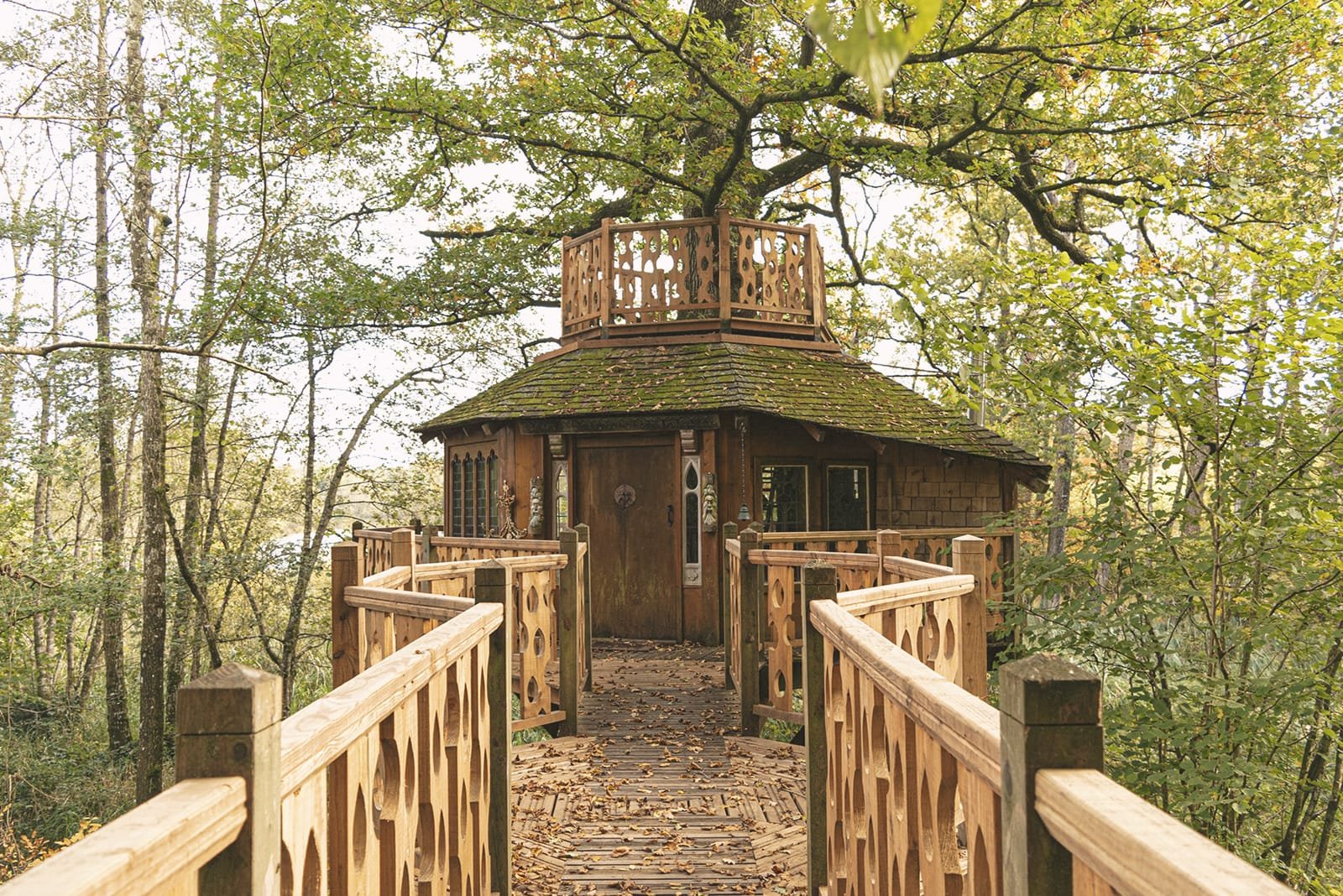

What makes it different: Living within an ancient forest, host to a variety of wild meadows and vast open fields and the source of four different rivers within a stone’s throw, this is a place for planting your dreams.
What you need to know: You can visit 42 Acres in several ways — as a guest on a day experience, workshop or energy exchange or by visiting them on retreat. All booked guests are free to roam the estate, swim in the lake and explore. Food, accommodation and experiences need to be pre-booked on their website.


In their own words:
“Our vision is to grow and consume in a way that serves the health of people and the planet. Our market gardens and regenerative farm use and permaculture and biodynamic-inspired principles. We grow, forage and wild-tend to create wholesome, nutrient-dense food. As we cultivate and restore health in our earth, we restore the worlds within ourselves.
We use our deepest intuition, ancient tools and shared knowledge to establish regenerative spaces, curate transformational experiences, and foster opportunities to learn, heal and grow.”
42 Acres is a 173 -acre retreat centre, regenerative estate and nature reserve in Witham Friary, just outside of Frome, Somerset
All images courtesy of 42 Acres.

Rediscovering connection through Taylor Swift's Eras Tour
Discover how Taylor Swift's music fosters emotional connection and self-discovery. Learn how her songs can help you connect more deeply with yourself and build meaningful relationships with others.
Ever found yourself caught in the whirlwind of Taylor Swift's universe, endlessly scouring for concert updates, dissecting lyrics, and soaking in every moment of her performances?
If you're seeking ways to connect more deeply with yourself and others, you're not alone in turning to Swift. Let's delve into how the pop superstar’s music has become more than just entertainment; it’s now our collective way to both self-discovery and meaningful connection.
The power of collective effervescence and emotional connection
In his studies on awe, psychologist Dacher Keltner explores the concept of 'collective effervescence,' where shared experiences create a sense of unity and awe. Taylor Swift's music acts as a catalyst for this phenomenon, bringing people together from all walks of life.
In a world plagued by loneliness, her concerts become sanctuaries of togetherness, where we find solace in shared emotions and experiences. For those seeking an emotional connection, Swift's music offers a powerful way to bridge the gaps between our fragmented lives.
Embracing emotional freedom through music
Swift's songs serve as emotional landscapes, inviting us to feel deeply and authentically. In a society that often encourages emotional suppression, her music gives us permission to embrace our vulnerabilities, to cry, to laugh, to rage, and to love without restraint.
Through her narratives, we confront our own emotional narratives, challenging beliefs that hinder our connection with ourselves and others.
For anyone looking to connect more with their feelings, Taylor Swift's music provides a safe space to explore and express emotions.
Writing our own stories and building connections
As we immerse ourselves in Taylor Swift's music, we not only find connection but also inspiration to rewrite our own stories. Her openness about the messy, imperfect parts of life reminds us that it's okay to not have it all figured out.
We're encouraged to embrace the complexities of our existence, to acknowledge our struggles, and to find beauty in our imperfections.
For those wanting to connect more with who they believe themselves to be and how they are really living their lives, Swift's music is a guide for how to do this with courage and vulnerability (the two often go together).
Embracing our own eras
As the Eras tour unfolds, it's more than just a musical spectacle; it's a phenomenon centered on being seen and feeling connected.
Through Taylor Swift's music, we find camaraderie, emotional release, and a renewed sense of self.
So, let's lean into the melodies, the lyrics, and the shared experiences, knowing that in each chord and verse, we find echoes of our own stories, our own struggles, and our own triumphs.
For anyone looking to connect more with themselves and others, Taylor Swift's music offers a heartfelt path forward.
Ready to deepen your connection with yourself and others? Subscribe to our newsletter for more insights on emotional wellness and join our community of like-minded individuals on this ever-meandering journey of self-discovery.
Plus, get exclusive updates on how music and other forms of art can enrich your life (see our Culture Therapy series for more).
Click here to subscribe now and start connecting with yourself, each other, and the world around you in new and creative ways.

How to bring a sense of wonder back to your everyday life
Discover how a sense of wonder can bring more meaning, joy and connection into your life
“Let yourself go past those thoughts that tell you it’s silly or pointless or a waste of time, or you’re far too busy to possibly do this...Instead give yourself permission to want that in the first place — to crave that contact with the sacred, and that feeling of being able to commune with something that’s bigger than you are.”
We started to notice wonder in our everyday lives during the first pandemic when our worlds became small but our attention needed to roam. That sense woke up for us then. Birds we never noticed before held our attention for a moment longer than we ever thought they could. We noticed skies and stars and the movement in the trees. We focused on a single program (Normal People anyone) while not texting or a Ted talk which we might once have scanned while doing 100 other things, allowing it to endure in our minds and not dissipate as the next video played. We stayed in moments because we had nowhere to go.
Now we’re back to some kind of normal, the challenge here is to sustain that wonder-driven life so that we can keep our minds open and stretch our worlds. How to do that? Through new (or once lost) hobbies that connect us with nature, the visual arts or music, looking up from our phones and noticing the world around us (and maybe even the moon above us), and by allowing ourselves to be lost in big ideas and imaginary worlds that we wouldn’t ordinarily visit.
Below we share some recent reads on the science behind wonder, some things to try, and places to visit to access it in all our everyday lives.
Where will wonder take you?
Why wonder can be so beneficial to our emotional and mental well-being:
Finding awe amid everyday splendor
How to absorb wonder in small spaces and enchant your life
Discovering Pacha, a word that contains multitudes
This will make your head spin. What is life really?
Starting a bookstore to save a marriage (because bookstores = wonder for us)
A Wonder List: follow ours, make your own, chase your curiosity
The weighted blanket of the public library
The Webb Telescope and our stunning universe
More dark skies and night-welcoming lighting
Prehistoric Planet and just about anything David Attenborough
Vermeer. Maybe always.
Ai Weiwei again
The Poetry of Sarah Kay
How do you feel about wonder? And how could you connect with its benefits for your emotional and mental well-being?
If you’re curious about it and want to see how it can help you find more joy, meaning and connection in your life, sign up for Find Your Way. In this Well-being Reset that puts what you like first, we’ll explore how to find more wonder in your everyday life. Wonder is just one of the ten Pathways we’ll follow together as we explore all that life can offer us.

A Culture Therapy Prescription | March Edition by Beth Nasce
This month’s Culture Therapy Prescription will help you feel good this season. Discover the podcasts, books, websites, apps, events, and places that can connect you with more of what you need for better emotional and mental well-being.
This month’s Culture Therapy Prescription is written by Beth Nasce, a creative celebrant, writer and primary school teacher, whose passions are seasonal living and celebrating all of life's milestones (the big and small). Beth is constantly experimenting with poetry, non-fiction and short stories and helps other people explore their own creativity too.

Connection & Community
Podcasts: The Real Question, and Harry Potter and the Sacred Text, both by Not Sorry Productions.
TRQ is a place for people to explore deeper questions about life and think about how different texts can help us with those answers. The current edition of the podcast is called Should I Quit and its guests come on with a question about whether they should quit something and Vanessa the host does a sort of chaplaincy service for them.
HPST is treating the HP stories like a bible study. Each episode goes chapter by chapter reading it through a theme e.g. love or jealousy and then they use old religious practices to deepen their questioning.
This is the second read of the books (I think book 5 right now?) and they do an amazing job of holding this tension of the ultimate question about whether HP should or shouldn't be given airtime anymore given the author’s recent statements. The podcast has a large LGBTQ+ fanbase so it has been really helpful in understanding the difficulties with it.

Modern Life / Untethering
Book: The Power of Ritual by Casper Ter Keuile is a fantastic book that looks at rituals and spirituality from a secular lens.
Casper is not a Christian but has grown up sort of culturally that way, and while traditional Christianity feels inaccessible to him as a gay man at times he also sees the power and beauty of many ancient practices.
In this book, he explores the ways different religions and civilisations access rituals and explores how we can see them being used in secular contexts too e.g. Soul Cycle or CrossFit.
In the book, he talks about doing a tech sabbath every Friday night for 24 hours where he turns off his phone and all tech. He says the mantra "the work isn't done but it's still time to stop" and it's something I TRY to do. It always feels very enriching and expansive when I do it!

Nature
Podcast: As The Season Turns by Ffern and Lia Leendertz.
Lia Leendertz who writes The Almanac releases an enhanced audio version of the monthly entries of her book on the first of every month. The podcast version also includes a soundscape meditation, a herbal musing by Zoe Gilbert and a Welsh folk song.
In my newsletter Spark and Fable, each month I follow a weekly pattern - of things to look forward to this month (a combination of seasonal events and celebration days) - a seasonal recipe - field notes (where I simply write what is going on at this moment in time outside) - and a monthly roundup of favourite things (including tree, plant and flower of the month!)

Mind & Body
Book: The Self Care Year by Alison Davies is a lovely book that has different ways to care for yourself both physically and mentally in line with the seasons. There are meditations to do, pamper products to make yourself, yoga positions to try, etc.

Purpose
Podcasts: Quiet The Hive is a podcast where host Jane Galloway mixes solo musings with interviews of people in all different industries. Her linking thread is well-being and often the people in the interviews have a clear vision for their project/mission which is always very inspiring. Most people in it have simple ideas and not many resources but just go for it. Her solo episodes are also very inspiring and give lots of ideas for getting to know yourself better.
Squiggly Careers podcast. Hosts Helen and Sarah send out a weekly podcast about careers that are never really linear.

Spirituality & Meaning
Book: Your Spiritual Almanac by Joey Hulin is an evergreen almanac that can be used every year. Each month has a theme e.g. abundance, rest, and alignment, with affirmations, meditations, journal prompts, ways of paying it forward, yoga poses, fables and creative ideas.
Podcast: The RobCast by Rob Bell. Rob Bell is a spiritual writer/speaker who used to lead a megachurch back in the 90s and early 2000s until he wrote a book called Love Wins which basically said "there is no heaven and hell" or words to that effect, and he was very much ousted by the church. He is a beloved friend of Elizabeth Gilbert and Glennon Doyle (I think) and while he uses the Bible and what he called "Jesus stories" in a lot of his podcasts I do feel he comes at it from a totally different way and isn't really seen as a "Christian" podcast. This podcast is great for everyone but perhaps, especially for people who used to be Christians or who struggle with calling themselves that.

Mental Wellbeing
App: Finch is kind of like a Tamagotchi on your phone, only you're not feeding and watering it with food, etc but you're feeding it by doing little reflections or mini well-being activities.
Website: 750Words. If you've ever attempted morning pages (from Julia Cameron's The Artist's Way) this is sort of a digital version of that (750 words is roughly 3 pages)
It's essentially a private place for you to write and store your words. The beauty of doing it on the website as opposed to handwriting is you get a sort of analysis afterward that details the themes you wrote about, and your predominant feelings and ways of writing (eg. introverted/extroverted). You also get badges for keeping streaks or doing certain things like writing early in the morning etc. (love a bit of gamification!)
It has become a daily practice for me in the same way handwriting them used to but I feel I access deeper thoughts and feelings, like lots of "gunk" coming out onto the screen. Perhaps it's because I find I type as fast as I think whereas my handwriting is always a little slower and I often trip over my own thoughts.
I'd recommend it to anyone who struggles with the handwriting element of morning pages but likes the idea of them! (oh and it's totally private too)

Awe & Wonder
Art: Nature Photographer of the Year Exhibition (starts in the Natural History Museum then tours the country). Just looking at how these photographers interpret a category but also the way they can capture nature in such awe-inspiring ways is enough to have you desperate to get outside!
Place: Cambo Gardens in Fife, Scotland is an absolutely stunning garden that has a "wow" moment at every turn! It's a walled garden that's lovingly looked after, which then turns into a woodland walk and before you know it you're on a beach. Oh, and it has a lovely cafe and shop.
Creativity & Culture
Book: Little Stories of Your Life by Laura Pashly is a fabulous book that looks at how we can use social media, storytelling and photography to tell more authentic and creative stories online. It feels like a perfect antidote to the showoffiness of social media (Instagram in particular) and gives a beautiful roadmap of how we could all show up online in a more positive, creative and authentic way.
Podcast: Sentimental Garbage by Caroline O'Donoghue, especially the latest season of this podcast. Caroline and a guest take a cultural phenomenon or work that society deems as "trashy" and looks at why it isn't and why it is in fact worthy of being treated like high culture. Particular highlights lately have been the movies, Chicago and Bring It On, and a discussion about weddings.
Doing Good
App: Seek (also nature really!) Seek by iNaturalist is a citizen science app that also helps you learn more about the flora and fauna around you. You begin by holding your phone on a plant/insect/bird/stone until the app identifies it, you then take a picture and save it to the app which then records where you spotted the thing you've just snapped. This then gives a clearer picture of what exists where and when. There are also monthly challenges like "butterflies" etc
In a similar vein: Joining in with RSPB's great garden birdwatch in January, and The Big Butterfly Count in the spring are great ways of helping scientists understand species numbers and placements, etc. I'm sure there are similar things with The Woodland Trust, The National Trust and there's a bluebell one too - all ways of helping people to track patterns, migrations, growth and decline etc
We’re currently reviewing submissions for April’s Culture Therapy Prescription.
Fill in yours here to be considered:

Beyond Books
This independent Bookshop Week, escape into the Imaginary with some of our favourite independent bookshops.
This Independent Bookshop Week (Saturday 18 June – Saturday 25 Jun), we’re celebrating some of our favourite indie bookshops. We often seek out bookstores when we’re feeling lost, even lonely, when we need a pick-me-up, when we need inspiration, and occasionally when we have that happy-just-to-be-in-the-world-feeling and want to connect with other people. Bookshops are pretty much there for us all the times of our lives.
So let’s return the favour this week and show up for them. Show them our support: Buy a book, attend an event, say hello to the booksellers and ask their advice on your next read, go on a bookshop crawl. Make a point of visiting your local bookshop, alone, with your friends, on a date, or with your kids (get them in the habit of bookstores early).
That way bookshops will get to stay around, making our lives and communities just that little bit better.
Here are our picks this week for Independent Bookshops we love and why we think they matter.
Bookbar, London

If we were a bookshop, we’d aspire to something like this: coffee on arrival, bottles of wine dotted amongst the bookshelves downstairs, spot-on curation from owner Chrissy Ryan (see the very covetable Booklists), and inspiring events that have included conversations with people like Emma Gannon and “read-dating”. To celebrate the book of the month: Akwaeke Emezi’s You Made a Fool of Death with Your Beauty, Bookbar even played host to a pop-up nail bar. Where “books are social”, this is a place to seek out all the things: connecting, learning, or most crucial of all belonging
With a cause: This one’s all about community: even their Loyalty Card supports books for the local school, Ambler Primary.
To do: Get some bibliotherapy with Shelf Medicate Prescription and Consultation. We’ve very much in need of the escapism offered by the G&T for the Soul Prescription. Consultations are also available for the kids in our life.
Max Minerva’s, Bristol

Every neighborhood needs its own bookstore, every community a hub for kids and grown-ups. When Jessica Paul and Sam Taylor moved into Bristol’s Westbury Park neighborhood they thought they’d found that in Durham Down Bookshop. But when the owner died in 2016, they realized that it was down to them to keep a bookstore in their community. In 2018, Max Minerva’s opened its welcoming yellow fronted space, with a built-in window seat and cozy armchair for lingering. For Jessica, “Bookshops are a comfort thing.” They also tell deeply personal stories: Named after Maxene Emily Minerva, Paul’s late 15-year-old cousin (and also the Goddess of Knowledge Minerva), the store celebrates her voracious love of reading. It’s a joyful celebration of how books are all about ‘emotion, imagination, and ways to making you think.”
With a cause: Bright orange lettering outlines a quote from Lemony Snicket: “All the secrets of the world are contained in books. Read at your own risk.” And it is the joy of reading for all, but particularly kids, that Max Minerva’s encourages by focusing on kids' literacy and creative classes that tell some of those secrets.
To do: Sign up for a children’s reading subscription, and choose between titles for Juniors aged 9 to 12 or aged 5 to 8.
The Book Hive, Norwich

Founded by Henry Layte who describes it as “someone’s home where you can buy a book. Always has, intentionally,’ The Book Hive is an irreverent indie bookstore, with a highly individualistic take on what to read. Located in a landmark building in Norwich Lanes, this is a bookstore for discovering the unexpected. Beloved by authors like Margaret Atwood (who completed her novel The Heart Goes Last in one of its upstairs rooms) and poet Simon Armitage (part of the shop’s award-winning imprint Propolis), the titles on offer are not your usual suspects, but an eclectic assortment that puts personal choice above algorithms. Similarly, the events push back on where we’re all falling down: like Page Against the Machine, a space dedicated to reading, which in itself feels radical now: coming together, detoxing from tech, and putting the world on hold by escaping into a good book.
With a cause: The Book Hive supports the work of the Norman Lamb Mental Health and Wellbeing Fund, which funds vital local, grassroots, community mental health initiatives
To do: Join the Short Short Story BookClub, which takes the much underrated short story and gives it its due with two collections mailed a month to be discussed for now on Zoom.


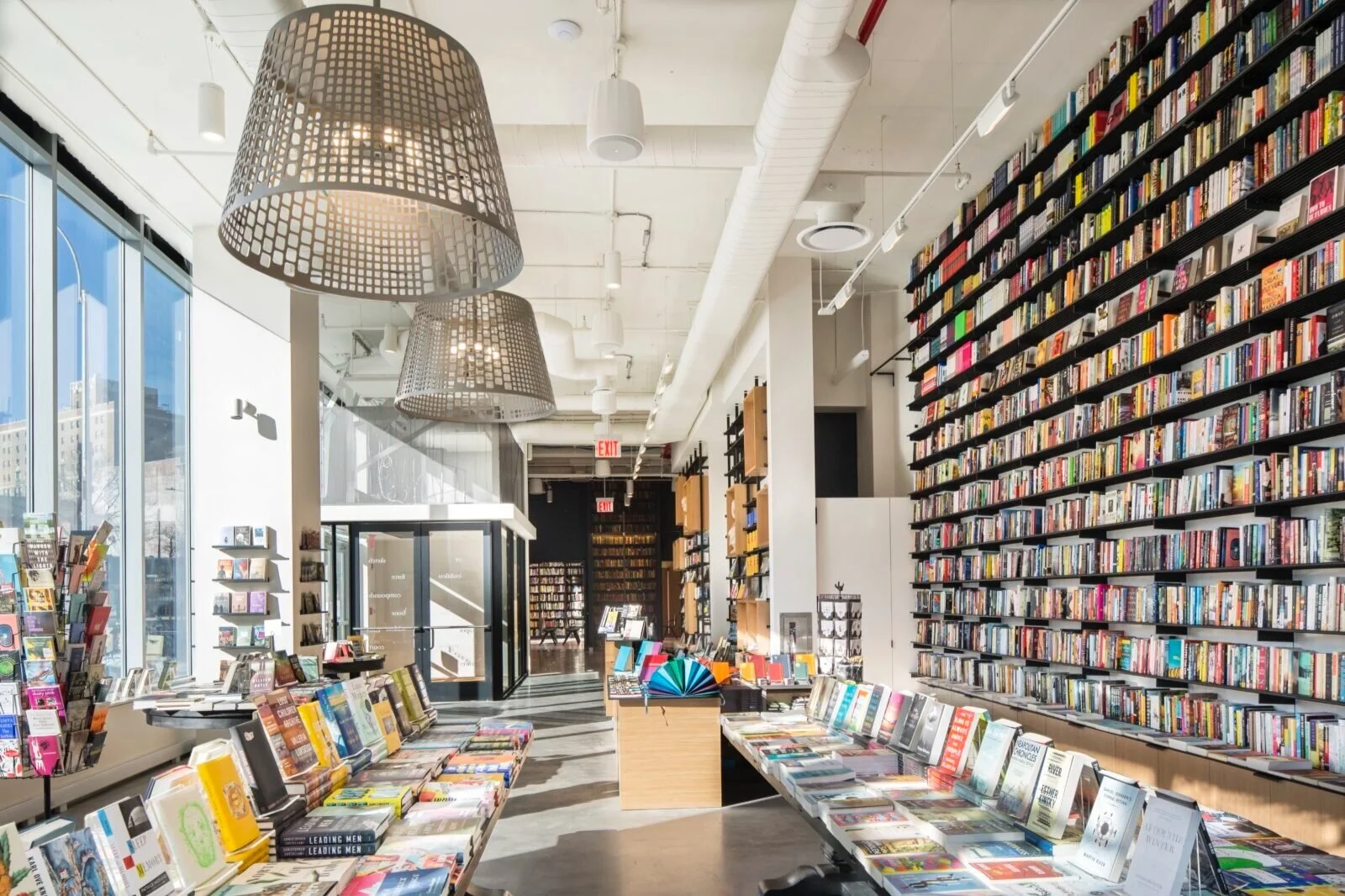


Support your small book store. Read something you love.
Let us know which local bookshops make your life better and which you’d recommend for our guide.
[Main photo: Photo by Pj Accetturo on Unsplash]

The Lost Gardens of Heligan
Seek wonder at The Lost Gardens of Heligan and discover a land once forgotten.
“Putting Heligan in aspic for posterity wasn’t what we wanted. Instead, we’d tell the story of those who worked here and re-discover their horticultural knowledge and skills.”
Go here if: you’re looking to find magic in nature, lose yourself in awe, or take a moment to pause.
What is it: Sometimes when you expect a tourist destination, what you find is a place of true wonder. From the founder of The Eden Project (and now Gillyflower Golf Course) Sir Tim Smit, The Lost Gardens of Heligan comprises 200 acres for nature lovers to explore, with breathtaking twists and turns through a lost landscape and a lost history.
Why you’ll love it: Like a story from a fairytale, a door found in the ruins of the Heligan estate led to the discovery of a garden lain long dormant. When World War I reaped its devastation, it took many of the gardeners who had once worked the estate and eventually all that they had created here: the Victorian glasshouses broke, the ferns and camellias grew over, the plant specimens brought from around the world, became hidden by time. Now Heligan has become the site of the largest garden restoration project in Europe; since the 1990s a team has worked to restore what once was, adopting the same principles of regenerative architecture, reviving the plants and species forgotten and revealing the original gardens.

Take the trail past the living sculptures embedded in the landscape (including the much-photographed Giant’s Head and reclining Mud Lady) through the jungle hidden in a valley (you can cross it by a rope bridge and it all feels like a dinosaur might emerge at any moment) up to the pineapple pit and the working gardens. But most of all just wander – the landscape shifts as you do, and the discoveries reveal themselves, sometimes slowly.
Heligan is still actively farmed with over 300 species of mostly heritage fruits, vegetables, salad, and herb plants, that are then used in the Heligan Kitchen, and heritage breeds (it was lambing season when we visited).
What you need to know: We sought out The Thunderbox, which was not what we thought it would be – once the gardener’s lavatory — but it contains the secret of past lives. The gardeners wrote their signatures on the wall beneath the statement “Don’t come here to sleep or slumber.”: the date August, 1914. In 2013, the Imperial War Museum recognized The Thunderbox as a “Living Memorial” to the gardeners of Heligan, a testament to the people who worked on the estate before World War 1 took them.

How to bring this into your life: Beyond visiting, you can attend a Lost Supper.
In their own words: “We were fired by a magnificent obsession to bring these once glorious gardens back to life in every sense and to tell, for the first time, not tales of lords and ladies but of those “ordinary” people who had made these gardens great, before departing for the Great War.”

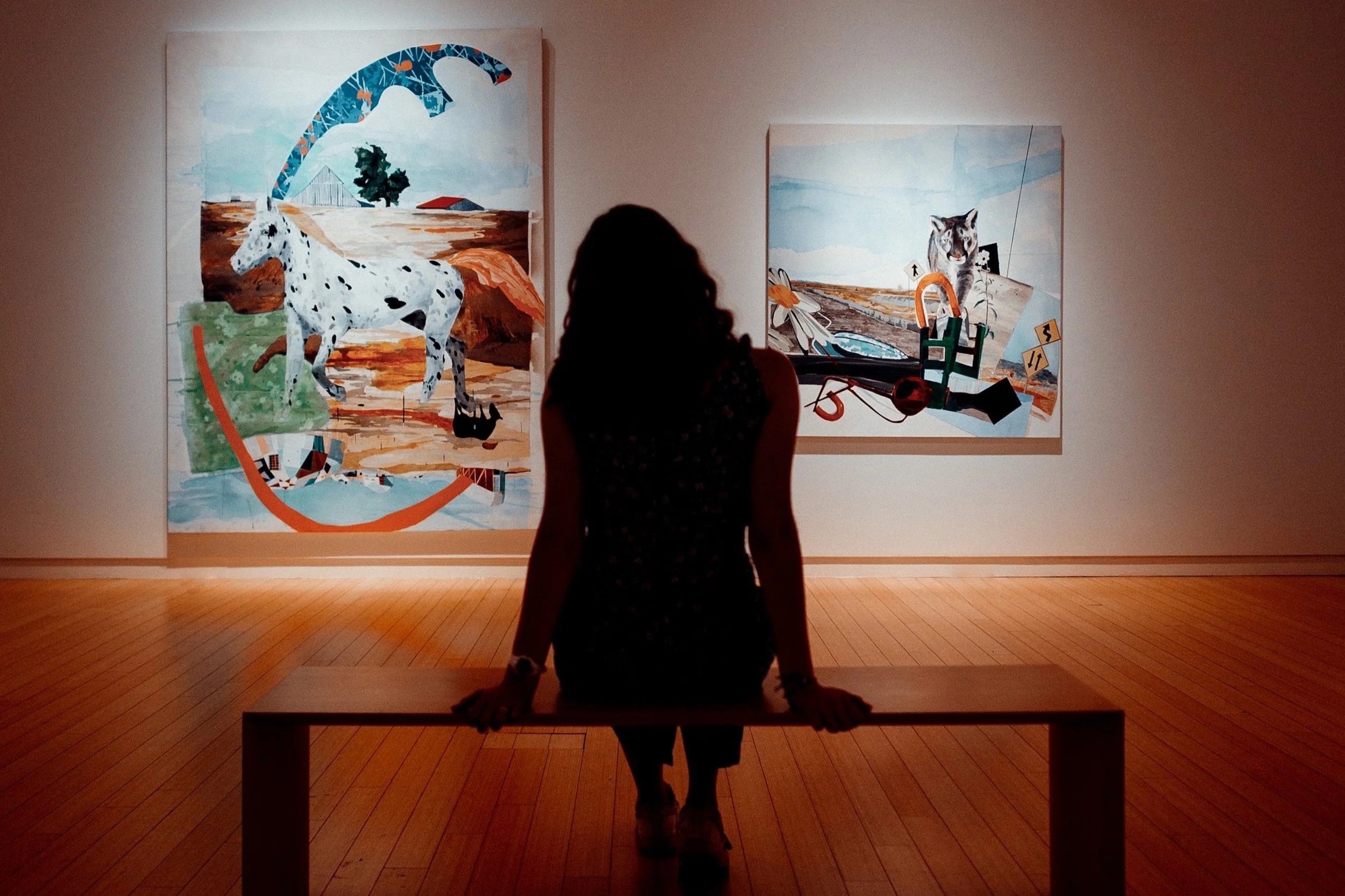
Five of our Favourite Museums for Finding Awe and Wonder
A visit to a museum can be one of those everyday adventures that helps inspire us in our daily lives, feeds our curiosity, and brings a sense of awe and wonder into our days. Here’s a round-up of five museums in London that recently offered the life pick-me-up that we needed.
Where do you go to locate awe and wonder? For us, it’s often a museum; that combination of the architecture of the space, the works in the galleries, the storytelling of the displays and exhibitions, and the people sharing the experience with us (plus the cafe and bookshop, of course).
A visit to a museum can be one of those everyday adventures that helps inspire us in our everyday lives and feeds our curiosity.
Here’s a round-up of five museums in London that we recently visited when we needed a life pick-me-up when all the things got a little too much.

Just the central atrium space on entering The Design Museum’s new home on Kensington High Street brings pause enough; but then the journey through approximately 1000 objects in Designer Maker User, the permanent collection display that contains everything from typewriters to roadsigns, is the experience we need to stimulate our (often neglected) creative minds.
For us, The Design Museum, one of the world’s leading museums on design and architecture, helps us to pay attention, to notice the details, the choices, that shape the things we use daily. The story of how we work, how we connect, and how we live our lives is told within these galleries (and sometimes it’s an odd sensation to look back on past iterations and realize that for a moment the promise they held was the future).
Look out for exhibitions that explore sensation in The World of ASMR, social and environmental issues in the work of Bethany Williams, and colour and play in the installations of Yinka Iloria.

A museum to break your heart and put it back together again: From the very first wall that reminds you that ‘Heathcliff was a foundling. Harry Potter was fostered… and Han Solo was adopted’, to the display of tokens that allowed a parent to reclaim a child, the Foundling Museum reveals the intimate stories behind the UK’s first children’s charity. Founded as a place for abandoned and neglected children by Thomas Coram, London’s first and only foundling hospital opened in 1939 (it took 17 years to raise the funds). Though the hospital has long closed, its purpose is still vital. As the current director, Caro Howell recently said, “This museum is unlike any other museum in the world, because for care-experienced young people, who have experienced such isolation and grown up without family, this museum gives them ancestry.”
But the museum also tells another story, one of artists and philanthropy; this was England’s first public art gallery (and a precursor to the Royal Academy) and artists (including William Hogarth, Charles Dickens and George Frideric Handel) created works to bring the public into its spaces. Today, The Foundling Museum celebrates the impact artists have had on children’s lives for over 270 years, from continuing to work with vulnerable young people to creating newly commissioned pieces that speak to the history of the museum itself (by artists such as Yinka Shonibare and Michael Craig-Martin).
Look out for the exhibition Superheroes, Orphans & Origins: 125 years in Comics.

We’ve often lost ourselves down the corridors of the V&A. For a time we were lucky enough to work close by and visit in our lunch hour – walking its many galleries, room by room, over years (though always finding ourselves back in the fashion galleries). The building in which the V&A is housed itself inspires awe, but it’s the vast collection spanning 5000 years of history and 1.2 million objects that inspires wonder. There’s Michelangelo’s David, Grayson Perry’s vases, Julia Margaret Cameron’s photographs, Alexander McQueen’s evening dresses and William Morris wallpaper, as well as ceramics from China, a theatre and performance collection and even a Glastonbury Festival Archive. And it’s all free to visit.
Now with a site in Dundee, a collection in Stoke on Trent, galleries in China, and future new London locations the Young V&A and the V&A East, this cultural behemoth continues to enthrall. For a taste of its magic wherever you are, watch the V&A film’s Creativity: It’s What Makes Us, or book a spot on one of their many online programs.
An exhibition to look out for Fashioning Masculinities: The Art of Menswear. An event to attend: Friday Late.

Tate Modern, always. Is there anywhere else like the Turbine Hall? Or the repurposed industrial tanks? Or the view from the iconic Lightbox on Level 6? Since it opened in May 2000, Tate Modern has dominated London’s cultural life and the South Bank. But though the building exists on a monumental scale, the artworks offer a more intimate experience: we recommended finding spaces away from the crowds (particularly in the permanent collection displays) and trying some techniques for Slow Looking.
Seek out Yayoi Kusama’s Obliteration Room and the artist’s Infinity Rooms, Lubaina Himid’s theatrical exhibition and Magdalena Abakanowicz’s woven sculptures. Participate in the Drawing Bar. And lose yourself in the wonder of modern and contemporary art (even if you don’t fully understand it).

What does home mean to you? This museum can help you reflect on that question.
Tracing how our homes have changed over a period of 400 years, this museum looks at how they are more than the spaces in which we play out our lives, but also hold emotional meanings around ideas of belonging, safety, and mental wellbeing. The Rooms Through Time Display traces a single room – the main living space – and how it evolved in middle-class households from 1630 to today offering a fascinating insight into how the way we organize our lives, our families, and our work, has changed dramatically in that period. Moving from a hall where all the household (including servants) ate together to a loft-style apartment in 1998, we get glimpses of lives once lived as well as some nostalgic moment’s along the way (like remembrances of our grandparent’s house).
Located in a row of former almshouses (whose architectural lines are traced in gold on the floor) in Hoxton, the Museum of Home reopened in 2021 (though it has existed in some form on the site since 1914) after a rebrand and refurbishment, so it’s definitely worth a visit even if you think you know it. Though on a domestic scale, there’s wonder to be hand exploring the spaces and witnessing just how much life has changed and continues to change, and how that’s impacting us – rightly or wrongly - on a daily basis.
Look out for the Museum’s Festival of Sleep and the Great Pajama Party.
Where would you add to this list? Which museums do you visit for bringing more awe and wonder to your everyday life? Let us know the places that you’d recommend we add to our guide for life.
Pages of Hackney
A bright blue beacon on Lower Clapton Road, Pages of Hackney is one of our favourite bookstores for reading advice. Founder Eleonor Lowenthal talks to us about what makes Pages of Hackney so unique and why independent bookstores matter so much to our neighborhoods.
A bright blue beacon on Lower Clapton Road, Pages of Hackney is one of our favourite bookstores for reading advice. It’s welcoming not just in how customers are greeted and the bookstore arranged (no intimidating, fusty-ness here), but also in terms of which books get to sit on its shelves and whose stories get to be told. Founder Eleonor Lowenthal talks to us about what makes Pages of Hackney so unique and why independent bookstores matter so much to our neighborhoods.
What is it? Pages of Hackney is a small award-winning bookshop on the Lower Clapton Road selling an eclectic mix of books. Our priority is to be a friendly, community bookshop that is accessible and inclusive, supporting the issues we believe in and giving a platform to marginalised voices in publishing.
Why do people need it? Everyone should have the opportunity to have books in their lives. When I started the bookshop in 2008, there hadn't been one in the local area for 30 years and we had both children and adults coming in who weren't sure what a bookshop even was. We do our best to reflect the local community in our diverse stock choices and through our Pay it Forward scheme to also make it affordable for everyone.
What do you offer? We sell books in the areas of literary fiction, politics, feminism, essays and life writing as well as philosophy, psychology, nature writing, music and children’s books. Our priority is for each customer to feel that the bookshop is for them, and we do our best to give our customers individually as much time and thought as we can. We put on lots of events, both in-person and online, addressing issues including gender, sexuality, race and current events as well as platforming novels from established and debut authors.
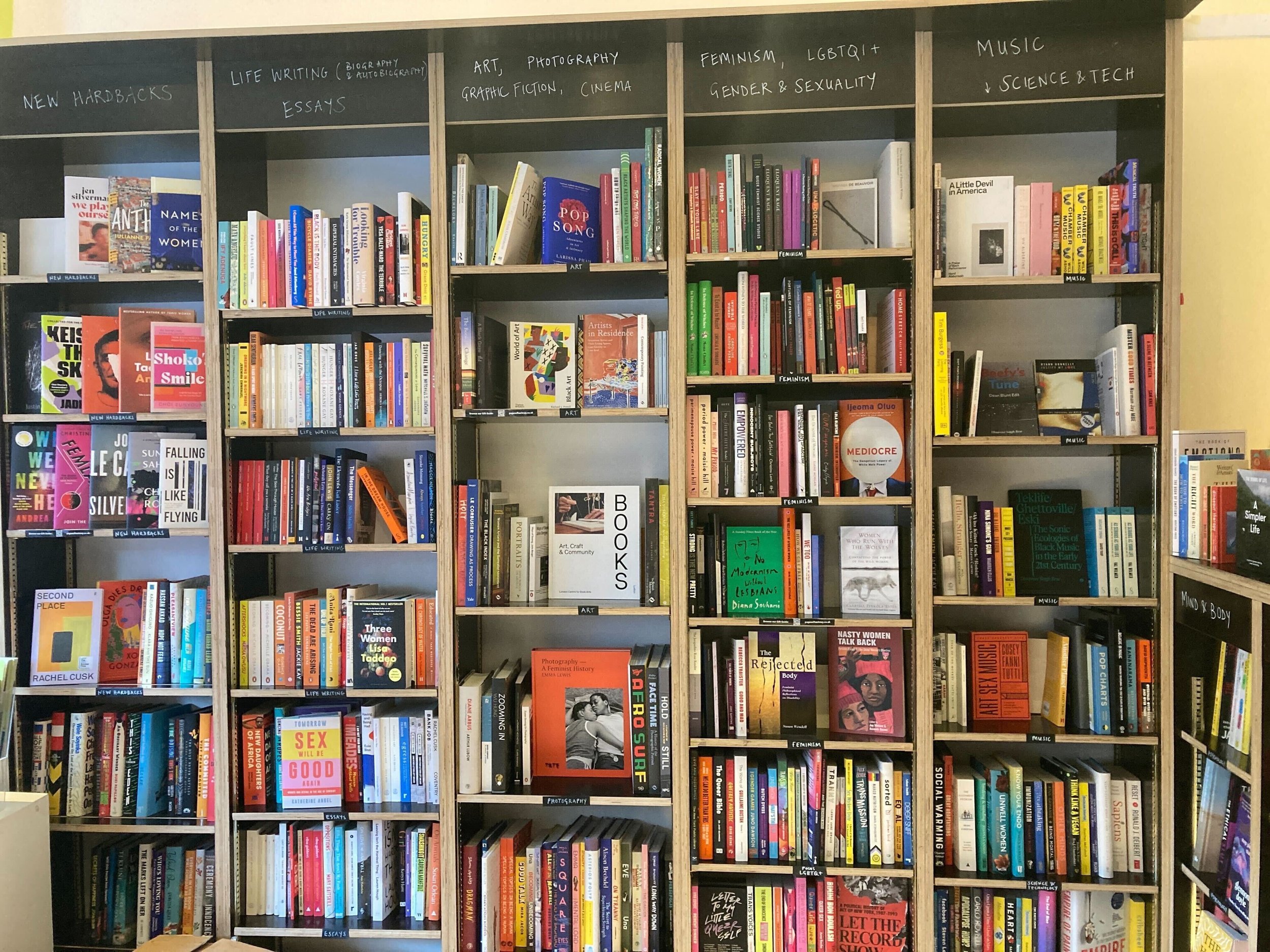
What makes it different? The space is designed to feel like a sanctuary from the busy life of the High Street. Once you step inside, you're free to browse in a quiet space, talk to us and ask for specific recommendations, or simply sit in our cosy basement. What makes us different is that we aren't simply invested in selling a book to every customer, but in making everyone feel welcome and as if the shop belongs to them and is a part of their community.
What do people need to know? We are open every day for in-person browsing, but you can also order all our books online, or request anything you don't see there. We can get most books we don't have in stock in 1-2 days and can also post books and gift wrap if required.
Tell us a little about your story: Books are an excellent way to unwind, escape into, and learn about how to cope with anything people might be struggling with. Our books reflect this and the bookshop itself is a safe space in which people can reconnect with themselves and consider what is important to them.
How can people be inspired by your space wherever they are? Simply browsing our shelves, online or in person, should be inspirational, connecting people to authors and ideas that they haven't heard of, or that they might want to explore more deeply. In addition to the usual categories, we have shelves dedicated to specific subjects that might be of interest (including the Black Britain series, both Japanese and Korean writing shelves, Afrofuturism) and authors we're currently inspired by (like Joan Didion and Toni Morrison).
Where inspires you? I get inspired by talking to new people every day in the shop and exchanging thoughts, ideas and feelings.

Typewronger Bookshop & Typewriter Repair Shop
An indie bookstore, that offers typewriters repairs, origami animals and soup on Christmas Day. Founder Tom Hodges tells us whyTypewronger is far more than just a place to buy books.
“You can’t be lonely with a book - books transport you to other worlds, other places, they make you other people. Whilst immersed in a book you can only feel what’s in the pages.”
We knew we’d discovered somewhere special on a recent trip to Edinburgh when we stumbled into Typewronger on Christmas Eve and received the warmest welcome, an origami elephant, and a recommendation to read Insomniac City (subsequently stamped with their distinctive red logo and now one of our most cherished reads). Here founder Tom Hodges tells us about what makes Typewronger so distinct:
What is it? Typewronger Books is Edinburgh's smallest indie bookshop and Scotland's only typewriter repair shop! It's home to a community of readers, writers, artists & musicians and strongly advocates the written word in our daily lives.
Why do people need it? Typewronger is far more than just a place to buy books. Regulars stop in for a chat, people have built creative connections, made friends, been inspired, switched careers, written zines & started publishing companies all as a result of hanging out in this shop.
Advice & Assistance Obtainable Immediately, and there's even a Public Typewriter for those who want to just sit down and write - and don't worry about mistakes, this is TypeWRONGer where we embrace our flaws.

What do you offer? Book signings, author events, open mic nights, a YouTube channel, we flex on the 'gram & have a 1984 electric typewriter wired directly into our Twitter (yes, it types out your Tweets!)
We send books all over the world in our characteristic wrapping with hand-typed notes of your dictation, so we're perfect if you want to send a book as a gift - just drop us an email and we'll wrangle it.
We also organise the Edinburgh Zine Fair and advise new publishers on the nitty-gritty of the trade.
What makes it different? The energy is anarchic, the books hand-picked, and we're always ready and willing to engage with you on any topic. We stamp all the books with our shop stamp and give a little origami animal with each purchase. Even though we're a tiny wee store we stay open until 9 pm, we even open on Christmas Day with soup for those with nowhere else to be, and New Years Day handing out recovery Bloody Marys.
What do people need to know? Due to Covid we have a traffic light system to limit numbers and have paused our events program. We are hoping to change both of these in the coming months as cases dwindle.

Tell us a little about your story: Typewronger started when I moved back to Edinburgh in 2017 and began selling books in the street from The Leith Walk Police Box. Every Sunday a band of friends would humph all the bookshop stuff down from my flat - books, bookcases, a carpet, an armchair - the lot! In 2018 Typewronger moved into the old gallery space beside McNaughtan's, Scotland's oldest Antiquarian bookshop. In 2019 Elsa joined the team, and the shop opened 7 days a week, and in 2021 we were joined by Viv who works the day shift on a Saturday. Since opening, we've had thousands of conversations with people from all over the world.
How can people be inspired by your space wherever they are? We send books worldwide, so you can always get a bit of Typewronger sent to your doorstep. Also, we believe in physical correspondence - if you write us a letter and include your return address we will always write back to you on one of the shop's trusty typewriters.
Where inspires you? There's a wine bar upstairs.
You can't be lonely with a book - books transport you to other worlds, other places, they make you other people. Whilst immersed in a book you can only feel what's in the pages. And the feelings can be hard, but they're cathartic, and the feelings can be good, and there's all sorts of books perfect to all sorts of moods.
Anything we're missing? It's a matter of public record that the store's founder is Tom Hanks' "hero."

Discover more places for life in our Guidebook

The push and pull of the sea
The sea contains multitudes and it is exactly this complexity that keeps calling designer Sarah Robertson to it in moments of loss and need.
Wild and calm. Chaotic and beautiful. Bold and soft.
The sea has its contradictions. And, for as long as I can remember, I have been drawn to the push and pull of it.
From embracing the joys of wild swimming and overcoming panic while scuba diving to my rehabilitation through water therapy and evenings spent watching sunsets over the ocean, blue spaces have helped me heal and grow.
In many ways, the sea is a metaphor for our own life experiences; the ups and downs and ebbs and flows. At its most tranquil, it can relax and restore us. At its most violent, we can lose ourselves in its grip.
What I love most about water is its capacity to shift us into a more mindful state. It can lower stress, decrease anxiety and relieve depression. And as well as settling our thoughts and lifting our moods, it can bring us back to the here and now — help us feel grounded and present — and sharpen our senses.
The sea has always been a kind of therapy for me, and I have felt the emotional, mental and physical benefits first-hand. My mind can be elsewhere — ruminating over the past, worrying about the future — but as soon as my feet touch the wet sand and the waves reach my bare toes, I am right where I need to be. At these points, I feel alone in the most reassuringly positive way, and the solitude it brings allows curiosity and creativity to thrive. It is almost elevating.

Above: Luskentyre Beach at Sunset, Isle of Harris, Scotland by Nils Leonhardt | Top: Golden Hour at Luskentyre Beach, Isle of Harris, Scotland by Nils Leonhardt
In his book, Blue Mind: How Water Makes You Happier, More Connected and Better at What You Do, Wallace. J. Nichols, a marine biologist, investigates how water — literally and metaphorically — helps us move into a flow state. He coined this the "blue mind". Nichols examines why we are attracted to lakes, rivers, oceans and pools and why being near water sets our minds and bodies at ease. He illustrates the importance of our water connection — its almost magical quality — with the science behind it and the ways in which it allows our thoughts to wander freely. Is it any wonder then that some of the greatest artists, musicians and writers have been moved by the sea? Or why so many of us are called there to explore ideas or seize inspiration? If you’re looking for an a-ha moment, maybe the coast is calling you too.
Something else I cherish is that feeling of awe. The sense that we are a part of something vast, far bigger than ourselves, that connects all of us. So perhaps it is no coincidence, then, that we are also drawn to the sea to celebrate death as well as life.
My dad, who passed 30 years ago, was from Stornoway on the Isle of Lewis. Throughout my life, I had always felt this tug to travel to the Outer Hebrides, and when I first visited almost 10 years ago, it was the beginning of my love affair with the islands. We camped by beaches most nights and I don't think I've ever felt so wild and free. We were at one with the elements and upon visiting the Isle of Harris, which is connected to Lewis, I felt so at home. The coast captured my heart; I have never been anywhere else quite like it. The trip brought me a feeling of togetherness, even with someone who was no longer with me.
I believe this sense of connection is why, in the months following the loss of my son during pregnancy in June 2016, I found my visits to the sea so comforting. When we travelled that year, some days I would swim out into the ocean and edge as far out as I could go, always a little further than was comfortable, because at my most empty I could feel exactly what I needed to feel and be wholly and fully me. I could give every thought its turn to surface and release. It was painful but it was freeing, in a way. And while I couldn't bring my son back, I could somehow bring him closer to me.

Luskentyre Beach, Isle of Harris, Scotland by Nils Leonhardt
Water, in this sense, has been essential for my healing. It shifts and shapes the land, and I believe in its ability to shift and shape us too. It certainly gave me the time and space to evaluate how I live my life and do my work. And it hit the reset button on my relationship and my business and truly started the healing process. It's what encouraged me to make some radical changes.
Being by the sea makes me feel small — in the best possible way — as though I am a part of something bigger. It’s where my troubles drift away and I find connection again. This awareness draws me back to the sea most weeks. On the bad days, when my anxiety and depression have the upper hand, it brings me solace and stillness. I can sit with my emotions, filter out the noise, and bring my awareness back to what supports me. On the good days, I can cultivate more of that good stuff, which I sometimes feel inspired to share, a lot like these words.
Water has been the antidote to my messy middle. And it has brought me closer to those I love, to those I miss and, perhaps most importantly, to myself. It is why I will always return to the sea; my safe place, where I can remember and celebrate, and where I can feel at my most alive.

Salt Marches, Isle of Harris, Scotland by Nils Leonhardt

The Little Retreat & The Big Retreat Festival | A Conversation with founder Amber Rich
We speak to Amber Rich, founder of The Little Retreat and The Big Retreat Festival about how she arrived at these projects, how wellness is now something that we all reach for, and her role as a curator of discovery and awe.
To call The Little Retreat in Pembrokeshire glamping is like calling Glennon Doyle a blogger. Staying in one of the wood-furnace heated domes (with furniture you’d find in a boutique hotel), warming up in your own Scandi hot tub, or roasting smores by a private fire pit after a day at the beach or walking in the Preseli Hills, you’ll sink into what life could be if we stopped for a while to notice its possibilities.
The Little Retreat was founded by Amber Rich, who also curates The Big Retreat “feel-good festival” that takes place on these grounds (2022 tickets are already on sale), and from which it takes its cue. Where the festival has a Darwin den, campfire stage, cold water swims in The Cleddau, a talk tent curated by Shelf Help director Toni Jones, and creative workshops, its weekend away counterpart has sustainability woven through its design, foraging workshops about to start, stargazing tents with views of dark skies, and curated programs focusing on such practices as breathwork, yoga, arts and craft. The festival and retreat overlap, exchange ideas, and share their approach, with both offering a slowed-down lifestyle and collective experiences that get you closer to a vision of how you might shape your own life when you return back to it.
After a few days at The Little Retreat, we had the chance to speak with Amber about how she arrived at this place, how closely the festival and the retreat are connected, and how wellness is now something that we all reach for:
Let’s start with the connection between The Big Retreat and The Little Retreat. Why did you start them and how do they connect? If the core value of the festival is one of ‘discovery’, how would you describe the retreat?
I used to own my own gym and ran fitness and wellbeing classes to improve mental and physical health. After the birth of my daughter Bea (who is now 7) I decided that I wanted to utilise the family land to create a sanctuary where people could come to escape their busy lives, pause and reconnect. This was the start of the original "Little Retreats".
I found that these retreats were having such a profound effect on people’s lives and making a real difference: One lady who attended had not been able to sleep for years. After our retreat, she learnt how to pause and use those skills to have her first good night’s sleep in 7 years! It was feedback like this that spurred me on to create The Big Retreat Festival.
I wanted to create a space where people could come and discover breath work, fire walking, gong baths, yoga, wild swimming, forest bathing — literally anything and everything that allowed people to "find their feel good". It also included festival favourites such as gin workshops and music to enhance people’s experience and wellbeing.
I realised that giving people time and space in a beautiful setting to discover all of these wonderful life-enhancing experiences could really make a positive change in people’s lives.
Discovery and "finding your feel good" still remains the core value to this day.
What do you think people are looking for who stay with you or attend one of your events?
I think people are looking for time to reflect on themselves, to unplug from daily life and to find out what makes them feel good. We are perfectly poised in the heart of the Pembrokeshire National Park on the banks of the "Secret Waterway". The stunning location inspires awe and wonder every time and we think the unique setting coupled with a sanctuary and safe space to discover is the catalyst for change.

What do you hope people experience with the projects that you create? What do you hope they take away and bring into their everyday lives?
I hope that people’s appreciation for nature and the outdoors grows and they are able to reconnect and utilise outdoor space to improve their wellbeing. I think it’s important with the complexity of modern living that people are reminded that sometimes it’s the simple things that bring us the most happiness.
If you attend one of our Feel Good Retreats you will learn skills that you can take away with you and implement straight away in your everyday life. The goal is to inspire people to reset and to really connect with themselves and the great outdoors.
I see my role as a curator of discovery and awe, allowing people the opportunity to reset, rethink and equip themselves with a host of skills and experiences — a toolkit that they can take home and continue to use to ultimately change their path and enhance their lives.
How do you think the idea of wellness has shifted since you started The Little and Big Retreats?
When I first began The Little Retreat the words wellbeing and wellness were quite niche and only appealed to a select few. Today looking after your mental and physical health is much more mainstream and in the public psyche. With the Covid pandemic more and more people are realising just how important nature and mental as well as physical health are to enhance our lives. That is one positive we can take away from the Covid pandemic.

What motivates you to create these spaces in the world? What kept you going during recent challenges?
My key motivation is to provide a sanctuary that allows people to discover not only nature but how to unwind and reconnect for their physical and mental health. A safe space where people are free to discover and pause.
The design of the space at The Little Retreat was about focusing on ways for people to connect with the outdoors without necessarily having to "rough it" to experience the joys of being close to nature. A key focus was also to have a minimal impact on the surrounding ecology and landscape.
The pandemic has actually given me the time and space to take ecology and planning into focus and look at ways for nature to thrive. We noticed during the pandemic the return of otters on the river banks and native oysters that had previously been wiped out due to human impact. This rewinding of our natural space showed me just how important it is to tread lightly on the site and in everything we do. We have worked to encourage nature in the planning — from bat boxes, swallow bricks, hedgehog runs, planting native species and harvesting the rainwater. We are really hoping to reduce our carbon footprint at both The Little Retreat and The Big Retreat Festival.
Over the pandemic, I realised that conserving the area was so important for nature and our own wellbeing that I set up the nonprofit arm "The Big Retreat Community". This is geared at enhancing and protecting nature as well as giving welsh artists a platform at our next festival.
In our guide for life, we roam across ten different pathways in the places that we feature and I’m curious about where you’d position your projects and why?
After looking through your Ten Pathways it is extremely difficult to choose one. All of them are intertwined intrinsically in everything we do from untethering upon arrival, to reconnecting mind and spirit right through to purpose and doing good. All of your pathways align exactly with our mission and how we conduct our projects.

How do you bring the values of the places you create into your own life?
I am constantly trying new things and discovering not only the latest external wellbeing practices but rediscovering the landscape. I make sure I set aside time every day to do this. Whether it’s a cooling wild swim in the Cleddau or a mindful walk through the woodland set around our site. I make sure that at least once a day I allow time for myself to reconnect and discover. I think it is so important to schedule this time into your diary in the same way you would an appointment at the doctor’s.
As we emerge from the lockdowns and are maybe feeling more hopeful about our worlds, is there anything that you’re particularly excited about going forwards?
There is so much going on at The Little Retreats this year it’s actually really really exciting. We have the addition of wild food workshops offering a foraging course and a 12-course dinner, the release of our Find Your Feel Good In Pembrokeshire guide, wild swimming sessions, forest bathing, and breathwork. We are currently building the space for the new stargazer tents with outdoor hot baths — a perfect opportunity to make the most of our stunning location in an official UK Dark Sky reserve. There are so many things that are organically falling into place.
We want both The Little and The Big Retreat to be a sanctuary and a beacon for anyone and everyone who wants to set aside time to find out just what it is that makes them tick and "find their feel good".
While there: we recommend pastries and bread from the micro bakery in the village Hugtasty, the award-winning beach shack Café Mor at Freshwater West (also the site of Dobby’s resting place), the stunning beaches, hikes, and paddle-boarding at Stackpole, and cafe with a mission Get the Boys a Lift.

The Magazine Stores We're Escaping To
Looking for some inspiration for where to shop for those indie magazines you love? Here are just a handful of our favorites. Let us know yours.
Over the pandemic, some of us have turned to magazines for connection when we couldn’t turn to people. With glimpses of other lives and different times, with stories of inspiration and creative possibilities, with images of places we can’t get to and people we aren’t allowed to meet, independent magazines to some of us have become the escape that we needed. But today, instead of featuring our favorite reads (head over to our Culture Therapy section for some ideas), we’re going to travel to our favorite places to find those reads. Hopefully, in one of these stores, you will find the magazine for whatever you need, wherever you are.

Shop. Journal. Podcast. Events. Consultancy. A magazine loving empire created by graphic designer and veteran of the magazine industry Jeremy Leslie: he worked on City Limits, Time Out and Blitz, titles by companies like Waitrose and Virgin Atlantic, and in 2018 was awarded the Mark Boxer Award for his contribution to magazines by the British Society of Magazine Editors.
The Clerkenwell flagship store opened in 2015, suitably in an old Squires Newsagents and in a neighborhood closely associated with the printed word — just up the road are both the first place where the word ‘magazine’ was used ( in 1731 referring to The Gentleman’s Magazine) and the University of London’s Journalism school. The space – described by Creative Review as ‘The spiritual home of independent publishing’ — has been designed to showcase the magazines themselves and to allow people to feel comfortable browsing the 500 or so titles sourced from around the world. You are encouraged to linger over the finely curated selections that are “based on gut instinct” and the right mix of great design, imagery, and content. You’ll find stalwarts like Interview and Zoetrope and newcomers like Baggage – travel for solo parents – and The World Needs Magic – transforming workplaces. A visit will have you falling down analog rabbit holes of the kind we’d like more of in our everyday lives.
If Lost recommends: Disquiet focusing on men’s perspective on their mental health, Friends on the Shelf, a conversation within its covers, and The Delicate Rebellion, inspiration for those going it alone as creatives, makers, and entrepreneurs.

In a town just outside of Manchester now undergoing a one billion pound regeneration (and where I went to school), locals Holly Carter (a designer and maker) and Martin Wilson (a graduate of Manchester School of Art) opened Rare Mags after a successful Kickstarter campaign. The bright blue storefront heralds an interior that holds a carefully edited selection of independent magazines and a true passion for the printed page, all in a definite northern tone. Stocking hard to find and international titles – and going deep on personal interests like indie titles for cyclists (Carter is an avid fan of the sport) and art & photography — this is a place to seek out if you want to find new and much-loved titles. There are magazines we’ve never come across. Like did you know there was an indie Scottish soccer periodical called Nutmeg, a wine magazine like no other called Noble Rot and a food history magazine named Eaten? There are also books, stationery and coffee (by local Hard Lines Coffee). Wish this one had been around when I’d been going to school just up the road. Would have made journeys on the A6 way more interesting.
If Lost recommends: Standart, Courier, Grimoire Silvanus, bilingual les others, this issue on Period, thematic ‘Lost’, and the most beautifully titled Where the Leaves Fall. In need of even more inspiration, choose one of Rare Mags Subscriptions.

Between a Card Factory and a Holland & Barrett in outdoor shopping center Rushden Lakes, you’ll find not WHSmith but Magazine Heaven. Why the name? It’s the size and breadth of titles on offer. Amongst its 3000 titles — the largest selection of magazines under one roof — you’ll find High Street staples like the Vogues and Tatlers of the world, newcomers like bathing magazine Hamam, niche culture magazines like Mayday and Soffa and even self-published magazines, Wonk, Scorchin and Explorations. Founder Bill Palmer has said the store embraces “a wide range of hobbies, passions, and interests within an environment that will encourage exploration and browsing’, its aim to “become a destination for magazine lovers.” With locally sourced coffee and blended teas at Artisan café, this is one place to linger – maybe for hours rather than minutes. Magazine Heaven also functions as a community hub, hosting Yoga, Jazz and Tapas Evenings, Games Nights, Book Clubs, and Art Events, amongst other programs.
If Lost Recommends: Bloom, Positive News, The Homeworker and Womankind. Magazine Heaven also stocks books such as Kazuo Ishiguro’s highly anticipated new novel Klara and the Sun.
Additionally try, previously featured If Lost places:
Let us know where you go to source indie magazines. Tell us about the stores that you love that feature a range of indie titles, the shopfronts that do for magazines what bookstores do for books. You can email us or fill in this form so that we can include them in our guide for life and bring more awe and wonder into our worlds.


Hoxton Street Monster Supplies
Now allowing in humans, this store has everything the monster in you needs (and a not-so-secret cause behind it all).
For: monsters of every kind struggling to find the supplies they need to get through their ghoulish days and humans of all ages looking to restore make-believe in their lives.
What is it: One to enter at your own risk, this quirky store on an ordinary-looking street in Hackney is maybe the only one in the world (that we know of) that stocks “Bespoke and Everyday Items for the Living, Dead and Undead’.
What you need to know: Escape into your imagination with a store that is really one of its kind: since its murky start by newly exiled Igor the 1st in 1818 and its tentative steps into the human world in 2010, it has been serving everyone and everything with the kind of canned and boxed delights that any self-respecting creature needs, the fang floss, breath remedies, and dragon treats on our shopping list.

How to bring this into your undead life: Wherever you are, your way into this world is definitely via witty and fantastic products like their Salt Made from the Tears Shed while Home Schooling, Mummy’s Sewing Kit and packets of powdery pink brain food. If you live locally, volunteer to help brave visitors survive the store or become a writing mentor in the Ministry of Stories.
Why we think it’s different: Beyond its license to sell ‘items including, but not limited to: Malodulous Gases, Children’s Ears, Gore, Fear (tinned only)”, behind a secret password guarded door is The Ministry of Stories , a creative and mentoring charity for mini-humans aged 8 to 18.
The not-for-profit was started by About a Boy / Fever Pitch / High Fidelity writer Nick Hornby with Lucy Macnab and Ben Payne and was modeled on Dave Egger’s 826 Valencia. The aim of the classes here is to make writing fun and accessible across all genres from gaming to screenwriting, cookbook contributions, and graphic novels, and to build the confidence that comes with creative adventures on the page experienced in a supportive community.
It’s now been widely published that there’s a curse in the store – that makes all profits go to the Ministry of Stories. As Minister of Fluency, the beloved by us and many a monster, Colin Firth declares “you know your helping to support the business of the imagination with the next generation”, so maybe this is one hex that we humans won’t venture to break.

In their own words: “We pride ourselves on being London’s, and quite possibly the world’s, only purveyor of quality goods for monsters of every kind. Many of our customers have been coming to us for centuries. Indeed, some have been coming for considerably longer. Whether you’re a Vampire, Werewolf, Sasquatch or something else entirely, we have everything you need.”
Something to inspire: Short of attempting to rebrand everything in our homes – will our kids go with water if it’s the elixir of life – look to ways to bring in the make-believe. In a year, when we’re been abruptly pulled up by reality, there are ways of escape that might be nearer than the dream destinations we’re been longing for – retreats made in our minds, and played out in worlds of our own making. Even travel bans can't go there. But monsters can.
Book-ish
For curiosity seekers, book lovers, and those looking for an escape into ideas, Crickhowell’s Book-ish makes a community out of reading.
“Reading gives us somewhere to go, when we have to stay where we are.”
What is it: An award-winning bookstore – Independent Bookshop of the Year Award 2020 — situated in an award-winning town — Crickhowell officially has one of Britain’s best High Streets, Book-ish was founded by an award-winning local high street hero Emma Corfield-Walters in 2010. Likes all good bookstores there’s a person behind it who believes in its capacity to be the heart of a community.
What you need to know: When the pandemic closed the store, Corfield-Walters (aka Mrs. Bookish) quickly got together with the female-founders of three other leading independent bookstores — Helen Stanton from Forum Books, Carrie Morris from Booka Bookshop, and Sue Porter from Linghams Booksellers — to start 4Indies, an online space that hosts author events for at home times.
How to bring this into your life: Book-ish has one of the widest range of book clubs that we’ve seen, including The Throw Away Your Television Society that delves into ever-changing themes, and The Underground for teen readers. You can sign up for a subscription service, with a book pick — non-fiction, fiction, poetry, picture book — sent out each month. (One option includes a monthly candle). Book-ish still runs an active online events calendar for when in-person is on hold.
Why we think it matters: Our favorite bookstores are those that go beyond books into the lives of our communities, enriching not only our minds and imaginations but also the relationships that bind us together. During non-pandemic times, the bookshop, with its bar, café, and events space, is a critical place to come together, to chat, to make space for ourselves. But its work goes outwards too. Corfield-Walters is a local advocate, bringing books into schools, hosting pop-ups at local festivals such as Green Man and HowTheLightsGetIn (when they are running), and serving as the co-director of the Crickhowell Literary Festival. She’s also an active supporter of community-building campaigns like Totally Locally, Fair Tax Town, and the community Corn Exchange Program. Book-ish makes space for books, but it also makes space for the people who love them too.
What next: If your pandemic fatigue now comes with reading fatigue, seek out Corfield-Walters’ recommendation to get you back to books: My Sister The Serial Killer by Oyinkan Braithwaite for “its short chapters and wickedly dark characters”.
To find out more: Website / Instagram / Facebook / Twitter
Additionally, try: Mr. B’s Emporium of Reading Delights / Pages of Hackney

Yorkshire Sculpture Park
As we’re forced to head outside this winter, we’re looking to an open-air art museum for awe and wonder in a natural setting.
What is it: A nine-foot-high Birkin bag. An oversized teapot in which to rest. A blank snowman in the middle of a glistening pond. Yorkshire Sculpture Park is an awe-inspiring museum without walls, with over 80 modern and contemporary sculptures set across 500-acres of the historic eighteenth-century Bretton Hall estate.
What you need to know: Since it was founded over 40 years ago by Peter Murray (also the current Executive Director), a young art lecturer inspired by European sculpture parks who had the radical idea to create an outdoor art exhibit, YSP has evolved from the UK’s first sculpture park to once of the largest in Europe and one of the most world-renowned. Through its ever-changing displays and temporary exhibitions in its enclosed galleries, YSP brings new audiences to the practice of sculpture — redefining what it is and how we view it — while enabling wider access to art and opening the field for all.
Why you’ll love it: Although there’s obviously a focus on the artworks themselves — including classics by local artists Barbara Hepworth and Henry Moore — it’s so much about how those works are situated in the surrounding environment, their dialogue with the forms of nature around them, that creates the awe-inducing and reflective situations that YSP has become known for. The outdoors replaces the architecture of the museum — trees instead of white walls, grass banks instead of wooden floors, light derived from sunlight instead of overheads — to create a living context of a very different kind.
With art embedded in nature, our perception shifts according to location, light, time of day, and the seasons. No longer static, each work’s place in the landscape is sensitively considered – part of the evolution of YSP has been the transformation of the landscape that holds it to be a more fitting backdrop for its sculptures and audiences. Recently opened award-winning visitor center The Weston designed by architecture practice Fielden Fowles and built on the site of a former quarry, takes inspiration from land artists Michael Heizer and Robert Morris. And in case you need a reminder that art and nature sit closely together here, you’ll find sheep wandering amongst its sculptures and herons found by its art trails.
Why we think it's different: After a year that has seen its capacity to bring in visitors drastically reduced (80% of revenue is from audiences on-site), YSP has also recognized a silver lining, its vital role in its audience’s wellbeing, creating much-needed opportunities to bring people outdoors and to connect with art and nature. YSP has become a location for refuge and reflection, a place that can give respite in an uncertain time. This builds on the work started in pre-COVID times such as YSP’s wellbeing program. Deputy Director, Heather Featherstone, recognizing the social and personal infrastructure that YSP provides, has commented that: “Museums and cultural organisations are the hidden social care that no one really talks about.” YSP encourages a way of being and a mode of engagement that goes beyond the typical museum audience experience, with impacts beyond a visit and into our everyday lives.
In their own words: “YSP’s driving purpose for 40 years has been to ignite, nurture and sustain interest in and debate around contemporary art and sculpture, especially with those for whom art participation is not habitual or familiar. It enables open access to art, situations and ideas, and continues to re-evaluate and expand the approach to considering art’s role and relevance in society. Supporting 45,000 people each year through YSP’s learning programme, this innovative work develops ability, confidence and life aspiration in participants.”
Something to do: Art for all? Participate in new public art initiative, The Great Big Art Exhibition, hosted by Firstsite, Colchester with the support of partners such as Tate and the National Gallery. Here rainbows in windows are replaced by artworks created on a fortnightly theme, linking us to our neighbors and displaying the creativity that many of us have newly found in lockdown and beyond.
Golden Hare Books
Edinburgh’s Golden Hare Books keeps the city’s literary tradition alive with its thoughtful curation.
What is it: An award-winning (Bookshop of the Year 2019 UK & Ireland) indie bookstore to warm your heart (and hands by its wood-burning stove) in Edinburgh’s village within the city, Stockbridge.
What you need to know: Founded in 2012 by Sir Mark Jones – previously the Director of the Victoria & Albert Museum and the National Museums of Scotland – this is a bookstore as curated space in both how it looks and what gets to be included. Covers face out and draw attention to great design, creating an immediate visual hook for potential readers and making objects of the books themselves.
The range of its small careful selection of books changes constantly –‘the idea is that you never visit the same bookshop twice.’ Golden Hare is known for bringing in a wide range of choices, including works in translation, books by women, and diverse children’s authors
How to bring this into your life: It’s all about the reading subscription, Postbooks, which sends a beautifully packaged fiction or non-fiction book(s) each month specially chosen for you, often around a theme, like Green Transformation, and with its own reading guide. The key difference though is that Golden Hare supports indie presses and small publishers in its choices such as Charco Press, Tilted Axis, or & Other Stories, widening your reading from the usual suspects and making sure more writers get attention from readers.
Golden Hare is also a bookstore where you can become a Member, and during usual times there is an active book club and Sunday Stories reading club for kids. Golden Hare has pivoted to the ways we now shop: click and collect, and Saturday bike deliveries.
Why it caught our attention: This is a bookstore that works hard. It does a lot. Not just in its active support of indie publishers but its reach within the local community and that of the city of Edinburgh. In 2019, Golden Hare hosted its first book festival with local partners and it co-hosts the Edinburgh Book Fringe with Lighthouse Books. Books are embedded in the cultural life of Edinburgh – a UNESCO City of Literature. It was famously here that J.K. Rowling wrote some of her Harry Potter series and Arthur Conan Doyle, Sherlock Holmes. Golden Hare keeps the tradition alive of supporting local voices and creating a place for the writing community.
In their own words: “We are a knowledgeable team of self-confessed reading addicts who have been selling beautiful and important books since 2012.
Our charming independent bookshop is situated in Edinburgh's Stockbridge, where you can find an ever-changing collection of fiction and non-fiction for readers of all ages. We hold close to 2000 titles covering all genres of writing from cookery to travel, from flower arranging to science fiction - and many more topics in between.”
Lost at home: It's winter where we are. Maybe there too. Cozy down with a book. Choose one of Golden Hare’s winter picks: Once Upon a River by Diana Settenfield, The Snow Child by Eowyn Ivey, and The Changeling by Victor LaValle. While purchasing, make a resolution not to buy from internet giants (take this resolve into the rest of 2021).
While here: Seek out Golden Hare collaborators café Lovecrumbs and Smith & Gertrude, as well as If Lost favorites the Royal Botanic Gardens and Lifestory.