

Knockout
We find out about London's Premier LGBTQ+ Boxing Club and the role that both the mind and community can play in physical wellbeing.
What is it? Knockout is a safe space for the LGBTQ+ community and their allies to gather together and pursue a healthier lifestyle through the sport of boxing. We are a fitness training group that recognises the health of the body comes through the security of the mind and community.
Why do people need it? This space was started as a secure and safe space for queer athletes who prefer non-team sports. Boxing is traditionally a sphere that is rife with difficulties for queer athletes, in regards to competitiveness and homo/transphobia. Knockout is a place where not only can these athletes find respite from these domineering structures, but also find individual and inner strength through a style of boxing not typically found in most other gyms. We focus on community and elevating the individual through the group.
What do you offer? A competitive boxing workout that challenges the body but is also tailored to the individual. We have some members who compete, but our core members are there to focus on their physical well-being.
In addition to this, we are a community that likes to deepen our bonds together by organising social events, karaoke nights, pub nights, and watching fights together.
We are also active in supporting other LGBTQ ventures, through charity drives and other forms of support. We organise 5k, 10k, and half marathon runs through our members, and help members find other sports and hobbies all with the mission statement of promoting LGBTQ+ rights and ideals.
What makes it different? Boxing is a hyper-aggressive individualistic sport that focuses on competitiveness and is typically taught in a harmful manner that isolates and can be damaging to the individual. Our trainers focus on combating these stereotypes to produce strong boxers that are developed through shared bonds and training together.
We emphasise positivity and connection, and work hard to welcome everyone to be a vital member of our community. Our training focuses on everyone who walks in the doors, leaving no one behind. For those who wish to, we encourage meeting strangers and learning something new from them. A Boxer steps into the ring alone, but we prove that the road to the ring can only be walked with friends and family.
What do people need to know? Boxing is a very intense sport and tends to attract introverted people. We are respectful of this and strive to provide a safe space for everyone, regardless of background. It is an intense workout, but highly rewarding, physically and mentally.
Currently, our trainings are held at the Sobell Center in North London, and are open to boxers of all levels. We have 2-3 coaches on hand in order to provide adequate attention to individual training, and thus are able to accommodate boxers of all skill levels.
For first-timers wishing to try out the sport, please come in comfortable trainers/running shoes, loose shorts, and a loose top. Freedom of movement is key. Please see our web page for more details.
Tell us a little about your story: Wanting to create a club run by queer people for queer people, to create a safe space and break down the barriers LGBTQ+ people feel when engaging in sport, Knockout London was born over a few drinks in the Duke of Wellington in Soho in January 2016. In the last six years, the club has expanded from a handful of people to a community of almost 200, with 2 classes available a week (and more coming soon), and supporting fighters participating in white-collar boxing events.
How can people be inspired by your space wherever they are? Our group focuses on community. We train strong individuals to become leaders but recognise that the individual is a construction of the community they are a part of. Competitive boxers are not created in gyms, but rather through the love, support and connection to the community around them. A strong Boxer gives back to their community and is active through charitable works and social events. It is not enough to carry these principles of Charity and Community only when one trains, but also throughout one’s everyday life.
Where inspires you? Any of the strong LGBTQ+ voices trying to bring positive changes to our community, whether they are activists (Munroe Bergdorf), actors (Elliot Page) or professional athletes (Jake Daniels). But also our members, all come to the club with their own stories, and our social events are a great opportunity to hear about their inspiring journeys.
Anything we're missing? We are a safe space for all members of the LGBTQ community and their allies, which means our members come first and foremost. Please be respectful of an individual’s right to privacy.

The Lost Gardens of Heligan
Seek wonder at The Lost Gardens of Heligan and discover a land once forgotten.
“Putting Heligan in aspic for posterity wasn’t what we wanted. Instead, we’d tell the story of those who worked here and re-discover their horticultural knowledge and skills.”
Go here if: you’re looking to find magic in nature, lose yourself in awe, or take a moment to pause.
What is it: Sometimes when you expect a tourist destination, what you find is a place of true wonder. From the founder of The Eden Project (and now Gillyflower Golf Course) Sir Tim Smit, The Lost Gardens of Heligan comprises 200 acres for nature lovers to explore, with breathtaking twists and turns through a lost landscape and a lost history.
Why you’ll love it: Like a story from a fairytale, a door found in the ruins of the Heligan estate led to the discovery of a garden lain long dormant. When World War I reaped its devastation, it took many of the gardeners who had once worked the estate and eventually all that they had created here: the Victorian glasshouses broke, the ferns and camellias grew over, the plant specimens brought from around the world, became hidden by time. Now Heligan has become the site of the largest garden restoration project in Europe; since the 1990s a team has worked to restore what once was, adopting the same principles of regenerative architecture, reviving the plants and species forgotten and revealing the original gardens.

Take the trail past the living sculptures embedded in the landscape (including the much-photographed Giant’s Head and reclining Mud Lady) through the jungle hidden in a valley (you can cross it by a rope bridge and it all feels like a dinosaur might emerge at any moment) up to the pineapple pit and the working gardens. But most of all just wander – the landscape shifts as you do, and the discoveries reveal themselves, sometimes slowly.
Heligan is still actively farmed with over 300 species of mostly heritage fruits, vegetables, salad, and herb plants, that are then used in the Heligan Kitchen, and heritage breeds (it was lambing season when we visited).
What you need to know: We sought out The Thunderbox, which was not what we thought it would be – once the gardener’s lavatory — but it contains the secret of past lives. The gardeners wrote their signatures on the wall beneath the statement “Don’t come here to sleep or slumber.”: the date August, 1914. In 2013, the Imperial War Museum recognized The Thunderbox as a “Living Memorial” to the gardeners of Heligan, a testament to the people who worked on the estate before World War 1 took them.

How to bring this into your life: Beyond visiting, you can attend a Lost Supper.
In their own words: “We were fired by a magnificent obsession to bring these once glorious gardens back to life in every sense and to tell, for the first time, not tales of lords and ladies but of those “ordinary” people who had made these gardens great, before departing for the Great War.”


Talk Club
Talk Club is creating the space for much-needed conversations about men’s mental health. Meet Ben Akers, its inspirational founder, who is leading the change in how men think about mental fitness and emotional strength.
There’s so much in that question. Maybe you haven’t thought to answer that for yourself. Maybe you haven’t thought to ask that of someone else. But for Ben Akers, it’s the question that can lead to everything else and the one on which his award-winning charity, Talk Club, is founded.
Talk Club provides a confidential forum for the conversations that men need to have and a safe space for men to explore their mental health and emotional wellbeing. The online and in-person meet-ups take the mental health awareness that Ben pioneered through his film Steve and turns it into mental health action: giving permission for men to look at their mental fitness and an understanding of how to get to a place of emotional strength.
We asked Ben to tell us more about his story, what motivated him to start Talk Club, and how vital it is that places like Talk Club exist. What we discovered was someone who is living his life, his own story, with the vulnerability, and courage, that he’s asking of those he’s helping.
What is it? Talk Club is a mental fitness movement for men. Founded in Bristol in 2019, the community now has over 2500 men in 64 clubs. All over the world. From Sydney to South London and all that's in between.
Why do men need it? Suicide is the biggest killer of men under 50 in the UK. A man takes his own life every 90 minutes. 76% of suicides are male. One of those men was my childhood best friend Steve Yates. He was a brother, a son, a father, a husband. A friend. My friend. So I made a film called Steve - a film for change. Here are links to both the trailer and the film.
From that film came the start of Talk Club, through which we promote Mental Fitness through the question/s "How are you? Out of 10?"
What do you offer? A safe community for men to be vulnerable. A network of talking groups as well as talk and move. If you are male and over 18 join us.
What makes it different? It's simplicity. We are about preventing mental ill-health. Promoting mental fitness through the Question/s "How are you? Out of 10?"
What do people need to know? This is TALK CLUB. Join us.
How can people be inspired by your space, wherever they are? Asking themselves or someone they care about: "How are you? Out of 10?" Start the conversation. Listen to the answer.
What inspires you? Human connection. Men who are vulnerable enough to help themselves. It has saved lives.
Talk Club
Also there for you:
Campaign Against Living Miserably | Movember | Andys Man Club | Men’s Sheds | Get The Boys A Lift | The Charlie Waller Trust and the advocacy work of Dick Moore
Main image | Photo by Donovan Grabowski on Unsplash

Red Rocks Ampitheatre
With sounds bouncing off the rocks in every direction, the venue, and surrounding 700 acres, offer an immersive and awe-inspiring setting for your favorite musical acts. On our trip, we photographed deer and birds (and one random feral cat) as we awaited entry to Phoebe Bridgers show. For lovers of nature and music, there simply could not be a more beautiful place to lose yourself. (Spoiler alert: I cried twice.)
We’re all familiar with the natural wonder that is Colorado. Pristine lakes and rivers, massive mountains and expansive skies. If you’re from California (like me) you’re familiar with Colorado because 15% of your friends have moved there and 100% of them are “really thinking about it”. Despite all of the fanfare and mental preparation, I was simply unprepared for the awe-inspiring beauty of Colorado’s Red Rocks Amphitheatre.
With sounds bouncing off the rocks in every direction, the venue, and surrounding 700 acres, offer an immersive and awe-inspiring setting for your favorite musical acts. On our trip, we photographed deer and birds (and one random feral cat) as we awaited entry to Phoebe Bridgers show. For lovers of nature and music, there simply could not be a more beautiful place to lose yourself. (Spoiler alert: I cried twice.)
What is it? A breathtaking open-air amphitheatre set 10 miles east of Denver, Colorado. The venue hosts more people each year than any amphitheatre in the country and has played host to some of the biggest acts in the world. (Think: The Beatles, Fleetwood Mac, Johnny Cash, Jimi Hendrix, Mumford and Sons, Diana Ross, The Grateful Dead, Radiohead, and the list goes on). Officially dedicated in 1941 and designated a National Landmark in 1973, Red Rocks has made a name for itself not just as a great place to see a show, but as a destination for music lovers and nature lovers alike.
What makes it different? For starters, basically everything. Situated at approximately 6,450 elevation (read: you might pass out if you ascend the stairs too quickly) the historic venue offers visitors a chance to attend concerts, view films and practice yoga (yes, really) perched perfectly above the city of Denver (and virtually everything east of it). Looking out beyond the stage the view feels more like a green screen than anything real life could possibly offer. (To be noted: we threw some rocks, as a test, and are pretty sure it is legit.) In addition to the incredible acoustics and jaw-dropping views, the venue is also dedicated to sustainability and in 2008 implemented a recycling and composting program which helped them to reduce their landfill waste by 85%, a number that, we’re sure, is greatly appreciated by the nature-revering concert-goers that are drawn to the place.
Why do people need it? Whether you’re there for the natural beauty or the musical offerings, or a combination of the two, Red Rocks offers something spectacular. A chance to connect (both personally, and spiritually) to something bigger.
We love music for the artistry and the escape, for the catharsis it offers, and the feeling we get that maybe someone out there understands us. The experience of being immersed in nature offers something similar. We are present and awe-struck, lucid but in a dreamlike reality. Red Rocks sits at the convergence of these two places. It pulls us in with it’s beauty and keeps us there with a once-in-a-lifetime musical experience.
What do people need to know? In addition to a concert series that runs from Spring into Fall, the venue also hosts Yoga on the Rocks, Film on The Rocks and Snowshape (a fitness series programmed for winter sports enthusiasts). Beyond the amphitheatre itself, Red Rocks is also home to The Colorado Music Hall of Fame, miles of hiking trails and the perfectly-situated Ship Rock Grille.
How can people be inspired by this place, wherever they are? While it may not be feasible to rush to Red Rocks from wherever you are, some of the biggest acts in the world have recorded live sessions from the venue. You can find a list of these sessions on their website, or stop by to check out their live cam and video gallery.
And, if you’re anything like us, you may want to go ahead and develop a full on obsession with Red Rocks Concert Posters. We have spent many many years going to concerts / working in the music industry / designing merch and can confirm, nothing is as a wondrous as a Red Rocks concert poster.
In their words: “Red Rocks is a geologically formed, open-air amphitheatre not duplicated anywhere in the world. With Mother Nature as the architect, the design of the Amphitheatre consists of two 300 foot monoliths (Ship Rock and Creation Rock) that provide a stunning setting for any performance. The dramatic sandstone monoliths serve as a history book of animal and plant life in the area for the past 250 million years. Red Rocks hosts some of the biggest names in music, which is why it’s also one of the most popular music venues in the country.”
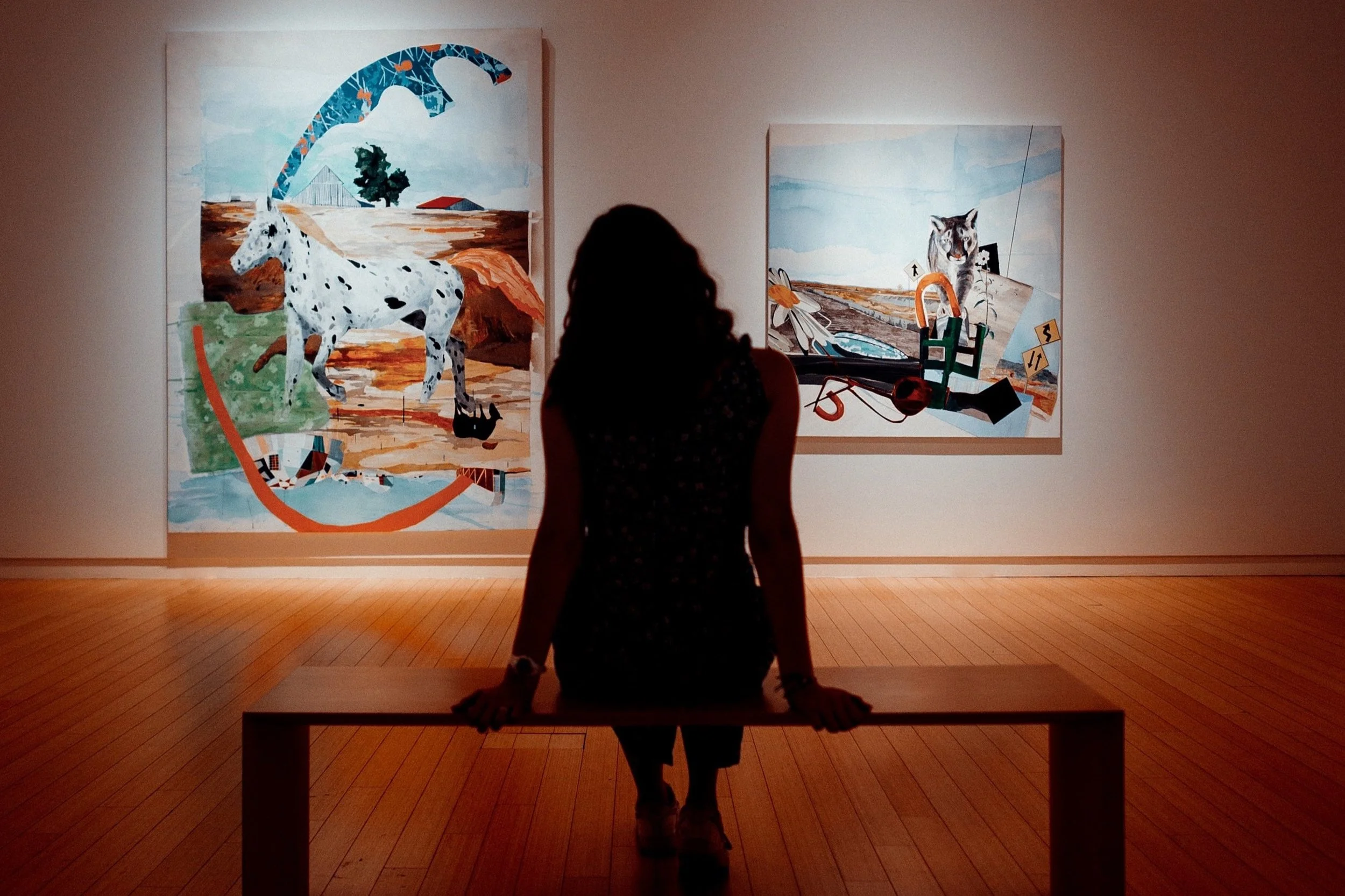
Five of our Favourite Museums for Finding Awe and Wonder
A visit to a museum can be one of those everyday adventures that helps inspire us in our daily lives, feeds our curiosity, and brings a sense of awe and wonder into our days. Here’s a round-up of five museums in London that recently offered the life pick-me-up that we needed.
Where do you go to locate awe and wonder? For us, it’s often a museum; that combination of the architecture of the space, the works in the galleries, the storytelling of the displays and exhibitions, and the people sharing the experience with us (plus the cafe and bookshop, of course).
A visit to a museum can be one of those everyday adventures that helps inspire us in our everyday lives and feeds our curiosity.
Here’s a round-up of five museums in London that we recently visited when we needed a life pick-me-up when all the things got a little too much.

Just the central atrium space on entering The Design Museum’s new home on Kensington High Street brings pause enough; but then the journey through approximately 1000 objects in Designer Maker User, the permanent collection display that contains everything from typewriters to roadsigns, is the experience we need to stimulate our (often neglected) creative minds.
For us, The Design Museum, one of the world’s leading museums on design and architecture, helps us to pay attention, to notice the details, the choices, that shape the things we use daily. The story of how we work, how we connect, and how we live our lives is told within these galleries (and sometimes it’s an odd sensation to look back on past iterations and realize that for a moment the promise they held was the future).
Look out for exhibitions that explore sensation in The World of ASMR, social and environmental issues in the work of Bethany Williams, and colour and play in the installations of Yinka Iloria.

A museum to break your heart and put it back together again: From the very first wall that reminds you that ‘Heathcliff was a foundling. Harry Potter was fostered… and Han Solo was adopted’, to the display of tokens that allowed a parent to reclaim a child, the Foundling Museum reveals the intimate stories behind the UK’s first children’s charity. Founded as a place for abandoned and neglected children by Thomas Coram, London’s first and only foundling hospital opened in 1939 (it took 17 years to raise the funds). Though the hospital has long closed, its purpose is still vital. As the current director, Caro Howell recently said, “This museum is unlike any other museum in the world, because for care-experienced young people, who have experienced such isolation and grown up without family, this museum gives them ancestry.”
But the museum also tells another story, one of artists and philanthropy; this was England’s first public art gallery (and a precursor to the Royal Academy) and artists (including William Hogarth, Charles Dickens and George Frideric Handel) created works to bring the public into its spaces. Today, The Foundling Museum celebrates the impact artists have had on children’s lives for over 270 years, from continuing to work with vulnerable young people to creating newly commissioned pieces that speak to the history of the museum itself (by artists such as Yinka Shonibare and Michael Craig-Martin).
Look out for the exhibition Superheroes, Orphans & Origins: 125 years in Comics.

We’ve often lost ourselves down the corridors of the V&A. For a time we were lucky enough to work close by and visit in our lunch hour – walking its many galleries, room by room, over years (though always finding ourselves back in the fashion galleries). The building in which the V&A is housed itself inspires awe, but it’s the vast collection spanning 5000 years of history and 1.2 million objects that inspires wonder. There’s Michelangelo’s David, Grayson Perry’s vases, Julia Margaret Cameron’s photographs, Alexander McQueen’s evening dresses and William Morris wallpaper, as well as ceramics from China, a theatre and performance collection and even a Glastonbury Festival Archive. And it’s all free to visit.
Now with a site in Dundee, a collection in Stoke on Trent, galleries in China, and future new London locations the Young V&A and the V&A East, this cultural behemoth continues to enthrall. For a taste of its magic wherever you are, watch the V&A film’s Creativity: It’s What Makes Us, or book a spot on one of their many online programs.
An exhibition to look out for Fashioning Masculinities: The Art of Menswear. An event to attend: Friday Late.

Tate Modern, always. Is there anywhere else like the Turbine Hall? Or the repurposed industrial tanks? Or the view from the iconic Lightbox on Level 6? Since it opened in May 2000, Tate Modern has dominated London’s cultural life and the South Bank. But though the building exists on a monumental scale, the artworks offer a more intimate experience: we recommended finding spaces away from the crowds (particularly in the permanent collection displays) and trying some techniques for Slow Looking.
Seek out Yayoi Kusama’s Obliteration Room and the artist’s Infinity Rooms, Lubaina Himid’s theatrical exhibition and Magdalena Abakanowicz’s woven sculptures. Participate in the Drawing Bar. And lose yourself in the wonder of modern and contemporary art (even if you don’t fully understand it).

What does home mean to you? This museum can help you reflect on that question.
Tracing how our homes have changed over a period of 400 years, this museum looks at how they are more than the spaces in which we play out our lives, but also hold emotional meanings around ideas of belonging, safety, and mental wellbeing. The Rooms Through Time Display traces a single room – the main living space – and how it evolved in middle-class households from 1630 to today offering a fascinating insight into how the way we organize our lives, our families, and our work, has changed dramatically in that period. Moving from a hall where all the household (including servants) ate together to a loft-style apartment in 1998, we get glimpses of lives once lived as well as some nostalgic moment’s along the way (like remembrances of our grandparent’s house).
Located in a row of former almshouses (whose architectural lines are traced in gold on the floor) in Hoxton, the Museum of Home reopened in 2021 (though it has existed in some form on the site since 1914) after a rebrand and refurbishment, so it’s definitely worth a visit even if you think you know it. Though on a domestic scale, there’s wonder to be hand exploring the spaces and witnessing just how much life has changed and continues to change, and how that’s impacting us – rightly or wrongly - on a daily basis.
Look out for the Museum’s Festival of Sleep and the Great Pajama Party.
Where would you add to this list? Which museums do you visit for bringing more awe and wonder to your everyday life? Let us know the places that you’d recommend we add to our guide for life.

The Generator Hub
Discover a coworking space in Exeter that has become a place where people can come and escape their own four walls, and meet other like-minded individuals (maybe even friends for life).
Located in a historic building in a stunning location on Exeter’s Quayside, the Generator Hub was the city’s first independent coworking space. Elizabeth Finnie, one of its three founders, takes us through how the Generator Hub has been helping its members shape both their businesses and their lives since 2012, and how it’s very much a coworking space with soul.
What is The Generator Hub? We are more than just bricks and mortar, we are a coworking space where people can work flexibly in a professional manner while being immersed in a diverse, interactive, and supportive community.
How did your space get started? When Neil Finnie (one of the founders) started a new business aimed at abolishing the status-quo of traditional and uninspiring internship schemes, he recognised that the participants attending his Corkscrew programs also needed to be immersed in real-time businesses to better grow their skills. At that time there were no co-working spaces in Exeter, so Neil launched not one, but two businesses simultaneously in order for them to complement each other. This is when The Generator Hub began, making Corkscrew one of its first members. Since then, The Generator has gone on to support hundreds of local businesses in many different capacities as well as the community where it is located.

How is your space different? Having grown organically we remain a very small team. Three out of four of the directors are based in the coworking space and play an active role in the community and day-to-day running of the space. We’ve also progressed approximately ten apprentices through business admin and event management roles, giving them the skills to move on to further employment. We also recognise that individuals and businesses are all unique and we will always take each situation on a case-by-case basis to give them a chance to grow and be successful.
We offer discounts for CICs, social enterprises, charities, and the NHS and adapt to people's ever-changing needs. We also like to get involved in the local community — attending local meet-up groups, supporting local networking groups by offering free space, and highlighting local events on our internal slides, newsletter and social posts.
Why is your space needed now? For many freelancers working alone, the Generator Hub has been a place where they can come and escape their own four walls, meeting other like-minded individuals and friends for life. Everyone is viewed as equal and, for many, it's a place to come and talk about issues both business-related and in their personal lives.
For small businesses, we are a great space to offer a more hybrid way of working — many companies now rotate larger teams so there is the flexibility to work from home some days and be part of the team others — again, this has really helped people’s health and wellbeing, This is particularly poignant after Covid and we feel with have maintained many people's mental well-being by just being here.

What do you offer people? We offer flexible working space options (hot desks, permanent desks, private offices), meeting rooms, registered addresses, a postal service, a reception service, and even showers on site. We organise Lunch & Learn events whereby we invite external speakers to promote their business/charity/initiatives, we hold internal talks to showcase our own members’ businesses and skills, and we arrange regular charity fundraising events. We have a meet-the-members wall and within the community, other events have grown, such as a curry club, a biscuit club, a running club, a CrossFit club, and 5-a-side football — the list is ever-growing.
How can people be inspired by your space wherever they are? We have regular social posts on Instagram and Facebook, alongside promotions of things going on in and around Exeter (on LinkedIn). We also have a monthly newsletter that highlights all the things that have been going on in the space and future things to come — as well as a community insider highlight to introduce our members to others.
What do people need to know? We are fully up and running again after Covid and we welcome any business to talk to us about their needs.
We also have a big emphasis on sustainability, people, and the planet. Having very recently started on the B-Corporation journey, we hope to make our business better for the people that work for us, the community and the environment. We are looking at trialing a 4-day work week for our employees, alongside ways to become net-zero.
Where inspires you? Nature — anything sea, river, stream, countryside.


Podcasts for Finding Your Purpose | The Spring Edit
We've curated a selection of our favorite podcasts about how we can best connect with our working lives and how we can think better about our emotional health as we go about finding our purpose.
“I’ve chosen opportunities where I might fail rather than live in the shadow of my own potential.”
Finding purpose. Isn’t that our life’s goal? Identifying what it is that excites us, that gets us to flow within our days, that shapes our working lives? But how do we go about doing that?
And when we find whatever it is that uniquely drives us, how do we then deal with everything that working life brings: the inevitable questions around work-life balance, how to be more productive, how to deal with failure or burnout, or even the Sunday night Scaries?
In this month’s playlist, we’ve pulled together some recent listens on how we can better think about our working lives and show up with more purpose, and more presence (the two we’ve found are often connected).





“Productivity is a trap. Becoming more efficient just makes you more rushed, and trying to clear the decks simply makes them fill up again faster. Nobody in the history of humanity has ever achieved “work-life balance,” whatever that might be, and you certainly won’t get there by copying the “six things successful people do before 7:00 a.m.” The day will never arrive when you finally have everything under control—when the flood of emails has been contained; when your to-do lists have stopped getting longer; when you’re meeting all your obligations at work and in your home life; when nobody’s angry with you for missing a deadline or dropping the ball; and when the fully optimized person you’ve become can turn, at long last, to the things life is really supposed to be about. Let’s start by admitting defeat: none of this is ever going to happen. But you know what? That’s excellent news.”
All these selections can be found in our Spotify Playlist for Purpose. You can listen here:
Let us know what you’ve been listening to this month to help you think about your professional life. Which podcasts have helped you think about how you spend your working days?
To seek out more resources for finding your own purpose take a look at our guide.

Kelechnekoff Studio
A pole-dance studio that has diversity at its core that’s changing the shape of the wellness industry.
Nigerian-born Londoner Kelechi Okafor (recently named a Wellness Visionary to watch by Vogue) opened her pole-fitness and twerk studio space in 2016 to offer a more diverse space for women to get into their bodies and a more authentic approach to the dance styles that she teaches. Kelechnekoff Studio has since become a place of welcome to all, irrespective of body shape, ability, or background, restoring confidence to women who have been told one story of how they should look, and kindness in an industry that can seem anything but compassionate. Here the studio tells us more about their approach:
What is it? Kelechnekoff Studio is a pole dance studio in Peckham that offers classes of different levels, as well as classes in yoga, Wing Chun self defence, and handstands and flexibility.
Why do people need it? Kelechnekoff Studio is a place for all bodies to explore different types of fitness that have the power to make them feel sexy, powerful and confident. The space was started at a time when in the UK there were few fitness spaces that had inclusivity at their core and hardly any Black-owned pole dance studios.
What do you offer? The studio offers a range of pole dance classes — that include spinning pole, sexy pole, pole flow, pole dance inverts and climbs — from absolute beginners to intermediate levels. There are also sessions in Wing Chun self-defence, yoga flow, vinyasa yoga, and handstands and flexibility.
What makes it different? Our studio is based in the heart of Peckham and honours the origins of the dance styles we teach. Kindness and how people feel in their bodies are more important than appearance to us. We also strive to keep our classes as affordable as possible and create a caring community within our studio.
What do people need to know? We have classes every day of the week and even offer pole hire sessions for £5 during the week. In addition to this, you can buy a party package and have a pole dance or twerk party with us!
Tell us a little about your story: Our studio founder Kelechi Okafor is a trailblazer; she is an actress, personal trainer, pole instructor, director, author, and award-winning podcaster. Kelechi opened her studio in September 2016 to create a space for those who are often erased from mainstream fitness culture. These classes aim to nurture the relationship between mind and body and to be a safer space for people to enjoy fitness whilst exploring their sensuality with guidance and without judgment.
Kelechnekoff Studio Peckham
Sojourner Truth Centre
161 Sumner Road
London, SE15 6JL
Contact: info@kelechnekoff.com

Podcasts for Spirituality & Meaning | March Edit
Modern Wisdom for bringing more Spirituality & Meaning into our days. We’ve curated a selection of recent Podcasts that can help you think differently about faith, belief and ritual.
“Many of us come to astrology in search of ourselves. In search of the meaning of our lives. In search of some clues about what it is we are here to do and whether or not we are on the right track.”
When we think of this pathway, Spirituality & Meaning, we think of anything that can bring wisdom into our lives, orientate us in our days, and find our way forward in ways that make sense for us. These podcasts share this open approach to what belief, ritual and faith can look like. They cover how to use the Enneagram, Tarot, and Astrology as tools of understanding. How the practice of prayer or the modern church can show up in our current lives. And how to locate joy and healing even when faced with the darkest times.




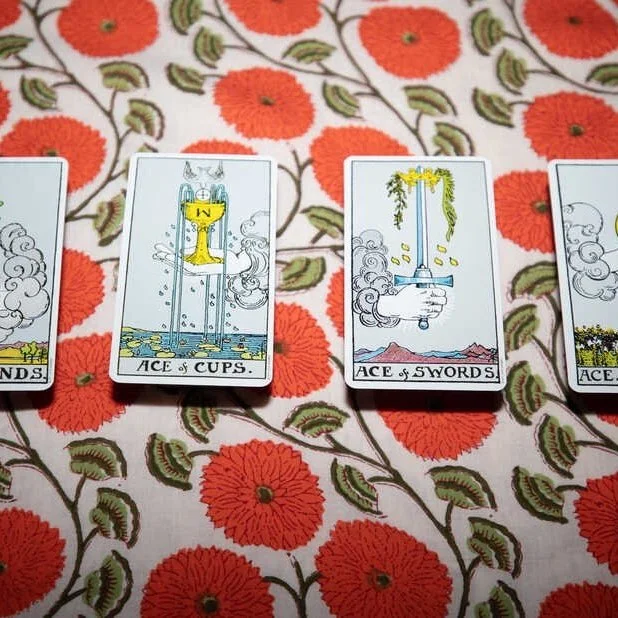


“Our future-focused, technology-obsessed world seems to be hurtling down a bad path. People are turning to ancestral practices for a sense of enduring longevity, and comfort. To help stay sane and grounded in the midst of so much cultural insanity. To source a different kind of power in hopes of making changes both personal and political. From learning meditation to fighting off a cold with some homemade fire cider; from indigo-dyeing your curtains to strengthening your intuition with the aid of the Tarot, such old-world practices are capturing our imaginations and providing us with meaningful ways to impact our world.”
All these selections can be found in our Spotify playlist for Spirituality and Meaning. You can listen here:
Let us know what you’ve been listening to this month to help you think about your own approach to Spirituality & Meaning. Which podcasts have inspired you to think more about meditation and manifesting, Tarot and Astrology, ritual and faith?
To seek out more resources for how to bring more Spirituality and Meaning into your life take a look at our guide.
Main Image: Photo by Ashley Inguanta on Unsplash

New Thinking on the Mind & Body Connection
Our favorite reads for helping us think more widely about what wellbeing for our minds and bodies means, how the two are connected and what we can do about it.
It’s not just yoga or running. Wild swimming or nordic walking. All the different ways that we can move our bodies to move our minds. We’re now learning that our mind-body connection brings in so many different areas: sexual wellness, sensory integration, the impacts on our brain of long COVID, even technology and AI.
Here are a selection of the articles, essays, research, and interviews that recently caught our attention and are helping us think more widely about what wellbeing for our minds and bodies means, how the two are connected and what we can do about it.
Exercise as a tool against depression
Why we need to move for the sake of our minds as well as our bodies
Clinical trials often overlook eating disorders in men
“I had a really frightening loneliness that felt fundamental to who I was, like it had maybe been in my body for as long as I’d been alive.” How getting sober in a pandemic saved this writer’s life
The impacts we’re now learning COVID has on brain health
Burnout is showing up in your body
What does the future look like for our bodies when technology has its impacts?
“It may seem simple, but there’s a fine art to creating the perfect bedtime story for grown-ups.” — A new tool for sleep hygiene - adult bedtime stories
How to have a better lie-in.
“Even now, there’s limited education on menopause for trainee and practicing doctors, unless they seek it out or are particularly interested. This is really sad, because it can lead to women suffering unnecessarily.” — Niki Bezzant on what we've been getting wrong about the menopause
Some good things to pay attention to right now
Your cues are contagious and say more about you than you think
New habit: taking a midday walk
We’re excited about this new dance festival in London
More wisdom from Lizzo on body-positivity
And a Tedx Talk on why sensory health matters. What does sensory health mean for you? What are your preferences and how do you actually feel?
Lead image: Photo by Arek Adeoye on Unsplash

Pages of Hackney
A bright blue beacon on Lower Clapton Road, Pages of Hackney is one of our favourite bookstores for reading advice. Founder Eleonor Lowenthal talks to us about what makes Pages of Hackney so unique and why independent bookstores matter so much to our neighborhoods.
A bright blue beacon on Lower Clapton Road, Pages of Hackney is one of our favourite bookstores for reading advice. It’s welcoming not just in how customers are greeted and the bookstore arranged (no intimidating, fusty-ness here), but also in terms of which books get to sit on its shelves and whose stories get to be told. Founder Eleonor Lowenthal talks to us about what makes Pages of Hackney so unique and why independent bookstores matter so much to our neighborhoods.
What is it? Pages of Hackney is a small award-winning bookshop on the Lower Clapton Road selling an eclectic mix of books. Our priority is to be a friendly, community bookshop that is accessible and inclusive, supporting the issues we believe in and giving a platform to marginalised voices in publishing.
Why do people need it? Everyone should have the opportunity to have books in their lives. When I started the bookshop in 2008, there hadn't been one in the local area for 30 years and we had both children and adults coming in who weren't sure what a bookshop even was. We do our best to reflect the local community in our diverse stock choices and through our Pay it Forward scheme to also make it affordable for everyone.
What do you offer? We sell books in the areas of literary fiction, politics, feminism, essays and life writing as well as philosophy, psychology, nature writing, music and children’s books. Our priority is for each customer to feel that the bookshop is for them, and we do our best to give our customers individually as much time and thought as we can. We put on lots of events, both in-person and online, addressing issues including gender, sexuality, race and current events as well as platforming novels from established and debut authors.
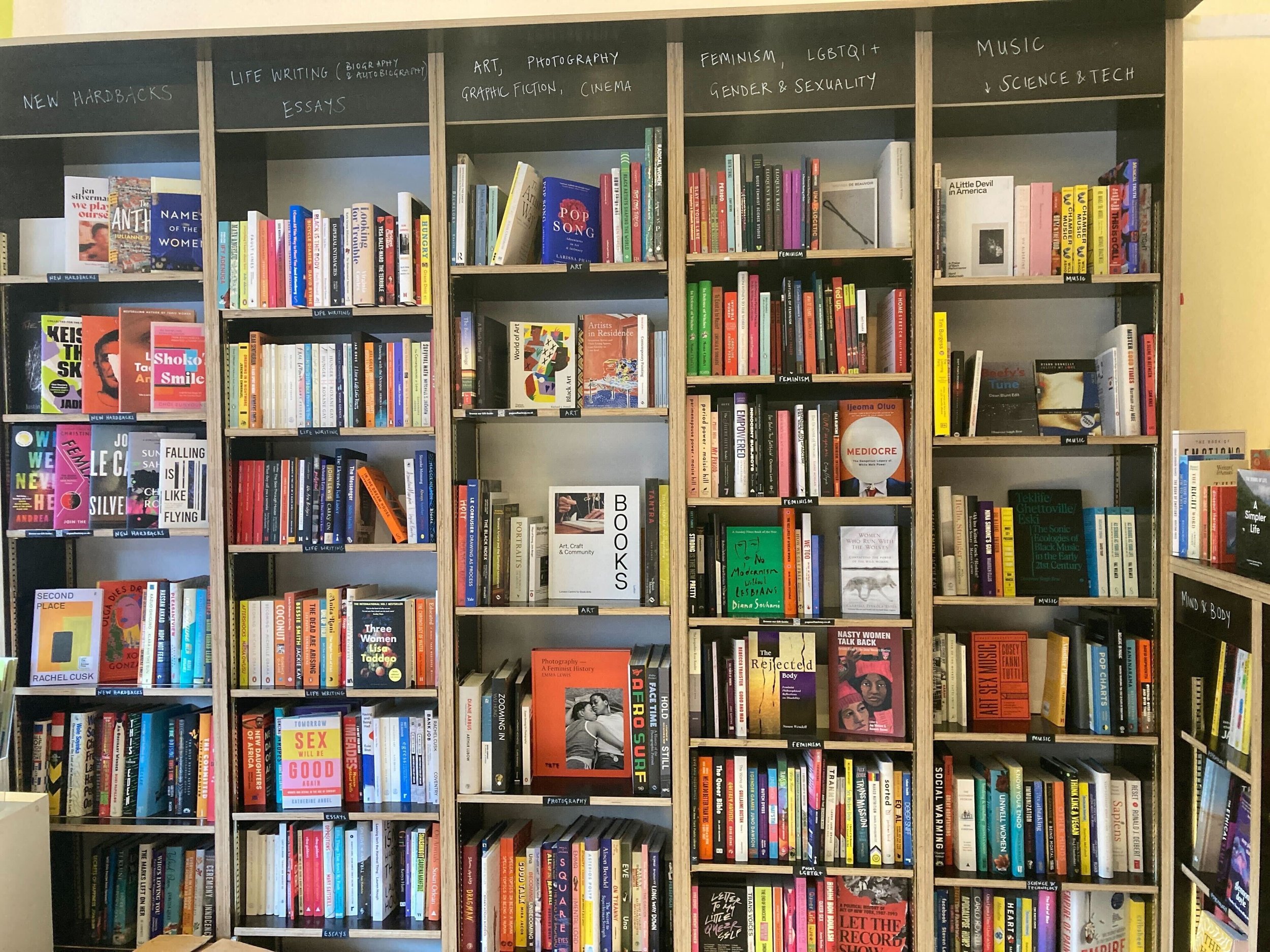
What makes it different? The space is designed to feel like a sanctuary from the busy life of the High Street. Once you step inside, you're free to browse in a quiet space, talk to us and ask for specific recommendations, or simply sit in our cosy basement. What makes us different is that we aren't simply invested in selling a book to every customer, but in making everyone feel welcome and as if the shop belongs to them and is a part of their community.
What do people need to know? We are open every day for in-person browsing, but you can also order all our books online, or request anything you don't see there. We can get most books we don't have in stock in 1-2 days and can also post books and gift wrap if required.
Tell us a little about your story: Books are an excellent way to unwind, escape into, and learn about how to cope with anything people might be struggling with. Our books reflect this and the bookshop itself is a safe space in which people can reconnect with themselves and consider what is important to them.
How can people be inspired by your space wherever they are? Simply browsing our shelves, online or in person, should be inspirational, connecting people to authors and ideas that they haven't heard of, or that they might want to explore more deeply. In addition to the usual categories, we have shelves dedicated to specific subjects that might be of interest (including the Black Britain series, both Japanese and Korean writing shelves, Afrofuturism) and authors we're currently inspired by (like Joan Didion and Toni Morrison).
Where inspires you? I get inspired by talking to new people every day in the shop and exchanging thoughts, ideas and feelings.


Podcasts for Mind & Body | February Edit
Our selections of this month’s podcasts on the Mind & Body Connection cover everything from sexual wellness to what self-care means today. These episodes gave us some helpful ways of thinking about our mind and our body that we hope you can take into your own life too.
“I used to think healing meant ridding the body and the heart of anything that hurt. It meant putting your pain behind you, leaving it in the past. But I’m learning that’s not how it works. Healing is figuring out how to coexist with the pain that will always live inside of you, without pretending it isn’t there or allowing it to hijack your day. It is learning to confront ghosts and to carry what lingers.”
We recently heard the term ‘serendipitous curation’ and that reflects our process of discovering this month’s Podcasts for the Mind & Body Connection. Our selections below cover everything from sexual wellness to what self-care means today, from some of our favorite listens (we’d really press play on anything from Pandora Sykes) to some new-to-us series like New York Magazine’s Cover Story: Power Trip. We hope you find some helpful new ways of thinking about your mind and your body and how they might relate to each other in your life.



“In the moments when we can offer suggestions to improve something in another or in the world, we can make those suggestions with kindness, tenderness, and affection, knowing that everyone is fighting their own battles and knowing that the hardest and most important things we’ll ever change for the better are our own hearts and minds. ”
All of our February selections can be found in our Spotify playlist for Mind & Body Connection. You can listen here:
Let us know what you’ve been listening to this month to help you think about your own Mind/Body Connection. What are your go-to’s on exercise, health, nutrition, self-care and healing?
To seek out more resources for your mind-body take a look at our guide.
Main image attribution: Photo by Jozsef Hocza on Unsplash

Typewronger Bookshop & Typewriter Repair Shop
An indie bookstore, that offers typewriters repairs, origami animals and soup on Christmas Day. Founder Tom Hodges tells us whyTypewronger is far more than just a place to buy books.
“You can’t be lonely with a book - books transport you to other worlds, other places, they make you other people. Whilst immersed in a book you can only feel what’s in the pages.”
We knew we’d discovered somewhere special on a recent trip to Edinburgh when we stumbled into Typewronger on Christmas Eve and received the warmest welcome, an origami elephant, and a recommendation to read Insomniac City (subsequently stamped with their distinctive red logo and now one of our most cherished reads). Here founder Tom Hodges tells us about what makes Typewronger so distinct:
What is it? Typewronger Books is Edinburgh's smallest indie bookshop and Scotland's only typewriter repair shop! It's home to a community of readers, writers, artists & musicians and strongly advocates the written word in our daily lives.
Why do people need it? Typewronger is far more than just a place to buy books. Regulars stop in for a chat, people have built creative connections, made friends, been inspired, switched careers, written zines & started publishing companies all as a result of hanging out in this shop.
Advice & Assistance Obtainable Immediately, and there's even a Public Typewriter for those who want to just sit down and write - and don't worry about mistakes, this is TypeWRONGer where we embrace our flaws.

What do you offer? Book signings, author events, open mic nights, a YouTube channel, we flex on the 'gram & have a 1984 electric typewriter wired directly into our Twitter (yes, it types out your Tweets!)
We send books all over the world in our characteristic wrapping with hand-typed notes of your dictation, so we're perfect if you want to send a book as a gift - just drop us an email and we'll wrangle it.
We also organise the Edinburgh Zine Fair and advise new publishers on the nitty-gritty of the trade.
What makes it different? The energy is anarchic, the books hand-picked, and we're always ready and willing to engage with you on any topic. We stamp all the books with our shop stamp and give a little origami animal with each purchase. Even though we're a tiny wee store we stay open until 9 pm, we even open on Christmas Day with soup for those with nowhere else to be, and New Years Day handing out recovery Bloody Marys.
What do people need to know? Due to Covid we have a traffic light system to limit numbers and have paused our events program. We are hoping to change both of these in the coming months as cases dwindle.

Tell us a little about your story: Typewronger started when I moved back to Edinburgh in 2017 and began selling books in the street from The Leith Walk Police Box. Every Sunday a band of friends would humph all the bookshop stuff down from my flat - books, bookcases, a carpet, an armchair - the lot! In 2018 Typewronger moved into the old gallery space beside McNaughtan's, Scotland's oldest Antiquarian bookshop. In 2019 Elsa joined the team, and the shop opened 7 days a week, and in 2021 we were joined by Viv who works the day shift on a Saturday. Since opening, we've had thousands of conversations with people from all over the world.
How can people be inspired by your space wherever they are? We send books worldwide, so you can always get a bit of Typewronger sent to your doorstep. Also, we believe in physical correspondence - if you write us a letter and include your return address we will always write back to you on one of the shop's trusty typewriters.
Where inspires you? There's a wine bar upstairs.
You can't be lonely with a book - books transport you to other worlds, other places, they make you other people. Whilst immersed in a book you can only feel what's in the pages. And the feelings can be hard, but they're cathartic, and the feelings can be good, and there's all sorts of books perfect to all sorts of moods.
Anything we're missing? It's a matter of public record that the store's founder is Tom Hanks' "hero."

Discover more places for life in our Guidebook

Podcasts for Connection | February Edit
Our February Edit of Podcasts for Connection from therapy with our friends to how to deal with loneliness. Inspiring conversations and stories for finding your people.
“Loneliness does not come from having no people about one, but from being unable to communicate the things that seem important to oneself, or from holding views which others find inadmissible.”
Our February Edit of Podcasts for Connection covers everything from therapy with our friends to why we’re all so lonely. Some of our favourite podcasts — Invisibilia and Doing it Right — have recently talked about why connection is so important to our mental wellbeing and covered strategies for how to be in relationship with others in ways that feel good to us. We also recommend checking out the new series, This is Dating, and Wild.





“These are human beings with unbelievable emotional and social capacity. And we as a culture just completely try to zip it out of them.”
All of our February selections can be found in our Spotify playlist for Connection. Listen here:
Let us know what you’ve been listening to this month to help you deal with feeling lonely, finding community, figuring out your close relationships, or just finding connection in ways that feel good to you.
And seek out more resources for more connection and community in our guide.
“Part of it is a kind of a bias that commitment, love and intimacy belong in the realm of family and belong in the romantic sphere, that they don’t necessarily apply to friendships. ”

Some of Our Favorite Books for Discovering Nature
For when the world out there seems too much, we reveal the books that can connect us back to it. In our latest Culture Therapy Prescription, here are some recent reads that have brought nature indoors and back in our minds again.
If the thought of leaving your house, going for a walk, maybe even trying wild swimming, is all too much for you, reach for the bookshelves. Our green and blue spaces have taken root in memoirs and non-fiction that reveal again and again the well-being benefits of our natural world.
We’ve listed a handful of our favorite reads (you can find more over in our Nature Edit on Bookshop): We’ve recommended Wintering to countless friends and family members for whom this may not be their favorite season, while H is for Hawk was the book everyone got to years ago that we got to last year and then understood why. We’ve played around with more tricks to rewild ourselves with ideas from Simon Barnes and Sarah Stirling. And we’ve followed the transformative story of Raynor Winn who walked a coastal path and changed her life and that of her partner.
So curl up indoors with one of these books and discover the power of nature to reconnect you with the world out there and the world in you.
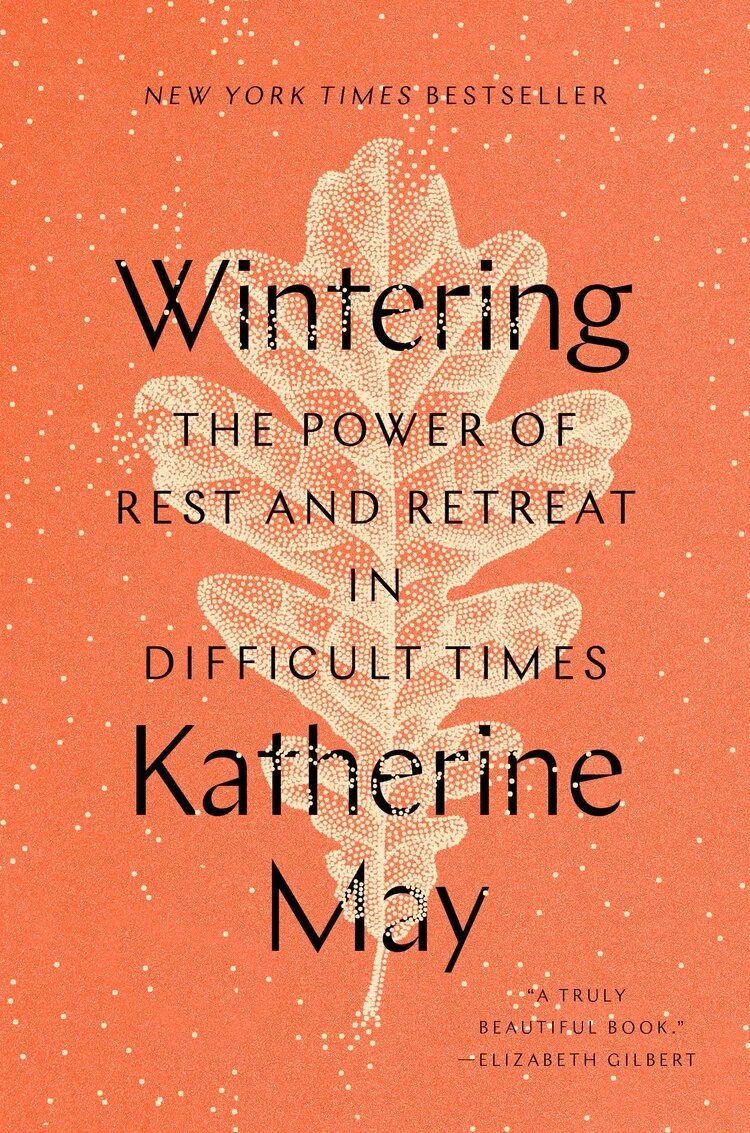
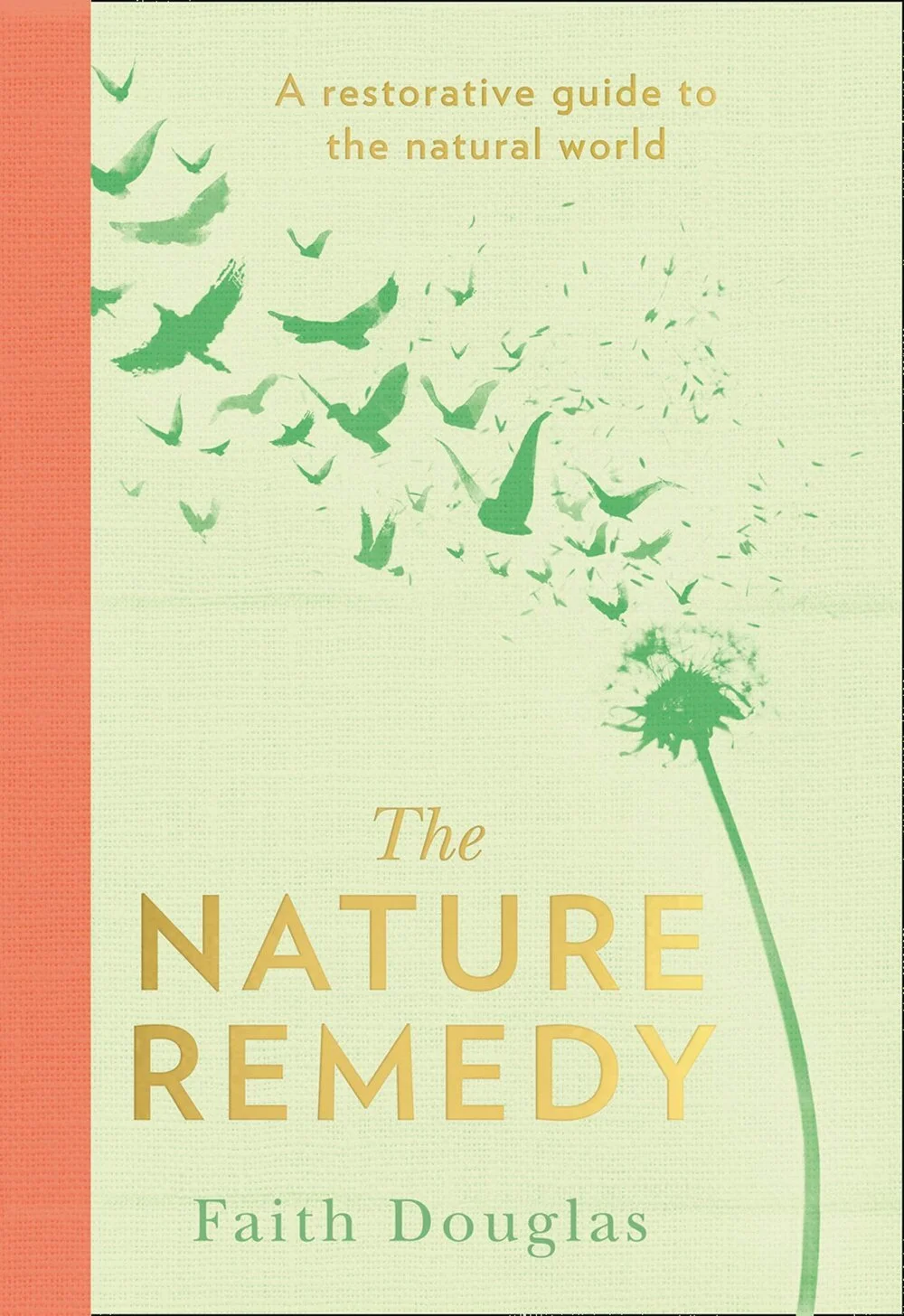
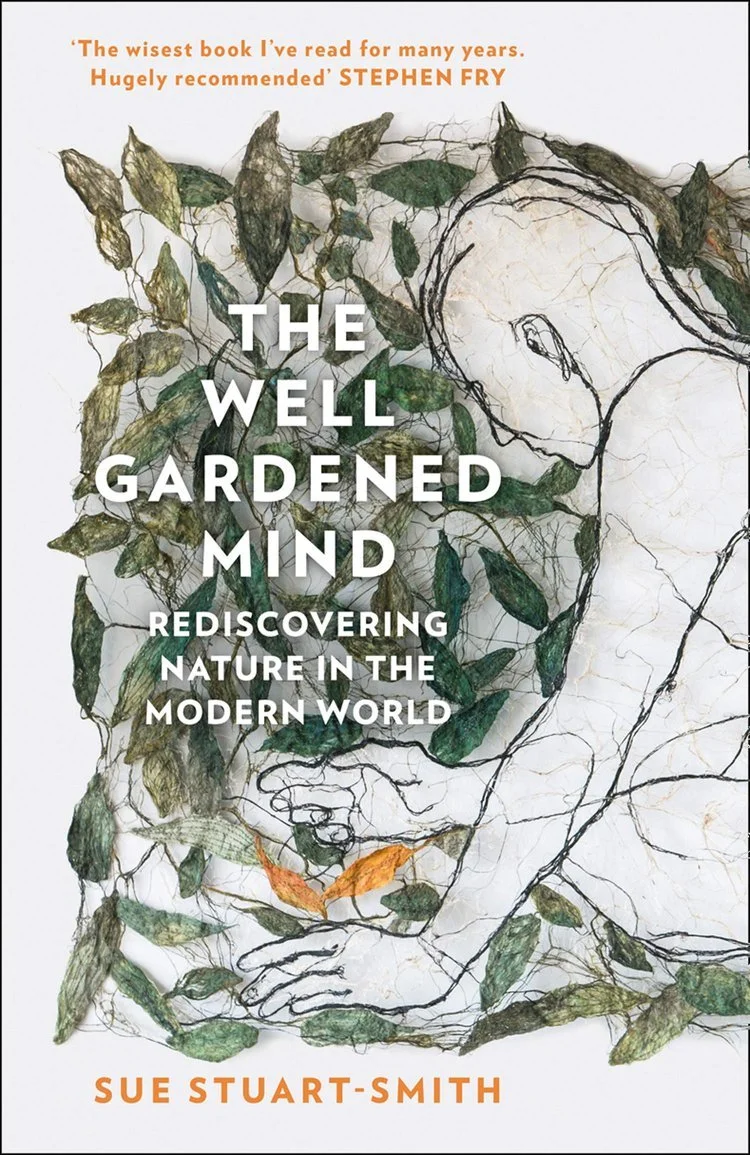
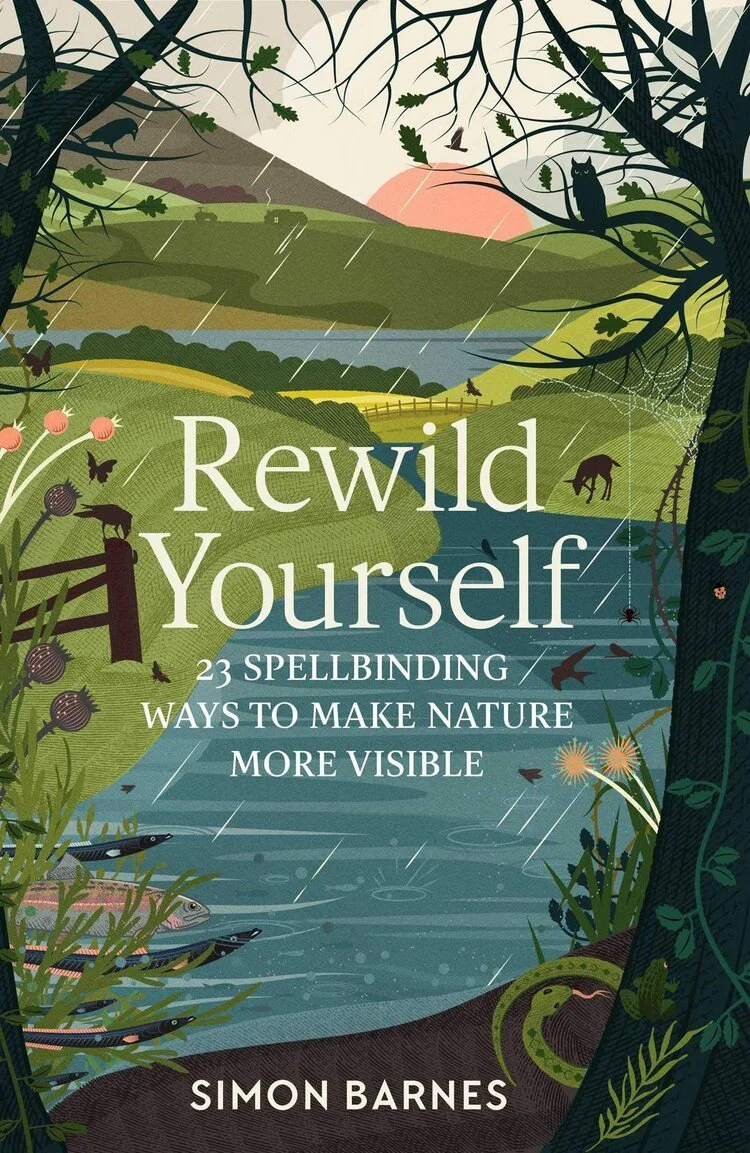
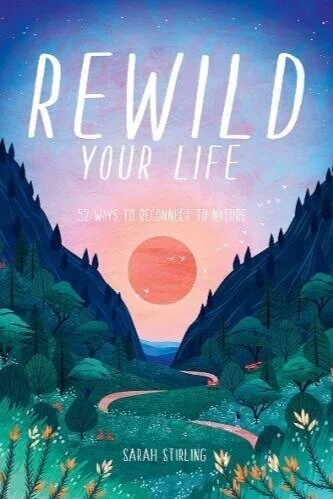
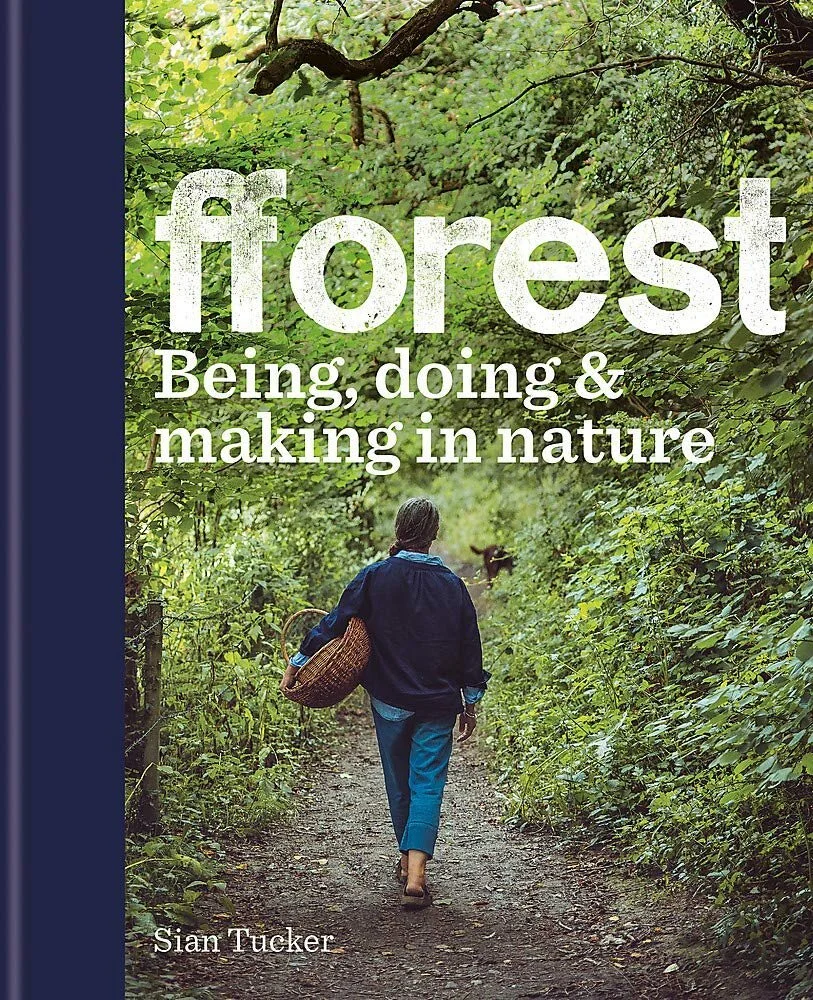
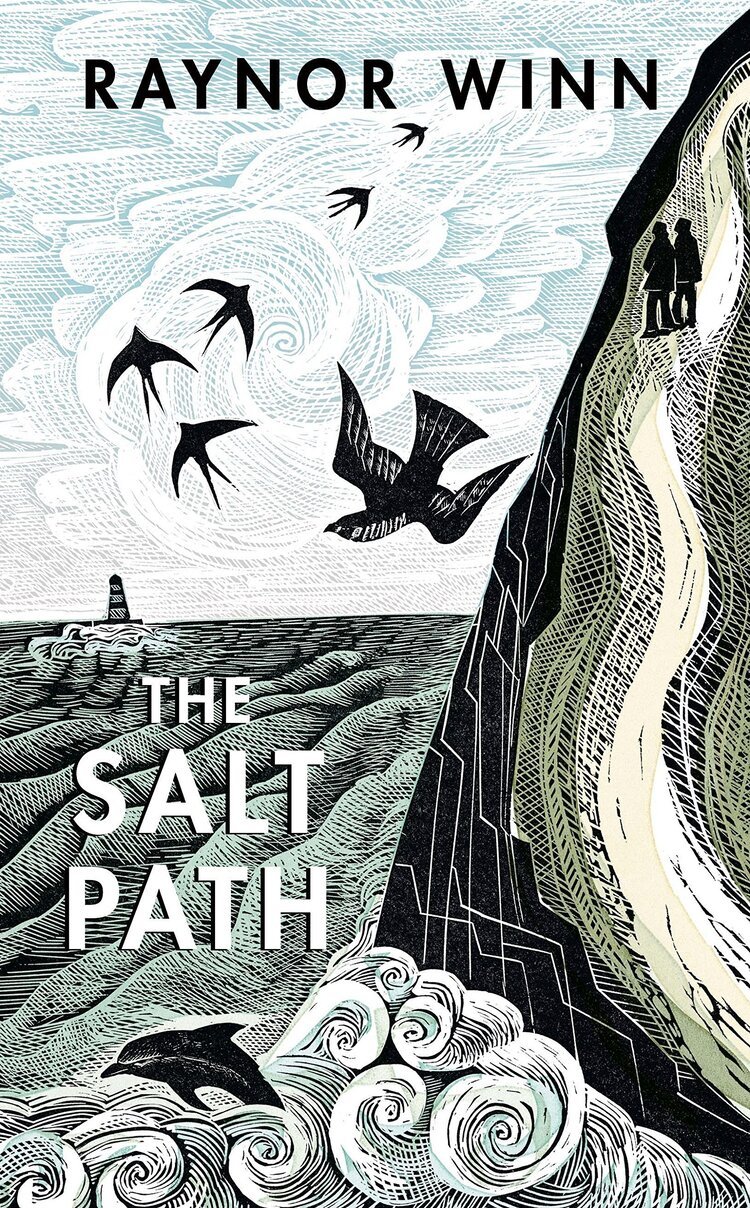
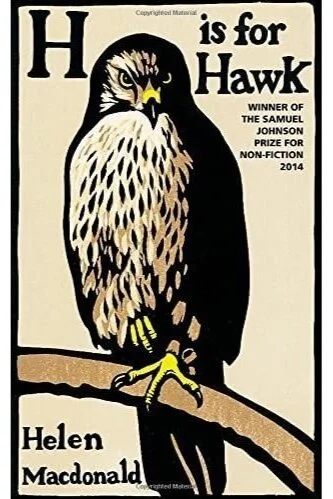
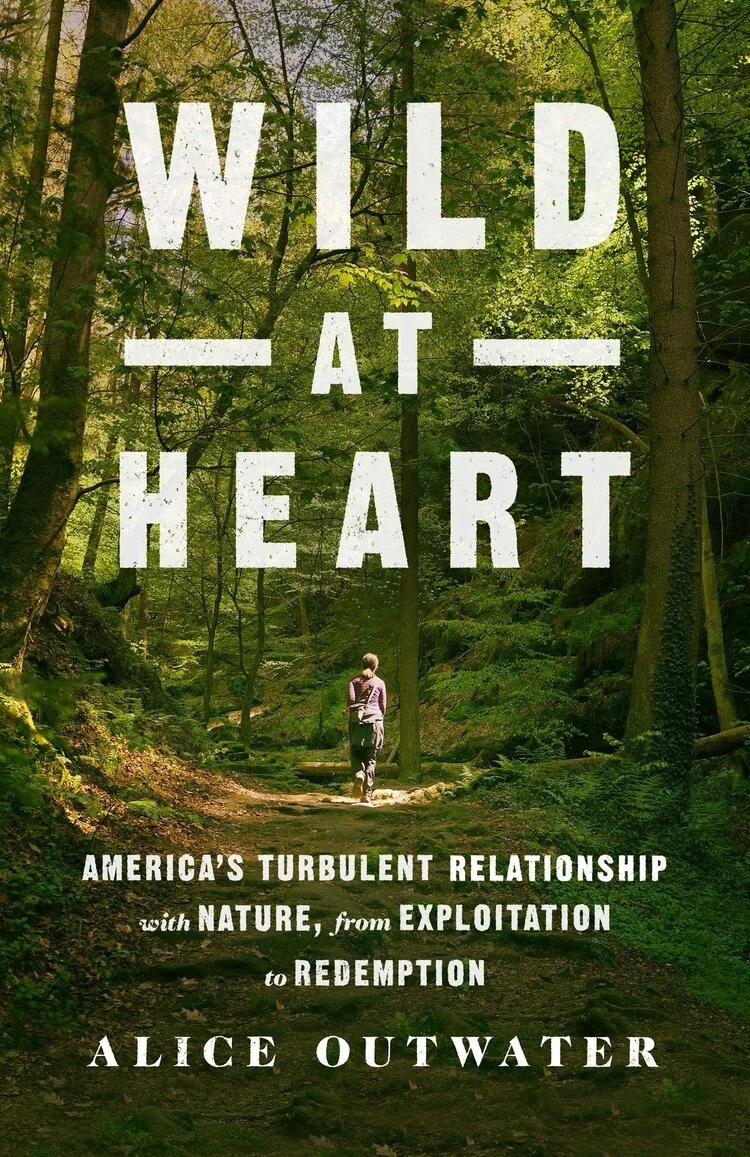
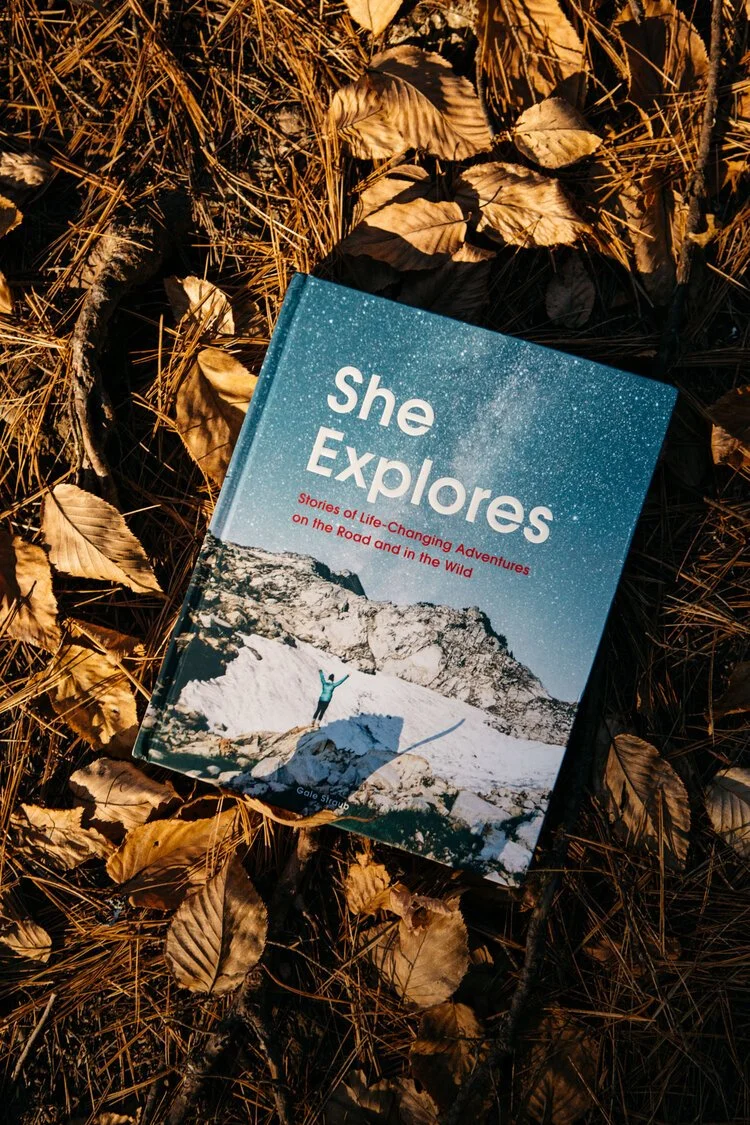
As our understanding of the importance of nature increases, so too do the number of great books on the subject, particularly in terms of its effects on our mental and emotional wellbeing. We’ve included just a handful here, but there are others that we’re hoping to get to in the coming weeks that we’ve included in our Bookshop. Our Nature Edit includes books that we’ll talk about here soon, as well as others recommended to us that are on our reading lists. We hope browsing these shelves you’ll find one or two to help bring more nature into your own life.
We’re always on the lookout for more Culture Therapy ideas, those books, podcasts, TV shows, films, artists, music, and magazines to seek out when we’re searching for something to inspire, support, and soothe. Let us know what you love and help us find more ways to navigate this complicated world of ours.

The Soul Spa | A conversation with founder Madeline Blackburn
How do you make time to pause? We talked to Madeline Blackburn, founder of Bath’s The Soul Spa, about how we can rethink how we treat our modern-day ailments and create better spaces to hold us on our high streets.
A center dedicated to the mind-body-soul connection, The Soul Spa was founded on a site of healing — legend has it that King Bladud was cured of leprosy from the hot springs that the building, one of the oldest in Bath, is situated on. For years people have come to this location to get well (the energy of Sulis Minerva has even been felt in its rooms).
We talk to founder Madeline Blackburn about how The Soul Spa is providing ways to treat our modern-day ailments and creating the space for people to just pause.
The Soul Spa feels like a new model for the mind/body/spiritual in our communities.
When I was thinking about how to create this space, I knew I didn’t want to be the church hall, because the environment matters so much to me. I was in a flotation tank in Colorado, and I literally sat up in the dark and the idea of “soul centers” came into my head. I went home and wrote and wrote and wrote. I noticed that there were workshops in spaces, nice retreats, and meditation and mindfulness classes. But what’s unique to The Soul Spa is that we’re in one building and have a permanent offering. Though workshops and courses might change, our practitioners and team of people are here all the time and here for you if you need them.
Often practitioners can be quite siloed but maybe, for instance, a client who comes in for psychotherapy finds it won’t work for them and that they would do better with a reiki healer. You offer a more client-led model, giving possibilities for accessing healing in different ways.
Absolutely. From a holistic physiotherapist and an astrologer to a shamanic healer and nutritionist, we try to foster a collaborative nature between us. We know what each other does. All the therapists say how refreshing it is to feel part of something, rather than just renting a room. That’s quite unique about us. Also what I understand of the human brain is where your beliefs are, if you believe in something, that’s probably going to work for you better than something that you don’t believe in. I’m here, not to make any comment or judgment about what anyone’s beliefs are, but to give them the smorgasbord of choices that will fit in with their view of the world. And then maybe even open people up to new ways that they haven’t thought of.
We don’t want to make people feel like it’s going to be work or difficult though but approach from a place of relaxation and calm, peace, and time out. We have a Quantum Field room, so people can just drop in and tune in to one of our guided meditations or bring their own.


There’s a shift in wellness now: it felt like before it was something you did over there, there was a certain audience for it and that audience looked a certain way. But with The Soul Spa and the other places we cover in this guide, we’re finding that where we locate wellness is more fluid. It’s shifting in how people are bringing it more into their everyday lives.
We’ve also noticed how people in the UK now talk about wild swimming or forest bathing, or other activities that are right there in their communities, and actively reach for something locally. It feels like people want to be doing these things and your space, and the others that we feature, give us permission to bring more of what we need into our lives.
Because you don’t do it. Most of us don’t do it at home. It’s hard to do it at your desks. Summertime yes you might sit in a park. But where is there to go in winter? I was brought up Catholic and the other week I just sat in a church for a bit, just to defrag for a few moments and calm my head down. We do need spaces that give you that permission to hang whatever is happening in life up in the cloakroom and just come and be for a bit. For The Soul Spa, I want people — whether they are shopping or a tourist or a local worker — to know there’s a space they can go for twenty minutes or half an hour where they don’t need to think about anything else.
I think we all need that space.
So many people say that they wish they had something like this in our town. Every High Street needs one.
If there was intentionality about it, the High Street would look so different, and serve us as people. What we’re really craving are these spaces that hold us differently and not on our own but together. Somehow to be around one another in positive, more human-minded ways.
I think The Soul Spa is that. I’m not a shopper but I love the energy of the High Street. That’s why it was important to be situated in a quiet place near the center of the city. I would love to think we could prove this as a model and then bring it into other places, just like how the idea of gyms developed before when they’d never existed previously.
I also like that we’d be for everyone, children and old men, fat and thin, every color and creed. Everybody. What we do here is a human thing. It’s fantastic that it appeals to people who already do yoga or meditation: they are intrinsically very interested in their health and more likely to do this, but I want other people who have never done anything like this to know it’s for then too


Why do you think wellness can be associated with being aspirational, a commodity, an appearance, and not for everybody? Is that cynicism, money, equity? Why do you think it has that weight to it?
I think it’s partly cultural because I don’t think it’s in every culture like that. There are cultures that do see it as intrinsic. But here, before the 80s, everyone was just trying to survive. My mum was born at the beginning of the war, and for her generation there was nothing. It really felt like a luxury to even consider looking after yourself. As we were growing up that was still in the mix. Then we had the 80s which just became uber materialistic and we’re still in the back end of that somehow.
It’s very natural for people to try and make themselves feel better. It’s just where you look for the thing that’s going to make you feel better that’s shifts so much. In our culture now it’s getting lots of likes, social media shaping our self-perception, and that’s not working so well.
I really think that people are going to want places like The Soul Spa more. It’s all life though. And I absolutely love life so even the bumps are kind of interesting when you can view them from that perspective.
Our model for mental wellness has been one around crisis management. For a long time, when we’ve thought about accessing therapy and medication, it’s about quickly reaching out, finding resources in the moment of high need. But what I’m seeing from you and your work at The Soul Spa is that there’s a different way of navigating our wellbeing, by developing a practice that people can build and access every day before they get to that stage. That means that when a crisis happens there’s that foundational piece, tools that people know work for them and they can use. It’s the other way around.
Most of us know now how to look after ourselves physically, and most do a bit of the right thing. We know how we should eat, and about exercise. We do all of that so that we don’t get ill and if we do, our bodies are stronger to cope with that. It’s the same thing for the mind. But I think that’s what puts so many people off, is that they think they can’t do it. Like with meditation, people often worry that they will think about what to have for tea and getting the shopping…
… they worry about getting it wrong. For many people meditation comes with the perception that their mind needs to be empty to get it right…
…and they say but my mind is too busy. But welcome to being human beings. That’s not that special, it’s not unique to them. Everybody has this experience and it’s learning that’s ok that might get someone to try it.
I come from a hypnotherapy background, and it’s all about your deep-down beliefs, where they’ve come from, and how they drive all your automatic behaviors, reactions, and thoughts. When I’m helping people relax, I’m thinking about the brain state, and about getting them into an alpha state, and potentially into the theta state because I know that in that state the rest of their body can go off the sympathetic into the parasympathetic nervous system. It can rejuvenate, it can heal. That’s the state you need to be in for your body to be well, for your mind to take a minute, to take a break.
For people who find it harder, my method is much more spoken and guided. I’ll use little hacks from hypnotherapy like a countdown or an eye-roll, or something for people to get into the alpha state a bit faster so that their neurons then fire together. The more they do that, the more they practice it, it becomes automatic, like a habit. Instead of responding when someone cuts you up on the road with adrenaline and anger, you can be more chilled out about it, understanding that maybe they are having a bad day and need a bit of love.
Just a bit of compassion
I just feel like positive things could happen if we can get more people responding like that or at least seeing or understanding why they are responding the way they do, looking at it, and being willing to shift. Instead of looking at the external world and blaming it for everything but wondering actually how can I change because I’m probably not going to change that external thing. Though in reality the more we can all change the more that can change too.


Need more mind-body connection in your life, visit our guide for more places, prompts and ideas for how and where to find it.
Let us know where you go when you are looking for more spirituality and more mind/body connection in your life.

The London Lonely Girls Club
Looking for connection in one of the world’s busiest cities? Holly Cooke talks to us about why she started The London Lonely Girls Club and how it can inspire you wherever you are.
“Stepping outside of your comfort zone, saying yes to every opportunity to meet others, being bold.”
We talk to Holly Cooke, founder of The London Lonely Girls Club about why she started these IRL meet-ups for women looking for connection and how this idea can inspire you wherever you are.
What is it? The London Lonely Girls Club is a community in London, created to help women in the city meet up, hang out, build friendships and make London life a little less lonely.
Why do people need it? As an adult, it can be really difficult to meet new people, make new friends or simply find others with similar interests or hobbies. And so The London Lonely Girls Club was created to meet this need and help women across one of the busiest cities in the world connect with each other!
What do you offer? We are both an online and physical community. We have an active Facebook group of over 10.5k women. Within this forum our members can post, engage and get to know each other at their own pace. Alongside this, we run meet-ups multiple times a month where our members can get to know each other IRL whilst visiting some of London’s loveliest places or doing fun activities together.
What makes it different? The London Lonely Girls Club was specifically created to help women connect, make friends and beat loneliness. It’s as simple as that, no strings attached!
What do people need to know? LLGC, as we call it, is an inclusive, supportive, fun community that any woman in London can engage with in their own way. Whether they’re just looking to find someone to go on weekend walks or theatre trips with, advice on the best place to get their hair done in a specific part of northwest London, or to build lifelong friendships, everyone is welcome!
What’s your story? Before founding The London Lonely Girls Club, I was a very lonely girl living in London. I’d moved to the city for work and to fulfill a lifelong dream of living in the best city in the world. But very quickly moving to a city where you know absolutely no one can be both isolating and terrifying. From this The London Lonely Girls Club was born, a community created to bring the women of this incredible city together under the flag of unity, connection, and friendship. With meet-ups each month that allow people to connect in person, rather than just via a screen.
How can people be inspired by your initiative wherever they are? Every day the members of LLGC teach me about bravery and courage, whether it is sharing their story in our group’s main feed and looking for others who share a similar struggle or journey, stepping outside their comfort zone by coming along alone to our monthly IRL meet-ups and connecting with others in person over a coffee, burger or glass of wine, or simply revealing themselves by joining a community with lonely in the name.
I think this is something that can inspire everyone, no matter where you live, how you identify, or what your social situation is. Stepping outside of your comfort zone, saying yes to every opportunity to meet others, being bold. Just one small decision of courage really can change your life, I should know, it did mine!
Where inspires you? The women of our community and the incredible city that we live in. They’re both so inclusive and diverse and vibrant and loud and unapologetic, but also kind and supportive and beautiful. It is inspiring to get to be just a small part of these things.
Anything we’re missing? If a woman in London is reading this, then we’d love to have you be part of our community! Whether you’ve lived here your whole life or you moved a day ago, feeling lonely is the worst. As humans, we’re built to be in community, surrounded by others who can lift us and love us and support us during both our triumphs and challenges and that is what The London Lonely Girls Club aims to do.
To find out more visit: Our website | The LLGC FB community | Our social media


Discover more places to feel connected

A Culture Therapy Comfort Package
For when the long January days need brightening, we’ve compiled a Culture Comfort Package. These are the books, podcasts, and TV shows currently offering hope, joy and solace.
“Curiosity and passion are the enemies of anxiety. Even when I fall deeply into anxiety, if I get curious enough about something outside of me it can help pull me out. Music, art, film, nature, conversation, words.
Find a passion as large as your fear.
The way out of your mind is via the world. ”
We’re having the kind of week where we want to sink into a bubble bath on waking up, turn off the world, and reset our lives and that’s just not possible. We’re tired of apps suggesting that we move, COVID blazing through our communities, and our days not quite aligning with our to-do list. So we compiled this Comfort Care Package, because we need it and thought that there might be moments when you do too.
There’s Matt Haig and Ted Lasso, Unsung Heros and Daily Smiles, poetry and advice columns. Just a range of things that shift our emotions and thoughts, and make our days just that little bit easier even when they don’t appear so.

It starts with Matt Haig’s, The Comfort Book. This is the book we now turn to when in need of reassurance, something shared with many, many readers who made this such a bestseller. Read first, then flick open whenever you need it. We keep this on our bedside table for those moments when we need something and we’re not quite sure what that is.
As with all his books, Haig here is just a human figuring it out too, sharing his wisdom and his lived experience (even his recipes) through compassion and kindness, as he helps others figure it out too. Contained within its pages, is hope - for the day, for something better, for our lives and minds.
Pair with The Midnight Library (we recommend the Audible edition read by Carey Mulligan), or Reasons to Stay Alive, or Notes on a Nervous Planet.

If even Brene Brown gets it, then we feel pretty confident in recommending this show for the courage to be vulnerable (she even interviewed series creators Jason Sudeikis and Brendan Hunt).
We admit to avoiding this one for a while - football??? - but once we did we realized that it had very little to do with the beautiful game and so much more to do with finding our people, our purpose, and our way through, on our own terms.
Coach Ted Lasso’s optimism is often the thing cited as the heart of the series, but for us, it’s the way he reacts in unexpected, read kind, ways with everyone around him again and again that we want to tell you about it, but would spoil the series for you if we did.
"I promise you there is something worse out there than being sad, and that's being alone and being sad. Ain't no one in this room alone." - Ted Lasso

The podcast My Unsung Hero is brought to us by the people behind Culture Therapy favorite The Hidden Brain. Each short episode is designed to be an antidote to the despair of a daily news cycle which shows us the worst of humanity and not our capacity for kindness, generosity, and love. These are the stories we don’t get to hear but the ones we need to. Like the one about an 8-year-old alone at an airport who is helped by a stranger, and a colleague offering comfort unasked.
Can you think back to a time in your life ‘when you were feeling low and a stranger noticed it and helped you’ or when someone ‘reached out when no one else was watching with no expectation of a thank you?’ That is an Unsung Hero.

We love this podcast for reassuring us that people are good (and we all probably need reminders of that). From May 2020 to February 2021 when the news cycle became particularly bleak, Wondery put daily positive messages out there as a different way to start the day. Each episode hosted by Nikki Boyer features a story to make you feel good. And they do, they warm your heart without being too saccharine or without us becoming too cynical. People do amazing, beautiful, smile-inducing, things, and here’s where you get to hear about them. Listen to this to be reminded of the humanity of those around us. Maybe be the person bringing a daily smile into someone’s life in other ways too.
“Sometimes the way you start your day really does affect how the rest of your day goes. If you’re listening to the news right off the bat, you absorb that stuff like a sponge, it gets into you. This is just a nice alternative to that.”
— Nikki Boyer
““Good poems are sharp, bright, and brilliant things that cut right through you. There is something so potent about a poem, these condensed, distilled moments that can take our breath away.””

This book of ‘Poems for when you really need them’ was selected by Cecilia Knapp, poet, playwright, novelist and the Young People’s Laureate for London 2020/2021 (and ambassador for mental health charity CALM). Compiled during the lockdown months of COVID, Everything is going to be alright is a collection of poems designed to bring joy, hope, and solace.
Poems like Kim Addonizio’s To the Woman Crying Uncontrollably in the Next Stall (“Listen I love you joy is coming”), Danusha Lameris’ Small Kindnesses (“We have so little of each other, now. So far/ from tribe and fire”) and Travis Alabanza’s For when my body does not feel right (“I wonder all the things I can learn if I try to meet you with love?”)
In situations that cover loss and heartbreak, aging and childhood, love and acceptance, these words might offer a way to get you to a place of understanding.

We first discovered Cheryl Strayed in this compilation of her Dear Sugar columns for The Rumpus (though her voice was anonymous when these were first published). Included with previously unpublished letters and responses, Strayed doesn’t just answer her readers, but she offers compassion and courage in the advice that she gives. Though published in 2012 we still dip into this one when we’re looking for some of Strayed’s ‘radical empathy’ - read very wise words (we aspire to have an emotional vocabulary as dense and nuanced as Strayed’s).
Pair this with Strayed’s NYT’s podcast Sugar Calling - recorded with writer friends during the first lockdown - and past episodes of Dear Sugars with Steve Almond. And of course, there is always Wild for how Strayed approached her own life.
“I'll never know, and neither will you, of the life you don't choose. We'll only know that whatever that sister life was, it was important and beautiful and not ours. It was the ghost ship that didn't carry us. There's nothing to do but salute it from the shore.” — Cheryl Strayed
Looking for more resources to turn to when you’re in need of something? Take a look at the rest of our Culture Therapy recommendations for books, podcasts, TV shows, films, magazines, and music to turn to when you’re lost, lonely, anxious, or just curious.
Let us know what you’d include in a Cultural Care Package. Whose voices reassure you? Which books have your back? What words help your days?

A Handful of Books for Seeking Connection
For when you need more people in your life, sometimes the imaginary ones work the best. In our latest Culture Therapy Prescription, here are the books we’re recently looked to for more connection, though here of the at-home kind.
Maybe it’s a contradiction to look to books when we’re looking for more connection in our lives. But as introverts, we’ve found that sometimes the books we turn to provide exactly the kind of company that we need.
We’ve pulled together some recent reads that have helped shape our perspective on this idea of connection. We’ve included non-fiction by Vivek Murthy, Priya Parker, and Johann Hari that explore the science of relationships, helping us realize why people matter as much as they do, how why we gather has impacts beyond the moment of coming together, and why who shows up in our lives can shape our experience of it.
And there’s fiction too by Sally Rooney and Bernardine Evaristo that reveal the breadth and nuance of different kinds of relationships as well as allowing us an intimacy with the characters playing out their imaginary worlds. Others are memoirs like those by Michelle Obama and Bill Hayes that give us glimpses of lives that have prioritized service to and curiosity about the people with whom we share our neighborhoods.
We hope you’ll discover some new finds, some new ways to friendship, and maybe even some new relationships, imaginary or real.
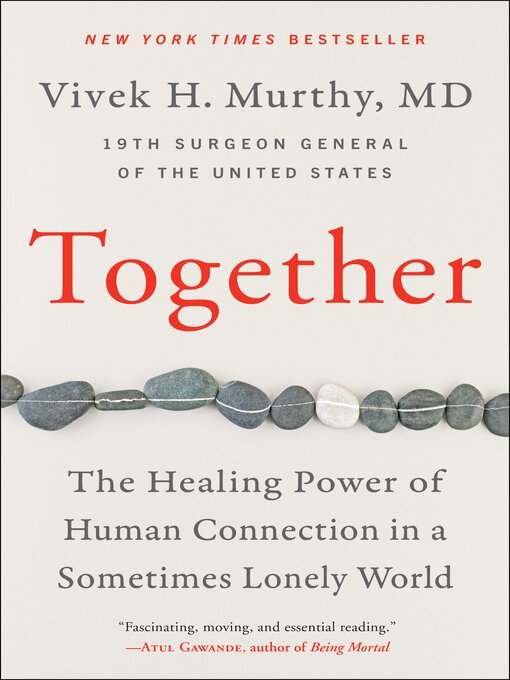
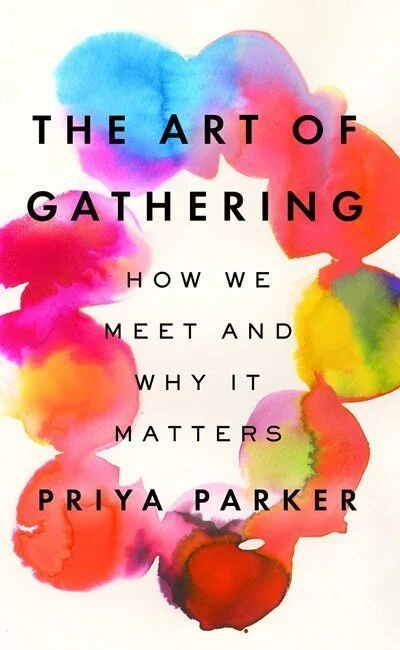
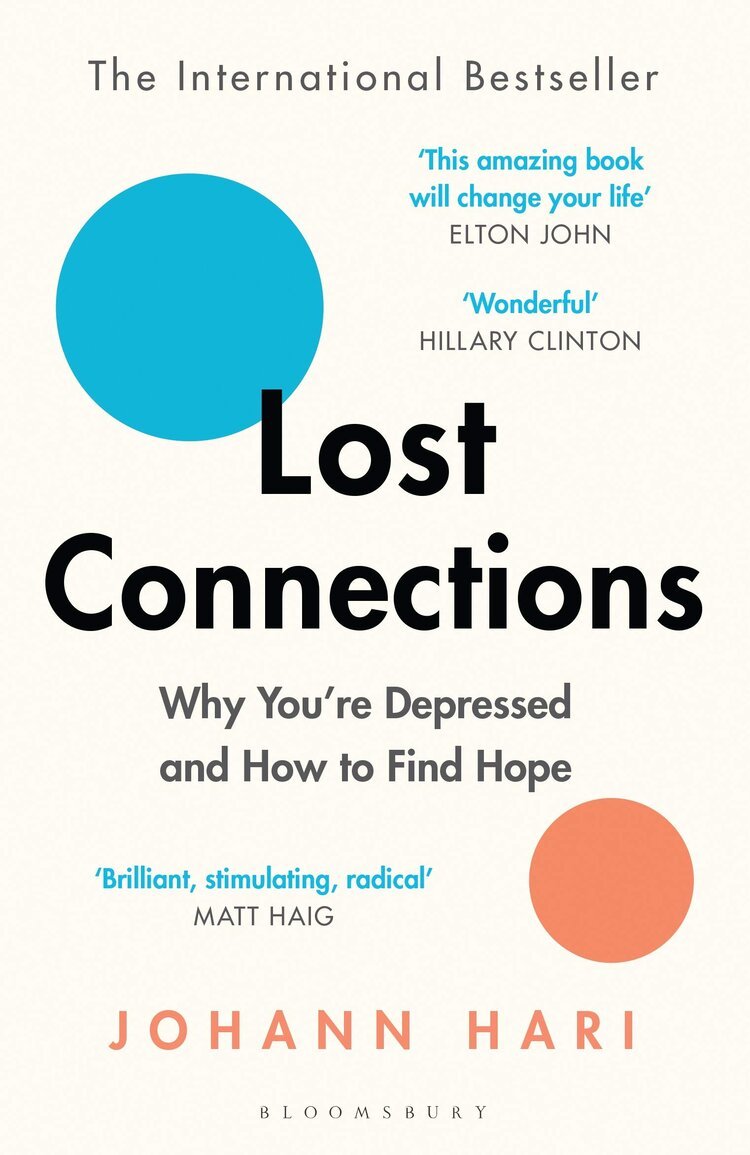

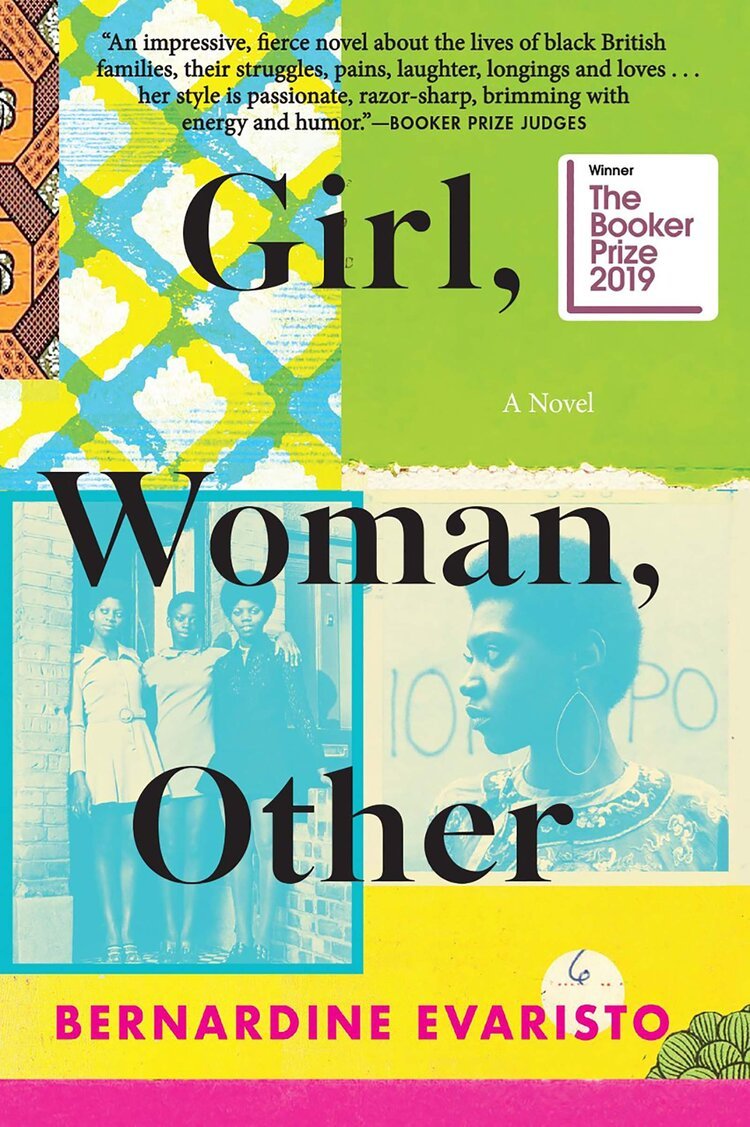
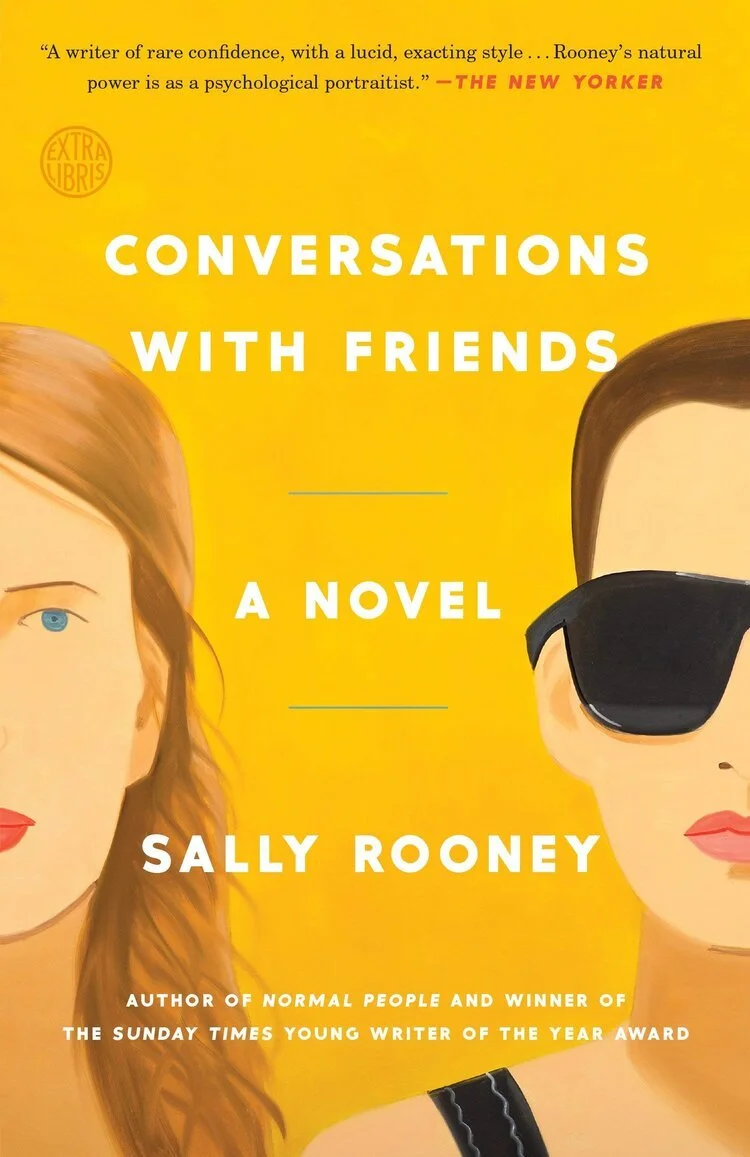
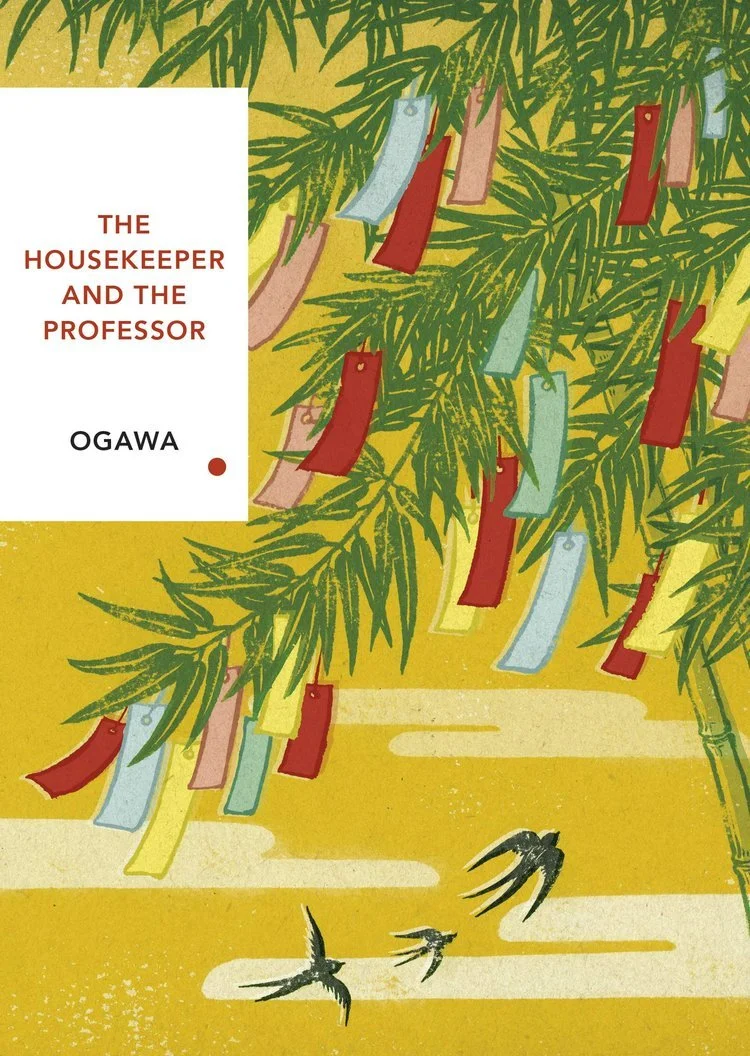
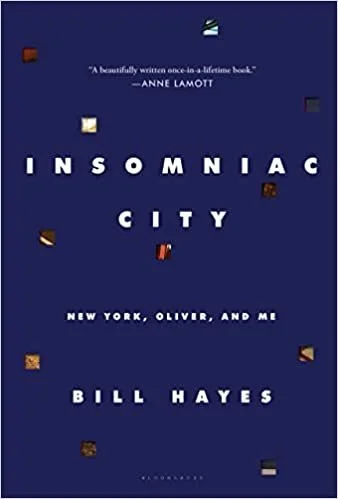
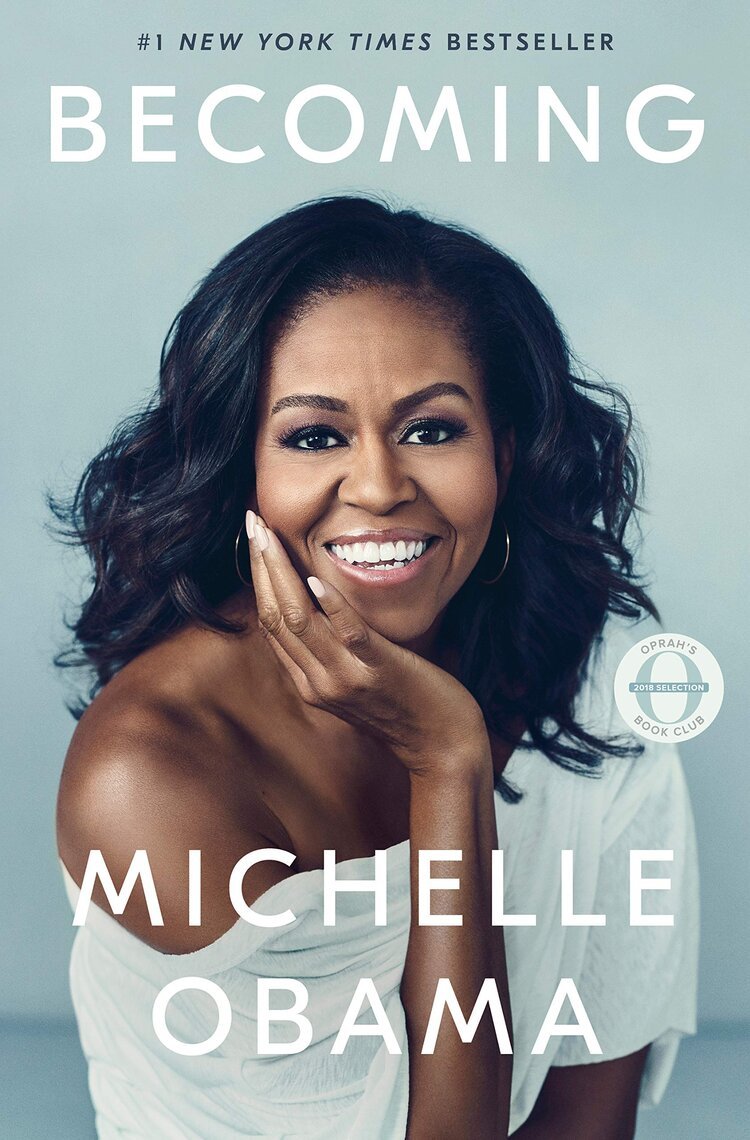
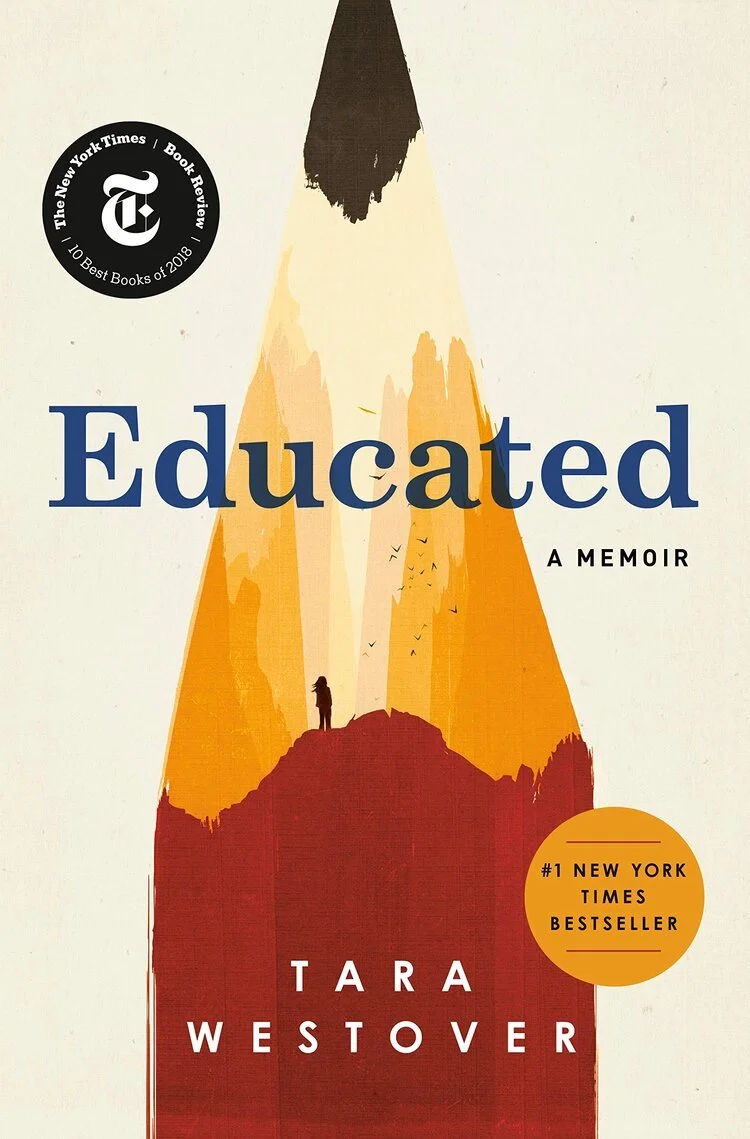
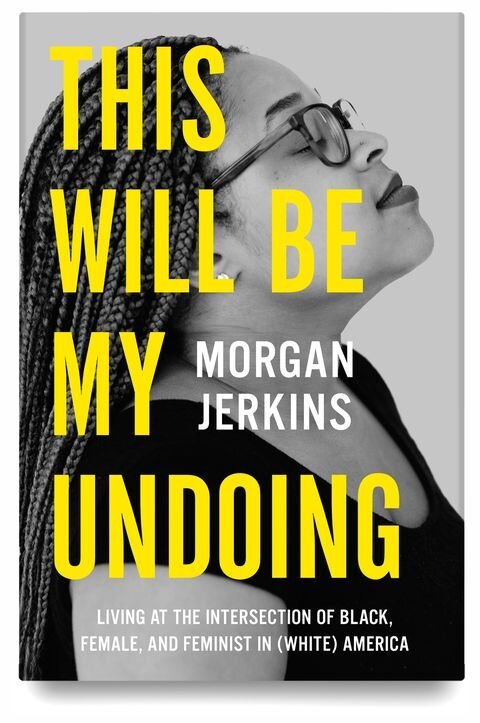
As our understanding of the importance of connection increases, so too do the number of great books on the subject, particularly in terms of its effects on our mental and emotional wellbeing. We’ve included just a handful here, but there are others that we’re hoping to get to in the coming weeks that we’ve included in our Bookshop. Our Connection Edit includes books that we’ll talk about here soon, as well as others recommended to us that are on our reading lists. We hope browsing these shelves you’ll find one or two to help bring more connection and locate more community in your own life.
We’re always on the lookout for more Culture Therapy ideas, those books, podcasts, TV shows, films, artists, music, and magazines to seek out when we’re searching for something to inspire, support, and soothe. Let us know what you love and help us find more ways to navigate this complicated world of ours.

Our Selection of Books for Uncertain Days
When the world outside isn’t appealing (cold, COVID, conflict), sometimes we turn inwards, to books. In our latest Culture Therapy Prescription, here are the books we’ve been turning to during these uncertain days.
When we’re struggling through our days (and not leaving the house), we often find ourselves turning to books. What we’re searching for is more understanding — why are we feeling what we’re feeling, what is that feeling even, and what do we do about it — and some reassurance that we’re ok and it’s all going to be ok.
Below are a handful of the books that we’ve read recently that have helped us orient ourselves. From blockbuster fiction with Meg Mason, to memoir and advice from Matt Haig, Glennon Doyle, and Bryony Gordon (actually seek out anything from these writers and sometimes podcasters), to non-fiction with Dr. Camilla Pang and poetry with Cheryl Cox. Across all genres, we’re finding writers, journalists, therapists, poets, and researchers who are sharing their stories and helping us understand our worlds. Through their words, we’re able to find better ways of navigating our lives and we hope you do too.
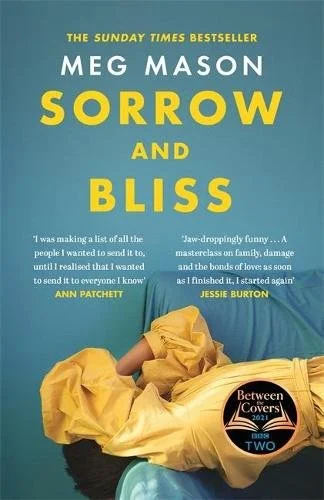
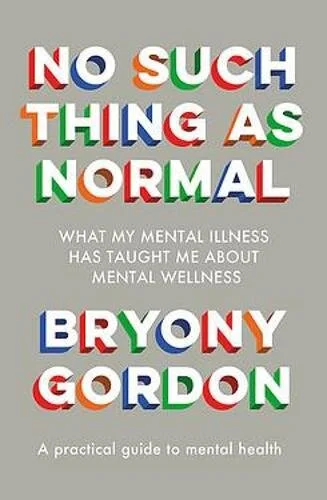


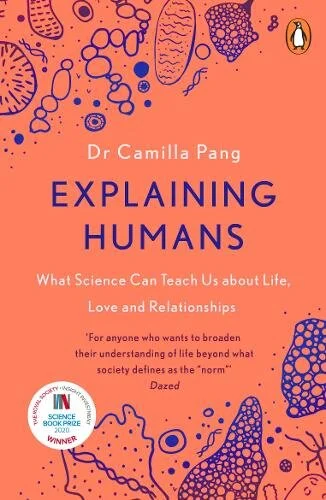
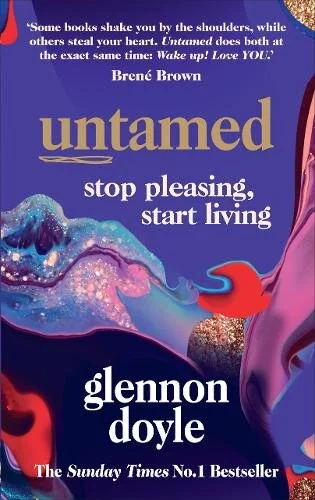
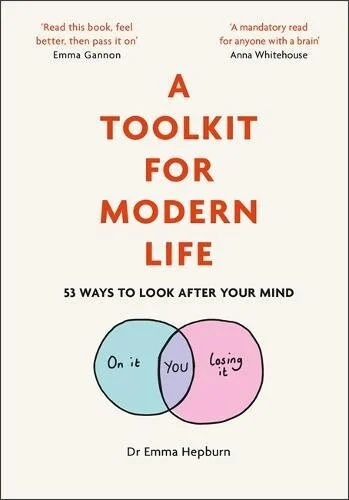
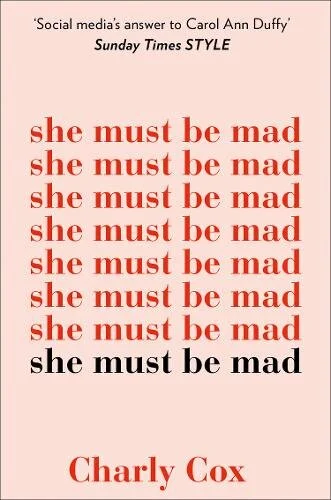


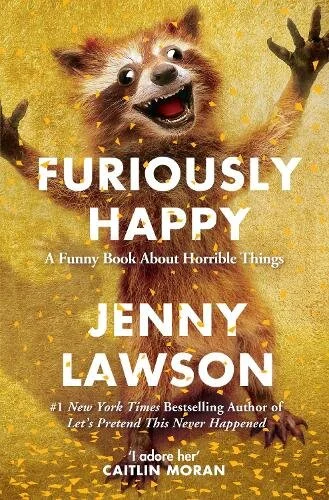


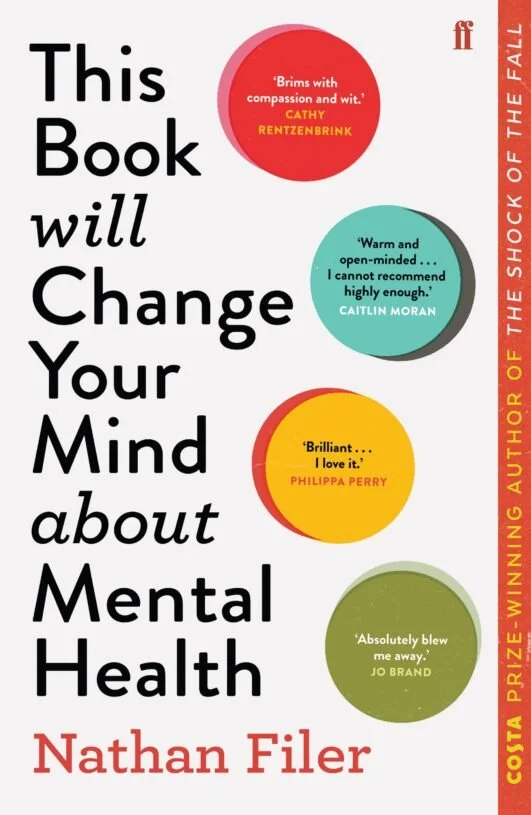
In the last few years, we’ve been finding so many great books that touch on mental wellbeing, many of which are now featured in our Bookshop store (one day we hope to make this into a real entity but for now having even an online bookstore feels like a kind of wish fulfillment). Our Mental Wellbeing Edit includes many of the books we’ve read and would recommend, those we want to get to, and those that friends have suggested. Browse our online shelves for more of what you need.
What we turn to shifts, so we’ll keep you up to date on our new discoveries. This year, we have a goal to build out our Culture Therapy series, so do tell us which books, podcasts, TV shows, films, artists, music, and magazines you look to when you are searching for that something to inspire, support, and soothe.