

Mindful Doing & Creative Space
Ellie Grout finds her community of introverts at Bristol’s Creative Space and her equilibrium through Mindful Doing.
Relaxing spaces took on a major importance in my life following the second—and hopefully last—of two very unexpected breakdowns. Although I’d previously needed a little time to settle in to new surroundings, I could still be content in most places. Once my mental health had been shattered there were very few places I could go without heavy consideration. This meant that I now spent a lot of time at home; I love my house and it is definitely an anchor for me, but too much of a good thing always has its downsides.
This deterioration in health pushed me into creative experimentation, along with my sister and best friend Lottie Suki, who in a spooky coincidence had experienced a similar breakdown that closely mirrored my own. Coming from a creative family and each with creative backgrounds, it was no surprise that we found our solace in making and crafting. The first smile of excitement on my face in months came from making a teeny, tiny 25mm badge. This unofficial course of discovery proved to be our tonic: we both began to recover and rediscover our authentic selves as we lost ourselves in creation.


Once my sister and I had regained our confidence and joie de vivre, we began to daydream about developing a community of introverts, who, like us, would rejoice in the opportunity to calmly and quietly experiment with crafts. A weekend stroll down North Street, Bedminster, Bristol, landed us with the perfect location to make our dream a reality. I was heading to Storysmith (an idyllic independent bookshop on the same street, where you can browse what feel like dream bookshelves) and from the corner of my eye I noticed a sign calling for creative professionals who wanted to rent space to lead workshops. The coincidence was too exciting for us to ignore.
Even on first impression, Creative Space seemed heavenly. Settled amongst the pleasant hustle and bustle of North Street, the entire shop front comprises of windows which let the light flood in. Inside, the space is spacious and yet still cosy. The studio is an inspiring place to be; like a gallery, the walls are white, and the artificial lighting is bright. The windows are filled with reupholstery projects that are still in progress, along with creations from the wide variety of teachers who also run workshops in the space.


Having come such a long way in our own lives, my sister and I decided to be brave. We knew how much our wellbeing had improved through doing things mindfully, and so we made the bold step to begin our own course: ‘Mindful Doing’. Whilst we both do rather different things with our days and careers, we both discovered that the act of creating was a major contributor to our improved wellbeing and we wanted to share this with others. We devised a short course which explored some of our favourite ways of making things through writing, drawing, paper making and bookbinding and we ran it for the first time last summer. That was when we discovered our own 'Community of Introverts'.
Even though anxiety has haunted us throughout, what has been most wonderful about this little venture, is that we have both felt the healing of these sessions at least as much as the people who have come along to them. We travel to the venue filled with nerves and the overhang of daytime stressors, but by the time we leave we are filled with positivity and calm. We both feel the benefit so much from supporting others to be mindful in their ‘doing’. The community within our sessions is wonderful, the space and what it stands for within the local area closely aligns with our values, and the area is itself is a magical little nook of a vibrant city.

Beckenham Place Park
Zabby Allen, and her dog, find a world away from London as we know it, and a place to make her world just a little less isolated.
I recently moved three miles down the road. But it feels a world away. I’m used to having multiple shops and restaurants within a short walk. All that is next to us here is a station and a park. I worried when I moved that I’d feel isolated, but I’ve found that the benefits of the park far outweigh anything I had before.
The largest green space in southeast London, Beckenham Place Park was used as a golf course for over a century until 2016. Thanks to a National Lottery grant, the park has thrived since the closure of the golf course (something that understandably caused a lot of upset at the time). The Georgian swimming lake has been reinstated (I haven’t been brave enough to try it yet mind you), and the original stable blocks have been turned into a lovely cafe serving not only coffee and cake but pizza and booze! There’s a huge play area and stunning formal gardens. The centrepiece is a grand Georgian mansion—currently managed by the people behind Peckham’s Copeland Park & The Bussey Building—hosting regular markets and events, plus another cafe, basement bar, record shop, yoga studio and sewing school.


Really though, my favourite things about the park are all-natural: the bluebells starting to sprout, the maze of muddy paths, the bats that skim the lake as it gets dark, the frosty grass, the sound of the woodpeckers working away in the ancient woodland, the way the Ravensbourne River rages after a night of heavy rain and then seamlessly calms the next day and the surprising flash of bright green as the parakeets come in to roost at sunset, which I like to think of as south London’s answer to the Northern Lights.
If you like dogs, this is the place for you. My other half calls Beckenham Place Park a “dog safari”—you’ll spot every type of dog imaginable if you visit at the weekend. You might even stumble on a meetup—a grumble of pugs or a shout of schnauzers (yes those are semi-legitimate collective nouns). And yet, as busy as the park can get at the weekend, I very often find myself completely alone, listening to bird sounds and leaves crunching underfoot. How lucky I am to live this close to something so peaceful. It does my mental health wonders.


When I first visited—dog-free—I was amazed by the number of people in the park who said “good morning” to me. People interacting with strangers voluntarily in public? This wasn’t the London I knew! I need not have worried about feeling isolated. The park and the dog mean I talk to far more people in a day than I ever did before... Even if I only know their dogs’ names.
If you’re thinking of visiting, Beckenham Place Park is only half an hour from Blackfriars on the train. Alight at Beckenham Hill. Find out what events are happening at Beckenham Place Mansion here.

Eureka Hall & School of the Alternative
Illustrator Chelsea Ragan captures how past, present and future creative minds sit comfortably together at Eureka Hall.
Have you ever been to a place and felt like you have been there before? Something deep in your soul knows that the location holds more than wildlife, plants, and man-made structures. Can you sense something in the air? Maybe it’s the spirits of those who have come before, or is it the feeling that all of the stars have lined up for you to be in this moment? Time feels like it stops and you are in this place fulfilling your destiny.
This is the feeling that I experience every time I step foot onto the grand porch of Eureka Hall, formerly “Lee Hall” at YMCA Blue Ridge Assembly in Black Mountain, North Carolina.
Years ago, I was traveling with my now-husband Adam Void, passing through the Appalachian Mountains. He noted that we were just a hop and a jump away from the historic Black Mountain College Campus and we should check it out. Entering the town of Black Mountain was something special. Surrounding us were the mountains that had been inhabited by the Eastern Band of Cherokees for generations. The feeling of peace is evident and the desire to be immersed in nature immediately takes over.

Photos: Bronwyn Walls (left) and Rita Kovtun (right)

Once we made our way up the winding rhododendron filled, one-way mountain road, we saw the historic building standing high on the hilltop. This was something we had seen in pictures and dreams, but never before in the flesh. When we walked up those steps and turned around, we were awestruck by the view. The Appalachian mountains “Seven Sisters” are lined up perfectly like they were ready for a photoshoot, standing tall as they have for generations. Yes, the view is extraordinary but something else is there; something unspoken.
One explanation for this feeling of spirits is the incredible history of those who have stood countless times in exactly the same place. The many native Americans that found this oasis and treated it as gold. Fast forward thousands of years to the early 1900s when the YMCA Blue Ridge Assembly started operating as a fully functional conference center and meeting place for people all over the globe. It has since housed summer camps, yoga retreats, youth groups, and many other gatherings.
In 1933 Black Mountain College began its legacy on this porch by using these grounds to change the course of art education and to house some of the leading artists of the 20th century. On this very same porch Joseph Albers taught painting classes, faculty met to discuss the future of education, and students danced the night away. These leaders, and soon-to-be leaders, of creative thought, looked over the mountains while passing the hours, soaking up the sublime possibilities.


Even today, the porch of Eureka Hall supports budding creative minds from all across the globe. Every Summer in the month of May, School of the Alternative creates a live-in, passion-driven education experience that functions in the spirit of Black Mountain College. At SotA, anyone can take classes in the same rooms that once held Albers office and the old BMC library. On a hot summer day, you can lay in the grass in front of Eureka Hall and feel the decades fade away. This grand porch still houses late night debates of contemporary literature, plein air painting classes, DIY movie shoots, and general creative shenanigans.
I feel like I’m one of the lucky ones. I live less than five miles away from this creative hub. On days when I feel lost, insignificant, and creativity confused, I find myself drawn to those steps. A couple of months after the birth of my second child I came to sit on these steps wondering if I’ll ever make art again. “Did I lose it? Is my mojo gone?”
Sitting on those steps I reminded myself that destiny can’t be erased or lost. That no matter how treacherous the journey and the amount of times we feel lost we will always find our way to what we’re destined to do. Whatever that is. I felt the comfort of knowing that if my heart is in it, I will always have a guide. This is just one example of how this place, these steps, this view, has changed me.

Photos: Adam Void. Cover image: John Engelbrecht


The Good Life | A conversation on sustainability with founder Shelley Brown
The Good Life is one of those stores we’d love to have in our neighborhood. We chatted to its founder on why local matters more than ever.
We lured Shelley Brown away from stock-taking to talk to us about The Good Life, the waste-free mini market that she founded in northern England just a year ago. We discussed why local still matters, what led her to start the space, and how to deal with the challenges of being a store owner. This conversation restored our faith in our High Streets to do good for our communities, our planet and ourselves. We hope you feel the same!
What inspired you to start The Good Life?
The Good Life had been brewing in my subconscious for some time. It was the sudden death of my sister which spurred me to start the project with my father. It became something positive to focus on during a very dark time.
How do you bring a sense of community and connection into your space?
The Good Life is very much a community enterprise. It has been unexpected quite how much! Customers constantly tell me what the shop means to them and what it has done for the area. It’s been so rewarding. I live down the road in Heaton Moor and my daughter goes to Didsbury Rd School, a four-minute walk away. I knew that when I opened a shop like this it would be vital that I was connected to its location. The Heatons is full of independent businesses and the residents are passionate about supporting them. It is an area where people tend to stay. The shop stock has been built around the customers; if they ask for something, if I can get it I will!
Do you ever think about wellbeing, your own or others, in what you do?
Wellbeing is very much connected to The Good Life. I have always embraced life, but even more so since losing my sister. It is not unusual for customers to bring us home-baked goods, cards, and flowers. The shop has become an open space for customers to come and have a coffee or sometimes a glass of wine, to have a chat or even a cry. I feel very connected to my customer base; some have become dear friends.


Are you finding that there's an increasing interest in sustainable lifestyles? Do you think that people are starting to change their shopping habits? We've noticed more people going on plastic fasts and bringing reusable cups, for instance.
Absolutely. A change is certainly happening and people know they have to make changes. We are also seeing big corporations responding to a demand for this because of the action of individuals.
What one thing could people do to live a more sustainable life?
Refill! The household/beauty refill side of the business has grown month on month since we opened. We look for new products all the time. As well as the obvious choices like laundry liquid we now do everything from micellar water to deodorant to baby oil. It's a very easy swap for people to make and massively reduces their personal waste.
Why was a physical space important to you (rather than online)?
This business is all about relationships. The internet has, of course, contributed to the death of the High Street, but also the death of communication. Our demographic is from 0-90 and I am very aware of the isolation that older generations must feel and how important shops like this are to them.
What’s the best thing you did to achieve this dream?
I just got on with it! Failure was never an option!
What’s been the toughest moment and how did you get through it?
It's a financial juggling act. Building the stock has been hard as it's vital to buy in large bulk to compete with the supermarkets.


Who or what did you draw inspiration from?
I drew inspiration from other zero waste shops to build my base stock. An old friend Pete helped me realise my shop vision through the design process and Charly Tudor (introduced through Pete) was vital in creating the brand identity.
The shop is named after the TV programme. My sister and I watched it growing up and I re-watched it all after her death. It's not an original name, but I couldn't call it anything else!
What would be on your ideal High Street?
I love living in the Heatons because we have what a traditional High Street looks like. Independent shops offering everything from glasses to gifts to clothes. We even have an independent cinema. I hate cheap shops selling crap. Budget supermarkets who rip off suppliers and farmers. Convenience stores that sell air-freighted food all year round! We have lost the value of good, local, seasonal produce. The high cost of living has forced people to demand cheaper and cheaper foodstuffs and it's been to the detriment of the planet and of the nation’s health.
We wanted to mention how much we love the apron 'We're Naked in Here!' and your design approach overall.
All down to our designer Charly Tudor! It was certainly a talking point!

The Eden Project
What does one of the most popular visitor attractions in the UK have to do with wellbeing? A lot it would seem.
“Transformation — it’s in our nature.”
There are many visitor attractions that wear us out. The traffic at parking, overcrowded visitor buses, long walks between the ‘highlights’ and queues once we’re there, overpriced and unhealthy food options, and the inevitable sugar crashes with tantrums from all ages: collectively these make the places that should hold excitement and wonder feel fractious and underwhelming.
But this wasn’t our experience at Cornwall’s Eden Project, one of the most popular places to visit in the UK — even though one of our kids complained the entire day that they were not in a swimming pool! We managed to keep that sense of awe and wonder from the moment we arrived — and glimpsed that first truly stunning view of the biomes which are tantalizing hidden until the last moment — to when we left, of course, through the gift shop but one which played out on its shelves the same story of sustainability and impact that we’d been following all day.

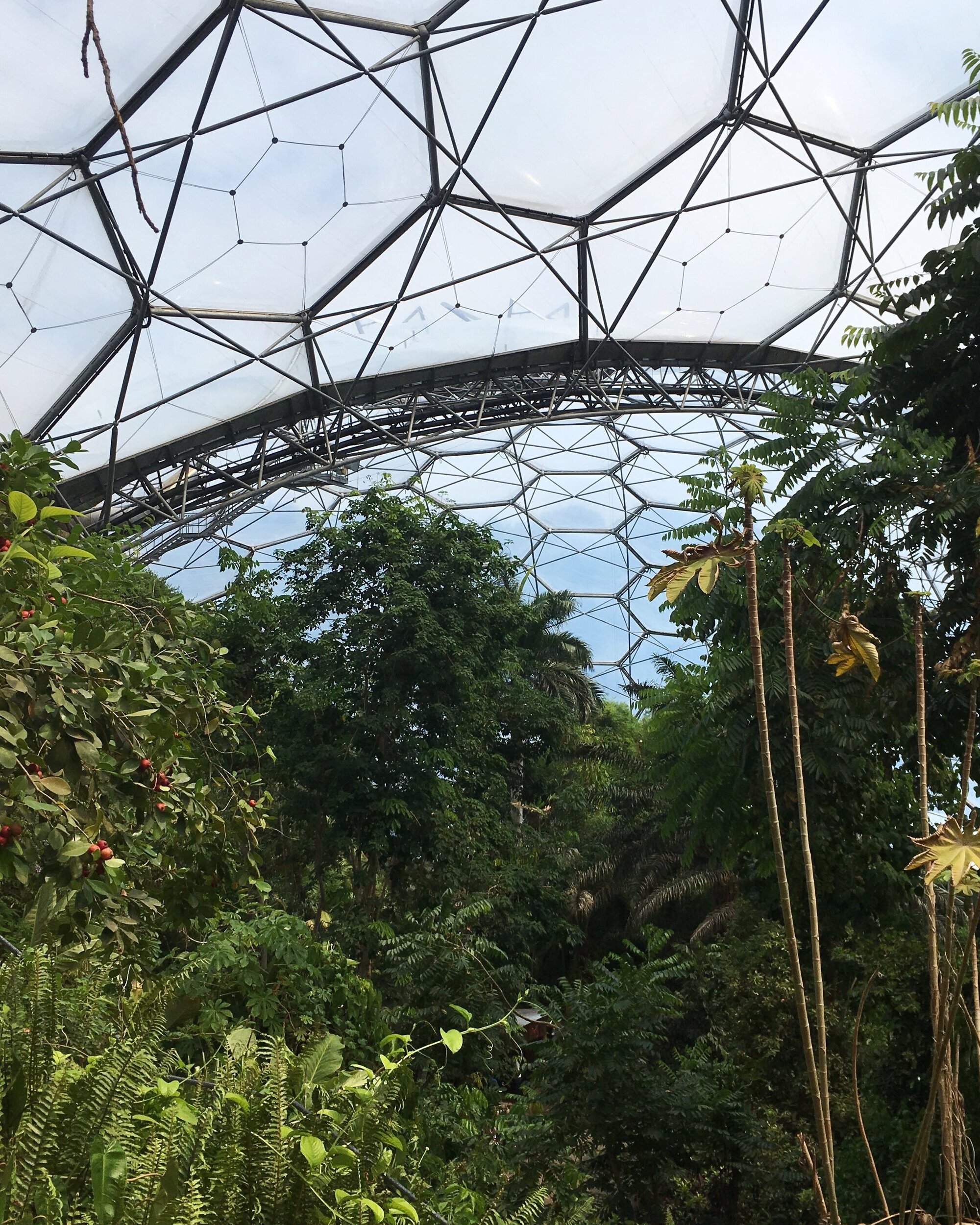
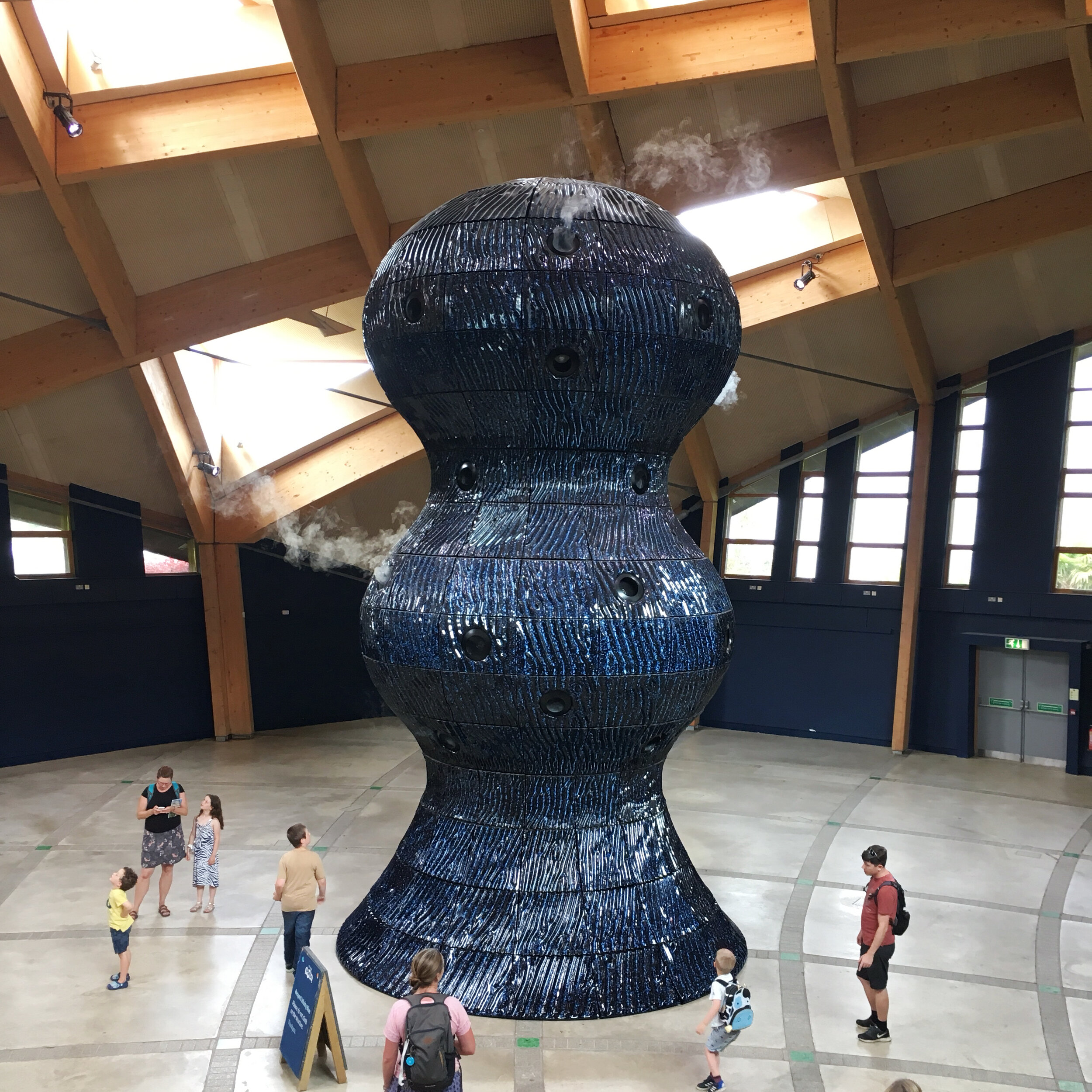
What captured our imagination most were those things you might immediately think of — the largest indoor rainforest with over 1,000 different species (and a cloud-making bridge), those other-worldly bubble domes, the zip line (!) moving its daring-doers across the valley. But there was also the wonder of the Core Building which houses permanent exhibition Invisible Worlds and includes Studio Swine’s interactive art installation Infinity Blue and Peter Randall-Page’s serene Seed sculpture which takes our understanding of the natural world right down to the Fibonacci sequence that shapes it.
There’s something else magical about the place though. Something that extends beyond the natural world on display. What’s striking is that even though it’s about plants, trees, biodiversity, what its really about is us. The story it’s telling is not just one of presentation, it’s one of impact. We’re increasingly realizing that the story of our environment is the story of the people it sustains and that we’re becoming leading characters in each’s narrative. Speak now of anything within one realm and you are speaking to the other. That’s an interconnected relationship that’s on fast forward and in conversation in ways we’d never considered before. And we need to get it, quickly.

But here’s the correlative — for the moment anyway — there’s an optimism latent in these landscapes. It’s very existence a testament of the will of people (well one person at first, co-founder Sir Tim Smit) to create something out of nothing, in this case transforming the massive hole in the ground that was a former working china clay pit into a place of possibility. There’s an optimism just in that act and it gives foundation also to the belief that each of us, working together, carries the potential to make real change happen. That’s inspiring in a different way, and as necessary as the green knowledge we’re on catch-up with.
That inherent belief in our capacity to be different, to do things differently, is taking the Eden Project ethos beyond its famous biomes. This social enterprise/education charity also hosts Nature’s Way, a social prescribing project in which GPs refer patients to initiatives within the community that might have wellbeing impacts beyond traditional pharmaceutical and medical treatments. It was the Eden Project that pioneered The Big Lunch — one weekend when neighbors across the UK are encouraged to sit down and eat lunch together (it’s taking place on 6-7 June this year and last year’s event attracted millions of participants). Then there’s Deep Roots New Shoots, which invites grandparents and their grandkids to participate in nature-based activities. The spin-off initiative Eden Project Communities promotes the idea that small acts of connection make stronger communities and happier humans.

The Eden Project isn’t just an entertainment project, or an educational one either. It’s also a wellbeing endeavor — from the micro, like keeping our soil healthy, through to the macro, like keeping our communities healthy. Yes, it’s a fun place to visit (particularly for the music sessions), but we’re betting (as are they we think) that the wonder, optimism, and connectedness that you take home with you, will last longer than the honey you bought in the gift shop.
To find out more (and to keep up with new development Eden Project North): Website, Facebook, Twitter and Instagram

Headlands Center for the Arts
A seemingly hidden away creative escape, ready to be discovered again and again.
Sometimes self-care isn’t a practice it’s a place. We’ve felt this about the Headlands Center for the Arts for a while.
Located in what seems like the middle of nowhere, the Headlands Center is really just 30 minutes from the city of San Francisco across the Golden Gate Bridge. The tiny one-way tunnel to get there (or you can take the winding, treacherous feeling high-road), and the oftentimes bleak former military surroundings of Fort Barry, throws you off. Also, there’s sandy Rodeo beach and the vast Pacific Ocean right there when you step out of its doors. It’s not the place that you expect to find a cluster of artist-renovated buildings hosting art residencies, exhibitions and workshops. But the Headlands Center attracts an international roster of creatives seeking the time and space to make work in its renowned residency program, as well as a committed local art crowd who make the pilgrimage when it does open its doors to the public.

Time your visit carefully as the Headlands Center is something different at different times of the day/week/year. This is no static exhibition venue — rather it’s a place that shifts with its participating artists, writers, and other creatives and programmatic themes. You’ll need to pay some attention to the calendar for the things you can see and do here. On the Open Days — a handful a year — the place comes alive with a buzz of activity and many people wandering its rooms. The Project Space now offers sometimes Sunday-to-Thursday shows to visit and there’s the occasional intervention on-site, like Wall Space in the outdoor Commons area. Want a more intimate experience? Attend a dinner in the Mess Hall by Headlands chefs and invited guests or a walk, conversation, talk, performance or another public event. Whenever you visit try to grab a coffee in the Ann Hamilton designed Mess Hall.
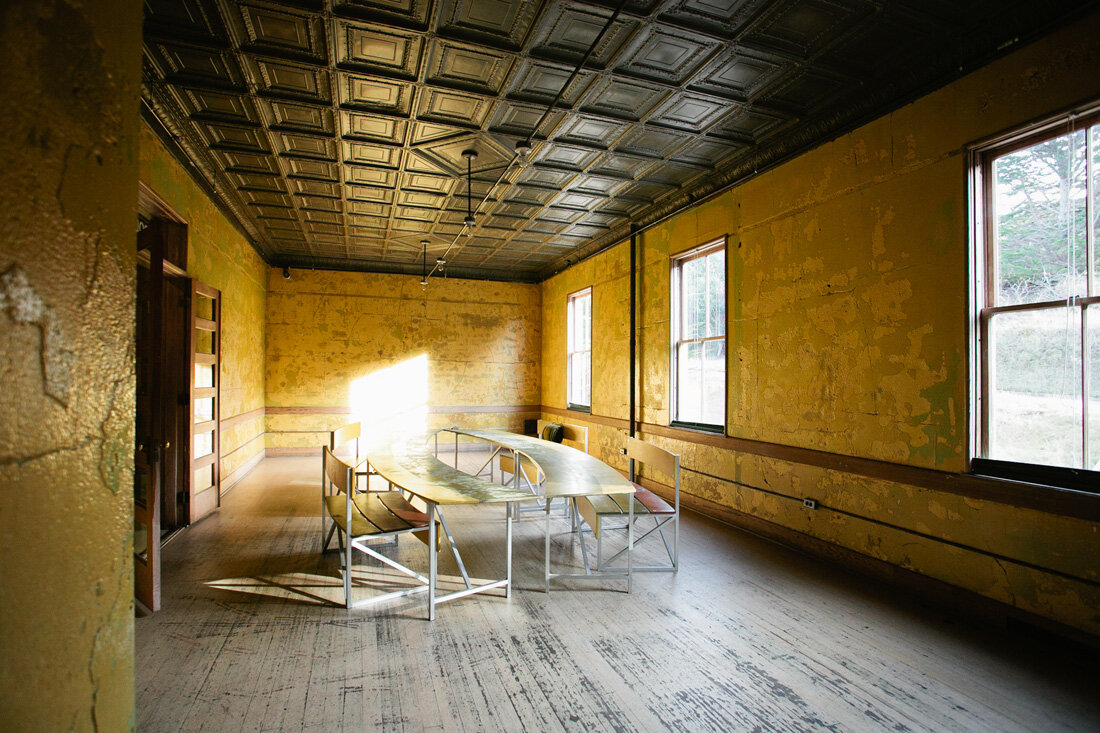

We all have our favorite places to go to when we want to run away, maybe also when we want to run towards something. They are the ones we sink into when you get there, even if it means we don’t turn off our minds but open them instead. The Headlands Center has become that place for us. One of seeming retreat but also a restorative connection to people, to what they create and the ideas they get to explore whilst here.

Ride with Me | Drawing Bike Lines Together
For Roos Stallinga riding a bike is both an art and therapy, making ourselves, and the world around us, a better place. Ride with Roos in Barcelona, Amsterdam and New York.
When I lived in New York City (between 2002-5) and studied Art Therapy at NYU, I met with a therapist as part of my training. At some point, she asked what made me most happy. I answered, “When I ride my bike around NYC!” The woman, American and in her fifties, could visibly not relate. She blinked a few times, and then kind of ignored my remark. Like, “Right, but now for something real, like work or study, something in the actual world.” At that time it was indeed really strange to bike in New York. Almost no one was doing it. But to me, I later realized, this really WAS essential — so much that I turned it into my profession.
Riding my bike in New York made me feel free, strong, alive, and right at home (maybe it helped that being Dutch I was basically brought up on a bike). I got so much inspiration and energy from riding around the city, absorbing the sights, sounds, smells, and stories. It was never boring and I got to know the city really well. The bicycle opened up new neighborhoods and parts of the city I wouldn't have come to otherwise.
At times, I would feel slightly scared, exploring new ground, not knowing anyone. Sometimes I would meet people and have a chat. Other times I would just sit in a café, writing in my diary, enjoying just being there and grateful for getting a peek into another world. Even though I was usually alone on my adventures, I somehow always felt connected, to the city, and its inhabitants. There would be eye contact with a fellow biker, laughs from a random stranger on the street. And even the occasional angry driver, who would tell me to get out of the way, or off the road. I would try to stay calm, strong, and smile. “Just smile” Another NYC cyclist once told me “You’ve got a right to be here, too”.
Now I explore cities for RIDE WITH ME, discovering the best biking routes, coffee, art, parks, hills, beaches, bars, and restaurants on the way. In 2009, I created RIDE WITH ME NYC, out of my experiences and insights, as well as conversations with fellow bikers. I wanted to share the joy, and the beautiful places and people I discovered on my way. I used my bike as my pen, to draw lines in the city. And as a key to open the city. I wanted more people to experience this, to ride these routes, and even better, to create their own adventures!
RIDE WITH ME guides are like cookbooks, with recipes for urban adventures. Some of my favorite recipes and ingredients are listed here:

AMSTERDAM is my hometown and base; I think it’s the best place in the world to bike. And so beautiful! It’s an easy place to ride, once you get beyond the chaos and amount of other people on bikes. My advice: just go with the flow, stay on the right, make eye contact, and don’t stop in the middle of the road. You will be fine!
Ride to the ‘Noord’ (North) side, taking your bike on the free ferry behind Central Station, and explore the area around the old NDSM ship wharves, with street art and artist studios, and some nice cafés, like Noorderlicht or Pllek (here’s a city beach too). Continue along the water, passing by freshly built neighborhoods, warehouses, car garages, and find another special place on a dead-end alley called De Ceuvel. Old boats lying on land are turned into creative offices, a polluted area that is slowly being cleaned by using innovative methods. There’s a nice cafe as well, and in the summer, people go swimming.

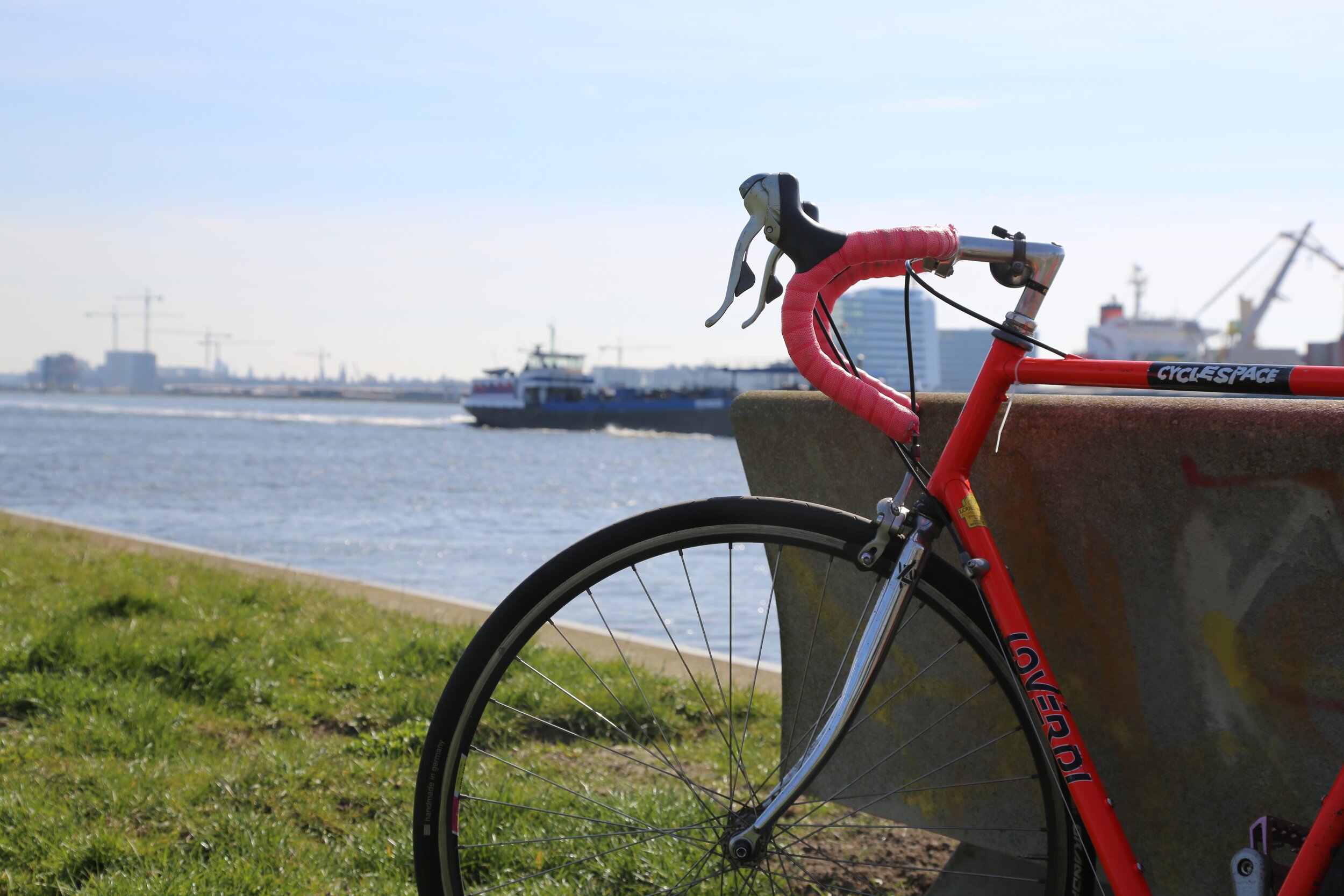
Further on, if you keep heading east, crossing the ‘Noord-Hollandsch’ canal, you will pass small workers homes, more warehouses with creative offices, a brewery called Oedipus, a local winemaker and co-working place called Chateau Amsterdam and find a couple of delicious destinations, like the Mexican taqueria called Coba, and a huge and welcoming restaurant named Hotel de Goudfazant. Ah! And if you want, you CAN also just stay and go dancing at the Skate Café. Or keep riding, all the way to Durgerdam, a quaint fishing village along the IJ lake, amongst green fields and cows.


Ride around the old city center, and its Red Light District, early in the morning, possibly on a Sunday. When most people are still asleep, you can really sense the soul of this place, rich with history, and its share of drugs, sex and rock ‘n roll.


Head West on your bike, exploring the old gas factory site called ‘Westergas’ in Westerpark, now filled with cultural happenings and culinary destinations. Through the park, you can ride even further west, towards ‘Bos en Lommer’ neighborhood — or BoLo — a diverse and upcoming area. There’s a super sweet book shop called ‘De Nieuwe Boekhandel’, and kick-ass coffee place called Friedhats Fuku Cafe founded and run by star barista Lex Wenneker and friends.

BARCELONA soothes my soul. I just love residing in this city, with its beautiful light, buildings, and nature, the people, the way of life. It always relaxes me. How wonderful being able to ride your bike to the beach, dive in, dry in the sun, and ride on. Then enjoy a long and lazy lunch, for example at Sala Beckett, which is inside a beautiful theater building, or LEKA, for deliciously local and sustainable food, both in the Poblenou neighborhood (in general a great area to explore by bike).


Barcelona is relatively easy to ride in, just go easy and accept the occasional counter-intuitive bike infra, AND the fact that as a person on a bicycle you are basically at the bottom of the mobility food chain here (after the car, the moped, the pedestrian, and maybe also the electric scooter).


Photo: Gregor van Offeren
I love riding up the Montjuic hill, a magical place filled with plants, art, culture, and sports facilities — the Olympic Games were hosted here in 1992. At the back of the mountain, there is an impressive cemetery (many famous Barcelonians were buried here) with views of the industrial port, which makes for a surreal setting. If you continue to ride up here you will pass the botanical gardens and finally get to a semi-secret ‘mirador’ (outlook post) and bar La Caseta, with beers, music, and bbq ‘en plein air’. It’s the perfect bike stop, after which you can just roll down that hill and maybe end the day at the lovely Poble Sec neighborhood.
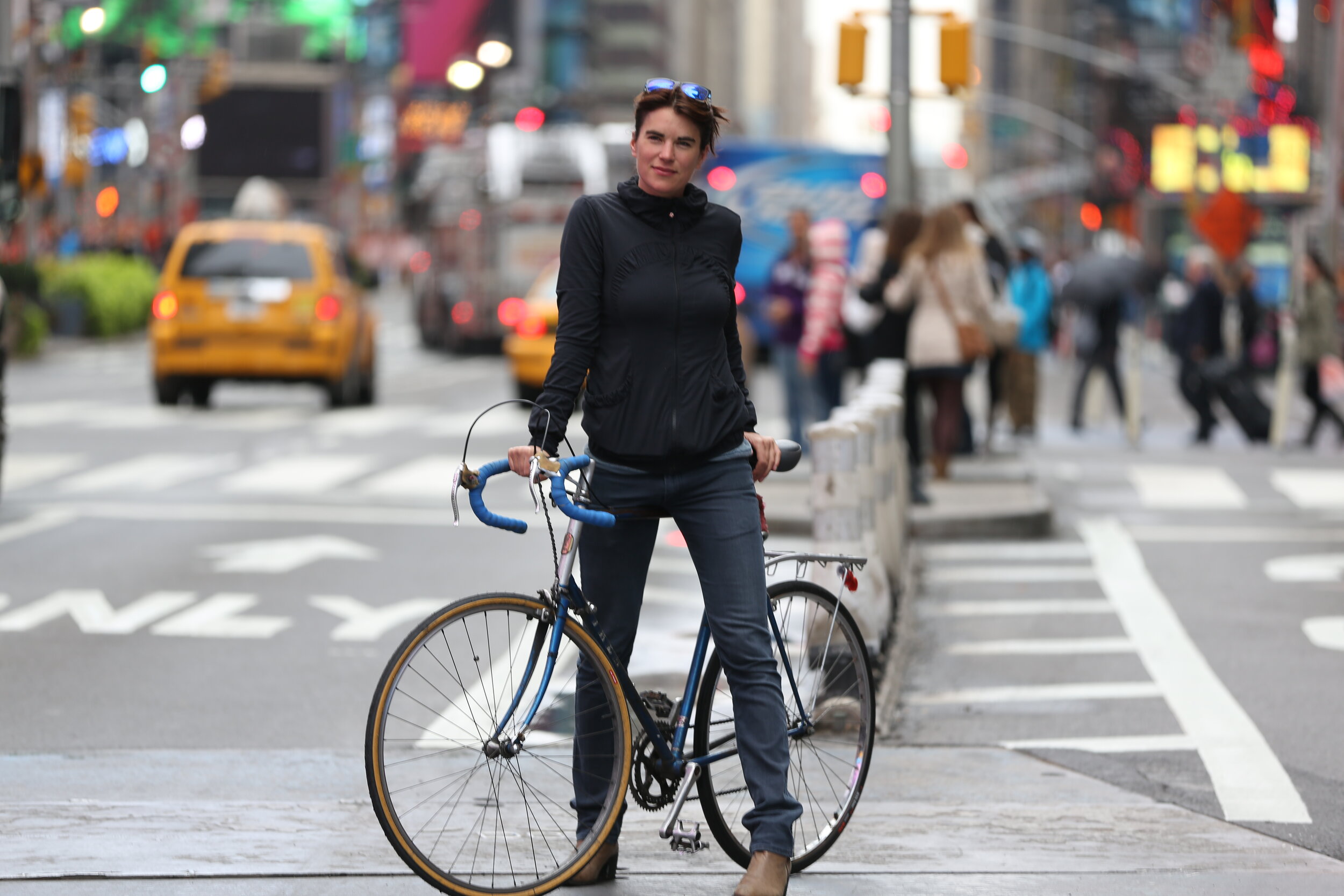
Photo: Lisa Smidt
NEW YORK CITY gives me courage and inspiration. Riding around on my bike here feels like I am surfing the waves of the city. There is so much energy! Of course, you do have to be alert at all times, focused and relaxed at the same time, kind of like a Zen monk on two wheels. Oh, and on a practical note: the blue bike-share system Citibike works great if you don’t have your own bike!
Ride to Red Hook in Brooklyn, over the Manhattan Bridge, landing in Dumbo (neighborhood Down Under the Manhattan Bridge Overpass). Along the East River, through industrial wastelands, and discover at the end of the road this old village that used to be a Dutch settlement called ‘Roode Hoek’. You’ll find you can look Lady Liberty right into the eyes, amongst red-brick warehouses, fishermen, and boats. Maybe have a Key lime pie (!) at Steve’s Key Lime Pies, or a special dinner at The Good Fork. There’s a bar called Sunny’s, straight from a Tom Waits song, rundown, smokey, with a bartender cracking jokes.
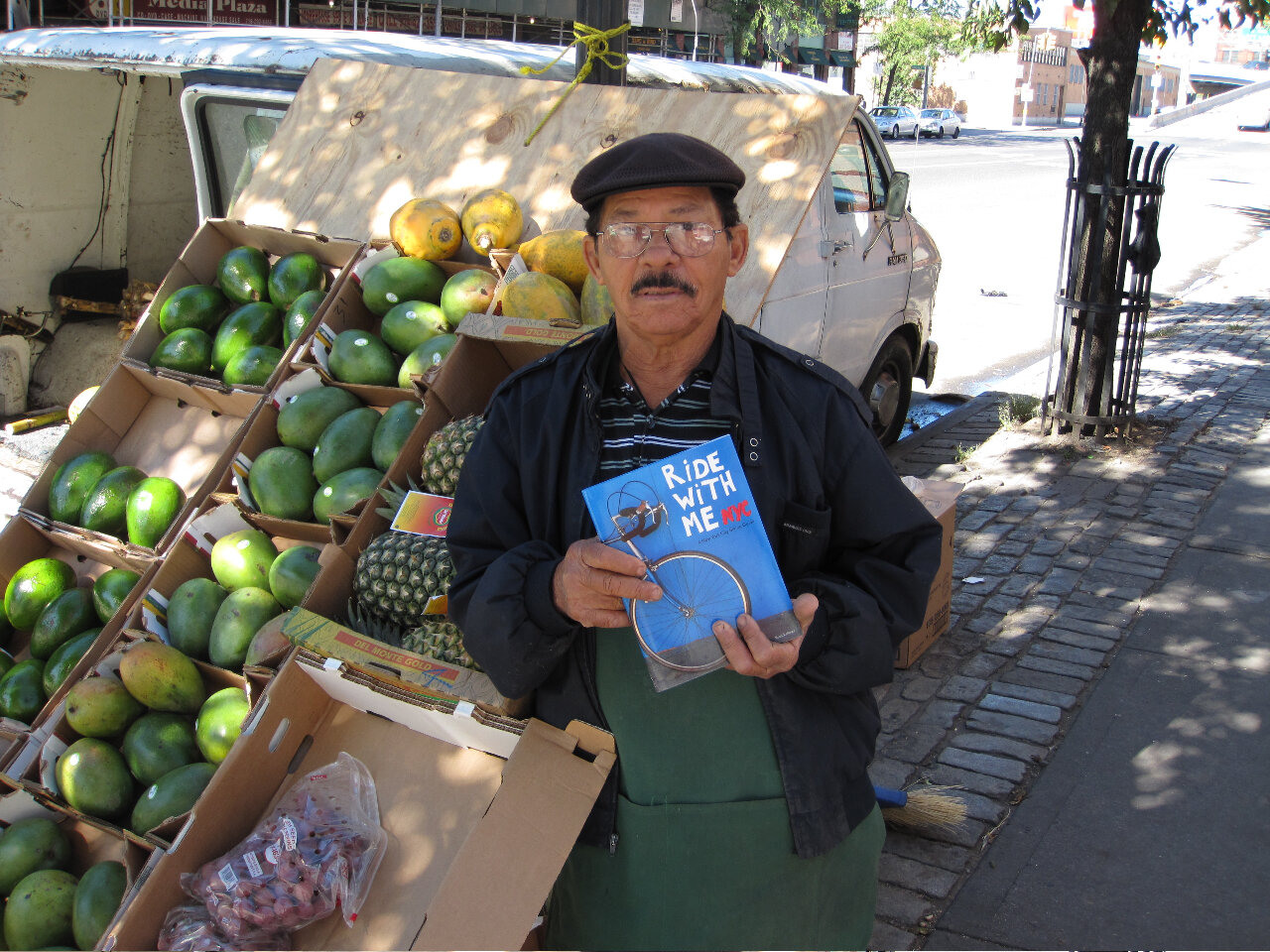

Or ride down along the Hudson River over the greenway — no cars just skaters, runners and cyclists — until you see the Statue of Liberty and Ellis Island. Maybe take a ferry to Governors Island, a historical military base transformed into a car-free, green, and arty play zone.
Ride from Dumbo all the way to Greenpoint, Brooklyn, riding through the Hasidic Jewish area, feeling like you are back in time, with the men wearing black fur hats and the women long skirts and wigs, pushing vintage strollers down the street. Hit the Brooklyn Roasting Company for a pitstop (either in Dumbo or on the way to Williamsburg). In Williamsburg and Greenpoint are tons of nice shops, cafes, and restaurants. Just riding around on your bike, watching the street life and art, is a pleasure too.
If you want more, make a detour to East Williamsburg/Bushwick, still a bit rough, with many murals, warehouses, artist spaces, and many cool bars and restaurants. A weird and wonderful place — completely hidden at the end of a tiny alley — is the Australian restaurant Carthage Must Be Destroyed. Here, they painted everything pink and serve super fresh and original dishes.


Maybe it all makes sense after all. I lived in Barcelona when I was 18, studied Psychology in Amsterdam, Art Therapy in New York City, traveled a lot, and kept a diary to write and draw in. I look at the city as a psychologist, using my bike to be free and get a grip at the same time. To get inspired, and connected to the people and places around me. Riding a bike is both an art and therapy, making ourselves, and the world around us, a better place.
Ride on!
xxxRoos

Photo of Roos: Chris Prins
Additional Photo Credits: Cover image of Roos on the Brooklyn Bridge in NYC: Theo Westenberger
All other photos/artworks/illustrations: Roos Stallinga

Hauser & Wirth Somerset
In the unlikeliest of places — outside a small village, on a working farm — sits one of the most well-regarded galleries of contemporary art in the world.
“Hauser & Wirth Somerset is a pioneering world-class gallery and multi-purpose arts center that acts as a destination for experiencing art, architecture, and the remarkable Somerset landscape through new and innovative exhibitions of contemporary art. ”
In the unlikeliest of places — outside a small village, on a working farm — sits one of the most well-regarded galleries of contemporary art in the world. Maybe it's the giant bucket at the entrance that gives away the fact that something different is afoot in these fields.
Opened in 2014 Hauser & Wirth Somerset joins the esteemed network of galleries launched by founded Iwan & Manuela Wirth (with Ursula Hauser) in Zurich and which now includes such places as Hong Kong, New York, London, and Los Angeles. You can see why Somerset sits oddly within this company.
But the Wirths, though globally roaming, are now locals and they have cultivated the once derelict 17th-century Durslade Farm into a hugely popular arts destination in an area known more for cows than culture (though that’s all definitely changed — see also The Chapel, The Newt and favorite local brand Selfish Mother).
That they did this not just by continuing to focus on the high-end art that is the heart of their business, but by bringing in other values to make that heart beat, namely education, conservation and sustainability, is probably the most striking aspect.


Yes, here are the shining lights of the visual arts and architecture — the derelict buildings were renovated by French architecture firm Laplace into white-walled galleries (albeit in barns) and a six-bedroom Kinfolk-worthy renovated 18th-century farmhouse available to rent (note vintage furniture next to a Pipilotti Rist installation). The gardens were landscaped by Piet Oudolf of New York’s High Line, who has crafted an abundant yet tempered (though in ways you won’t expect) version of an English landscape, dotted with a changing display of outdoor sculptures, like Franz West’s incredible talking heads.
The striking pavilion by Smiljan Radić was brought in space-ship like from the Serpentine Gallery and is a liminal place of imagination and learning for grown-ups and kids alike (note — running up that ramp, also note the talks series). Even restaurant Roth Bar & Grill is art-orientated, with a site-specific bar by Björn and Oddur Roth, the son and grandson of artist Dieter Roth. And that’s all before you get into the galleries themselves, that show the kind of artists you’d find in a MoMA or Tate: you know Louise Bourgeois, Martin Creed and Phyllida Barlow.
But with Hauser & Wirth Somerset, the Wirths haven’t just plopped a little bit of the art world into the countryside. Even as it exhibits its bonafide visual arts roots, it also blazons its community, local Bruton village leaning, credentials. There’s an active education and events program that brings in schools and the local community — see ArtHaus, Open Source Salons, Family Saturdays, seasonal Pumpkin Festival and Summer Party. There’s also a permanent library and learning center built into those barns.


And if that’s not quite enough to shift the cultural landscape in this part of Somerset, in 2018 the Wirth’s opened Make Hauser & Wirth Somerset in the heart of the village, exhibiting works of contemporary makers, emerging and established, available to purchase. This storefront also offers workshops like charcoal drawing or spoon carving. And they haven’t abandoned completely the farm on which the gallery is situated; this autumn Durslade Farm Shop will open, stocking produce from it’s still working 1000+ agricultural acres.
Where we least expect it, though maybe also most need it, Hauser & Wirth Somerset proves the point that culture can go anywhere, and be for anyone. Its barn doors are open to whoever chooses to cross its threshold. Though you might want to leave your muddy boots at the entrance.


Mouse-Shaped Misery or Picture-Perfect Family Fun: Disneyland Observations
Our take on whether Disneyland is really “The Happiest Place on Earth”.
I spent the last week of my life in Disneyland trying to figure out if I was a sucker for loving it so much. (I think I’ve landed on “probably yes”.) Here are my observations.
Observation 1: Everyone is better at doing make-up than I am.
Is there, like, an onsite class available somewhere? (Can I come?!) Why is everyone so luminous and poised here? I must have seen 17 thousand women, with their rose-gold Mickey ears glinting in the warm afternoon sun, their customized Etsy t-shirts clinging perfectly to their (clearly) cross-fitted bodies and their winged eyeliner looking like it was applied 6 seconds ago. Meanwhile I take one glance in the direction of Splash Mountain and I turn around in full Jafar cosplay, shocking both my group and all of the low-key Jafar fanatics.
Maybe it’s that my youth has slipped away subtly in the night, or that I don’t actually know how to use all the things the nice girls at Sephora have suggested I buy. Or maybe it’s that everyone here is Mormon and, as such, blessed with abundant, inexplicable beauty. (Having lived in Salt Lake City, I can confirm that they are, I am all but certain, God’s chosen people). But I digress. Everyone is beautiful here. (Maybe it’s the magic?) Someone please come airbrush me before I leave the house again.
Observation 2: There is an abundance of children wearing shirts with phrases like “best day ever” and “happiest vacation on earth” who are being aggressively shamed by their parents.
Hello Parents, have you ever met a child? They have small legs, need ample sleep, and are easily overwhelmed by blinking lights. They go absolutely fucking nuts when exposed to sugar and food coloring. Why, then, would we expect them to exhibit perfect behavior at 11pm on a Tuesday night while sat on the ground picking hours-old cotton candy off of their sleepy faces as Mickey Mouse shoots fireworks from his eyeballs?
Please understand that I am, in no way, exempt from the Disney-induced lapse in parenting judgement and performance. I wanted to abandon my family and drown myself in the shallow waters of It’s A Small World just as many times as the next parent, but I internalized those resentments and whisper reprimanded my children through gritted teeth (like a grown-up).
Observation 3: I am infinitely grateful for my mobility and health and I remain ever-impressed by the people who push through theirs in the name of fun.
One of the greatest things I observed on this trip were people pushing through physical setbacks, getting out there in the name of fun. There were two women (had to be 100 years old) zipping around on rascal scooters like they owned the place. (Maybe they did?) One had brace on her ankle and the other had multiple tanks of oxygen (maybe jetpacks?) affixed to her chair. They laughed and zigged and zagged through the lines of the roller coasters and the teacups and almost-never ran into small children. They didn’t have young people pulling them along, or passes that granted them access to the front of the lines. They were just there, living their best lives, for themselves.
Observation 4: Vegan food is EVERYWHERE.
From plant-based sheppard’s pie and cauliflower street tacos to vegan gumbo and oat milk mochas, I was in near-constant awe at the food selection available in the Disneyland parks. More than being impressed, I was relieved, to see the world changing in ways that feel meaningful. I understand that veganism isn’t relevant to everyone, but I think it is fair to say that adding 400 vegan menu items to the parks is indicative of a greater shift in the world, a shift that means more mindfulness in regard to the way we’re consuming food, utilizing animals and protecting our planet. Sure, Disney is primarily interested in catering to their consumers and making more money…but the implications of this shift are far greater than that. And when a massive corporation brings a once-taboo lifestyle choice into the mainstream, it opens the doors for more people to enter that space. More plant-based options = less animals harmed, and that’s an equation I can get behind.
Observation 5: There is something that happens when you spend lots of money to be happy - you’re really fucking set on being happy.
There is a lot to be said about the downfalls of the positive psychology movement (we’re very-much over the days of faking it until we make it) but there is some mystical concoction that exists at Disneyland. Something about spending an obscene amount of money, the overly-friendly staff who are there to cater to your every need, endless access to sugar/salt/fat, your belief that you should be having fun and your awe-struck children whose expectations you’ve spent MONTHS bolstering. I don’t know exactly what it is, but I actually feel happier there. Sure this could be a recipe for the letdown of the century. Unrealistically high expectations are, in our experience, almost always ill-advised. But what about when all those expectations converge in a place that is actually pretty fun? What about when Disney releases interactive apps that allow your family to play games together in line (apps that help you to start conversations about things like gratitude, favorite memories and finding magic in the everyday.) What happens when you’re really expecting to have a good time and you put all of your energy into bringing that experience to fruition? Like any person with a conscience, I struggle to look past the rampant wealth disparity in Anaheim (the home to Disneyland Park), I struggle to accept the messaging of some of their films, struggle to accept that I’ve bought into a very well-branded consumer trap that thrives on manufactured-emotions and poor impulse control…but you’d be hard-pressed to visit this place, and not fall (at least a tiny bit) into the magic of it all. Concentrated time with family, activities that are fun for all-ages and messaging that screams “YOU ARE HERE TO HAVE FUN!” are really difficult points to deny. Yes, I know I’m a sucker…my back aches and I am desperate need of a post-vacation vacation, but every night, I cuddled with my kids while watching fireworks, and I laughed and ran with my 11-year-old (whose years of wanting to connect with me are feeling more fleeting by the day) and I watched my 6-year-old hug Minnie Mouse with tears rolling down her exhausted face. Yes I know it’s all a bit contrived. I know we could have gone to Yosemite, or the Museum of Modern Art, or, like, our great aunt martha’s house(?). But sometimes it feels good to turn your brain off and sink into the magic that’s unfolding around you.

DO | The Encouragement Network
Can you be a fan of a place like you can be of a person? We’re kind of like that with everything from the DO Lectures.
“The idea is a simple one. That people who Do things, can inspire the rest of us to go and Do amazing things too.”
It’s only fitting that we should mark the transition from one decade to the next with a company that’s all about the journey, about how we can get from our ‘A’ to whatever our ‘B’ might be. For over a decade now, DO has helped with the moments that come before, during and after someone decides to navigate their own way — from how to get started, maintain momentum, face your inner critic, contend with the longing for new lives and the dread of old ones, and most of all to being confident that your ‘crazy dumb idea’ might actually be worth it.
Based in West Wales and founded by Clare and David Hieatt of Huit Denim, DO is like the generous friend who tells you how they did what they did, and how you might do the same. It’s a helping hand approach that spreads knowledge as much as encouragement.
If you are curious about different pathways or living a good life on your own terms, you’ll want to try to attend their annual Conference. The original DO Wales (others have run in Australia and the USA) is still an intimate gathering in an Old Farm (now rebranded an Ideas Farm with concepts replacing livestock as the product of choice) and offers 24 talks, dozens of workshops and six bands over three days and three nights to just 100 attendees (places are much sought after and registration is now open). Speakers — authors, academics, filmmakers, entrepreneurs, and ecologists from thematics like the environment, creativity, food, adventure, social change, and business — are given a simple invitation: to tell their story in 20 minutes.
But it’s as much about the action as the narrative arc. Those who do, share their whys and hows and offer what we — on the other side, as attendees, audience, and readers — can learn from them, so that we can do things ourselves. There’s no intimidation of the genius mind here; rather storytelling meant to inspire and initiate you through your own life, to, as they say, the Story Doing part.
With a tree trunk podium, camping as accommodation and a Cow Barn as the venue, DO Wales builds in intimacy and connection as the signposts to change. But, here’s some of the magic — those small scale moments take on a large scale reach — all those talks are available for free on the website. From last year’s conference, we recommend Running past addition, food as a way home, and love for impact. You can also listen to these talks on the podcast; there are 300 episodes now available on Spotify.
But DO is not just the Conference. During the year this ‘encouragement network’ authors standalone lectures, which share the same intention of getting people that Do in front of people who want to. Coming up, take a look at DO Story Masterclass, DO Events and DO Breakthrough.
Or, feeling the inertia, from the comfort of your couch, their publishing wing DO Books is similarly founded on the belief in life changing storytelling, namely that the right book in the right hands at the right moment can change lives, maybe even the world. Though these publications cover ideas and skills that may feel idiosyncratic in their range (childbirth, wild baking, start-up law) they tick the bases of what a modern life could look like — whether that’s leading with purpose, learning how to pause, or even how to bottle pickles.
As founder David Hiett says: “One of the things that I love is that two films idea of your life. There are two stories that you can tell. One that is safe and full of regret and one that is risky and full of pride and joy.” What will this mean to you in 2020? What will you do?

Culture Therapy // Expanded Field of Therapy (Part 1)
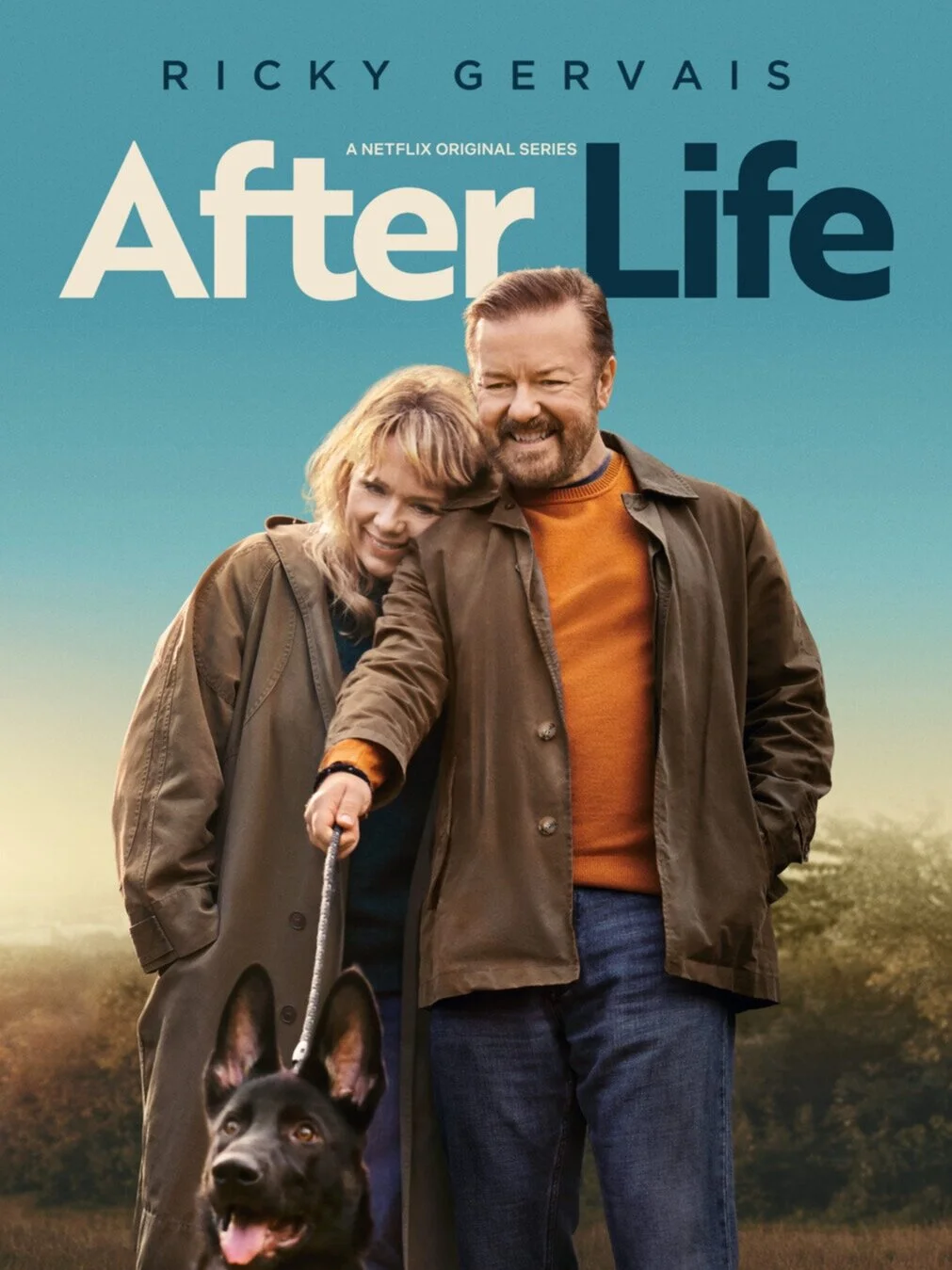
In this edition of Culture Therapy, we talk about therapy itself and the podcasts, TV shows and books that are bringing this practice out of the therapy office and into our lives in very real ways.
We are huge advocates for therapy, having both been in and out of this special one-to-one relationship over our adult lives. Finding a good therapist has made the difference for us between floundering in the messiness of it all and feeling some measure of clarity and direction. We have found in therapy a language to articulate ourselves and our experiences, as well as support, care and tools for coping.
There’s still some stigma though around therapy, particularly for people with backgrounds that are anathema to talking anything out and are more about pushing it down or sucking it up.
So hopefully, for this edition of Culture Therapy, we can speak to both the therapy lovers and the therapy curious (maybe even cynics) out there both. We’ve pulled together those resources that we’ve found that help make going to therapy ok. Books, podcasts, and TV programs that make the vastly different approaches between therapists less confusing, and the process less intimating.





Parnassus Books
In Nashville author Ann Patchett gives bookstores the happy ending that they deserve.
“An Independent Bookstore for Independent People.”
At the precise moment that it felt like the end of bookstores and the victory of Amazon, author Ann Patchett jumped into the void. In 2011 when the last bookstore in Nashville closed, together with business partner Karen Hayes, Patchett somewhat counterintuitively opened a bookstore. She couldn’t quite stomach the fact that there would no longer be a place in her hometown to buy books. She was also banking on the fact that others would feel the loss and feel the same. And there was that niggling memory from long ago of wandering around Mills bookstore and finding magic within its walls. There’s a happy ending here that runs counter to the narrative that we’ve been sold; her bookstore has since thrived. The business model that we thought was broken, maybe it isn’t.
Parnassus Books is all the things you’d hope for in an independent bookstore. Shelves (perversely from closed-down Borders) of books chosen not by algorithms but by people who know, love and can recommend them, the staff who work here. Author events (a massive 250 a year) to build the connections between people who read and those who write. Storytime for children to develop a lifelong love of the printed word. Chairs to lounge in, a store dog to pet. Such was its success, that there’s a spin-off, Parnassus Books on Wheels.
Parnassus Books attests to the fact that bookstores are more than books; they go beyond words on pages to other things like getting us off screens and getting us into space with other people whether we know them or not. They allow our minds and curiosity to wander, creating safe environments to emotionally sink into. They are also community centers and empathy makers. Bookstores give us other people; books give us compassion within their pages.
The question at the heart of Parnassus Books is this: Do you want to live in a city without an independent bookstore? It’s all about choice. We have the agency to shape the towns in which we live, to share in the co-creation of the spaces that we love to spend time in. As Patchett says: “Amazon doesn’t get to make all the decisions; the people can make them, by choosing how and where they spend their money. If what a bookstore offers matters to you, then shop at a bookstore. If you feel that the experience of reading a book is valuable, then read a book. This is how we change the world: We grab hold of it. We change ourselves.”
We get to write the ending.

The Poetry Pharmacy | A conversation with Founder Deborah Alma about why poetry still matters
We talked to the founder of the world’s first Poetry Pharmacy about why poetry still matters.
When we first heard about The Poetry Pharmacy, we thought it was a kind of dream. A shopfront dispensing poetry for modern day ailments. It’s something from a children’s book, or a gorgeous idea of a place developed over excited conversations. But just last month, in the town of Bishop’s Castle in Shropshire, poet Deborah Alma (with her partner Dr James Sheard) opened the world’s first Poetry Pharmacy. And she readily admits its dream-like quality even as it now exists as a reality for her, and the people it serves. In the first months of opening, we were lucky to grab some time with Deborah to talk about why real-life places and poetry matter more than ever.
Claire: We’re enthralled by The Poetry Pharmacy, as I think are many people who are reaching out to you. Can you talk us through the space?
Deborah: We’ve converted a beautiful Victorian shop that had been closed for 13 years into an apothecary from which to dispense poems. It’s located in a small town on the wild west borders between England and Wales that’s full of writers and artists.
When people come into The Poetry Pharmacy, they’ll find books of poetry face up and filling the shelves. We’ve designed it so that people can browse by ailment — like ‘Matters of the Heart’, ‘Carpe Diem’, ‘Now I Become Myself’, ‘Be Alive Every Minute of Your Life’, and ‘Hope is the Thing with Feathers’ — and shop accordingly. We offer free one-on-one consultations on Friday afternoons, or people can make an appointment outside of that. We’re also happy for people to just come in and chat.
We also have a Dispensary Café which serves tisane, teas, coffee and cakes, as well as a shop that offers poems-in-pills for different needs such as a Bottle of Hope and Existential Angst Pills. Upstairs, we have The Distillery space from which we host book launches, workshops and other writing events.
We’ve kept the original architectural details like the old mahogany counter and till. We’ve allowed for as much natural light as possible (there are no neon lights). We’ve also painted the walls in muted paint colors.
There’s definitely something about the space that appeals to people in and of itself; a kind of therapy in not having technology everywhere. We’ve explicitly designed The Poetry Pharmacy for people to sit longer over coffee. There’s no pressure to move on and people are encouraged to talk to each other. It’s a place also for people to come to read and write.

Claire: Why in this moment when we’re rushing more and more of our everyday lives online and our High Streets are sadly struggling was opening a physical space important to you?
Deborah: I see the Ambulance as a physical space too; for years I operated as an ‘Emergency Poet’ from a converted vintage ambulance, prescribing poems to people at festivals, conferences, hospitals, libraries and schools around the country. But I felt like I was getting too old for all that travelling around, and it was often cold working outside in the UK. As the editor of four books and the writer of two of my own, I felt like enough people had heard of me, that if I set up a permanent location, they would already know what I was doing.
I do believe that people still want to touch something real. To be in a place that feels like it might last. The online world has a terrible power to cut connections with people in real places. The Poetry Pharmacy offers nothing like we can replicate when we are online. I also feel like if it’s there then it’s not hard for people to engage. People here are so delighted to find this place open; a place they can drift into and have a coffee and chat
I’m aware that it’s a gamble though. It’s an experiment, that comes with a certain degree of optimism and maybe even self-indulgence.
Claire: What need in the world do you think The Poetry Pharmacy responds to?
Deborah: We offer a therapy in slowness and a nostalgia for something lost: old fashioned service, friendliness, even listening.
People can come in feeling miserable and we give them a free ‘pill’ as well as the chance to talk about what they need. Then we prescribe a poem.
Claire: Why poetry? What’s the value that you see in it when applied to people’s lives?
Deborah: I realized a long time ago that most people are frightened of literature and poetry within that. And that the people who create or understand that art can be possessive. I used poetry in my work with people living with dementia. From that experience, I saw first-hand how you can change someone’s mood by taking them somewhere with a poem and that I could share the intimacy inherent in this form. This underpinned the Emergency Poet idea; I wanted to stop poetry from being intimidating and I wanted to show that it can literally be a vehicle for talking to people. That project effectively bypassed how poetry usually gets to people and how they then get to use it.
I’m aware that the Poetry Pharmacy idea is a bit mad. That putting poetry on the High Street is unusual. We keep hearing that poetry doesn’t sell, and this is a quiet town, but I’ve done it because I really do believe that poetry is a good thing. It’s beautiful. We’re putting it front and center instead of in the corner. Why not have piles of poetry books and say that has a value equivalent to other genres? With The Poetry Pharmacy we’re bringing poetry to the forefront and there’s an art in curating it — picking out the ones that speak to certain subjects, putting them with other things, and saying,“Take a look!”


Claire: And they are. People are enamored with this idea. Why do you think that’s happening?
Deborah: When I first started, it was a mad faith thing. People said, “you know why there is no other Poetry Pharmacy in the world? Because no one wants it.” But we’re finding differently; the idea of it even existing in the world seems to be a nice thing in the middle of all this darkness — BREXIT, Trump and just continuous bad news. It’s a piece of optimism and faith in something. It’s a positive thing, and light-hearted in lots of ways
It’s lovely that The Poetry Pharmacy exists in the world. It’s like a piece of fiction and reminds me of The Little Paris Bookshop by Nina George. In that novel Monsieur Perdu opens a floating bookstore on the Seine from which he prescribes books for a broken heart.
We’re only in week six and it’s been busier than I thought it would be. People get in touch across the world, we’ve had BBC News in here, the local Bishop’s Castle / Shropshire or West Midlands community is delighted, and people are seeking us out from outside of town and even from outside the UK.
We need all the elements though for it to work: the coffee shop to have a treat and a good coffee or tea that is nicely presented, like a ceremony; music that is welcoming and low-key, that makes people feel comfortable; a shop of desirable items, the consulting room and workshop space; and lots of events going on.
Claire: Would you place The Poetry Pharmacy within the world of mental wellbeing?
Deborah: I shy away from the word therapy, but I do say that it’s therapeutic. When I prescribe poetry to people, poems that I know and love, then people can make a poem their own; just reading it will take them to another place. What poetry is doing is taking you somewhere else in your head when you are busy. It’s telling you things that you may not be hearing from other people. It underlines something to yourself. Even imagining it, is a moment of benefiting from it.
At The Poetry Pharmacy we also include material for how to look after our lives in other ways beyond poetry. There’s a section ‘For days when the world is too much with us’, where we have Wordsworth next to psychotherapy and self-help books. We have another section that’s the ‘Best Medicine’ which includes gardening and nature — like counting butterflies, sitting in a patch of sunlight, and going for a walk.
Claire: When I think of The Poetry Pharmacy, I think of it as helping people with their anxieties, but I also think of it as supporting people in their loneliness. Is that fair?
Deborah: Yes, the poetry community has traditionally been good for the lonely as often people come to things on their own. People don’t have to be in a couple or with a friend to attend these events, like they might for say a dinner party or other social gatherings. It’s easy for people to come here on their own. Most of our events are on Sundays and quite a lot of people have said that Sundays are always difficult when they live on their own, but now they can come here for company. Rural isolation can also be a problem. This can be a place that people can come on their own and still feel comfortable.


Claire: Now we’ve established the life-affirming magic of the place, can we talk a little about the practical side? Like how you made it happen?
Deborah: We ran a successful Kickstarter campaign and I was amazed at the response. The crowdfunding raised money to pay for the build-out, including things like wiring the shopfront! We found that strangers turned up and said we love this idea and want to support it, because they don’t want closed-down shops on the High Street. We also received a small Arts Council grant.
We were very resourceful. As much as we could, we turned The Poetry Pharmacy into a project for both the local community and the literary/poetry one. We had many people volunteering their time and expertise.
Claire: What advice would you give to other creatives thinking of starting a bricks-and-mortar endeavor?
Deborah: It’s difficult, which I think is why so few people do it. But for me, it was huge just knowing that there’s a community of support behind me. I think it’s critical to have a few key people to support you in the first instance, and other people believing in you. The doubters are also quite useful because they test your resolve. Maybe they are right, and you don’t do it. But for me it was: ‘Bloody Hell, I’m going to prove you wrong matey.’ You’ll know in that fierce moment whether to do it or not.
Claire: How else has The Poetry Pharmacy impacted you? How does being front and center sit with the more private practice of writing poetry?
Deborah: Yes, there is that dilemma of reconciling this public project with the country mouse part of me. I do think (without overgeneralizing) that people who write who are novelists tend to be introverted, while poets tend to need to connect with other people more often. They work on a poem, then go out because they need to talk to people. For me, I crave being on my own and periods of time to write, and I’m aware that that’s not in balance at the moment. There are two sides of me; they don’t exist in the same place, but they do need to communicate, all the same. I hope that will settle down.
I do believe in The Poetry Pharmacy and it seems to be working in the way that I hoped. Also, for me too. Because I’m now so busy, I’m not online so much. What I wanted to do — and needed to do — was to have an open door and to welcome people in. To say: “Come in. Who are you?” To say. “ I’m interested in you. “
Discover more places for a happier life

How to Meditate in the Midst of Holiday Madness (and/or everyday life)
With meditation, not only are you taking a much-needed break from your thoughts, and the glorious internet, and whatever else is jockeying for attention in your life…but you’re also taking a few moments to devote yourself, fully, to your own wellness. A beautiful practice. (Your third-eye chakra is likely quivering at the mere mention of such an activity.)
Meditation is important. (Right?) It’s like, THE thing.
With meditation, not only are you taking a much-needed break from your thoughts, and the glorious internet, and whatever else is jockeying for attention in your life…but you’re also taking a few moments to devote yourself, fully, to your own wellness. A beautiful practice. (Your third-eye chakra is likely quivering at the mere mention of such an activity.)
Chances are you’ve made these promises of self-care before:
“Starting next week, I’ll work out everyday!”
“I’m finally going to do that juice cleanse. #rawtil4 #plantbasedprincess #fitfam”
“I will definitely get one of those gong things and breathe out very slowly while the peaceful reverberating sound fades amidst the shrieks of my rampaging children.”
But, let’s be real: you’re busy. Yes, meal prepping and spin class and meditation almost always leave you feeling refreshed and alive, but the pressure of having to fit them in is often enough to send you reeling with overwhelm — particularly over the holidays.
So, this got me thinking: how important is it that I do the FULL 30 minute meditation? Like would I be 50% of a good person if I only did half?? (Am I even looking to be that good?) But, no, whatever you’re thinking is probably right: listening to the whole thing is crucial. Yes. There is, of course, an arc and a story and some highly precise process that your body relies on in order to settle fully.
Truly though, I once tried to stop midway through a meditation (re: rampaging children) and found that one of my eyes just sort of drooped unceremoniously in disappointment for the remainder of the day. It was like it knew peace was soo close, but not quite attainable (a sentiment that was often echoed in my life, naturally, so a bit of a waste of 15 minutes really). And maybe it’s because the REAL peace comes at the end? That slow, deep voice gets slooowwwer and deeeeeeper and you can hardly even stay awake for the subtle ad that they weave, so seamlessly, into the end of each episode.
You’re probably thinking this is just one giant buzzkill where I tell you to give up on your dreams of ascension or betterment or anything good existing in the absence of ample-time and product-placement and greed, or whatever, BUT NO. No, friends! I am here to offer you a priceless life hack. (A hack that will be despised by 95% of the population, but a hack nonetheless!)
If you consume your meditations randomly via the podcast app, as I do (by typing in words like “meditation for sleep” or “mindfulness in the morning” or “meditations, man voice” *ow ow* #sorry) then you know that there is an option to listen to your selections at 1.5 speed.
It would, of course, be preposterous to apply this setting to a meditation that is designed to grant you time and space to center and calm yourself.
…
Absurd really.
…
Laughable.
…
Very much not something a grown-up should do.
…
Right?
…
…
Except…
…
here’s the thing you’re not considering….
meditations feature lots of slow-talking. (Like, so much.) And they have a TON of down time built in. (We are talking minute upon minute of silence!) Do we really need that much silence? Is the allotted time scientific? Or are the people recording these things just sort putting us on mute while they call their doctors or watch daytime TV or sing along to the Frozen 2 Soundtrack (#notanad … but that album is legit).
So, ok, I’m guilty. Fine. I was very busy last week. Was planning to dedicate a whole 30 minutes to myself before picking up my homeschooled (read: ever-present) children from an activity, when I got sucked into a too-long work call and my me-time plummeted from a decadent 30 minutes to a pretty-much-useless 15. There was a mediation I was dying to listen to and I had literally no time left. The hosts had specifically stated at the beginning of each episode that I was not to be operating heavy-equipment whilst listening and though I always picture myself riding on a tractor when I hear this, I knew what they meant: Don’t drive your car while you listen to this, you dumb bitch.
Fine.
I complied.
But then, as my pre-departure minutes dwindled, something happened.
In a fit of #mindfulMonday-induced FOMO, I switched on my meditation, fast-forwarded through the “obviously-an-ad” portion (No one loves protein shakes that much, Karen.) and BLAM-O started my peaceful self-care practice at 1.5 speed. (This, I realize, is blasphemy.)
Yes, there were moments where she was (apparently) speaking “normally’ and it sounded like the most frenetic parts of the Alvin and The Chipmunk’s album, but MOST of the time, she was just sort of letting words fall lazily from her mouth. At 1.5 speed things were honestly more palatable. I literally do not have time to hear all your mouth noises as you labor to articulate every word, Karen, please just make me a better person, and be quick about it. (Fun fact: the meditation I listen to is actually led by a woman named Karen! *kisses fingers in victory like a proud Italian chef*)
I know this hack is not for everyone (and maybe it should be for no one?) but in a pinch, as the rush of the holidays descends upon us, it is nice to know we have options. Yes I may have rushed through something that was specifically designed to help me relax, but I assure you, I DID relax. And sometimes just the act of checking something “good” off your to-do list is enough to bring comfort and peace.
Maybe I don’t have ample time to devote to my self-care practice, or maybe I just don’t find the time for it. But isn’t doing something better than doing nothing? Isn’t it the effort that counts? Or the practice that counts? Or the acceptance that while I may not know exactly how to become the best version of myself, that I’m definitely willing to cheat the system in order to make it look like I do that counts?? You might have answers to all of these questions, and instead of bringing a voice to them, I suggest, instead, that you take whatever feelings this has stirred within you, and apply them to your own self-care practice. That way, you’ll feel better, and I’ll continue to float through life blissfully unaware that I am doing it all wrong.
Namaste (but said really quickly).

Choose Love
This holiday season support pop-up stores Choose Love by gifting everyday items to refugees who urgently need them.
“‘The world’s first store that sells real products for refugees.’”
Holiday Fatigue. Compassion Fatigue. Everyday life fatigue.
At this time of year, as the days get darker and our schedules more frantic, many of us find ourselves exhausted, overwhelmed, maybe also panicked. We’re under pressure to consume, to shop, to scramble for all the things that we don’t need and that we probably won’t even remember in January. Some of us are starting to realize that we don’t love this Black Friday to January Sales treadmill, that it benefits someone’s bottom line but not us. We’re starting to look for ways to do the holidays differently.
Like Choose Love. No, that is not just a cute Instagrammable aphorism (though it does take a covetable merchandise form). It is an urgently needed pop-up that takes that holiday spending money and uses it for good, not seasonally appropriate greed. The Choose Love stores brought to us by Glimpse design collective—there are now 3, in London, New York, and Los Angeles—only sell things that refugees vitally need that you get to gift to them. The stores are arranged by the different stages and shifting requirements of displaced people. There’s ‘Arrival’, ‘Shelter’, and ‘Future’. A life jacket. Children’s boots. A hot shower. Safe spaces for women. A Bundle of Warmth. Think about these things for a second. Think about how and why they are needed. We defy your heart not to break just a little.
As CEO of Help Refugees (the NGO behind Choose Love), Josie Noughton sums it up: "It's easy to forget how lucky we are to have a bed, a blanket and a roof over our heads. For thousands of refugees this winter, these basic human needs are completely out of reach. This shop is all about one simple idea: that we should all Choose Love and help those in need."


Choose Love stores fill that compassion gap between the moment that we’re shocked by the news and the horrors that refugees fleeing climate change, war and persecution face, and the moment that we don’t know what to feel and what to do about it. By holding everyday items in our hands that people need, it returns essential humanity to the stories that we’ve become numb to and the headlines that we learn to forget. Simple things like baby items, clean and safe water, a bag of school supplies, restore the idea that these are real people, not just statistics, who need our help and deserve our kindness.
Though these brightly colored stores feel like a boutique gift shop, they are designed for you to leave with nothing except the knowledge that whatever it is you purchased is now finding its way to one of 120+ partners who support displaced people. You may be empty-handed, but you’ll definitely feel big-hearted. This is gift-giving as its best: we now know that doing something for someone else has a more lasting impact than doing something just for yourself. And beyond the 40,000 customers that it has to date served, Choose Love has a significant impact on the recipient too.


Since Choose Love launched in 2017, these pop-ups with a purpose have sent 1.5 million items to refugees, assisted one million displaced people in Europe, the Middle East, and the US-Mexico border, and raised 3 million pounds. Those statistics are staggering, particularly when you think that Choose Love is a relatively new concept on our High Streets. As brick-and-mortar retail is supposedly dying, they indicate a way forward for how our stores can change the world. Needs on both sides are now being met through something we’re overly familiar with, shopping and a place that has lost its own way, our High Streets.
Choosing Love matters; at a time when we’re divided across borders and beliefs, this simple mantra, and the enterprise behind it reminds us that we have options. We can choose to help people who really need it with our purchases this holiday season. And if you need any more encouragement, let’s give Banksy the last say: “For the person who has everything, buy something for someone who has nothing.’
(Also to look out for: You can also shop Choose Love for a Holiday gift – the recipient will receive a downloadable gift card with details of your item. Also, as these stores are staffed entirely by volunteers – you can gift your time.)


The Sketchbook Project at Brooklyn Art Library
At Brooklyn Art Library spend time with a living sketchbook museum.
“A crowd-funded sketchbook museum and community space.”
For the Lost: ‘A Lovely Wander NYC’ by Sara Boccaccini Meadows
For the Curious: ‘Come Travel with Me’ by Jill Macklem
For the Lonely: ‘somewhere across the sea’ by Michael Elizabeth Zimmerman
For the Anxious: ‘Anxiety Sucks’ by Suzie Deplonty
But you could equally be looking for ‘A story worth telling’, ‘Pocket-size memories’, or ‘Trivial retrospectives’. The floor to ceiling shelves of The Sketchbook Project at Brooklyn Art Library contain all those themes and more in thousands upon thousands of identical 5 x 7” sketchbooks. In fact, this Williamsburg storefront houses the largest collection of sketchbooks in the world: 45,000 in all (with 24,000 in its digital library). And most are made by amateurs: 30,000 different people in over 130 countries have so far contributed to this over a decade-old project. Anyone can submit a sketchbook irrespective of background, perspective and, here’s the key, ability. These drawn-out and doodled narratives can be made by a granny in Croatia, a mum in California, a child in England. Even you.
We’re a little in love with it.
This is how it works: you order one of their custom designed, Scout-made sketchbooks online and receive along with it a list of thematic prompts: recent calls included: ‘One last chance’, ‘Fearful faces’ and ‘Lamppost Limericks’. Choose one or discard them entirely. It’s up to you. You get to fill 36 pages with whatever you want—abstract squiggles, detailed portraits, maps and landscapes, diary entries, poems, fragments of images and memories, secrets and declarations of lost love—anything that can be contained within its pages (so no glitter or messy embellishments).


Here’s the genius part—your sketchbook has a barcode, so you’ll upload some details to an online catalog, like search terms and your bio. Then you’ll mail it back to The Sketchbook Project for the next part of its life: most likely it will be part of one of the traveling exhibitions which take place in a custom made Mobile Library (‘like a food truck, but instead of tacos you get sketchbooks’) that tours to schools, music festivals, art fairs, museums, and blue-chip companies, in such places as Melbourne, Chicago, Atlanta, Toronto, San Francisco, and even Rapid City, South Dakota. But your sketchbook will definitely find its permanent home on one of those shelves in that storefront in Brooklyn. All sketchbooks are cataloged and kept. There’s no jury, no judgment.
Founded in 2006 by Steven Peterman and Shane Zucker, The Sketchbook Project questions who gets to create, who gets to be good and whether that idea has any currency, and why creativity still matters. By giving people a blank page, it also gives them the impulse to make and the platform to share. This is art for everyone, and artist as anyone. As Peterman attests: “I wanted to create an informal outlet for anyone to create art, with a purpose. I believed and still believe in the notion that a creative community is stronger than its individual artists and that a project can be impactful in a way that is different than a traditional gallery.”
All these sketchbooks—made and mailed in from all over the world, collectively form a library of sorts. Visitors to the storefront, which has a very unlibrary feel—yes, there’s check-out cards, but there’s also music, art supplies and memorabilia on sale—can view any of these sketchbooks in its cozy space. Remember that barcode? That makes the in-store librarian’s job way easier: now visitors just search the catalog by theme, figure out what they want to view, and the librarian will pull it from the shelves. As the artist/maker/author you can get updates on how many times it been viewed—you can even get texts when your sketchbook-baby leaves its home on the shelves. The beauty in all this is that the person who made and then the person who viewed the sketchbooks are now in conversation; the sketchbooks forming physical testimonies of lives lived, documented and shared.


The Sketchbook Project gives analog form to some of our most basic needs, namely to tell stories and to connect. As we’re increasingly driven online to spill and share, it’s a real-world kickback. These shelves express myriad lives and ways of being in the world that you can flick through and digest over time and in physical space. It’s collectively made, with all the contributors expressing themselves very differently while working within exactly the same parameters. And it’s collectively understood; visitors can search for what they need amongst the pages or maybe even chance upon something unexpected. Plus it's permanent. These sketchbooks are designed to last, to be an archive of global creativity that endues longer than the time it takes to scroll through your feed.
(See also the workshops in the community space, on such things as bookmaking and journaling, and other interactive global art projects that aim to connect and dispel some fundament myths around creativity like the Pen Pal Exchange).

Second Home
Second Home is stretching the definition of what coworking can be and what it can look like.
“Second Home is a social business with a mission to support creativity and entrepreneurship in cities around the world.”
Coworking is no longer just about finding a place to plonk your laptop. Now it’s about so much more: finding alignment with your values, finding your tribe, finding the brightest people and the shiniest ideas, and yes, finding ways to support your mental wellbeing in ways that fold into such things as design, community and culture. That’s where Second Home steps it. It’s coworking as more than the seat you occupy; it’s coworking for a better-designed life.
We’re been in thrall to Second Home since we visited London’s Spitalfields branch with our kids, who thought it was a play space—which in a way it is. Maybe it’s the colors (that blazing brand orange), the fun textures, the transparent curvilinear walls, the sunken lounge space, the wavy ceiling. Maybe it’s the table that drops down when needed or the rooftop terrace where you can stand amongst ponds while taking in the cityscape. Maybe it’s all the green on green on green in the thousands of plants, the attempts to bring in natural light, the mix-mash of different furniture. It doesn’t feel like the kind of office space that you know, and my kids got that as they rushed through its spaces wanting to climb the chairs rather than the corporate ladder.


But it’s all been very, very intentionally designed to be this way—the playful appearance is its serious intent—to create the most positive environment for our wellbeing and productivity. The Spitalfields branch (Second Home’s earliest, opened in 2014)– and all but one of its other outposts—are the work of architect SelgasCano whose approach is deeply influenced by biophilia and evolutionary psychology.
SelgasCano also designed the recently opened, template-shifting Hollywood coworking space, which has a cacophony of yellow islands (that top tubular pods), a magic ballroom and a dense urban forest. The firm was behind the brightly colored Serpentine Pavilion purchased by Second Home and moved to La Brea Tarpits to be a pop-up/love letter/ ‘Coming Soon’ announcement to Los Angeles. At the Holland Park branch, the firm designed a space where trees grow out of the floor and a courtyard roof fills with bubbles; at Clerkenwell Green there’s a subterranean event space; in the Lisbon space an Yves Klein Blue ceiling and signature 1,000 indoor plants and trees. Only the London Fields space is designed by someone else, and then by sister company Cano Lasso, but it shares the same bold design credentials—see its impossible to miss futuristic façade – and maybe equally as radical on-site nursery and childproof café?


But beyond the outward design co-founders, Rohan Silva and Sam Aldenton had two other major principles in play: community and culture. The people who get to populate this environment are as important as the pot plants and pops of color. Second Home curates its community, aiming for a mix of start-ups, not-for-profits (it offers charity memberships), corporates, creatives, and entrepreneurs. Each inspiring, supporting, and collaborating with each other. Then there’s the culture piece, the third angle to this design-community triad; Second Home gets how ideas sustain us as much as people and place. Overlapping its space as workplace is space as creative venue, with an active cultural program that puts authors, podcasters, thought leaders, entrepreneurs, and innovators in front of its members and the public.
Collectively that greenery, the doing good piece, the feeding of curiosity and connection, are all about sustaining our wellbeing, in the same ways as the yoga sessions, running clubs, and even surf lessons on offer depending on the venue. Second Home weaves in all the multiple threads of our working lives—the design of our environment, the people we get to connect with, the culture that gets to feed us—and throws them out into as much as a real-world context as its principles allow. But there’s some fantasy at play too when you enter its doors.
(NB: There’s a special place in our heart for Second Home’s tightly curated bookstore Libreria (in Spitalfields & LA) and the poetry bookstore at the Holland Park branch. Check them out too. They probably shouldn’t be in brackets.)


Two Chairs | A Conversation about Thoughtful Therapy with Alex Maceda
Two Chairs is doing therapy differently. We spoke to its Director of Brand Strategy about why the model of delivery has been so broken but also why therapy itself isn’t.
I’ve sat in uncomfortable chairs in rooms with badly painted walls. I’ve awkwardly handed over a cheque or counted out cash at the end of a session. I’ve missed weeks of help because scheduling hadn’t worked out with the shape of my week. I’ve stumbled down stairs afterwards crying and fled to my car for solace. I’ve found people, then dropped them when it didn’t work, but made sure that I felt like I was the cause of the ending and not them. All of the above, all of it is wrong, but all of it is what can happen in our experience of therapy.
We are huge advocates of the practice of therapy and have been in and out of it (between us) for most of our adult lives. Sitting with a therapist has saved us again and again. We’re happy to spread the cause that #therapyiscool, and we’re in the business of making all our mental health tools, including talk therapy, more present in our lives.
But as we do this, we also need to acknowledge that the model of how therapy is given—not the content or the relationship parts—but all those things around it such as booking, payment, design, and fit, make it really, really hard to have a good experience at best and to get the help we need at worst. We pay more attention to how we go for a haircut, then how we go for therapy, and that makes no sense at all.
That’s why we were relieved to discover Two Chairs, a San Francisco start-up (hold the judgement) that’s making therapy all about you in all the ways that it hasn’t been so far and really needed to be. That means when you step into one of their seven therapy clinics across the Bay Area, you enter a setting that actually has your back as a person in the world.
Here the design of the spaces matters, not just in terms of beautiful furnishings with yellow (brand color) flourishes amongst the muted tones, or the LaCroix stocked in the fridge, and carefully chosen Phaidon art books on the coffee tables, but in psychologically impactful ways too. How the chairs are arranged affects how comfortable you might feel as a therapy go-er depending on your life situation. The art on the walls can subtly shift your mood. The presence of plants actually makes for a calmer environment.
Yes, therapy here is given the modern makeover it so, so badly needed, but it’s also been given one that takes into account what science is telling us about the environments and processes we need to best function as people. This is all Two Chairs Therapy’s Alex (Amac) Maceda’s domain. As the Director of Brand Strategy, Amac is responsible in her remit for interior design and client experience, working through all these details with not just operations and designers, but also clinicians and clients, who are folded into the process of what goes on before and after, as well as during a therapy session.
We had the opportunity to talk to Amac about why the model of delivery has been so broken but also why therapy in itself isn’t.


Claire: Let’s start with what Two Chairs is changing about the experience of therapy from the client’s side. Although we’re huge believers in therapy, we know that it’s really hard to just get the help that’s needed. How are you responding to this?
Amac: At Two Chairs, it’s all about access. We think of access as all the barriers that the system puts in front of you when you want to start care. The most classic example is that you are probably in crisis and you know that you want to go to therapy. You go online and Google. You maybe find 10 names. All of them are phone numbers only. Three of them call you back. Two of them don’t have availability. One of them can see you 30 minutes away at 2pm. Even when you’re opted-in, the system makes it so hard for you to get care. It’s such a disheartening experience, especially when you are engaging with it for the first time.
Claire: It’s hard to say,“I need to go to therapy,”and it’s even harder when you are trying to do this, and it’s still not coming together.
Amac: For a lot of people by the time they are asking for help, they have probably gone through quite a bit. Also, a lot of people are afraid to ask for help that first time. Whether they don’t know where to start or fear the stigma, there are so many things that you find yourself up against. Imagine that after taking so long to get to that realization, there’s still 20 barriers that they didn’t even know existed. When Two Chairs first started, that was the problem that we were trying to solve: How can we make engaging in high-quality care as easy as possible for those seeking it.
Claire: Can you talk me through how you are doing that in practice?
Amac: Some of the things we are doing are so simple, and take inspiration from different consumer brands, but are not typical in a health care setting. Things like online scheduling—it takes less than five minutes to schedule an appointment—and convenient locations—all of our clinics are located near major transit hubs. We want clients to be able to get in and out. We want clients to get on with their day and have the experience of therapy be as seamless as possible in daily routines.
Claire: You also have a unique offering in how the therapy journey starts way before clients are physically in a room with someone. Can you tell me about that intake piece?
Amac: We have a really dedicated care coordination team, and see them as a helping hand before clients even start care. They help clients think through questions like, “I don’t know if therapy is right for me, but someone recommended it,” to “how much can I expect to be covered with my insurance plan?”
What I think is really unique with Two Chairs compared to private practice or other group practices is our emphasis on matching. It’s clinically proven that the strength of the alliance between the therapist and the client is the biggest predictor of success, rather than the therapeutic approach taken by the therapist. However, the current system is not set up to match well.
Choosing a therapist can be really intimidating for anyone, and at Two Chairs, we try to make that as easy as possible. What that looks like from a client perspective is: you book an appointment online, receive a series of emails about what to expect in your appointment and then we send you a client profile to fill out.
The profile is a detailed intake form asking what some of your goals are for therapy, some demographic information, and questions that try to get at what modality might work for you, including,“How structured of a thinker are you?” from very structured to not structured, and,“How much do you want to be challenged in therapy?” from pushing back to I want a therapist who listens more. We’re not asking you to choose a modality, but rather we’re getting at some of the qualities that might move you towards one type of care or another.


Claire: That’s an interesting technology-driven part of your approach that hasn’t had a place previously in therapy. How important is the personalized data-driven piece to the Two Chairs model?
Amac: The self-reported data from the client goes into a matching algorithm that has been built in-house by our engineering team, and is founded on the latest data science. But our approach is not founded on data only. That information forms a hypothesis that a consult clinician (a position unique to Two Chairs) uses for a first consult. They prep with all the intake data, but they use their clinical expertise in that first in-person appointment to move the data around and to form a recommendation based on this human interaction. It is that person who then matches you with an ongoing clinician.
We match on so many different factors, from demographics, lived experience, and any specific preferences, like, “I can only come in at 8am in Oakland and I want to see a female who is middle aged.” We take this all into account when matching.
Claire: So, they take what they understand as you as this person on paper and you as this person in space, then put you in contact with the person who would be your therapist? If someone then goes to that therapist, and that’s not a good match, do you then rematch them? That’s one of those broken parts of classic therapy, that bad matches do happen and then someone drops out of therapy because of this even though they still need help.
Amac: Yes, that is where the consult clinician is so powerful—they become that point of contact throughout the process if anything is wrong. But we do have an over 90% success rate with the first match. Clients tend to be in therapy for quite a long time, though our goal is not to keep you in therapy forever. We’re now just over two years old, and at this stage, we’re seeing clients come back for new courses of care, and to work on new issues in more proactive ways versus more reactive ways.
Claire: I’m interested in this narrative of therapy positioned within life maintenance, like something you fit in on a regular basis. I’ve noticed that in the language of Two Chairs, that you are positioning therapy as a self-care tool rather than just as crisis management.
Amac: We have a good mix of clients who are brand new to therapy, and also those who are returning to therapy. On the new to therapy side, it’s been so powerful to see clients coming in for the first time who are telling us that they’ve been looking for a therapist, but that it had felt too intimidating, and that Two Chairs made it so easy. And on the flip side, we’ve had clients who have been in therapy for years who are coming more proactively, and treating therapy as a tool that is part of their life.
Claire: Do you approach those two needs differently in the intake process given that therapists have their own specialisms, such as trauma or situational issues, or work more generally, in a style that can be more holistic and generalized?
Amac: Yes, there’s all this self-reported data on the client side but I think what people don’t think about as much with Two Chairs is that we also have all this self-reported data on the clinician side too. Our matching tool includes their clinical expertise in session and the data we have about the clinicians about how they self-report their stylist preferences, their studies and research backgrounds.
Claire: How do you deal with the inclusivity piece? Therapy has been charged with being very narrow in its focus.
Amac: There’s a few different aspects to inclusivity, and certainly one of the hardest is financial. We’re still an Out-of-Network provider and we charge $180 for a session. That’s under market in San Francisco. But we aspire to be In-Network which we know will help a lot in terms of that financial piece. We know that the bigger we get the more power we have to be in network and then we can open access to more people.
On the other side, one of the narratives around therapy is that traditionally minority communities are less served within therapy and that gets back to our matching system. A big part of what we hear from clients is that we have a very diverse population of therapists across demographic and lived experience, qualities like gender, race, and sexual orientation. We consciously build for that. The feeling that someone understands your lived experience is very important, so we hire against that.


Claire: What happens after a therapy session? I always had this issue with therapy where I would sit in this non-descript room, see my therapist, and then come out with whatever raw feeling that I had, but then I have to go on the tube and get myself home. Can people hang out? Can they linger in the waiting room or sit with a cup of tea before heading back out into their non-therapy worlds?
Amac: I personally feel so passionately about this. Imagine that you cried during therapy and then you have to go to the bathroom to check your face and then sit in your car doing breathing exercises to collect yourself before going back to work. It doesn’t happen always, but for many of us, myself included, we’ve been there once or twice. For much of therapy, there’s no after. We think a lot about how you enter, but no one ever thinks about how you leave.
That’s something we’re addressing in all of our newest clinics and bringing that concept into the space. We’re introducing decompression areas to the extent that we can where you have separate exits and semi-private areas where you can sit and journal. We have essential oils and rocking chairs, so you can take a few moments if you need to. Each of our therapy rooms have a small mirror right before you exit so you can check how you look. These are all the little thoughtful details that we know from experience or from our clients speak to where they are at in that moment and we try to pull that into the design of the space.
Claire: Two Chairs didn’t go down the route of becoming an app but has invested in bricks and mortar and that in-person piece. Why is that aspect of just being in the room with someone so important. I know Two Chairs Founder Alex Katz has talked about Sherry Turkle’s Reclaiming Conversation: The Power of Talk in a Digital Age as a foundational text, and I wonder how this folds into your approach?
Amac: We know it’s clinically proven that in person is better. You lose so much when you are not in the room: like body language, tone, how a person is presenting, and how they seem to feel.
We also know that we are in a generation where we keep talking about how much digital is taking over our lives, and how much interaction is going through a screen. To be able to interact in person, especially around topics that are so deeply personal and that a lot of clients are talking about for the first time, allows us to bring a lot more empathy and understanding to the experience.
Claire: You have all the science backing up therapy, but you also have the science backing up the in-person piece. We’re at this moment that those two pieces are coming more and more together.
Amac: Yes, there’s so much care and attention paid understandably to the clinical setting. The hard part goes on in the therapy room. But there’s so much across the whole experience that matters—being able to be in person, to walk into a space and to feel a sense of calm, to have a cup of tea and to sit there for a moment, to take an hour out of your day in a beautifully designed setting that addresses our needs as a person.
Claire: Do you find that therapy is as stigmatized as when you started even a couple of year ago?
Amac: I certainly feel the stigma has decreased—but we have a long way to go. I find myself in a lot more open conversations about it, but know it’s a self-selecting group of people around me saying they go to therapy and that they love it. Even then, they are sharing in small conversations but not necessarily projecting it in public.
As someone who has worked in brand and marketing at different companies, I find it to be a very unique and specific reflection of where we’re at culturally with mental health. I used to work in fashion, and we had tons of user generated content on social media—people were posting pictures and tagging our brand, being advocates for our sustainability efforts, sharing our mission with friends—they wanted to be publicly associated with us. That’s not quite the same at Two Chairs—yet. We had our first tag from a client testimonial for Two Chairs only a couple of months ago, which was so powerful and exciting. Even two years ago, it would be hard to imagine someone posting about their experience with therapy on Instagram and thanking their mental health provider. It’s happening, but it’s still rare. Which makes sense—how many people do you know are going to therapy and taking a selfie and saying, “I had a great therapy session?”
There’s still a little bit of a ‘coming out’ that people do when they start to publicly associate themselves with mental health, mental illness, and therapy. Even people who are very mental health positive are not necessarily saying I’m going to therapy every week.
I was there six years ago, when I told a friend that I was in therapy and I remember feeling so scared. When they just said, “that’s great”, this relief washed over me. But even that makes such a big difference. It can be so powerful.
Everyone is on their own journey with telling their personal mental health story, but we hope that the work we’re doing at Two Chairs is making therapy a little more approachable, and creating more space so that you can talk to people about your experience with therapy when you’re ready. We want to humanize therapy more. In the past couple years there have been more and more mental health stories of famous people, often with this narrative of a grand fall from grace and then rise, which is inspiring, but not representative of most people’s experience. We’ve introduced an initiative called #TalkTherapy on our blog where we put more stories out there to show there’s a breadth of experience, that it’s positive or that it’s negative, sometimes life changing and sometimes it’s not, but we try to normalize the breadth of what happens to people in therapy.
Claire: How has Two Chairs been received on both sides, client and therapist, since launching?
Amac: We’ve seen over 2000 clients in the San Francisco Bay Area over the past two years. Last month we opened our fourth clinic in two years within San Francisco. We are one of the biggest group providers in the Bay Area at this point.
We are creating demand for therapy—we know this because a large percentage of our clients are coming to therapy for the first time, but there’s still a lot of latent demand for therapy. We’re the first consumer brand in a space that has existed for a long time and what we’re offering is a high-quality version of a something that is already there. We’re not trying to create something new that people don’t understand; we’re a better-quality version of what’s out there and we’re adding new aspects to it that make it more compelling for clients. In San Francisco there’s an emphasis on wellbeing, wellness, and self-improvement, and it’s really exciting to be in the generation that’s opening the conversation around mental health.
To learn more about Two Chairs visit their Website, Instagram, and Facebook

Governors Island
Rawly Bold Founder Pamela Delgado on why New York’s Governors Island is the place she turns to when she needs some balance in her life.
You know when you’ve reached that overwhelming point and you’re in dire need of an escape? It happens to all of us. For me, on those occasions when I can’t take the vacation that I would like, thankfully I can escape to a local New York City gem: Governors Island. As soon as the weather permits I’m on the first ferry there.
This little historic island (172 acres to be exact) is located off the southern tip of Manhattan and depending on where I’m standing I can see Brooklyn, Staten Island, New Jersey or the Big Apple. Once used as military installation, Governors Island is now a seasonal destination which gets around 800,000 visitors per year.
With ample park space, I often just set up my own little picnic and just be. For these escapes I don’t need to take much. I may pack a book or a magazine, but on Governors Island I get to dine, snack and support local food vendors too. Being a small business owner I’ve learned the value of support and I’m happy to do so whenever I can. Island Oyster is my favorite. I will usually indulge in oysters and a glass of champagne while watching the hustle and bustle of the city. During the hot summer days, I’ll hang out near Little Eva’s Beer Garden before frolicking over to see the Statue of Liberty. After living here for eight years New York is still surreal to me. I used to dream of living here.

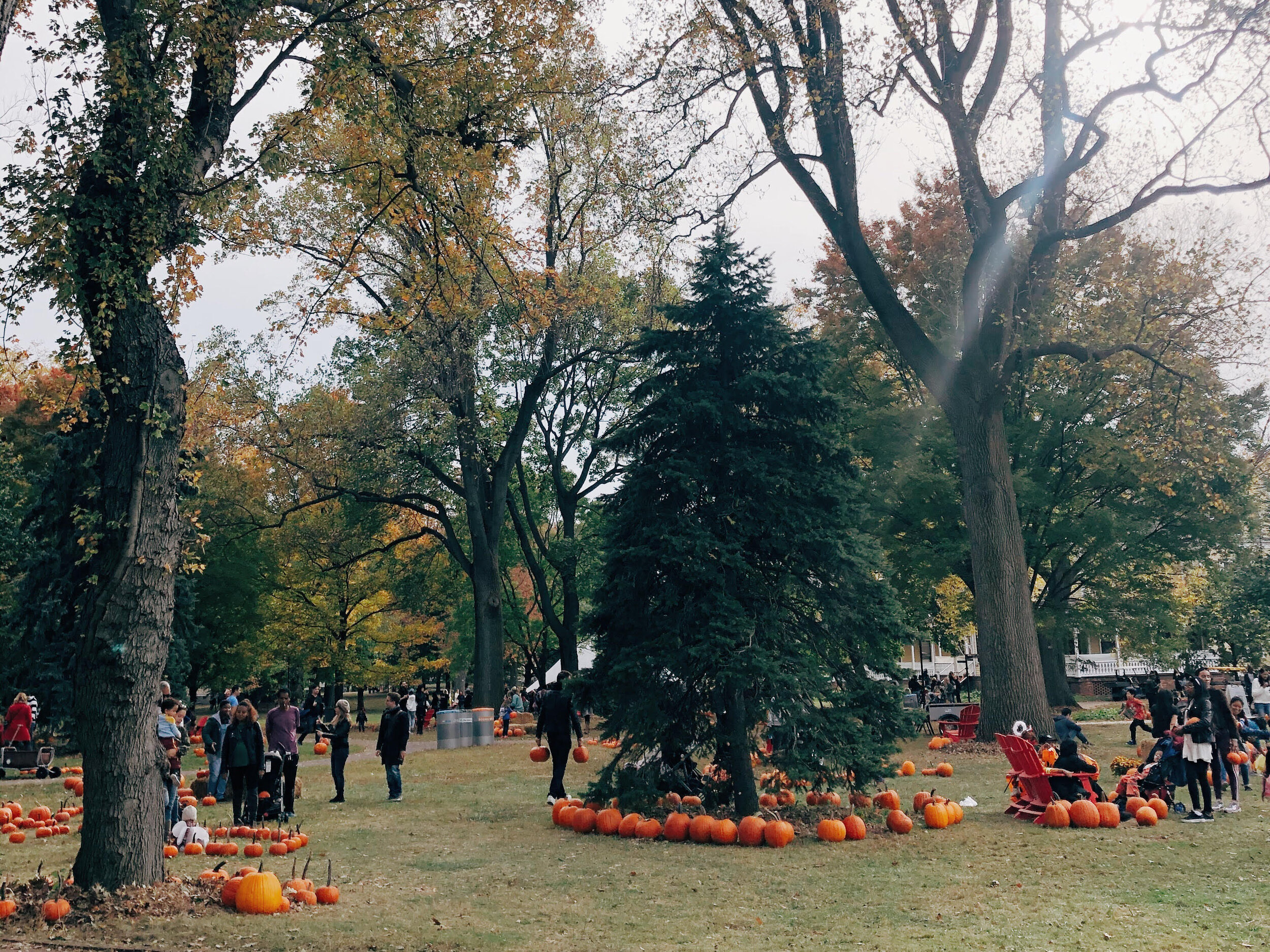
Having alone time is so very rare and I take full advantage when I get it. Being here makes me feel peace. I’m a lover of the sun and water and although there is no beach, it’s close enough and gives me the fuel I need to keep on trucking. When was the last time you walked barefoot on grass? I consider that to be a luxury. The last time I did was on one of my visits here in July.
It’s now November and I’ve loved this past season! It was my first time visiting during the Fall and it won’t be my last. I felt like there was always something different or new to discover. I visited their incredible pumpkin patch: cider stations, pumpkin decorating for the kids, pumpkins for purchase, and fall foods to nosh on.


Governor’s Island gives me the opportunity to let go, of all the stress I may have experienced prior to my visit or whatever issue is coming up for me. It gives me the space to regain my clarity and prepare to face things that may require my attention or make me feel uncomfortable. Problems don’t disappear overnight, but taking a step back can help. I can be silly. I can get out of my comfort zone and meet new people if I feel like it. On occasions when I need to release pent up energy or ease my anxiousness I put my sneakers on and go for or a run. This island is the perfect track. There have been times where I turn on my yoga app and dive right into a pose with no worries in the world. It never fails to transform me. I head home feeling like a brand new person.
Living in such a fast paced city, sometimes all I need is just time to be alone with my thoughts or have a moment to meditate while the breeze from New York City harbor hits my face. As the mother of two very energetic toddler boys, I escape here to feel grounded and centered. And as someone who is multi-passionate, finding down time is required to nurture this journey of life. Governors Island has become that place for me; it will always have my heart.
To find out more, Website, Instagram, Facebook, and Twitter (Please note that Governors Island is closed for the season and will reopen in Spring 2020)

Caveat
A smart speakeasy to get your curiosity peaked while having a laugh.
“Caveat makes smart entertainment for smart people.”
With New York’s Caveat, speakeasies just got smart. A non-descript black door with a ‘c’ logo leads down a staircase and a basement space that looks like the kind of nighttime-entertainment setting you are probably familiar with: an intimate theater with chairs and round café tables facing a stage and a bar backdrop. But there are hints of something else – a library and gallery also feature within the space, and a program that includes things like this: Chaos Theory: An Off-The-Rails TED Talk On The Underlying Chaos Of Our Lives and The Nerds & The Bees: Comedy And Data — What’s Really Happening In Modern Dating.
If you like anything produced by NPR, listen to podcasts and Audible on your commute, and get excited about deep heady dives into ideas, then Caveat, a performance venue in New York’s Lower East Side, might just be your spiritual home. Here you’ll always find the kind of material that gets your brain working, unashamedly so. There is nothing even slightly uncomfortable here about knowledge, maybe because its positioned in ways that are ‘fucking funny’ by co-founders Ben Lillie (a particle physicist and co-founder of science podcast, The Story Collider) and Kate Downe (who has directed opera and Shakespeare, and led renegade museum tours). Nerdy stuff is made cool, high concepts accessible, and the esoteric absurdly wonderful.
Caveat produces its own shows, a combination of storytelling, interactive games, music, comedy and performance that range across science, philosophy, literature and academia and are hosted by university professors, anthropologists, philosophers, academics, neuroscientists and other brainy types. Live podcasts are also recorded here, authored both in-house like Nevertheless she existed and out-of-house like Monica McCarthy’s The Happier Hour. If you are finding this is your thing, you can also become a Member.
And its all with booze. Drinking kills brain cells, but here it supports the making of new ones (kind of), through smart programs designed to get your mind working and your belly laughing. Like a night of college all over again, but this time around it really is about that learning part and not just the drinking.