
Manchester's Hidden Gems for Quiet Moments
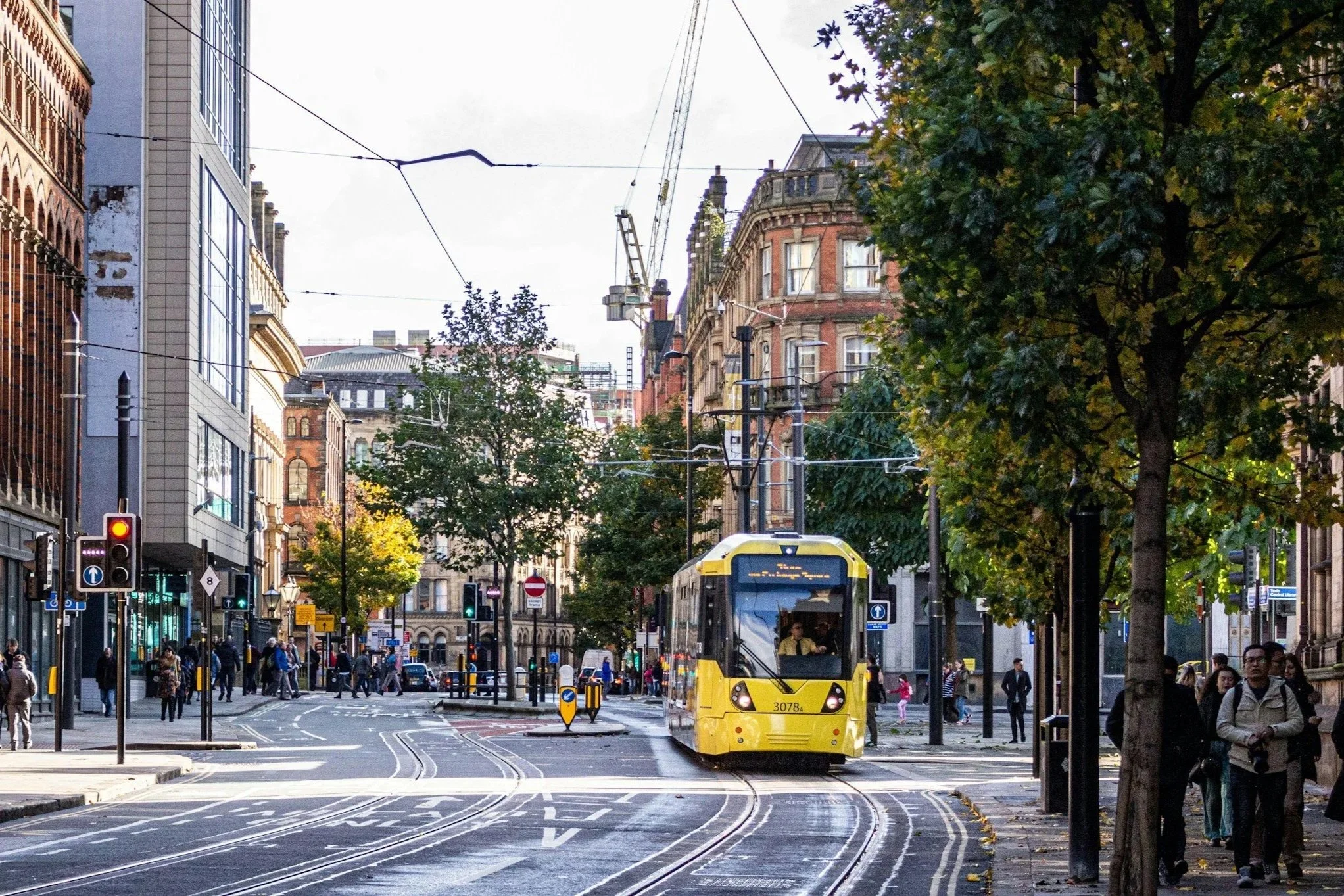
Even in a bustling city like Manchester it’s possible to seek out calm spaces. Writer Olivia Heath takes us on a tour of the places she turns to when life gets too much.
If you live in a city, in any region of the country, you won’t be a stranger to overcrowded parks and lively cafes that limit quiet time alone to the four walls of your bedroom. Sometimes, there's nothing more beneficial to us than getting up, getting out and reconnecting with the world around us.
But sadly, more often than not, the thought of this can seem drastically unappealing. When you’re feeling anxious, sad, or overwhelmed, busy environments can quite easily make you feel worse, ultimately cutting you off from society and convincing you that the external world is something to be fearful of.
It's not, but it’s probably going to take a little more persuasion before socialising is something that you start to enjoy again. Taking it one step at a time, here’s the best of Manchester's hidden gems for quiet moments.
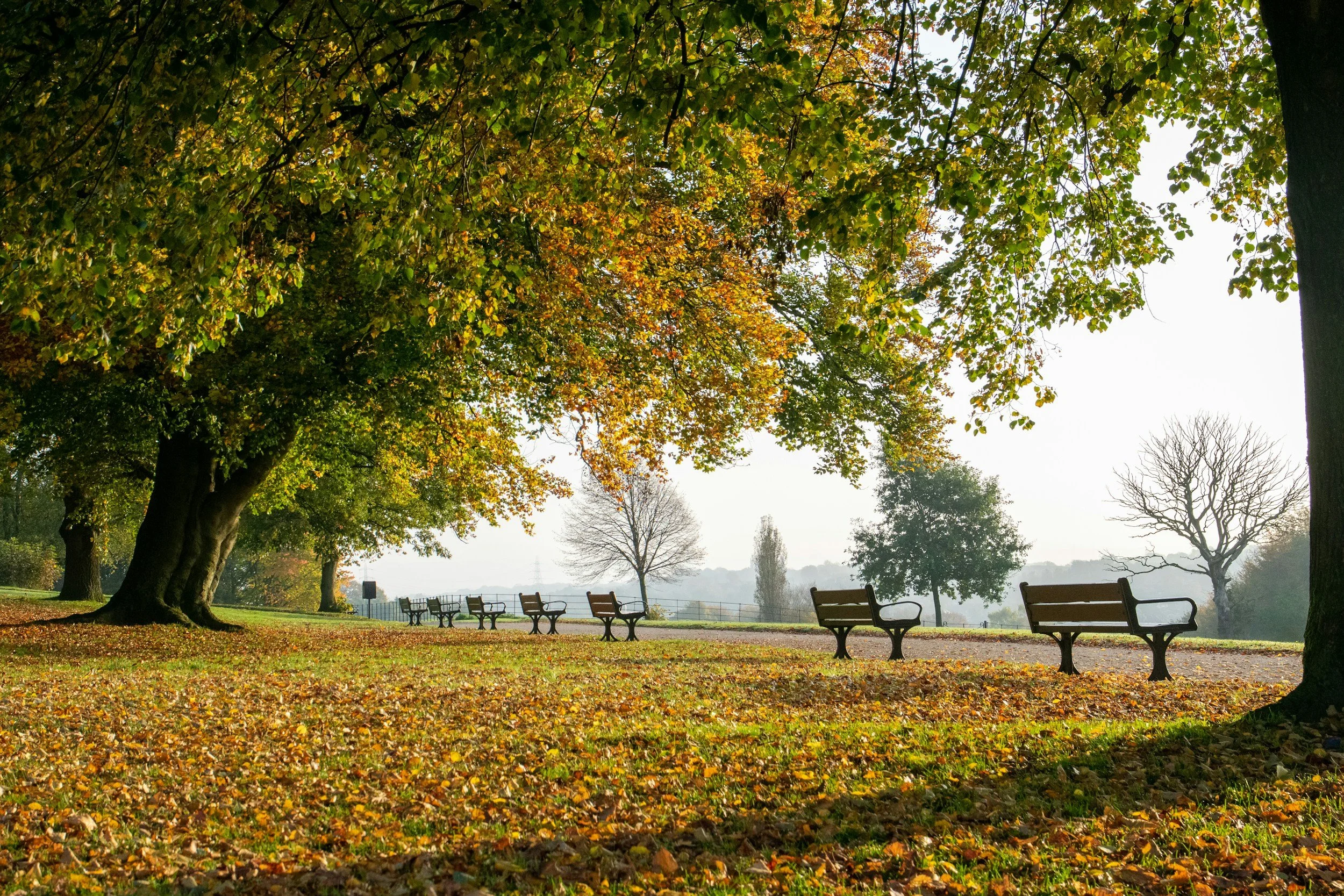
Peel Park
Peel Park is located towards the north of Manchester, in a nearby city called Salford. From the city centre, you can reach Peel Park in just 15 minutes by tram, or in 30 minutes if you’d prefer to walk. Peel Park, even during the hotter summer months, rarely gets overcrowded and is certainly big enough to find a quiet spot where you won’t be disturbed. There are various benches scattered around the park, but you may want to take a blanket or cushion for extra comfort.
New Islington Marina
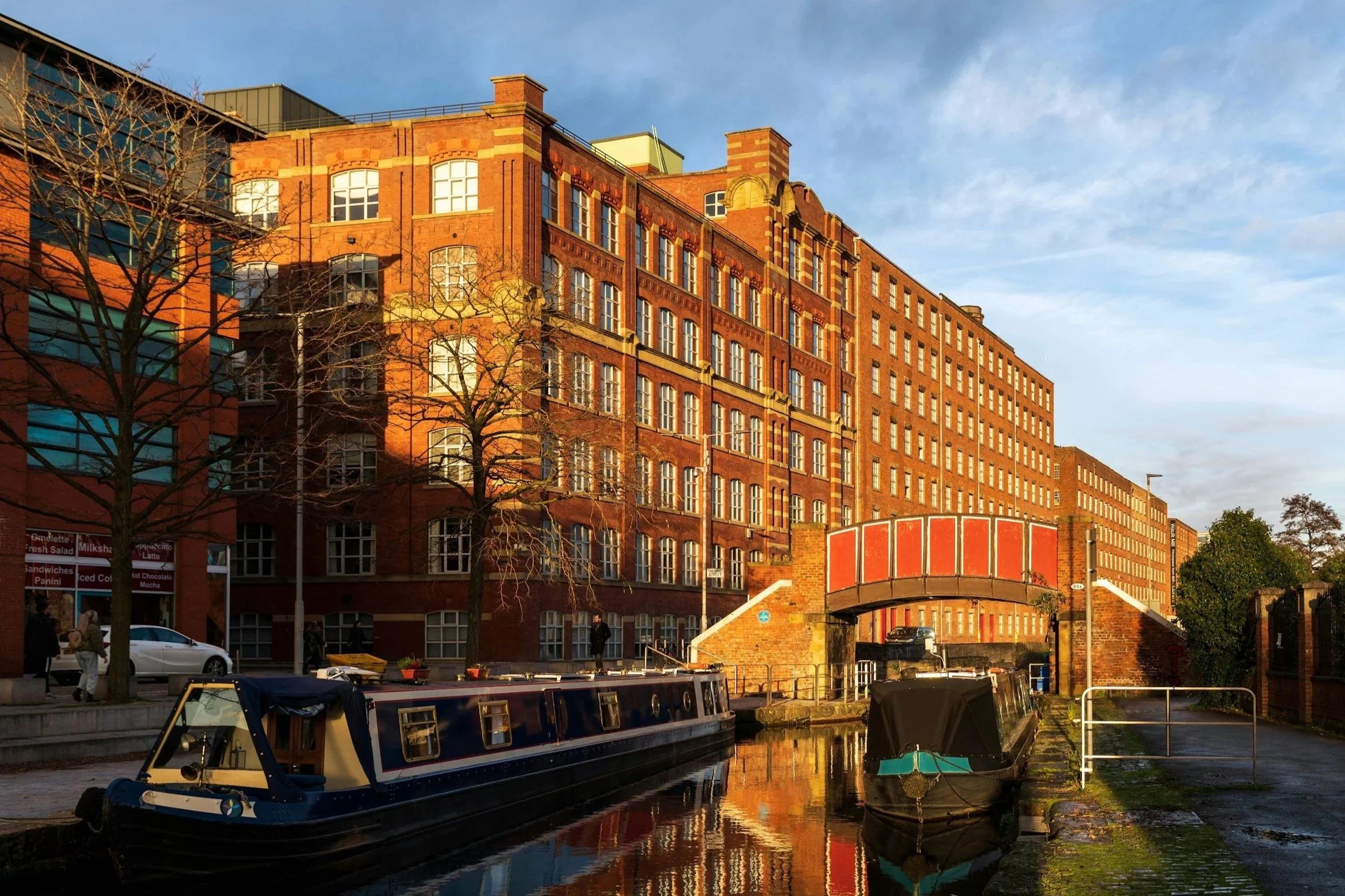
Heading back into the city, and just a short walk from Manchester’s Northern Quarter, you will find a quiet, waterside retreat where you can watch barges pass by as they travel along the canal waters. Within the New Islington neighbourhood, there are also a number of friendly cafes serving hot drinks and light bites if you get peckish. The New Islington Marina is just a ten-minute walk from Piccadilly, so it offers the perfect location to unplug and reset, even if you don’t have much time.
Chorlton Green Market
Spending time by yourself doesn’t mean you have to do nothing at all. In fact, finding a quiet activity can be a useful distraction if you’re feeling caught up in your thoughts and emotions. It’s good to support local businesses where you can, and Chorlton Green Market is the perfect place to start. This relaxed street market is located just south of the city centre. On the final Saturday of each month, you can peacefully explore their vintage craft market with pop-up food and art stalls too. Although it might feel intimidating to be around other visitors of the market, the experience might serve as a way to gently push you beyond your comfort zone and connect with the Chorlton community and residents.
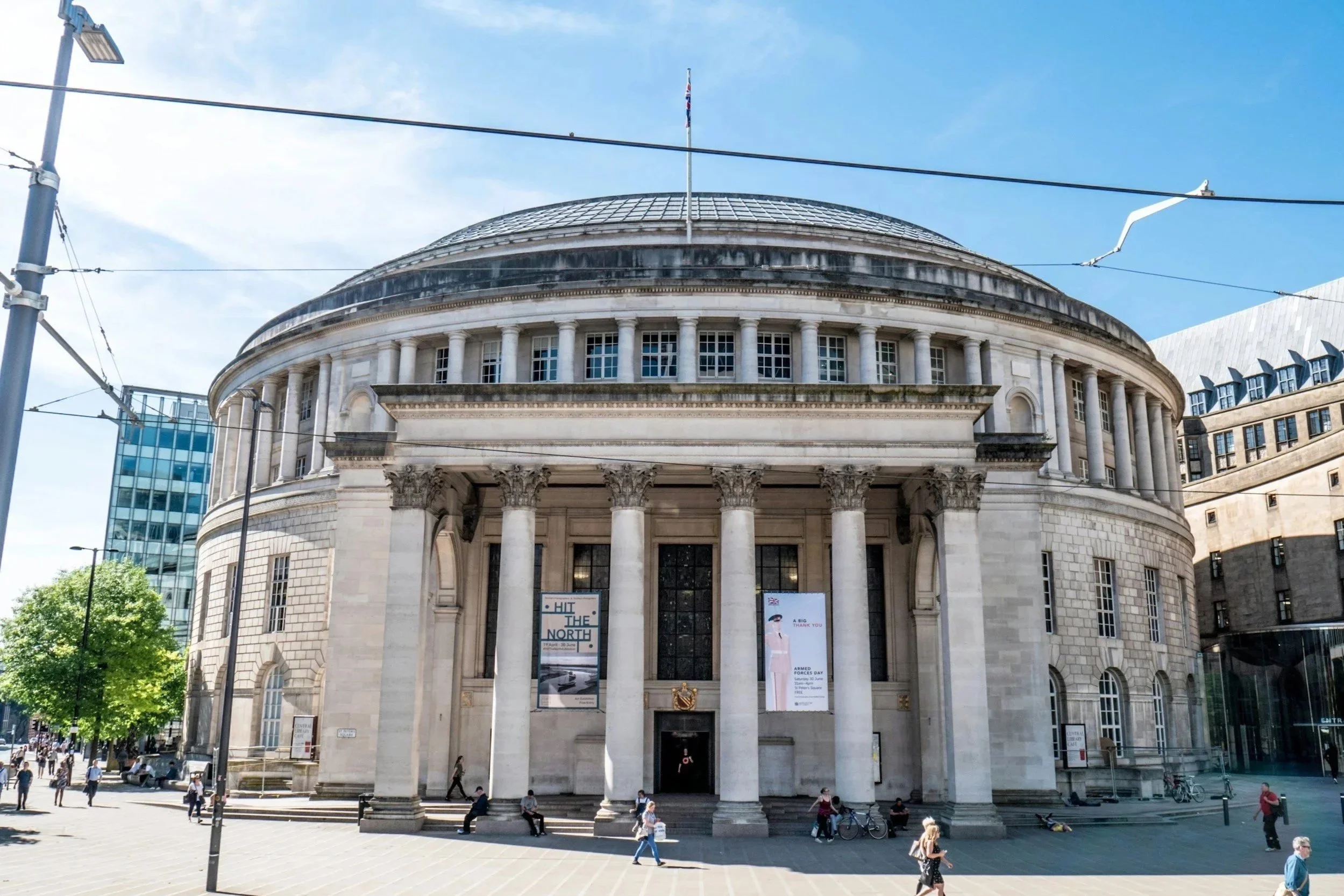
The Reading Room At Manchester Central Library
In any city, you can always rely on a library to provide a secluded and quiet spot where you won’t be disturbed. Luckily, in Manchester, there are a few different libraries you can choose from. The Manchester Central Library is a public library used by students of the city’s universities, as well as the general public. Within the library itself, situated on the first floor, you will find a space lined with bookshelves and comfortable seating where you can sit and either work or read for as long as you need. The reading room is a calming spot filled with plenty of natural light from the glass above it.
St Mary’s Church
Visiting a church can be a great way to get away from the hustle and bustle of the city and can be surprisingly restorative and calming. You can find St Mary’s Church on Mulberry Street, and enjoy its fascinating architecture and history just a short distance away from Manchester’s city centre. St Mary's, like many other churches in the city, is open during the day and is typically quietest during the mid-afternoon. You won’t be expected to take part in any religious activities when visiting the church. Everyone is welcome to enter, sit quietly, and enjoy a moment of peace if they wish.
Interested in writing for us? Read about our submission guidelines here.

On Shopfronts, Stories and Small Joys: Why Your Town Needs You to Wander It
From blue moon ice cream to poetry prescriptions, Explorer Days connect us to what’s quietly slipping away.
While 11,341 independent shops closed their doors in the UK last year, I opened a few dozen.
Not mine—but the doors that held others’ dreams behind them.
Each time I stepped into a refill shop, an artist-run gallery, or a corner café with toast and conversation, I reminded myself: the high street is still alive.
It just needs us to notice it again.

I’ve come to see this not as nostalgia for what once was but rather as attention to what’s still here.
When I was little, my Saturdays weren’t for team sports or shopping centres. They were for going somewhere. My dad, a wholesaler delivering to small businesses, would bring me along. I’d carry a box or two and be ushered behind the counter, past the curtain, to a back room full of cardboard crates. A stool would be found. A mug of tea would be poured. And I’d sit amongst the apples and pears, offered toast, while my dad made deliveries and traded stories.
Back then, it didn’t occur to me that I was learning something. That these places—these independents—were the scaffolding of community.
But when my mum died, it became heartbreakingly clear. The same shopkeepers she’d spoken to every week for decades came to the funeral. One closed for the day. One wept on the doorstep as the hearse passed. Others filled the church pews. And in the months after, they were the ones who kept calling my dad—not for orders, but to ask how he was.
I think about that a lot now.
We talk so much about “community,” but we forget how often it begins in these small transactions. The ones where someone remembers your name. Where you don’t need an app. Where you're seen.
I’ve been annotating Explorer Days for years now—curiousity-driven visits to nearby towns with a loose plan, a bit of research, and a lot of openness. But more and more, those lists aren’t just growing. They’re shrinking too.
Places I’ve visited, loved, written down… are now gone. A paper shop here. A gallery there. A café I meant to return to.
The Centre for Retail Research found that in 2024, 45.5% more independents closed than the year before. We’re not just losing businesses. We’re losing the people-shaped worlds they create. The social glue. The soft edges of our worlds. The stories.
But here’s what I’ve also noticed: something else is emerging.
Where one thing disappears, something unexpected might take its place. A community sauna. A poetry pharmacy. A therapy room above a florist. In one town I found a shop that sold monster supplies by day and ran a children’s literacy programme by night. In another, a magazine store that felt like a museum. In another still, a bookshop that stocked only poems
You don’t stumble upon these in the same way while shopping online.
Explorer Days aren’t about escape. They’re about attention
They're how I practice wellbeing when I don’t know where else to start.
When I’ve been indoors too long, when I’ve felt out of step or out of touch, when my inner restlessness needs something gentle and grounding… I take a train. I wander a high street. I go somewhere I haven’t been before.
There’s often a pattern: An independent café. A bakery. A creative space. A bookshop
Something small yet still wonderful
I write down the name of the shop in the book I buy, so when I finally pull it from the shelf months later, I remember where I was before the story started.
These small wanderings help me reconnect. To where I live. To what matters. To what I might have missed.
And they’ve reminded me that our towns aren’t static. They’re waiting. Like Victorian debutantes, hoping someone might notice them and ask them to dance.
Maybe that someone is you.
What’s the last independent place that surprised you?
The bookshop you didn’t know you needed. The café you found when you got a bit lost. The artist-run space hidden behind the pharmacy.
Let’s help each other find more of those.
Download the Scavenger Hunt for Curious Locals
This is designed to help you rediscover what’s already around you. Take it out this weekend. Let it guide your steps.
And while you’re at it…
Nominate a Place for Our Guide to Life
We’re building a lovingly curated directory of places that make you feel more human—from refilleries and bakeries to museums, bookshops and creative sanctuaries.
Know somewhere that deserves a wider spotlight? Nominate it here
Own a place yourself? Apply to be featured
Because the world doesn’t need more noise. It needs more noticing.