
Grief Disco
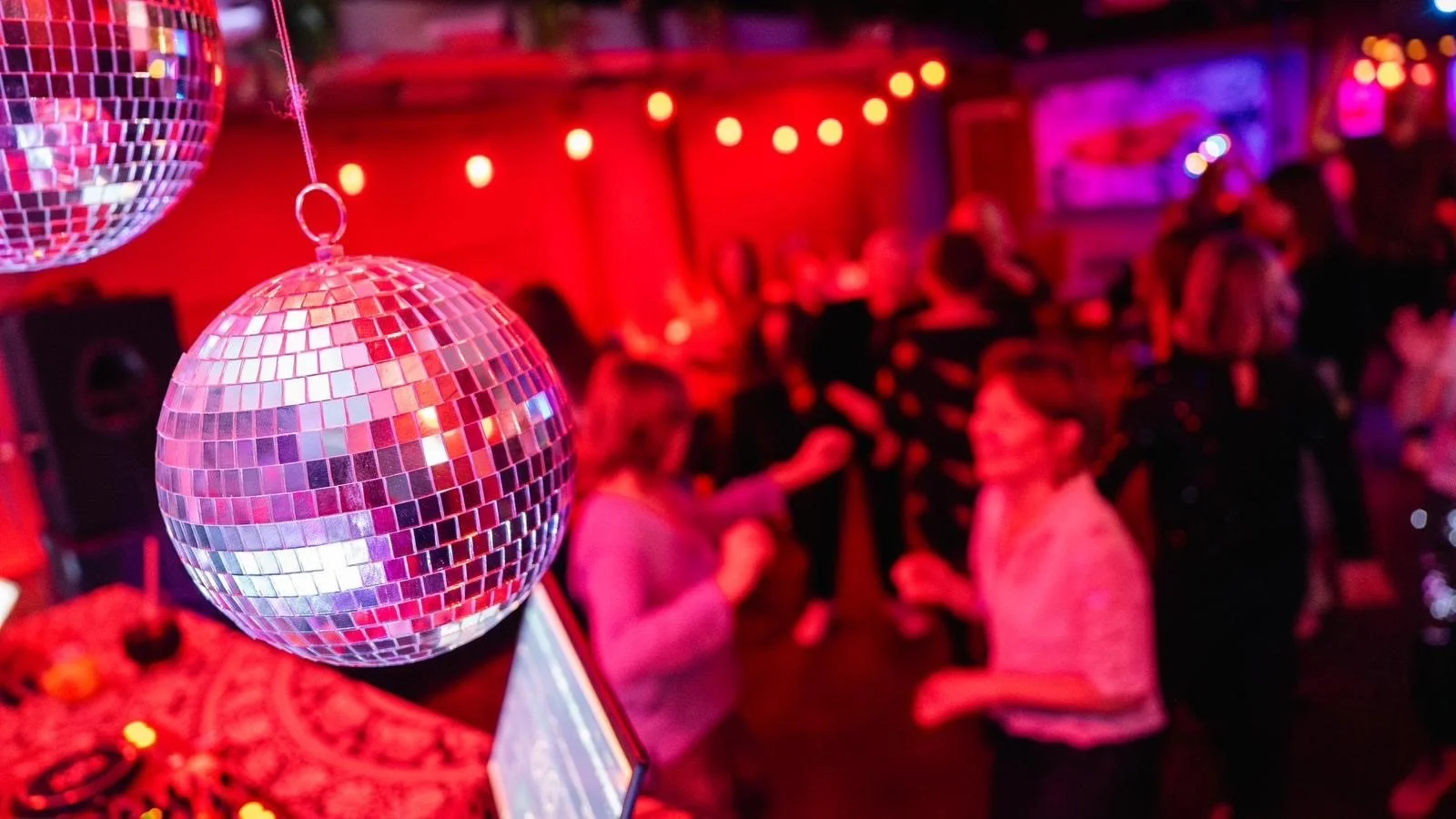
Discover Grief Disco, a welcoming and uplifting space for anyone living with loss. A place to heal, connect and feel grief through music, movement and community.
Perfect For
Grief Disco is for anyone living with loss and looking for a different kind of space to hold it. It’s for people who don’t always have the words, who feel isolated in their grief, or who want to be around others who understand without needing everything explained. It’s for the heartbroken and the hopeful, for people who want somewhere gentle, human and a little unexpected to go with what they’re carrying.
You do not need to be good at dancing. You do not need to be ready to talk. You do not need to arrive in any particular state. You just need permission to come as you are.
Why You’ll Love It
Grief Disco offers something many grieving people are missing: a place to feel less alone without being forced into conversation or expected to “do grief” the right way. Through music, movement and a sense of shared understanding, it creates room for sadness, joy, memory, release and connection to exist together.
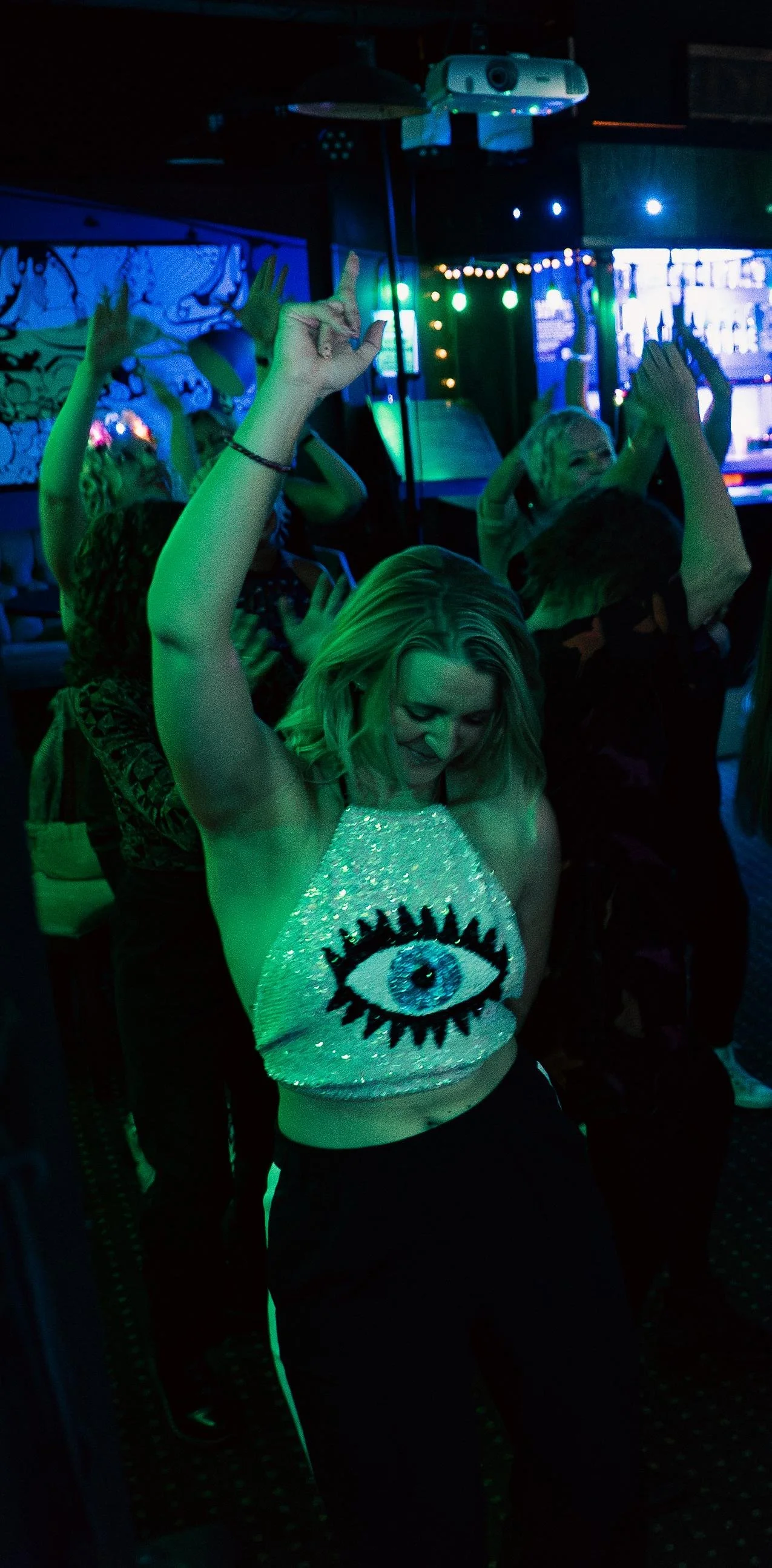
This isn’t about dancing to forget. It’s about dancing to remember, to honour and to reconnect. For some people that might look like tears on a dance floor. For others, it might be a small exhale, a moment of laughter, or the relief of being in a room where no one needs grief explained to them.
What Makes It Special
So much of grief can feel isolating. People don’t know what to say, or they say nothing. We can start to feel cut off from ourselves, from our bodies and from other people. What Grief Disco understands is that grief does not only live in words. It lives in the body too.
That’s what makes this space so powerful. It offers people a way to process loss through movement, music and presence, rather than through talking alone. There is no pressure to perform, no expectation to be upbeat and no fixed script for how you should feel. Everything is an invitation.
Grief Disco also holds something many of us forget is possible: that joy and grief can coexist. That a person can cry and dance at the same time. That love, memory, heartbreak and laughter can all be in the room together. In that sense, it doesn’t just offer support for grief. It offers a more human way of being with it.
The If Lost Take
There is something quietly radical about creating a place where grief is allowed to move.
So many of us are more familiar with the language of coping than the experience of actually feeling. We know how to keep going, keep functioning, keep answering “fine” when we are anything but. Grief Disco interrupts that. It offers something softer and, for many people, more freeing: a chance to let grief be alive in the body, not just managed in the mind.
What we love most is that this doesn’t turn grief into a problem to solve. It doesn’t rush people towards silver linings or ask them to package their pain into something neat and shareable. Instead, it makes room for what is true. Sometimes that truth is sorrow. Sometimes it is love. Sometimes it is a song that opens something you didn’t realise you were still carrying.
And sometimes healing looks less like fixing and more like finding a room where you can be fully human again.
Founders Story | Co-founded by Georgina Jones and Leah Davies
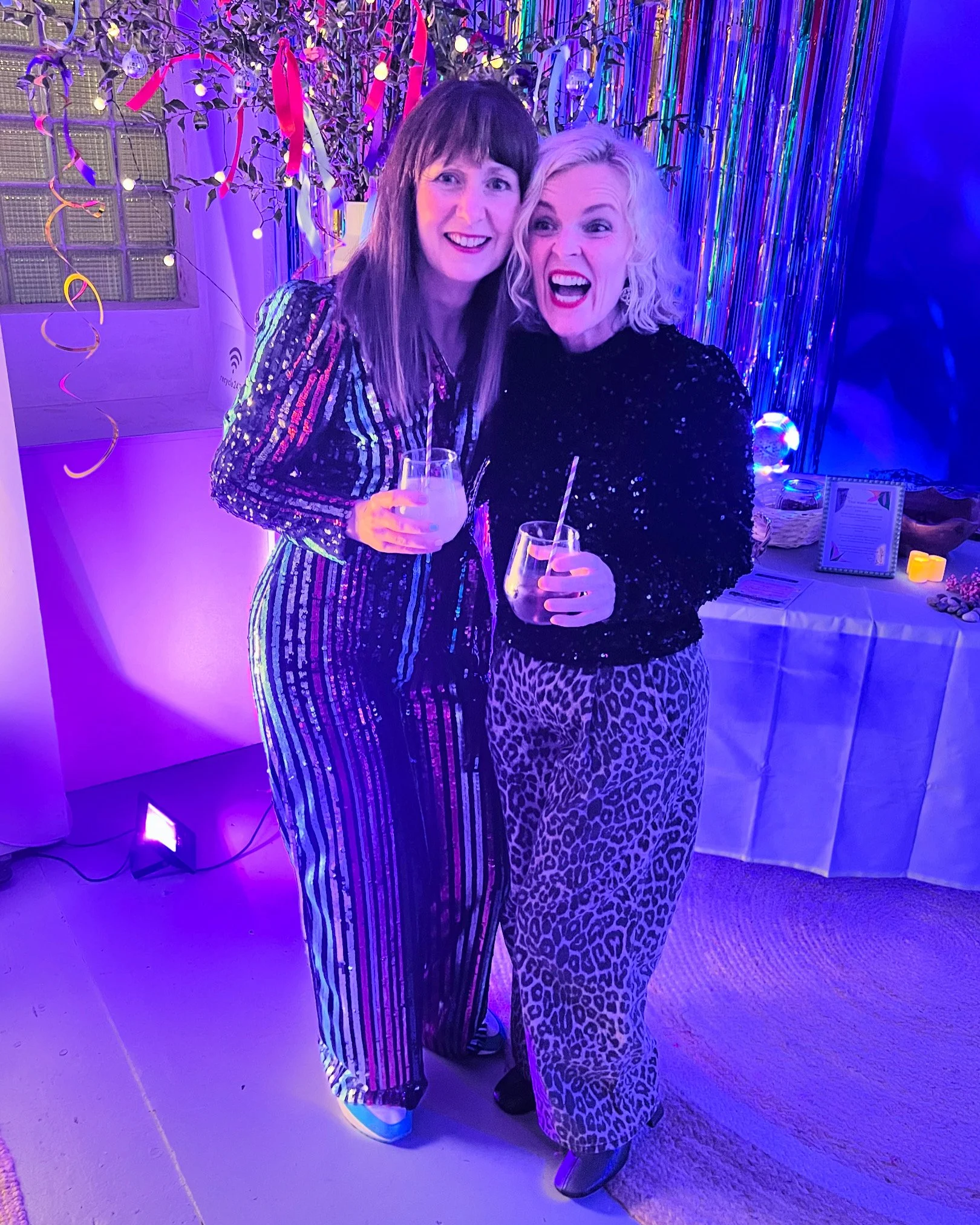
Grief Disco was born from lived experience of loss and a belief that grieving people deserve spaces that feel connecting, warm and real. Co-founders Georgina and Leah created it as a response to the loneliness that grief can bring and to the sense that many of the places available to grieving people do not always make room for the body, for joy or for community. Their approach is shaped by the understanding that no one should have to grieve alone, and that music and movement can help us find our way back to ourselves and each other.
Founder’s Go-To Wellbeing Advice
“Look for the love.
Look for the tiny moments of joy that are still here, even in the hardest seasons. Keep a playlist that helps shift your energy. Let music help you move what words can’t always reach.
And remember that grief is not something to fix or get over. It is something to feel, and you don’t have to feel it alone.”
Some Practical Details
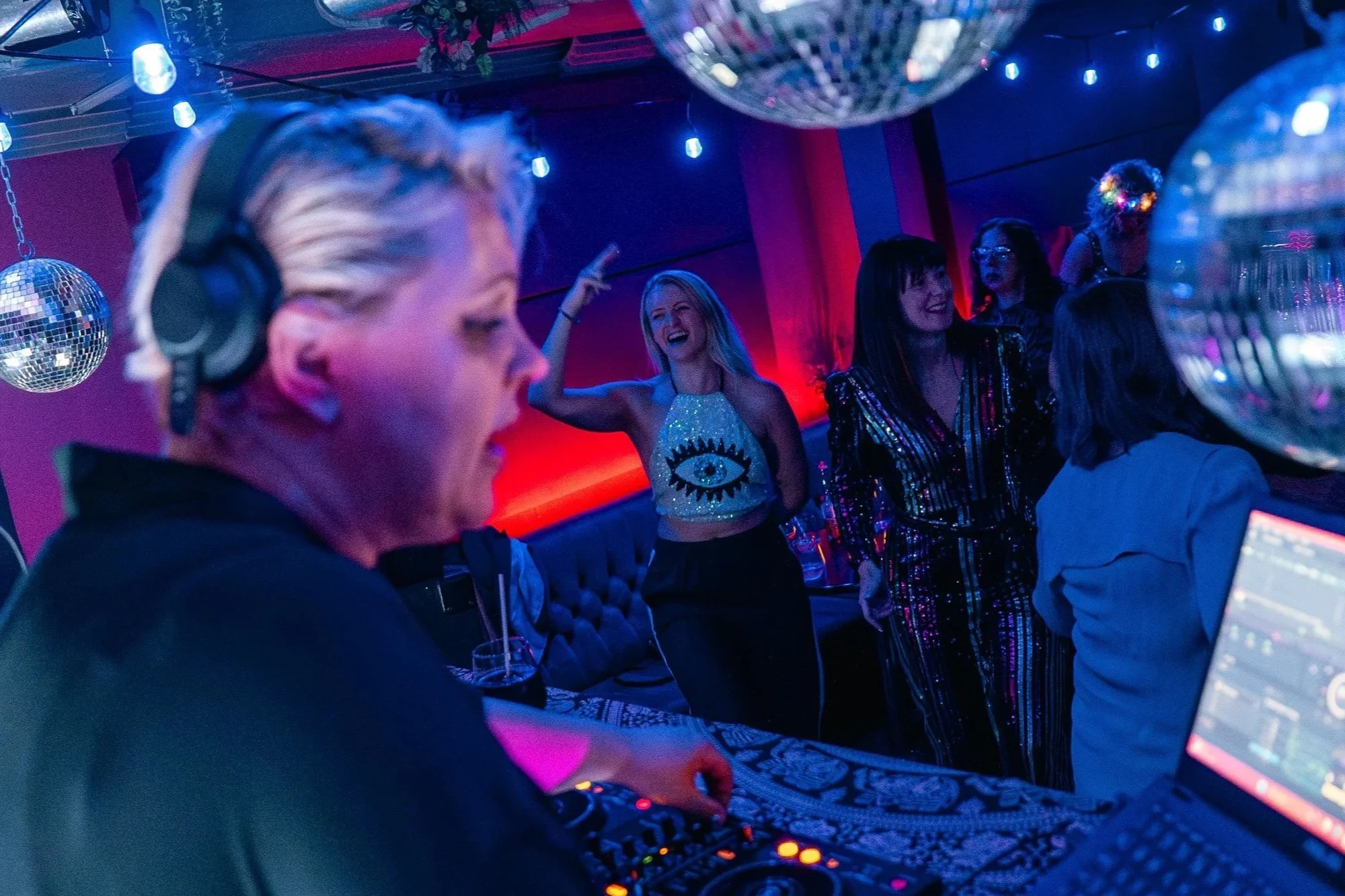
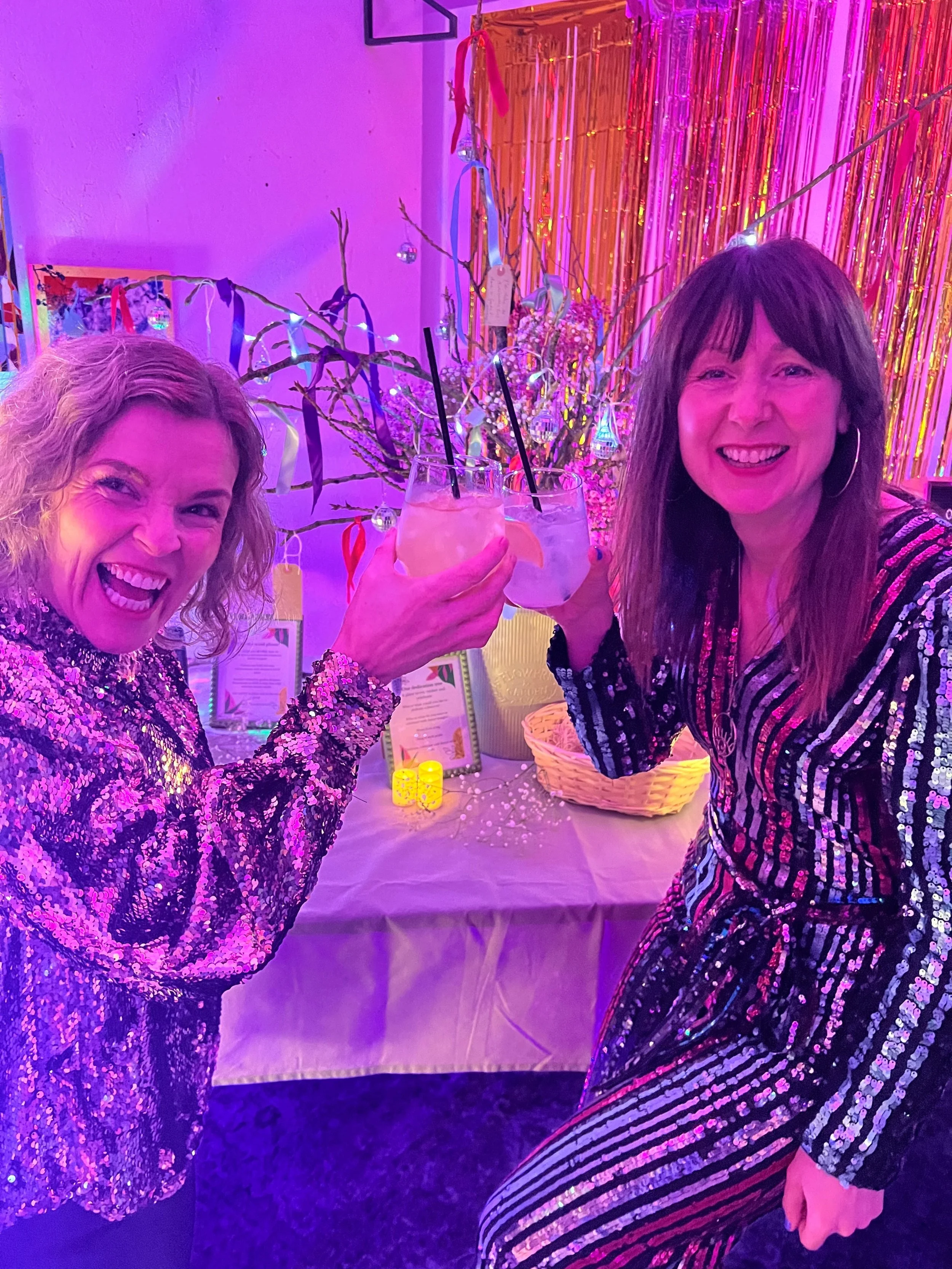
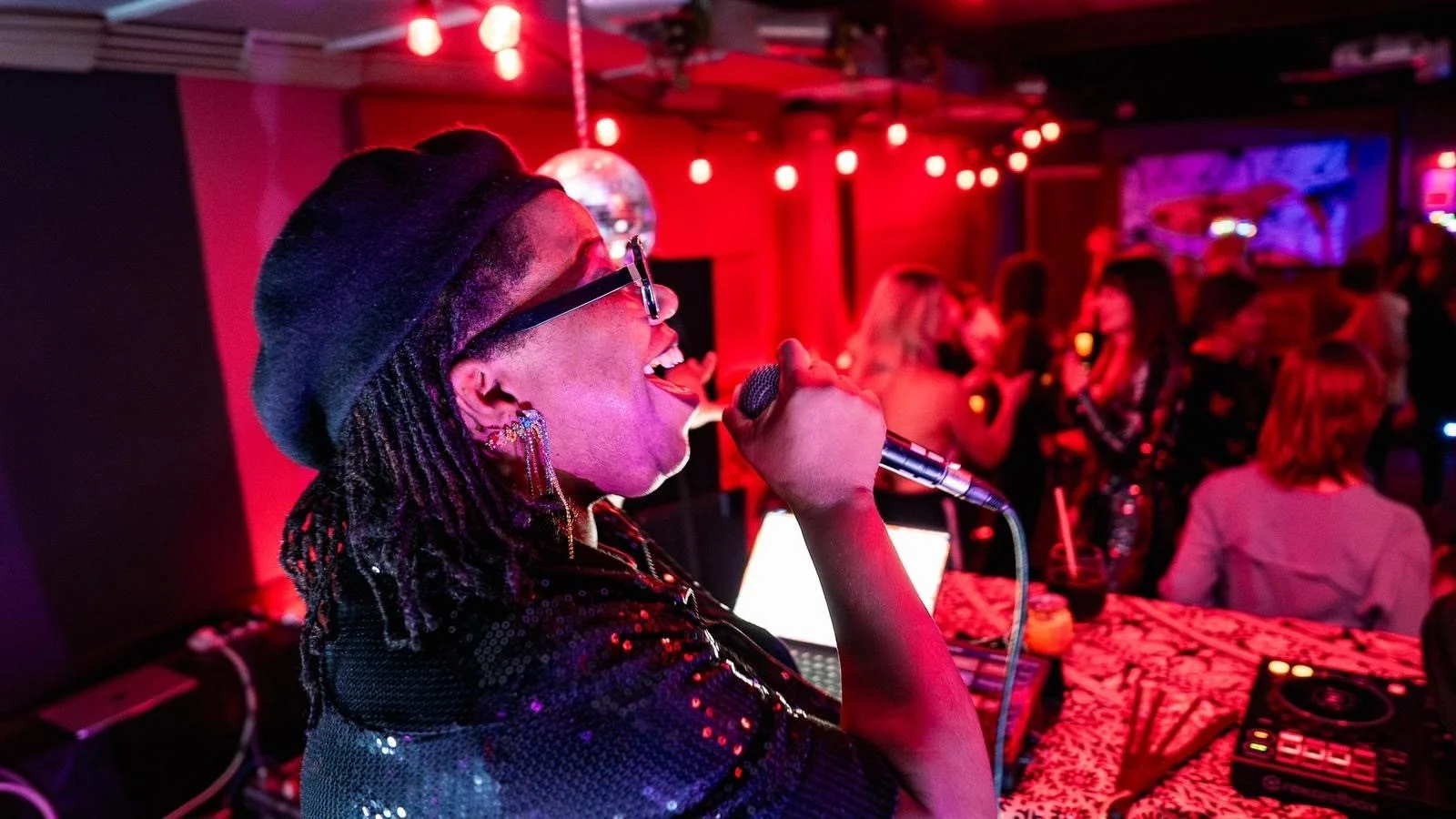
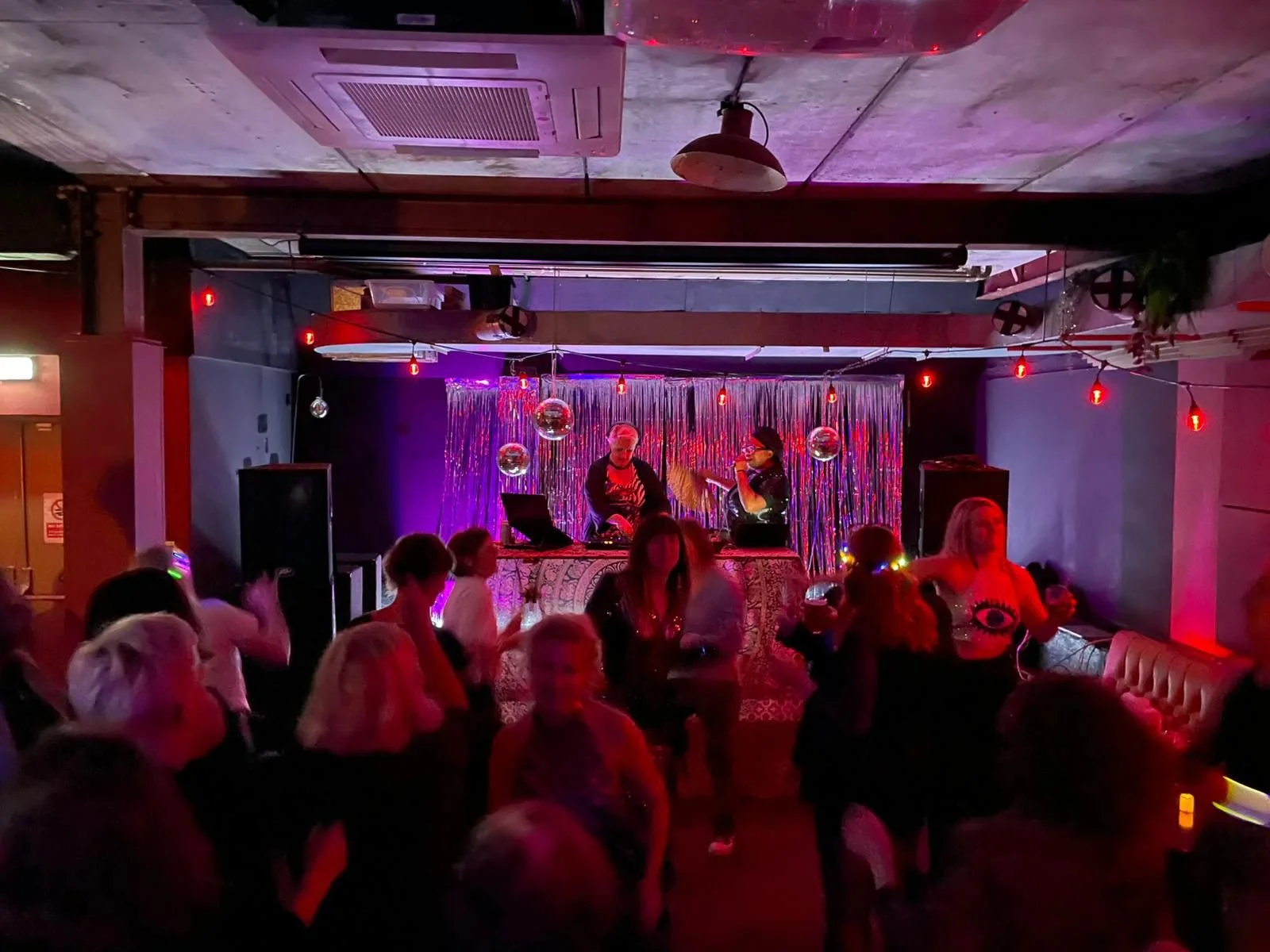
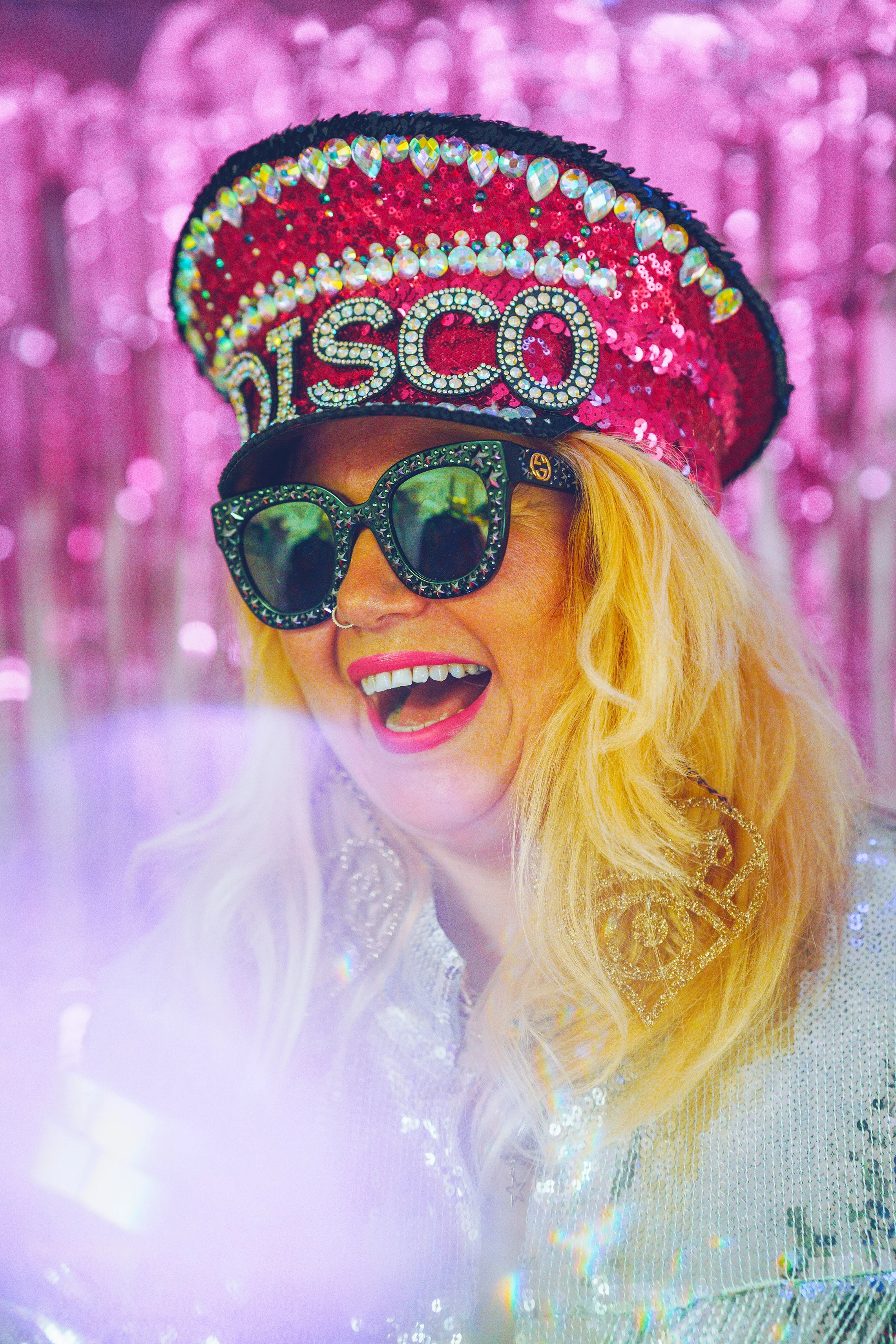
Grief Disco is a space where people can come together around grief through music, movement and optional sharing. Some events happen in person and there are also online grief discos for people who would rather join from home. The atmosphere is invitational rather than intense: you can dance, sit, cry, talk, stay quiet, turn your camera off or simply witness. There are also small ritual elements, such as dedications and moments to remember the person or people you are dancing for.
If you are grieving and looking for support, this may be one of those rare places that helps not by asking you to explain your loss, but by giving you somewhere to bring it.

IceBreakers
Part of our wellbeing guide for life, IceBreakers offers men a welcoming space to step into nature, share conversation and find connection through cold water and simple weekly rituals.
Perfect For
IceBreakers is for men of all ages and backgrounds. Some come because they’re struggling. Others come because they want more connection, more nature and a healthier rhythm to their week. You don’t need experience with cold water or wellbeing practices. You just need to show up.
Why You’ll Love It
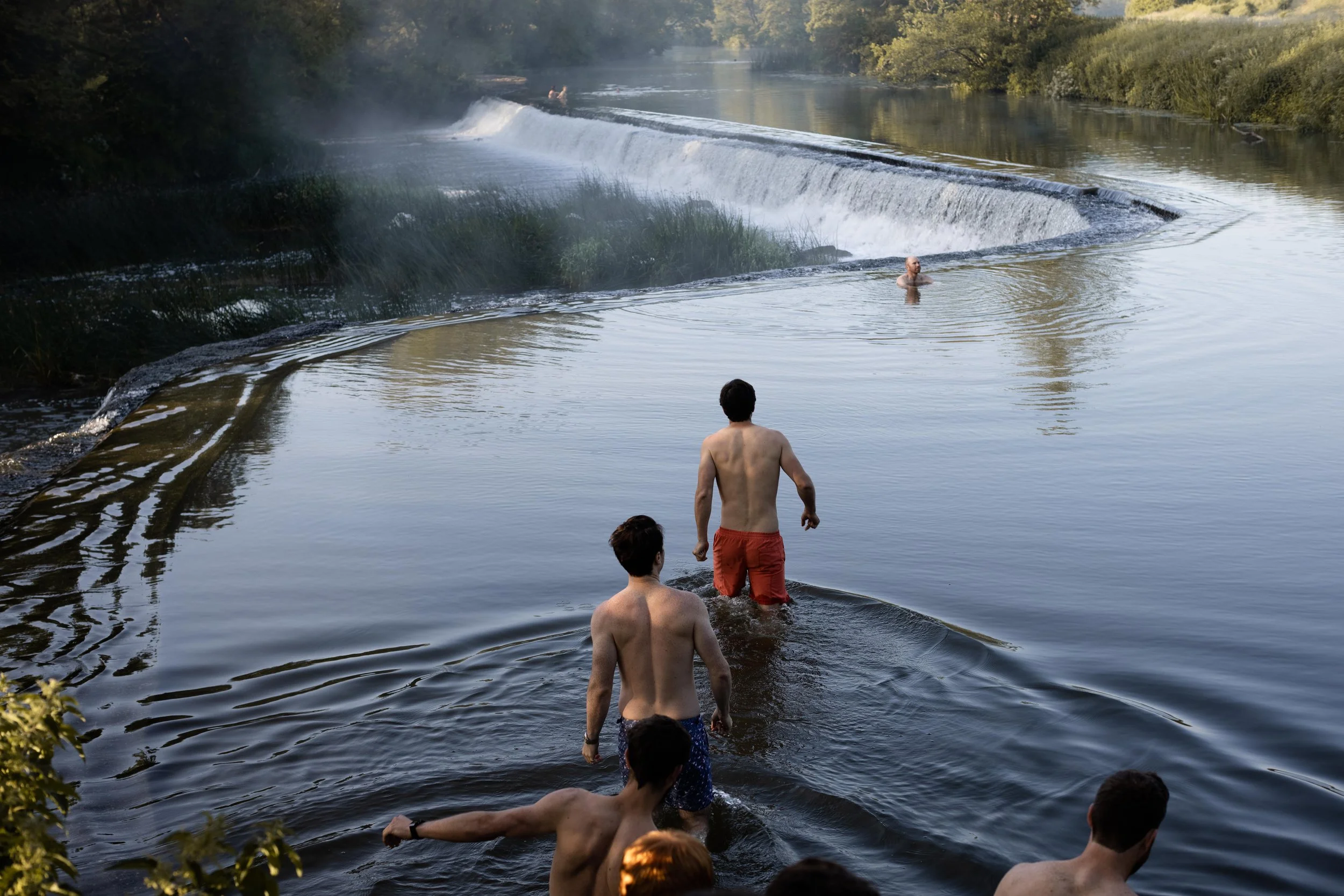
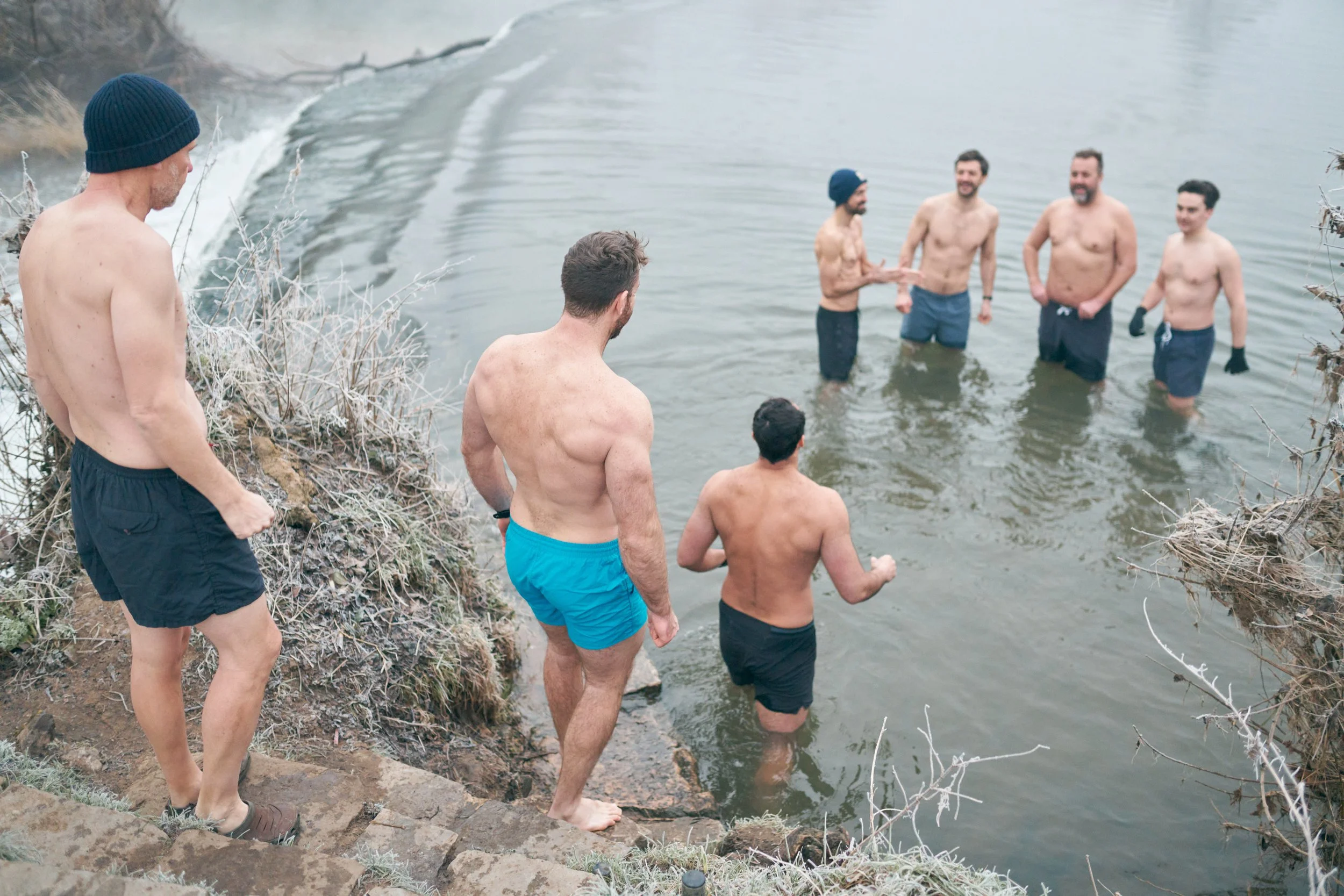
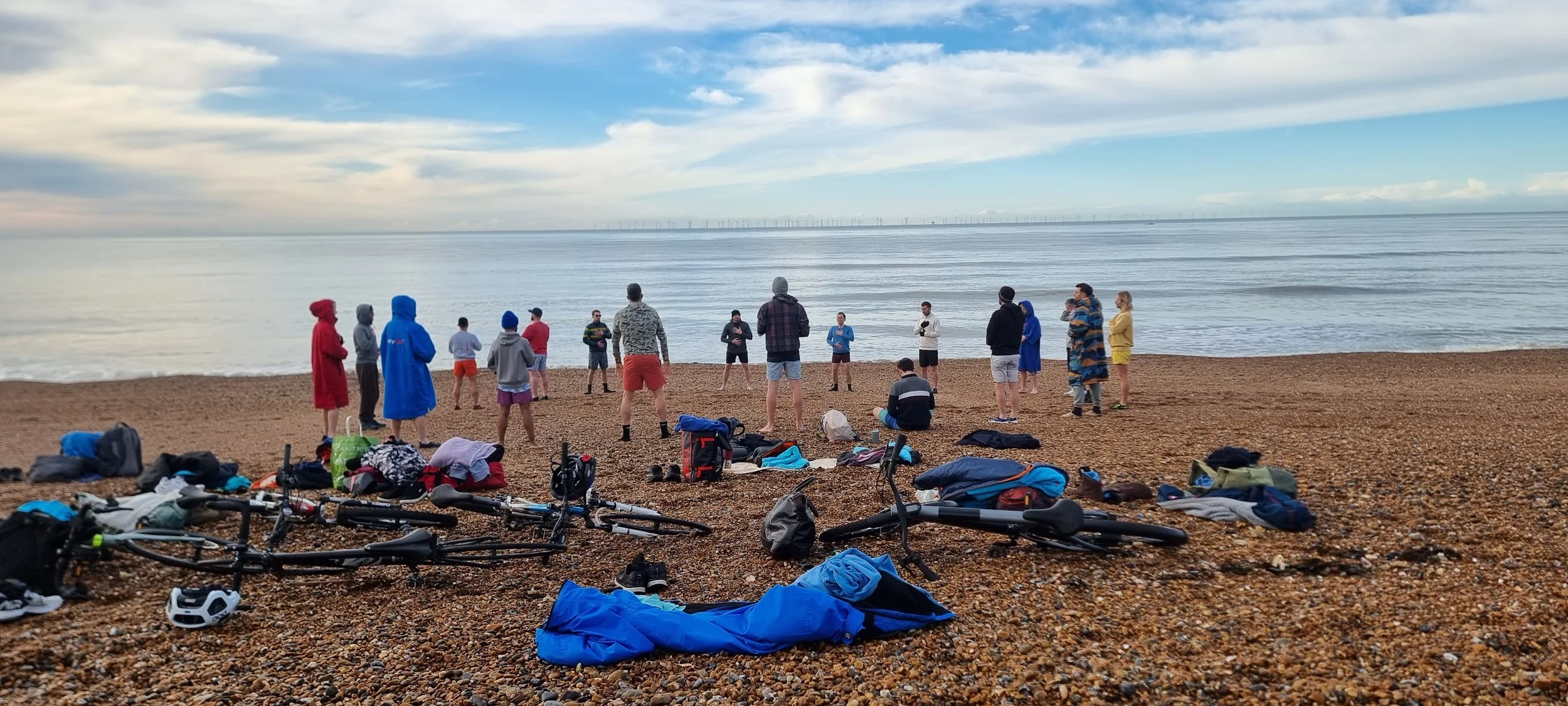
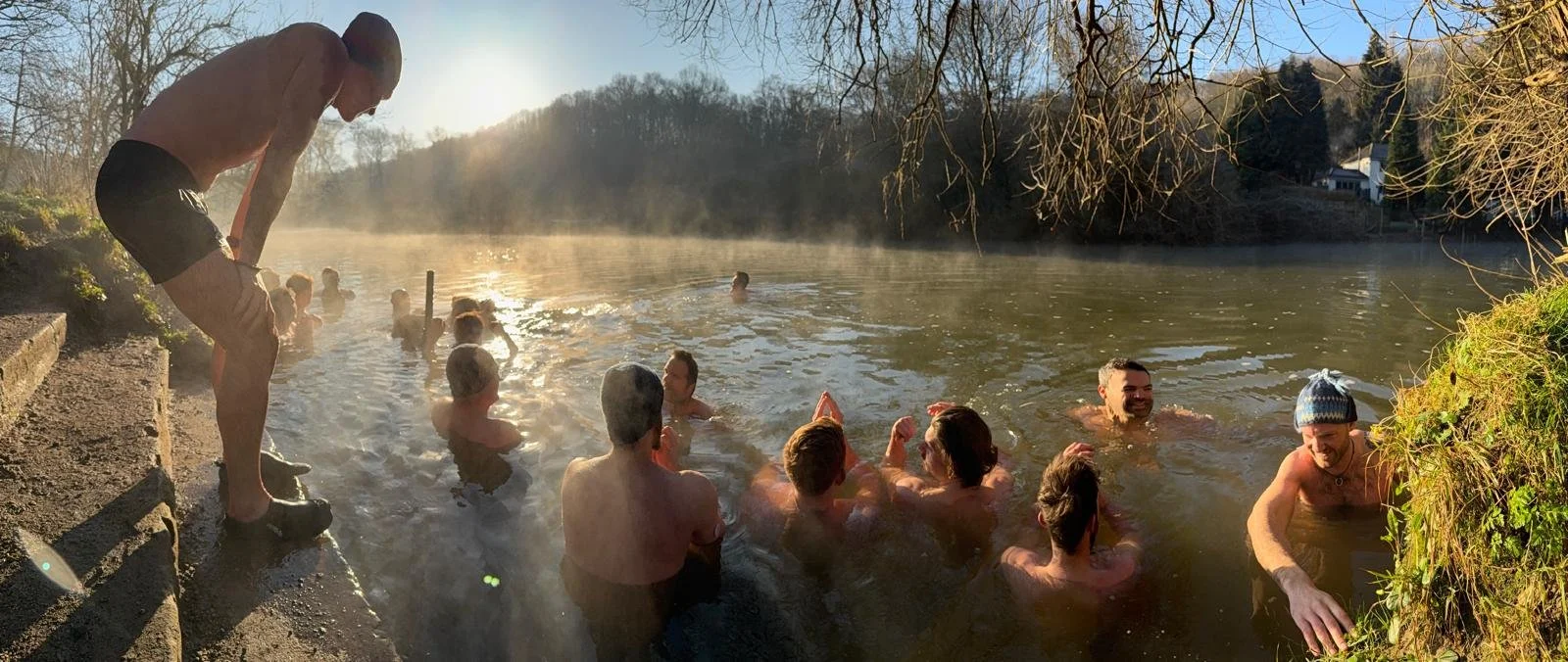
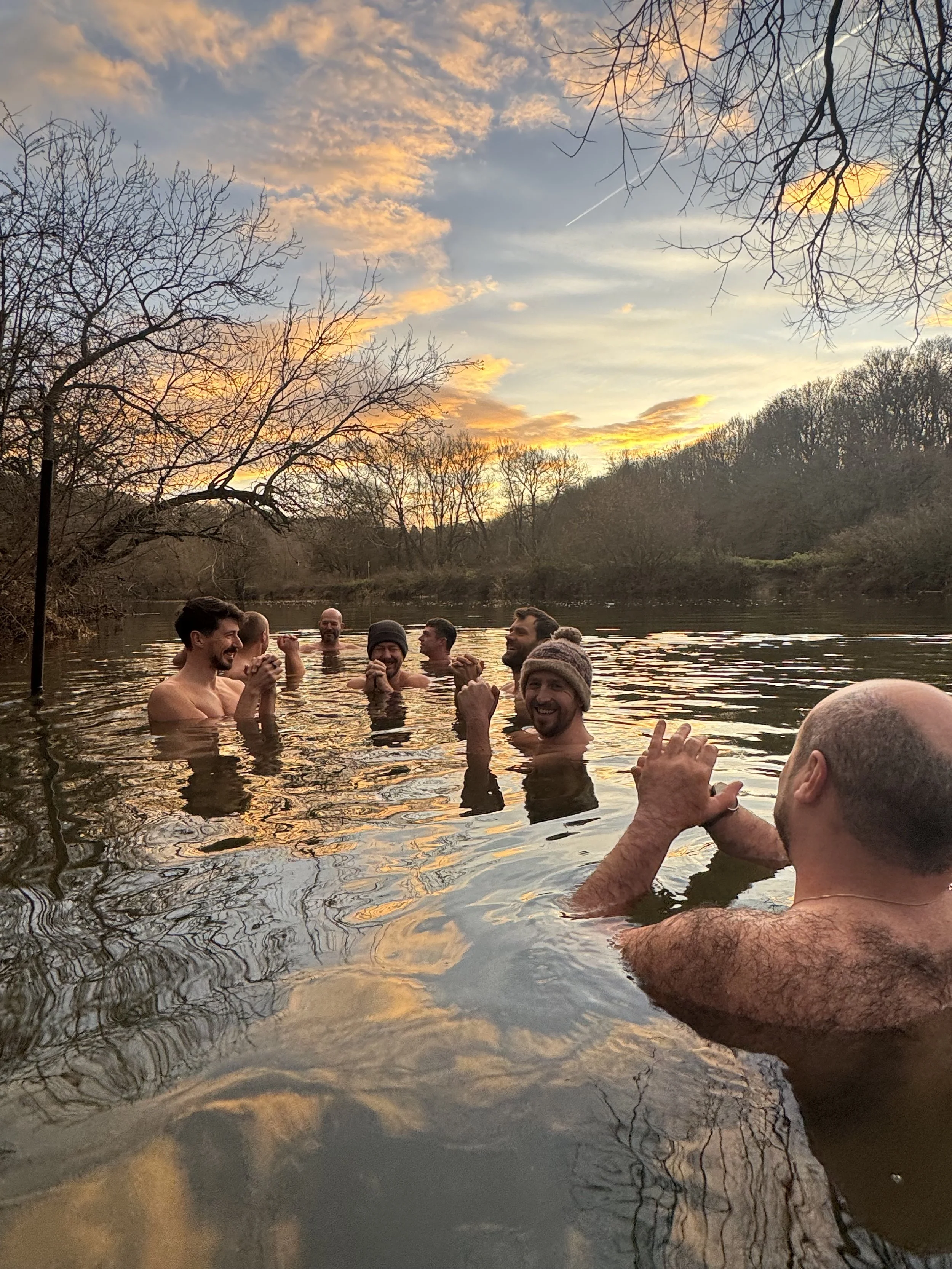
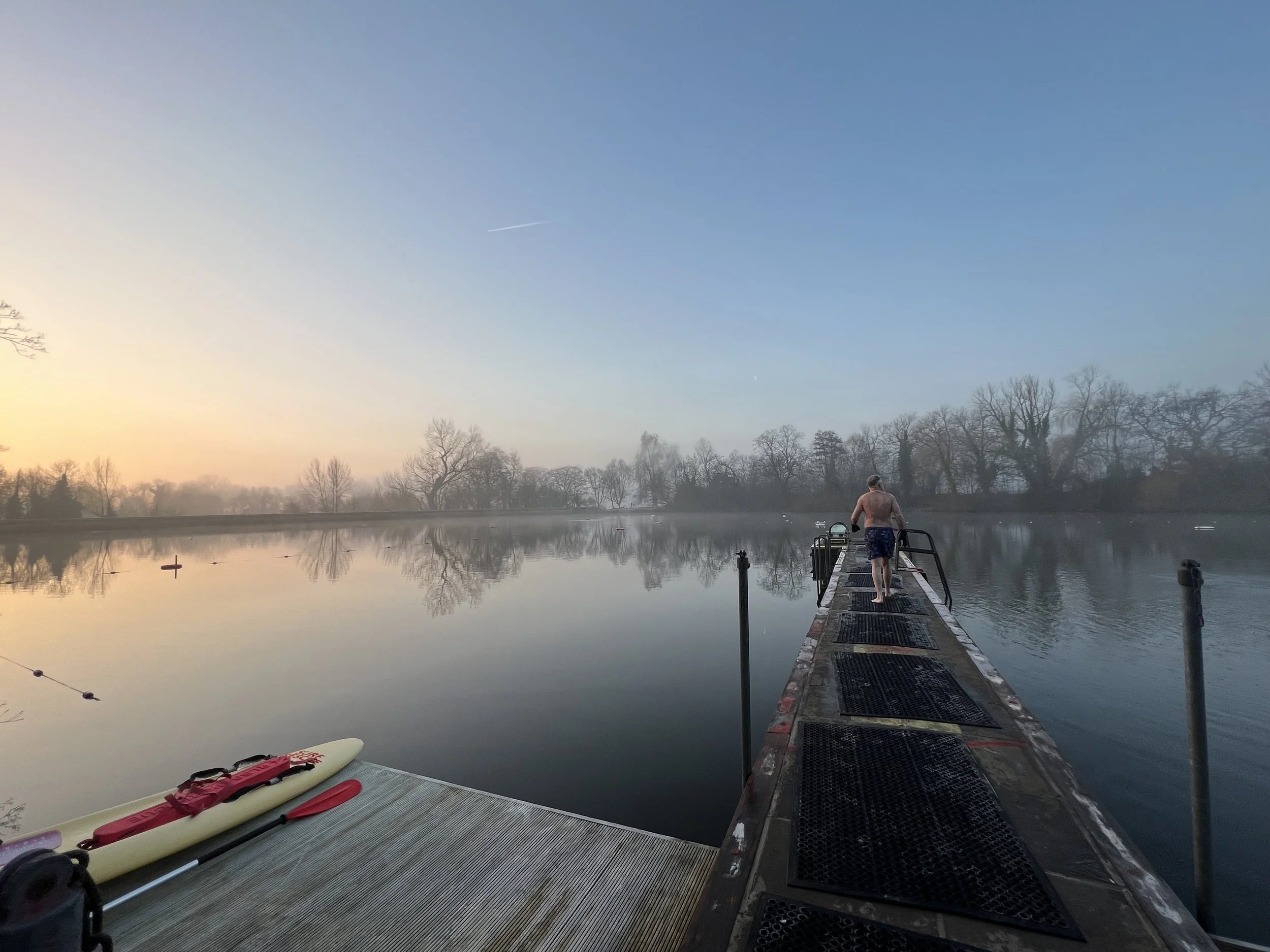
IceBreakers is a men’s wellbeing community that meets outdoors each week for breathwork, cold water immersion and conversation. They gather in rivers, lakes and the sea to reconnect with nature, challenge themselves and support one another. It’s a simple ritual that helps men step out of their heads and back into the world.
IceBreakers isn’t about endurance. It’s about presence and connection.
What Makes It Special
Many men don’t have places where they can slow down, speak honestly or feel supported without pressure. Being outdoors, breathing together and stepping into cold water creates a powerful reset. It helps people reconnect with their bodies, their thoughts and the people around them, often leading to stronger friendships and a deeper sense of belonging.
IceBreakers isn’t a class or a programme. It’s a simple shared ritual: men meeting in nature, breathing together, stepping into cold water and supporting each other. There’s no pressure to perform, no hierarchy and no fixing, just people showing up side by side and meeting life’s challenges together.
The If Lost Take
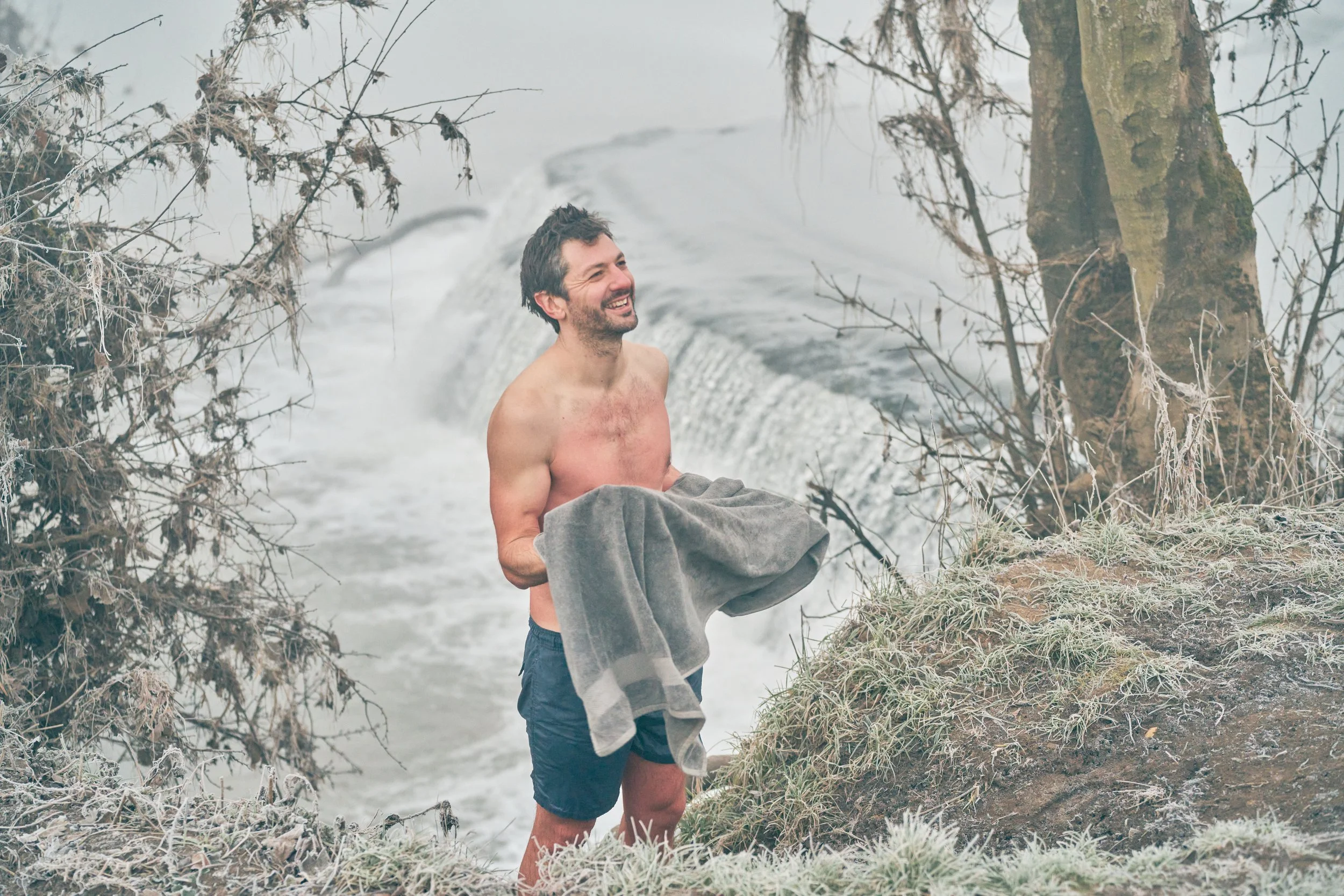
We’ve seen first-hand what a difference an early Sunday start can make. There’s something about standing waist-deep in a river, sharing a simple “hi, how are you?” that cuts through the noise of the week.
It can become a kind of reset. A chance to let go of what’s been building, even if just for a moment. And to notice, without needing to say much, that other men are carrying things too, moving through life with their own hopes and concerns.
Turning up for the first time might feel like a big step. But Icebreakers is a genuinely welcoming group. And somehow, with each Sunday, it gets a little easier to answer the alarm, grab your dry robe, and head out the door.
You come back with flushed cheeks, and often feeling a little lighter than when you left.
Founders Story | Co-founded by Tim Bowles, Arron Collins-Thomas and Jack Horner
IceBreakers began when two friends lost people close to them to suicide and realised how few spaces existed where men could talk honestly about how they were feeling.
They hosted a small retreat and discovered that the most powerful moments came from stepping into cold water together. That shared challenge created openness, connection and real conversation.
From there, weekly gatherings began and the community grew.
Founder’s Go-To Wellbeing Advice
“Step outside.
Move your body, breathe slowly and spend time in nature, even if it’s just a short walk.
And if you can, share that moment with someone else. A conversation and fresh air can shift more than you think.”
Some Practical Details
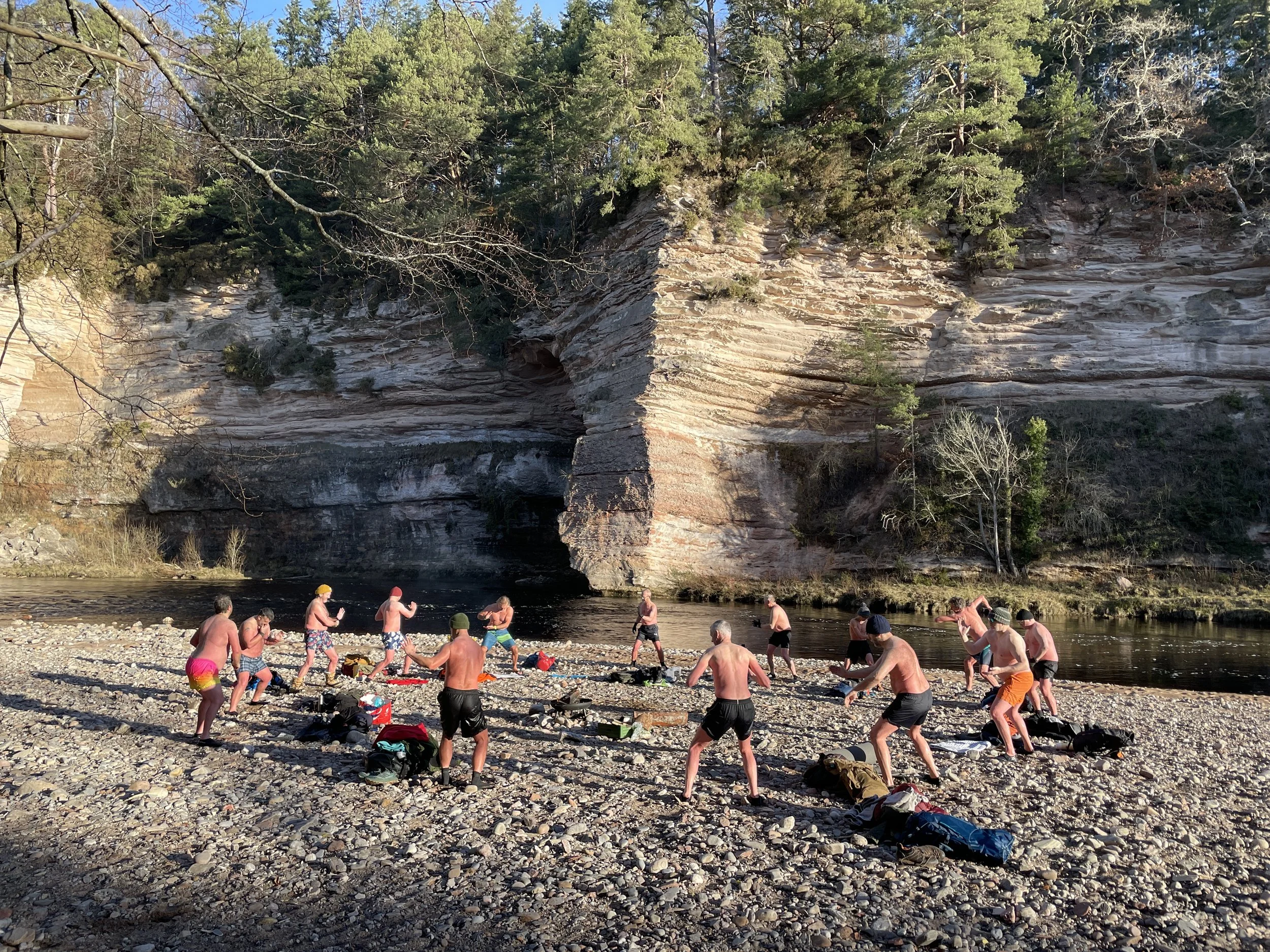
IceBreakers core offering is a weekly outdoor gathering, usually on Sunday mornings. Each session includes breathwork, movement, optional cold water immersion and time for conversation. Some chapters also host fire circles, walks, saunas and other events that deepen connection and community.
You don’t have to be brave or “good at cold water”. Some men dip for a few seconds. Some stay waist-deep. Some just come along for the conversation.
They also organise walks, camps, saunas and get togethers beyond the cold water.
Most of what they do happens outdoors in person. However they do share stories, guidance and inspiration in their WhatsApp community, and new chapters are launching across the UK so more men can find a group near them.
They also host occasional camps and events that people can travel to.
Coming up
Alongside their weekly Sunday gatherings across the UK, IceBreakers is hosting a Spring Camp from the 24th - 26th April, 2026.
It’s a few days in nature where men step away from the noise of everyday life and reconnect through cold water, movement, fire circles and honest conversation. Think of it as a deeper version of the weekly IceBreakers experience.
A special If Lost bonus
IceBreakers are offering 10% off their upcoming Spring Camp to If Lost readers, just use code LOST10 at checkout. Details of the Spring Camp can be found here.

Bristol Lido
Bristol Lido is a restored Victorian open-air pool and spa in Clifton, offering cold water swimming, sauna, and seasonal food in a peaceful city-centre setting. A perfect mind–body reset, it invites you to slow down, move gently, and reconnect.
Perfect For
Anyone craving a reset without leaving the city—whether that’s through movement, stillness, warmth or just a little space to think again.
Why You’ll Love It
Hidden behind a row of Georgian townhouses in Clifton, Bristol Lido is one of those places that feels like a secret well-being sanctuary in the middle of the city.
At its centre is a sparkling, heated open-air pool (to 20-24 degrees year around — these things matter), surrounded by steam rooms, saunas, treatment rooms and a restaurant overlooking the water.
Whether you’re trying to glide through the water, floating under grey skies, or warming up with a post-swim coffee, it’s the kind of place that grounds you in your body and quiets your mind—without ever leaving the city.
What Makes It Special
A historic city-centre oasis – Originally opened in 1850, lovingly restored into a modern, serene space for rest and movement.
Connection built in — Experience one of the supper clubs and make friends beyond your bathing suit.
Eat well, feel well – The poolside restaurant feels like a genuine treat—nutritious, seasonal food from local sources.
The Story Behind It
Rescued from dereliction and reopened in 2008, Bristol Lido was brought back to life by a group who believed in reimagining the public bathing experience for modern life. They’ve since expanded their vision to Reading with the Thames Lido.
Something Else We Love
Outdoor swimming always feels like a mini-holiday, particularly when the pool is in its own courtyard and has those cute Victorian changing rooms. You also don’t need to be a member: two hour guest swims are available with pre-booking.
The If Lost Take
We love Bristol Lido because it’s a reminder to slow down even in the busiest of cities. You don’t need a full retreat—sometimes all it takes is 45 minutes, a pool, and a moment to connect with ourselves again.


Shop Small Special: The Bristol Artisan
A home for local craftsmanship and creativity, The Bristol Artisan embodies the spirit of community and sustainability of the city.
Go here if: you love contemporary design and craft, supporting local makers and feeling like you are truly in Bristol.
What is it: A home for local craftsmanship and creativity, The Bristol Artisan in Clifton is a charming shop that stands as a testament to the city's vibrant community of artists, designers and makers.
Why you’ll love it: Showcasing a curated collection of handmade homewares and gifts from independent makers from Bristol and across the UK, you’re sure to find something to take home. From ceramics, jewelry and original prints, to vegan beauty, living plants and dried flower bouquets, each piece tells a story of skill, passion, and dedication.
The Bristol Artisan embodies the spirit of the city. It encapsulates Bristol's ethos of creativity, community, and sustainability.
How to bring this into your life: The online shop is extensive so you can shop from home. Check out the gift guides for all seasons and occasions (we have our eye on cozy hot water bottles and the perfect ceramic ramen bowls). If you do get to visit, stop at Burra next door for coffee (Bristol’s Cafe of the Year 2022).
In their own words: “The Bristol Artisan is a curated space for contemporary handmade design and craft with a focus on homewares and gifts, supporting over 60 independent makers from Bristol and beyond.”

The Wave
Discover a wave garden just outside Bristol focused on bringing the benefits of blue spaces to everyone.
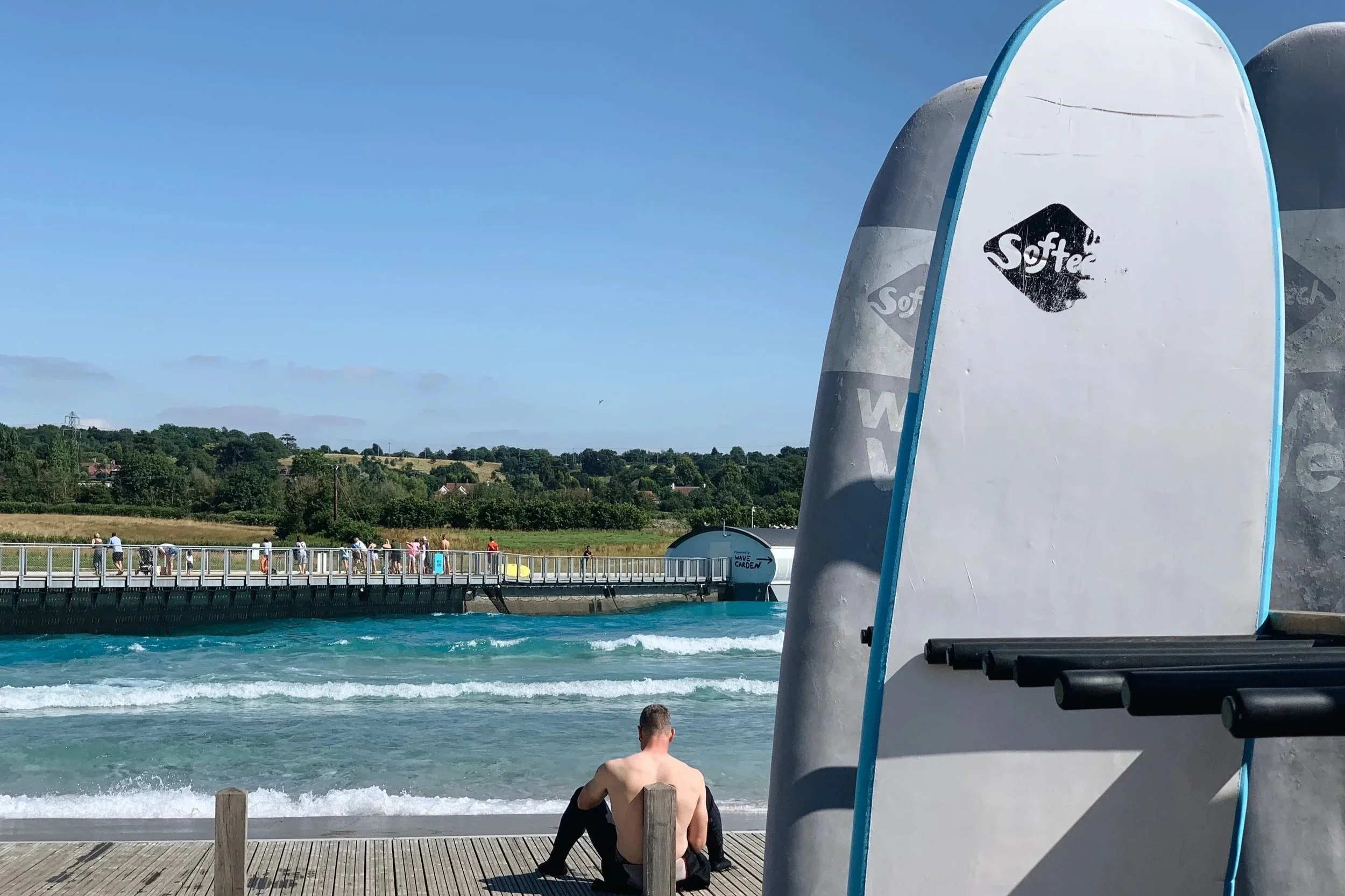
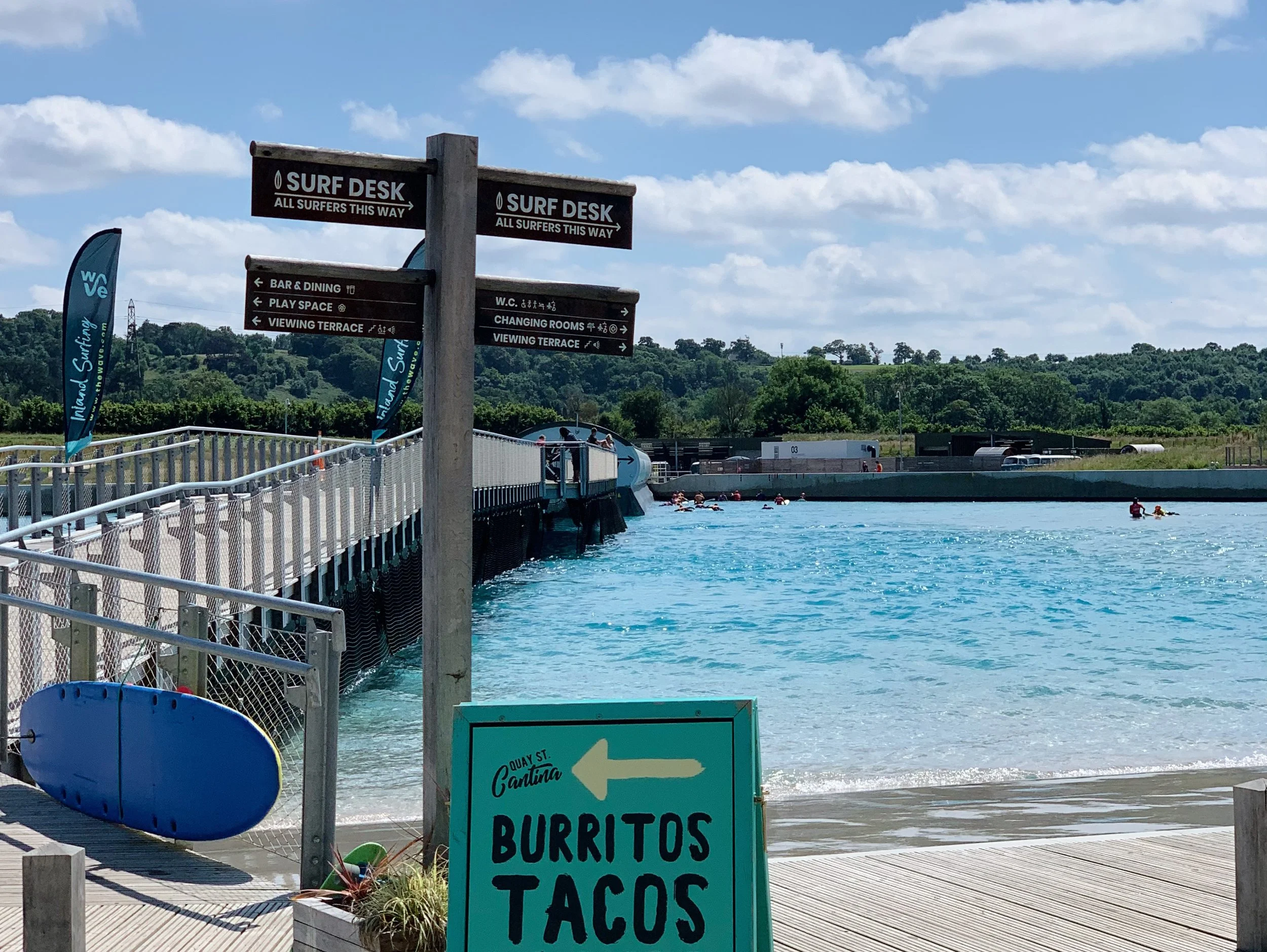
With The Wave, founder Nick Hounsfield has created a slice of California on the outskirts of Bristol, but this is no ordinary surfing destination. Beyond the blue waters, burrito trucks, and clubhouse, Nick and his team are rethinking issues of social health, mental well-being, and our mind-body connection.
The following is an abbreviated and lightly edited interview.
In Conversation with Founder Nick Hounsfield
Let’s start with your own story. Where did the idea for The Wave come from?
I had been an osteopath for many years – my dad was also an osteopath – and I grew up in a relatively alternative health environment. I was always looking for a more natural way to heal the body and mind. I also had a huge love and respect for the outdoors and being in nature. I was always fishing, surfing, and sailing. Nature was a safe space for me, it’s where I went (and still go) when anything is going wrong in life. Even as a little kid, I always felt most comfortable there.
In 2010, my dad died tragically. I made a promise to him to do something big and bold that would take the things both of us treasured – helping people with their health and well-being and fusing that with all the things that we loved about life. I didn’t know at that time what that bold vision would be, but I knew I’d made at least a promise to look for it.
Over time I started to think about some of the things that were going wrong in society as I saw it. It was a time of city riots in Bristol, and I was noticing that a lot of my elderly patients were not going out because they were reading the wrong newspapers and thinking there was somebody with a hoody ready to mug them. They weren’t using the parklands and they weren’t going for walks, and they were physically and mentally suffering because of that.
I also could see a real rift in society in terms of not connecting with each other. I was lucky enough to go to Greece on holiday and I noticed sitting by a harbourside how the different generations came together. People of all ages and backgrounds were together in one hub. We don’t have the climate for that in the UK, but I started to wonder whether we’ve got those spaces properly thought through anyway.
And then because I’ve been a surfer all my life, I started to think about creating a space around that, a blank canvas: what would a really engaging space look like that would bring people together? It’s focused on water, and has a nice building, a great landscape, and amazing food…
One day on YouTube an announcement flashed up about this new technology that could make perfect surfing waves in a lake. It was all the things I’d been thinking about for six months as I tried to get my head around what that space could look like. I thought if I could take a slice of the ocean and create perfect surfing waves, we could use that as the hook to have people come and explore, get into the landscape, and then deliver a whole lot of messaging around that as well in terms of trying to bring people together who for different reasons aren’t mixing very well.
We could make sure that people have access to good food, good spaces to just feel like they can live and breathe, and hopefully create a place that people can come and be excited, or even just reflect, and be in a space not a million miles away from their home. We could also grow a community of people who want to use that space in a way that maybe they haven’t had access to for a long time.
What did it take for you to make that vision a reality from the moment of realizing what that is to you to sitting right now in what you’ve created?
I think it’s a very, very clear purpose of why I wanted it to be done. You just need something that’s a complete driving force and will get you through the ups and downs of getting a project like this going.
It was important that it was a promise to my dad, and I shouldn’t discount that as being a big part of it, because that became an incredibly powerful thing: a promise to somebody that you cherish in life can get you over some massive hurdles.
I think on top of that though it felt like such a compelling vision in terms of that purpose for why we wanted to do it, that it just had to happen. Why wouldn’t you want to do that?
As I spoke to more and more people about it, they started to encourage me. It was something that lots of people wanted to see and experience. Maybe it’s bowing to peer pressure.
And then a massive amount of naivety. It started off small and just grew steadily over time: a small plot of land but then if you’re going to do it you might as well do it properly. Everything grew and grew and grew.
I was also inspired by people who have done crazy things before. I got in contact right at the beginning with Sir Tim Smith who built the Eden Project, so again a bonkers idea to take a big ole wasteland of a clay pit and putting in one of the most iconic buildings possibly in the world. I managed to get his number and called him up one lunchtime between treating patients and told him what I wanted to do, and he totally encouraged me. In his words, it was one of the craziest things he had ever heard, and he thought that I should absolutely do it.
Creating The Wave must have been life-transforming for you. You went from being an osteopath which is a very singular profession to over the past ten years making happen this whole ecosystem that brings in so many different people and components. When you look at what you’ve achieved, how has this impacted your life on a personal level, and how has making your dream real shifted your perspective?
In my role as an osteopath, I would go to the same place every day and have very similar interactions, but I also had to make a connection to completely different individuals maybe 16 times a day and try to work out what’s the interface where I can help this person for this time that I have with them.
Even then it was all around trying to be as holistic as possible, really to get under the skin of why these people were coming with problems to me.
What I do now is more of that but within much bigger thinking: I can now understand what the common themes are with people and how I can impact a bigger section of society and try to help. It’s a much broader base of people coming with the same issues.
But then having seen what’s able to be done and achieved this vision, it makes me go maybe that vision was a bit small, which is crazy because back then I would have just pinched myself, but now we’ve proved we can do this, we’re now thinking let’s do it again and let’s go bigger. There’s an opportunity to really scale up the impact we’re having on people’s health and well-being and be a real force for good as a business and community and brand, so why not?
That’s now a mindset that I’m constantly wrestling with. I’ve constantly got bigger thoughts and I’m trying to temper that with a team around me who is good at slightly reining it in. My official role now is CVO, Chief Visionary Officer; I’m looking at what the 10-year plan, the 15-year plan, and even the 50-year plan are for The Wave. Asking what the legacy we should look at achieving now and how can we lay such a solid foundation as a business so that we can be clear in the decades to come that we will be able to keep repeating this model in different sites.
Also thinking about longevity: I’m now looking out at 16,000 trees that we planted, and I’ll never sit under those trees in their shade. But how cool is it that we’re putting stuff out there that will be there for generations to come?
If we’re thinking about impact, the two things that struck me, there’s the impact on physical space (and across generations), and there’s also the impact on people’s well-being. You clearly situate The Wave within that mental health piece. Through your space, you’re also making sure people are happy in their minds and their bodies. How are you approaching that?
If I take it back to basics with myself, I just knew that when I go surfing and get in the water, I feel better. I absolutely knew that being around water – could be a cool-looking puddle or a vast ocean – there was something in that that made me feel relaxed/happy/excited, all those things. The more people I talked to, the more I found people who felt the same (except maybe some people who were fearful of water).
But there’s a lack of those spaces available to people – maybe they live in High Rise flats or inner-city dwellings – or they’ve never even experienced that connection to nature, what it’s like to feel calm or excited either being in or around water and how it can lift their mental well-being But it’s also about being active in that space and creating a bit of physical well-being as well.
In my perspective with The Wave, we’ve been able to create a space that can deal with all of that in terms of the sensory elements: looking at waves or hearing waves, the blue of the water. I knew even if people just come here and have a cup of coffee, walk around, and go back again that would be a positive input into their bodies and into their minds. Obviously, if you then supercharge that and get into the water, get all the energy from that, afterward, there’s that lovely feeling like you’ve achieved something. It’s good for your personality and confidence, but you’ve also tired yourself out, you’ve worked your muscles and benefited from having exercised.
There’s good food and happy people all around, a place that’s really helping you with your mind, a place that’s making you exercise that’s good for your body, you’re getting a better connection in nature as well: all those things allow people who come to visit just feel much more positive on all those accounts.
Over the pandemic, there has been a shift in conversations around mental well-being. What part has this played in the evolution of The Wave? You’ve had the past two years that have really shown people why what you do matters so much.
100%. It’s been the worst time for us to start this project because obviously, we had to go right the way through the pandemic, and from a business point of view that’s not been great. But we’re now able to push on an open door. It’s just of the time, it’s the zeitgeist, people are talking about their mental health more, and it’s just brilliant to hear people talk about the connection to nature. Having been shut down and stuck in our houses, restricted to just one hour getting outside, and suddenly that one hour became the golden hour, the time we could go out and do something, it’s really opened that conversation very genuinely. Still, now you’ve only got to pick up some paper and there’s something about mental health, how it’s important, the connection to nature, and why we need to be protecting it. Society has shifted to what the team and I thought was originally important with The Wave.
Now The Wave is here, what’s next for you? What does the immediate future look like?
There are two parts: I had a stroke two years ago that was in many ways another part of the journey and a rollercoaster. I had six weeks of starting to recover when I had my own lockdown before the rest of society got to experience one as well. I already had a bit of an idea for some of the things, when hopefully I could come back to work, that we needed to focus on. I had a renewed perspective about the things that I knew mattered to me and that I wanted to share with other people.
We’ve always had a very clear mandate that this is going to be for all ages, all backgrounds, and all abilities. We’ve got to make money post-pandemic, but we’ve always had that purpose. I felt like with all ages we were doing quite well. With all abilities, this whole place has been set up for people with disabilities, like wheelchair access. I’ve been working for eight years now with the adaptive surf community, so I knew this place physically had been created in the right way.
But with that alls background aspect, such as the lack of ethnicity within surfing, we needed to look at that too. We need people to have access from much broader, much more diverse communities.
Coming back from my stroke, we started a social impact group. Now the ambition this year is to have 5000-6000 people, mainly kids, come here who would never have had access: school groups, kids with various disabilities, and people from underprivileged backgrounds. We’re also working to change the diversity of the people who work here, so if we can get more people from more diverse cultures working here then hopefully that will start to reflect on the people using the space and who feel comfortable here.
Also, we’ve just done this deal so that can open another six spaces in the next five years and we’re looking at places where we can put another Wave that’s absolutely in the sweet spot in terms of commercially making sure that people that come here can pay good money to use it and that’s also based around an incredibly diverse population and real social and health issues such as obesity, drinking, drugs, who would benefit from access to it too.
We’re opening a Wave in London. We want to take our learnings from here in Bristol and then transpose that into a place that’s on people’s doorstep but where we can create that bigger vision of going right back to the basics of wanting to impact people’s health and well-being across the entire spectrum of society.
Once we’ve done that there, I think we’ve got the perfect blueprint where we can do something that’s close to an urban setting, or another smack down in the middle of a massive metropolis. We can go, who wants us? We’ve got this model where we can help local authorities with their own social impact objectives, help them with some of their issues around getting communities together, self-prescribing, and having people look after their own health, rather than relying heavily on the NHS system. We can become not all things to everyone but be able to have a positive impact on people’s health and well-being across the UK. Then ideally, we can then go abroad to other countries with other big conurbations which have the same social issues and are trying to help their own populations locally with some of the struggles that they have but also want something attractive that can become like a lighthouse for them. To me, that’s exciting.
Is there anywhere else like you?
We’re just something very different. I think we need to create a new category for what we’re doing: The core purpose goes back to a health and well-being destination, but it fits within this new experience, which is the surf park industry. If we’re going to do more of these and they are going to be called The Wave, what I would love is for someone to pick up what we’re doing and say I want to build a surf park or destination, but one driven by that health and well-being agenda. That’s my main motivator whereas everyone else is coming at it from that other side, going let’s build a surf park – it’s going to be cool, and we should probably do something good for people. And it’s a bolt-on, rather than core. Or a big real estate play.
What we really want to do, and we’re one of the first out the door, is really set the benchmark: if you want to build one of these places absolutely make sure you are looking after people and the planet in the same vein as looking after your profit. If we can then show that it is a successful model to deliver, and it’s a future-facing, then I think we have a real shot at creating something new and exciting for the world which also has that sustainability built in from the start rather than something which is a get rich quick venture which is never what it was about.
What can someone do wherever they are to connect with your work at The Wave?
I’d say in terms of the much bigger picture, working with local people already in this space. Like making sure we have an amazing coastline all around the world and getting involved in social impact issues like the environmental side and marine protection. If you believe in us and the power of what we want to do, there are other people out there who have that same connection with nature.
Creating this artificial landscape based around surfing creates an incredible ability to get that messaging right. We’re already working with Surfers Against Sewage, and Surfrider Foundation. Over the next couple of years, you’ll see more of this network growing around us and us growing around the network. So, seeking out like-minded souls working in this field.
The main thing now is also following the journey of The Wave and seeing what touchpoints really spark people’s enthusiasm. We’re always happy to suggest where people can get involved, and hopefully, The Wave can come to a place near you in the future.
Where do you go when you are lost, lonely, anxious, or curious?
I go to the water. I equally get just as happy in the mountains but there are not so many mountains around here. 100% of what we’ve created here is what I’d go to myself which is the whole impetus behind it. When I had my stroke when I was able to get into the water, no word of a lie, I felt like I was myself again. Every single time I got into the water, I felt better and better and better, much more so than anything else I’d done to that date. Within about three months I managed to get into the water and almost within an hour of being in the water, suddenly I was back.

Gather Round
Discover a family of creative workspaces in Bristol built by creatives for creatives. Now we’ve experienced life without each other, Gather Round restores real-life interactions that no amount of Zoom can replace.
With its first location in Southville’s Cigar Factory and now a second location in Brunswick Square, Gather Round was created to make space for community and collaboration as much as for our everyday working lives. We asked the people at Fiasco, the design studio behind it, to tell us more about what makes their creative workspace different, how they bring ideas to life and how they have created a positive culture centered on people.
What is it: Gather Round is a growing family of unique creative workspaces, designed to foster a positive community of like-minded creative people through an open and supportive culture.
Why do people need It? Gather Round was set up in 2018 by us, Ben Steers and Jason Smith, Bristol-based business owners of Fiasco Design. We had struggled to find a workspace for our design studio that wasn’t an office, didn’t tie us into a long-term contract and crucially, didn’t charge obscene rates. After chatting to other creative business owners, we soon realised that we weren’t alone. It was time to shake things up. And so Gather Round was born. Built by creatives, for creatives.
What do you offer? Across two locations in Bristol, our considered workspaces are designed around the needs of those who work within the creative industries. Made up of flexible areas with fixed and casual desks, private studios, meeting rooms, production studios for hire, hang-out areas, communal kitchen tables, quiet rooms for headspace and event spaces. At Gather Round you can do your thing, your way.
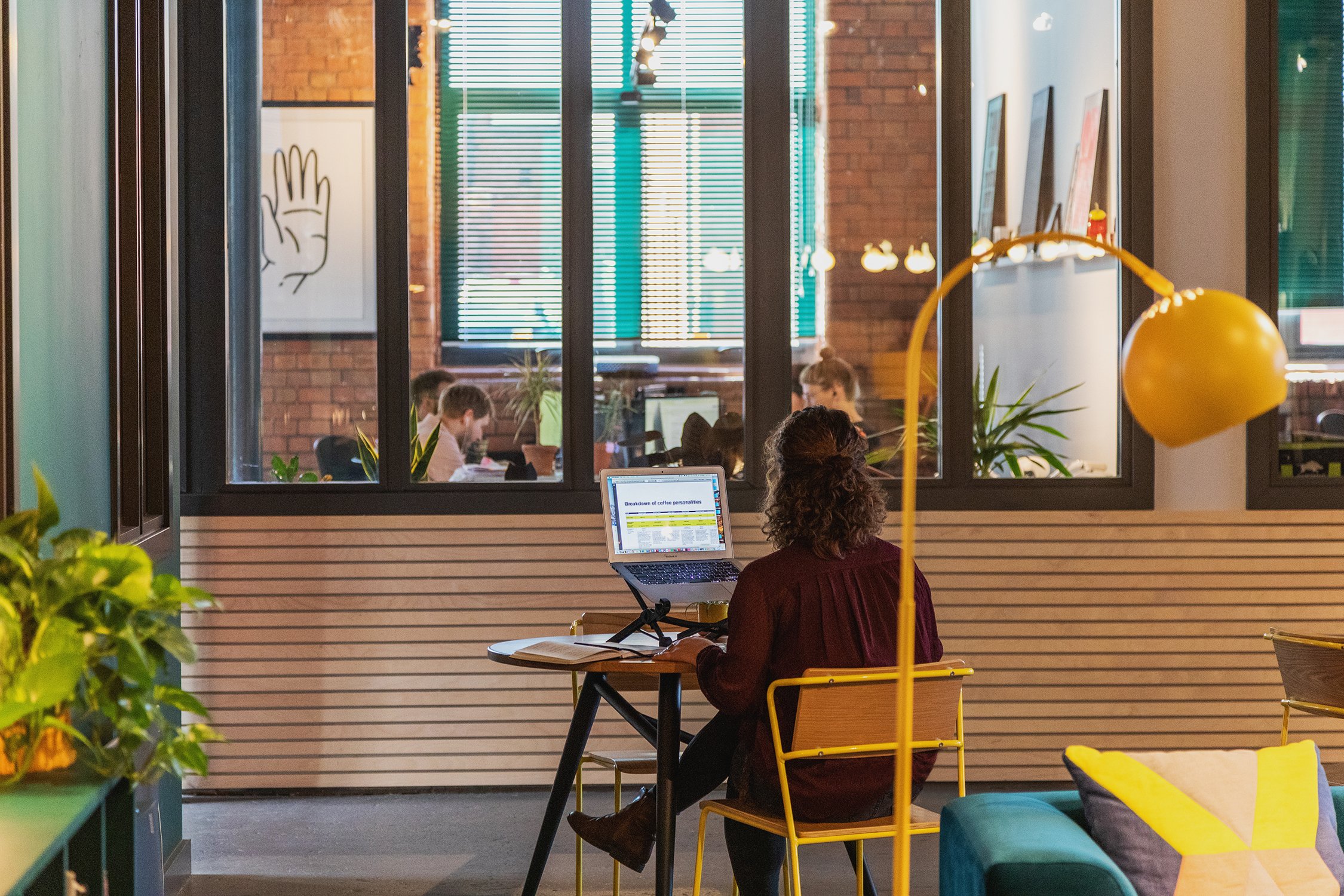
What makes Gather Round different? As creatives ourselves, we know what makes a great workspace. No indoor caravans, tardis-style meeting rooms or artificial grass in sight. Just thoughtfully designed spaces. We provide the right ingredients for creative professionals to flourish; we’ve had businesses born from Gather Round and creative collaboration between people is a natural part of everyday working. So whether you're musing over an idea, hashing out a project, or launching your plan for world-domination - we’ve got it covered.
Our beautiful coworking spaces are nothing without the community of creatives that call them home from home. Filmmakers, designers, writers, publishers, art consultants, brand strategists, photographers and more… Our members are an eclectic and talented bunch. They’re also excellent people that make our special workspaces unique.
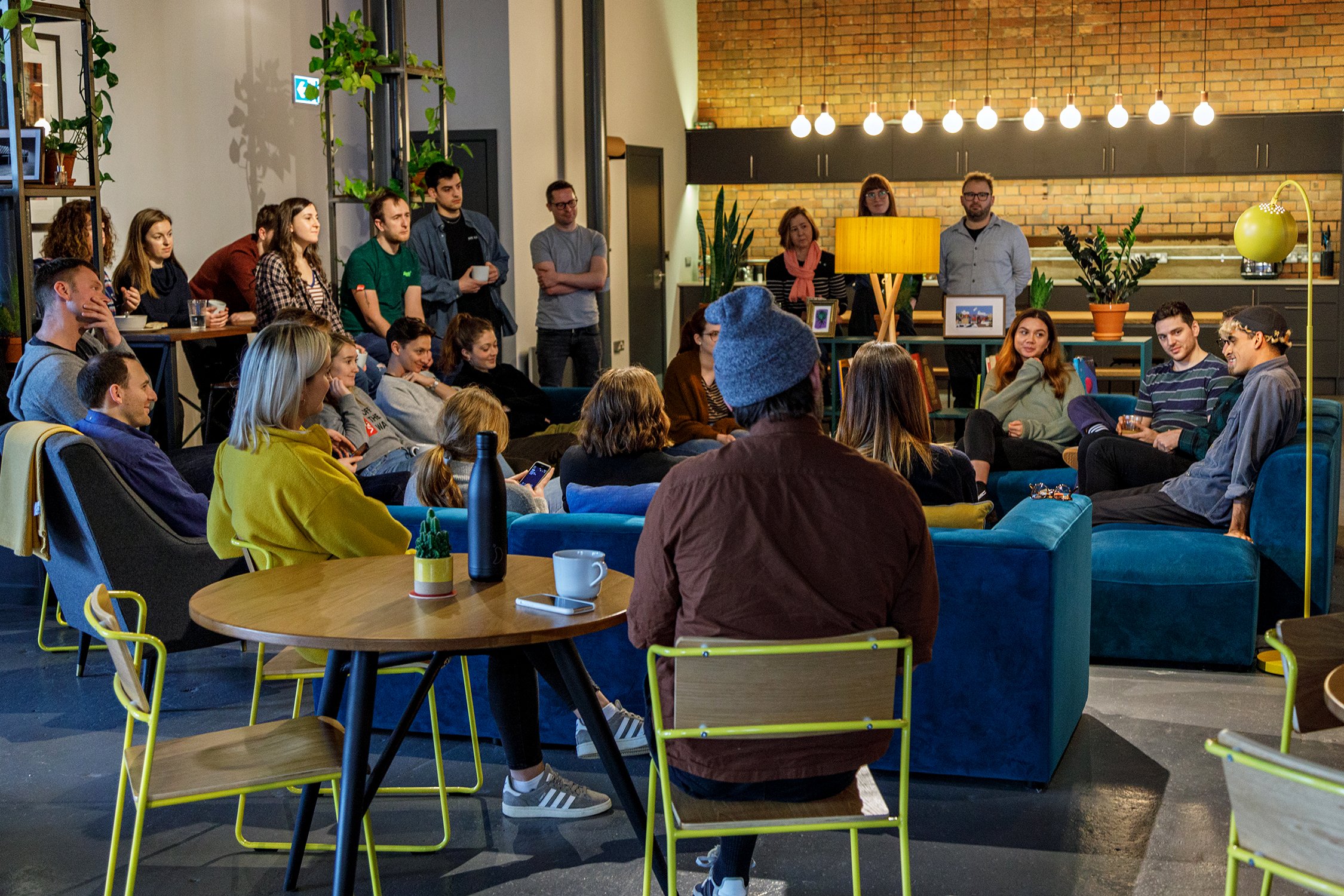
What do our readers need to know? Gather Round is fully open and accepting new memberships at both Bristol locations. As an independent business, we are able to be reactive to the changing landscape. We have adapted to new ways of working, putting our members and their needs first. Now more than ever, people appreciate the value of human connection. Zoom, Slack and the like, are fantastic but they don’t compensate for real-life interactions. We’re proud that our spaces help to bring people together, whether that’s via a project collaboration or enjoying one of our events with a post-work beer.
Tell us a little about your story: The pandemic was a really trying time for the creative industries. As agency owners of Fiasco Design, we were in the thick of it. Multiple projects fell through for us and we witnessed first-hand businesses fold, redundancies happen and talented creatives struggle to support their families. Throughout this, our members were there for one another; supporting each other through the tough times. Our community really pulled together. Many of us were thrust into working from home, often in less than ideal circumstances. Working from home for months on end can be lonely and particularly in the creative industries, it can lead to fatigue and burnout. It’s not surprising that since the end of restrictions we’ve seen an increase in people looking for somewhere to work away from home.
How can people be inspired by your space wherever they are? We are passionate about supporting creative endeavours and we have a blog on our site that is dedicated solely to this. Whether it’s learning how to bake sourdough bread, or reading about essential tools for freelancers, you can find it all on the Journal section of our site. You can also follow us on social channels to keep up to date with what our fantastic members are up to.

Gather Round
Cigar Factory
127-131 Raleigh Rd,
Southville, Bristol BS3 1QU
&
15-16 Brunswick Square
St Pauls, Bristol, BS2 8NX.
Gather Round now has a space in Bath. Check out their new location at Trinity Church here.

Mindful Doing & Creative Space
Ellie Grout finds her community of introverts at Bristol’s Creative Space and her equilibrium through Mindful Doing.
Relaxing spaces took on a major importance in my life following the second—and hopefully last—of two very unexpected breakdowns. Although I’d previously needed a little time to settle in to new surroundings, I could still be content in most places. Once my mental health had been shattered there were very few places I could go without heavy consideration. This meant that I now spent a lot of time at home; I love my house and it is definitely an anchor for me, but too much of a good thing always has its downsides.
This deterioration in health pushed me into creative experimentation, along with my sister and best friend Lottie Suki, who in a spooky coincidence had experienced a similar breakdown that closely mirrored my own. Coming from a creative family and each with creative backgrounds, it was no surprise that we found our solace in making and crafting. The first smile of excitement on my face in months came from making a teeny, tiny 25mm badge. This unofficial course of discovery proved to be our tonic: we both began to recover and rediscover our authentic selves as we lost ourselves in creation.

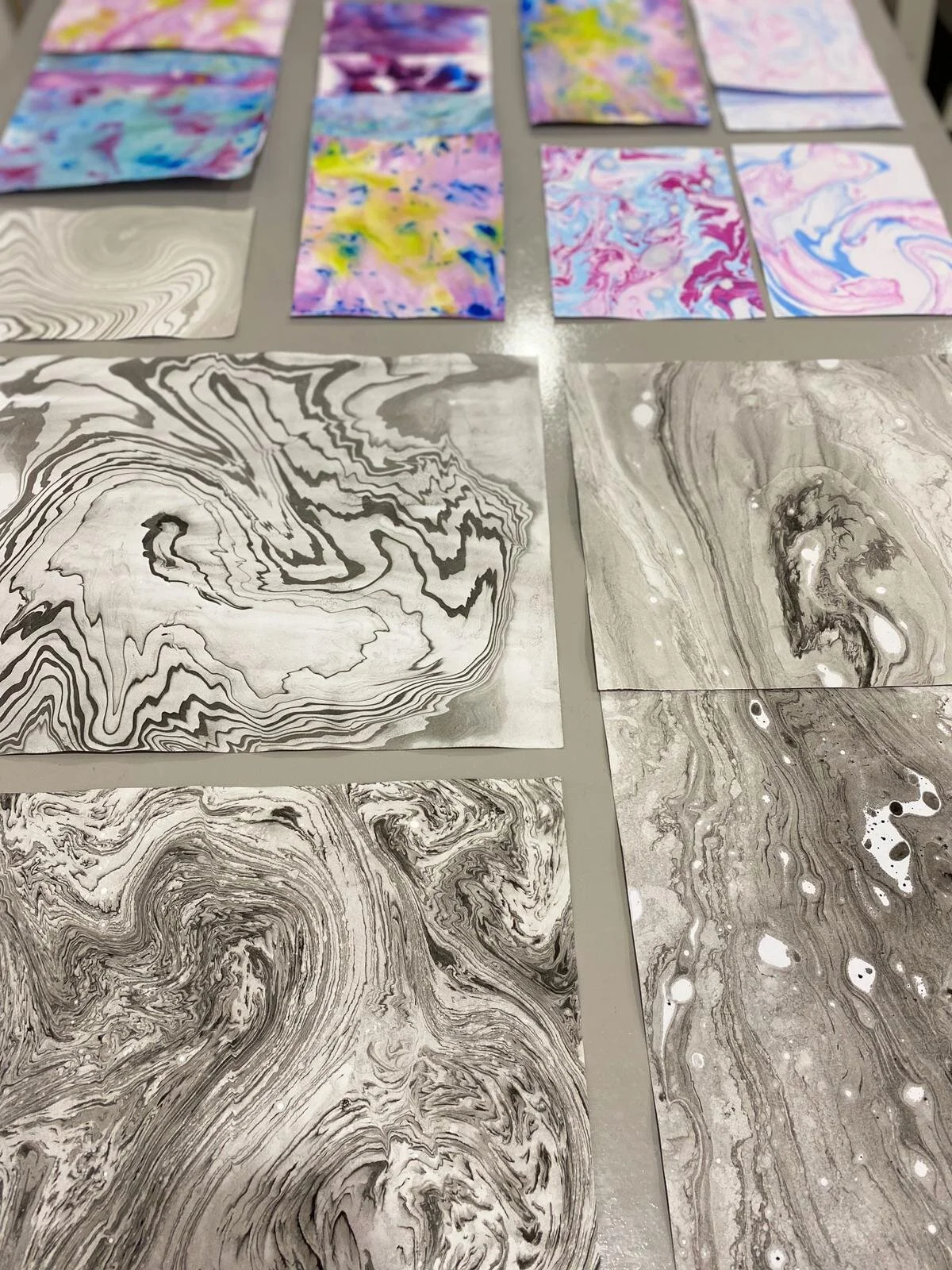

Once my sister and I had regained our confidence and joie de vivre, we began to daydream about developing a community of introverts, who, like us, would rejoice in the opportunity to calmly and quietly experiment with crafts. A weekend stroll down North Street, Bedminster, Bristol, landed us with the perfect location to make our dream a reality. I was heading to Storysmith (an idyllic independent bookshop on the same street, where you can browse what feel like dream bookshelves) and from the corner of my eye I noticed a sign calling for creative professionals who wanted to rent space to lead workshops. The coincidence was too exciting for us to ignore.
Even on first impression, Creative Space seemed heavenly. Settled amongst the pleasant hustle and bustle of North Street, the entire shop front comprises of windows which let the light flood in. Inside, the space is spacious and yet still cosy. The studio is an inspiring place to be; like a gallery, the walls are white, and the artificial lighting is bright. The windows are filled with reupholstery projects that are still in progress, along with creations from the wide variety of teachers who also run workshops in the space.


Having come such a long way in our own lives, my sister and I decided to be brave. We knew how much our wellbeing had improved through doing things mindfully, and so we made the bold step to begin our own course: ‘Mindful Doing’. Whilst we both do rather different things with our days and careers, we both discovered that the act of creating was a major contributor to our improved wellbeing and we wanted to share this with others. We devised a short course which explored some of our favourite ways of making things through writing, drawing, paper making and bookbinding and we ran it for the first time last summer. That was when we discovered our own 'Community of Introverts'.
Even though anxiety has haunted us throughout, what has been most wonderful about this little venture, is that we have both felt the healing of these sessions at least as much as the people who have come along to them. We travel to the venue filled with nerves and the overhang of daytime stressors, but by the time we leave we are filled with positivity and calm. We both feel the benefit so much from supporting others to be mindful in their ‘doing’. The community within our sessions is wonderful, the space and what it stands for within the local area closely aligns with our values, and the area is itself is a magical little nook of a vibrant city.