

Grief Disco
Discover Grief Disco, a welcoming and uplifting space for anyone living with loss. A place to heal, connect and feel grief through music, movement and community.

Perfect For
Grief Disco is for anyone living with loss and looking for a different kind of space to hold it. It’s for people who don’t always have the words, who feel isolated in their grief, or who want to be around others who understand without needing everything explained. It’s for the heartbroken and the hopeful, for people who want somewhere gentle, human and a little unexpected to go with what they’re carrying.
You do not need to be good at dancing. You do not need to be ready to talk. You do not need to arrive in any particular state. You just need permission to come as you are.
Why You’ll Love It
Grief Disco offers something many grieving people are missing: a place to feel less alone without being forced into conversation or expected to “do grief” the right way. Through music, movement and a sense of shared understanding, it creates room for sadness, joy, memory, release and connection to exist together.
This isn’t about dancing to forget. It’s about dancing to remember, to honour and to reconnect. For some people that might look like tears on a dance floor. For others, it might be a small exhale, a moment of laughter, or the relief of being in a room where no one needs grief explained to them.
What Makes It Special
So much of grief can feel isolating. People don’t know what to say, or they say nothing. We can start to feel cut off from ourselves, from our bodies and from other people. What Grief Disco understands is that grief does not only live in words. It lives in the body too.
That’s what makes this space so powerful. It offers people a way to process loss through movement, music and presence, rather than through talking alone. There is no pressure to perform, no expectation to be upbeat and no fixed script for how you should feel. Everything is an invitation.
Grief Disco also holds something many of us forget is possible: that joy and grief can coexist. That a person can cry and dance at the same time. That love, memory, heartbreak and laughter can all be in the room together. In that sense, it doesn’t just offer support for grief. It offers a more human way of being with it.
The If Lost Take
There is something quietly radical about creating a place where grief is allowed to move.
So many of us are more familiar with the language of coping than the experience of actually feeling. We know how to keep going, keep functioning, keep answering “fine” when we are anything but. Grief Disco interrupts that. It offers something softer and, for many people, more freeing: a chance to let grief be alive in the body, not just managed in the mind.
What we love most is that this doesn’t turn grief into a problem to solve. It doesn’t rush people towards silver linings or ask them to package their pain into something neat and shareable. Instead, it makes room for what is true. Sometimes that truth is sorrow. Sometimes it is love. Sometimes it is a song that opens something you didn’t realise you were still carrying.
And sometimes healing looks less like fixing and more like finding a room where you can be fully human again.
Founders Story | Co-founded by Georgina Jones and Leah Davies
Grief Disco was born from lived experience of loss and a belief that grieving people deserve spaces that feel connecting, warm and real. Co-founders Georgina and Leah created it as a response to the loneliness that grief can bring and to the sense that many of the places available to grieving people do not always make room for the body, for joy or for community. Their approach is shaped by the understanding that no one should have to grieve alone, and that music and movement can help us find our way back to ourselves and each other.
Founder’s Go-To Wellbeing Advice
“Look for the love.
Look for the tiny moments of joy that are still here, even in the hardest seasons. Keep a playlist that helps shift your energy. Let music help you move what words can’t always reach.
And remember that grief is not something to fix or get over. It is something to feel, and you don’t have to feel it alone.”


Some Practical Details
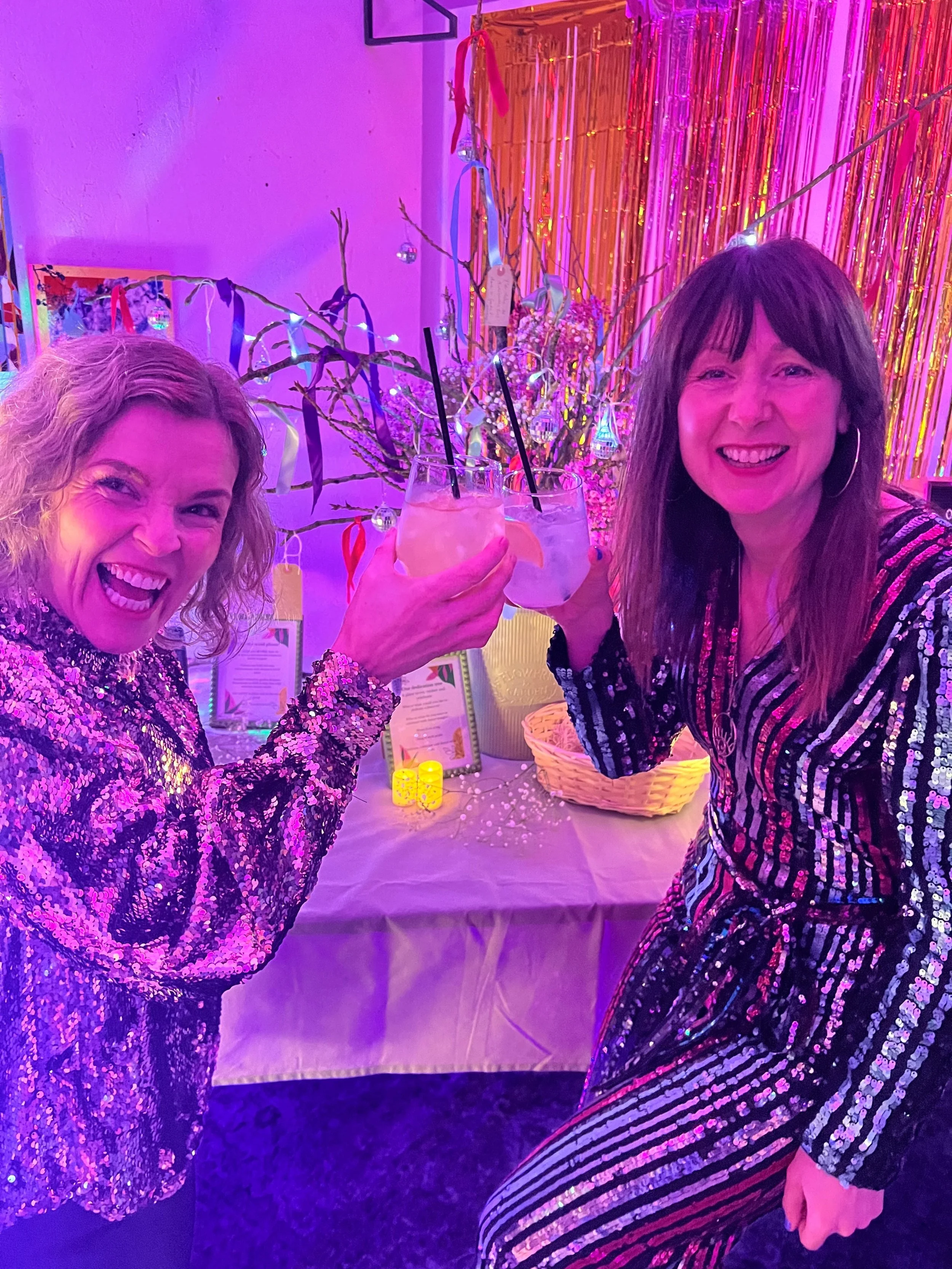
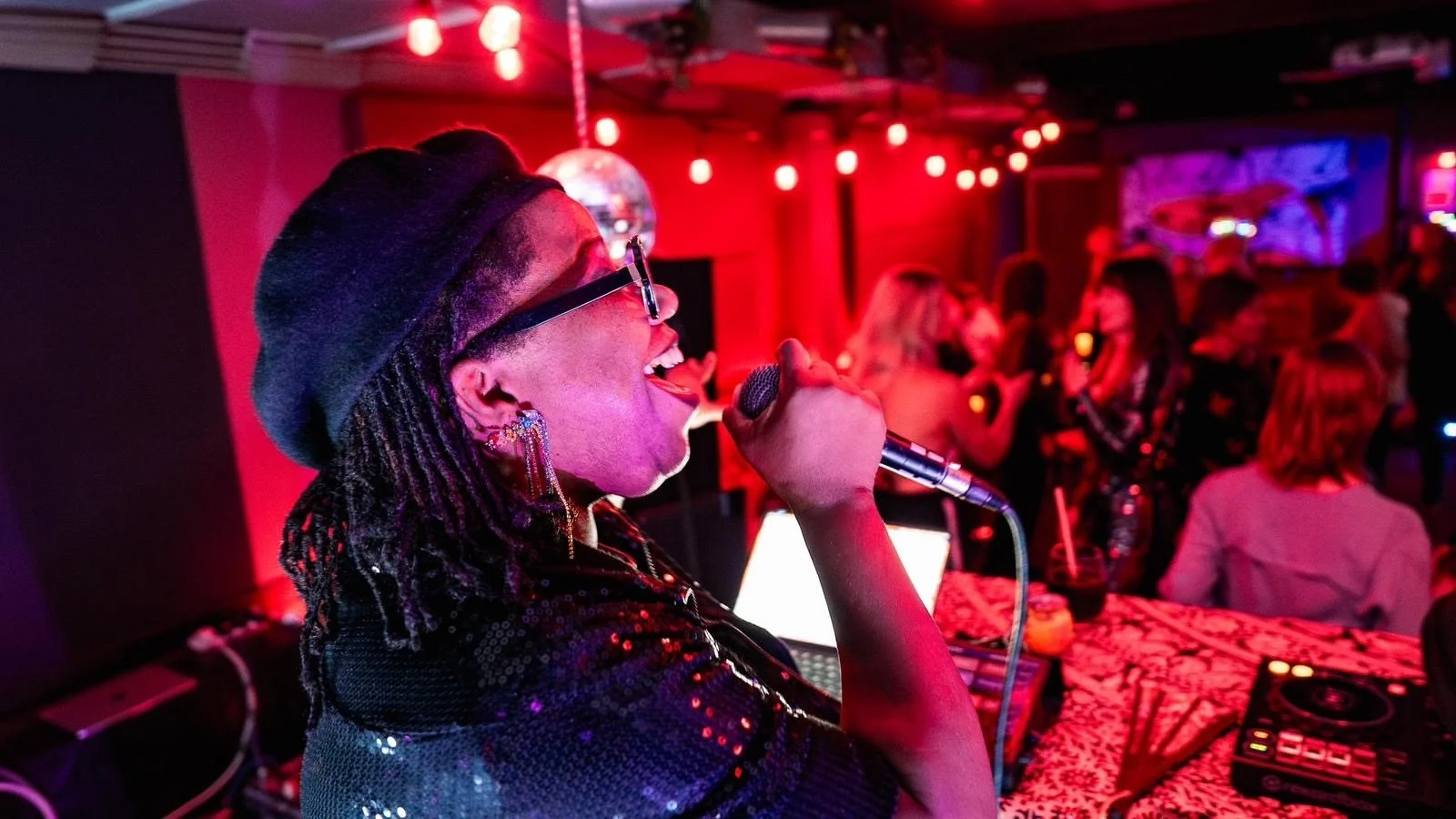
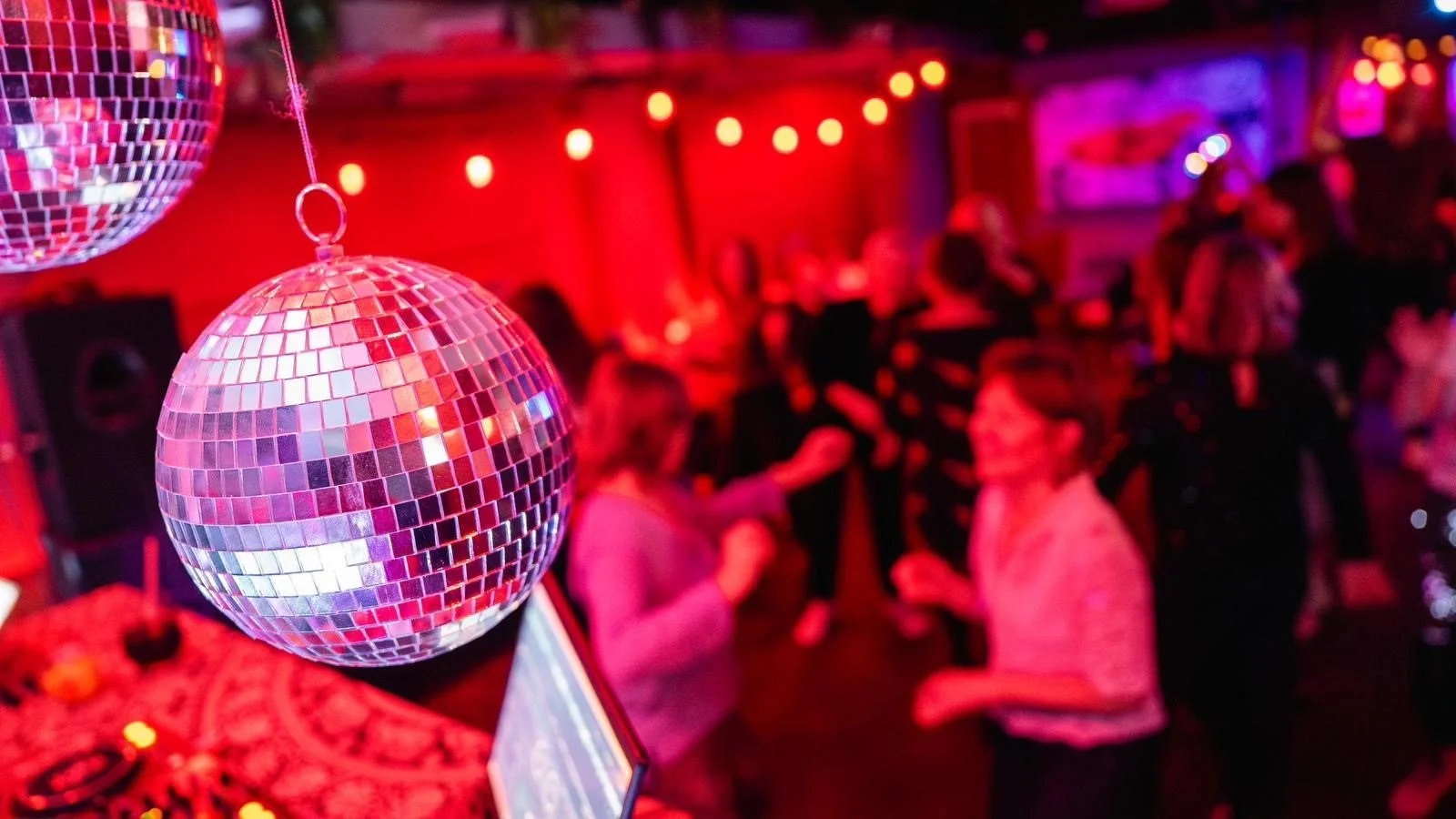
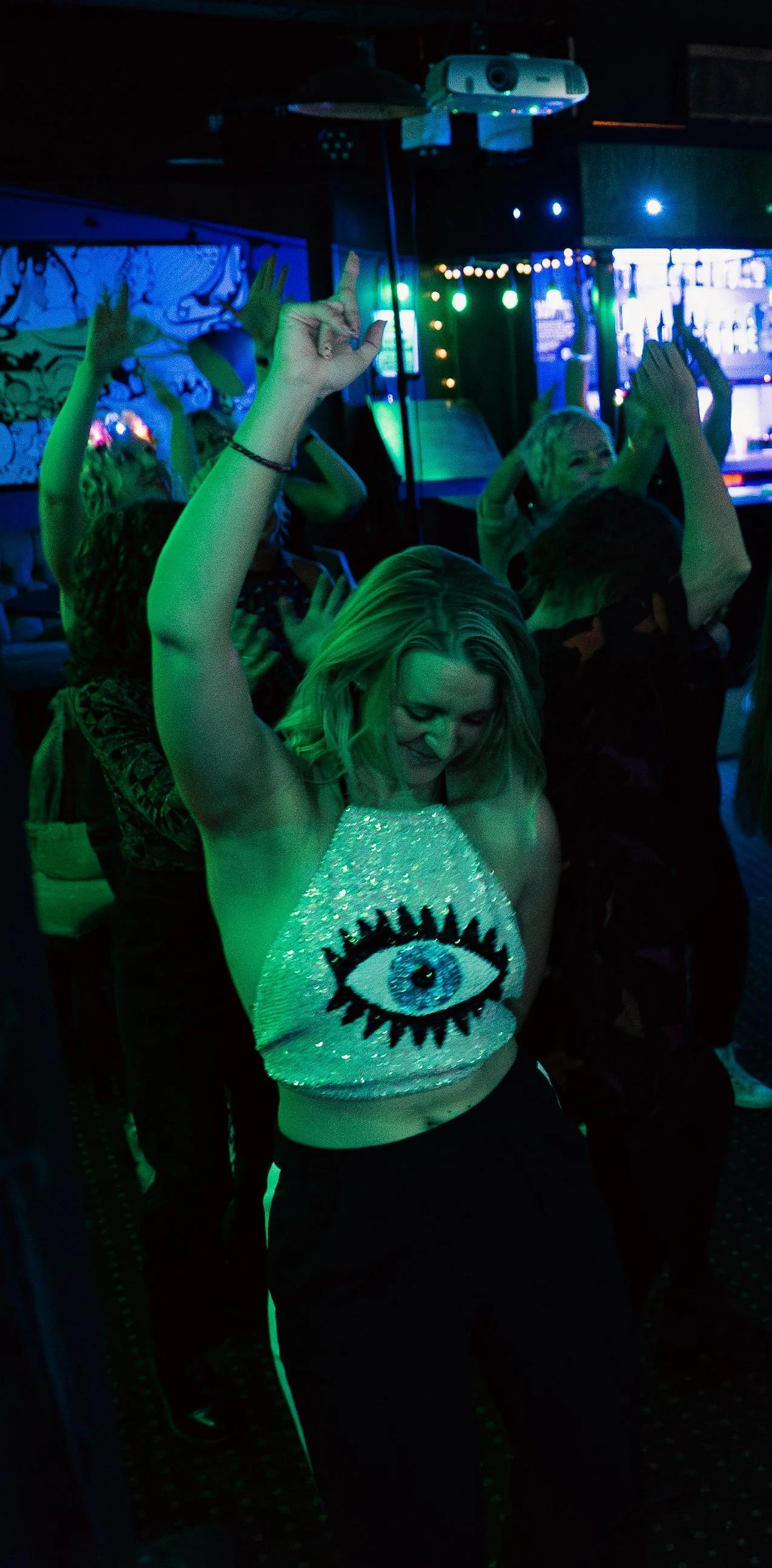
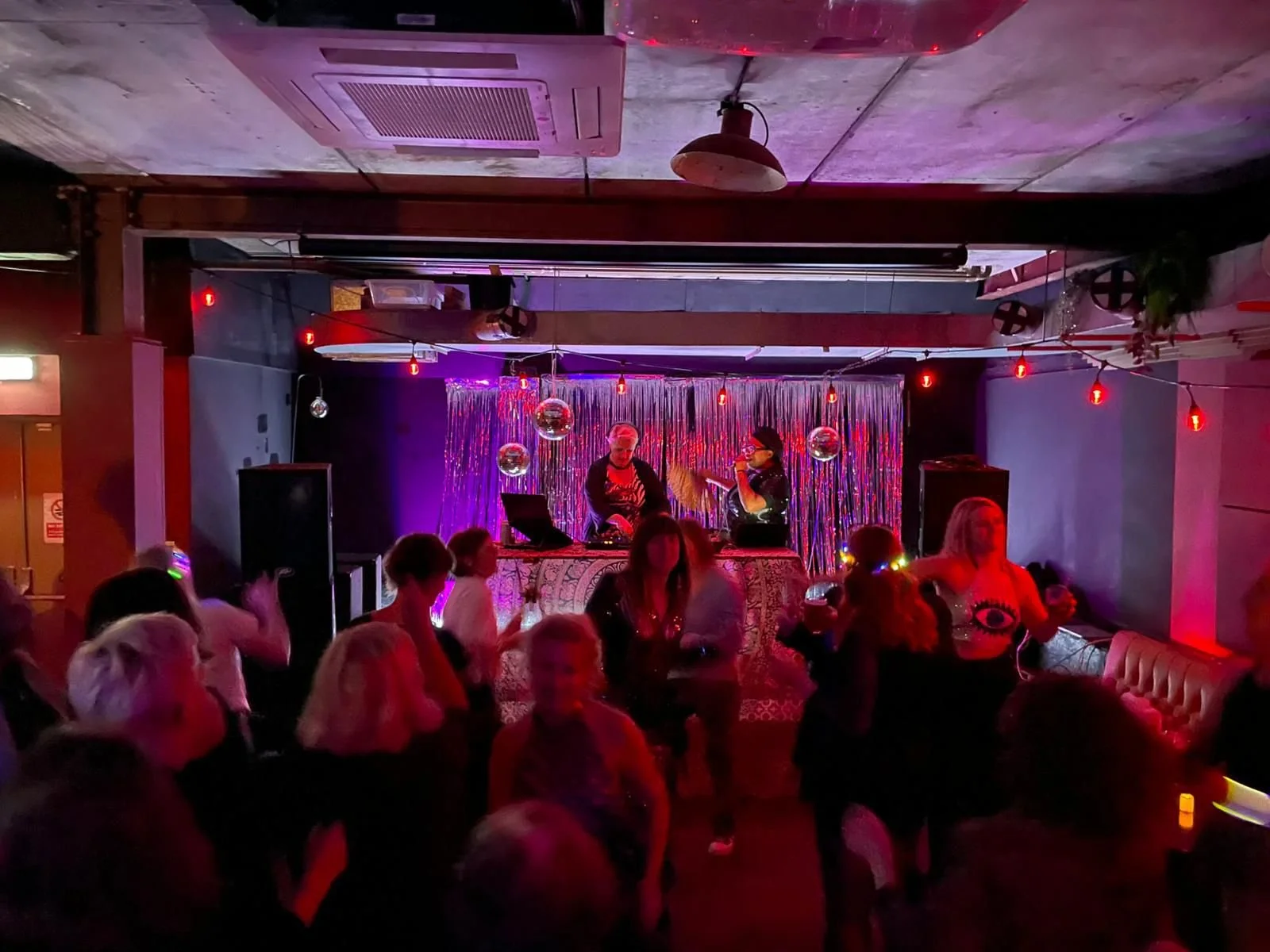
Grief Disco is a space where people can come together around grief through music, movement and optional sharing. Some events happen in person and there are also online grief discos for people who would rather join from home. The atmosphere is invitational rather than intense: you can dance, sit, cry, talk, stay quiet, turn your camera off or simply witness. There are also small ritual elements, such as dedications and moments to remember the person or people you are dancing for.
If you are grieving and looking for support, this may be one of those rare places that helps not by asking you to explain your loss, but by giving you somewhere to bring it.

IceBreakers
Part of our wellbeing guide for life, IceBreakers offers men a welcoming space to step into nature, share conversation and find connection through cold water and simple weekly rituals.
Perfect For
IceBreakers is for men of all ages and backgrounds. Some come because they’re struggling. Others come because they want more connection, more nature and a healthier rhythm to their week. You don’t need experience with cold water or wellbeing practices. You just need to show up.
Why You’ll Love It
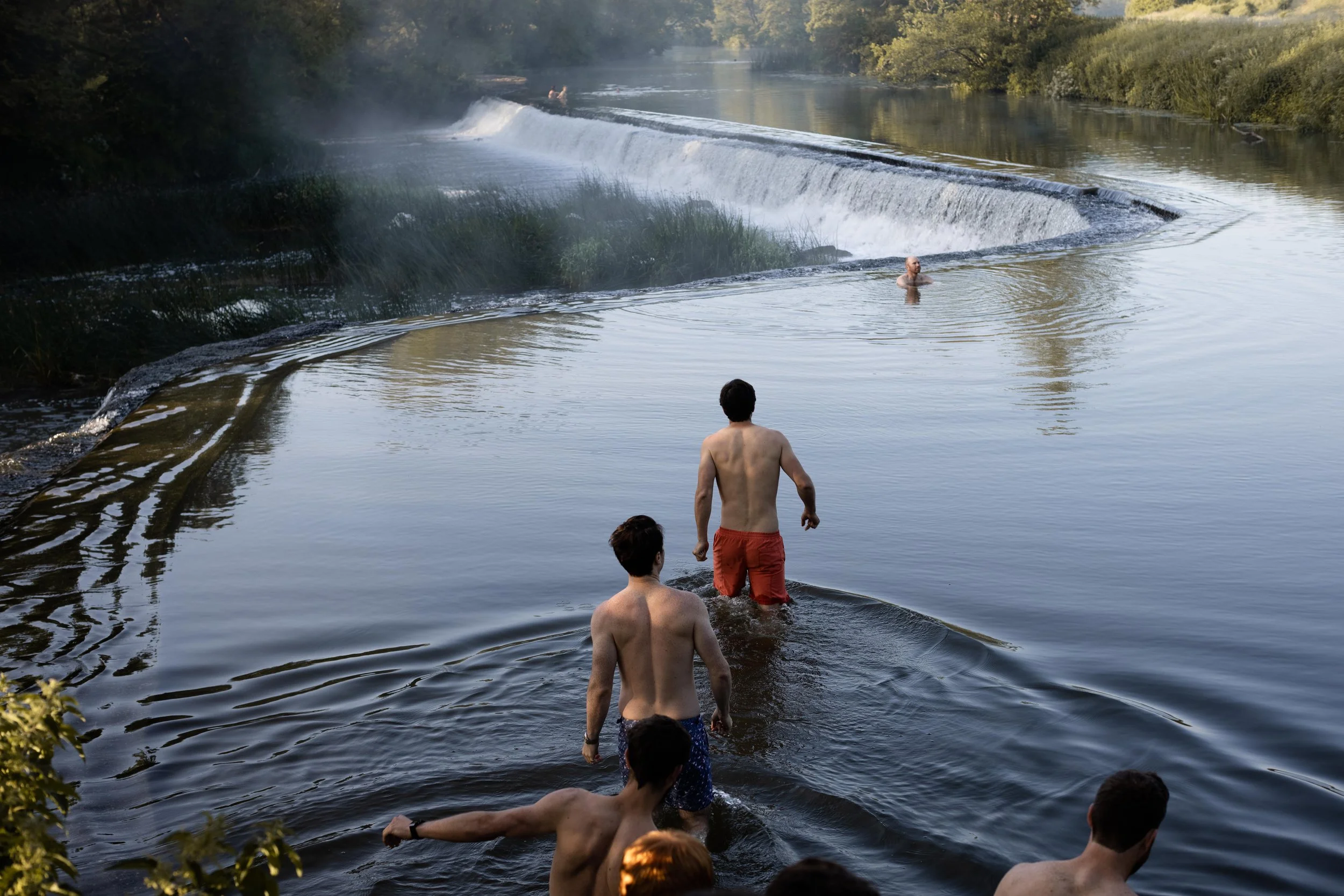
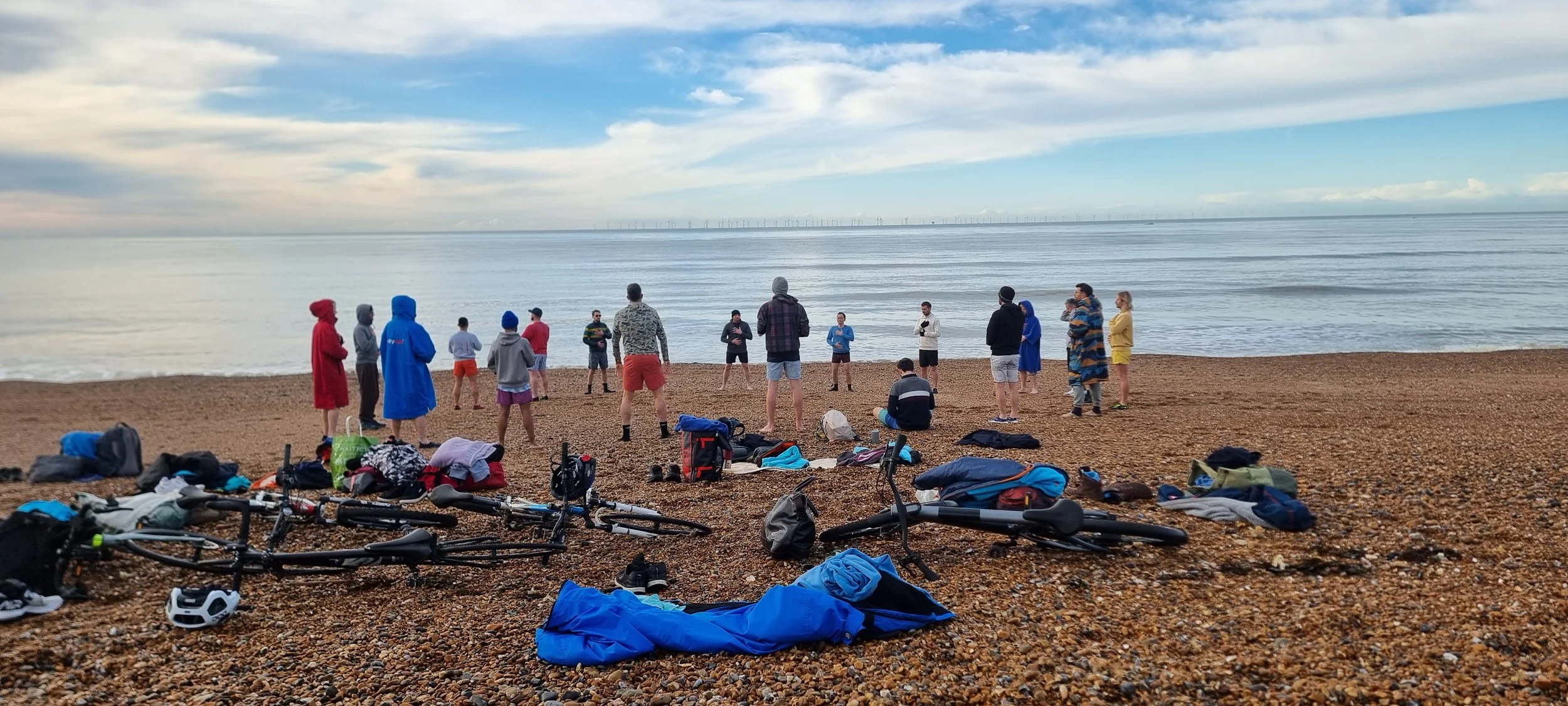
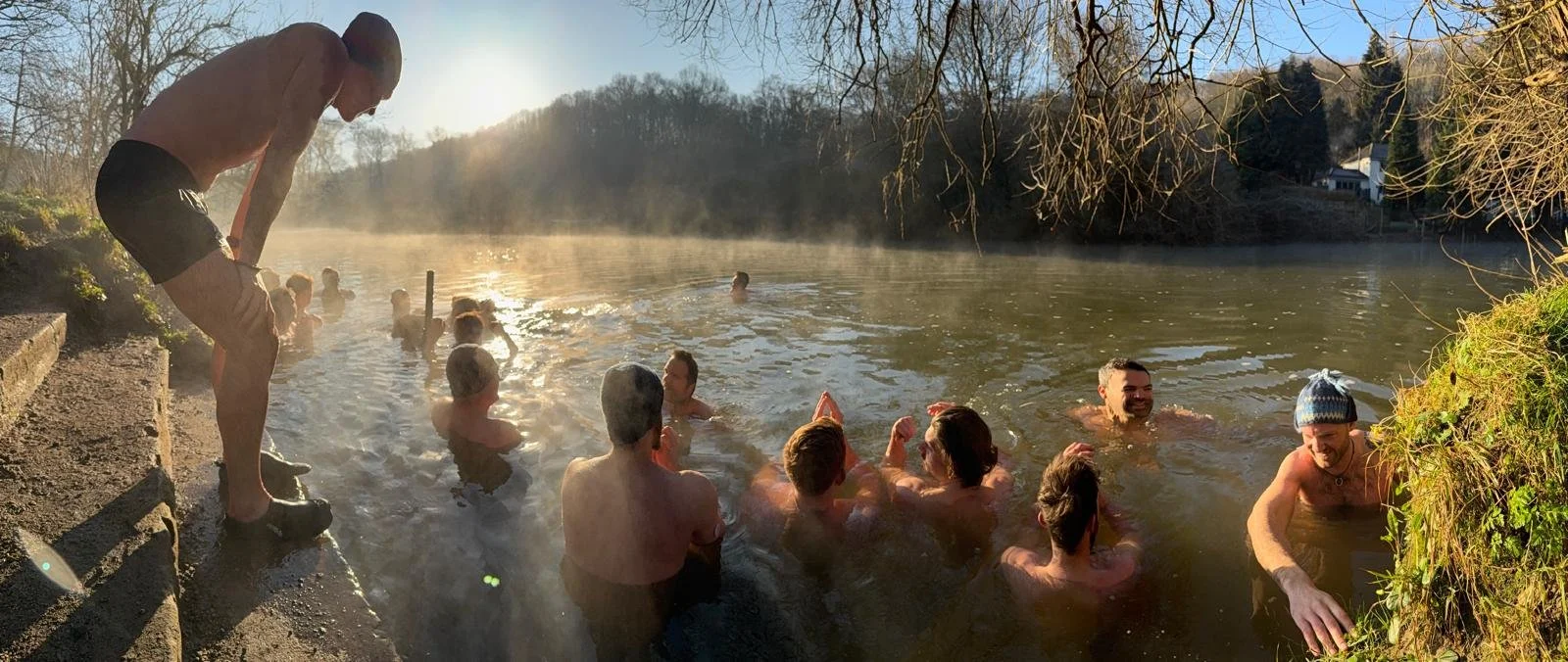
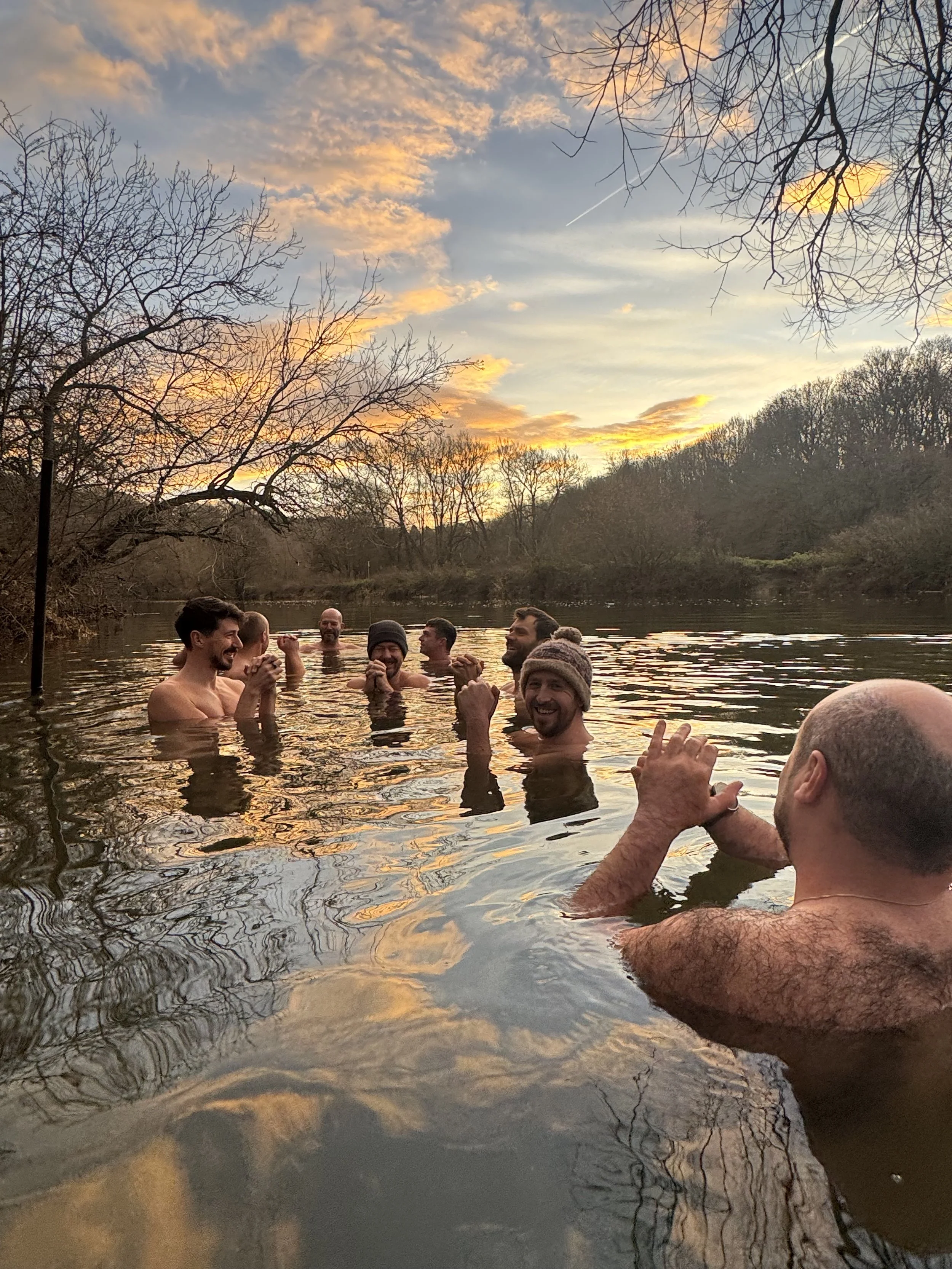
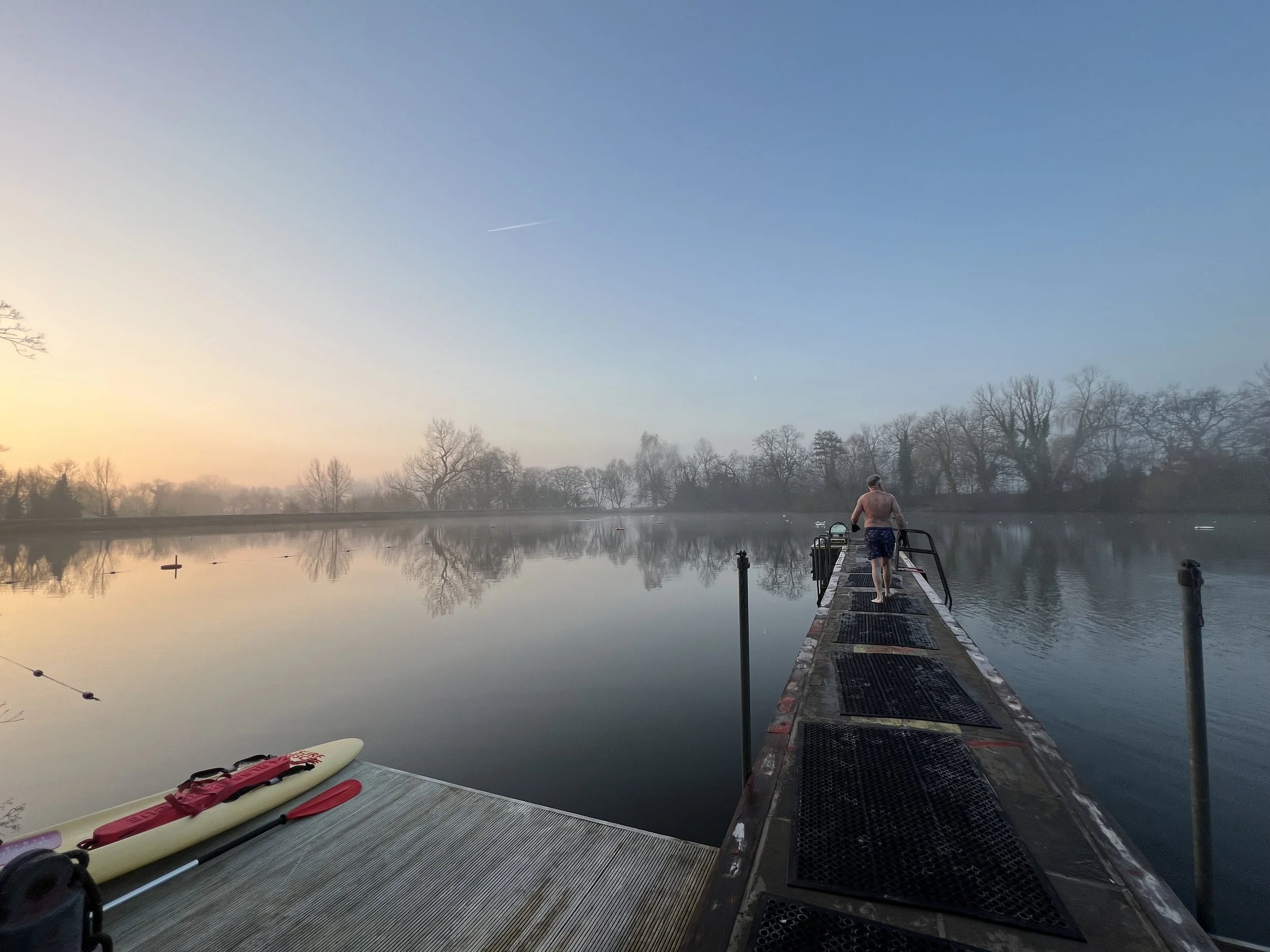
IceBreakers is a men’s wellbeing community that meets outdoors each week for breathwork, cold water immersion and conversation. They gather in rivers, lakes and the sea to reconnect with nature, challenge themselves and support one another. It’s a simple ritual that helps men step out of their heads and back into the world.
IceBreakers isn’t about endurance. It’s about presence and connection.
What Makes It Special
Many men don’t have places where they can slow down, speak honestly or feel supported without pressure. Being outdoors, breathing together and stepping into cold water creates a powerful reset. It helps people reconnect with their bodies, their thoughts and the people around them, often leading to stronger friendships and a deeper sense of belonging.
IceBreakers isn’t a class or a programme. It’s a simple shared ritual: men meeting in nature, breathing together, stepping into cold water and supporting each other. There’s no pressure to perform, no hierarchy and no fixing, just people showing up side by side and meeting life’s challenges together.
The If Lost Take
We’ve seen first-hand what a difference an early Sunday start can make. There’s something about standing waist-deep in a river, sharing a simple “hi, how are you?” that cuts through the noise of the week.
It can become a kind of reset. A chance to let go of what’s been building, even if just for a moment. And to notice, without needing to say much, that other men are carrying things too, moving through life with their own hopes and concerns.
Turning up for the first time might feel like a big step. But Icebreakers is a genuinely welcoming group. And somehow, with each Sunday, it gets a little easier to answer the alarm, grab your dry robe, and head out the door.
You come back with flushed cheeks, and often feeling a little lighter than when you left.
Founders Story | Co-founded by Tim Bowles, Arron Collins-Thomas and Jack Horner
IceBreakers began when two friends lost people close to them to suicide and realised how few spaces existed where men could talk honestly about how they were feeling.
They hosted a small retreat and discovered that the most powerful moments came from stepping into cold water together. That shared challenge created openness, connection and real conversation.
From there, weekly gatherings began and the community grew.
Founder’s Go-To Wellbeing Advice
“Step outside.
Move your body, breathe slowly and spend time in nature, even if it’s just a short walk.
And if you can, share that moment with someone else. A conversation and fresh air can shift more than you think.”


Some Practical Details
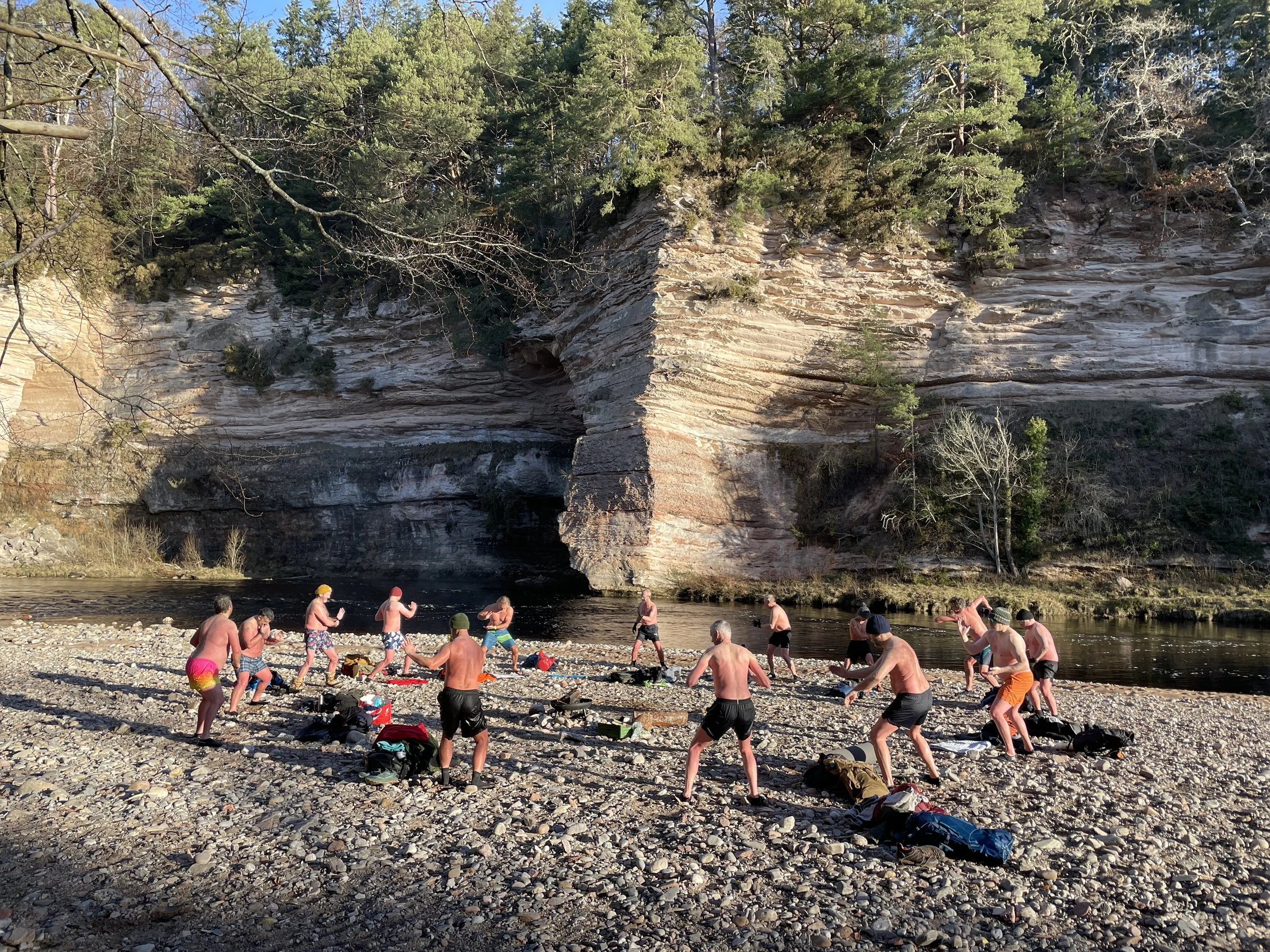
IceBreakers core offering is a weekly outdoor gathering, usually on Sunday mornings. Each session includes breathwork, movement, optional cold water immersion and time for conversation. Some chapters also host fire circles, walks, saunas and other events that deepen connection and community.
You don’t have to be brave or “good at cold water”. Some men dip for a few seconds. Some stay waist-deep. Some just come along for the conversation.
They also organise walks, camps, saunas and get togethers beyond the cold water.
Most of what they do happens outdoors in person. However they do share stories, guidance and inspiration in their WhatsApp community, and new chapters are launching across the UK so more men can find a group near them.
They also host occasional camps and events that people can travel to.
Coming up
Alongside their weekly Sunday gatherings across the UK, IceBreakers is hosting a Spring Camp from the 24th - 26th April, 2026.
It’s a few days in nature where men step away from the noise of everyday life and reconnect through cold water, movement, fire circles and honest conversation. Think of it as a deeper version of the weekly IceBreakers experience.
A special If Lost bonus
IceBreakers are offering 10% off their upcoming Spring Camp to If Lost readers, just use code LOST10 at checkout. Details of the Spring Camp can be found here.

Magazine Brighton
Lost at home? Bring the world in with Magazine Brighton.
What is it: A renowned independent magazine store founded by long-term (since the age of 6) print-lover Martin Skelton.
Why you’ll love it: It’s a store with just thoughtfully selected indie magazine titles. Hundreds of them. Stacked on the floors, arranged on tables, front-facing on wall-shelves. Since it opened in 2014, the choice of titles has grown three-fold, which reflects both the stores growing audience and the growing indie publishing sector.
What you need to know: After years of traveling internationally and finding this very kind of store abroad, Skelton bet it all by bringing the concept to his adopted home town of Brighton. Keep in mind the context: people were more used to WH Smith for their magazines and London as the kind of place to position such an idea.
What they offer if you can’t get to Brighton (which is all of us at the moment): The online site now aims to replicate the density of the store, with lessons learned from the first and now second lockdowns on how to make things easily browsable (maybe too easily as we deposited way too many magazines in our cart while writing this). Magazine Brighton also posts the latest arrivals to their Instagram if you need inspiration and some new discoveries. Like Oh Mag and Openhouse.
Why we think it matters: Magazines were almost (almost) made for this moment. The push against the digital, the celebration of creativity in print, and the small-batch focus, all speak to our collective longing for less digital interfacing, less homogenized products, and less corporate gain. But for us, the reason we think magazines matter as much as they do, particularly now, is that they bring other voices into our homes and different stories into our lives. They are all about engagement.
When our worlds shrink to just four walls and that same world insists that we pay attention to its diversity, magazines hold space for lives lived differently, experiences outside of our comfort zones, and ideas previously unconsidered. This is particularly crucial when you realize that there is no algorithm in this bookstore, or within the pages themselves, shifting what you get to see. There is no dominant narrative. There is no ‘them’ and ‘us’ in curating these titles. Collectively this amalgamation of stories, images, and design, lends something of the normal again in how we’re able to converse and interact and be with one another.
Somewhere like Magazine Brighton is putting you back in control again of the content you get to consume and giving you an entry to connect with the world no matter what state it's in.
In their own words: “Al, my son-in-law, described our shop as ‘Like vinyl, but print’ and it’s a great phrase. Without trying to sound like one of those old intelligence tests, indy magazines are to conventional magazines as vinyl is to digital, artisan bread is to Wonderloaf, microbreweries are to the big brewers, farm-made cheese is to factory-made cheese, and so on. There’s nothing wrong with any of those things in their place but I think there’s enough people out there who want a balance as well.’ – Skelton talking to Mag Culture
Something to read: For a guide that’s all about getting to ok, we’d recommend these wellbeing focused magazines: Rising Issue – 01 // Mental Health Matters; What Do People Do? – Issue 2; Anxiety Empire – Issue 1, Positive Wellbeing — A Zine for Mums, Seed, and perennial favorite Flow.

Frazzled Cafes
With Frazzled Cafes, our mental wellbeing has hit the High Street. Comedian Ruby Wax has created safe spaces to talk at M&S locations across the UK.
“We live in a time where to have a life crammed to the hilt is considered a success story. But with all this pressure, so many of us have nowhere to go to meet and talk about it. Frazzled Cafe is about people coming together to share their stories, calmly sitting together, stating their case and feeling validated as a result. Feeling heard, to me, has always been half the cure.”
Modern life burn-out is as ubiquitous as M&S but we have this idea that we have to be all in with therapy or medication to deal with it. And we’re not knocking either (we have been and sometimes still are there), but sometimes we just need access to what we see as mental health maintenance, safe spaces to talk it out and talk it over. That’s where the network of Frazzled Cafes come in. They fill that gap between sitting alone with something, with the struggle and the frankly frazzled feelings that infiltrate our lives and our days, and pouring resources like money and time into talking cures, to committing to sessions and schedules. We need both. In fact we need all the different things, the different kinds of spaces and initiatives that might meet us where we are and hold us for the time that we’re there in whatever way we need, without judgment and with compassion.
Frazzled Cafes were launched a couple of years ago by the comedian Ruby Wax, who has recently become known as the popular author of books that include How to be Human, in which she discusses with a monk, and a neuroscientist the fundamentals of how we function as people, and A Mindfulness Guide for the Frazzled, an approachable and funny course in mindfulness. During the tour for her books, Wax had people again and again come up to her needing to talk and that was her lightbulb moment—that we all are running on empty and still finding our way through, and that we all need a way of expressing that feeling while connecting with others who are probably experiencing the same thing.
On why that word ‘Frazzled’, Wax explains: “A neurobiologist might say that someone is ‘stuck in a state of “frazzle”. They mean that, for this person, constant stress is overloading the nervous system, flooding it with cortisol and adrenaline; their attention is fixed on what’s worrying them and not the job in hand, which can lead to burn-out.”
The genius of the idea though is that Wax reached out to M&S, the widely beloved British High Street institution, to host these talk gatherings. And with that one call, you are in seriously stigma busting territory. If the venerable M&S is in that space of talking about our emotional and psychological lives, then surely that’s ok and allowed. Plus, who doesn’t want to spend time in an M&S after hours where the sessions are held?
Frazzled Cafes now take place in M&S locations across the UK, in their cafes and sometimes community rooms. Recently the idea was also tested at High Street Bakery Le Pain Quotidien. People are invited to RSVP beforehand and some weight is given to those who have attended before. Each session lasts 75-90 minutes and starts with a meditation to bring people into the room and ground their experience. The meetings are run according to the rules of therapeutic spaces, with a set of guidelines that promotes ideas of confidentiality, kindness and support.
If you interested in joining one of these meet-ups, sign-up for the newsletter which announces dates and venues and will link you to the RSVP for each cafe session. Just note that Frazzled Cafes are keen to point out that this is not designed to replace therapy but rather fills a need that most of us have just to be heard.
In our busy, often overwhelming lives, sometimes all we need is a safe space to talk. Frazzled Cafe is that space. And with that the issue of our mental wellbeing has now hit our high-street. Let’s keep it there.
To find out more: Website www.frazzledcafe.org / Twitter @frazzledcafe / Facebook @frazzledcafeuk / Instagram @frazzled_cafe