

Second Home
Second Home is stretching the definition of what coworking can be and what it can look like.
“Second Home is a social business with a mission to support creativity and entrepreneurship in cities around the world.”
Coworking is no longer just about finding a place to plonk your laptop. Now it’s about so much more: finding alignment with your values, finding your tribe, finding the brightest people and the shiniest ideas, and yes, finding ways to support your mental wellbeing in ways that fold into such things as design, community and culture. That’s where Second Home steps it. It’s coworking as more than the seat you occupy; it’s coworking for a better-designed life.
We’re been in thrall to Second Home since we visited London’s Spitalfields branch with our kids, who thought it was a play space—which in a way it is. Maybe it’s the colors (that blazing brand orange), the fun textures, the transparent curvilinear walls, the sunken lounge space, the wavy ceiling. Maybe it’s the table that drops down when needed or the rooftop terrace where you can stand amongst ponds while taking in the cityscape. Maybe it’s all the green on green on green in the thousands of plants, the attempts to bring in natural light, the mix-mash of different furniture. It doesn’t feel like the kind of office space that you know, and my kids got that as they rushed through its spaces wanting to climb the chairs rather than the corporate ladder.


But it’s all been very, very intentionally designed to be this way—the playful appearance is its serious intent—to create the most positive environment for our wellbeing and productivity. The Spitalfields branch (Second Home’s earliest, opened in 2014)– and all but one of its other outposts—are the work of architect SelgasCano whose approach is deeply influenced by biophilia and evolutionary psychology.
SelgasCano also designed the recently opened, template-shifting Hollywood coworking space, which has a cacophony of yellow islands (that top tubular pods), a magic ballroom and a dense urban forest. The firm was behind the brightly colored Serpentine Pavilion purchased by Second Home and moved to La Brea Tarpits to be a pop-up/love letter/ ‘Coming Soon’ announcement to Los Angeles. At the Holland Park branch, the firm designed a space where trees grow out of the floor and a courtyard roof fills with bubbles; at Clerkenwell Green there’s a subterranean event space; in the Lisbon space an Yves Klein Blue ceiling and signature 1,000 indoor plants and trees. Only the London Fields space is designed by someone else, and then by sister company Cano Lasso, but it shares the same bold design credentials—see its impossible to miss futuristic façade – and maybe equally as radical on-site nursery and childproof café?


But beyond the outward design co-founders, Rohan Silva and Sam Aldenton had two other major principles in play: community and culture. The people who get to populate this environment are as important as the pot plants and pops of color. Second Home curates its community, aiming for a mix of start-ups, not-for-profits (it offers charity memberships), corporates, creatives, and entrepreneurs. Each inspiring, supporting, and collaborating with each other. Then there’s the culture piece, the third angle to this design-community triad; Second Home gets how ideas sustain us as much as people and place. Overlapping its space as workplace is space as creative venue, with an active cultural program that puts authors, podcasters, thought leaders, entrepreneurs, and innovators in front of its members and the public.
Collectively that greenery, the doing good piece, the feeding of curiosity and connection, are all about sustaining our wellbeing, in the same ways as the yoga sessions, running clubs, and even surf lessons on offer depending on the venue. Second Home weaves in all the multiple threads of our working lives—the design of our environment, the people we get to connect with, the culture that gets to feed us—and throws them out into as much as a real-world context as its principles allow. But there’s some fantasy at play too when you enter its doors.
(NB: There’s a special place in our heart for Second Home’s tightly curated bookstore Libreria (in Spitalfields & LA) and the poetry bookstore at the Holland Park branch. Check them out too. They probably shouldn’t be in brackets.)


Tate Exchange
Tate Exchange is answering its own question: that art does have the potential to impact our lives.
“A place for all to play, create, reflect and question what art can mean to our everyday”
Does art have the capacity to change lives? And if it does, should it? And if it should, how can it? And if it can, where, where would this even happen?
On the fifth floor of the Blavatnik building within the cultural behemoth that has become Tate Modern, you can find an initiative that is right there, at the crux of those questions, wrestling with the how’s and why’s of art’s role in society: Tate Exchange. Here, one of the most successful arts institutions in the world is creating physical space for art to be functionally in our lives and in dialogue with society more widely. It’s also staking out this territory up North, within the walls of sister-space Tate Liverpool.
We can argue for a while that art does this anyway – that art speaks to our lives. We could even argue that this is particularly the case in the vast cultural campus that has become Tate Modern (also beloved site of my first curatorial job). Yes, there’s the beauty and solemnity of the Rothko room, the drama of the Turbine Hall, the reverie of just wandering through the permanent galleries and the inspiration-making qualities of the rotating exhibitions. Yes, you have probably experienced one work of art that has affected you without that effect being branded.
But with Tate Exchange, we get to experience that question of art’s relationship to self and society more directly, to play with Impact (that elusive idea thrown around more in tech and non-profit sectors). With Tate Exchange, the organization is confronting the very idea that art has the capacity to affect our everyday lives and to answer to, and maybe also shape, society. The lines that divide life (real time and space, the big and little questions, conversation, knowledge and experience), the arts (objects, materials, storytelling, the big and little themes) and us (as the viewer, person, consumer, maker, activator) are porous. Museums are no longer perceived or positioned as separate from society, they are located, produced by and understood within it. Similarly, as we enter these white-walled spaces, we are not a blank canvas, we’re bringing biases, backgrounds, assumptions, feelings even.

Who are we? Counterpoint Arts at Tate Exchange

ArtLab at Tate Exchange
Tate Exchange is the place where the museum gets to be something different, to morph and adapt and interact in ways that push against that traditional relationship of presentation and display. To pivot on ideas of co-learning, collaboration, production, and yes that wellbeing piece. Here Tate gets to be relational, and vulnerable. To step away from its esteemed baggage. Because maybe it’s here that the museum challenges its very reason for being—not to show, and collect, and explain works of art but to examine purpose, meaning, and relevance in the realm of the arts as they hit the pressing concerns of our modern lives. To bring to the fore questions of can we do this, and does it work, along with other questions around such things as climate change, inequality, technology, the economy, and immigration.
In its four years, two of which have been headed by socially-engaged art and placemaking advocate Caro Courage, Tate Exchange has taken a deep dive in annual thematics, headliners for life each led by an artist. Tate Exchange has explored ‘Exchange’ with Tim Etchells (2016) ‘Production’ with Clare Twomey (2017), and ‘Movement’ with Tania Brugera (2018). This year, the program is roaming across ideas of ‘Power’ with Hyphen-Labs, an international female collective who explore ideas of technology.
These themes are played out within a collaborative network of over 80 world-wide associates; cultural organizations, charities, community groups, and health trusts, who draw from the fields of art, education, mental health and community (such as ActionSpace in London and dot-art Schools in Liverpool). This wide network, in turn, shapes the form that these questions take within the spaces: anything from workshops, performances, conversations, prompt cards, reading lists, curated walks, festivals, mood and pattern workshops, reskilling sessions, seed swapping, radical myology, symposia, and even podcasting lessons. It’s all here.
Tate Exchange isn’t the easiest to explain, because it does so many things; Over the years there have been myriad perspective and platform-shaping ways that its curators, artists, practitioners, students, and associates, have found to raise their voices and engage audiences. Tate Exchange is many things to many people. But it’s all linked by a single thread: it stakes territory for the importance that culture has in our very real, every day, messy lives. It acknowledges that no one checks their lives or themselves at the door when they enter a museum. As we wander its different pathways, we inevitably feel, think, and are something, someone. Tate Exchange returns to us our place to be within museums.

Re:Mind
Finding calm in stressed-out London with a new kind of lifestyle studio.
“Find Your Calm.
Drop-in meditation classes in the heart of London.”
Re:Mind speaks to a future where mindfulness studios are as common as your local gym. We all now understand the benefits of exercise, even as we procrastinate to get ourselves to that yoga class, or Soul Cycle session, or just out the door for a half-arsed hike. But we’re now coming to understand the benefits of being in our bodies in a different way, in ways that are slower, gentler and much less sweaty than cardio. Breathwork and meditation once meant retreats or a niche happening-over-there kind of thing. They were definitely for other people. Now we strive to bring these self-care practices into our working weeks and everyday attempts to keep it all together.
Re:Mind helps us negotiate that shift in how we see and experience mindfulness techniques. And it does so by removing some of the woo-woo that might have put us off before—incense sticks, tie-dye, those draped curtains. Founded in 2018 by entrepreneurs and wellness warriors Carla von Anhalt and Yulia Kovaleva, Re:Mind is London’s first drop-in healing studio. Bringing a lustrous charm to self-care practices, Re:Mind takes out the intimidation factor around more alternative wellness approaches.
That all starts with the space. It has been designed to hold you in your practice; to be an instant balm as you walk through the doors. The colour palette is soft, more akin to a high-end boutique. Attention has been paid to best practices for air quality, comfort and serenity. An abundance of greenery (including an air-purifying floor-to-ceiling plant wall) and cascading natural light, nature-derived materials liked the covetable buckwheat filled floor mats, and a mandala of Himalayan Salt Lamps (which are having their moment), create the setting for finding your calm. And if something looks this good, it must be good for us, right?
Actually, right. There’s now study after study to back up the techniques on offer. The intimate studio offers a wide range of equilibrium finding drop-in sessions: There’s yoga, in restorative movement class (Re:Store), mindfulness techniques (Re:Heal), and energizing breathing (Re:Breathe). But there’s also more intriguing sounding offerings such as healing sound baths (Re:Sound), rituals for connection with one another (Re:Connect) and the one we lean towards, bringing in kindness and self-care practice (Re:Caim).
In this serene urban oasis, practitioners are called ‘Calmers’, clients are invited to relax before or after a session with herbal tea, and a small library offers some context (or diversion to those of us who feel less comfortable in new environments). The on-site eco-wellness store is stocked with small businesses who are doing some of the work of sustaining us and our environment, with handmade soaps, flower remedies, chimes and the requisite crystals.
Bringing some Californian lifestyle savvy to the streets of London, this pristine boutique studio for the stressed-out gives both the space and the permission to pause. Here is a place to actually practice some of those concepts that are increasingly talked about as vital tools for navigating modern life; jumping off the pages of a lifestyle magazine or a wellness manual into our real-world. LA would be proud.

RISE
Somerset’s RISE is both a place to come together and a modern day twist on traditional church.
“A place to relax, play, work, eat. A place to be together”
Above the entrance is a simple sign that says ‘Rise’. This sets the tone for all that goes on inside: a café, bakery and play space, an active calendar of workshops, events and activities, office space for socially-minded businesses, and a contemporary art gallery that shouts out local and national talent. Here, in a sensitively converted church, are all those components that once made this space so appealing to the congregation it previously housed: community, positivity, hope and connection.
Three years ago, Io Fox and Ed Roberts, a former teacher and nurse, bought this church, originally built in the early 1800s. It had fallen in recent years on its own hard times. The congregation of the United Reform Church had been dwindling for a while, so much so that the building was put on the market. But rather than shape this space into luxury apartments or private offices, the new owners did something remarkable. They shifted the emphasis to a wider purpose, giving a modern spin to the architecture, history and ideals this church once offered. Through their renovations, they weren’t intent on erasing what had once past, but rather building on it. Everywhere there are traces of what the building was before: etched arched windows, stone plaques, a working organ that dominates the main space. Keeping the look and feel of the place, they acknowledged its abiding history, and even embraced its former community and intent (a couple has since got married here).


They also did this, they allowed the community in which it sits in Frome, a small town in Somerset known for its creativity, a say in how this project evolved. They kept those long-time hallowed doors open to whoever needed them in maybe a different way, inviting in businesses, practitioners, parents, and charities who were seeking space to develop initiatives of their own. They welcomed everyone, with the aim of similarly nurturing people within its walls, so that Rise could truly reflect the community in which it is situated. And the local people that it served, answered the call, creating a new sense of life in this space, forming and shaping its content, giving this building new and more relevant purpose.
Three years on, Rise is now a buzzing multi-use space. The central atrium has been given over to Rye Bakery which runs a friendly café incorporating local suppliers, simple food and organic sources where possible. On Friday it hosts community building pizza nights. There’s also a play space (Alfred’s Tower) for the little ones, which has a handmade feel to it, a nice antidote to the bright plastic that usually comes with the kid’s area, and a sweet reading space. Most laudable though is the stunning woven nest space, a semi-private huddle for nursing moms and for smaller gatherings.


The mezzanine space where the congregation would once have sat, has become an increasingly well regarded contemporary art gallery, The Whittox Gallery, curated by Sara Robson. It shows local and national contemporary artists and designers in an exhibition program that roams across all media.
Sort of behind the scenes, The Old School and The Sun Room, have become spaces to hire by anyone, for private and public events. The downstairs offices and work spaces have been rented out to socially-minded organizations, like OpenStoryTellers, a charity that aims to empower people with learning disabilities and autism.
Across all these spaces are an active range of classes, workshops and events for all ages, abilities and backgrounds such as yoga classes, wellbeing sessions (like one on unleashing creative genius), exercise groups (see the popular Mojo moves and hoop dances), art and science clubs. A therapeutic choir just started in the space.
Rise is a modern-day church without really being a church at all. It works within that rich history of places where people gather, connect and believe, and gives those very fundamental human needs a thoroughly modern-day twist. In its name and its mission, Rise uplifts those who work here, engage here and play here. There’s a reason churches were once the heart of the community, and there’s a reason why Rise has become a space that local people flock to again.


The Joy Cafe | A Conversation with Becky Playfair on community
We talk to the Founder of the Joy Cafe Becky Playfair on building a life-giving community cafe in one of the UK’s most deprived areas.
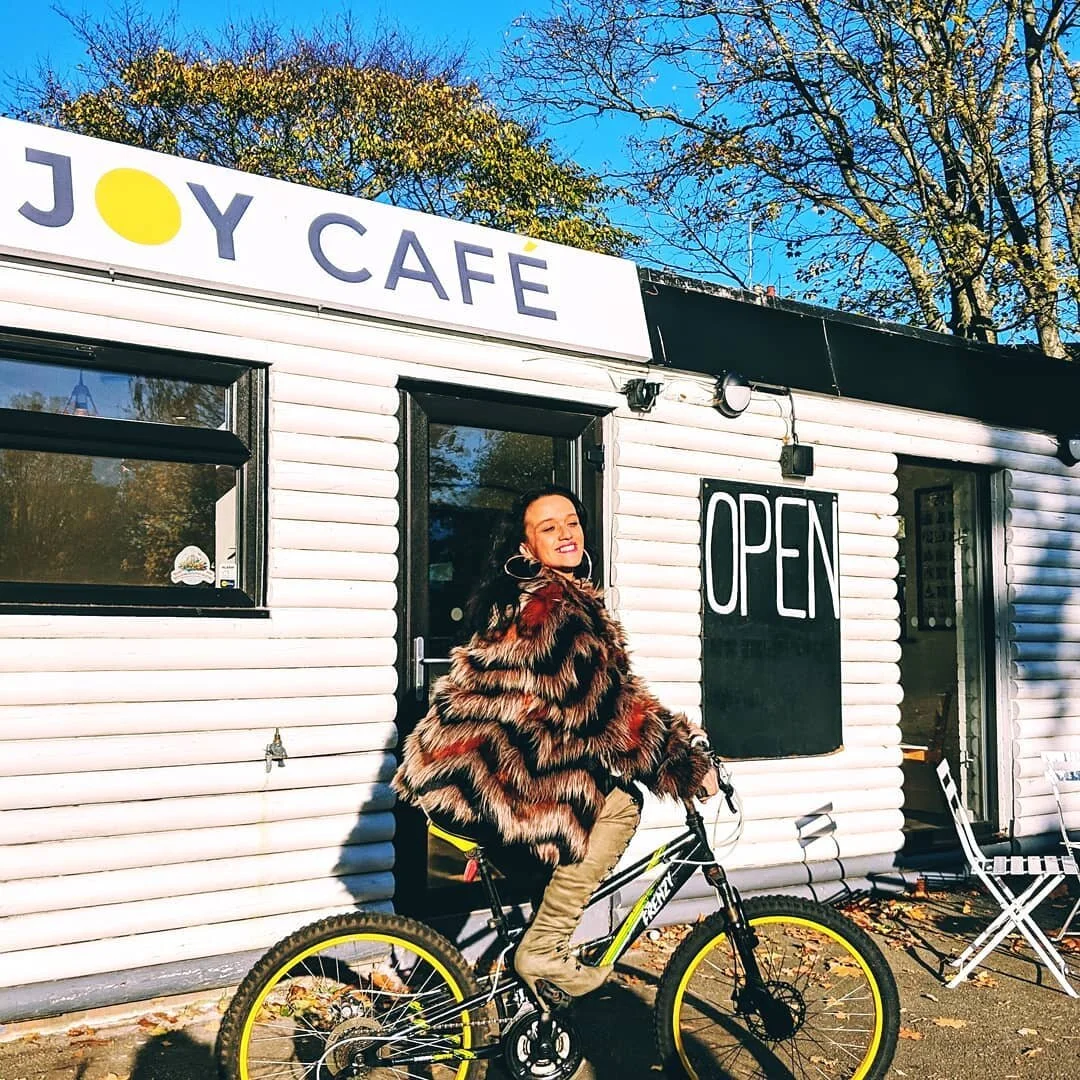
On an unusually hot summer morning in the little town of Boscombe, in England, I was introduced to a friend’s local cafe with a difference. As I stepped into the Joy Cafe, I lit up. In this converted shipping container, there was a hum of friendly chatter amongst families with young children and seniors sat together. The cheerful decor of sunshine yellow and dove gray gave the cafe a warm home-from-home feel. The smell of fresh coffee and sausage sandwiches wafted under my nose as I took in the delightful display of homemade brownies, cookies and cakes. As I ordered, I spotted a Suspended Drinks noticeboard whereby someone can buy an extra drink that gets ‘suspended’ on the board until someone who needs a free tea or coffee claims it. It’s a beautiful way for the locals to give or receive in their local community.
But the Joy Cafe offers so much more than free hot drinks and an insanely affordable menu of homemade food. It’s the little thoughtful details that reveal the heart and soul of this space, in initiatives that support the local neighborhood in heart-centered ways. The Joy Cafe provides positivity and connection to others through a variety of organized events and activities that bring different members of the community together in fun ways, that support mental wellness and ease loneliness.
Some of these include: Safe & Sound Ladies Craft where women can spend a couple of peaceful hours relaxing over a warm drink while crafting together. Awaken Conversations where guest speakers come and speak about personal development and life skills. Chess Club happens every week and there are regular community dinners for all ages that feature pop-ups from local cooks and food businesses. Local families who use the playground outside are supported with free breakfast mornings and art workshops during school holidays. Dotted around the Joy Cafe you can also find unstructured play opportunities for all ages with plenty of art supplies, books and board games on offer, perfect for rainy days.
The Joy Cafe was founded four years ago by Becky Playfair who had a vision to turn a rundown youth center in the park of Churchill Gardens, Boscombe (one of the most deprived areas in England), into a life-giving not-for-profit community cafe. From its first iteration as a pop-up bake sale with boxes of hula hoops, frisbees and crafting materials, the project progressed to a lease and planning permission to convert the old youth hut into a café. Key to making this happen was a JustGiving campaign to raise money in which 11 members of the Coastline Missional Community were sponsored to complete a 3 Peak Challenge, climbing the highest peaks in Scotland, England and Wales in just 24 hours!
I talked to Becky about the hard work and determination (with the huge support of the Coastline Vineyard Church and young volunteers) that helped make her dream of a very special community-centered cafe into a reality:


Sophie: How did the concept for the Joy Cafe first begin and why did you believe that it was needed?
Becky: I first had a dream to open a café when I was 18 years old. I was jogging (not very fast!) around my neighborhood in Birmingham realizing that I had little ambition but desperately wanted some! I wanted (and prayed for!) something to aim for in life. I wanted to dream big, to achieve, to make a difference, to have life goals. So, as I ran, I pondered, and prayed and pictured a café.
In the same moment I just knew that it would be more than your average British high street café. It might be a place where people had not just great food and drink but also got to encounter something more. A little bit of heaven on earth. Where people would feel safe, genuinely known, loved, appreciated and accepted. Where they would be spoken to, listened to, given hope, encouragement, a compliment, a smile, conversation or creative activity.
After studying Psychology at Exeter University, I moved to Bournemouth, then a year later to Boscombe, the most deprived area of Bournemouth. In the bottom 3% of deprived areas in the whole of the UK, the area was impacted by huge issues with drugs and alcohol, crime, poor housing, and health, etc. I moved into a house known as NO10 (the house number of where we were); we all worked part-time and gave the rest of the week to making a difference in our neighborhood. We opened our doors at NO10 and had all sorts for dinner and mentored in the local schools. Living in a truly beautiful but broken area, made me realize the need for a third space. Most of my neighbors lived in bedsits, they stood outside and smoked with only the rubbish bins to lean on. They were friendly but lonely. The communal space was the pavement. … they desperately needed a café and one that they could afford to buy coffee from!
Sophie: How did it progress from a pop-up to a proper cafe?
Becky: I started the pop-up Joy Café a year after moving to Boscombe. The two trestle tables, simple refreshments and kids’ activities were all stored in my hallway and taken in and out every day. We had an incredible first summer… local families loved us and thankfully so did the Council. They could see the transformative potential and gave us a chance. When the hut in the small park in the heart of the neighborhood became vacant, we were given the lease and allowed to renovate, making it fit-for-purpose. We’re been open as a “proper” café since February 2018.
Sophie: What were some of the challenges you found opening the Joy Cafe?
Becky: Getting the lease then planning permission for the renovations took ages and was beyond me! I would never have managed it without the support of a very wise surveyor from my church. Without his endless negotiations and skills, it wouldn’t have happened. But the toughest thing was definitely project managing the renovations. It took four months and though I had the most amazing team, largely made up of hugely generous and skilled volunteers who gave hundreds of hours to the project, I cried most days! (I was also wedding planning and later found out I had glandular fever… no wonder I was a mess!). I was consistently out of my comfort zone but somehow made it through! I’m now in my element being a barista, chatting with people, and building community.

Sophie: What is the mission of the Joy Cafe and how did you want it to benefit the community?
Becky: Joy Café is a lush little café with a big heart for building life-giving community (our strapline). We want to create a safe space, a home from home. We want to be the friendliest café. We like to make people’s day. I love blessing people with the occasional free coffee or cake or go out of my way to make something off-menu that they’d love and really appreciate. We celebrate our customer’s birthdays with cards, banners and gifts. We also partner with local people, groups and organizations. We do Suspended Drinks. We love Young Volunteers and have the best and youngest baristas in Bournemouth. We want to try to listen to what our community and neighborhood needs or would like and do our best to make it happen. We have free bike repairs, chess club, creative events, eco-workshops, games groups... all sorts!
Sophie: How do you want people to feel spending time at the Joy Cafe?
Becky: Known, valued, accepted, listened to, themselves, joy, at peace, loved, part of a community.
Sophie: What are the ways that the cafe has impacted the local community, you as an owner and your staff?
Becky: So many people talk about the impact of the Joy Cafe… from local families, individuals, councilors, tradesmen, the police, people who used to live around the area and are now back… People from every area of society have commented on the dramatic and positive impact the Joy Cafe has had on the area and park. It's safer, busier, lighter, has a better atmosphere… because of the Joy Cafe. Yay!
Sophie: What are your hopes and dreams for the future of the Joy Cafe. And will there be more?
Becky: I love where we’re at and want us to continue growing. I don’t know whether there will be more Joy Cafes but if the opportunity arises then I probably wouldn’t say no!
To find out more about Joy Cafe, head to their Instagram or Facebook.


Frazzled Cafes
With Frazzled Cafes, our mental wellbeing has hit the High Street. Comedian Ruby Wax has created safe spaces to talk at M&S locations across the UK.
“We live in a time where to have a life crammed to the hilt is considered a success story. But with all this pressure, so many of us have nowhere to go to meet and talk about it. Frazzled Cafe is about people coming together to share their stories, calmly sitting together, stating their case and feeling validated as a result. Feeling heard, to me, has always been half the cure.”
Modern life burn-out is as ubiquitous as M&S but we have this idea that we have to be all in with therapy or medication to deal with it. And we’re not knocking either (we have been and sometimes still are there), but sometimes we just need access to what we see as mental health maintenance, safe spaces to talk it out and talk it over. That’s where the network of Frazzled Cafes come in. They fill that gap between sitting alone with something, with the struggle and the frankly frazzled feelings that infiltrate our lives and our days, and pouring resources like money and time into talking cures, to committing to sessions and schedules. We need both. In fact we need all the different things, the different kinds of spaces and initiatives that might meet us where we are and hold us for the time that we’re there in whatever way we need, without judgment and with compassion.
Frazzled Cafes were launched a couple of years ago by the comedian Ruby Wax, who has recently become known as the popular author of books that include How to be Human, in which she discusses with a monk, and a neuroscientist the fundamentals of how we function as people, and A Mindfulness Guide for the Frazzled, an approachable and funny course in mindfulness. During the tour for her books, Wax had people again and again come up to her needing to talk and that was her lightbulb moment—that we all are running on empty and still finding our way through, and that we all need a way of expressing that feeling while connecting with others who are probably experiencing the same thing.
On why that word ‘Frazzled’, Wax explains: “A neurobiologist might say that someone is ‘stuck in a state of “frazzle”. They mean that, for this person, constant stress is overloading the nervous system, flooding it with cortisol and adrenaline; their attention is fixed on what’s worrying them and not the job in hand, which can lead to burn-out.”
The genius of the idea though is that Wax reached out to M&S, the widely beloved British High Street institution, to host these talk gatherings. And with that one call, you are in seriously stigma busting territory. If the venerable M&S is in that space of talking about our emotional and psychological lives, then surely that’s ok and allowed. Plus, who doesn’t want to spend time in an M&S after hours where the sessions are held?
Frazzled Cafes now take place in M&S locations across the UK, in their cafes and sometimes community rooms. Recently the idea was also tested at High Street Bakery Le Pain Quotidien. People are invited to RSVP beforehand and some weight is given to those who have attended before. Each session lasts 75-90 minutes and starts with a meditation to bring people into the room and ground their experience. The meetings are run according to the rules of therapeutic spaces, with a set of guidelines that promotes ideas of confidentiality, kindness and support.
If you interested in joining one of these meet-ups, sign-up for the newsletter which announces dates and venues and will link you to the RSVP for each cafe session. Just note that Frazzled Cafes are keen to point out that this is not designed to replace therapy but rather fills a need that most of us have just to be heard.
In our busy, often overwhelming lives, sometimes all we need is a safe space to talk. Frazzled Cafe is that space. And with that the issue of our mental wellbeing has now hit our high-street. Let’s keep it there.
To find out more: Website www.frazzledcafe.org / Twitter @frazzledcafe / Facebook @frazzledcafeuk / Instagram @frazzled_cafe

The Canvas: Vegan Cafe | Creative Venue | Community Hub
From the outside this yellow splash of a storefront just off Brick Lane is not exactly what it seems.
“What started as one woman’s idea has now evolved to become a living, breathing embodiment of all the best parts of humanity: generosity, positivity, kindness, hope and love. This is thanks to the people who have joined The Canvas along its journey, adding their voices, ideas and energy, nurturing the space so that it’s constantly growing and evolving to be something greater.”
Brick Lane’s Canvas Café is part of Action for Happiness’ network of Happy Cafes (yes there are more) throughout the world. In fact it was London’s first.
But what exactly is a Happy Café? What differentiates it from any other kind of caffeine-oriented place? Well, there’s a clue there—it’s less about the lattes served and more about what this space creates, the connections and the activity that happens here.
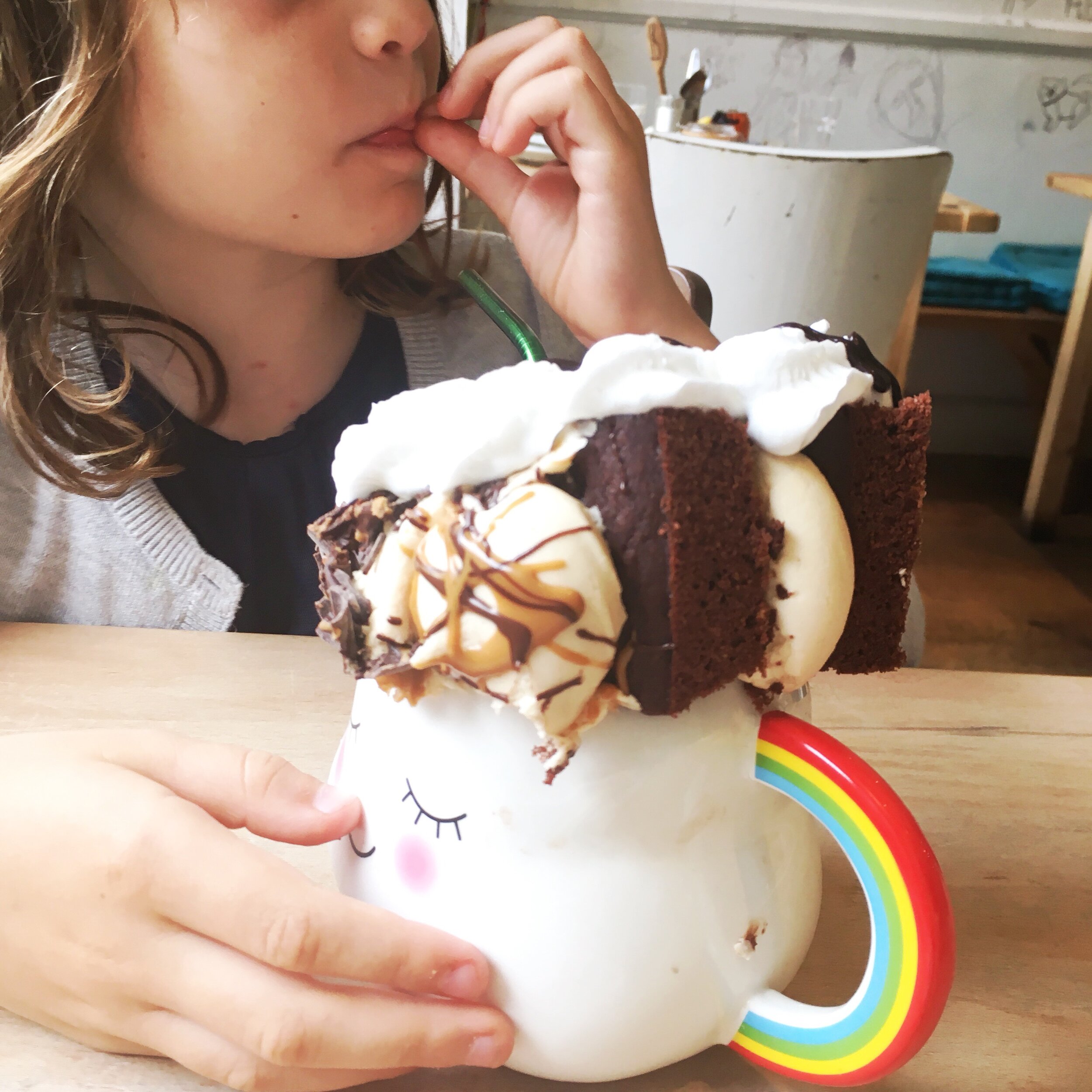
From the outside this yellow splash of a storefront just off Brick Lane is not exactly what it seems. You can just treat The Canvas like any other café—and if you do we recommend the freakshakes, unbelievably a slab of cake perched precariously on top of a ceramic mug of your choice (we chose the cloud/ rainbow one) filled with a creamy, non-dairy milkshake. But there are hints of something else afoot with the invitation to draw on the wall and answer questions like ‘what does community mean to you?’ and ‘what’s your happy place’.
There’s also the pay-it-forward board which invites you to add a drink or meal to your order for someone who might not be able to afford it. And this café is 100% vegan and all the food served is homemade. A mission to do good, to be good, determines everything in this café. All those buzzwords: sustainablilty, local, low-footprint, form the foundations of the Canvas Cafe. This extends to the suppliers that it works with, which includes local coffee purveyor Square Mile Coffee and Pip+Nut which doesn’t use any palm oil.


Beyond its café appearance it’s kind of the dream of positivity, exactly the kind of place that we find ourselves longing for at If Lost Start Here. The Canvas puts people—their ideas, their needs, their lives—at the center of what it does. That means there’s true generosity in how it operates. And if there’s a bit of cynicism there, let’s get that out the way right now. This isn’t some wishy-washy place that makes nice aphorisms and cute branding. It fundamentally operates from a place of living its values and combats such lifestyle nasties as loneliness, mental ill health, and climate change.
This is all encapsulated in the Community Hub, a white-walled blank canvas of a space for individuals, organizations and charities to try out their ideas for positive activitism. Renting space is expensive in London but this one room is offered for free to incubate ideas that can make people’s lives better. In return The Canvas just asks for donations to its Pay It Forward program.
The Community Hub has become a vital early supporter of innovative ideas for those things that we’re now finding we need in our lives to function better. Future events on the schedule include Hugs and Cuddle workshops, free meditation sessions from Inner Space, and improv for life. It already has an impactful history of supporting great causes in their early days: Places like the Museum for Happiness and Mike’s Table (which serves refugees) got their start here.

Since it was founded in 2014, by Ruth Rogers (not River Café, but the actress and puppeteer) as the blank space for the community and an outlet for both creativity and positivity, The Canvas has flourished. It now has an active program of partnerships. Each month sees 50-60 events with everyone from the perfectly named Revolting Vegans Supper Club—which offers a 6-course menu while taking on issues around food waste and the environmental impact of what we don’t get to eat—to Raining Sessions, where twenty-somethings get to share their stories and receive support. And The Canvas roams off-site too: over the summer they provided free meals and sport and craft activities to kids in Tower Hamlets.
Exhausted yet? The Canvas wants to do even more. They have just completed a fundraising campaign to renovate the Community Hub space which means more events, more support of great ideas, more people helped, more grass roots beneficial social change. Add another 5-years, we hope, and The Canvas will have brought even more people together in that big ole-city of London around positivity, innovation and creativity.
To find out more: website www.thecanvascafe.org / Instragram @thecanvascafee1 / Twitter @thecanvascafe / Facebook @thecanvascafeE1

Teatulia | A Literary Tea Bar with A Living Bookshelf
London’s Teatulia is uniquely a tea house, cocktail bar and literary salon all rolled into one. It’s also a podcast.
“Teatulia is an organic tea bar in the heart of London’s Covent Garden with a literary twist.”
A blend of fresh mint and lemongrass entices you into a stylish jewel-colored space with a cozy living room vibe. The manager Valentine greets you warmly. At a small curved terrazzo-topped bar hot and cold organic teas are served as well as beautifully executed tea cocktails (and best of all mocktails). A small complimentary food menu of pastries and colorful tea-infused cakes accompanies the selections. A buzzy mix of families and couples fill the mid-century-influenced vignettes. It’s all designed to encourage intimate conversation. This is Teatulia.
Given that my favorite things in life are tea, books and cocktails, you can understand my excitement when I discovered this gem, located in Covent Garden, London. Conceived as a ‘tea shop like no other; a space for conversation and contemplation’, Teatulia delivers. It’s a tea house, cocktail bar and literary salon all rolled into one. And it’s all in the details: Every hot tea is served with an infuser and a timer so you can be involved in brewing the tea yourself, what a novel idea in being present and slowing down.
The piece de resistance of Teatulia’s offering is its ‘Living Bookshelf’, a rotating selection of book titles curated by authors, actors and celebrities. The brainchild of actor Tilda Swinton—who curated their first bookshelf—it was inspired by her own experience: “Reading and tea leaves go together like breathing in and breathing out. Go slow. Take time to brew yourself some harmony. Separate the signal from the noise.” You can hear more from Swinton on reading, tea and her early career on Teatulia’s new podcast, which also features Lionel Shriver and collaborations with Granta Magazine.
Beyond its literary ambitions (writer Elizabeth Day also records her podcast here), Teatulia has an important social justice focus: it’s tea is organically produced by 3,500 women who run a garden in Northern Bangladesh. The tea garden provides jobs, education and healthcare for their workers and their families.
We know its usually all about coffee, but you know sometimes its needs to be about tea. Definitely treat yourself to this cozy respite, and be sure to check out their literary events and tea pairings while you’re at it.
To find out more: Website www.teatuliabar.com / Instagram @teatuliauk / Facebook @Teatuliauk

The Newt
The Newt is a chic kind of Arcadia. A 300-acre Somerset estate transformed into nature pristine, the English landscape given a contemporary makeover.
“The Newt in Somerset is a country estate with magnificent woodland and gardens. The core is Georgian, with limestone buildings the colour of burnt orange, the seat of the Hobhouse family for more than two centuries. Innovative design is paired with the freshest produce from our gardens, beautiful country walks, superb service and a world-class spa – wrapping you in a sense of wellbeing.”
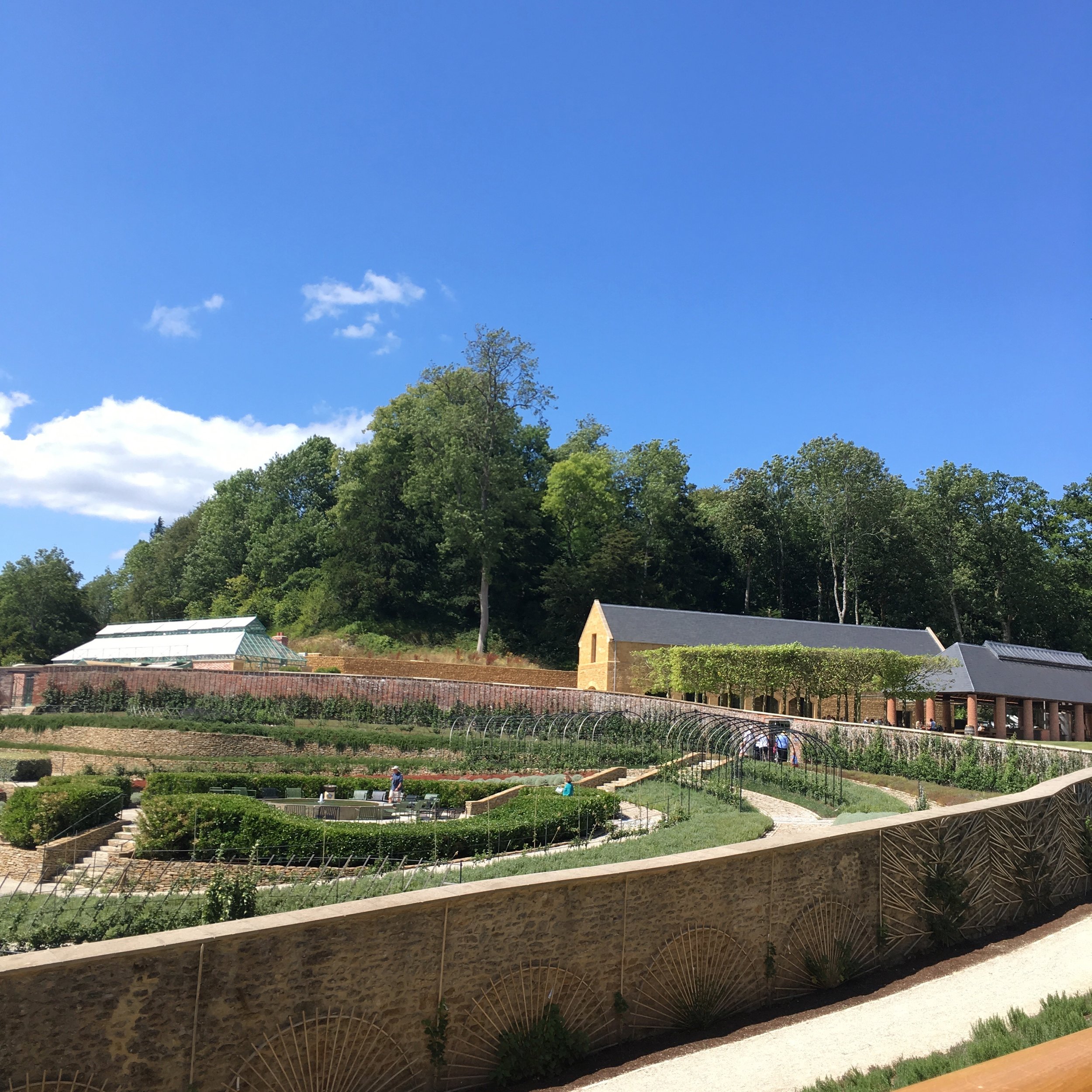
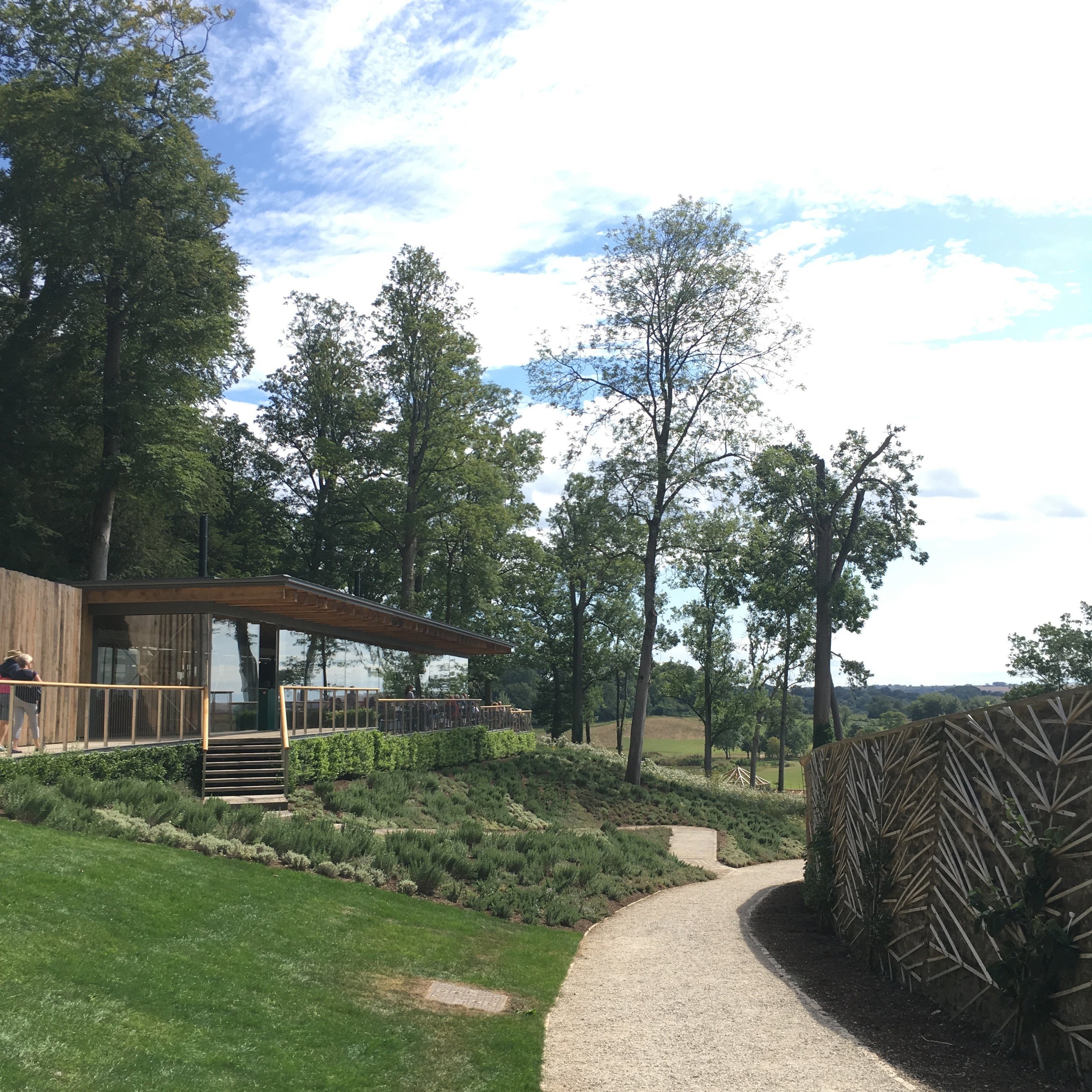
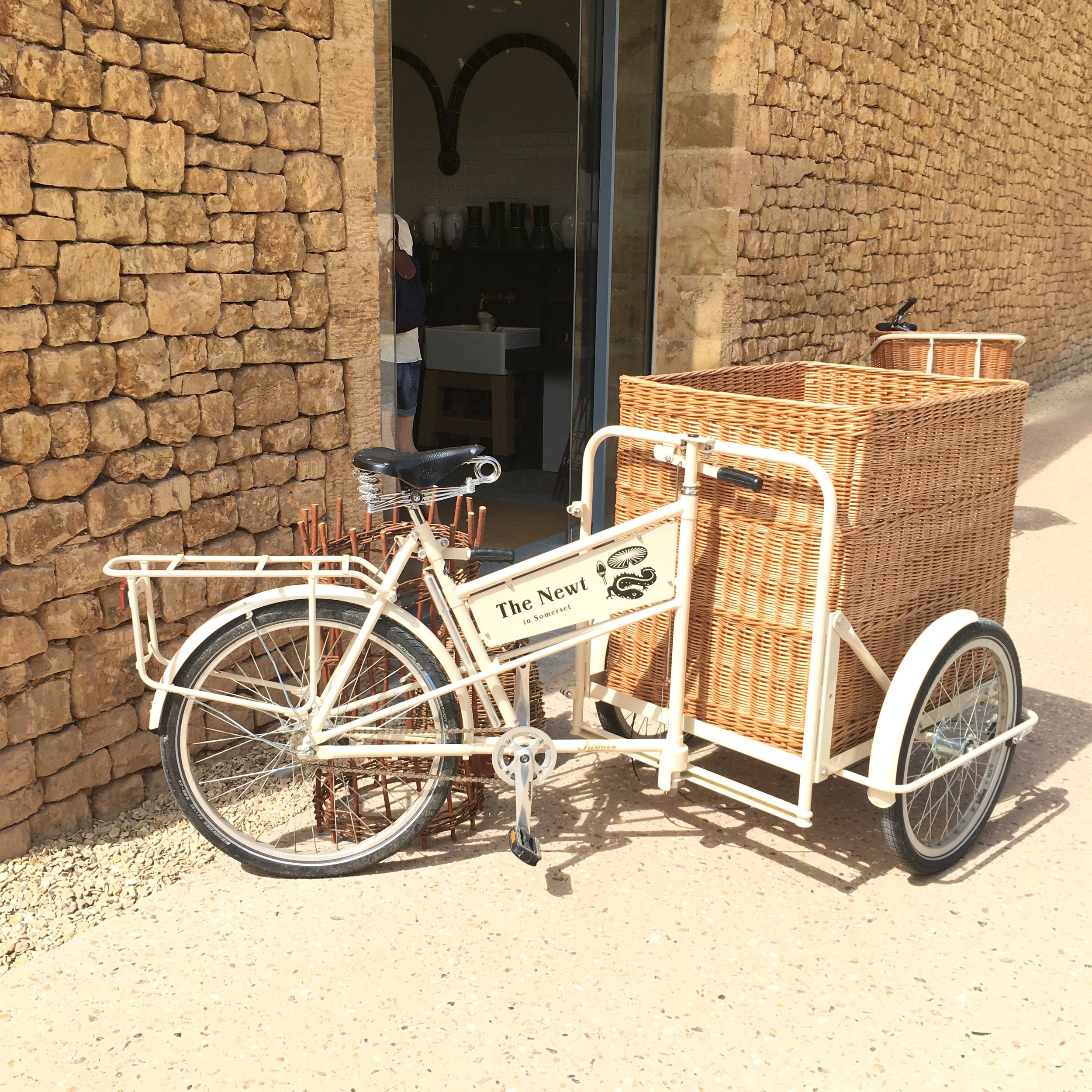
The Newt is a chic kind of Arcadia. A 300-acre Somerset estate transformed into nature pristine, the English landscape given a contemporary makeover. From the walk along a wooden platform that takes you up through the woods from the car park, through to the stunning Threshing Barn that marks its entrance (note the waving ceiling sculpture), to the open courtyard dotted with apple press, Cyder Bar (which serves 6 different varieties of ciders produced on the estate) and Farm Shop, you are cossetted in a dreamy version of the natural world.
That’s before you even get to the gardens themselves, which is the real reason you are here – though you might think that’s lunch at the stunningly situated Garden Café where you get to enjoy food created from the bounty of what’s around you and in-house charcuterie, breads and pastries (also check the covetable chef notebook style menus).
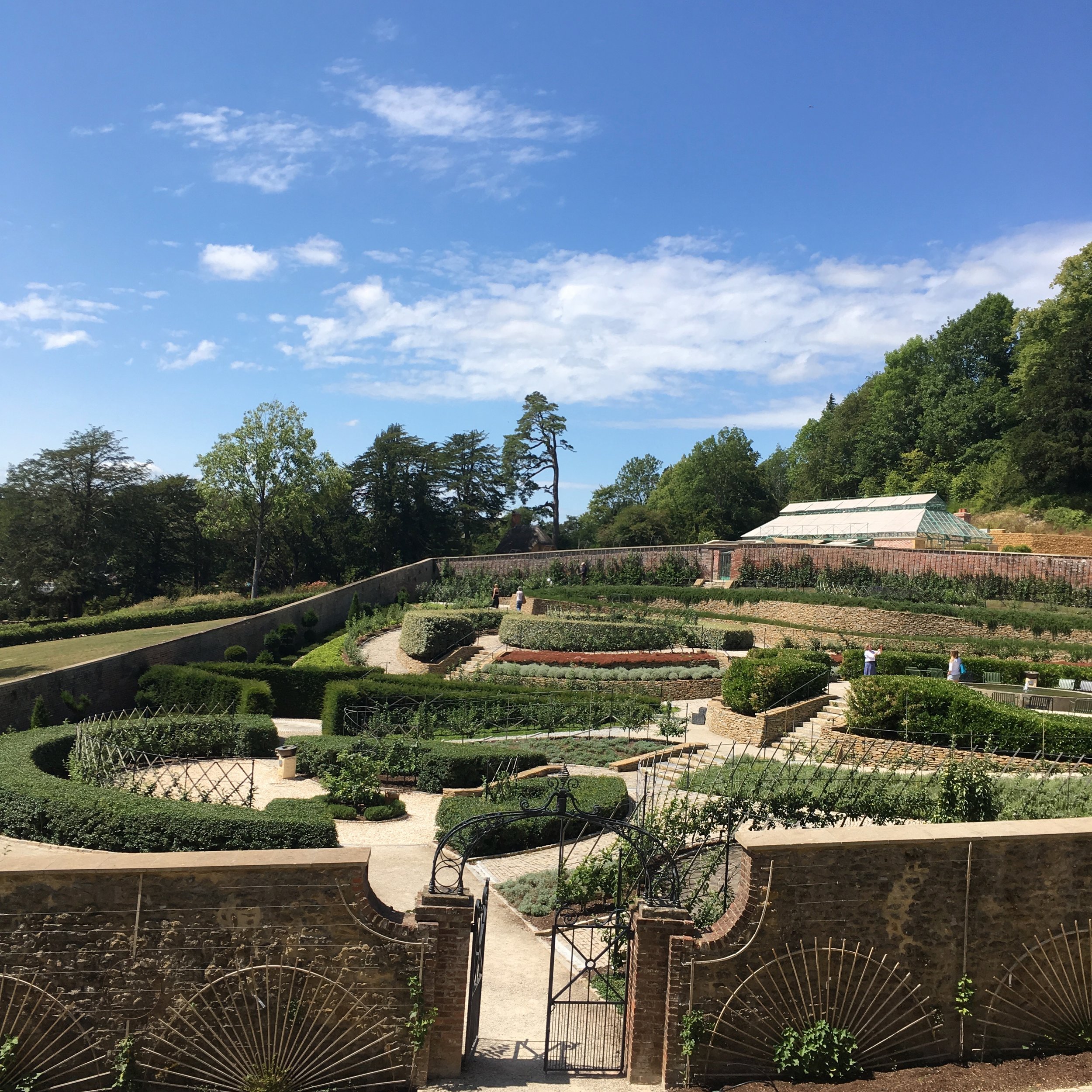
But it is the landscaping that is supposed to be the main draw – the 30 acres of finely crafted gardens that recently opened to the public after years of work. They serve as a serene escape from it all, as well as taking you through a carefully constructed horticultural history that reaches back two thousand years (and The Newt shows this through the plants, trees and design itself rather than any non-immersive signage).
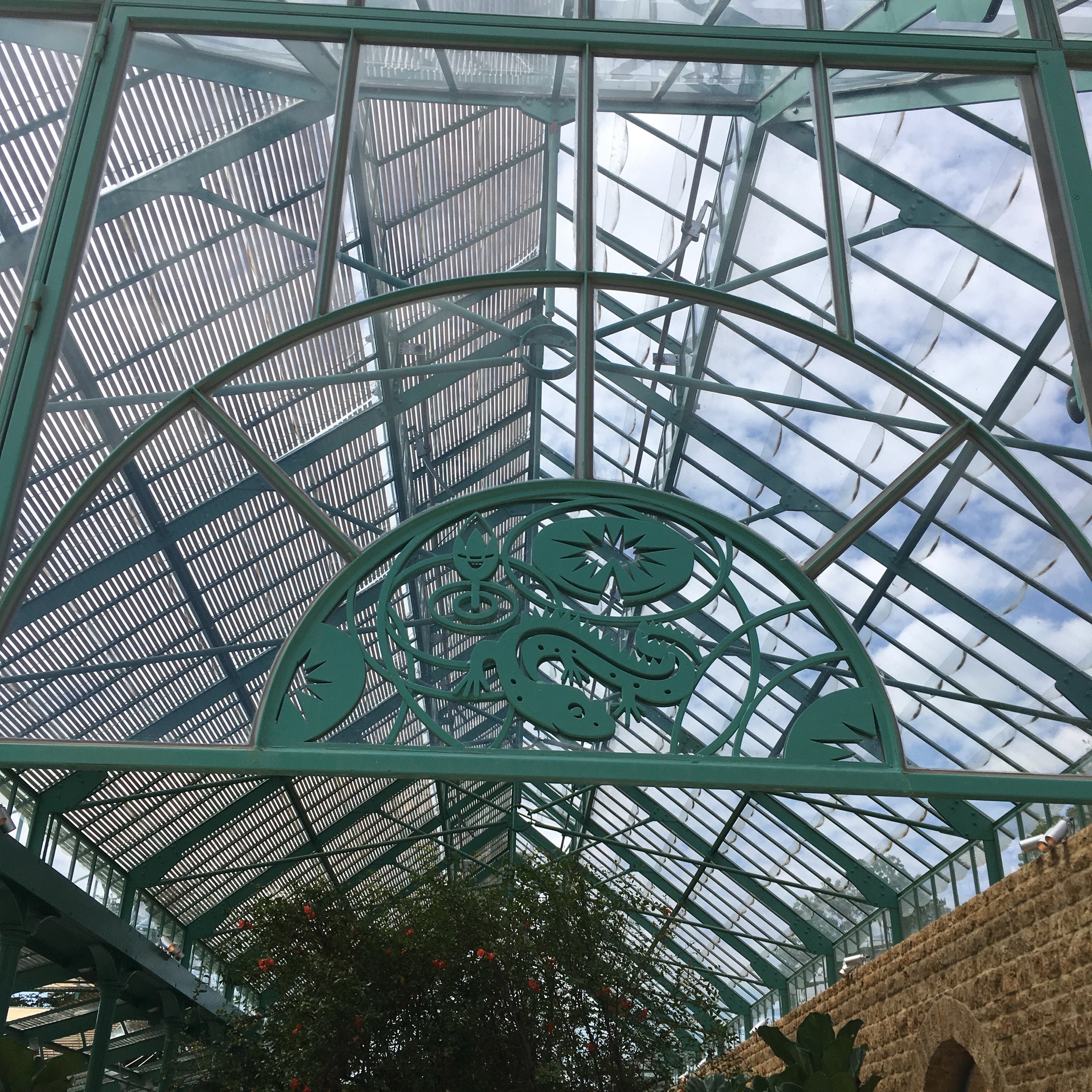
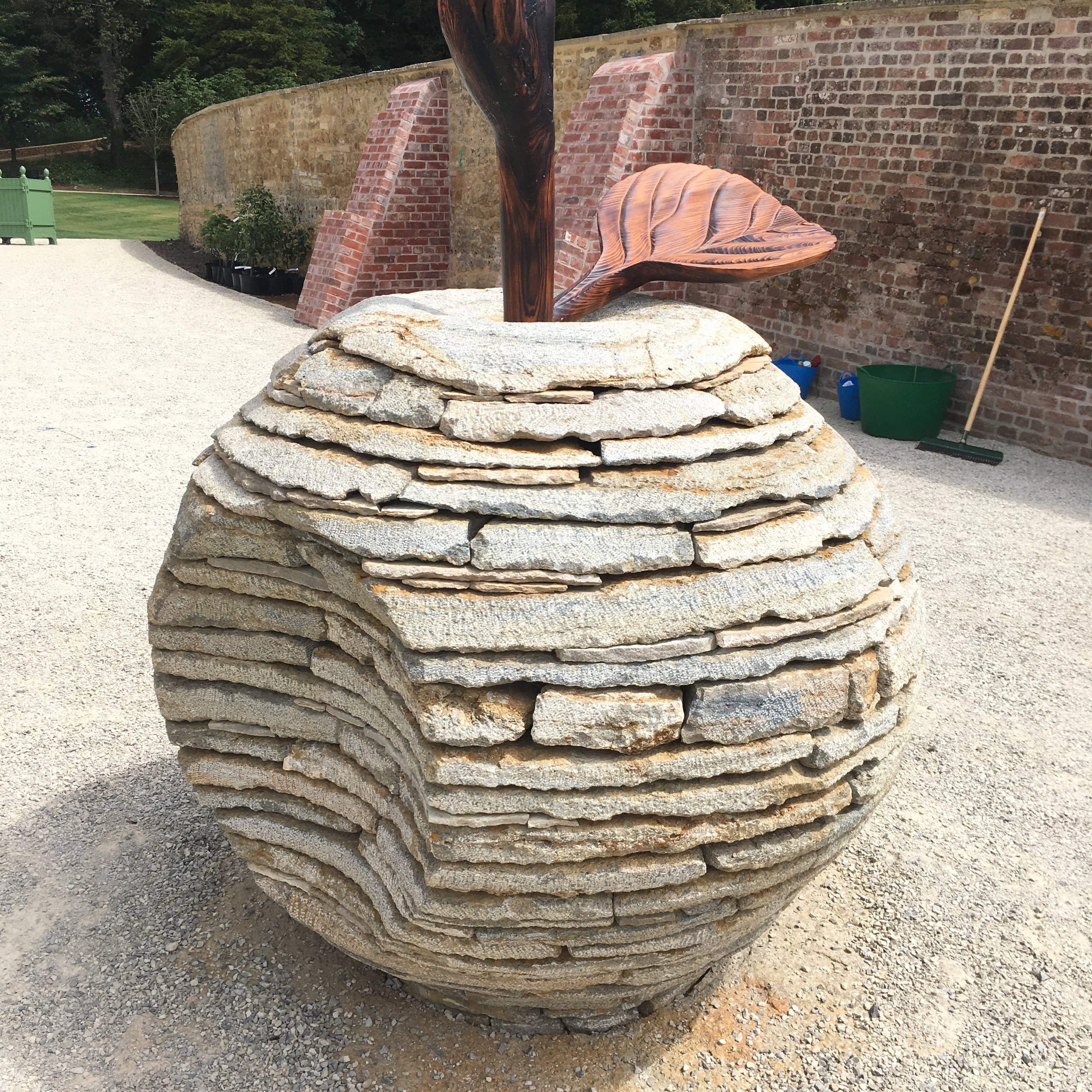
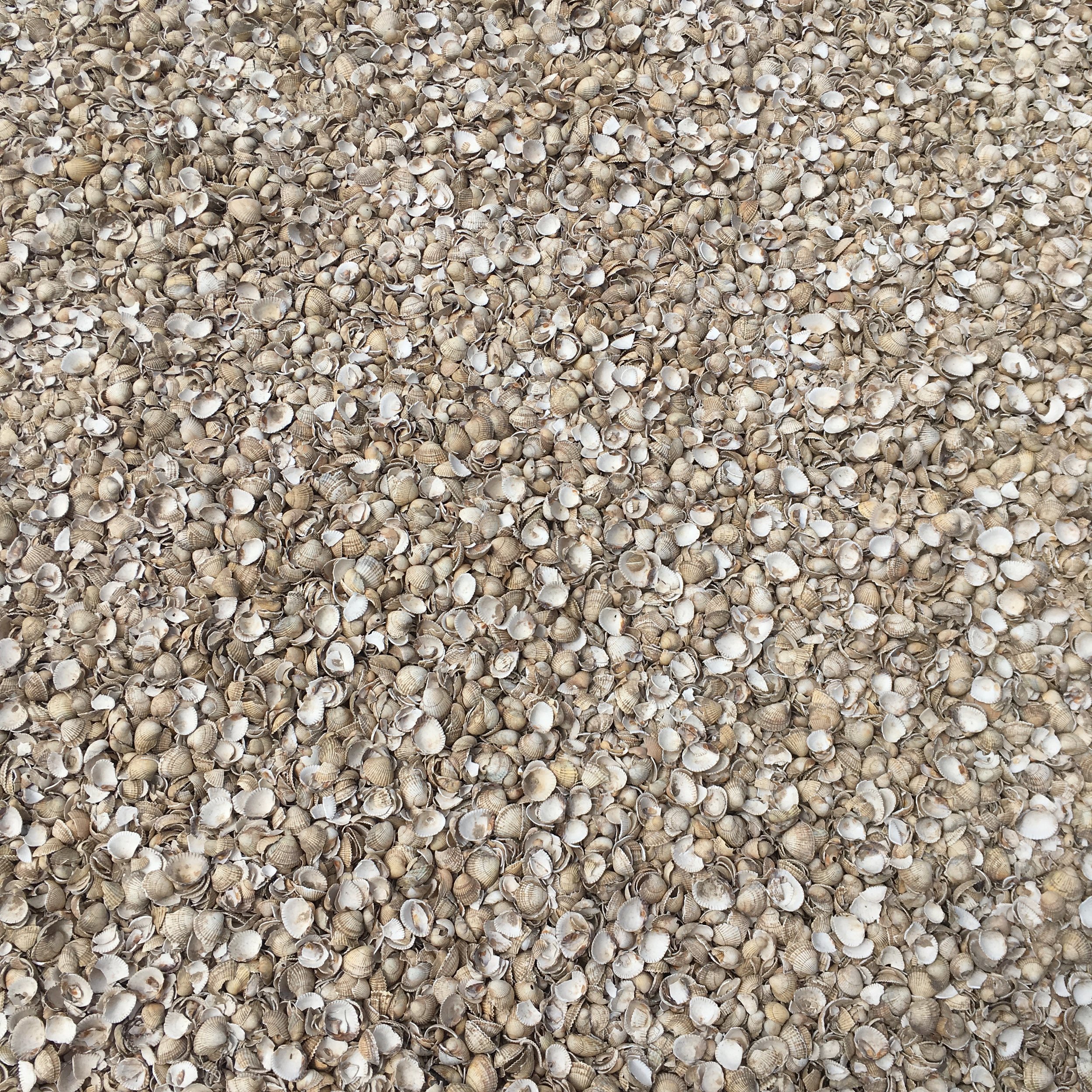
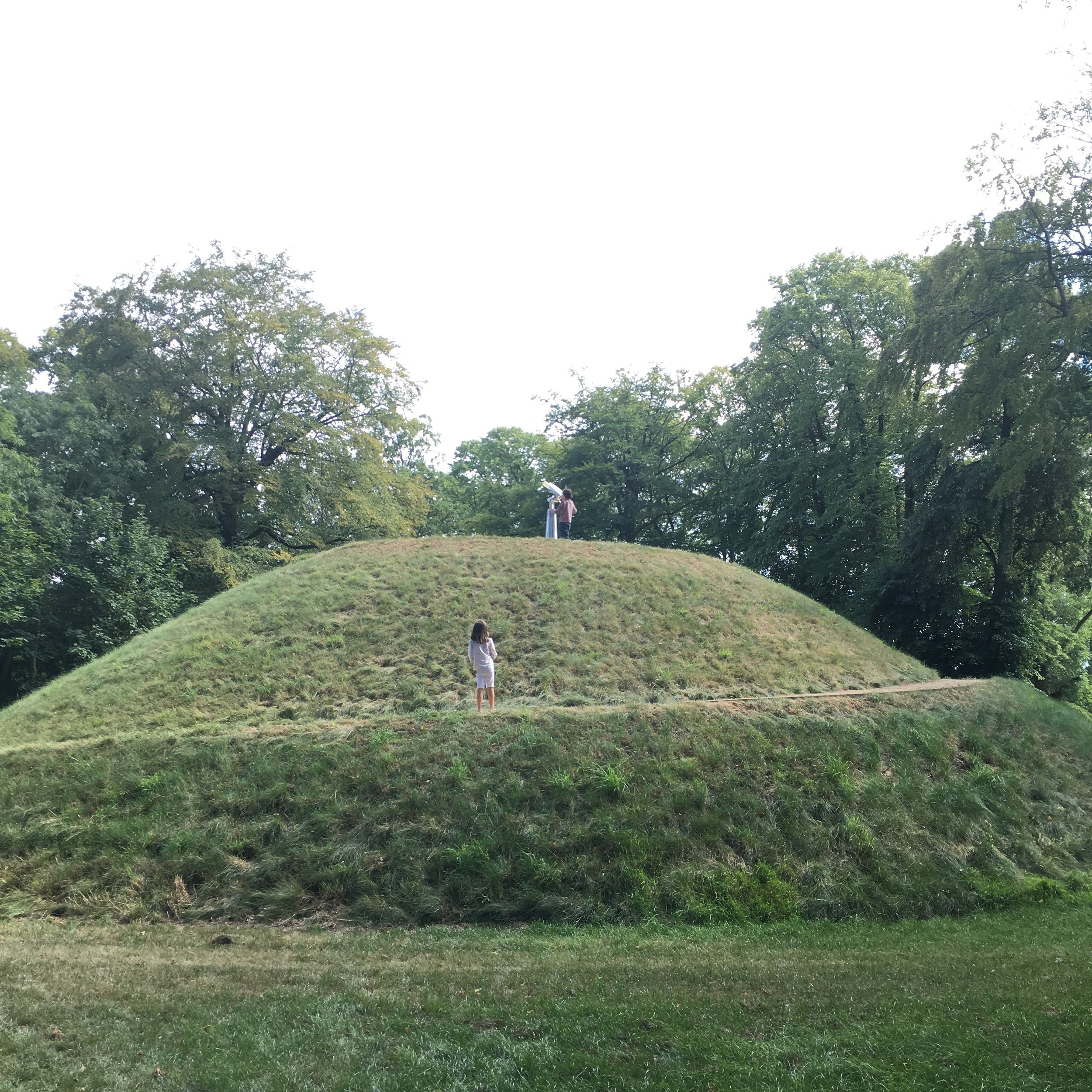
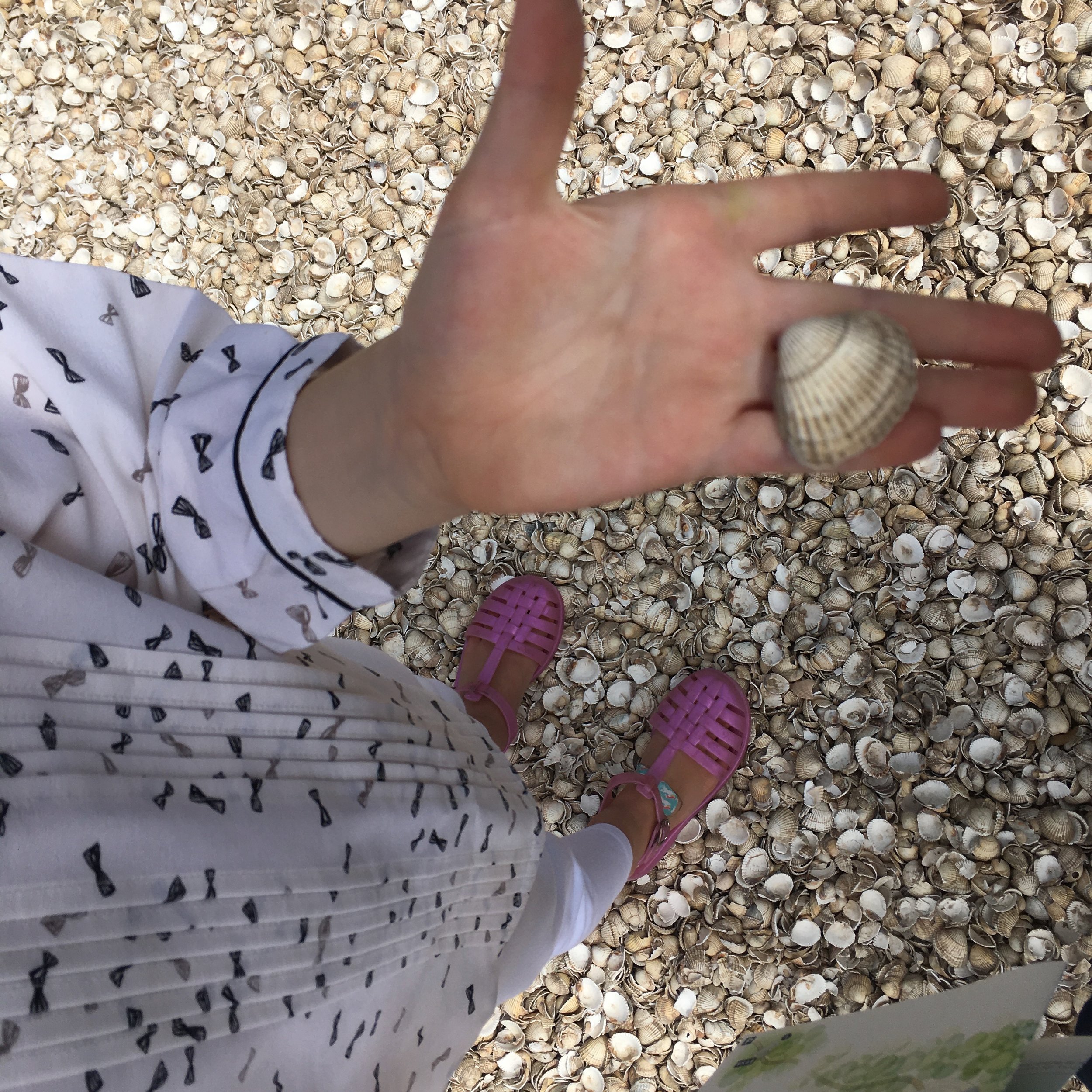
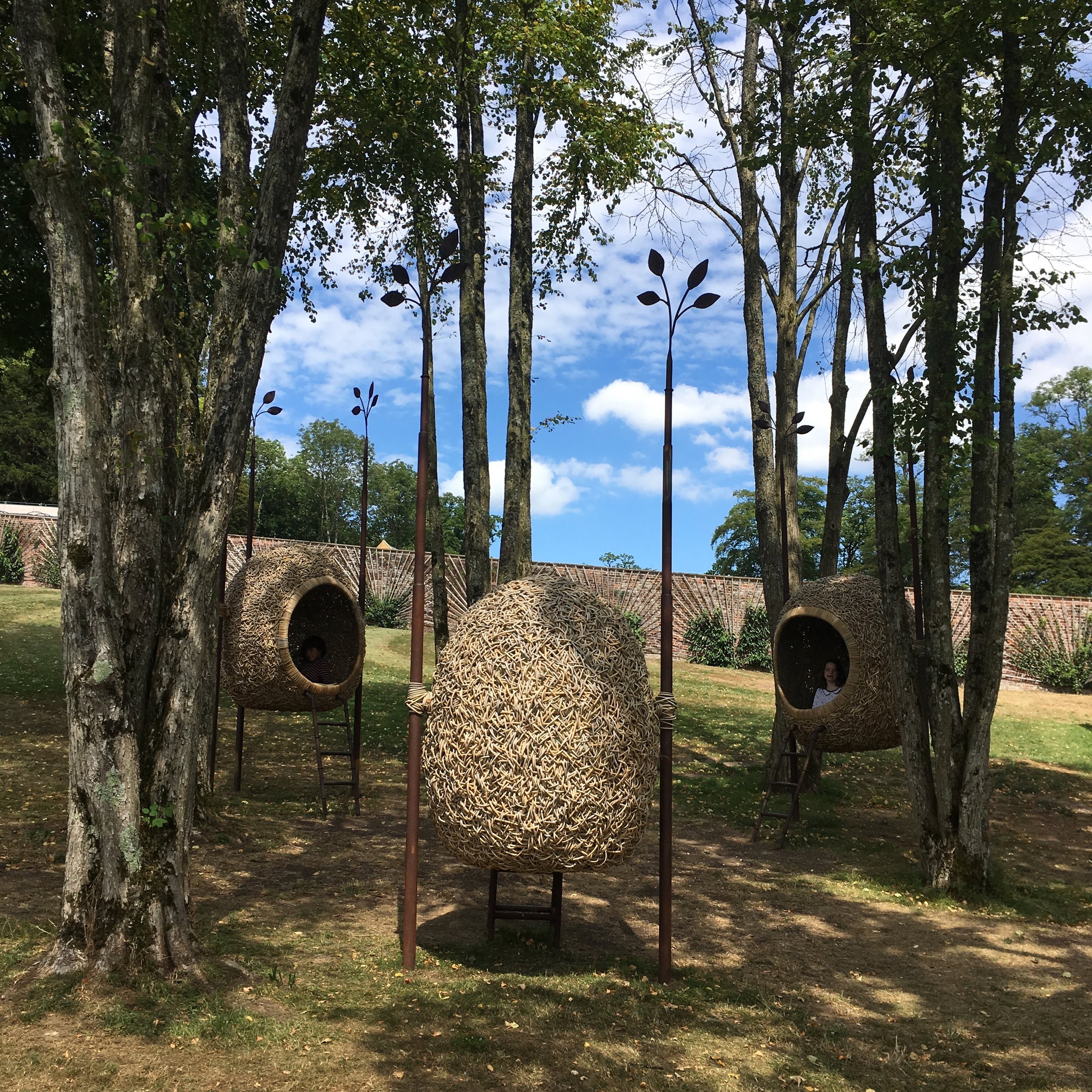
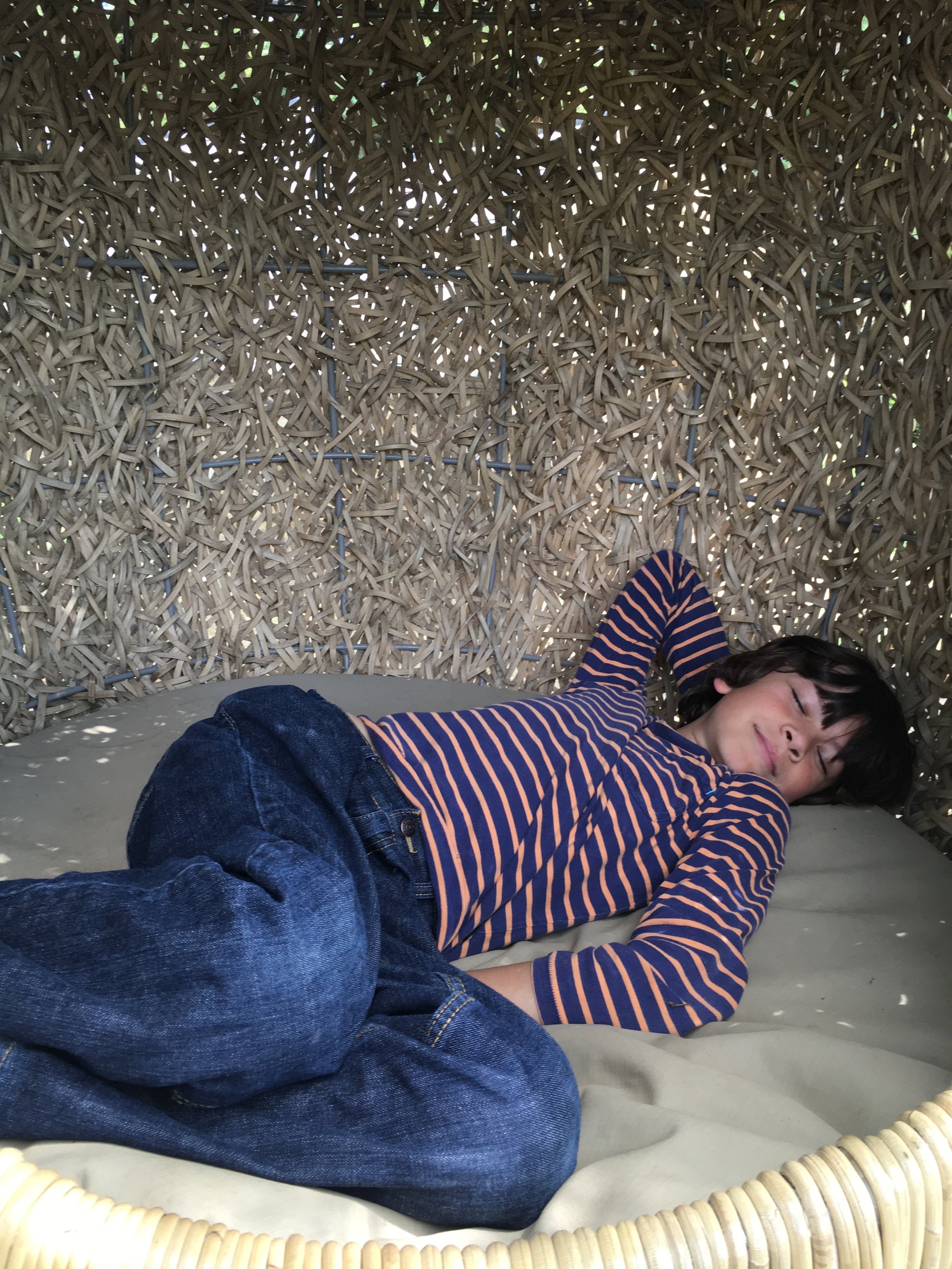
Highlights include the walled Parabola gardens conceived to function as a maze once it gets going and that also contains apples from every county in England and the sensory delight of a walkway made of crushed sea shells. We had soft spots for the fantasy of a Victorian greenhouse dotted with ferns and the joy inducing woven egg sculptures that the kids curled up in by South African designer Porky Hefer. The woodland walks contain hidden interventions in nature, including a spiral pathed heap of a hill, with views down the valley from its perfectly placed telescope. And there is an abundance of apple motifs - one ambition of the place is the have the best apple collection in the UK. It’s worth booking a daily tour by one of the estate’s gardeners to get a true understanding of the complexity contained with it.
The startling thing is this is oh but Phase 1 of The Newt, which only just opened to the public earlier this year. This August saw the opening of the country house at the center of the estate, Hadspen House, restored into an inviting hotel with all its Georgian glory in tact, The Stable Yard to bed down in similar luxury, and a stunning, ‘garden-scented’ Spa for soaking away worries. Later phases include a gardening college and museum, a succulent garden, as well as a lake inspired by King Arthur (!) amongst other ambitions for the site
The Newt—named after the four-legged amphibious creatures who cross the estate—is the lavish imagining of South African billionaire Koos Bekker and his wife Karen Roos. From the moment they bought the estate in 2013, they have used their means and have found the ways—enlisting French architect Patrice Taravella and gardeners and chefs of a similar pedigree—to make real their ambitious vision for the place, and then share it with us.
But the key here, and we kept forgetting this as we wandered around and the kids played in the fountains, is that this is a working farm and a sustainable enterprise in which much of the produce grown here is served here, even the deer provide venison for the restaurants, the roaming hens eggs and the grazing water buffalo mozzarella. The Newt prides itself on careful cultivation, not just of craftsmanship and artisan practices, but across the whole project. It’s a finely conceived ecosystem of its own. And they have designed a place for you in it.
Lose yourself at The Newt for a day. Slow down here. And lean into the magazine spread beauty that is England, utopian.
Find out more: Website www.thenewtinsomerset.com/ Facebook @theNewtinSomerset / Instagram @theNewtinSomerset / Twitter @theNewtSomerset
Top tip: The Newt can be a little pricey - when we were there, we were able to convert our day pass into a season pass through the app Candide – it’s worth asking if this offer is still current.

Dartington
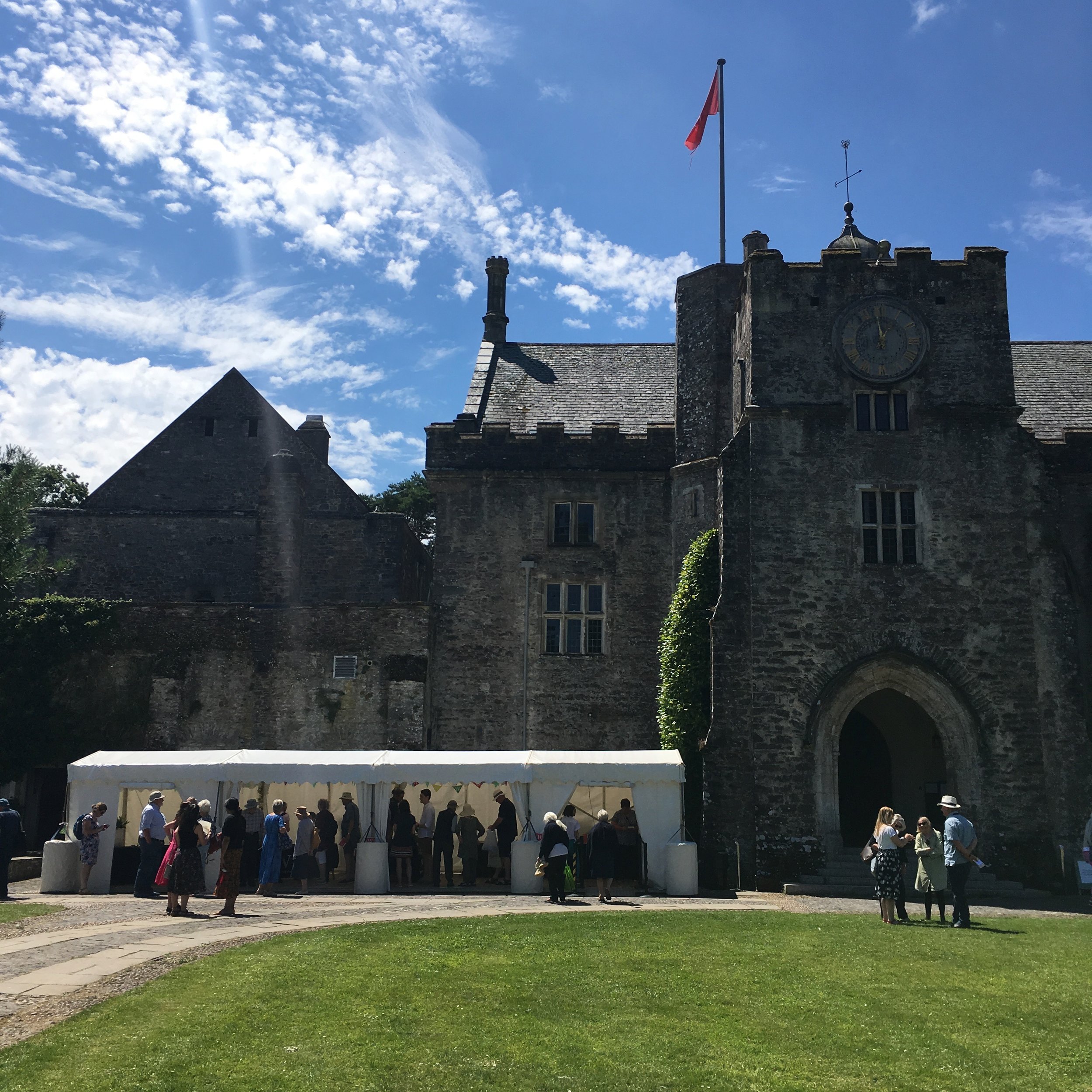
Dartington, we found out, is one of those special places that are many different things to many different people, some of which we’d guessed at, and many of which we hadn’t. It’s like a polymath of a place.
“Dartington is not one thing, but a complex unity of activities.”
The whole time we were here we kept saying, ‘wait, what is this place.’ Is it a learning center? A dance school? A festival site or wedding venue or camp ground? An indie cinema, maybe, a vegan café, an outdoors playground? A walled garden and a great hall? What is it? And why is it here on this stunning, rambling estate in Devon?
Dartington, we found out, is one of those special places that are many different things to many different people, some of which we’d guessed at, and many of which we hadn’t. It’s like a polymath of a place. Covering 1200 acres just outside of similarly independently spirited Totnes, Dartington is all the things that it would take to put thought into practice. It’s the thinking piece brought together with the doing piece of living a multifaceted life in a multifaceted world.
You know all that talk of ideas changing the world, that we hear about again and again. Well here that actually happened. Way back in 1925 when Dorothy and Leonard Elmhirst bought the house, the conversations and the connections that they nurtured amongst leading thinkers, politicians, and creatives of that day had real-world, lasting impact. The NHS, The Arts Council and Open University all had their start here. That’s a pretty impressive heritage. It’s also a progressive, forward-focused experiment that continues today.
Dartington is not an anachronism. That spirit of innovation and exploration, of bringing together change makers and thinkers, of nurturing creative entrepreneurs and impactful practices—is still as urgent given the ever-pressing realities of our modern lives. Now though the focus is brought across several categories— identified as arts and culture, agriculture and architecture, learning and making, socially minded business, social justice and sustainability— that ultimately interconnect and inform one another. Dartington is still pushing its agenda forward to a public that seems ready and very much willing to participate within it.
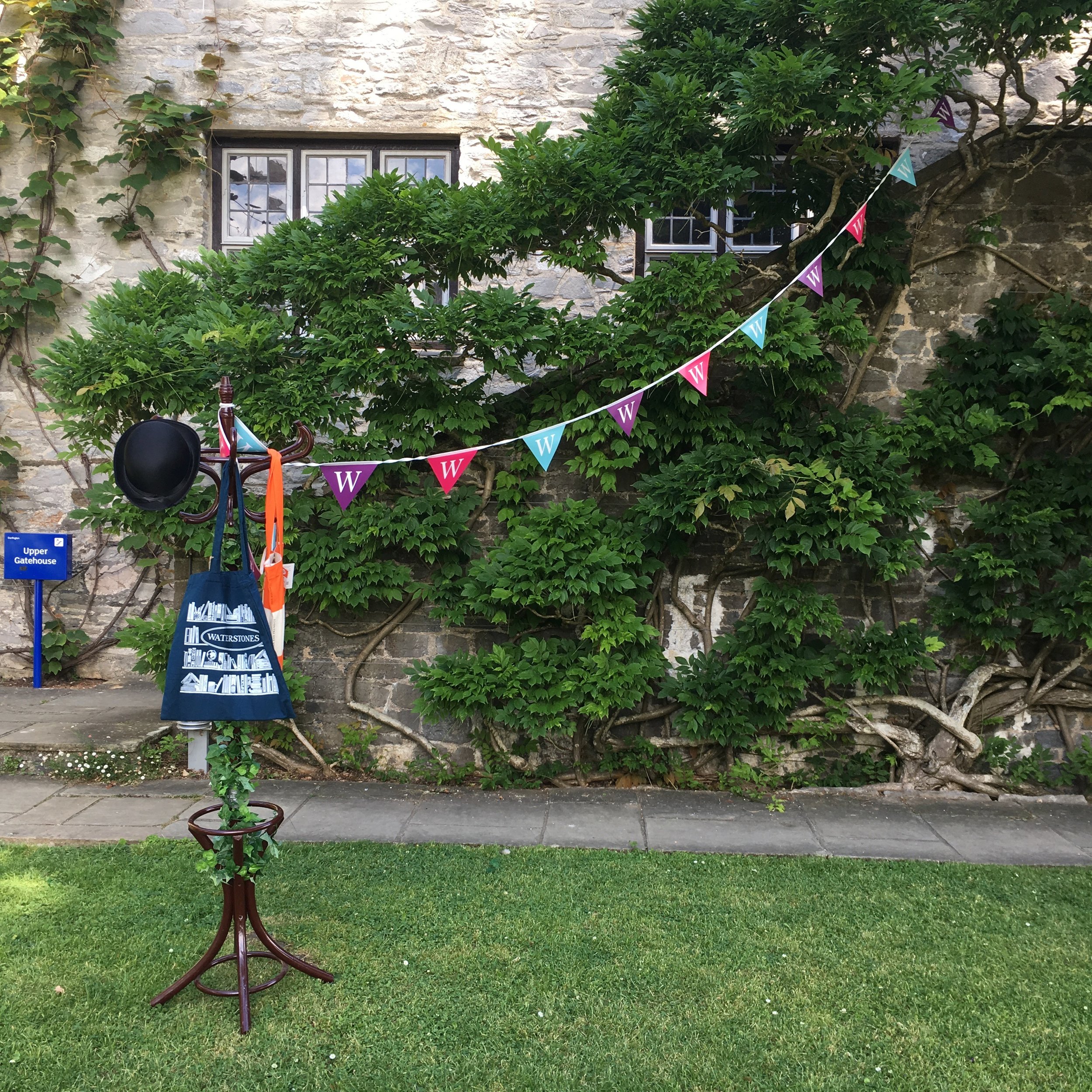
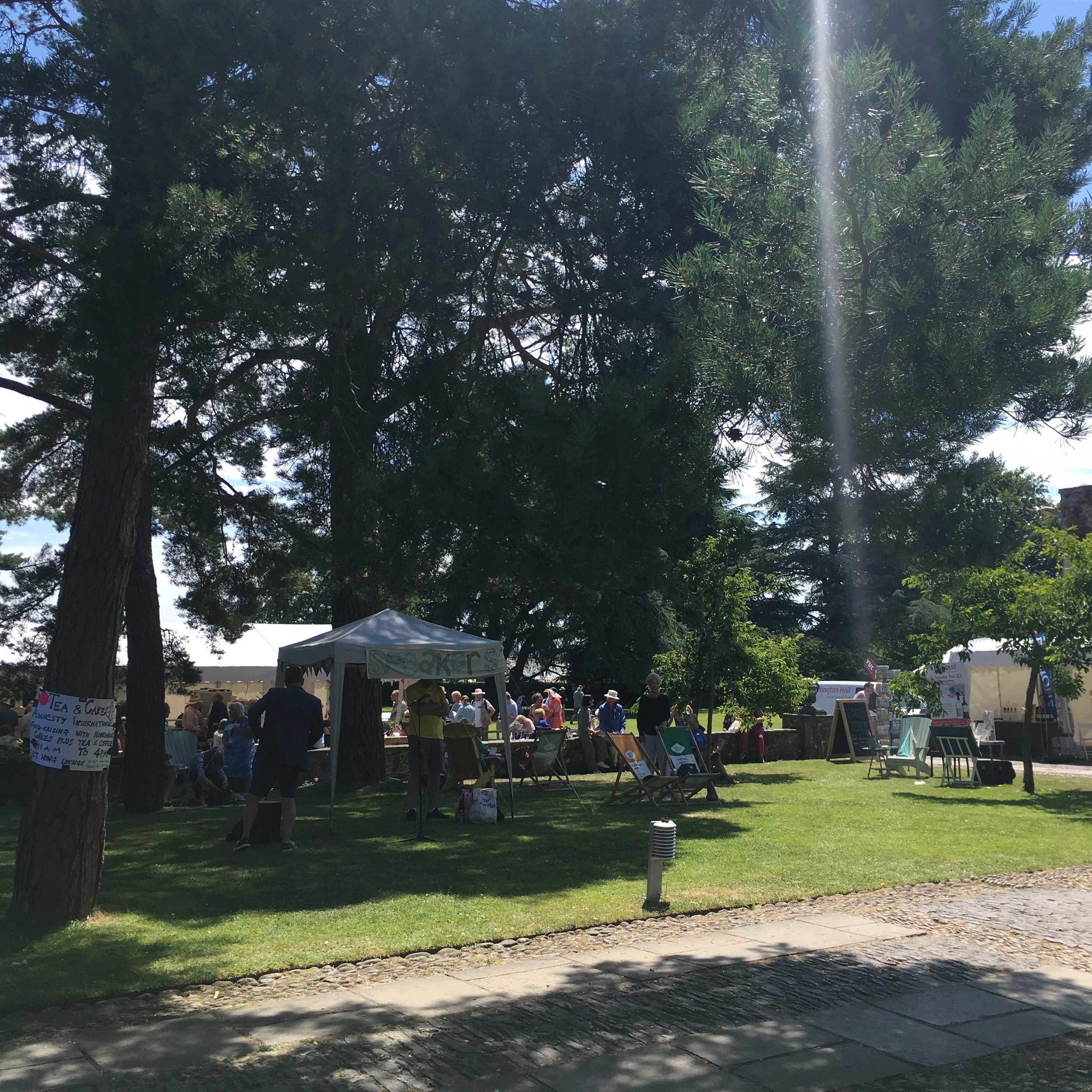
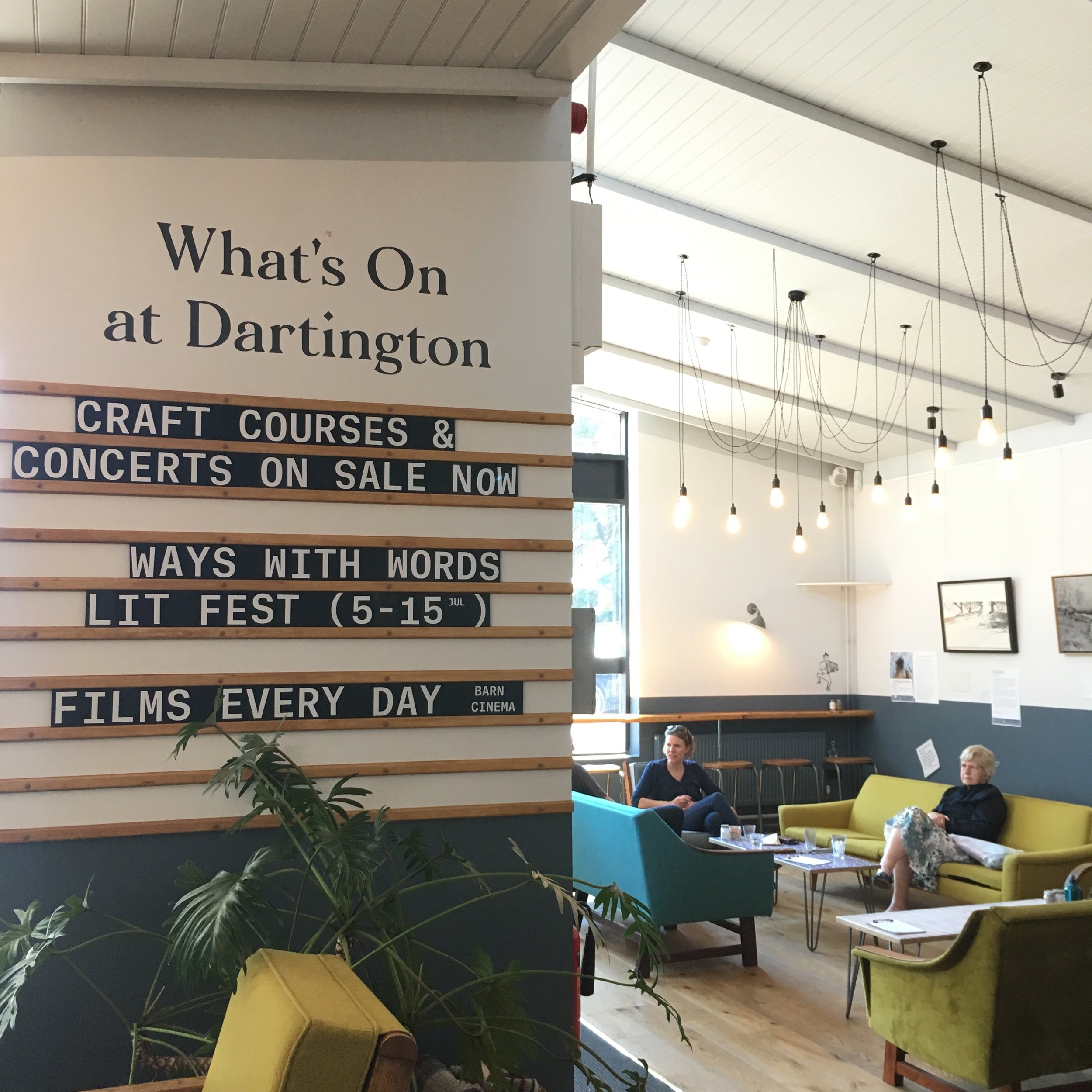
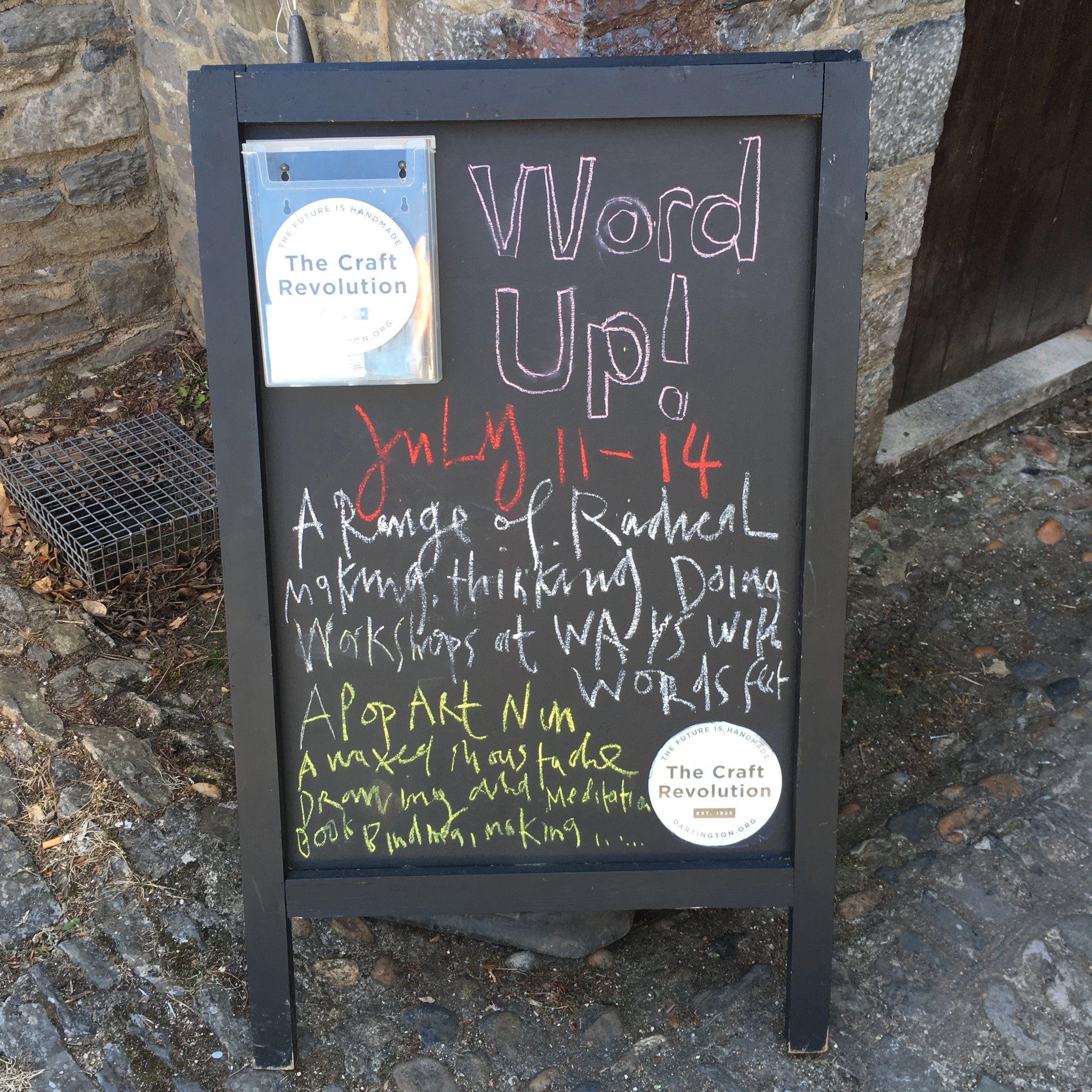
There are multiple ways to engage: Dartington offers programs, classes, workshops, and events that take myriad forms and can shape ‘a many-sided life’ that is really the goal at its heart. The appeal is looking through its strands and finding your thing, maybe even your Self, within it. Bringing its disparate elements into play in your own life as Dartington evolves and shapes the wider world. Whether that’s a slight dip with an indie movie at The Barn Cinema, a vegan lunch at The Green Table, or even a wild swim in the actual River Dart that flows through the estate. Or a longer engagement with a course, or mentorship, or partnership. Here you’ll find the brilliantly named The Craft Revolution, the School of Social Entrepreneurs, the summer literary festival Ways with Words. You can volunteer in the walled garden, attend the acclaimed Summer School that partners amateur musicians with professionals, and even camp within the grounds.
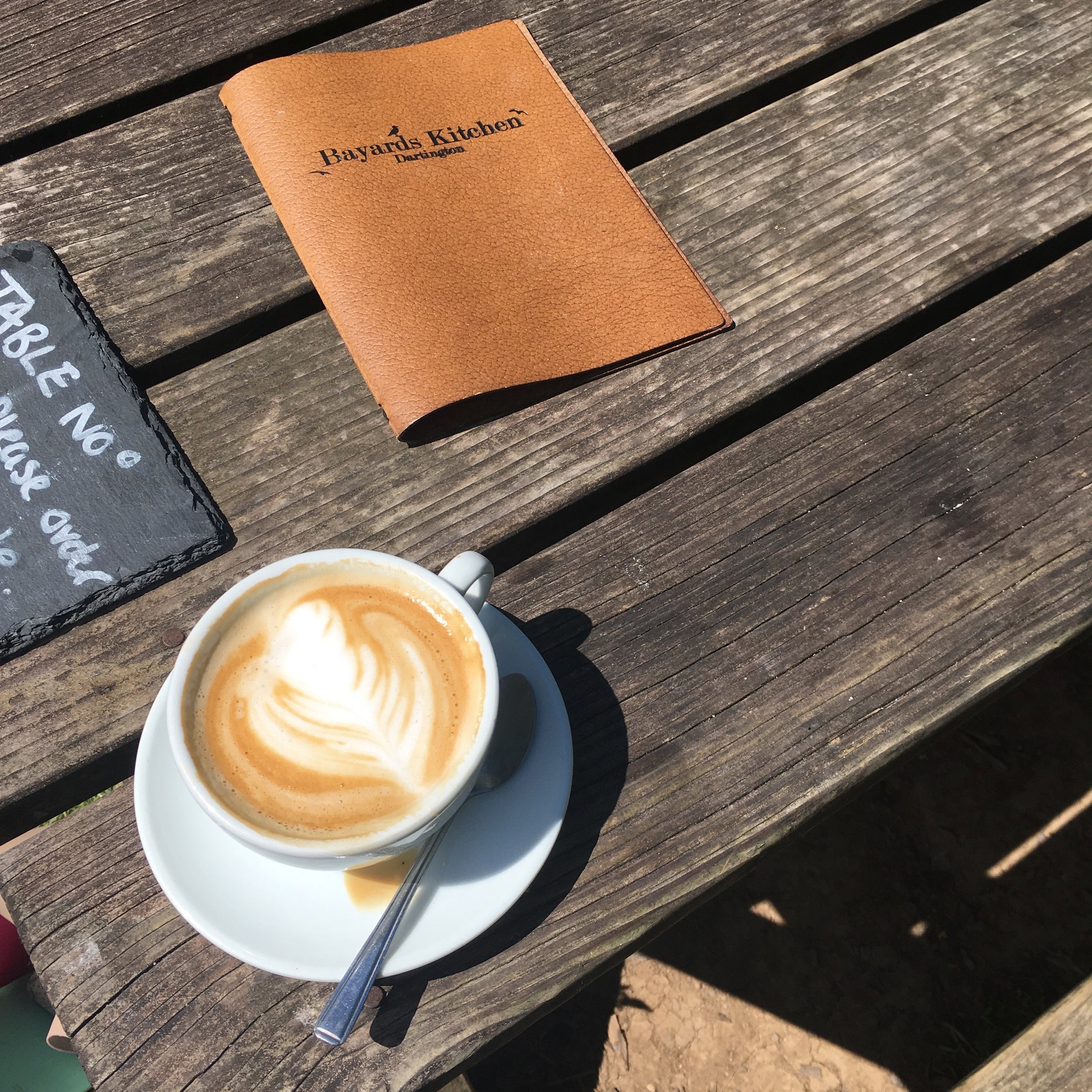
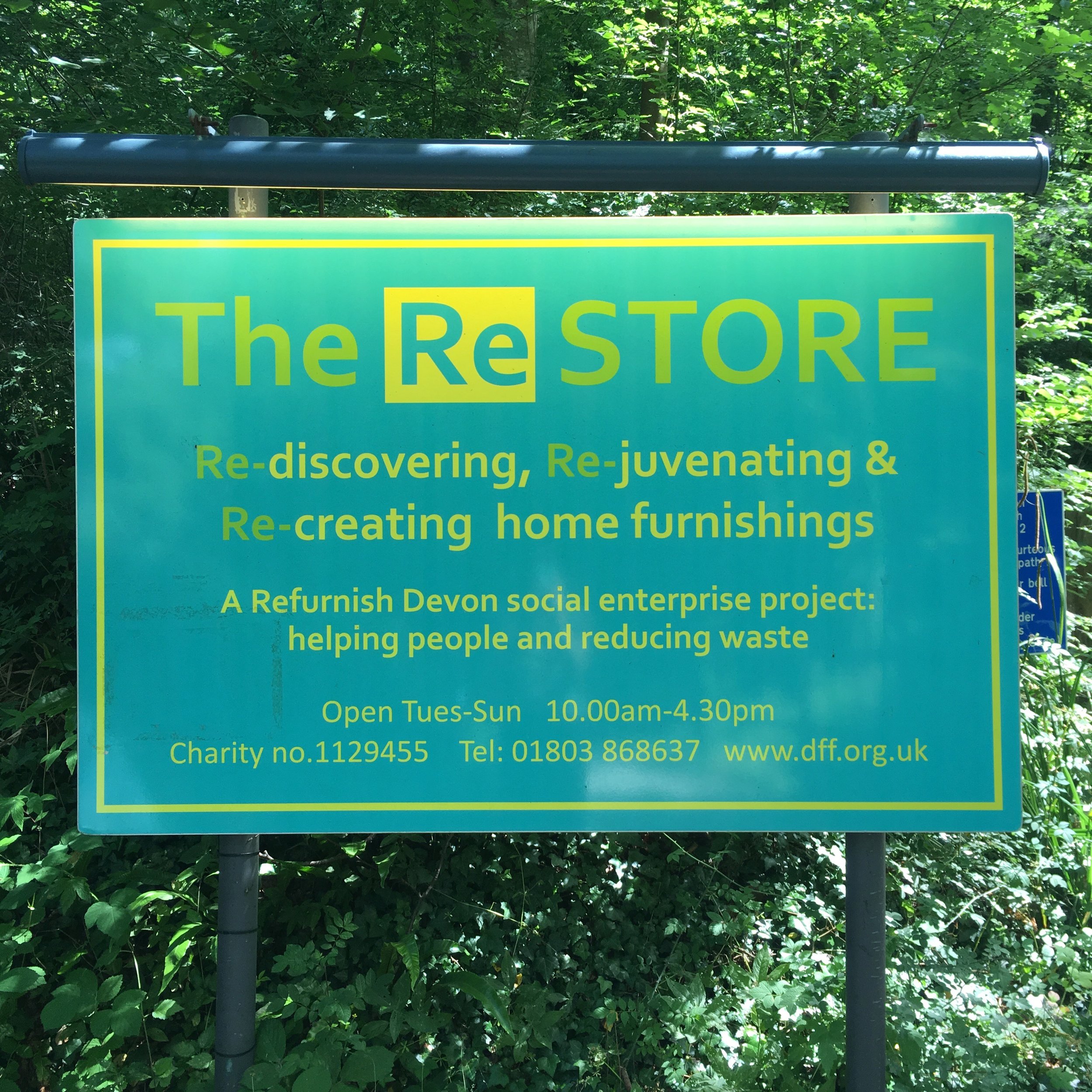
You can also just day trip, and seek out The Shops of Dartington, itself an experiment in social enterprise and community renewal. We recommend coffee at Bayards Kitchen and the quirky The Re-Store. Don’t let the many coaches belie its innovative intent.
We’re convinced that places can change the world. Dartington proves this theory in practice. What will it do for you?
To find out more: Website www.dartington.org / Facebook @dartingtonhall / Twitter @Dartington / Instagram @dartingtonhall

The Sheppey
The Sheppey rewards those who seek it out with character in abundance, and music to pay attention to, thoughtful rooms to suit your different moods and barrels of cider on the bar to blurry away your day.
“Five minutes from Glastonbury and ten minutes from Wells, England’s smallest city, The Sheppey is a pub out in a world of its own, amongst the peat beds and murmurating starlings of the Somerset Levels. We offer brilliant modern European food, a constantly changing roster of beers and ales, and a bar covered in casks of local ciders that’ll knock your socks off.”
Sometimes when it feels like there is nothing there, we stumble on something. Driving down narrow single lanes across the Somerset Levels, the feeling is very much of absence – of being lost on the flatness of it all, of peet moors and dairy farms and not much more. But then you arrive, at an unassuming white fronted building and you are here, in someplace. Which here means a location of eccentricity and bustle, and a pub called The Sheppey.
We’re huge believers in the good ole English pub to hold us as people, but it takes a special kind of pub to hold us beyond the pint. The Sheppey rewards those who seek it out with character in abundance, and music to pay attention to, thoughtful rooms to suit your different moods and barrels of cider on the bar to blurry away your day.
There’s whimsey to be found here: the fish wallpaper, signs declaring LOVE, the plastic horror dolls (or is that just our reading of those things!), the vintage finds, retro furniture and Hockney prints. You get to self-select where you want to be: cute cubbies for lounging, a more traditional pub bar, an outside courtyard to soak in the hoped for sun and a more grown-up light filled indoor space conducive to conversation. And let’s get back to that music which is built into the tongue-in-cheek DNA of this place: the DJ sets, the different music for different decades (yes, that includes an 80s dance party where you get to dress up in that rara skirt you’ve been holding onto) and an eclectic line up of live bands ranging from folk, soul, jazz funk and, err, poaching music.
Bought by Mark Hey and Liz Chamberlain in 2010, The Sheppey has been lauded for a while as one of the best of the west, its pull equivalent, maybe, to that famous site of pilgrimage, The Glastonbury Tor, that sits within its sights. Ok, maybe that’s going too far, but this is a place that has draw. We came with kids and cousins, and probably wrongly used the flea market toys on display to distract them while we munched on our ale battered fish and chips on the sun-filled balcony beside a round shiny ball that said appropriately ‘Globe’. For an afternoon, seated beside a river, with food and family, that was our whole world. That was enough.
By pouring their commitment and personality into this space, Hey and Chamberlain have created a context where magic of a different kind can happen too. Yes, they have manifested a situation of welcome and hospitality, a context that invites joy and relationships, an environment that is cosy in its crammed arrangements. But when this all gets out of the way, when you are seated or dancing or eating amongst its glory, there’s that other spark that can happen, the one where we come together as people and help make The Sheppey sing too.
To find out more: Website www.thesheppey.co.uk / Facebook @sheppey
[Oh and if you need more of this and want to stay longer, there are three bedrooms on site and two cottages close by.]

Jodrell Bank
Jodrell Bank is one of those truly special places for a spectacular, constant, reason. Right here is one of the biggest and most powerful radio telescopes in the world.
“Take new and exciting approaches to presenting the wonders of science in a way that engages our visitors emotionally as well as intellectually, evoking wonder, surprise, humour and, above all, curiosity.”
We’ve been coming to Jodrell Bank Discovery Center since we were kids. And now we take our own kids. That sense of awe and wonder that we experienced way back then (even though we went there on school trips which somehow make everything boring), that hasn’t gone away for us, and now it captures our younger generation too.
Since we came in our school uniforms (we won’t say exactly when that was), Jodrell Bank has undergone a bit of a revamp. Our kids get a much nicer café then we ever had, though we get the benefits of that too, as well as majorly remodeled visitor buildings. The striking Planet Pavilion contains the world’s largest clockwork Orrery (a to-scale working model of the solar system) and in the Space Pavilion you now get to hear the Big Bang.
But Jodrell Bank is one of those truly special places for a spectacular, constant, reason. Right here is one of the biggest and most powerful radio telescopes in the world. The giant, Grade-1 listed, Lovell Telescope. This monumental white bowl has been sat in the green fields of Cheshire since 1957. Positioned right beside the Manchester-Crew train line, I’d pass it every day on my way to school, and it has never ceased to blow my mind. Looking out of a train window, the Lovell Telescope would denote an escape from the quotidian, from the banal, from our diminutive human lives. It would signify space and the universe, the capacity for us to know the unknowable, mysteries of an astronomical scale. It would communicate escape.
At a distance, the Lovell Telescope is symbol of authority for what man-made science can do. Much, much closer —you can walk right up to its base—it maintains that sense of awe, but it also conveys our humility, our very much non-man-made place in the universe. As it transcends time, the Lovell Telescope is beginning to show the wear and tear of its own life, it begins to feel fragile. When we last visited, the train-track base was covered in scaffolding, which seemed surprisingly prosaic when you think about what this thing can do. It felt oddly like it might break if moved [sorry all those Uni of Manchester science hearts that just died when I typed that]. And it does move – it’s one of the largest steerable telescopes in the world, with the bowl changing position depending on which part of the sky it needs to track.
Jodrell Bank is a place full of these kind of dichotomies. It’s an analogue escapees dream: while here, you are asked to switch off all devices, so that they don’t interfere with the powerful radio observations. Which is a permission giving of a kind we like. There’s a sense of play, of curiosity, in the exhibits on display, and the grounds that allow free-roaming, but there’s also the weighty responsibilities and ambitions of the science authored here to further our knowledge and capacity to get beyond dreaming. And now there’s even camping, bringing the vast imaginative possibilities of this place to a 4-day annual summer festival, appropriately called bluedot. With an audience of 25,000, science just got way more accessible, as it plays with music, art and culture, and bands like The Chemical Brothers, Flaming Lips and Elbow, as well as Manchester’s own Halle Orchestra, get to drop by. But best of all—we think anyway—bluedot takes place right next to that giant telescope (sometimes incorporating it into the show) and you get to unzip your tent, probably on a frosty Mancunian morning, and be right there with it.
We can majorly lose our minds on that. As we always have done, a bit, just being here with the Lovell Telescope and its universal pull.
Website www.jodrellbank.net/ Twitter @jodrellbank/ Facebook @JodrellBankOberservatory

The Chapel
The Chapel pulls people together, over food, over wine, over conversation, over ideas. That is does so in a space long held for purpose and meaning, gives the idea of the communal a modern finish.
“Warm and friendly place to shop, meet, drink and eat the very best seasonal, local food. ”
This was not the place that we thought we’d find in a gorgeous village in Somerset. But then Bruton is not defined by its countryside location or its picturesque look. There’s a lot going on within these country lanes. You might even, sometimes, think a tiny piece of London has just got off the train. Hey, even John Steinbeck said of Bruton: ‘I feel more at home here than I have ever felt in my life in any place.’
So maybe it makes sense to find The Chapel right at the center of it all. We want to write lots of naff sentences saying things like worship at the culinary altar of the chapel, or bread is our gospel, or a church for modern life, but though it threads a desirable religiosity through its space, the Chapel is very much to the side of that. Yes, it’s a serene update of a Grade II Listed, 19th-century space, which is itself a remodel of an 18th century former congregational chapel. And yes, you very much sense that history within its walls. But it’s also much less ethereally focused in its update of the purpose for these spaces: it now contains all the things we need to build the modern good life.
There’s the artisan bakery headed by Tom Hitchmough using a traditional long fermented process. We’re bread believers: bakeries can be the souls of our communities. Just think about the hours involved in creating a loaf, that nighttime toil, the scents and bustle created around the storefront, the taking home of packages of warmth, and the mindful in the moment-ness of breaking bread.
Then there’s the award-winning all day-restaurant which though is buzzes with conversation and contemporary needs (a bar where the altar would be) somehow manages to instill tranquility (and even quiet our kids) with its high ceilings and windows, streaming natural light, and figurative sculpture looking down on the dining congregates. It holds us in our days: somehow moves from loungey to kitchen table to posh restaurant, and from solo coffee to dinner for two to group dining, depending on where you are seated, what you need, and the time you are there.
More behind the scenes are the clubhouse, a private resident’s lounge from which to work (free Wifi) and relax. And the eight bedrooms that offer a tranquil pause. Oh, and there’s a carefully curated wine store that focuses on local producers.
But the thing we’re struck by is that The Chapel also offers this, public events for the curious that attract some big names and introduce some life-changing ideas: like a talk by Ed Bullmore, author of The Inflamed Mind, connecting the mind and the body through inflammation, an evening with Martin Shaw, a storyteller of ancient myths for modern times, and a film screening with campaigner Nimco Ali discussing female genital mutilation.
The Chapel pulls people together, over food, over wine, over conversation, over ideas. That is does so in a space long held for purpose and meaning, gives the idea of the communal a modern finish.
Website www.atthechapel.co.uk / instagram @thechapel / Facebook @thechapel / Twitter @thechapel
While you are here: For that creativity piece, head to Hauser & Wirth, an internationally renowned gallery that brings major art world players to a converted rural farm. For Nature + Wonder, visit The Bishops Place, where history is being interwoven with play in the cathedral town of Wells. And for spirituality of a pagan kind, walk to the top of Glastonbury Tor, and allow the legend and views to sweep over you. And you can do this from anywhere, buy a Mad Girl / Mad Boy sweatshirt by Bruton based Selfish Mother in collaboration with Bryony Gordon / Mental Health Mates.

Psychology Fringe Festival
The Psychology Fringe Festival is giving us some much needed alternatives for ways forward and ways of being. They are bringing to the fore increasingly urgent conversations created by the circumstances of our rapidly evolving world by the people who understand them most. That’s a new kind of festival that we all need to exist.
“The more we can talk about mental health – and the more ways we find to talk about it, sing about it, rap, act, paint, photograph and so much else then the more chance we have of improving wellbeing more generally. Mental health isn’t something that belongs behind the clinic-room door or in the professor’s office. It belongs to all of us. ”
A small team of clinical psychologists established the Psychology Fringe Festival and the accompanying Beyond the Therapy Room Conference to present ‘different voices, opinions and perspectives on mental health’ and to ask how we can create a more psychologically caring society. That’s a perspective that we badly need.
Though it operates alongside the Division of Clinical Psychology’s annual conference, The Psychology Fringe Festival is very much publicly orientated. Its aim is to explore clinical psychology and mental health in a broader way, to think about how we relate to one another as human beings rather than focusing on a purely medicalized approach to difficulty and distress which we’re maybe more familiar with.
In that spirit, the festival uses art-based formats, such as dance, theatre, poetry, comedy, philosophy, art and workshops, and has touched on poverty, LGBT issues and the media as well as mental health. Programs and performances are often delivered by people with lived experience of mental health services, such as DanceSyndrome, Heart to Heart Theatre, and Neural Knitworks.
Its sister program, The Beyond the Therapy Room conference similarly focuses on celebrating innovative ways of working, highlighting what we can do beyond one-to-one therapy to engage with wider issues affecting people’s mental health, including the social and political climate.
Following successful events in London, Liverpool, Cardiff, and Manchester, the Psychology Fringe Festival is giving us some much needed alternatives for ways forward and ways of being. They are bringing to the fore increasingly urgent conversations created by the circumstances of our rapidly evolving world by the people who understand them most. That’s a new kind of festival that we all need to exist.
Alternatives for supporting us through our everyday lives are popping up, but as clinical psychologist and one of the festival’s cofounders Will Curvis advises, we need to engage: “Show up at the conference and festival. Coming to events, meeting like-minded people, getting involved in these services - there’s a lot of opportunity to be active.” See you there next year?
To find out more: www.psychologyfringe.com / Twitter @ClinPsychFringe / Facebook @psychologyfringe

The Bear Trail
The Bear Trail gives you full nature immersion in the up-to-your-knees/waist/neck mud version. This is an outdoor adventure assault course for adults and kids that starts with things to scramble over and ends in the showers!
“Love mud. Love life.”
We know that being in nature does good things for us like making us less stressed and more balanced in our everyday lives. The Bear Trail takes this idea and runs with it by giving you full nature immersion in the up-to-your-knees/waist/neck mud version. This is an outdoor adventure assault course for adults and kids that starts with things to scramble over and ends in the showers!
We got lucky, in a way. We went at the tail-end of a heatwave, so those deep pools of mud were still there but maybe not as abundant as at other times of the year. You can decide how much you are all in so to speak. You get to take the course at its own pace, and choose the risks that you are willing to take. If you’ve brought flip-flops (don’t) and are feeling kind of quesy about mushy wetness you can probably half-arse a few of the obstacles.
Regardless of your timidity level around dirt, its joyful scrambling, jumping, zip-lining, balancing, bouncing and climbing your way around the 28 obstacles. There’s no judgement if you don’t get anything right, actually no tuition to even tell you that. Adults are given as much credibility for being here as kids, there’s no feeling stupid for wanting to do what your 9 year old is doing. Just an open field to play in for everyone. As they say here, “Remember, mud washes off… experiences stay forever!”
Website: thebeartrail.co.uk / Facebook @thebeartrail / Twitter @trail_bear

Mind Food
As MindFood’s motto goes, “Gardening is cheaper than therapy and you get tomatoes.” The Ealing-based social enterprise has this idea at its core: it’s founded on nature and uses food as the framework for figuring out our mental health concerns.
“We support people to improve their wellbeing through growing and selling food.”
Did you know that as you grow your tomatoes or tend that cabbage patch, you are also doing something deeply therapeutic?
The Ealing-based social enterprise MindFood has this idea at its core: its founded on nature and uses food as the framework for figuring out our mental health concerns, whether we’re struggling with common conditions like depression, anxiety, and stress, including PTSD, or we’re just curious about plotting and planning our own psychological health and wellbeing. As their motto goes, “Gardening is cheaper than therapy and you get tomatoes.”
Chatting to co-founder and director, Ciaran Biggins, he points out that, “An environment of nature and growing food is a perfect way to practice the Five Ways to Wellbeing as identified by the New Economics Foundation”. So if we break that down, you get connection in the form of the community around you. You are able to take your time and pay attention whether that’s to changing seasons or to something you planted. You take on the role of an active learner, specifically here about horticulture. You get to give back through the systems of sharing and support that MindFood is grounded in. And lastly, you get to be physically active, getting those wellies on and hands dirty.
Drawing from the evidence base of nature’s calming effect and the restorative practice of planting, cultivating and selling food, Biggins created a program that involved “spending more time learning about food, building community, and being in nature in a supportive environment.”
Want to get involved? MindFood offers a starter program: a free six-week course, Growing Wellbeing, which covers the theoretical and practical relationship of nature and wellbeing. It’s all “action orientated to encourage behaviour change.”
And for those who want to continue their involvement, there’s Plot to Plate, 12 weeks of working to cultivate the produce in their allotment, then selling it from their Market Stall in Acton (which inscribes a whole other level of value and purpose for what you’ve just achieved).
To find out more: www.mindfood.org.uk / Twitter @MindFoodCIC / facebook.com/MindFoodCIC

Magalleria
At a time when we’re driven more and more into the informational world of our phones, Bath’s Magalleria stakes physical/ actual space for the recent resurgence of independent magazines.
“Welcome to Magazine Heaven.”
At a time when we’re driven more and more into the informational world of our phones, Magalleria stakes physical/ actual space for the recent resurgence of independent magazines. It goes way beyond the newsagents of old with their chocolate buttons and Hello magazines, and that High Street staple W.H. Smith, that feels like it has everything but misses so much.
Since the storefront opened in 2015, owners Daniel McCabe and Susan Greenwood have refined their truly global selection of fine, independent and specialist mags that you’d probably need expensive subscriptions to even get your hands on. Plus there are mags here you’ve never heard of and want to, as well as exclusives to this store only. They’ve created one of the few places where anybody can get access to this kind of printed material:
“When we started planning Magalleria we found there wasn’t any ‘world of magazines’ the ordinary consumer could simply enter. Sure, there were seductive looking magazines draped around numerous halls and galleries across the internet that proved not to be real places but facades for vague, non-accessible or defunct commercial entities.”
Don’t worry about feeling overwhelmed when you first walk in. They will happily help you find what you are looking for. When I visited, I was looking for something specific. Any magazines that were doing interesting things in the mental health space. And they had those in piles with all the paper-based and perfectly bound perspectives that I had been searching out: Doll Hospital, frankie, Oh Comely and Flow. I also picked up Good Trouble, The Idler, The Happy Reader and Another Escape. I would have picked up more, but I had a baggage allowance to think about.
Magazines are not just to adorn your coffee table. They are for life, deeply embedded into who we are and who we might be. There’s therapeutic value in finding your publication of choice and finding yourself, your interests, your world, amongst its pages.
If you are not in the UK, you can order online but as we’re all about feet on the ground, if you are anywhere near Bath, get yourself here.
To learn more: www.magalleria.co.uk / twitter @MagalleriaBath / Facebook @Magalleria / Insta @MagalleriaBath

Mental Health Mates
Bryony Gordon launched Mental Health Mates as “a sort of walking/running group for the people for whom it is perfectly normal to feel weird”. Right from its start in London a few years ago people have consistently shown up, with outings now throughout the UK and abroad.
“A safe space for you to walk and talk about your problems without fear of judgment.”
We love Bryony Gordon - let’s just get that out of the way now. We listened to her podcast Mad World (including the Harry one), followed her in awe as she ran the London Marathon (twice - once in her underwear), and hugely appreciated her openness in the books Mad Girl, The Wrong Knickers and Eat, Drink, Run.
But we’re not here to tell you about our love for Byrony. Nope, we’re here to tell you about Mental Health Mates, the organization that she started as “a sort of walking/running group for the people for whom it is perfectly normal to feel weird”. Right from its start in London a few years ago people have consistently shown up, with outings now throughout the UK and even abroad (walks have taken place in Melbourne, San Francisco, New York and Dubai).
Mental Health Mates hosted walks are led by local people who have their own mental health issues, rather than therapists or medics. “It's all peer support, without the pressure and draining feeling that can come from group therapy,” says Polly Allen of the organization. In fact, people can bring their dogs, or their kids, family, friends and colleagues. Rest assured, Polly tells me “there's no pressure to talk about mental health unless you want to. You can just talk about TV or politics if you want.” And as it’s hosted and run by local people, it can feel more like a community get-together: “it’s designed to build links with the community and helps you meet like-minded people who live nearby—people you could pass on the street and not realise they were suffering just like you, with anxiety or OCD or depression.”
Though most walks end up about 60-70% female, Mental Health Mates has hosted a special walk aimed at men, as well as special events for the LGBT community and for mums. In the future, it is hoping to organise a special event for carers. The walks are designed to be easy and accessible to everyone who needs them, and they are best of all free. Thank you Bryony! We love you even more!
To find out more: mentalhealthmates.co.uk/ Twitter @findyourwe / Instagram @mentalhealthmates / and Facebook (type 'mental health mates')