
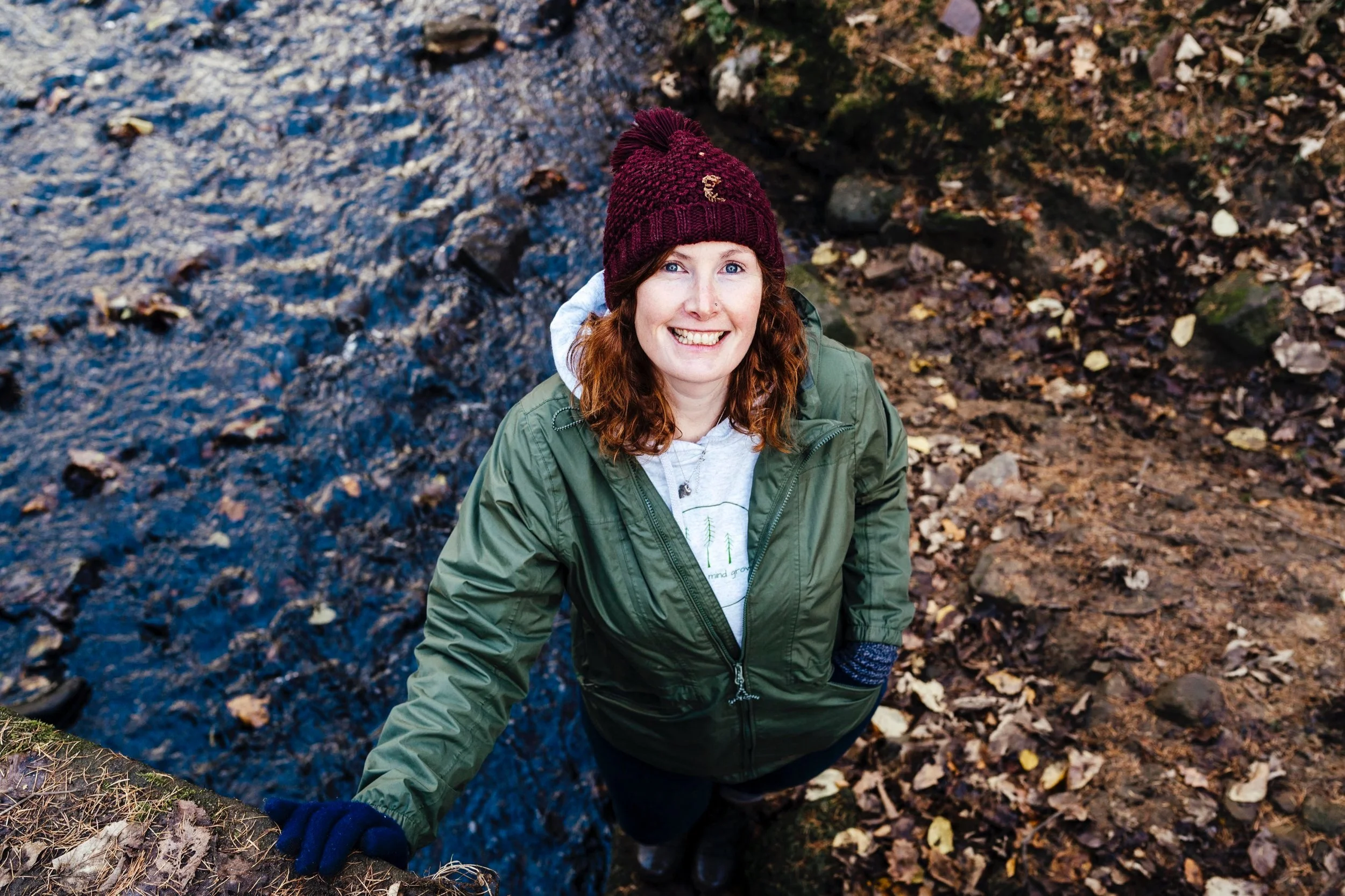
Reconnect with Nature: Simple Ways to Boost Mental Wellbeing
When was the last time you felt truly connected—to yourself, to the world around you? It turns out, the quickest path to reconnection may be as close as the tree outside your window.
In a world that moves fast, it’s easy to feel out of sync—with ourselves, our surroundings, even our emotions. But there’s a simple, powerful way to start reconnecting today, and it doesn’t require special gear, a trip to a national park, or hours of free time. It starts with nature—right outside your door.
How I Reconnected Without Leaving My Neighborhood
When I first realized how disconnected I felt, I thought the solution needed to be a grand adventure—maybe camping in the wild or a mountain hike. But with work, family, and life all pulling at me, those ideas felt impossible.
Instead, I started small. I began noticing the little things: the tree I passed every morning on my walk, the way the sunset painted the sky as I washed the dishes, the flowers peeking through cracks in the sidewalk. These weren’t dramatic moments, but they were enough to start feeling a little more connected—not just to nature, but to myself.
It turns out, nature doesn’t have to be a grand expedition. It can be as simple as sitting on a park bench, feeling the wind on your face, or watching birds from your window. And the benefits are real and measurable.
Studies show that just a few minutes of exposure to nature can reduce stress, improve mood, and increase feelings of wellbeing. You don’t need to be an “outdoorsy” person to access these benefits—you just need to start noticing.
Nature is Closer Than You Think: Tuning Into Your Surroundings
So, how can you start reconnecting? Begin by expanding what nature means to you. It’s not just national parks or forests; it’s your local park, your backyard, that tree outside your office, or even the view from your window.
Nature is everywhere, waiting to be part of your everyday life. And when you let it in, you’ll find yourself grounding more deeply in the present, feeling more balanced, and yes—more connected.
Instead of feeling overwhelmed and scattered, you could find peace in a simple morning walk, or clarity by taking a moment to watch the clouds drift by. These are small steps, but they make a big difference.
Reconnect and Revive: Bringing Nature into Your Daily Life
What if feeling connected didn’t require major life changes or extra hours in the day? What if it’s simply about learning how to see what’s already around you? By bringing nature into your everyday routine, you can start feeling more in tune with yourself, your surroundings, and your emotions—without the pressure of doing it “right” or “big.”
If this resonates, consider joining our upcoming workshop, Seasonal Shifts: Enhancing Your Wellbeing Inspired by Nature. In this 90-minute session, you’ll explore how the rhythms of nature can support your mental and emotional wellbeing—no hiking boots required. We’ll dive into simple, science-backed strategies that help you reconnect with the natural world, even in small, everyday ways.
Let’s rediscover the connection you’ve been missing. Book your spot in the workshop and start your journey toward feeling more grounded, balanced, and whole.

The Goodlife Centre
If like many of us you’ve lost contact with basic DIY skills, London’s The Goodlife Centre gets those power tools back in your hands.
What is it: An independent DIY learning space in London’s Bankside.
Why you’ll love it: Classes are open to everyone (well over 10), so whether you are homeschooling, retraining for work, or exploring new skills for pleasure, there’s something to learn. With subjects as broad as Carpentry, Furniture Making, and Home Maintenance, that workshop could cover making a plant pot holder or simple bookbinding, learning modern upholstery or woodcarving, or delving into Log Cabin quilting or cold process soap making. You’ll come away with practical knowledge, more confidence in how to use those power tools, do things for yourself, and make whatever you need to happen in your home.
What you need to know: Inspired by her first “Tools for the Terrified” course in 2009, founder Alison Winfield-Chislett — formally a product designer at Asprey and Tiffany and author of The Girls Guide to DIY — developed the idea for The Goodlife Centre. From its first bright studio workspace in 2011 to its current permanent home in a renovated cardboard box making factory, The Goodlife Centre’s central location has given weary Londoners an escape into making.
What they offer online and off: During closed times, classes head online and are on-demand, with current offers including Basic Tiling, DIY drills, and Basic Practical Electrics. The Goodlife Centre can even send you a Practice Box, so you’re DIY endeavors are more played with than permanent.
Why we think it's special: If you’ve never learned how to ‘do things’, and you often turn to Youtube for how to rewire a plug or paint a wall, The Goodlife Centre’s experts offer the foundations and confidence to tackle repairs, restore unloved items, and make things from scratch. Becoming self-reliant is empowering, learning to take care of our homes and not outsourcing our own skills a way of reconnecting to our environments. Working with our hands again also gives us access to the analog world, getting us off our devices and into a learning experience that is all about the moment, the physical, the tangible. But these skills are impactful beyond the satisfaction of reupholstering a chair. Our throwaway culture is having serious consequences for our environment. By relearning basic object survival skills, we can reduce the amount that is wasted when something is deemed unbroken or unfixable.
In their own words: “The Goodlife Centre provides interesting practical ‘hands-on’ workshops where everyone can gain new skills and enjoy expanding their confidence and abilities. All classes are open to men and women and are intended to teach skills to beginners and are not intended as trade training courses. We do not test or evaluate – so you can relax while you learn.”
Something to do: Hesitate before you bin something you believe to be broken. Possibly it’s not and there’s a simple fix. Try to repair something (with safety cautions in mind) before you decide to replace it. Take Do Nation’s Pledge to Fix It.
To find out more: Website / Instagram / Facebook / Twitter
Photo: Vic Philips