

Festivals That Move You: 5 Mind–Body Gatherings to Bookmark This Summer
Discover five of the UK’s most inspiring wellbeing festivals for summer 2025—featuring yoga, trail running, wild swimming, live music, mindfulness and more. From Love Trails to Wilderness, these gatherings offer movement, connection and joy in stunning natural settings.
When we talk about mind–body wellbeing, we often imagine yoga mats, silent retreats, and solo meditations. But what if feeling well could be louder, looser, and shared with thousands of others under open skies?
These festivals go beyond the traditional wellness format—they bring together movement, music, community, and nature in ways that are joyful, embodied, and deeply connecting.
Here are five to discover:

1. Love Trails Festival
10 — 13 July, 2025 | Gower Peninsula, Wales

A festival where trail running, adventure, and music are brought together, Love Trails is for those who see movement as a form of freedom. Morning runs, cold dips, wild swims, yoga sessions, and night-time dancing—it’s about moving through the weekend with curiosity and community. If you’ve ever wanted to combine endorphins with exploration, this one’s for you.
The If Lost Take:
We love it because it proves that fitness can be soulful and adventure can be mindful.
2. Boardmasters
Wednesday 6 – Sunday 10 August, 2025 | Newquay, Cornwall

Surf. Skate. Sounds. Set against the cliffs and beaches of Cornwall, Boardmasters blends a coastal lifestyle with world-class music and wellness. Think: morning beach yoga, breathwork, cold water therapy, surf sessions, and then dancing under the stars to big-name DJs. It's a sun-kissed reset that brings together body and rhythm, rest and exhilaration.
The If Lost Take:
This is wellbeing for the wave-chasers, sea-dippers, and free spirits who feel better with sand between their toes.
3. Wellnergy Festival
13th & 14th June, 2025 | Wimbledon Park, London

Wellnergy blends fitness, mindfulness, music, food, and mental health into a one-day experience that’s accessible, thoughtful, and full of positive energy. With talks from psychologists, live workouts, laughter yoga, and nourishing food stalls, it’s designed for those looking to dip into lots of feel-good tools without the overwhelm.
The If Lost Take:
We love how welcoming and inclusive this festival is—a taster menu of wellbeing, served with heart and good vibes.
4. Wilderness Festival
31 July — 3 August, 2025 | Cornbury Park, Oxfordshire

Wilderness mixes music, wild swimming, feasting, wellbeing workshops, and open-air theatre into one of the UK’s most beloved boutique festivals. The Sanctuary area offers everything from forest bathing to dynamic yoga and fire rituals. This is where mind-body meets wild creativity, and you’ll leave sweaty, inspired, and maybe a little changed.
The If Lost Take:
It’s a beautifully curated pause from real life—a reminder of what’s possible when we come back to our bodies and the land.
5. Verve Festival
Saturday 13 & Sunday 14 September, 2025 | Wiltshire, UK
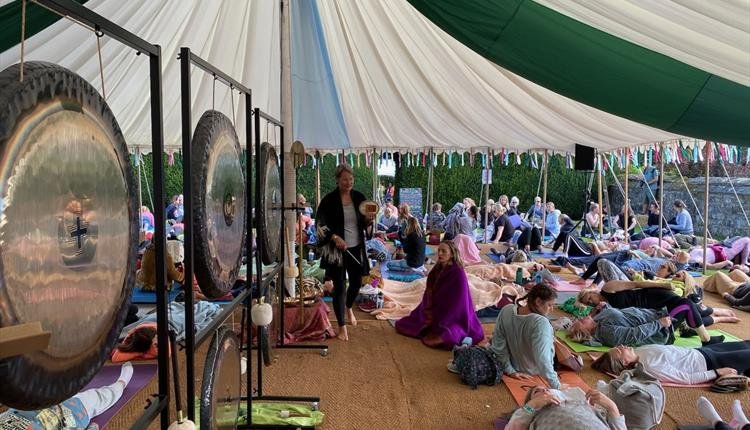
Tucked into the Wiltshire countryside, Verve is a small, beautiful wellbeing festival designed to restore and uplift. Think open-air yoga, creative workshops, soulful conversations, forest walks, live music and seasonal food, all with a focus on mindful, meaningful living. Intimate, accessible, and community-led, it’s one of the UK’s best-kept secrets for a conscious weekend in nature.
The If Lost Take:
We love Verve for its intentional pace and gentle spirit—a space where wellbeing feels joyful, local, and connecting..

These festivals invite you to move differently, connect deeply, and come back to yourself—through rhythm, nature and shared joy. Whether you're craving a hit of endorphins, a soulful workshop, or a dancefloor under the stars, there's a mind–body gathering waiting to meet you this summer.
Want more ideas like this? Join our mailing list for thoughtful guides, small shifts, and fresh inspiration on how to feel better in everyday life—no festival wristband required.

Frome Boulder Rooms
Frome Boulder Rooms is a modern, inclusive bouldering centre offering climbing for all levels, from beginners to experienced climbers. With a welcoming community, strength training areas, and expert coaching, it’s a place where movement, confidence, and connection come together.
Perfect For
Anyone who wants to move, build strength, and challenge themselves in a fun, supportive environment—whether you’re an experienced climber or just looking for a new way to move your body and clear your mind.
Why You’ll Love It
Frome Boulder Rooms is a climbing gym that encourages movement, strength, and connection.
Designed for all levels—from complete beginners to seasoned climbers—this state-of-the-art bouldering centre offers a welcoming environment where you can challenge yourself, learn new skills, and build confidence one climb at a time.
Whether you’re here to push your limits, train with friends, or just have fun on the walls, this is a place where movement and community come together.
What Makes It Special
A modern bouldering facility – Thoughtfully designed walls with routes for all abilities, from easy climbs to serious challenges.
More than just climbing – Strength and conditioning areas, coaching, and movement classes to support every aspect of your training.
A welcoming space – A friendly, inclusive atmosphere where you can climb at your own pace, whether you're here for fitness, fun, or flow.
The Story Behind It
Founded by a team of passionate climbers, Frome Boulder Rooms was created to make climbing more accessible, more social, and more fun.
With a mission to build a space where movement meets community, they designed a centre that isn’t just about strength—it’s about mind-body connection, confidence, and progression.
Whether you’re tackling your first climb or working on advanced techniques, this is a space where everyone is encouraged to learn..
Something Else We Love
The friendly, community-driven vibe—Frome Boulder Rooms isn’t just about scaling the walls; it’s about sharing the experience. Whether it’s a social climbing night, a women’s session, or coaching for all abilities, this is a place where support and encouragement come as standard..
The If Lost Take
We love Frome Boulder Rooms because it proves that climbing isn’t just about reaching the top—it’s about the process. Whether you’re here for fitness, focus, or fun, this space reminds us that every challenge can be tackled one move at a time..


What if feeling is the way through, not the problem?
If you're feeling emotional exhaustion or disconnection in midlife, maybe your feelings aren’t the problem but rather a path back to yourself.
For a long time, I thought the goal was to feel less.
Less overwhelmed. Less anxious. Less reactive.
Less emotional, less sensitive, less tangled up inside.
Because that’s the message we so often receive — that feelings are inconvenient, messy, indulgent, or something to be managed, tidied, improved.
We learn to ask: What’s wrong with me? Why can’t I just feel better? Why do I keep reacting like this?
We get good at staying composed.
We learn how to keep the peace, keep the plates spinning, and keep functioning — even when something inside us is quietly aching, aching, aching.
And yet… the more I tried to control how I felt, the more disconnected I became.
Not just from other people, but from myself.
Because somewhere along the way, I’d started treating my feelings as problems. Something to get past. Something to rise above. Something to fix.
But what if they weren’t?
> What if feeling is the way through, not the thing to push past?
What if that low hum of irritation has something important to say?
What if the teariness isn’t weakness, but a signal that something in you still longs to be seen?
What if the numbness isn’t failure, but the body’s way of saying this has been too much for too long?
What if our feelings aren’t dysfunctional — but direction?
What if they’re maps, not mess?
And what if the only thing we need to do is listen?
Not fix. Not perform. Not perfect.
Just pause long enough to name what’s actually there.
I’ve started doing that more often. Just naming the emotion — even quietly to myself.
Not the surface-level one (“I’m stressed”), but the real one underneath.
I use a simple practice: naming the layers of what I’m feeling.
Sometimes what I call “busy” is really anxious.
Sometimes what I call “flat” is actually grief.
Sometimes what I call “nothing” is just too much noise in too many directions.
And every time I name it, something softens.
I don’t suddenly feel amazing.
But I feel real. I feel here. I feel true to myself, even if I’m still in the middle of something I can’t quite explain.
And maybe that’s the point.
Not to get rid of our feelings.
But to walk through them, with gentleness, and find our way to ourselves again.
Because you don’t need to be less emotional.
You just need to be allowed to feel — in your own time, in your own language, in a life that’s allowed to be complex and layered and messy and still deeply beautiful.
You’re not broken because you feel everything.
You’re not behind because you feel nothing today.
You’re not wrong for needing more softness, more space, more time.
You’re human. And you’re allowed to feel all of it.
That’s not weakness. That’s wisdom.


Our Emotions Coaching for Midlife Sessions
Unsure of what you’re feeling in midlife? Our 1:1 emotions coaching session offers a supportive space to explore all your emotions — whether that’s anxiety, sadness, or something else.
Learn how a greater understanding of your emotions can help with shifts in relationships, career, self-identity, and more.
Discover how our emotions coaching sessions for midlife can help you make sense of all you’re feeling, or even resisting, right now.
If you’re struggling with all you are feeling in midlife (or trying not to feel), subscribe to our newsletter for practical skills and new perspectives on navigating this time of your life.




Navigating Grief: Practical Steps to Find Meaning and Support Through Loss
Learn how to navigate grief in your own way. Explore how emotions coaching can help you process loss and rediscover meaning.
Grief is one of the most profound and overwhelming emotions we experience. It reshapes our world, touches every aspect of our lives, and often feels like a storm we can't outrun.
If you’re navigating grief—or supporting someone who is—this guide offers gentle, practical steps to help make this moment just a little more bearable.

Grief Is a Story We Carry
When I lost my mum, it felt as though grief had become my identity. I was no longer myself; I was sadness, sorrow, and regret. I worried that grief was wearing me rather than the other way around, like an old coat I couldn’t take off.
This overwhelming sense of loss can feel consuming, but one of the most helpful lessons I’ve learned is that we are not our emotions. Grief is something we experience, not something we are.
Reframing this allowed me to step back and see that grief was just one part of my story. And when we see grief as part of a broader narrative, we realise it can hold moments of connection, love, and even gratitude.
One of those moments came during a walk after the funeral has passed. It was a grey, cold afternoon, and I found myself taking a familiar path. Though the world felt heavy and quiet, I noticed something else come in: the subtle buds forming on the branches, the crunch of leaves underfoot, and a bird’s song breaking through the stillness.
Grief hadn’t left me, but in that moment, it felt like life was still present—vibrant, beautiful, and waiting. It reminded me that even in the depths of loss, the world continues to hold small wonders if we look for them.
Grief, I learned, can be a bridge: a way to continue honouring and connecting with those we’ve lost, even though it had felt for the longest period like shutting down.

Practical Steps to Navigate Grief
I know we can’t solve for grief. We can’t take it away. We can’t fix it. I can offer you some ways to move through a profound period of grief, when you are ready. And that’s key. Some of these would have infuriated me in the early stages, others were just too far out of reach to consider. But when time had passed, when something had shifted, I started to grasp for them, sometimes gently, sometimes greedily.
These then are offered lightly for whenever you are ready:
1. Create Meaningful Rituals
Whether it’s revisiting places you shared, lighting a candle in their memory (I found this surprisingly comforting), or cooking a favourite meal (even M&S microwave food took on new resonance), rituals can help anchor your grief in love.
2. Move Your Body
In the months after my mum died, walking became my lifeline. It wasn’t just about movement—it was about giving grief the space it needed. Walking helped me process emotions in my body, and watching the changing seasons reminded me that time moves forward, even when it feels like we’re stuck.
Some of my most healing moments came from walking with others. There’s something about side-by-side movement that makes it easier to share, easier to grieve together, without the intensity of sitting face-to-face.
3. Understand Grieving Styles
Some people need to look back, holding onto memories and maintaining a connection with the person they’ve lost. Others look forward, using the loss as a motivator to engage more deeply with life. Neither approach is “right” or “wrong.” Understanding this can help you release judgment of yourself or others.
4. Seek Awe
After my mum’s death, I sought solace in awe. Inspired by Dacher Keltner’s work, I intentionally visited museums—spaces that connected me to something greater than myself. Awe can be found in the natural world, in the vastness of the universe, or in the quiet courage of others. It doesn’t take grief away, but it does offer a sense of meaning and wonder that can carry you forward.
Grief and Connection
Grief can feel isolating, but it is deeply relational. After my mum’s funeral, it wasn’t just family who showed up—it was the shopkeepers, the small-business owners, and the neighbours she’d known for decades. Their gestures of support—closing their shops, standing on doorsteps, filling the church pews—reminded me how interconnected we all are.
If you’re grieving, don’t underestimate the power of connection. Whether it’s sharing stories, asking someone to “tell me about them,” or simply sitting in silence with a friend, these moments can lessen the weight of loss

For Those Supporting Someone in Grief
I found that people stopped reaching out because they were afraid of saying the wrong thing. It can be hard to ‘get it right’, and nothing you say can make up for a loss. But even though my friends stumbled, the fact that they tried was often enough.
If you’re struggling though to know what to say, you could try these:
1. Ask Thoughtful Questions
Avoid clichés and instead ask, “What’s one thing you’ve been remembering about them lately?” or “How are you, really?”
2. Be Present Without Pressure
You don’t have to have the perfect words. Just showing up matters.
3. Keep Showing Up (Even Later On)
Grief doesn't end after the funeral. In fact, the weeks and months afterward can feel even lonelier. A simple message saying, “Just thinking of you today,” or “I’m here if you want to talk—or not talk,” can mean more than you know. Mark anniversaries, birthdays, or just check in on ordinary days. The smallest acts of remembering can be profoundly comforting.
4. Offer Something Specific
People often say, “Let me know if you need anything”—but in grief, decision-making and asking for help can feel impossible. Instead, offer something tangible: “I can bring over dinner next Thursday,” “I’m heading to the shops—can I pick anything up for you?” or “Would you like some company on a walk this weekend?” Thoughtful, practical support speaks volumes.
5. Accept Their Experience as It Is
Each person grieves in their own way and on their own timeline. Avoid comparing or trying to "fix" their feelings. Instead, acknowledge their experience with phrases like, “That sounds so hard,” or “I can’t imagine what that feels like, but I’m here with you in it.” Allow their emotions—whatever they are—to be valid and witnessed.

Grief is hard, it just is
When we grieve, it’s easy to feel like we’re stuck. But grief, like life, is fluid. It holds space for laughter as well as tears, for forward movement as well as reflection. It’s not a betrayal to feel joy, gratitude, or even awe amidst your loss.
Grief can be overwhelming, and I understand why you’d want to navigate it alone. To retreat. And that’s what I did for a while, cancelling plans and memberships, appointments and social events.
But I also leaned on my work as an emotions coach. It helped me honor grief for what it was and what it needed to be for me.
If you’re curious about how this might help, book a free consult. We can talk about how emotions coaching can help you process your grief, stay connected with your loved ones, and rediscover meaning.

When Wellness Isn’t Working: A Few Small Things That Might Actually Help
Self-Care Feeling Like A Chore? Here’s What Might Actually Help.
Or: A Wellbeing Prescription for People Who Are a Bit Tired of Self-Care
There’s this moment that happens, usually when you’re standing in your kitchen at 9 pm, surrounded by unopened supplements, a meditation app you never use, and a wilting bag of spinach you meant to juice.
And you catch yourself thinking:
When? And how? And maybe why?
You might even ask this: What is going on with this wellness thing anyway? Is it really helping me feel better, or has it become another thing that I feel like I’m failing at?
Maybe you’ve tried the things. The early mornings. The gratitude lists. The wild swimming trend. Maybe you have six lists in the notes app on your phone with titles like “Things That Might Help”.
And maybe none of them have really helped in the way you hoped. Or they did for a moment, but you couldn’t sustain them beyond the three days that you managed to fit them in before life took over again.
Wellness might have once felt simple. Now it can tend to feel like homework.
There’s always something new to do. Another morning routine to master. Another life hack to implement. Another hot take about gut health or cold plunging or celery juice, or which milk you should actually be drinking.
And all of it — somehow — starts to feel like work.
Which is wild, really, when you think about what wellness is supposed to be: care, comfort, restoration, return.
But this is where so many of us seem to have landed — in a place where self-care feels like another thing to get right.
So what do we do when wellness starts to feel like a chore? When it’s not that we want to abandon caring for ourselves — but we definitely want to care differently?
We look somewhere else.
We step sideways.
We get messier, softer, smaller.
We look for things that feel less like a regime, and more like a reminder — of what feels human. What feels good. What feels possible.

In this month’s Wellbeing Prescription, we curated a handful of books, podcasts, ideas, and places that won’t ask you to be better or do more.
They won’t tell you to wake up at 5 am or optimise your sleep cycle.
But they might just make you feel a little more like yourself again.

Books for Wellbeing Confusion
Real Self-Care by Dr Pooja Lakshmin — for redefining what care really means
I Didn't Do The Thing Today by Madeleine Dore — for gentle rebellion against productivity culture
I Haven’t Been Entirely Honest With You? by Miranda Hart — for humour and humanness in equal measure
Wellness by Nathan Hill — for recognising yourself (for better or worse) in fiction
Browse more of our edit of the books that can help you navigate the sometimes overwhelming world of wellness.

Podcasts to Walk With
Everything Happens with Kate Bowler — for kindness + complexity
Maintenance Phase — for myth-busting wellness culture
The Happiness Lab — for the science of what actually matters
Discover more podcasts that can help you find a more real-life approach to wellness here.

TV to Watch Without Guilt
Ted Lasso — for joy and simplicity
White Lotus— for sharp, biting wellness satire
Nine Perfect Strangers — a wellness resort offers more than it says in the brochure
Shrinking — what happens after your therapist says that’s time
Loot — for when wellness means a water bed filled with camomile tea and a koi pond filled with fish you are slightly scared of (the billionaire kind then)

Places To Go (or Imagine Going)
Self Space — therapy without clinical vibes
The School of Life — for thoughtful people being thoughtful
The Happy Place Festival — for connecting with others around what feels-good
A bench. Any bench. Sit. Breathe. Watch the pigeons.

An Alternative Daily Practice
Do less, without feeling guilty about it.
Be curious, not perfect.
Look for life-giving things, not life-hacking things.
Optional Side Effects
Reduced panic at the phrase wellness routine
A new fondness for Miranda Hart
Increased compassion for literally everyone just trying to get through the day
Lowered expectations (in the best possible way)
Tiny, steady improvement in your relationship with your own wellbeing

Join In
What would you add to this prescription?
A book that soothed you. A podcast that helped. A small thing that felt like magic (or relief) in the middle of a very ordinary day.
Join this discussion on Substack and Instagram.
And while you’re at it, what should go in the next Wellbeing Prescription? What small, everyday things feel like they need their own remedy?
Because maybe wellness isn’t broken.
Maybe it’s just due for a rewrite.
Curious about your unique way to well? Learn more about our wellbeing sessions.

How to Find Your Way Back to Something That Feels Like Wonder
Rediscover joy, curiosity, and meaning in midlife — even when life feels flat. For anyone longing to feel more alive in their own lives again and revive their sense of wonder.
There’s a part of you — a quiet, flickering part — that still wants to feel something.
It’s not loud. It doesn’t shout. It doesn’t demand attention.
But it’s there. Beneath the routines, the responsibilities, the relentless noise of everything that needs doing. A small ache. A soft whisper. A sense that life could feel… more alive again.
Not bigger. Not busier. Not more impressive.
Just with more of you in it.
I know that feeling.
I’ve stood in the middle of my life and wondered where my curiosity went.
Where my joy went.
Where my sense of play or possibility or even lightness had gone.
And I’ve looked at my full calendar, my full shelves, my full days — and felt strangely empty inside them.
It’s not that anything was wrong. It’s just that something had quietly dimmed. Something I hadn’t even noticed slipping away.
And for a long time, I told myself I just needed a break. Or a holiday. Or a good night’s sleep. But what I was really missing was something else that I’d been overlooking for a while:
Wonder.
Not in the magical, childlike, fireworks-and-miracles kind of way (though maybe sometimes that too).
But in the sense of being moved by something again.
Touched. Stirred. Lit up, even momentarily, by something that reminded me I was still human, still noticing, still capable of feeling something beyond obligation or exhaustion.
And slowly — gently — I began to find my way back.
Not through anything big or profound. Just small shifts in attention.
Small moments.
I started capturing tiny glimmers each day. Nothing curated or worthy or remarkable — just things that made me feel something, even briefly.
A painting that enlivened something in me.
A phrase that landed well.
The smell of toast.
A pop song on the journey to school.
The sound of rain on the roof while I lay in bed on a Sunday morning.
These weren’t dramatic changes. But they were enough to soften something.
They were enough to remind me that I could still feel.
That I could still find beauty in things.
That I could still belong to my own life.
Because that’s what wonder does — it brings you back.
Not just to the world, but to yourself.
So if you’ve been feeling flat, a little grey around the edges, a little disconnected from the feeling of joy or inspiration or spontaneity — start smaller.
Don’t search for a grand purpose or a huge transformation — ways to blow up your life or burn it down.
Search for texture. For moments. For anything that catches your breath or relax your shoulders or makes you pause and think: Yes. That.
That’s enough.
That’s the beginning.
That’s wonder — quietly making its way back to you.

How Might Wonder Show Up In Your Well-being Prescription?
If you’re curious about how to bring more awe and wonder back into your days, book one of our sessions to create your tailored well-being plan.
You can opt to look at how wonder could show up more in your life, how to follow curiosity wherever it leads you, and how to seek out the interesting during these midlife days.
Learn about our wonder pathway here and how our well-being prescriptions work here.
Subscribe to our special midlife newsletter for tailored advice about navigating this part of your life with more curiosity and wonder.





The Lost Art of Reaching Out (Especially When You Don’t Feel Like It)
Feeling disconnected but too overwhelmed to socialise? Here’s how to gently rebuild your sense of community and connection — even when it feels like too much.
Sometimes, connection feels like a beautiful idea that belongs to someone else’s life.
You want it — the warmth, the welcome, the sense of being seen — but everything in your body says not now.
You're burnt out. Anxious. Tired from holding too much for too long.
And instead of reaching out, you slowly slip back. Into silence. Into solitude.
You tell yourself that it’s just for now. But now has been a while.
If that’s you? You’re not failing. You’re human. And you’re not alone.
Many of us are here right now, wanting to connect but not quite knowing how to.
Why We Pull Back When We Most Need People
When life overwhelms us, our nervous systems do something wise: they protect.
They shut things down to help us survive. Socialising — even with people we love — can feel like one demand too many.
The problem is: we still need people. We are hardwired for connection.
It’s a core human need — not a nice-to-have.
But the modern world hasn’t made that easy.
Loneliness is rising, even as we become more digitally connected. According to the Mental Health Foundation, 1 in 4 adults in the UK feel lonely some or all of the time. And among those dealing with burnout, that number climbs even higher.
And yet, when we do connect — even briefly — we feel the shift.
Tiny interactions can co-regulate our nervous systems. A nod from a neighbour. A friendly moment with a stranger in a queue. A text back from someone we haven’t heard from in a while.
The secret is this: connection doesn’t need to be big to be meaningful.
What If We Started Small?
The invitation here is not to “join a group” or “go to more things.”
It’s to experiment with connection that fits you now.
Maybe that looks like:
Sitting in a café instead of scrolling at home — just being in proximity to others.
Texting one person to say: thinking of you, no need to reply.
Wandering a local bookshop or museum, where other quiet people gather.
Volunteering, not for the social aspect, but because doing something small that matters feels grounding.
Attending a gentle yoga or movement class where connection is built through shared breath, not small talk.
Let the moment be enough. You don’t need to stay long.
Just notice how your body feels before and after. Maybe a little lighter?
Rebuilding Trust in People
Reconnection isn’t just about other people. It’s about learning to trust that it’s safe to be seen again. To believe that the right people will meet you where you are.
You don’t need to fix your burnout first. Or wait until you’re “back to your old self.”
The act of connecting — even in the smallest of ways — is part of the healing.
And connection doesn’t mean constant availability.
You can have boundaries. You can take breaks. You can be someone who dips in and out, without explanation.
Because community isn’t a performance. Its presence that you can choose.
What If You Tried One Tiny Reach?
What would your version of a gentle reach look like?
A walk with someone you enjoy talking to?
A visit to a familiar café?
A class where no one expects anything from you except that you try?
Try just one. Let it be small. Let it be enough.
When you’re ready, here are 3 ways we can help you:
1. Join us on Substack – Become a paying member and we’ll gift you our Spring Everyday Retreat right now so you can focus on how you like to connect even when life does its thing.
2. Book a wellbeing coaching session – If you want company while figuring out your next steps, let’s chat. Book a free consultation to see how we can help you connect in ways that feel good to you.
3. Sign up for our newsletter – Receive real-life tools, everyday insights and tiny reminders that you’re not alone in this. We’re all yearning to connect while also finding it easier to binge-watch Netflix.

Grieving the Self You Haven’t Met Yet
How identity loss and emotional burnout are connected to the quiet grief in midlife — and how to reconnect with the version of you that’s still waiting to be seen.
There’s a grief no one really prepares you for. It doesn’t come after a loss you can name. It doesn’t have rituals or casseroles or sympathy cards. No one asks how you’re doing, because, on the surface, everything looks fine. But inside, you know something’s missing. Something quiet. Something tender. Something hard to articulate.
It’s the grief of the self you haven’t met yet.
The version of you that never had enough space to fully arrive. The one who got set aside while you held everything together for everyone else. The one who existed in flickers — in daydreams, in glimpses, in brief moments before someone needed something again.
Maybe you’ve felt her before — in the quiet that rises when you’re alone for a rare hour, or the sudden ache that comes when someone asks, what do you want for yourself?
Maybe you’ve spent years being who you needed to be — for your family, your work, your roles, your responsibilities — and somewhere along the way, forgot how to hear the parts of you that weren’t being asked for.
Maybe it’s only now, in midlife, that you’re beginning to notice the gap. The ache for a version of yourself you never fully became. The unspoken longing for the life you didn’t live — not because you weren’t capable, but because you were busy surviving. And that ache… it’s grief. Quiet, invisible, valid grief.
Not because something went wrong. But because you’re human. And somewhere deep inside, you’re still holding a hope for the woman you haven’t quite become yet — but still might.
We often talk about burnout like it’s purely exhaustion. But so often, it’s this:
Grief for the self who’s been muted. Hidden. Delayed. Postponed.
And the most painful part? You might not even be sure who she is. You just know you miss her. You miss feeling like yourself — even though you’re not sure what that means anymore. You miss desire — even though you don’t know what you want. You miss joy — even though you can’t quite remember how it felt. You miss being inside your own life, not just managing it.
And that’s not something for a quick fix or a rushed to-do list. That’s something only nurturing can touch. Only time. Only honesty.
So what do we do with this grief?
We don’t solve it. We honor it. We let it speak. We let ourselves write the letters we didn’t know we needed to write. We let our tiredness be a message, not a flaw.
We stop asking how to fix ourselves and start asking how to meet ourselves — here, in this middle part of life, where things are not broken, but simply asking for attention.
And in doing that, maybe we begin to create space — not to become someone new, but to finally become ourselves. The version of you that’s been waiting in the wings, quietly. Not perfect. Not fully formed. But real. Ready. Whole in her own unfinished way.
And that’s not the end of something.
It’s the beginning.

Our Midlife Coaching Sessions
If you’re wondering how to reconnect with yourself when you feel like you’ve forever lost your way, let’s talk.
Learn more about how our midlife coaching sessions can give you the time and space to hear yourself again.
Midlife can be a challenging time for women as we navigate through a multitude of changes.
As things – sometimes it feels like all the things – shift in this midpoint, so too does how we see ourselves, how we think about our lives, and how we consider what’s next. Discover how our midlife coaching sessions can help you.
If you’re not sure what you’re looking for or if this is for you, let’s talk.
Curious about how to reconnect with yourself more in midlife? Subscribe to our newsletter.


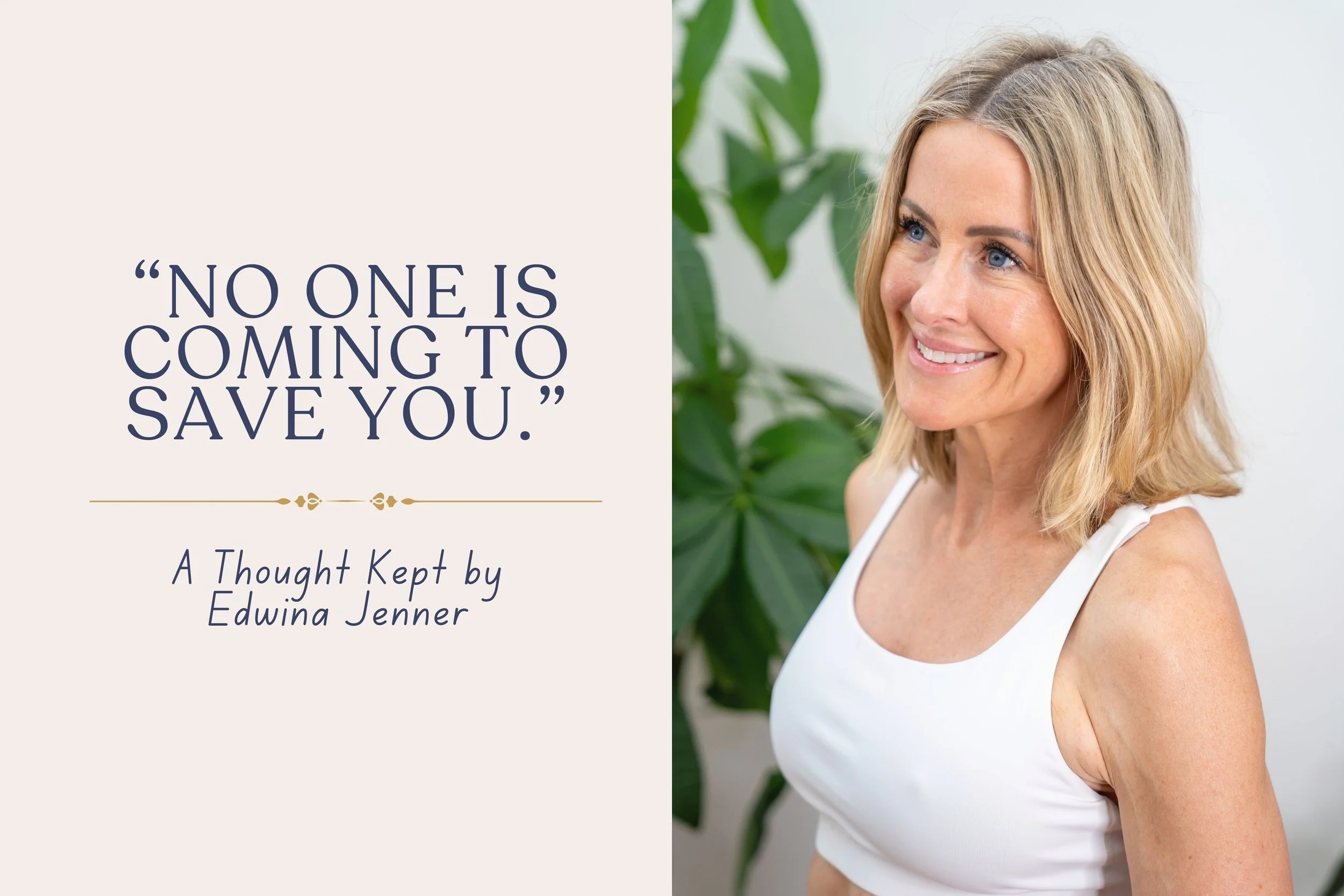


You’re Not Too Much — You’re Just Not Being Heard (Yet)
If your emotions feel overwhelming, intense, or “too much,” you’re not broken. Here’s what’s really happening — and what to do with it.
Have you ever had the thought:
“I’m just too much.”
Too emotional. Too reactive. Too sensitive. Too something.
Maybe you’ve been told it. Maybe you’ve just quietly believed it.
It can creep in after an argument, when you’re crying and can’t explain why. Or when you feel things deeply — joy, disappointment, love, hurt — and you worry it’s exhausting for the people around you.
But here’s the thing: you are not too much. You might just not be being heard.
Not by others. And maybe not by yourself.
A client once said, “I feel like I have this whole weather system inside me. But I don’t know what it’s trying to say.”
We’d been talking about a familiar cycle: emotions that felt too intense, followed by shame for feeling them, followed by a deep wish to just “be less.”
Together, we began to notice a pattern — that what felt like “too much” was often something else:
The sadness that showed up as anger
The fear that dressed itself as control
The vulnerability that wore the mask of perfectionism
She wasn’t too much.
She was just misunderstood — by the people around her, and by her own emotional patterns.
In psychology, we know that emotions don’t always show up neatly.
We experience what’s called secondary emotions — like irritation or guilt — instead of primary emotions like grief or fear. It’s our nervous system protecting us. It’s social conditioning. It’s survival.
Sometimes the first feeling that arrives is the most visible one — not the most authentic.
Anger can mask pain. Tears can signal overwhelm instead of sadness.
We learn to show what we think is “acceptable” and bury what feels vulnerable.
According to research from Yale’s Centre for Emotional Intelligence, people who can identify emotions with greater precision (called emotional granularity) are less likely to experience anxiety and depression, and more able to regulate big emotions.
And Brené Brown’s work shows that language — putting words to emotion — is a gateway to relief. Naming what we feel helps us move through it.
You are not too much.
You are complex. Emotional. Human.
And your inner world might just need more understanding, not more control.
You might not be overreacting — you might be responding to something that’s never had a voice.
You might not be dramatic — you might be in touch, but without a space to process.
What would it feel like to shift from "I need to tone it down" to
"Maybe there’s something here worth listening to"?
That’s where relief starts.
Not from suppressing what you feel, but from becoming curious about what’s underneath.
If this resonates — if you’ve ever been called too much or felt it yourself — you might simply be someone who feels deeply, and is ready to feel more clearly.
Emotions coaching can help you do just that — but there’s no pressure to dive in.
For now, here’s one question to carry with you today:
What might this feeling be trying to tell me — if I really listened?
Join the Emotions Newsletter
Want more support as you explore your emotional world?
Sign up for our newsletter for practical prompts, gentle reflections and real ways to feel better in your everyday life.

Finding Joy in the Middle of a Life That Feels Flat
What’s going on with joy in midlife? How to approach a sense of flatness by noticing tiny sparks of meaning in everyday life — even when everything feels muted.
There’s a particular kind of quiet ache that often shows up in midlife.
It doesn’t arrive like grief or crisis. It doesn’t make a scene.
It’s just… flatness. A greyness. A sense that life has become slightly muted at the edges.
You still do the things. You get up, make the coffee, keep things moving.
You’re not falling apart. But you’re not quite in it, either.
It’s like the colour has drained a little from your days — and you’re not even sure when it happened.
I’ve been in that place, too. I still dip in and out of it, if I’m honest.
And for a long time, I thought something must be wrong with me. That I wasn’t trying hard enough. That I’d lost my spark and needed to find some big solution to get it back.
But eventually I realised: maybe this wasn’t a crisis.
Maybe I didn’t need to fix it.
Maybe I just needed to notice it.
That’s when I started paying attention — not to what was missing, but to what was still quietly present.
Not to fireworks. But flickers.
A particular slant of light in the kitchen.
The sound of a friend in a voice note.
A good sentence in a book.
The way my child’s curls are ever unruly.
The scent of the first-morning coffee.
Tiny joys. Real ones. Ones that belonged to my life, not to someone else’s morning routine or Instagram reel or version of “feeling better.”
And slowly, something shifted.
Not dramatically. Not overnight. But gently.
Life started to feel a little more textured again. A little more mine.
What I’ve learned — and keep re-learning — is this:
> Joy doesn’t always arrive as fireworks. Sometimes it’s a flicker. A soft landing. A quiet something emerging beneath the surface.
And when we’re tired, it’s easy to miss it.
Because joy rarely shouts. It whispers. And if we’re rushing, striving, over-efforting — we won’t hear it.
And those reminders?
They’re everywhere — if you begin looking for them gently, without pressure.
So maybe the question isn’t just: Where did my joy go?
Maybe it’s: Where might I find it hiding in the edges of the life I already have?
Try noticing one small thing today that brings the faintest flicker of something — a pause, a softness, a breath, a second of connection. That’s enough. That’s the beginning.
Maybe you don’t need to feel the biggest of feelings right now. You just need to feel a little more here.

Our Emotions Coaching for Midlife Sessions
Curious about how to revive joy in your life, bring the spark back, and reconnect with what makes you happy (even excited again), check out our emotions coaching sessions.
These sessions can be as much about nurturing perceived positive emotions such as joy, love, and happiness, as managing perceived negative ones like grief, sadness, and anger.
Want to try it? Learn more about our starter sessions here.
Feeling all (or maybe even none) of the things as you navigate midlife. Sign up for our newsletter to learn more about how to feel better as you move through these years.


7 Ways to Disconnect and Recharge Without Taking Time Off
Discover small and practical ways to disconnect and recharge without needing a vacation. If you can't get away right now, learn how to feel better right where you are.
Sometimes taking a vacation or retreat just isn’t possible. But that doesn’t mean you can’t find ways to disconnect and recharge right where you are. With a few small changes, you can bring moments of peace and calm into your daily life, without needing to book time off work or escape your routine.
We all need breaks, but let’s face it: taking time off can be tricky, whether it’s due to a busy schedule, financial limitations, or life’s constant demands. The good news is you don’t need a week off to feel refreshed. By incorporating these small practices into your daily routine, you can create moments of calm no matter how hectic your life feels.
Here are 7 ways to disconnect and recharge without needing a vacation:
Unplug for 15 Minutes a Day:
Whether it’s during your lunch break or just before bed, set aside a few minutes to step away from screens. Use this time to breathe, reflect, or simply sit in silence.
Create a Soothing Space at Home:
Designate a spot in your home that feels calming—a cozy chair, a corner of your bedroom, or a peaceful nook where you can retreat for a few moments.
Take a Nature Break:
If you can’t get away, bring nature to you. Sit outside for a few minutes, open a window, or tend to a plant. Nature’s calming effect is immediate, even in small doses.
Practice Mindful Breathing:
Whenever stress creeps in, pause for a moment to focus on your breath. Deep breathing can help calm your mind and reduce anxiety.
Stretch or Move Your Body:
A few minutes of stretching or light movement can help release tension and recharge your energy levels.
Gratitude Check-In:
At the end of each day, write down three things you’re grateful for. This practice shifts your focus from stress to appreciation.
Meditate or Journal:
Spend 5 minutes reflecting on your thoughts or doing a quick guided meditation to clear your mind.
By building these practices into your daily life, you’ll feel less drained and more recharged—even without taking a full vacation. And if you want a structured, supportive approach to making these habits stick, our Everyday Retreat can help.
With just a few mindful moments each day, you’ll feel more grounded, energized, and ready to take on whatever life throws at you. It’s about finding balance without stepping away from your responsibilities.
Ready to disconnect and recharge without the need for time off? Join our Everyday Retreat for daily lessons that will help you build these practices into your routine.

Spring Cleaning for Your Mind: A Gentle Reset for Emotional and Mental Well-being
Ready for a fresh start? Here’s a step-by-step guide to clearing emotional clutter, resetting your mindset, and creating space for joy.
A few days ago, I opened my wardrobe and realised something: I was holding onto clothes I didn’t even like anymore. Sweaters I’d bought on sale but never worn. Dresses I used to love but now felt like someone else’s style. Even a coat that I’d impulse bought and never worn.
I hesitated at first, but as I started filling up a donation bag, I felt lighter. It wasn’t just about the clothes. It was about making space.
And then it hit me—what else am I holding onto that no longer fits?
It’s easy to recognise physical clutter, but what about the emotional and mental clutter that lingers? The grudges we tuck away like forgotten receipts. The old thought patterns that no longer match who we are. The relationships that, if we’re honest, don’t feel good anymore.
Spring is here. And with it, an invitation: to clear out, to make space, to reset.
1. Clear Emotional Clutter
We all carry things we no longer need—memories that sting, regrets that wake us up, stories we keep telling ourselves even though they no longer feel true.
Start here: What emotional weight are you still carrying?
Release grudges and resentments.
Imagine them as heavy bags you’ve been carrying for years. Now, imagine setting them down. How would it feel to let go? Forgiveness isn’t about saying what happened was okay—it’s about freeing yourself from carrying it.
Process unresolved feelings.
Some emotions don’t disappear just because we ignore them. They sit, unspoken, waiting for acknowledgment. Journaling, emotions coaching, voice notes to yourself, even a long walk where you just let your mind wander—give them space to be heard.
Practice forgiveness—especially for yourself.
You are not the same person you were when you made that mistake. You have grown. Things may have shifted for you. It’s time to be gentler with yourself.
Let go of guilt about things you can’t change. Some things are not yours to carry anymore.
Reflection: What emotional patterns am I ready to release?
2. Audit Your Relationships
I once had a friendship that felt like wearing shoes that didn’t fit anymore. At first, I ignored the discomfort. Then, I made excuses. Maybe I just need to try harder. Maybe I’m being too sensitive. But deep down, I knew—I was shrinking myself to make space for someone else.
If a relationship makes you feel smaller, drained, or unseen, it’s okay to reassess.
Who energises you? Who drains you?
Pay attention to how you feel after spending time with someone. Light? Inspired? Or exhausted and uneasy?
Set boundaries.
You are not obligated to be available 24/7. Boundaries are not selfish; they are self-respect.
Nurture connections that bring joy.
Send a text to someone who makes you laugh. Plan that coffee date. Show up for the people who show up for you.
Release toxic ties.
Some relationships run their course. It’s okay to let go.
Reflection: Which relationships need more attention or boundaries?
3. Reset Mental Habits
Your thoughts create the environment you live in. If your mind feels like a messy room full of old magazines and half-written to-do lists, maybe it’s time to tidy up.
Challenge negative thought patterns.
Notice when your mind spirals into old fears or assumptions. Ask: Is this actually true?
Update old beliefs.
Some beliefs kept you safe once. But do they still serve you now?
Replace self-criticism with self-compassion.
If you wouldn’t say it to a friend, don’t say it to yourself.
Create new positive mental routines.
Five deep breaths in the morning. A gratitude list at night. A daily reminder that you are doing enough. Small shifts create big change.
Reflection: What new habits would support my mental well-being?
4. Digital Emotional Declutter
A few weeks ago, I scrolled through my social media and realised—I was following accounts that made me feel terrible. Comparison, self-doubt, a subtle feeling of not enoughness.
Spring cleaning isn’t just for your closet; it’s for your digital space too.
Unfollow accounts that trigger anxiety.
If it doesn’t uplift or inspire you, let it go.
Clear out old emotional emails or messages.
That text thread from three years ago? You don’t need it.
Delete photos that bring up negative memories.
You don’t have to keep reminders of things that hurt you.
Set digital boundaries.
Turn off notifications. Take a break from doomscrolling. Choose real life over screen life.
Reflection: How can I create more space for joy and peace in my daily life?
5. Refresh Your Self-Care
Self-care isn’t just spa days and bubble baths. It’s the way you treat yourself when no one is watching.
Reassess your stress management.
Are your coping mechanisms actually helping, or just numbing?
Introduce mindfulness.
Even five minutes of stillness can reset your entire day.
Create space for joy.
Not productivity. Not efficiency. Joy.
Rethink your routines.
Maybe your mornings don’t need to feel rushed. Maybe your evenings don’t need to end in mindless scrolling. What could you shift?
Reflection: What’s one small thing I can do to care for myself today?
A Final Note: Take It Slow
Spring cleaning isn’t about fixing yourself. You are not something that needs fixing.
It’s about making space—for ease, for joy, for the person you are becoming.
So start small. Unfollow that account. Take a deep breath. Send the text. Write the letter you’ll never send.
And trust that, in the clearing, something new will bloom.
Want more ways to bring lightness and joy into your days?
Life feels better when we make space for what truly matters. Our newsletter is like a gentle nudge toward feeling good, filled with real-life wellbeing tips, thoughtful reflections, and small shifts that make a big difference.
Sign up now and get a regular dose of inspiration, straight to your inbox.
Join us here

How to Live Through These Middle Years Without Losing Your Mind
How to navigate midlife, identity transitions, and future fear — and discover why you don’t need answers to find your way through this season of change.
No one really prepares you for this part of life.
The middle.
The not-yet and not-anymore. The quiet unraveling of who you used to be, and the awkward, slightly blurry sketch of who you might become.
It doesn’t come with fanfare. There’s no clear rite of passage, no guidebook, no “welcome to the middle” sign. It just arrives one day — gently, slowly, imperceptibly — and suddenly you’re standing in your own life, wondering why everything feels slightly unfamiliar.
You’ve done all the things. You’ve built, carried, supported, managed, held.
You’ve grown careers, raised children, maintained relationships, paid bills, and kept things going.
But now there’s a low hum underneath it all. A quiet ache. A restlessness you can’t quite explain. A whisper: Is this it? Is this what it’s meant to feel like now?
You still care, but you feel slightly outside of your own life.
You’re still showing up, but something in you is shifting.
You’re not unhappy — but you’re not lit up either. You’re not falling apart — but you’re not fully yourself.
Welcome to the middle.
And if you’re wondering how to live through this part without losing your mind, here’s what I want to tell you:
> You don’t have to have a plan.
You don’t have to reinvent yourself.
You don’t have to rush toward answers.
You’re allowed to be in between.
You’re allowed to feel unsure.
You’re allowed to move through this part slowly, gently, with your hands outstretched in the dark, feeling your way into something new — even if you don’t know what it is yet.
Because these middle years aren’t about fixing.
They’re about listening.
To your longing.
To your boredom.
To your fatigue.
To your desire for something you can’t yet name.
To honor the parts of you that are tired of performing.
To grieve the parts of you that no longer feel like home.
To create space — even a tiny bit — for the version of you that’s quietly trying to emerge.
You don’t need to know what’s next.
You just need to know what you want more of.
What you want less of.
What you’re done pretending about.
What you’re ready to start tending to — even if it’s only a flicker.
Sometimes that’s all the direction you need.

Try this:
Make a list — no pressure to get it right.
>Write two headings: More of this / Less of that. And then brainstorm your response.
Like:
More reading. Less rushing.
More compassion. Less proving.
More trust. Less noise.
That’s how we live through the middle.
Not by mastering it.
But by recognizing ourselves here — fully, imperfectly, honestly.
And maybe, just maybe, finding that this part of life — the messy, in-between part — holds more meaning than we were ever taught to expect.

Book a Midlife Coaching Session
Our 90-minute Midlife Mapping Session is for you if you’re feeling uncertain, overwhelmed, or in need of a reset. It’s designed to help you:
Identify where you are now, where you want to be, and what’s in the way
Explore your values, needs, and evolving priorities
Gain immediate insights into patterns that may be keeping you stuck
Leave with practical next steps tailored to your needs
Who is this for?
This session is ideal if you want clarity and direction but aren’t ready for a long-term coaching commitment. Book here.
Not sure if coaching is for you? We get it; it took us experiencing coaching to understand what it really is. That’s why we offer a free coaching consultation to see how talking through where you are might help with where you want to go.
Need more support as you navigate midlife and figure out what’s next? Subscribe to our newsletter for practical ways to move through this period with more clarity and intention.

When Trying to Feel Better Starts to Feel Like Pressure
Learn more about midlife wellbeing, emotional burnout, and why real self-care starts with less pressure and more kindness.
There’s a strange irony in midlife:
You start trying to take care of yourself just at the moment you feel most disconnected from yourself.
You read the books. You save the Instagram posts. You sign up for the newsletters, download the meditation apps and promise yourself that this week you’ll really do it.
You’ll stretch. Journal. Eat better. Rest more. Be present. Meditate. Cut out caffeine. Maybe even finally take those supplements you bought months ago and keep forgetting to open.
You try.
But somehow, even the trying feels heavy. Like it’s yet another thing you’re not doing quite right.
You start to wonder if self-care is just another version of self-judgment — a performance you’re meant to keep up, while secretly wondering if you’ve missed some essential instruction manual that everyone else seems to have read.
And maybe, beneath all the pressure, you start to feel something even harder to admit:
> That trying to feel better is making you feel worse.
I remember a moment — not so long ago — when I stood in the kitchen staring at half-opened supplements and wondering if I even had the energy, or time, to blend that green smoothie I believed would help. I was tired. Not just physically, but soul-tired. And somewhere in me, a voice whispered: What are you doing this for, really? Who are you trying to be right now?
Because the truth was — I didn’t want a smoothie (even though I really love them).
I wanted stillness.
I wanted to feel something again that didn’t feel like a task.
I wanted to feel myself again — not the version of me who ticked all the boxes, but the one who could sit down in the quiet and still recognize her own thoughts.
And that’s what I’ve come to believe:
Wellbeing isn’t something we’re meant to achieve.
It’s something we can tend to. Gently. Kindly. Imperfectly.
Not through someone else’s morning routine or a podcast’s list of non-negotiables. But through our own noticing. Our own honest relationship with ourselves. Our own tiny, ordinary acts of kindness — not as a means to optimize ourselves, but simply to meet ourselves where we actually are.
Some days that might look like journaling.
Some days it might look like making toast and sitting down for five minutes while it’s still warm.
Some days it might look like doing nothing at all.
And that’s enough. Truly.
Because you don’t need the perfect wellness plan.
You need more permission to be human in your own life.
You’re not failing at self-care.
You’re just exhausted from trying to do it in a way that was never designed for your actual days.
So here’s a suggestion, if you need one today:
> What if well-being didn’t need to be a routine you follow, but a relationship you build — slowly, kindly, intuitively?
One that’s shaped by your own rhythm. Your own energy. Your own life as it actually is — not the life you wish you were living.
Maybe it starts with making a really great coffee before you check your email.
Or choosing that latest fiction blockbuster over one more scroll.
Or simply asking yourself: What do I need today — not in theory, but in reality?
Maybe you don’t need more effort.
Maybe you just need less pressure.
And maybe, just maybe, that’s the beginning of feeling better — not as something you achieve, but something just to keep you connected to yourself even in the most wobbly of days.


Well-being Prescriptions for Midlife
We don’t believe that well-being is one thing to all people. We’ve found that we all need something different from it — some of us to feel calmer, others more energized; some to deal with the overwhelm, others with the disconnection; and some of us to reach for our purpose, others for a paintbrush.
Learn more about our well-being prescriptions here. Find out more about what you need it to be, and do, for you.
Midlife can look different for each of us. Write your own plan for a way through it that works for you.
Not sure if coaching is for you? We get it; it took us experiencing coaching to understand what it really is. That’s why we offer a free coaching consultation to see how talking through where you are might help with where you want to go.
Curious how to find your own way to well during these midlife days? Subscribe to our newsletter here.
How to Welcome Positive Emotions This Spring (Even If It Doesn’t Come Naturally)
Learn gentle and practical ways to invite more positive emotions into your life this spring—especially if joy feels unfamiliar, unreachable, or reserved for others.
There’s something about spring that stirs hope, especially as our tired souls emerge from winter. The first birdsong. The slant of softer light. A few stubborn daffodils daring to bloom. It’s easy to think, ooh, maybe I could feel a little better, too.
But — this might feel counterintuitive — sometimes welcoming in positive emotions is hard for us, feeling better isn’t automatic. Joy doesn’t arrive just because the sun does. Sometimes it’s harder to welcome good feelings than it is to stay wrapped in the familiar (dis)comfort of stress, self-protection, or just getting through the day.
Maybe you’ve learned to keep your emotions tightly in check. Maybe you’ve absorbed the message that happiness is indulgent, or that you need to earn rest and softness before they’re allowed. Maybe joy feels fluffy. Or unreachable. Or for other people.
If that’s you, you’re not doing life wrong. You’re simply human.
And still, spring can be an invitation.
Not for a complete overhaul. Not for a shiny new self. But for a quiet kind of reawakening — a practice of letting in a little more light.
What Makes It Hard to Feel Good?
There are real reasons why positive emotions don’t always land easily.
We’re often taught from early on to downplay joy, contain excitement, or push pleasure aside. Maybe you grew up in a household where emotions were inconvenient. Or maybe you’ve spent years in survival mode, managing responsibilities, caring for others, being strong.
So, when softness or lightness shows up, it can feel… alien. Or unsafe. Or suspicious.
And yet, what the research tells us is this: positive emotions aren’t fluffy. They’re foundational.
They help us build psychological flexibility, reduce stress, foster connection, and expand our ability to navigate life’s messier seasons.
Even small moments of joy — a good conversation, a warm cup of tea, sunlight on your face — can change your internal weather over time.
Three Gentle Practices to Let More Lightness In
This spring, what if you didn’t try to overhaul your emotional life, but simply tended to it? Like a garden. Slowly. Kindly. With no pressure for perfection.
Here are three small ways to begin:
1. Name the Good
Just like we’re encouraged to name the hard feelings, we can also start naming the good ones. Contentment. Ease. Gratitude. Curiosity. Hope.
At the end of each day, ask yourself: Was there a moment of something good today? Try to label it. Let your body register it.
It’s not about toxic positivity. It’s about acknowledging that good feelings do show up — even in the middle of hard (though slightly more beautiful) seasons.
2. Let Joy Feel Small
Positive emotions don’t need to be fireworks. They can be tiny. Let yourself feel gladness in the mundane — a laugh that surprised you, the way your dog greets you, the smell of clean sheets.
The researcher Barbara Fredrickson calls these “micro-moments of positivity.” They’re enough. They matter. They build emotional muscle.
3. Create a Ritual of Softness
If you struggle to feel, try creating a practice that gives your emotions somewhere to land.
This could be:
A five-minute morning check-in: What do I need today?
A short walk where you notice something beautiful.
A weekly journaling ritual: What am I learning about how I feel?
Let Spring Be Permission, Not Pressure
There’s no emotional finish line here. You don’t have to be happy because it’s spring. But what if you gently allowed a little more space for the emotions that support your well-being, without guilt, without judgment?
You’re allowed to feel joy without explanation.
You’re allowed to feel lightness, even if others are struggling.
You’re allowed to feel good, simply because you are alive.
That might take practice. That’s okay.
Let it be a soft reset, not a transformation. A return to something tender and true in yourself. Something that might just be beginning to bloom.
Want help making sense of your emotions?
If this post resonated, you might love our Emotions newsletter. It offers more ways to help you notice, name, and navigate your emotional landscape in a way that feels kind and doable.
Sign up here to receive it straight to your inbox.
Let’s make emotional well-being feel more accessible, one feeling at a time.

What Coaching Really Is (and Isn’t): A Q&A for Curious People
Curious about coaching but not sure what it actually is? A gentle, myth-busting Q&A that explains what coaching really means — and how it can help you reconnect with yourself.
Maybe you’ve been reading along for a while now. Nodding, recognising something in yourself, slowly starting to feel seen again. And maybe, you’ve wondered: Would coaching help me? Is it for someone like me? Do I even know what it really is?
We hear those questions a lot. So here are our non-sales-speak answers (because there’s already too much hustle in this industry).
Q: Is coaching just life advice?
Not at all. In fact, coaching isn’t advice-giving. It’s not someone telling you what to do. It’s not a checklist or a five-step plan or a quick fix.
Coaching is a conversation where you get to hear yourself more clearly. It’s space to think. It’s being asked the kinds of questions that help you untangle what’s really going on beneath the surface, in a way that feels safe, not exposing.
Q: But I’m not trying to “transform my life.” Would coaching still be useful?
Absolutely. Coaching doesn’t have to be about big reinventions.
In fact, the most powerful work often starts in the smallest moments: when you notice what you’re tired of carrying, or what you’ve been quietly craving, or what part of you you’ve been ignoring.
Q: I’ve seen a lot of shiny coaching online. I’m not sure that’s for me.
Us too. And this isn’t that. Our coaching isn’t about perfection or even performance. It’s about being human, and finally having a space where you don’t have to keep holding it all together.
There’s no hype here. No positive vibes only. Just grounded, clear, thoughtful support for the real version of you, the one who’s doing her best, even when she’s unsure what that looks like anymore.
Q: Do I need a goal to bring to coaching?
No. You just need to bring yourself. You don’t need a mission statement or a project plan. Sometimes the goal is simply: to feel like yourself again. To hear your own thoughts. To name your own needs. To feel something.
That’s more than enough to begin.
Q: What even happens in a session? What do we actually do?
We talk. We pause. We ask better questions. We listen.
Sometimes there are tears. Sometimes laughter. Sometimes we sit in silence for a moment because something lands, and that alone is a shift.
We might name what you’re carrying. We might explore what’s underneath the overwhelm. We might simply ask: Where do you want to feel more like yourself again?
It’s not therapy. It’s a gentle, guided space for self-connection at your pace.
Q: Who is this really for?
It’s for the woman who’s wondering what happened to her spark.
The one who feels emotionally full but strangely flat.
The one who wants to feel seen, not just by the world (that would be nice too), but by herself.
It’s for the woman who’s quietly tired of being the person everyone relies on… but doesn’t know where to put her own feelings.
It’s for you, if something in you has whispered:
I want more space. I want to feel more real. I want to come back to myself.
It’s for you if you have questions and you’re living in the space between.
It’s for you if you just need to press pause on life for an hour.
If this sounds familiar, we think you’ll find these sessions exactly what you need right now.
There is nothing we love to do more then hold the space for you and to ask the big questions that hold the shifts you need.


The Weight You’re Carrying Isn’t Just Yours
Navigating the emotional labour, burnout and midlife overwhelm — and understanding why the load you’re carrying might not be all yours to hold.
There’s a kind of tiredness that doesn’t go away with rest.
You can sleep, hydrate, do your yoga, take your magnesium, go for a walk.
And still, it lingers — that low, heavy weight that sits behind your eyes or beneath your ribs. The kind that doesn’t show up in test results, but feels like it’s etched into your bones.
It’s not just physical. It’s not just emotional.
It’s a kind of invisible load — one that builds quietly over time.
And so many of us are carrying it.
Especially in midlife, especially as women, especially in lives that look “fine” on the outside.
We carry the decisions. The dynamics. The moods. The mental load. The silent remembering. The keeping-track-of-everything-and-everyone.
We carry the birthdays and the groceries and the dentist appointments.
We carry the emotional climate of our homes.
We carry what’s going on with the kids, what might be going on with our partners, what we’re starting to see happening with our parents.
We carry our friends, when they’re falling apart. We carry their fears, gently, quietly, alongside our own.
We hold it all. And then we wonder why we’re tired.
For a long time, I didn’t realise I was carrying anything extra.
I thought I was just tired because I wasn’t getting enough done.
I thought I needed to be more organised, more balanced, more productive.
I thought maybe I was weak. Even lazy. Possibly undisciplined.
But I wasn’t. I was just human. I was just heavy with things no one could see.
It wasn’t until I stopped — properly stopped — that I realised just how much I’d been holding. How much space it had taken up inside me. How much I’d quietly internalised as mine to carry.
The emotional labour. The mental noise. The weight of trying to be all the things to all the people, all of the time.
And the truth is: it wasn’t all mine.
It never was.
Some of it belonged to expectations I didn’t set.
Some to roles I inherited, but did not choose.
Some to a culture that praises women for being tireless, generous, and self-sacrificing — but never asks what it costs them to keep showing up that way.
And some of it, most painfully, was weight I carried simply because no one else thought to hold it for me.
If any of this feels familiar, I want you to know this:
You’re not imagining it.
The weight is real.
And you don’t have to keep carrying it all.
You are allowed to lay something down.
You are allowed to ask for help.
You are allowed to stop trying to be the steady one, the good one, the one who always has it together.
You don’t need to earn rest.
You don’t need to justify your tiredness.
You don’t need to explain why it feels so hard — even when your life looks okay.
Sometimes the most radical act of care is simply to say: This is too much for me.
And let that be reason enough.
There’s no perfect solution. No five-step fix.
But there is a beginning.
And it starts with naming what you’ve been holding — gently, kindly, without judgment.
Because once you can name it, you don’t have to carry it alone anymore.
Our Midlife Coaching Sessions
If this resonates, learn more about our coaching sessions for midlife and beyond. Explore everything from emotional labour to midlife burnout, and discover small ways to feel more connected again.
If you’re in midlife, these sessions will help you have a better relationship with this time. You’ll identify your needs and desires, bridge any gaps between where you are and where you want to be, and cultivate strategies for making it all that much better.
You’ll discover how to navigate midlife and beyond in ways that feel more intentional and even positive.
Need more guidance as you navigate midlife? Subscribe to our newsletter about the messy bits in the middle.

How Emotions Shape Our Increasingly Isolated Lives
Discover how emotions like fear and loneliness shape disconnection and learn practical ways to reconnect with yourself and others.
Have you ever wondered why it feels harder to connect these days? You’re not imagining it. Life has shifted, and with it, our emotions have too. What we’re feeling (or not) might play a bigger role in how we engage with others—and ourselves—than we thought.
From stress to loneliness, our feelings often push us toward isolation, even when what we crave is connection. But we’ve found that understanding this emotional interplay can help us break free from this sense of disconnection and move toward a more connected, fulfilling life.
The Emotional Side of Disconnection
Our feelings are deeply intertwined with how we navigate the world. Stress, fear, and overwhelm often lead to withdrawal, while positive emotions like curiosity and joy can inspire us to seek connection.
Some common emotions that can drive disconnection include:
1. Stress and Overwhelm
Modern life feels like a constant race. Between work, family, and endless to-do lists, stress leaves little room for meaningful connection.
When overwhelmed, we tend to retreat, choosing solitude or distraction over engagement.
2. Fear and Vulnerability
Fear of rejection or judgment can make reaching out feel risky, leading us to avoid social situations altogether.
Past experiences of hurt or betrayal may create emotional walls that keep others at a distance.
3. Loneliness and Shame
Loneliness often perpetuates itself. When we feel disconnected, shame can convince us that we’re the problem, making it harder to take steps toward connection.
This creates a cycle: disconnection fuels negative emotions, which then reinforce isolation.
When Isolation Becomes a Cycle
The longer we stay disconnected, the harder it can feel to break the cycle. This is because isolation reinforces the very emotions that keep us apart:
Stress compounds stress: Without social outlets, stress builds, making re-engagement feel even more overwhelming.
Loneliness intensifies: The absence of connection magnifies feelings of emptiness, leading to further withdrawal.
Recognizing this cycle is the first step toward shifting it. The next steps might include:
1. Name Your Emotions
Awareness is the antidote to avoidance. Spend time identifying and naming what you’re feeling:
Are you avoiding connection because you’re afraid of rejection?
Does stress make you feel like you don’t have time to engage with others?
Journaling or mindfulness practices can help you explore these emotions without judgment.
2. Reframe Disconnection as an Opportunity
Disconnection doesn’t have to be a dead end—it can be a starting point for better understanding yourself.
Use periods of solitude to reflect on what truly matters to you.
Ask yourself: What kind of connections would feel meaningful right now?
3. Seek Out Moments of Joy and Curiosity
Positive emotions like joy and curiosity can nudge you toward connection.
Try something new: Join a group or take a class that sparks your interest.
Revisit an old passion: Shared interests often lead to natural connections with like-minded people.
4. Foster Emotional Safety
Strong connections thrive on emotional safety. Deepen relationships by being vulnerable in small, manageable ways:
Share a personal story with a trusted friend.
Show up authentically in conversations, even if it feels a little scary.
5. Make Connection a Habit
Connection doesn’t have to be grand or time-consuming. Small, intentional actions can go a long way:
Send a quick text to someone you care about.
Schedule a weekly walk with a friend or family member.
Join a virtual or in-person community aligned with your interests.
Emotions as a Bridge to Connection
Your feelings don’t need to be obstacles—they can also be clues. By understanding how emotions like stress, fear, and joy shape your behavior, you can begin to take intentional steps toward connection.
Whether it’s reaching out to a friend, trying a new activity, or exploring what’s holding you back, the journey to reconnection starts with acknowledging what you’re feeling.
Connection is closer than you think—it begins with this one small step.
Your emotions are the key to connection. Our emotions coaching sessions help you understand which feelings can hold you back, help you reconnect with your inner self, and build deeper, more meaningful relationships.
Curious to know more? Click here to explore emotions coaching and how your feelings can help you better connect with both yourself and others.
You can also sign up for our special newsletter dedicated to better understanding your emotional life. Subscribe here.

You’re Not Lost — You’re Just In The Middle Of Something
On feeling stuck in midlife — and why you’re not broken, just in a quiet in-between.
I used to think there were two main states of being:
You were either together or falling apart.
That’s the narrative we’re sold, isn’t it? You’re thriving or you’re in crisis. You’re either fine or you’re flailing. You’re either lit up by life or you’re struggling to breathe through it.
But what about the space in between?
What about that strange middle place where you’re not exactly unhappy… but not quite yourself either? Where you can still laugh, still function, still tick off the to-do list — but quietly, you feel like you’ve slipped out of your own skin a bit?
That’s the place I found myself in during my own midlife.
Nothing catastrophic had happened. In many ways, things were “fine.” But I’d lost my footing. I couldn’t hear myself clearly. I wasn’t sure what I wanted anymore — or even what I needed. I’d look at my calendar, my inbox, the stack of supplements I’d meant to take, and feel like I was watching a version of myself go through the motions, while another part of me stood on the edges whispering, Is this still you?
For a while, I didn’t talk about it. I thought maybe I was just being ungrateful. Maybe I needed to meditate more. Journal more. Try harder. Optimise better.
But then I started noticing something. The women around me — the ones I admired most — were saying the same thing, in different ways.
“I feel like the years are passing, and I’m not quite in them.”
“I don’t know what I’m supposed to want anymore.”
“I used to be passionate about things. Now I just feel… dulled.”
And so many of us thought we were alone in it. That we’d missed some essential life skill. That we were failing at midlife.
But what if we’re not?
What if this isn’t failure at all — just a kind of reorientation? A necessary pause. A space between who we’ve been and who we’re becoming.
A middle.
A tender, necessary, often overlooked middle.
In the natural world, there’s a term called the liminal space — a threshold, a transitional place where one thing hasn’t fully ended, and another hasn’t quite begun. It’s where the caterpillar has melted in the chrysalis, but isn’t yet a butterfly. It’s uncomfortable, undefined, and invisible from the outside. But it’s where real change begins.
I think midlife is its own kind of chrysalis.
Not a crisis. Not a decline. But a quiet restructuring. An unlearning. A becoming.
And like all middles, it takes time. It takes permission. It takes gentleness.
So if you’re here too — in this strange in-between place — know this:
You’re not lost (though if you are this might help).
You’re just in the middle of something.
And it’s okay if you don’t know what that something is yet.
Just keep paying attention.
Not to what you should be doing. Not to what everyone else is shouting about. But to what quietly feels like you. To what softens your breath. To what stirs a small flicker of feeling.
This isn’t about becoming a new person.
It’s about slowly remembering the one you already are — the one you’ve always been.
Even in the middle.
Especially in the middle.

Midlife is a pivotal time for many women—a stage of life where everything feels like it's shifting. You might find yourself reflecting on how much has changed, wondering if you're on the right path, or even questioning who you’ve become.
It’s natural to feel overwhelmed or unsure about what comes next, but you don’t have to navigate it alone. If midlife feels like uncharted territory, we're here to support you.
Find out more about our Midlife Coaching Sessions here.

Embracing Messy Emotions: 5 Steps to Feel, Not Fix
Discover how embracing your messy emotions can reduce anxiety, boost self-confidence, and improve overall wellbeing. Learn 5 practical steps to feel, not fix, your emotions and live more authentically.
We all experience messy emotions—those uncomfortable feelings like anxiety, anger, or sadness. But what if instead of trying to fix them, you allowed yourself to feel them? Today, we’re exploring how embracing your emotions can help reduce stress, improve self-esteem, and nurture your overall wellbeing.
What Are Messy Emotions, and Why Do They Matter?
Emotions that you might interpret as messy—like fear, frustration, and grief—aren’t “negative.” They’re essential signals that help us understand our needs and values.
Examples of messy emotions and their messages:
Anxiety: Highlights uncertainty or a fear of failure.
Anger: Signals that a boundary has been crossed.
Sadness: Indicates a sense of loss or unmet needs.
By leaning into these emotions, rather than suppressing them, you can gain valuable insights into your inner world and how you can better relate to the outer one too.
Why do we try to fix our emotions then?
Modern life promotes quick fixes: “stay positive,” “think happy thoughts,” or “power through.” While this mindset feels productive, it can lead to stress, burnout, and a disconnection from yourself.
5 Steps to Embrace Messy Emotions
1. Identify What You’re Feeling
Start by naming the emotion you’re experiencing. Research shows that simply labelling an emotion can reduce its intensity and help you process it.
2. Get Curious About Your Emotions
Ask yourself: Why is this emotion showing up? What need or boundary is being highlighted? This step fosters emotional clarity and self-awareness.
3. Allow Yourself to Feel It Fully
Instead of suppressing emotions, practice sitting with them. Notice how they feel in your body—like a tight chest or a knot in your stomach—and breathe through the sensation.
4. Reflect on the Lessons
Once you’ve sat with your emotions, consider what actions they might inspire. Do you need to set a boundary, communicate your feelings, or make a change in your environment?
5. Let Go Without Judgment
Embrace the idea that emotions are temporary. Once you’ve processed them, let them pass naturally instead of clinging to guilt or self-criticism.
Journal Prompt: Connecting with Your Messy Emotions
Take 10 minutes to reflect on a recent emotional experience:
What were you feeling?
What might that emotion have been trying to tell you?
How can you respond with self-compassion?
Why Feeling, Not Fixing, is Key to Self-Connection
Messy emotions aren’t problems to solve; they’re guides to understanding yourself. When you embrace your feelings, you reduce emotional overwhelm, boost your confidence, and create deeper connections with others.
Emotions coaching can help you explore your emotional patterns, process feelings constructively, and build resilience. This process isn’t about suppressing what you feel but rather understanding which emotions are showing up and why.
Embracing messy emotions is a powerful way to improve your mental well-being, strengthen relationships, and live with greater clarity.
Instead of fixing your emotions, try leaning into them. You might discover that the feelings you once avoided are the key to living a more balanced, fulfilling life.
If you’re curious about how to better understand what you’re feeling (and why you’re feeling it), subscribe to our newsletter. You’ll get to explore all the feels.
What does burnout really feel like? Drawing on conversations from A Thought I Kept, this piece explores the signs of burnout, emotional exhaustion, perfectionism, grief, people pleasing, and what sustainable burnout recovery can actually look like.