Wait, what is unlearning?
I think of it as going back to something we’ve believed for a long time and asking how we even came to believe it. You know the shoulds and musts of our lives, the assumptions made for us and the things that we can spend years seeing as simply how life is before we realise that maybe that’s not the case.
Midlife has me going back over some of the scripts we live by as women. How much we should be able to manage. How we should feel about it all. What a good mother or a good colleague should look like. Maybe that’s because midlife tends to unravel some of these stories. Or because untying ourselves from some really unhelpful beliefs is a recurring theme of my coaching sessions. Or because unlearning has become one of the strongest threads through my podcast A Thought I Kept, too. Often what we used to believe is in the room with us, just shoulding all over our lives and ourselves, until we question it as we realise that maybe it’s not quite telling us the truth.
What strikes me most about coming to this realisation now is that I can see my daughter entering a time in her life when she’s beginning to learn some of the things we’ve been unlearning. I’m conscious of what I might pass on, including some of the things I still say to myself that are harder to shake off. So when I spoke to Eliza Fricker about this on the podcast, and in reading her book Could Try Harder which revisits her teens before she knew she was autistic, I discovered some of those shoulds that maybe none of us need to learn at all:
I should be able to manage on my own.
My mum used to laugh at how often I said I was fine. For me fine was all deflection. It means there’s nothing to see here, I’m managing, when there is lots to see there and I’m not. Eliza remembered friends asking if she was okay when she was a teenager. They could see something on her face, and to her that meant she’d let something slip. “Yeah, yeah, I’m fine. Fine.” I recognised how much effort it takes to reassure people when you’re already overwhelmed. But what if we didn’t need to hide what we feel and felt able to let someone in while we’re still figuring out what we need? That we didn’t have to manage on our own, but could work out life with others?
I should be able to stay calm through everything.
Eliza remembers crying in a meeting about her daughter and being described in the write-up as “verbally abusive.” We expect women to do the caring, show up to the meetings, carry everyone around us, and stay calm through all of it. Calm feels like a good place to be, but when it becomes an expectation to protect others from what we’re really feeling, then maybe it doesn’t offer the settled place that we hope it might. What if we could pay attention to how we really feel rather than how we should, particularly when we feel angry, frustrated or sad. Calm is a good place to be, but you don’t need to stay calm through everything if that takes away what you’re really feeling.
I should make the most of every day.
I’ve caught myself wondering why I didn’t plan out every summer of my children’s childhoods. Meanwhile, they’ve told me one of their favourite times was during Covid, when we lived in the States and there were no clubs to book. We’ve had picnics in bed and half-terms when we didn’t leave the house and those days mattered too. When we feel pressure to optimize everything we might overlook those moments that are there, the wonderful everydayness of just being in this world of ours. Every day counts but we don’t need to actively make the most of all of them. Some of them can just be whatever they need to be.
I should know what I want and stick to it.
We make the single understandable choice and we’re done. We try a new hobby and love it, and everyone expects us to stick to it, and when we don’t it’s confusing. We are rewarded for perserverance, a keep going spirit, so when we make contradictory choices that confounds us and those around us. But it’s ok to stop and start things become we want to. Not to have justify all our choices and seeing those self-imposed ends as freedom rather than failure.
I should be able to do it if everyone else can.
Eliza’s dad remembers starting school and thinking everyone else had been given a rulebook. That’s close to how it felt for Eliza growing up without knowing she was autistic. She could see how well everyone else seemed to be managing and was acutely aware of how much it took her to do the same. If someone else can do something then shouldn’t we be able to as well? These comparisons though can make us feel small, like there’s something wrong with us. Knowing what we can do is important too.
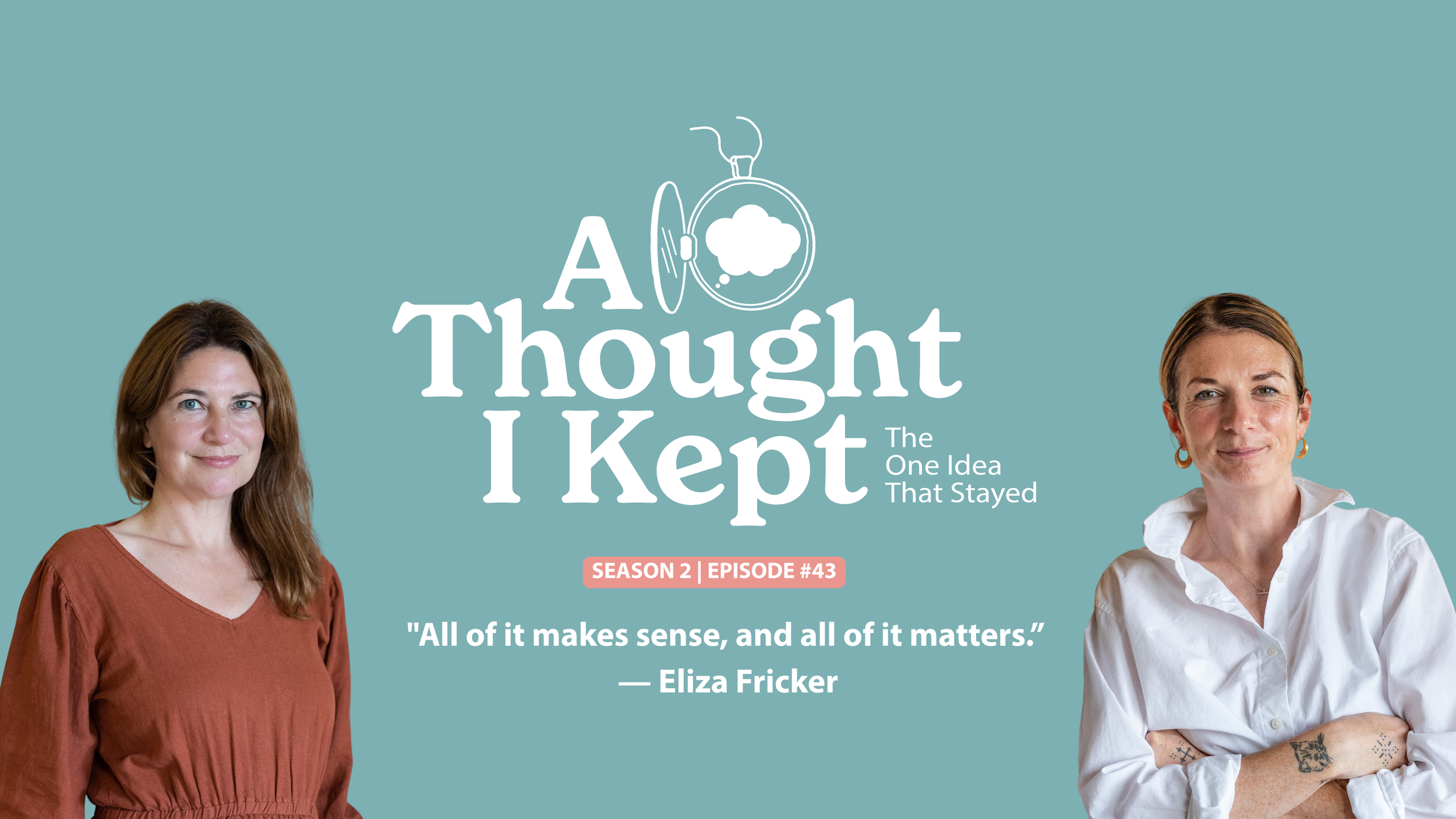
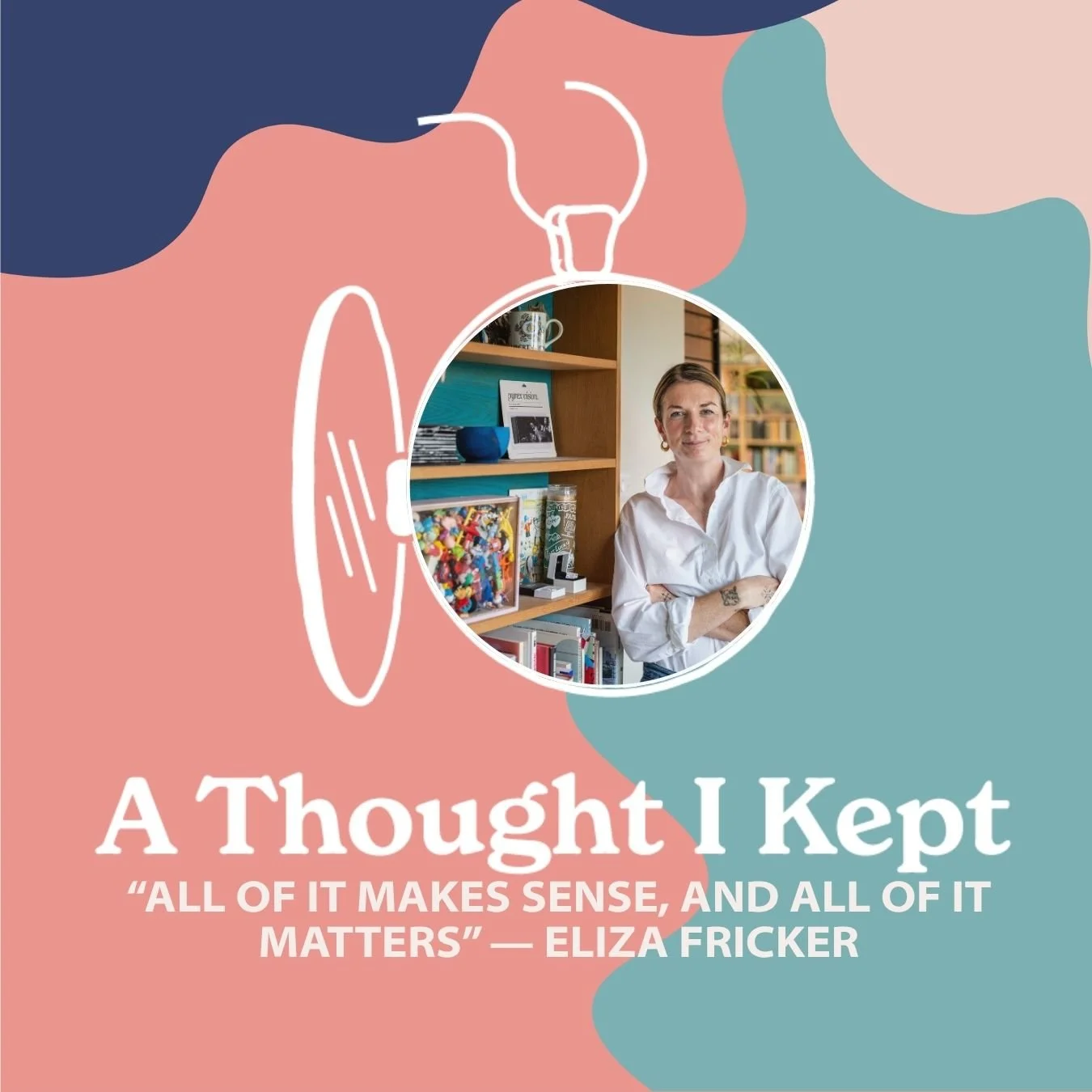
If you’re curious about unlearning, listen to my conversation with Eliza Fricker on A Thought I Kept, where she shares the thought she keeps on a Post-it: “All of it makes sense, and all of it matters.”
If you have some shoulds of your own you’re ready to rewrite, let’s talk. Learn more about our 1:1 coaching sessions.